



Kikunoi - Tokyo
Kaiseki · Minato, Tokyo
Restaurant in Tokyo, Japan
 Book with Pearl
The Read
Kyoto Kaiseki, Tokyo Address
Price
$150–200per person
Dress
Smart Casual
Why go
Kikunoi - Tokyo is a restaurant in Akasaka, Tokyo.
About Kikunoi - Tokyo
For travelers prepared to invest in a special-occasion kaiseki dinner with a firmly seasonal perspective, Akasaka Ogino and this Kyoto outpost compete for the same diner. Both hold two Michelin stars and trade in the disciplined progression of Japan's refined multi-course tradition. The difference lies in chef Ryohei Hayashi's approach: his menu rotates closely with the calendar, tracking the Japanese seasonal cycle month by month rather than simply substituting a few ingredients per quarter. If you care about tasting the height of winter citrus in February or first-spring bamboo shoots in April, the timing of your reservation matters as much as securing a seat at all.
Ryohei Hayashi's Seasonal Rotation and What to Expect on the Menu
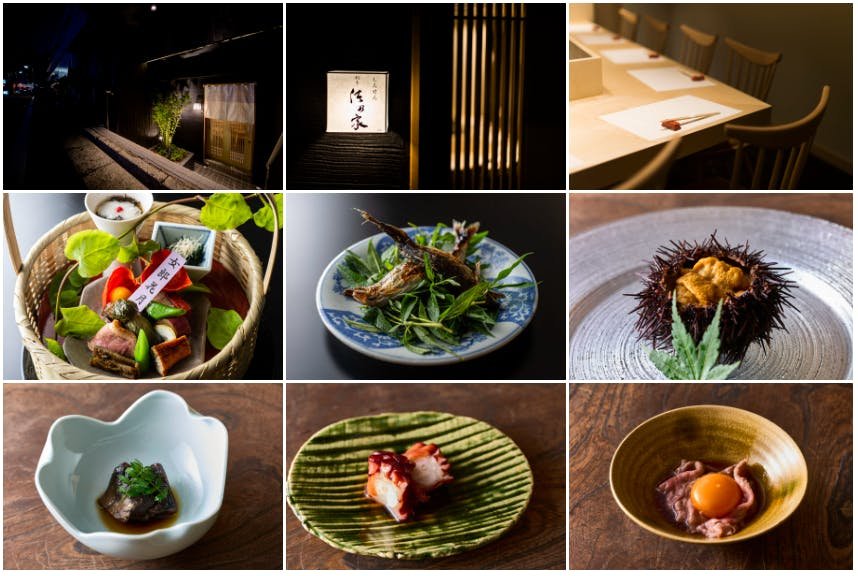
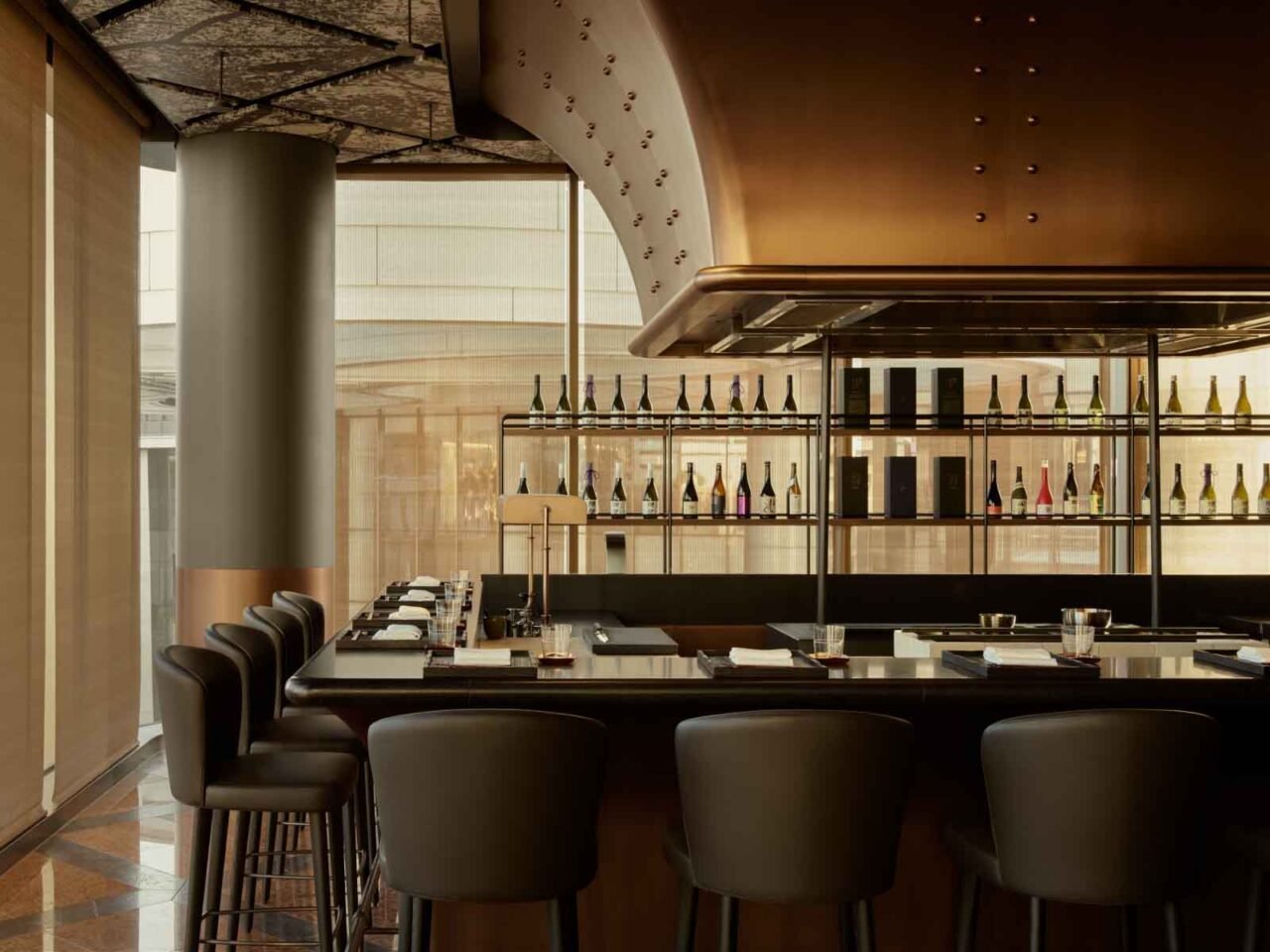
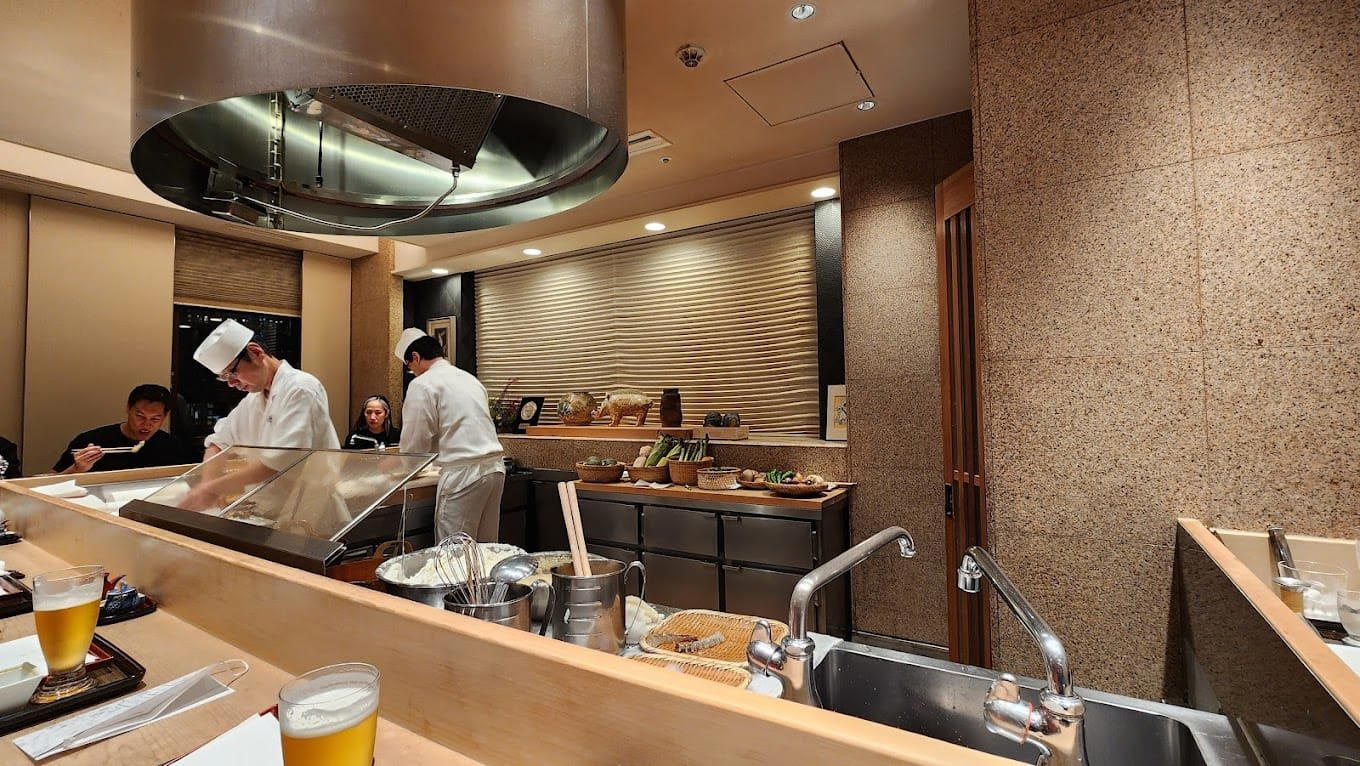
Hayashi structures each menu as a series of small, vivid courses that pivot every few weeks. Because kaiseki follows a traditional flow, sashimi, grilled fish, simmered dish, rice course, the format itself stays recognizable, but the specific fish, vegetable, or garnish shifts with what's in season. The Tabelog price bands (¥15,000–¥19,999 for lunch, ¥20,000–¥29,999 for dinner) reflect the simplest and most elaborate menus available; dinner's ¥22,000, ¥33,000, and ¥55,000 tiers (before service) scale ingredient quality and course count. Lunch often serves as the gentler introduction for first-timers, though dinner carries a fuller narrative arc. The venue emphasizes fish as its anchor, according to publicly available details, the kitchen sources with particular care, and the drink list includes sake, shochu, and wine chosen to match that seafood focus. If you prefer counter seating to watch the prep, book early and request it; the restaurant seats 50 across counters, tatami rooms, and private rooms, and counter spots fill first.
Booking, Dress Code, and Practical Timing
Expect reservations to be difficult. The venue holds two Michelin stars and appears on La Liste (84 points in 2026, 85 in 2025), the Tabelog Bronze Award roster since 2017, and Opinionated About Dining's Japan top-restaurants list. Demand peaks for dinner; you should plan three to four weeks ahead for evening slots, and even then availability is narrow. Lunch typically offers a slightly easier path but still requires advance planning. The restaurant operates Tuesday through Saturday, closing Sundays and Mondays, with lunch service 12:00–14:00 (last entry 12:30) and dinner 17:00–22:00 (last entry 19:00). Children are welcome but must dine in private rooms if under twelve, and families should book evening slots where those rooms open. The dress code bans shorts and sandals for men and requests that guests skip perfume or cologne to preserve the subtle aromas of the food. A 10–20% service charge applies on top of menu prices, so budget accordingly.
If you can't secure a table here, Tsujitome offers a similar Michelin-starred kaiseki experience with a quieter neighborhood setting and somewhat easier booking. Suzutashiki and Yamazaki both trade in the same seasonal-kaiseki format at comparable price points and award tiers. For a slightly more accessible alternative without sacrificing technical skill, consider Dal-Matto, which blends Italian technique with Japanese ingredients and tends to have more open inventory. All five occupy the same Akasaka-adjacent zone, making cross-shopping direct. For broader Tokyo dining options, explore our full Tokyo restaurants guide or check our Tokyo hotels guide for places to stay nearby.
Planning details
- Hours
- Monday: Closed · Tuesday: 12–2 pm, 5–10 pm
- Location
- 6 Chome-13-8 Akasaka, Minato City, Tokyo 107-0052, Japan
- Reservations
- Book on the venue's website
- Website
- kikunoi.jp
- Phone
- +81 3-3568-6055
The take
The Take
The Vibe
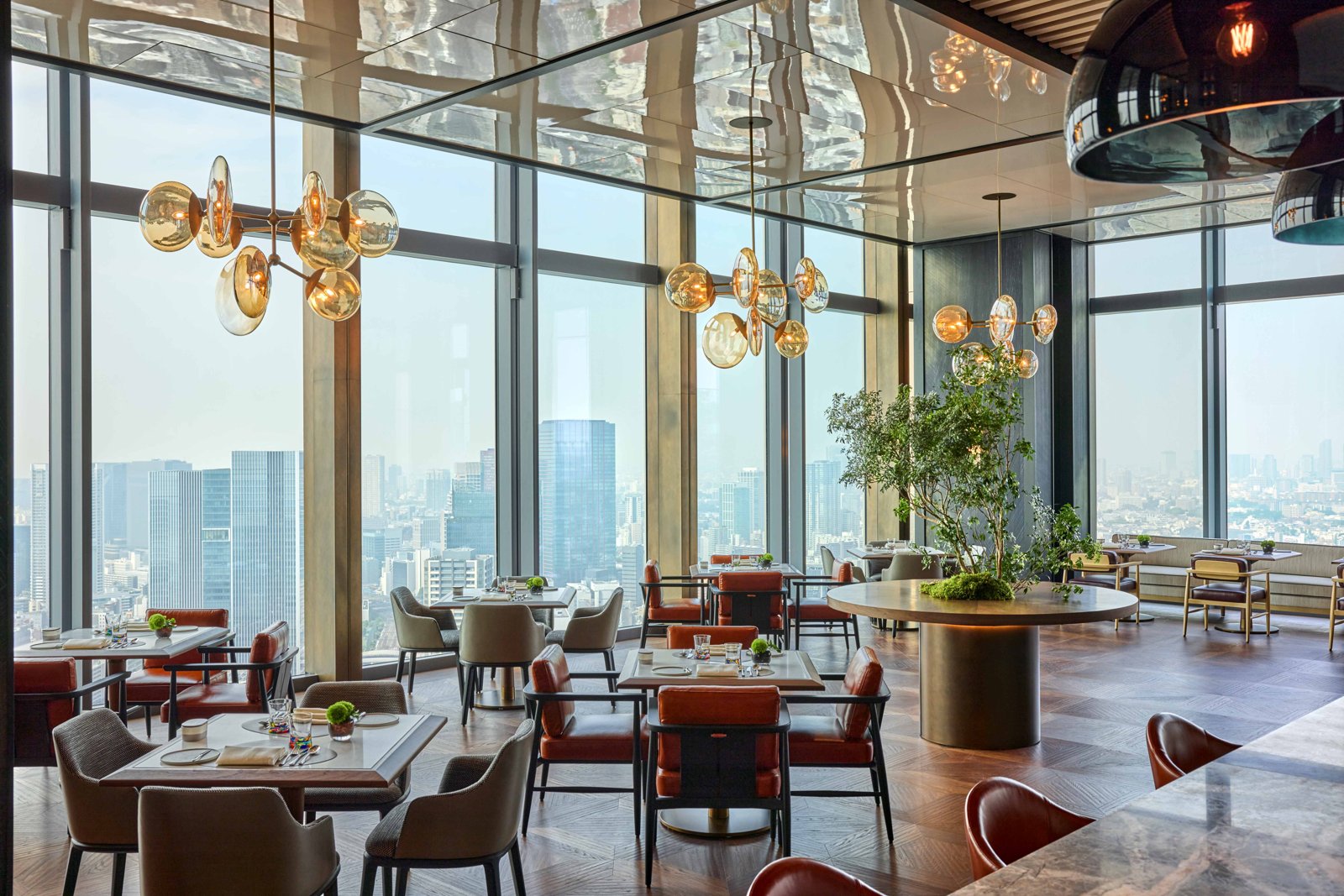
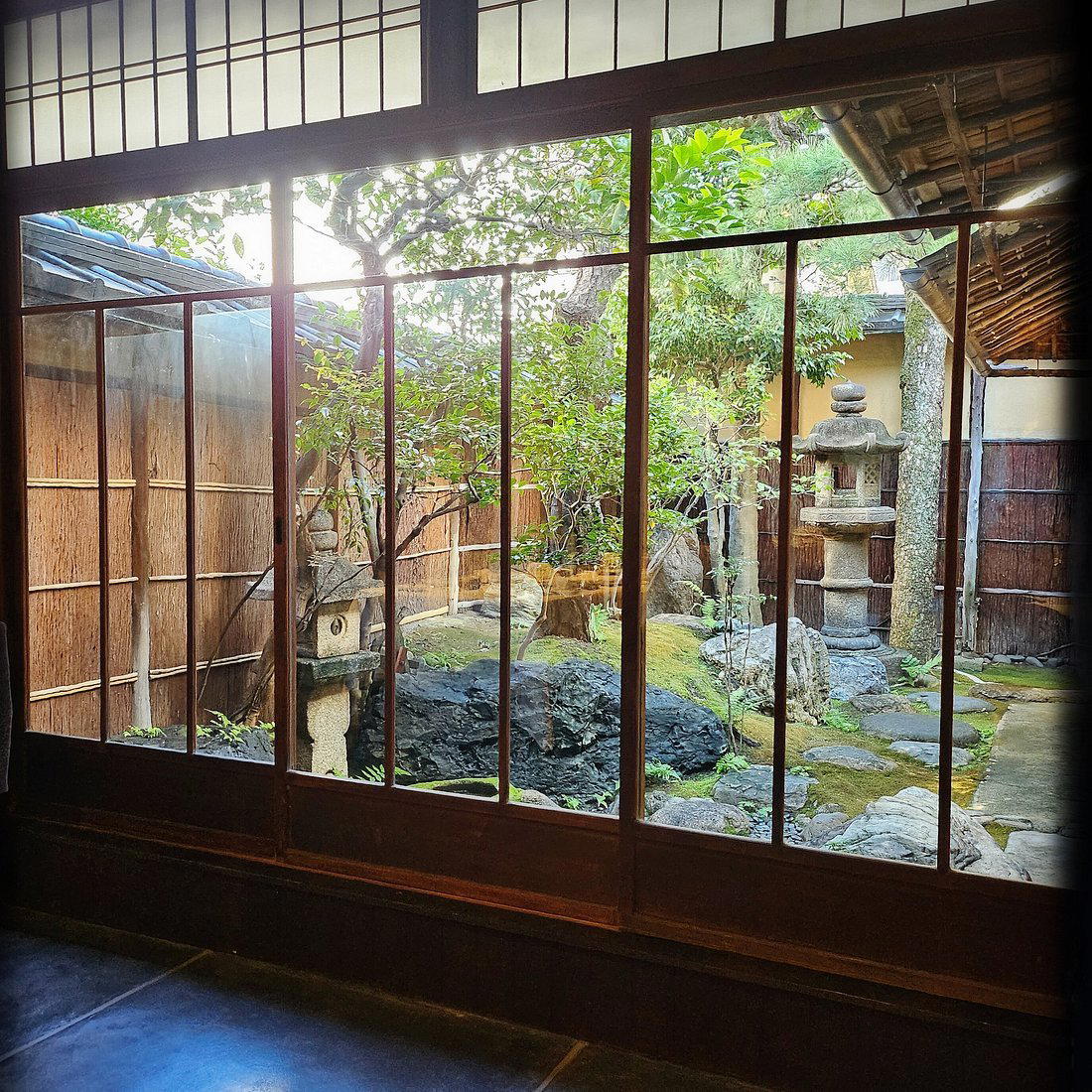
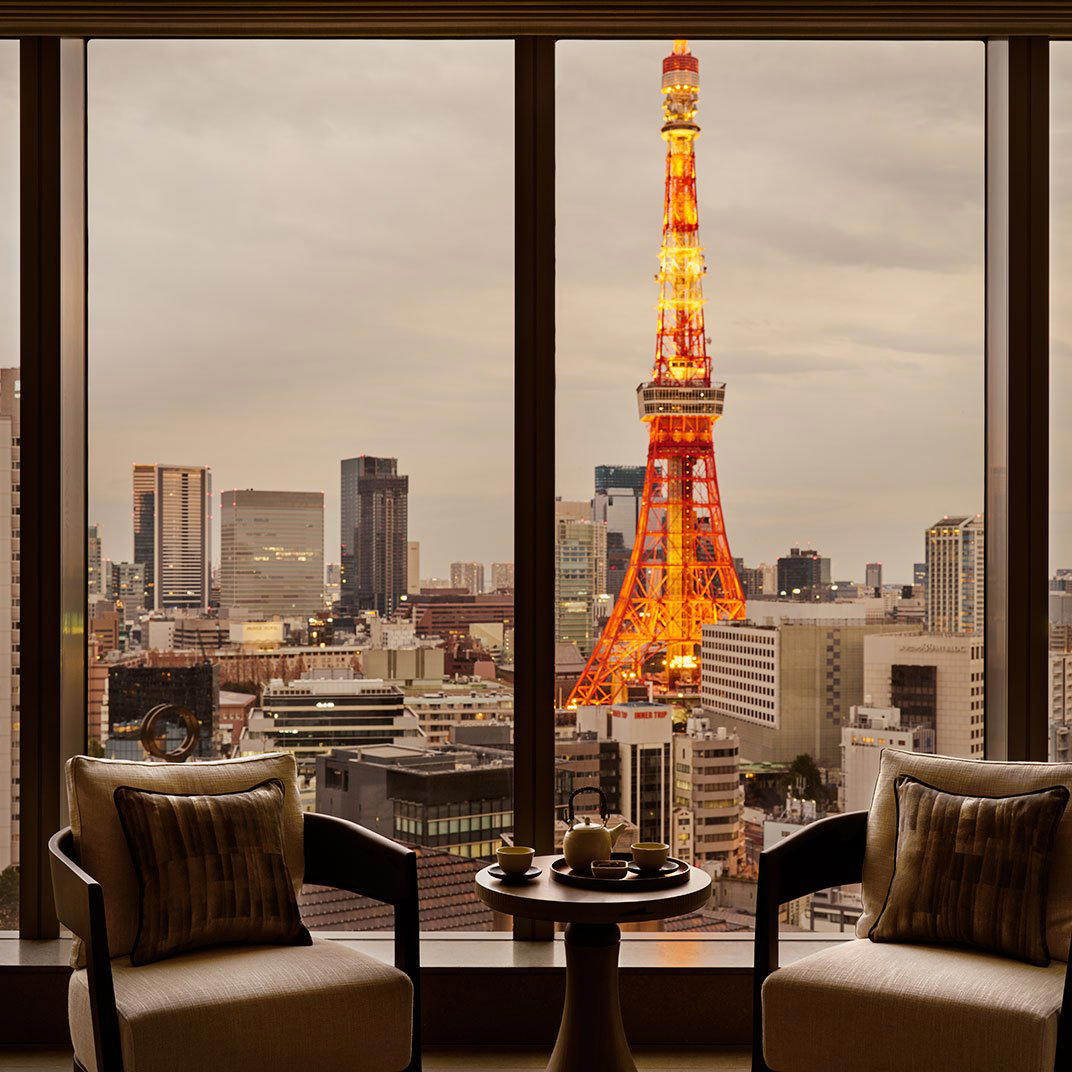
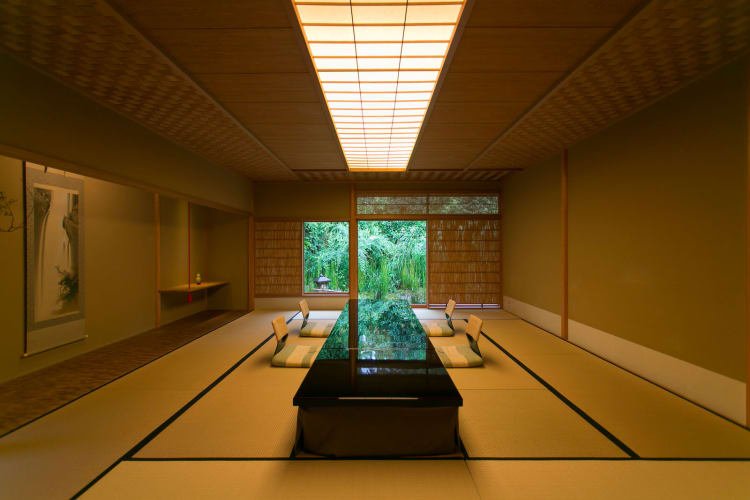
Kikunoi Akasaka transplants Kyoto's measured kaiseki manner to Tokyo with a strict, serene choreography. From the cobblestone path bordered by bamboo to the sukiya architecture, the room design and rituals announce a restrained, formal practice rather than theatrical innovation. Guests encounter Kyoto's greeting protocols and seasonal symbolism immediately; interiors favor quiet, slow-paced service and an enveloping ryotei-style formality. The option to sit at the counter or in a tatami room reinforces that sense of provenance: whether observing the cook's rhythm or surrendering to a traditional sitting, the experience privileges ritual, seasonal detail and a calm, historic atmosphere.
Best For
This is a destination for formal kaiseki dinners and moments that call for ceremonial attention. Kikunoi operates in a classical Kansai register (seasonally structured, ritualized and refined) making it a natural fit for special occasions and business dinners where discretion and composure matter. Its placement in Akasaka and recognition (two Michelin stars in the 2026 guide and multiple Tabelog awards) position it at the upper tier of Tokyo's traditional dining scene; guests come prepared for a multi-course, seasonally driven service rather than a casual outing.
Ordering Tips
Choose your seating to shape the evening: reserve the counter if you want the observational kappo experience and to watch preparations unfold; select a tatami room when you prefer the enveloping formality of a ryotei sitting. Expect a classical kaiseki sequence centered on seasonal ingredients and strict pacing: the kitchen emphasizes formalism over experimental departures. Because the restaurant foregrounds ceremony and seasonality, let the house guide the progression of courses rather than asking for ad hoc substitutes; the structure is part of the point.
Venue details
Ambiance
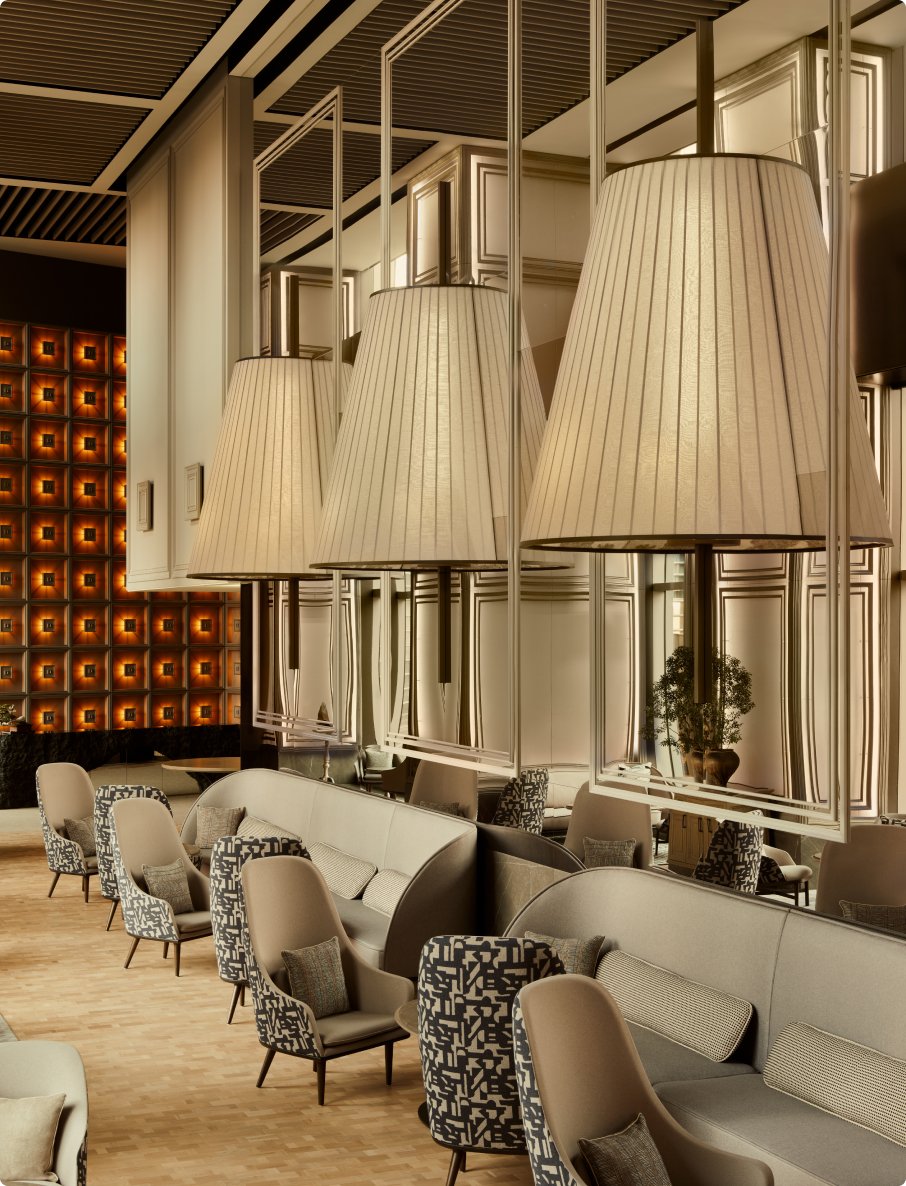
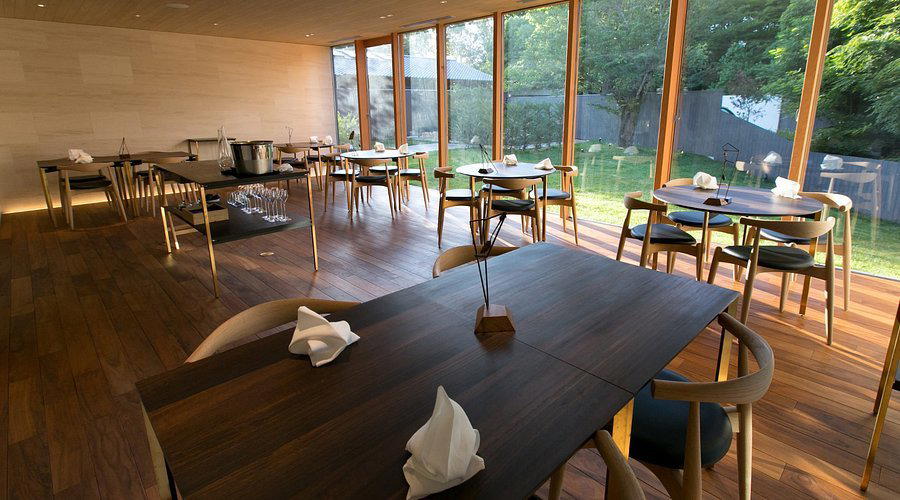
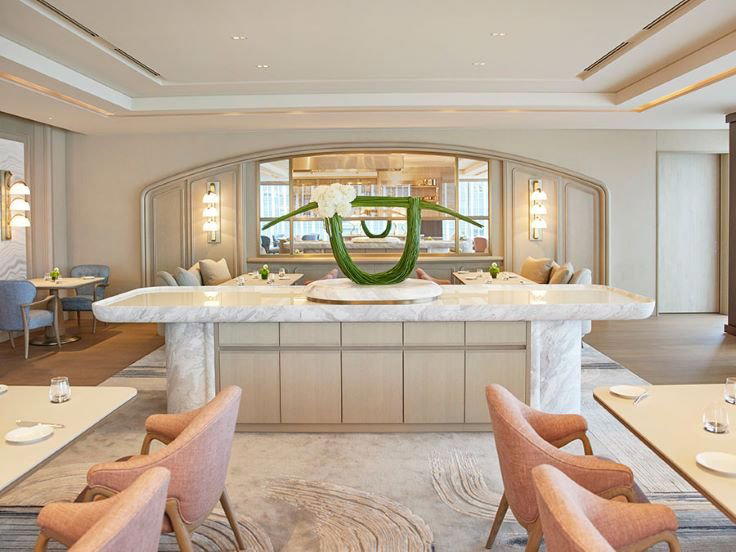
Quiet and elegant atmosphere with unhurried dining, counter seating for watching chefs, or private rooms offering traditional Japanese hospitality.
Tags
Vibe
Best For
At the Table
- Dress Code
- Smart Casual
- Noise Level
- Quiet
- Service Style
- Formal
- Meal Pacing
- Leisurely
- Capacity
- Intimate
- Kitchen
- Seasonal
- Menu Format
- Tasting menu
- Dietary
- Vegetarian friendly
- Private Dining
- Available
Know before you go
Know Before You Go
- Getting there
- 6 Chome-13-8 Akasaka, Minato City, Tokyo 107-0052, Japan
Planning details
Hours
- Monday
- Closed
- Tuesday
- 12–2 pm, 5–10 pm
- Wednesday
- 12–2 pm, 5–10 pm
- Thursday
- 12–2 pm, 5–10 pm
- Friday
- 12–2 pm, 5–10 pm
- Saturday
- 12–2 pm, 5–10 pm
- Sunday
- Closed
Location
6 Chome-13-8 Akasaka, Minato City, Tokyo 107-0052, Japan · Directions
Recognition and awards


Also consider
Also Consider
- Akasaka Ogino, Kaiseki, Kaiseki
- Tsujitome, Kaiseki, Kaiseki
- Suzutashiki, Kaiseki, Kaiseki
- Yamazaki, Kaiseki, Kaiseki
- Dal-Matto, Kaiseki, Kaiseki
Restaurant context
Against Akasaka Ogino, this venue offers a similar price tier (both land in the ¥20,000–¥30,000 dinner range for mid-level menus) and the same two-star Michelin distinction, but Ogino's kitchen leans slightly more toward contemporary plating while Hayashi holds closer to Kyoto tradition. If you want the purer Kyoto kaiseki experience in Tokyo, book here; if you prefer a bit more visual flair on the plate, Ogino edges ahead. Tsujitome is the easier reservation, still Michelin-starred, quieter neighborhood, fewer international bookings, and costs roughly the same, making it the better fallback if you can't secure a spot here. Suzutashiki and Yamazaki both trade in the same seasonal kaiseki format and occupy a similar price band, so they serve as direct substitutes if your preferred date is unavailable.
Dal-Matto is the outlier: it applies Italian technique to Japanese ingredients, which makes it less traditional but easier to book and slightly more flexible for diners who find strict kaiseki pacing too formal. If you care deeply about tracking the seasonal calendar and want the Kyoto-kaiseki rigor, this venue is the clearest choice among the five. If you want comparable technique with a bit more availability, start with Tsujitome. If kaiseki formality feels restrictive, Dal-Matto offers a lighter, more spontaneous meal at a similar investment.
Explore Tokyo
Around this place
Discover more on Pearl
Unlock the full Kikunoi - Tokyo guide in Pearl, including awards, comparisons, FAQs, planning details, and nearby places.
FAQ
Frequently Asked Questions
Is Kikunoi - Tokyo good for a special occasion?
Yes, two Michelin stars, La Liste recognition (84 points in 2026), and Tabelog Bronze status signal serious occasion territory. Private rooms accommodate 2 to 20 guests, and the sommelier team can arrange sake pairings. Men should note the no-shorts, no-sandals dress code, and perfume is discouraged to preserve aroma clarity.
What should I order at Kikunoi - Tokyo?
Kikunoi offers set kaiseki menus only, no à la carte. Lunch runs ¥14,300 to ¥22,000 (before service charge); dinner spans ¥22,000 to ¥55,000. Each menu rotates every few weeks to match the season, so course selection is in chef Ryohei Hayashi's hands. Ask staff about sake pairings if you want guidance beyond the included tea.
How far ahead should I book Kikunoi - Tokyo?
Book at least three weeks out for dinner; lunch tends to release more slots but still fills quickly. Two Michelin stars and La Liste placement mean demand is high year-round. If you can't secure a table, check alternatives like Tsujitome or Yamazaki, which operate at similar levels with slightly less international hype.
What should I wear to Kikunoi - Tokyo?
Men must avoid shorts and sandals; collared shirts and trousers are the minimum. Women face no explicit restrictions but should dress for a formal kaiseki setting. Perfume and cologne are actively discouraged, the kitchen wants you to smell each course cleanly.
What are alternatives to Kikunoi - Tokyo in Tokyo?
Tsujitome delivers a tighter, more intimate kaiseki experience at a similar price point, while Yamazaki emphasizes seasonal ingredients with less Kyoto formality. Akasaka Ogino sits nearby and offers contemporary Japanese touches if you want to stray from pure tradition. For Kyoto-style kaiseki at lower pressure, try Suzutashiki.
Is lunch or dinner better at Kikunoi - Tokyo?
Lunch offers the same Kyoto-style technique at ¥14,300–¥22,000, roughly half the top dinner tariff (¥55,000). Dinner brings more courses and fuller sake selection, but the cooking philosophy stays identical. If you're price-sensitive or want to test the format before committing to dinner, book lunch.