


Ninshurou
Chinese · Kita, Kyoto
Restaurant in Kyoto, Japan
 Book with Pearl
The Read
Residential Cantonese Counter
Price
$150–200per person
Chef
Makoto Ueoka
Dress
Smart Casual
Why go
Ninshurou is an eight-seat Cantonese counter in Kyoto's Kita Ward, running a single omakase format (JPY 30,000–39,999) with traditional Guangdong preparations—braised abalone, roast suckling pig, double-boiled soups—using Japanese seasonal produce. Tabelog Gold 2024–2026 and La Liste 95pts signal consistent execution, but the reservation-only, dinner-only, counter-only setup suits diners seeking technique over flexibility.
About Ninshurou
Ninshurou is a Chinese restaurant in Kyoto led by chef-owner Makoto Ueoka. public details for the venue are limited, so the most reliable way to frame a visit is straightforward: this is a Kyoto Chinese dining room with evening hours and a smart casual dress code, not a place where Pearl can confirm a specific seat count, menu format, price, dish list, reservation method, or neighborhood address.
The confirmed schedule is dinner-only in the sense that the listed operating window is 6–8 PM on Monday, Tuesday, Thursday, Friday, Saturday, and Sunday, with Wednesday closed. Beyond that, avoid assuming a particular counter setup, tasting-menu structure, beverage program, or award status unless the restaurant confirms it directly when you book.
What the Restaurant Delivers
Ninshurou’s cuisine is Chinese, and Makoto Ueoka is the confirmed chef-owner. Specific dishes, sourcing claims, room layout, service style, and menu structure are not here, so diners should treat the restaurant as a focused Chinese option in Kyoto rather than relying on unconfirmed descriptions of a fixed course, counter-only experience, or signature preparations.
Smart casual dress is expected. Other etiquette details, including fragrance policies, arrival rules, seating arrangements, and accommodation requests, should be confirmed directly with the restaurant before visiting.
Booking and Timing
Ninshurou is open Monday, Tuesday, Thursday, Friday, Saturday, and Sunday from 6–8 PM, and it is closed on Wednesday. No lunch hours are listed. Because the confirmed window is narrow, plan around an evening meal and check directly with the venue for current reservation procedures, availability, and any changes to the schedule.
For other Chinese dining to compare with Ninshurou, Kyochuka Makisada is an comparable venue reference.
Do not plan around an asserted lunch service, fixed price, seat count, or ranking for Ninshurou; those details are not in the available data. For broader planning, Saika and Izuju are also comparable venue references, and you can check our full Kyoto restaurants guide for side-by-side Kyoto dining options.
The location detail for Ninshurou is Kyoto. A specific street address, ward, transit stop, parking situation, or nearby landmark is not confirmed here, so use the restaurant’s current official directions when planning transport. If you are arranging accommodation, Kyoto's hotel districts may be useful for general trip planning.
Book Ninshurou if you are looking for a Chinese restaurant in Kyoto from chef-owner Makoto Ueoka and are comfortable confirming the practical details directly. If you need guaranteed information on price, seating, menu format, accessibility, or dietary accommodations before committing, contact the restaurant first.
Planning details
- Location
- Japan, 〒603-8433 Kyoto, Kita Ward, Shichiku Kitakurisucho, 2−12
- Reservations
- Book on the venue's website
- Website
- ninshurou.jp
- Phone
- +81 75-366-8843
The take
The Take
The Vibe
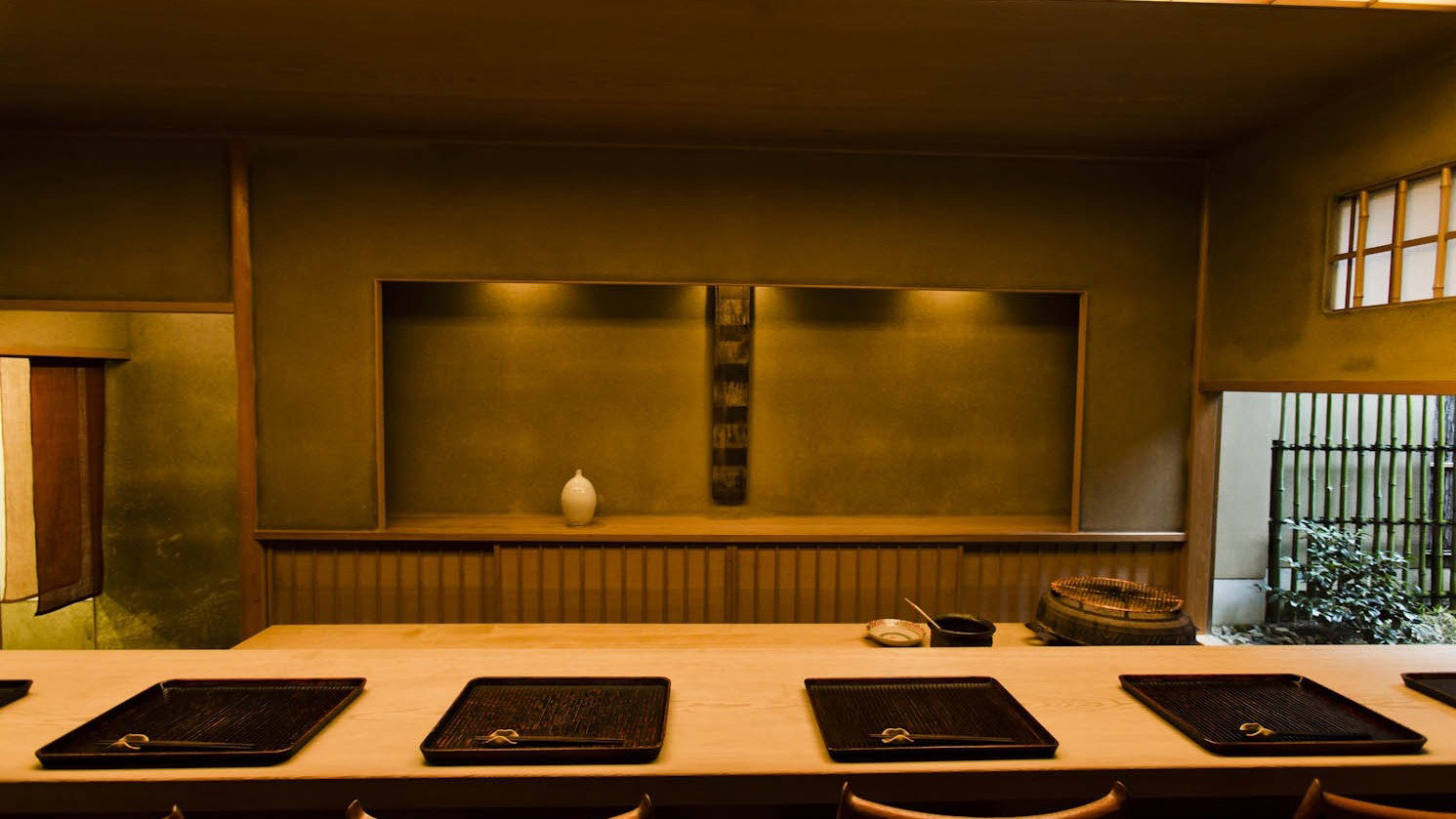
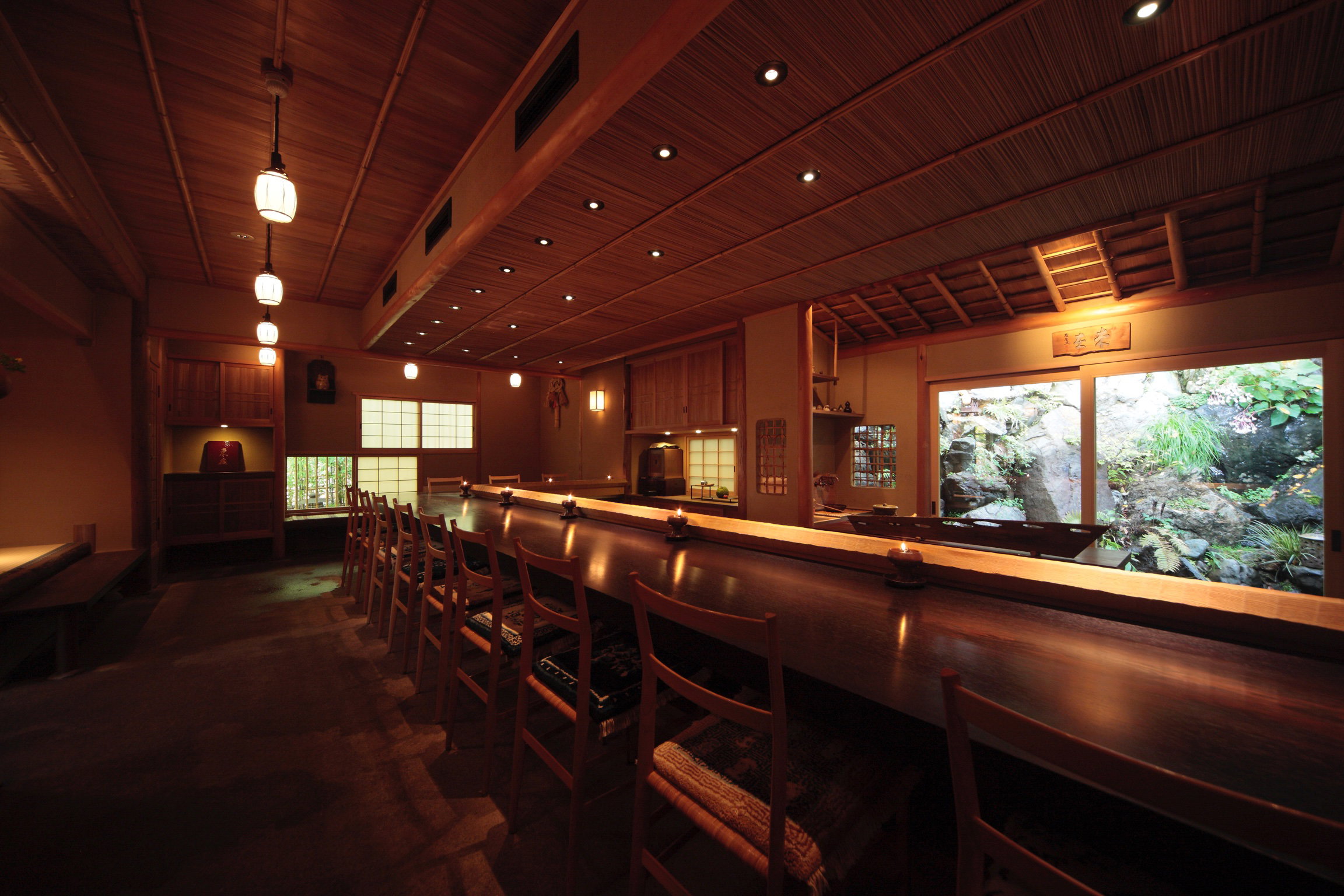
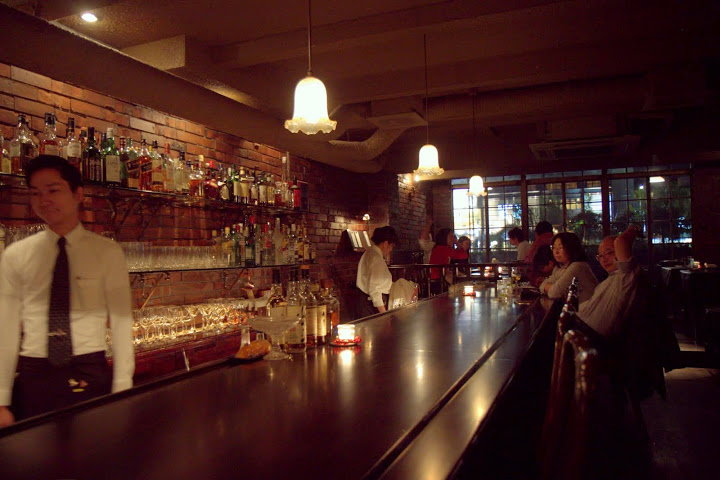
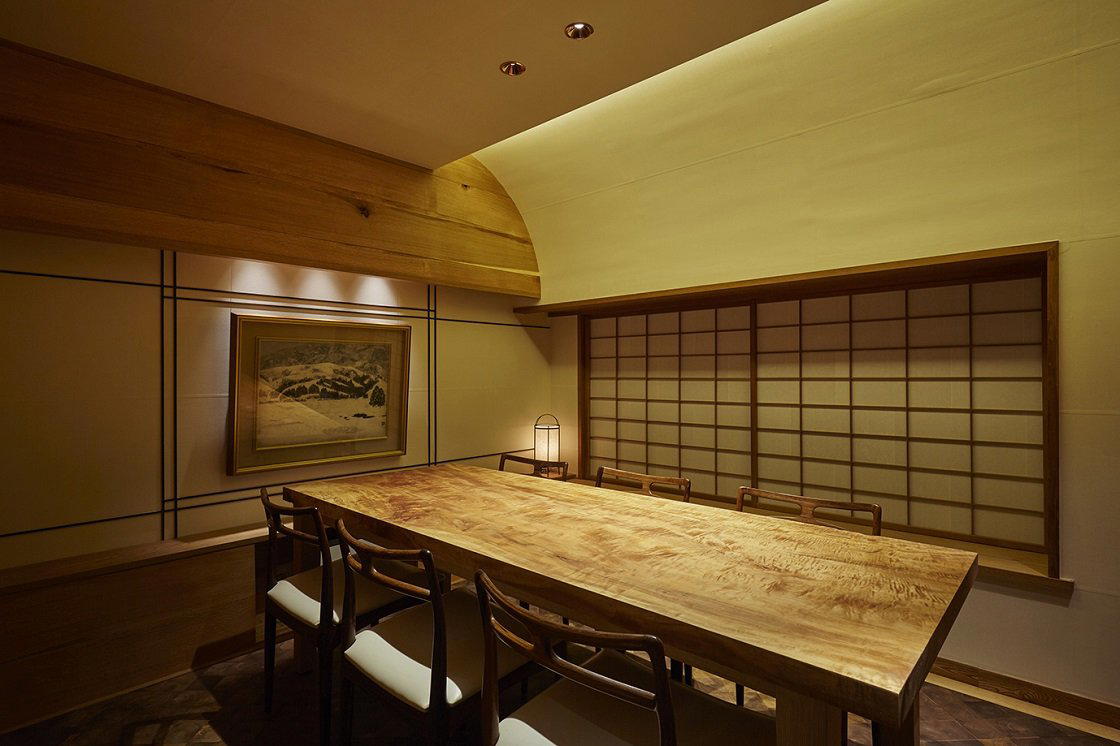
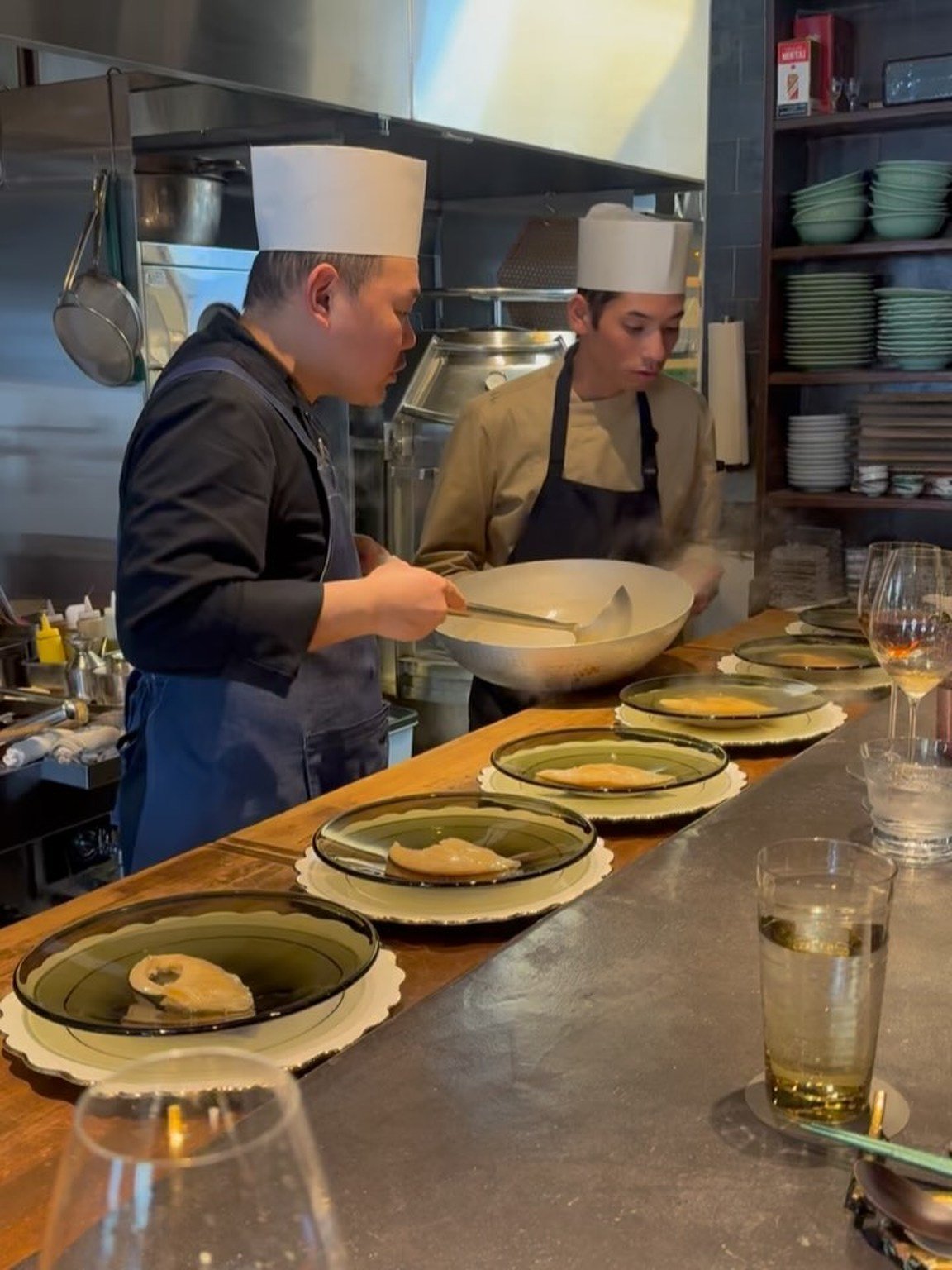
Ninshurou reads like a deliberate hideout: low on street presence and high on precision. The dining room is a compact, eight-seat counter where all guests face the kitchen, and the chef stages Cantonese cooking within the language of Japanese fine-dining. The result feels quietly intense rather than theatrical — an intimate, highly curated experience that prizes timing, technique, and focus over spectacle. Because it sits in a residential pocket of Kita Ward rather than Kyoto’s tourist corridors, Ninshurou projects the calm, low-visibility confidence of an awarded house restaurant that rewards discovery.
Best For
This is a restaurant tailored to intimate, occasion-driven meals rather than large groups. With only eight counter seats and no overflow or private rooms, Ninshurou suits couples or small parties who want a concentrated tasting experience. The format aligns with date nights and celebrations where the meal itself is the focus: courses are presented in sequence, with the chef serving directly in front of guests. It isn’t suitable for banquet-style dining or big family gatherings, and guests should expect a communal, counter-focused rhythm for the entire service.
Ordering Tips
Expect a counter-driven, multi-course progression timed to the entire eight-seat service; dishes are sequenced by the chef rather than ordered à la carte per table. Highlights include signature items such as Shanghai crab, crispy roasted pork belly, smoked pigeon with jasmine rice, and Singapore-style chili lobster—prioritize those if offered during your seating. Because every seat faces the kitchen and courses are coordinated for the counter as a whole, plan to be present for the full service and treat the meal as a curated tasting rather than a series of independent orders.
Venue details
Ambiance
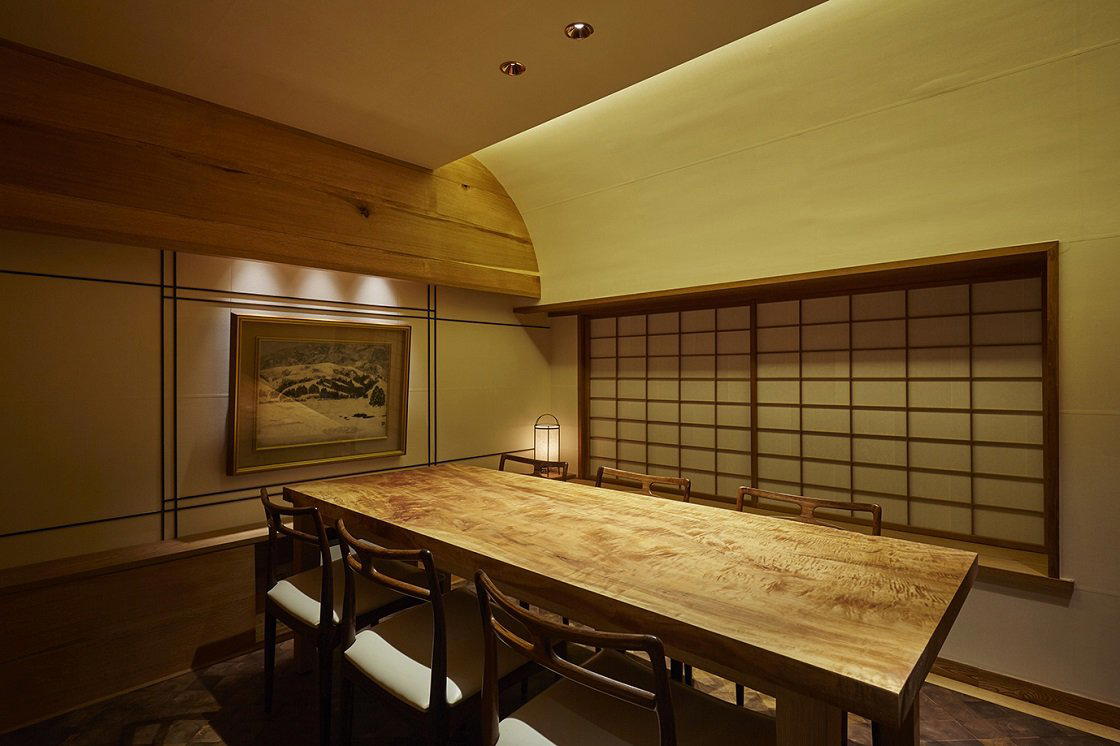
Serene and minimalist with black tiled walls, jet-black counter kitchen, softly-lit lanterns, and a small garden glimpsed through a round window; the atmosphere evokes ritual and reverence with controlled elegance and tranquil presence.
Tags
Vibe
Best For
Experience
Sourcing
View
At the Table
- Dress Code
- Smart Casual
- Noise Level
- Quiet
- Service Style
- Formal
- Meal Pacing
- Extended Experience
- Capacity
- Intimate
- Kitchen
- Modern
- Menu Format
- Tasting menu, Counter dining, Set menu
- Drinks Focus
- Chinese tea, Sake
Signature Dishes
- Shanghai crab
- crispy roasted pork belly
- smoked pigeon with jasmine rice
- braised shark fin with jade sauce
- Singapore-style chili lobster
- claypot rice with crispy scorched rice
Know before you go
Know Before You Go
- Getting there
- Japan, 〒603-8433 Kyoto, Kita Ward, Shichiku Kitakurisucho, 2−12
Planning details
Location
Japan, 〒603-8433 Kyoto, Kita Ward, Shichiku Kitakurisucho, 2−12 · Directions
Recognition and awards


Also consider
Also Consider
- YI PAN CAI TANAKA, Chinese, ¥¥
- Taiho, Chinese, ¥
- Kyochuka Makisada, Chinese, ¥¥¥
- Saika, Chinese, Chinese
- Izuju, Chinese, Chinese
Restaurant context
Ninshurou operates at the top of Kyoto's Chinese dining price tier, delivering Cantonese omakase at JPY 30,000–39,999 with no à la carte flexibility. YI PAN CAI TANAKA offers better value if you want to control your spend, expect JPY 10,000–20,000 for a multi-course meal with order flexibility, and you can walk in on quieter nights. Taiho sits even lower (under JPY 10,000) and accepts walk-ins, making it the easiest fallback if Ninshurou is fully booked or the fixed menu doesn't appeal.
For a splurge-tier Chinese experience with private room options, Kyochuka Makisada runs at JPY 40,000+ and accommodates larger groups with tableside service. If you're celebrating or need conversation space, that's the better pick. Saika and Izuju both serve Chinese cuisine in Kyoto but lack the Tabelog Gold pedigree and tend toward more casual formats, check their pages for current pricing and availability.
Book Ninshurou if Cantonese technique and Tabelog recognition justify the fixed omakase commitment. If you want flexibility, lower cost, or easier booking, start with YI PAN CAI TANAKA or Taiho and move up only if those don't satisfy.
Explore Kyoto
Around this place
Discover more on Pearl
Unlock the full Ninshurou guide in Pearl, including awards, comparisons, FAQs, planning details, and nearby places.
FAQ
Frequently Asked Questions
What should I order at Ninshurou?
Ninshurou is as a Chinese restaurant in Kyoto, but specific dishes, menu format, and ordering structure are not confirmed in the supplied facts. Check directly with the restaurant for the current menu.
What should I wear to Ninshurou?
Smart casual dress is recommended. Other etiquette details are not here, so confirm any specific requests with the restaurant before visiting.
Can I eat at the bar at Ninshurou?
The supplied facts do not verify whether Ninshurou has bar, counter, table, or private-room seating. Ask the restaurant directly if seating style matters for your visit.
Is lunch or dinner better at Ninshurou?
The hours are 6–8 PM on Monday, Tuesday, Thursday, Friday, Saturday, and Sunday. Ninshurou is closed on Wednesday, and no lunch hours are listed.
Is Ninshurou good for solo dining?
What should a first-timer know about Ninshurou?
Ninshurou is a Chinese restaurant in Kyoto led by chef-owner Makoto Ueoka. The hours are 6–8 PM every day except Wednesday, and the dress code is smart casual. Confirm price, reservations, menu format, and seating directly before you go.