

Kyochuka Makisada
Chinese · Nakagyō, Kyoto
Restaurant in Kyoto, Japan
 Book with Pearl
The Read
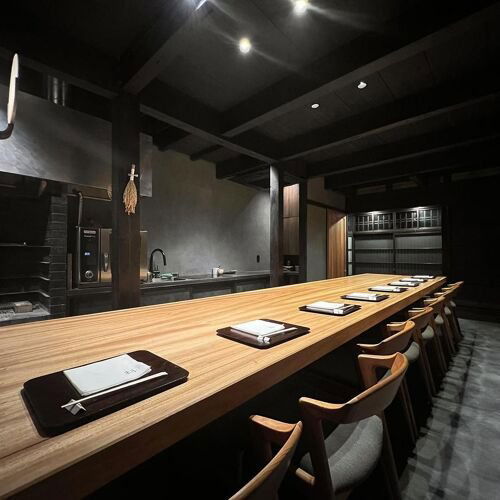
Family-Run Counter Spectacle
Price
¥¥¥
Dress
Smart Casual
Why go
A family-run Chinese restaurant in central Kyoto with back-to-back Michelin Plate recognition (2024–2025), Kyochuka Makisada fills a gap that most visitors never think to look for. The counter seats, facing an active kitchen, are the reason to book; particularly for the Peking duck. At ¥¥¥ with easy reservations, it is the most practical high-quality Chinese option in a city dominated by kaiseki.
About Kyochuka Makisada
Should You Book Kyochuka Makisada?
If you have been to Kyochuka Makisada once, a return visit will confirm what the first trip suggested: almost nothing here changes, that is entirely the point. The family-run rhythm, the counter seats angled toward the kitchen, the Peking duck arriving with its familiar sizzle; these are fixed coordinates. For a special occasion dinner in Nakagyo Ward that sits outside Kyoto's default kaiseki circuit, this is one of the most convincing arguments in the neighbourhood.
The Restaurant
Kyochuka Makisada occupies a specific and underserved niche in Kyoto's dining map: serious Chinese cooking, done by a family with a documented lineage in the craft. The elder brother runs the kitchen; the younger handles the room. Their father, himself a Chinese restaurant chef, wrote the sign beside the shop curtain as a gift when the brothers opened; the name fusing the characters shared by both siblings. That detail is not background colour; it is the operating principle. The restaurant functions as a family project with long-term intentions, not a trend-chasing concept.
Kyoto's restaurant identity is so thoroughly shaped by kaiseki and Japanese washoku traditions that a Chinese restaurant holding Michelin recognition here carries a different weight than it would in Tokyo or Osaka. The city has very few Chinese venues operating at this tier, which means Kyochuka Makisada fills a gap that most visitors to Kyoto do not even know exists. If you are spending several nights in the city and want a dinner that sits outside the standard kaiseki progression, this is the most practical alternative at the ¥¥¥ price range, comparable in cost to cenci, the Italian option nearby, but offering something harder to replicate elsewhere in Kyoto.
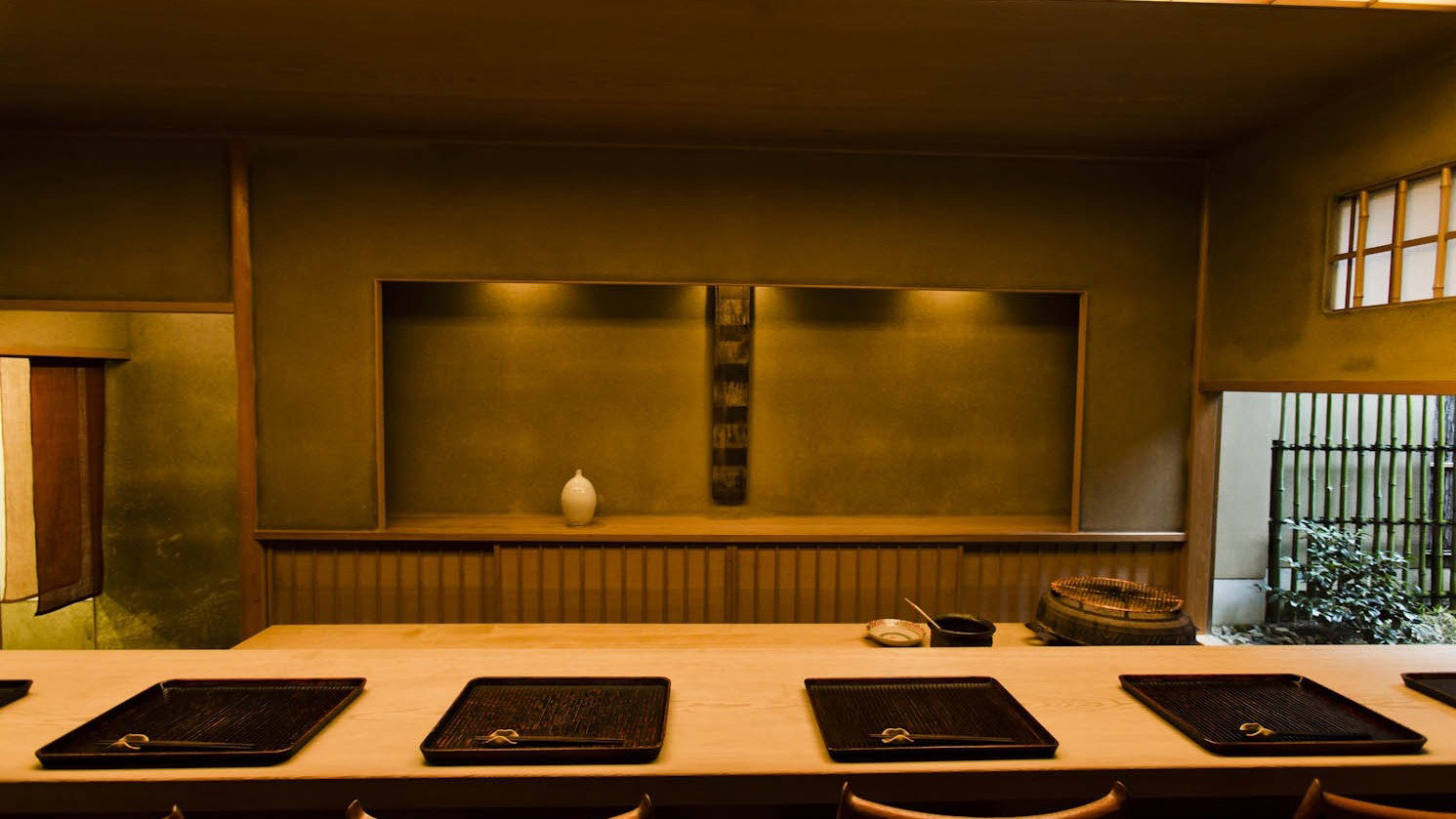
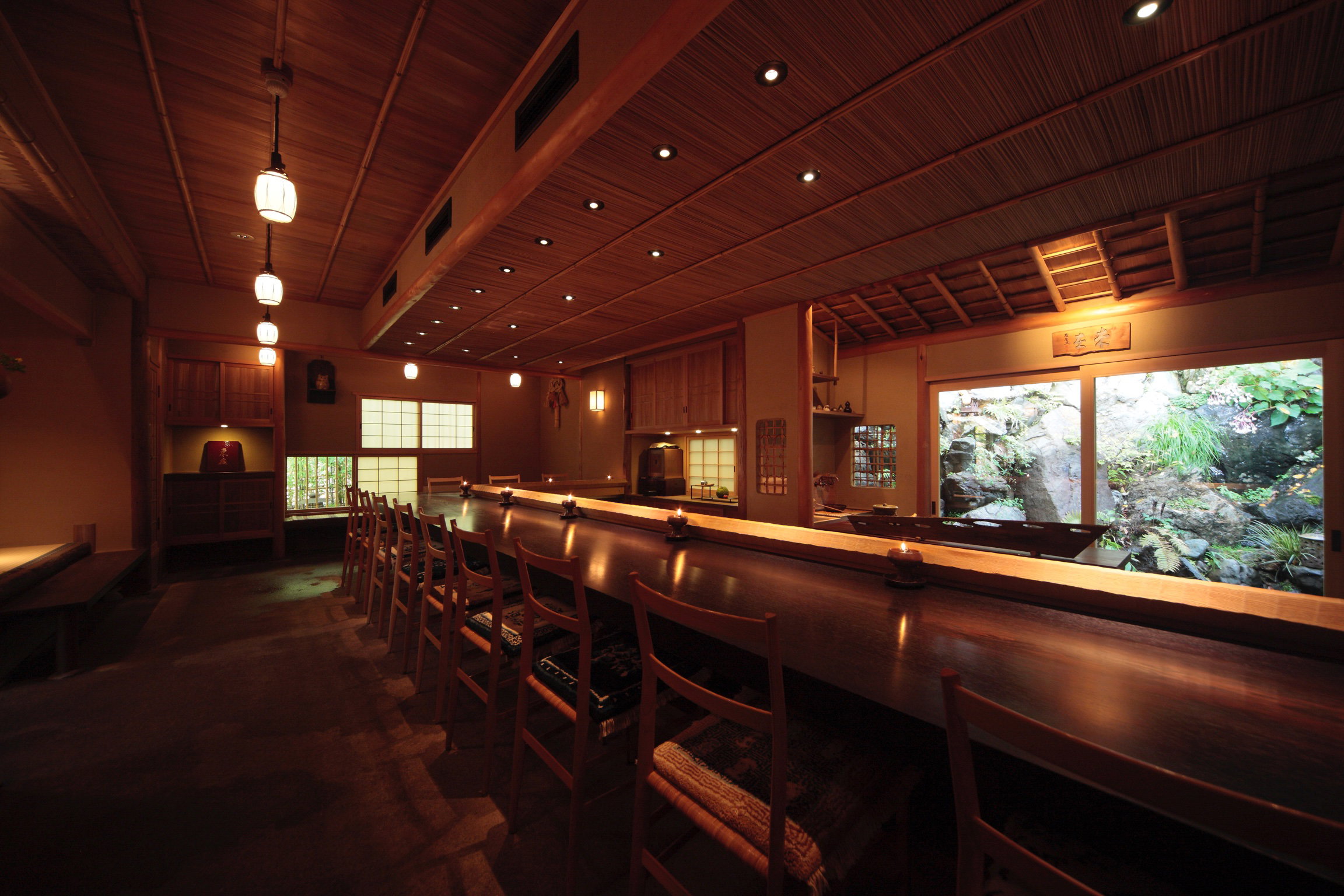
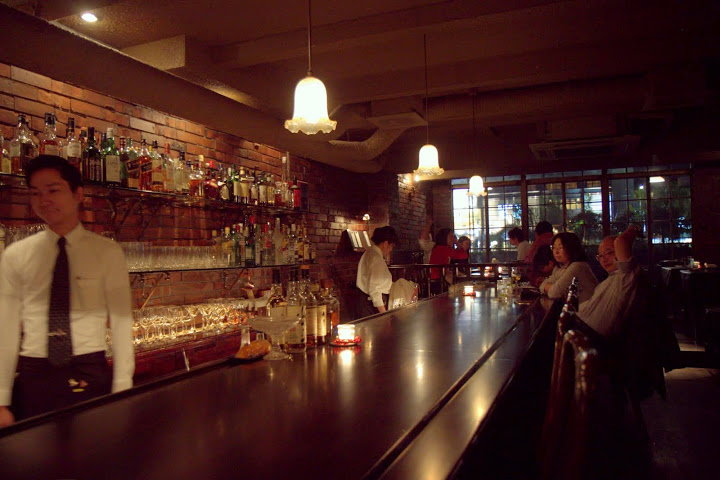
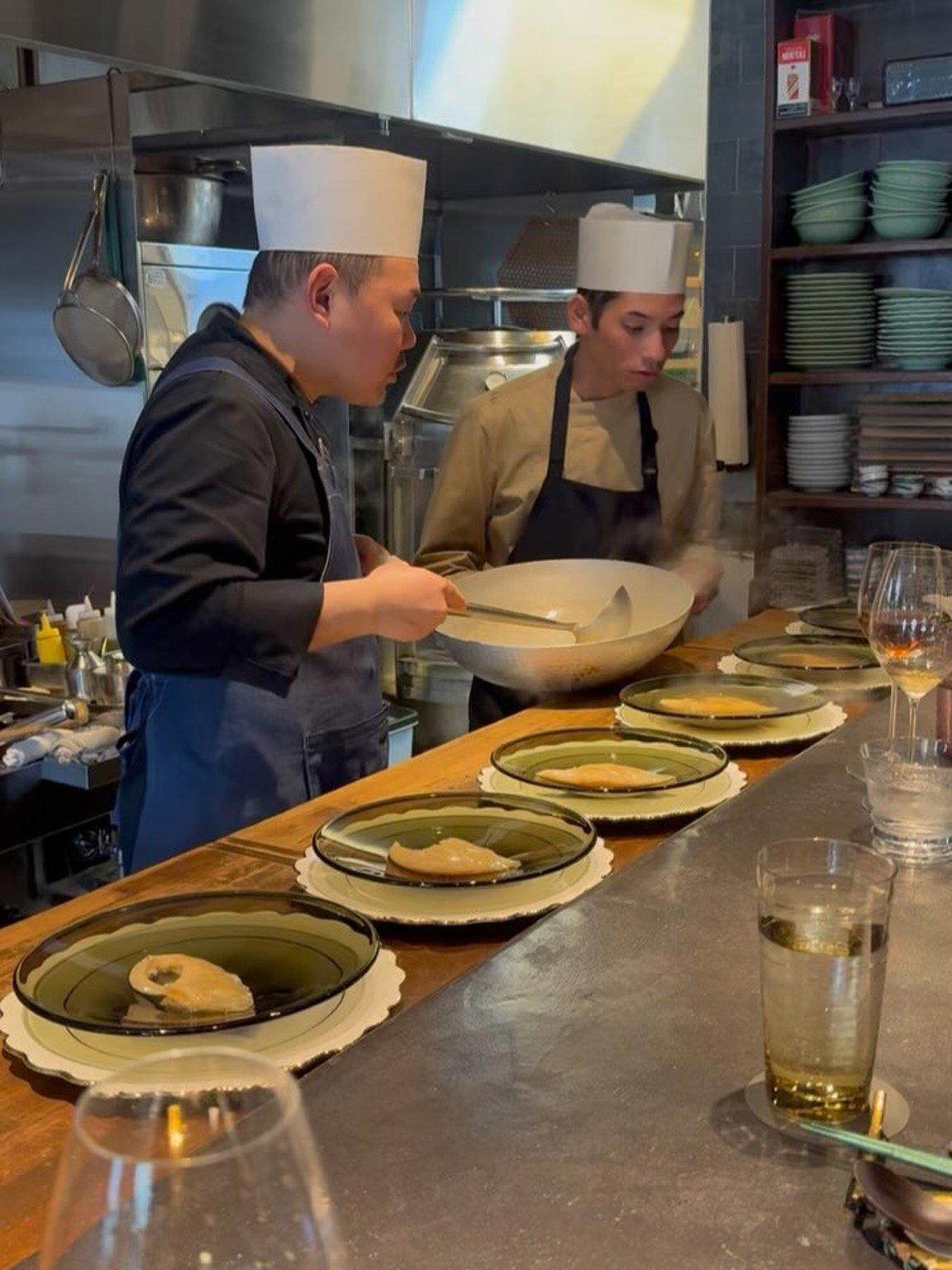
The counter is the seat to request. Watching the kitchen work, particularly the preparation of Peking duck, which arrives to the table with an audible sizzle, is the clearest expression of what the restaurant is doing. The energy at the counter is active rather than hushed; this is not the meditative quiet of a kaiseki room. There is real heat and motion visible from those seats, the sound level reflects that. For a date or a celebration dinner where atmosphere matters, the counter offers a more involving experience than a standard table. For a business meal where conversation needs to carry, a table position away from the kitchen may be preferable.
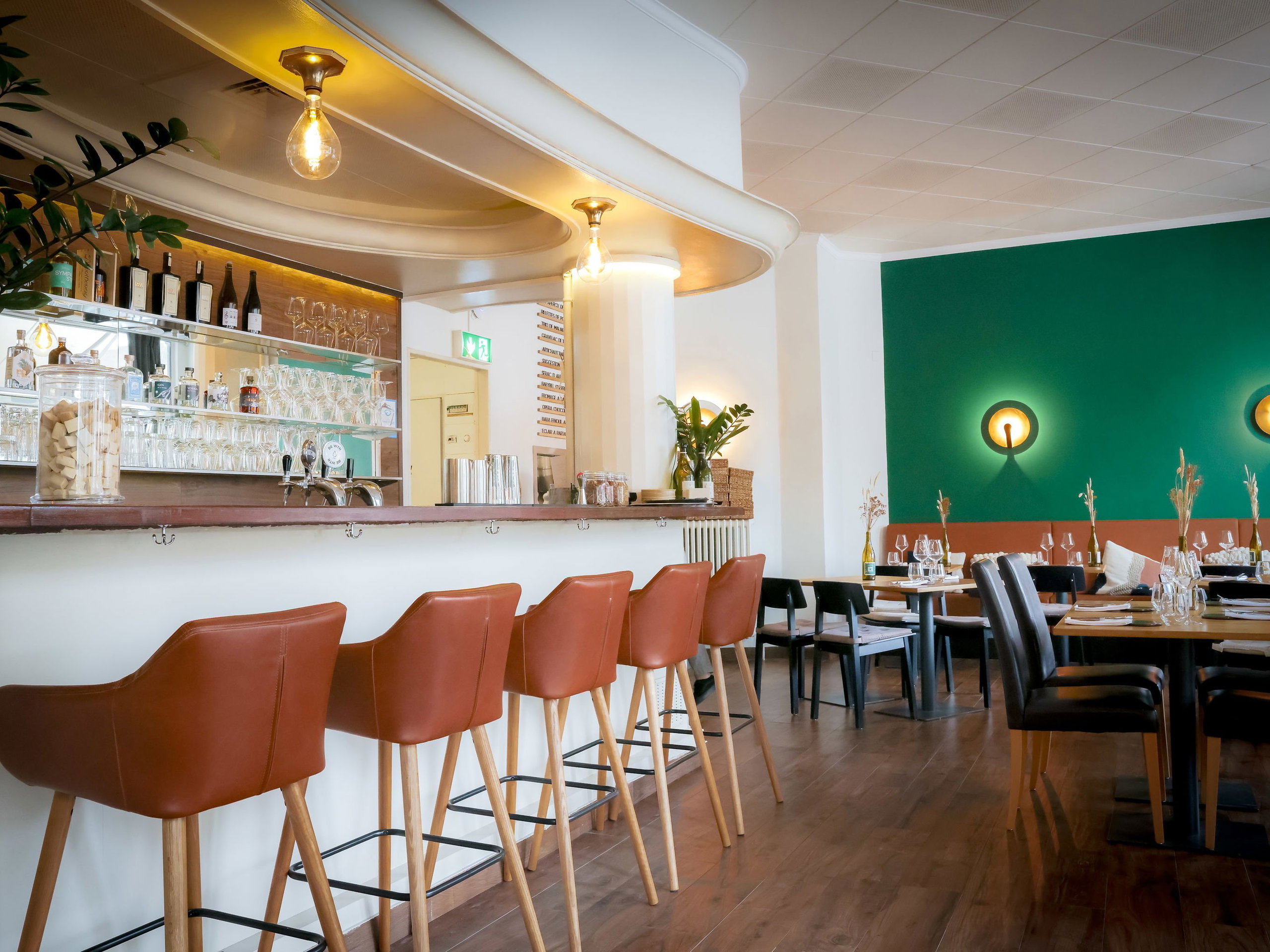
The neighbourhood placement in Nakagyo Ward, on Kawaracho, puts the restaurant within reasonable reach of central Kyoto's main accommodation belt. The area is not a destination dining strip in the way that Gion is, which means the restaurant draws a local clientele alongside visitors who have done the work to find it. That mix is part of what makes a return visit feel consistent: the room does not reset entirely for tourist cycles.
For context on how Kyochuka Makisada fits into the wider Kansai dining picture, the Chinese fine dining options in the region remain sparse. HAJIME in Osaka operates in an entirely different register (French-influenced, Michelin three-star), while Chinese restaurants in Tokyo at this tier, such as those operating near Harutaka in Tokyo's Ginza neighbourhood, are more numerous. Kyochuka Makisada's Michelin Plate status is more meaningful precisely because the competitive set in Kyoto is thin. Internationally, the comparison points for this style of family-driven Chinese cooking at a recognised tier would be venues like Mister Jiu's in San Francisco or Restaurant Tim Raue in Berlin, both are operating in cities where Chinese cuisine holds a stronger institutional presence. That Kyochuka Makisada has achieved Michelin recognition in Kyoto specifically is the clearest indicator of its quality relative to where it is located.
Booking is currently direct. There is no evidence of the weeks-in-advance scramble that applies to Kyoto's higher-profile kaiseki venues. For a ¥¥¥-tier restaurant with Michelin recognition and a small room, that accessibility is worth noting, it will not last indefinitely if the profile continues to rise. Book a few days out for weekday visits; aim for slightly more lead time for Friday or Saturday evenings.
For more of what Kyoto's restaurant scene offers, see our full Kyoto restaurants guide. If you are planning the wider trip, our full Kyoto hotels guide, bars guide, and experiences guide cover the surrounding logistics. Other Kyoto Chinese options worth checking include Canton Shunsai Ikki and nearby venues such as Hachiraku, Akihana, Kyo Seika, and VELROSIER.
Practical Details
Reservations: Bookable with a few days' notice for weekdays; allow slightly more lead time on weekends. Dress: No dress code confirmed, but smart casual is appropriate for a Michelin-recognised room at the ¥¥¥ tier. Budget: ¥¥¥, mid-to-upper range for Kyoto; comparable to cenci for overall spend. Counter seats: Request specifically when booking for the kitchen-facing experience. Getting there: Nakagyo Ward, Kawaracho, centrally located within Kyoto, accessible from the main accommodation areas.
Ratings
- Michelin Plate: 2024, 2025
FAQ
Is Kyochuka Makisada good for solo dining?
- Yes. The counter is the natural seat for a solo diner, it puts you directly in front of the kitchen action, the brothers' family-run service style tends toward attentiveness rather than formality. At ¥¥¥, it is a more affordable solo option than the ¥¥¥¥ kaiseki venues in Kyoto, where solo counter seats can be harder to secure.
Can I eat at the bar at Kyochuka Makisada?
- The counter is the recommended seat and is available to individual diners. It is specifically worth requesting when booking, the kitchen-facing position is where the cooking spectacle, including the Peking duck preparation, is most visible.
What should I wear to Kyochuka Makisada?
- No dress code is confirmed in the available data, but smart casual is the practical call for a Michelin Plate restaurant at the ¥¥¥ price point in Kyoto. You do not need to dress for a formal kaiseki occasion, but you would be underdressed in resort wear.
Can Kyochuka Makisada accommodate groups?
- Group bookings are not specifically addressed in the available data. Given that this is a small, family-run counter restaurant, large groups should contact the venue directly before assuming availability. For parties of four or more, check whether table configuration supports your group size. No phone number is currently listed publicly; approach via any booking platform where the venue is registered.
What should I order at Kyochuka Makisada?
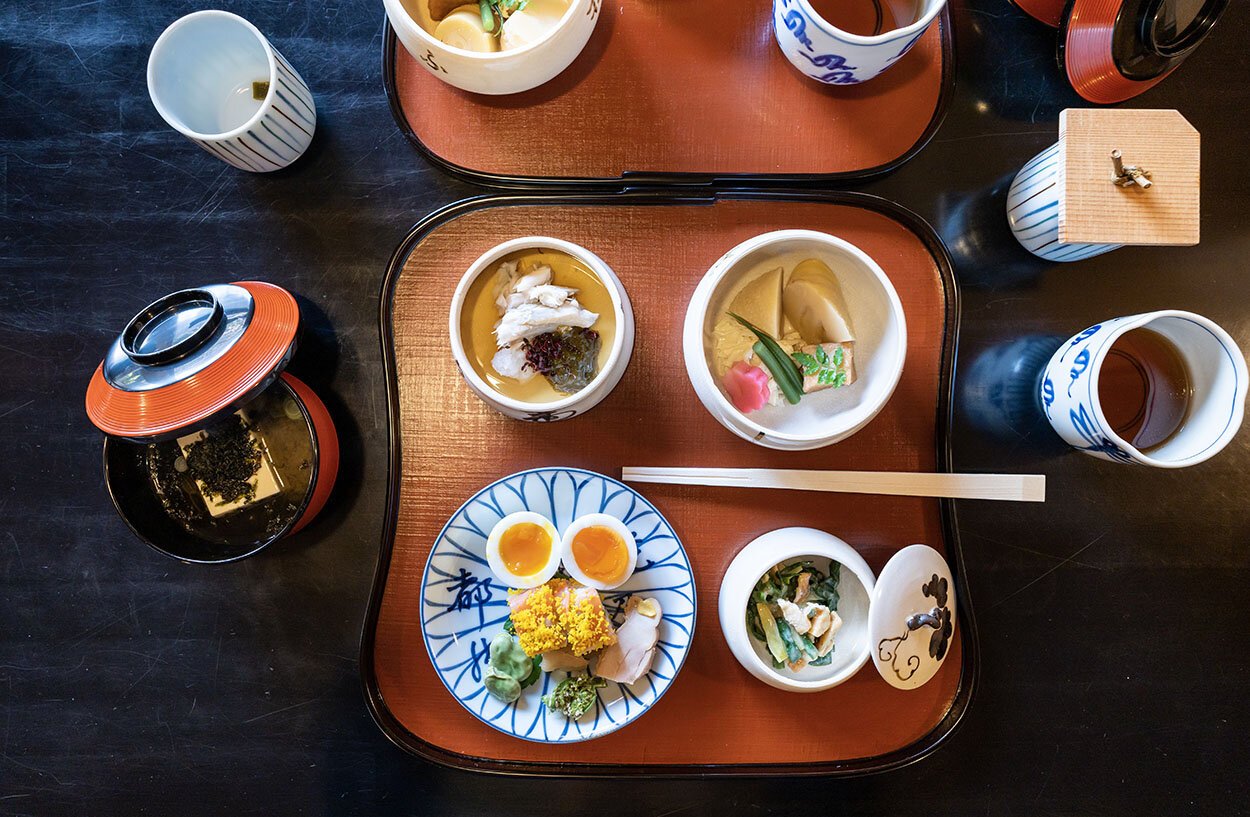
- The Peking duck is the dish most directly referenced in descriptions of the restaurant's kitchen work, it arrives sizzling and is prepared visibly at the counter. Beyond that, specific menu items are not confirmed in the available data. Given the Michelin Plate recognition for two consecutive years, ordering broadly from the menu is a reasonable approach rather than hunting a specific dish.
How far ahead should I book Kyochuka Makisada?
- Booking difficulty is currently low relative to Kyoto's leading kaiseki venues, where waits of weeks or months are standard. A few days' lead time should cover most weekday visits. Weekend evenings warrant slightly more advance planning. That said, Michelin Plate status in a city with thin Chinese dining competition tends to push demand upward over time.
What should a first-timer know about Kyochuka Makisada?
- Three things: First, this is Chinese cooking, not kaiseki, if you are coming to Kyoto specifically for the kaiseki experience, this is a deliberate detour, not a substitute. Second, the counter is the seat to request. Third, at ¥¥¥ with Michelin recognition and easy bookings, the current value-to-effort ratio is strong. It fills a gap in Kyoto's dining map that most visitors to the city never look for, which is part of why it remains accessible.
More from Pearl
- Our full Kyoto restaurants guide
- Our full Kyoto hotels guide
- Our full Kyoto bars guide
- Our full Kyoto wineries guide
- Our full Kyoto experiences guide
- akordu in Nara
- Goh in Fukuoka
- 1000 in Yokohama
- 6 in Okinawa
Planning details
- Location
- Japan, 〒604-0827 Kyoto, Nakagyo Ward, Kawaracho, 565 番5
- Website
- instagram.com/maki_sada
- Phone
- +81 50-3150-9640
The take
The Take
The Vibe
Kyochuka Makisada presents Chinese cooking through the focused lens of counter dining. The kitchen’s work unfolds at the counter, making preparation and service part of a quietly intense experience; the write-up describes the format as intimate and explicitly calls out visible cooking. The restaurant occupies a measured place in Kyoto’s culinary scene — serious technique and considered service at a ¥¥¥ price point, recognized with a Michelin Plate in 2024 and 2025. The overall impression is restrained and precise rather than flashy, a close, culinary-forward setting for attentive diners.
Best For
This is a venue built around the counter encounter: an ideal setting for diners who want to watch technique and interact with the cooks. The Michelin Plate and the ¥¥¥ positioning signal a meal that leans toward special evenings rather than casual takeaway — the kind of place you visit for focused dining in Nakagyo Ward. The visible preparation and compact format suit individuals and pairs who value craft-driven plates and a composed atmosphere, making it especially fitting for intimate dinners where the cooking itself is the highlight.
Ordering Tips
Let the counter dictate the experience: prioritize dishes that showcase technique and table-side finishing. The description and signature list highlight Peking Duck alongside richer specialties such as Braised Shark Fin and Shanghai Crab, so those dishes are clear focal points. Because the preparation is part of the presentation, opt for items that benefit from immediate service and visible carving or plating. The restaurant’s Michelin Plate status and ¥¥¥ price bracket suggest treating the meal as a sequence of standout preparations rather than a quick, casual order.
Venue details
Ambiance
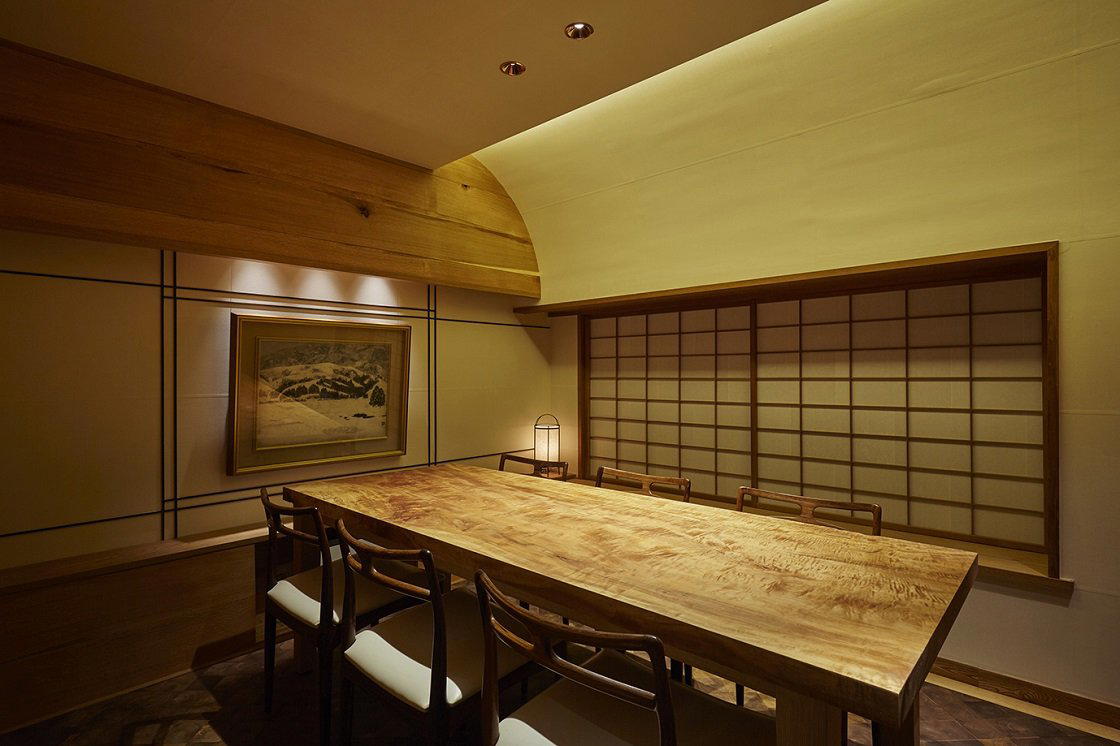
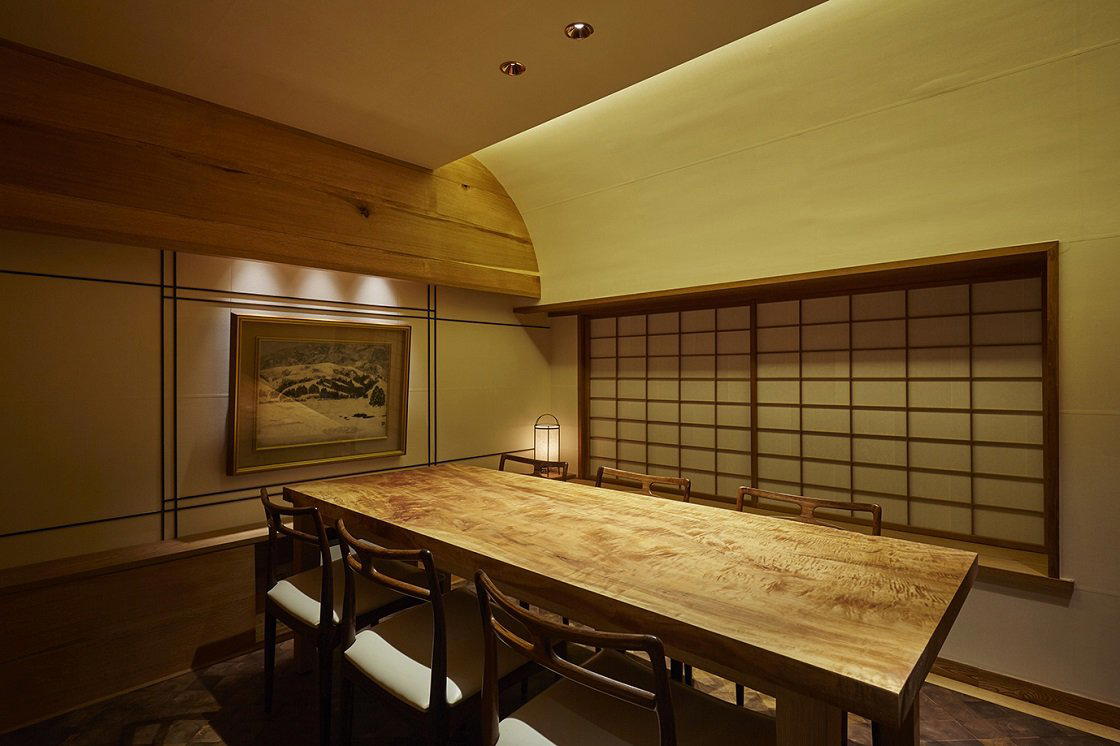
Warm and inviting atmosphere with counter seating fostering close interaction between chefs and diners.
Tags
Vibe
Best For
Experience
At the Table
- Dress Code
- Smart Casual
- Noise Level
- Quiet
- Service Style
- Upscale Casual
- Meal Pacing
- Leisurely
- Capacity
- Intimate
Signature Dishes
- Peking Duck
- Braised Shark Fin
- Shanghai Crab
Planning details
Location
Japan, 〒604-0827 Kyoto, Nakagyo Ward, Kawaracho, 565 番5 · Directions
Also consider
Also Consider
- Gion Sasaki; Kaiseki, Japanese, ¥¥¥¥
- cenci; Italian, ¥¥¥
- Ifuki; Kaiseki, ¥¥¥¥
- Kyokaiseki Kichisen; Japanese, ¥¥¥¥
- SEN; French, Japanese, ¥¥¥¥
Restaurant context
At the ¥¥¥¥ tier, Kyoto's kaiseki options; Gion Sasaki, Ifuki, Kyokaiseki Kichisen, and SEN; represent a different dining commitment entirely: longer menus, formal pacing, prices that sit a full tier above Kyochuka Makisada. If the goal is to experience Kyoto's defining culinary tradition, those venues deliver it, but they require more advance planning and higher per-head spend. Kyochuka Makisada is not a lower-grade substitute for kaiseki; it is a different decision altogether, the right one if you want a more active, kitchen-facing dinner at a more accessible price point.
The more direct comparison is with cenci, Kyoto's Italian option at the same ¥¥¥ tier. Both restaurants represent non-Japanese cuisine operating at Michelin-recognised quality in a city where Japanese traditions dominate. cenci appeals if European-influenced cooking is the draw; Kyochuka Makisada is the call if you want Chinese cooking with genuine family craft behind it and a counter experience that is harder to find elsewhere in Kyoto.
On booking difficulty, Kyochuka Makisada is currently the easiest of this group to secure. The ¥¥¥¥ kaiseki venues can require weeks of lead time, particularly Gion Sasaki and Kyokaiseki Kichisen, which are among the most sought-after tables in the city. If your travel window is short or you are planning last-minute, Kyochuka Makisada is the most accessible option with meaningful culinary credentials. The trade-off is that you are opting out of the kaiseki experience that defines Kyoto dining at its upper tier; which is a real trade-off, not a trivial one, for a first visit to the city.
Explore Kyoto
Around this place
Discover more on Pearl
Unlock the full Kyochuka Makisada guide in Pearl, including awards, comparisons, FAQs, planning details, and nearby places.
Compare Kyochuka Makisada
| Venue | Price | Booking Difficulty | Awards |
|---|---|---|---|
| Kyochuka Makisada | ¥¥¥ | Easy | Tabelog 100 - Chinese cuisine - WEST - 2026 · #41Michelin Guide Kyoto Osaka 20262026 Michelin Plate2025 Michelin Plate2024 Michelin Plate |
| Gion Sasaki | ¥¥¥¥ | Unknown | 2026 Tabelog Bronze · #3862026 OAD Top Restaurants in Japan RecommendedMichelin Guide Kyoto Osaka 20262026 La Liste Top RestaurantsTabelog 100 - Japanese cuisine - WEST - 2025 · #132025 OAD Top Restaurants in Japan Ranked · #2462025 Tabelog Silver2025 Michelin 3 Stars2025 La Liste Top Restaurants |
| cenci | ¥¥¥ | Unknown | 2026 Tabelog Bronze · #442026 Asia's 50 Best Restaurants · #762026 OAD Top Restaurants in Japan Highly RecommendedMichelin Guide Kyoto Osaka 2026Tabelog 100 - Italian - WEST - 2025 · #632025 Asia's 50 Best Restaurants · #632025 OAD Top Restaurants in Japan Ranked · #1682025 Tabelog Bronze2024 OAD Top Restaurants in Japan Ranked · #135 |
| Ifuki | ¥¥¥¥ | Unknown | 2026 OAD Top Restaurants in Japan Ranked · #1222026 Tabelog Bronze · #128Michelin Guide Kyoto Osaka 20262026 La Liste Top RestaurantsTabelog 100 - Japanese cuisine - WEST - 2025 · #622025 OAD Top Restaurants in Japan Ranked · #1002025 La Liste Top Restaurants2025 Tabelog Bronze2025 Michelin 2 Stars |
| Kyokaiseki Kichisen | ¥¥¥¥ | Unknown | 2026 Tabelog Bronze · #1752026 OAD Top Restaurants in Japan Highly RecommendedMichelin Guide Kyoto Osaka 20262025 OAD Top Restaurants in Japan Ranked · #1862025 Michelin 2 Stars2025 La Liste Top Restaurants2024 OAD Top Restaurants in Japan Ranked · #1422024 Michelin 2 Stars2023 OAD Top Restaurants in Japan Ranked · #136 |
| SEN | ¥¥¥¥ | Unknown | 2026 Tabelog Bronze · #3952026 OAD Top Restaurants in Japan RecommendedMichelin Guide Kyoto Osaka 20262026 Michelin PlateTabelog 100 - Japanese cuisine - WEST - 2025 · #652025 Michelin Plate2025 Tabelog Bronze2024 OAD Top Restaurants in Japan Ranked · #3622024 Michelin Plate |
.png?width=1200&quality=80)





Side-by-side comparison to help you decide where to book.
FAQ
Frequently Asked Questions
Is Kyochuka Makisada good for solo dining?
Yes; the counter is where you want to sit anyway. The brothers run front and back of house themselves, so solo diners at the counter get a front-row view of the kitchen, including dishes like Peking duck being prepared live. At ¥¥¥ pricing, solo dining here is a genuinely purposeful meal rather than an afterthought.
Can I eat at the bar at Kyochuka Makisada?
Counter seating is the recommended option here. The venue record specifically calls out the counter as the place to watch dishes being prepared, with the sizzle of Peking duck cited as part of that experience. Request the counter when booking rather than leaving it to chance.
What should I wear to Kyochuka Makisada?
No dress code is confirmed in the venue data, but the ¥¥¥ price point and Michelin Plate recognition (2024 and 2025) put this in territory where neat, presentable clothing is a reasonable call. Think dinner-ready rather than formal; this is a focused, family-run counter, not a banquet hall.
What should I order at Kyochuka Makisada?
The venue record specifically highlights Peking duck as one of the signature preparations visible from the counter, so that is the anchor dish to prioritise. Beyond that, the menu is not publicly documented in available data; asking the younger brother on service for his recommendation is both practical and in keeping with how the restaurant operates.
How far ahead should I book Kyochuka Makisada?
A few days ahead is sufficient for weekday seats; allow slightly more lead time on weekends. This is not the kind of booking that requires weeks of planning, but the counter is small and the restaurant is Michelin Plate-recognised, so do not assume walk-in availability on a Friday or Saturday evening.
What should a first-timer know about Kyochuka Makisada?
This is not a Chinese restaurant in the broad, casual sense; it is a focused family project: the brothers' father was a chef at a Chinese restaurant and personally wrote the shop sign as a gift when they opened. At ¥¥¥ and with two consecutive Michelin Plates (2024, 2025), the expectation is a careful, deliberate meal. Sit at the counter, order the Peking duck, let the younger brother guide the rest.