

Tabelog 100: Best Chinese Cuisine in West Japan - 2026
Tabelog 100 (Hyakumeiten) Chinese cuisine - WEST selection for 2026. Tabelog publishes these as source-ordered lists of 100 restaurants.

Venues on this list
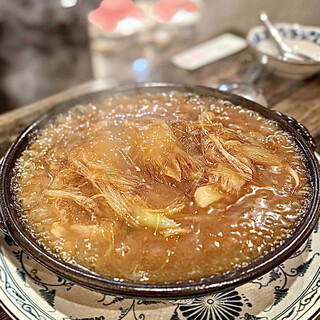
Ryuka Chubo
Kobe, Japan
Tabelog 100 Chinese restaurant near Sannomiya station offering counter-focused cooking at JPY 5,000–5,999. Three consecutive years of recognition (2023, 2024, 2026) signal consistent execution in wok technique and Sichuan-Cantonese preparations. Easy reservations by phone; cash only; no private rooms.
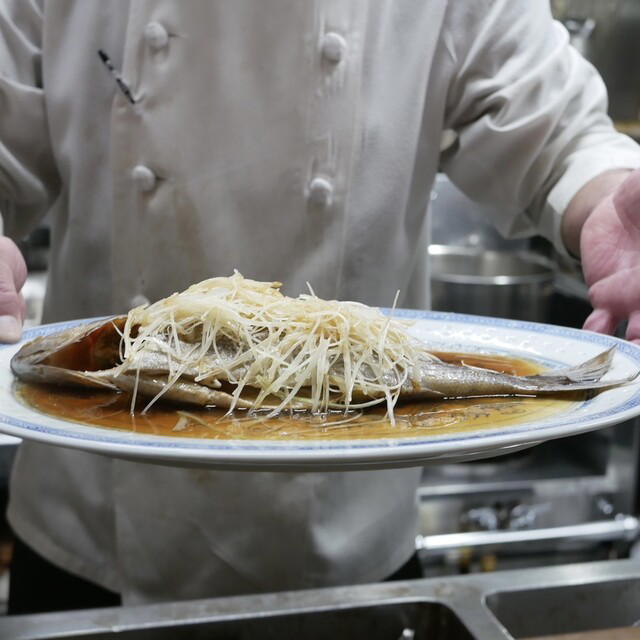
Shinya Teki Chuka Shokudo
Hiroshima, Japan
A late-night Chinese restaurant in Hiroshima's Naka-ku district, earning Tabelog 100 Chinese WEST recognition for 2026 while holding prices at JPY 5,000–5,999. Open 7 PM to 3 AM with walk-in seating, cash-only payments, and a straightforward wok-focused menu that prioritizes execution over atmosphere. Best for solo diners or pairs seeking quality Chinese food after evening museum visits or Peace Park tours.
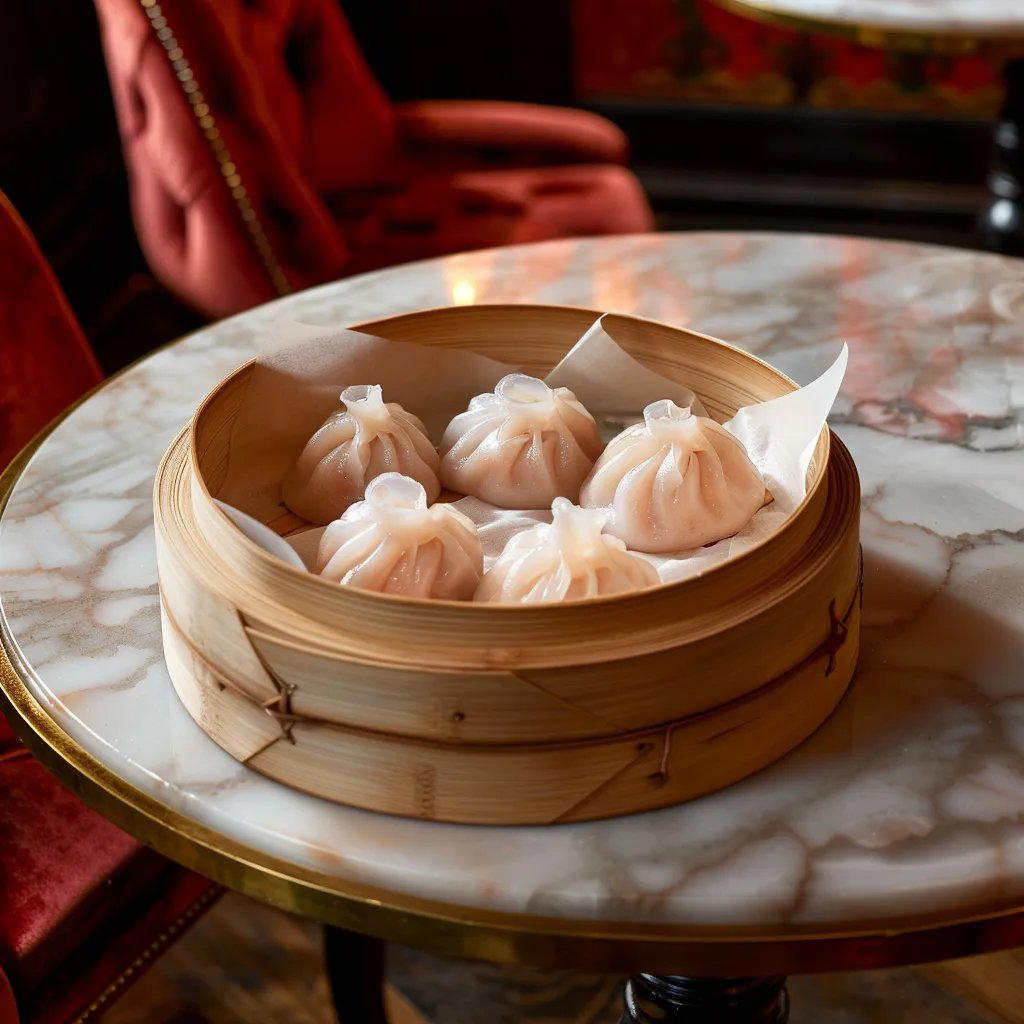
fuxing
Kobe, Japan
A recognition-led Kobe dinner pick for diners who value Tabelog validation over advance menu detail. fuxing makes sense as an anchor evening booking in Chuo Ward; choose it for a serious, rating-backed meal, and look elsewhere if the group needs clear pricing, lunch availability, or a fully defined format before deciding.
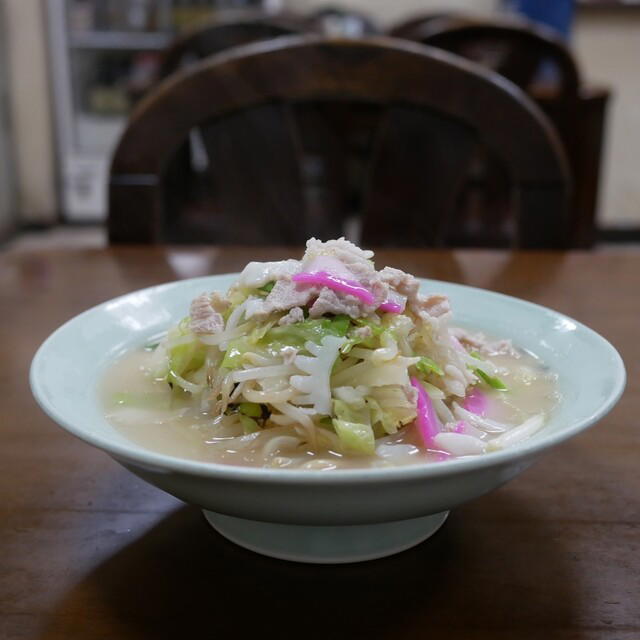
Kanro
Nagasaki, Japan
Walk-in champon specialist in Motoshikkuimachi with four consecutive <em>Tabelog</em> 100 selections and a sub-JPY 1,000 average check. Reservations unavailable; 16 seats across four tables in a casual, smoke-friendly room. Arrive early or queue.
Chinese Sai Oil
Fukushima, Japan
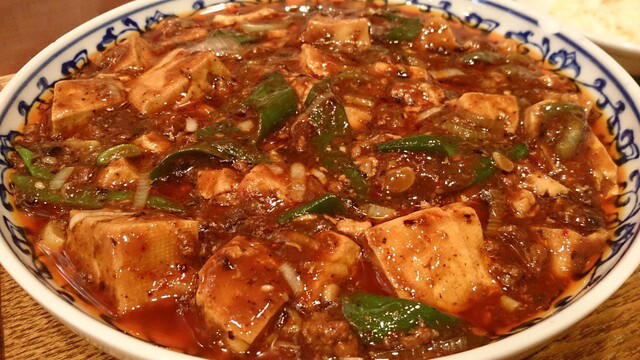
A cash-only, seventeen-seat Sichuan address in Fukushima ward, recognized four times by Tabelog 100 for its oil-forward technique and neighborhood accessibility. Lunch runs JPY 1,000–1,999 with no reservations required; dinner offers omakase courses from JPY 2,800 with one-day advance booking for parties of four or fewer.
Hasunomi
Okayama, Japan
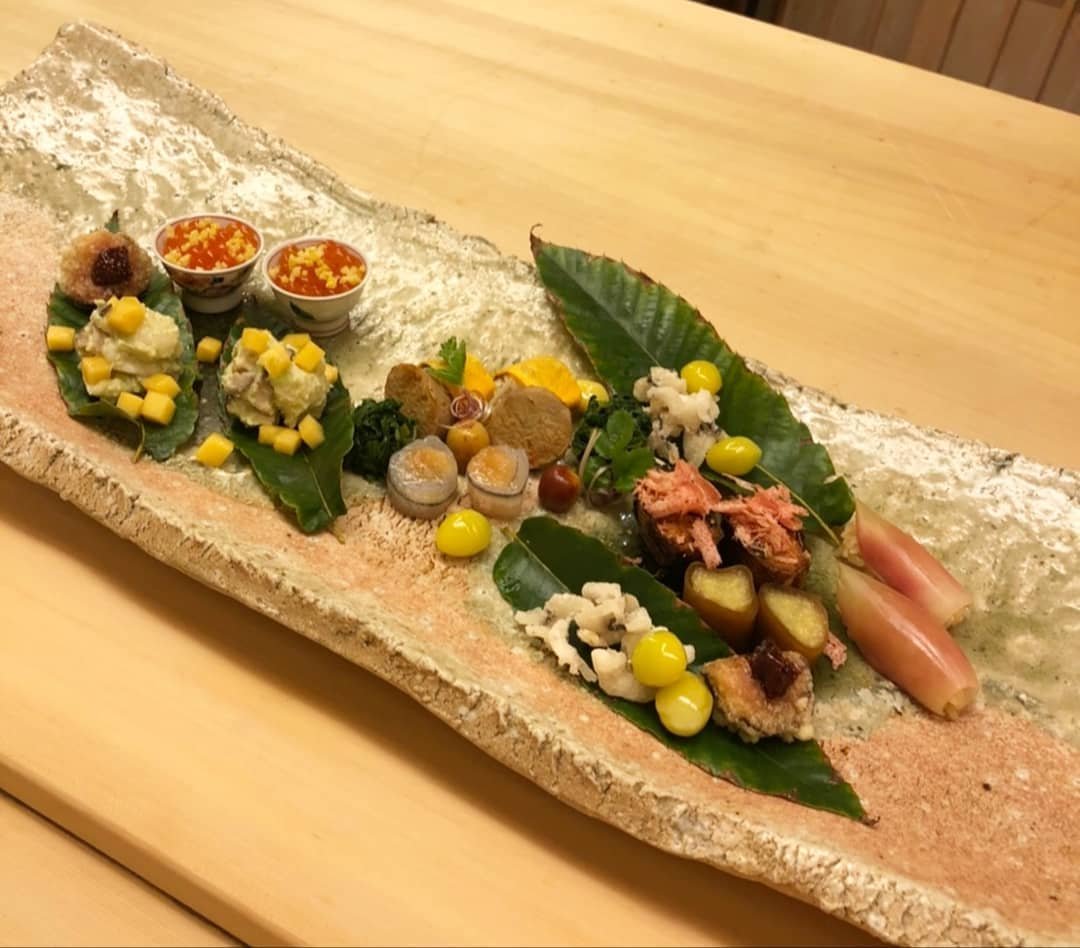
A 16-seat Chinese course specialist in Kita Ward, holding Tabelog Bronze (2024–2026) for seasonal Setouchi-driven menus. The 16,500 yen dinner-only format suits special occasions but requires advance booking and minimum two guests; no walk-ins or à la carte.
Valeur
Kumamoto, Japan
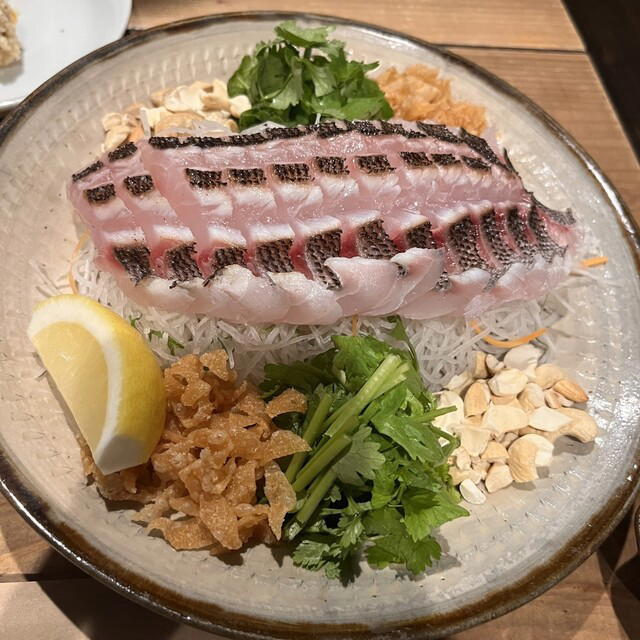
A 12-seat Chinese counter in Kumamoto recognized by Tabelog 100 (2026) for western Japan, serving dumplings and small plates at JPY 4,000–4,999. Cash-only, evening service, phone reservations required. Book for technical precision and counter intimacy; skip if you need flexible hours or card payment.
Ippotei Honten
Osaka, Japan
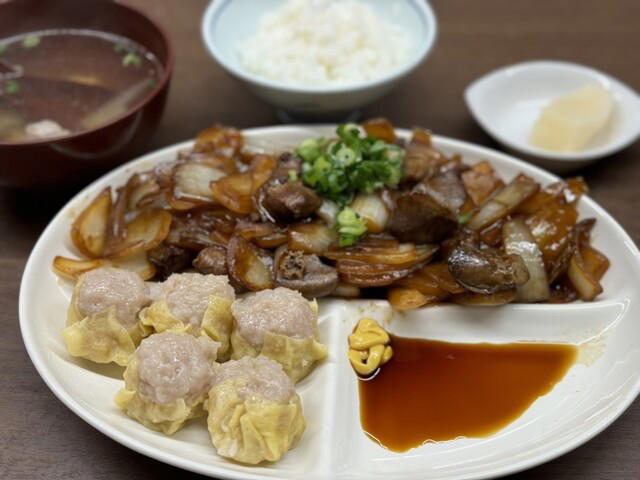
Tabelog 100 Chinese restaurant in Naniwa Ward serving dim sum and Cantonese classics for under JPY 1,000 per meal. No reservations accepted; cash only. Walk-ins fill the 48-seat room quickly during lunch, but the counter turns over fast. Recognized in 2021, 2024, and 2026 for consistent technique at accessible pricing.
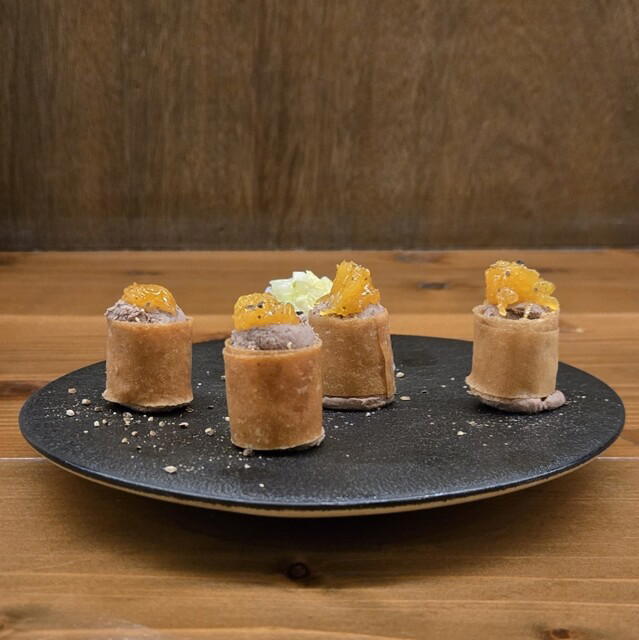
Lime Light
Osaka, Japan
Counter-and-table Chinese restaurant in Toyonaka's Nakasakurazuka district, recognized on the Tabelog 100 Chinese West 2026 list for solid cooking at under JPY 2,000 per dinner. Ramen and tsukemen round out the menu, reservations are flexible, and the format welcomes solo diners, families, and walk-ins. No credit cards, PayPay accepted.
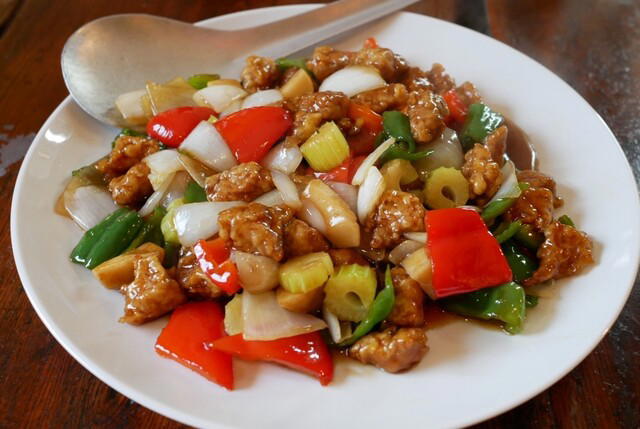
Ouraku En
Kobe, Japan
Reservation-only Sichuan kitchen in a 12-seat apartment setting, selected for Tabelog 100 – Chinese cuisine – WEST – 2026. Text-based booking, self-service drinks, and cash-only payment keep the focus on technically sound mala cooking at JPY 5,000 per head; worth it for groups prioritizing food over formal service.
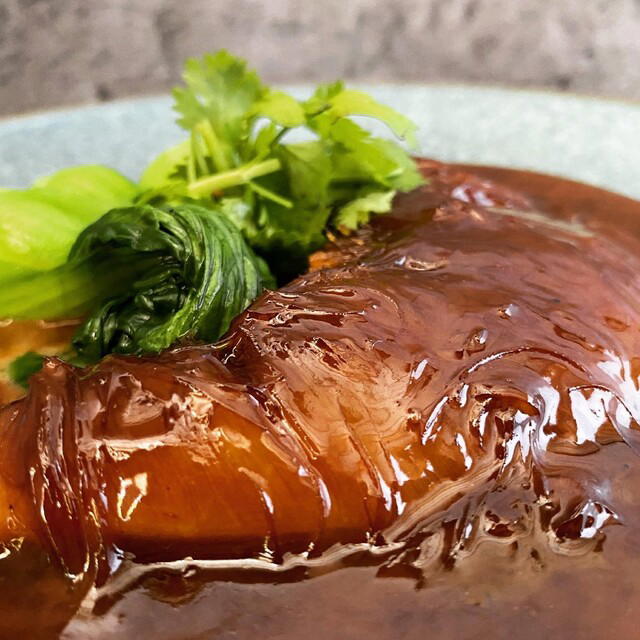
Raofu Tsai Hanshin umeda ten
Osaka, Japan
A Tabelog 100-recognized Sichuan restaurant inside Hanshin Department Store, offering ma la-forward cooking with easier reservations than standalone peers. Lunch service (JPY 1,000–1,999) delivers strong value; dinner (JPY 5,000–5,999) justifies the spend if you order Peking duck or steamed fish (three days' advance notice required). Family-friendly layout with private-room options and stroller access; rare among award-winning Chinese spots in Umeda.
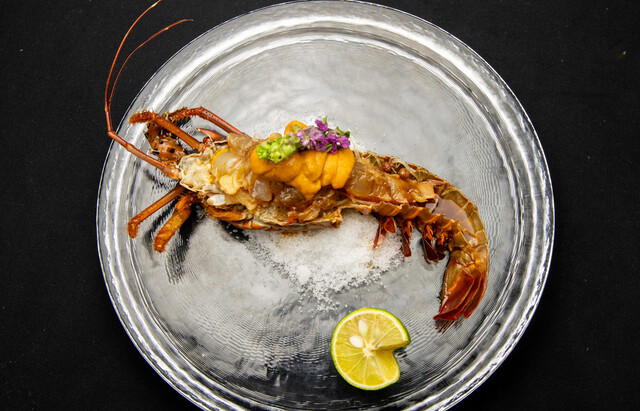
Koubai Honrou
Fukushima, Japan
Chinese tasting in Fukushima's residential blocks, charging JPY 15,000+ for fish-forward courses at an eight-seat counter. Tabelog 100 – WEST 2026 recognition and a visible wine wall justify the price if you book Saturday lunch (easier) or weekday dinner (two-week lead time). Pairs well with European bottles; children welcome Saturdays only.
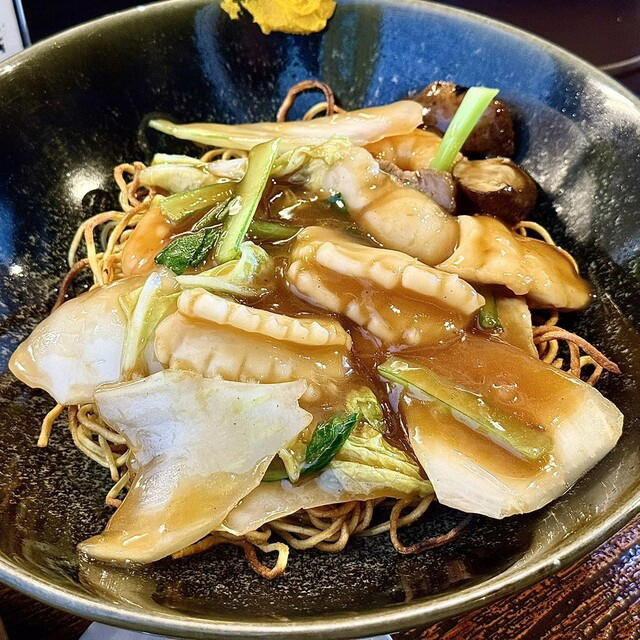
China dining 宮燕
Kanazawa, Japan
A Tabelog Chinese WEST 100 restaurant in Kanazawa offering Cantonese cooking trained at Yokohama's Heichinro, with no artificial seasonings. Lunch (JPY 1,000–1,999) delivers sharper value than dinner (JPY 4,000–4,999); counter, table, and tatami seating for 22 in a family-friendly room. Reservations recommended; closed Wednesdays and first/third Tuesdays.
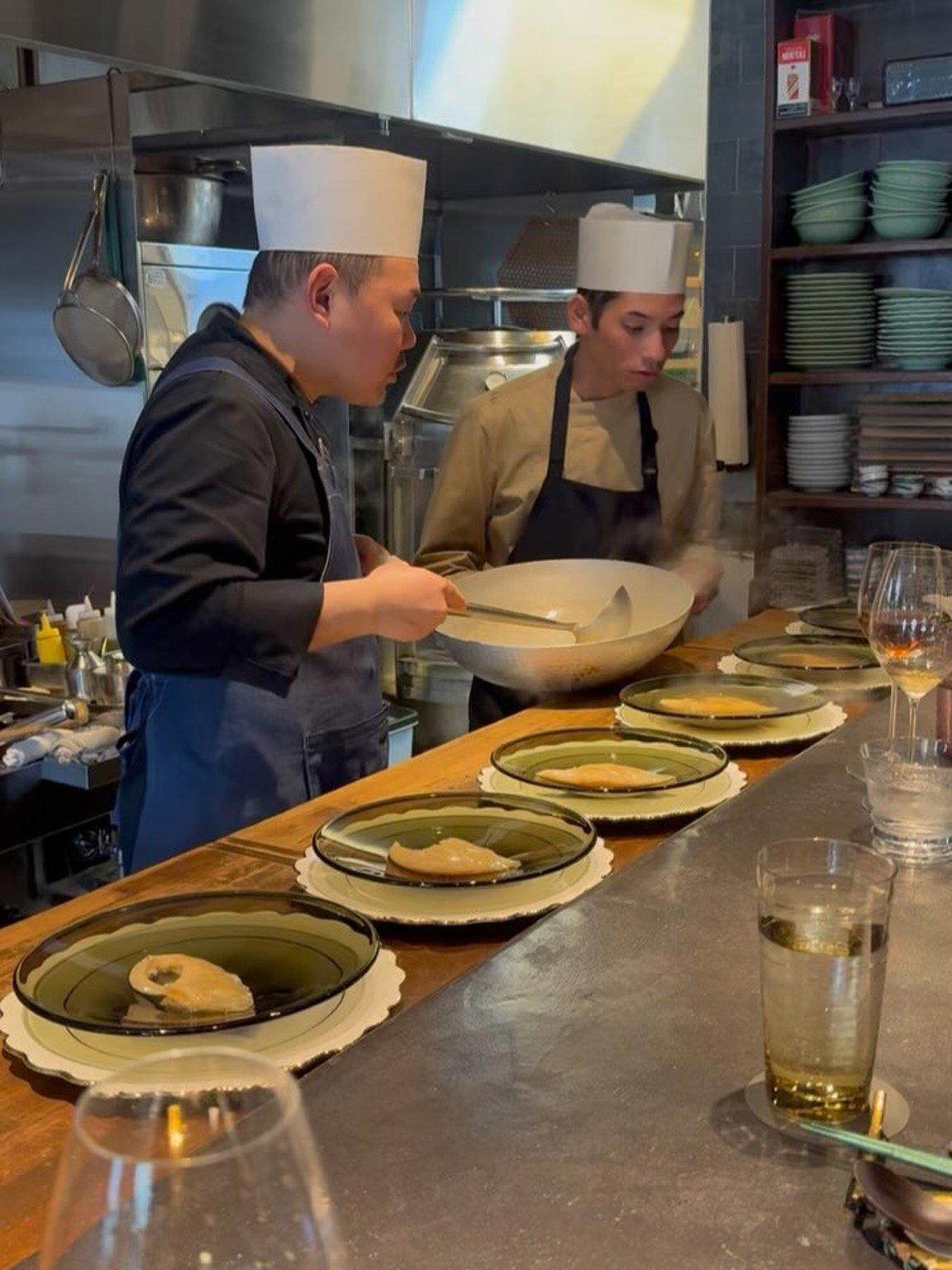
Ninshurou
Kyoto, Japan
Ninshurou is an eight-seat Cantonese counter in Kyoto's Kita Ward, running a single omakase format (JPY 30,000–39,999) with traditional Guangdong preparations; braised abalone, roast suckling pig, double-boiled soups; using Japanese seasonal produce. Tabelog Gold 2024–2026 and La Liste 95pts signal consistent execution, but the reservation-only, dinner-only, counter-only setup suits diners seeking technique over flexibility.
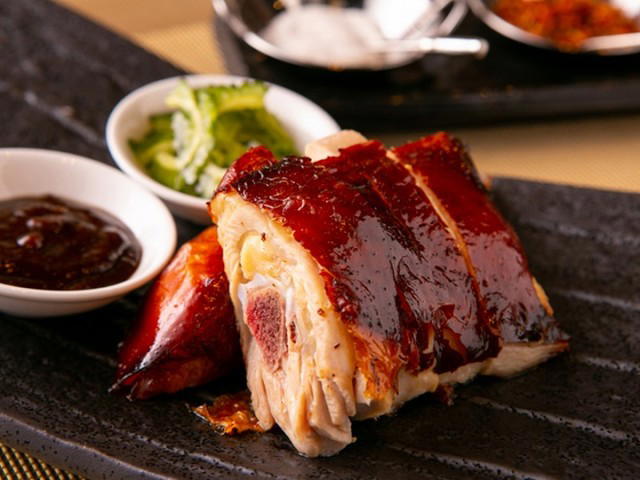
Kobe Chuka Uebayashi
Kobe, Japan
Eleven-seat Chinese counter in Kobe with three years of Tabelog 100 recognition (2023–2026), serving seasonal, additive-free courses at JPY 8,000–9,999 dinner and JPY 4,000–4,999 lunch. Course-only format on weekends, strict cancellation policy, and fish-focused repertoire suit special-occasion diners willing to commit upfront; limited flexibility for casual groups.
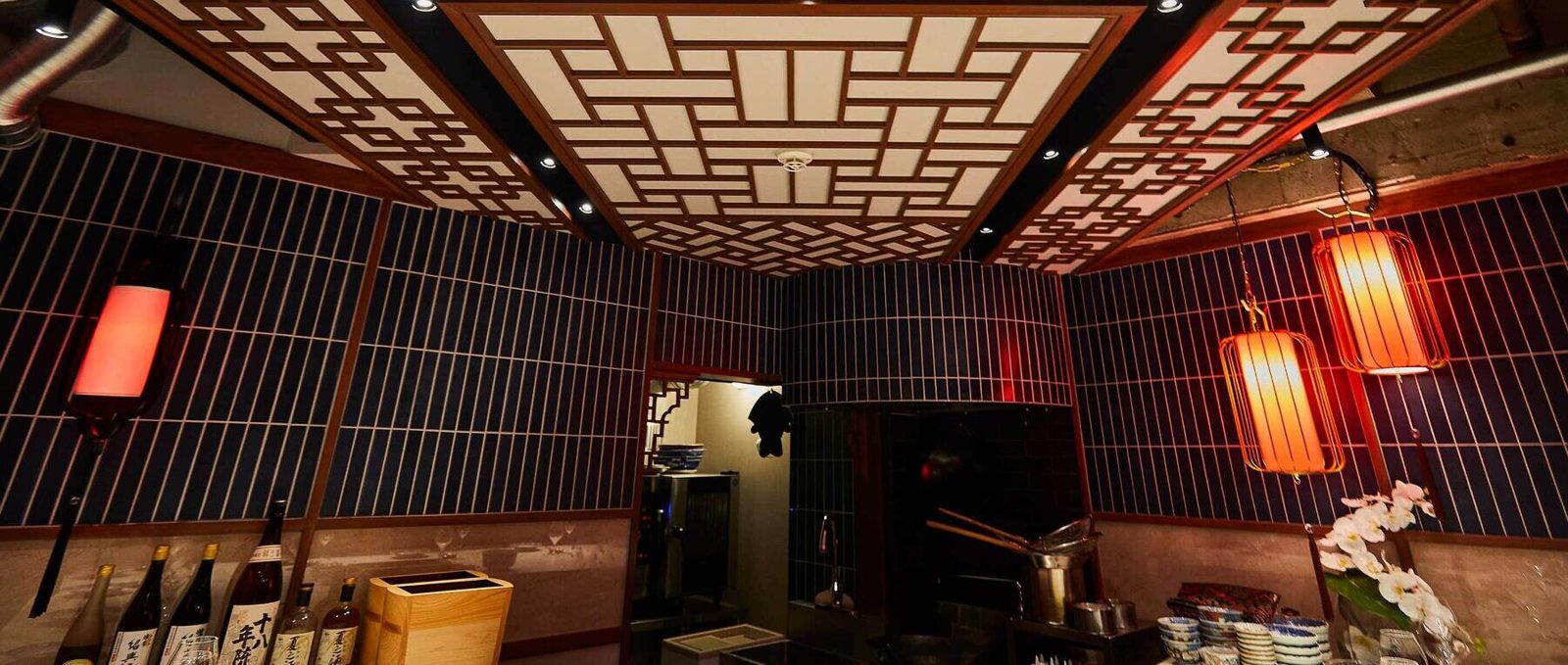
Tanaka Yoshihide
Osaka, Japan
A Tabelog Silver-winning eight-seat Chinese counter in Miyakojima Ward, Tanaka Yoshihide pairs seasonal Japanese ingredients with refined technique at JPY 30,000–39,999. Opened in 2023, it books via Instagram on the first of each month; reservations vanish in minutes. Worth the effort for special occasions if you can commit to tasting-menu-only dining and have the timing nailed.
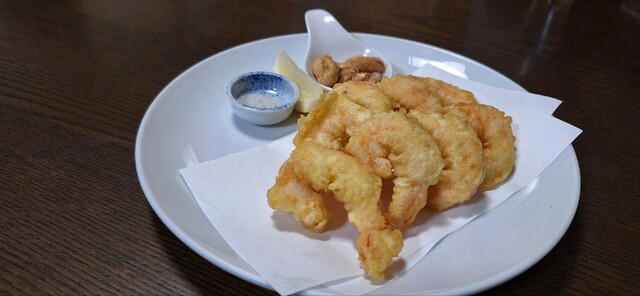
Madam Koran
Kyoto, Japan
Madam Koran is a 30-seat house restaurant near Jingu Marutamachi Station, recognized on Tabelog's Chinese cuisine WEST 100 list four times since 2021. The Sichuan and tantan-men menu runs JPY 1,000–1,999 at lunch and JPY 5,000–5,999 at dinner, with tatami seating, private rooms for groups, and family-friendly service. Lunch offers better value than dinner, and same-week reservations are typically available.
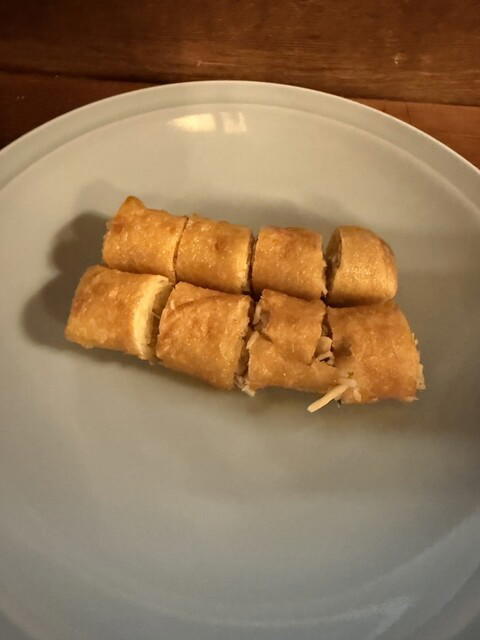
Ito Sen
Kyoto, Japan
A cash-only house restaurant in Kamigyo Ward serving Tabelog 100–recognized Chinese cuisine at JPY 4,000–JPY 4,999 per head. Counter, table, and tatami-room seating accommodate solo diners through parties of six, with dinner-only service five nights a week. The hideout location and sake-focused pairing deliver a quieter alternative to Kyoto's kaiseki mainstream.
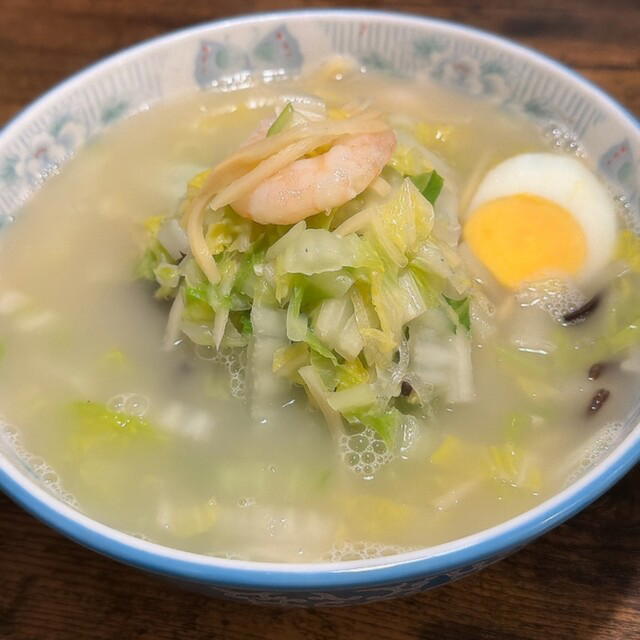
Kairakuen
Kumamoto, Japan
A 25-seat Chinese noodle and dim sum spot in Kumamoto Shinmachi, recognized on Tabelog 100 – Chinese WEST 2026, known for Tai-Pien glass-noodle soup featured in <em>Cooking Papa</em>. Lunch runs walk-in only Tuesday–Sunday for JPY 1,000–1,999; dinner requires four guests minimum, three days' advance booking, and a JPY 4,000 per-head course.
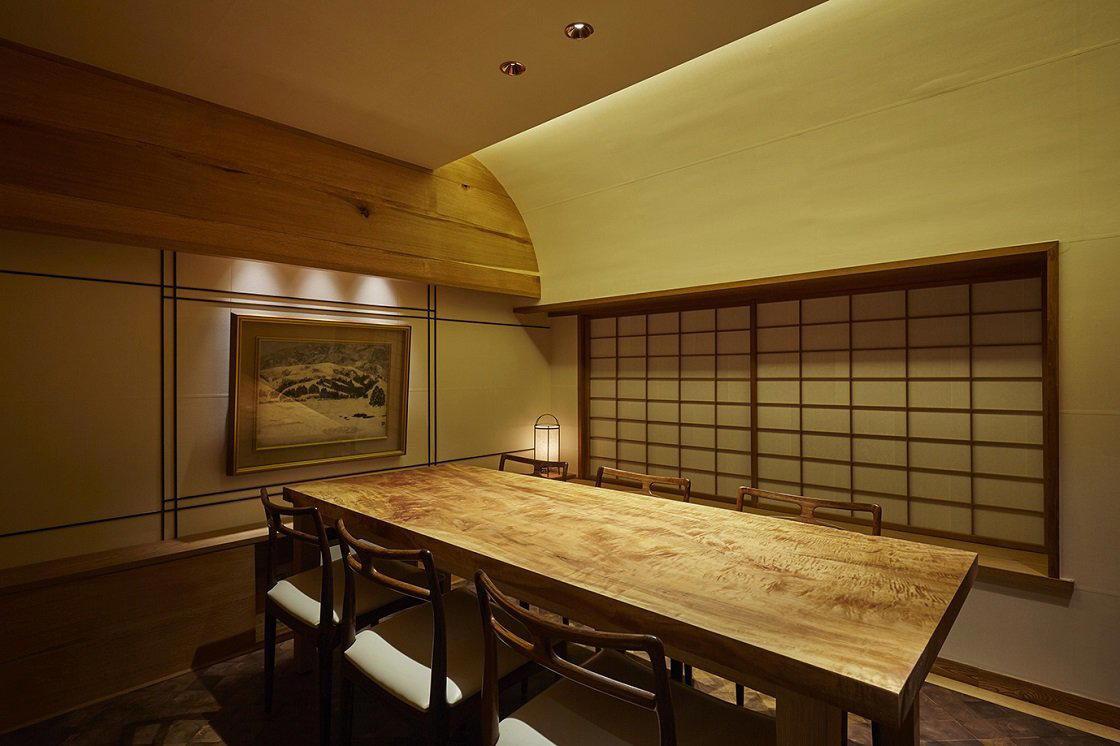
VELROSIER
Kyoto, Japan
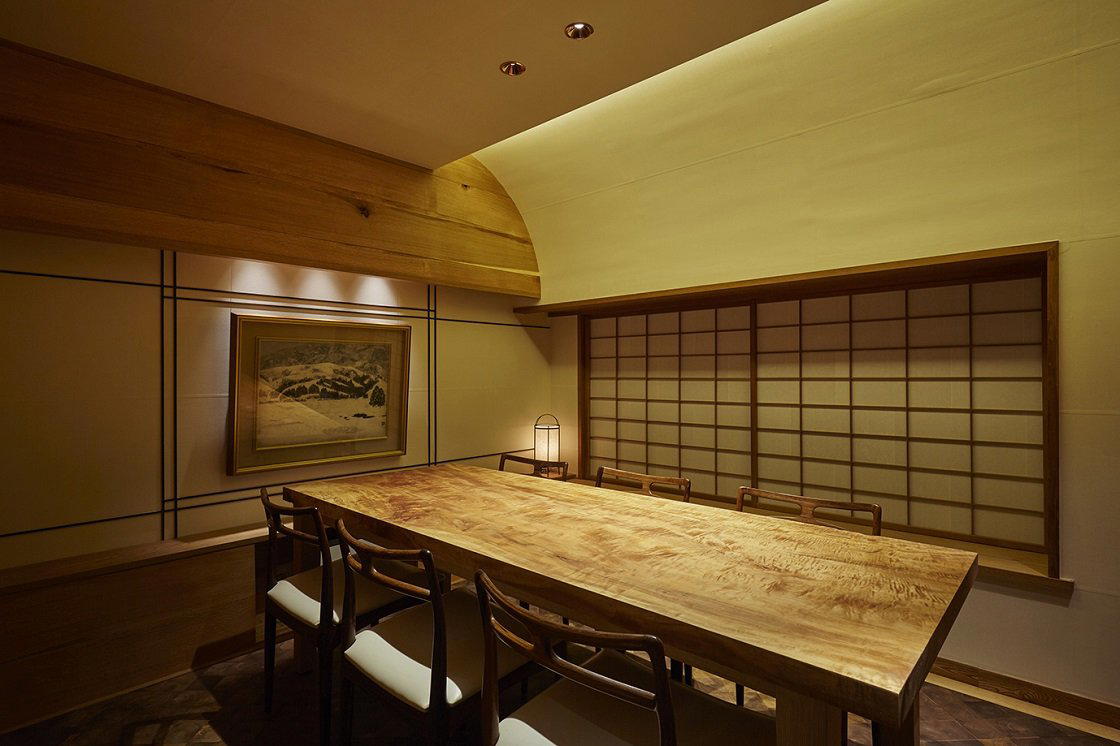
VELROSIER holds two Michelin stars and an La Liste top-tier score in Kyoto, making it one of the city's hardest tables to book. Chef Yuji Iwasaki's modern Chinese-French menu sits outside Kyoto's kaiseki tradition, using decompression cooking and French technique to deliver a distinctive ¥¥¥ experience. Book 2 to 3 months out minimum for special occasions.
Chi-Fu
Osaka, Japan
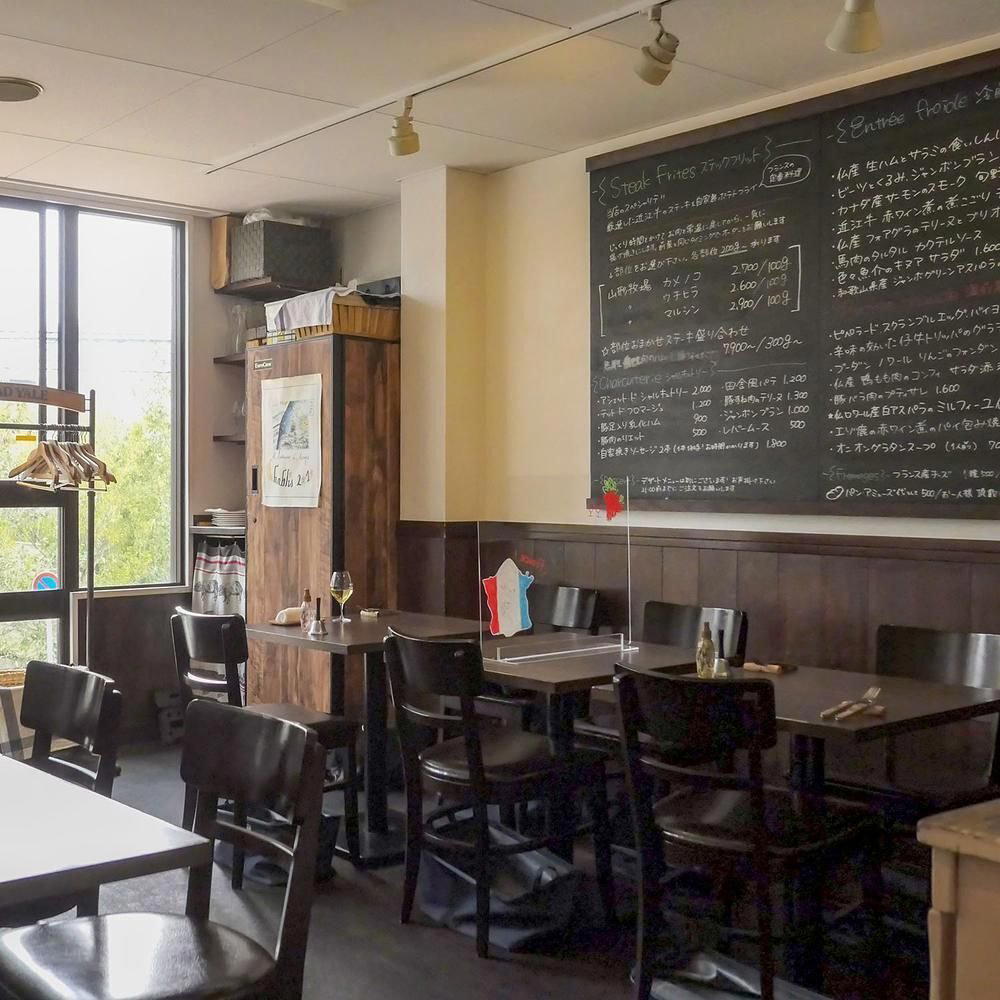
Chi-Fu is a Michelin-starred restaurant in Osaka's quiet Nishi-Tenma district, applying French technique to Chinese cooking and pairing it with a wine program that earned twelve Star Wine List citations in 2024 and 2025. Priced at ¥¥¥ with easy booking availability, it is the most compelling Chinese fine dining option in Osaka for food and wine enthusiasts who want conceptual depth without the ¥¥¥¥ price tag.
Yiwanshui
Osaka, Japan
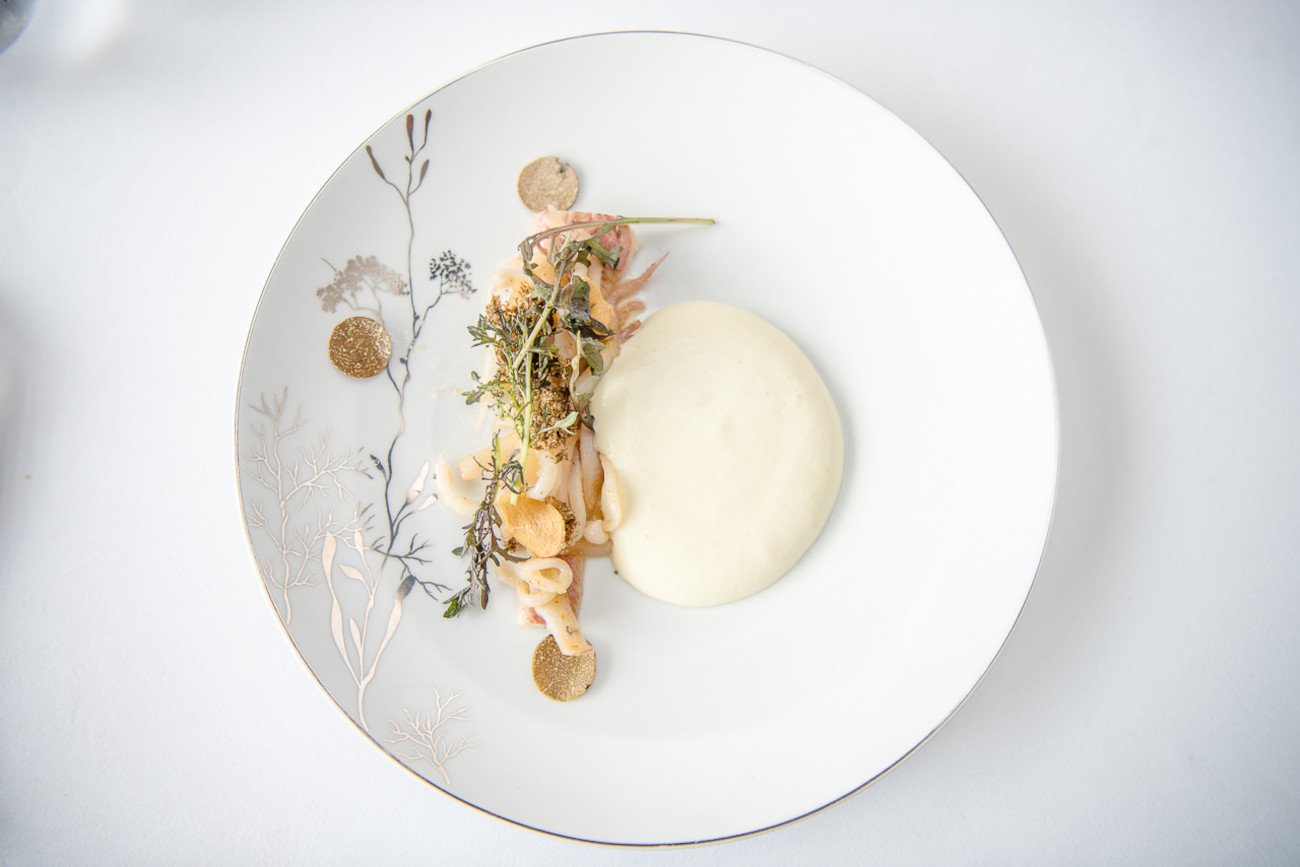
Yiwanshui is a Michelin Plate Chinese restaurant in Osaka's Nishi Ward serving a prix fixe menu rooted in Chinese home cooking and imperial court technique. At ¥¥¥, it is well-suited to special occasion dinners where you want considered, restrained cooking in an intimate room rather than a flashy Chinese dining production. Booking is easy by Osaka Michelin standards.
Kosai Fukumimi
Osaka, Japan
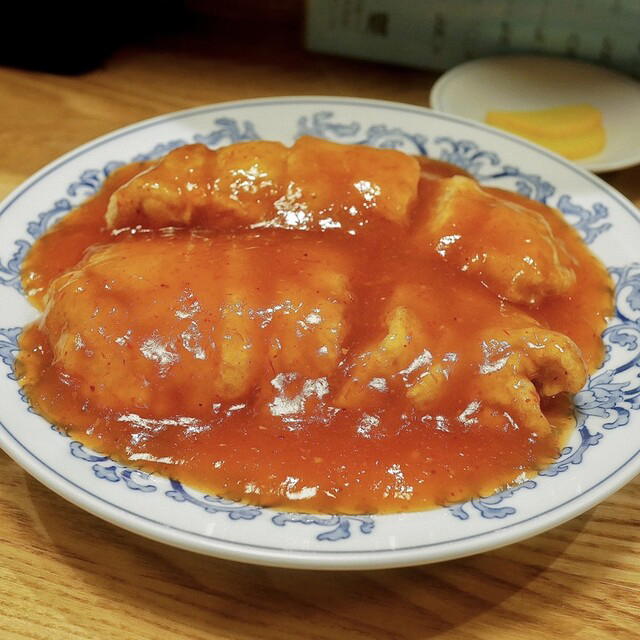
Kosai Fukumimi is a practical Osaka Chinese booking for diners who want credible recognition without the spend or ceremony of the city's ¥¥¥ Chinese rooms. Book it for a flexible dinner, especially if seasonal ordering and shared plates matter more than a fixed signature dish or formal tasting-menu experience.
Kanton Sankan Houhi
Kyoto, Japan
Cantonese cooking at neighborhood prices (JPY 1,000–1,999 lunch), recognized four times on Tabelog 100 since 2021. Walk-in only, open Thursday–Saturday with brief service windows. A practical, high-technique alternative to Kyoto's pricier kaiseki and omakase circuits, best visited at opening to avoid waits.
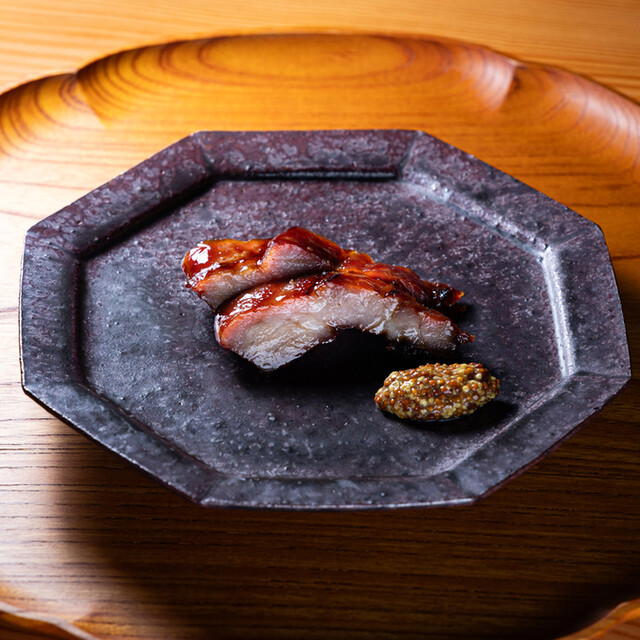
Chuka Ooshige
Karatsu, Japan
Reservation-only Chinese restaurant in Karatsu blending Kyoto-trained technique with Chinese fundamentals. Opened September 2024, earning Tabelog Award 2026 Silver and Tabelog 100 West recognition within six months. Single daily service (lunch or dinner, not both) for up to nine guests at JPY 10,000–14,999. Counter seats offer kitchen views; private-use bookings available. No walk-ins, no website; book by phone at least one week ahead.
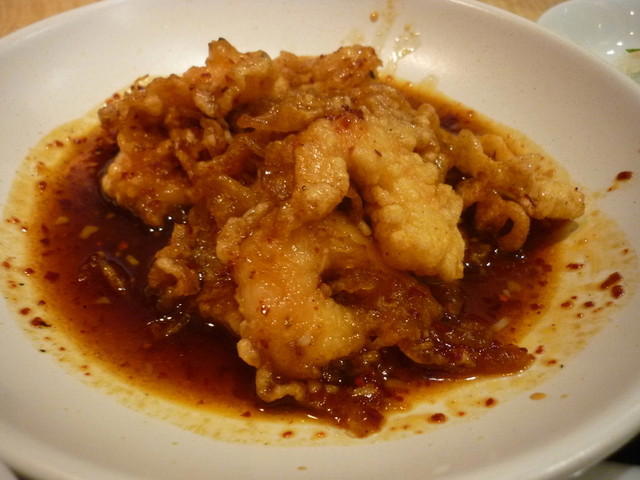
Miwa Tei
Osaka, Japan
Tabelog 100 Chinese WEST 2026 recognition at prices that rarely break JPY 3,000 for dinner. Counter and table seating in Fukushima focus on tantan-men and seafood execution, with lunch under JPY 1,000. Book ahead for peak dinner hours; walk-ins work better at lunch.
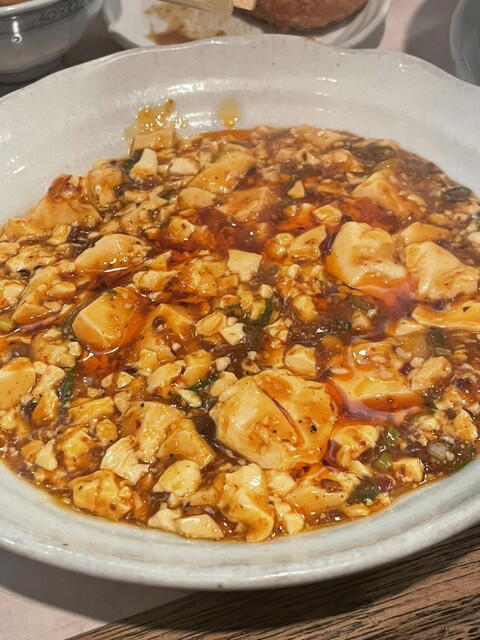
Fukuryu En
Osaka, Japan
A Tabelog 100 Sichuan specialist in Tenma charging under ¥3,000 for dinner; one of Osaka's most accessible award-winning tables. Expect fish-focused Sichuan technique in a 15-seat apartment-ground-floor setting with no frills, no English support, and no credit cards. Book for the cooking, not the experience layer.
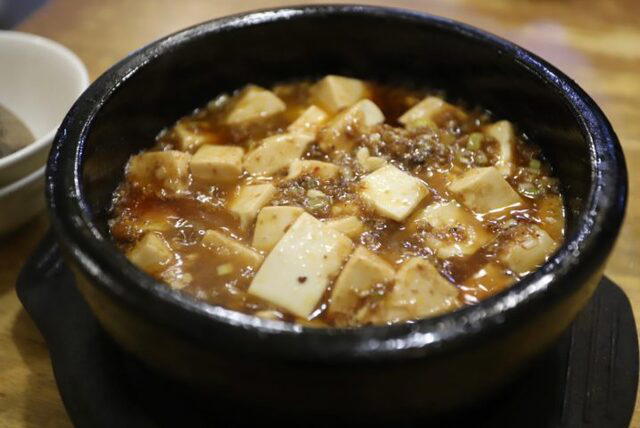
Meirin
Kyoto, Japan
A 20-seat Chinese house restaurant in Kamigyo Ward with four Tabelog 100 selections since 2021, Meirin delivers consistent wok cooking at JPY 1,000–1,999 lunch and JPY 3,000–3,999 dinner. Counter seating offers kitchen-view access; the upstairs tatami room suits groups. Reservations required; book by phone two to three weeks ahead for weekend slots.
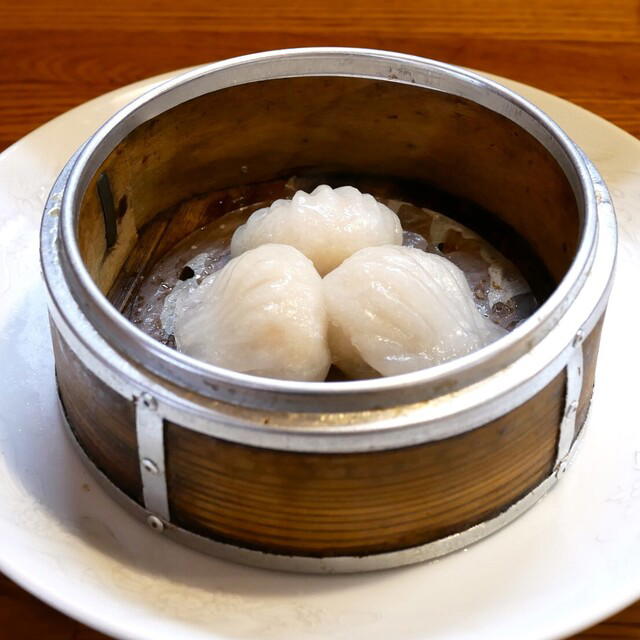
Shanghai Tenshin Yoen
Matsuyama, Japan
Tabelog 100 Chinese WEST 2026 house restaurant in Matsuyama delivering Shanghai-style dim sum, pork buns, and steamed dumplings at JPY 2,000–3,999. The 60-seat space (counter and tables) welcomes families, offers parking, and accepts PayPay but not credit cards. Reservations recommended for dinner; closed Wednesdays.
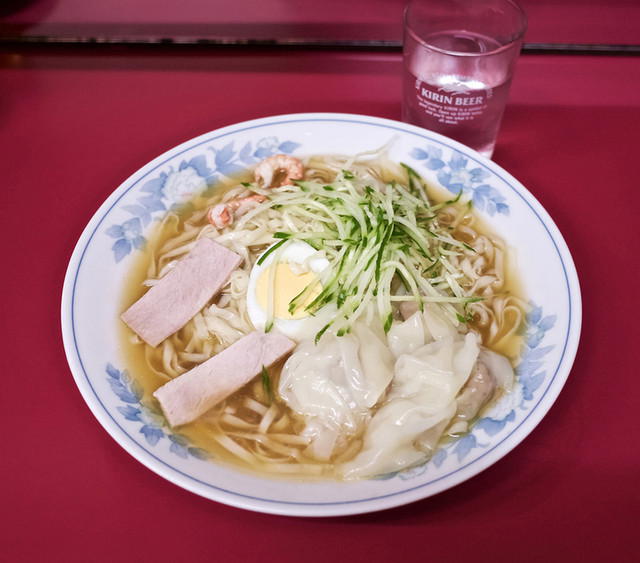
Chuka Soba Korean Cold Noodles Goryu
Kure, Japan
A specialist noodle stop in Kure with low pricing and a stronger quality signal than many casual peers thanks to Tabelog 100 #30 in 2026. Choose it for a focused lunch rather than a long tasting-menu-style meal; groups wanting a broader, more social format may prefer okonomiyaki alternatives.
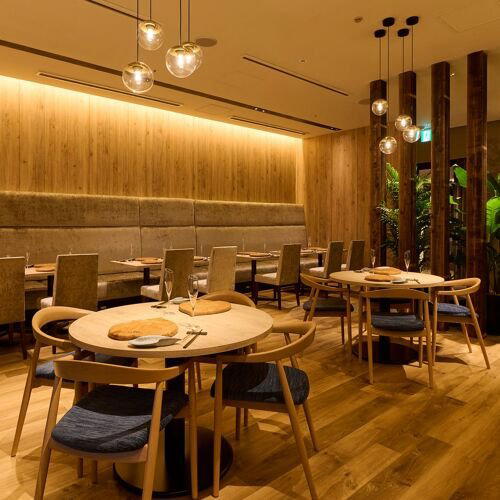
atelier HANADA by Morimoto
Osaka, Japan
atelier HANADA by Morimoto is a Michelin Plate-recognised Chinese restaurant in Osaka's Kitahama district, earning back-to-back recognition in 2024 and 2025. At the ¥¥¥ price tier, it delivers a chef-driven interpretation of Chinese cuisine with deliberate Japanese sourcing; most notably the Peking duck with Kinzanji miso. Book for a lively special-occasion dinner, not a quiet meal.
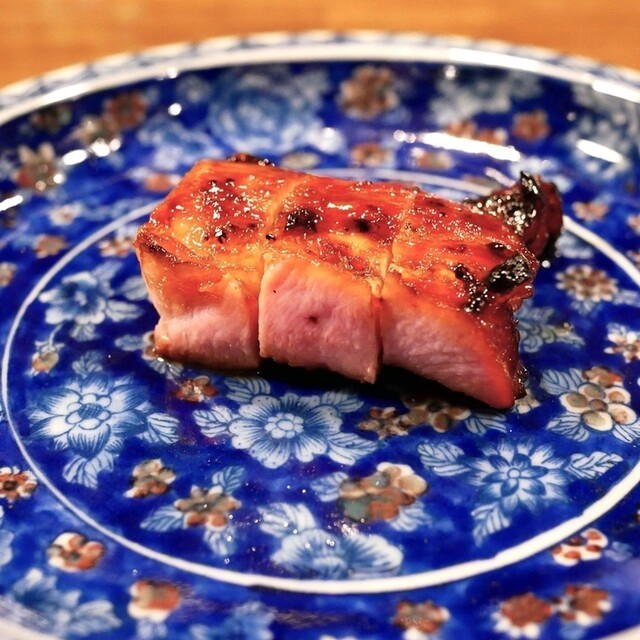
MASUKI
Hiroshima, Japan
MASUKI is the Hiroshima Chinese pick for a planned special-occasion dinner, not a casual fallback. The price tier and Tabelog recognition make it easier to justify for diners who want a structured evening; value-seekers should compare Chuka Ooshige first.
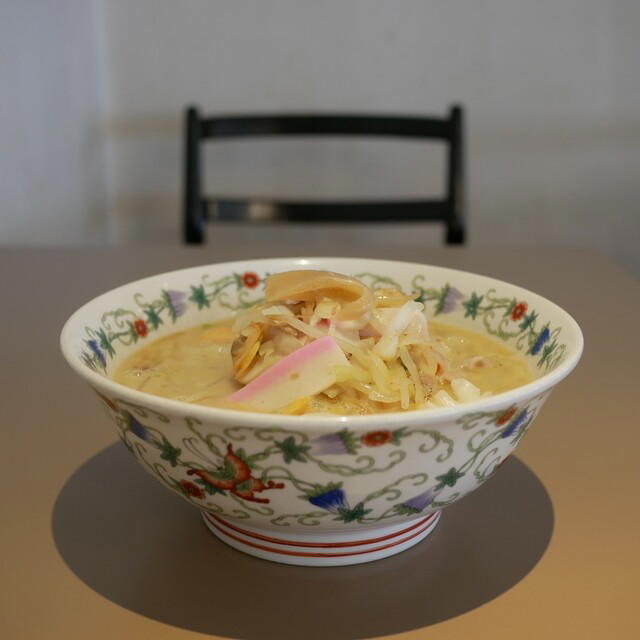
Chinese Saikan Kozanro Chuukagai shinkan
Nagasaki, Japan
Chinese Saikan Kozanro Chuukagai shinkan delivers Nagasaki champon and Chinese classics at JPY 1,000–1,999 per person, earning three consecutive Tabelog 100 Chinese WEST selections. The 156-seat dining room at Shinchi Chinatown's east gate handles walk-ins without reservations, and private rooms accommodate groups up to 130 for course meals.
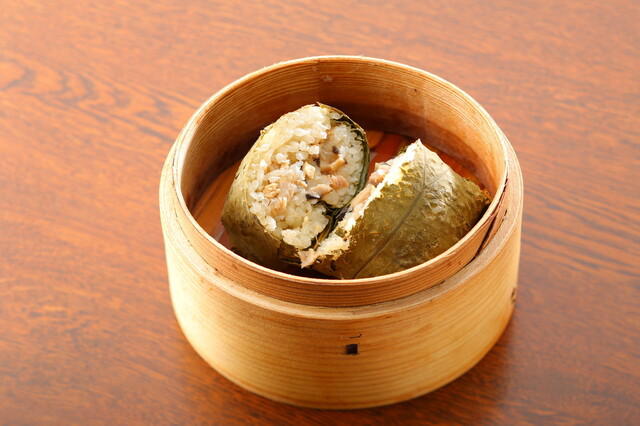
Yun Ki
Kobe, Japan
Three-time Tabelog 100 Chinese WEST selection near Motomachi Station, serving handmade dim sum and three-hour-simmered congee at JPY 3,000–3,999 for dinner, under JPY 1,000 at lunch. The 25-seat room fills fast on weekends but weekday lunches rarely require advance booking, and the kitchen's Hong Kong pedigree shows in the wrapper texture and filling snap.
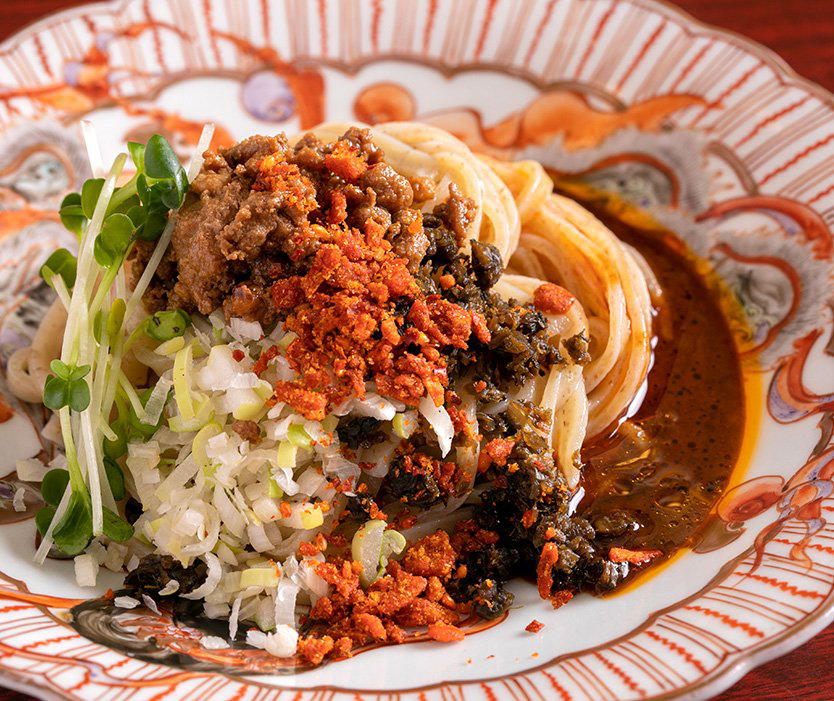
Bullet
Osaka, Japan
Six-seat Sichuan counter in Edobori offering three-year Tabelog 100 recognition. Weekday lunch (JPY 2,000–2,999) delivers mapo tofu and rotating noodles; dinner (JPY 15,000–19,999) operates by reservation for one group nightly. Counter-only format suits solo diners and pairs; cash only, no credit cards.
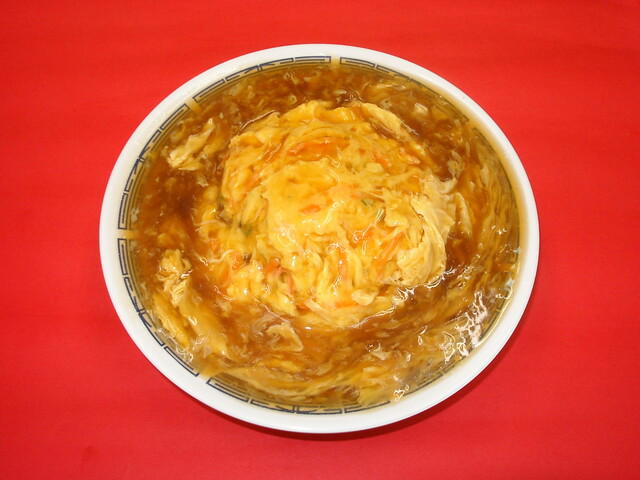
Marushin Hanten
Kyoto, Japan
A 29-seat Chinese cafeteria in Higashiyama holding a Tabelog 100 spot three times over, with lunch under JPY 1,000 and dinner around JPY 1,500. Walk-in only, open until 5:45 AM, and priced well below its award-list peers; worth it if consistent technique matters more than ambiance or menu depth.
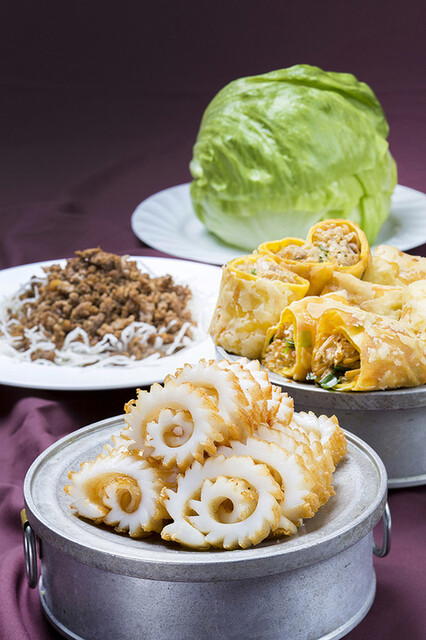
Canton Ryori Minsei Hiruton puraza uesuto ten
Osaka, Japan
Cantonese kitchen beneath Hilton Plaza West, Tabelog 100 - Chinese cuisine - WEST 2021/2024/2026. Fish-forward execution, private rooms for 2–20, sommelier on hand. Dinner JPY 6,000–7,999, lunch JPY 1,000–1,999. One minute from Nishi-Umeda Station, 92 seats, non-smoking. Book ahead for course meals; lunch reservations course-only.
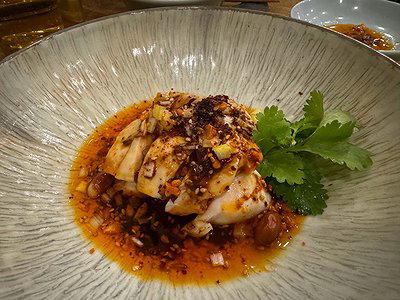
YI PAN CAI TANAKA
Kyoto, Japan
A value-minded Kyoto Chinese pick in Sakyo Ward, YI PAN CAI TANAKA is worth booking when you want recognized cooking without committing to a higher-priced special-occasion room. It is better for repeat visitors and practical dinners than for a showpiece night, with Akihana as the closest value peer and Kyochuka Makisada, hakubi, and VELROSIER as pricier alternatives.
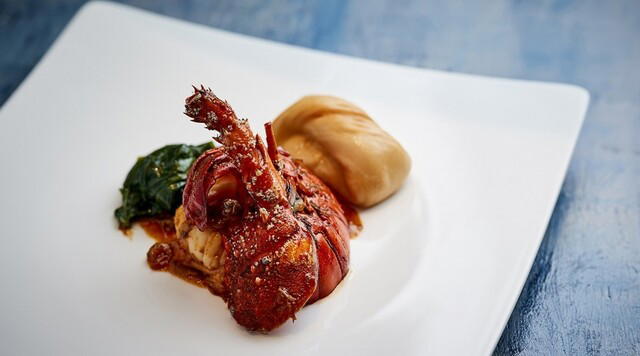
Xiang Tao
Osaka, Japan
Tabelog 100 West 2026 Cantonese restaurant on the fifth floor of The Ritz-Carlton Osaka, offering refined dim sum, seafood-focused menus, and private dining rooms suited to business meals and special occasions. Dinner runs JPY 20,000-29,999 with a 15% service charge; lunch offers an accessible entry at JPY 10,000-14,999.
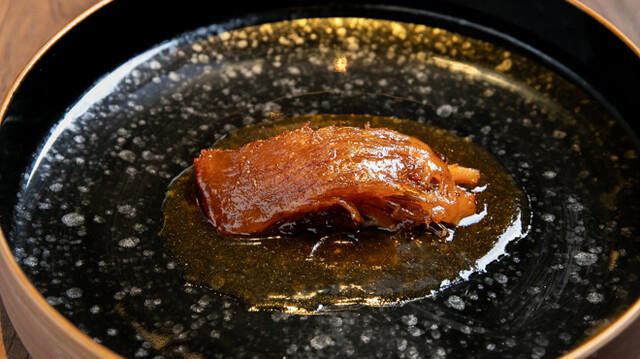
Chinese Sai KHAOS
Fukuoka, Japan
A 20-seat Yakuin hideaway offering fish-forward Chinese cuisine with counter theater and private-room flexibility. Dinner runs JPY 15,000–19,999; lunch drops to JPY 6,000–7,999. Selected for Tabelog 100 Chinese WEST 2026 just months after opening in November 2024. Counter seats suit solo diners; private rooms handle groups up to 6. Wheelchair-accessible, family-friendly, and accepts reservations by phone or online.
Kyochuka Makisada
Kyoto, Japan
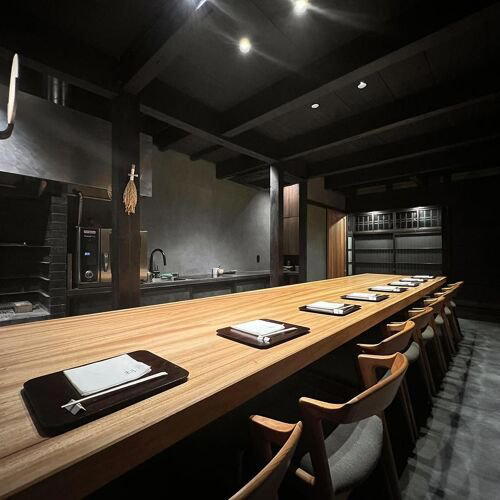
A family-run Chinese restaurant in central Kyoto with back-to-back Michelin Plate recognition (2024–2025), Kyochuka Makisada fills a gap that most visitors never think to look for. The counter seats, facing an active kitchen, are the reason to book; particularly for the Peking duck. At ¥¥¥ with easy reservations, it is the most practical high-quality Chinese option in a city dominated by kaiseki.
Chinese Sai Naramachi Kuko
narashi, Japan
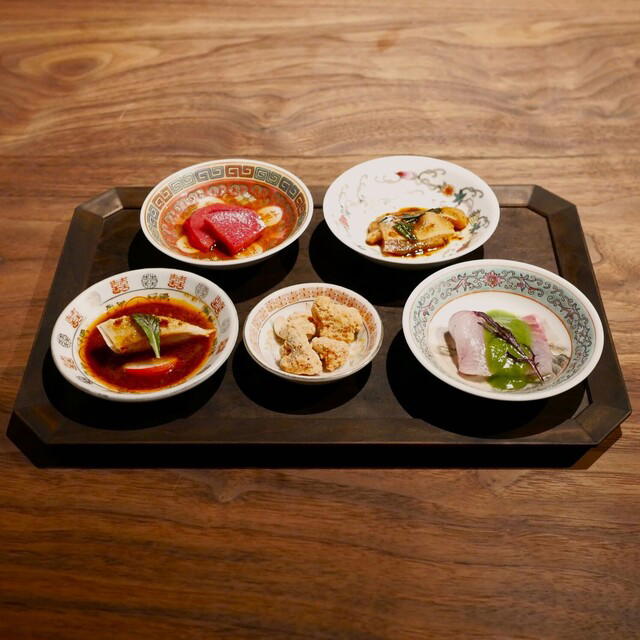
Chinese Sai Naramachi Kuko works for a focused, progression-led meal in Nara, especially if you want the evening to revolve around the restaurant rather than a casual stop. Its Tabelog 100 #42 recognition in 2026 gives it a clear quality signal, but the fit is strongest for diners who like structured meals and smaller-party dining.
Mikuni Tei
Osaka, Japan
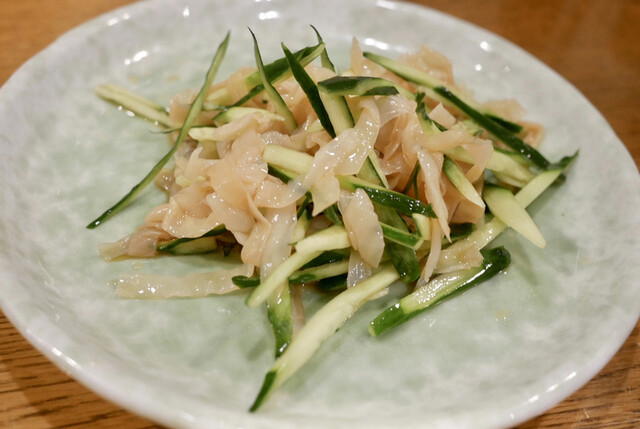
Four-time Tabelog 100 Chinese counter spot (2021–2026) in Osaka's Shimanouchi district, seating 14 at the bar and one four-top. Dinner-only, JPY 5,000–5,999, cash-only, closed Wednesdays, three minutes from Nippombashi Station. Solo-friendly format with take-out service; easier to book than most award-tier peers.
Kamigatachuka SHINTANI
Osaka, Japan
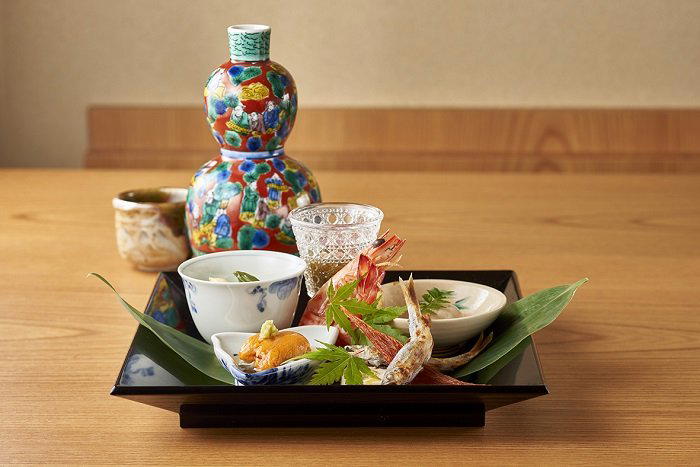
A Michelin-starred Chinese restaurant in Osaka's Nakazaki neighbourhood, SHINTANI fuses Kinki-region ingredients with Chinese and Japanese cooking techniques; a combination with no direct equivalent in the city. At the ¥¥¥ price tier, it offers more conceptual specificity than Osaka's French fine-dining tables at a lower spend. Book well in advance: availability is tight and demand is consistent.
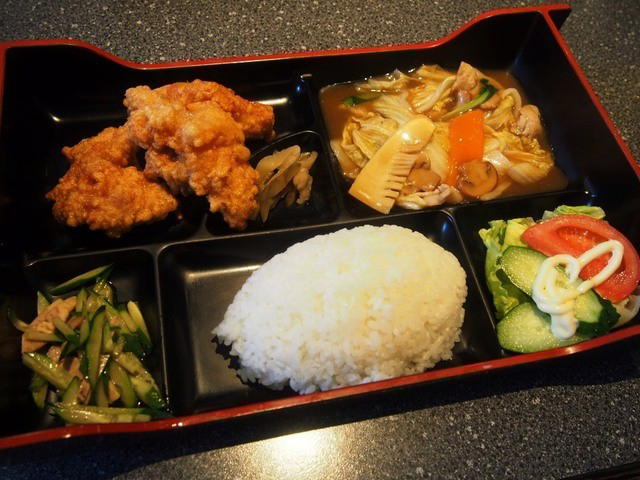
Dairen
Amagasaki, Japan
Dairen is a 58-seat house restaurant in Amagasaki offering Chinese home-style cooking at JPY 1,000 to JPY 2,999, recognized on Tabelog's Chinese WEST 100 list in 2026. Walk-ins only, cash-only, and family-friendly with tatami rooms and private tables. Lunch delivers better value than dinner.
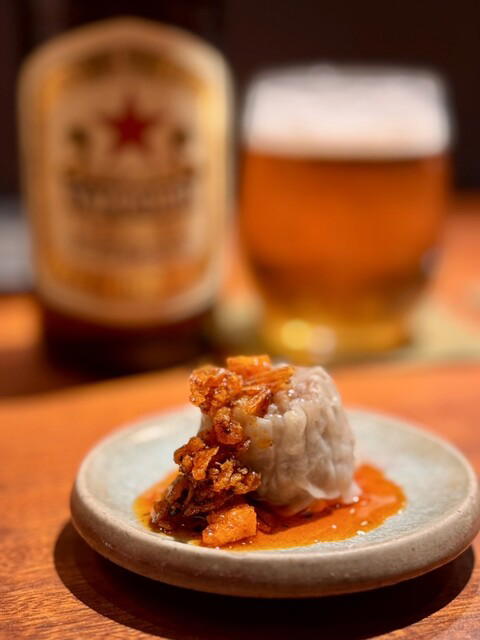
Kamifukawa
Osaka, Japan
A reservation-only Chinese restaurant in Nishitenma that earned Tabelog 100 recognition within two years of opening. At ¥15,000–¥19,999, the solo-chef operation offers refined cooking and private rooms for business or special-occasion meals. Book ahead via Instagram; the pace is deliberate, the setting quiet, and the technique award-level.
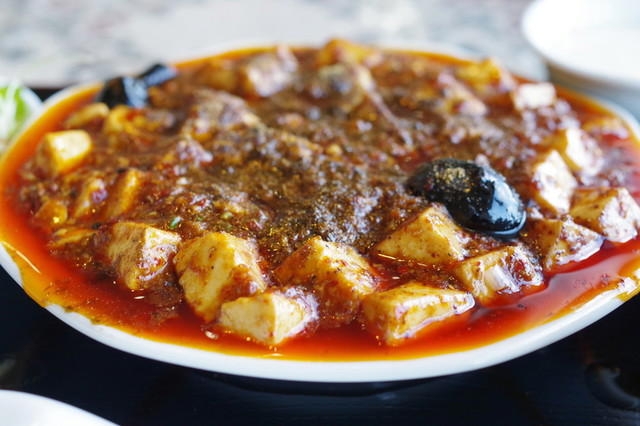
Tonko
Usuki, Japan
Tonko is a 12-seat house restaurant in Usuki's outskirts earning Tabelog 100 Chinese WEST recognition two cycles running. Lunch runs JPY 1,000–1,999 with walk-in availability most days, semi-private tatami rooms flex for groups up to 20, and BYO-friendly policies add flexibility. Call ahead to confirm availability; private events close the space sporadically.
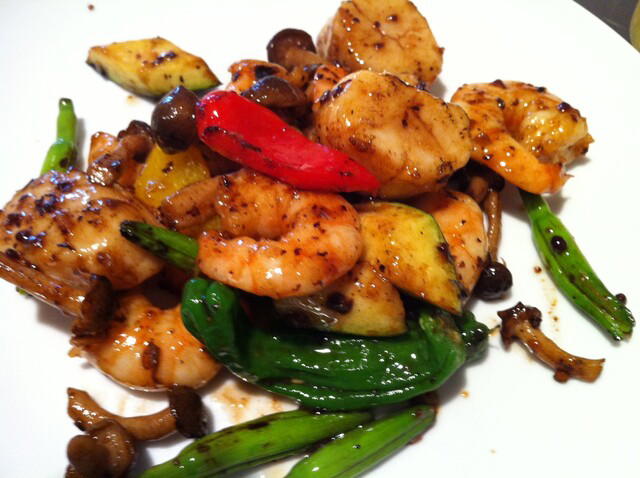
Seiran
Osaka, Japan
Tabelog 100 Chinese restaurant in Osaka's Chuo Ward, serving market-fresh seafood à la carte at JPY 6,000–7,999 dinner. The 50-item menu and BYO wine option (JPY 4,000 corkage) offer flexibility for groups and couples. Booking is straightforward; the format justifies the spend if you want Cantonese-style fish and control over your meal pacing.
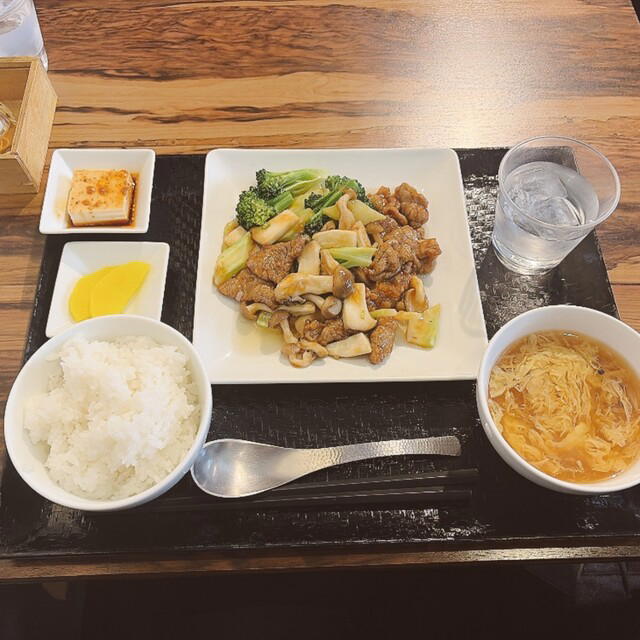
Chuka Sensai Renge
Fukuoka, Japan
A 20-seat house restaurant in suburban Susenji, recognized by Tabelog 100 Chinese West 2026, serving vegetable-focused Chinese cooking with wine and cocktails at JPY 1,000–1,999 lunch, JPY 2,000–2,999 dinner. Cash only, reservations recommended, and the most awarded Chinese option at this price tier in Fukuoka's western wards.
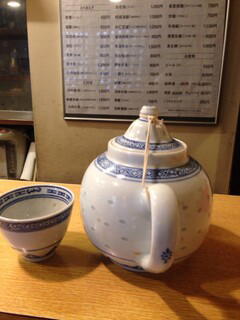
Shinshin
Kobe, Japan
Tabelog 100 Chinese spot near Kenchomae Station with a fish-forward, health-menu focus, serving lunch under JPY 2,000 and dinner around JPY 4,500. The 18-seat room (8 counter, 10 tables) books quickly but accepts walk-ins during quieter weekday lunch windows. Repeat selections in 2021, 2023, 2024, and 2026 signal steady quality over flash.
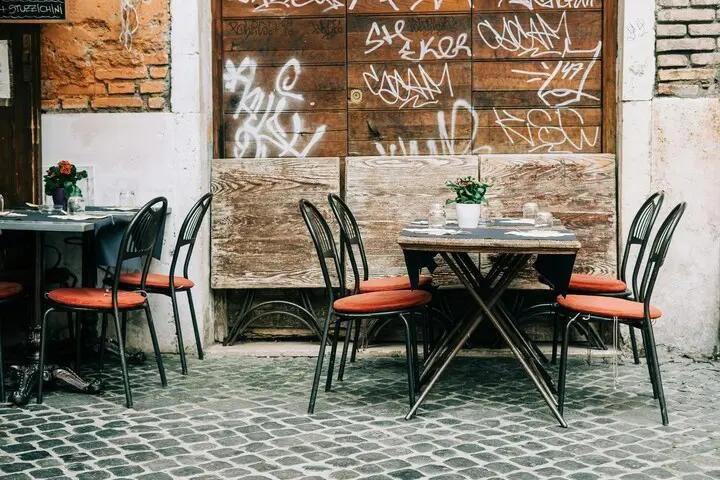
Hirosawa
Kyoto, Japan
Hirosawa brings kaiseki-level Chinese technique to a ten-seat Kyoto townhouse counter, earning two Tabelog Silver Awards since opening in 2023. At ¥30,000–¥39,999, the reservation-only format delivers fish-focused modern Chinese with serious wine pairings, competing with Kyoto's kaiseki dominance. Book if you want intimate counter service and are willing to pay fine-dining prices for the category.
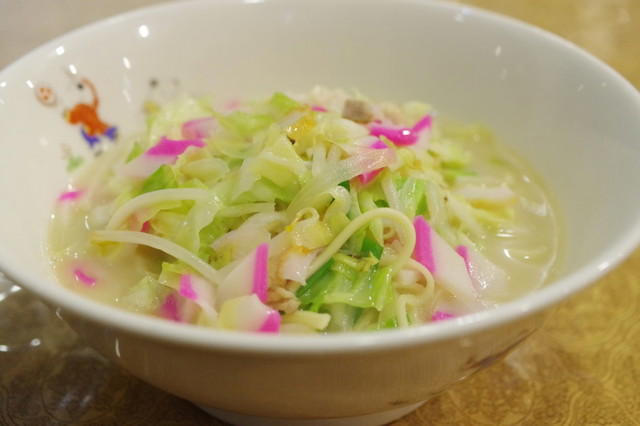
Chinese cuisine GUNRAIKEN
Nagasaki, Japan
A practical Nagasaki pick for a small Chinese dinner with stronger recognition than the price suggests. Choose it for two to four diners who care about value and credibility; look elsewhere if the meal needs private-room certainty, a larger group setup, or a more formal celebration format.
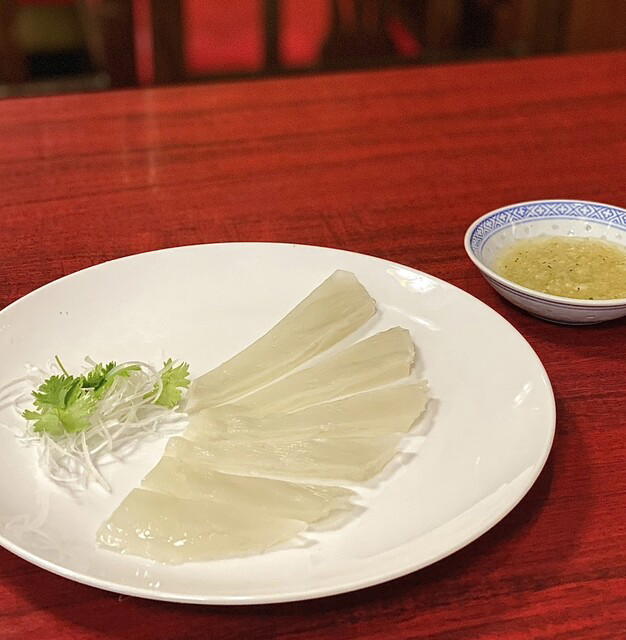
Canton Ryori Chinese Shuka Toa rodo ten
Kobe, Japan
A Tabelog 100 Cantonese specialist since 1981, Canton Ryori Chinese Shuka Toa rodo ten offers chilled shark fin and black-pepper lobster in an 80-seat format that welcomes walk-ins. Lunch runs JPY 4,000–4,999, dinner JPY 10,000–14,999, with easier booking access than most award-listed Chinese dining in Kobe.
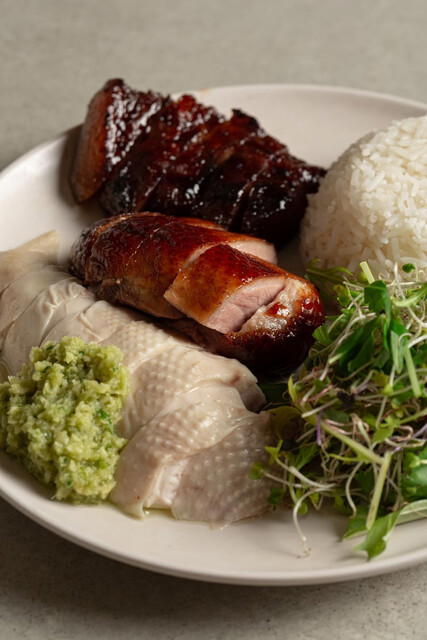
Shaoxiao
Kyoto, Japan
Cantonese roasted duck and Hong Kong-style congee in Higashiyama-ku, open for breakfast, lunch, and dinner. Tabelog 100 (Chinese WEST) at JPY 1,000–1,999 lunch and JPY 4,000–4,999 dinner. Reserve a week ahead for weekend dinner; walk-ins work at breakfast. 18 seats, counter and tables, 5 minutes from Keihan Shichijo.
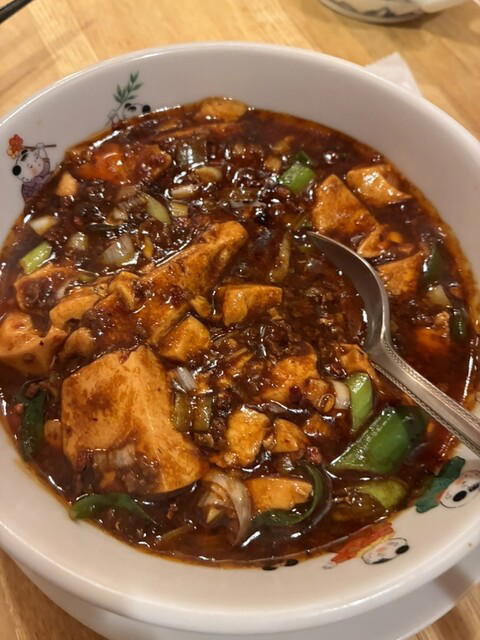
China Sichuan Rakuda
Kyoto, Japan
A 13-seat Sichuan specialist in Kitashirakawa earning back-to-back Tabelog 100 recognition (2024 and 2026) at JPY 1,000–2,999 per head. The kitchen handles ma la balance; tantan-men, mapo tofu, wok-fired stir-fries; with more precision than most casual Chinese spots in Kyoto, and the counter seating puts you close to the cooking. Book a few days ahead for weekend service; walk-ins work midweek lunch. Worth it if you want award-tier Sichuan technique without ¥¥¥ pricing.
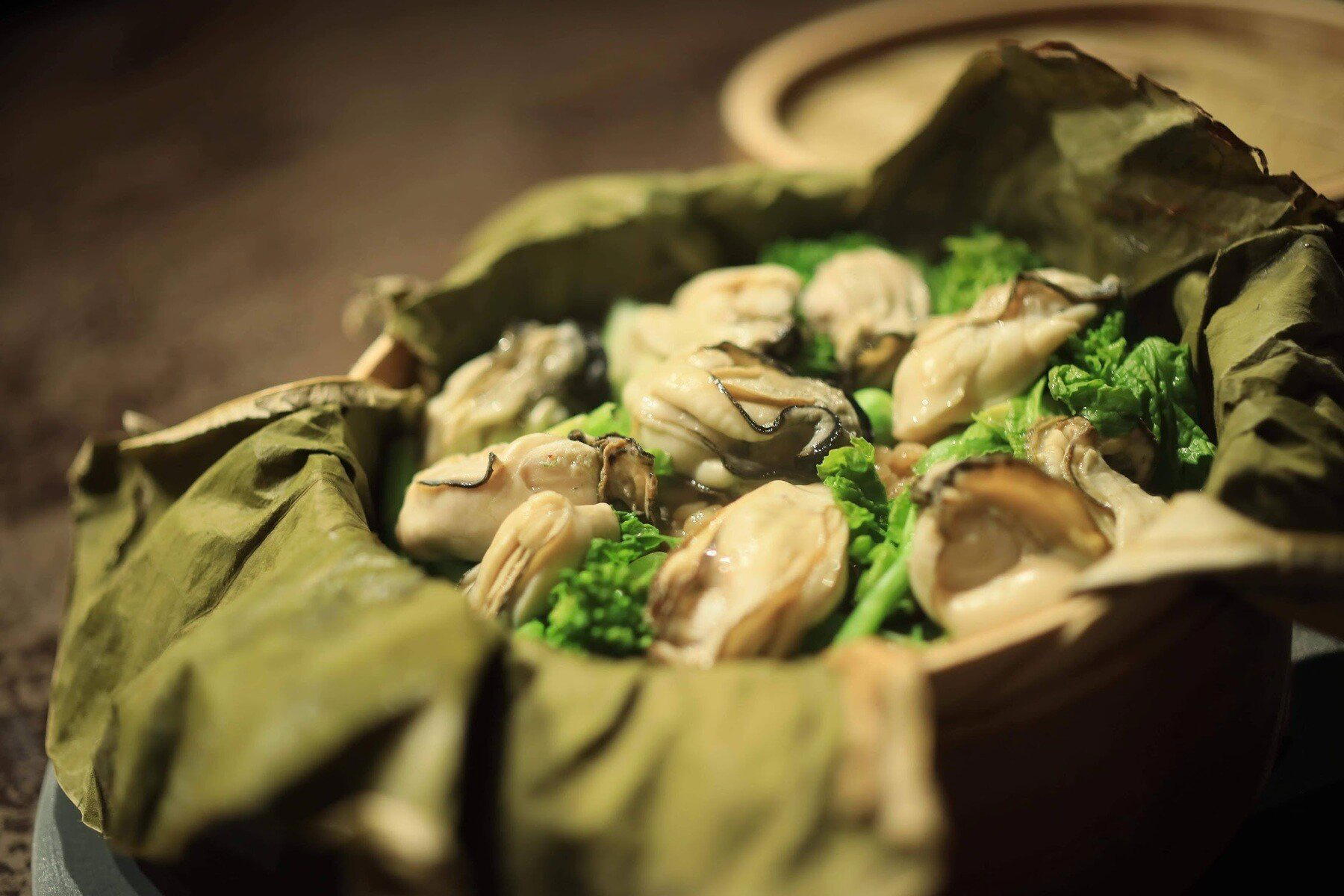
AUBE
Osaka, Japan
AUBE is a six-seat Neo-Classical Chinese counter in Osaka's Nishitenma, awarded Tabelog Bronze in 2025 and 2026 with a score of 3.89. Dinner runs JPY 40,000–59,999 per head including service. Groups of four or more get private use of the full room; making it one of Osaka's more practical options for a high-end celebration dinner in an intimate, reservation-only setting.
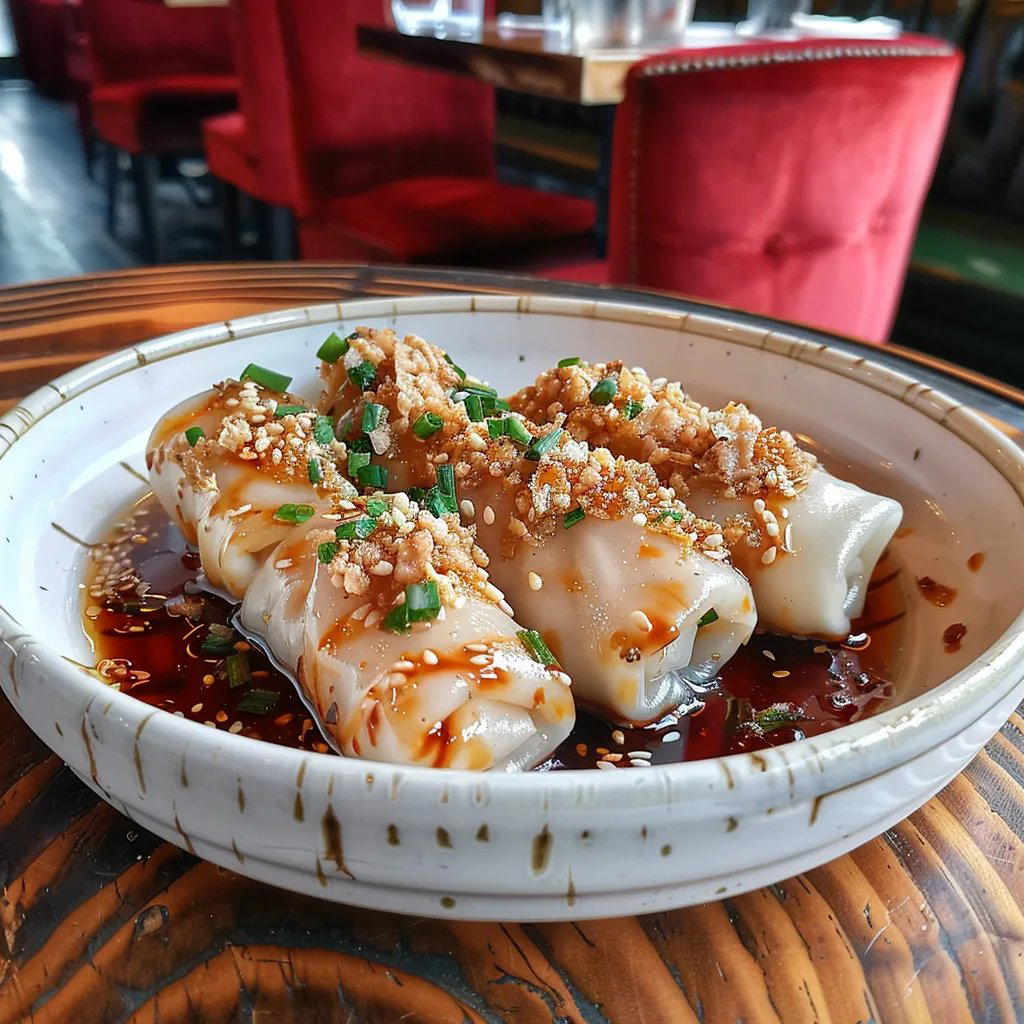
IMAISHIHANTEN SUZUKA
Fukuoka, Japan
Imaishihanten Suzuka is Fukuoka's most credentialed Chinese counter restaurant, holding consecutive Tabelog Award Bronze wins in 2025 and 2026 alongside three years on the Tabelog Chinese WEST 100 list. At 12 seats and course-only, it demands advance planning; but the lunch entry point at JPY 8,000–9,999 makes a two-visit strategy both practical and smart for serious food travellers.
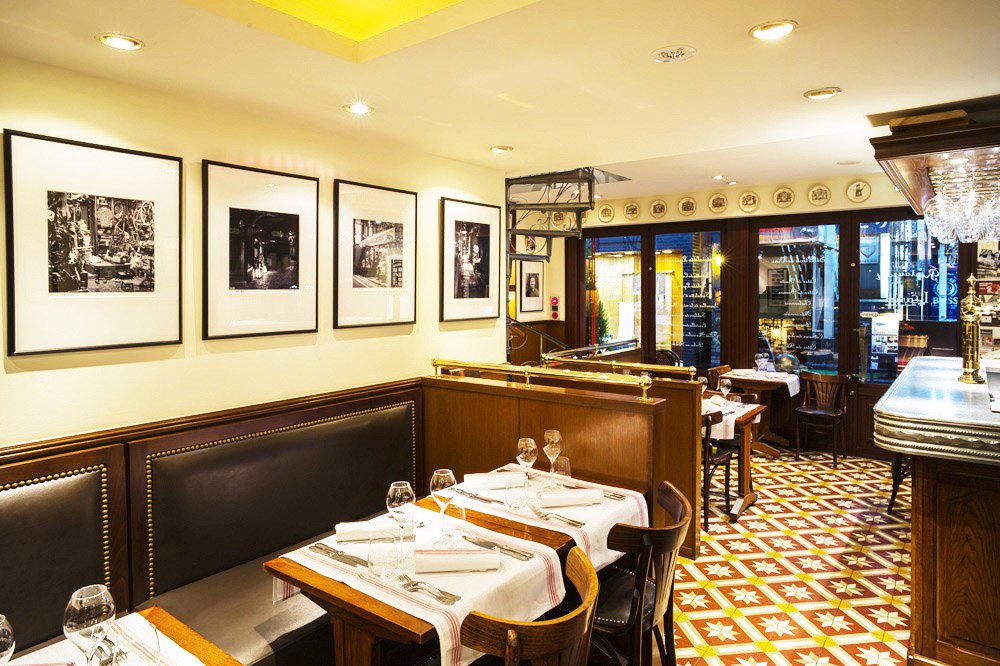
MATO
Osaka, Japan
MATO is a sensible Osaka shortlist pick for a low-key special occasion, mainly because its 2026 Michelin Plate gives useful reassurance in a neighborhood where small restaurants can be hard to judge from public detail alone. Choose it for a date or two-person dinner when recognition matters more than advance menu transparency; pick a peer with clearer pricing for groups or business entertaining.
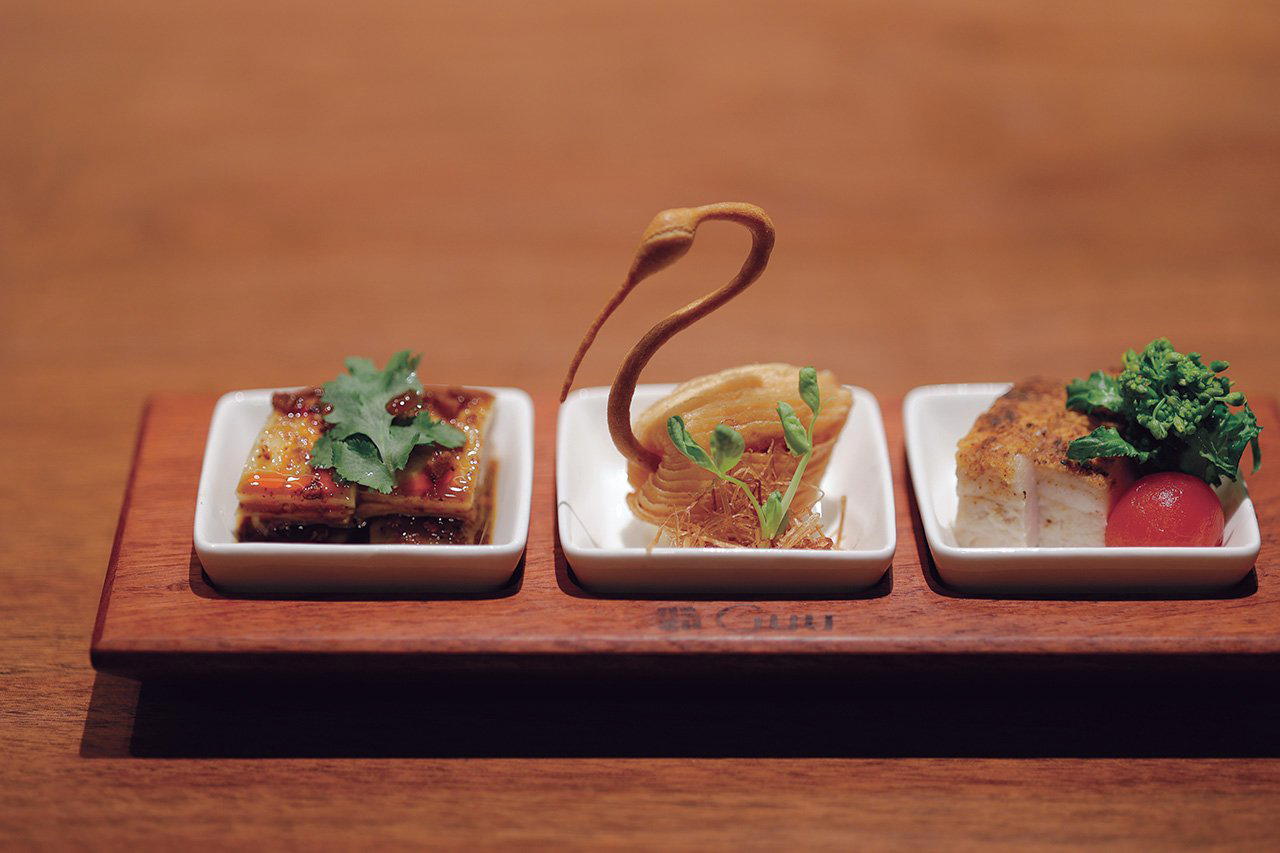
Guu
Kyoto, Japan
A six-seat Chinese counter in central Kyoto with a Tabelog score of 4.39 and a 2026 Silver Award; one of the most credentialled Chinese fine dining addresses in the Kansai region. Opened in 2022, it books via Instagram DM on the 1st of each month. Budget JPY 20,000–29,999 per head. Best for special occasions and solo counter dining.
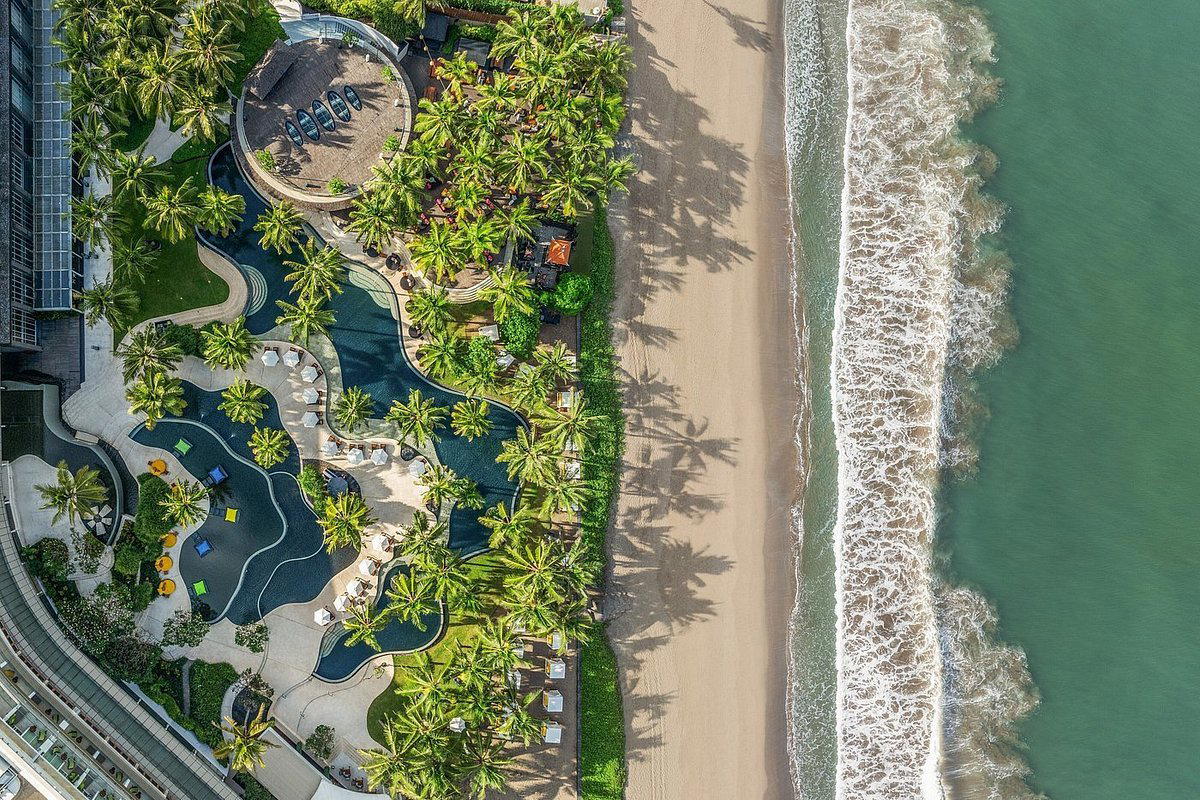
Chugokusai S.Sawada
Osaka, Japan
A serious Osaka Chinese pick for a date, anniversary, or business dinner where conversation and polish matter more than spectacle. The ¥¥¥ price and Michelin Plate recognition make it a sensible special-occasion booking, especially if you are comparing it with Chi-Fu, xiang hua, atelier HANADA by Morimoto, or KushinGarando.
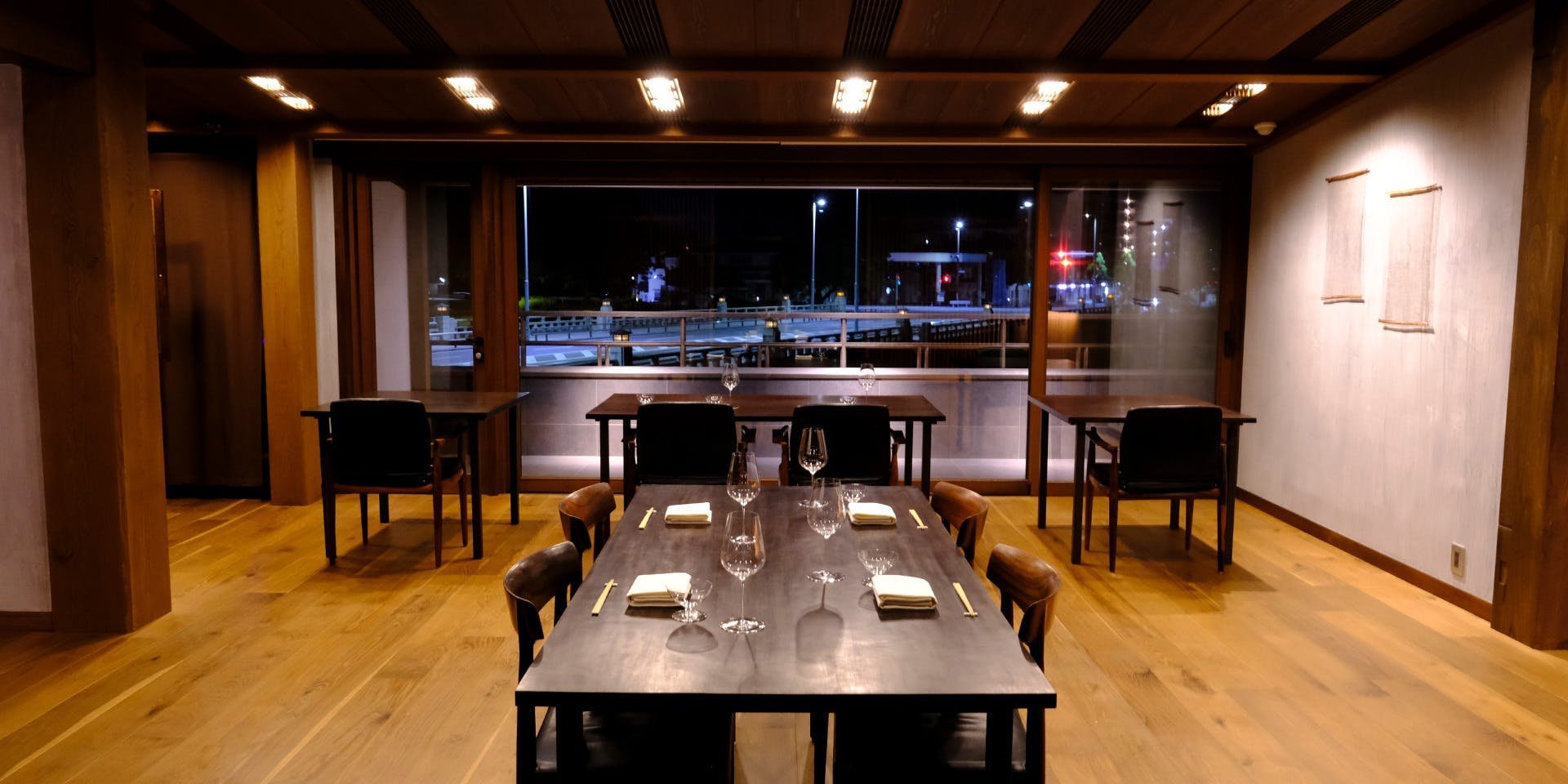
xiang hua
Osaka, Japan
Xiang Hua holds consecutive Michelin Plates (2024, 2025) for its pan-regional Chinese cooking in Osaka's Nishitenma district. At ¥¥¥, it is one of the most accessible serious Chinese restaurants in the city, with a seasonally driven menu that gives repeat visits genuine purpose. Easy to book and well-suited to date nights or celebratory small-group dinners.
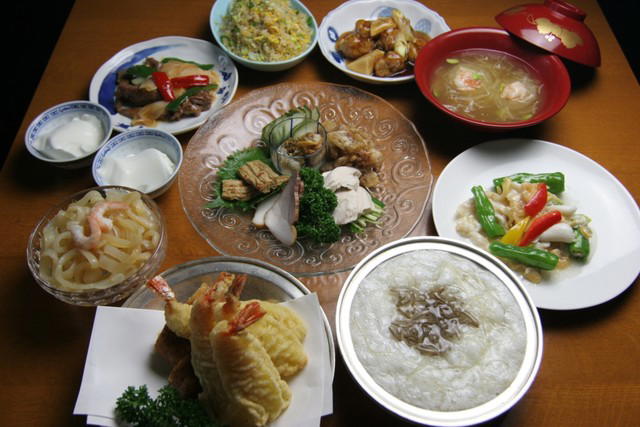
Gion Morikou
Kyoto, Japan
Tabelog 100-listed Chinese spot in Gion with tatami private rooms and a 37-seat layout near Shirakawa River. Lunch (JPY 1,000–1,999) offers better value than dinner (JPY 4,000–4,999). Best for groups of 4–6 seeking dim sum and Chinese mains in a calm, semi-private setting.
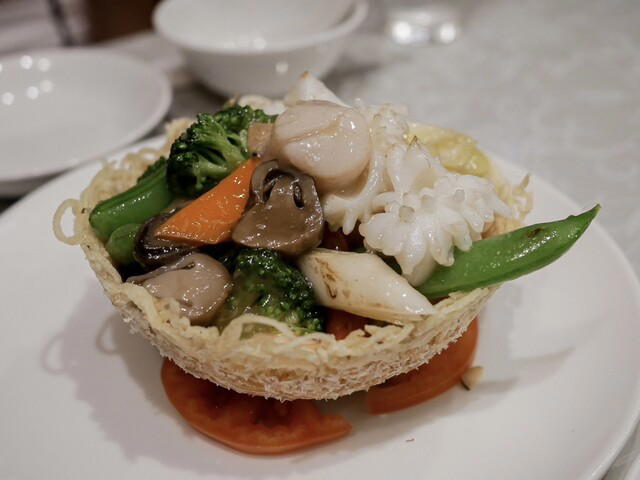
Juntoku
Kobe, Japan
Cantonese house restaurant three minutes from Motomachi Station, Tabelog 100 Chinese WEST (2026, 2024, 2021), specializing in dried-seafood stocks and rehydrated luxury ingredients. Dinner JPY 3,000–3,999, lunch JPY 1,000–1,999. Seats 80 across tables and tatami rooms; accepts groups up to 40, cash only, no reservations required but advised for weekends.
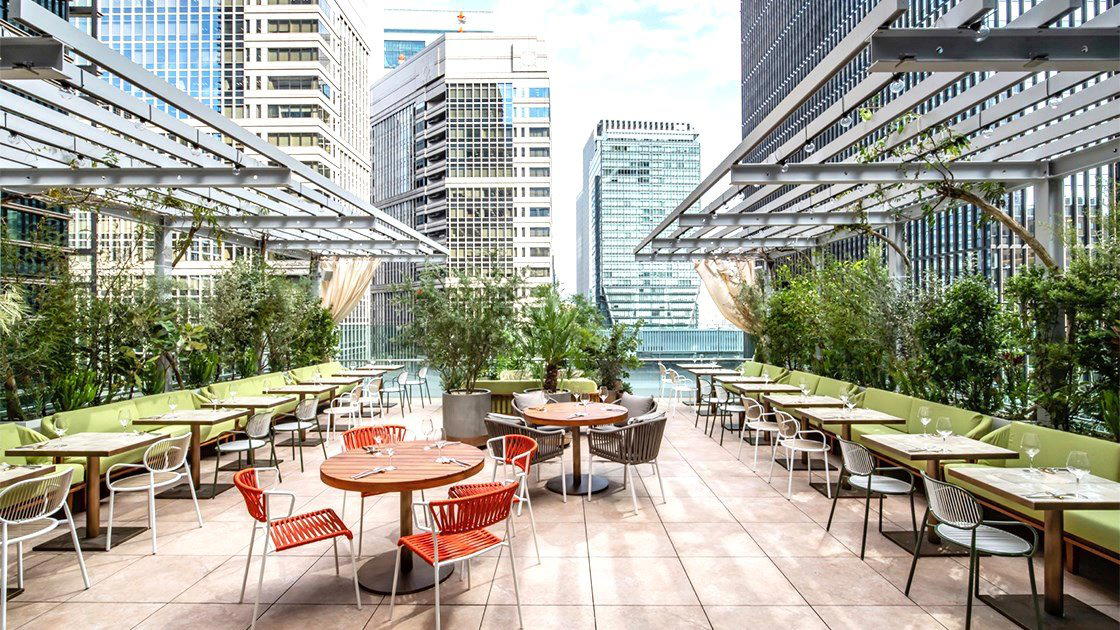
Az
Osaka, Japan
Az occupies a basement counter in Osaka's Kita Ward business district, serving weekday lunch and nightly dinner with no website or public menu. The limited schedule and phone-only reservations point to steady local trade rather than tourist traffic, while the Nishitenma location keeps it convenient for anyone near Umeda Station. Expect approachable Japanese counter dining without kaiseki formality, best suited for solo diners or pairs willing to book 10 days ahead.
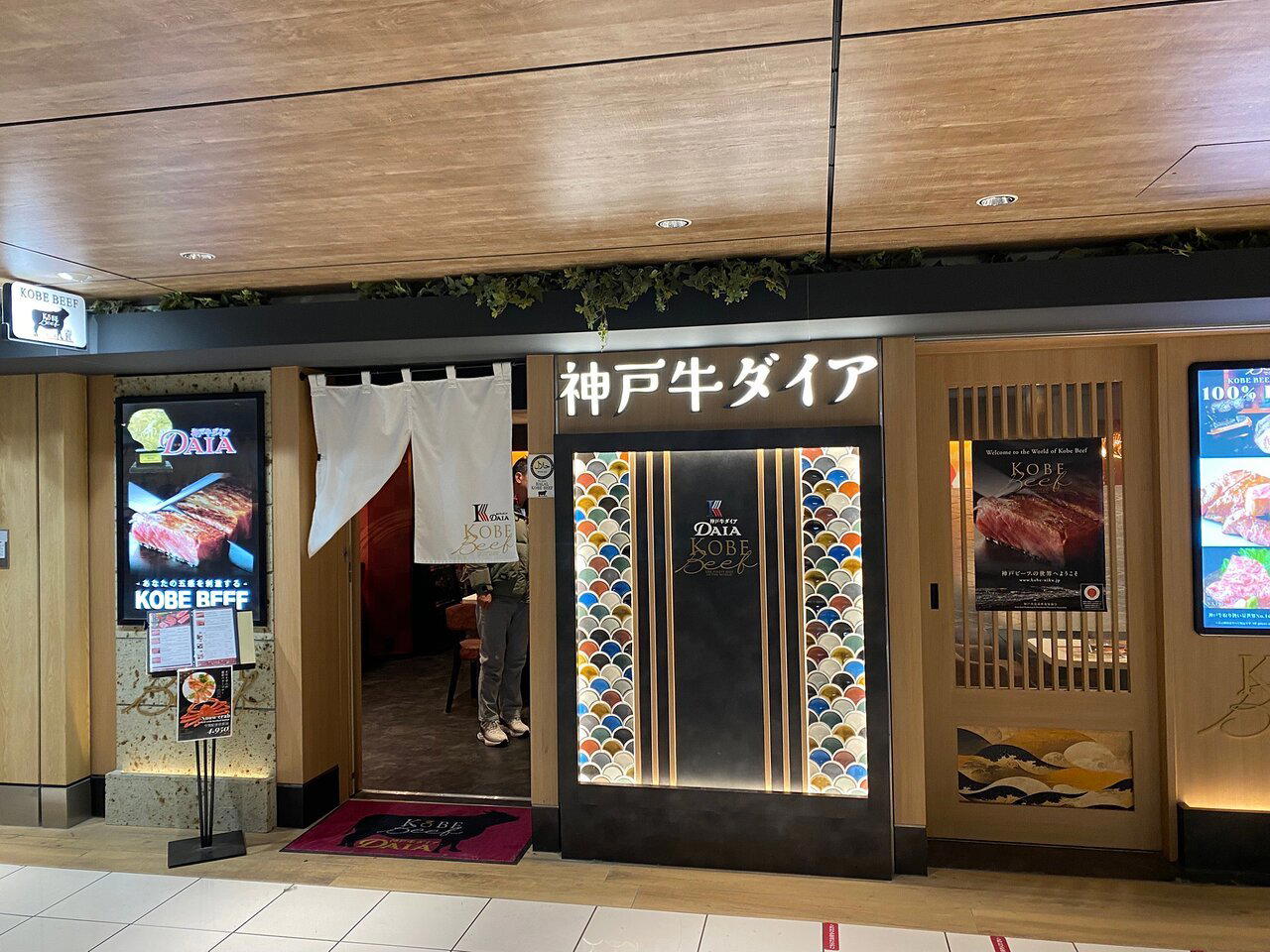
老虎菜 本店
Kobe, Japan
老虎菜 本店 works for a small Kobe celebration when food credibility matters more than a published menu or detailed private-room planning. Its Tabelog 100 #65 recognition in 2026 is the main trust signal; book it for a composed meal in Higashinada Ward, not for guaranteed group logistics.
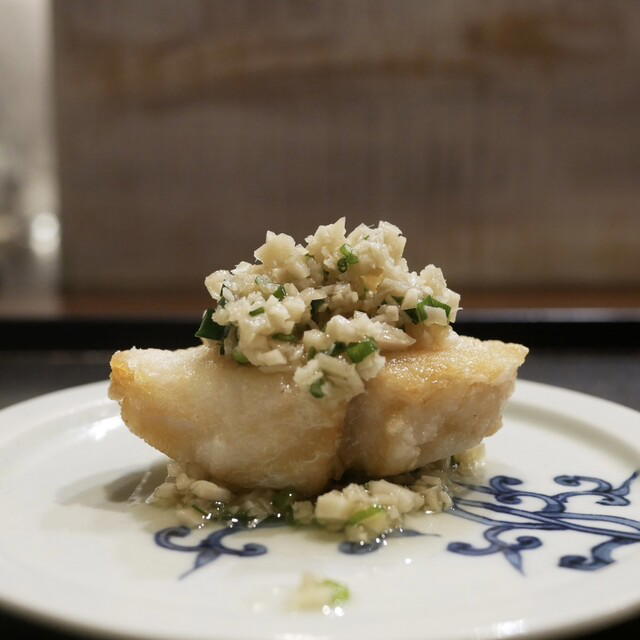
Chinese Sai Kichijitsu
Hiroshima, Japan
Eight-seat Chinese tasting counter in Hiroshima's Wakakusacho district, recognized on Tabelog's 2026 WEST 100 list within months of opening. Seasonal prix-fixe dinners run JPY 10,000–14,999, with a single 6:30 PM seating nightly and reservation-only service. Best for guests who want kitchen interaction and seasonal precision over à la carte flexibility.
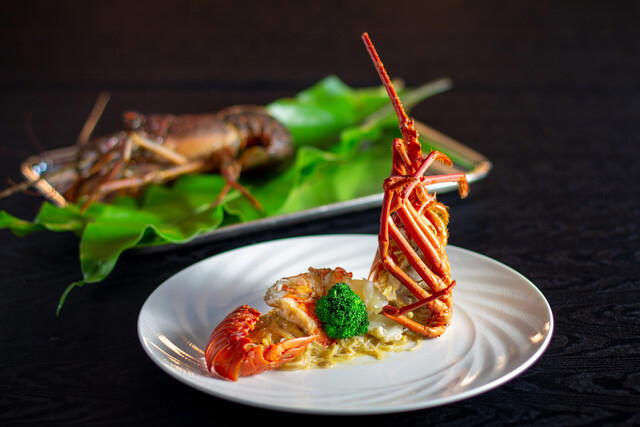
Kokyu
Osaka, Japan
Tabelog 100-recognized Chinese restaurant on the third floor of the Westin Osaka, serving seafood-forward Cantonese and dim sum with vegetarian depth. Counter seats offer views into wok technique; private rooms (¥8,000 charge) suit business dinners. Lunch ¥6,000–¥7,999, dinner ¥10,000–¥14,999, plus 15% service. Smart casual dress enforced. Seven-minute walk from JR Osaka Station.
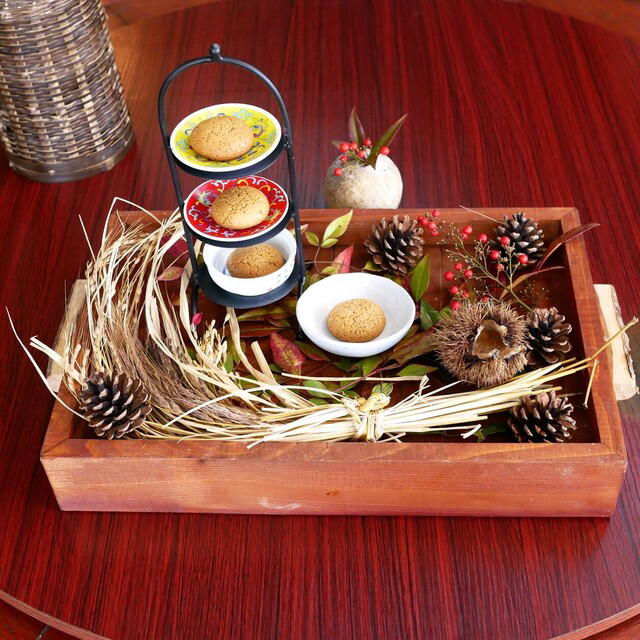
Inaka no Taiho
Kyoto, Japan
A Tabelog 100 Chinese restaurant on a working farm in Ayabe, an hour north of Kyoto. Reservations require four guests minimum, cash only, and a 20-minute walk from the bus stop; but the farm-to-wok format and JPY 10,000–14,999 price point deliver recognized technique at half the cost of the city's kaiseki temples.
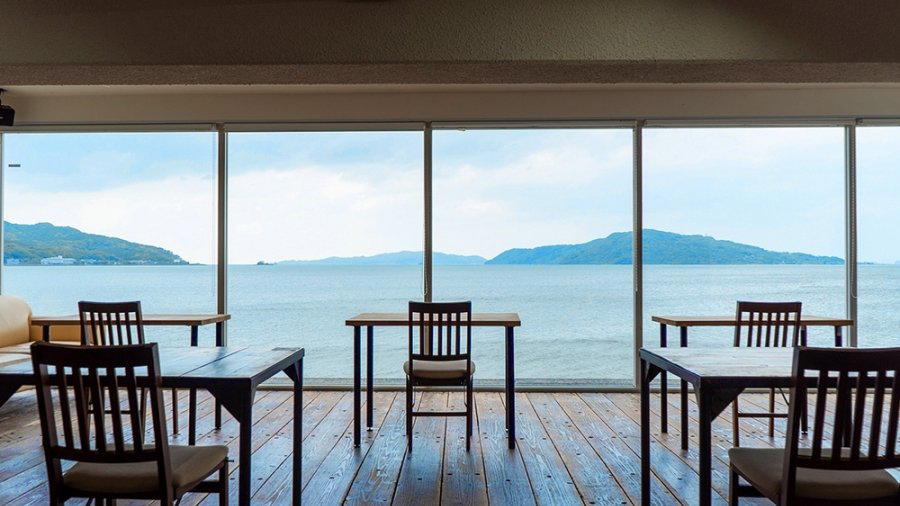
SESSION
Fukuoka, Japan
SESSION is a practical Tenjin pick when the goal is a recognized Fukuoka meal without turning dinner into a high-spend project. Book it for value and convenience; choose Yakitori Koto or Kiharu instead if the night needs a clearer splurge format or more occasion weight.
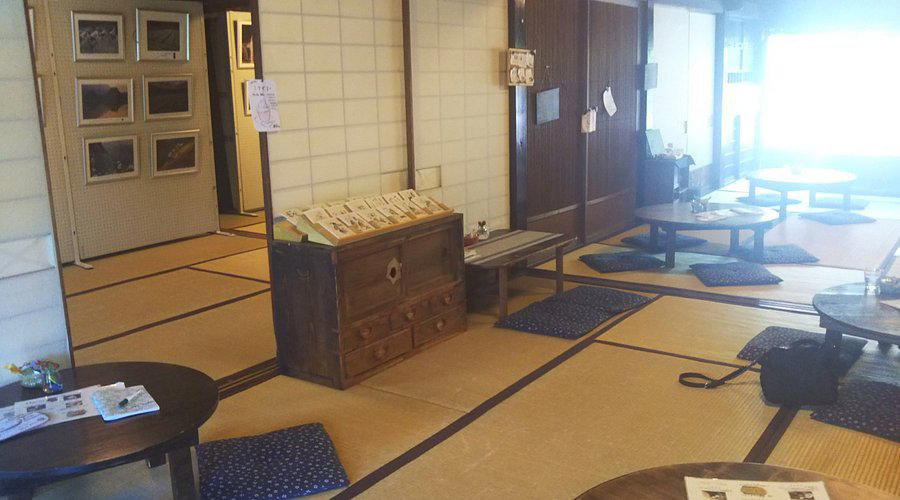
Saika
Kyoto, Japan
Saika is Kyoto's most decorated Chinese restaurant, holding Tabelog Silver every year from 2019 to 2026 and ranking in OAD's Japan top 200. Eight counter seats, an appointment-only booking system via TableCheck, and dinner at JPY 40,000–49,999 per head. If you've done Kyoto's kaiseki circuit and want something different at the same level, this is the logical next booking.
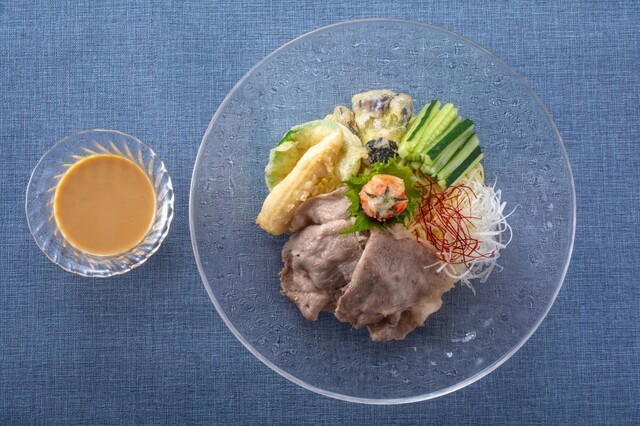
Shukeien
Kobe, Japan
A 188-seat Chinese dining room on the 29th floor of Kobe Portopia Hotel, recognized in Tabelog's 2026 WEST 100. Dinner pricing of JPY 8,000 to JPY 9,999 positions it as a group-friendly mid-tier option with harbor views, though the Port Island location and early closing hours (9:30 PM most nights) demand logistical planning.
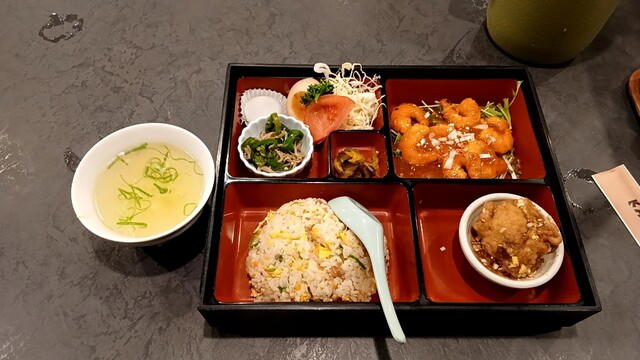
Kaen
Osaka, Japan
Tabelog 100 Chinese - WEST 2026 honoree serving lunch under ¥999 in Minamihorie, five minutes from Yotsubashi Station. Counter seating for solo diners and private dining up to 20 guests make it a flexible option for business or casual groups. Reservations recommended; cash only, closed Sundays.
Maa Boya
Ukiha, Japan
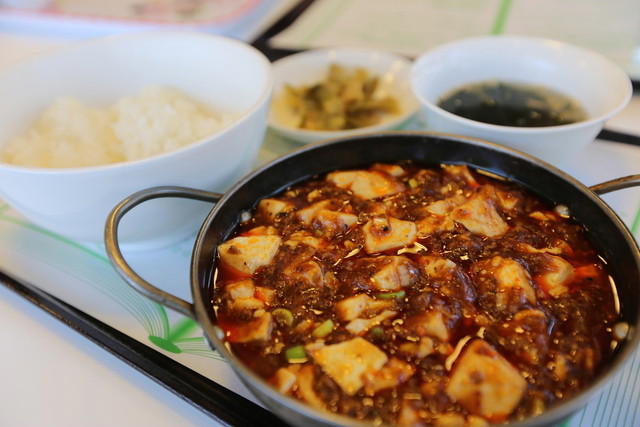
Tabelog 100 Chinese specialist (2023, 2026) serving Sichuan noodles and tantan-men for under 1,000 yen in a house-restaurant format. Lunch-only hours (11 AM–3:30 PM weekdays), walk-in access, and family-friendly seating make this a practical quick-hit option rather than a destination dinner, but the repeat recognition signals execution above neighborhood-joint expectations.
Nishibuchi Hanten
Kyoto, Japan
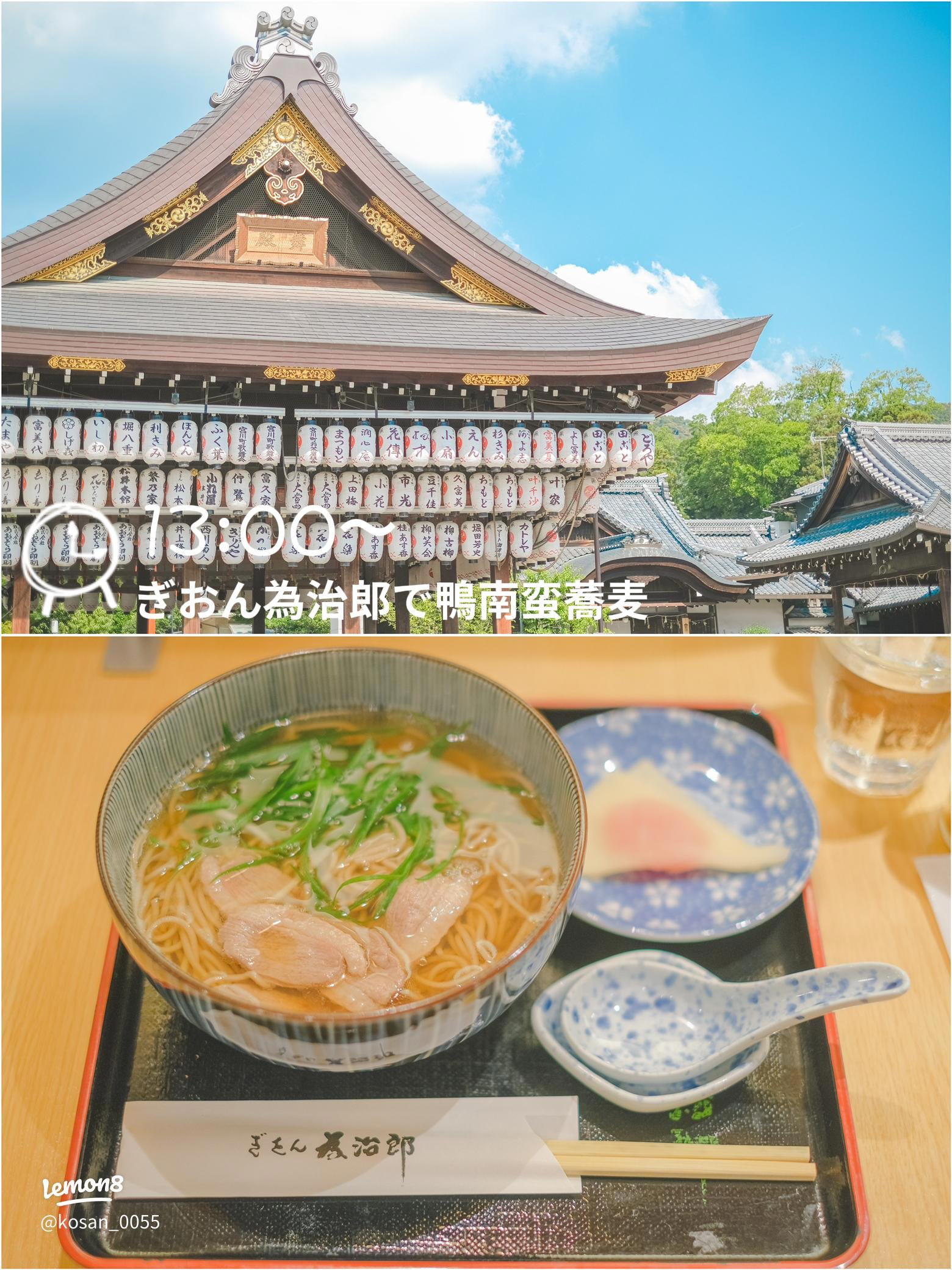
Chef Kentaro Nishibuchi's ten-seat Chinese counter in Higashiyama pairs Cantonese and Sichuan techniques with Kyoto-sourced ingredients, delivering tasting menus that justify 30,000–39,999 JPY and multi-week booking windows. Nine consecutive Tabelog Silver Awards and inclusion in OAD's Japan rankings confirm consistent execution. Counter-only seating and dinner-only service mean this suits couples and solo diners more than large groups.
Gessen
Osaka, Japan
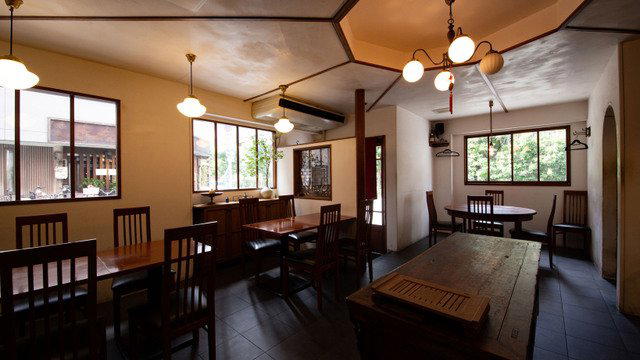
Gessen is Osaka's most decorated avant-garde Chinese restaurant, holding a Tabelog Silver Award in 2025 and 2026 with a 4.40 score. Chef Mitsushiro Okada runs a daily-changing menu across 18 seats in Nishitenma, dinner-only, cash only. At JPY 15,000–29,999 per head, it is the right booking if technically ambitious Chinese cuisine is what you are after.
Kyo Seika
Kyoto, Japan
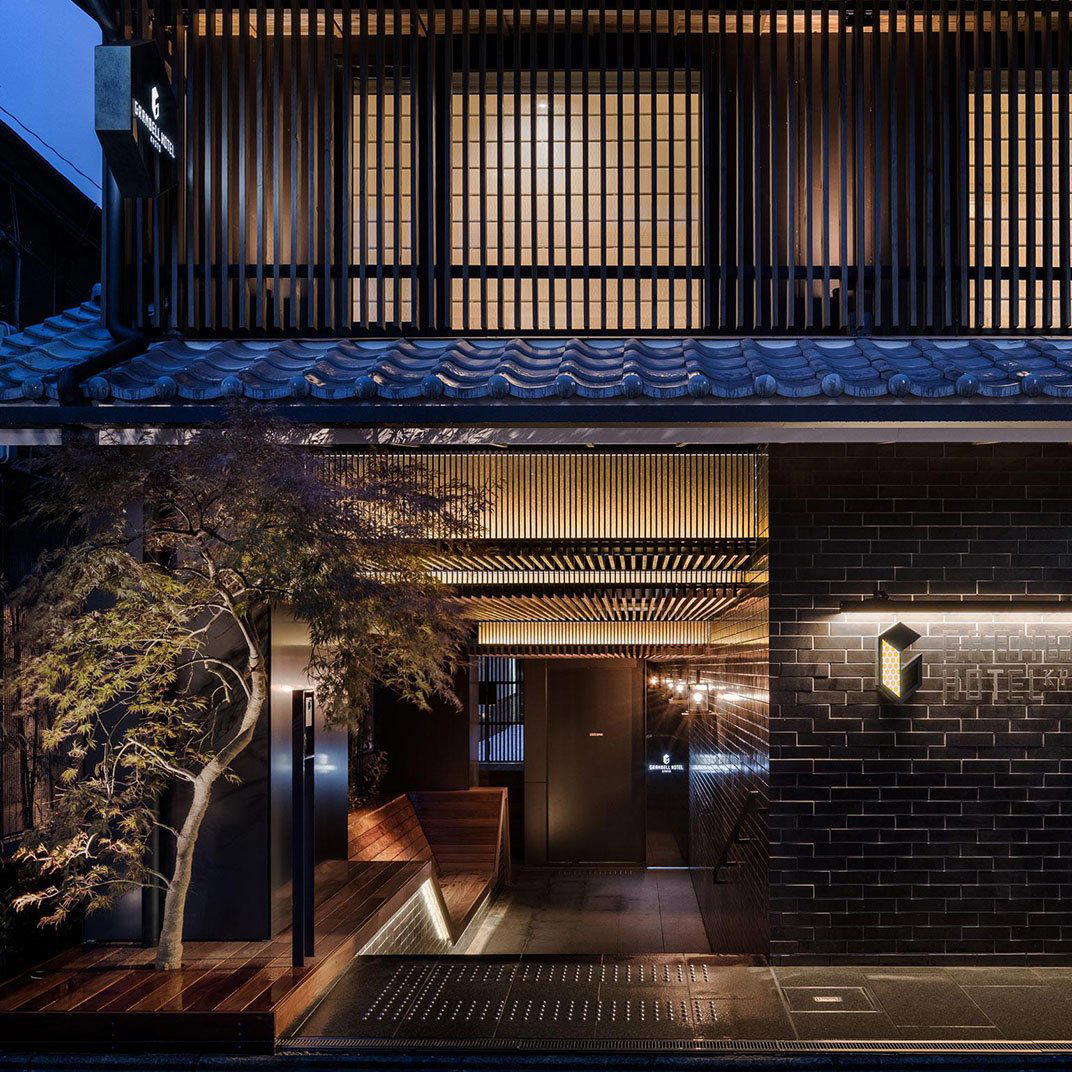
Kyo Seika holds a Michelin star and seven consecutive Tabelog Bronze Awards for its singular Chinese cooking in Kyoto's Higashiyama district. Dinner only (Wed–Sun, 6–9 pm), 16 seats, JPY 20,000–29,999 per head plus a 10% service charge. Book at least 4–6 weeks out; this room is small and the reputation is strong.
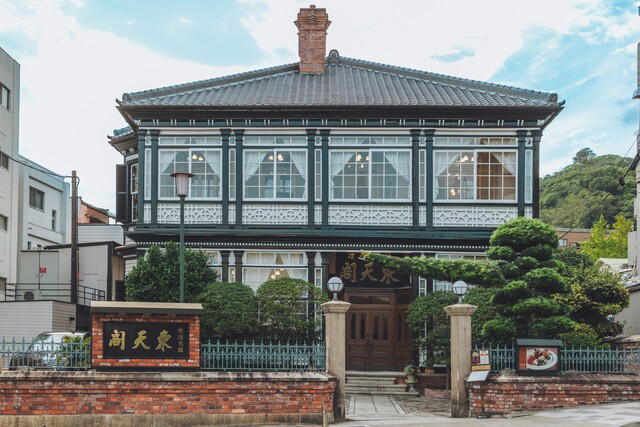
Toten Kaku Koube honten
Kobe, Japan
A Tabelog 100-listed Chinese restaurant in Kobe's Ijinkan district since 1945, offering course-focused banquet dining in private rooms for 2–30 guests. Dinner runs JPY 15,000–19,999; lunch courses start at JPY 6,000. The spacious, traditional setting suits groups and special occasions, with straightforward booking and family-friendly policies.
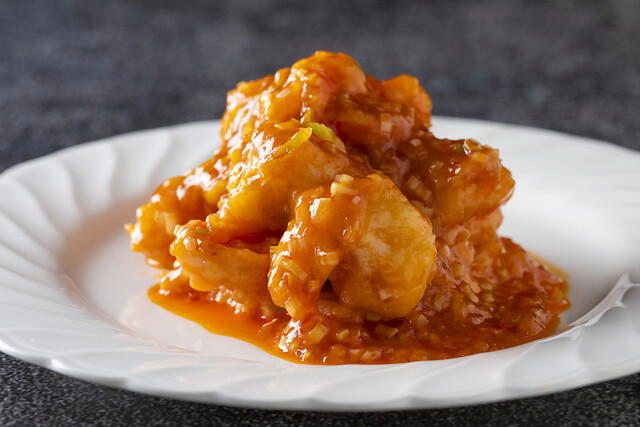
China Sichuan Togen
Kumamoto, Japan
Book China Sichuan Togen for a polished Kumamoto lunch or an easy special-occasion dinner when Chinese flavors sound more useful than beef, yoshoku, soba, chicken, or pizza. The lunch price band is the stronger value play; dinner makes sense when the hotel setting and Tabelog 100 recognition matter.
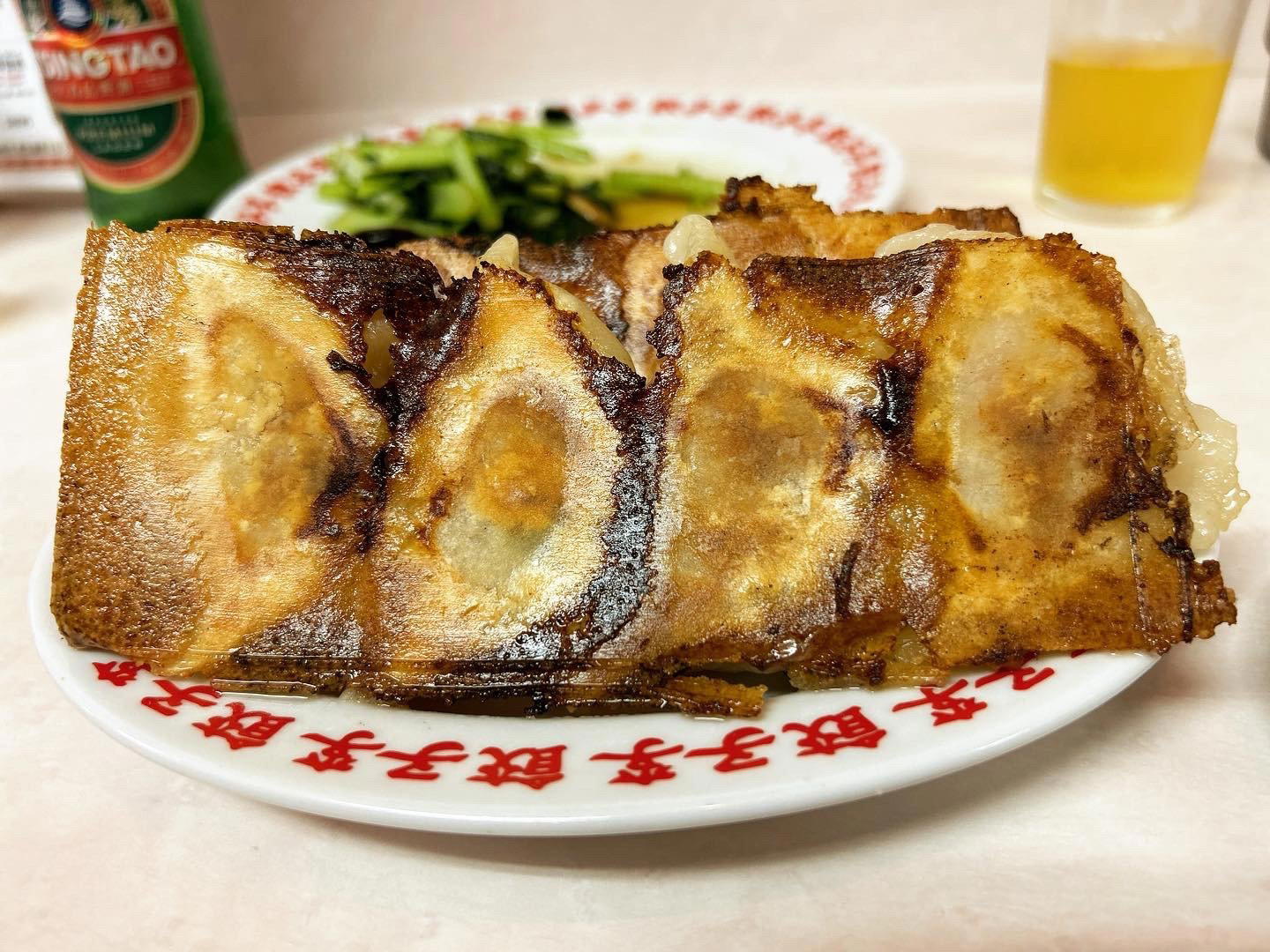
Gyoza Li
Fukuoka, Japan
Gyoza Li earned a spot on the Tabelog 100 Chinese WEST 2026 list for its six-style gyoza menu, each with distinct flour blends and fillings. At JPY 1,000–1,999 for lunch and JPY 4,000–4,999 for dinner, it's one of Fukuoka's more accessible award-list entries; book lunch for tighter value, return only if gyoza is your focus.
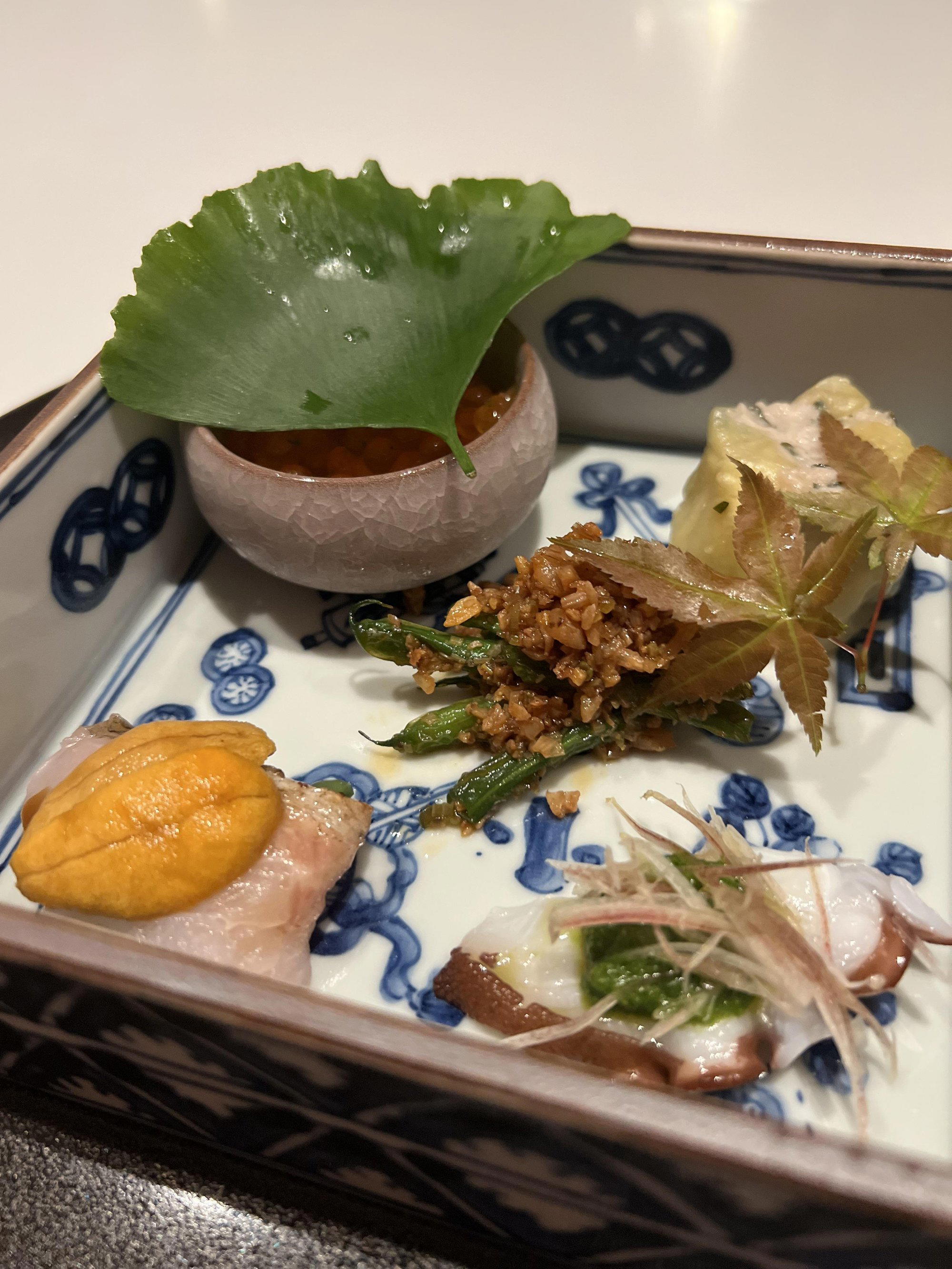
TOMONO
Osaka, Japan
TOMONO is a nine-seat counter restaurant in Osaka's Kitashinchi district serving a creative course with Chinese culinary roots, recognised by Tabelog Bronze awards in both 2025 and 2026 and listed in the Tabelog Chinese WEST Top 100 for two consecutive years. Budget ¥20,000–¥39,999 per head including drinks. Book for a date or special occasion; closed Sundays, dinner only.
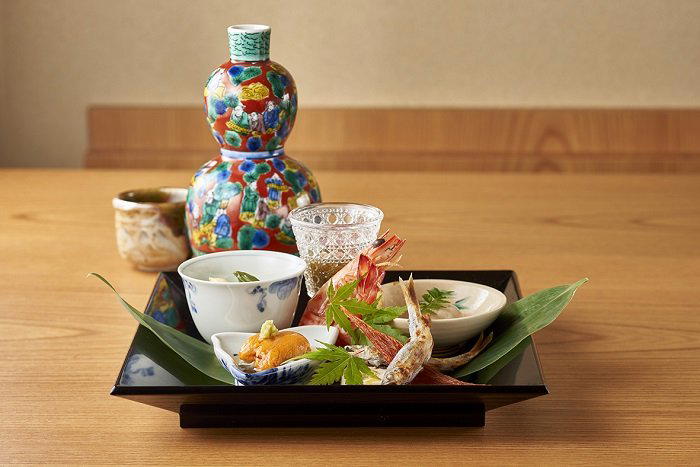
Canton Shunsai Ikki
Kyoto, Japan
Canton Shunsai Ikki holds the Michelin Bib Gourmand in both 2024 and 2025, making it one of Kyoto's strongest value propositions for serious cooking. A Guangdong-trained kitchen applies light, ingredient-led Cantonese technique to seasonal Kyoto produce at the ¥¥ price point. For a special occasion that does not require a ¥¥¥¥ budget, this is the booking to make in Higashiyama.
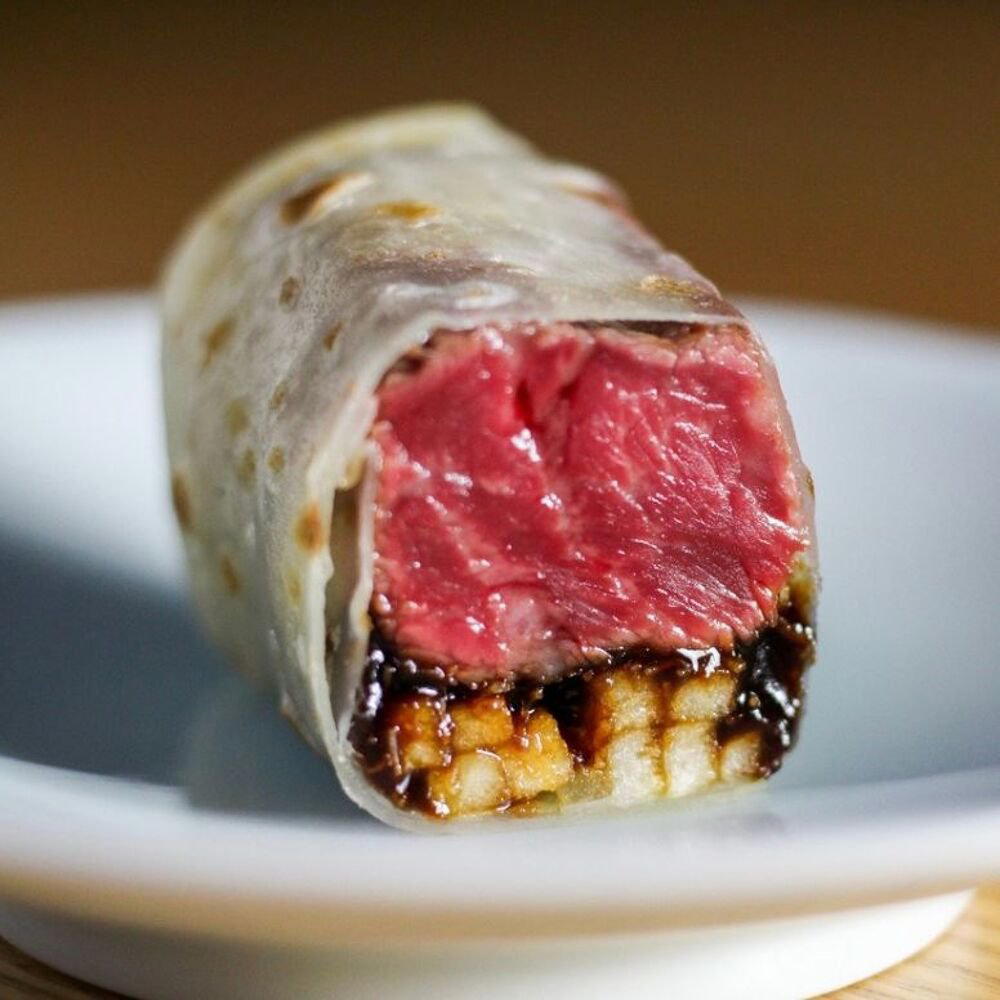
Wagyuchugokusai Kumanohanare
Osaka, Japan
Compared with Osaka peers that publish clearer price bands, Wagyuchugokusai Kumanohanare is the more specialist choice for diners who want a wagyu-leaning, ingredient-first meal with guide recognition. It suits a considered dinner in Kita/Dojima better than a casual crawl or a price-sensitive group plan.
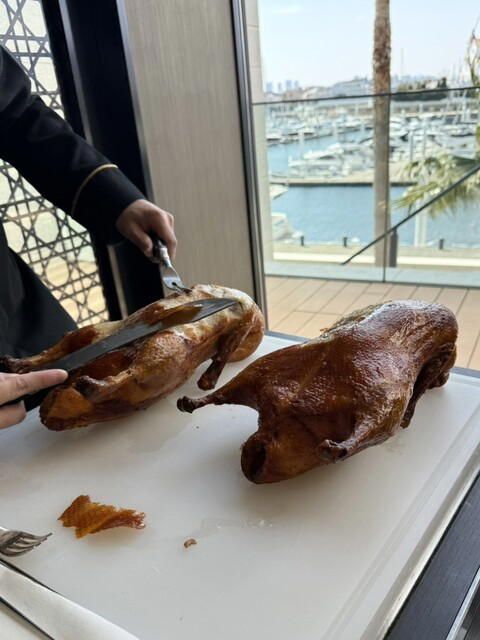
Choyuro Ashiya beiko-to kurabu hoteru&supa rizo-to
Ashiya, Japan
Book this for a composed, higher-tier Ashiya meal when the occasion matters more than a clearly publicized chef or signature menu. It sits above casual local options on spend, so value is strongest for planned dinners and celebrations; cross-shop Unfalo at a similar price and Shokudo Kifune for a lower-cost alternative.
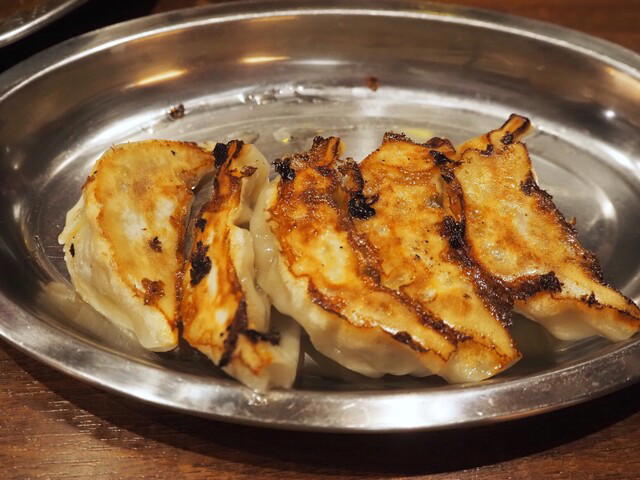
Taishu Chuuyuuka Shokudo Hakkai
Osaka, Japan
A 25-seat Chinese restaurant in Higashiosaka earning Tabelog 100 recognition (2024, 2026) for flavor precision that exceeds its JPY 1,000–1,999 lunch price tier. The kitchen focuses on technique over trends, with dinner climbing to JPY 4,000–4,999. Walk-in lunch fills fast; dinner accepts phone reservations. Worth the 20-minute train ride from central Osaka for diners chasing quality over convenience.
Taiho
Kyoto, Japan
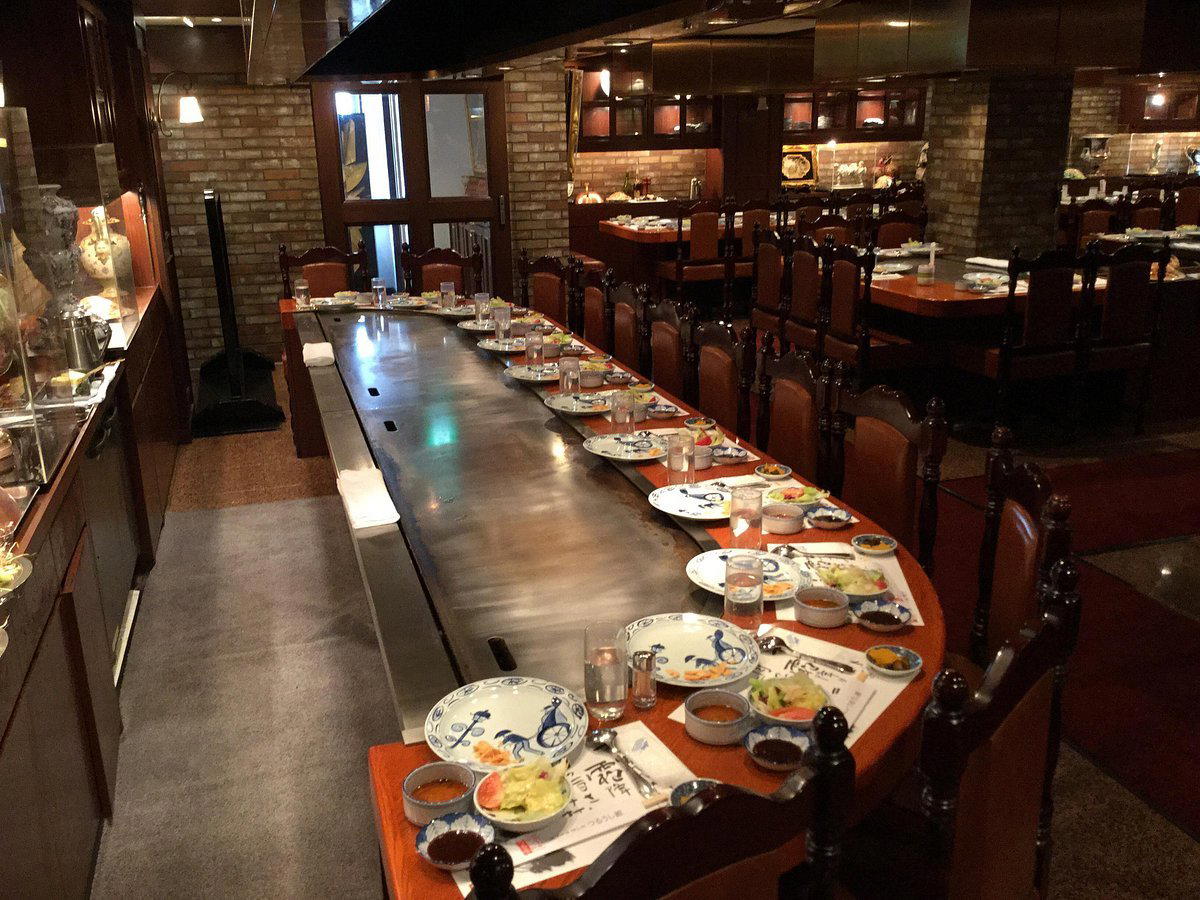
Taiho is the value-first Chinese pick in Kyoto: low-price, credible, and easier to fit into a trip than the city's more formal Chinese options. Book it for a practical lunch or dinner when the group wants recognition-backed cooking without turning the meal into the main event.
Ngam Ngam Hou
Kobe, Japan
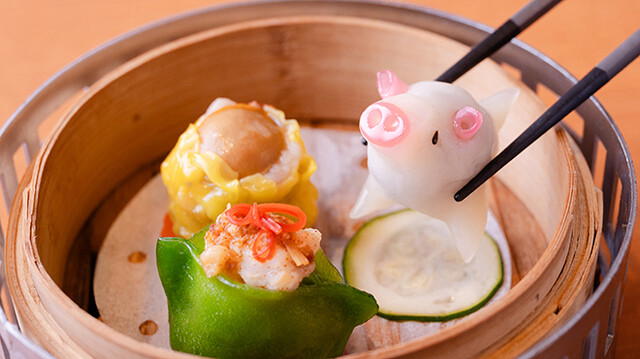
Sichuan and Cantonese Chinese cooking three minutes from Rokkomichi Station, recognized on the Tabelog 100 West (Chinese Cuisine) 2026 list. Fish-forward menu, wine service, and a lunch-versus-dinner pricing split that makes weekend midday the clearest value entry. Fourteen seats, table service only, family-friendly with adult-portion requirement.
KushinGarando
Osaka, Japan
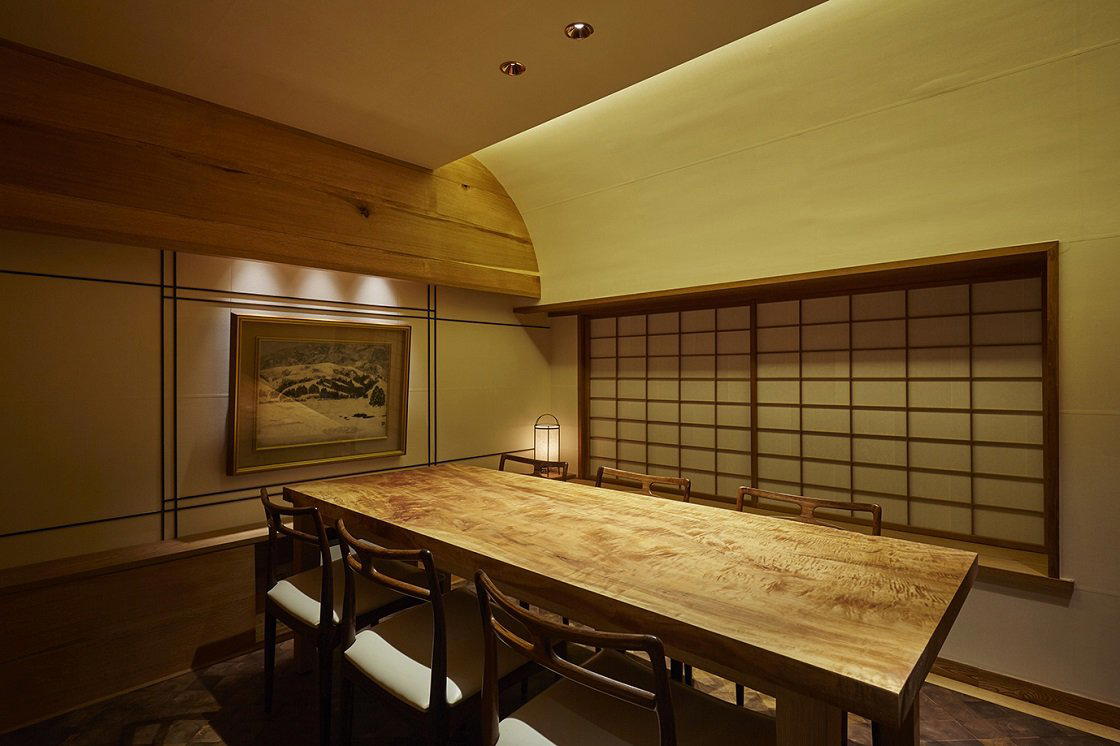
KushinGarando brings seasonal Chinese cooking to Osaka's Sonezaki Shinchi with a communal dining format that sets it apart from the city's kaiseki-heavy fine-dining scene. At ¥¥¥ with easy booking, it is one of the more accessible decisions in Kita Ward. Chef Hiroaki Osawa's fruit-driven, Japan-seasoned Chinese menu rewards diners who come with time and an appetite for something outside the standard format.
Rakkanki
Kobe, Japan
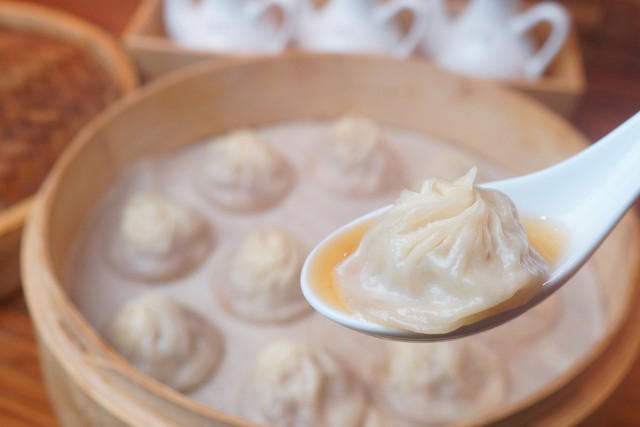
Xiaolongbao specialist in Motomachi with handmade-to-order dumplings and a 30-seat counter-and-table layout. Lunch runs walk-in-only; dinner accepts reservations and adds izakaya plates. At JPY 3,000–3,999 for dinner, the format trades menu breadth for focused execution; order the dumplings, skip the hunt for variety.
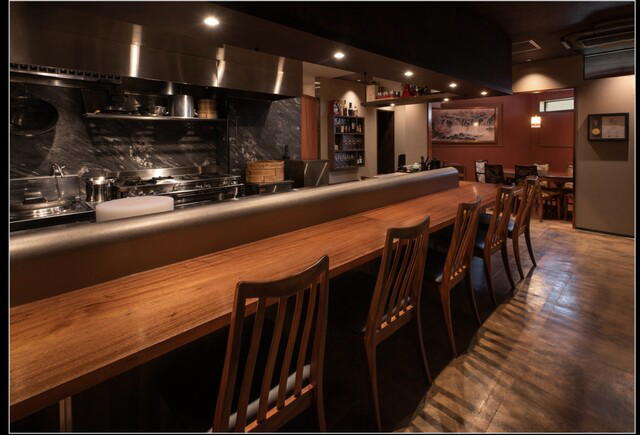
Fukushima Koto
Osaka, Japan
A 12-seat, reservation-only Cantonese counter in Oyodo serving chef's-choice courses around JPY 15,000 at dinner. Selected for Tabelog Chinese WEST 100 in 2026, less than a year after opening, it offers precision cooking in a relaxed, neighborhood setting with a developing wine program.
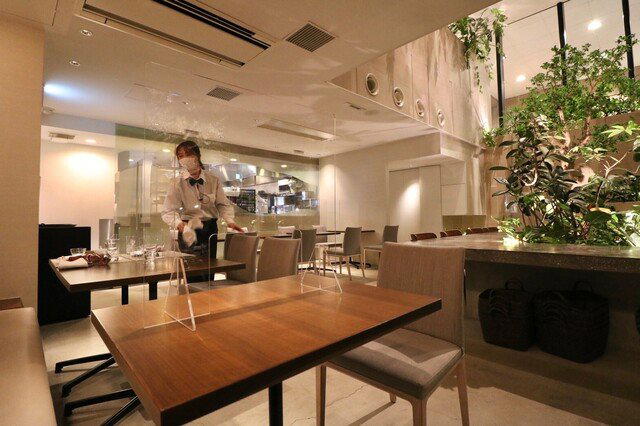
Rashansen
Osaka, Japan
Vegetable-forward Chinese dining in Osaka's Kyomachibori district, recognized in <em>Tabelog 100</em> for three consecutive years (2023, 2024, 2026). Dinner courses run JPY 10,000–14,999 with a sommelier-curated wine and cocktail program; weekday lunch offers JPY 1,000–1,999 plate sets. Private room available for up to eight guests, and the counter seats six for solo diners or couples. Easy booking and a low-profile address make this a practical choice for special occasions without the months-ahead scramble.
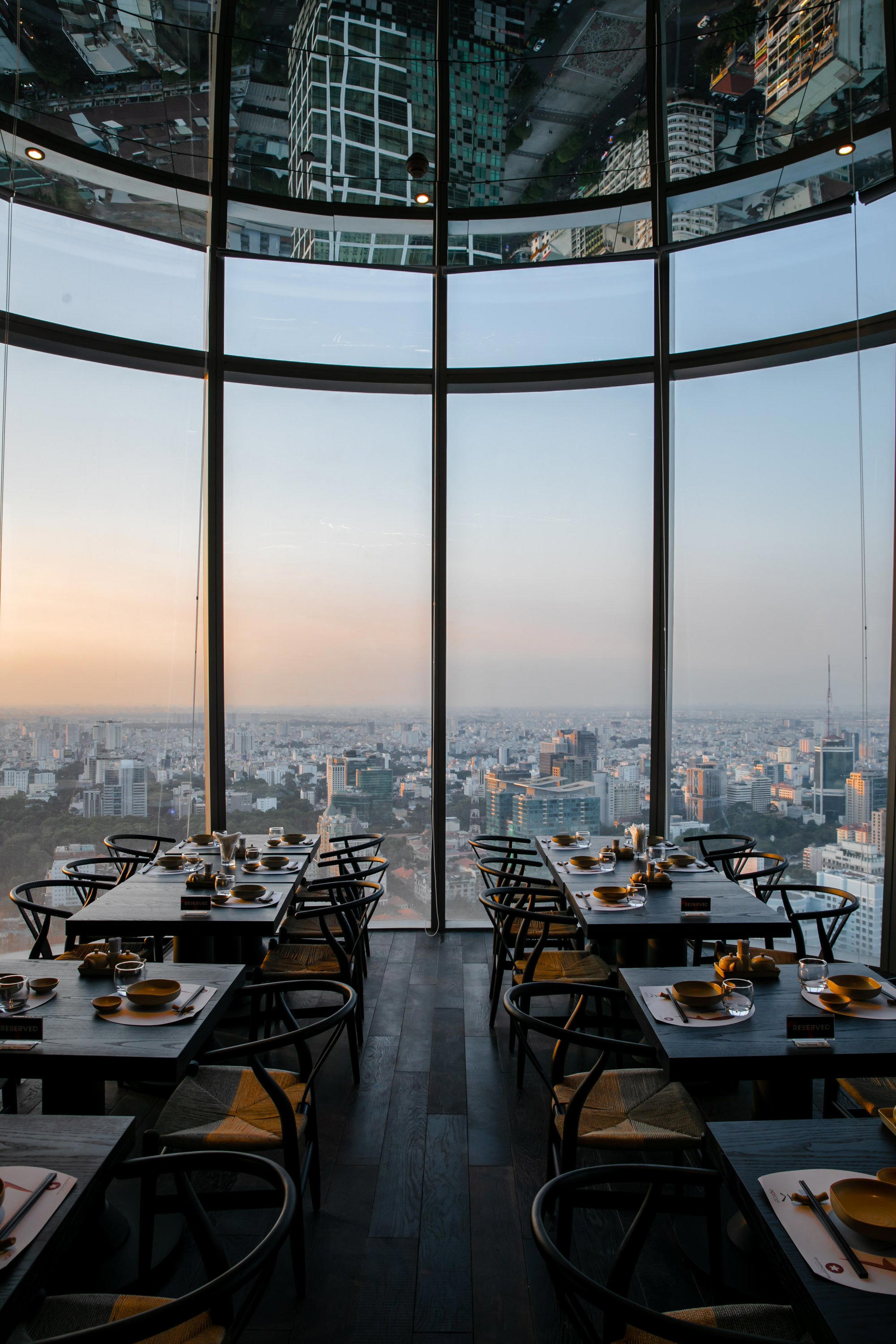
長江 SORAE
Takamatsu, Japan
長江 SORAE is the Takamatsu pick for diners who want a more considered meal than another quick udon stop. The public detail is sparse, but its Tabelog 100 #92 recognition in 2026 gives it a credible quality signal for travelers deciding where to prioritize one stronger food booking in the city.
PRIVATE KITCHEN SUMIYOSHI
Kyoto, Japan
Hotel-trained Sichuan and dim sum in a residential Higashiyama counter spot, Tabelog 100 (Chinese WEST) recognized for three years. Dinner runs JPY 5,000–5,999, lunch JPY 1,000–1,999. Quieter than Gion alternatives, with late 9 PM ordering and space for dates or solo diners seeking technique without omakase pricing.
中国菜 火ノ鳥
Osaka, Japan
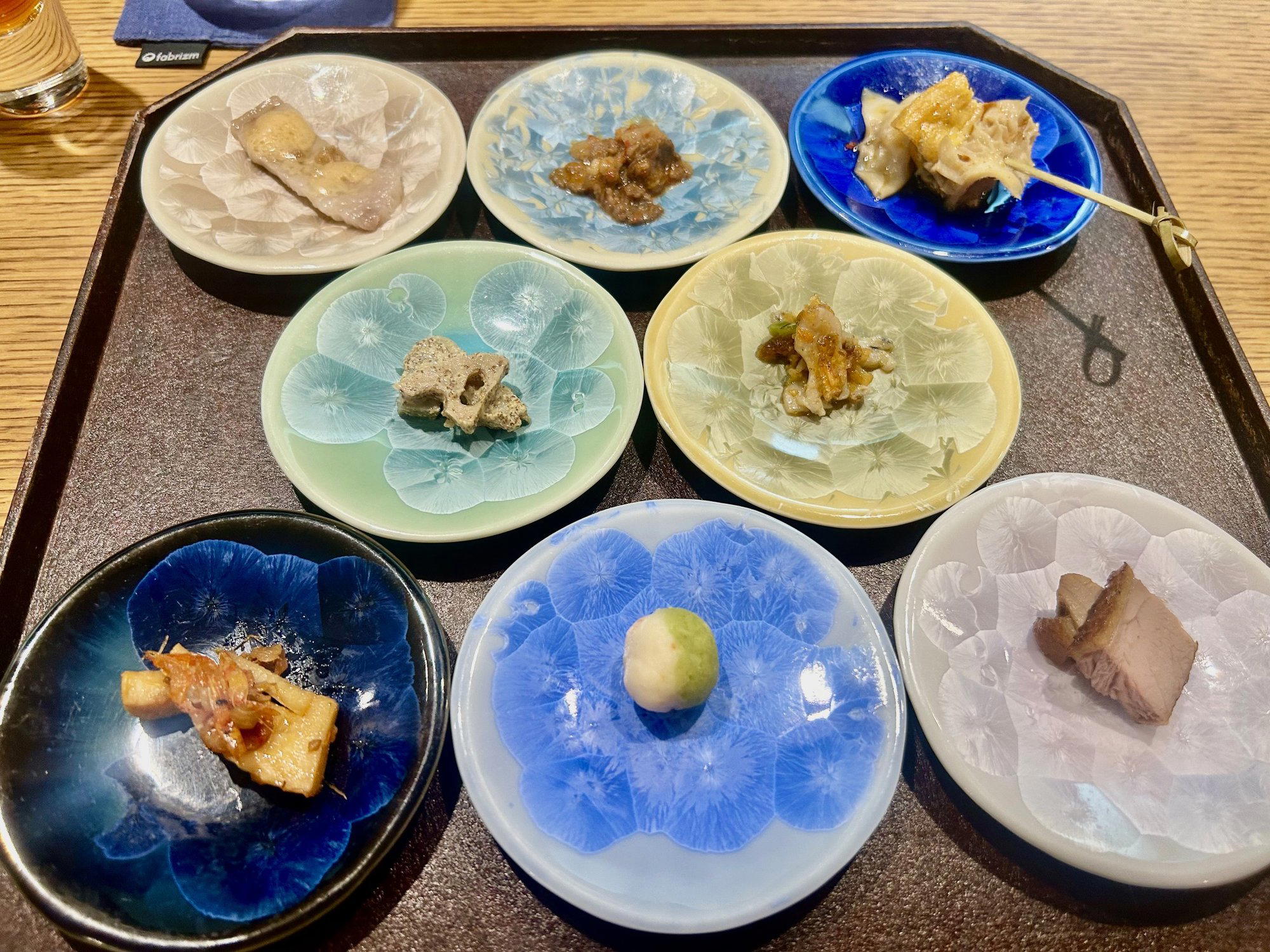
中国菜 火ノ鳥 works for an easy Osaka Shi dinner when flexibility matters more than a heavily documented chef, tasting menu, or awards profile. Treat the first visit as a fit check, then return only if the room, pacing, and ordering range work for your group.
善道
Osaka, Japan
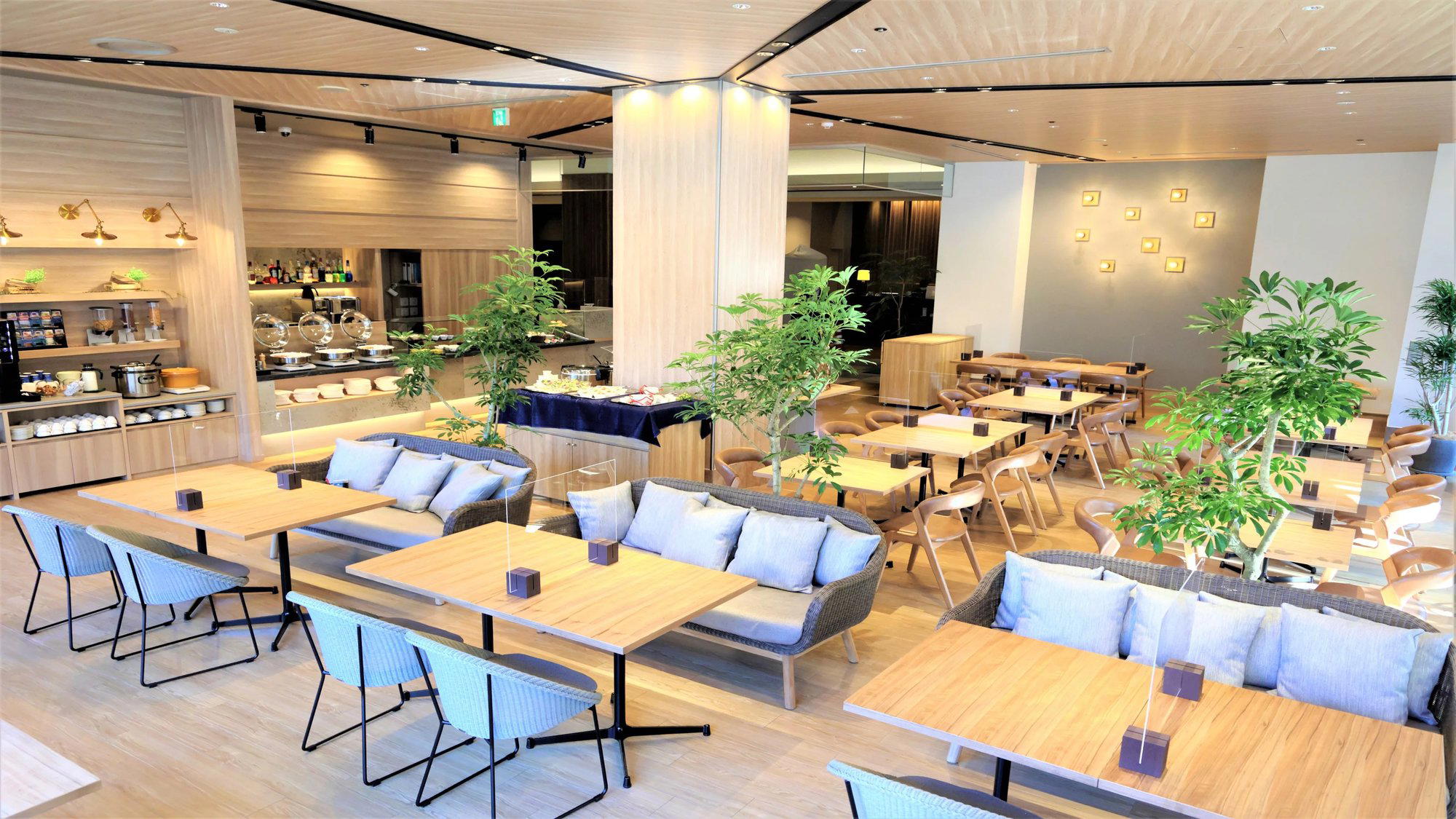
善道 works for a small special-occasion meal in Osaka Shi when external recognition matters more than advance menu detail. Its Tabelog 100 #95 placement for 2026 gives it a stronger quality signal than many vague local picks, but diners needing confirmed pricing, cuisine, or group setup should compare nearby alternatives first.
Opus One
Osaka, Japan
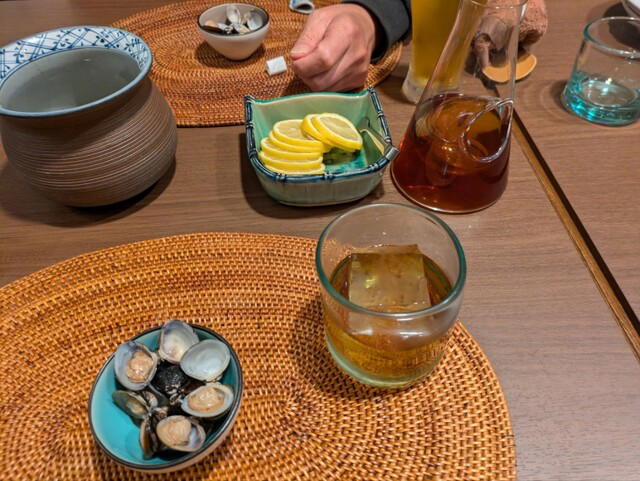
Tabelog 100; Chinese cuisine; WEST honoree in Chuo Ward, recognized across four years for consistent execution at JPY 15,000 to JPY 19,999 dinner, JPY 5,000 to JPY 5,999 lunch. Counter and table seating for 34, practical for solo diners and small groups, with take-out and comprehensive payment options in a hideout setting near Kintetsu Nippombashi Station.
Shida Saikan
Omihachiman, Japan
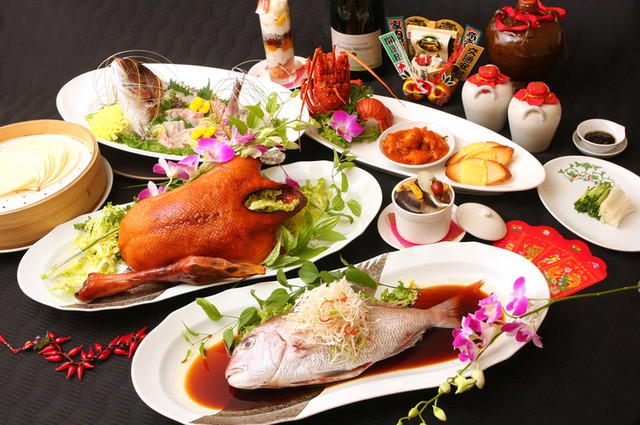
Tabelog 100–ranked Chinese restaurant inside Green Hotel Yes, offering mapo tofu, dim sum, and yum cha at lunch (JPY 2,000–3,000) and dinner (JPY 3,000–4,000). The 81-seat dining room and banquet halls handle groups of 2 to 200, with sake, wine, and private-room options for business meals and family celebrations in Omihachiman.
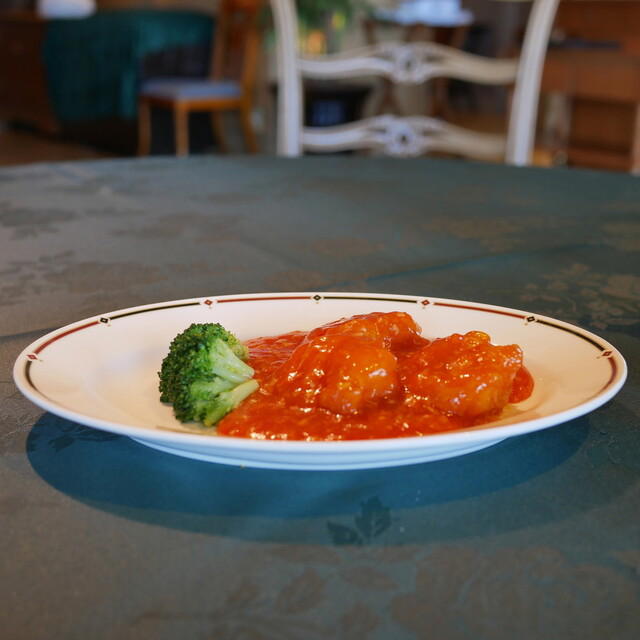
Chinese Suiyo
Naruto, Japan
Chinese Suiyo is the Naruto pick for a more composed Chinese meal when the occasion matters. It makes more sense for a date, celebration, or business dinner than for a quick budget stop; compare it with Katsugyo Ryori Binbiya or Itsushou if value and speed matter more.
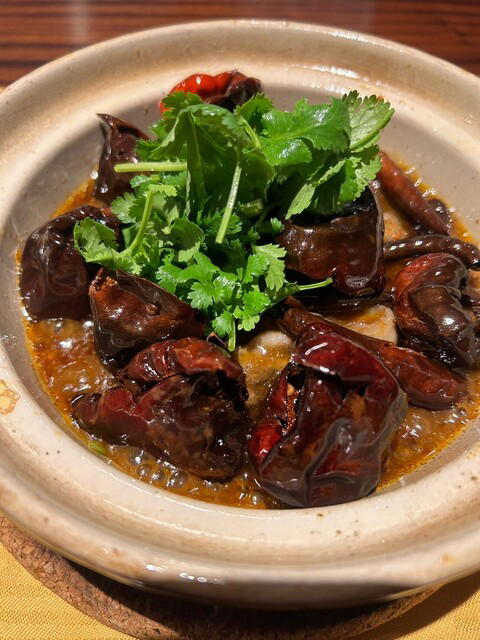
Shin Chinese HARAKAWA Kitashinchi ten
Osaka, Japan
Shin Chinese HARAKAWA Kitashinchi ten delivers seafood-forward Chinese cooking rooted in medicinal-ingredient philosophy at JPY 15,000–JPY 19,999 for dinner. Selected for Tabelog 100 - Chinese cuisine - WEST - 2026, the 21-seat space offers counter and table seating two minutes from Kitashinchi Station. Booking is easier than Osaka's most competitive dining rooms, making it accessible for those seeking refined Chinese cuisine with a fish-centric angle.
Overview
Tabelog 100 - Chinese cuisine - WEST - 2026 is an authoritative ranking of the 100 best Chinese restaurants across West Japan, curated annually by Tabelog, Japan’s leading restaurant review platform. It highlights culinary excellence and innovation in Chinese gastronomy within this region.
Since its inception, Tabelog has become Japan's premier restaurant review platform, akin to Yelp but with a uniquely rigorous and data-driven approach. The Tabelog 100 lists celebrate the top establishments by cuisine and region, combining user reviews with expert insights to spotlight exceptional dining experiences. The 2026 Chinese cuisine list for West Japan reflects a rich culinary tapestry, from Osaka to Hiroshima, showcasing both traditional Cantonese and emerging fusion styles. This list is a vital resource for food lovers seeking authentic and innovative Chinese flavors in one of Japan’s most gastronomically diverse regions.
West Japan’s culinary landscape pulses with a vibrant Chinese dining scene that melds tradition with innovation. Pearl’s curated Tabelog 100 list for Chinese cuisine in 2026 spotlights the region’s finest establishments, from long-standing Cantonese institutions to avant-garde chefs redefining dim sum and Sichuan spice. Whether you’re a seasoned gastronome or an adventurous traveler, this definitive guide offers an insider’s map to the most authentic and inventive Chinese flavors flourishing west of Japan’s Kansai corridor.
Quick Facts
- Publisher
- Tabelog
- Year
- 2026
- Coverage
- West Japan (Osaka, Kyoto, Hyogo, Hiroshima, and surrounding prefectures)
- Items
- 100 top-ranked Chinese restaurants
- Frequency
- Annual
About This Edition
The 2026 edition of the Tabelog 100 Chinese cuisine list for West Japan reveals exciting shifts in the region’s dining culture. Notably, there is a rise in innovative chefs blending traditional Chinese techniques with local Japanese ingredients, reflecting a broader trend toward regional fusion. New entrants from cities like Kobe and Okayama emphasize sustainability and artisanal production. Meanwhile, established stalwarts maintain their revered status, underscoring the dynamic balance between heritage and modernity in West Japan’s Chinese culinary scene.
Frequently Asked Questions
What is Tabelog 100 - Chinese cuisine - WEST - 2026?
How are honorees selected?
How often is this list updated?
How can I find these on Pearl?
How many of these have you visited?
Find out on Pearl and keep score across every place in Tabelog 100 - Chinese cuisine - WEST - 2026.