

Kamigatachuka SHINTANI
Chinese · Kita, Osaka
Restaurant in Osaka, Japan
 Book with Pearl
The Read
Kansai-Chinese Synthesis
Price
$150–200per person
Why go
A Michelin-starred Chinese restaurant in Osaka's Nakazaki neighbourhood, SHINTANI fuses Kinki-region ingredients with Chinese and Japanese cooking techniques: a combination with no direct equivalent in the city. At the ¥¥¥ price tier, it offers more conceptual specificity than Osaka's French fine-dining tables at a lower spend. Book well in advance: availability is tight and demand is consistent.
About Kamigatachuka SHINTANI
Book This If You Want Osaka's Most Distinctive Chinese Table
Your leading opening is to aim for a seat earlier in the evening: if later slots vanish first, the opening service window is where availability occasionally surfaces. Treat this like any serious Osaka counter reservation: move quickly, and if Japanese-language booking is required, recruit help.
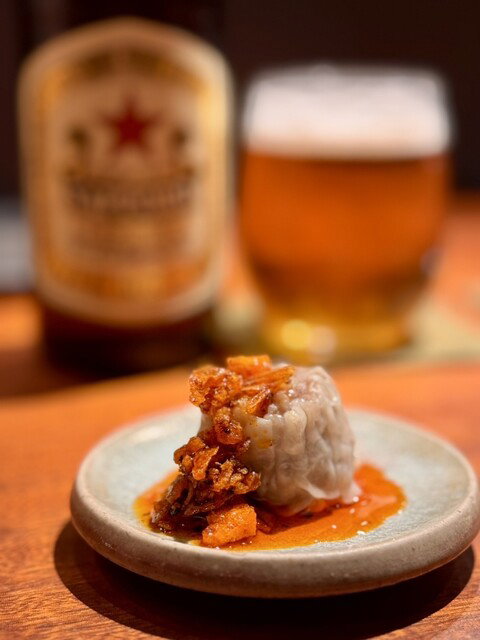
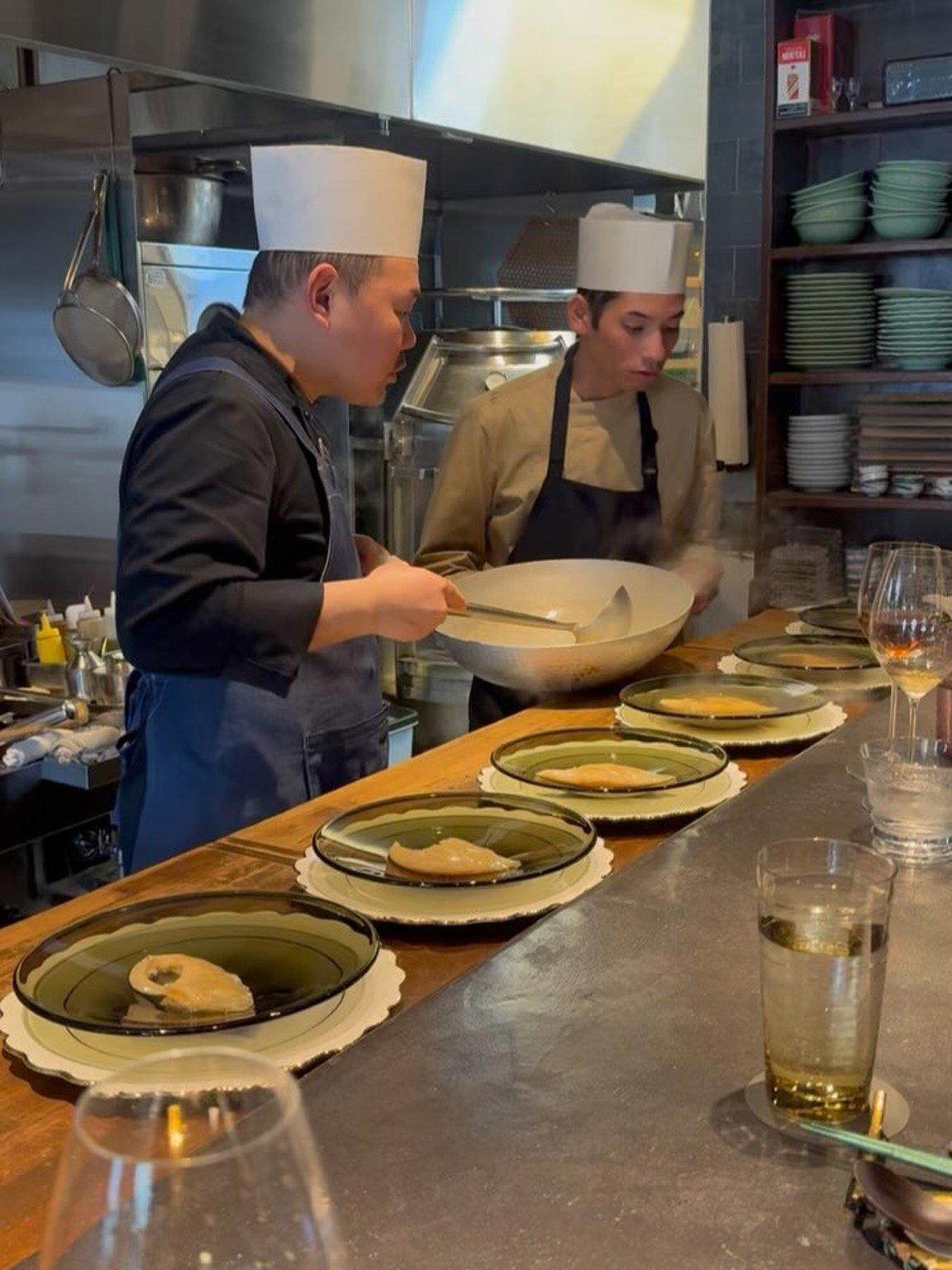
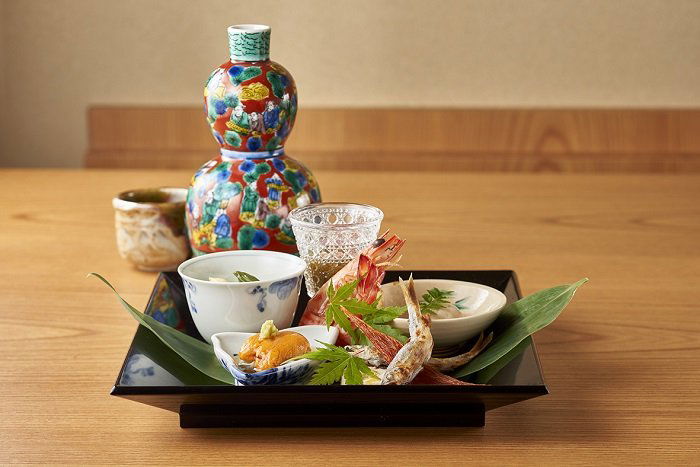
The editorial angle for a room like this is usually the food. But the more useful frame for a first-time visitor is this: SHINTANI sits in a category with almost no direct competition in Osaka. It is not a Japanese restaurant that nods to China, and it is not a conventional Chinese restaurant. It occupies a deliberate hybrid position, using ingredients from the Kinki region: the broader area encompassing Osaka, Kyoto, Nara, and their agricultural hinterlands, and preparing them through both Chinese and Japanese techniques. The resulting dishes arrive on a mix of Chinese and Japanese ceramics, which reinforces the point visually: this is a considered position, not a marketing description.
Vegetarian menu, which the restaurant calls 'Naniwa' (a historical name for Osaka, here translated loosely as 'vegetable garden'), draws a direct line to the Kawachi Plain's long history as a vegetable-producing region. For vegetarian diners looking for a serious, credentialed meal in Osaka rather than a compromise offering, this is worth knowing. Few Michelin-starred rooms in the city have built a vegetarian programme with this kind of regional specificity.
What SHINTANI Offers That Other Osaka Tables Don't
Osaka has strong French and kaiseki options at the leading end, HAJIME, La Cime, and Fujiya 1935 cover innovative fine dining, while Taian and Kashiwaya Osaka Senriyama anchor the kaiseki tier. What none of them offer is the specific intersection SHINTANI occupies: Chinese cooking technique applied to Kansai-region produce, served in a format that reads as neither purely kaiseki nor purely Chinese. For anyone building a multi-day Osaka itinerary around restaurants, SHINTANI fills a slot that nothing else does.
Comparable restaurants in Japan that operate in this cross-cultural space include venues like Gion Sasaki in Kyoto, which approaches Japanese tradition from a similarly personal angle, and further afield, Harutaka in Tokyo. Outside Japan, chefs doing serious work with Chinese tradition in a fine-dining register include Restaurant Tim Raue in Berlin and Mister Jiu's in San Francisco, both useful reference points if you want to understand how rare it is to find Chinese culinary tradition treated with this level of formal ambition.
Within Osaka's Chinese dining tier specifically, Chi-Fu and Chugokusai S.Sawada are the other names worth knowing, alongside atelier HANADA by Morimoto for a different angle on Japanese-influenced cooking. Gessen and Az round out the broader field of smaller, serious Osaka rooms worth considering on the same trip.
The Room and the Mood
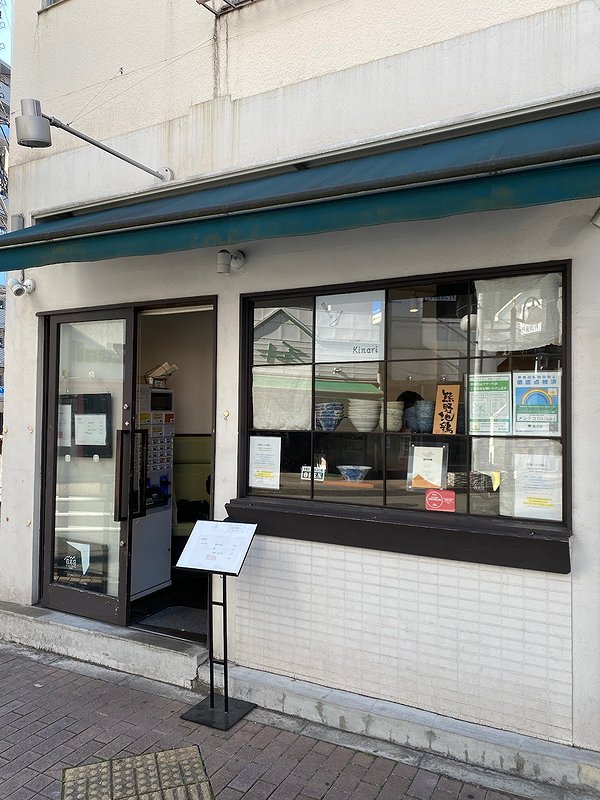
SHINTANI is located at 1F, 1 Chome-4-21 Nakazaki, Kita Ward, a low-key residential and café-heavy neighbourhood north of central Osaka. Nakazaki sits at a remove from the noisier entertainment corridors of Namba or Shinsaibashi, and that geography shapes the experience. Expect a quieter, more considered atmosphere than you'd find at a high-turnover dining room closer to the city's busier districts. This is a deliberate choice of address: the neighbourhood suits a restaurant whose identity is about precision and personal expression rather than foot traffic.
The price range is ¥¥¥, which positions it below the ¥¥¥¥ tier occupied by HAJIME, La Cime, and Fujiya 1935. For a Michelin-starred meal with this level of conceptual specificity, that is a meaningful value signal. You are paying less than you would at Osaka's leading French tables while getting a cooking perspective that those rooms cannot replicate.
After Dinner in Nakazaki
If you are planning an evening that extends beyond the meal, Nakazaki's café and bar scene is genuinely walkable from the restaurant's address. The neighbourhood has a density of small, independent bars that suit a post-dinner drink without requiring a taxi. For a broader view of where to drink in the city, our full Osaka bars guide covers the options across districts. If you are building a wider Kansai itinerary, akordu in Nara and Goh in Fukuoka are worth considering as regional anchors, with 1000 in Yokohama and 6 in Okinawa extending the itinerary further.
Practical Details
| Detail | Kamigatachuka SHINTANI | Taian (peer, ¥¥¥) | HAJIME (peer, ¥¥¥¥) |
|---|---|---|---|
| Price tier | ¥¥¥ | ¥¥¥ | ¥¥¥¥ |
| Michelin stars | Starred | 3 Stars | |
| Cuisine | Chinese / Kansai hybrid | Kaiseki | French Innovative |
| Booking difficulty | Hard | Hard | Very Hard |
| Vegetarian programme | Yes (Naniwa menu) | Limited | On request |
| Neighbourhood | Nakazaki, Kita Ward | Osaka central | Osaka central |
For a fuller picture of where SHINTANI sits in the city's dining field, see our full Osaka restaurants guide. If you are still planning logistics, our full Osaka hotels guide, our full Osaka wineries guide, and our full Osaka experiences guide cover the surrounding planning context.
FAQ
How far ahead should I book Kamigatachuka SHINTANI?
- Book as far in advance as the reservation system allows. This is a small Michelin-starred room in Osaka with a near-perfect rating, and demand consistently outpaces availability. Waiting until two or three weeks out is high risk. If you are visiting from abroad, treat the reservation as a pre-trip priority, not an on-arrival task.
What should a first-timer know about Kamigatachuka SHINTANI?
- This is not a conventional Chinese restaurant. The concept fuses Kinki-region ingredients with both Chinese and Japanese cooking techniques and serves everything on a mix of Chinese and Japanese ceramics. The ¥¥¥ price tier makes it more accessible than Osaka's leading French tables, and the Michelin star (2024) confirms the level of execution. Come with an open frame of reference rather than expecting either standard Chinese or standard kaiseki.
Is Kamigatachuka SHINTANI good for solo dining?
- Counter-format Michelin-starred rooms in Japan are generally well-suited to solo diners, and Nakazaki's quieter setting reinforces that. Confirm the booking format when reserving.
Can I eat at the bar at Kamigatachuka SHINTANI?
- In rooms of this type in Osaka, small, chef-driven, Michelin-starred, counter seating is common and often preferable for a solo diner or a pair. Ask specifically when booking whether counter seats are available and whether they can be requested.
Can Kamigatachuka SHINTANI accommodate groups?
- Group bookings at a small Michelin-starred room in Kita Ward require direct confirmation. Without data on total seat count or private dining availability, assume that large groups (six or more) will be difficult to accommodate and that the experience is well suited to two to four people.
Planning details
- Hours
- Monday: 12–11 PM · Tuesday: 12–11 PM
- Location
- Japan, 〒530-0016 Osaka, Kita Ward, Nakazaki, 1 Chome−4−21 1F
- Reservations
- Book on TableCheck
- Website
- kamigata-shintani.com
- Phone
- +81 6-7410-6334
The take
The Take
The Vibe
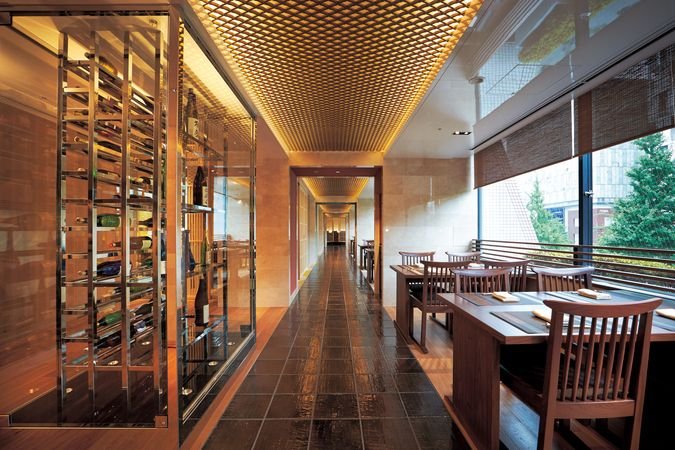
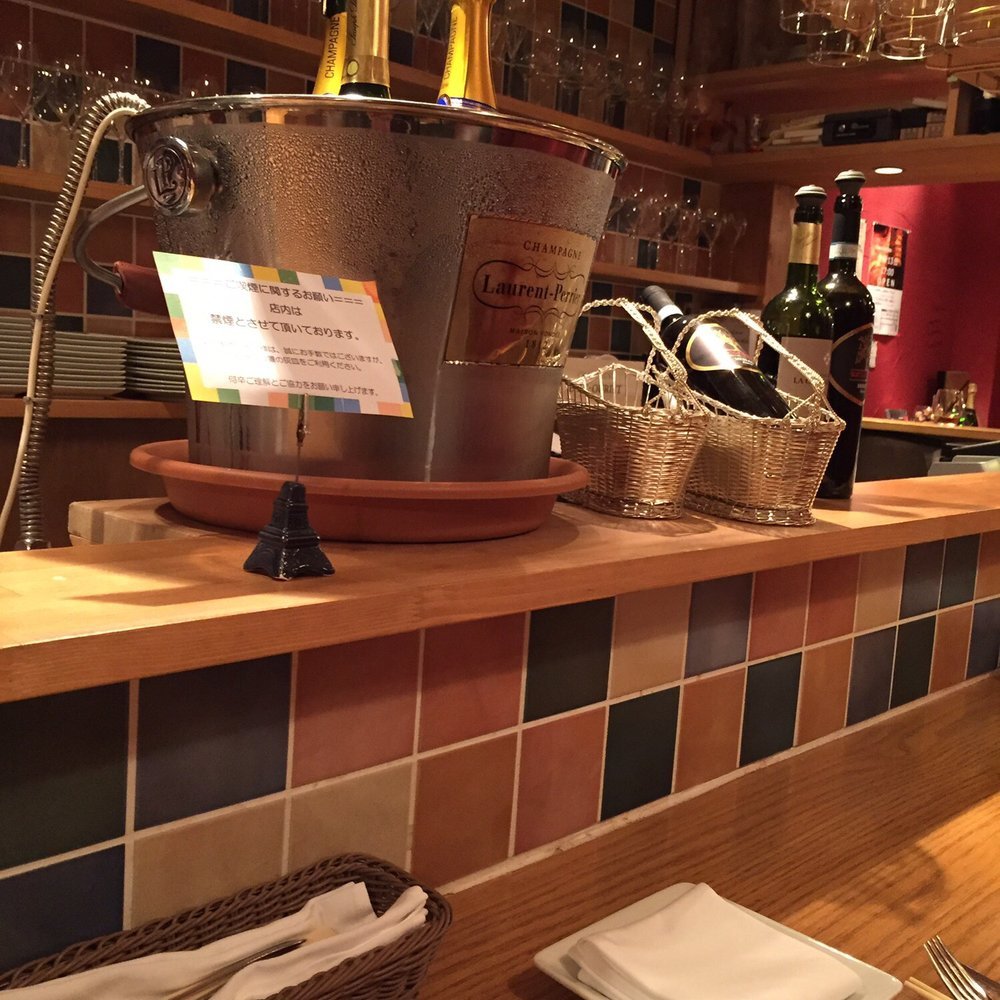
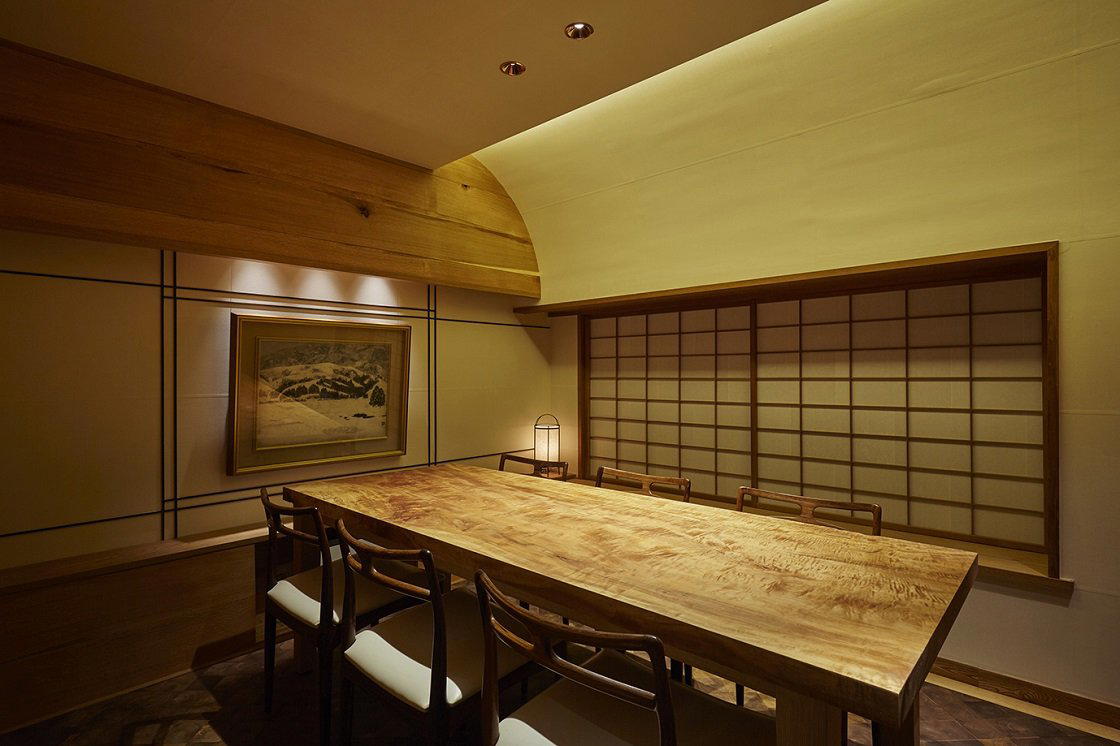
Kamigatachuka SHINTANI feels quietly focused and deliberately small-scale. Tucked into Nakazaki-cho’s low-rise streets, the dining room sits away from Osaka’s louder fine-dining corridors and emphasizes a tradition-rooted approach. The kitchen stages a visible cultural conversation, Chinese wok techniques meet Kansai ingredients, and the team delivers cooking that privileges precision over flourish. Plates and bowls drawn from both Japanese and Chinese traditions reinforce a measured, classic charm. The result is a composed, intimate-feeling room where attentive diners are invited to follow the craft on the plate rather than spectacle.
Best For
This is a dinner destination for people who want to focus on technique and provenance. The menu’s kamigatachuka approach and references to kaiseki and regional sourcing position SHINTANI as a place for considered meals rather than casual drop-ins. It suits diners seeking a refined, regionally anchored exploration of Chinese and Japanese methods: a good fit for business dinners or special evening outings where the conversation is about food, technique and the Kawachi/Kinki ingredients that inform each course.
Ordering Tips
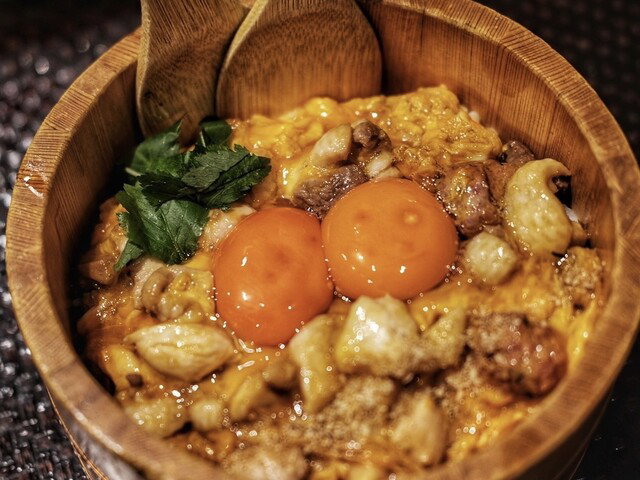
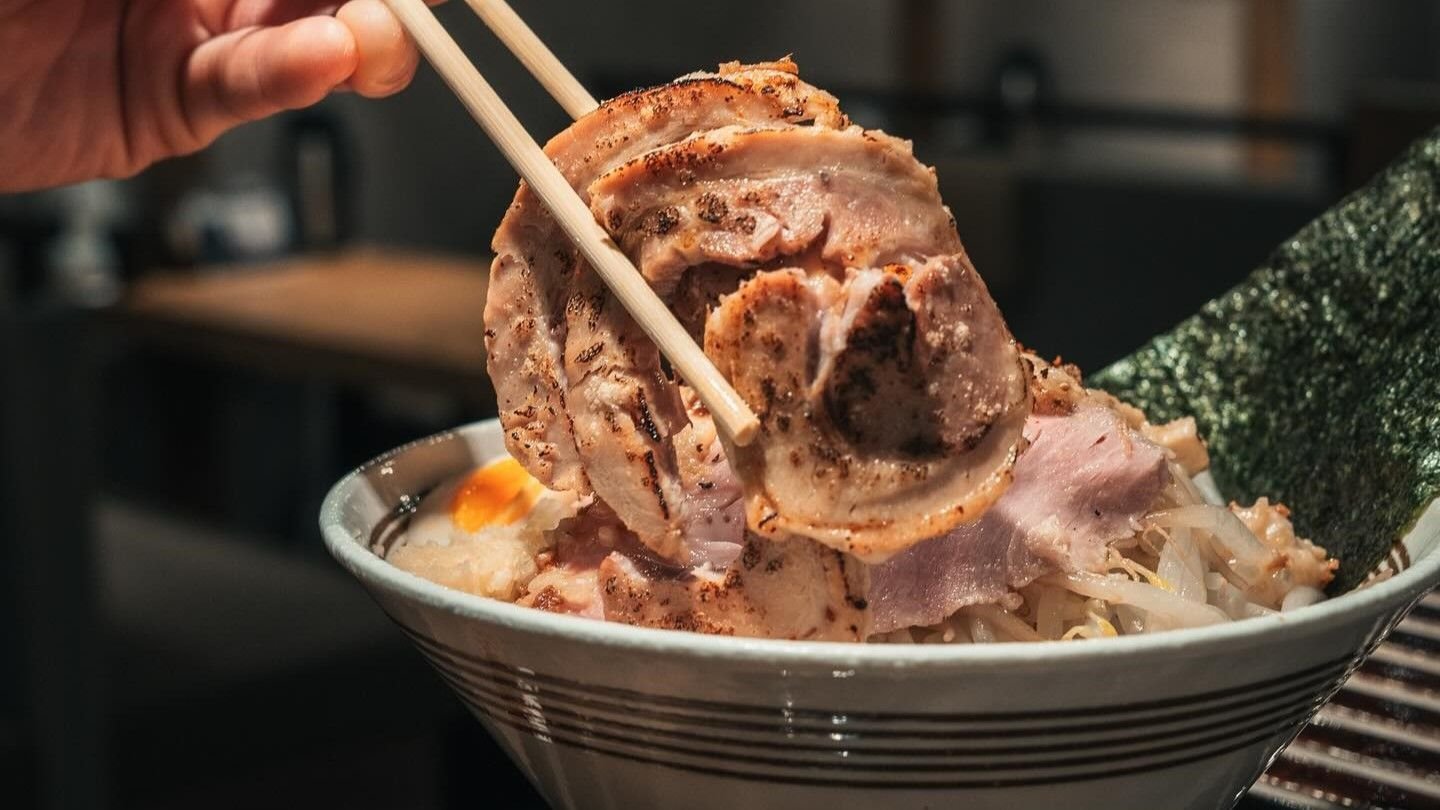
Start by sampling the restaurant’s signature highlights, which underline its cross-cultural intent: Kawachi duck sukiyaki style, sea cucumber with hot-and-sour sauce, char siu octopus and the dragon beard noodles with mutton. Don’t miss the vegetarian 'Naniwa' section, a named menu that draws on Kawachi Plain produce and offers a distinct perspective on the kitchen’s priorities. Plates arrive on both Chinese and Japanese wares, so order a small selection to experience how technique and presentation shift across dishes.
Venue details
Ambiance
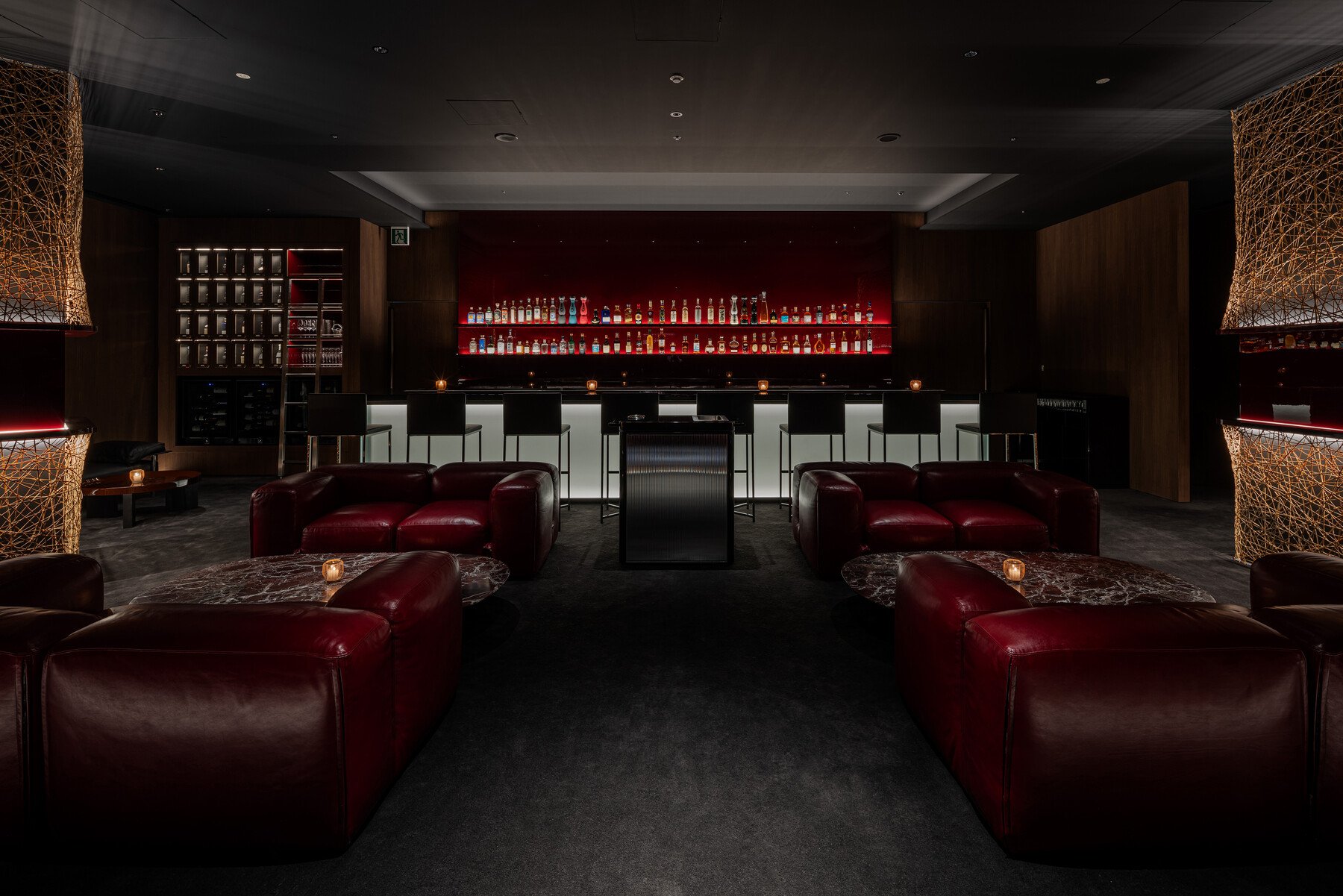
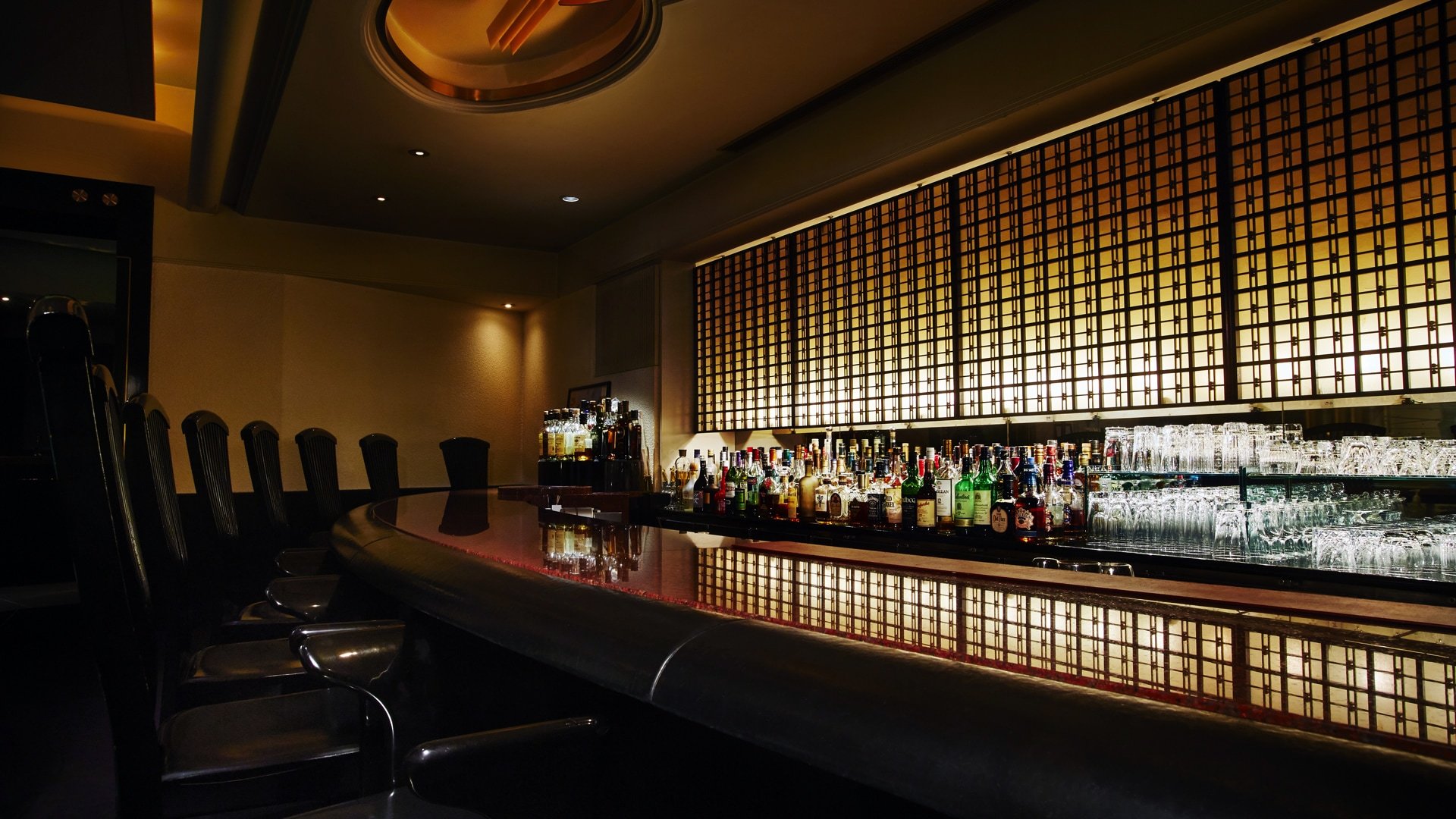
Low lighting with gentle background music creates a welcoming, unpretentious setting ideal for intimate meals and special occasions.
Tags
Vibe
Best For
Experience
Sourcing
At the Table
- Noise Level
- Quiet
- Service Style
- Formal
- Meal Pacing
- Leisurely
- Capacity
- Intimate
- Kitchen
- Fusion
- Menu Format
- Tasting menu, Counter dining, Prix fixe
- Drinks Focus
- Wine
- Dietary
- Vegetarian friendly, Allergy accommodating
- Private Dining
- Available
Signature Dishes
- Kawachi duck sukiyaki style
- Green tea jelly with strawberry goldfish
- Sea cucumber with hot and sour sauce
- Char siu octopus
- Dragon beard noodles with mutton
Know before you go
Know Before You Go
- Getting there
- Japan, 〒530-0016 Osaka, Kita Ward, Nakazaki, 1 Chome−4−21 1F
Planning details
Hours
- Monday
- 12–11 PM
- Tuesday
- 12–11 PM
- Wednesday
- 12–11 PM
- Thursday
- 12–11 PM
- Friday
- 12–11 PM
- Saturday
- 12–11 PM
- Sunday
- 12–11 PM
Location
Japan, 〒530-0016 Osaka, Kita Ward, Nakazaki, 1 Chome−4−21 1F · Directions
Recognition and awards
Also consider
Also Consider
- HAJIME: French, Innovative, ¥¥¥¥
- La Cime: French, ¥¥¥¥
- Kashiwaya Osaka Senriyama: Japanese, ¥¥¥
- Taian: Kaiseki, Japanese, ¥¥¥
- Fujiya 1935: Innovative, ¥¥¥¥
Restaurant context
At the ¥¥¥¥ end of Osaka's fine dining market, HAJIME and La Cime are the two names most international visitors consider first. Both deliver technically accomplished French-influenced cooking with serious wine programmes and polished service. If formal European fine dining in Japan is the goal, either is a stronger fit than SHINTANI. Fujiya 1935 operates at the same tier with a more experimental, Spanish-influenced register. All three cost more than SHINTANI and operate in a culinary tradition that is well-represented globally. The case for choosing SHINTANI over any of them is specificity: you cannot eat this version of Kansai-Chinese cooking anywhere else.
Within the ¥¥¥ tier, Taian and Kashiwaya Osaka Senriyama are the closest in price. Both are kaiseki rooms: Japanese in tradition, seasonal in structure, and demanding in booking. If your priority is classic Japanese kaiseki, Taian or Kashiwaya will serve that better than SHINTANI. If you have already covered the kaiseki tier or want something that sits outside it entirely, SHINTANI is the more interesting booking at the same price level.
The practical decision comes down to itinerary shape. For a single high-end meal in Osaka, the ¥¥¥¥ French tables at HAJIME or La Cime carry broader name recognition and are the safer choice if you want to be certain of the register. For a two- or three-meal itinerary where you want range across cuisines and price points, SHINTANI at ¥¥¥ earns its place as the most distinctive booking in the set: a Michelin-starred room doing something the other tables in this comparison simply do not do.
Explore Osaka
Around this place
Discover more on Pearl
Unlock the full Kamigatachuka SHINTANI guide in Pearl, including awards, comparisons, FAQs, planning details, and nearby places.
Compare Kamigatachuka SHINTANI
| Venue | Price | Awards |
|---|---|---|
| Kamigatachuka SHINTANI | ¥¥¥ | Tabelog 100 - Chinese cuisine - WEST - 2026 · #442026 Michelin 1 Star2024 Michelin 1 Star |
| HAJIME | ¥¥¥¥ | Star Wine Lists 2026 · #12026 Tabelog Bronze · #922026 OAD Top Restaurants in Japan Ranked · #98Michelin Guide Kyoto Osaka 20262026 La Liste Top RestaurantsTabelog 100 - Innovative / Creative cuisine - 2025 · #692025 Asia's 50 Best Restaurants · #832025 OAD Top Restaurants in Japan Ranked · #87We're Smart World Top Restaurants 2025 |
| La Cime | ¥¥¥¥ | 2026 Asia's 50 Best Restaurants · #132026 OAD Top Restaurants in Japan Ranked · #1492026 Tabelog Bronze · #231Michelin Guide Kyoto Osaka 20262026 La Liste Top Restaurants2025 Asia's 50 Best Restaurants · #82025 World's 50 Best Restaurants · #44Tabelog 100 - French - WEST - 2025 · #932025 OAD Top Restaurants in Japan Ranked · #123 |
| Kashiwaya Osaka Senriyama | ¥¥¥ | 2026 Tabelog Bronze · #1682026 OAD Top Restaurants in Japan Recommended2026 Relais Chateaux RestaurantsMichelin Guide Kyoto Osaka 20262026 La Liste Top RestaurantsTabelog 100 - Japanese cuisine - WEST - 2025 · #772025 OAD Top Restaurants in Japan Ranked · #1552025 Relais Chateaux Award2025 Michelin 3 Stars |
| Taian | ¥¥¥ | 2026 OAD Top Restaurants in Japan RecommendedMichelin Guide Kyoto Osaka 20262026 La Liste Top Restaurants2025 OAD Top Restaurants in Japan Ranked · #2042025 La Liste Top Restaurants2025 Michelin 3 Stars2024 OAD Top Restaurants in Japan Ranked · #1912024 Michelin 3 Stars2023 OAD Top Restaurants in Japan Highly Recommended |
| Fujiya 1935 | ¥¥¥¥ | 2026 Tabelog Bronze · #752026 OAD Top Restaurants in Japan RecommendedMichelin Guide Kyoto Osaka 20262026 La Liste Top Restaurants2025 Michelin 2 Stars2025 Tabelog Silver2025 La Liste Top Restaurants2024 OAD Top Restaurants in Japan Ranked · #2392024 Michelin 2 Stars |









Side-by-side comparison to help you decide where to book.
FAQ
Frequently Asked Questions
Is Kamigatachuka SHINTANI good for solo dining?
Solo dining at a Michelin-starred Chinese-Japanese table in Osaka's Nakazaki neighbourhood is a credible choice here: the chef-driven, self-expressive format at ¥¥¥ pricing rewards focused attention that solo diners can give more easily than groups. It is a quieter neighbourhood than Namba or Shinsaibashi, which suits a solo evening with a clear culinary focus. Confirm seating format when booking, as counter availability for one will determine the experience significantly.
How far ahead should I book Kamigatachuka SHINTANI?
Book at least three to four weeks ahead for a Michelin 1-Star room of this size in Osaka. Nakazaki is a low-profile neighbourhood, but the 2024 Michelin recognition will have tightened availability meaningfully. International visitors should treat this as a priority reservation rather than a walk-in option.
What should a first-timer know about Kamigatachuka SHINTANI?
The concept is genuinely specific: Kansai-region ingredients prepared through both Chinese and Japanese techniques, served on a mix of Chinese and Japanese tableware, with a vegetarian menu called 'Naniwa' referencing the Kawachi Plain's vegetable-farming history. This is a chef's self-portrait, not a conventional Chinese restaurant: first-timers who expect a menu resembling Cantonese or Sichuan dining will be surprised. At ¥¥¥ and Michelin-starred, the price reflects a tasting-format experience rather than à la carte flexibility.