.png?width=1200&quality=80)
Az
Chinese · Abeno, Osaka
Restaurant in Osaka, Japan
 Book with Pearl
The Read
Regional Chinese, Japanese-Market Sourced
Price
¥¥
Dress
Smart Casual
Why go
Az in Osaka's Abeno Ward is a ¥¥ Chinese bistro that takes wine pairing seriously — matching international bottles against Guangdong, Sichuan, and Beijing-style dishes in a way that most venues at this price point do not attempt. At lunch it operates as Bifun Azuma, serving fried rice vermicelli and zongzi. Easy to book, and worth the trip.
About Az
Az, Osaka: The Chinese Bistro That Outperforms Its Price Tier
If you are weighing up Osaka's Chinese dining options, most comparisons will pull you toward the formal end of the spectrum — white tablecloths, prix-fixe structures, and bill shock. Az, in Abeno Ward, operates on a different logic entirely. At a ¥¥ price point, it delivers the kind of considered, wine-integrated Chinese cooking that usually sits one or two price tiers higher. The question for the explorer heading to Osaka is not whether Az is worth visiting — it is whether you book it for dinner, lunch, or both.
What Az Actually Is
Az bills itself as a 'Chinese bistro,' and that framing is doing real work. This is not a Chinese restaurant that happens to have a wine list added as an afterthought. The format is built around the relationship between Chinese regional flavours and wine from an international selection, a genuinely uncommon pairing discipline that most casual Chinese venues in Japan do not attempt. For the food-and-wine explorer, that structural proposition alone makes Az worth placing on the itinerary.
The menu carries clear regional specificity. The wagyu beef stir-fry, for instance, offers a choice of three sauce styles: Guangdong-style oyster sauce, Sichuan-style yúxiāng, and Beijing-style miso. That is not a cosmetic flourish. It means the kitchen is engaging with the actual flavour logic of three distinct Chinese culinary traditions rather than presenting a homogenised 'Chinese' menu. Pairing those divergent flavour profiles, the rounded umami of Guangdong, the chilli-garlic heat of Sichuan, the fermented depth of Beijing-style miso, against different wines from the cellar is exactly the kind of structured fun that rewards a diner who comes with curiosity.
The local colour in the menu extends further than wagyu. The kitchen integrates ingredients from its Osaka context into an essentially Chinese framework, which is a more sophisticated editorial choice than it first appears. Osaka's food culture has always prized directness and value, an ethos Az seems to have absorbed rather than resisted.
Lunch vs. Dinner: A Real Strategic Choice
Az runs a distinct daytime identity under the name Bifun Azuma. At lunch, the focus shifts to fried rice vermicelli ('bifun' in Japanese) and Chinese zongzi, sticky rice dumplings with regional Chinese roots. This is not a token lunch offering. Bifun is a dish with deep Osaka lineage; it arrived through historical Chinese immigration networks and became embedded in the city's food culture in a way that most visitors do not encounter. Eating bifun at Az is therefore both a practical and contextually rich choice for anyone building a serious picture of Osaka's food history.
The practical upshot: if your schedule allows only one visit, dinner gives you the full wine-pairing dimension and the broader menu. Lunch under the Bifun Azuma format offers a lower-cost, more focused meal with a dish worth knowing about. Booking is listed as easy, so both visits are achievable without stress.
The Wine Dimension
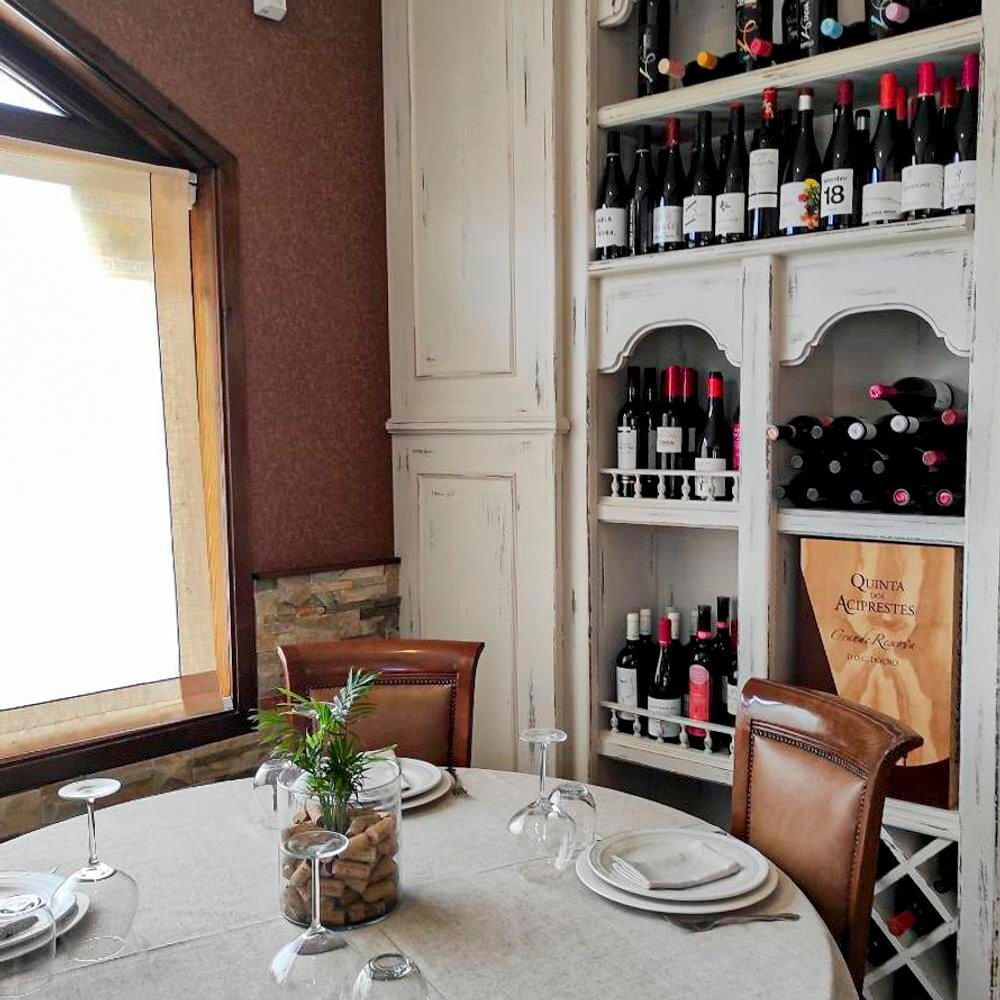
The wine list spans multiple countries, which is the right architecture for a program designed to pair with Chinese regional cooking. Matching a mineral-driven European white against Guangdong-style seafood, or finding a Sichuan-friendly red with enough acidity to cut through yúxiāng spice, requires range rather than depth in a single region. For the wine-curious diner, this is a more interesting exercise than the standard Japanese restaurant sake pairing, not because sake pairings are wrong, but because wine-with-Chinese is a less explored territory and Az has built its identity around doing it seriously at an accessible price.
To put Az's wine approach in international context: venues like Restaurant Tim Raue in Berlin and Mister Jiu's in San Francisco have made wine-integrated Chinese cooking a centrepiece of their critical reputation, at considerably higher price points. Az is operating in the same conceptual space at a fraction of the cost.
Abeno Ward and the Broader Osaka Context
Az sits in Abeno Ward, in the southern part of Osaka, away from the more tourist-dense Namba and Shinsaibashi corridors. For the explorer, this positioning is an advantage. Abeno is a working neighbourhood with its own food culture, and visiting Az means building an itinerary that gets you off the well-worn circuit. Osaka's Chinese restaurant scene is worth mapping properly: Chi-Fu, Kamigatachuka SHINTANI, Chugokusai S.Sawada, and atelier HANADA by Morimoto each occupy different positions in the Chinese-inflected dining spectrum here, and Gessen adds further depth to the city's range. Az's ¥¥ positioning makes it a natural complement to rather than a replacement for the more formal options in that group.
For visitors building a wider Kansai or Japan itinerary, Az fits neatly alongside research into Gion Sasaki in Kyoto and akordu in Nara for a picture of how different cities in the region handle the intersection of local ingredients and international culinary frameworks. Further afield, Harutaka in Tokyo, Goh in Fukuoka, 1000 in Yokohama, and 6 in Okinawa each demonstrate the range of what serious eating looks like across Japan's regions. For the full Osaka picture, our Osaka restaurants guide, Osaka hotels guide, Osaka bars guide, Osaka wineries guide, and Osaka experiences guide cover the city's options in full.
The Verdict
Az is the kind of ¥¥ restaurant that makes you recalibrate your price-to-quality assumptions. The wine-integrated Chinese bistro format is genuinely thought-through, the regional specificity in the menu is more serious than the price suggests, and the dual identity, Az at dinner, Bifun Azuma at lunch, gives you two distinct and worthwhile reasons to visit. Book it without overthinking. If you are choosing between Az and a more expensive Chinese option in Osaka purely on quality grounds, Az will not disappoint.
FAQs
Can I eat at the bar at Az?
- Seating configuration details are not confirmed in the available data. Given Az's bistro format and ¥¥ positioning, counter or bar seating is plausible, but calling ahead to confirm before planning a solo counter experience is advisable. Abeno Ward venues at this price tier in Osaka typically run compact dining rooms rather than dedicated bar counters.
Does Az handle dietary restrictions?
- No specific dietary restriction policy is confirmed in the available data. The menu as described is built around meat (wagyu beef), wheat-based noodles (bifun is rice vermicelli and can be gluten-friendly), and Chinese rice dishes, so there is some structural flexibility for certain diets. Contact Az directly before booking if dietary needs are a firm constraint. Without a confirmed website or phone number in the current data, approaching in person or via reservation platform is the practical route.
Is Az good for solo dining?
- Az is a strong solo dining choice at the ¥¥ price point. The bistro format suits individual diners, the wine-pairing structure works for one person exploring the list incrementally, and the lunch Bifun Azuma format is particularly well-suited to a solo meal, a bowl of fried bifun or zongzi is a low-commitment, high-reward way to eat in Osaka without coordinating a group. For solo diners in Osaka's Chinese category, Az at ¥¥ is a more relaxed and accessible entry than the formal Chinese options in the city.
What should a first-timer know about Az?
- Az runs as two distinct restaurants depending on when you visit: Az at dinner (Chinese bistro with wine pairing) and Bifun Azuma at lunch (fried rice vermicelli and zongzi). First-timers should decide which format they are coming for before booking. The wine list spans multiple countries and is built to pair with Chinese regional flavour profiles, so engaging with the wine program rather than ignoring it is the way to get full value from the experience. At ¥¥, the price is low enough that ordering broadly and experimenting with the sauce variations on wagyu beef is a reasonable strategy rather than a costly one.
Planning details
- Location
- Abenosuji, Abeno Ward, Osaka, 545-0052, Japan
The take
The Take
The Vibe
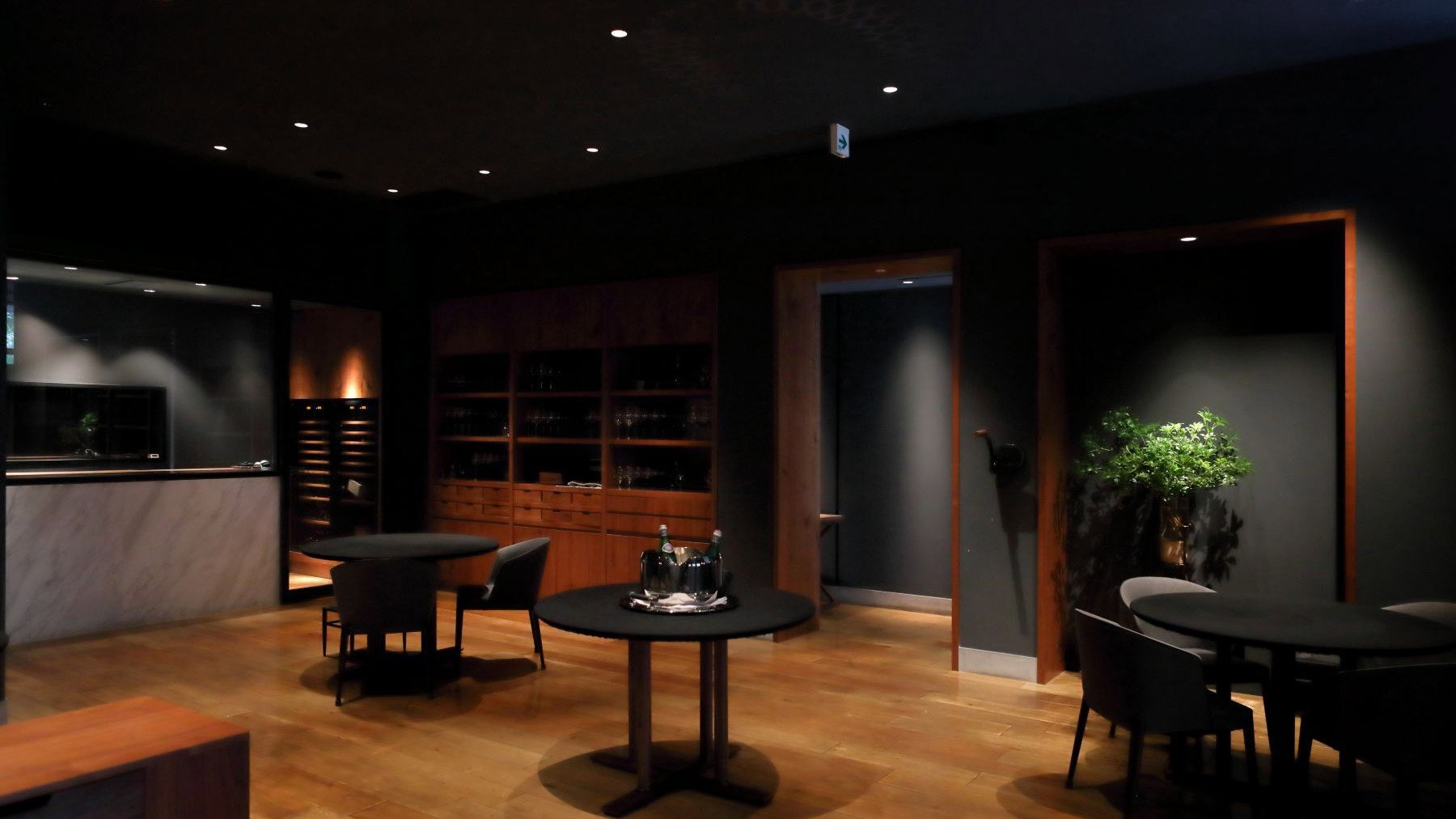
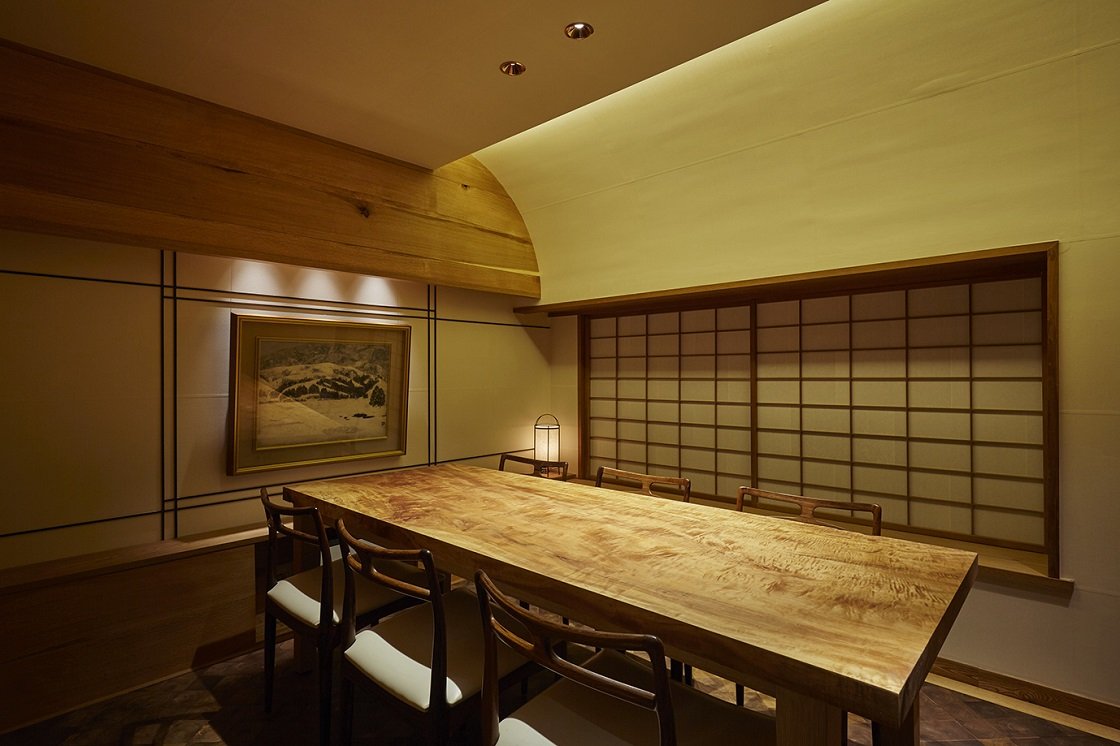
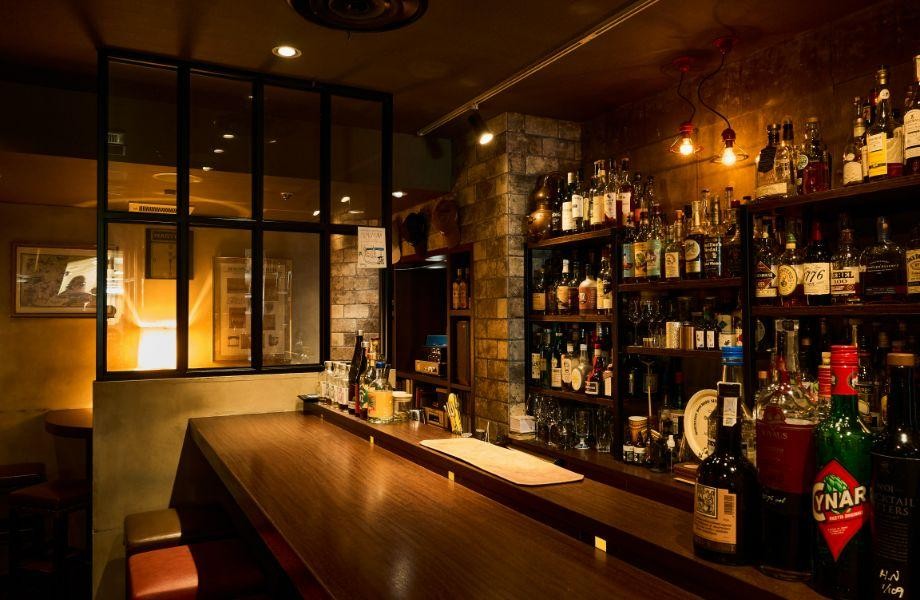
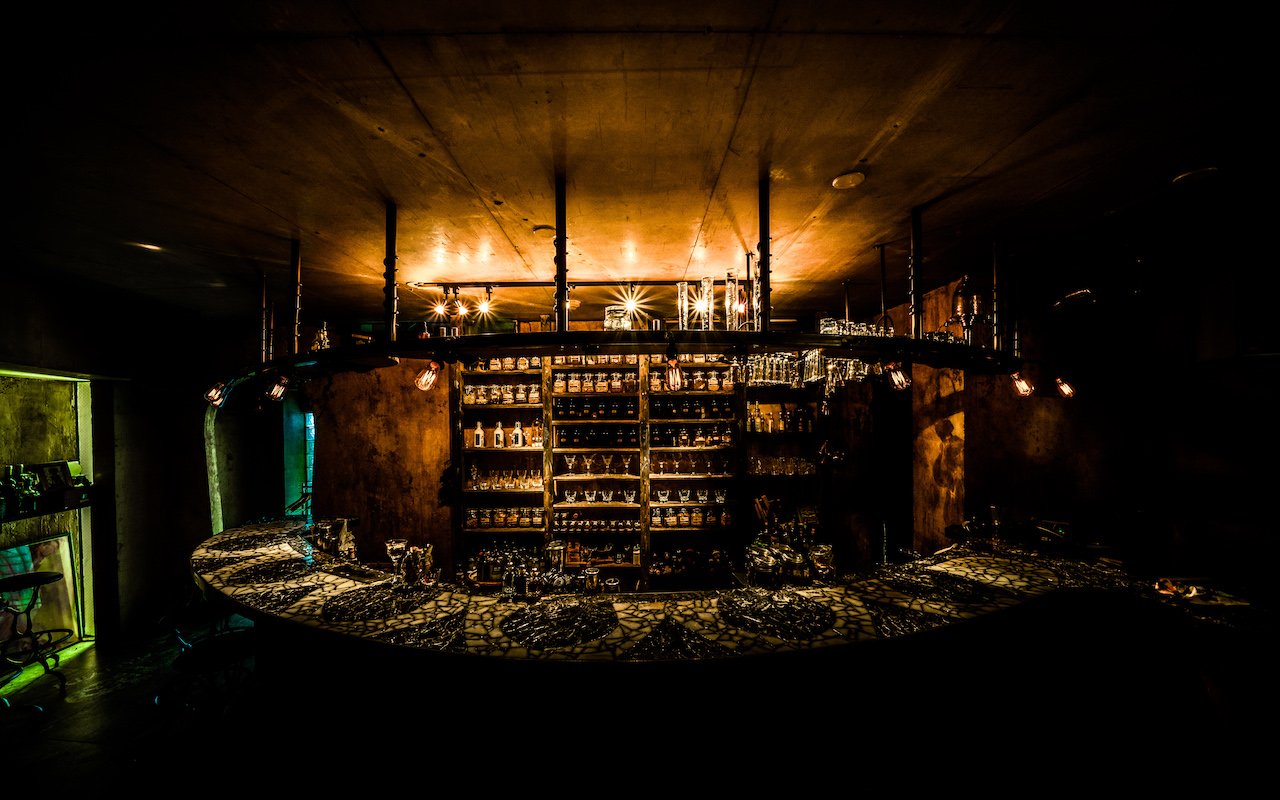
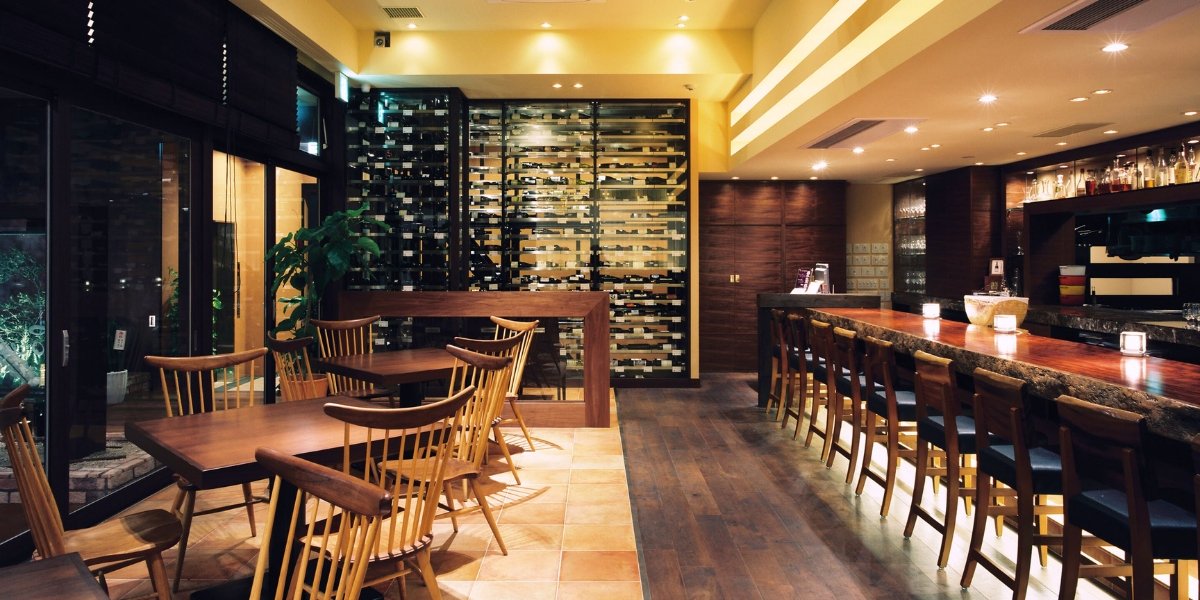
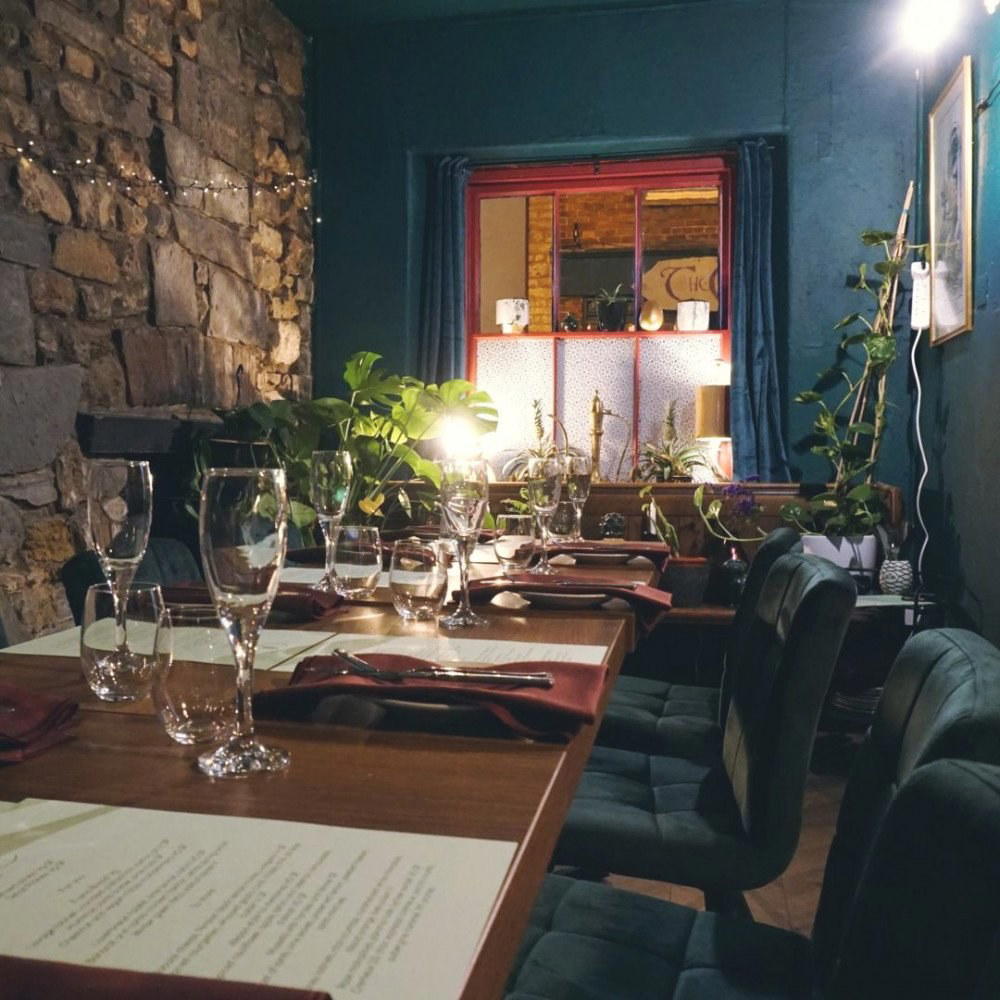
Az presents as an approachable, bistro-style Chinese restaurant that prioritizes clear flavours and quality ingredients over ceremony. It sits in Abeno Ward away from Osaka’s more tourist-facing dining corridors, and that local focus gives the room a relaxed, cozy feel shaped by regulars rather than passing visitors. The kitchen’s emphasis on regional Chinese preparations combined with Japanese produce creates a straightforward, unpretentious dining environment: comfortable for a low-key date or an evening out with friends, and quietly rewarding for diners who appreciate technique without formality.
Best For
Az is best for relaxed evening dining where the food is the primary draw. The menu’s main-course focus — exemplified by the wagyu stir-fry offered in multiple regional styles — suits dinner and casual get-togethers more than brief daytime visits. Its location in Abeno attracts a local crowd, so the restaurant works well for neighborhood date nights and casual hangouts with friends. Because reservations are more word-of-mouth than booking-driven, the place rewards planners who seek a local, less touristy dining experience.
Ordering Tips
Start with the wagyu beef stir-fry as the centerpiece: the menu explicitly offers it in three distinct sauce directions (Guangdong oyster sauce, Sichuan yúxiāng, and Beijing-style miso), so choose based on whether you want glossy umami, spicy-sour heat, or fermented salinity. The kitchen’s regional breadth means other dishes will spotlight different Chinese culinary traditions, so ordering a few plates to share lets the group sample contrasts in flavour and technique. Given the bistro’s approachable style, expect straightforward preparations that highlight ingredient quality rather than heavy embellishment.
Venue details
Ambiance
Relaxed bistro atmosphere suitable for casual mid-week dinners.
Tags
Vibe
Best For
Experience
At the Table
- Dress Code
- Smart Casual
- Noise Level
- Conversational
- Service Style
- Upscale Casual
- Meal Pacing
- Standard
- Capacity
- Small
Signature Dishes
wagyu stir-fry
Know before you go
Know Before You Go
- Getting there
- Abenosuji, Abeno Ward, Osaka, 545-0052, Japan
Planning details
Location
Abenosuji, Abeno Ward, Osaka, 545-0052, Japan · Directions
Recognition and awards
Also consider
Also Consider
- HAJIME, French, Innovative, ¥¥¥¥
- La Cime, French, ¥¥¥¥
- Kashiwaya Osaka Senriyama, Japanese, ¥¥¥
- Taian, Kaiseki, Japanese, ¥¥¥
- Fujiya 1935, Innovative, ¥¥¥¥
Restaurant context
Az sits at ¥¥, which puts it in a different conversation from most of Osaka's serious dining. HAJIME, La Cime, and Fujiya 1935 are all ¥¥¥¥ operations with the booking difficulty and formal commitment that comes with that tier. If you are building a serious Osaka itinerary and want one meal that pushes creative boundaries at the highest level, HAJIME is the benchmark, but you will pay for it and need to plan well in advance. Az is not competing for that slot. It is the option that delivers genuine culinary intelligence without requiring a special occasion budget.
Kashiwaya Osaka Senriyama and Taian both operate at ¥¥¥ in the kaiseki and Japanese formal traditions, a more direct comparison in terms of mid-to-upper pricing than the ¥¥¥¥ French-influenced venues. For a diner who wants the kaiseki format and a deep engagement with Japanese culinary tradition, Kashiwaya or Taian will deliver something Az is not designed to provide. But if the specific interest is wine-paired Chinese cooking in a relaxed bistro environment, neither of those venues is a substitute for Az.
The clearest practical guidance: book HAJIME or La Cime if you are allocating one high-spend meal and want Osaka's most technically demanding cooking. Book Kashiwaya or Taian if kaiseki is your priority. Book Az when you want serious food that does not require either a large budget or a formal dining posture, or when you want to understand what thoughtful Chinese cooking in Osaka actually looks like outside the white-tablecloth format.
Explore Osaka
Around this place
Discover more on Pearl
Unlock the full Az guide in Pearl, including awards, comparisons, FAQs, planning details, and nearby places.
Compare Az
| Venue | Price | Awards |
|---|---|---|
| Az | ¥¥ | Tabelog 100 - Chinese cuisine - WEST - 2026 · #64 |
| HAJIME | ¥¥¥¥ | Star Wine Lists 2026 · #12026 Tabelog Bronze · #922026 OAD Top Restaurants in Japan Ranked · #98Michelin Guide Kyoto Osaka 20262026 La Liste Top RestaurantsTabelog 100 - Innovative / Creative cuisine - 2025 · #692025 Asia's 50 Best Restaurants · #832025 OAD Top Restaurants in Japan Ranked · #87We're Smart World Top Restaurants 2025 |
| La Cime | ¥¥¥¥ | 2026 Asia's 50 Best Restaurants · #132026 OAD Top Restaurants in Japan Ranked · #1492026 Tabelog Bronze · #231Michelin Guide Kyoto Osaka 20262026 La Liste Top Restaurants2025 Asia's 50 Best Restaurants · #82025 World's 50 Best Restaurants · #44Tabelog 100 - French - WEST - 2025 · #932025 OAD Top Restaurants in Japan Ranked · #123 |
| Kashiwaya Osaka Senriyama | ¥¥¥ | 2026 Tabelog Bronze · #1682026 OAD Top Restaurants in Japan Recommended2026 Relais Chateaux RestaurantsMichelin Guide Kyoto Osaka 20262026 La Liste Top RestaurantsTabelog 100 - Japanese cuisine - WEST - 2025 · #772025 OAD Top Restaurants in Japan Ranked · #1552025 Relais Chateaux Award2025 Michelin 3 Stars |
| Taian | ¥¥¥ | 2026 OAD Top Restaurants in Japan RecommendedMichelin Guide Kyoto Osaka 20262026 La Liste Top Restaurants2025 OAD Top Restaurants in Japan Ranked · #2042025 La Liste Top Restaurants2025 Michelin 3 Stars2024 OAD Top Restaurants in Japan Ranked · #1912024 Michelin 3 Stars2023 OAD Top Restaurants in Japan Highly Recommended |
| Fujiya 1935 | ¥¥¥¥ | 2026 Tabelog Bronze · #752026 OAD Top Restaurants in Japan RecommendedMichelin Guide Kyoto Osaka 20262026 La Liste Top Restaurants2025 Michelin 2 Stars2025 Tabelog Silver2025 La Liste Top Restaurants2024 OAD Top Restaurants in Japan Ranked · #2392024 Michelin 2 Stars |










What to weigh when choosing between Az and alternatives.
FAQ
Frequently Asked Questions
Does Az handle dietary restrictions?
No specific dietary policy is documented for Az. The menu is built around Chinese regional cooking — wagyu stir-fry with sauce choices, rice vermicelli, zongzi — so pork and shellfish are likely present throughout. If you have strict requirements, verify directly with the restaurant before booking.
Is Az good for solo dining?
Az at ¥¥ pricing is a practical solo option: the bistro format is less ceremonial than a formal Chinese dining room, and the lunch menu at Bifun Azuma keeps things casual and quick. Solo diners get full access to the wine-pairing angle without needing a group to justify the cost.
What should a first-timer know about Az?
Az runs two identities — dinner as Az, the wine-paired Chinese bistro, and lunch as Bifun Azuma, focused on fried rice vermicelli and zongzi. If the wagyu stir-fry is the draw, come for dinner and engage with the sauce choice (Guangdong oyster, Sichuan yúxiāng, or Beijing miso) alongside a wine pairing. It sits in Abeno Ward, south of the main tourist corridors, so factor in the extra travel time from Namba.