



The Ritz-Carlton, Osaka
Kita, Osaka
Hotel in Osaka, Japan
 Book with Pearl
The Read
Old-World European in Osaka
Why go
A strong Osaka pick for families and special occasions when Umeda convenience matters. Choose The Ritz-Carlton, Osaka for established luxury and a polished central base; cross-shop Four Seasons Hotel Osaka or Waldorf Astoria Osaka if a newer luxury feel matters more, and Zentis Osaka or Aloft Osaka Dojima for lighter-budget stays.
About The Ritz-Carlton, Osaka
For a special stay in Osaka, The Ritz-Carlton, Osaka is a luxury hotel with significant recognition. It holds Michelin 1 Key (2024), Forbes 5-Star (2026), La Liste Top Hotels (2026): 94.5pts, and Virtuoso Luxury Hotel Partner (2026). The dress code is smart casual.
Book it when the priority is a luxury-hotel choice in Osaka and confirmed recognition matters. Details such as room configuration, breakfast, wellness facilities, loyalty benefits, meeting setup, and family-specific services should be checked directly before committing.
Choose this for a recognized luxury stay in Osaka
The decision is about its confirmed standing. The Ritz-Carlton, Osaka has Michelin 1 Key (2024) and Forbes 5-Star (2026) recognition, with La Liste Top Hotels (2026): 94.5pts also supporting its luxury-hotel profile. If the priority is a different style or price position, compare Zentis Osaka or Aloft Osaka Dojima instead. Those alternatives may suit travelers who want a different hotel feel in Osaka.
For luxury shoppers, the comparison set also includes Four Seasons Hotel Osaka and Waldorf Astoria Osaka. Those hotels are useful reference points for travelers deciding among high-end stays in Osaka. Specific distinctions in room types, amenities, dining, or service format should be confirmed directly before booking.
Use the hotel as an Osaka base, then confirm trip-critical details
The practical way to assess The Ritz-Carlton, Osaka is as a recognized luxury hotel in Osaka, then confirm the details that matter for your trip. For broader planning, use our full Osaka hotels guide alongside our full Osaka restaurants guide, especially if dining plans need to work for different preferences.
Avoid assuming specifics about booking difficulty, rates, amenities, loyalty-program treatment, dining formats, or family services from this guide alone. Compare terms and current information directly across The Ritz-Carlton, Osaka, Four Seasons Hotel Osaka, Waldorf Astoria Osaka, The Osaka Station Hotel, Autograph Collection, Zentis Osaka, and Aloft Osaka Dojima before choosing.
Part of
The Ritz-Carlton187 locations on PearlInside The Ritz-Carlton, Osaka
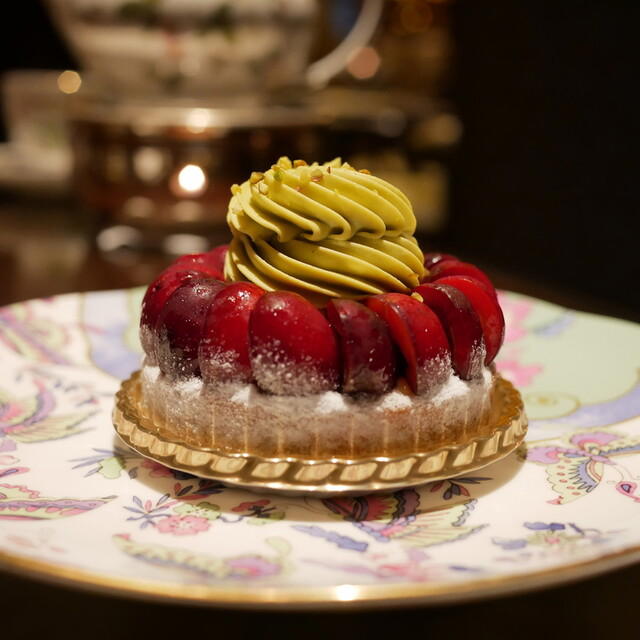 cafeThe Ritz Carlton Gourmet ShopA take-out sweets counter inside The Ritz-Carlton Osaka, focused on cake, bread and chocolate in Umeda’s hotel dining orbit. Recognition from Tabelog 100 - Sweets - WEST - 2023 places it in the region’s serious pastry conversation, while the spend range sits at JPY 1,000 - JPY 1,999.
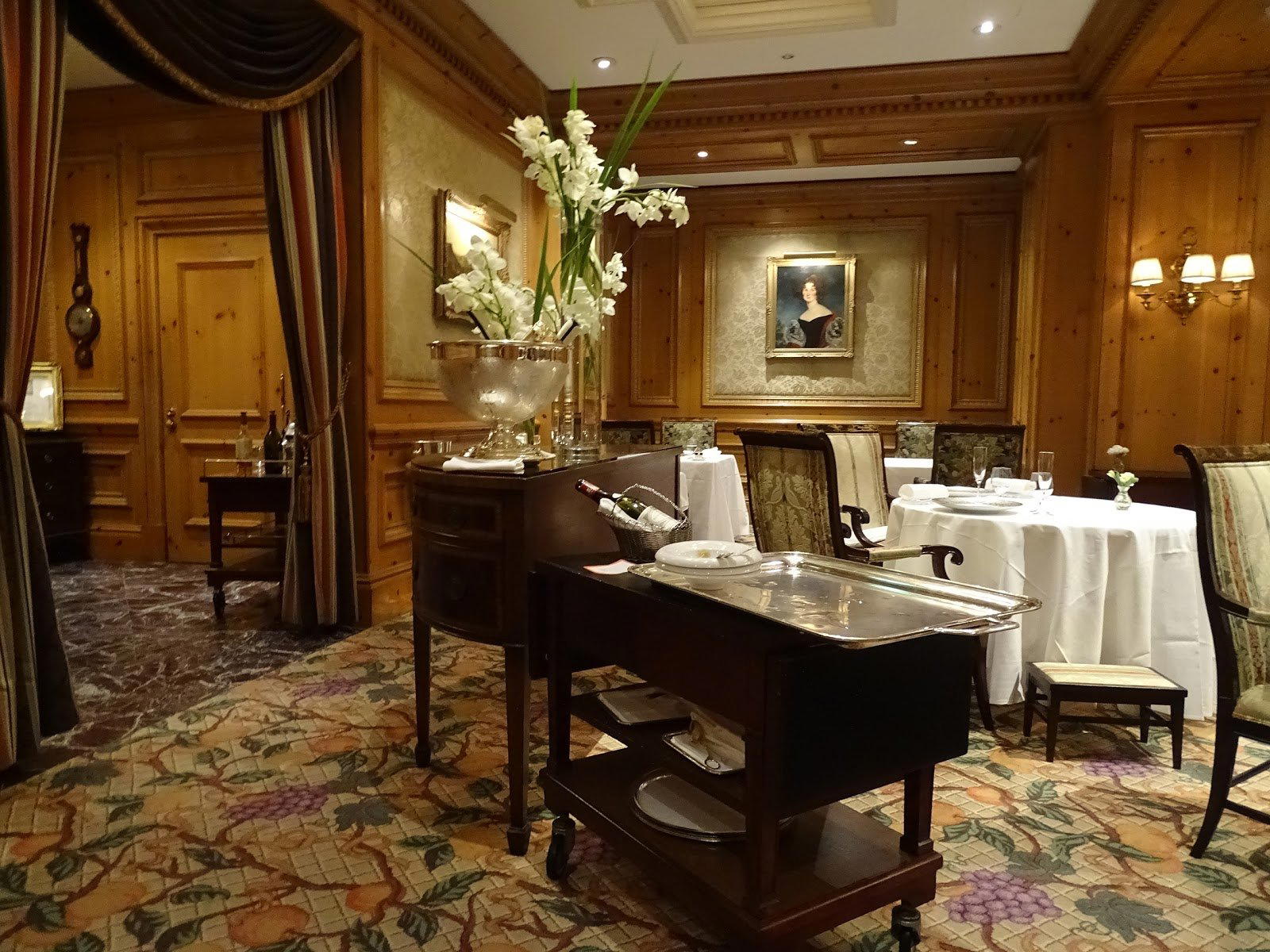 restaurantLa BaieLa Baie sits on the fifth floor of the Ritz-Carlton Osaka in Umeda, delivering Japanese-French cuisine under chef Christophe Gibert, a Brittany native whose classical sauce work and affinity for seaweed have earned the restaurant consecutive Tabelog Bronze awards since 2017, a Michelin star, and repeated selection in the Tabelog French West 100. Dinner runs ¥30,000–¥39,999; lunch offers the same kitchen at roughly half the price.
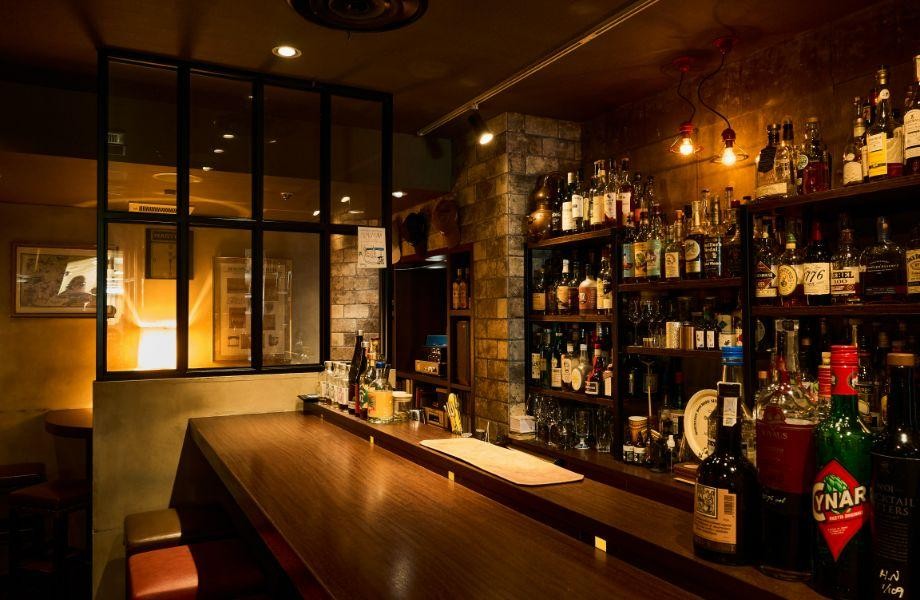
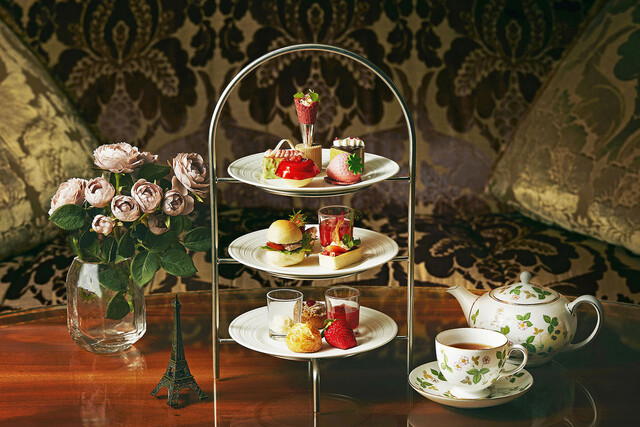 loungeThe Lobby LoungeA hotel lounge in Umeda with a British afternoon-tea format by day and cocktails, whisky, and live music in the evening. The Lobby Lounge was selected for Tabelog Cafe WEST “Tabelog 100” 2025, placing it in a more formal cafe tier than Osaka’s everyday kissaten circuit.
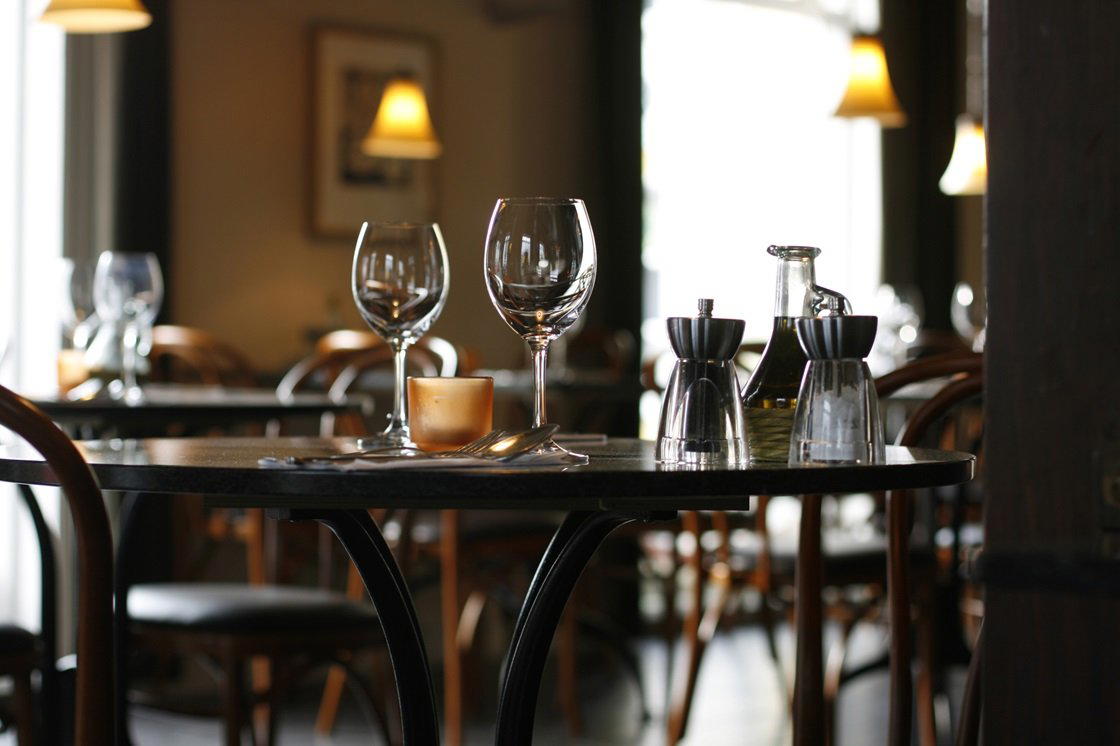 restaurantTEMPURA HANAGATAMIInside the Ritz-Carlton Osaka, Tempura Hanagatami holds a Michelin Plate for tempura that takes technical precision seriously. The kitchen chills wheat flour to sub-zero temperatures before battering, producing a coating that stays genuinely light rather than just thin. Sea urchin wrapped in nori, and eel finished with wasabi rather than sweet tare, signal a kitchen working at the more inventive edge of the form.
Planning details
- Location
- 2-chōme-5-25 Umeda, Kita Ward, Osaka, 530-0001
- Website
- ritzcarlton.com/en/hotels/osarz-the-ritz-carlton-osaka/overview/?scid=f2ae0541-1279-4f24-b197-a979c79310b0
- Phone
- +81 6-6343-7000
The take
The Take
The Vibe
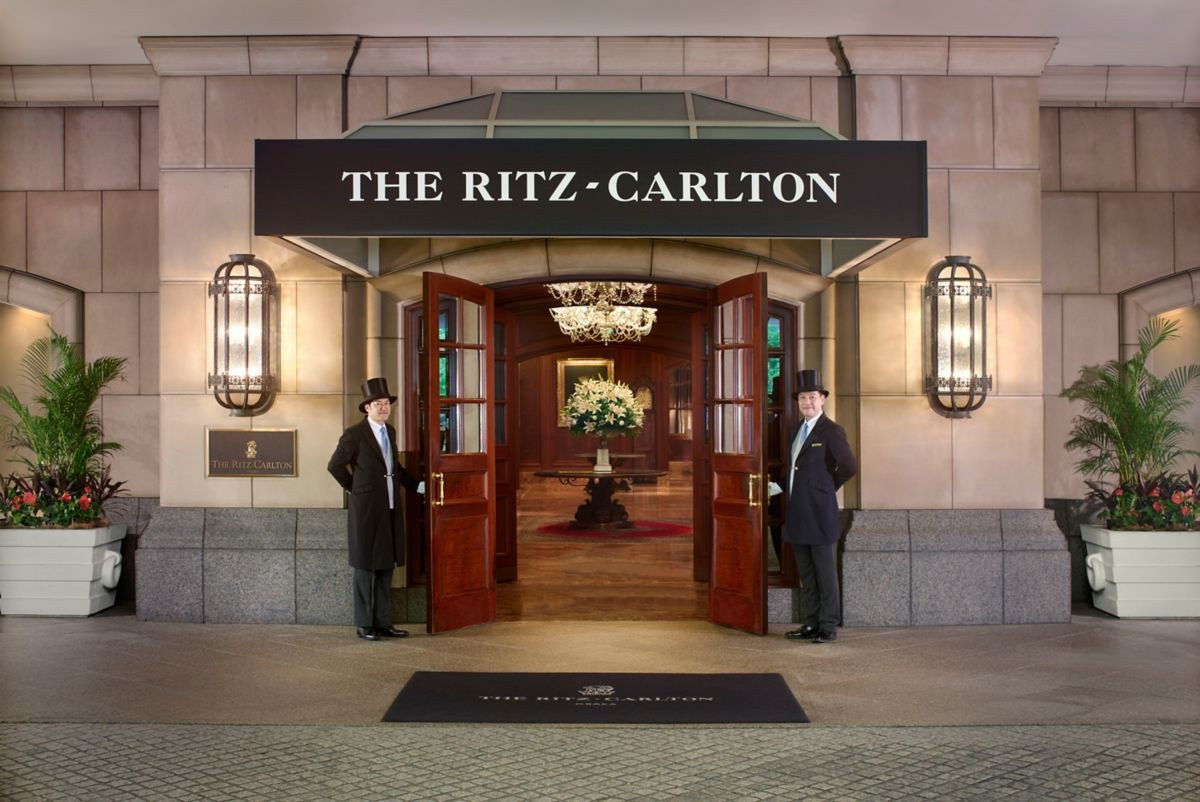
The Ritz-Carlton, Osaka presents an Old‑Europe approach to luxury within a distinctly metropolitan setting. It follows the global Ritz‑Carlton model—formal European interiors and a deep service infrastructure—and that template arrives in Osaka with additional local precision. Industry recognition, including a Michelin Key and a high La Liste score, underscores the hotel’s exacting execution rather than a quirky concept. The overall effect is a restrained, historically inflected luxury that favors polished rituals and meticulous service over local pastiche or playful experimentation.
Best For
This hotel is best suited to travelers who prioritize access and reliable high‑end service. Sitting in Nishi‑Umeda’s business and shopping corridor and adjacent to Osaka Station, it makes transit‑centered itineraries effortless. The property’s multi‑category dining and formal service profile also make it a natural pick for business dinners and upscale evening meals, while its industry accolades signal a level of consistency that guests can count on for anniversaries or romantic getaways that favor refinement over local quirk.
Stay Tips
Dining at the Ritz‑Carlton, Osaka centers on multiple restaurants under one roof, and the hotel’s culinary offer is explicitly tied to its industry recognition (a Michelin Key and a high La Liste score). Guests should look to the hotel’s in‑house outlets for a range of cuisines and expect formally executed service and plated presentations. If you prioritize an elevated dining experience within a single property, the hotel’s restaurants are the logical place to sample its strongest offerings, given the emphasis on execution and cross‑category dining.
Venue details
Ambiance
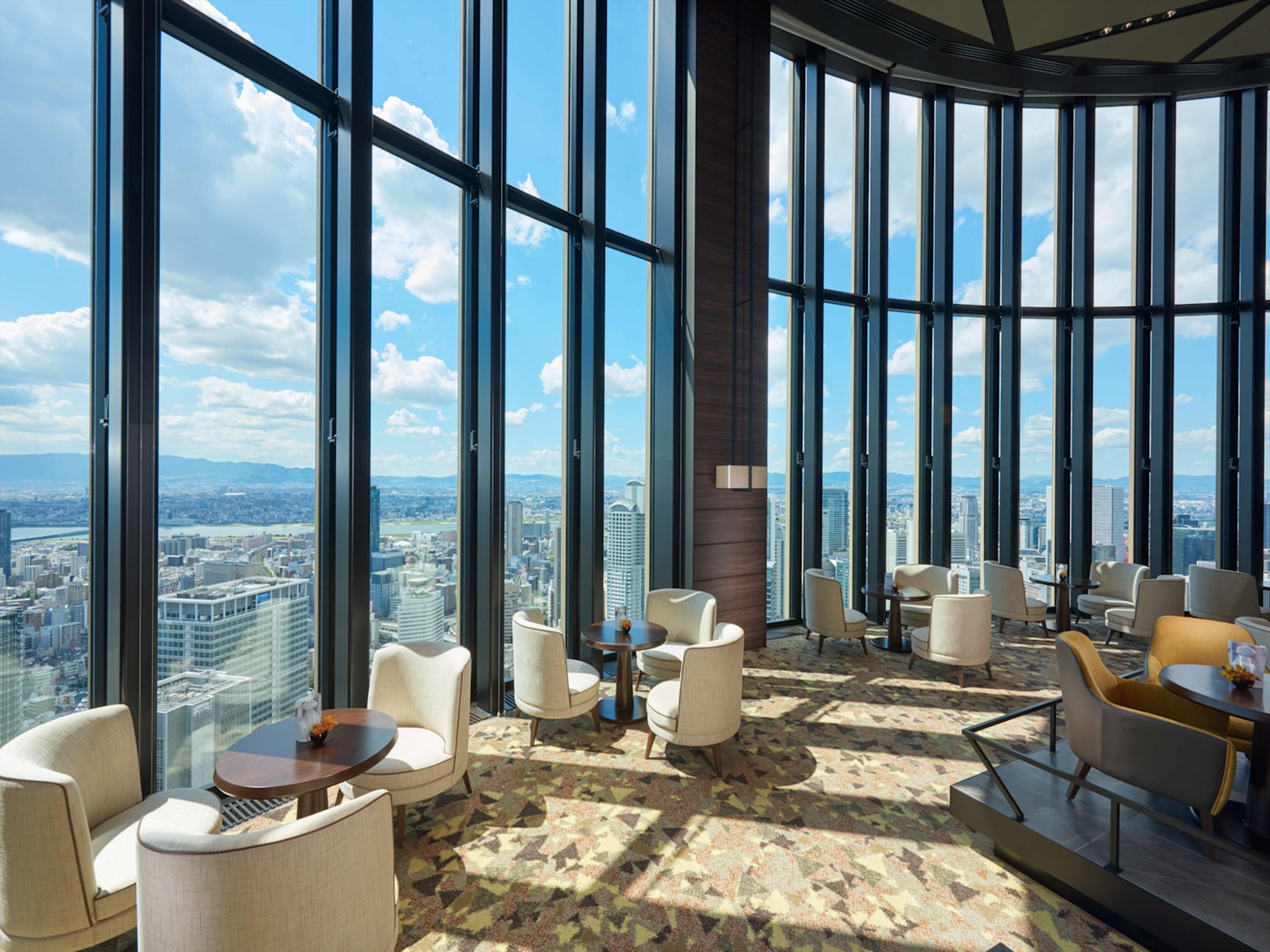
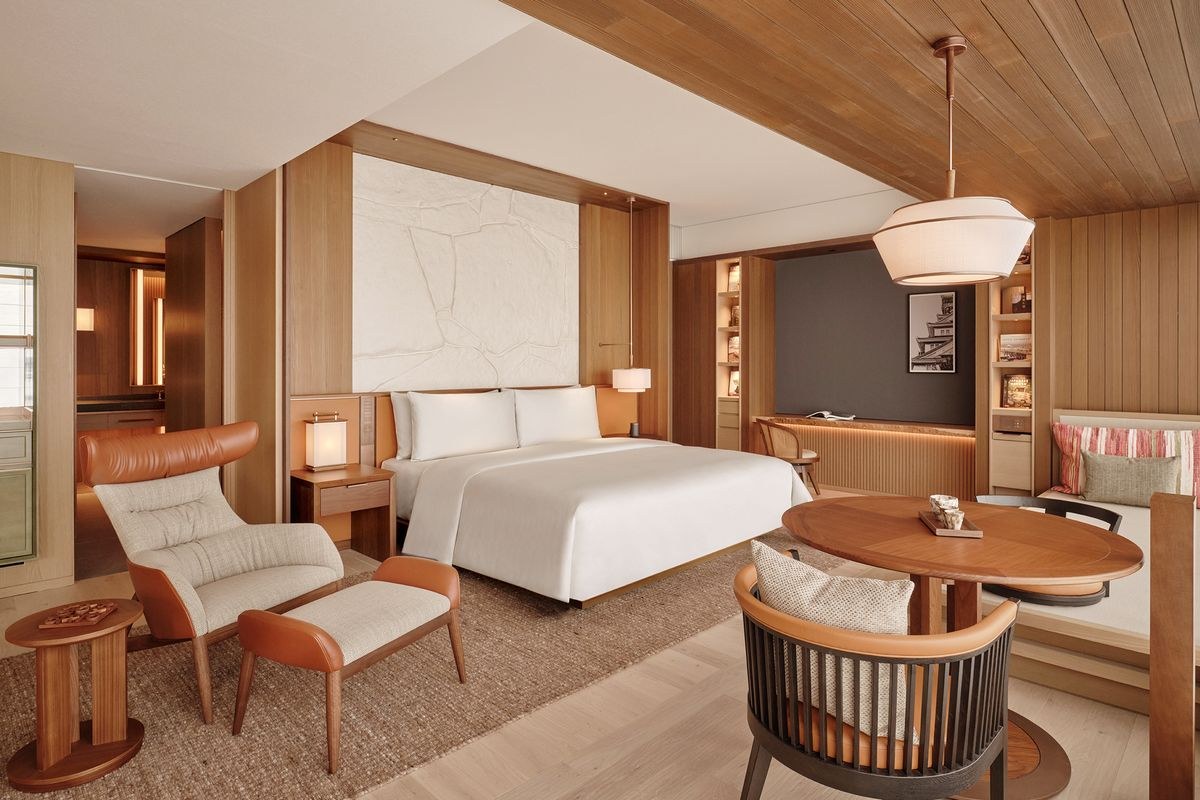
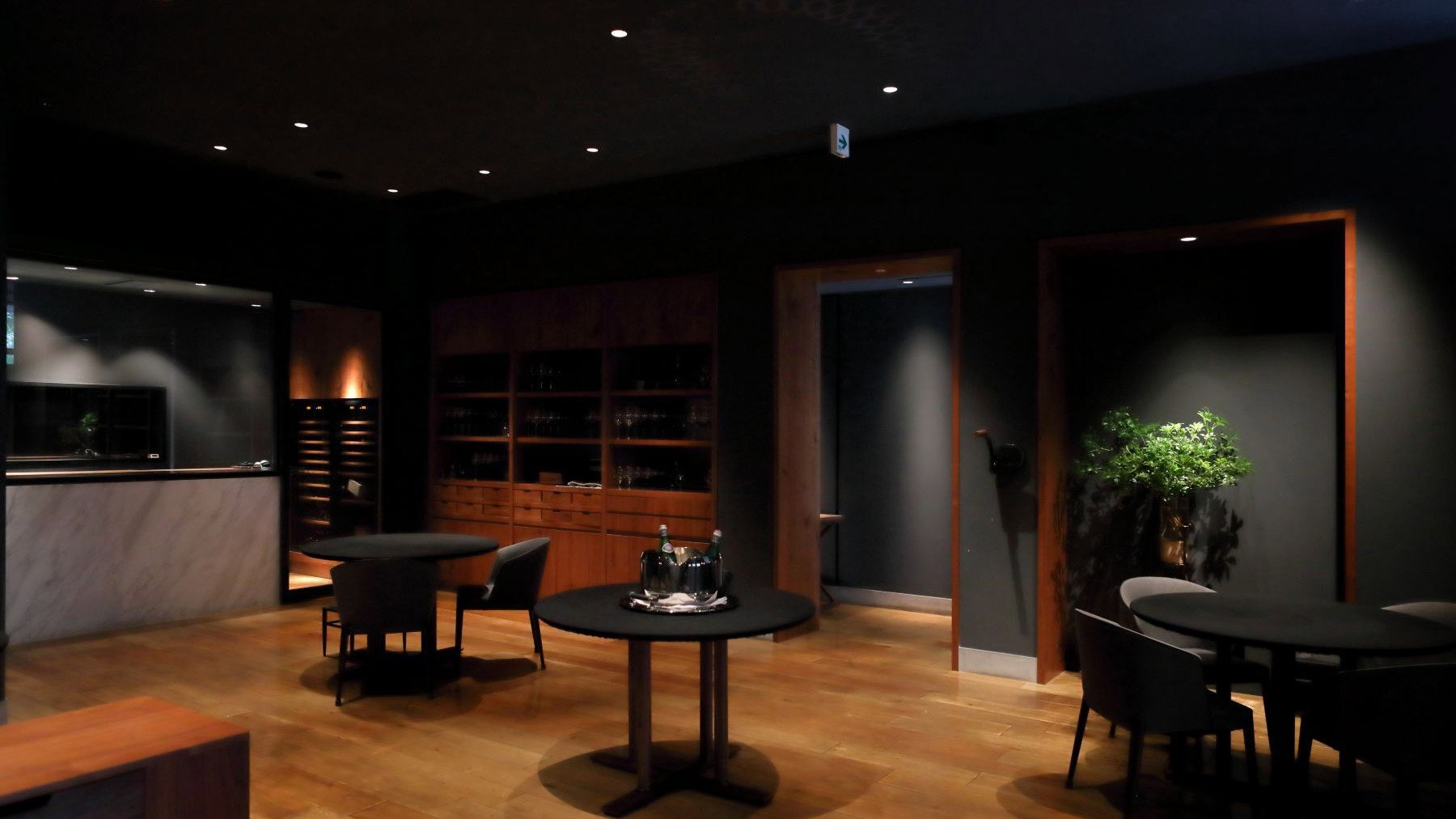
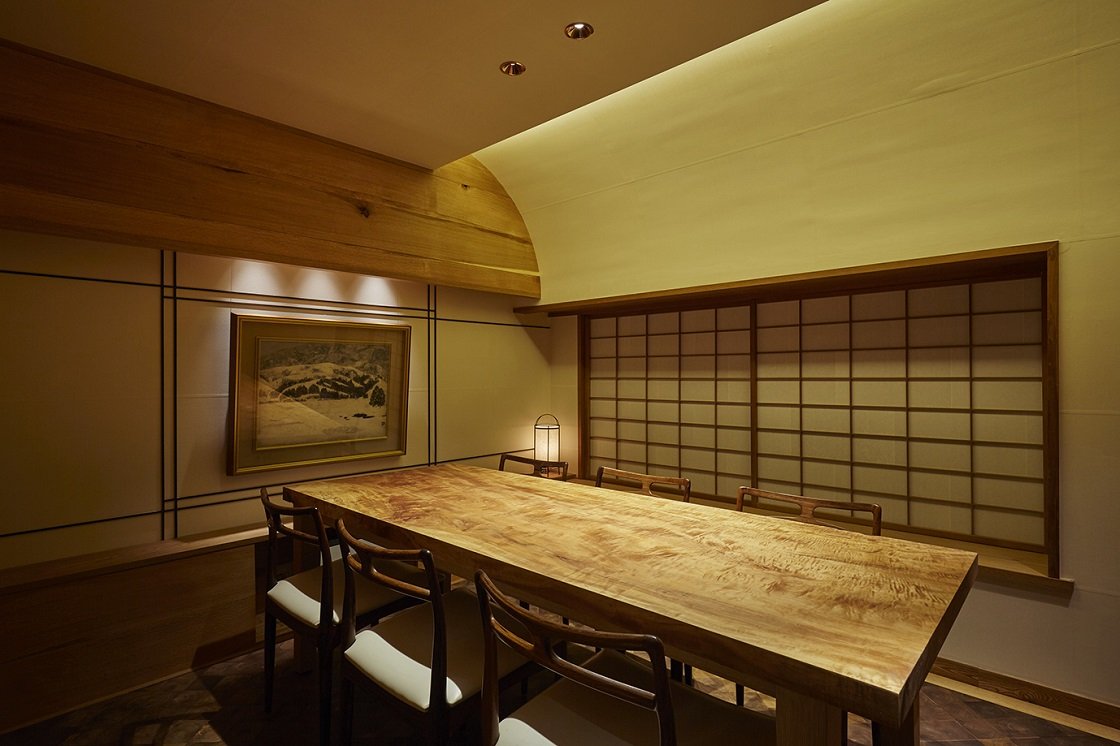
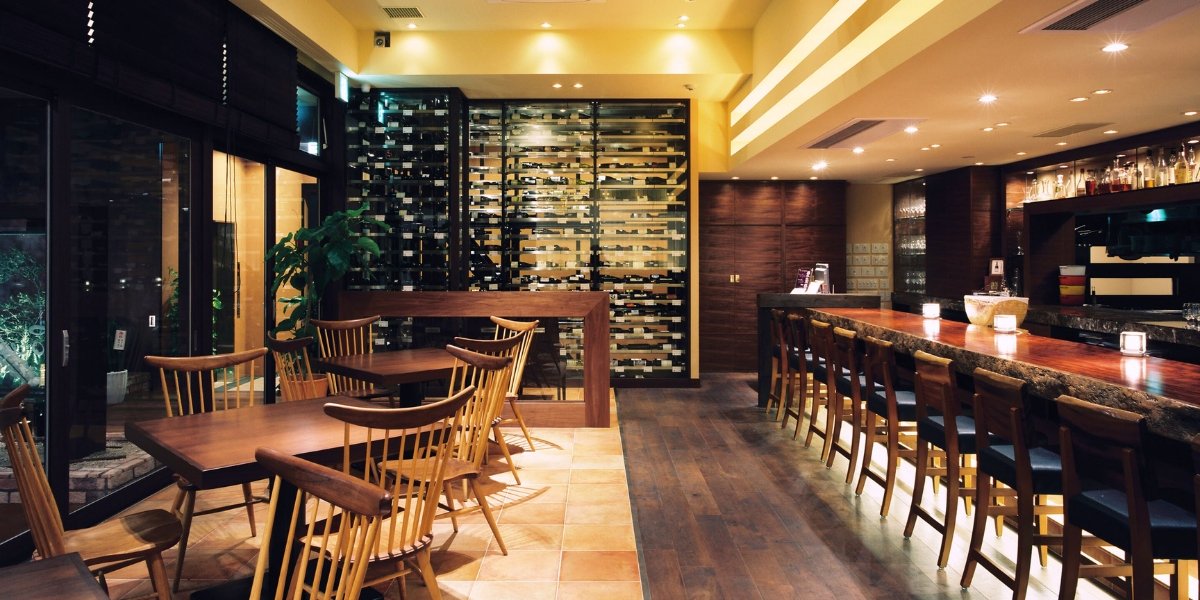
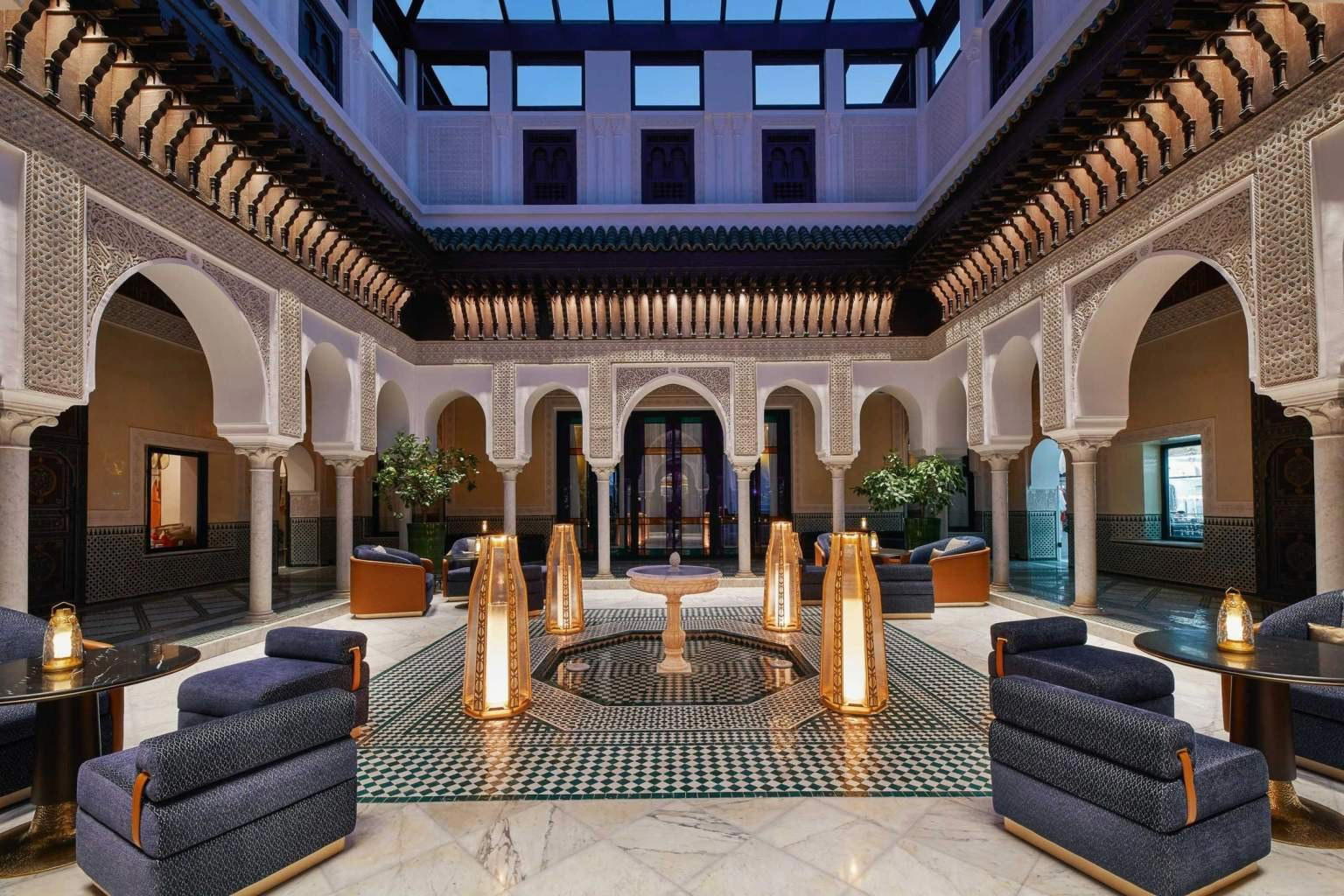
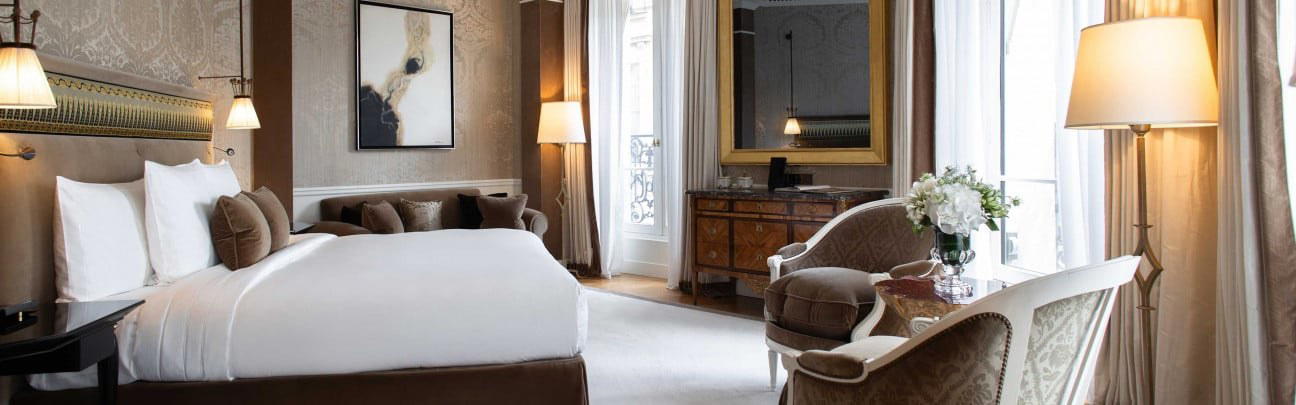
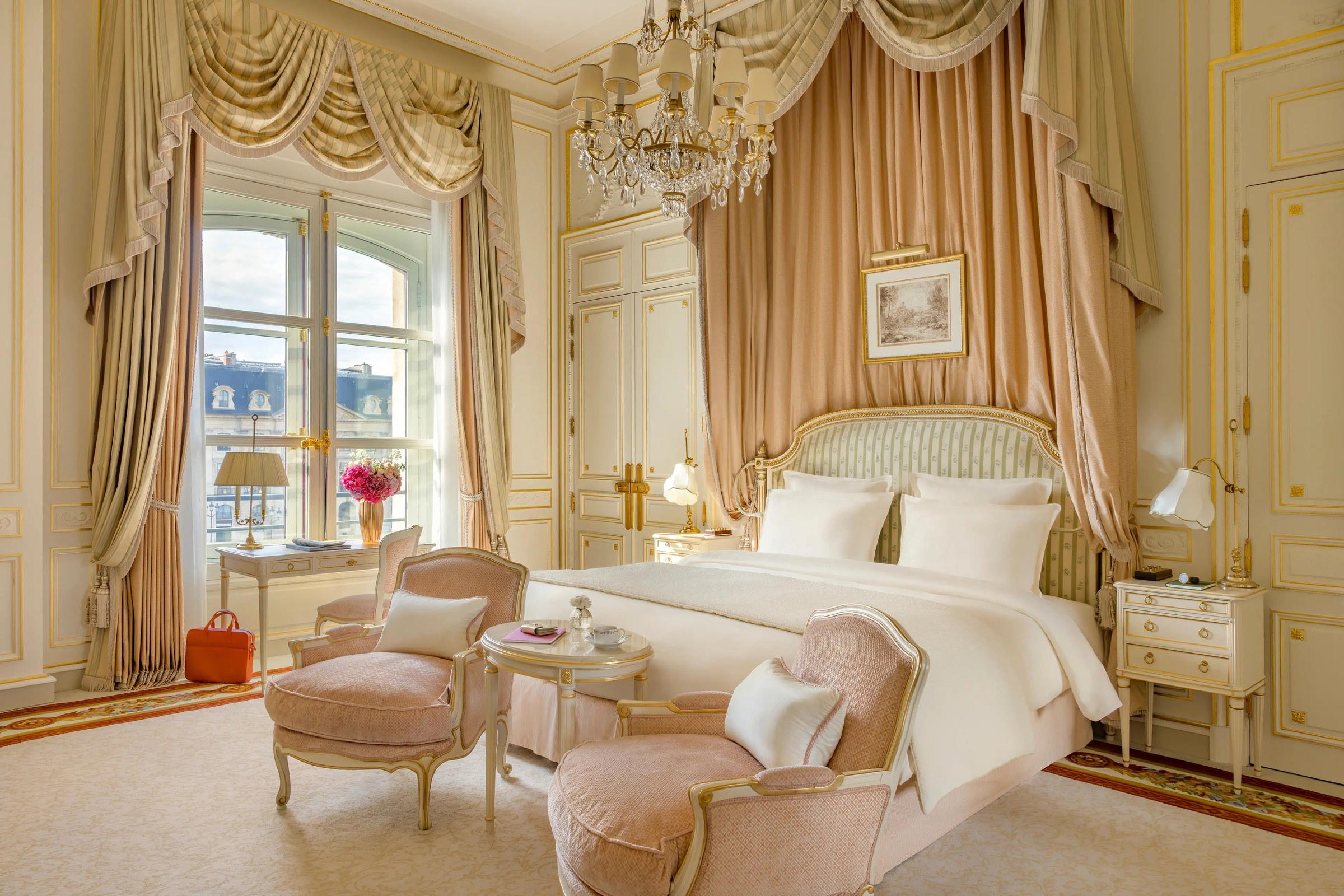
Refined and graceful atmosphere reminiscent of an 18th-century aristocratic residence with soft natural light from expansive windows.
Tags
Vibe
Best For
Experience
Amenities
View
Accessibility
About the Stay
- Rooms
- 291
- Check-in
- 15:00
- Check-out
- 12:00
- Property Style
- Evokes an 18th Century English Manor Home with Refined European Classic Elegance.
- Design Style
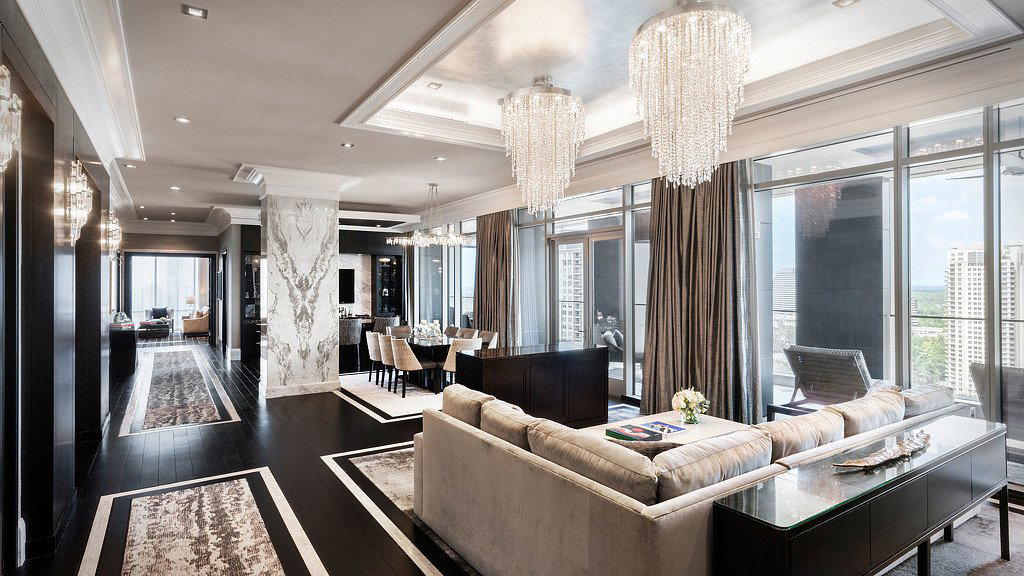
- European Classic with Contemporary Sensibilities, Italian Marble Bathrooms, and Panoramic City Views.
Know before you go
Know Before You Go
- Getting there
- 2-chōme-5-25 Umeda, Kita Ward, Osaka, 530-0001
Planning details
Location
2-chōme-5-25 Umeda, Kita Ward, Osaka, 530-0001 · Directions
Recognition and awards


Also consider
Where to look if this is full
If the goal is luxury and The Ritz-Carlton, Osaka is unavailable, try Four Seasons Hotel Osaka or Waldorf Astoria Osaka. If the priority is keeping the trip practical, move down to Zentis Osaka or Aloft Osaka Dojima.
Hotel context
How it compares in Osaka
Four Seasons Hotel Osaka and Waldorf Astoria Osaka are the right cross-shops if the goal is a newer luxury stay with more current-hotel energy. The Ritz-Carlton, Osaka is the safer call for guests who want established formality, a central Umeda base, and a special-occasion setting that feels controlled rather than experimental.
The Osaka Station Hotel, Autograph Collection is the more direct station-area comparison for travelers prioritizing rail convenience. Pick it if connection logistics matter more than a classic luxury mood. Choose The Ritz-Carlton, Osaka when the stay needs to feel more ceremonial, especially for family celebrations or hosted business travel.
Aloft Osaka Dojima and Zentis Osaka make more sense for value-led trips, younger groups, or travelers who will mostly use the hotel to sleep. They are better budget-control plays; The Ritz-Carlton, Osaka is the splurge choice when service confidence and occasion value justify the higher commitment.
Explore Osaka
Around this place
Discover more on Pearl
Unlock the full The Ritz-Carlton, Osaka guide in Pearl, including awards, comparisons, FAQs, planning details, and nearby places.
Compare The Ritz-Carlton, Osaka
| Venue | Location | Awards |
|---|---|---|
| The Ritz-Carlton, Osaka | Osaka | 2026 Forbes 5-Star2026 Virtuoso Luxury Hotel Collection2026 La Liste Top HotelsMichelin 1 Key 20252025 Michelin 1 Key2024 Michelin 1 Key |
| Four Seasons Hotel Osaka | Osaka | No published awards |
| The Osaka Station Hotel, Autograph Collection | Osaka | No published awards |
| Aloft Osaka Dojima | Osaka | No published awards |
| Zentis Osaka | Osaka | No published awards |
| Waldorf Astoria Osaka | Osaka | No published awards |
How The Ritz-Carlton, Osaka compares with similar nearby venues.
FAQ
Frequently Asked Questions
How is the pool and spa at The Ritz-Carlton, Osaka?
Pool or spa details are not available. The Ritz-Carlton, Osaka has hotel-recognition signals, including Michelin 1 Key (2024), Forbes 5-Star (2026), La Liste Top Hotels (2026): 94.5pts, and Virtuoso Luxury Hotel Partner (2026). If wellness facilities are central to the trip, confirm current details directly and compare with Four Seasons Hotel Osaka.
How does The Ritz-Carlton, Osaka compare to nearby hotels?
The Ritz-Carlton, Osaka is a recognized luxury hotel in Osaka, with Michelin 1 Key (2024), Forbes 5-Star (2026), La Liste Top Hotels (2026): 94.5pts, and Virtuoso Luxury Hotel Partner (2026). Four Seasons Hotel Osaka and Waldorf Astoria Osaka are natural luxury comparisons, while Aloft Osaka Dojima and Zentis Osaka offer different hotel styles to consider.