


Taian
Kaiseki, Japanese · Chūō, Osaka
Restaurant in Osaka, Japan
 Book with Pearl
The Read
Seasonal Kaiseki Minimalism
Price
$150–200per person
Chef
Hitoshi Takahata
Dress
Smart Casual
Why go
Taian holds three Michelin stars and 92 La Liste points in 2025, making it one of Osaka's most credentialed kaiseki bookings at ¥¥¥, a lower price tier than most of its three-star peers. Chef Hitoshi Takahata's set tasting menu is built around restraint and depth rather than spectacle. Book months ahead through a concierge; there is no public phone or website.
About Taian
Is Taian worth booking for a kaiseki dinner in Osaka?
Yes, and it is one of the harder reservations to justify skipping if you are serious about kaiseki. Taian holds three Michelin stars (2025), scored 92 points on La Liste's global ranking in 2025, and sits at #204 on Opinionated About Dining's Japan list for 2025. For a room described externally as a small, spare space in a low-key building on Shimanouchi-chome, that concentration of recognition is notable. If your Osaka itinerary has room for one kaiseki dinner, Taian belongs on the short list alongside Koryu and Kashiwaya Osaka Senriyama.
The Experience at Taian
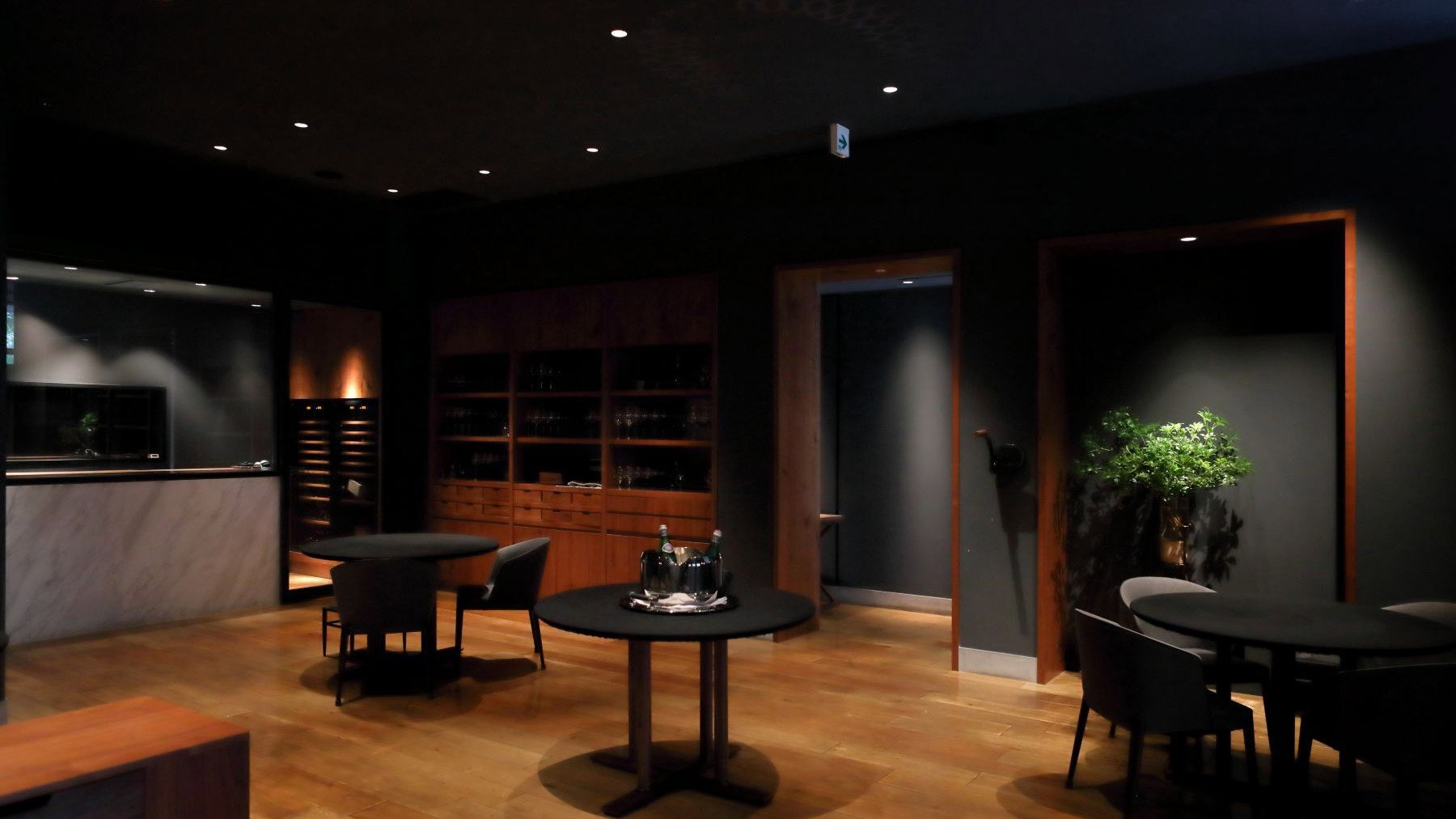
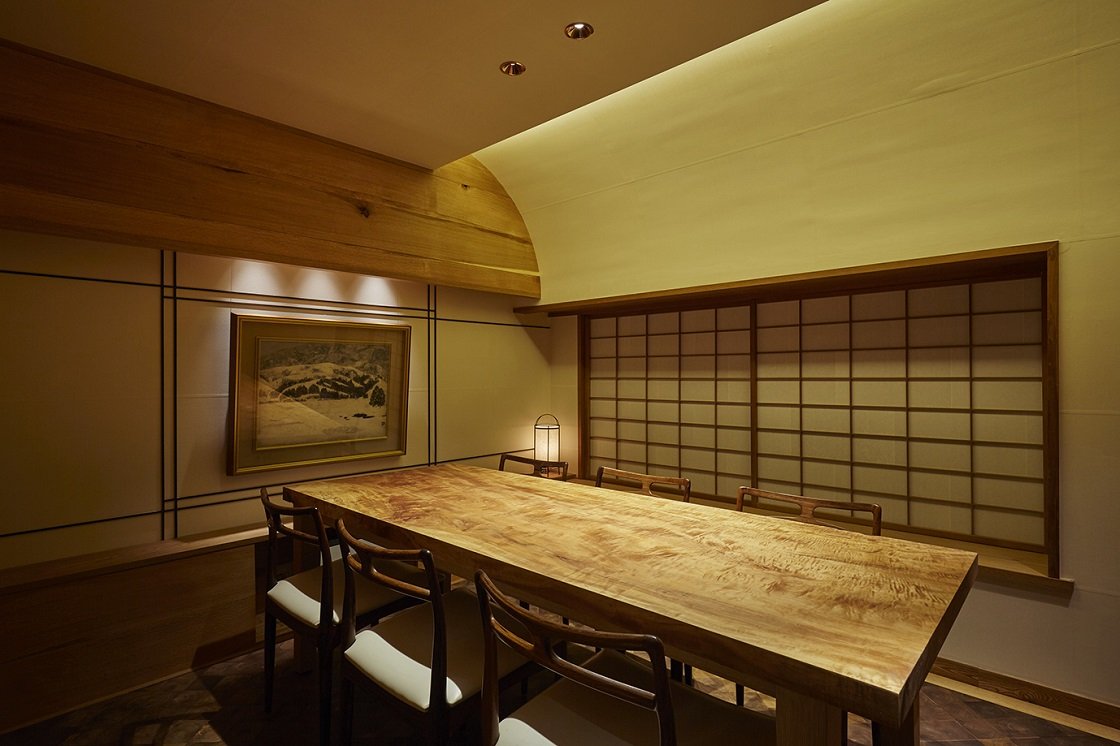
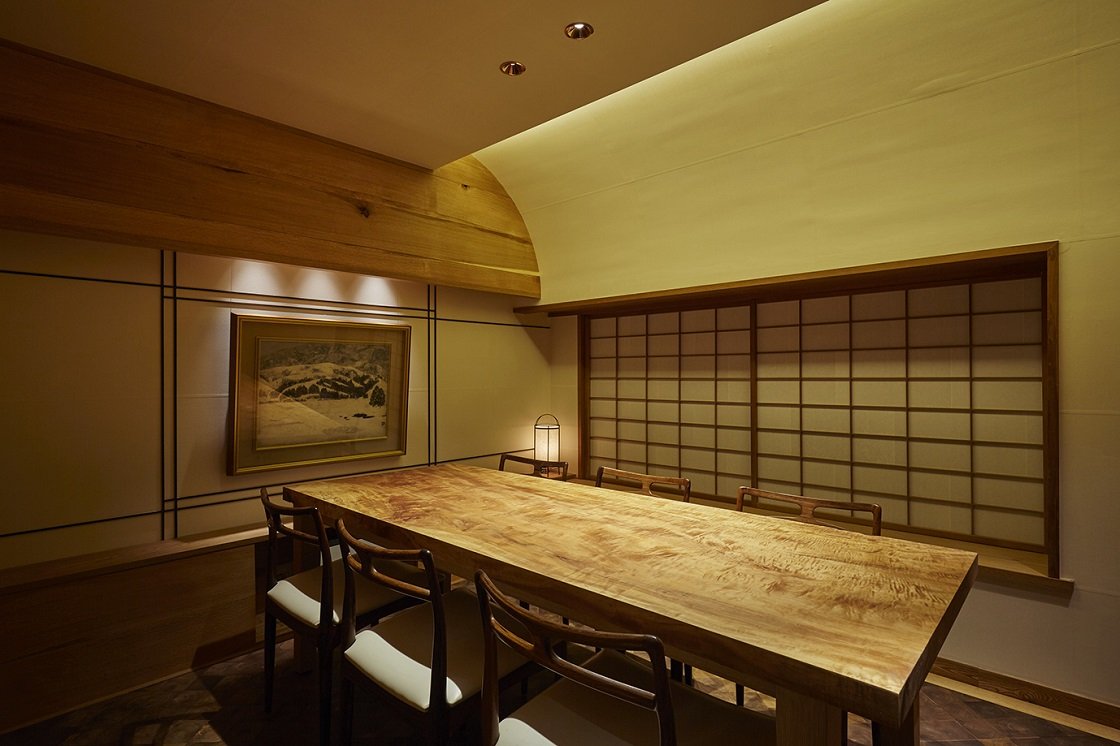
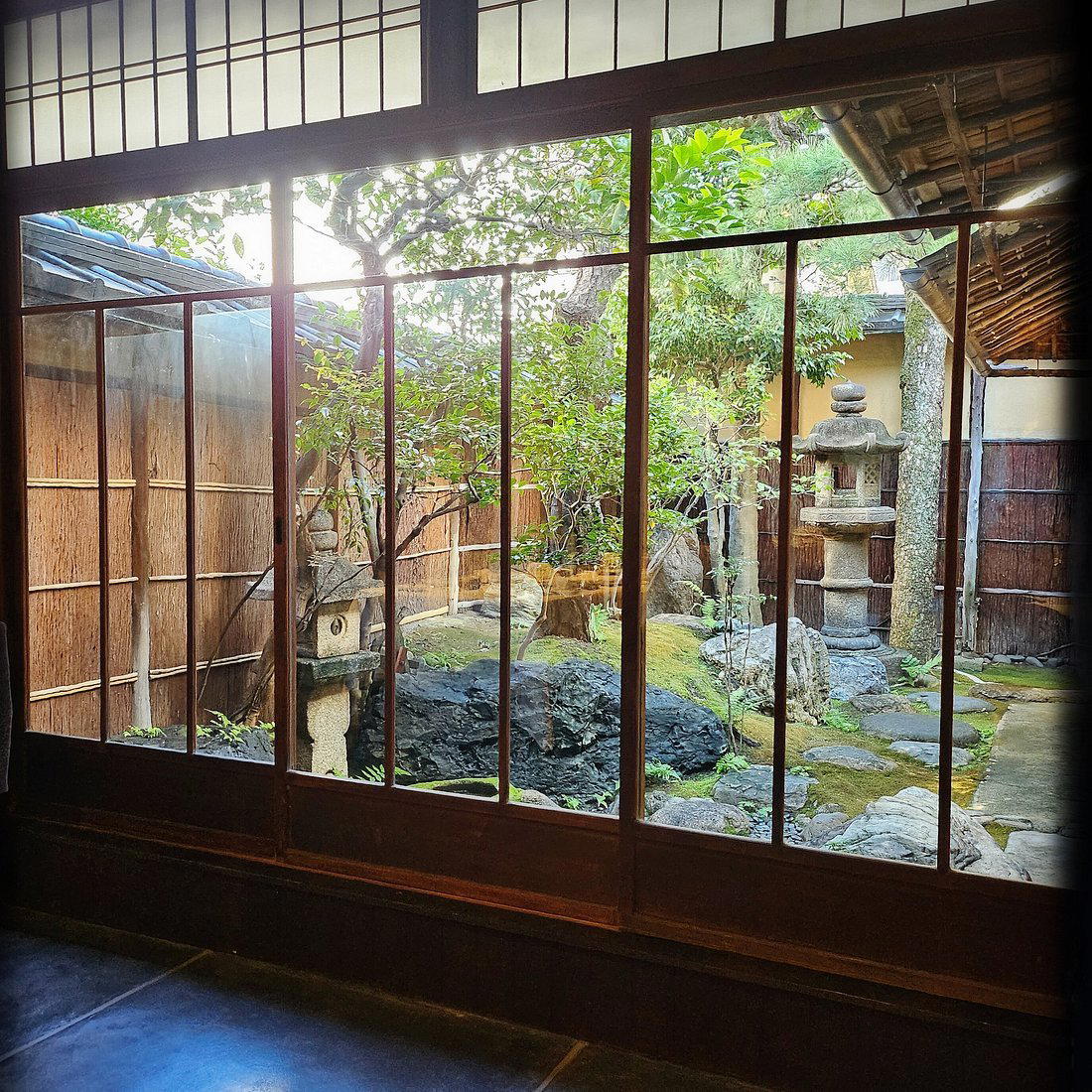
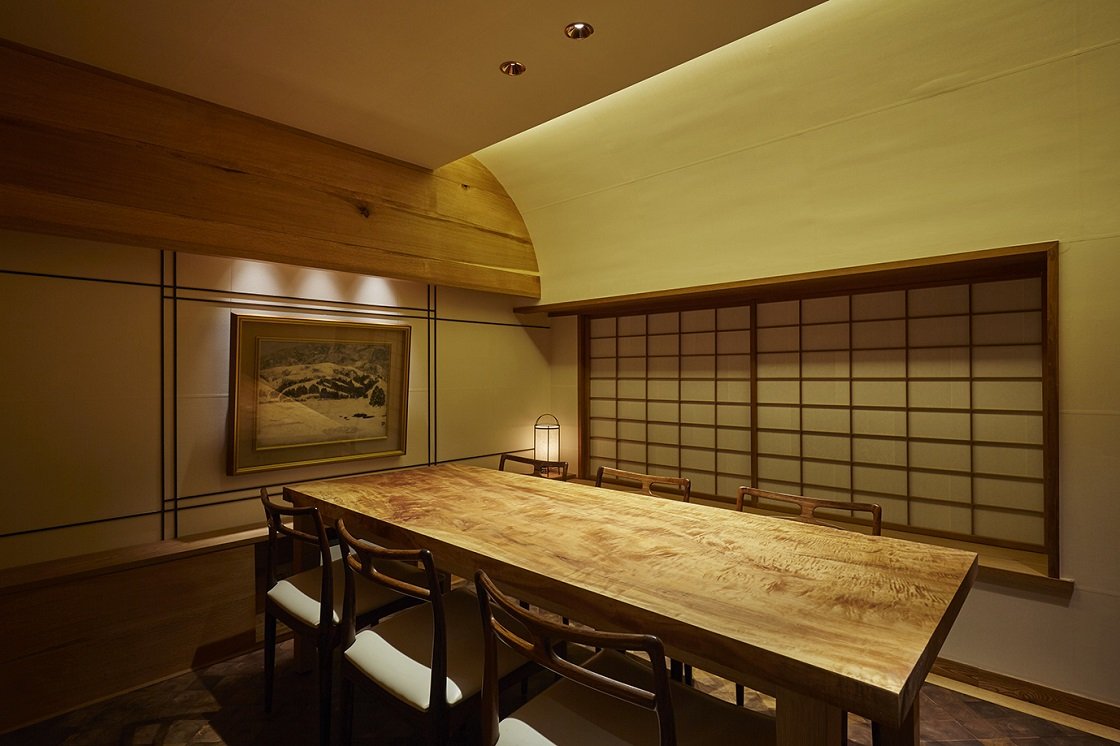
Chef Hitoshi Takahata has built Taian around a deliberate tension: modest exterior, serious interior. The name itself translates as 'big hut', a reference to the wabi aesthetic of the tea ceremony, where a small, restrained space is made to feel expansive through precision and attention. That framing is not incidental. It tells you exactly what you are walking into and, more importantly, what to expect from the progression of the meal.
Kaiseki, as a format, is architecture as much as cooking. Each course is positioned to build on the last, with the sequence moving through texture, temperature, and intensity in a way that is intended to feel inevitable rather than arbitrary. At Taian, La Liste's own citation notes that the cuisine 'crystallises the skill and passion of Hitoshi Takahata' and that the 'depths of flavour satisfy the soul', language from a named critical source that aligns with what three Michelin stars imply: technical command applied to seasonal Japanese ingredients across a multi-course progression. The contrast between the room's outward modesty and the precision of what arrives on the plate is not incidental; it is the point.
For the explorer-type diner who wants depth alongside context, Taian rewards attention. This is not a venue where the tasting menu is a passive experience. The arc of the meal, from lighter preparations through to more substantial courses, is designed to accumulate rather than simply impress course by course. If you approach it as a sequence to be tracked rather than a succession of individual plates, you get considerably more out of it.
In terms of price tier, Taian sits at ¥¥¥, which positions it below the ¥¥¥¥ venues in Osaka's top tier. That makes it an interesting entry point into three-star kaiseki: you are not paying French-style tasting menu prices, and the room's intentional modesty reinforces a sense of value relative to the credential. Compare it to Koryu, which operates at ¥¥¥¥, or to HAJIME at the same ¥¥¥¥ tier with a French-innovative approach. Taian is the more traditionally grounded choice at a lower price point, which is a genuine distinction worth factoring into your decision.
The physical address is 1F, Yamamoto Matsu Building, 1-21-2 Shimanouchi, Chuo Ward, a low-key location in central Osaka that does not announce itself. That is consistent with the philosophy. Getting there is direct from the Shinsaibashi or Nagahoribashi subway stations. For wider context on where Taian sits in Osaka's dining landscape, see our full Osaka restaurants guide.
Osaka's kaiseki and fine dining scene is dense. If you are building a multi-day itinerary, it is worth knowing that Masuda and La Cime represent different points on the spectrum, and that the Kansai region overall offers strong alternatives: Gion Sasaki in Kyoto, Hyotei in Kyoto, and akordu in Nara are all within day-trip distance. Beyond Kansai, Harutaka in Tokyo and RyuGin in Tokyo anchor the kaiseki conversation nationally, as does Goh in Fukuoka for those travelling further west. For completeness: 1000 in Yokohama and 6 in Okinawa round out the national picture for serious diners building a Japan itinerary.
Know Before You Go
- Address
- 1F Yamamoto Matsu Building, 1-21-2 Shimanouchi, Chuo Ward, Osaka 542-0082
- Hours
- Tuesday to Sunday, 5:30–10 pm. Closed Monday.
- Price tier
- ¥¥¥
- Cuisine
- Kaiseki, Japanese
- Chef
- Hitoshi Takahata
- Awards
- Michelin 3 Stars (2025); La Liste 92pts (2025); OAD Leading Restaurants Japan #204 (2025)
- Booking difficulty
- Near impossible. Book as far in advance as possible, weeks to months ahead is not excessive for three-star kaiseki in Osaka at this price tier.
- Website/phone
- Not publicly listed. Reservations typically require contact through a hotel concierge or specialist booking service.
- Dress code
- Not formally specified, but smart casual is appropriate for a three-Michelin-star kaiseki setting.
- Nearby
- Central Osaka; close to Shinsaibashi and Nagahoribashi subway stations. See our Osaka hotels guide, our Osaka bars guide, and our Osaka experiences guide for planning context.
Planning details
- Hours
- Monday: Closed · Tuesday: 5:30–10 pm
- Location
- Japan, 〒542-0082 Osaka, Chuo Ward, Shimanouchi, 1 Chome−21−2 山本松ビル 1f 中央
- Reservations
- Book on the venue's website
- Website
- osaka-taian.com
- Phone
- +81 6-6120-0790
The take
The Take
The Vibe
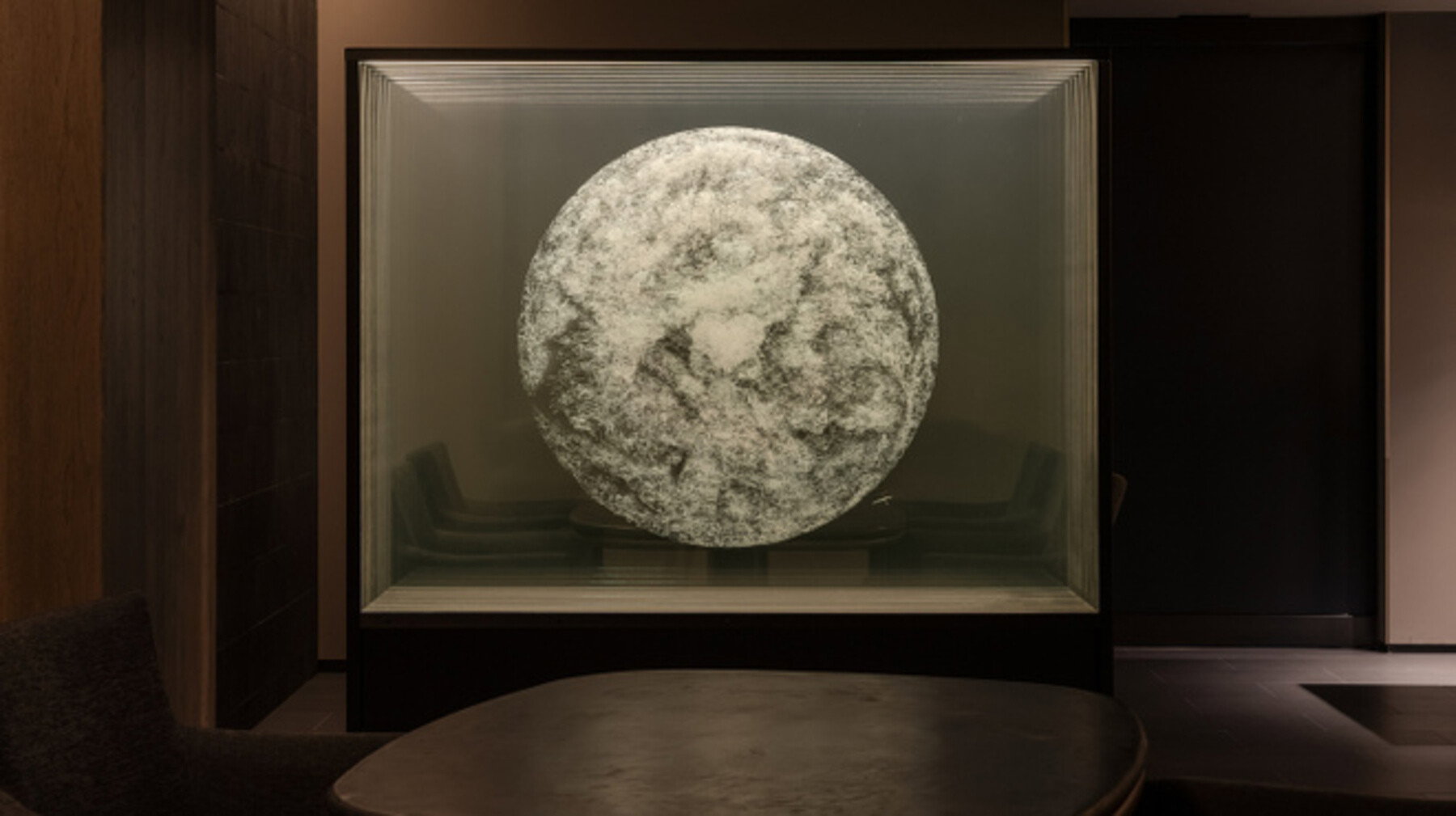
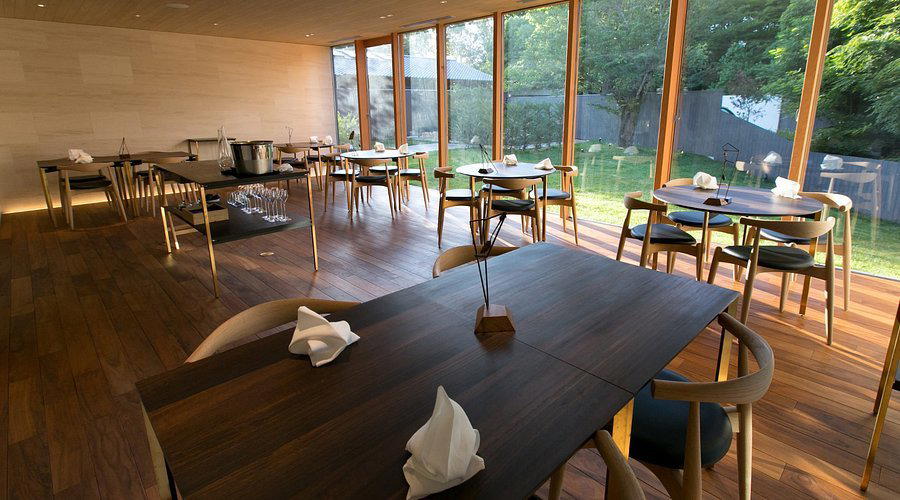
Taian presents a restrained, classical kaiseki aesthetic that deliberately privileges reduction over display. The space reads like a tea ceremony room: small, spare and quietly considered, with a façade that offers little announcement and an interior designed to make that modesty feel expansive. The kitchen adheres to the discipline of seasonal ingredients rather than flamboyant technique, and the overall atmosphere leans toward serene minimalism. Visitors encounter an intimate, ceremonious experience that values material subtlety and culinary rigor above spectacle, a quietly confident expression of traditional Japanese form.
Best For
Taian suits intimate, important evenings—think special-occasion dinners and quiet celebrations where discretion and craft matter. As a three-Michelin-star kaiseki house that positions itself a pricing tier below some of Osaka’s French-influenced restaurants, it attracts diners who prioritize classical technique, seasonality and a focused tasting sequence. The ground-floor, low-key entrance in Shimanouchi reinforces the sense of privacy and restraint, making the room feel deliberately removed from the bustle of nearby Namba. It’s a place to slow down and center a meal around highly curated, seasonal plates.
Ordering Tips
Expect an experience organized around seasonal ingredients and a disciplined kaiseki progression rather than à la carte experimentation; the menu logic foregrounds the seasonality the restaurant describes. If you have particular favorites, look for highlights called out in the listing—spare ribs in dipping sauce, grilled conger eel, oysters in dashi soup and Japanese wagyu beef—since these signature items indicate the kitchen’s strengths. Given the small, deliberate room and the ceremonial approach, plan to savor courses in sequence and treat the service as part of the overall composition.
Venue details
Ambiance
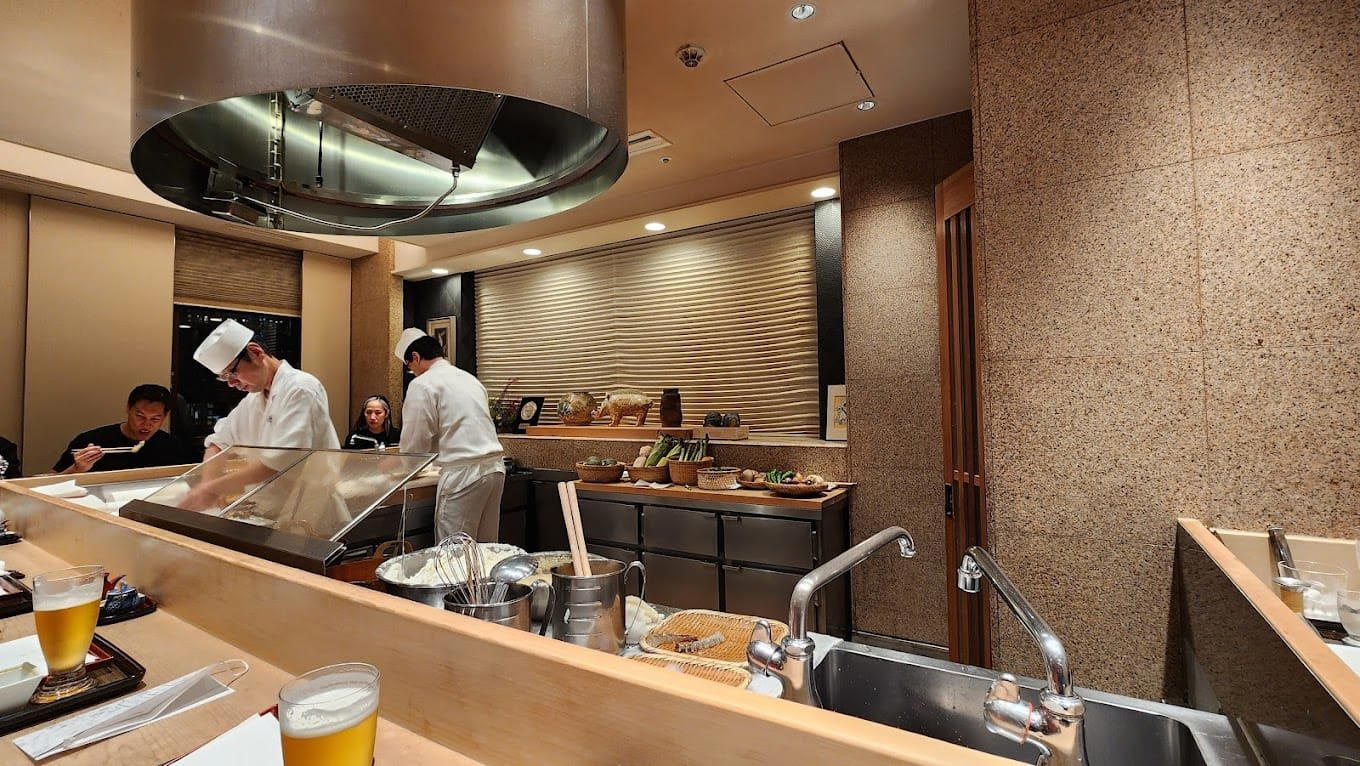
Warm and inviting with elegant touches; graceful entryway with aged calligraphy and family artwork; softly lit counter where diners observe the chef's artistry firsthand; comfortable temperature control.
Tags
Vibe
Best For
Experience
Sourcing
At the Table
- Dress Code
- Smart Casual
- Noise Level
- Quiet
- Service Style
- Omakase Bar
- Meal Pacing
- Extended Experience
- Capacity
- Intimate
- Kitchen
- Traditional
- Menu Format
- Tasting menu, Counter dining, Set menu
- Drinks Focus
- Sake, Wine pairing
- Dietary
- Vegetarian friendly, Vegan options, Gluten-free options, Pescatarian friendly, Allergy accommodating
Signature Dishes
- spare ribs in dipping sauce
- grilled conger eel
- oysters in dashi soup
- Japanese wagyu beef
Know before you go
Know Before You Go
- Getting there
- Japan, 〒542-0082 Osaka, Chuo Ward, Shimanouchi, 1 Chome−21−2 山本松ビル 1f 中央
Planning details
Hours
- Monday
- Closed
- Tuesday
- 5:30–10 pm
- Wednesday
- 5:30–10 pm
- Thursday
- 5:30–10 pm
- Friday
- 5:30–10 pm
- Saturday
- 5:30–10 pm
- Sunday
- 5:30–10 pm
Location
Japan, 〒542-0082 Osaka, Chuo Ward, Shimanouchi, 1 Chome−21−2 山本松ビル 1f 中央 · Directions
Recognition and awards


Also consider
Also Consider
- HAJIME, French, Innovative, ¥¥¥¥
- La Cime, French, ¥¥¥¥
- Kashiwaya Osaka Senriyama, Japanese, ¥¥¥
- Fujiya 1935, Innovative, ¥¥¥¥
- Koryu, Kaiseki, Japanese, ¥¥¥¥
Restaurant context
Taian sits at ¥¥¥ with three Michelin stars, which makes it the most accessible of Osaka's top-tier tasting venues on price alone. Koryu, its closest kaiseki peer, operates at ¥¥¥¥, so if traditional Japanese kaiseki is your priority and budget is a factor, Taian is the clearer call. The tradeoff is booking difficulty: Taian has no public website or phone number, which makes it harder to secure without a concierge or specialist service. Koryu is not easy either, but at least has more visible booking infrastructure for international visitors.
If you are open to French-influenced tasting menus rather than strictly kaiseki, HAJIME and La Cime both operate at ¥¥¥¥ and represent a different kind of ambition, ingredient-forward in La Cime's case, more conceptually driven at HAJIME. Neither replaces Taian if traditional kaiseki architecture is what you are after, but both are worth considering if you want variety across a multi-night Osaka itinerary. Kashiwaya Osaka Senriyama is the fallback for Japanese kaiseki at ¥¥¥ if Taian proves impossible to secure, it is a credentialed alternative rather than a consolation prize.
For a direct booking-difficulty comparison: Taian is near impossible to book independently as a foreign visitor; HAJIME and La Cime tend to be slightly more accessible through direct channels. If your Japan trip is three or more weeks out and you have a hotel concierge in Osaka, go for Taian first. If you are planning at shorter notice, anchor on Kashiwaya or La Cime as your primary booking and treat Taian as the aspirational addition if a spot opens.
Explore Osaka
Around this place
Discover more on Pearl
Unlock the full Taian guide in Pearl, including awards, comparisons, FAQs, planning details, and nearby places.
Compare Taian
| Venue | Cuisine | Price | Awards | Booking Difficulty |
|---|---|---|---|---|
| Taian | Kaiseki, Japanese | ¥¥¥ | 2026 OAD Top Restaurants in Japan RecommendedMichelin Guide Kyoto Osaka 20262026 La Liste Top Restaurants2026 Michelin 3 Stars2025 OAD Top Restaurants in Japan Ranked · #2042025 La Liste Top Restaurants2025 Michelin 3 Stars2024 OAD Top Restaurants in Japan Ranked · #1912024 Michelin 3 Stars | Near Impossible |
| HAJIME | French, Innovative | ¥¥¥¥ | Star Wine Lists 2026 · #12026 Tabelog Bronze · #922026 OAD Top Restaurants in Japan Ranked · #98Michelin Guide Kyoto Osaka 20262026 La Liste Top RestaurantsTabelog 100 - Innovative / Creative cuisine - 2025 · #692025 Asia's 50 Best Restaurants · #832025 OAD Top Restaurants in Japan Ranked · #87We're Smart World Top Restaurants 2025 | Unknown |
| La Cime | French | ¥¥¥¥ | 2026 Asia's 50 Best Restaurants · #132026 OAD Top Restaurants in Japan Ranked · #1492026 Tabelog Bronze · #231Michelin Guide Kyoto Osaka 20262026 La Liste Top Restaurants2025 Asia's 50 Best Restaurants · #82025 World's 50 Best Restaurants · #44Tabelog 100 - French - WEST - 2025 · #932025 OAD Top Restaurants in Japan Ranked · #123 | Unknown |
| Kashiwaya Osaka Senriyama | Japanese | ¥¥¥ | 2026 Tabelog Bronze · #1682026 OAD Top Restaurants in Japan Recommended2026 Relais Chateaux RestaurantsMichelin Guide Kyoto Osaka 20262026 La Liste Top RestaurantsTabelog 100 - Japanese cuisine - WEST - 2025 · #772025 OAD Top Restaurants in Japan Ranked · #1552025 Relais Chateaux Award2025 Michelin 3 Stars | Unknown |
| Fujiya 1935 | Innovative | ¥¥¥¥ | 2026 Tabelog Bronze · #752026 OAD Top Restaurants in Japan RecommendedMichelin Guide Kyoto Osaka 20262026 La Liste Top Restaurants2025 Michelin 2 Stars2025 Tabelog Silver2025 La Liste Top Restaurants2024 OAD Top Restaurants in Japan Ranked · #2392024 Michelin 2 Stars | Unknown |
| Koryu | Kaiseki, Japanese | ¥¥¥¥ | 2026 Michelin Plate2026 OAD Top Restaurants in Japan RecommendedMichelin Guide Kyoto Osaka 20262026 La Liste Top Restaurants2025 OAD Top Restaurants in Japan Ranked · #1662025 Michelin Plate2025 Michelin 2 Stars2025 La Liste Top Restaurants2024 OAD Top Restaurants in Japan Ranked · #157 | Unknown |








.png?width=1200&quality=80)
Comparing your options in Osaka for this tier.
FAQ
Frequently Asked Questions
What should I order at Taian?
Taian serves a set kaiseki menu, there is no à la carte. Chef Hitoshi Takahata controls the progression entirely, so what arrives at the table is the experience. With three Michelin stars and a 92-point La Liste score, the format has earned that trust. Come expecting to follow the chef's lead, not to build your own meal.
How far ahead should I book Taian?
Book as early as possible, three Michelin stars in Osaka means demand significantly outpaces availability. Aim for at least two months out, more if you are travelling on a fixed itinerary. Taian is open Tuesday through Sunday from 5:30 pm, so timing options are reasonable, but seats are not.
What are alternatives to Taian in Osaka?
Kashiwaya Osaka Senriyama is the closest comparison at the same Michelin tier and is worth considering if Taian is unavailable. Koryu offers a tighter, counter-focused kaiseki format for a different pace. Fujiya 1935 leans into a more contemporary Japanese idiom if strict kaiseki tradition is not the priority.
Is lunch or dinner better at Taian?
Taian serves dinner only, Tuesday through Sunday from 5:30 pm, there is no lunch service. Monday is the weekly closure. Plan your Osaka itinerary accordingly, as the single service window makes scheduling inflexible.
Does Taian handle dietary restrictions?
Kaiseki is a highly structured, seasonally driven format, and significant substitutions can compromise the progression Chef Takahata has designed. Communicate any dietary requirements clearly at the time of booking, not on arrival. Severe restrictions may make the format a poor fit; if that applies to your group, a more flexible restaurant may serve you better.