




Kashiwaya Osaka Senriyama
Japanese · Senriyama, Suita, Osaka
Restaurant in Osaka, Japan
 Book with Pearl
The Read
Twenty-Four Season Kaiseki
Price
$200–300per person
Chef
Hideaki Matsuo
Dress
Business Casual
Why go
Kashiwaya Osaka Senriyama is a restaurant in Suita, Osaka.
About Kashiwaya Osaka Senriyama
Kashiwaya Osaka Senriyama is a Japanese restaurant in Osaka. The safest way to frame a visit is around the essentials: Japanese cuisine, a premium ¥¥¥ price category, business-casual dress, and set operating periods for lunch and dinner on most days except Sunday. The restaurant has Monday through Saturday hours of 12–3:30 pm and 6–10 pm, and it is closed on Sunday.
Japanese Dining in Osaka
Kashiwaya Osaka Senriyama is a premium Japanese restaurant in Osaka. If you are planning a meal around seasonality, dietary needs, seating preferences, or a particular menu style, confirm those details directly before booking rather than assuming them from secondary descriptions.
The dress code is business casual. That makes it a restaurant to approach with polished, respectful clothing. Details such as beverage pairings, private rooms, counter seating, parking, service charges, payment methods, and smoking policy should be checked with the restaurant if they matter to your visit.
How It Compares With Other Premium Japanese Restaurants
For diners comparing premium Japanese restaurants, Kashiwaya Osaka Senriyama can be considered alongside peer names such as Tenjimbashi Aoki, Higashichaya Nakamura, Kawahara, Kurubushi, and Doshincho Washoku Zui. Avoid choosing between them based on assumptions about stars, formats, prices, seats, chefs, or reservation difficulty. Use the basics first: cuisine, price category, hours, and dress code.
Kashiwaya Osaka Senriyama has a 2026 Tabelog Award listing in the bronze group. It is identified as Japanese cuisine in the ¥¥¥ price category. If you are building an Osaka dining itinerary, those hours are the most useful planning detail.
For practical planning, confirm details such as chef name, founding year, seat count, tasting-menu format, service style, exact address, phone number, dietary-accommodation policy, takeout or delivery availability, or a specific course price directly with the restaurant before making plans.
The bottom line: Kashiwaya Osaka Senriyama is a premium Japanese restaurant in Osaka with business-casual dress, lunch and dinner hours Monday through Saturday, Sunday closure, and a 2026 Tabelog bronze-group recognition.
Planning details
- Hours
- Monday: 12–3:30 pm, 6–10 pm · Tuesday: 12–3:30 pm, 6–10 pm
- Location
- 2 Chome-5-18 Senriyamanishi, Suita, Osaka 565-0851, Japan
- Reservations
- Book on Omakase
- Website
- jp-kashiwaya.com
- Phone
- +81 6-6386-2234
The take
The Take
The Vibe
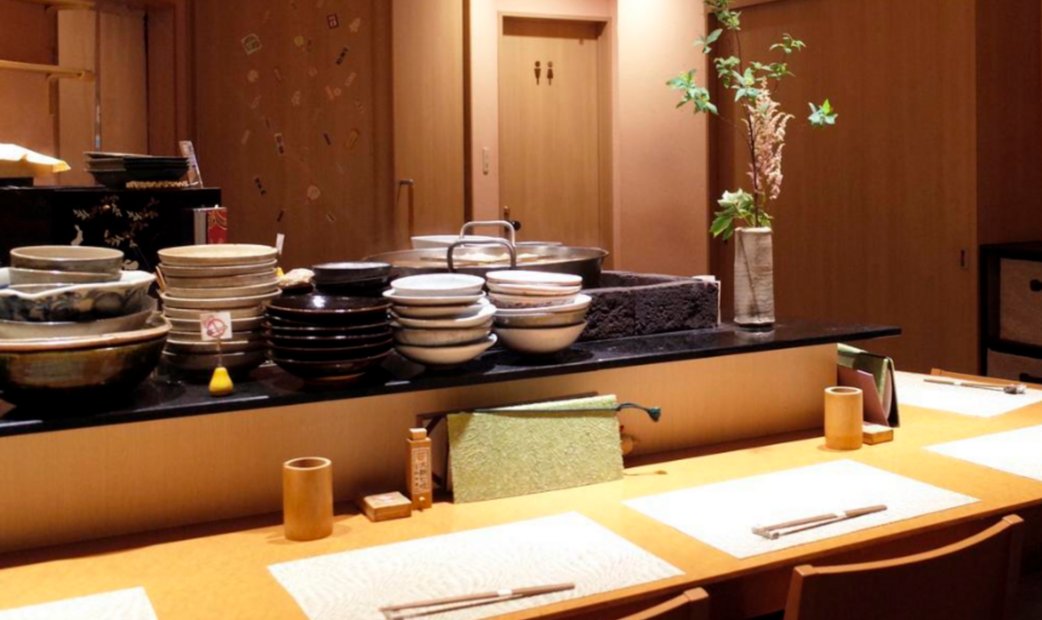
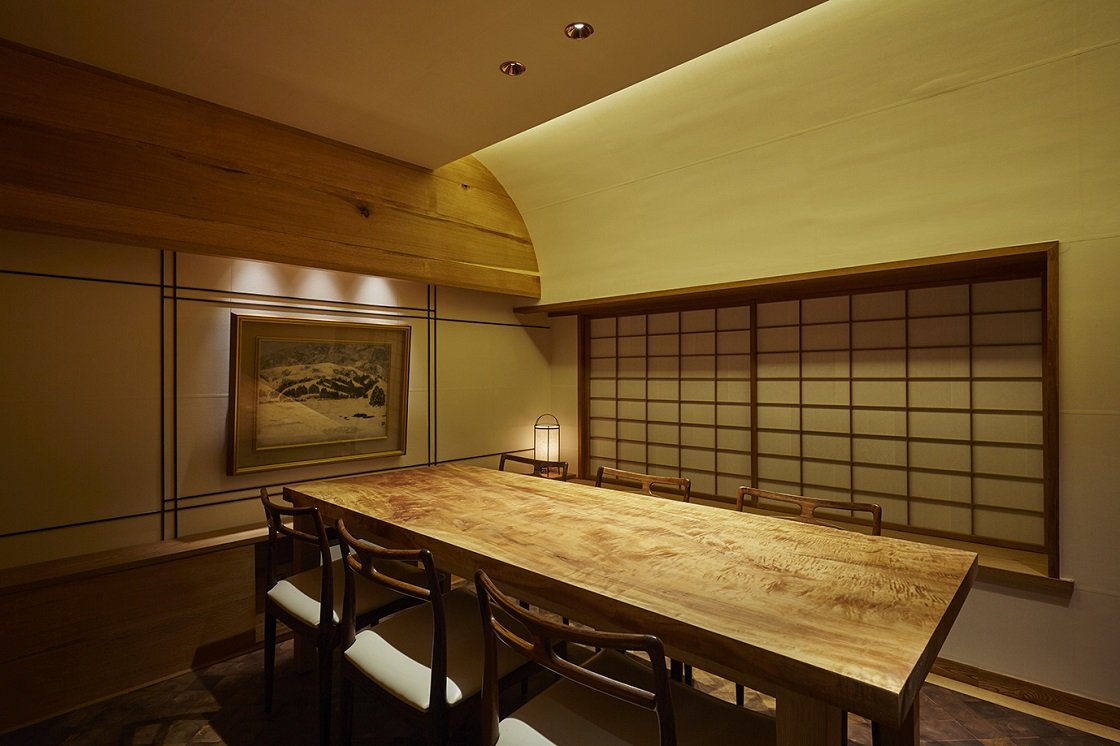
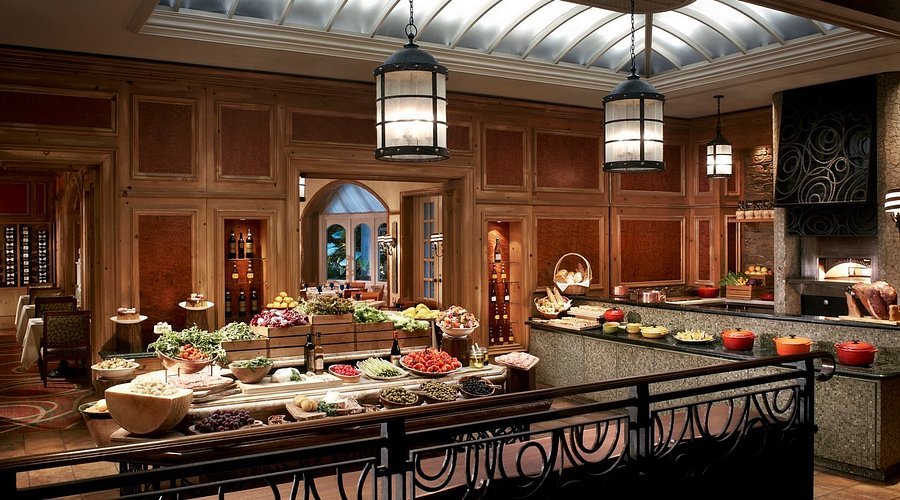
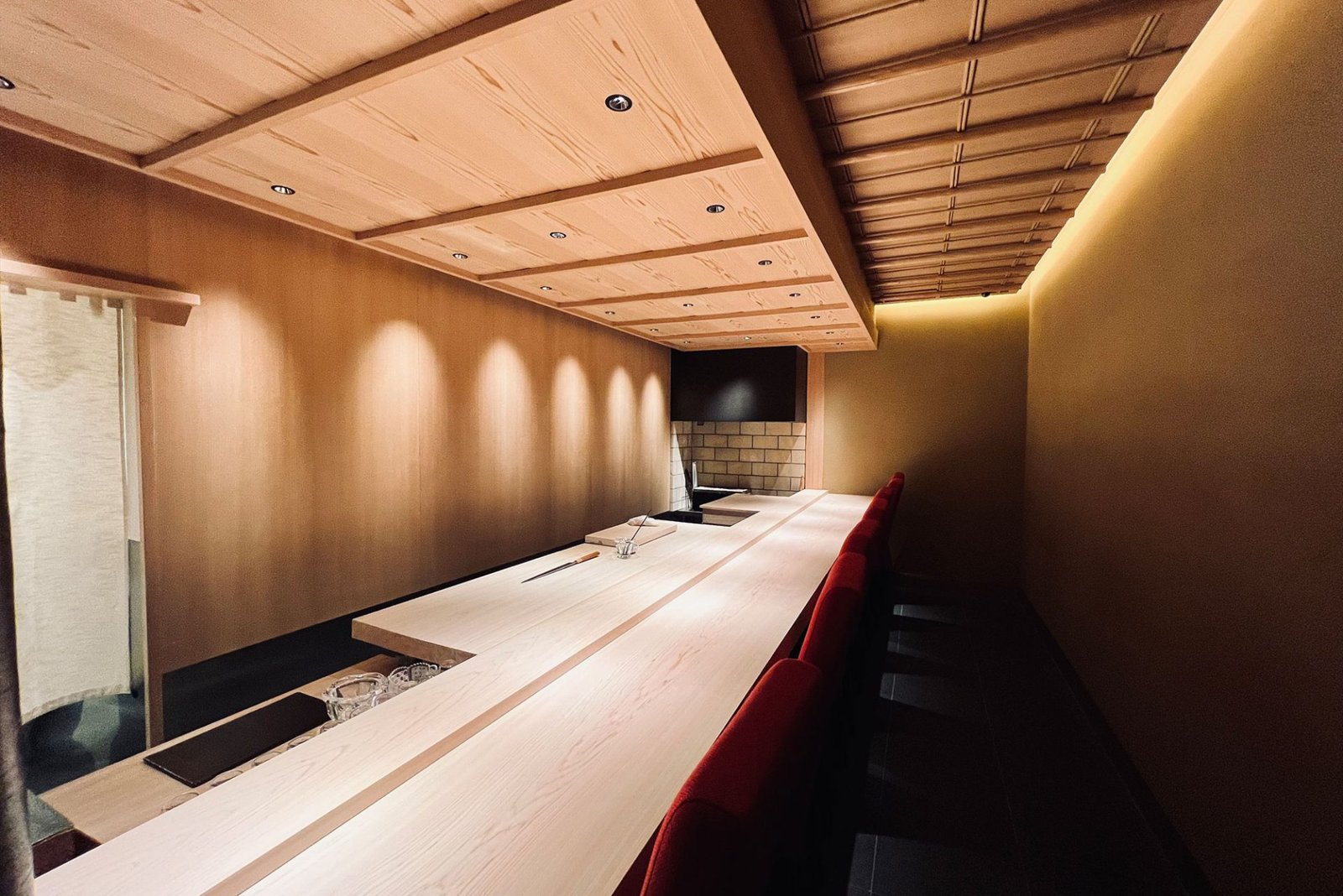
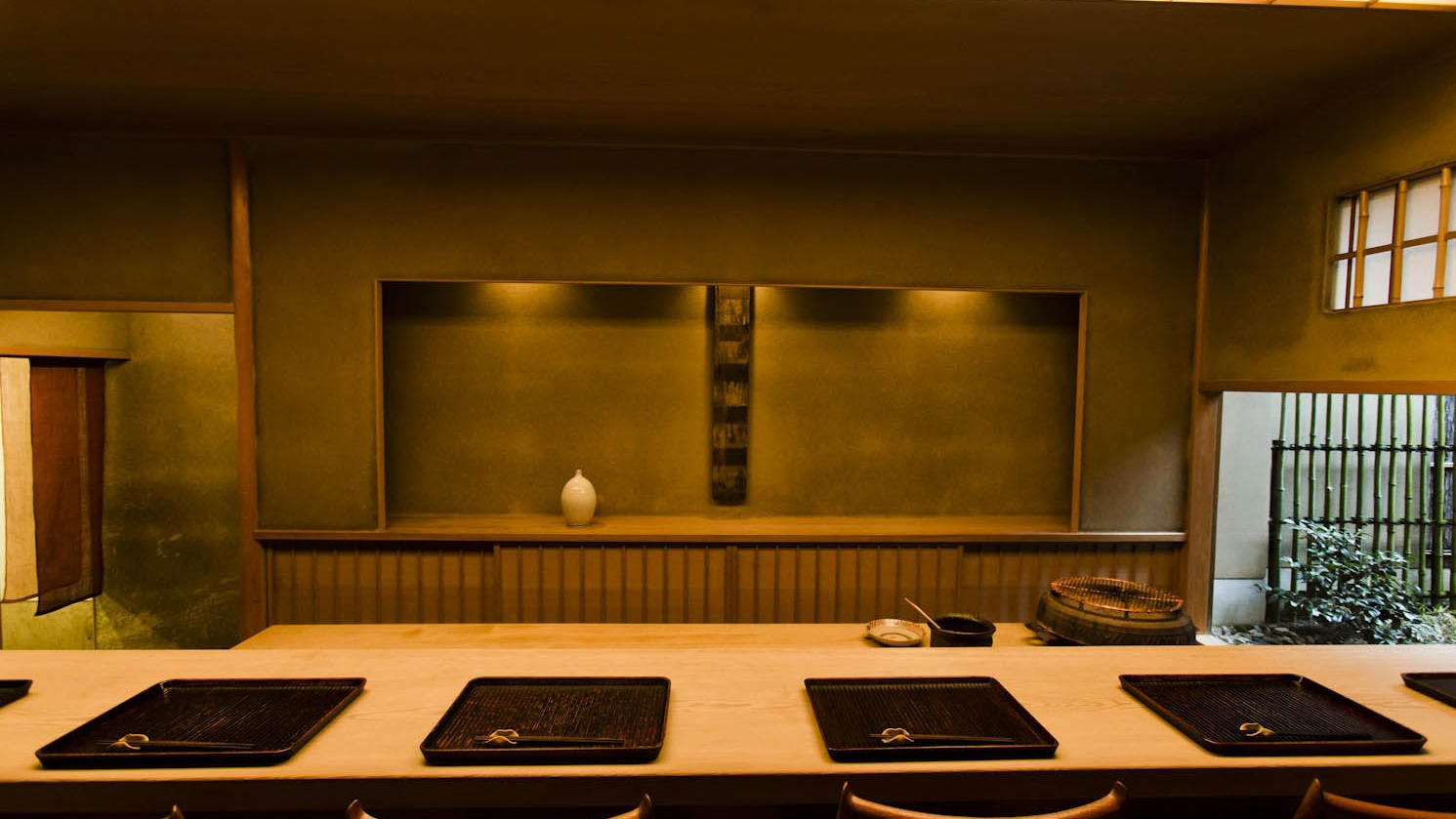
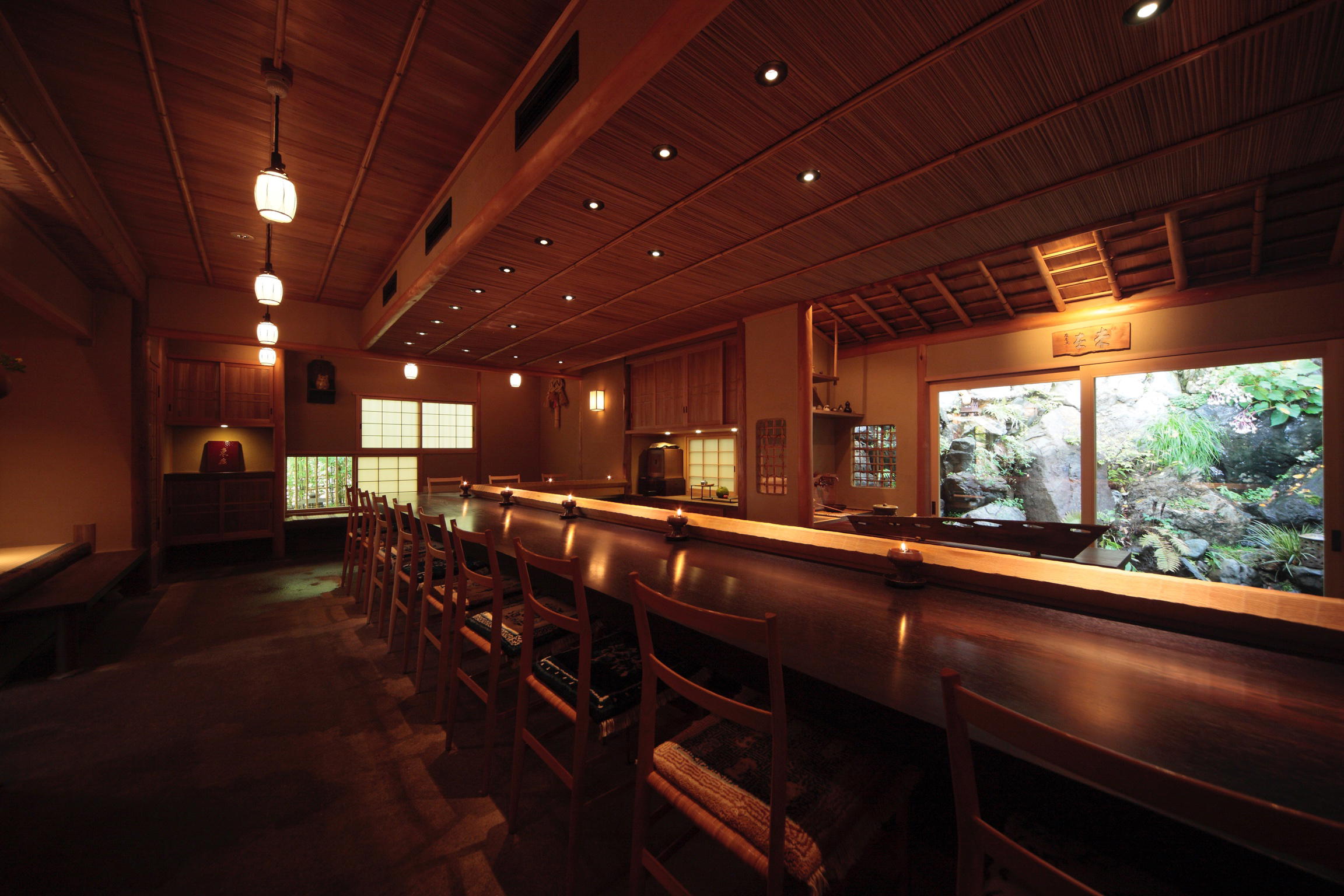
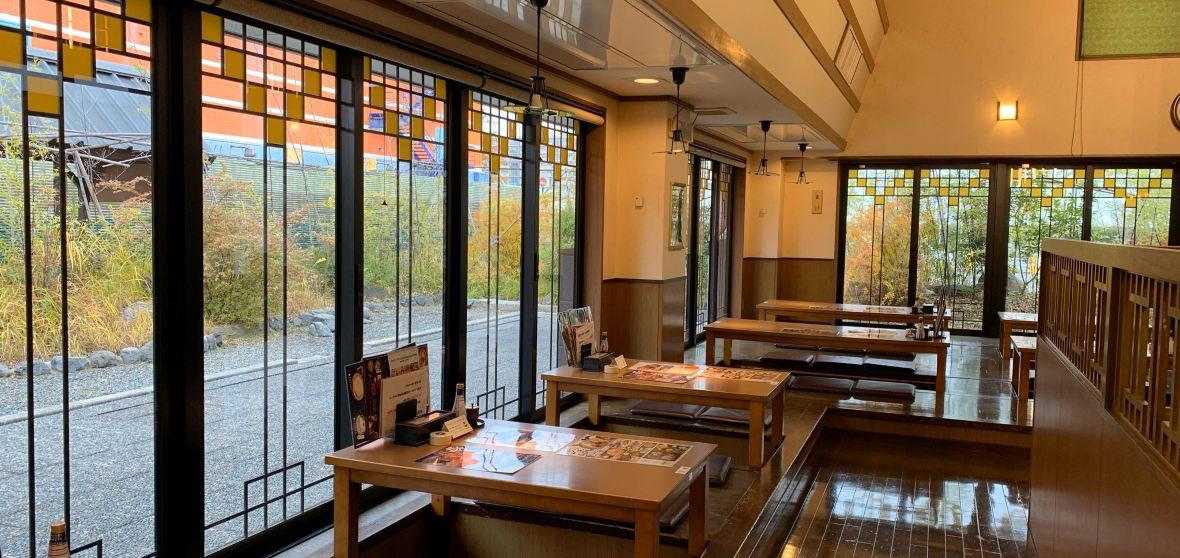
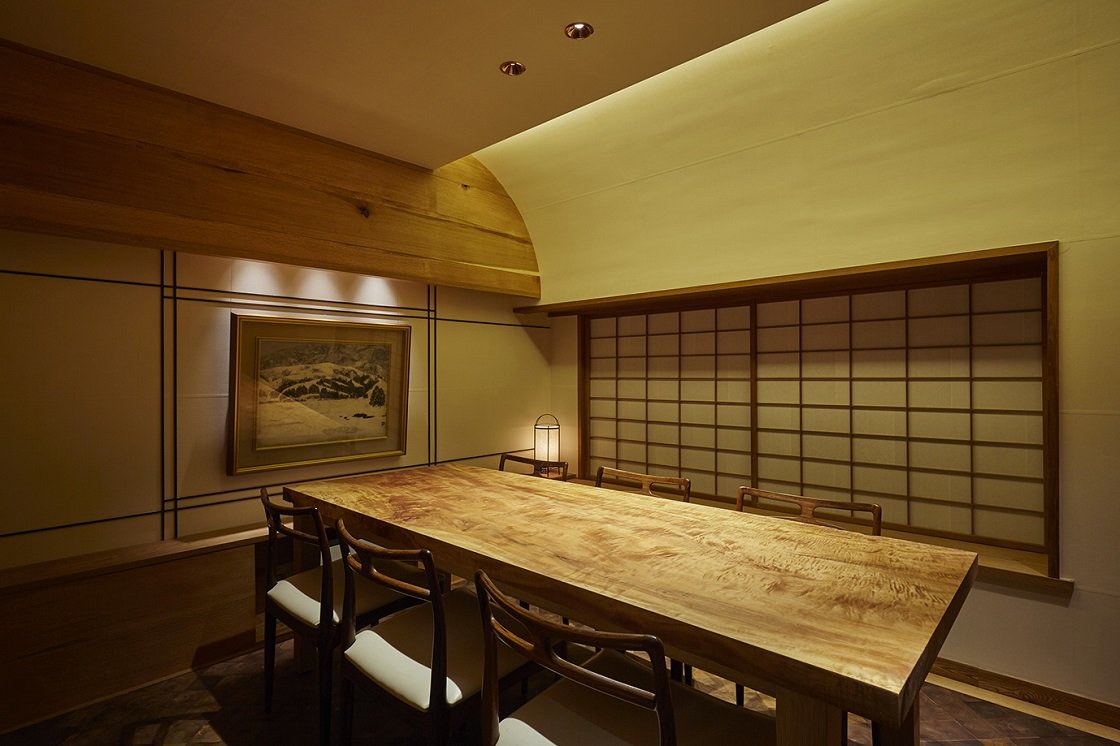
Kashiwaya Osaka Senriyama presents a quietly assured kaiseki experience set in a house-restaurant framed by sukiya-zukuri aesthetics. The architecture, tatami rooms, sunken seating and a garden approach, reinforces a restrained, ceremonial mood that privileges pace and seasonal nuance. The setting is deliberately removed from Osaka’s busier dining corridors, which amplifies a sense of privacy and calm; even the walk through residential streets feels like part of the meal. The kitchen’s high-level pedigree and three-Michelin-star recognition anchor the room’s serene confidence without theatricality.
Best For
This is primarily a dinner destination for diners seeking formal kaiseki and an unhurried, seasonally driven tasting menu. The room accommodates intimate two-person dinners and private gatherings up to thirty, making it well suited to milestone celebrations, quiet special-occasion meals and groups that want a focused, ceremonial dining experience. Discerning guests who appreciate architecture, tatami seating and meticulous sequencing of courses find the format especially rewarding; the emphasis is on time, rhythm and refined technique rather than casual or quick service.
Ordering Tips
Plan ahead: reservations are essential for this house-style kaiseki, especially for private gatherings. Allow ample time for the meal: the menu is structured around traditional seasonal pacing and is not designed to be rushed. Note the approach logistics: the restaurant sits in Senriyama (roughly twenty minutes by taxi from central Osaka) and is about a ten-minute walk from Kandai-mae Station on the Hankyu Kita-Senri Line. Expect set, multi-course seasonal preparations and arrange reservations for tatami or private-room seating if you need a specific configuration.
Venue details
Ambiance
Serene and minimalist Japanese villa setting with soft lantern lighting, incense, natural wood design by master craftsman Toshiyuki Nakamura, and views of a small garden with swaying pines.
Tags
Vibe
Best For
Experience
Sourcing
View
At the Table
- Dress Code
- Business Casual
- Noise Level
- Quiet
- Service Style
- Formal
- Meal Pacing
- Extended Experience
- Capacity
- Small
- Kitchen
- Seasonal
- Menu Format
- Tasting menu, Set menu
- Drinks Focus
- Sake, Wine
- Dietary
- Allergy accommodating
- Private Dining
- Available
Signature Dishes
- Amadai
- Hamo (sea eel)
- Kae with tilefish, chestnut, ginkgo, and chrysanthemum
- seasonal sashimi
Know before you go
Know Before You Go
- Getting there
- 2 Chome-5-18 Senriyamanishi, Suita, Osaka 565-0851, Japan
Planning details
Hours
- Monday
- 12–3:30 pm, 6–10 pm
- Tuesday
- 12–3:30 pm, 6–10 pm
- Wednesday
- 12–3:30 pm, 6–10 pm
- Thursday
- 12–3:30 pm, 6–10 pm
- Friday
- 12–3:30 pm, 6–10 pm
- Saturday
- 12–3:30 pm, 6–10 pm
- Sunday
- Closed
Location
2 Chome-5-18 Senriyamanishi, Suita, Osaka 565-0851, Japan · Directions
Recognition and awards



Also consider
Also Consider
- Tenjimbashi Aoki, Japanese, ¥¥¥¥
- Kawahara, Japanese, ¥¥¥
- Doshincho Washoku Zui, Japanese, ¥¥
- Higashichaya Nakamura, Japanese, ¥¥¥¥
- Kurubushi, Japanese, ¥¥¥
Restaurant context
At the three-star tier, this compares most directly to Tenjimbashi Aoki, which shares the same Michelin grade and similar pricing but offers a more theatrical presentation and central location near Tenjimbashi Station. If you value ingredient purity and classical restraint over visual spectacle, the Suita location edges ahead; if convenience and a more dynamic room matter, Aoki wins. Higashichaya Nakamura operates at the same price point but leans into Kanazawa-style kaiseki with Kaga vegetables and Noto seafood, different regional focus, equally rigorous execution. For those prioritizing a specific seasonal ingredient (matsutake, crab, bamboo shoots), this restaurant's fortnightly menu rotation offers the tightest alignment with Japan's micro-seasons.
A tier down, Kawahara and Kurubushi both deliver confident seasonal cooking at JPY 10,000–15,000, with easier booking and less formal service. Neither matches the polish or award depth here, but both offer strong value if your budget caps at mid-five figures or your schedule can't accommodate multi-week lead times. Doshincho Washoku Zui sits lower in ambition and price (JPY 8,000–12,000), books same-week, and works well as an introductory kaiseki experience, but the gap in ingredient sourcing and technique is noticeable. If this restaurant is fully booked or the Suita trek feels prohibitive, Kawahara offers the best middle path between accessibility and quality.
For splurge-worthy occasions demanding the highest seasonal precision and a quiet, traditional setting, this remains the clear choice among Osaka's kaiseki elite. For easier logistics, better public transport access, or a more animated dining room, Tenjimbashi Aoki or Higashichaya Nakamura make more practical sense. If value and booking flexibility outweigh Michelin stars, Kawahara delivers 80% of the experience at 60% of the cost.
Explore Osaka
Around this place
Discover more on Pearl
Unlock the full Kashiwaya Osaka Senriyama guide in Pearl, including awards, comparisons, FAQs, planning details, and nearby places.
FAQ
Frequently Asked Questions
What should a first-timer know about Kashiwaya Osaka Senriyama?
Kashiwaya Osaka Senriyama is a Japanese restaurant in Osaka with a ¥¥¥ price category and a business-casual dress code. Hours are Monday through Saturday, 12–3:30 pm and 6–10 pm; Sunday is closed.
Is lunch or dinner better at Kashiwaya Osaka Senriyama?
Lunch and dinner periods run Monday through Saturday: 12–3:30 pm and 6–10 pm.
How far ahead should I book Kashiwaya Osaka Senriyama?
Plan around the hours, Monday through Saturday, 12–3:30 pm and 6–10 pm, with Sunday closed, and confirm availability directly.