

InterContinental Osaka
Kita, Osaka
Hotel in Osaka, Japan
 Book with Pearl
The Read
French-Japanese Vertical Dining
Why go
InterContinental Osaka is a strong pick for families and first-time visitors who want luxury in Kita without making logistics harder. Book it for brand reliability, a calmer upscale atmosphere, and external recognition from Michelin and Forbes; cross-shop if rates climb well above nearby luxury peers.
About InterContinental Osaka
InterContinental Osaka is a premium hotel option in Osaka with two clear signals for travelers comparing high-end stays: Michelin 1 Key recognition in 2025 and Forbes Recommended status in 2026. Beyond those recognitions, travelers should confirm the practical details that matter for their trip directly before booking.
The dress code is smart casual. Details about room types, dining formats, wellness facilities, service style, prices, booking difficulty, family amenities, or exact location should be confirmed directly with the hotel.
A recognized premium hotel option in Osaka
For travelers considering InterContinental Osaka, a key highlight is its recognition: Michelin 1 Key in 2025 and Forbes Recommended in 2026. Those accolades make it a credible premium hotel to include on an Osaka shortlist, especially for guests who value third-party recognition when comparing high-end stays.
If you are choosing among Osaka premium hotels, compare InterContinental Osaka with other options such as Four Seasons Hotel Osaka, The Osaka Station Hotel, Autograph Collection, The Ritz-Carlton, Osaka, Waldorf Astoria Osaka, and Zentis Osaka. The right choice will depend on the room, rate, amenities, and booking conditions available for your dates.
Where the value sits for first-timers
Value should be assessed through the current rate and the specifics of the stay you are considering. Check the cancellation terms, room configuration, included benefits, and any facilities you expect to use before deciding whether InterContinental Osaka is the best fit.
The hotel's recognition helps establish it as a serious premium option in Osaka, but it does not answer every trip-planning question. Travelers should verify practical details directly, especially if a stay depends on particular bedding, accessibility needs, dining plans, wellness facilities, or arrival timing.
Use Our full Osaka hotels guide to compare options before locking the stay. If the trip is dining-led, pair the hotel decision with Our full Osaka restaurants guide; for after-dinner planning, Our full Osaka bars guide is the better filter. Travelers building a broader itinerary can also scan Our full Osaka experiences guide.
Inside InterContinental Osaka
Planning details
- Location
- 3-60 Ōfukachō, Kita Ward, Osaka, 530-0011
- Website
- ihg.com/intercontinental/hotels/us/en/osaka/osaha/hoteldetail?cm_mmc=GoogleMaps-_-IC-_-JP-_-OSAHA
- Phone
- +81 6-6374-5700
The take
The Take
The Vibe
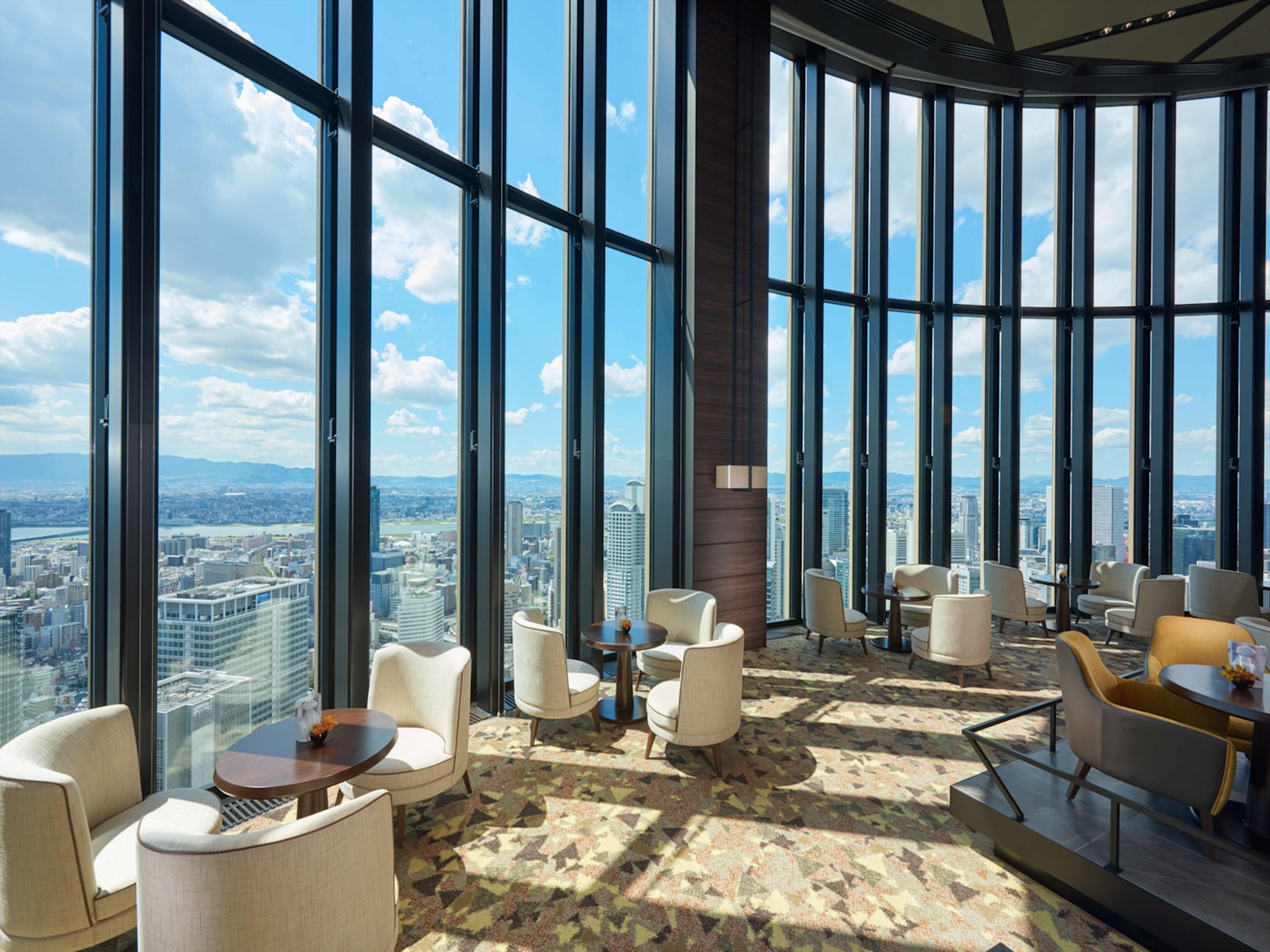
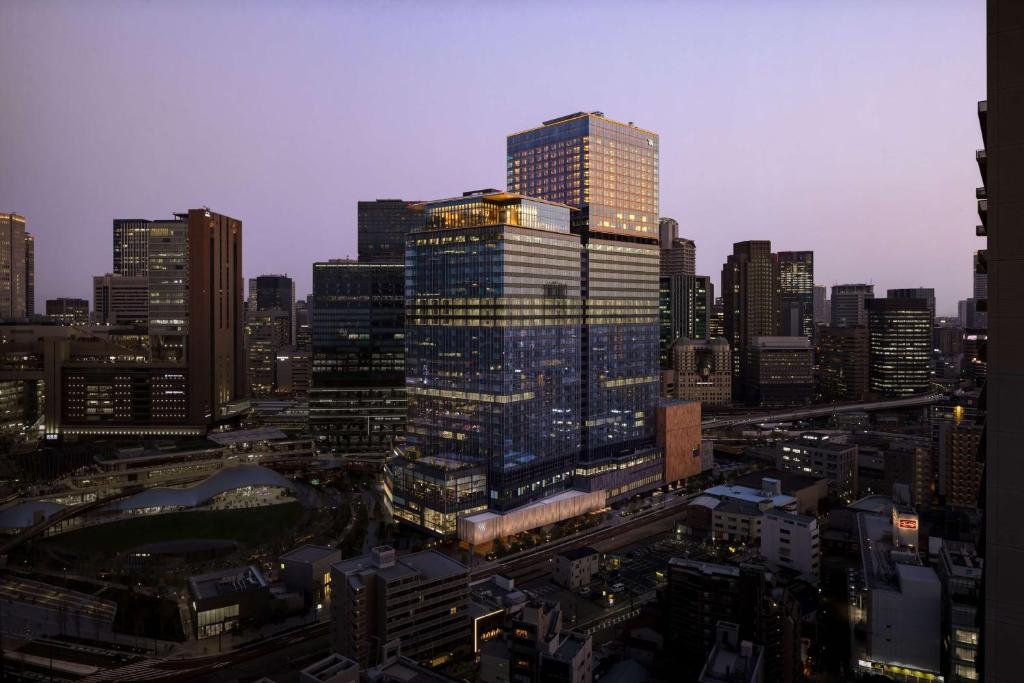
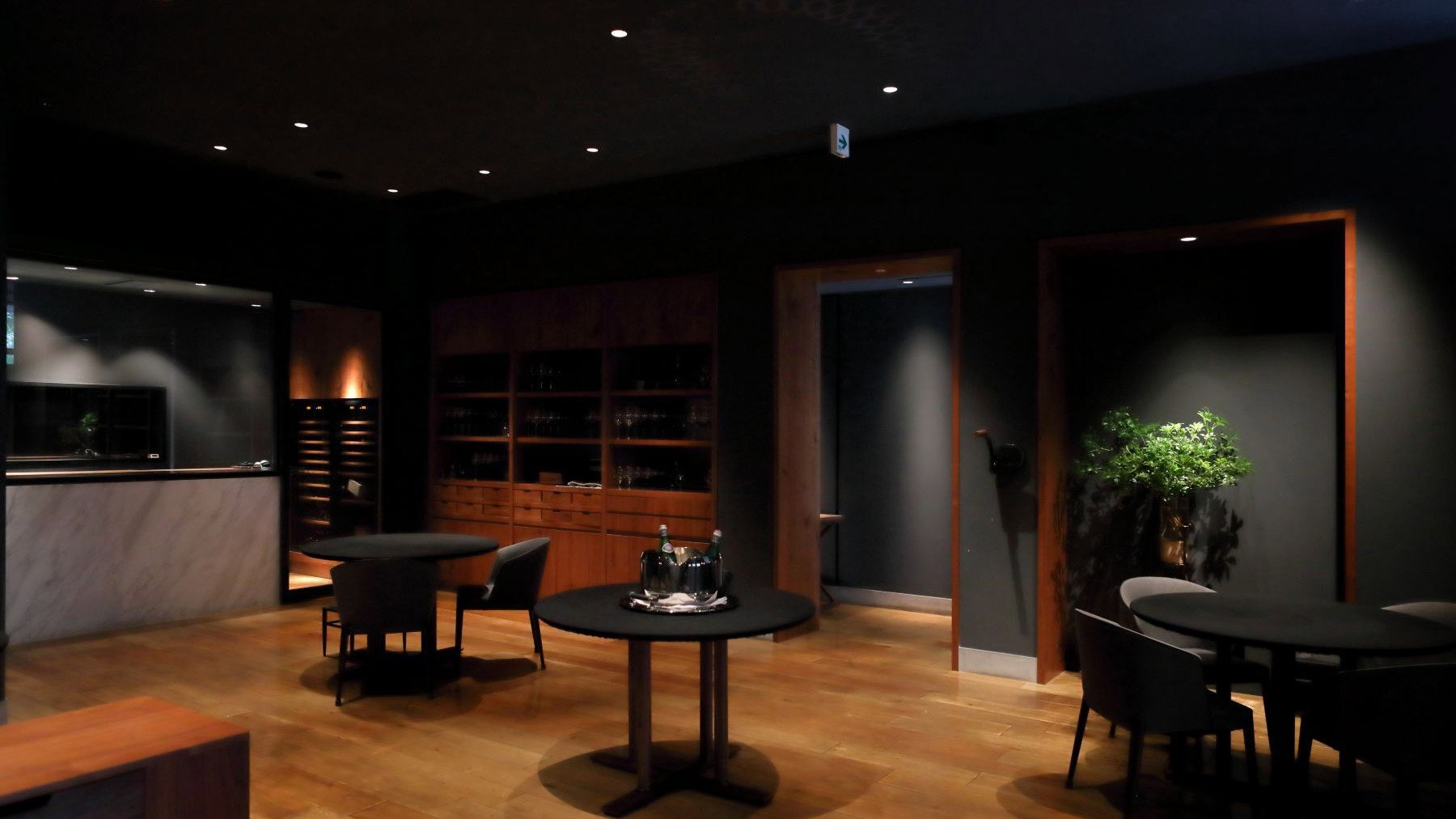
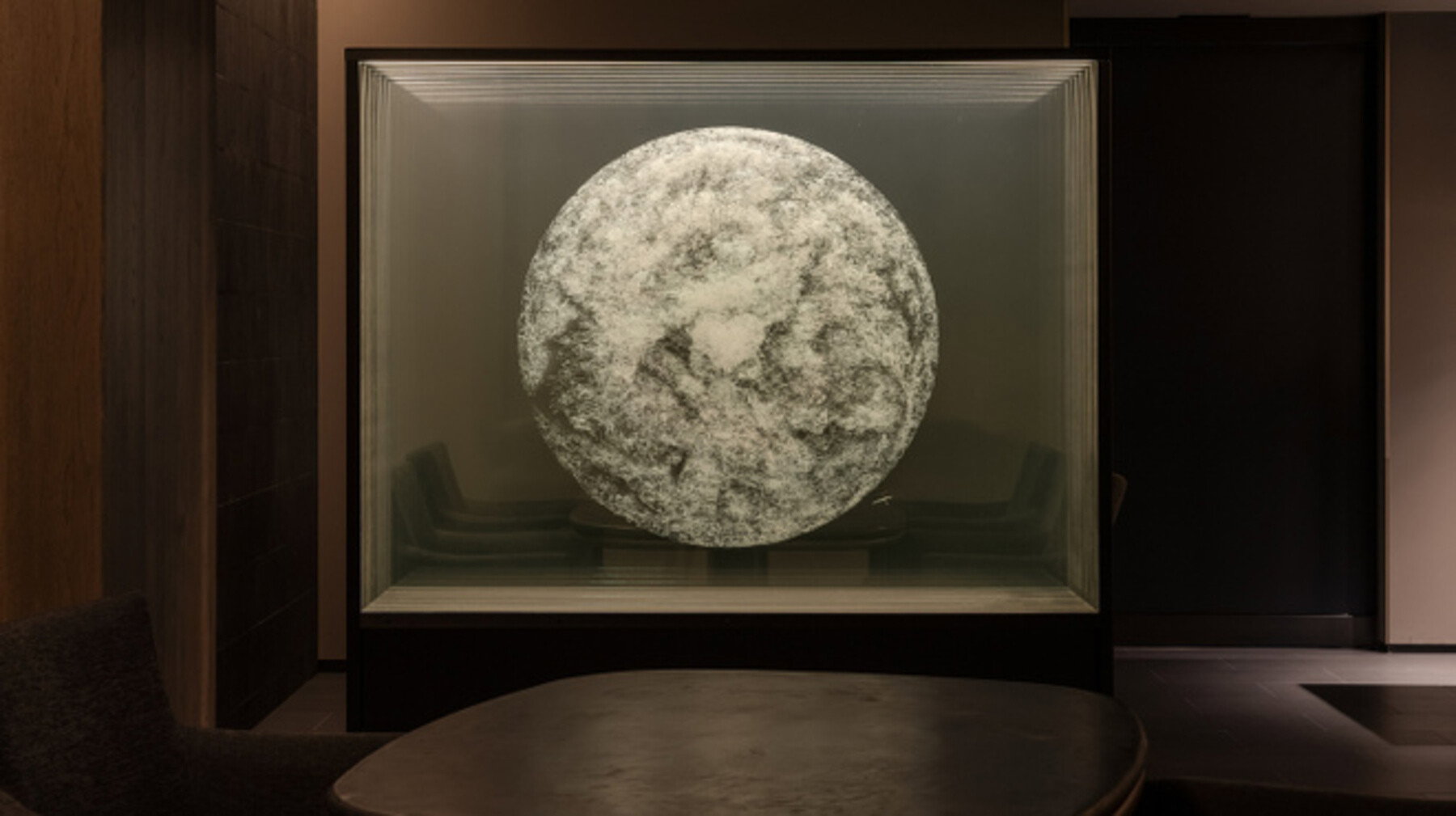
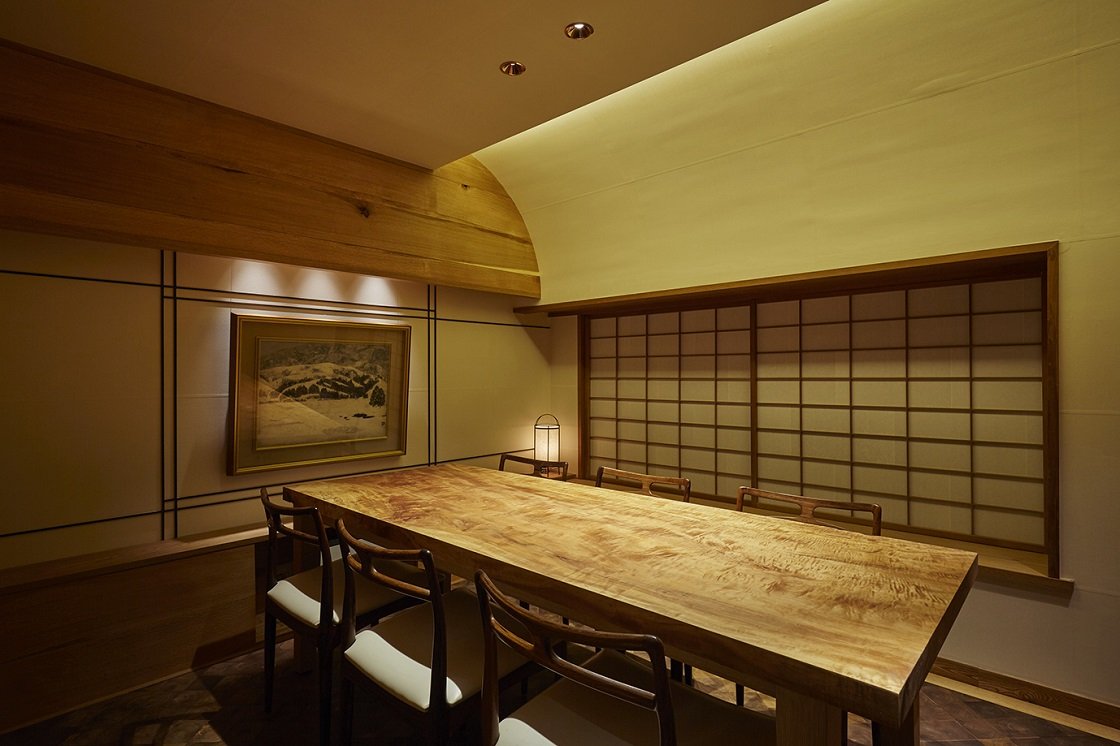
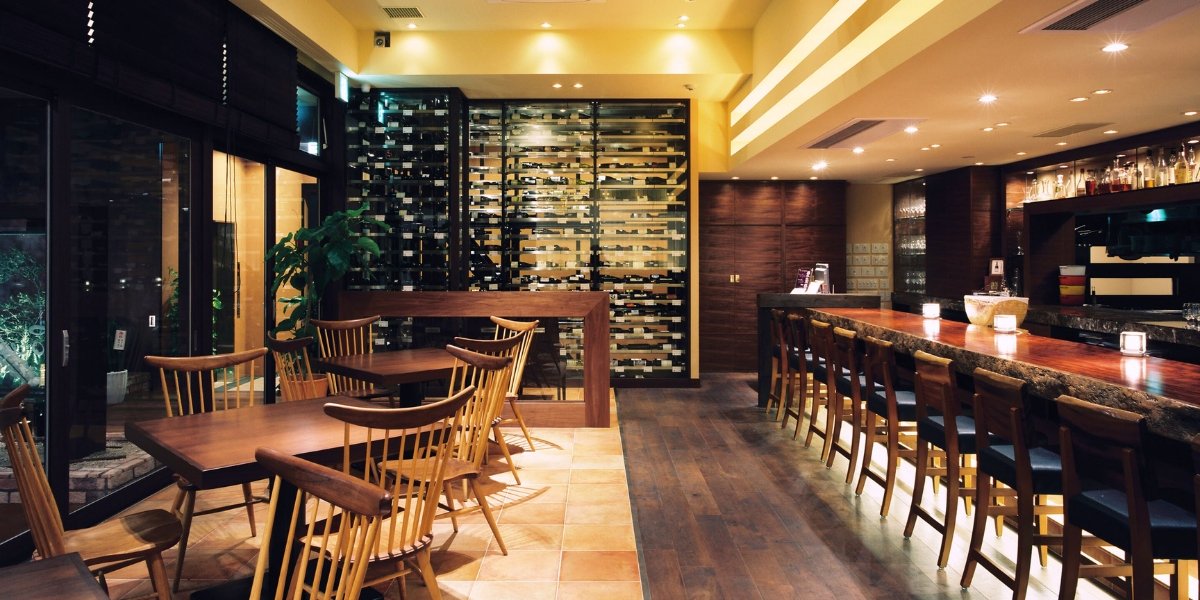
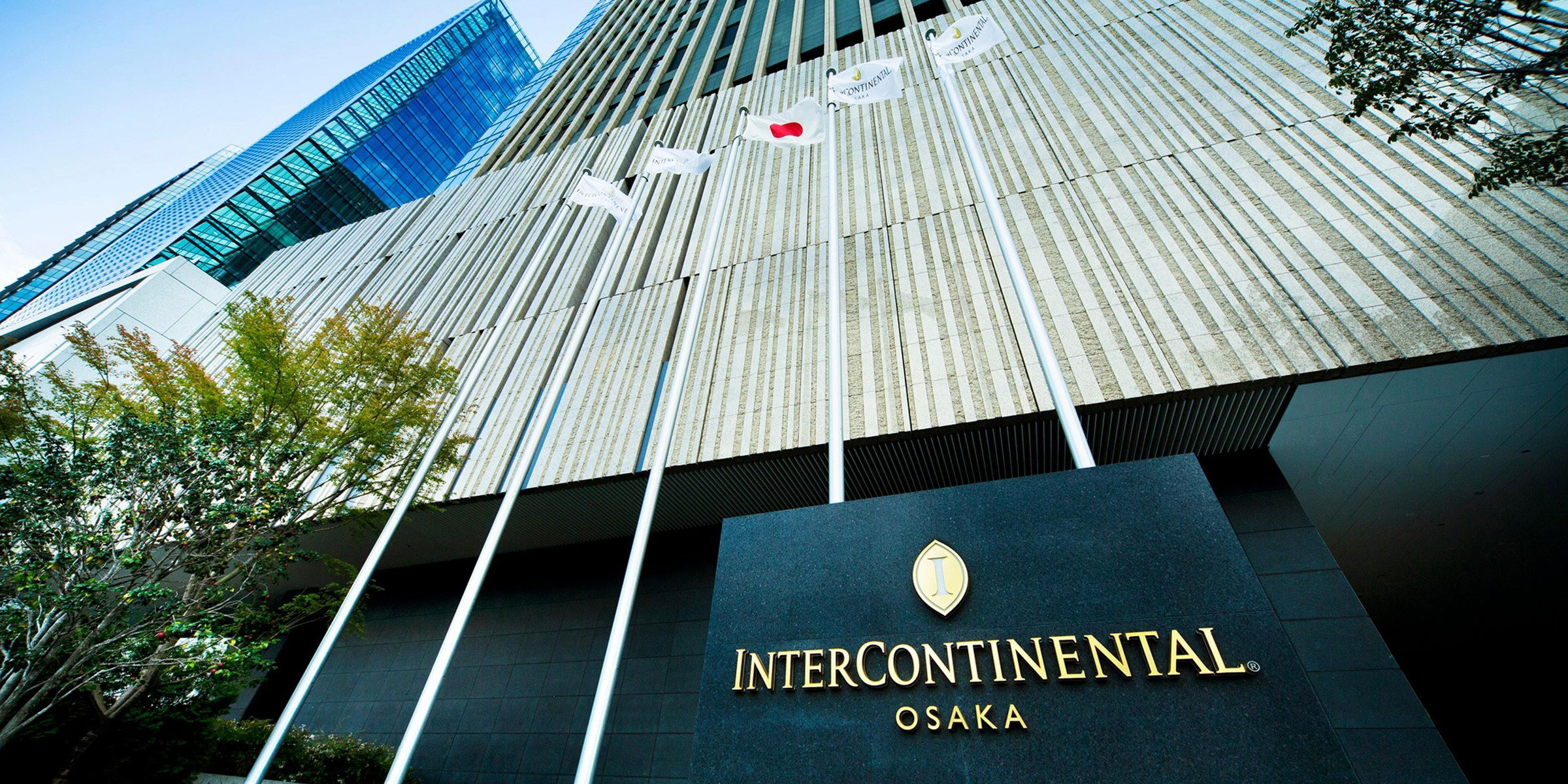
InterContinental Osaka reads as polished metropolitan luxury. Occupying 32 floors in a Grand Front Osaka tower, the property emphasizes scale and urban presence rather than the gardened quiet of traditional Japanese inns. The lobby projects a polished, metropolitan aesthetic and the hotel’s culinary credentials — notably Pierre, the Michelin-starred flagship — reinforce a destination-minded, high-end character. The overall tone is cosmopolitan and authoritative: it’s a hotel that caters to travellers who want immediate access to the city’s infrastructure while expecting the refinement and service of an international luxury brand.
Best For
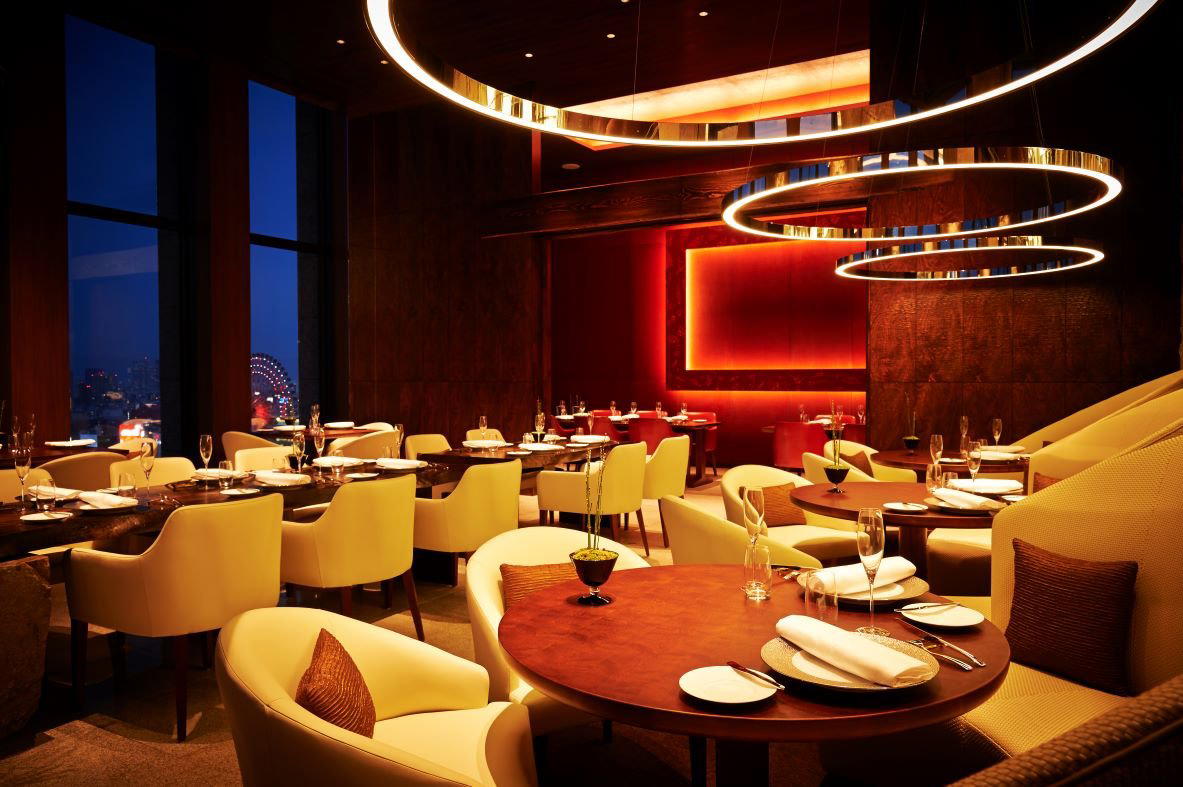
This hotel is best for travellers prioritizing convenience and elevated dining. Its location by JR Osaka Station and Grand Front Osaka makes it ideal for guests connecting to the Shinkansen or conducting business in Kita Ward. Dining-focused visitors and couples seeking a polished night out will appreciate Pierre, the hotel’s Michelin-starred French–Japanese fusion restaurant with frequent seasonal multi-course menus. The property also suits milestone dinners and celebratory stays where a recognized culinary experience and metropolitan luxury matter as much as proximity to transport and city amenities.
Stay Tips
Book dining at Pierre well in advance and plan for the restaurant’s seasonal multi-course approach: the menus shift every three days to reflect available produce and seafood. The Michelin star and the hotel’s Michelin Key suggest limited seating and high demand, so reservations are prudent, particularly for evenings and special dates. Given the hotel’s position as a hub for train connections, coordinate timing with your travel schedule if you’re arriving by rail; otherwise, treat Pierre as a reservation-first destination and expect a formal, multi-course dining rhythm rather than casual à la carte pacing.
Venue details
Ambiance
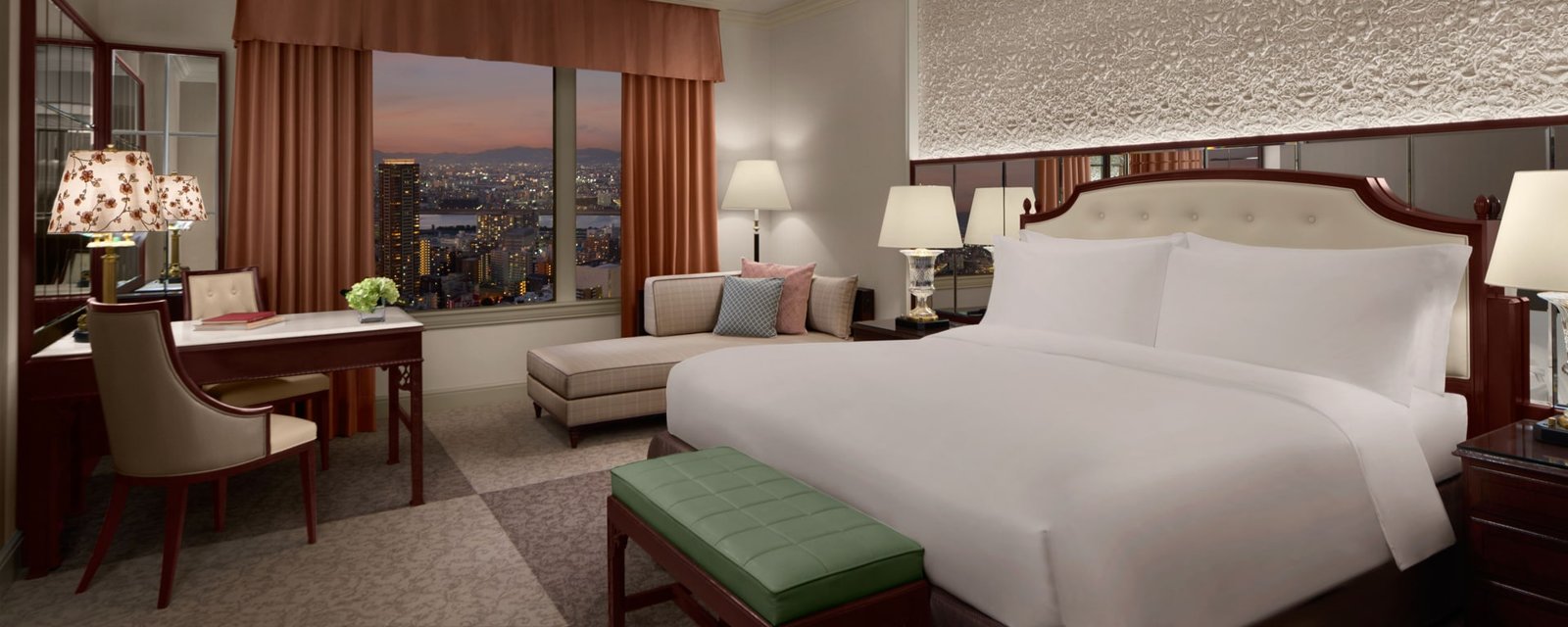
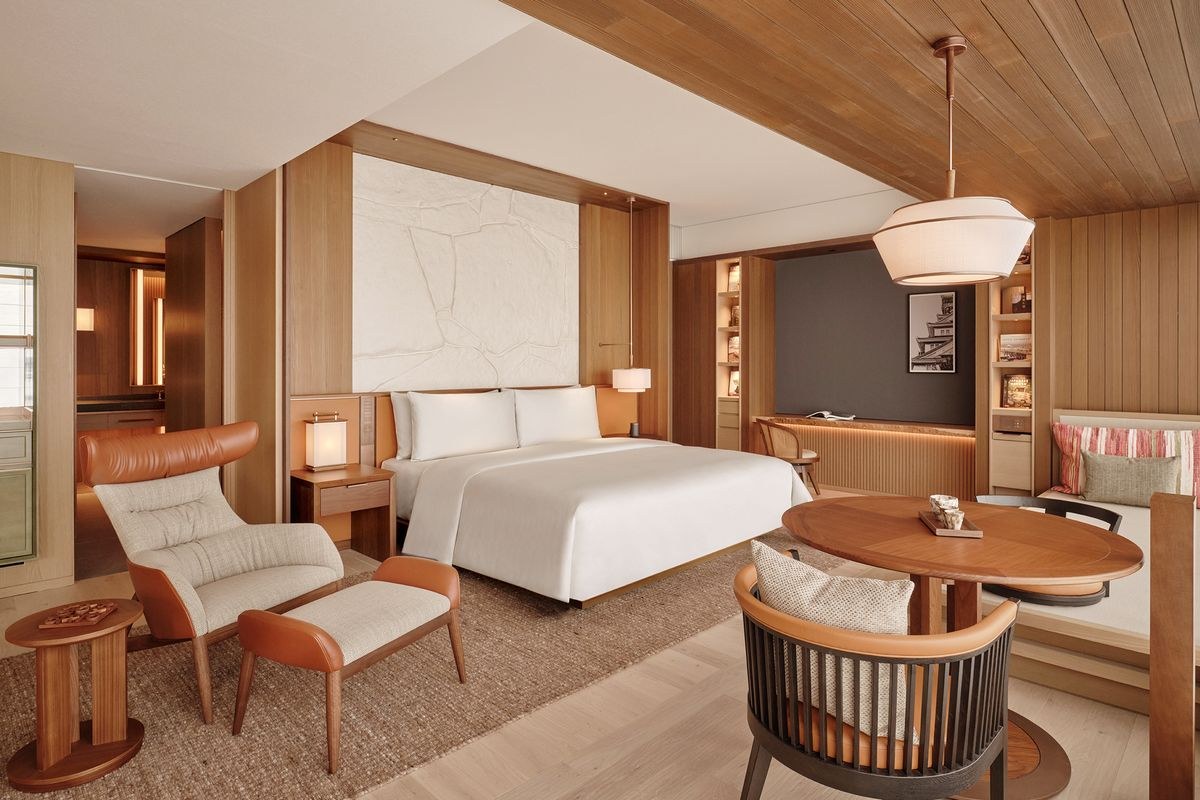
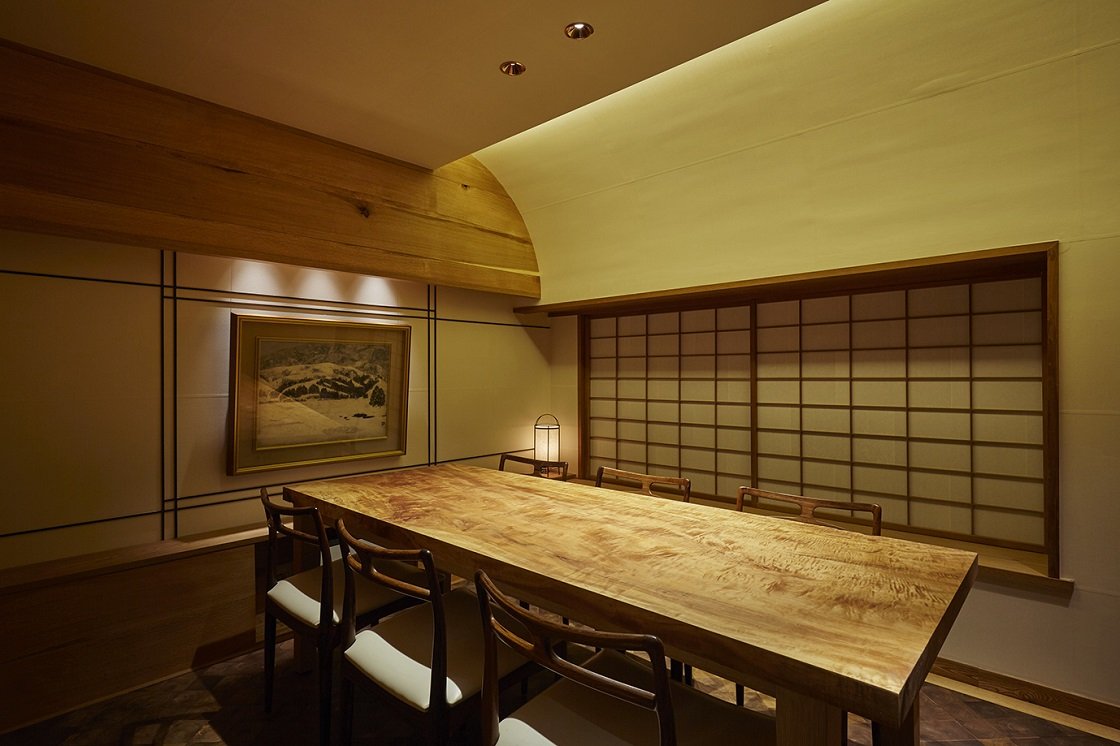
Sophisticated and relaxing with warm, soothing tones, natural light, soundproofed rooms, and stylish comfort enhanced by Japanese cultural elements.
Tags
Vibe
Best For
Experience
Amenities
View
Accessibility
About the Stay
- Rooms
- 272
- Check-in
- 15:00
- Check-out
- 11:00
- Property Style
- Luxury Urban Hotel Blending Contemporary Elegance with Japanese Cultural Elements
- Design Style
- Modern with Warm Soothing Tones, Timber Floors, Bespoke Furnishings, and Panoramic City Views
Know before you go
Know Before You Go
- Getting there
- 3-60 Ōfukachō, Kita Ward, Osaka, 530-0011
Planning details
Location
3-60 Ōfukachō, Kita Ward, Osaka, 530-0011 · Directions
ihg.com/intercontinental/hotels/us/en/osaka/osaha/hoteldetail?cm_mmc=GoogleMaps-_-IC-_-JP-_-OSAHA
Recognition and awards

Also consider
Where to look if this is unavailable
If InterContinental Osaka is sold out or pricing feels too high, check The Osaka Station Hotel, Autograph Collection first for a transport-led stay. For a more traditional luxury backup, The Ritz-Carlton, Osaka is the safer comparison.
If the trip is more adult-focused and the budget allows, compare Waldorf Astoria Osaka and Four Seasons Hotel Osaka. If value matters more than full luxury cues, Zentis Osaka is the leaner fallback.
Hotel context
How it compares with Osaka luxury peers
InterContinental Osaka is the practical family choice in this set: polished, centrally useful, and backed by Michelin 1 Key and Forbes Recommended recognition. Waldorf Astoria Osaka is the stronger splurge candidate if the trip is built around a newer luxury statement, while The Ritz-Carlton, Osaka is the safer classic-luxury comparison for travelers who want a more traditional hotel feel.
The Osaka Station Hotel, Autograph Collection is the most direct cross-shop for rail-first travelers, especially if station access is the deciding factor. Four Seasons Hotel Osaka is worth checking when service depth and a higher-touch luxury tone matter more than loyalty familiarity. Zentis Osaka is the better value-minded alternative if the group is comfortable trading big-brand luxury cues for a leaner stay.
For families, book InterContinental Osaka when the rate is close to the Ritz-Carlton or station-area peers and the goal is a calm, convenient base. For a couples' splurge, compare Waldorf Astoria and Four Seasons first. For a shorter, transport-heavy stop, The Osaka Station Hotel may make more sense.
Explore Osaka
Around this place
Discover more on Pearl
Unlock the full InterContinental Osaka guide in Pearl, including awards, comparisons, FAQs, planning details, and nearby places.
Compare InterContinental Osaka
| Venue | Location | Awards |
|---|---|---|
| InterContinental Osaka | Osaka | 2026 Forbes Recommended2026 Michelin 1 KeyMichelin 1 Key 20252025 Forbes Recommended2025 Michelin 1 Key2024 Michelin 1 Key |
| Waldorf Astoria Osaka | Osaka | No published awards |
| The Osaka Station Hotel, Autograph Collection | Osaka | No published awards |
| The Ritz-Carlton, Osaka | Osaka | 2026 Forbes 5-Star2026 Virtuoso Luxury Hotel Collection2026 La Liste Top Hotels2026 Michelin 1 Key2025 Michelin 1 Key2024 Michelin 1 Key |
| Four Seasons Hotel Osaka | Osaka | No published awards |
| Zentis Osaka | Osaka | No published awards |




How InterContinental Osaka Review: Michelin 1 Key Hotel in Osaka compares with similar nearby venues.
FAQ
Frequently Asked Questions
Do loyalty programs work at InterContinental Osaka?
The hotel has Michelin 1 Key recognition in 2025 and Forbes Recommended status in 2026. If loyalty benefits matter, compare the specific terms for your dates with another Osaka option such as The Osaka Station Hotel, Autograph Collection.
Is InterContinental Osaka family-friendly?
InterContinental Osaka is a premium hotel in Osaka with Michelin 1 Key recognition in 2025 and Forbes Recommended status in 2026. Travelers should confirm room setup, bedding, and any child-related needs directly before booking. If you are comparing premium stays, The Ritz-Carlton, Osaka is another Osaka hotel to consider.
How does InterContinental Osaka compare to nearby hotels?
InterContinental Osaka is a recognized premium hotel in Osaka, with Michelin 1 Key status in 2025 and Forbes Recommended status in 2026. For a broader comparison, also look at Four Seasons Hotel Osaka, The Osaka Station Hotel, Autograph Collection, The Ritz-Carlton, Osaka, Waldorf Astoria Osaka, and Zentis Osaka, then compare current rates, room details, and included benefits.
Which room category is best at InterContinental Osaka?
Choose based on the current room descriptions, bedding, space, cancellation terms, and any included benefits shown for your dates. If comfort, views, or extra space matter, confirm those details directly before booking.
How is the pool and spa at InterContinental Osaka?
If wellness facilities are important to your stay, confirm the current facilities, access rules, hours, and any age or booking requirements directly with the hotel before reserving.
What is check-in like at InterContinental Osaka?
Confirm current check-in time, early-arrival options, luggage storage, and any arrival instructions directly with the hotel. If you are comparing Osaka stays, The Osaka Station Hotel, Autograph Collection is another option to review.