

.png?width=1200&quality=80)
Blue Duck Tavern
American · West End, Washington DC
Restaurant in Washington DC, United States
 Book with Pearl
The Read
Wood-Oven Farm Provenance
Price
$$$
Chef
Andrew Cleverdon
Dress
Smart Casual
Why go
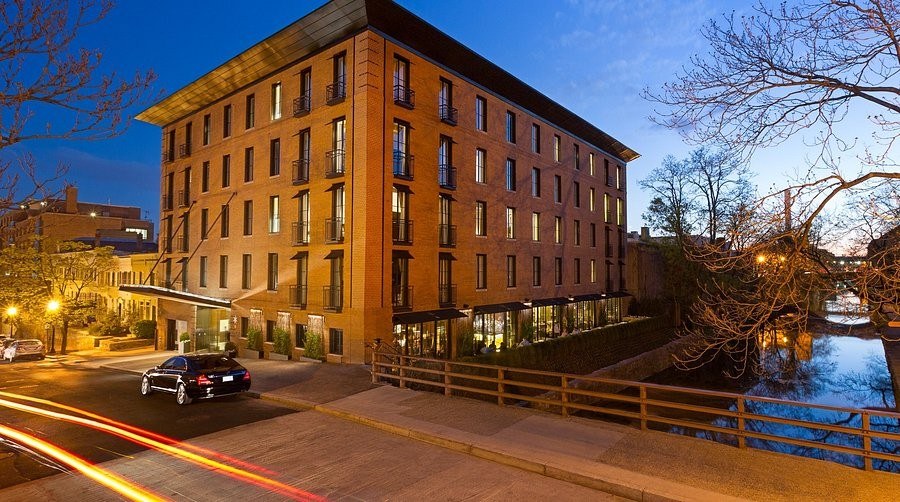
Blue Duck Tavern earns its Opinionated About Dining ranking (#596 North America, 2025) and Michelin Plate through serious sourcing discipline — named farms, house-cured meats, a seasonal menu built around a wood-burning oven — rather than hotel-restaurant comfort. At $$$, it delivers credible American cooking in a room that reads sophisticated without being stiff. Book dinner two to three weeks out; breakfast is a genuine reason to stay at the Park Hyatt.
About Blue Duck Tavern
Verdict
Blue Duck Tavern is not a hotel restaurant you tolerate because you're staying at the Park Hyatt — it's a destination in its own right that happens to share a building with one. That distinction matters when you're deciding whether to book. Ranked #596 in Opinionated About Dining's Leading Restaurants in North America (2025) and holding a Michelin Plate (2024), it earns its place among Washington, D.C.'s serious dining options. Book it if American cooking rooted in named-farm sourcing, an open wood-burning kitchen, and a room that reads sophisticated without feeling stiff is what you're after. If you want more adventurous cuisine at a similar price tier, look elsewhere — Blue Duck stays firmly in its lane, and that lane is polished, product-driven American.
What to Expect
The most common misconception about Blue Duck Tavern is that it plays it safe because it's a hotel restaurant. It doesn't. The kitchen's commitment to sourcing is written directly onto the menu: beef from Cedar River Farms in Colorado, roasted vegetables from Path Valley in Pennsylvania. This isn't decorative provenance labelling, it shapes the entire character of the food. The menu changes seasonally, so what arrives on your table reflects what the kitchen's suppliers are actually producing. That sourcing discipline, applied consistently since the restaurant opened, is what keeps Blue Duck relevant in a city with no shortage of capable kitchens.
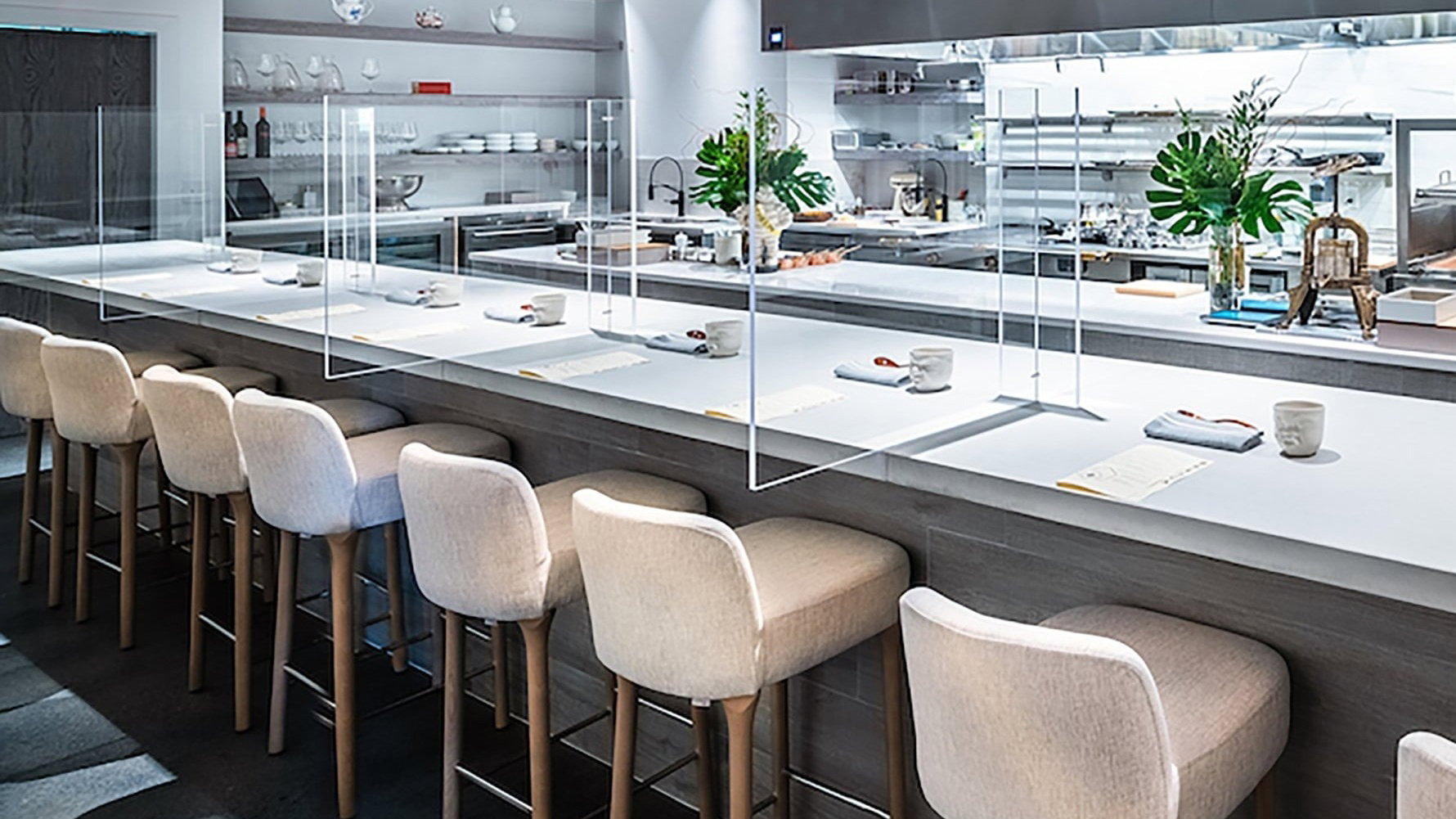
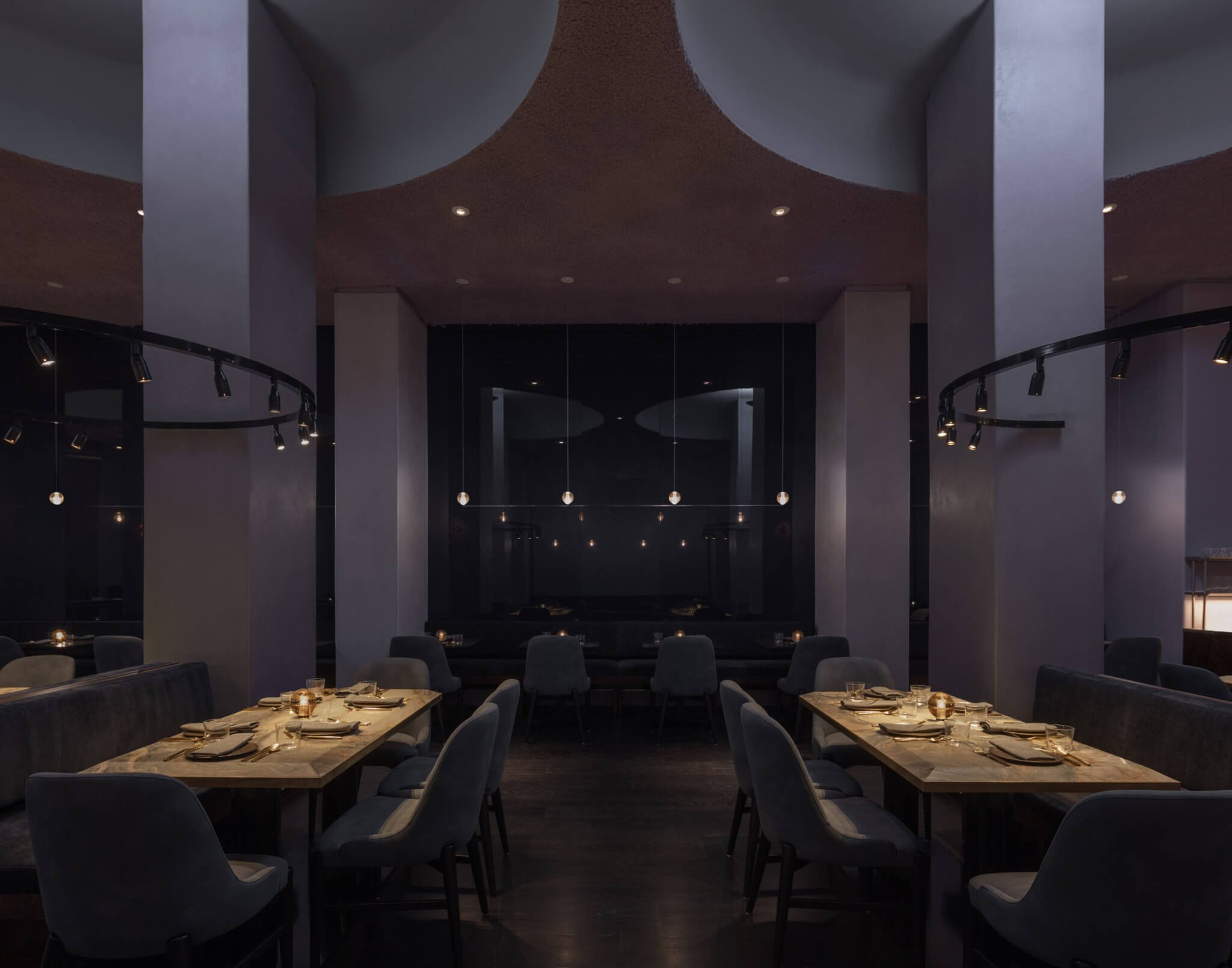
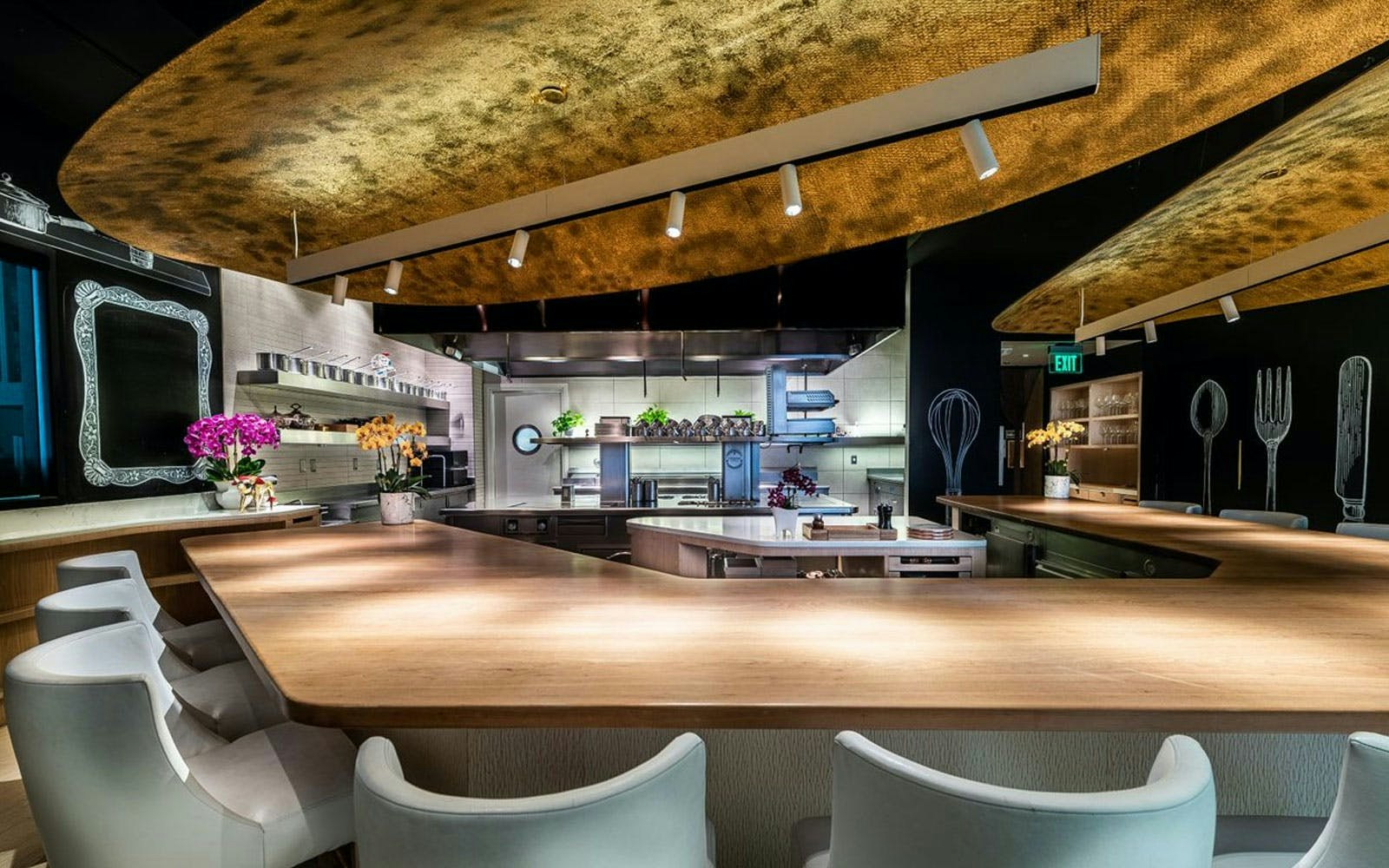
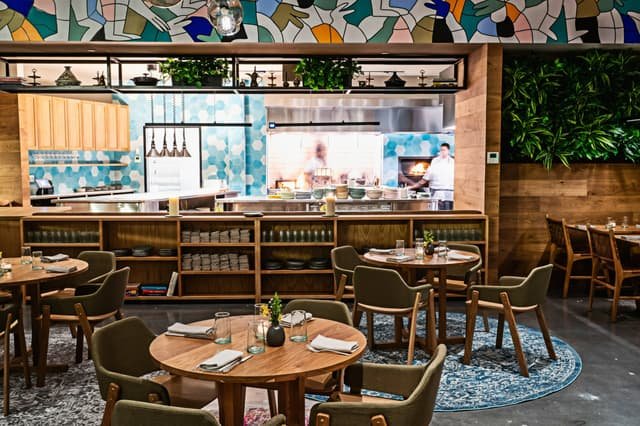
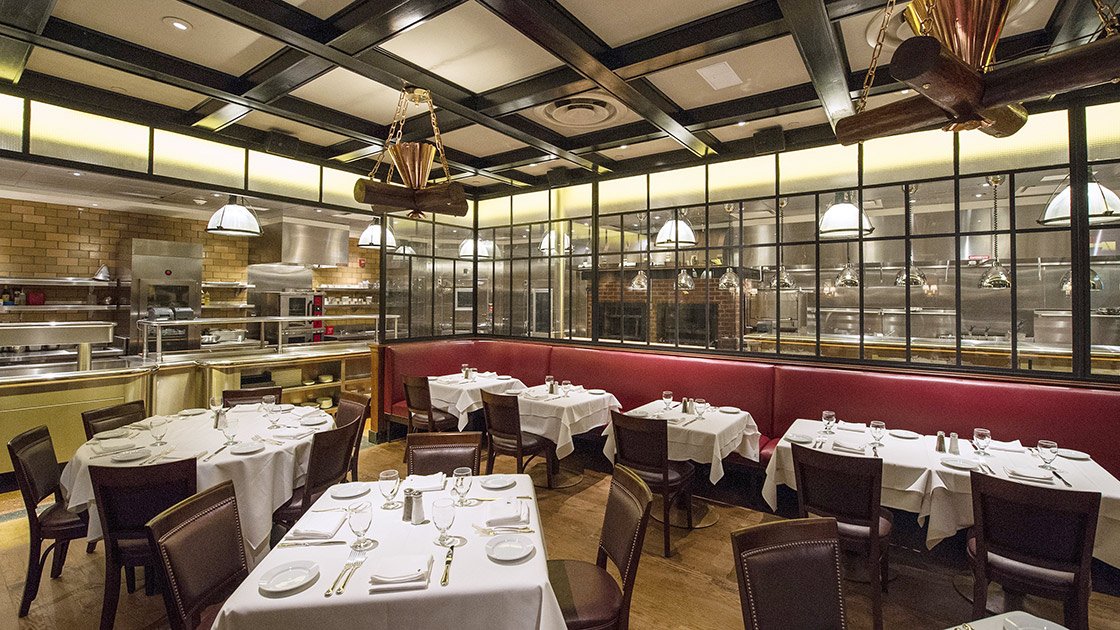
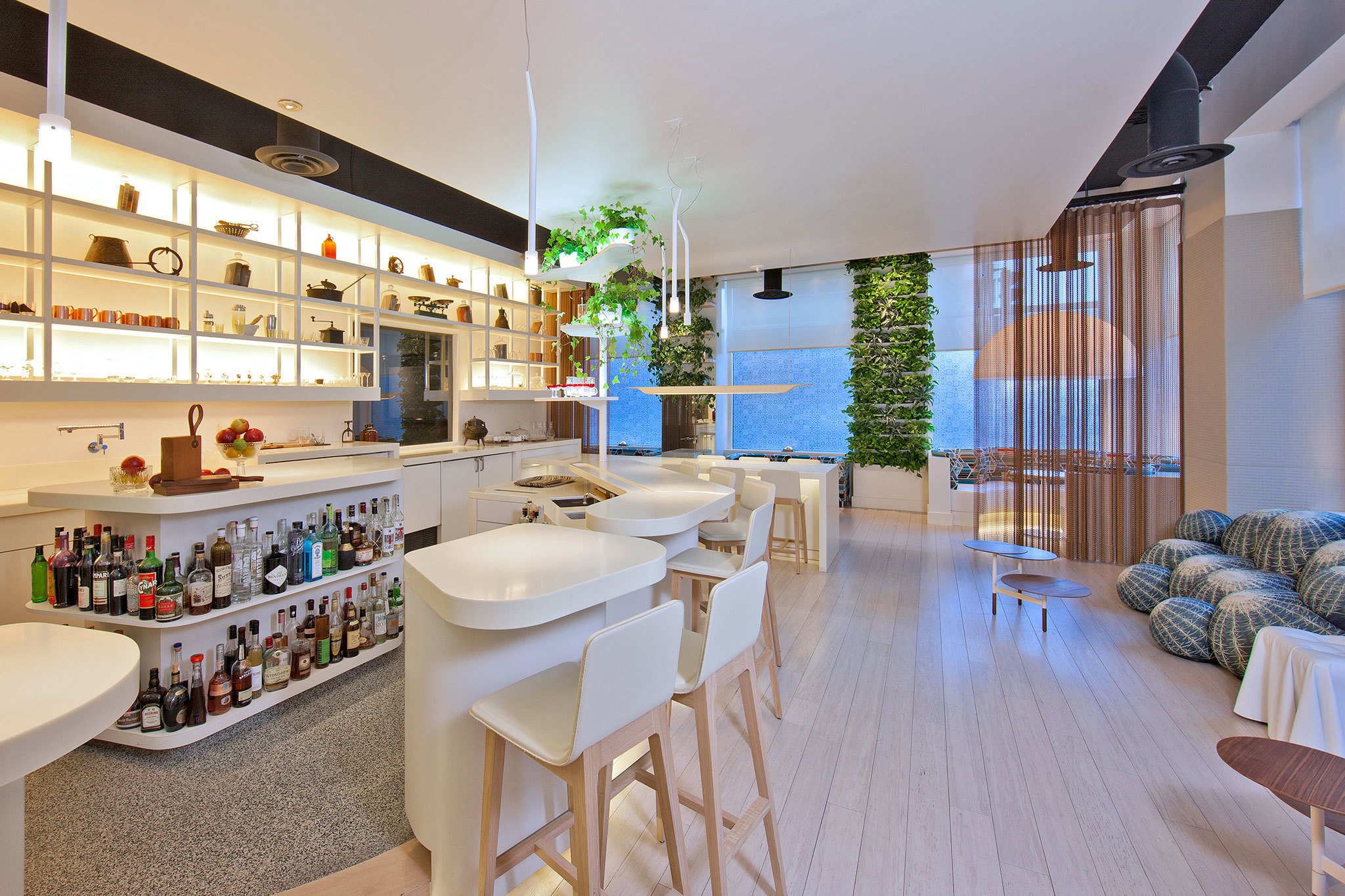
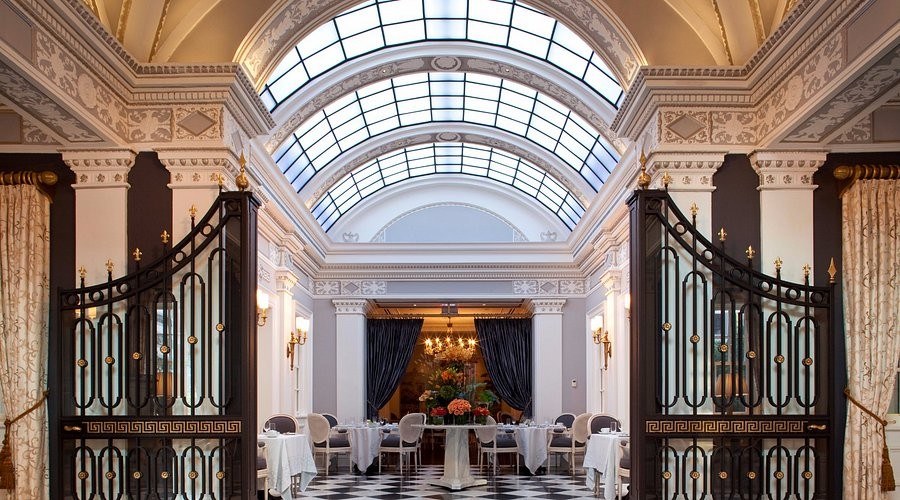
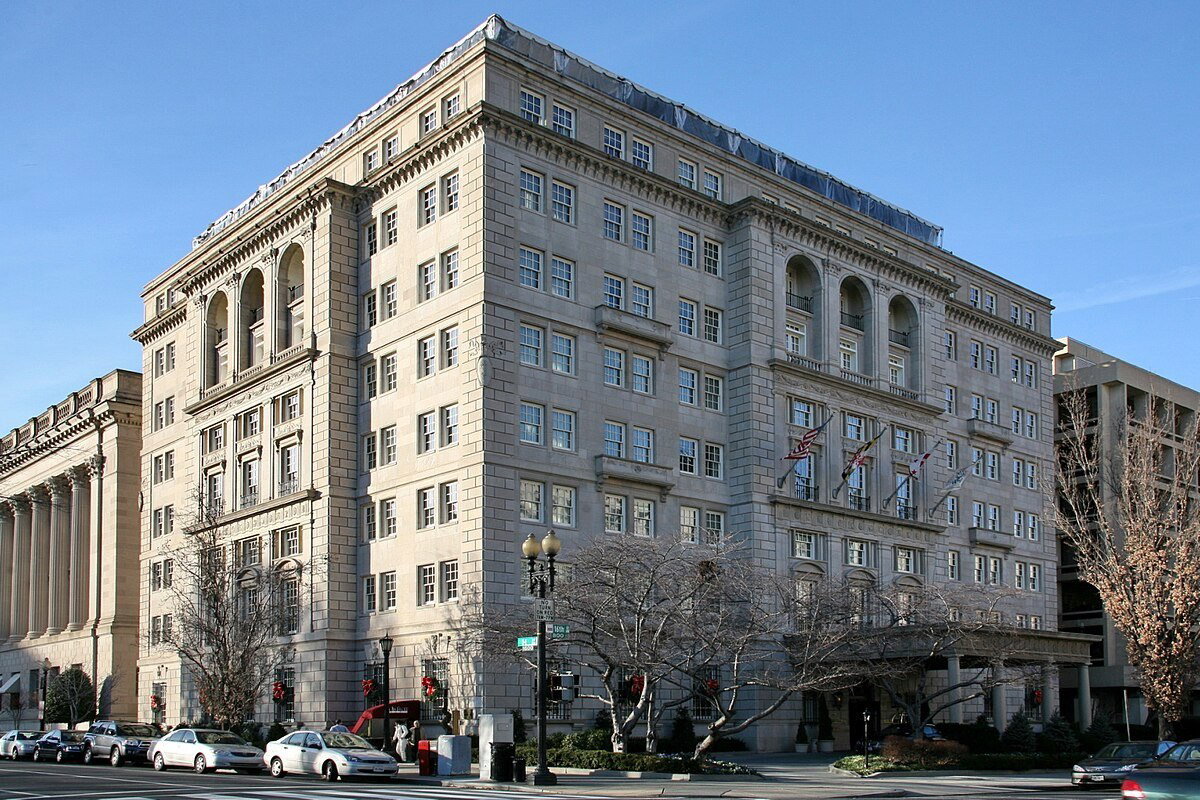
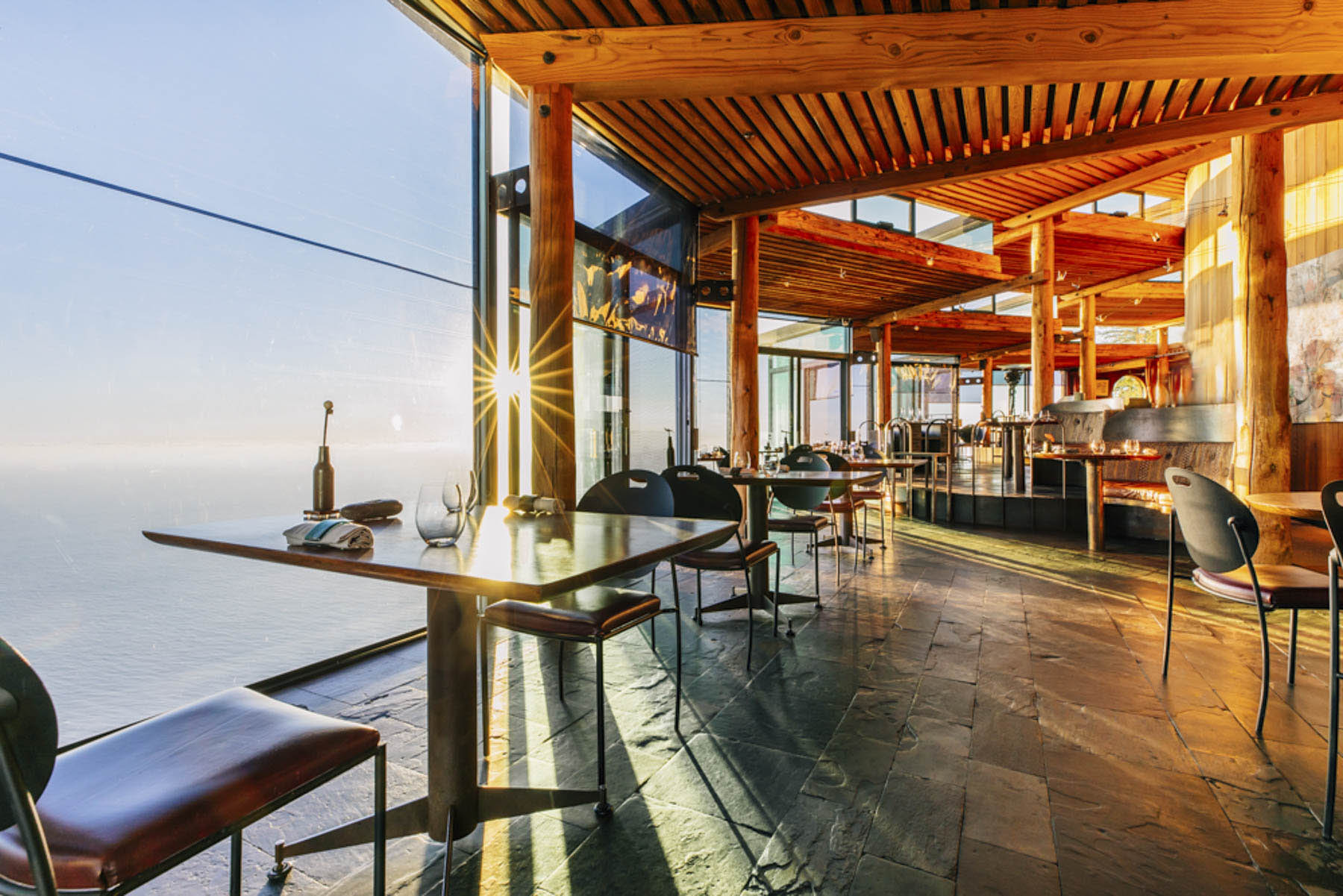
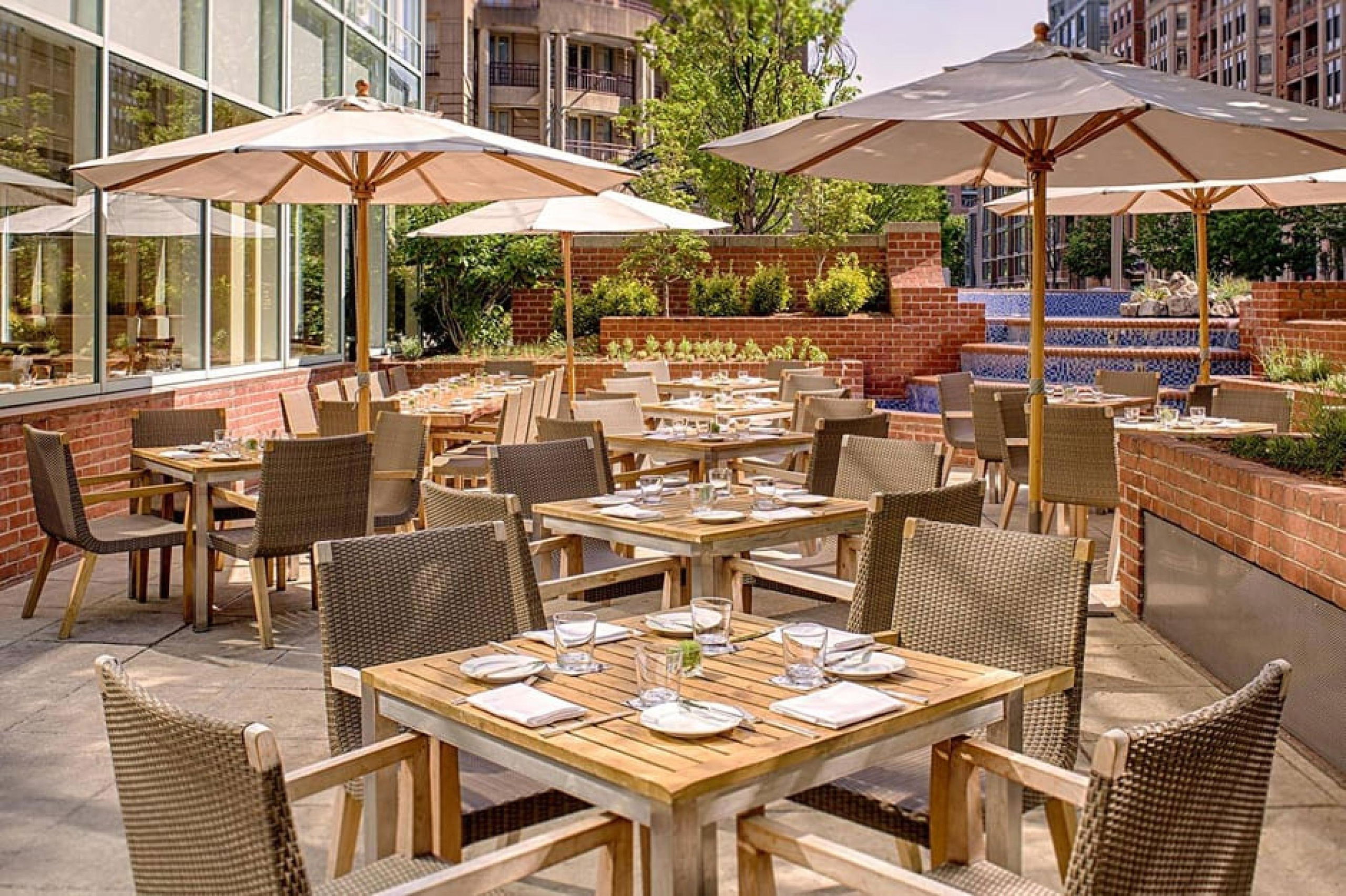
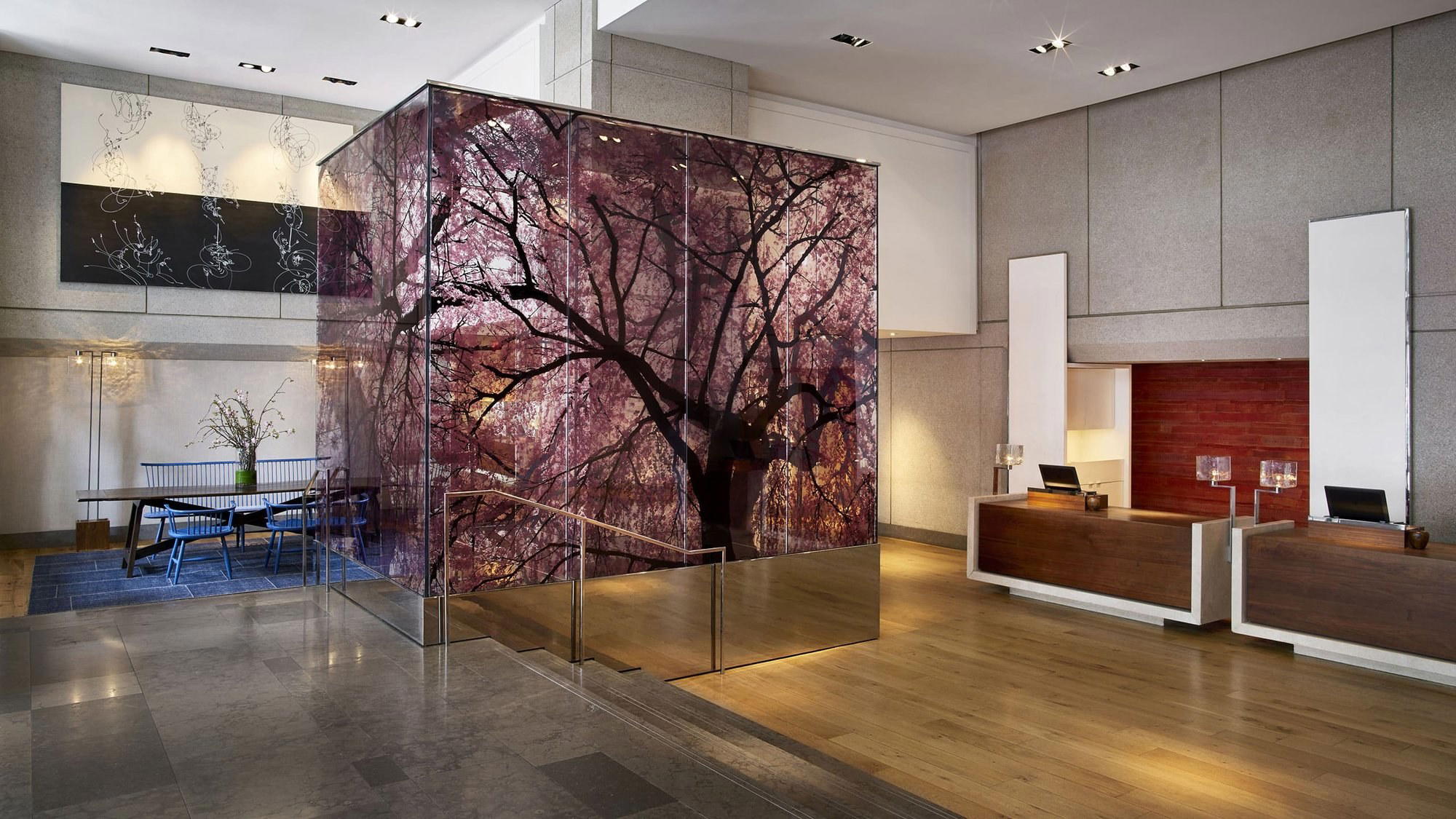
The room itself is worth noting for practical reasons. A French Molteni range and a wood-burning oven sit at the centre of an open kitchen visible from most of the dining room. The space runs to walnut wood seating, soaring windows, and glass-enclosed booths that are the most coveted seats in the house, book early if a booth matters to you. The atmosphere leans toward casual sophistication: conversation is entirely possible at dinner, the crowd skews professional and unhurried, and the energy sits closer to a well-run neighbourhood restaurant than a formal hotel dining room. On clear days, a small courtyard along M Street opens up; it's more relaxed than the main room and seats fewer people, so request it specifically when you book if you want it.
Lounge operates with a separate menu focused on cheese and charcuterie, which makes it a sensible stop if you want a lighter meal or a pre-dinner board before heading elsewhere. The charcuterie is house-made, the cheese selection rotates, and accompaniments include seasonal chutney, jam, and fermented vegetables. If you're visiting as part of a broader West End evening, the lounge format gives you flexibility without committing to a full dinner.
Tea list, nearly 30 teas including a rare 1985 Emperor's Masterpiece, is worth knowing about if that kind of thing interests you. It's an unusual depth for an American tavern and signals how seriously the kitchen side of the house takes its lists. The dessert station is handled in-house and worth leaving room for.
On the food itself: the short rib hash at breakfast, topped with a sunny-side-up egg and horseradish and served with house-made biscuits, has earned its reputation. The wood-oven Rohan duck, brined, smoked, and seared, is the kitchen's technical showpiece at dinner. Wood-oven marrow bones and the BDT Reuben (pastrami cured in-house for two weeks) are the kinds of dishes that reflect how much prep time this kitchen is willing to put into what sounds like simple food. The whole-roasted fish from the wood oven and duck leg confit round out the classics that have defined the menu over time.
Blue Duck operates across three meal services daily, breakfast, lunch (weekdays), and dinner, plus weekend brunch on Saturdays and Sundays. Breakfast runs 6:30–10:30 am, lunch 11:30 am–2 pm, and dinner 5:30–10 pm, seven days a week. That range of services, and the quality across all of them, is relatively rare at this price tier in D.C. For visitors staying at the Park Hyatt, the breakfast alone is worth factoring into your stay decision.
For more of what D.C.'s dining scene offers at this level, see our full Washington, D.C. restaurants guide. If you're planning the wider trip, our Washington, D.C. hotels guide, bars guide, and experiences guide are worth consulting alongside it.
How to Book
Booking difficulty at Blue Duck Tavern is moderate. Aim for reservations at least two weeks out for dinner, three or more weeks for weekend evenings when the glass-enclosed booths tend to fill first. Lunch on weekdays is easier to secure, and breakfast, even at a popular hotel restaurant, is generally walk-in friendly outside of peak weekend hours. If your priority is the courtyard or a booth, note that specifically at the time of booking rather than hoping on arrival.
Practical Details
| Detail | Blue Duck Tavern | Bresca | Oyster Oyster |
|---|---|---|---|
| Price range | $$$ | $$$$ | $$$ |
| Cuisine | American | Modern French | New American / Vegetarian |
| Booking difficulty | Moderate | Harder | Moderate |
| Hotel setting | Yes (Park Hyatt) | No | No |
| Breakfast service | Yes (daily) | No | No |
| OAD ranking (2025) | #596 North America | Not ranked | Not ranked |
| Michelin recognition | Plate (2024) | Star | Not listed |
Also Worth Knowing
- Address: 1201 24th St NW, Washington, DC 20037 (Park Hyatt hotel)
- Hours: Daily breakfast 6:30–10:30 am; lunch 11:30 am–2 pm (Mon–Fri); weekend brunch Sat–Sun; dinner 5:30–10 pm nightly
- The lounge cheese and charcuterie menu operates separately from the main dining room
- Tea list runs to nearly 30 selections; ask about the rare options if that interests you
- Courtyard seating along M Street is available on clear days, request it when booking
Other American options in the West End and Georgetown worth comparing: 1789, New Heights, and Ris sit in the same neighbourhood tier. Michele's and Opal are worth considering if you want something with a different register. For American cooking at this level in other cities, Hilda and Jesse in San Francisco and Selby's in Atherton offer useful reference points. For the sourcing-forward American model taken to its furthest expression, Single Thread Farm in Healdsburg and The French Laundry in Napa set the upper ceiling; Lazy Bear in San Francisco sits in an interesting middle position. Outside American cooking, Le Bernardin in New York City and Emeril's in New Orleans offer context for what hotel-adjacent fine dining looks like at its most polished. Alinea in Chicago is the right comparison if you're weighing whether to push into a more theatrical format instead. See also our Washington, D.C. wineries guide if you're building a longer itinerary around food and drink.
Part of
Park Hyatt71 locations on PearlLocated inside
 HotelPark Hyatt Washington D.C.Full hotel guide
Planning details
- Hours
- Monday: 6:30–10:30 am, 11:30 am–2 pm, 5:30–10 pm · Tuesday: 6:30–10:30 am, 11:30 am–2 pm, 5:30–10 pm
- Location
- 1201 24th St NW, Washington, DC 20037
- Reservations
- Book on Tock
- Website
- blueducktavern.com
- Phone
- (202) 789-1234
The take
The Take
The Vibe
Blue Duck Tavern settles into the Park Hyatt with a quietly assured presence: walnut paneling and glass-enclosed booths give the room a classic, composed feeling, while those booths operate like private alcoves for low-lit conversation. The open kitchen is central to the dining room’s personality, anchored by a French Molteni range and a sizable wood-burning oven; the room’s warmth comes as much from that hearth as from the attentive, unobtrusive service. Staff gestures—small, practical courtesies—underscore an institutional, polished hospitality that feels intimate rather than performative.
Best For
This is a restaurant built for purposeful dining: well-suited to date nights and business dinners where privacy and polished service matter. The hotel setting naturally accommodates travelers and guests on business trips, and the composed dining room makes it a reliable choice for special occasions that call for attentive front-of-house care. On warm days, the small courtyard offers a more casual register for daylight meals, so the venue also adapts to relaxed midday dining while retaining its overall refined tone.
Ordering Tips
Menus at Blue Duck Tavern emphasize provenance—items list suppliers and farms—so ask servers about sources and what’s highlighted that day. The wood-burning oven shapes the menu, so consider dishes finished over wood fire or roasted in the range; signature items to try include the duck confit, bone marrow and jumbo lump crab cakes. On pleasant days, request a table near the courtyard for a more relaxed, herb-scented experience and ask the front-of-house to point out any special preparations tied to the kitchen’s wood oven.
Venue details
Ambiance
Warm rustic with dark oak furnishings, open kitchen theater, and a refined yet approachable atmosphere.
Tags
Vibe
Best For
Experience
Sourcing
Accessibility
At the Table
- Dress Code
- Smart Casual
- Noise Level
- Conversational
- Service Style
- Formal
- Meal Pacing
- Leisurely
- Capacity
- Medium
Signature Dishes
- duck confit
- bone marrow
- jumbo lump crab cakes
Know before you go
Know Before You Go
- Getting there
- 1201 24th St NW, Washington, DC 20037
Planning details
Hours
- Monday
- 6:30–10:30 am, 11:30 am–2 pm, 5:30–10 pm
- Tuesday
- 6:30–10:30 am, 11:30 am–2 pm, 5:30–10 pm
- Wednesday
- 6:30–10:30 am, 11:30 am–2 pm, 5:30–10 pm
- Thursday
- 6:30–10:30 am, 11:30 am–2 pm, 5:30–10 pm
- Friday
- 6:30–10:30 am, 11:30 am–2 pm, 5:30–10 pm
- Saturday
- 6:30–10:30 am, 11:30 am–2 pm, 5:30–10 pm
- Sunday
- 6:30–10:30 am, 11:30 am–2 pm, 5:30–10 pm
Location


Also consider
Also Consider
- Albi, United States, Middle Eastern, $$$$
- Causa, Peruvian, $$$$
- Oyster Oyster, New American, Vegetarian, Vegetarian (Sustainable), $$$
- Bresca, Modern French, Contemporary, $$$$
- Gravitas, New American, Contemporary, $$$$
Restaurant context
At $$$, Blue Duck Tavern is the most accessible price point among D.C.'s serious destination restaurants. Bresca and Gravitas both operate at $$$$, offer more technically ambitious cooking, and carry higher booking difficulty, Bresca holds a Michelin Star, which makes it the right call if kitchen precision matters more to you than a comfortable room. Blue Duck wins on atmosphere and accessibility if you want a full evening without the choreography of a tasting-menu experience.
Oyster Oyster matches Blue Duck on price (both $$$) and shares a sourcing-forward ethos, but the menus diverge sharply: Oyster Oyster is vegetarian-focused and sustainability-driven, while Blue Duck centres on meat and whole-roasted proteins from the wood oven. If the cooking style is less important than the sourcing commitment, either works. If you're specifically seeking American cooking with beef and duck at the centre, Blue Duck is the clearer choice.
Albi (Middle Eastern, $$$$) and Causa (Peruvian, $$$$) are worth considering if you want D.C.'s more exploratory side of the menu. Both are harder to book and carry a higher price tag, but they offer something Blue Duck does not: cuisine that's harder to find at this level in the city. Blue Duck is the better call for an expense-account dinner, a hotel stay with a strong food component, or anyone who wants a reliable, sourcing-credible American meal without the pressure of a multi-course format.
Explore Washington DC
Around this place
Discover more on Pearl
Unlock the full Blue Duck Tavern guide in Pearl, including awards, comparisons, FAQs, planning details, and nearby places.
Compare Blue Duck Tavern
| Venue | Cuisine | Price | Booking Difficulty | Awards |
|---|---|---|---|---|
| Blue Duck Tavern | American | $$$ | Moderate | 2026 Wine Spectator Award of Excellence2025 OAD Top Restaurants in North America Ranked · #5962025 Forbes Recommended2025 Michelin Plate2024 OAD Top Restaurants in North America Ranked · #5612024 Michelin Plate |
| Albi | United States, Middle Eastern | $$$$ | Unknown | Washingtonian 100 Very Best Restaurants 2026 · #12026 North America's 50 Best Restaurants · #6RAMMYS 2026 Winners - Formal Fine Dining Restaurant of the Year2025 World's 50 North America's Best Restaurants · #342025 Robb Report 100 Greatest American Restaurants of the 21st Century · #892025 OAD Casual in North America Ranked · #1302025 Michelin 1 Star2024 James Beard Awards · #12024 OAD Casual in North America Ranked · #109 |
| Causa | Peruvian | $$$$ | Unknown | Washingtonian 100 Very Best Restaurants 2026 · #162025 OAD Top Restaurants in North America Ranked · #2752025 James Beard Awards2025 Michelin 1 Star2024 OAD Top Restaurants in North America Ranked · #2252024 Michelin 1 Star |
| Oyster Oyster | New American, Vegetarian, Vegetarian (Sustainable) | $$$ | Unknown | Washingtonian 100 Very Best Restaurants 2026 · #622026 OAD Top Restaurants in North America Highly Recommended2025 Food & Wine Global Tastemakers Top Restaurants · #152025 OAD Top Restaurants in North America Ranked · #251We're Smart World Top Restaurants 20252025 Wine Spectator Award of Excellence2025 The Best Chef One Knife2025 Michelin 1 Star2024 OAD Top Restaurants in North America Ranked · #203 |
| Bresca | Modern French, Contemporary | $$$$ | Unknown | 2026 Wine Spectator Award of Excellence2025 OAD Top Restaurants in North America Ranked · #322025 Wine Spectator Award of Excellence2025 Michelin 1 Star2024 OAD Top Restaurants in North America Ranked · #372024 Michelin 1 Star2023 OAD Gourmet Casual Dining in North America Ranked · #212023 OAD Top Restaurants in North America Ranked · #35 |
| Gravitas | New American, Contemporary | $$$$ | Unknown | 2026 OAD Top Restaurants in North America Recommended2025 OAD Top Restaurants in North America Ranked · #4952025 Michelin 1 Star2024 OAD Top Restaurants in North America Ranked · #5362024 Michelin 1 Star2023 OAD Top Restaurants in North America Recommended |








Side-by-side comparison to help you decide where to book.
FAQ
Frequently Asked Questions
What should I wear to Blue Duck Tavern?
Dress well but not formally. The Park Hyatt address and $$$ price point suggest polished casual — think a blazer or a smart dress — but the room is described as a residential kitchen crossed with a communal gathering space, and dinner deliberately avoids feeling like a stuffy affair. Jeans in good condition are fine; athleisure is not the move here.
What are alternatives to Blue Duck Tavern in Washington, D.C.?
For produce-driven cooking with a lighter ecological footprint, Oyster Oyster is the closer comparison. Bresca offers a more theatrical tasting-menu format if you want something further from the tavern register. Albi is the call if you want wood-fire technique channelled through Mid-Eastern flavours rather than all-American sourcing. Causa and Gravitas both push into more experimental territory than Blue Duck, which sits firmly in the confident, product-first lane.
Can Blue Duck Tavern accommodate groups?
Yes, with some planning. The room is sprawling and includes an expansive lounge alongside the main dining area, which gives it more flexibility than a tight 40-seat dining room. For groups of six or more, book well in advance — aim for three-plus weeks out — and request the lounge if you want a less formal setup. The cheese and charcuterie programme in the lounge works well as a shared-format option for larger parties.
What should I order at Blue Duck Tavern?
The wood-burning oven is the centrepiece of the open kitchen, so lean into what it produces: whole-roasted fish, duck leg confit, and the Rohan duck (brined, smoked, then seared) are documented highlights. At breakfast, the short rib hash with a sunny-side-up egg is a specific call-out from OAD inspectors. The BDT Reuben uses pastrami cured in-house for two weeks. Save room to check the dessert station and the tea list, which runs to nearly 30 teas including the 1985 Emperor's Masterpiece.
Is lunch or dinner better at Blue Duck Tavern?
Dinner is the main event — the wood-oven menu is fullest in the evening and the room takes on the warmth the space is designed for. That said, breakfast is genuinely worth the visit on its own terms, particularly if you're staying at the Park Hyatt; OAD inspectors single it out specifically. Weekday lunch is available but the format is narrower. Weekend brunch runs Saturday and Sunday, and the courtyard on M Street is worth requesting on sunny days.