.png?width=1200&quality=80)
Osaka
Japanese · Brera, Milan
Restaurant in Milan, Italy
 Book with Pearl
The Read
Arcade Counter Precision
Price
€€€
Why go
Osaka holds a Michelin Plate (2025) and, making it Milan's most consistent mid-range Japanese address. At €€€, it is well below the city's starred tasting-menu tier but delivers chef-level technique on fish and an authentic Japanese menu that includes Sukiyaki and Makimoto rolls. Booking is easy, the bar counter makes it a strong solo option.
About Osaka
Verdict
Osaka is one of Milan's most established Japanese restaurants, holding a Michelin Plate (2025) and a ; a combination that signals consistent quality rather than a one-off fluke. It sits in the €€€ tier, making it noticeably more accessible than Milan's top-tier Italian tasting-menu rooms. If you want serious, authentic Japanese cooking in central Milan without committing to a €€€€ omakase or a months-long wait, Osaka is the answer. Book it.
About Osaka Milan
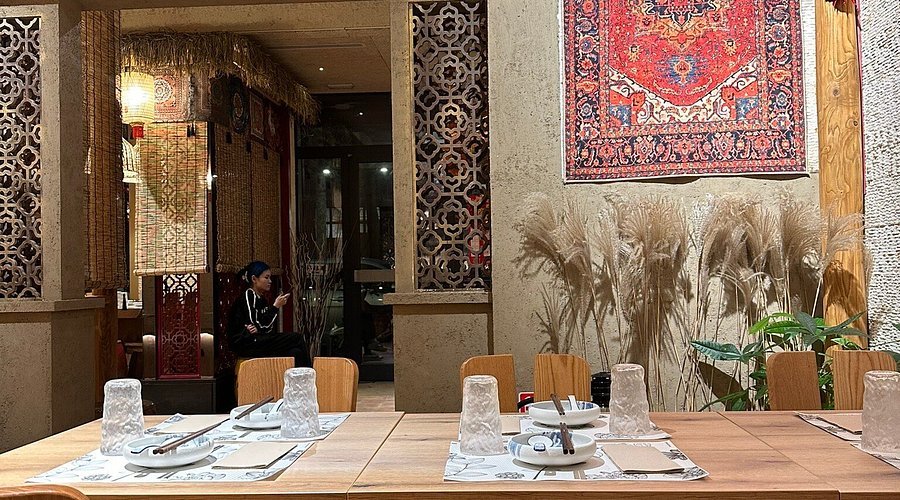
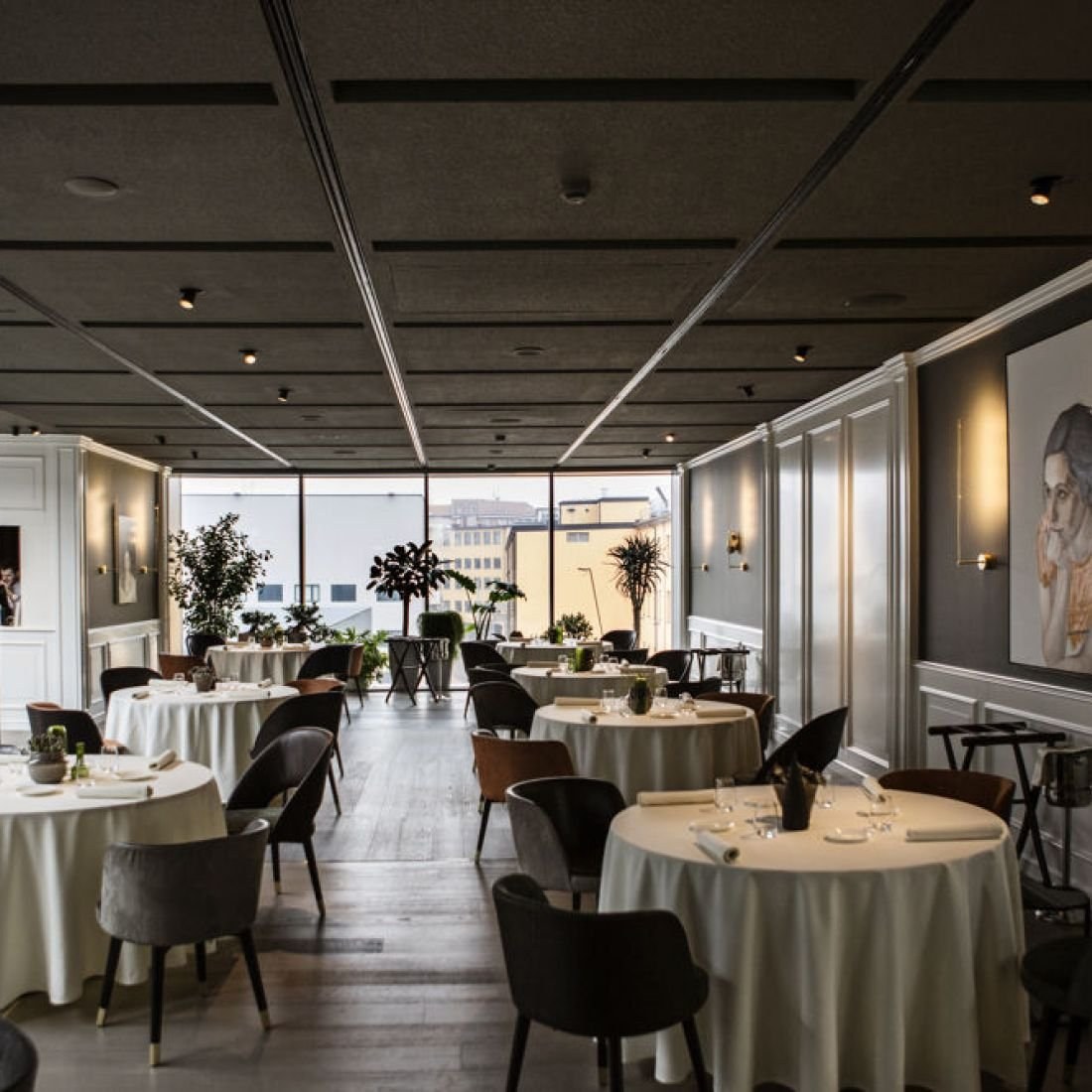
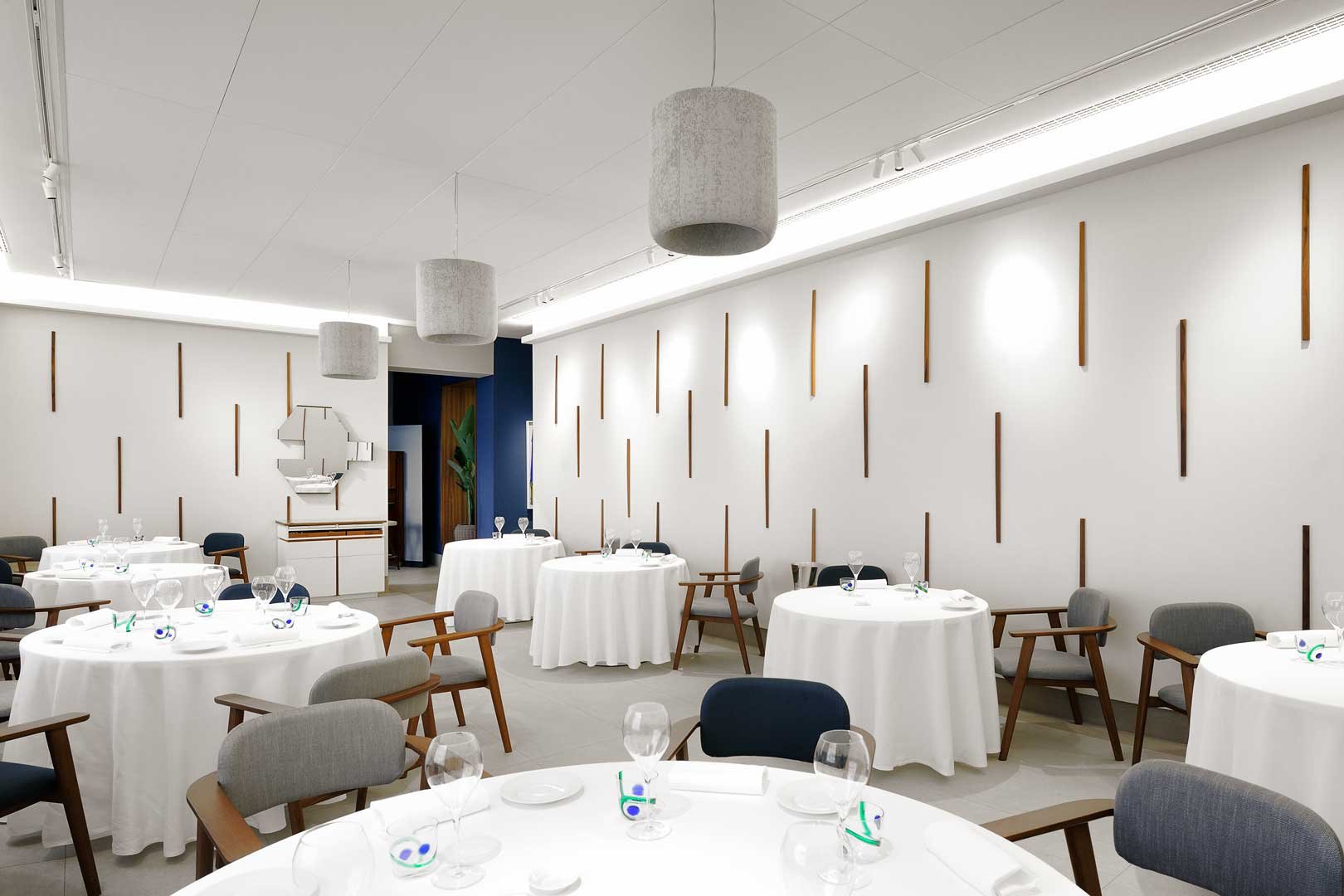
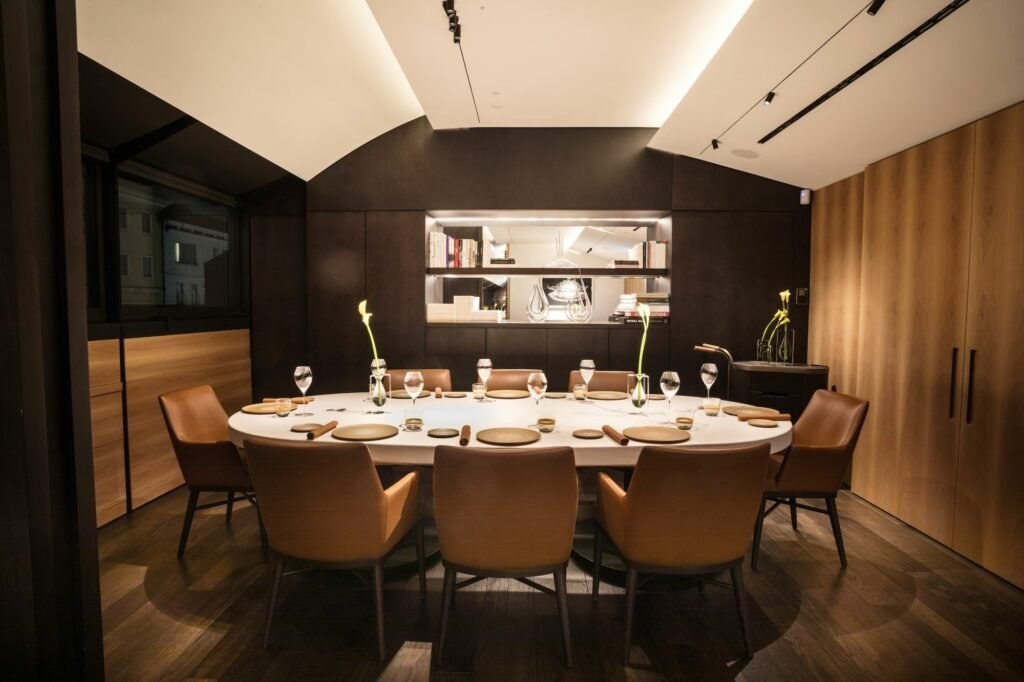
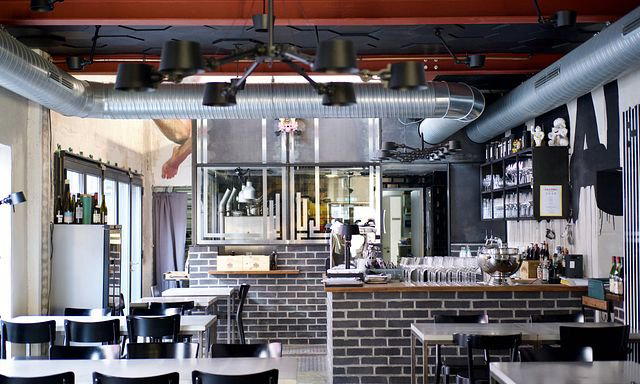
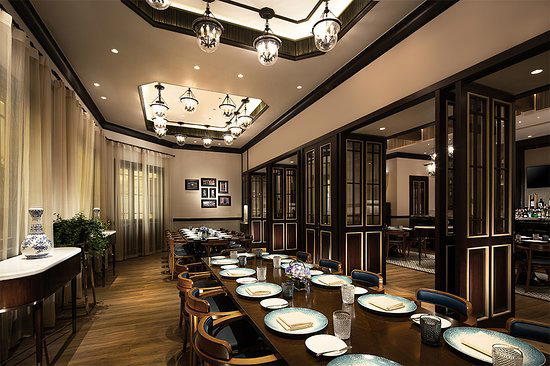
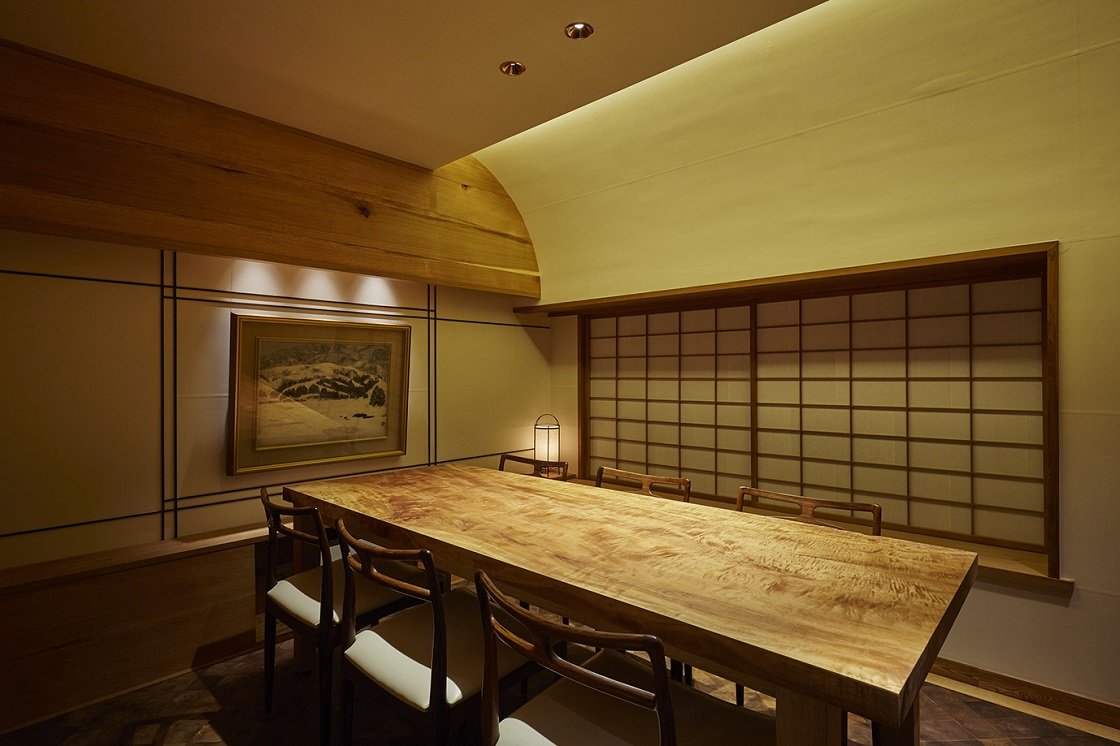
The restaurant recently moved to a new address on Via Anfiteatro, 6, a short arcade on the old road from Milan to Como; easy to miss, which partly explains why it rewards those who seek it out. The new space leans into a minimalist, full-on oriental aesthetic: clean lines, restrained materials, a bar counter where guests can watch chefs slicing and preparing fish. That counter detail matters more than it sounds. At many Japanese restaurants in Italy, the kitchen is entirely hidden and the connection to the craft disappears. Here, you can observe the precision behind each plate, which sharpens your appreciation of what arrives in front of you.
The move to the new premises is recent, it represents a meaningful reset for the restaurant, a chance to align the physical space with a cooking philosophy that has always been more serious than its price tier suggests. The interiors now serve the food rather than competing with it, the atmosphere is calmer for it. For food and travel enthusiasts who care about context and craft, that shift is worth noting.
Structurally, Osaka divides its offer clearly by time of day. Lunch runs on set menus, which keeps service efficient and delivers good value for the price tier. Dinner opens to à la carte, giving you more room to explore. The Michelin inspector's own notes single out two dishes: the Makimoto rolls of amberjack with shiso leaves, sesame seeds and freshly marinated wasabi, and the Sukiyaki, described as a Japanese take on a bourguignon where meat and vegetables are cooked in a simmering broth at the table and shared among guests. The Sukiyaki in particular suits groups and special occasions, it is a celebratory dish in Japan, interactive, warm, designed for sharing. The broader menu is extensive, covering a wide range of Japanese preparations from the à la carte dinner list.
The Bar and Drinks Programme
Given the minimalist counter setup and the restaurant's Japanese identity, the drinks programme here works as a standalone reason to visit. Traditional Japanese restaurants at this level typically anchor their bar offer around sake, Japanese whisky, clean, low-intervention cocktails that complement rather than overpower delicate fish preparations. While the specific list at Osaka is not published in the available data, the bar counter format, where chefs work in view, creates a natural environment for counter seating with drinks before or after a meal. If you are in Milan looking for a bar experience that connects to Japanese drinking culture rather than the Milanese aperitivo circuit, this is the more interesting option. For comparison, our full Milan bars guide covers the broader scene if you want to cross-reference.
It is also worth considering Osaka against the other serious Japanese addresses in Milan. Iyo holds a full Michelin star and operates at a higher price point, making it the right call if technical Japanese cuisine at the very best of the city's range is the goal. Iyo Kaiseki is the place to go for the full kaiseki multi-course format. Wicky's Innovative Japanese Cuisine occupies a similar exploratory position to Osaka but with a stronger fusion emphasis. Hazama and Bentoteca Milano are useful lower-pressure alternatives if you want Japanese food in Milan at a more casual register. For the explorer who wants authentic Japanese at a mid-range price with Michelin recognition behind it, Osaka sits in the most logical position in that hierarchy.
For international benchmarks, Myojaku and Azabu Kadowaki in Tokyo show you what the category looks like at its global apex, useful context if you are travelling between the two cities and want to calibrate expectations.
Milan's broader dining scene, covered in our full Milan restaurants guide, runs from Italy-focused tasting menus at Osteria Francescana in Modena and Dal Pescatore in Runate to regional destinations like Uliassi in Senigallia, Reale in Castel di Sangro, Quattro Passi in Marina del Cantone, and Atelier Moessmer Norbert Niederkofler in Brunico. Osaka is the Japanese counterpoint to all of that, a restaurant that fills a specific gap in Milan's offer and fills it well. If you are planning the wider trip, our Milan hotels guide, wineries guide, and experiences guide are the logical next steps.
Booking and Practical Details
Booking difficulty at Osaka is rated Easy. Unlike Milan's starred Italian tasting-menu rooms, where lead times can stretch weeks, Osaka is accessible with reasonable advance planning. Lunch set menus are the most structured entry point; dinner à la carte gives you more flexibility to explore the menu at your own pace. The restaurant is located in the Brera-adjacent area of central Milan, well-positioned for pre- or post-dinner movement around the city. No specific dress code is listed in available data, but the minimalist interior and €€€ price tier suggest smart casual is appropriate.
Quick reference:
Planning details
- Location
- Via Anfiteatro, 6, 20121 Milano MI, Italy
- Website
- milanoosaka.com
- Phone
- +39 02 2906 0678
The take
The Take
The Vibe
Osaka presents a restrained, minimalist sensibility that foregrounds the work in the kitchen. The room is deliberately stripped of ornament so that the counter and the chefs’ technique become the visual focus; diners sit facing the bar and watch fish being prepared with care. The address in a quiet covered arcade reinforces a low-key confidence — this is a place that relies on reputation rather than street visibility. The combination of a calm approach, counter intimacy and institutional weight gives the restaurant a quiet, considered charm rather than a flashy or tourist-facing energy.
Best For
This is a place you visit for focused, technique-forward dining rather than a loud night out. The counter-oriented layout and visible kitchen make it especially well suited to solo diners and small parties who want to observe preparation closely; the writing positions Osaka as an everyday destination — approachable enough to be a regular haunt while carrying the credibility of a long-running institution. Given the emphasis on fish preparation and the Michelin Plate recognition, evenings that center on tasting a concise, fish-forward menu feel most in keeping with the restaurant’s strengths.
Ordering Tips
Whenever possible, take a seat at the counter: the experience is explicitly framed around watching the chefs slice, plate and compose, and proximity to the kitchen is central to the restaurant’s appeal. Focus orders on the fish-forward preparations, which the text identifies as the main event; the dining experience is about technique and execution rather than theatrical accoutrements. The overall tone is accessible, so treat it as a spot for regular visits rather than a one-off special occasion — choose a few well-executed dishes that showcase the counter work and the kitchen’s steady craftsmanship.
Venue details
Ambiance
A calm, welcoming, traditionally Japanese atmosphere with simple minimalist interiors designed by Japanese architect and designer Ishiyama Yukio.
Tags
Vibe
Best For
Experience
At the Table
- Noise Level
- Quiet
- Service Style
- Upscale Casual
- Meal Pacing
- Standard
Signature Dishes
- Sushi
- Sashimi
- Ramen
- Gyoza
- Sukiyaki
- Karaage
Planning details
Location
Recognition and awards
Also consider
Also Consider
- Enrico Bartolini; Creative, €€€€
- Cracco in Galleria; Modern Cuisine, €€€€
- Andrea Aprea; Modern Italian, Italian Contemporary, €€€€
- Seta; Modern Italian, €€€€
- Horto; Modern Italian, Modern Cuisine, €€€€
Restaurant context
If your Milan dinner budget is €€€€ and you want Italian fine dining, the competition is formidable: Enrico Bartolini, Cracco in Galleria, Andrea Aprea, Seta, and Horto all operate at the top of the city's Italian tasting-menu tier. Osaka does not compete with them directly; it occupies a different category entirely, Japanese rather than Italian, a lower price tier at €€€ versus €€€€. If you are deciding between a splurge Italian tasting menu and Osaka, the question is really whether you want Japanese food specifically. If yes, Osaka is the answer in its tier. If Italian fine dining is the goal, those four addresses each have a stronger case.
Within the Italian fine-dining group, Seta and Horto are the most accessible in terms of booking lead time and overall tone; Enrico Bartolini and Andrea Aprea carry more prestige and require more planning. Cracco in Galleria is the highest-profile name in the group but also the most polarising for value. None of them offer what Osaka offers: an extensive Japanese menu, hot-pot table cooking, a chef counter for solo diners, all at a price point a full tier below.
The clearest decision rule: if you want the best Italian tasting menu experience in Milan, look at Bartolini or Aprea. If you want strong Japanese cooking at a fair price with easy booking, Osaka is the right call and nothing in the €€€€ Italian tier is a substitute for it.
Around this place
Discover more on Pearl
Unlock the full Osaka guide in Pearl, including awards, comparisons, FAQs, planning details, and nearby places.
Compare Osaka
| Venue | Cuisine | Price | Awards | Booking Difficulty |
|---|---|---|---|---|
| Osaka | Japanese | €€€ | 2026 Michelin Plate2025 Michelin Plate2024 Michelin Plate | Easy |
| Enrico Bartolini | Creative | €€€€ | 2026 OAD Top Restaurants in Europe Ranked · #762026 Michelin 3 Stars2026 Les Grandes Tables du Monde Members2026 La Liste Top Restaurants2025 OAD Top Restaurants in Europe Ranked · #722025 Michelin 3 Stars2025 Michelin 1 Star2025 La Liste Top Restaurants2024 OAD Top Restaurants in Europe Ranked · #71 | Unknown |
| Cracco in Galleria | Modern Cuisine | €€€€ | 2026 Michelin 1 Star2025 OAD Top Restaurants in Europe Ranked · #2282025 Michelin 1 Star2025 Wine Spectator Grand Award2024 OAD Top Restaurants in Europe Ranked · #218World's Best Wine Lists 20242024 Michelin 1 Star2023 OAD Top New Restaurants in Europe Highly Recommended2011 World's 50 Best Restaurants · #33 | Unknown |
| Andrea Aprea | Modern Italian, Italian Contemporary | €€€€ | 2026 OAD Top Restaurants in Europe Recommended2026 Les Grandes Tables du Monde Members2026 Michelin 2 Stars2026 La Liste Top Restaurants2025 OAD Top Restaurants in Europe Ranked · #3212025 La Liste Top Restaurants2025 Michelin 2 Stars2025 The Best Chef Two Knives2024 OAD Top Restaurants in Europe Ranked · #332 | Unknown |
| Seta | Modern Italian | €€€€ | 2026 OAD Classical in Europe Ranked · #332026 Wine Spectator Best of Award of Excellence2026 Les Grandes Tables du Monde Members2026 Michelin 2 Stars2026 La Liste Top Restaurants2025 OAD Classical in Europe Ranked · #292025 OAD Casual in North America Ranked · #454We're Smart World Top Restaurants 20252025 Wine Spectator Best of Award of Excellence | Unknown |
| Horto | Modern Italian, Modern Cuisine | €€€€ | 2026 OAD Top Restaurants in Europe Recommended2026 Michelin 1 Star2025 OAD Top Restaurants in Europe Ranked · #190We're Smart World Top Restaurants 20252025 Michelin 1 Star2024 OAD Top Restaurants in Europe Ranked · #1942024 Michelin 1 Star2023 OAD Top New Restaurants in Europe Highly Recommended | Unknown |














A quick look at how Osaka measures up.
FAQ
Frequently Asked Questions
What should a first-timer know about Osaka?
The restaurant sits in a short arcade on Via Anfiteatro, 6; easy to walk past, so allow a minute to find it. Lunch runs as a set menu; dinner opens to à la carte. The minimalist counter lets you watch the chefs work, which shapes the experience. A Michelin Plate (2025) confirms the cooking is taken seriously, booking is rated Easy, so you won't need to plan weeks ahead.
Is Osaka worth the price?
For context, comparable Japanese quality in Milan tends to come either cheaper with less craft or pricier at starred rooms. If you want credentialled Japanese cooking without a tasting-menu commitment, Osaka justifies the spend.
Can Osaka accommodate groups?
The minimalist counter-focused layout suits smaller parties more naturally. The à la carte dinner format and the table-side sukiyaki; a shared broth dish cooked at the table; make groups of four to six a workable fit for the evening sitting. Larger groups should check directly given the compact space on Via Anfiteatro.
Is the tasting menu worth it at Osaka?
The set menu runs at lunch, not as a full tasting format in the evening. If you want a curated sequence, go for lunch. Dinner à la carte gives you more control, the sukiyaki is called out explicitly as a highlight; a shared, celebratory dish that works well as a centrepiece for the meal rather than one course in a long sequence.
What are alternatives to Osaka in Milan?
For Japanese specifically in Milan, Osaka is among the more established options with a verifiable Michelin Plate (2025). If you want Italian fine dining at a similar or higher price point, Seta and Enrico Bartolini operate at Michelin-starred level with longer lead times and higher spend. Horto offers a contemporary tasting format for a different register entirely.
Can I eat at the bar at Osaka?
Yes; the restaurant has a bar counter where you can watch the chefs slice and prepare fish, this is a deliberate part of the setup. It's a practical option for solo diners or pairs who want a front-row view of the kitchen work without committing to a full table booking.
Is Osaka good for a special occasion?
The sukiyaki; meat and vegetables cooked in a simmering broth at the table; is described as a festive dish in Japanese culture, which makes it a natural anchor for a celebratory dinner. The Michelin Plate (2025) adds credibility for guests who want to feel the occasion is backed by independent recognition. Booking is Easy, so you won't be fighting for a table weeks out.