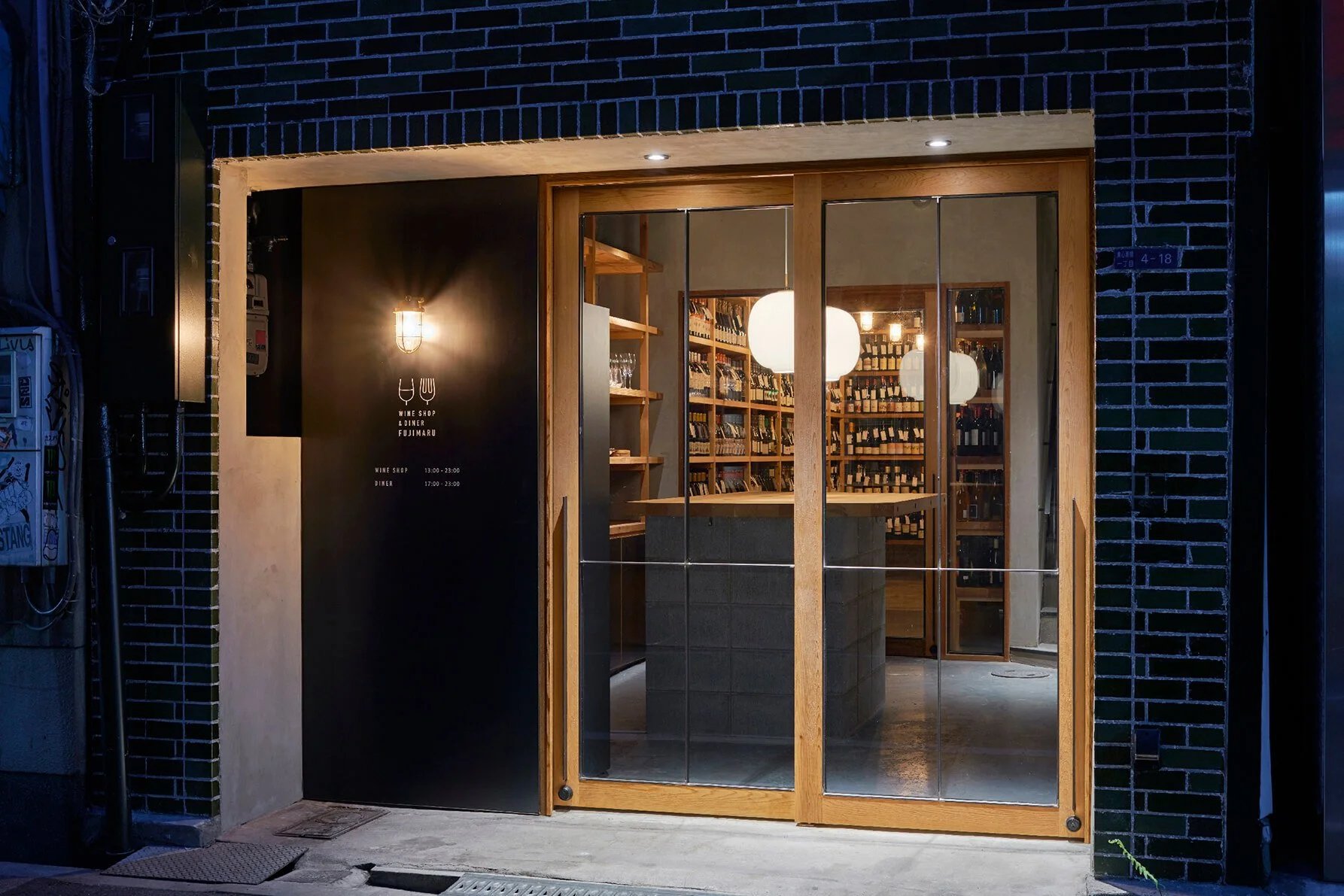

Fujimaru Higashi-Shinsaibashi
Chūō, Osaka
Bar in Osaka, Japan
 Book with Pearl
Why go
Fujimaru Higashi-Shinsaibashi is a practical pick for a wine-led stop in central Osaka, especially for small groups or repeat visitors who want something calmer than a cocktail crawl. Choose it when conversation and wine matter more than a big dining format or high-drama room.
About Fujimaru Higashi-Shinsaibashi
Fujimaru Higashi-Shinsaibashi is an Osaka venue with Star Wine List (2026) recognition and a casual dress code. It is open Tuesday through Saturday from 3–10 PM, with Monday and Sunday closed. For readers comparing nearby stops, Bar Nayuta is another Osaka option to consider.
Readers looking for a full dining plan should use our full Osaka restaurants guide; readers building a broader evening route should start with our full Osaka bars guide.
A Star Wine List-recognized Osaka stop
The strongest hook is simple: Fujimaru Higashi-Shinsaibashi has Star Wine List (2026) recognition. That makes it relevant for travelers who are specifically tracking wine-recognized venues in Osaka.
For planning, treat it as an evening stop rather than a lunch plan: the hours are 3–10 PM from Tuesday to Saturday. The dress code is casual. Beyond that, confirm current operating details directly with the venue before making firm plans.
How to fit it into an Osaka night
Use the hours as the anchor. Fujimaru Higashi-Shinsaibashi is open Tuesday, Wednesday, Thursday, Friday, Saturday from 3–10 PM, closed on Monday and Sunday. That makes it easier to place in an Osaka evening itinerary than in a daytime plan.
Compared with other Osaka options, the reason to keep Fujimaru Higashi-Shinsaibashi on the shortlist is its Star Wine List (2026) recognition. If the night calls for a different style of bar stop, Bar Nayuta may be worth comparing as part of a broader Osaka plan.
Quick read: choose it if you want an Osaka venue with Star Wine List (2026) recognition, casual dress, Tuesday–Saturday 3–10 PM hours; confirm any menu, seating, reservation, or service details directly before you go.
Planning details
- Location
- 1 Chome-4-18 Higashishinsaibashi, Chuo Ward, Osaka, 542-0083, Japan
- Website
- yoyaku.tabelog.com/yoyaku/net_booking_form/index?rcd=27111094
- Phone
- +81 6-6258-3515
The take
The Take
The Vibe
Fujimaru Higashi-Shinsaibashi reads like a precise editorial decision: a retail wine shop below and a drinking room above. That architecture gives the venue a refined, sophisticated character — the bottles you browse downstairs are the very menu you order from upstairs. The bar leans into curation over theatrics, positioning wine as a serious evening proposition in a district better known for whisky counters and cocktails. The result is quietly charming and purpose-built: a place where provenance and selection matter, and where the act of choosing a bottle blurs into the act of drinking it.
Best For
This is primarily an evening destination, especially well suited to people who want to explore wine thoughtfully. It works for date nights and casual hangouts where conversation and discovery are the point, and it naturally fits guests who enjoy learning about bottles while they sip. Because the retail shelf and the poured glass are the same inventory, visits also reward anyone interested in wine education or bringing home a standout bottle after tasting. The bar’s position within a dense drinking neighborhood makes it an intentional stop rather than a loud late-night spot.
Ordering Tips
Treat the ground-floor shop as your menu: most of the bottles you see downstairs are available to drink upstairs, so take time to browse before ordering. Ask staff to point out bottles that work both by the glass and to take home — the shop and bar operate to the same buying logic, so recommendations align with what you can actually buy. If you’re exploring, lean on the staff’s curation to guide a tasting progression rather than picking an unfamiliar bottle at random; the venue’s retail-first approach rewards guided choices.
Venue details
Ambiance
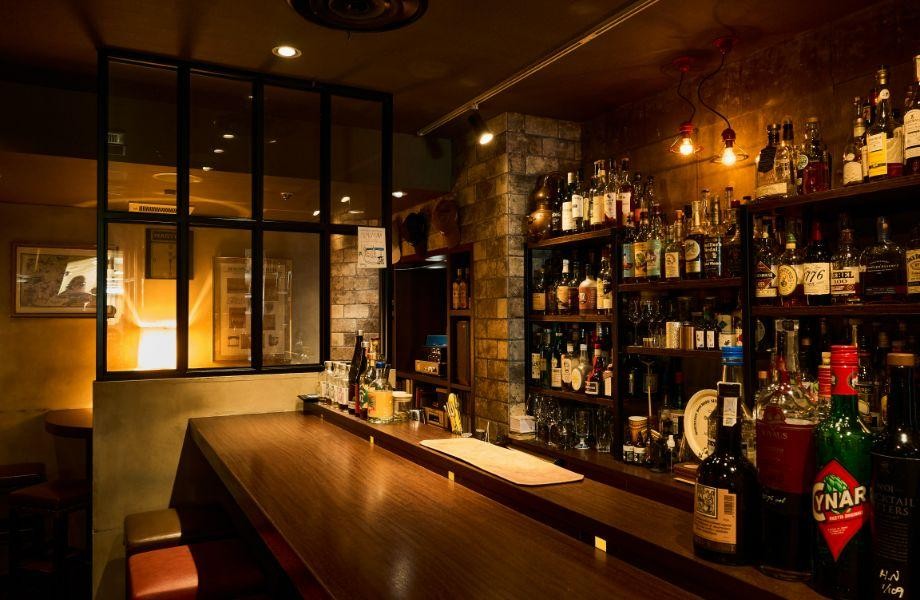
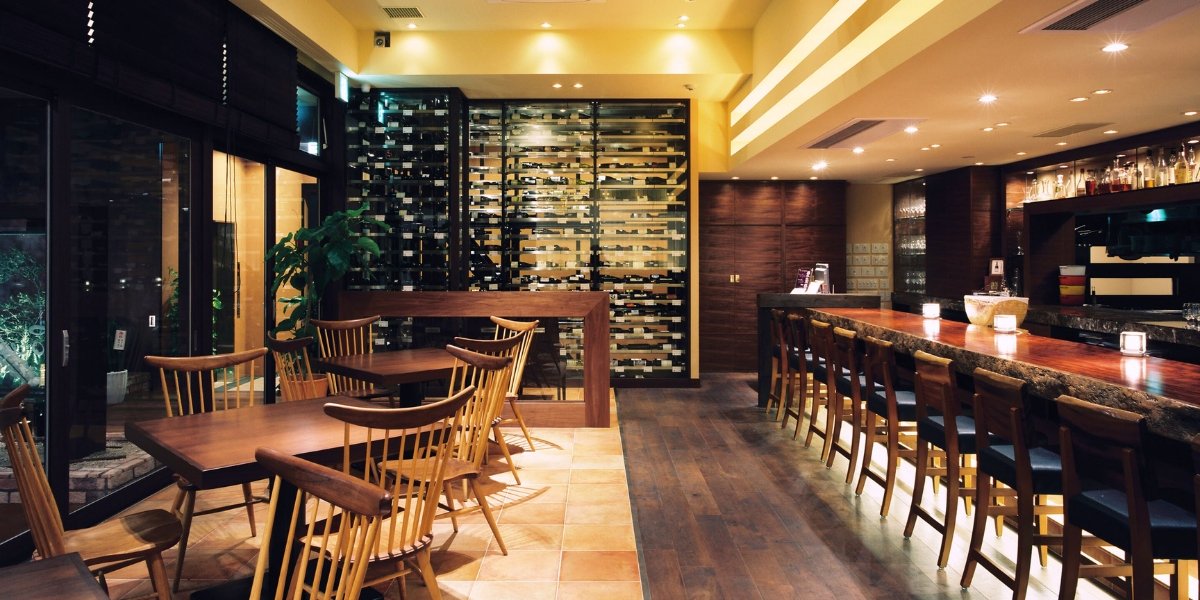
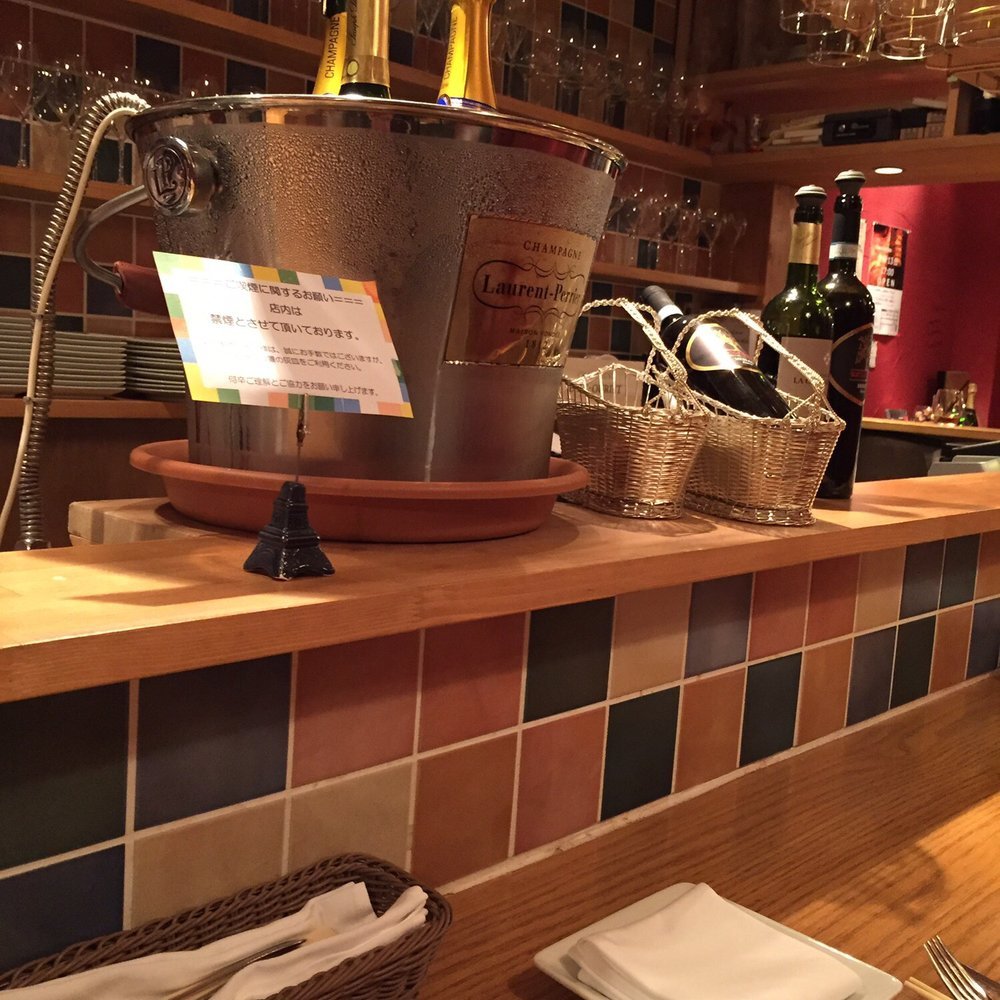
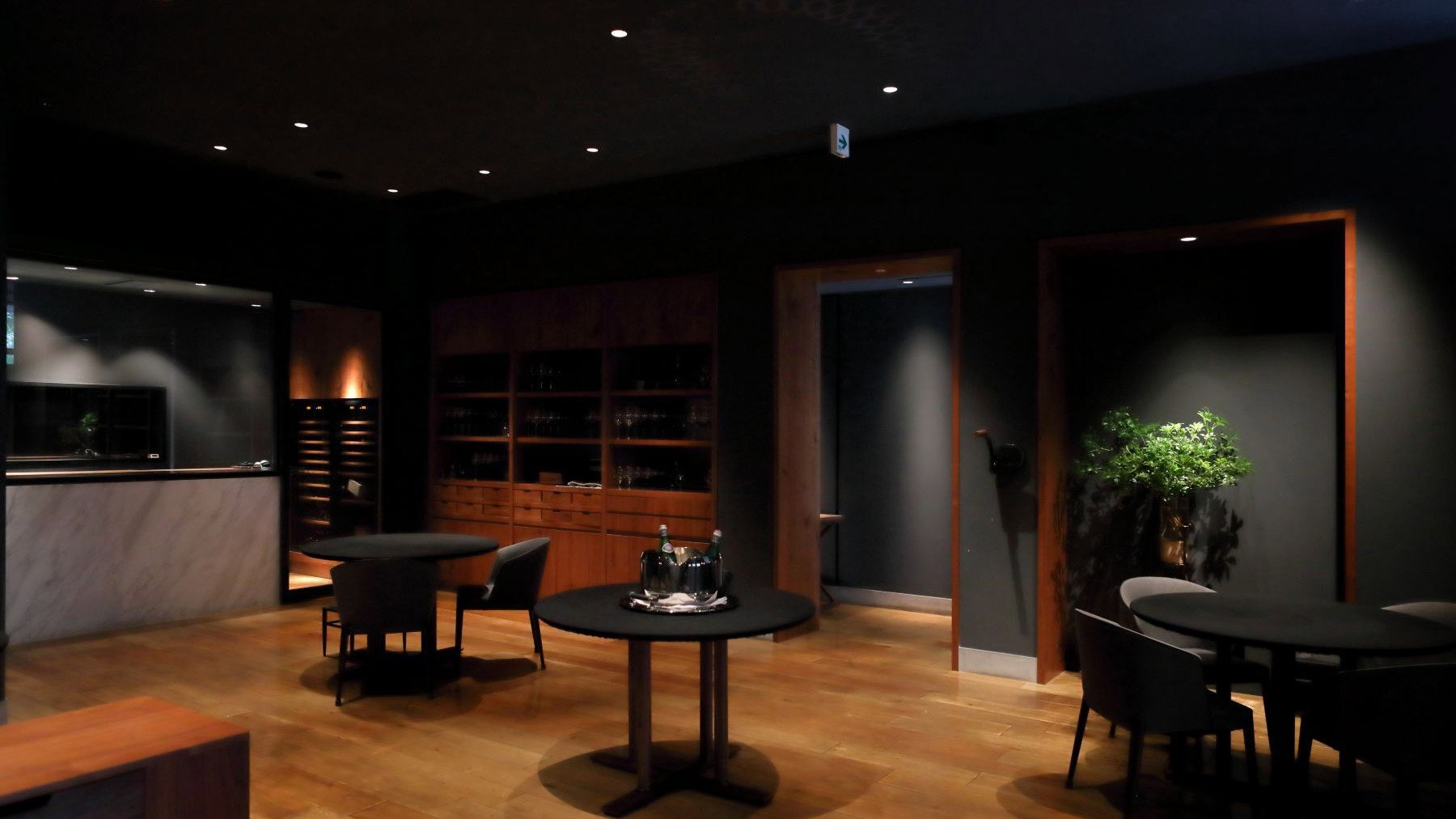
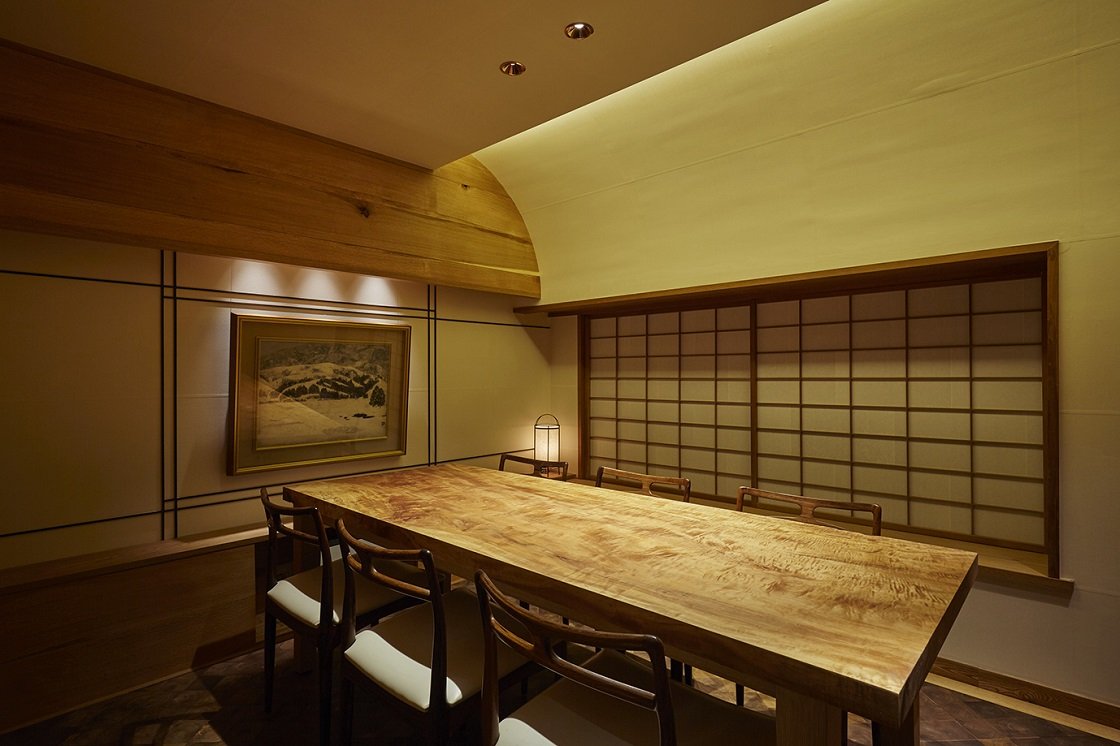
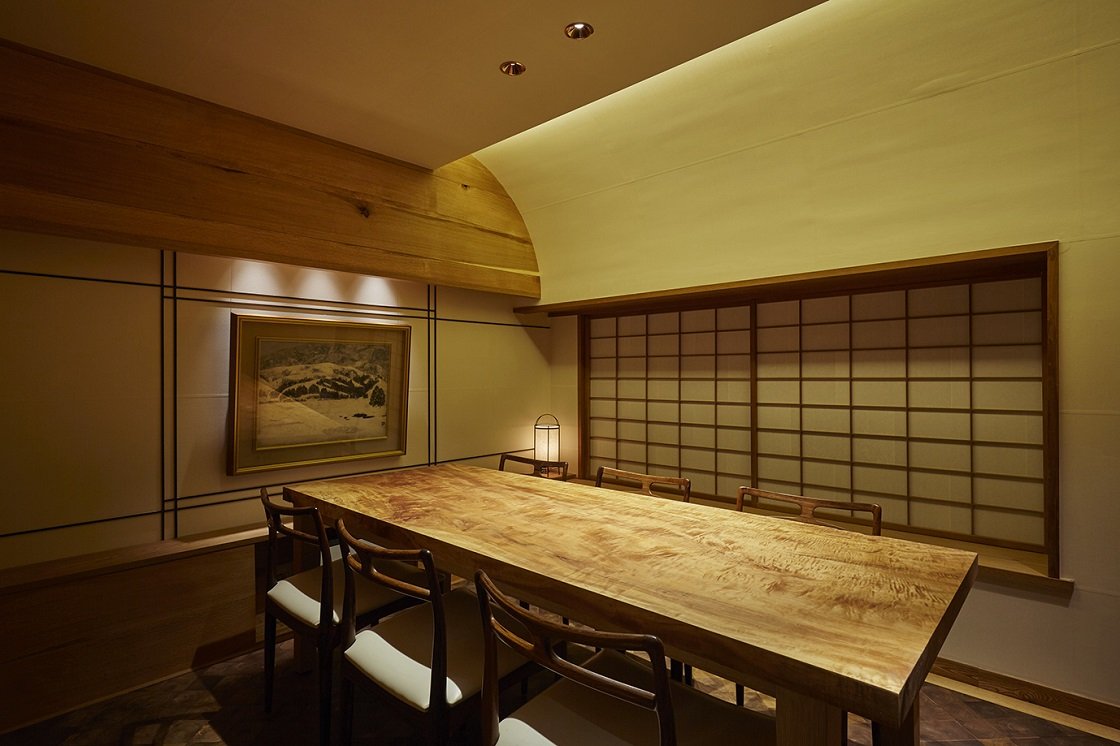
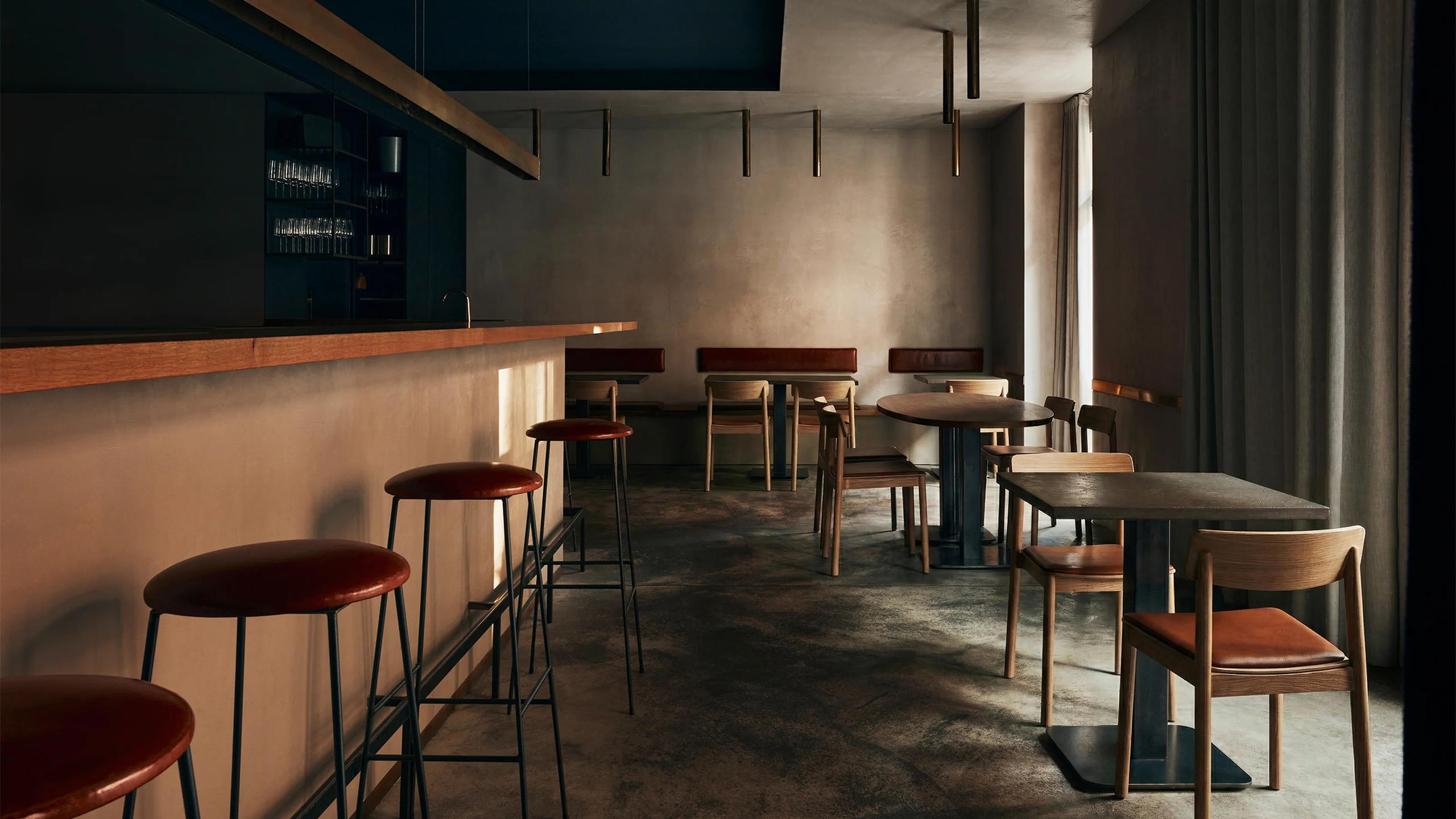
Casual, stylish space with red cedar standing counter, relaxing atmosphere using natural wood and iron materials for a rustic yet comfortable feel.
Tags
Vibe
Best For
Experience
Format
At the Bar
- Bar Category
- Wine Bar
- Late Night
- Closes by Midnight
Planning details
Location
1 Chome-4-18 Higashishinsaibashi, Chuo Ward, Osaka, 542-0083, Japan · Directions
yoyaku.tabelog.com/yoyaku/net_booking_form/index?rcd=27111094
Recognition and awards

Also consider
Also Consider
- Wine Bar Noam, Notable alternative
- Le Chat Noir, Notable alternative
- Shimanouchi Fujimaru Winery, Notable alternative
- Tempura Tarojiro, Notable alternative
- Bar Nayuta, Notable alternative
Bar context
How It Compares
Against Wine Bar Noam and Le Chat Noir, Fujimaru Higashi-Shinsaibashi is the safer choice when the brief is a relaxed wine stop in central Osaka rather than a room with more defined personality. With no confirmed price details across the set, the useful distinction is occasion: pick Fujimaru for an easy, low-pressure wine night; pick Le Chat Noir when the group wants a darker bar mood.
Shimanouchi Fujimaru Winery is the closer cross-shop for readers who want the Fujimaru orbit but a different setting. If the night is about wine as the main event, compare those two first. Bar Nayuta is the better alternative when cocktails and atmosphere matter more than wine; it is less of a direct substitute and more of a different-night choice.
Tempura Tarojiro sits outside the same Osaka bar decision and makes more sense when food is driving the plan. For value, Fujimaru is easiest to justify when it replaces an extra cocktail stop rather than a dinner reservation. For ambiance, it is the pick for a quieter, wine-first evening, not the pick for a high-energy late-night route.
Explore Osaka
Around this place
Discover more on Pearl
Unlock the full Fujimaru Higashi-Shinsaibashi guide in Pearl, including awards, comparisons, FAQs, planning details, and nearby places.
Compare Fujimaru Higashi-Shinsaibashi
| Venue | Location | Awards |
|---|---|---|
| Fujimaru Higashi-Shinsaibashi | Osaka | Star Wine Lists 2026 |
| Wine Bar Noam | Osaka | No published awards |
| Le Chat Noir | Osaka | No published awards |
| Shimanouchi Fujimaru Winery | Osaka | No published awards |
| Tempura Tarojiro | Osaka Shi | No published awards |
| Bar Nayuta | Osaka | 2026 Asia's 50 Best Bars 51-100 · #702025 Asia's 50 Best Bars · #100Top 500 Bars 2025 · #242 |


How Fujimaru Higashi-Shinsaibashi Osaka compares with similar nearby venues.
FAQ
Frequently Asked Questions
What's the crowd like at Fujimaru Higashi-Shinsaibashi?
Fujimaru Higashi-Shinsaibashi is in Osaka, has a casual dress code, is open Tuesday through Saturday from 3–10 PM.
Does Fujimaru Higashi-Shinsaibashi have outdoor seating?
Is the food good at Fujimaru Higashi-Shinsaibashi?
The confirmed details are its Osaka location, casual dress code, Tuesday–Saturday 3–10 PM hours, Star Wine List (2026) recognition.
Is Fujimaru Higashi-Shinsaibashi good for a date?
It may fit an Osaka evening plan if the hours and casual dress code suit what you have in mind. For any details beyond that, including seating, reservations, or menu options, check directly with the venue.