


W Osaka
Chūō, Osaka
Hotel in Osaka, Japan
 Book with Pearl
The Read
Ando Facade, Chromatic Interior
Why go
Book W Osaka if you want a central Chuo Ward base with a livelier, design-led hotel feel and recognized luxury credentials. It is less convincing as a dining-first booking because verified restaurant format, cuisine, and menu pricing are not strong decision anchors here. Cross-shop The St. Regis Osaka for a more formal luxury stay or Candeo Hotels Osaka Shinsaibashi for a more practical Shinsaibashi option.
About W Osaka
Is W Osaka worth booking? W Osaka is a premium hotel option in Osaka with recognition including Michelin 1 Key (2024), Forbes Recommended (2026), and Virtuoso Luxury Hotel Partner (2026). The dress code is smart casual.
The decision point is not dining alone. Do not book on the assumption that any on-site dining is a destination meal by itself; check current official restaurant details if dining will shape your stay. Book because you want W Osaka specifically as your Osaka hotel, then plan meals separately through Our full Osaka restaurants guide.
Book for W Osaka as a recognized hotel stay, not a documented dining retreat
The strongest case for W Osaka is its hotel recognition: Michelin 1 Key (2024), Forbes Recommended (2026), and Virtuoso Luxury Hotel Partner (2026). If you are deciding between hotel styles, compare W Osaka with The St. Regis Osaka, Candeo Hotels Osaka Shinsaibashi, Osaka Excel Hotel Tokyu, and Cuvée J2 Hôtel Osaka by Onko Chishin using their current official details before committing.
Keep the booking decision focused on hotel-level information, and check current restaurant concepts, bar details, wellness facilities, room categories, prices, and service formats directly if those details are important to your stay. For broader hotel scouting, compare it against Our full Osaka hotels guide, then use Our full Osaka bars guide if the evening plan matters more than the hotel restaurant.
Who should choose it, and who should cross-shop
Choose W Osaka if you want an Osaka hotel with premium recognition and a smart casual standard. Skip using it as a dining-led choice unless you have checked current official restaurant information directly, especially if a named chef, cuisine, tasting-menu format, pricing, or specific on-property dining concept would affect your plans. Travelers comparing other Osaka stays should also look at Cuvée J2 Hôtel Osaka by Onko Chishin and 3-chōme-6-12 Honmachi before deciding.
Planning details
- Location
- 4-chōme-1-3 Minamisenba, Chuo Ward, Osaka, 542-0081
- Website
- marriott.com/en-us/hotels/osaow-w-osaka/overview/?scid=f2ae0541-1279-4f24-b197-a979c79310b0
- Phone
- +81 6-6484-5355
The take
The Take
The Vibe
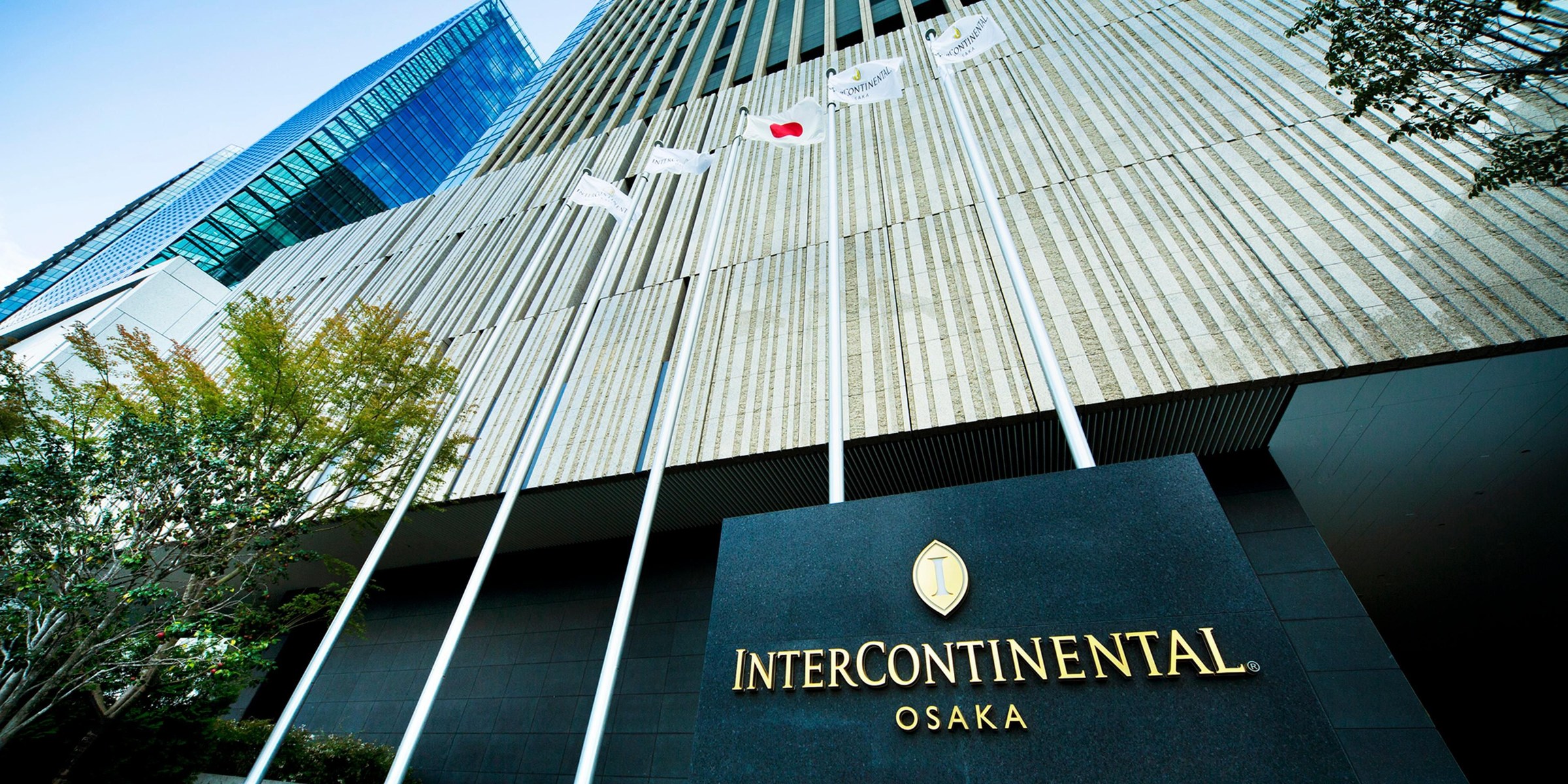
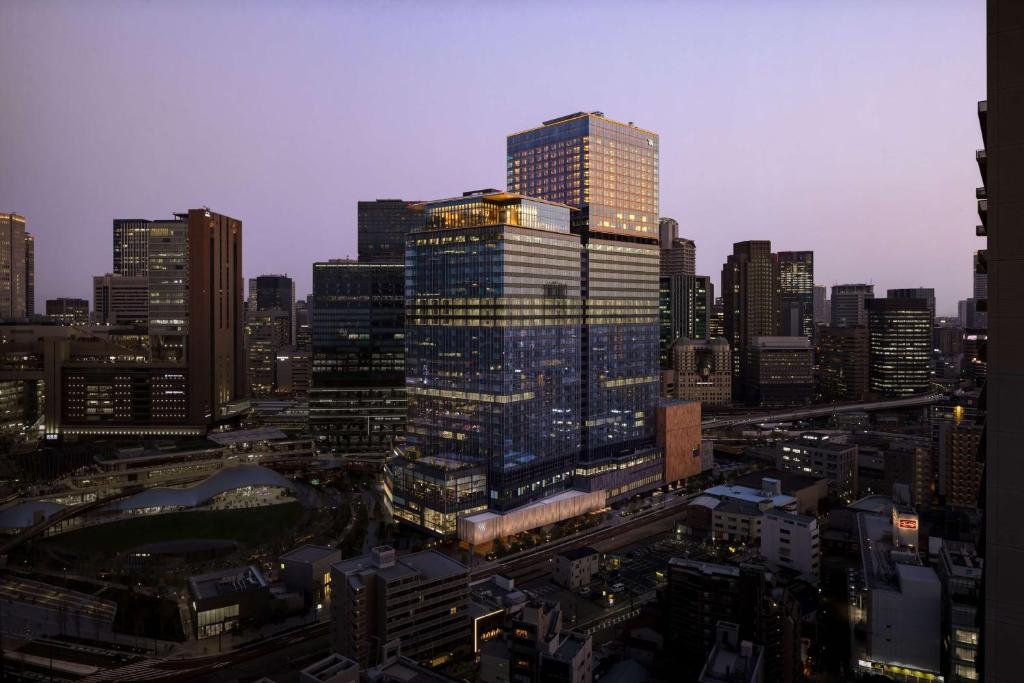
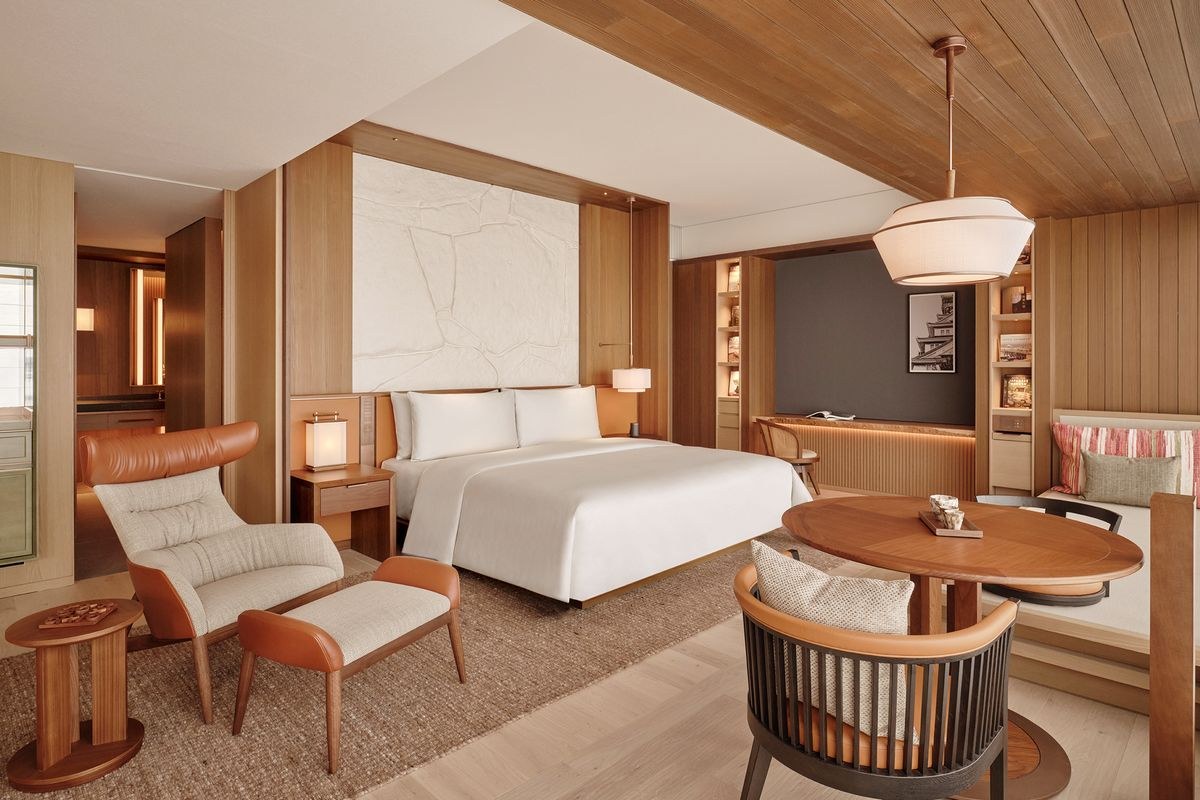
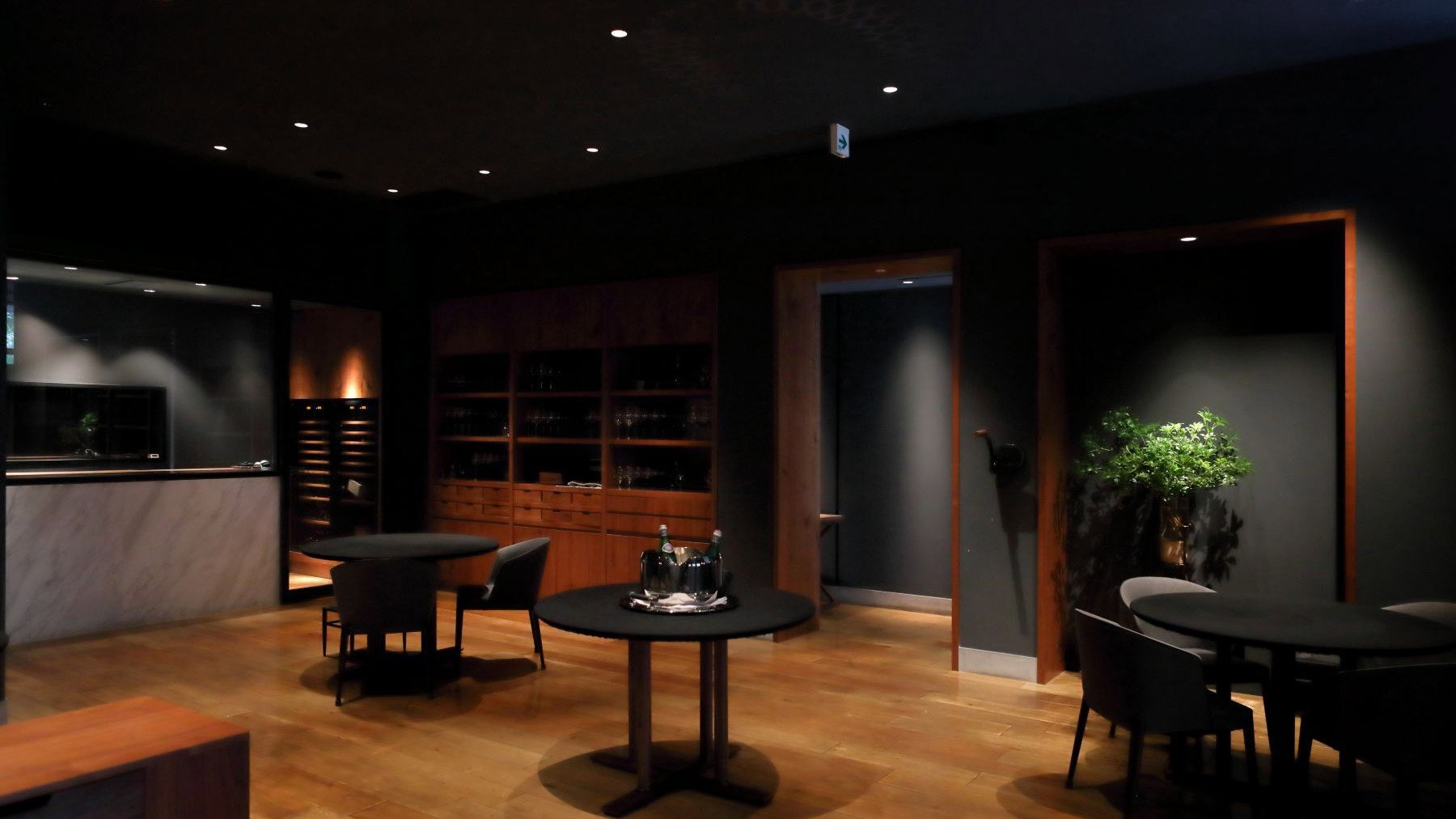
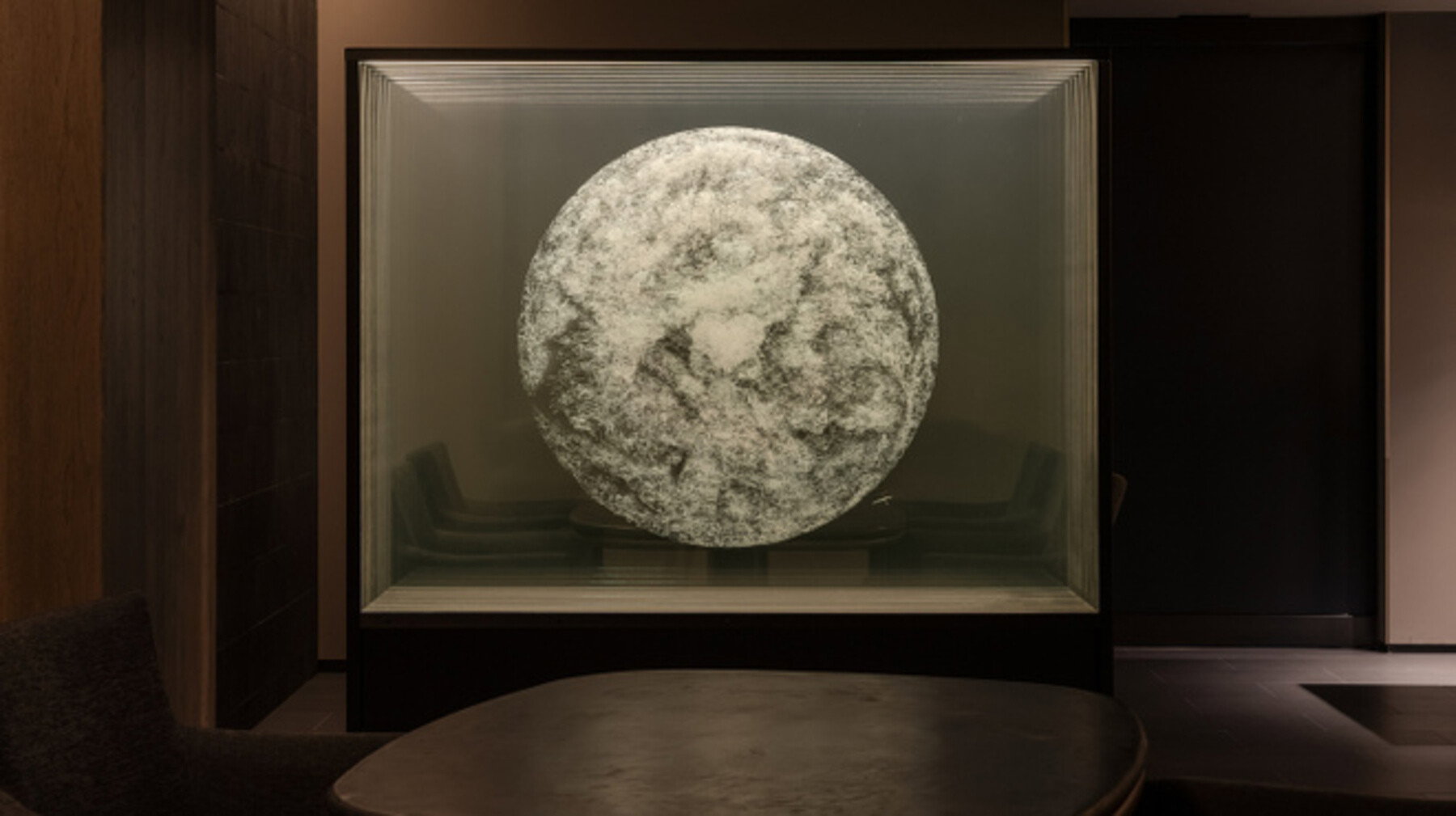
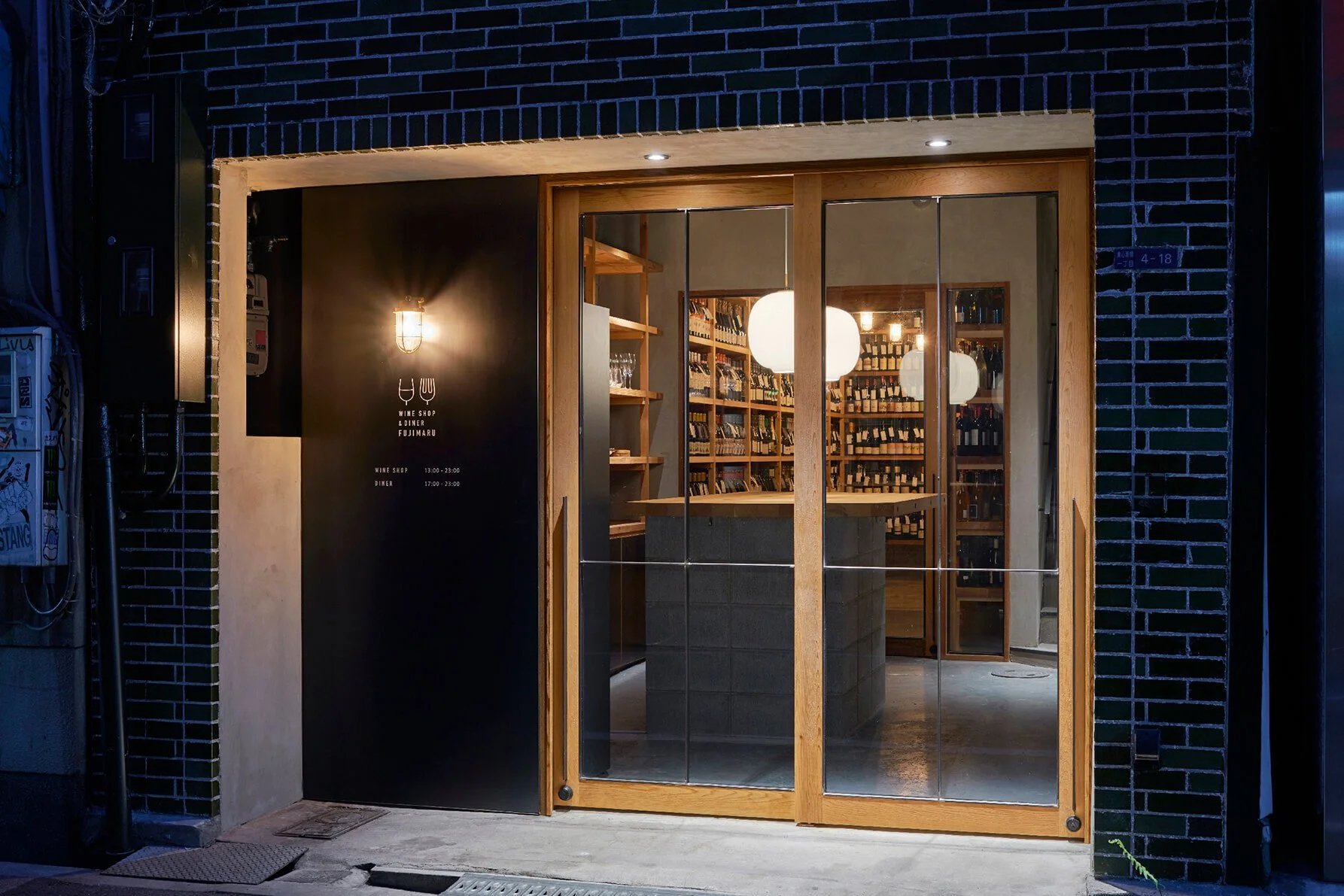
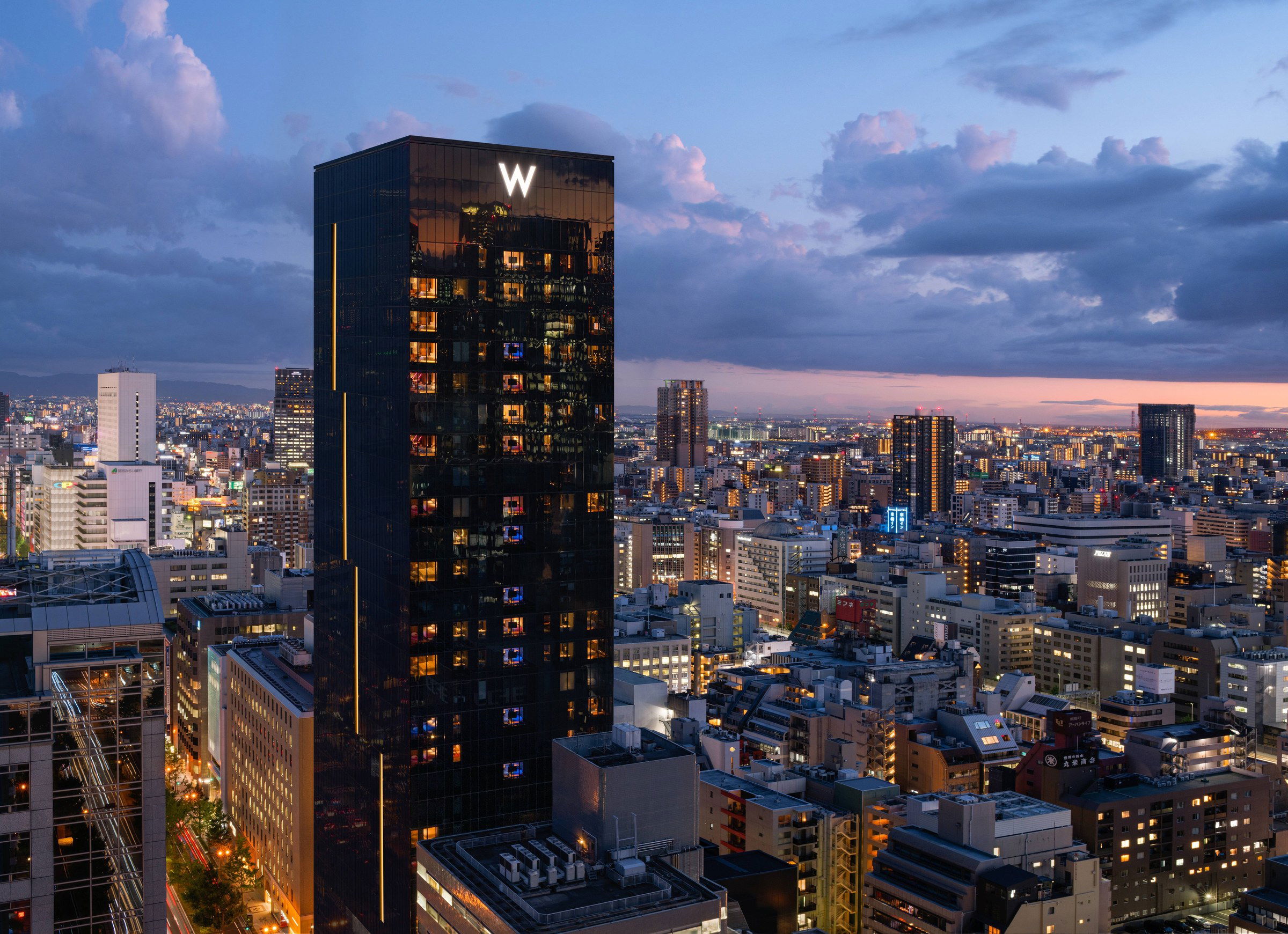
W Osaka announces itself from the street as a Tadao Ando-designed black monolith, a deliberately sealed facade that belies the interior’s vibrant personality. Inside the palette shifts into movement, color and light: the Living Room lobby is treated as a social stage with rainbow-hued chairs, art installations and live DJ performances. The hotel embraces a high-energy, design-forward approach that sits apart from Osaka’s quieter luxury properties, intentionally courting a local crowd and forging its public spaces into a neighborhood gathering point as much as a hotel reception.
Best For
The property suits travelers who want design, nightlife and a lively social scene woven into their stay. It works well for weekend escapes and business trips that spill into after-work cocktails, as the Living Room functions like a neighborhood venue where hotel guests mix with locals. Afternoon tea and DJ-driven evenings mean the hotel is useful across daytime and night-time occasions; it’s a place for celebration, people-watching and soaking up Shinsaibashi’s energetic vibe without leaving the building.
Stay Tips
Expect a theatrical public program rather than a quiet lobby experience: plan to spend time in the Living Room for afternoon tea or evening DJ sets. Because the lobby operates as a social venue and draws local foot traffic, arrive early for preferred seating and to experience the art installations and the atmosphere before peak crowding. The hotel’s design credentials are part of the draw, so allow time to take in the interior contrasts after passing Ando’s austere exterior.
Venue details
Ambiance
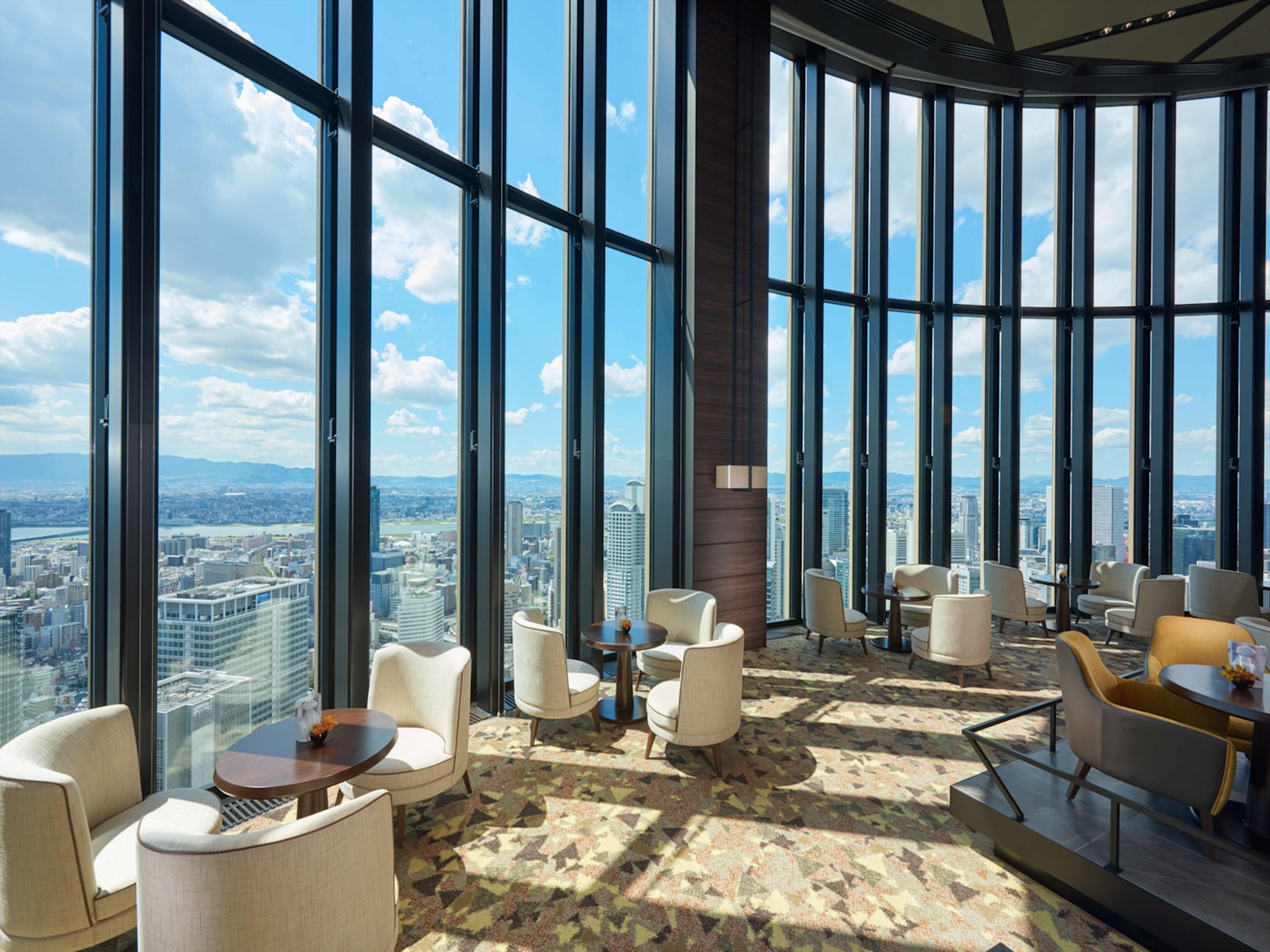
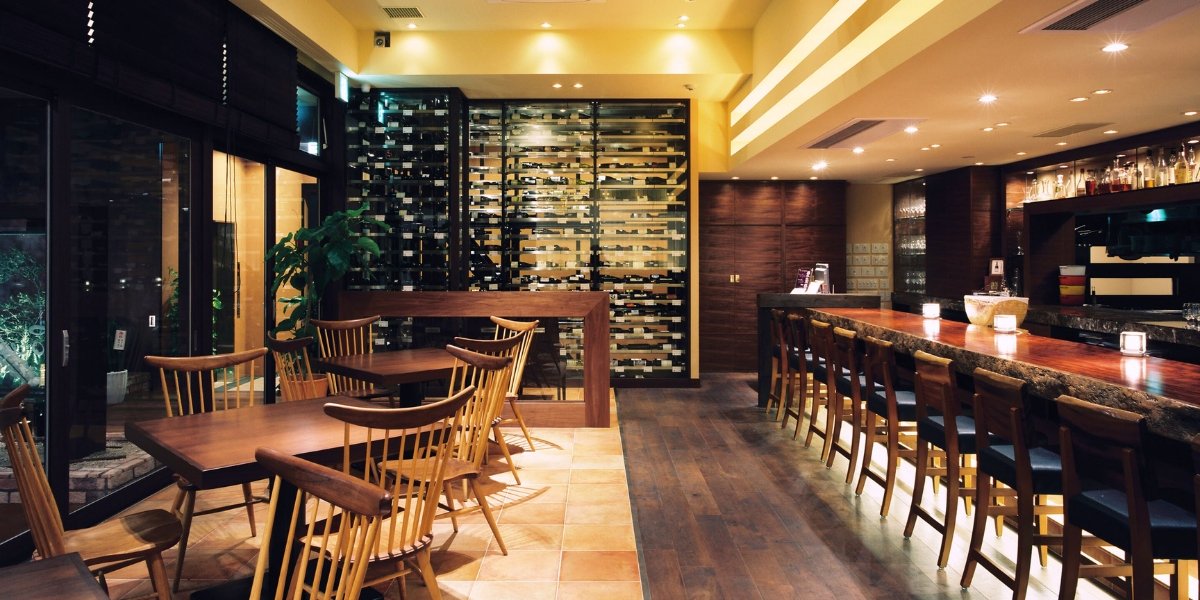
Modern and energetic with neon accents, floor-to-ceiling windows framing city skyline views, and a lively atmosphere that transitions from relaxed daytime lounge to vibrant nightlife venue.
Tags
Vibe
Best For
Experience
Amenities
View
Accessibility
About the Stay
- Rooms
- 337
- Check-in
- 15:00
- Check-out
- 11:00
- Property Style
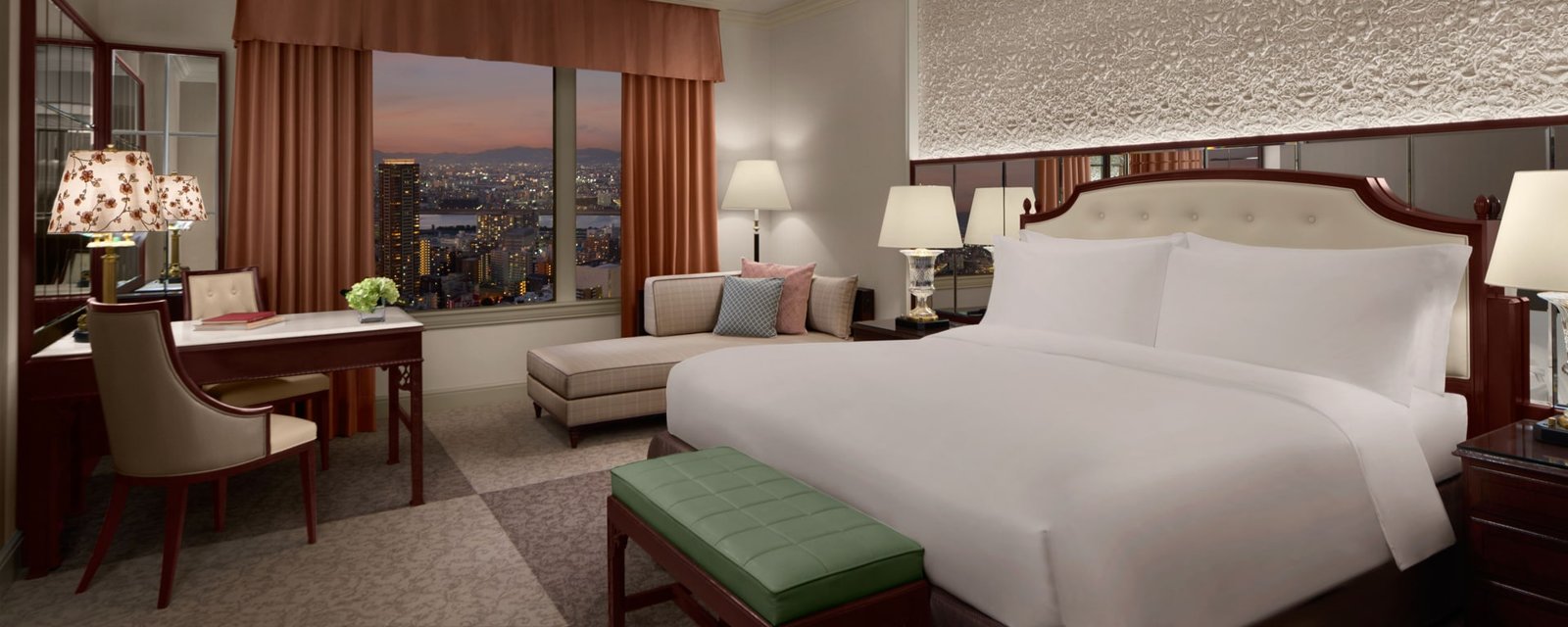
- Contemporary Luxury Design Hotel Celebrating Urban Vibrancy with Playful, Sensory Driven Spaces and Cutting Edge Amenities.
- Design Style
- Modern Minimalist with Neon Accents, Floor to Ceiling Windows, and Dynamic Lighting That Reflects Osaka's Bustling Energy While Maintaining Sophisticated Elegance.
Know before you go
Know Before You Go
- Getting there
- 4-chōme-1-3 Minamisenba, Chuo Ward, Osaka, 542-0081
Planning details
Location
4-chōme-1-3 Minamisenba, Chuo Ward, Osaka, 542-0081 · Directions
marriott.com/en-us/hotels/osaow-w-osaka/overview/?scid=f2ae0541-1279-4f24-b197-a979c79310b0
Recognition and awards


Also consider
If W Osaka is not the right fit
Book The St. Regis Osaka instead if the trip calls for a quieter, more traditional luxury hotel. Choose Candeo Hotels Osaka Shinsaibashi if Shinsaibashi access and value matter more than a higher-end lifestyle atmosphere.
Hotel context
How it compares with nearby Osaka hotels
W Osaka is the pick for travelers who want Chuo Ward access with a more social, design-led atmosphere. The St. Regis Osaka is the safer choice for a more formal luxury stay, especially if polished service matters more than a lively hotel mood. Osaka Excel Hotel Tokyu is the more practical cross-shop when location and value matter more than luxury recognition.
Cuvée J2 Hôtel Osaka by Onko Chishin is the more niche option if the trip is built around a distinctive hotel concept rather than the broader W brand feel. Candeo Hotels Osaka Shinsaibashi is easier to justify for travelers who want Shinsaibashi convenience without paying for a higher-recognition luxury stay.
3-chōme-6-12 Honmachi belongs in the comparison only if Honmachi access is the deciding factor. For a splurge, choose W Osaka over the value-led options when ambiance and hotel energy are part of the trip. For a lower-friction booking, start with Osaka Excel Hotel Tokyu or Candeo Hotels Osaka Shinsaibashi.
Explore Osaka
Around this place
Discover more on Pearl
Unlock the full W Osaka guide in Pearl, including awards, comparisons, FAQs, planning details, and nearby places.
Compare W Osaka
| Venue | Location | Awards |
|---|---|---|
| W Osaka | Osaka | 2026 Forbes Recommended2026 Virtuoso Luxury Hotel Collection2026 Michelin 1 KeyMichelin 1 Key 20252025 Michelin 1 Key2025 Forbes Recommended2024 Michelin 1 Key |
| Osaka Excel Hotel Tokyu | Osaka | Preferred Hotels Member 2025 |
| Cuvée J2 Hôtel Osaka by Onko Chishin | Osaka | Small Luxury Hotels Member 2025 |
| 3-chōme-6-12 Honmachi | Osaka Shi | No published awards |
| The St. Regis Osaka | Osaka | 2026 Forbes Recommended2026 Virtuoso Luxury Hotel Collection2026 La Liste Top Hotels2025 Michelin Selected Hotels2025 Forbes 4-Star |
| Candeo Hotels Osaka Shinsaibashi | Osaka | No published awards |





How W Osaka compares with similar nearby venues.
FAQ
Frequently Asked Questions
How is the pool and spa at W Osaka?
If wellness facilities are central to your trip, check the hotel's current official pool and spa information and compare it with The St. Regis Osaka before booking.
When is the best time to book W Osaka?
Book according to your travel dates, room needs, and the hotel's current availability, and compare options such as Candeo Hotels Osaka Shinsaibashi if you are still deciding.
How is the location of W Osaka?
W Osaka is in Osaka. Confirm the exact location through the hotel's official channels before booking. You can also compare it with Cuvée J2 Hôtel Osaka by Onko Chishin when choosing between Osaka hotels.
How does W Osaka compare to other hotels?
Choose W Osaka if its recognition matters to you: Michelin 1 Key (2024), Forbes Recommended (2026), and Virtuoso Luxury Hotel Partner (2026). Also compare current official details for The St. Regis Osaka, Osaka Excel Hotel Tokyu, and Candeo Hotels Osaka Shinsaibashi before deciding.
Is W Osaka good for business travel?
W Osaka may be worth considering for business travel if you want an Osaka hotel with premium recognition. The Michelin 1 Key (2024), Forbes Recommended (2026), and Virtuoso Luxury Hotel Partner (2026) markers support it as a recognized hotel choice, though Osaka Excel Hotel Tokyu may also be worth comparing for your dates and needs.