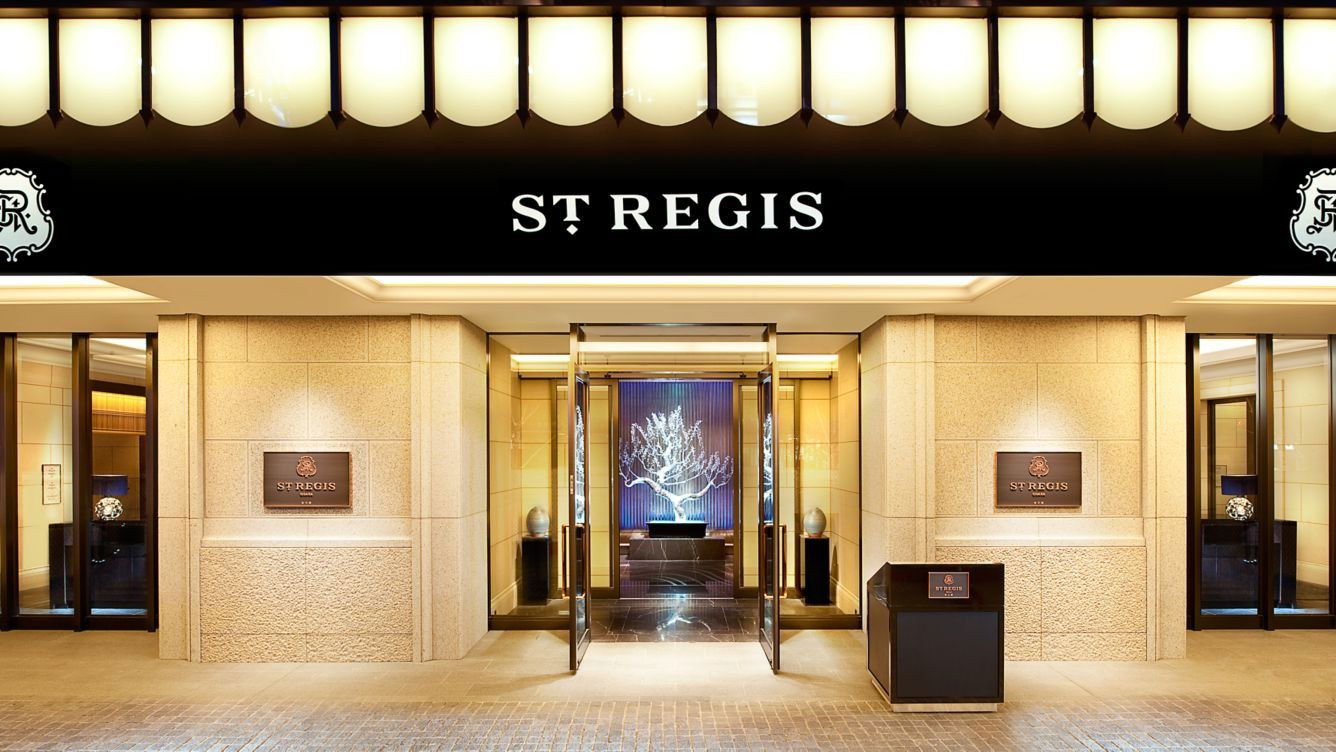




The St. Regis Osaka
Chūō, Osaka
Hotel in Osaka, Japan
 Book with Pearl
The Read
Butler-Standard Midosuji Address
Why go
The St. Regis Osaka is the right call for travelers who want polished luxury, a central Honmachi address, and Marriott-backed consistency over a louder hotel scene. It is easiest to justify for business trips, repeat Osaka stays, and couples who value room quality and service calm more than nightlife energy.
About The St. Regis Osaka
For an Osaka stay, the decision is less about chasing a specific neighborhood story and more about whether a recognized luxury hotel is worth choosing over other options. The St. Regis Osaka is a sensible pick if the stay needs to feel polished rather than casual. For a return trip to the city, it makes the clearest case when the hotel is intended to be a composed base for rest and time in Osaka.
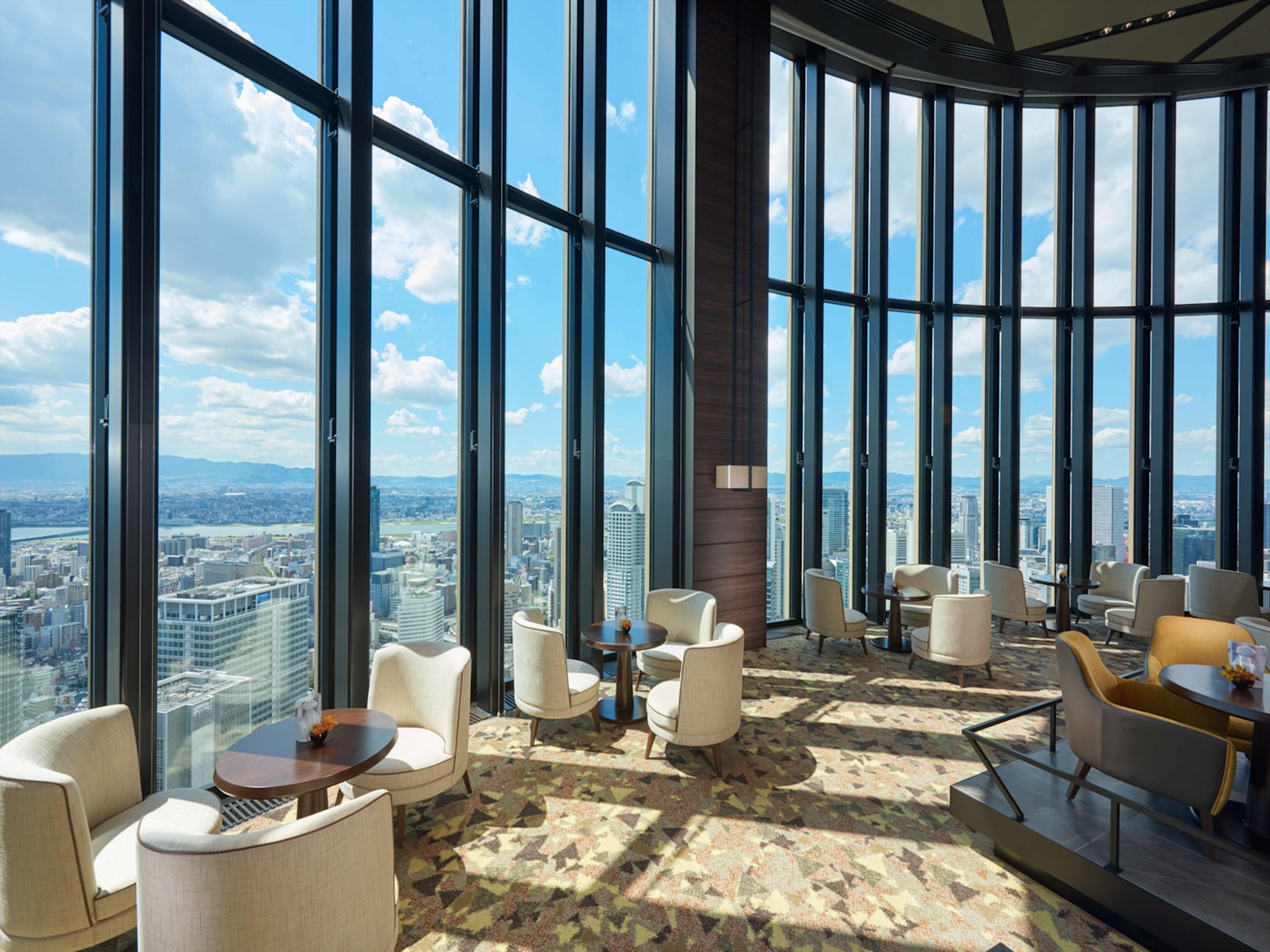
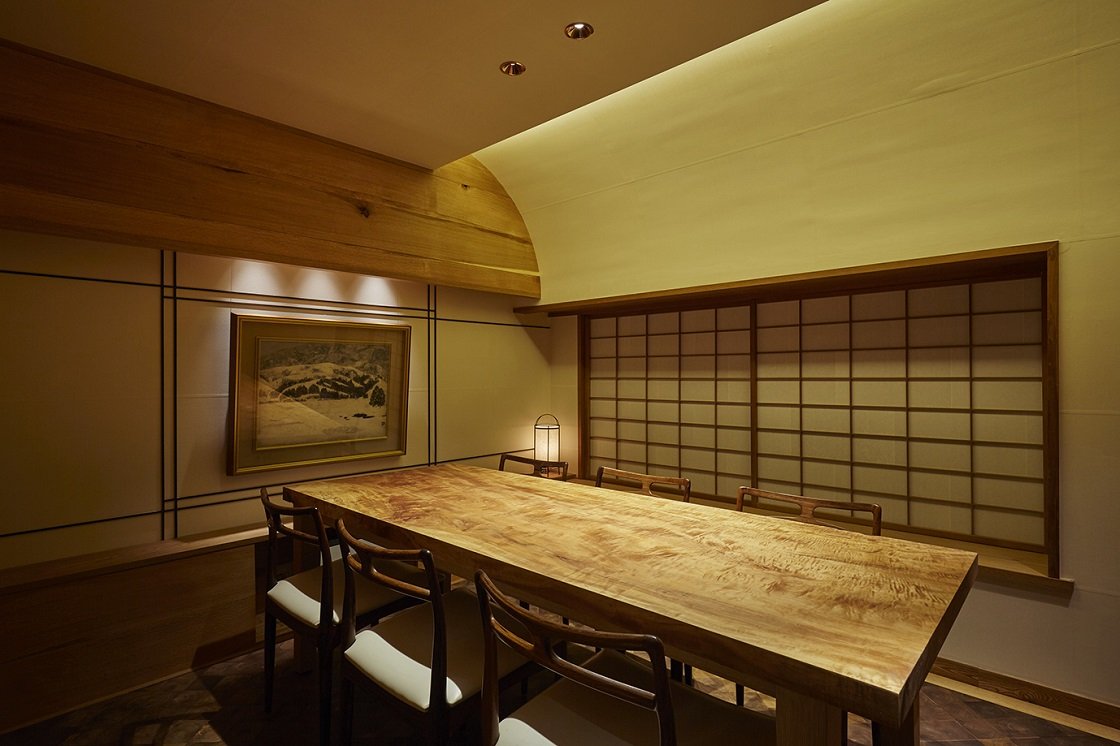
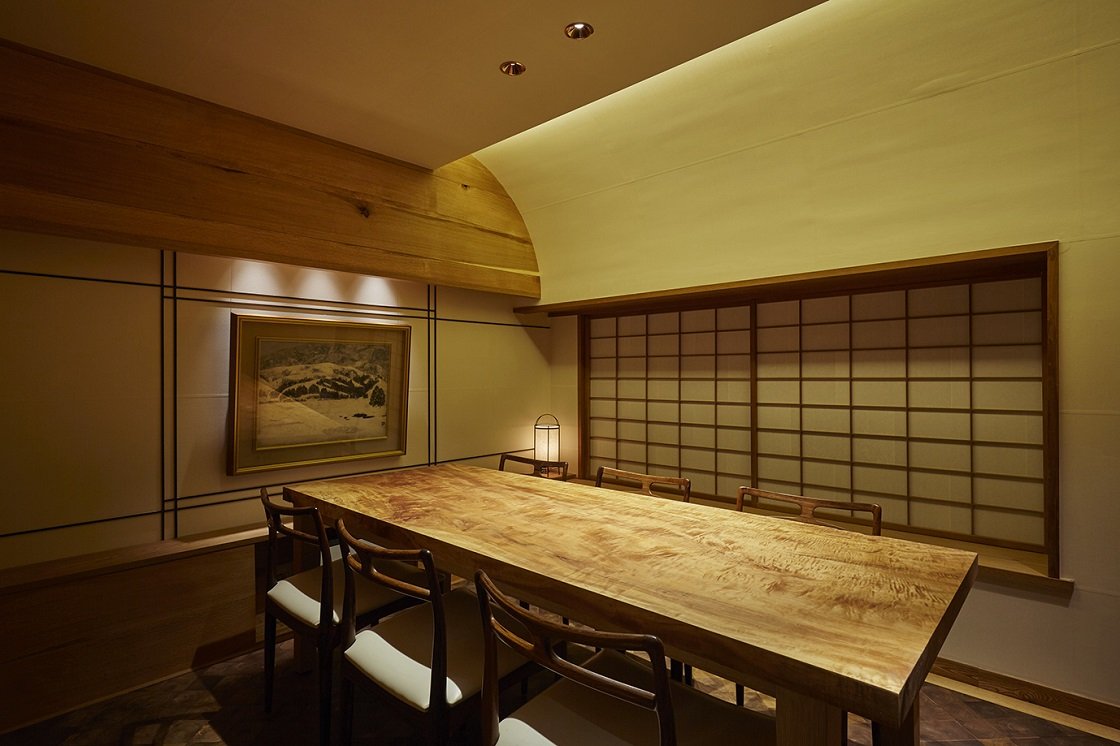
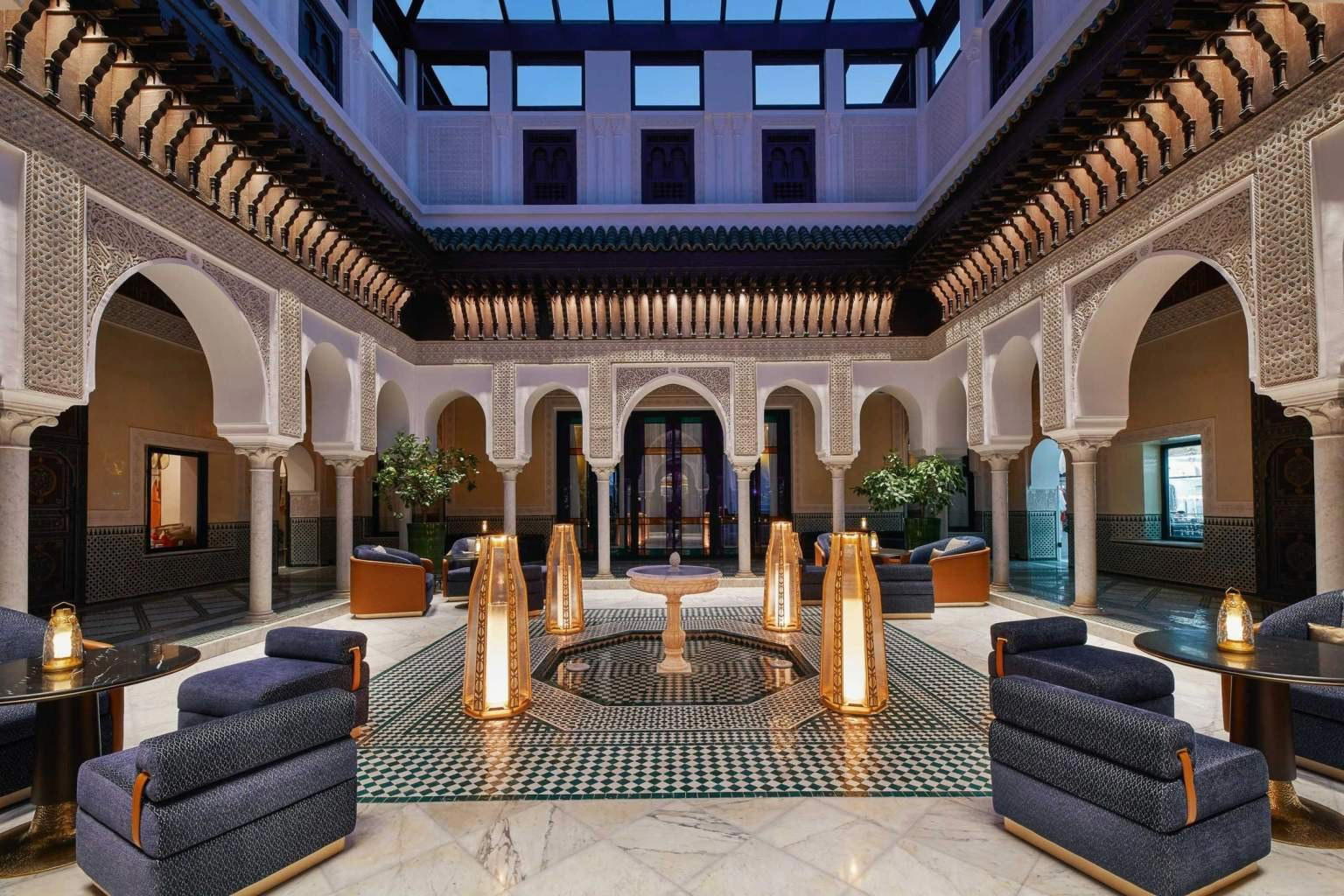
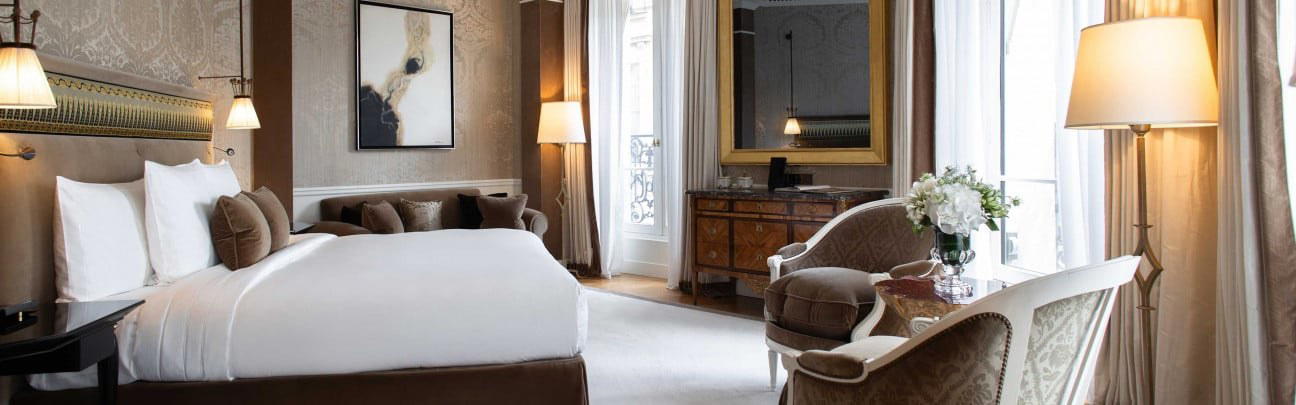
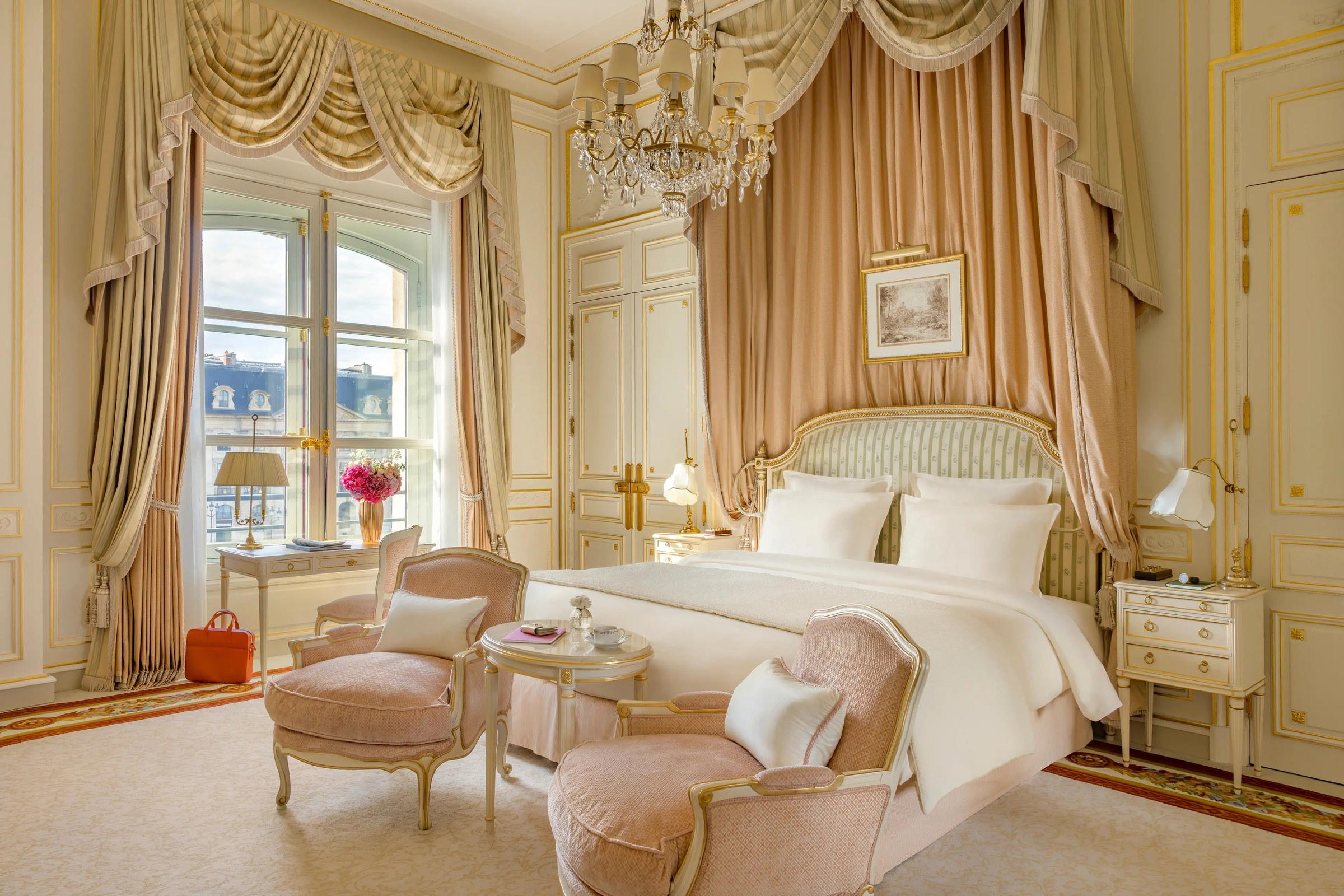
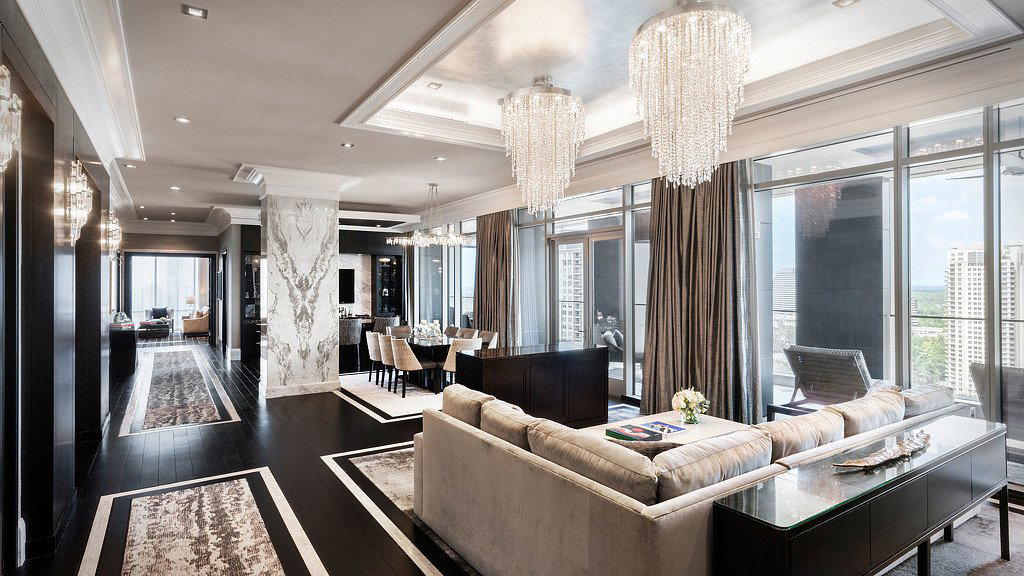
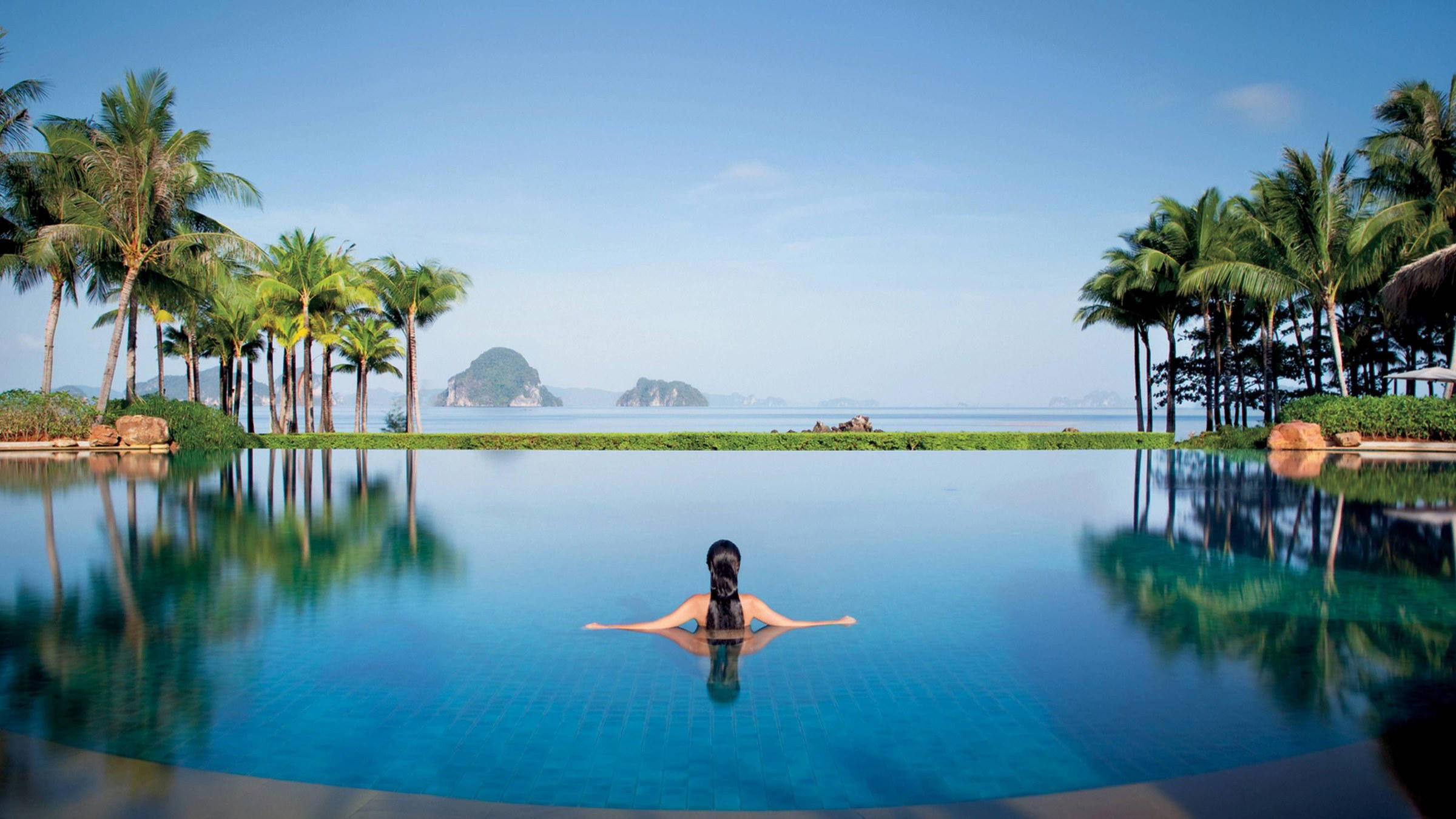
The visual read should be kept broad: this is a hotel to consider when a luxury setting matters more than a casual hotel mood. If the next Osaka stay is built around a different style, compare alternatives before booking. If the brief is a recognized hotel in Osaka with recognition from major hotel guides and travel networks, The St. Regis Osaka is an easy property to keep on the shortlist.
Choose the room tier for space and calm, not novelty
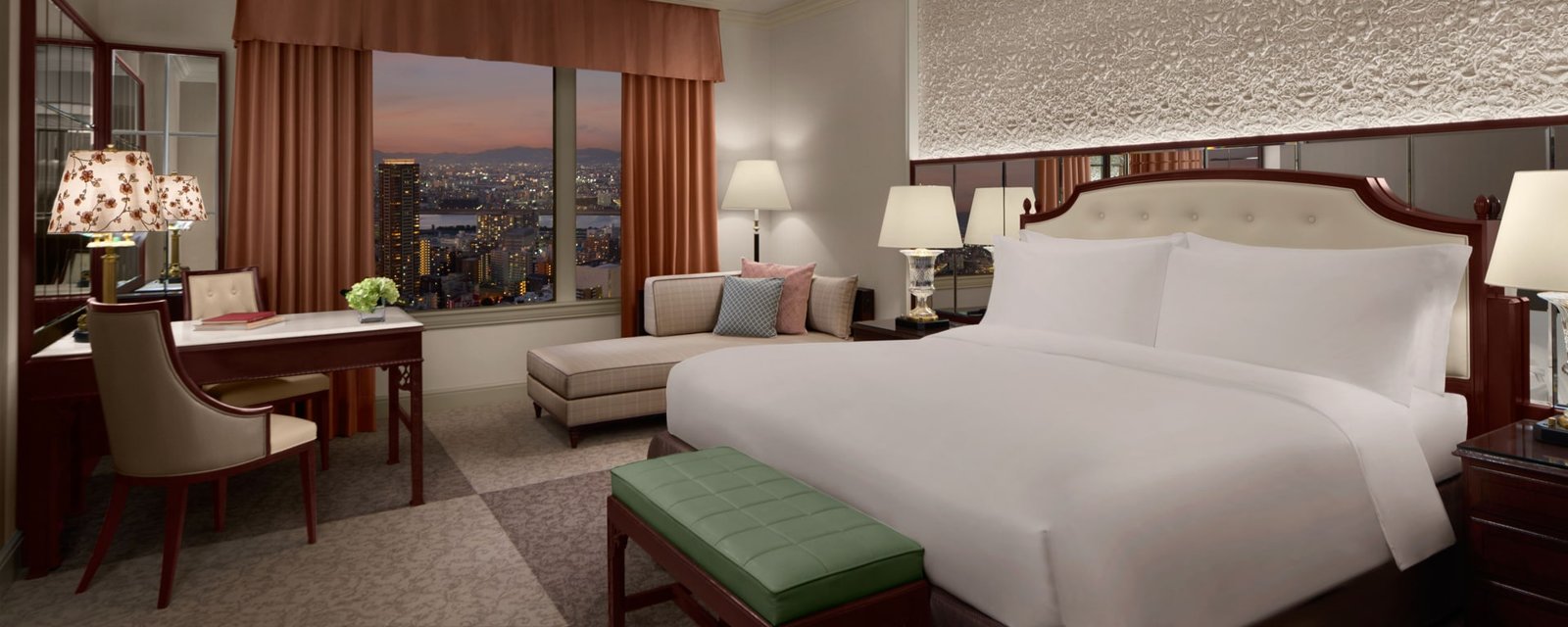
The room-category question should be approached practically: avoid paying up just for a label unless the upgraded category gives a materially better fit for the trip. With a hotel like this, the value is easiest to justify when the room choice supports how the stay will actually be used. Prioritize the category that best matches sleep, luggage, and downtime rather than assuming the most expensive option is automatically the right one.
For couples using Osaka as a base, a higher room tier can make sense if the hotel is also where meaningful downtime happens. For solo travel, the smarter move may be to keep the room spend controlled unless an upgrade clearly improves the stay. Anyone needing specific bedding or room-configuration details should confirm those directly before committing to a premium category.
Book it for recognized luxury, cross-shop for personality
This is not the hotel to choose because it feels experimental. It is the hotel to choose because its recognition supports a more formal luxury positioning in Osaka. For broader planning, Our full Osaka hotels guide is the better place to compare the overall hotel landscape before locking the room.
The trade-off is fit and price. Travelers should compare The St. Regis Osaka with W Osaka, Osaka Excel Hotel Tokyu, Moxy Osaka Honmachi, and HOTEL RESOL TRINITY OSAKA to see which property best matches the trip and budget.
The award profile supports the luxury positioning: Forbes 4-Star recognition in 2025, Forbes Recommended recognition in 2026, MICHELIN Guide hotel selection in 2025, Virtuoso Luxury Hotel Partner status in 2026, and a La Liste Top Hotels 2026 score of 95 points all point to a property competing above standard business hotels. That does not mean every traveler should pay the premium. It means the premium is easiest to justify when luxury recognition and a polished Osaka base matter more than trend value.
For the current booking cycle, compare rates carefully rather than assuming The St. Regis Osaka is always the best-value choice. If dates are fixed, compare prices early and only move up a category when the room benefit is clear. If the trip is flexible, use this as the polished anchor and build dining from Our full Osaka restaurants guide or drinks from Our full Osaka bars guide.
Part of
St. Regis83 locations on PearlInside The St. Regis Osaka
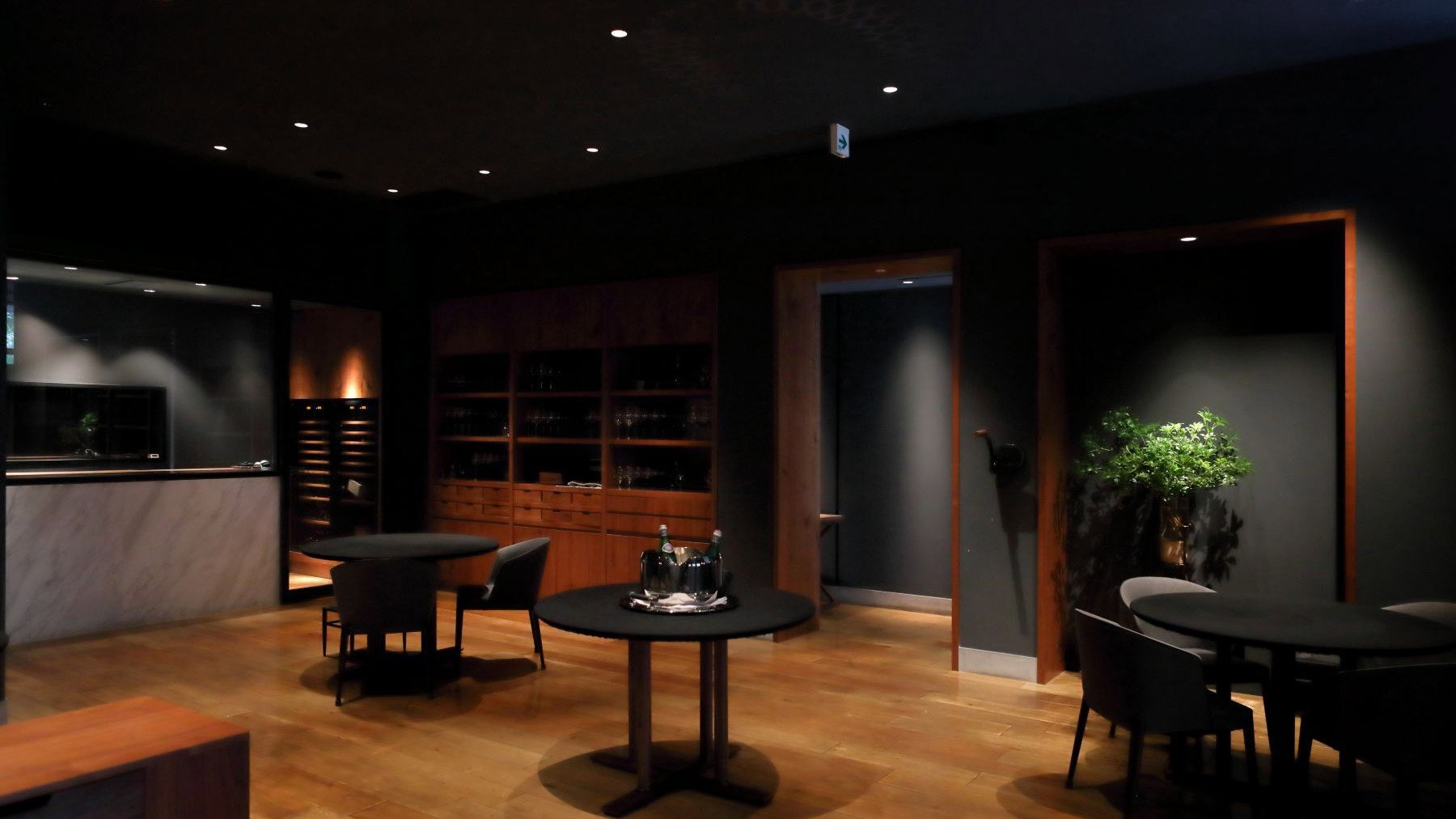
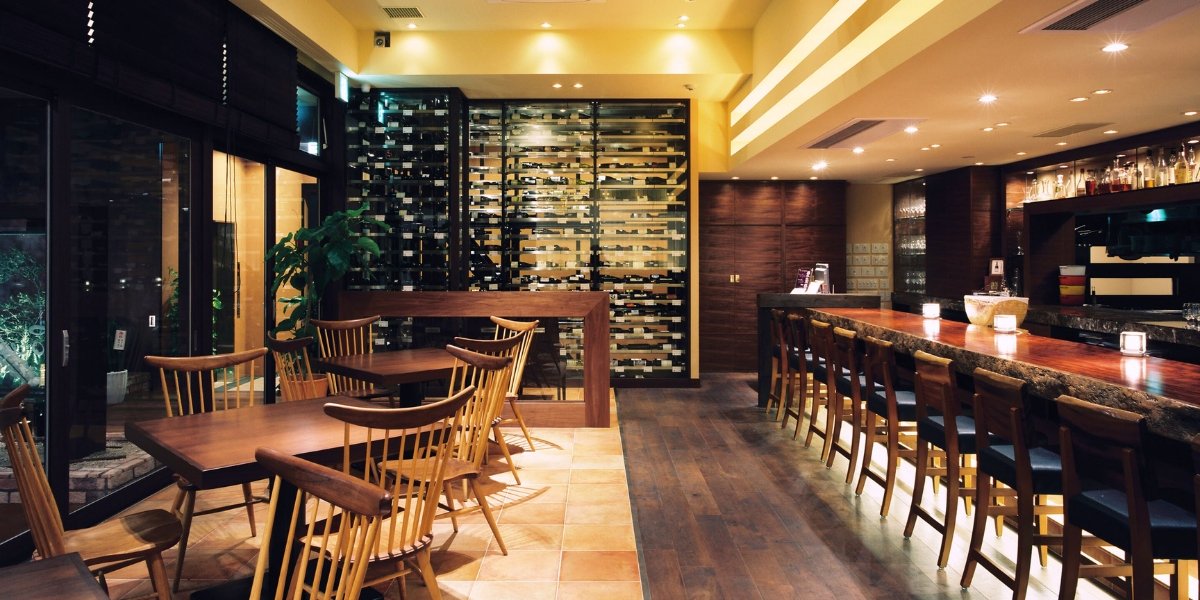
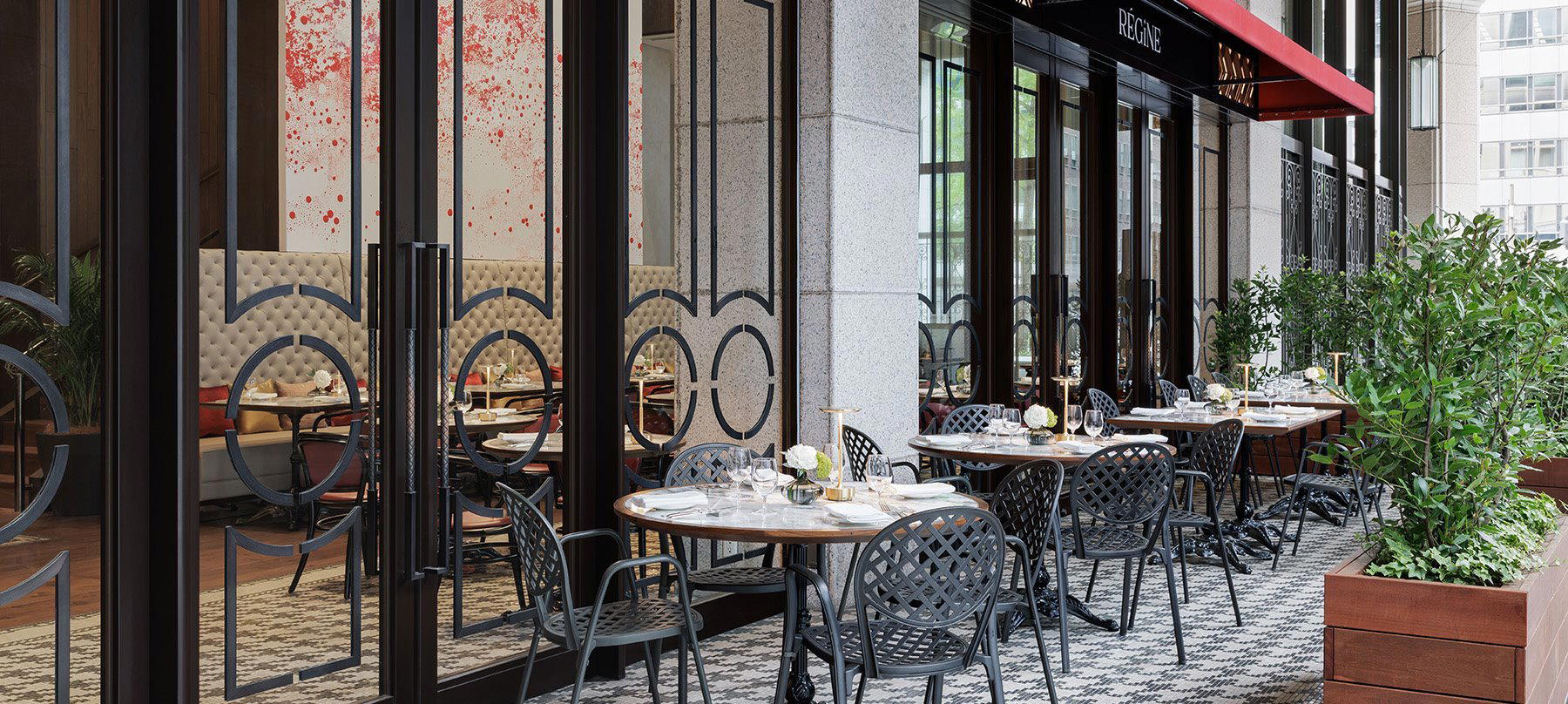 restaurantBrasserie RÉGINEBrasserie RÉGINE occupies the ground floor of the St. Regis Hotel Osaka, bringing seasonal prix fixe menus and classical French technique to Chuo Ward's business district. The kitchen operates under the supervising chef from Ryuzu, one of Tokyo's most respected French addresses. The mosaic floors, spacious interior, and outdoor terrace frame a dining room that reads as genuinely Parisian rather than hotel-adjacent pastiche.
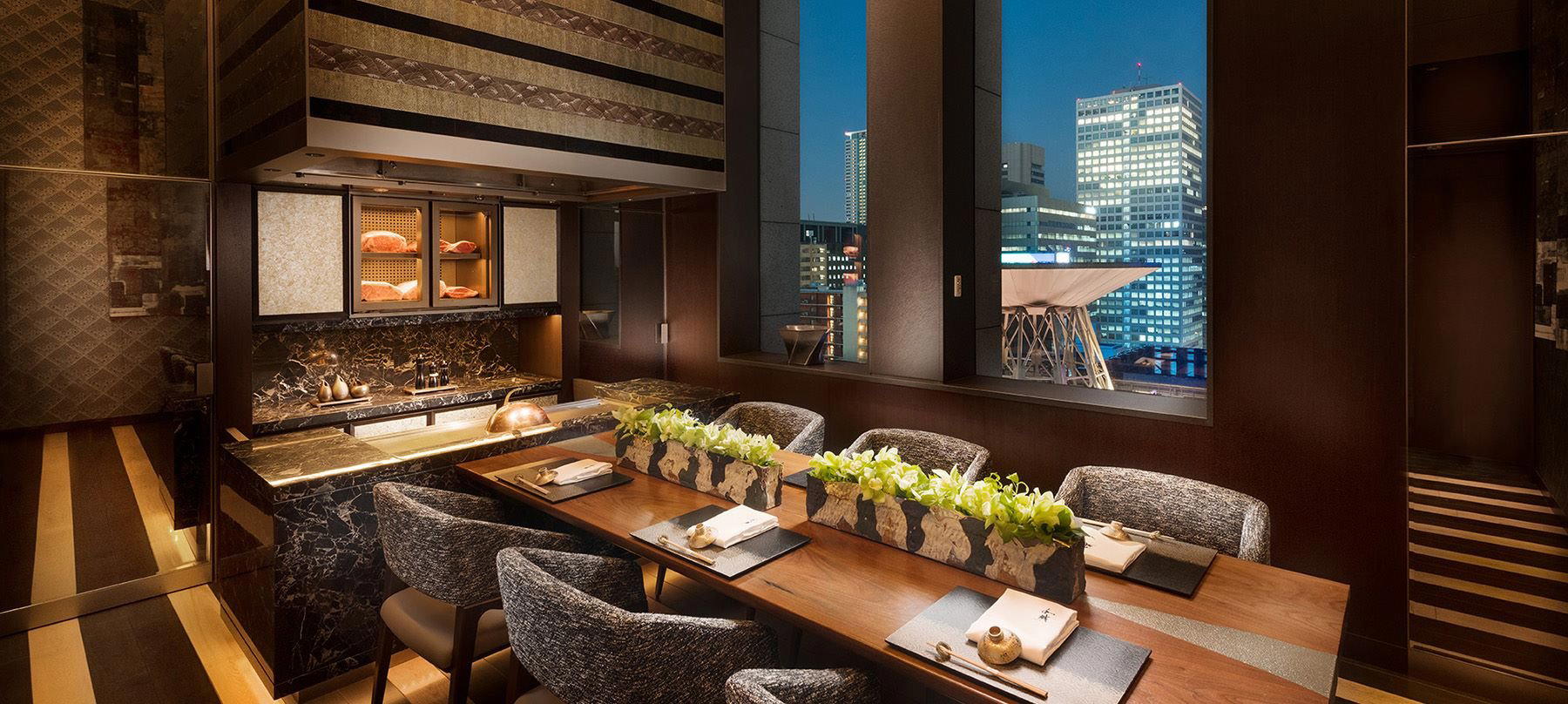 restaurantTeppanyaki WAJOAt the St. Regis Osaka's 12th floor, Teppanyaki WAJO operates at the intersection of Japanese teppanyaki technique and French culinary structure, a format shaped during Joël Robuchon's involvement with this address. Seasonal appetisers, a wagyu steak finished with a soy and red wine double sauce, and live cooking theatre define a meal that moves at its own deliberate pace.
Planning details
- Location
- 3-chōme-6-12 Honmachi, Chuo Ward, Osaka, 541-0053
- Website
- marriott.com/en-us/hotels/osaxr-the-st-regis-osaka/overview/?scid=f2ae0541-1279-4f24-b197-a979c79310b0
- Phone
- +81 6-6258-3333
The take
The Take
The Vibe
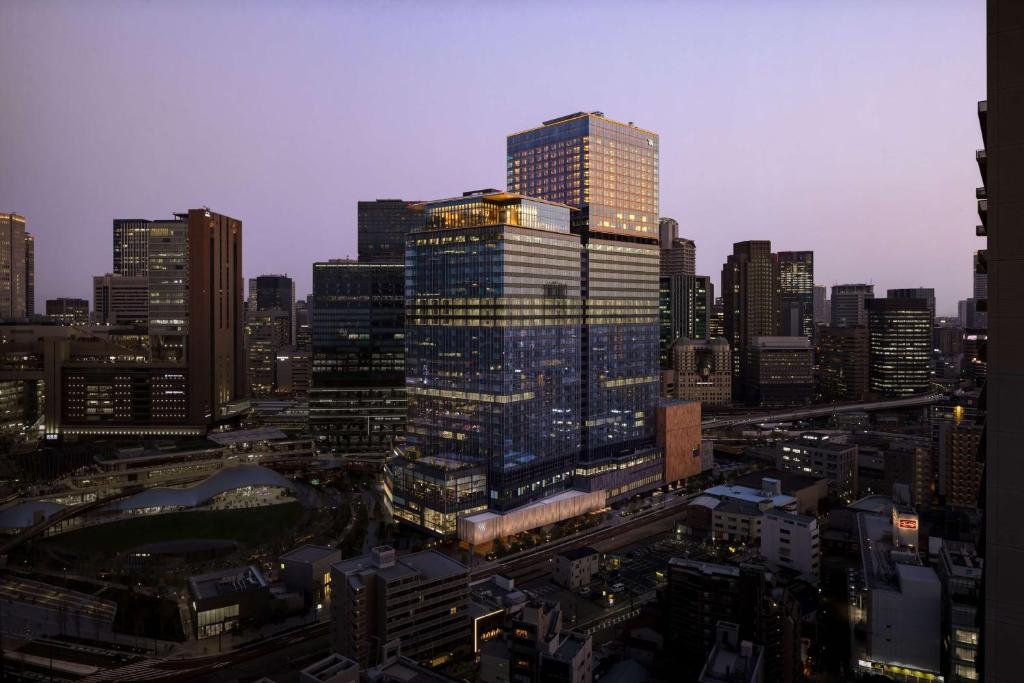
The St. Regis Osaka presents a polished, modern urban presence anchored to Midosuji's broad, gingko-lined boulevard. The editorial frames the property as fashionable yet restrained—commercial without leaning into the city's nightlife—so the overall feel is city-centric and composed rather than buzzy. Language about the hotel’s placement among Osaka’s upper-tier properties and its La Liste score reinforce a quietly luxurious, contemporary identity. Guests encounter a high-end metropolitan base that emphasizes location, discretion, and service over overt spectacle.
Best For
This location is particularly well suited to business travelers and short regional itineraries. Its immediate proximity to the Honmachi corporate district makes it convenient for meetings, while nearby stations provide direct rail access for practical same-day returns from Kyoto, Nara and Kobe. The hotel’s central placement—within walking distance of Shinsaibashi’s retail axis—also makes it an efficient base for shoppers and sightseers who want a refined, well-located hotel as the hub of a compact Osaka stay.
Stay Tips
Plan arrival from Kansai International Airport by taking a train or bus to Namba, then two stops on the Osaka Metro to Honmachi; the description highlights this route as reliable and a way to avoid airport-taxi pricing. The hotel’s Midosuji address is easy to reach on foot from nearby retail and corporate areas, and the copy advises travellers arriving by taxi to have the hotel name written down to ensure smooth drop-off. Prioritize metro connections for predictable transfers and time savings.
Venue details
Ambiance
Elegant and serene with sophisticated lighting, deep soaking bathtubs, and peaceful rooftop garden retreats.
Tags
Vibe
Best For
Experience
Amenities
View
Accessibility
About the Stay
- Rooms
- 160
- Check-in
- 15:00
- Check-out
- 11:00
- Property Style
- Cosmopolitan Residential Style with State of the Art Amenities
- Design Style
- Japanese Inspired Refinement with Elegant Suites
Know before you go
Know Before You Go
- Getting there
- 3-chōme-6-12 Honmachi, Chuo Ward, Osaka, 541-0053
Planning details
Location
3-chōme-6-12 Honmachi, Chuo Ward, Osaka, 541-0053 · Directions
Recognition and awards



Also consider
Also Consider
- 3-chōme-6-12 Honmachi, Notable alternative
- Osaka Excel Hotel Tokyu, Notable alternative
- Moxy Osaka Honmachi, Notable alternative
- W Osaka, Notable alternative
- HOTEL RESOL TRINITY OSAKA, Notable alternative
Hotel context
How It Compares
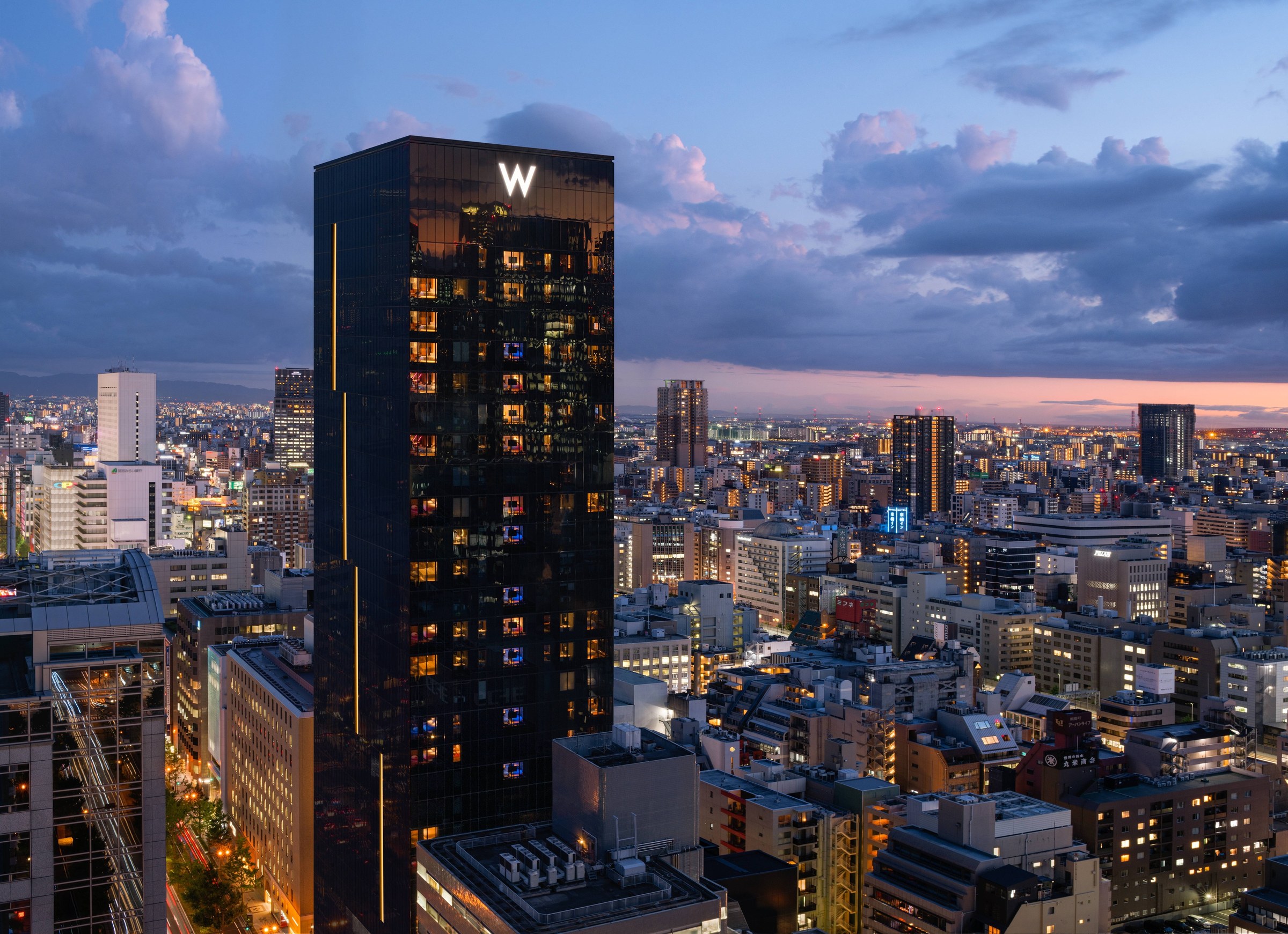
W Osaka is the better cross-shop if ambiance and design energy matter more than formality. The St. Regis Osaka is the calmer luxury choice, better suited to business travelers, couples who want a quieter base, and anyone who values recognition from Forbes, MICHELIN, Virtuoso, and La Liste. If booking difficulty is a concern, compare both early rather than treating either as a late fallback.
Osaka Excel Hotel Tokyu and Moxy Osaka Honmachi make more sense when value for money is the main filter. Choose Osaka Excel Hotel Tokyu for a more conventional stay at a likely lower luxury premium; choose Moxy Osaka Honmachi when a lighter, younger hotel format fits the trip. The St. Regis Osaka is worth the jump when service polish and room calm matter more than saving on the nightly rate.
HOTEL RESOL TRINITY OSAKA is the practical alternative for travelers who want a restrained stay without committing to full luxury positioning. 3-chōme-6-12 Honmachi overlaps on location logic, so use it as a location-first comparison rather than an experience match. For a broader scan of nearby options, start with Our full Osaka hotels guide.
Explore Osaka
Around this place
Discover more on Pearl
Unlock the full The St. Regis Osaka guide in Pearl, including awards, comparisons, FAQs, planning details, and nearby places.
Compare The St. Regis Osaka
| Venue | Location | Awards |
|---|---|---|
| The St. Regis Osaka | Osaka | 2026 Forbes Recommended2026 Virtuoso Luxury Hotel Collection2026 La Liste Top Hotels2025 Michelin Selected Hotels2025 Forbes 4-Star |
| 3-chōme-6-12 Honmachi | Osaka Shi | No published awards |
| Osaka Excel Hotel Tokyu | Osaka | Preferred Hotels Member 2025 |
| Moxy Osaka Honmachi | Osaka | No published awards |
| W Osaka | Osaka | 2026 Forbes Recommended2026 Virtuoso Luxury Hotel Collection2025 Michelin 1 Key2025 Forbes Recommended2024 Michelin 1 Key |
| HOTEL RESOL TRINITY OSAKA | Osaka Shi | No published awards |


How The St. Regis Osaka compares with similar nearby venues.
FAQ
Frequently Asked Questions
How does The St. Regis Osaka compare to other hotels?
Choose The St. Regis Osaka for a more formal luxury stay in Osaka, especially if Forbes 4-Star recognition and a La Liste 95-point score matter. W Osaka, Osaka Excel Hotel Tokyu, Moxy Osaka Honmachi, and HOTEL RESOL TRINITY OSAKA are worth comparing when deciding which Osaka hotel best matches the trip.
Do loyalty programs work at The St. Regis Osaka?
Check the hotel's official booking channels for current loyalty-program terms and benefits. The St. Regis Osaka suits travelers considering an Osaka hotel with a smart-casual dress code and recognized hotel credentials, while Moxy Osaka Honmachi may be worth comparing as another Osaka option.
Is The St. Regis Osaka family-friendly?
The St. Regis Osaka can be considered by travelers looking for an upscale Osaka hotel, but bedding, room configuration, and any family-specific services should be confirmed directly before booking. HOTEL RESOL TRINITY OSAKA is worth comparing as another Osaka hotel option.
How is the dining at The St. Regis Osaka?
Choose The St. Regis Osaka for the hotel stay first, then use current official information and broader Osaka dining research if restaurants are a major part of the trip.
Is The St. Regis Osaka good for business travel?
The St. Regis Osaka is a candidate for travelers who want a more formal luxury hotel in Osaka with recognition including Forbes 4-Star status. Osaka Excel Hotel Tokyu is another Osaka hotel to compare before booking.
What is check-in like at The St. Regis Osaka?
Confirm current arrival details directly with the hotel. The broader fit is for travelers considering a recognized luxury hotel in Osaka, while Moxy Osaka Honmachi may be another option to compare.
When is the best time to book The St. Regis Osaka?
Book when the rate and room category make sense for your dates rather than relying on a fixed rule. If your plans are flexible, compare The St. Regis Osaka against W Osaka and Osaka Excel Hotel Tokyu before choosing an Osaka hotel.