



Patina Osaka
Chūō, Osaka
Hotel in Osaka, Japan
 Book with Pearl
The Read
Castle-Facing Quiet Luxury
Why go
Patina Osaka is worth pricing for travelers who want a calmer luxury base near Osaka Castle, backed by a 2025 Michelin 1 Key and 2026 hotel recognition. The value case depends on room category discipline: book the entry tier first unless extra space will be used for work, family travel, or a retreat-style stay.
About Patina Osaka
Patina Osaka is a hotel in Osaka with confirmed recognition that includes a Michelin 1 Key in 2025, Travel + Leisure It List Hotels recognition in 2026, and Forbes Soon To Be Rated status in 2026. That makes it a serious option to price-check for travelers considering a premium stay in Osaka, but details about room size, views, neighborhood advantages, dining, service format, or amenities are not available.
The cleanest way to evaluate Patina Osaka is to compare the rate, room category, cancellation terms, dress code, and itinerary fit against other Osaka hotel options. If the trip depends on a particular location, room feature, restaurant, or service, confirm those details directly with the hotel before booking.
Book for confirmed recognition, then confirm your stay details
Patina Osaka's strongest point is its recognition: a Michelin 1 Key in 2025, Travel + Leisure It List Hotels recognition in 2026, and Forbes Soon To Be Rated status in 2026. Those are meaningful signals, but they do not by themselves guarantee specific room features, dining strengths, views, wellness facilities, or service inclusions.
For most travelers, the practical move is to treat the entry room and total stay cost as the baseline value test. Upgrade only if the hotel confirms a feature that matters for your trip, such as a room type, layout, or other stay detail you know you will use. The dress code is smart casual.
Where the value sits against Osaka alternatives
Patina Osaka should be compared with other named Osaka hotel options on price, availability, booking terms, and the specific stay details that matter to you. Hotel New Otani Osaka, Hotel Noum OSAKA, Moxy Osaka Honmachi, HOTEL RESOL TRINITY OSAKA, and Cuvée J2 Hôtel Osaka by Onko Chishin are useful reference points when checking whether Patina Osaka is the right fit for your budget and itinerary.
Because information may be limited, avoid assuming that any one comparison is automatically better for luxury, design, convenience, dining, or value. Use Patina Osaka's confirmed recognition as one factor, then compare the live rate and the hotel's current details before deciding.
Timing matters if you are trying to keep the rate sensible
Specific booking window, seasonal patterns, or pricing guidance are not available. If you are considering Patina Osaka, compare dates directly, check cancellation terms, and book when the confirmed room category and total price make sense for your trip.
Planning details
- Location
- 〒540-0007 Osaka, Chuo Ward, Banbachō, 3−91 パティーナ大阪
- Website
- patinahotels.com/osaka
- Phone
- +81 6-6941-8888
The take
The Take
The Vibe
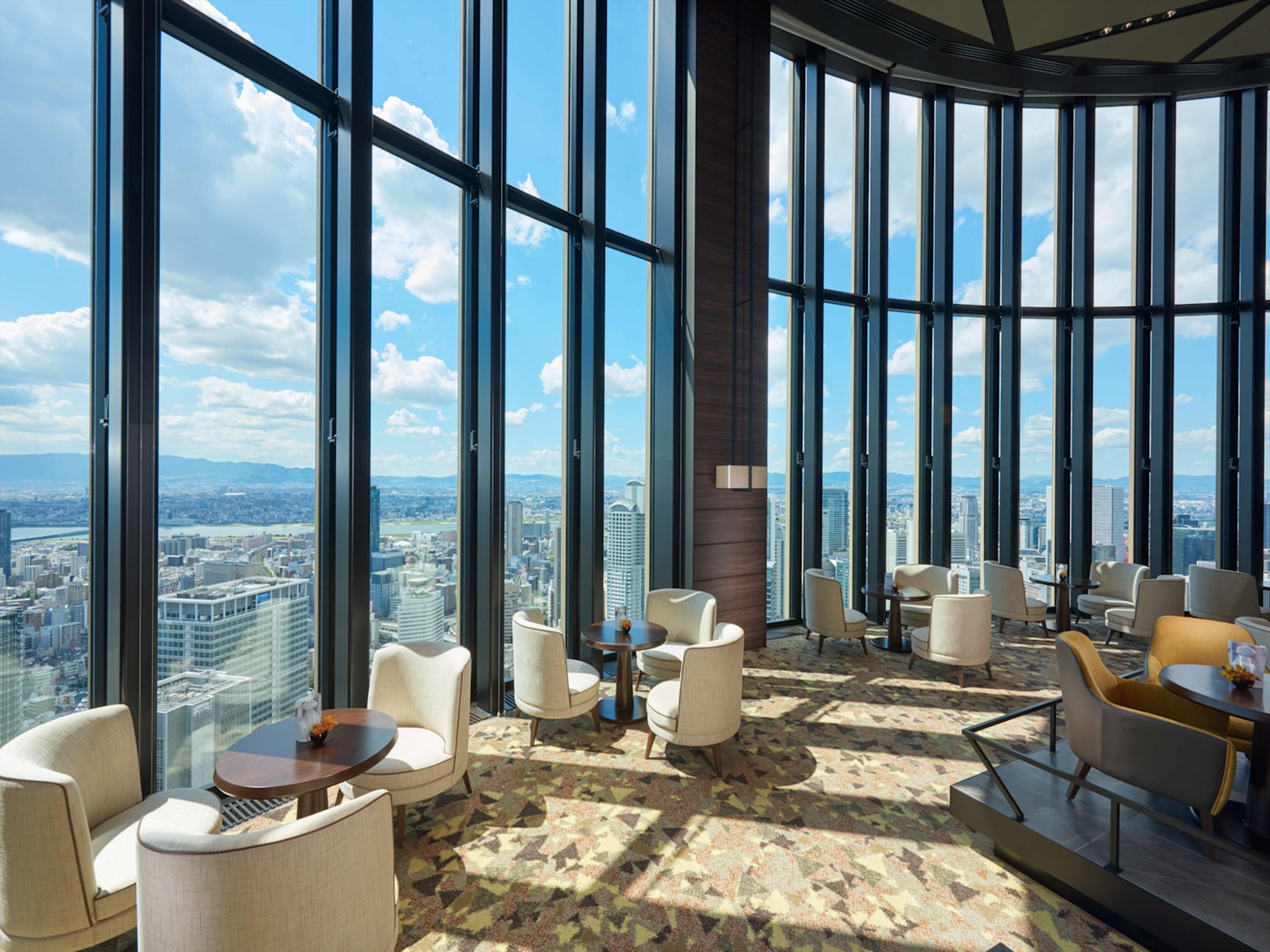
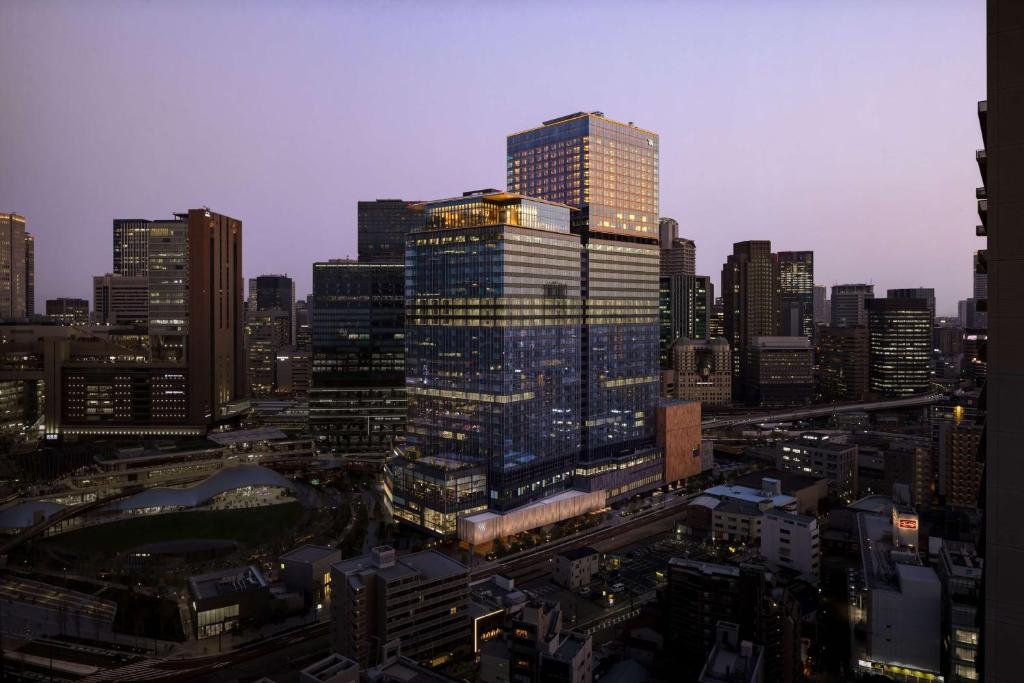
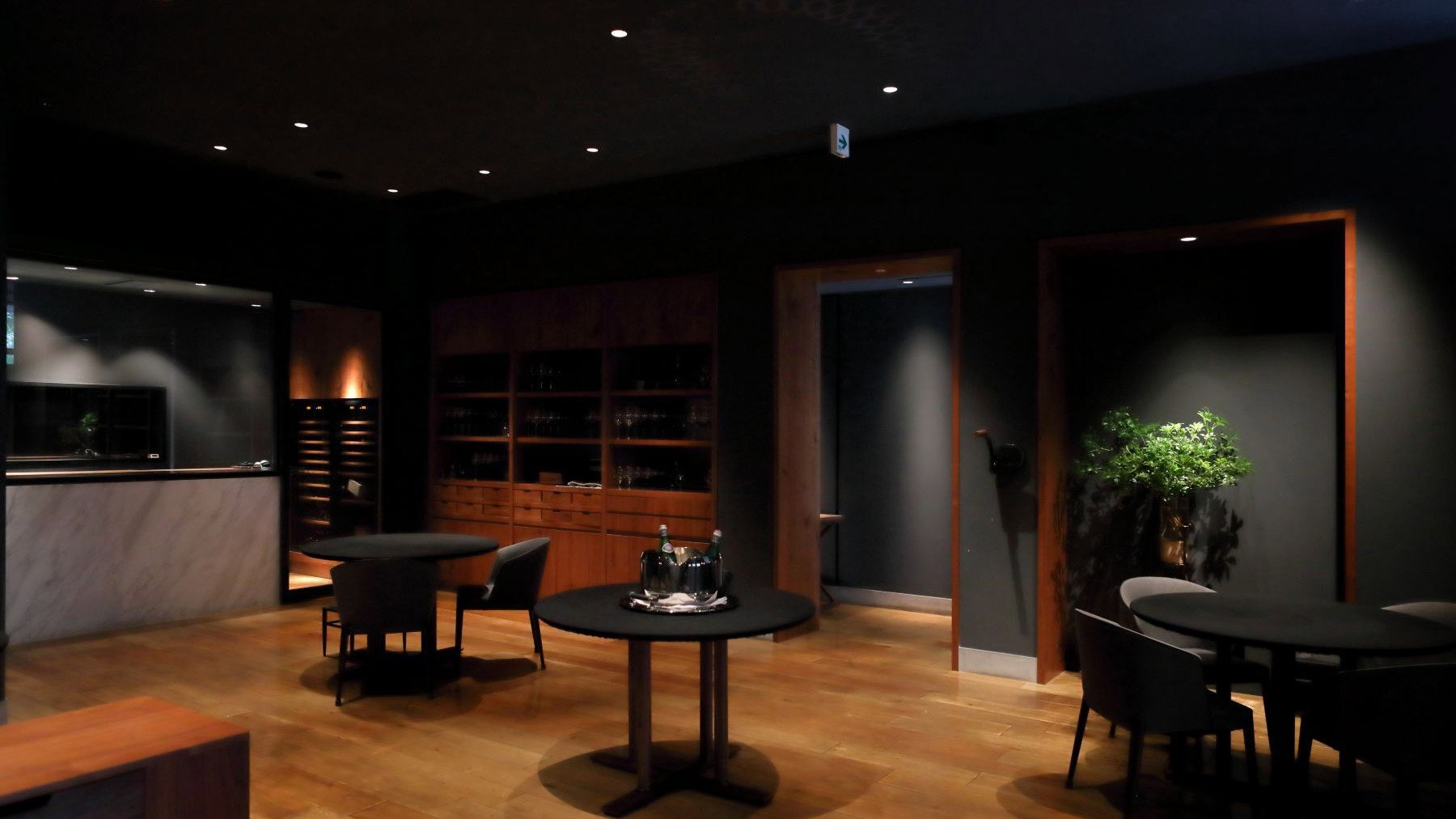
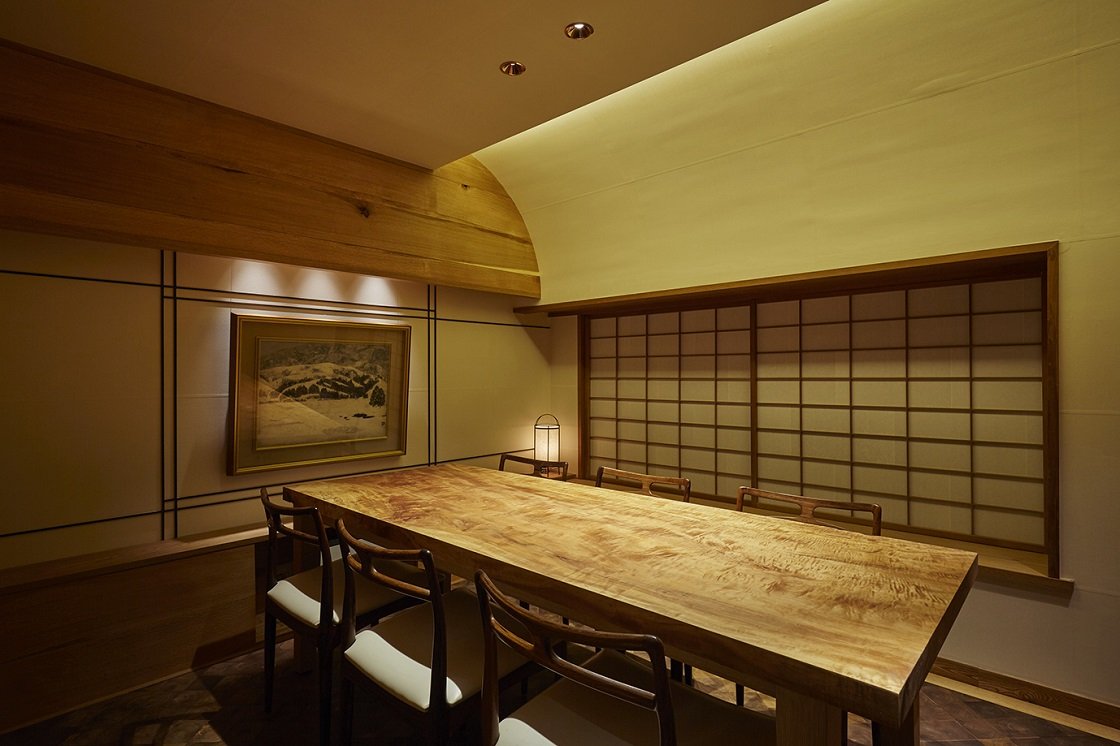
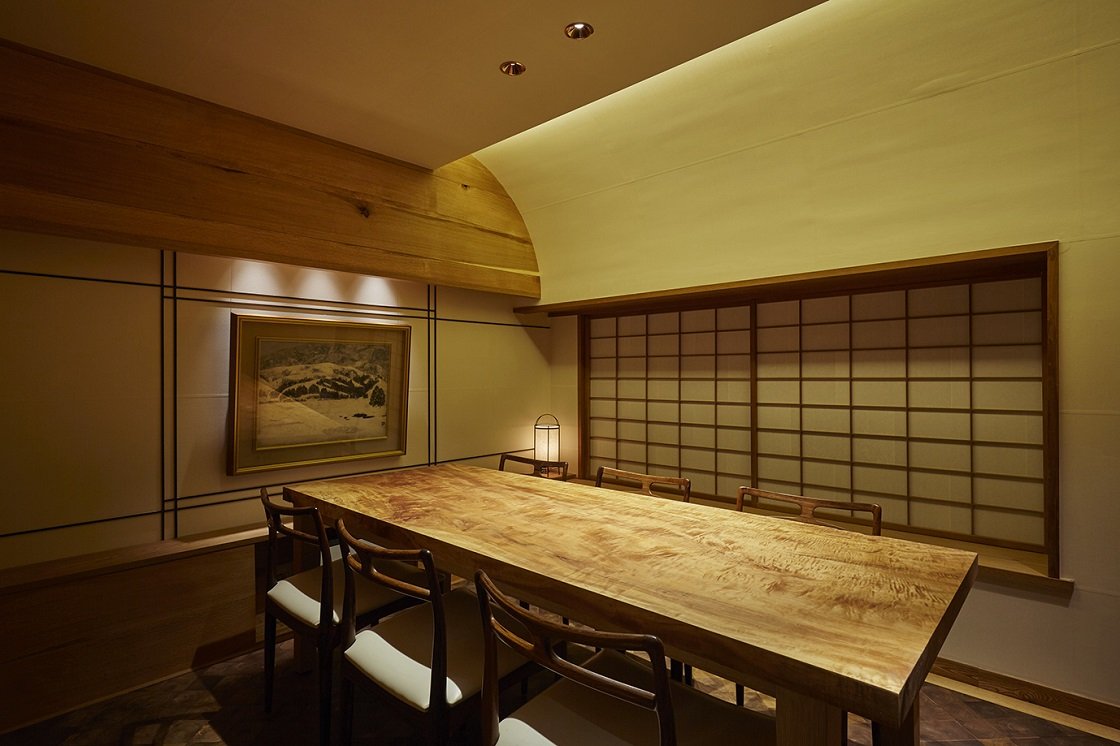
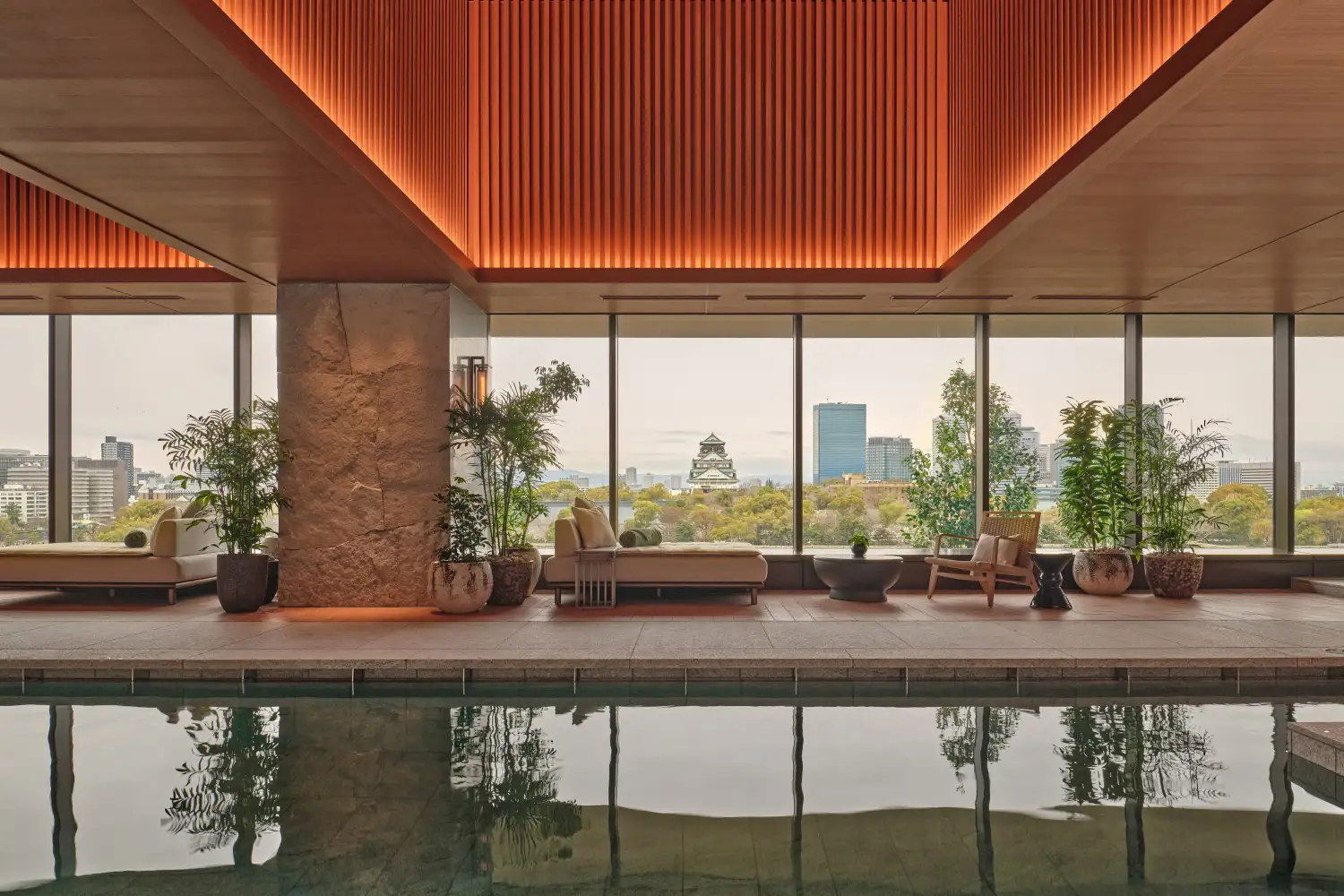
Patina Osaka presents a quietly purposeful kind of luxury that foregrounds architecture and context. The glass-fronted tower, draped in greenery, deliberately frames Osaka Castle and the park, so design and sightlines are central to the guest experience. Interiors reference centuries of Japanese craft through warm-toned materials and considered proportion, producing a calm, refined atmosphere rather than overt showmanship. The hotel balances the intimacy of a design-led property with the scale of an international upper-tier address, appealing to travelers who appreciate thoughtful composition, measured materials, and a strong sense of place.
Best For
This is a stay for travelers who prize views, design and a direct connection to the city’s history. The hotel’s orientation toward Osaka Castle makes it a natural choice for couples seeking a scenic, memorable stay and for families who want proximity to the park. Its scale and position among Osaka’s upper-tier hotels also suit business travelers who need a full-service property with easy access to the city. Patina’s decision to engage with Osaka’s local character likewise appeals to guests curious about regional culinary and craft traditions.
Stay Tips
When booking, request a room that explicitly faces Osaka Castle or the surrounding park — the property is oriented to maximize those sightlines and morning light. For dining, ask for the restaurant’s ‘leading seats’ or a table positioned toward the castle to make the most of the panorama. The hotel emphasizes local character in its approach to cuisine, so consider sampling dishes that reflect Osaka’s generous, straightforward culinary style when you dine on-site.
Venue details
Ambiance
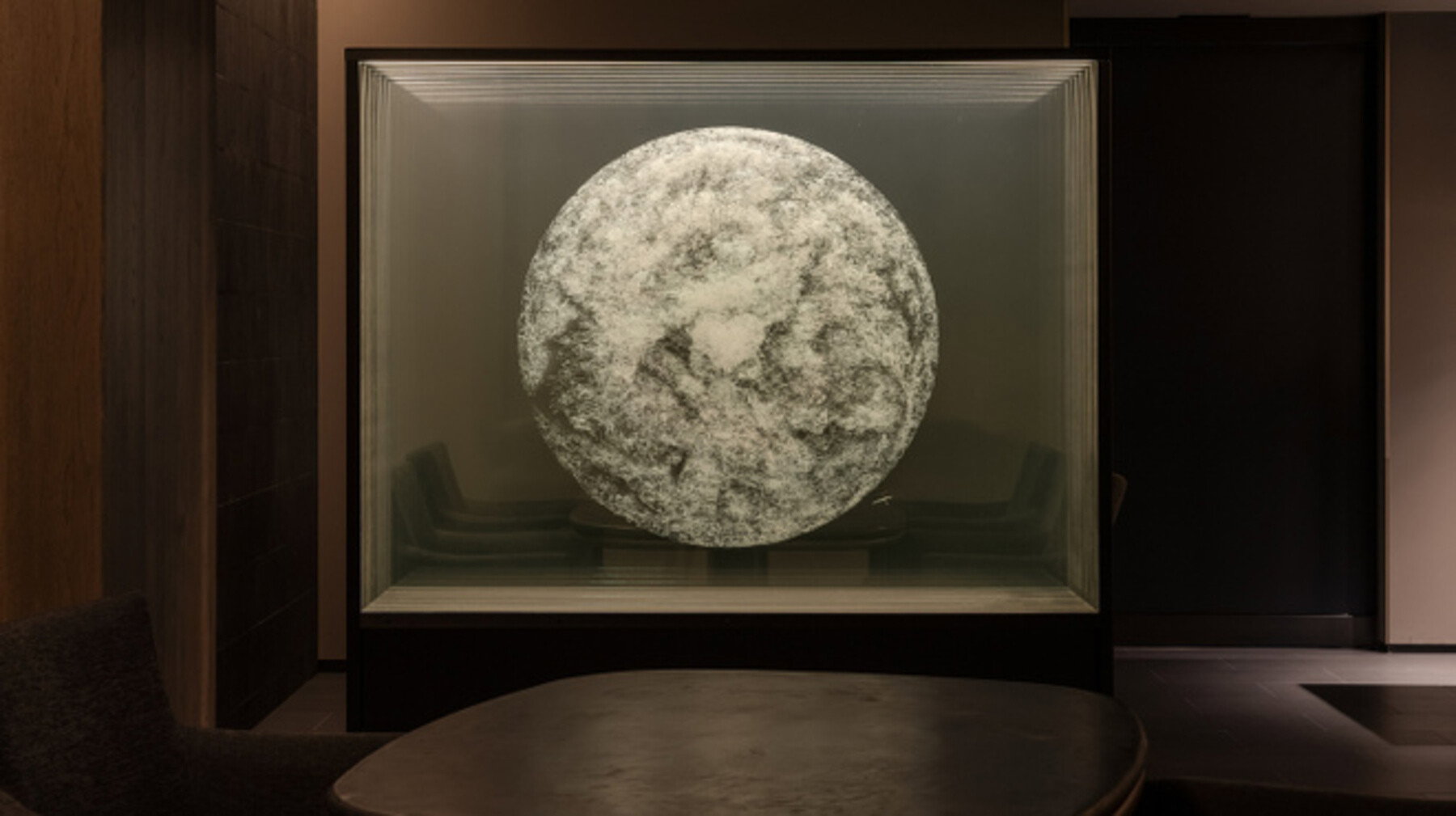
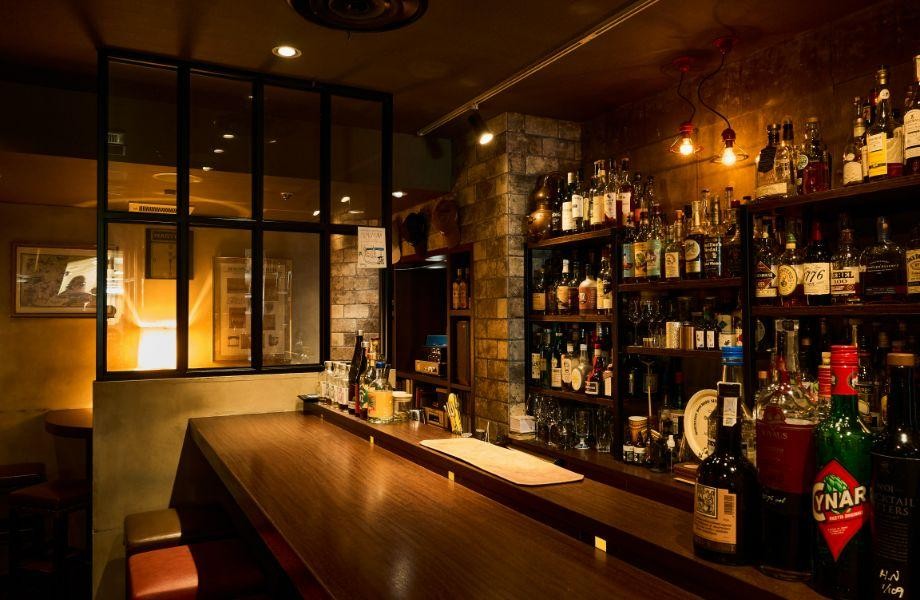
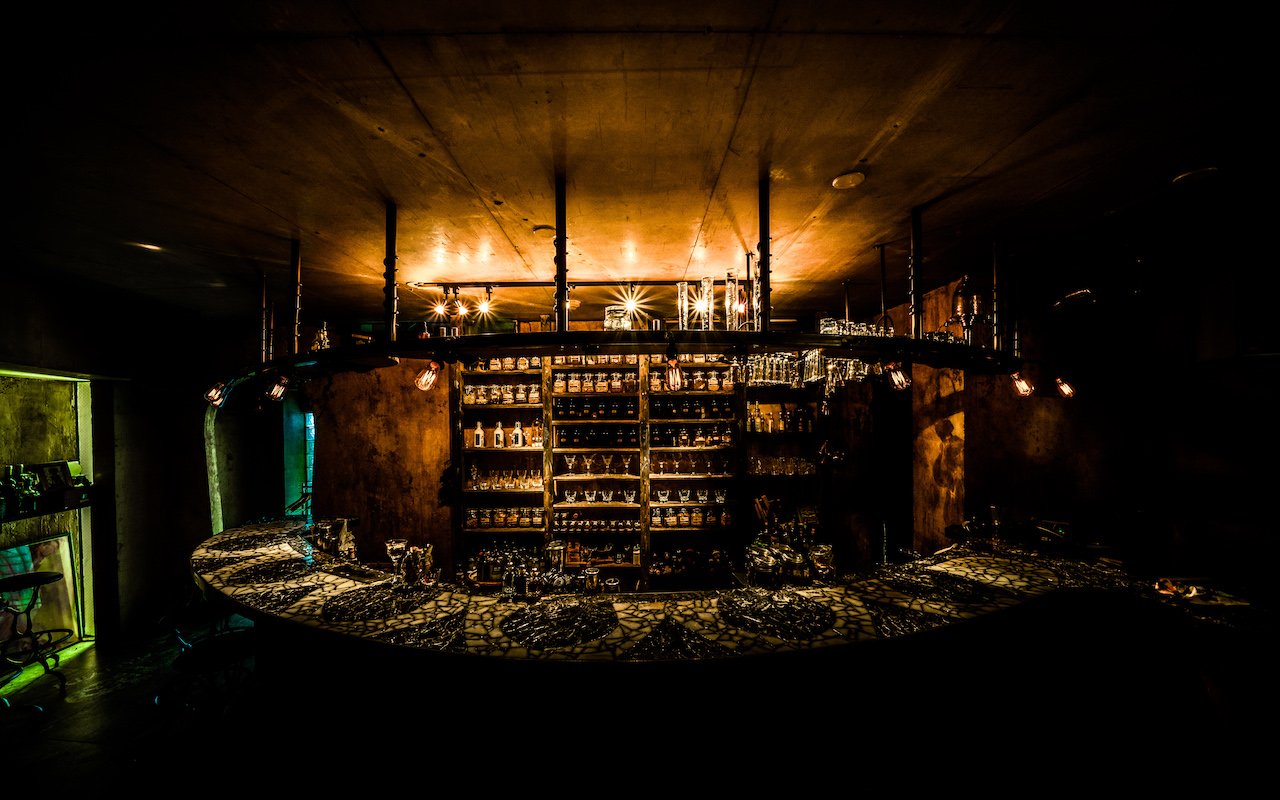
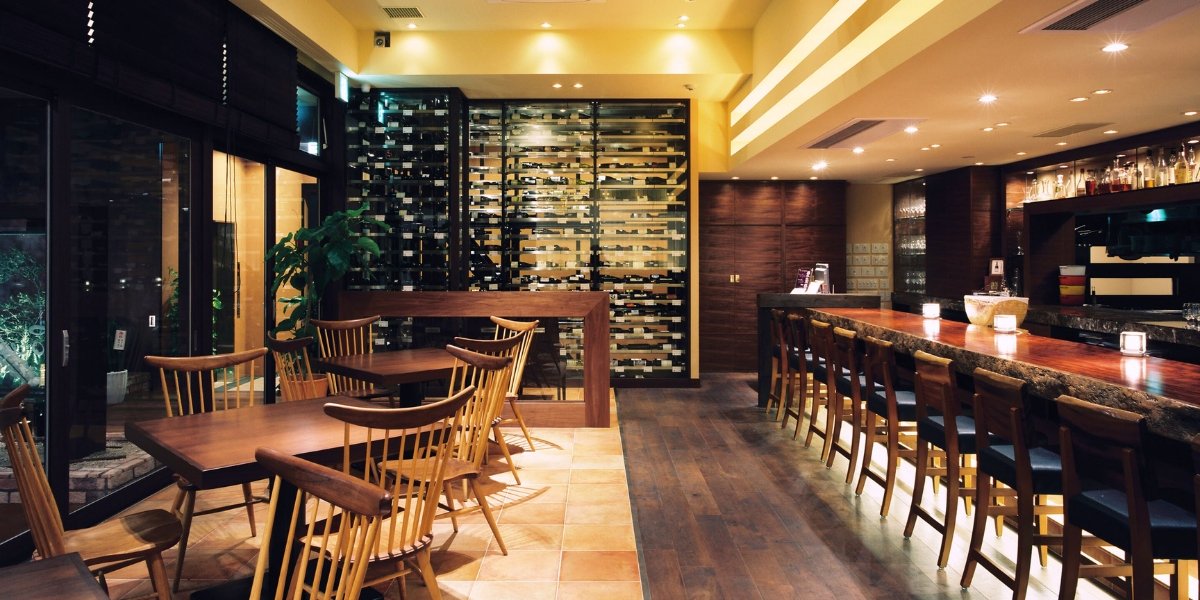
Serene and contemporary with warm natural palettes, soft lighting from hovering lanterns, and a meditative atmosphere balanced by vibrant dining spaces and a music-centric bar with vintage speaker installations.
Tags
Vibe
Best For
Experience
Amenities
View
Accessibility
About the Stay
- Rooms
- 221
- Check-in
- 15:00
- Check-out
- 12:00
- Property Style
- Contemporary Luxury High Rise with Minimalist Japanese Design Principles, Blending Traditional Seasonal Awareness (kisetsukan) with Cutting Edge Wellness Technology and Artistic Expression.
- Design Style
- Warm Contemporary with Natural Materials Including Dark Woods, Woven Rugs, Textured Stone, Sage Textiles, and Minimalist White Washi Paper Headboards; Modern Artworks and Crafted Furniture Balanced with Clean Lines and Hovering Lanterns.
Know before you go
Know Before You Go
- Getting there
- 〒540-0007 Osaka, Chuo Ward, Banbachō, 3−91 パティーナ大阪
Planning details
Location
〒540-0007 Osaka, Chuo Ward, Banbachō, 3−91 パティーナ大阪 · Directions



Also consider
Also Consider
- Hotel New Otani Osaka, Notable alternative
- Hotel Noum OSAKA, Notable alternative
- Moxy Osaka Honmachi, Notable alternative
- Cuvée J2 Hôtel Osaka by Onko Chishin, Notable alternative
- HOTEL RESOL TRINITY OSAKA, Notable alternative
Hotel context
How It Compares
Choose Patina Osaka over Hotel New Otani Osaka if current luxury recognition and a quieter, design-led stay matter more than a large established hotel format. New Otani is the safer conventional pick; Patina is the stronger choice for travelers treating the hotel as part of the trip rather than just a base.
For value, Hotel Noum OSAKA, Moxy Osaka Honmachi, and HOTEL RESOL TRINITY OSAKA are easier to justify when the room is mainly for sleeping. They make more sense for short stays, late-night itineraries, or travelers who would rather spend on food and transport than a higher hotel category.
Cuvée J2 Hôtel Osaka by Onko Chishin is the cross-shop for a more niche, hotel-as-experience stay. Patina Osaka is the cleaner recommendation for a luxury Osaka base with broader recognition, while Cuvée J2 is better if the hotel concept itself is the main reason to book.
Explore Osaka
Around this place
Discover more on Pearl
Unlock the full Patina Osaka guide in Pearl, including awards, comparisons, FAQs, planning details, and nearby places.
Compare Patina Osaka
| Venue | Location | Awards |
|---|---|---|
| Patina Osaka | Osaka | 2026 Travel + Leisure 100 Favorite Hotels in the World · #12026 World’s 50 Best Hotels 1-50 · #332026 Travel + Leisure It List Hotels2026 Forbes Soon To Be RatedMichelin 1 Key 20252025 Michelin 1 Key |
| Hotel New Otani Osaka | Osaka | No published awards |
| Hotel Noum OSAKA | Osaka | No published awards |
| Moxy Osaka Honmachi | Osaka | No published awards |
| Cuvée J2 Hôtel Osaka by Onko Chishin | Osaka | Small Luxury Hotels Member 2025 |
| HOTEL RESOL TRINITY OSAKA | Osaka Shi | No published awards |

How Patina Osaka compares with similar nearby venues.
FAQ
Frequently Asked Questions
How does Patina Osaka compare to other hotels?
Pick Patina Osaka if its confirmed recognition and current rate fit your trip. For comparison, also check Hotel New Otani Osaka, HOTEL RESOL TRINITY OSAKA, Moxy Osaka Honmachi, Hotel Noum OSAKA, and Cuvée J2 Hôtel Osaka by Onko Chishin on price, availability, booking terms, and stay details.
Is Patina Osaka family-friendly?
Family-specific details are not available. If you are traveling with family, confirm room setup, bedding, policies, and any relevant services directly with the hotel before booking. You can also compare the current details with Hotel New Otani Osaka and other Osaka options.
When is the best time to book Patina Osaka?
No specific best booking window is available. Because Patina Osaka has confirmed recognition including a Michelin 1 Key and Travel + Leisure It List Hotels recognition, compare live rates and cancellation terms early enough to secure the room category you want.
Is Patina Osaka good for business travel?
Business-travel specifics are not available. Patina Osaka may be worth considering if its Osaka location, rate, and confirmed room details fit your work trip. For comparison, check HOTEL RESOL TRINITY OSAKA and Hotel New Otani Osaka on current pricing and practical stay requirements.