
.png?width=1200&quality=80)
xiang hua
Chinese · Kita, Osaka
Restaurant in Osaka, Japan
 Book with Pearl
The Read
Pan-Regional Chinese Occasion Table
Price
¥¥¥
Dress
Smart Casual
Why go
Xiang Hua holds consecutive Michelin Plates (2024, 2025) for its pan-regional Chinese cooking in Osaka's Nishitenma district. At ¥¥¥, it is one of the most accessible serious Chinese restaurants in the city, with a seasonally driven menu that gives repeat visits genuine purpose. Easy to book and well-suited to date nights or celebratory small-group dinners.
About xiang hua
Should You Book Xiang Hua?
Getting a table at Xiang Hua in Osaka's Nishitenma district is direct — this is not the kind of reservation you need to plan months in advance. That accessibility makes it easier to be strategic about when and how you visit, and with a menu that spans the regional cuisines of China, there is genuine reason to come back more than once. The Michelin Plate recognition in both 2024 and 2025 confirms this is a kitchen worth taking seriously, even if it sits below the city's three-star ceiling. If you want thoughtful Chinese cooking at a ¥¥¥ price point in Osaka, Xiang Hua earns its place on your shortlist.
The Portrait
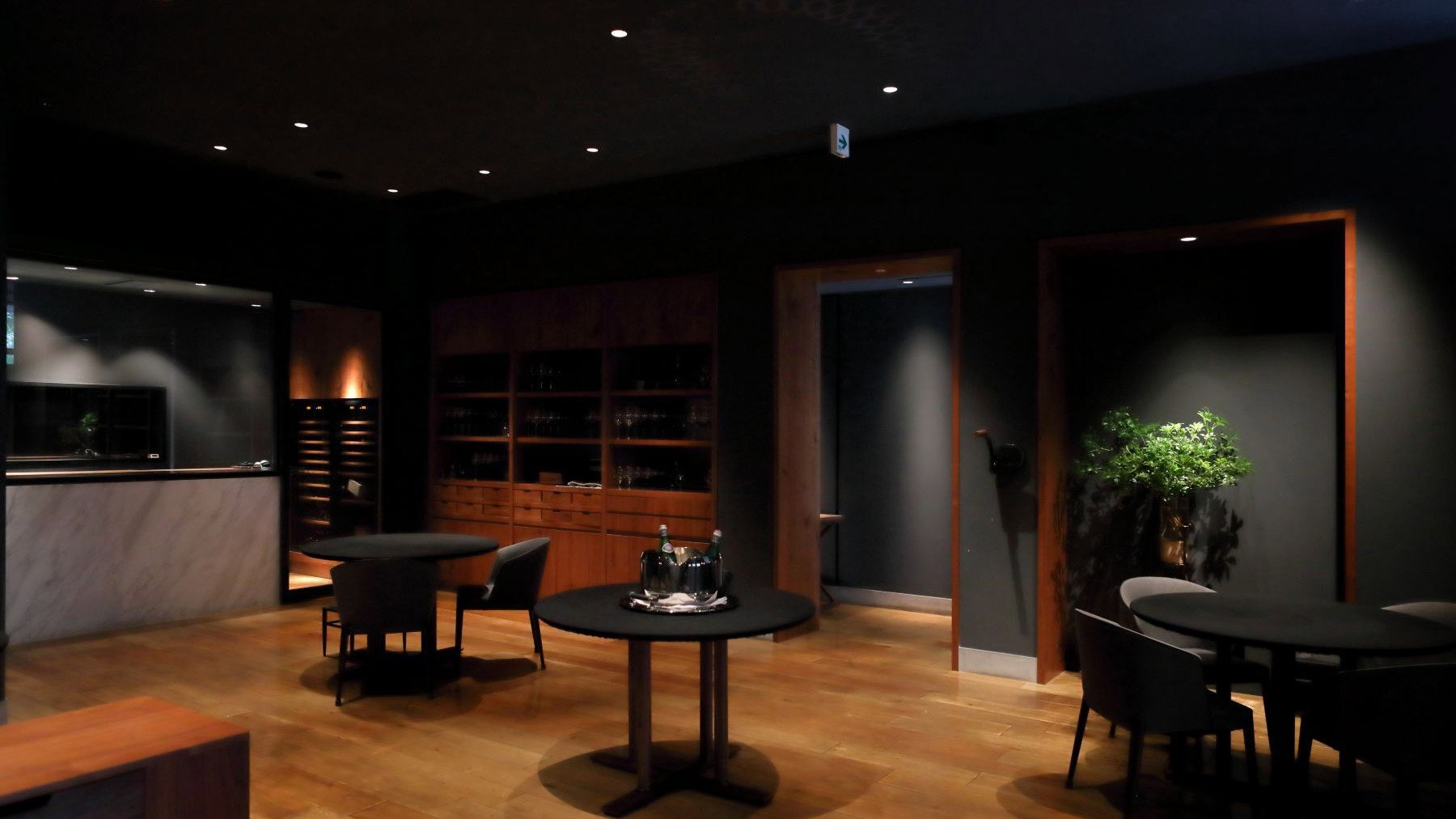
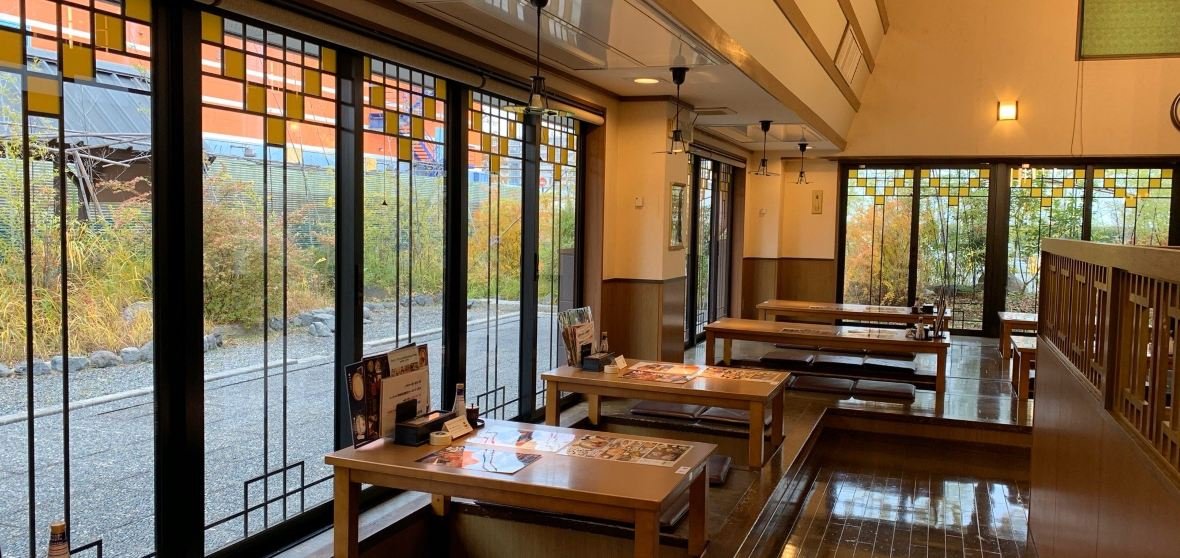
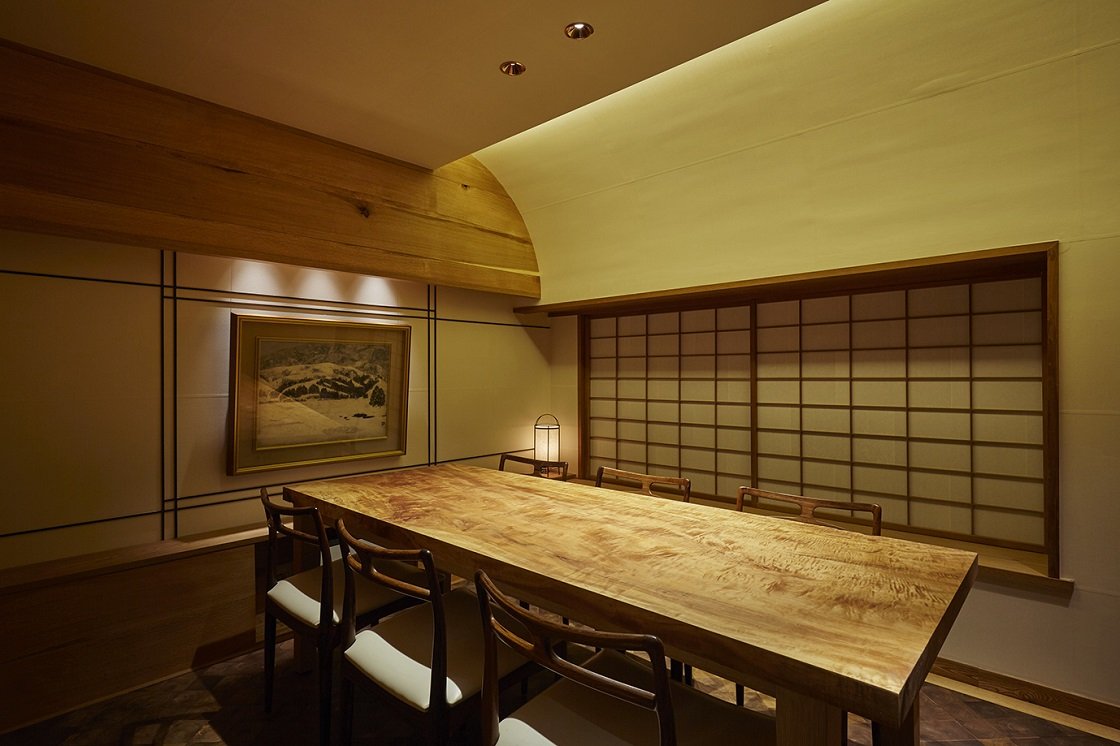
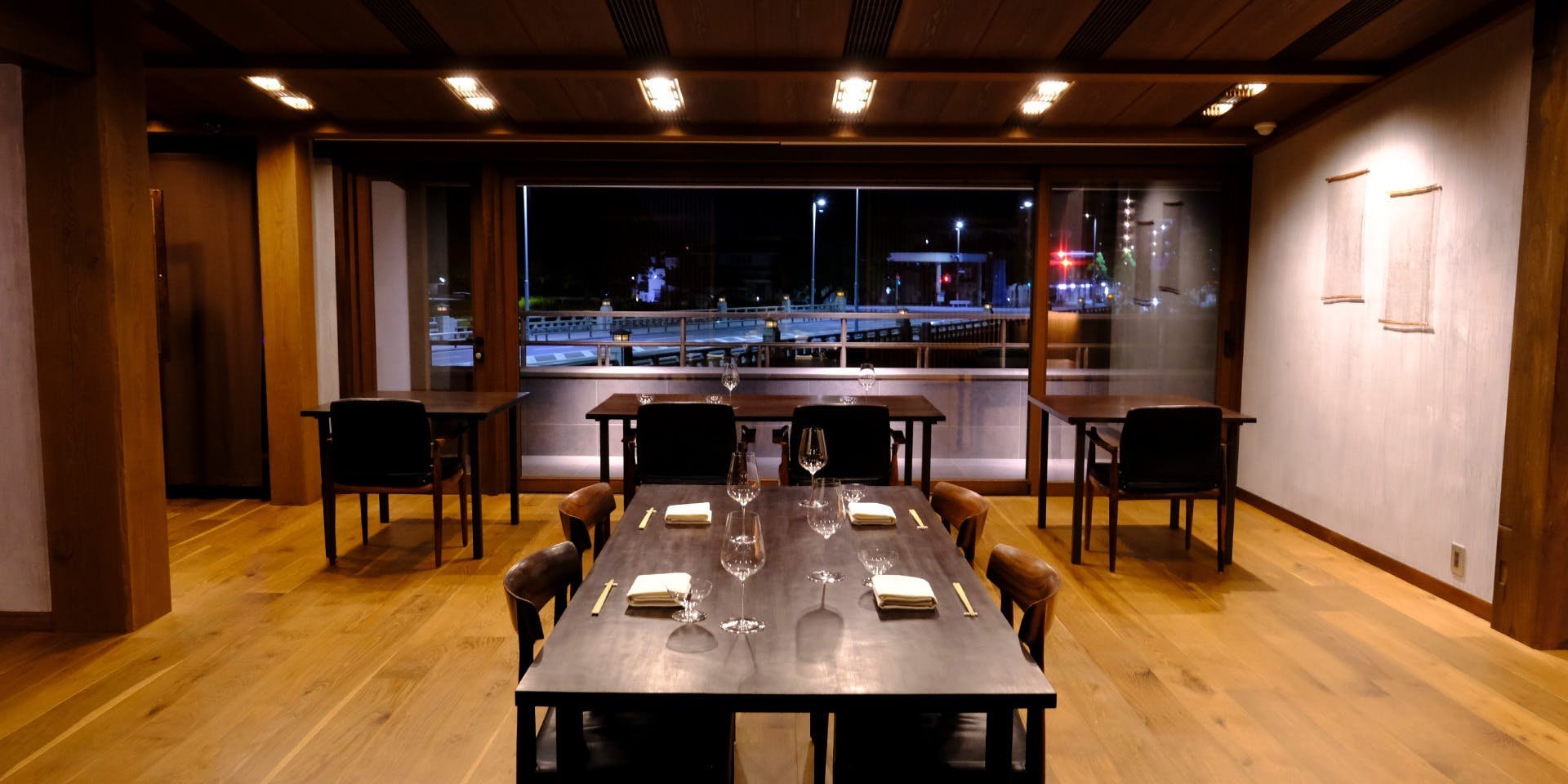
Xiang Hua sits on the ground floor of a low-key address in Nishitenma, one of Osaka's more relaxed upscale neighbourhoods. The setting is composed and considered rather than showy — expect a dining room where the plates do the visual work. The name translates loosely as 'serving the cuisine of every region of China', and the menu follows through on that premise with dishes drawn from across the country's vastly different culinary traditions. For diners used to Osaka's dominant Japanese fine-dining registers, kaiseki, omakase, French-Japanese fusion, Xiang Hua offers a genuinely different frame of reference.
The chef's background in culinary education shapes the kitchen's approach in a way that shows on the plate. The philosophy anchoring the menu is drawn from Confucian teaching: bù shí bù shí, the principle that food should follow the season. In practice, this means the menu shifts with what is available and appropriate to the time of year, which gives repeat visits a real purpose. A dish that represents late autumn will not appear in spring, and that discipline keeps the cooking honest. For a special occasion meal, that seasonality also adds a sense of occasion, you are eating something specific to the moment, not a fixed repertoire.
This is a room that rewards diners who come with curiosity about regional Chinese cooking rather than those expecting a greatest-hits parade of dim sum or Cantonese standards. Venues covering this much culinary geography, Sichuan, Shanghainese, Hunanese, and beyond, can spread themselves thin, but the chef's training and the Michelin recognition suggest the kitchen has genuine range rather than surface-level ambition.
Multi-Visit Strategy
Because Xiang Hua is easy to book and the menu rotates with the seasons, a two-or-three-visit approach makes more sense here than at harder-to-access Osaka addresses. On a first visit, use it as an orientation: let the menu guide you through the regional spread and identify which traditions the kitchen handles with the most confidence. Osaka has strong Chinese dining options, Chi-Fu, Kamigatachuka SHINTANI, and Chugokusai S.Sawada all operate in the same broad category, but Xiang Hua's pan-regional scope is a differentiator worth exploring across multiple sittings.
A second visit is leading timed around a seasonal shift: late winter into spring, or summer into autumn, when the ingredient palette changes most noticeably. If you are in Osaka for an extended stay or returning to the city, this is the kind of restaurant that justifies a third evening, particularly if you want to work through the regional breadth more deliberately. Compare this to the approach you might take at atelier HANADA by Morimoto or Az, where the tasting menu format tends to define the experience in a single visit. Xiang Hua operates differently, it rewards the diner who treats it as a destination to return to, not just a box to tick.
For travellers moving through the Kansai region, Xiang Hua fits naturally into an itinerary that includes Gion Sasaki in Kyoto or akordu in Nara, and it provides a useful counterpoint to the Japanese-dominant dining that tends to fill a Kansai itinerary. If you are coming from further afield, Harutaka in Tokyo, Goh in Fukuoka, or 1000 in Yokohama, Xiang Hua offers a tonal reset that makes it a smart addition to a broader Japan dining trip.
Special Occasion Framing
For a celebration or a business dinner, Xiang Hua works well when the guest profile includes some appetite for exploration. The pan-regional format means the meal has natural talking points, and seasonal menus tend to generate more genuine conversation than a set tasting format. It is a better fit for a date or small group dinner than a large corporate table, given the scale and intimacy of the room. For comparison, if the occasion demands more theatre or a more internationally legible prestige signal, HAJIME or La Cime deliver that at a higher price point. Xiang Hua is the right call when you want something considered and personal without the formality of a French-influenced tasting menu.
The ¥¥¥ pricing makes it accessible for a special meal without the financial commitment of the city's ¥¥¥¥ tier. That positions it well for a solo diner or a couple who want a serious meal without the full ceremony of Osaka's top-end kaiseki rooms. If you are comparing it to Kashiwaya Osaka Senriyama or Taian at the same price tier, the deciding factor is format: Xiang Hua gives you regional Chinese breadth, while those addresses give you the depth of Japanese kaiseki tradition.
Know Before You Go
- Address: 1 Chome-13-8 Nishitenma, Kita Ward, Osaka 530-0047, 1F
- Cuisine: Chinese (pan-regional)
- Price range: ¥¥¥
- Awards: Michelin Plate 2024, Michelin Plate 2025
- Booking difficulty: Easy, no need to book far in advance
- Ideal time to visit: Seasonal transitions (late winter to spring, summer to autumn) to catch menu changes at their most pronounced
- Good for: Date nights, small group celebrations, repeat visits across a longer stay
- Not ideal for: Large groups or diners seeking a fixed tasting menu format
Explore More in Osaka and Beyond
Browse our full Osaka restaurants guide, hotels, bars, wineries, and experiences. For Chinese dining beyond Japan, see Restaurant Tim Raue in Berlin and Mister Jiu's in San Francisco. Also worth considering on a broader Japan trip: 6 in Okinawa.
Planning details
- Location
- Japan, 〒530-0047 Osaka, Kita Ward, Nishitenma, 1 Chome−13−8 1F
- Website
- instagram.com/xiang_hua2022
- Phone
- +81 90-3920-8585
The take
The Take
The Vibe
Xiang Hua sits quietly in Nishitenma, favouring an unflashy, food-forward presence over street spectacle. The ground-floor, residential-facing room reads as intimate and deliberately low-key; the neighbourhood’s narrowed streets and slower pace set expectations for a calm, focused meal. The restaurant’s single-chef approach and the promise to represent regional Chinese traditions underscore a culinary seriousness rather than theatrical dining. For diners who prize close attention to technique and provenance over neon energy, Xiang Hua feels like a discreet, refined alternative to Osaka’s more extroverted special-occasion addresses.
Best For
This is a restaurant pitched to meaningful meals: celebratory dinners, date nights and other special occasions where the cuisine—not the show—takes centre stage. The text positions Xiang Hua as an alternative on Osaka’s occasion-dining circuit, appealing to diners who want to step outside kaiseki or haute Japanese templates and explore regional Chinese cooking at a higher price tier. Its intimate scale and single-chef identity make it best suited to small groups or couples seeking a composed, food-focused evening rather than a raucous night out.
Ordering Tips
The menu commits to regional Chinese traditions, so plan to sample across those different culinary grammars to get the point of the kitchen. Highlighted preparations such as West Lake Longjing Shrimp, Mapo Tofu, Suzhou-style Sweet Soy-Braised Mandarin Fish and Yunnan Matsutake Broth speak to distinct regional techniques—seafood, Sichuan heat, Jiangsu sweetness and Yunnan broths. Choose a range of dishes that cross regions to experience the restaurant’s promise of breadth and craftsmanship; the single-chef format suggests thoughtful, composed plates rather than casual quick hits.
Venue details
Ambiance
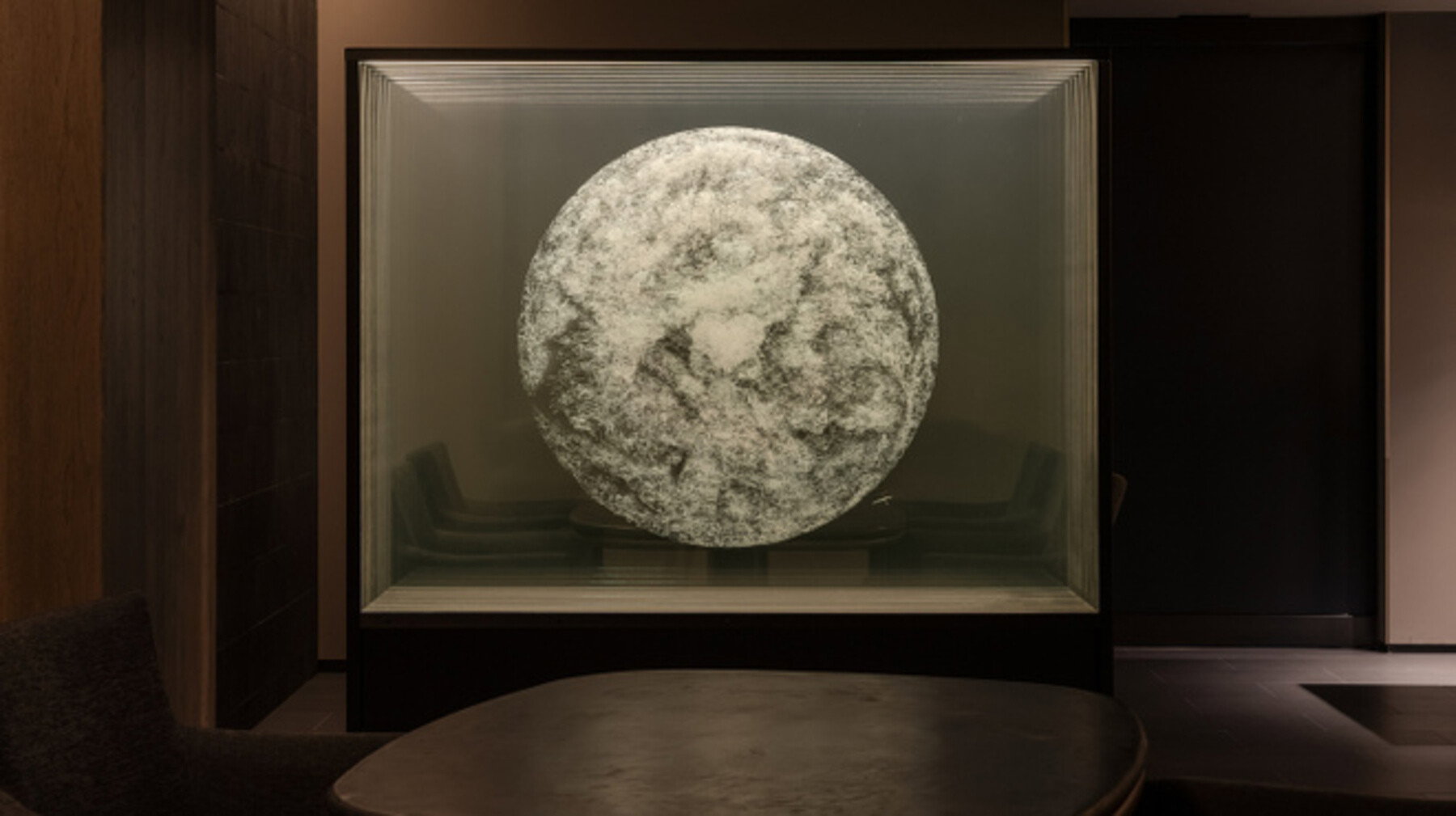
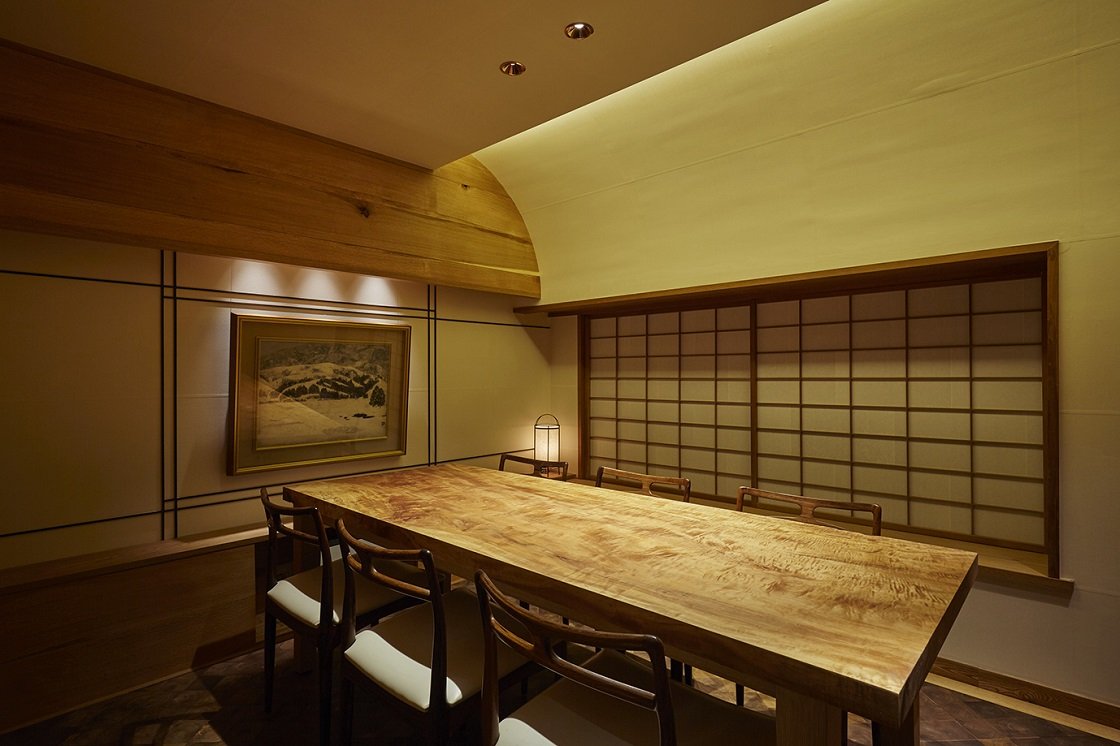
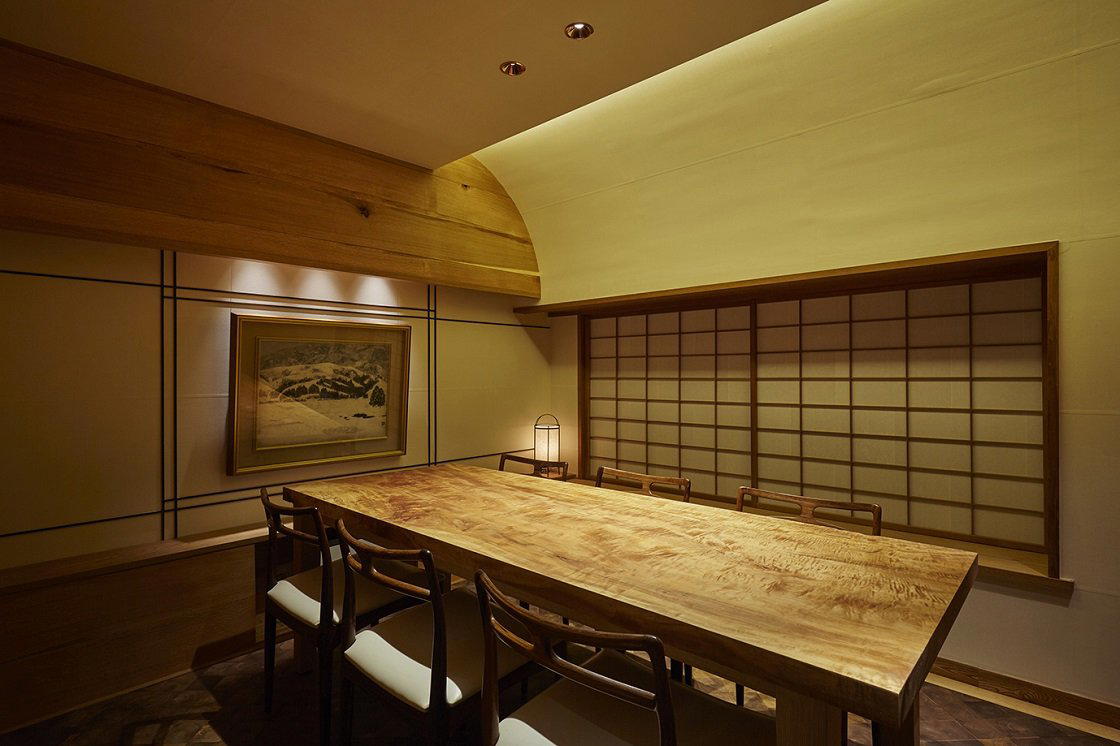
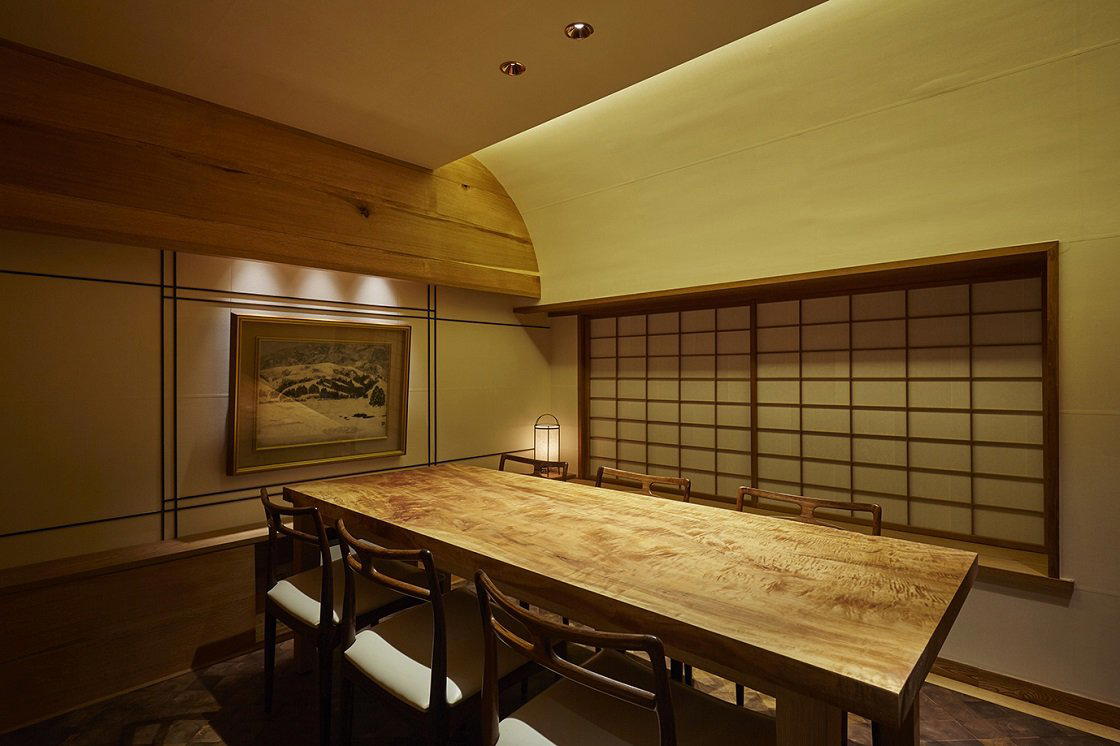
Serene and textural with lacquered woods, ink-brush tones, and warm lighting that flatters porcelain and steam; open kitchen showcases chef artistry.
Tags
Vibe
Best For
Experience
Sourcing
At the Table
- Dress Code
- Smart Casual
- Noise Level
- Quiet
- Service Style
- Formal
- Meal Pacing
- Extended Experience
- Capacity
- Small
Signature Dishes
- West Lake Longjing Shrimp
- Mapo Tofu
- Suzhou-style Sweet Soy-Braised Mandarin Fish
- Yunnan Matsutake Broth
Know before you go
Know Before You Go
- Getting there
- Japan, 〒530-0047 Osaka, Kita Ward, Nishitenma, 1 Chome−13−8 1F
Planning details
Location
Japan, 〒530-0047 Osaka, Kita Ward, Nishitenma, 1 Chome−13−8 1F · Directions
Recognition and awards
Also consider
Also Consider
- HAJIME, French, Innovative, ¥¥¥¥
- La Cime, French, ¥¥¥¥
- Kashiwaya Osaka Senriyama, Japanese, ¥¥¥
- Taian, Kaiseki, Japanese, ¥¥¥
- Fujiya 1935, Innovative, ¥¥¥¥
Restaurant context
Xiang Hua sits in a different lane from most of Osaka's fine-dining establishment. At ¥¥¥, it competes on price with Kashiwaya Osaka Senriyama and Taian, both of which deliver kaiseki in the Japanese tradition. If the occasion demands the depth and ceremony of a kaiseki progression, those two are the stronger pick. But if you want a serious meal that does not replicate what every other high-end Osaka restaurant does, Xiang Hua's regional Chinese format is a practical alternative at the same price tier, and it is considerably easier to book than either.
Step up to ¥¥¥¥ and you enter the territory of HAJIME, La Cime, and Fujiya 1935, all French-influenced and all considerably more demanding in terms of booking lead time and spend. Those venues make sense when the occasion requires a prestige signal or a full tasting-menu experience with significant production. Xiang Hua is the better call when you want something considered and personal without the full commitment of Osaka's top-tier rooms.
Among Osaka's Chinese dining options specifically, Chi-Fu, Kamigatachuka SHINTANI, and Chugokusai S.Sawada are the closest category peers. Xiang Hua's point of difference is its explicit pan-regional scope and its seasonal discipline, a combination that makes it the strongest candidate for repeat visits within the Chinese dining category in Osaka.
Explore Osaka
Around this place
Discover more on Pearl
Unlock the full xiang hua guide in Pearl, including awards, comparisons, FAQs, planning details, and nearby places.
Compare xiang hua
| Venue | Awards | Price |
|---|---|---|
| xiang hua | Tabelog 100 - Chinese cuisine - WEST - 2026 · #612026 Michelin Plate2025 Michelin Plate2024 Michelin Plate | ¥¥¥ |
| HAJIME | Star Wine Lists 2026 · #12026 Tabelog Bronze · #922026 OAD Top Restaurants in Japan Ranked · #98Michelin Guide Kyoto Osaka 20262026 La Liste Top RestaurantsTabelog 100 - Innovative / Creative cuisine - 2025 · #692025 Asia's 50 Best Restaurants · #832025 OAD Top Restaurants in Japan Ranked · #87We're Smart World Top Restaurants 2025 | ¥¥¥¥ |
| La Cime | 2026 Asia's 50 Best Restaurants · #132026 OAD Top Restaurants in Japan Ranked · #1492026 Tabelog Bronze · #231Michelin Guide Kyoto Osaka 20262026 La Liste Top Restaurants2025 Asia's 50 Best Restaurants · #82025 World's 50 Best Restaurants · #44Tabelog 100 - French - WEST - 2025 · #932025 OAD Top Restaurants in Japan Ranked · #123 | ¥¥¥¥ |
| Kashiwaya Osaka Senriyama | 2026 Tabelog Bronze · #1682026 OAD Top Restaurants in Japan Recommended2026 Relais Chateaux RestaurantsMichelin Guide Kyoto Osaka 20262026 La Liste Top RestaurantsTabelog 100 - Japanese cuisine - WEST - 2025 · #772025 OAD Top Restaurants in Japan Ranked · #1552025 Relais Chateaux Award2025 Michelin 3 Stars | ¥¥¥ |
| Taian | 2026 OAD Top Restaurants in Japan RecommendedMichelin Guide Kyoto Osaka 20262026 La Liste Top Restaurants2025 OAD Top Restaurants in Japan Ranked · #2042025 La Liste Top Restaurants2025 Michelin 3 Stars2024 OAD Top Restaurants in Japan Ranked · #1912024 Michelin 3 Stars2023 OAD Top Restaurants in Japan Highly Recommended | ¥¥¥ |
| Fujiya 1935 | 2026 Tabelog Bronze · #752026 OAD Top Restaurants in Japan RecommendedMichelin Guide Kyoto Osaka 20262026 La Liste Top Restaurants2025 Michelin 2 Stars2025 Tabelog Silver2025 La Liste Top Restaurants2024 OAD Top Restaurants in Japan Ranked · #2392024 Michelin 2 Stars | ¥¥¥¥ |









What to weigh when choosing between xiang hua and alternatives.
FAQ
Frequently Asked Questions
What should I wear to xiang hua?
The Nishitenma address and ¥¥¥ pricing point to a composed, grown-up setting rather than a casual one. Neat, put-together clothing is appropriate — think dinner-out rather than dressed-down. There is no published dress code, but arriving in business casual or equivalent fits the room's register without overthinking it.
Is the tasting menu worth it at xiang hua?
The format is built around seasonal, instructor-led cooking across multiple Chinese regions, which suits a structured tasting progression. At ¥¥¥ and with two consecutive Michelin Plate recognitions (2024 and 2025), the kitchen has earned a level of trust. If you are here specifically to eat across China's regional range rather than order à la carte staples, the tasting format is the right vehicle.
What should I order at xiang hua?
The menu rotates seasonally in line with the chef's adherence to Confucian seasonal eating principles, so specific dishes cannot be locked in ahead of time. Follow the kitchen's current seasonal direction rather than arriving with a fixed order in mind — the pan-regional format means the strongest choices shift with what is in season. Asking staff what is freshest that week is the practical approach.
Is xiang hua worth the price?
At ¥¥¥ with back-to-back Michelin Plate recognition, Xiang Hua delivers a credentialed, chef-led experience at a price point below Osaka's Michelin-starred Chinese options. It is not the cheapest way to eat well in Nishitenma, but the combination of regional breadth, seasonal discipline, and easy booking access makes it a reasonable spend for what you get. If you want a single definitive high-end Chinese meal in Osaka rather than an exploratory one, weigh that against the format here.