

Yiwanshui
Chinese · Nishi, Osaka
Restaurant in Osaka, Japan
 Book with Pearl
The Read
Imperial-Rooted Prix Fixe
Price
¥¥¥
Dress
Smart Casual
Why go
Yiwanshui is a Michelin Plate Chinese restaurant in Osaka's Nishi Ward serving a prix fixe menu rooted in Chinese home cooking and imperial court technique. At ¥¥¥, it is well-suited to special occasion dinners where you want considered, restrained cooking in an intimate room rather than a flashy Chinese dining production. Booking is easy by Osaka Michelin standards.
About Yiwanshui
Yiwanshui, Osaka: Verdict
Most visitors assume Yiwanshui is a casual Chinese canteen tucked into Nishi Ward. It is not. This is a prix fixe Chinese restaurant, conceived around the logic of tàocān; the set menu format spelled out on its signage; and it has held a Michelin Plate in both 2024 and 2025. If you book expecting a la carte dim sum or a broad Chinese menu to graze across, you will be surprised. If you arrive knowing what Yiwanshui actually is, a focused, course-driven experience rooted in Chinese home cooking and imperial court influence, you will likely leave with it pencilled in as a regular.
Portrait
Yiwanshui occupies a quiet pocket of Utsubo, the residential and business district in Osaka's Nishi Ward that sits just west of the Honmachi financial corridor. Utsubo is not a restaurant neighbourhood in the way Kitashinchi or Shinsaibashi are. It is the kind of address where locals actually live and eat rather than one that draws destination diners from across the city. That positioning is not incidental, it reflects exactly what Yiwanshui is aiming at. The name and the concept are built around becoming a habitual haunt, the kind of place a neighbourhood absorbs rather than lionises.
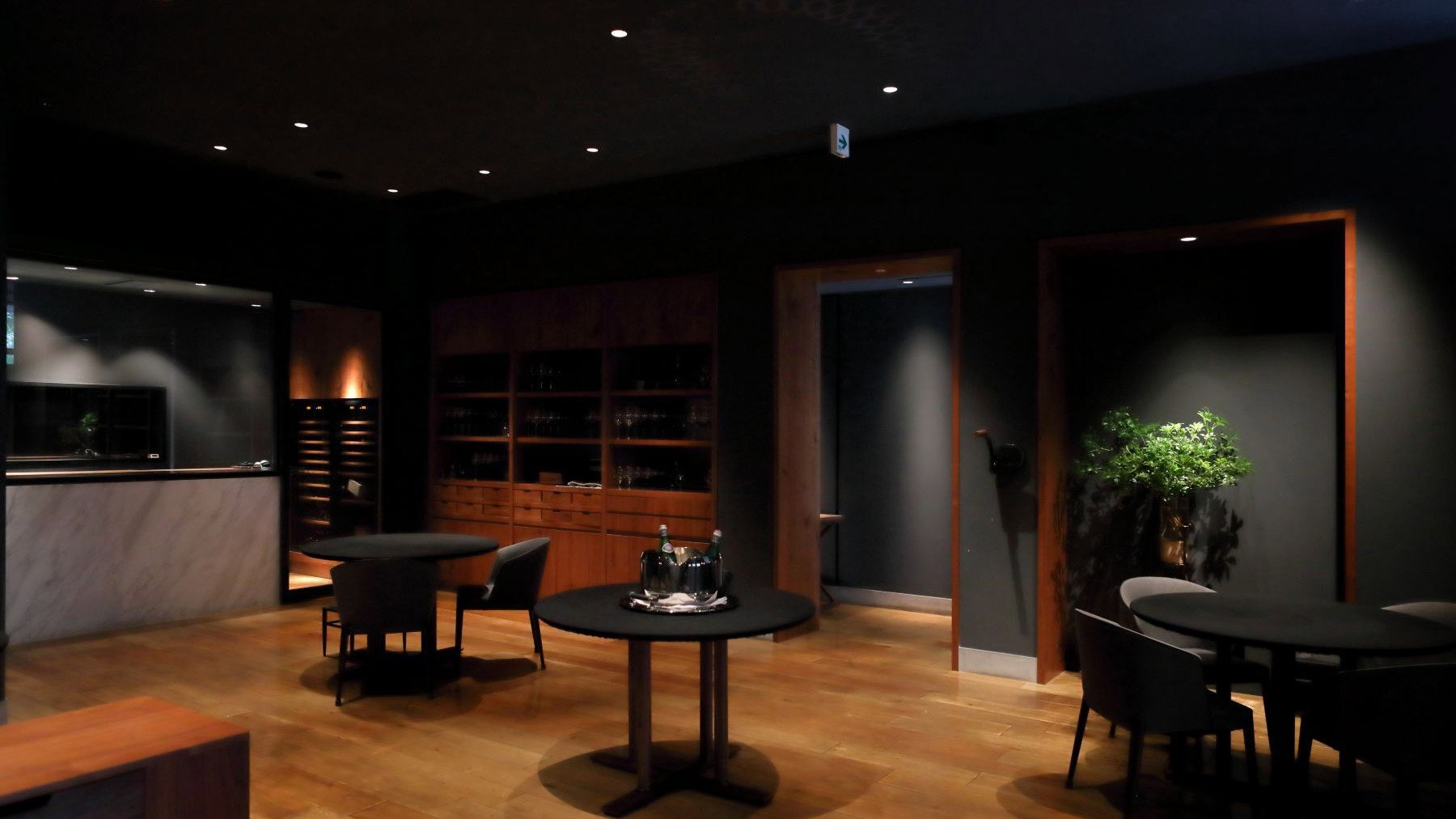
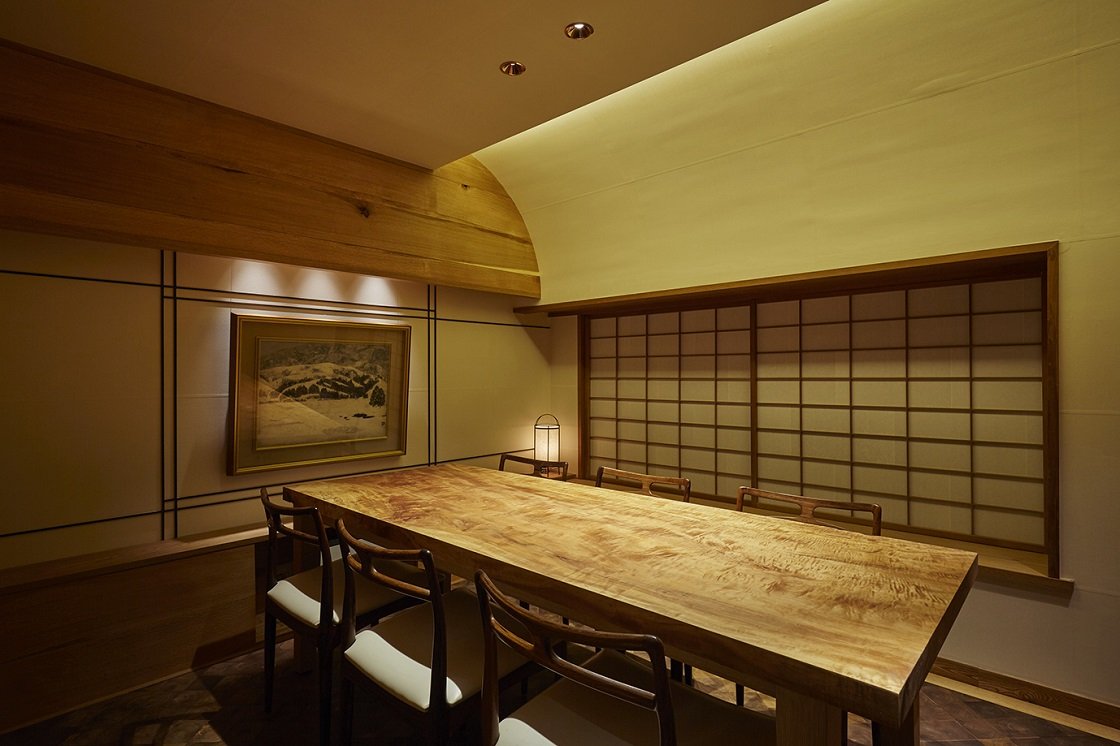
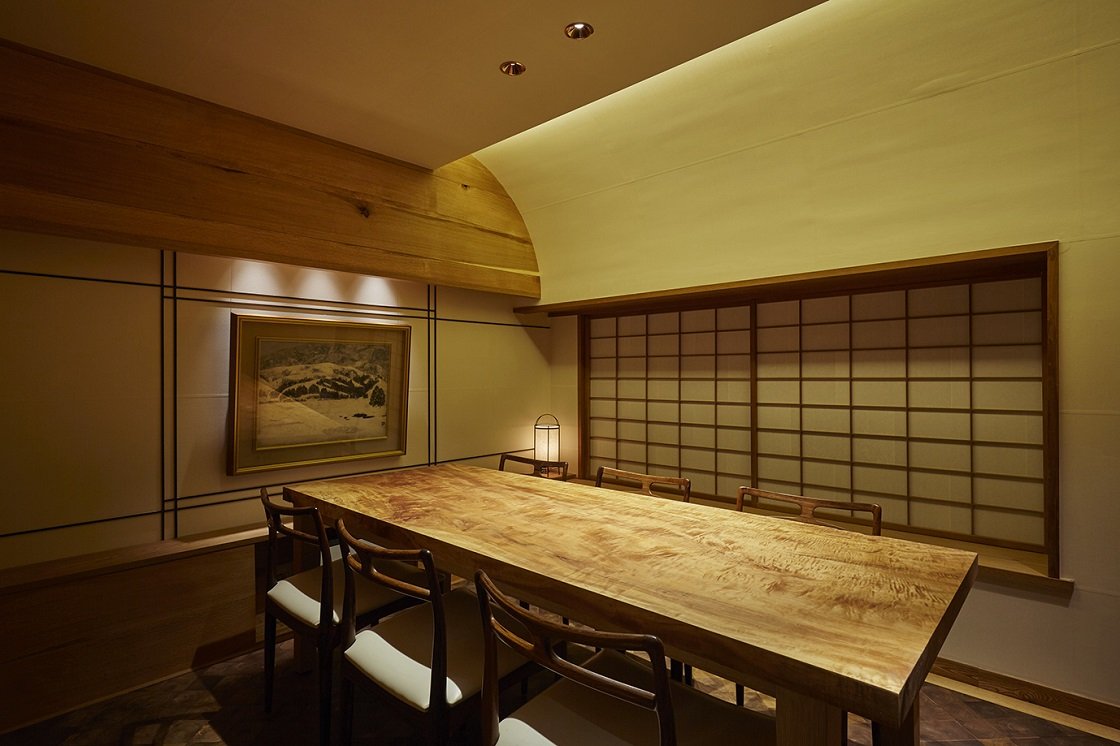
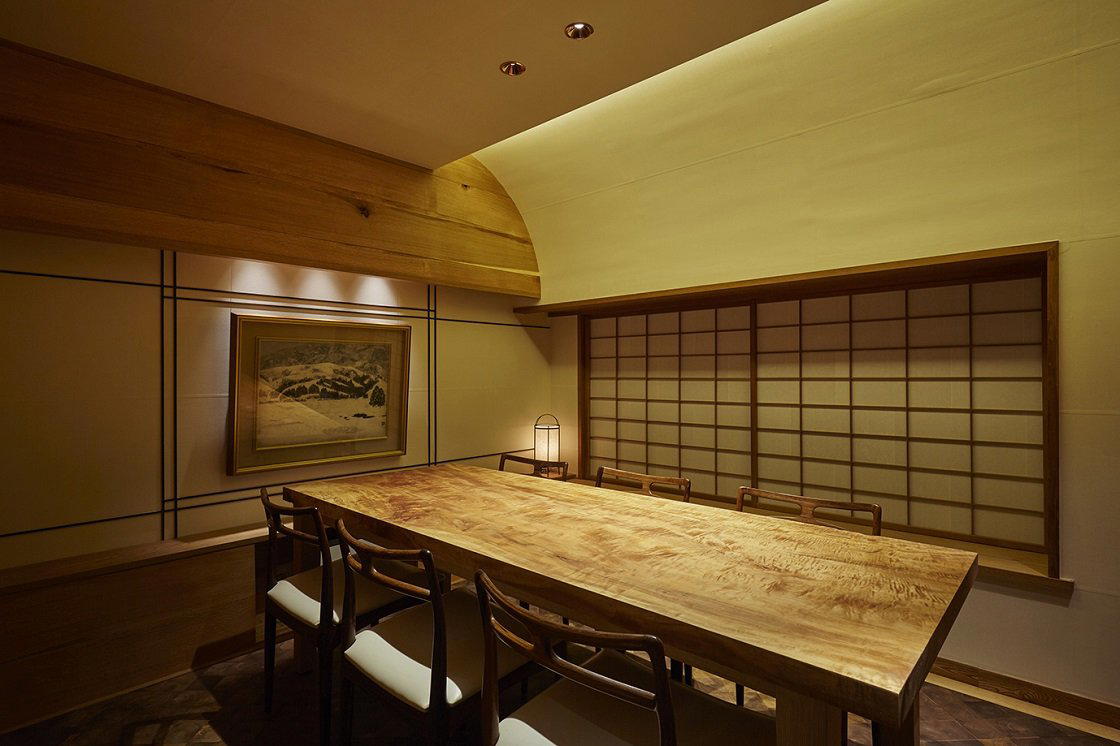
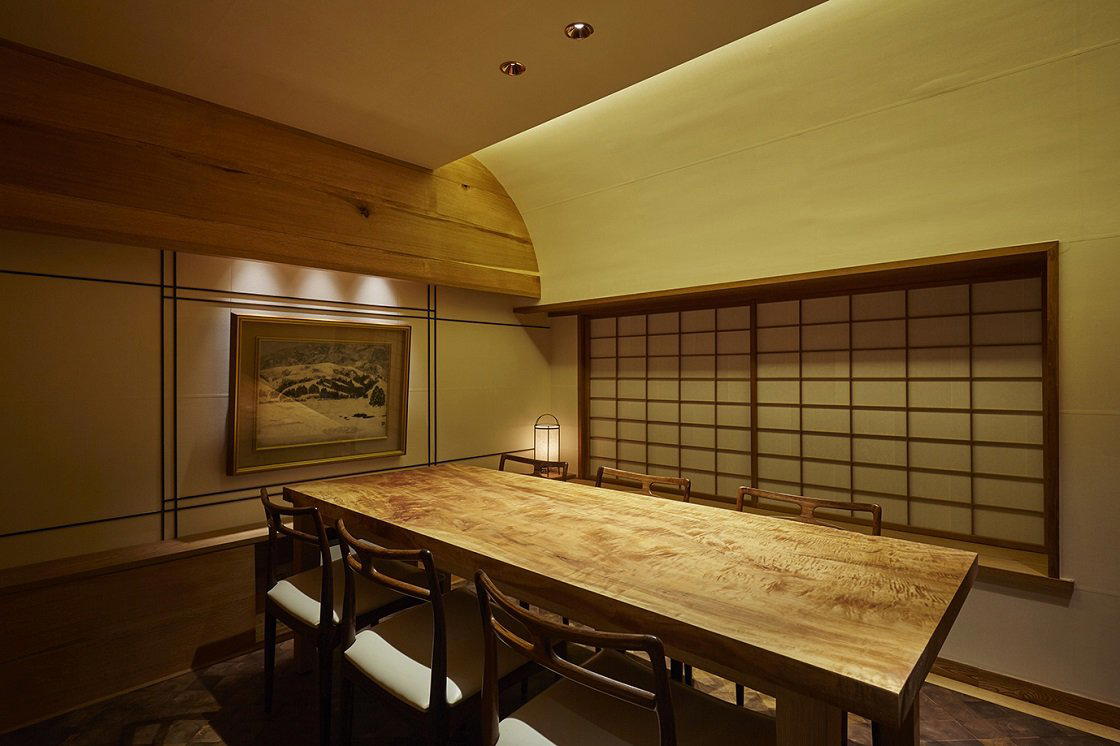
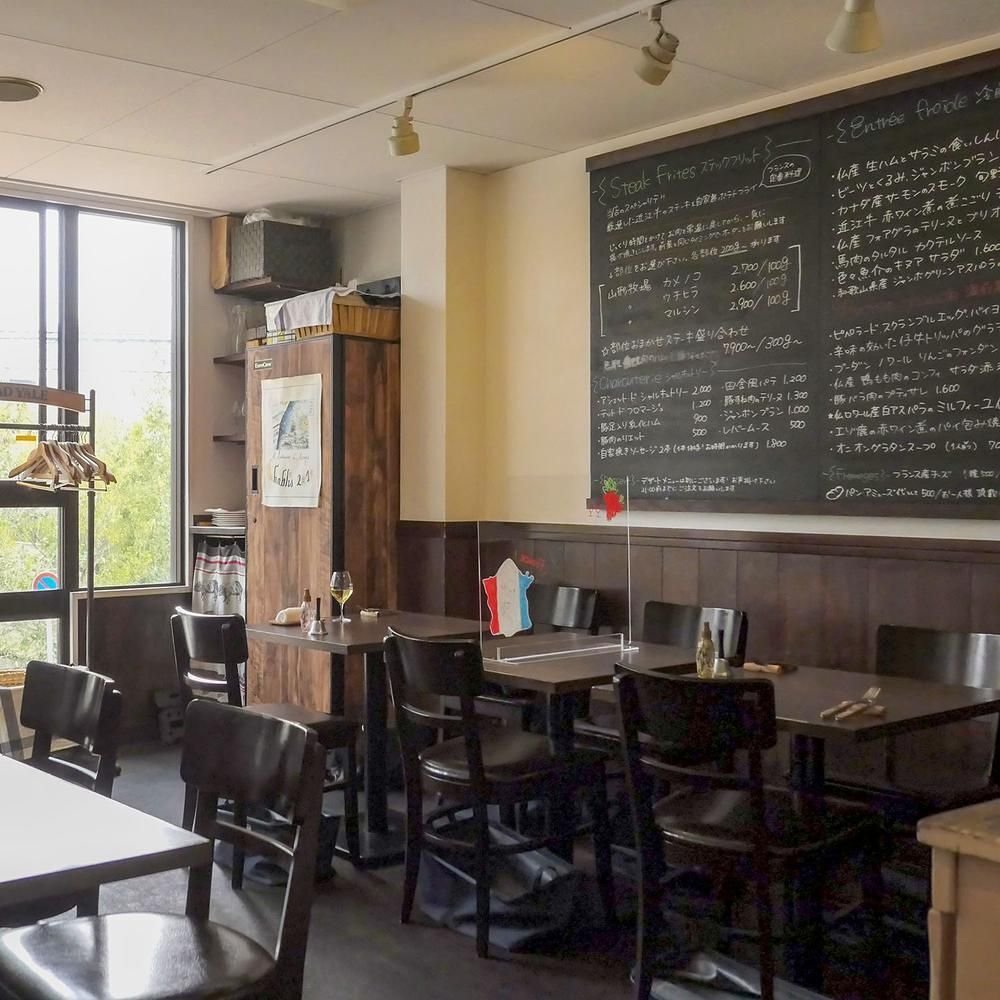
The physical setup reinforces this. The room does not perform grandeur. The scale is intimate rather than theatrical, which matters significantly if you are booking for a special occasion or a serious dinner conversation. Guests looking for the gilded excess of high-end Cantonese dining in a hotel ballroom format will not find it here. What they will find is a dining room sized for focus, where the meal itself carries the weight of the evening rather than the décor or spectacle. For a date night or a small celebratory gathering, that intimacy is a genuine asset. The room gives you space to notice what is actually on the plate.
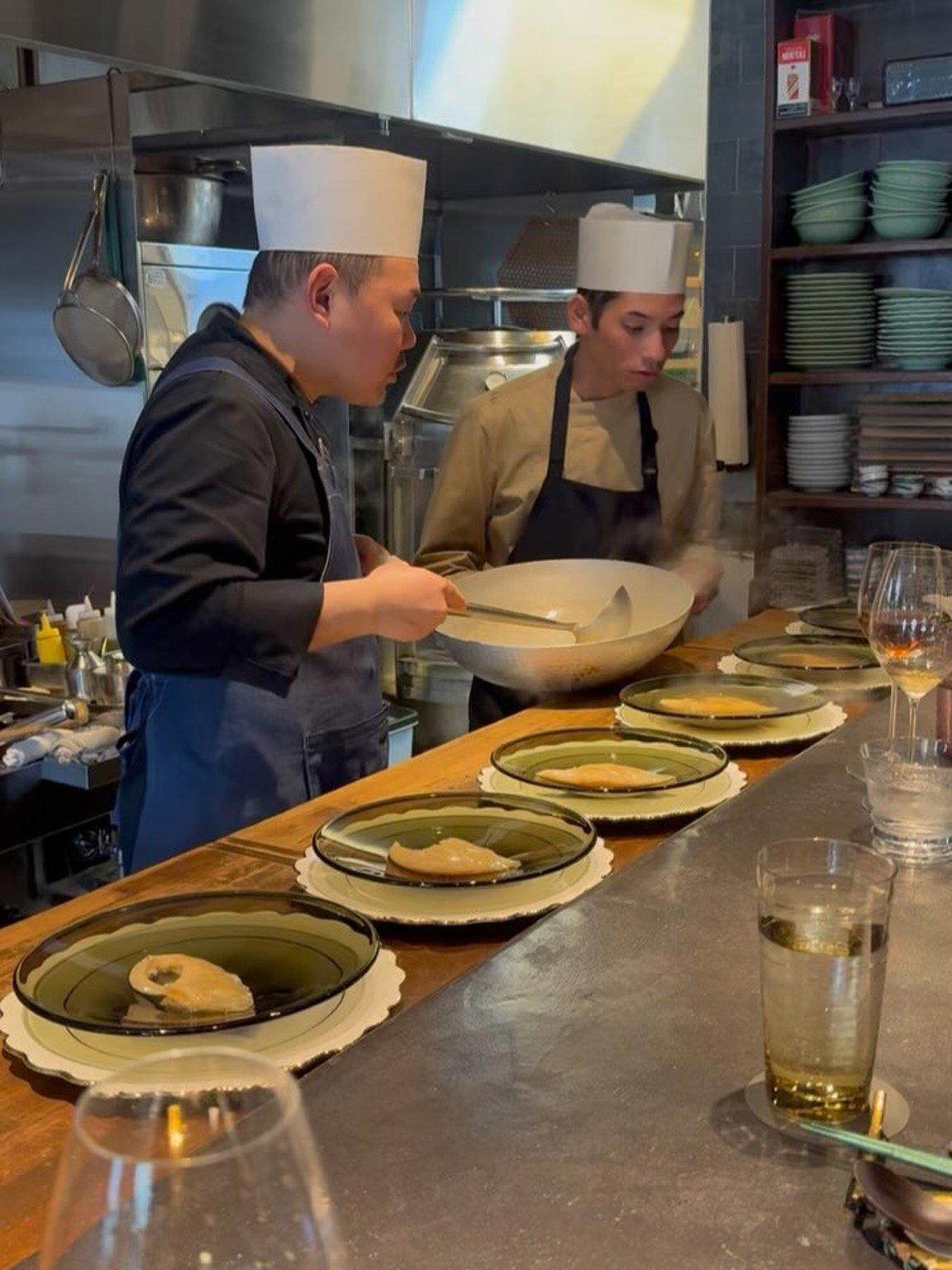
Chef Gabriele Ravasio leads the kitchen, the approach is grounded in restraint. The philosophy is to use familiar Chinese ingredients and let their natural qualities come through rather than mask them with heavy oil or aggressive seasoning. The jiǔ cǎi pén on the prix fixe draws from Chinese imperial court cuisine, which means technique and patience are doing the work that sauce and richness might do elsewhere. The result is food that reads as light on the constitution, not a word often associated with Chinese restaurant cooking in the European imagination, but accurate here. This matters for special occasion bookings in particular: you will not be wrecked by the end of the meal.
Yiwanshui's two consecutive Michelin Plates are a useful calibration tool. A Michelin Plate recognises cooking of good quality without implying the formal rigour of a Starred restaurant. In practice, it signals that the inspector found the food worth noting, in a city like Osaka, where Michelin coverage is dense and the competition across Chinese cuisine specifically includes serious operators like Chi-Fu, Kamigatachuka SHINTANI, and Chugokusai S.Sawada, that recognition carries weight. It also tells you what kind of restaurant this is not: not a Starred fine-dining destination requiring months of lead time, but a quality-minded neighbourhood anchor that can absorb regular visits.
These are the numbers of a restaurant whose regulars actually like it, not one being kept alive by tourist traffic.
For context beyond Osaka, chef-driven Chinese restaurants operating in this register, restrained, technique-led, rooted in a specific regional or historical tradition, are a narrow category globally. Restaurant Tim Raue in Berlin and Mister Jiu's in San Francisco represent different takes on ambitious Chinese cooking outside China; Yiwanshui's proposition is quieter and more inward-facing than either, which is both its limitation and its appeal. It is not trying to be a statement. It is trying to be good enough to return to.
If you are already in Osaka and building a restaurant itinerary, Yiwanshui fits leading as an early-week dinner where you want something considered but not exhausting. It is a better call than a long kaiseki if your palate needs a different register, the Nishi Ward address is direct to reach from central Osaka. Visitors building wider Japan itineraries can benchmark the quality here against dining in other cities: Harutaka in Tokyo, Gion Sasaki in Kyoto, and akordu in Nara offer useful reference points across the region, though none are directly comparable in format.
For a broader read on what else is worth your time in the city, see our full Osaka restaurants guide, or explore Osaka hotels, bars, and experiences for fuller trip planning.
Ratings & Recognition
- Michelin Plate, 2025
- Michelin Plate, 2024
Booking
Booking difficulty at Yiwanshui is rated Easy. Given the Michelin recognition and the intimate room size, booking ahead is still advisable, but you are unlikely to face the multi-week wait typical of Starred Osaka restaurants. A reservation a week or so in advance should be sufficient for most dates. Contact the restaurant directly or use a local concierge service if you need help arranging a table.
Know Before You Go
- Address: 2 Chome-6-13 Utsubohonmachi, Nishi Ward, Osaka, 550-0004, Japan
- Price range: ¥¥¥
- Format: Prix fixe / set menu (tàocān)
- Cuisine: Chinese home cooking with imperial court influence
- Awards: Michelin Plate 2024, Michelin Plate 2025
- Booking difficulty: Easy, advance reservation still recommended
- Dress code: Not specified; smart casual is a safe baseline for a ¥¥¥ prix fixe
- Neighbourhood: Utsubo, Nishi Ward, residential, easy to reach from central Osaka
Planning details
- Location
- 2 Chome-6-13 Utsubohonmachi, Nishi Ward, Osaka, 550-0004, Japan
- Website
- tabelog.com/en/osaka/A2701/A270105/27137773
- Phone
- +81 6-6448-0580
The take
The Take
The Vibe
Yiwanshui settles into a quieter Osaka neighborhood and cultivates a quietly confident atmosphere. The room is intentionally familiar rather than theatrical, built to reward repeat visits and regulars. Rather than spectacle, the restaurant relies on a steady, coherent rhythm: a prix-fixe progression that frames Chinese home cooking delivered with careful technique. The overall effect is intimate and unshowy — comfortable and composed — where precision and familiarity replace flash. Diners come for dependable, thoughtfully prepared food in a space that feels like somewhere you already know how to inhabit.
Best For
Yiwanshui suits diners who prize consistency and the pleasures of a set menu over exploratory à la carte choices. It’s an appealing destination for people who enjoy returning to a neighborhood spot and for those who want Chinese home cooking refined by clear technique. The prix-fixe structure creates a shared experience across tables, so it works well for solo regulars and small parties who appreciate a composed, steady meal rather than a theatrical night out. Expect an evening-focused, reservation-worthy rhythm rather than casual drop-in service.
Ordering Tips
The restaurant operates on a declared prix-fixe format, so there’s little to choose from in the moment: the menu’s transparency is part of the concept. Embrace the set progression and let the kitchen dictate the sequence; the format is designed to remove decision fatigue and create a coherent shared experience. Because the room rewards repeat visits, consider returning to explore subtle variations across seasons or iterations of the set menu rather than expecting à la carte flexibility.
Venue details
Ambiance
Restrained and intimate rather than theatrical, suited to quiet conversation and considered special-occasion dining.
Tags
Vibe
Best For
Experience
At the Table
- Dress Code
- Smart Casual
- Noise Level
- Conversational
- Service Style
- Upscale Casual
- Meal Pacing
- Extended Experience
- Capacity
- Intimate
Signature Dishes
Jiǔ cǎi pén
Planning details
Location
2 Chome-6-13 Utsubohonmachi, Nishi Ward, Osaka, 550-0004, Japan · Directions
Also consider
Also Consider
- HAJIME; French, Innovative, ¥¥¥¥
- La Cime; French, ¥¥¥¥
- Kashiwaya Osaka Senriyama; Japanese, ¥¥¥
- Taian; Kaiseki, Japanese, ¥¥¥
- Fujiya 1935; Innovative, ¥¥¥¥
Restaurant context
At ¥¥¥, Yiwanshui sits in the same price tier as Kashiwaya Osaka Senriyama and Taian, but the experience is fundamentally different. Kashiwaya and Taian are kaiseki operations; Japanese in format, deeply seasonal, oriented toward a specific local dining tradition. Yiwanshui is the only restaurant in this peer group offering Chinese cuisine at this price and quality level, which makes direct comparison difficult but also clarifies the decision: if you want kaiseki, go to Taian; if you want something in a different cultural register but at a comparable price and with comparable Michelin recognition, Yiwanshui is your call.
Against the ¥¥¥¥ tier; HAJIME, La Cime, and Fujiya 1935; Yiwanshui is the more accessible and lower-risk booking. Those three restaurants carry Michelin Stars, require more planning, come with higher per-head spend. If your Osaka trip has a single high-stakes meal slot, HAJIME or Fujiya 1935 will deliver more formal ambition. But Yiwanshui at ¥¥¥ with a Plate and easy availability is the stronger choice for a second dinner or when you want quality without the logistical weight of a Starred booking.
Within the specific Chinese restaurant category in Osaka, Yiwanshui sits alongside Chi-Fu, Kamigatachuka SHINTANI, and Chugokusai S.Sawada. Its distinguishing feature is the set menu format and the particular register of cooking; restrained, home-cooking-influenced, court-adjacent; rather than the broad Cantonese or Shanghainese formats more common elsewhere. If you want a la carte flexibility in Chinese dining, one of those peers is a better fit. If the prix fixe focus appeals and you want a neighbourhood feel over a destination restaurant atmosphere, Yiwanshui is the right choice in this group.
Explore Osaka
Around this place
Discover more on Pearl
Unlock the full Yiwanshui guide in Pearl, including awards, comparisons, FAQs, planning details, and nearby places.
Compare Yiwanshui
| Venue | Cuisine | Price | Booking Difficulty | Awards |
|---|---|---|---|---|
| Yiwanshui | Chinese | ¥¥¥ | Easy | Tabelog 100 - Chinese cuisine - WEST - 2026 · #22Michelin Guide Kyoto Osaka 20262026 Michelin Plate2025 Michelin Plate2024 Michelin Plate |
| HAJIME | French, Innovative | ¥¥¥¥ | Unknown | Star Wine Lists 2026 · #12026 Tabelog Bronze · #922026 OAD Top Restaurants in Japan Ranked · #98Michelin Guide Kyoto Osaka 20262026 La Liste Top RestaurantsTabelog 100 - Innovative / Creative cuisine - 2025 · #692025 Asia's 50 Best Restaurants · #832025 OAD Top Restaurants in Japan Ranked · #87We're Smart World Top Restaurants 2025 |
| La Cime | French | ¥¥¥¥ | Unknown | 2026 Asia's 50 Best Restaurants · #132026 OAD Top Restaurants in Japan Ranked · #1492026 Tabelog Bronze · #231Michelin Guide Kyoto Osaka 20262026 La Liste Top Restaurants2025 Asia's 50 Best Restaurants · #82025 World's 50 Best Restaurants · #44Tabelog 100 - French - WEST - 2025 · #932025 OAD Top Restaurants in Japan Ranked · #123 |
| Kashiwaya Osaka Senriyama | Japanese | ¥¥¥ | Unknown | 2026 Tabelog Bronze · #1682026 OAD Top Restaurants in Japan Recommended2026 Relais Chateaux RestaurantsMichelin Guide Kyoto Osaka 20262026 La Liste Top RestaurantsTabelog 100 - Japanese cuisine - WEST - 2025 · #772025 OAD Top Restaurants in Japan Ranked · #1552025 Relais Chateaux Award2025 Michelin 3 Stars |
| Taian | Kaiseki, Japanese | ¥¥¥ | Unknown | 2026 OAD Top Restaurants in Japan RecommendedMichelin Guide Kyoto Osaka 20262026 La Liste Top Restaurants2025 OAD Top Restaurants in Japan Ranked · #2042025 La Liste Top Restaurants2025 Michelin 3 Stars2024 OAD Top Restaurants in Japan Ranked · #1912024 Michelin 3 Stars2023 OAD Top Restaurants in Japan Highly Recommended |
| Fujiya 1935 | Innovative | ¥¥¥¥ | Unknown | 2026 Tabelog Bronze · #752026 OAD Top Restaurants in Japan RecommendedMichelin Guide Kyoto Osaka 20262026 La Liste Top Restaurants2025 Michelin 2 Stars2025 Tabelog Silver2025 La Liste Top Restaurants2024 OAD Top Restaurants in Japan Ranked · #2392024 Michelin 2 Stars |
.png?width=1200&quality=80)








Key differences to consider before you reserve.
FAQ
Frequently Asked Questions
What should a first-timer know about Yiwanshui?
The sign uses the Chinese characters for 'set menu', which tells you everything about the format: you're eating what the kitchen has decided, not ordering à la carte. The cooking is rooted in Chinese home cooking with court cuisine influences, using familiar ingredients treated with restraint on oil and seasoning. It holds two consecutive Michelin Plate awards (2024 and 2025), so this is a serious room despite the understated premise. Go in knowing the format and you'll get more out of it.
What should I order at Yiwanshui?
There is no à la carte ordering at Yiwanshui; it's a prix fixe format. The menu includes jiǔ cǎi pén, a dish influenced by Chinese imperial court cuisine. Trust the set menu to do the work.
How far ahead should I book Yiwanshui?
Booking difficulty is rated Easy, which is relatively accessible by Osaka Michelin-recognised standards. That said, the room size appears intimate and the Michelin Plate recognition (2024 and 2025) brings consistent demand, so booking at least a week ahead is a sensible precaution. Don't assume walk-ins are reliable.
What should I wear to Yiwanshui?
No dress code is specified. The restaurant occupies a quiet residential and business pocket of Nishi Ward and is built around Chinese home cooking rather than formal ceremony, which suggests a relaxed but neat approach is appropriate. Treat it like a focused neighbourhood restaurant with Michelin recognition rather than a high-ceremony fine dining room.
Is Yiwanshui good for solo dining?
Yes, a prix fixe set menu format generally suits solo diners well; no shared dishes to negotiate, no awkward portion splitting, the pacing is handled by the kitchen. At ¥¥¥ pricing with Michelin Plate recognition, it's a reasonable solo spend for what the kitchen is doing. Solo diners in Osaka's Nishi Ward looking for a more social counter experience might compare Taian, but for a quiet, focused meal, Yiwanshui is a sound call.