

Ten-Yu
Kaiseki · Nakagyō, Kyoto
Restaurant in Kyoto, Japan
 Book with Pearl
The Read
Cottonseed-Oil Tempura Kaiseki
Price
$100–150per person
Chef
Various
Dress
Smart Casual
Why go
A Michelin Plate tempura restaurant in Nakagyo Ward, Ten-Yu is one of Kyoto's more accessible serious dining options: priced at ¥¥¥, easy to book, and open for lunch most days. The prix fixe menu alternates between seafood and vegetables across visits, and the tea-house-designed interior splits between counter seats upstairs and private rooms below. OAD-ranked in Japan for three consecutive years.
About Ten-Yu
Ten-Yu Is Not What Most Visitors Expect From Kyoto Kaiseki
The common assumption is that kaiseki in Kyoto means a rarefied, multi-hour ceremony with a five-figure price tag and a booking list measured in months. Ten-Yu corrects that assumption on almost every count. This is a Michelin Plate-recognised kaiseki restaurant in Nakagyo Ward that is genuinely accessible — easy to book, open for lunch, priced at ¥¥¥ rather than the ¥¥¥¥ tier that dominates the serious end of Kyoto's kaiseki scene, and managed by a ryokan that treats the restaurant as a reason to return, not just a perk for guests already staying. If you want a structured, seasonal kaiseki experience in Kyoto without committing to a flagship-level spend, Ten-Yu is one of the cleaner choices available.
The Room and the Format
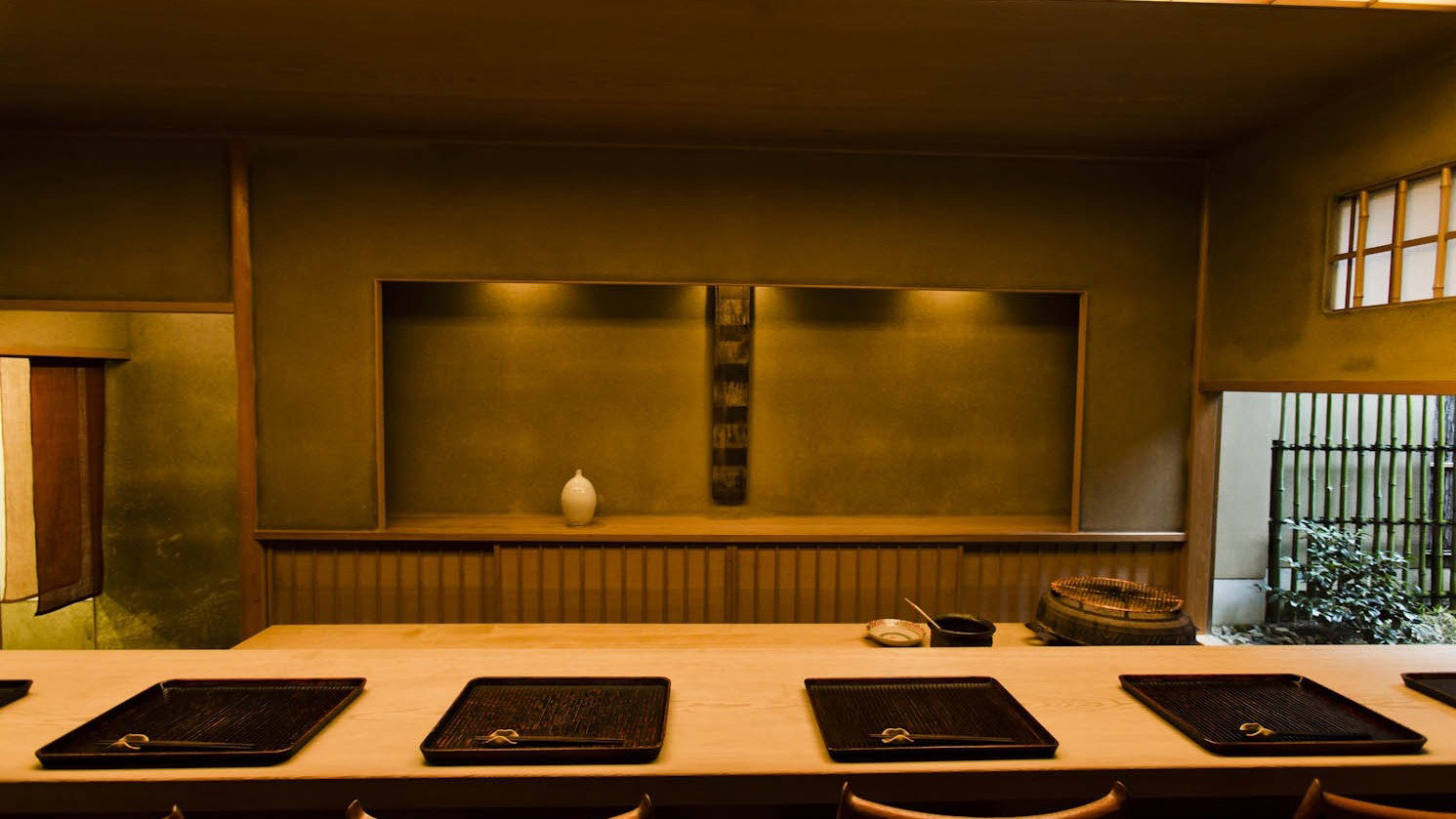
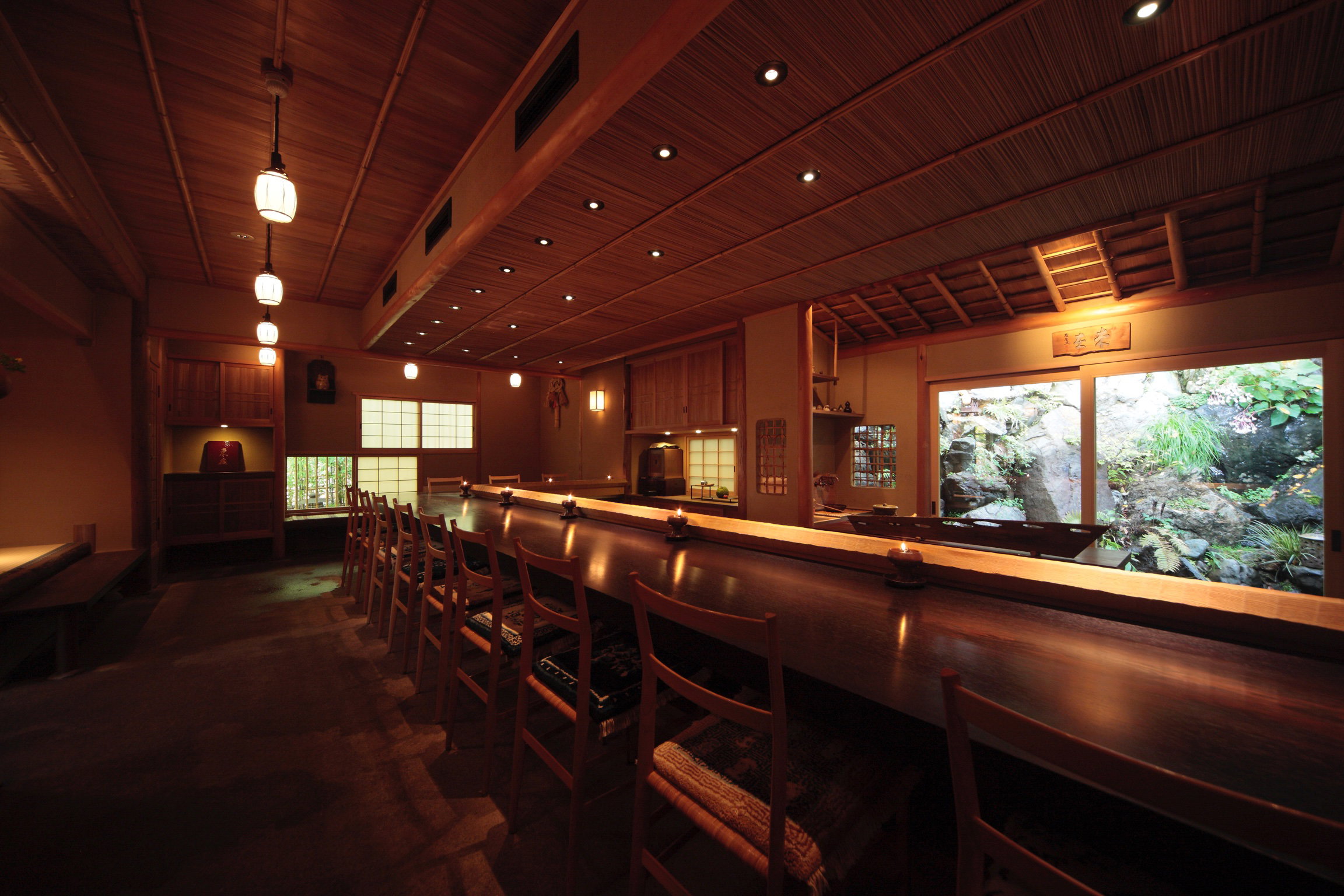
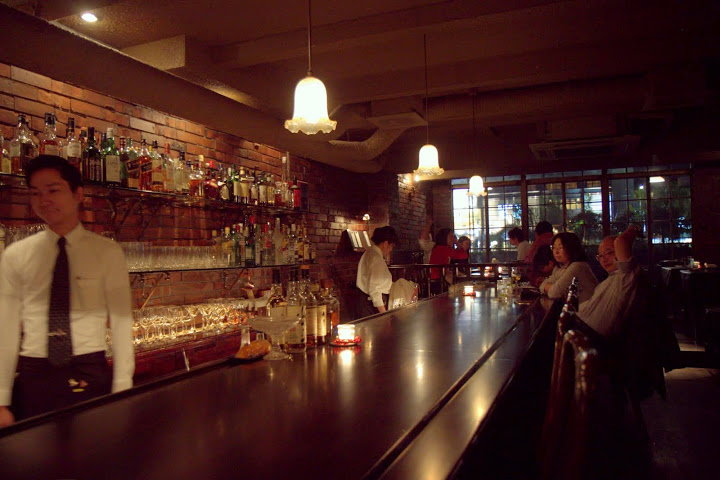
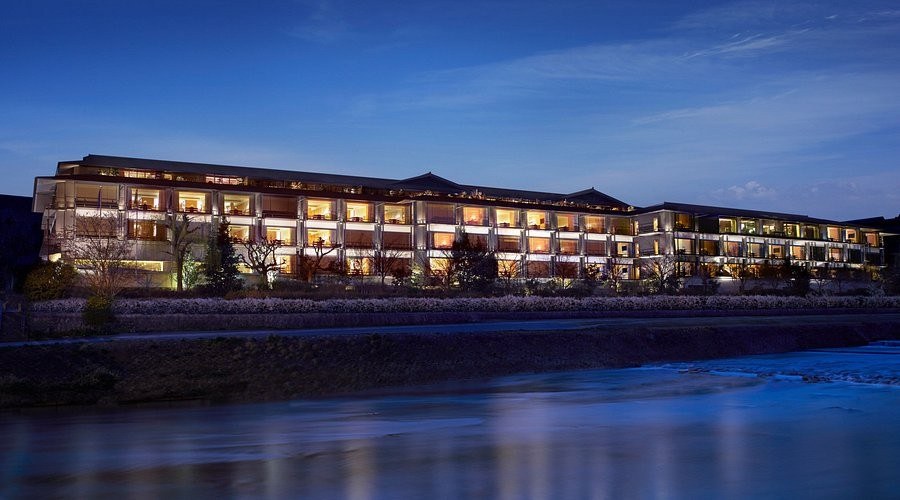
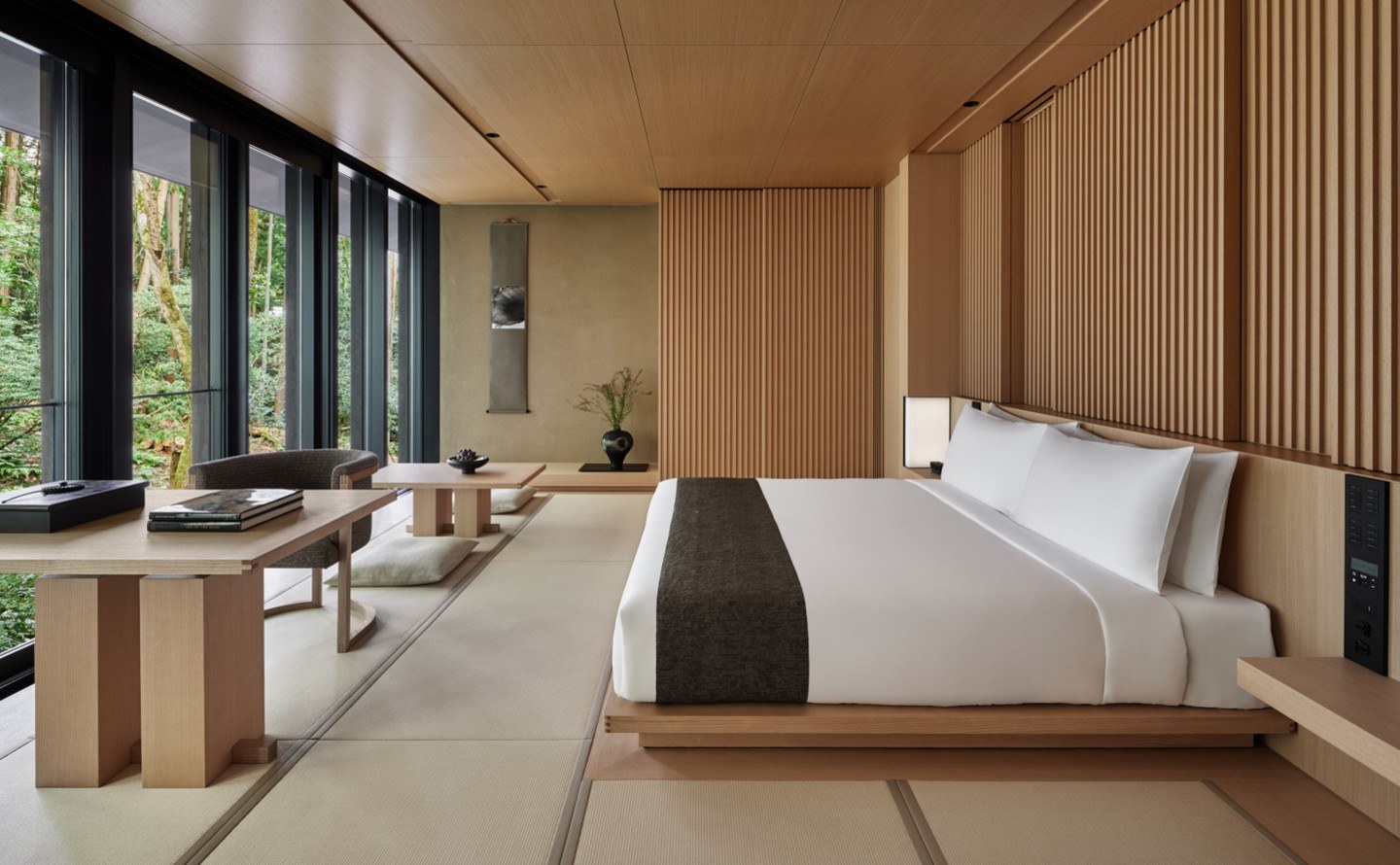
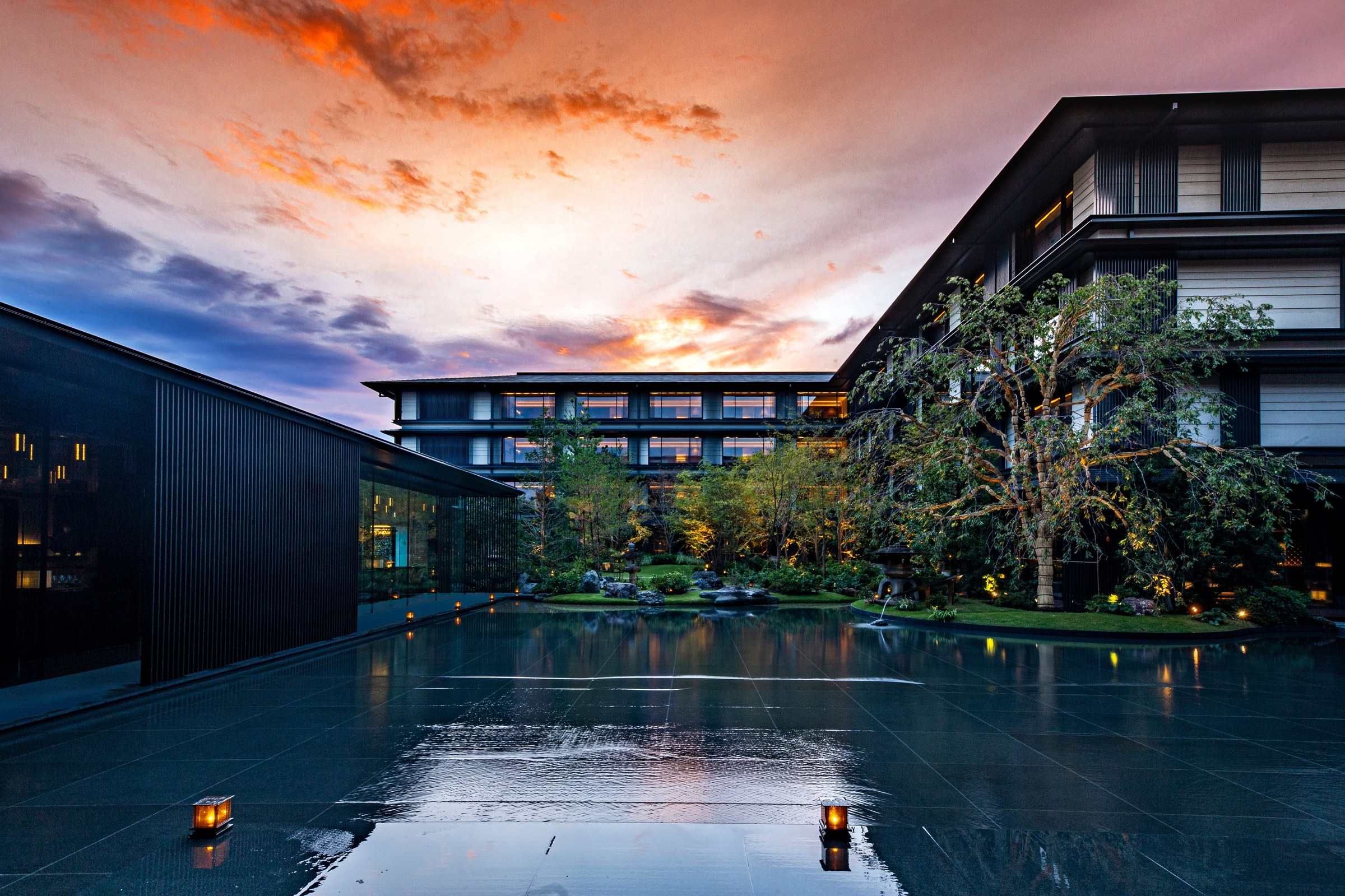
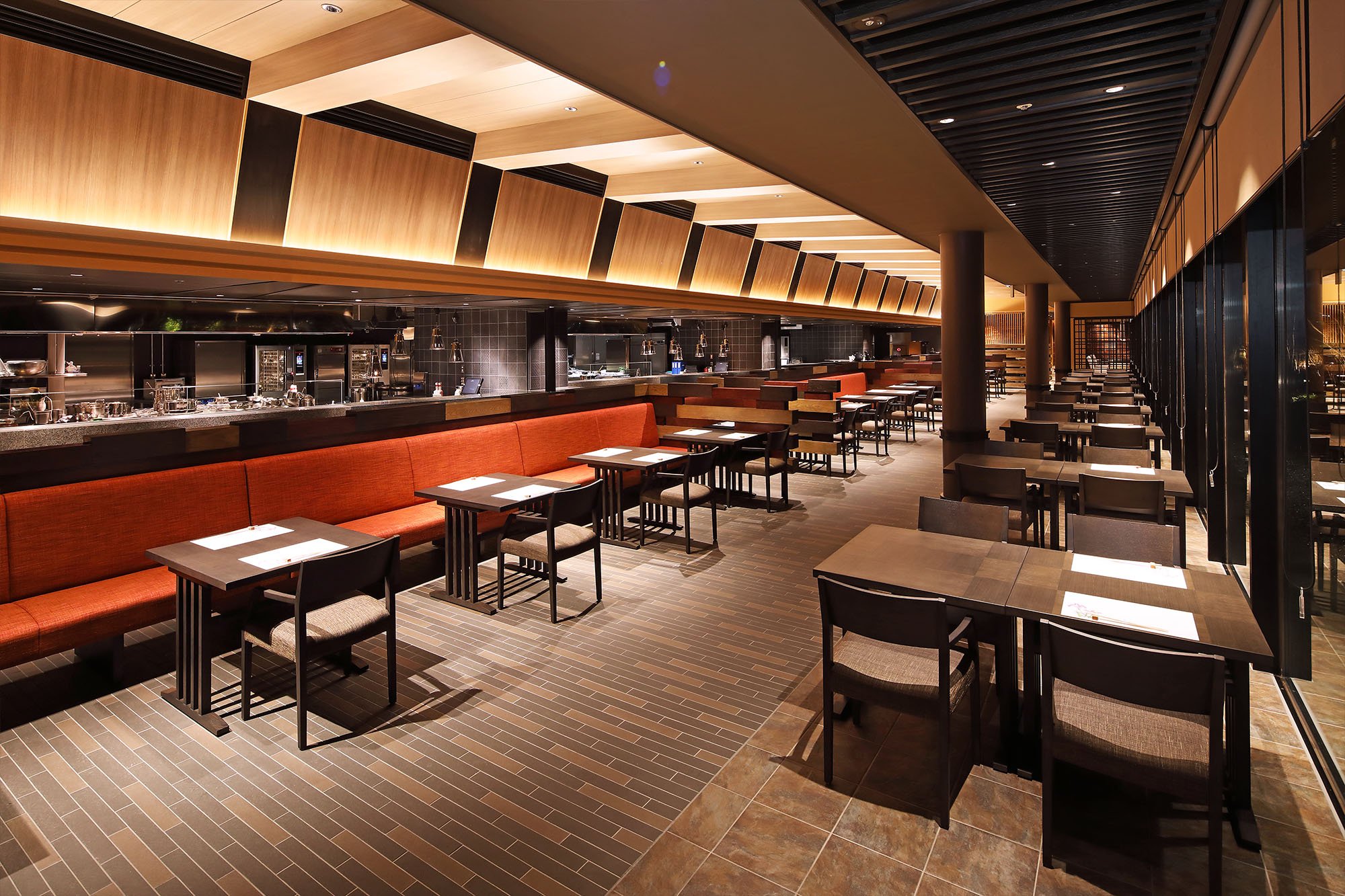
The interior was designed by a tea-house craftsman, and that lineage shows in the clean lines and the restraint of the space. The ground floor holds private rooms finished in a modern Japanese style — the right choice for small groups who want separation and quiet. The upper floor features counter seating, where you can watch the chef work directly. For solo diners or pairs with an interest in technique, the counter is the better seat: it gives you context for what arrives on the plate and turns the meal into something more instructive. The split-level format means Ten-Yu functions as two slightly different restaurants depending on where you sit, so it is worth specifying your preference when booking.
What the Kitchen Does and Why the Seasonality Matters
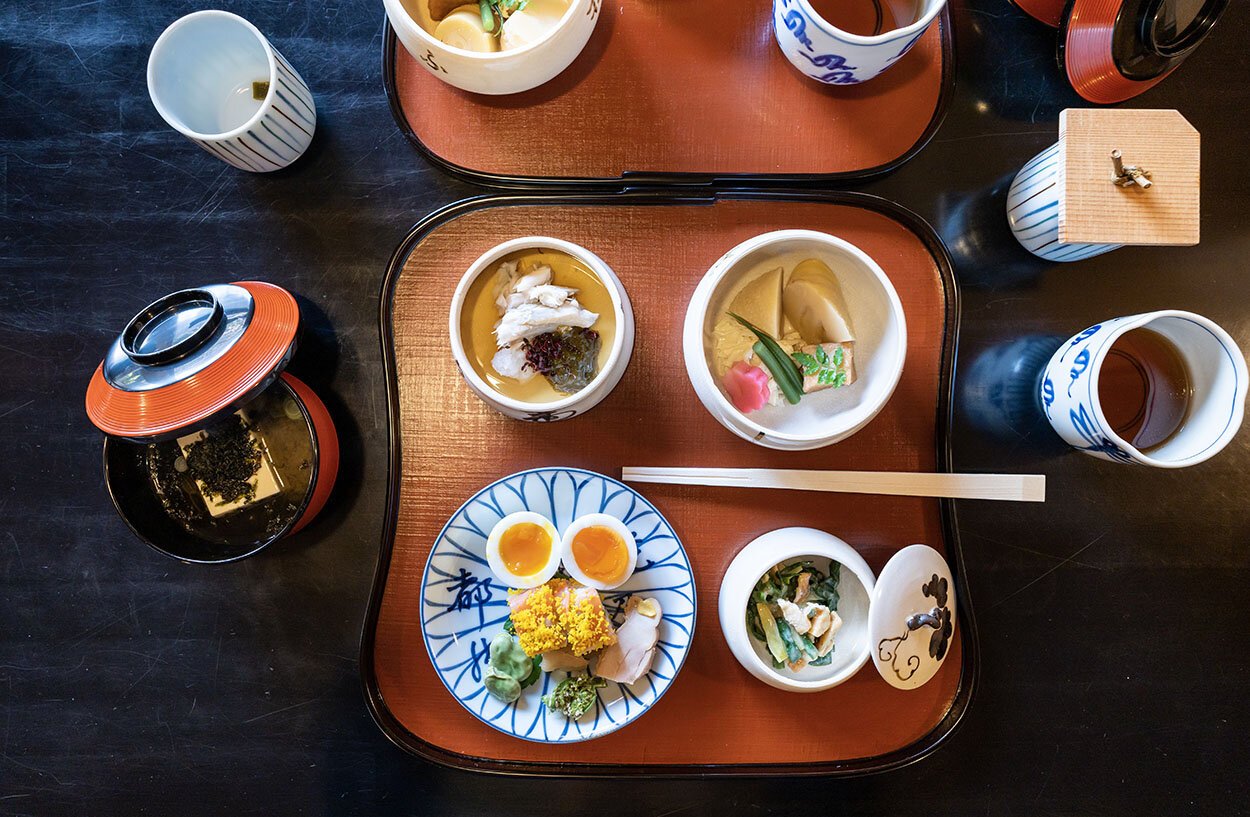
Ten-Yu's cooking is built around a prix fixe menu that alternates between seafood and vegetables, which has a direct consequence for repeat visitors: no two meals follow the same arc. This is not decorative variety, it is the mechanism by which the kitchen signals its seasonal commitment. Kaiseki, as a format, is inseparable from the Japanese calendar, and Ten-Yu's alternating structure means the menu you encounter in spring will differ not just in ingredients but in its fundamental orientation from the one you encounter in autumn. If you are visiting Kyoto more than once in a year, or planning around a specific season, this structure gives you a genuine reason to return rather than a nominal one.
The kitchen fries its tempura in cottonseed oil, which produces a noticeably lighter result than the sesame or blended oils common elsewhere. The tilefish preparation, wrapped in perilla leaf, is a specific, considered pairing: the herbaceous edge of shiso works against the mild sweetness of tilefish in a way that reflects the kitchen's attention to contrast within a course. These are not arbitrary choices, and for a food-focused traveller they are worth knowing about before you arrive.
At lunchtime, tendon is offered as part of the menu, a more grounded, less ceremony-heavy option that reflects the ryokan management's intention to make the restaurant feel approachable rather than exclusive. The Opinionated About Dining rankings, which placed Ten-Yu at #477 in Japan in 2024 and #523 in 2025 across all restaurants in the country, confirm that this is a competent kitchen operating at a consistent level, even if it is not competing at the very leading of Kyoto's kaiseki hierarchy.
When to Visit and How to Plan Around Seasonality
Ten-Yu is open for lunch Tuesday excepted, with a narrow lunchtime window of 11:30 am to 1 pm, and an evening service from 5:30 to 7 pm. The compressed service hours matter practically: if you arrive late for lunch, you may miss the window entirely. Friday is the exception, no lunch service is offered. Plan accordingly, particularly if your Kyoto itinerary is dense.
Seasonally, the most considered time to visit is late spring or early autumn, when Kyoto's ingredient calendar produces the clearest contrast between the seafood-led and vegetable-led menu iterations. Spring brings bamboo shoots, mountain vegetables, and sakura-adjacent ingredients that show up across the city's kaiseki menus; autumn shifts toward matsutake mushroom and the first cold-weather fish. Visiting in either shoulder season gives you the leading chance of catching the alternating menu structure at a point of peak ingredient quality rather than mid-summer heat, when some Kyoto kitchens lean heavily on preserved or imported product.
Booking and Practical Intelligence
Booking difficulty is rated easy, which is genuinely unusual for a Michelin Plate-recognised kaiseki venue in central Kyoto. The ryokan connection may provide some built-in capacity management, but the practical reality is that walk-in risk at the narrow service windows is real, the 11:30 am to 1 pm lunch slot in particular does not leave room for late arrivals. Book in advance to secure your preferred seating level (counter versus private room) and to avoid the Friday lunch gap catching you off guard.
Ten-Yu is at 299 Shimohakusancho, Nakagyo Ward, central Kyoto, accessible without significant travel from most hotel clusters in the city. For the broader Kyoto dining context, see our full Kyoto restaurants guide. If you are also planning accommodation, our full Kyoto hotels guide covers the relevant options. For evening drinks, our full Kyoto bars guide is worth consulting, and for broader travel planning, our full Kyoto experiences guide and our full Kyoto wineries guide are also available.
How Ten-Yu Sits in the Wider Japan Context
Ten-Yu is one of several approachable, mid-tier kaiseki options worth knowing about in Kyoto. For other serious kaiseki elsewhere in Japan, Kikunoi in Tokyo and Hirosaku in Tokyo offer points of comparison for the format in a different city context. Further afield, HAJIME in Osaka represents a more ambitious and expensive end of Japanese fine dining, while akordu in Nara is an interesting alternative for food travellers also visiting that city. For those spending time in Fukuoka or Okinawa, Goh in Fukuoka and 6 in Okinawa are worth bookmarking, as is 1000 in Yokohama for visitors passing through the Kanto region.
Within Kyoto's kaiseki scene specifically, Ten-Yu competes most directly in the accessible tier alongside venues like Ankyu, Chihana, Doujin, and Gion Suetomo. For those who want to step up to the highest tier of the city's kaiseki tradition, Ifuki is the relevant benchmark.
Quick reference: Michelin Plate (2025) · OAD #523 Japan (2025) · ¥¥¥ · Lunch 11:30 am–1 pm (closed Tuesday and Friday lunch) · Dinner 5:30–7 pm · Easy to book · Counter and private room seating available.
Planning details
- Hours
- Monday: 11:30 am–1 pm, 5:30–7 pm · Tuesday: Closed
- Location
- 299 Shimohakusancho, Nakagyo Ward, Kyoto, 604-8085, Japan
- Reservations
- Book on TableCheck
- Website
- ten-you.jp
- Phone
- +81 75-212-7778
The take
The Take
The Vibe
Ten-Yu reads like a contemporary tea house translated into kaiseki form. The room is rooted in tea-house craftsmanship, with materials and proportions chosen to slow the body and the mind. That deliberate simplicity underpins the dining experience: nothing is decorative for its own sake, and the space encourages a measured, attentive meal. The restaurant balances modern touches with a historic lineage, producing a serene, carefully composed atmosphere that foregrounds ritual and restraint. Design and service work together to put the cuisine — and the act of tasting it — at the center of the visit.
Best For
Ten-Yu is built for ceremonial meals and focused dining occasions. Private rooms on the ground floor provide contained formality that suits business dinners, small private events and any gathering that benefits from discreet, structured seating. The upper-floor counter, where guests sit opposite the kitchen and the chef is present, is ideal for those who want an up-close, interpretive experience of kaiseki technique. The alternating prix fixe and the measured room both reward attention, making Ten-Yu most appropriate for thoughtful dinners rather than casual drop-ins.
Ordering Tips
The kitchen's organizing principle is the alternating seafood-and-vegetable prix fixe; approach the meal as a sequence rather than hunting for a single climax. If you want theatre and direct engagement with technique, choose the upper-floor counter where the chef is visible. For privacy and a more ceremonial, formal rhythm, book one of the ground-floor private rooms. Don’t miss the sea urchin tempura, which is noted as a signature dish and fits squarely within the restaurant’s seafood-focused passages.
Venue details
Ambiance
Small, intimate counter dining overlooking a garden with modern Japanese design, quiet and refined atmosphere.
Tags
Vibe
Best For
Experience
View
At the Table
- Dress Code
- Smart Casual
- Noise Level
- Quiet
- Service Style
- Formal
- Meal Pacing
- Leisurely
- Capacity
- Intimate
- Kitchen
- Traditional
- Menu Format
- Counter dining, Set menu
- Wine Program
- Curated
- Drinks Focus
- Sake
- Dietary
- Allergy accommodating
- Private Dining
- Available
Signature Dishes
sea urchin tempura
Know before you go
Know Before You Go
- Getting there
- 299 Shimohakusancho, Nakagyo Ward, Kyoto, 604-8085, Japan
Planning details
Hours
- Monday
- 11:30 am–1 pm, 5:30–7 pm
- Tuesday
- Closed
- Wednesday
- 11:30 am–1 pm, 5:30–7 pm
- Thursday
- 11:30 am–1 pm, 5:30–7 pm
- Friday
- 5:30–7 pm
- Saturday
- 11:30 am–1 pm, 5:30–7 pm
- Sunday
- 11:30 am–1 pm, 5:30–7 pm
Location
299 Shimohakusancho, Nakagyo Ward, Kyoto, 604-8085, Japan · Directions
Recognition and awards

Also consider
Also Consider
- Gion Sasaki, Kaiseki, Japanese, ¥¥¥¥
- cenci, Italian, ¥¥¥
- Ifuki, Kaiseki, ¥¥¥¥
- Kyokaiseki Kichisen, Japanese, ¥¥¥¥
- Kyo Seika, Chinese, ¥¥¥
Restaurant context
Ten-Yu's main competitive advantage over the other serious kaiseki options in Kyoto is straightforward: it costs less and is easier to book. Against Gion Sasaki and Ifuki, both of which sit at ¥¥¥¥ and carry higher booking difficulty, Ten-Yu is the right call if your priority is a structured, seasonal kaiseki experience without committing to a flagship-level spend or planning weeks in advance. If you want the most technically ambitious kaiseki Kyoto can offer and price is secondary, Gion Sasaki or Kyokaiseki Kichisen are the appropriate targets. Ten-Yu does not try to compete at that level, and it does not need to.
For travellers who want something at ¥¥¥ but are open to formats beyond kaiseki, cenci offers Italian-influenced cooking at the same price tier and is worth considering if you are spending multiple nights in Kyoto and want contrast across your meals. Kyo Seika at ¥¥¥ provides a Chinese option for the same budget. Neither competes with Ten-Yu on seasonal kaiseki depth, they are genuinely different formats.
The decision is fairly clean: book Ten-Yu if you want accessible, Michelin-recognised kaiseki with a seasonal alternating menu at a mid-range price point and no booking stress. Book Gion Sasaki or Ifuki if you are specifically seeking the top tier of Kyoto's kaiseki tradition and are prepared for the cost and planning that requires. For everything in between, Ten-Yu represents the most practical entry point into serious Kyoto kaiseki.
Explore Kyoto
Around this place
Discover more on Pearl
Unlock the full Ten-Yu guide in Pearl, including awards, comparisons, FAQs, planning details, and nearby places.
Compare Ten-Yu
| Venue | Awards | Price |
|---|---|---|
| Ten-Yu | 2026 OAD Top Restaurants in Japan RecommendedMichelin Guide Kyoto Osaka 20262026 Michelin Plate2025 OAD Top Restaurants in Japan Ranked · #5232025 Michelin Plate2024 OAD Top Restaurants in Japan Ranked · #4772023 OAD Top Restaurants in Japan Recommended | ¥¥¥ |
| Gion Sasaki | 2026 Tabelog Bronze · #3862026 OAD Top Restaurants in Japan RecommendedMichelin Guide Kyoto Osaka 20262026 La Liste Top RestaurantsTabelog 100 - Japanese cuisine - WEST - 2025 · #132025 OAD Top Restaurants in Japan Ranked · #2462025 Tabelog Silver2025 Michelin 3 Stars2025 La Liste Top Restaurants | ¥¥¥¥ |
| cenci | 2026 Tabelog Bronze · #442026 Asia's 50 Best Restaurants · #762026 OAD Top Restaurants in Japan Highly RecommendedMichelin Guide Kyoto Osaka 2026Tabelog 100 - Italian - WEST - 2025 · #632025 Asia's 50 Best Restaurants · #632025 OAD Top Restaurants in Japan Ranked · #1682025 Tabelog Bronze2024 OAD Top Restaurants in Japan Ranked · #135 | ¥¥¥ |
| Ifuki | 2026 OAD Top Restaurants in Japan Ranked · #1222026 Tabelog Bronze · #128Michelin Guide Kyoto Osaka 20262026 La Liste Top RestaurantsTabelog 100 - Japanese cuisine - WEST - 2025 · #622025 OAD Top Restaurants in Japan Ranked · #1002025 La Liste Top Restaurants2025 Tabelog Bronze2025 Michelin 2 Stars | ¥¥¥¥ |
| Kyokaiseki Kichisen | 2026 Tabelog Bronze · #1752026 OAD Top Restaurants in Japan Highly RecommendedMichelin Guide Kyoto Osaka 20262025 OAD Top Restaurants in Japan Ranked · #1862025 Michelin 2 Stars2025 La Liste Top Restaurants2024 OAD Top Restaurants in Japan Ranked · #1422024 Michelin 2 Stars2023 OAD Top Restaurants in Japan Ranked · #136 | ¥¥¥¥ |
| Kyo Seika | Tabelog 100 - Chinese cuisine - WEST - 2026 · #762026 Tabelog Bronze · #2162026 OAD Top Restaurants in Japan Recommended2026 Michelin 1 Star2025 OAD Top Restaurants in Japan Ranked · #3262025 Tabelog Bronze2024 OAD Top Restaurants in Japan Ranked · #3042024 Michelin Plate2024 Michelin 1 Star | ¥¥¥ |
.png?width=1200&quality=80)






What to weigh when choosing between Ten-Yu and alternatives.
FAQ
Frequently Asked Questions
Is lunch or dinner better at Ten-Yu?
Lunch is the stronger case for first-timers: the window runs 11:30 am to 1 pm and includes tendon, a deliberate gesture from the ryokan management toward a more casual entry point. Evening service (5:30–7 pm) is narrower still, so if your schedule is tight, lunch gives you more flexibility without sacrificing the prix fixe format.
What should I order at Ten-Yu?
The menu is prix fixe, so ordering is not a decision you make at the table. The kitchen alternates the menu between seafood and vegetable focus, which means the experience varies depending on which cycle you visit on. The tempura, fried in cottonseed oil for a lighter finish, is the kitchen's clearest technical statement.
Is Ten-Yu good for solo dining?
Yes — the upper floor has counter seating with the chef working in front of you, which is the format most suited to solo diners. At ¥¥¥ pricing with a Michelin Plate recognition and an OAD ranking in the top 530 restaurants in Japan (2025), it is one of the more accessible ways to sit at a kaiseki counter in central Kyoto without navigating a months-long waitlist.
Can Ten-Yu accommodate groups?
The ground floor has private rooms in a modern Japanese style, which makes it workable for small groups. The format is prix fixe with compressed service windows (lunch ends at 1 pm, dinner at 7 pm), so groups need to arrive on time and commit to the pace. Larger parties should confirm room availability when booking.
What should I wear to Ten-Yu?
The interior was designed by a tea-house craftsman and the space reads as restrained and considered. Neat, clean clothing is appropriate; there is no data in the venue record specifying a dress code. Given the ryokan connection and the private rooms on the ground floor, overly casual dress would be out of place.
How far ahead should I book Ten-Yu?
Booking difficulty is rated easy, which is genuinely unusual for a Michelin Plate-recognised kaiseki venue in Kyoto. A week or two of lead time should cover most dates, though the compressed hours (lunch is a 90-minute window, dinner just 90 minutes too) mean seats are finite. Book ahead rather than assuming walk-in availability.