


Miyamoto
Japanese · Kita, Osaka
Restaurant in Osaka, Japan
 Book with Pearl
The Read
Honkotsuki Kappo Precision
Price
$200–300per person
Dress
Smart Casual
Why go
Miyamoto is one of Osaka's most consistently decorated kappo counters: two Michelin stars, ten-plus Tabelog Awards, and just eight seats. Dinner runs JPY 30,000–39,999 in practice. Reservations are near impossible without months of lead time, but for a second visit focused on the seasonal tableware and house-made udon, the effort is warranted.
About Miyamoto
Verdict: One of Osaka's Most Decorated Kappo Counters: Book It, But Plan Months Ahead
If you've eaten at Miyamoto once and are wondering whether to go back, the answer is yes. Twelve consecutive Tabelog Award wins (Bronze from 2017 through 2026, Silver in 2019), two Michelin stars held through 2024 and 2025, and a La Liste score of 77 points place this eight-seat kappo counter among the most consistently recognised Japanese restaurants in western Japan. Opening in June 2012, Miyamoto has now passed the thirteen-year mark: long enough to have built a reputation that doesn't depend on novelty. The question isn't whether it's good. The question is whether you can get in, and whether the experience fits your expectations.
What Miyamoto Actually Is
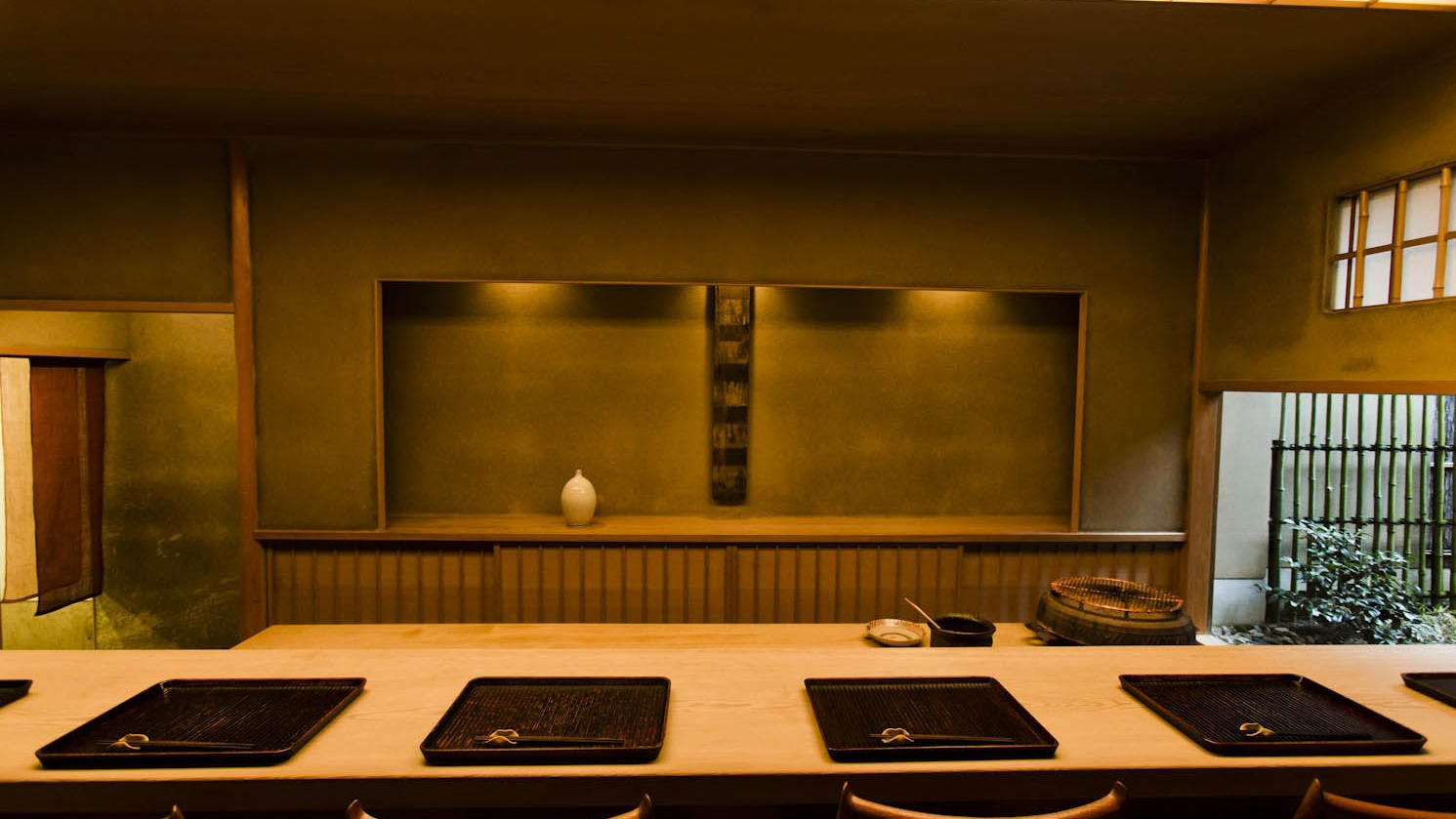
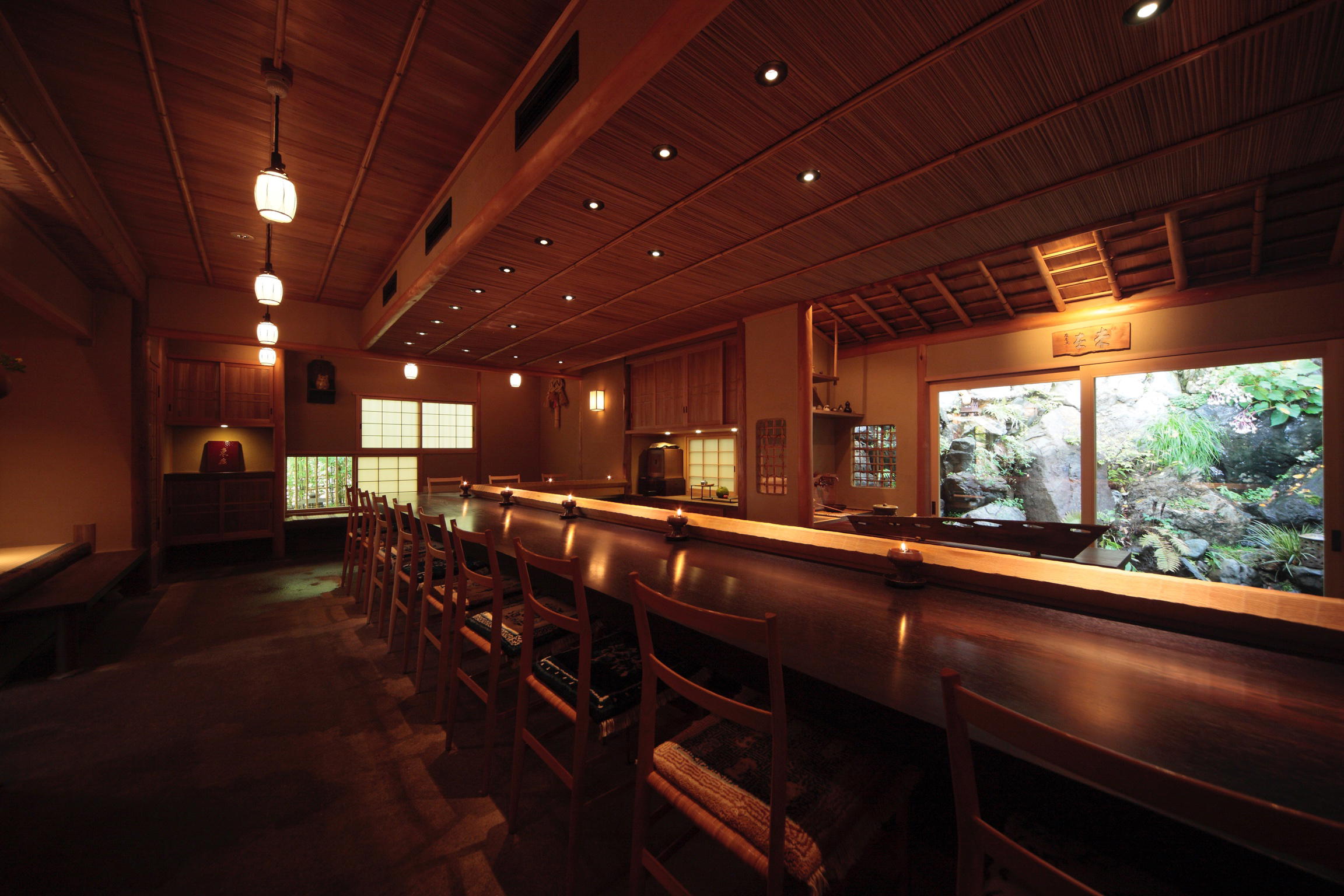
Miyamoto operates as a reservation-only kappo counter in Higashitenma, Kita Ward, a few steps from Osaka Tenmangu Station. Eight seats. No private rooms. No walk-ins. Evenings start at either 18:00 or 19:00, and the kitchen is closed on Wednesdays. This is a single-seating-style counter where the format is defined by the chef's instincts rather than a fixed tasting menu progression. La Liste's notes describe the approach directly: seasonal tableware chosen to complement each dish, simple arrangements designed to let the relationship between vessel and food take precedence, and house-made udon prepared according to the season. The kitchen draws on the honkotsuki tradition, classical Osaka kappo that prizes clean, honest flavour over theatrical presentation.
What separates Miyamoto from a more rigidly traditional kappo is the stated philosophy: cook what is simply delicious, without being bound by theory. In practice, that means seasonal ingredients treated with precision, and crockery that functions as a deliberate part of the eating experience rather than background decoration. If you came for the first time and focused on the food, go back and pay attention to how the tableware changes course by course. It's one of the more considered details at any counter in Osaka.
On the Question of Takeout and Delivery
Miyamoto does not offer takeout or delivery, and the format makes clear why: the experience is inseparable from the counter. The tableware is arranged course by course. The udon is made to order. The pacing and the relationship between vessel, ingredient, and moment cannot survive a delivery box. If you're looking for Osaka kappo that travels, this isn't the venue. The eight-seat counter is the product. Book accordingly.
Pricing and What You're Actually Paying For
Dinner is priced at JPY 20,000–29,999 per person at the rate, though reviews on Tabelog suggest actual spend typically lands in the JPY 30,000–39,999 range once drinks are included. Sake (nihonshu) and shochu are the drinks of choice here. Credit cards are accepted (Visa, Mastercard, Amex). No electronic money, no QR code payments. Budget accordingly, and if you're managing a specific ceiling, be aware the review-based average runs higher than the posted menu price.
At that price point, the two Michelin stars provide a clear reference: you're paying at the lower end of Osaka's two-star tier while getting a counter experience that's more intimate than most. For a second visit, adding sake pairings is the right move, the drinks list is deliberately focused, and the staff's familiarity with the menu makes pairing recommendations more reliable than at a larger restaurant.
Know Before You Go
Practical Details
- Address: Higashitenma 2-10-28, Fluorite Minamimorimachi 1F, Kita Ward, Osaka, 117 metres from Osaka Tenmangu Station (Tanimachi Line / Sakaisuji Line)
- Reservations: Reservation only. No walk-ins. Booking difficulty is near impossible, plan a minimum of two to three months in advance, longer for peak seasons.
- Hours: Evenings only, starting at 18:00 or 19:00. Closed Wednesdays.
- Seats: 8 counter seats. No private rooms. No private hire.
- Price: JPY 20,000–29,999 (listed); JPY 30,000–39,999 (typical with drinks, per reviews)
- Payment: Visa, Mastercard, Amex accepted. No electronic money or QR code payments.
- Drinks: Sake (nihonshu) and shochu.
- Smoking: Non-smoking throughout.
- Parking: Not available. Use Osaka Tenmangu Station or a nearby pay lot.
- Phone: +81-6-6809-6990
- Tabelog Score: 3.96 (2026 data)
- Awards: Michelin 2 Stars (2024, 2025); Tabelog Award Bronze 2026; Tabelog Award Silver 2019; Tabelog Japanese Cuisine WEST 100 (2021, 2023, 2025); La Liste 77pts (2026)
How It Compares
Where Miyamoto Fits in Osaka and Beyond
For Osaka specifically, explore our full Osaka restaurants guide for the broader picture, including Kashiwaya Osaka Senriyama, Tenjimbashi Aoki, Yugen, Ajikitcho Bumbuan, and Oimatsu Hisano. If you're planning a wider Kansai trip, akordu in Nara is worth considering alongside Miyamoto. Further afield, Harutaka in Tokyo and Myojaku in Tokyo operate in a comparable tradition of precision Japanese counter dining. For Fukuoka, Goh is the equivalent reference point. Our guides to Osaka hotels, Osaka bars, Osaka wineries, and Osaka experiences are available if you're building a full itinerary. 1000 in Yokohama and 6 in Okinawa round out the national picture for diners tracking Japan's most decorated counters.
Planning details
- Hours
- Monday: 6:30–8:30 PM · Tuesday: 6:30–8:30 PM
- Location
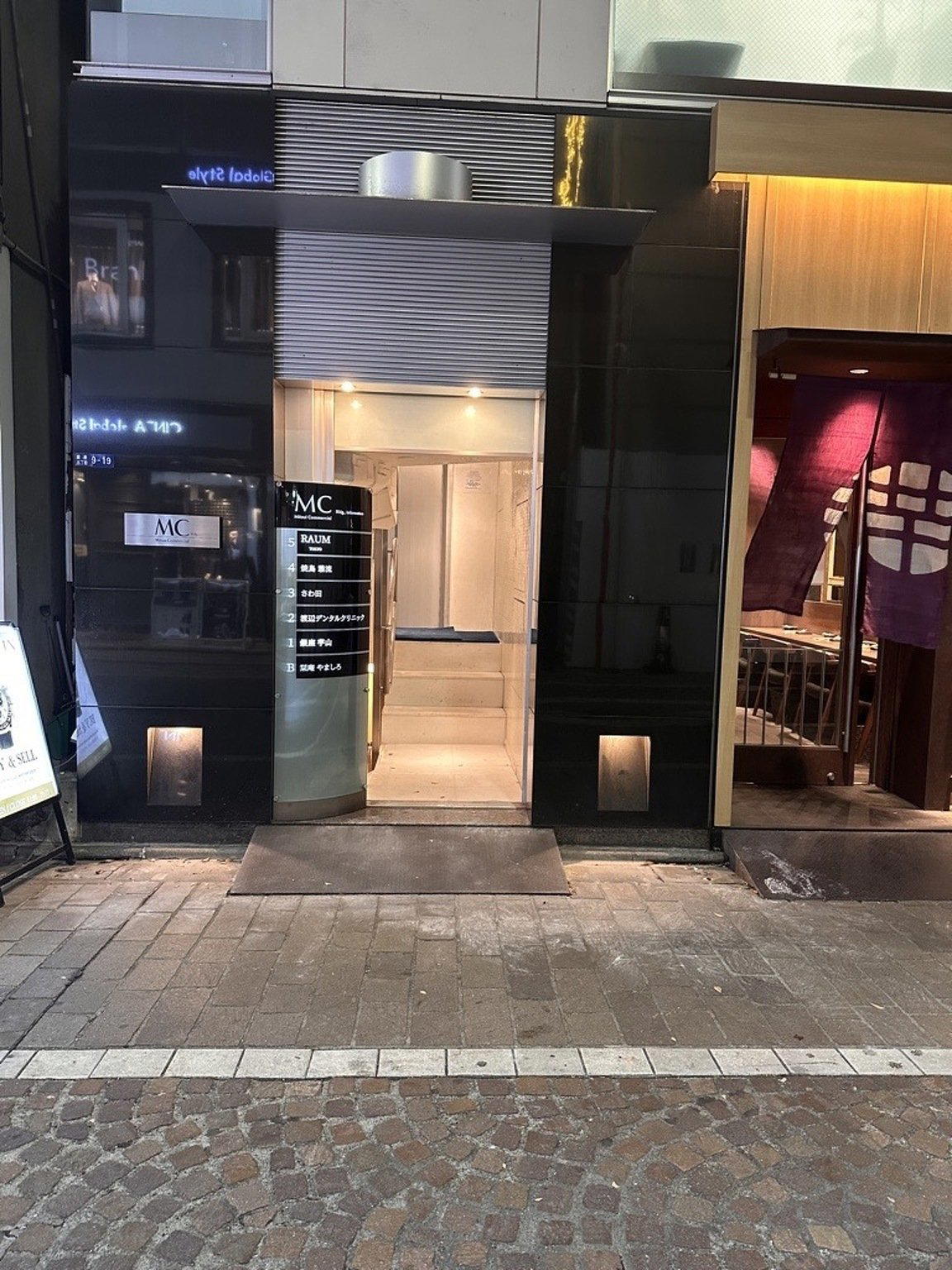
- Japan, 〒530-0044 Osaka, Kita Ward, Higashitenma, 2 Chome−10−28 第一住建フローライト南森町 102
- Reservations
- Book on TableCheck
- Website
- oryori-miyamoto.com
- Phone
- +81 6-6809-6990
The take
The Take
The Vibe
Miyamoto presents a study in counter discipline: an eight-seat kappo counter that foregrounds the cook and the sequence of the meal. The neighbourhood’s low-rise, residential feel and the restaurant’s reputation-driven clientele preserve a quiet, focused atmosphere where refined, classic Japanese flavours and seasonal tableware shape each course. The kitchen’s honkotsuki approach, leaving bones intact, especially with fish, signals a commitment to tradition and an unvarnished relationship with ingredients. The overall experience is compact and deliberate, rewarding diners who appreciate small-scale, technically exacting Japanese counter cooking in a restrained setting.
Best For
This is a restaurant for serious diners: people who prize direct interaction with the cook, seasonally driven multi-course service, and technical precision. Miyamoto’s eight-seat counter and kappo format suit special occasions and date nights when you want an attentive, uninterrupted meal, and they also attract regulars and thoughtful first-timers rather than casual passersby. The La Liste recognition positions it alongside high-level counters nationwide, so guests seeking an elevated, classic expression of Japanese cuisine, where the meal unfolds in real time at the counter, will find it especially rewarding.
Ordering Tips
The kappo at Miyamoto is deliberately responsive and conversational: the cook adapts to ingredients, the rhythm of the room, and the interaction at the counter. Sit at the counter and be prepared to follow the chef’s lead; the format privileges spontaneity over a la carte choices and the sequence of the meal is part of the experience. Expect preparations that reflect honkotsuki technique and seasonal tableware. With only eight seats and a reputation that draws committed diners, booking ahead is prudent to secure the counter experience.
Venue details
Ambiance
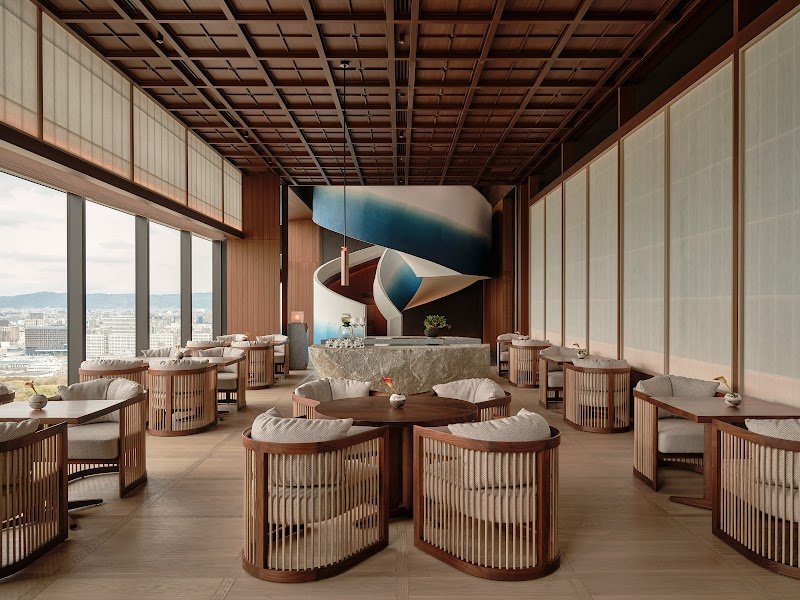
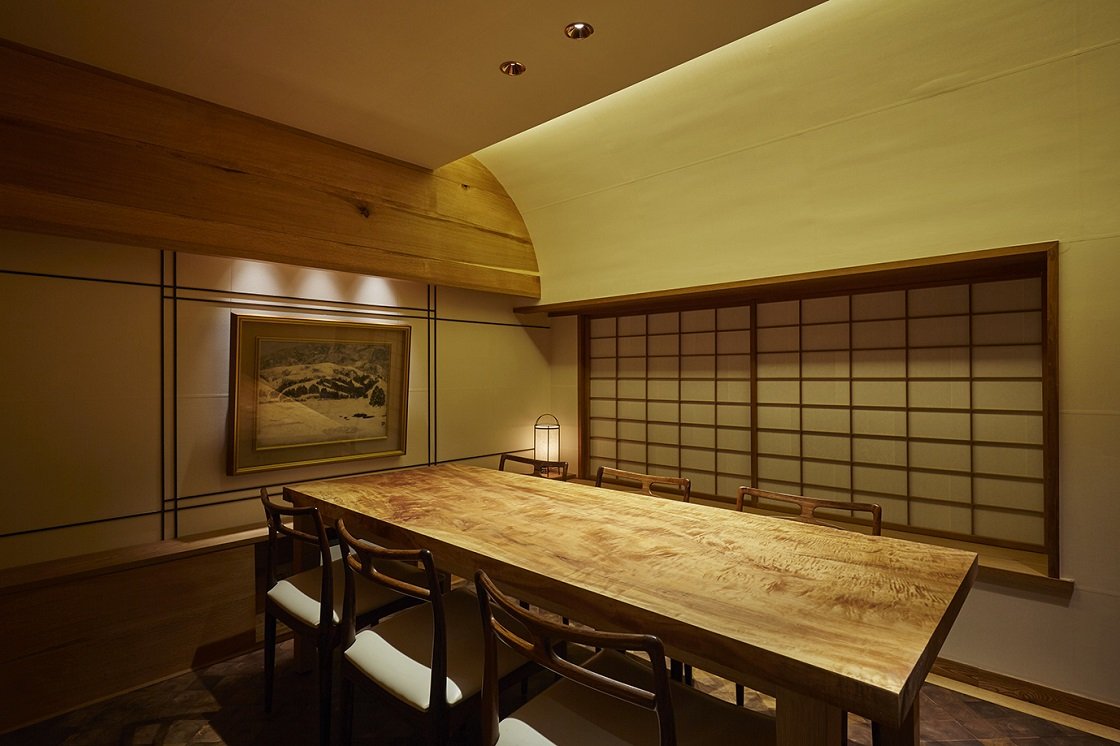
Serene and comforting tea room-inspired atmosphere with wabi-sabi beauty, perfect for quiet immersion in Japanese cuisine at the counter.
Tags
Vibe
Best For
Experience
At the Table
- Dress Code
- Smart Casual
- Noise Level
- Quiet
- Service Style
- Formal
- Meal Pacing
- Leisurely
- Capacity
- Intimate
- Kitchen
- Traditional
- Menu Format
- Omakase, Counter dining
Know before you go
Know Before You Go
- Getting there
- Japan, 〒530-0044 Osaka, Kita Ward, Higashitenma, 2 Chome−10−28 第一住建フローライト南森町 102
Planning details
Hours
- Monday
- 6:30–8:30 PM
- Tuesday
- 6:30–8:30 PM
- Wednesday
- Closed
- Thursday
- 6:30–8:30 PM
- Friday
- 6:30–8:30 PM
- Saturday
- 6:30–8:30 PM
- Sunday
- 6:30–8:30 PM
Location
Japan, 〒530-0044 Osaka, Kita Ward, Higashitenma, 2 Chome−10−28 第一住建フローライト南森町 102 · Directions

Also consider
Also Consider
- HAJIME: French, Innovative, ¥¥¥¥
- La Cime: French, ¥¥¥¥
- Kashiwaya Osaka Senriyama: Japanese, ¥¥¥
- Taian: Kaiseki, Japanese, ¥¥¥
- Fujiya 1935: Innovative, ¥¥¥¥
Restaurant context
At the ¥¥¥¥ tier, HAJIME and Fujiya 1935 are the most direct competitors for Osaka's highest-spend evening. HAJIME operates at a higher price point with a more conceptual French-influenced format; if you want technical ambition and a full tasting menu with wine, HAJIME is the call. Fujiya 1935 similarly leans innovative and French-adjacent. Miyamoto, by contrast, stays grounded in classical Japanese kappo: the comparison is between two different approaches to high-end dining, not a quality gap. If kappo is your format, Miyamoto wins on intimacy and seasonal coherence.
La Cime at ¥¥¥¥ is Osaka's other French flagship and operates in a different lane entirely from Miyamoto: worth considering only if you're weighing Japanese versus French fine dining on the same trip. For Japanese cuisine specifically at ¥¥¥, both Kashiwaya Osaka Senriyama and Taian offer kaiseki in a more traditional multi-room setting. Kashiwaya carries its own award history and is somewhat easier to book than Miyamoto, making it the practical choice if Miyamoto is unavailable. Taian is better suited to groups who want a formal kaiseki experience with private room options.
On booking difficulty, Miyamoto is in a category of its own among the ¥¥¥ venues listed here. If you can get a reservation, take it: the two Michelin stars and Tabelog score of 3.96 at eight seats make it the tightest table-to-quality ratio on this list. If Miyamoto is full, Kashiwaya Senriyama is the most comparable Japanese alternative at a slightly lower price floor. For diners who want something genuinely different and are open to a longer planning window, Miyamoto remains the stronger recommendation.
Explore Osaka
Around this place
Discover more on Pearl
Unlock the full Miyamoto guide in Pearl, including awards, comparisons, FAQs, planning details, and nearby places.
Compare Miyamoto
| Venue | Price | Booking Difficulty | Awards |
|---|---|---|---|
| Miyamoto | ¥¥¥ | Near Impossible | 2026 Tabelog Bronze · #280Michelin Guide Kyoto Osaka 20262026 Michelin 2 Stars2026 La Liste Top RestaurantsTabelog 100 - Japanese cuisine - WEST - 2025 · #612025 Michelin 2 Stars2025 Tabelog Bronze2024 Michelin 2 Stars |
| HAJIME | ¥¥¥¥ | Unknown | Star Wine Lists 2026 · #12026 Tabelog Bronze · #922026 OAD Top Restaurants in Japan Ranked · #98Michelin Guide Kyoto Osaka 20262026 La Liste Top RestaurantsTabelog 100 - Innovative / Creative cuisine - 2025 · #692025 Asia's 50 Best Restaurants · #832025 OAD Top Restaurants in Japan Ranked · #87We're Smart World Top Restaurants 2025 |
| La Cime | ¥¥¥¥ | Unknown | 2026 Asia's 50 Best Restaurants · #132026 OAD Top Restaurants in Japan Ranked · #1492026 Tabelog Bronze · #231Michelin Guide Kyoto Osaka 20262026 La Liste Top Restaurants2025 Asia's 50 Best Restaurants · #82025 World's 50 Best Restaurants · #44Tabelog 100 - French - WEST - 2025 · #932025 OAD Top Restaurants in Japan Ranked · #123 |
| Kashiwaya Osaka Senriyama | ¥¥¥ | Unknown | 2026 Tabelog Bronze · #1682026 OAD Top Restaurants in Japan Recommended2026 Relais Chateaux RestaurantsMichelin Guide Kyoto Osaka 20262026 La Liste Top RestaurantsTabelog 100 - Japanese cuisine - WEST - 2025 · #772025 OAD Top Restaurants in Japan Ranked · #1552025 Relais Chateaux Award2025 Michelin 3 Stars |
| Taian | ¥¥¥ | Unknown | 2026 OAD Top Restaurants in Japan RecommendedMichelin Guide Kyoto Osaka 20262026 La Liste Top Restaurants2025 OAD Top Restaurants in Japan Ranked · #2042025 La Liste Top Restaurants2025 Michelin 3 Stars2024 OAD Top Restaurants in Japan Ranked · #1912024 Michelin 3 Stars2023 OAD Top Restaurants in Japan Highly Recommended |
| Fujiya 1935 | ¥¥¥¥ | Unknown | 2026 Tabelog Bronze · #752026 OAD Top Restaurants in Japan RecommendedMichelin Guide Kyoto Osaka 20262026 La Liste Top Restaurants2025 Michelin 2 Stars2025 Tabelog Silver2025 La Liste Top Restaurants2024 OAD Top Restaurants in Japan Ranked · #2392024 Michelin 2 Stars |








A quick look at how Miyamoto measures up.
FAQ
Frequently Asked Questions
Can I eat at the bar at Miyamoto?
Miyamoto is a counter-only restaurant: every one of the eight seats faces the kitchen. There is no separate bar area, lounge, or walk-in option. All dining is reservation-only, so if you want a seat at the counter, you need to book in advance.
What should I wear to Miyamoto?
No dress code is formally published, but the setting sets its own standard: two Michelin stars, a Tabelog score of 3.96, and a dinner bill that typically lands at JPY 30,000–39,999 in practice. Dress neatly and conservatively: this is not a casual neighbourhood counter.
Is Miyamoto good for solo dining?
Yes, and the format suits solo diners well. The eight-seat counter places you directly in front of the kitchen, which makes a solo visit more engaging here than at a larger restaurant. There are no private rooms and no table seating, so a party of one is no less comfortable than any other configuration.
What should I order at Miyamoto?
There is no menu to choose from: Miyamoto runs a chef-driven kappo format where the kitchen sets the courses. The tableware itself is part of the experience, with each piece selected to complement what is served on it. House-made udon is noted as a recurring element, prepared according to the season.