

Zeshin
Japanese · Kita, Osaka
Restaurant in Osaka, Japan
 Book with Pearl
The Read
Lunisolar Kaiseki Precision
Price
$150–200per person
Dress
Smart Casual
Why go
Zeshin holds a Michelin star and has won the Tabelog Bronze Award every year since 2018, making it one of Osaka's most consistently recognised seasonal Japanese restaurants at the ¥¥¥ tier. Dinner runs JPY 20,000–29,999 with a cash-only, reservation-required policy; lunch at JPY 10,000–14,999 is the sharper entry point. Book if you want serious sake alongside a fish-focused seasonal menu in a 25-seat counter room in Nishitenma.
About Zeshin
Zeshin, Osaka: Should You Book?
Dinner at Zeshin runs JPY 20,000–29,999 per head (plus a 10% service charge), which puts it at the upper end of Osaka's kaiseki-adjacent Japanese dining tier: comparable in price to Kashiwaya Osaka Senriyama and Taian, and meaningfully below the ¥¥¥¥ bracket occupied by Michelin three-star venues like HAJIME. At that spend, you are getting a seasonal Japanese course menu in a 25-seat basement room in Nishitenma, backed by a drinks program that takes sake seriously enough to be called out specifically in the venue's own positioning. Lunch, at JPY 10,000–14,999, is the sharper value proposition if your schedule allows.
The short verdict: book Zeshin if you want a seasonally driven Japanese meal in Osaka with a sake program that goes beyond the usual list, at a price point that is demanding but not irrational. If you are primarily after kaiseki formality or French-influenced innovation, there are better-matched alternatives in the city.
The Drinks Program at Zeshin
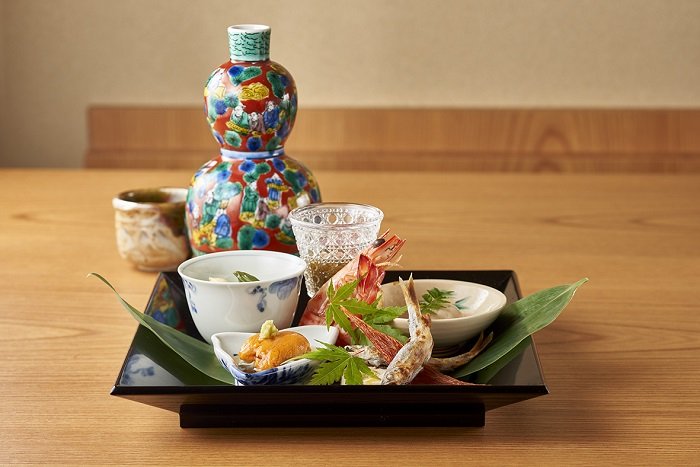
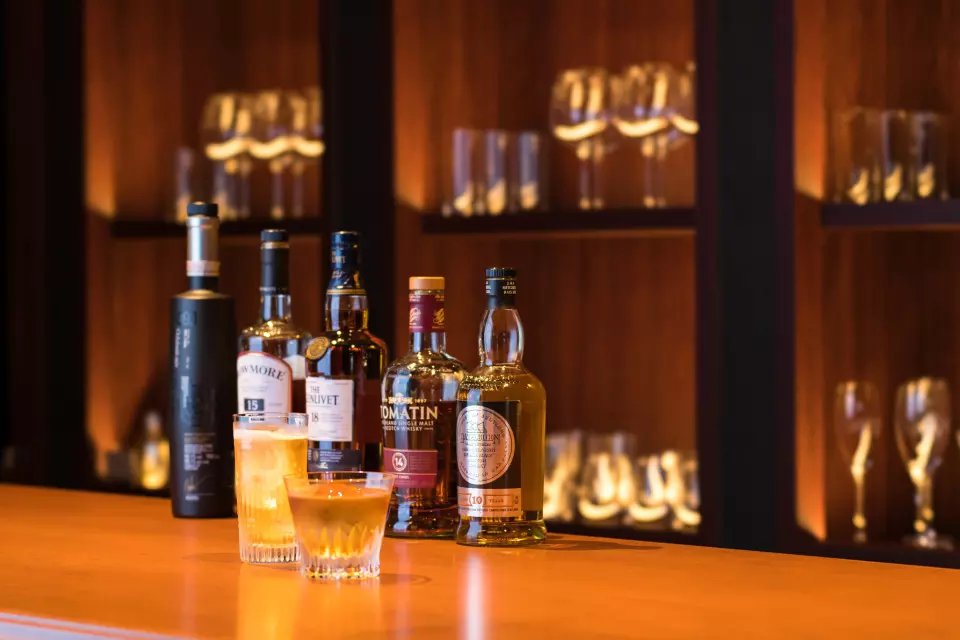
Zeshin's sake selection is the clearest differentiator at this price point among comparable Osaka venues. The restaurant's own framing: "particular about sake", is backed by a reported collection of antique glassware used to serve both drinks and dishes, which signals an investment in the drinking experience that goes beyond a standard accompaniment list. Seasonal Japanese cooking and a considered sake program offer depth that is harder to find at restaurants operating primarily in kaiseki tradition, where the food tends to absorb all the attention.
Shochu and wine are also available, though sake is clearly the focus. If a technically strong sake pairing is what you are after, Zeshin is one of the more credible options at ¥¥¥ in Osaka. For a comparison point: Miyamoto and Yugen are worth checking if you want similar price-tier Japanese dining with different drink emphasis. Across Japan, venues like Harutaka in Tokyo and Gion Sasaki in Kyoto set a high bar for integrated sake service in this category.
The Food and Seasonal Approach
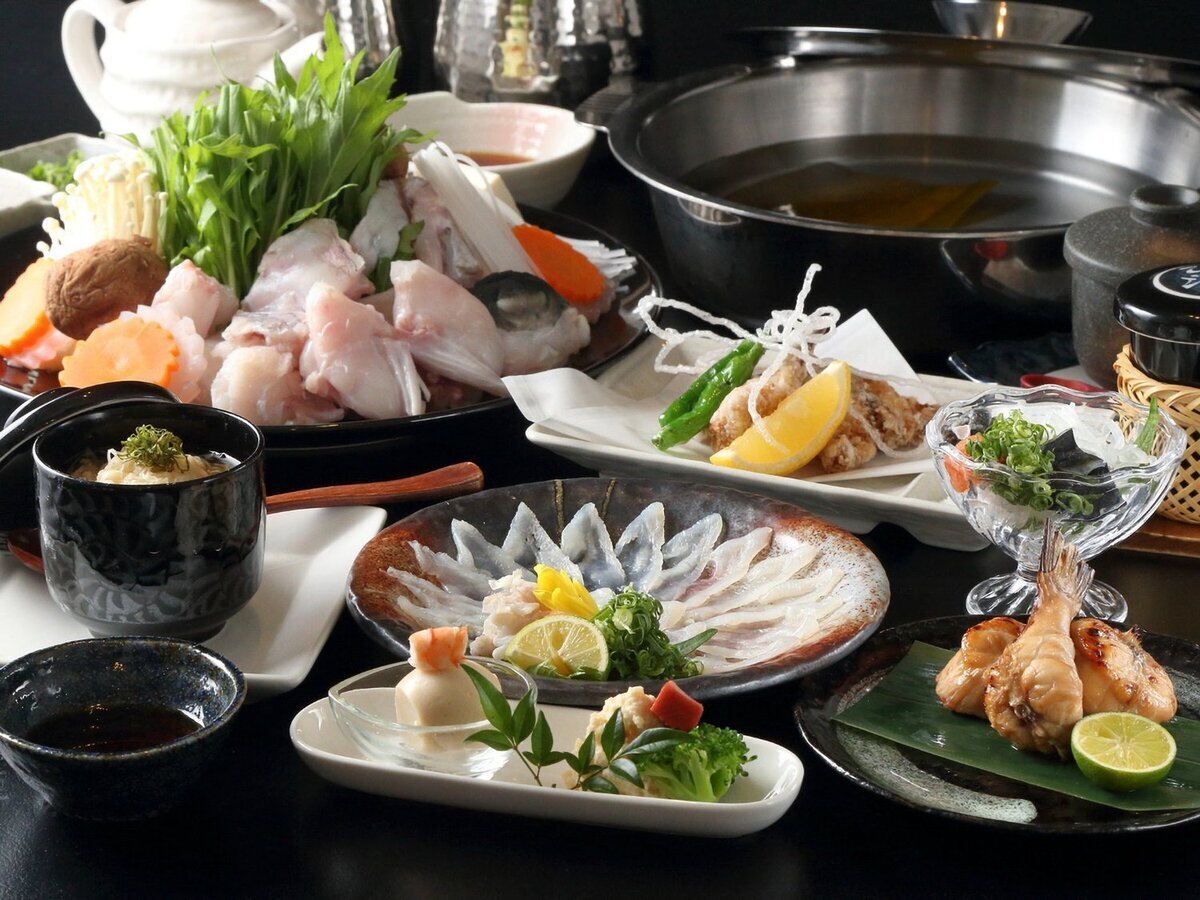
Zeshin organises its menu around Japan's traditional lunisolar calendar, meaning the kitchen tracks seasonal transitions more granularly than a standard quarterly rotation. The venue describes its food as "abundant seasonal foods reflecting the bounty of Japan," with a particular focus on fish. This is not an unusual claim in Japanese fine dining, but the Tabelog score of 3.94 (2026) and a Michelin one star (2024) give it credibility. For Osaka specifically, where the food culture rewards precision over spectacle, that combination of seasonal discipline and a Michelin recognition is a reasonable proxy for consistent execution.
The name Zeshin abbreviates a phrase meaning "believe in your path and follow it wholeheartedly, always asking whether a thing is right or wrong", which gives you some insight into the kitchen's orientation. This is a restaurant with a point of view, not a crowd-pleasing menu.
When to Go
Dinner service runs Monday, Wednesday, and Friday from 17:30, and Tuesday, Thursday, and Saturday from 17:30 (with lunch also on Tuesday, Thursday, and Saturday from 11:30). Sunday is closed. Lunch on a Tuesday or Thursday is the optimal timing for first-timers: the price is lower (JPY 10,000–14,999), the last food order at 12:00 keeps the meal tight, and you will spend around half what dinner costs for a comparable introduction to the kitchen. If you are visiting Osaka specifically for the food culture, pairing Zeshin with a stop at Oimatsu Hisano or Tenjimbashi Aoki, a weekday lunch slot manages cost without sacrificing quality.
Seasonally, the lunisolar calendar framing means the menu shifts more frequently than at restaurants on Western quarterly cycles. Visits during Japan's seasonal transitions (late March into April, and October into November) tend to align with the most pronounced menu changes, which matters if you are returning for a second meal.
Booking Zeshin
Reservations are mandatory, walk-ins are not an option. The restaurant accepts reservations by phone (06-6364-0118), and reservations must be made by 10 PM the night before at the latest. Cancellations and allergy information must be communicated by 6 PM the day before. Seat requests require a phone call. For overseas visitors, this is a meaningful friction point: the reservation process is phone-dependent and no English-language booking platform is indicated. Building in a lead time of at least two to three weeks is advisable, longer if you are targeting a specific date during peak travel periods in Osaka.
One logistical detail that cannot be overlooked: Zeshin does not accept credit cards, electronic money, or QR code payments. Cash only (or invoice for business accounts). Overseas visitors need to arrive with JPY in hand, the venue specifically flags this for international guests. A dinner for two at the upper end of the price range, with a 10% service charge added, could reach JPY 65,000–70,000. Plan cash accordingly.
Practical Details
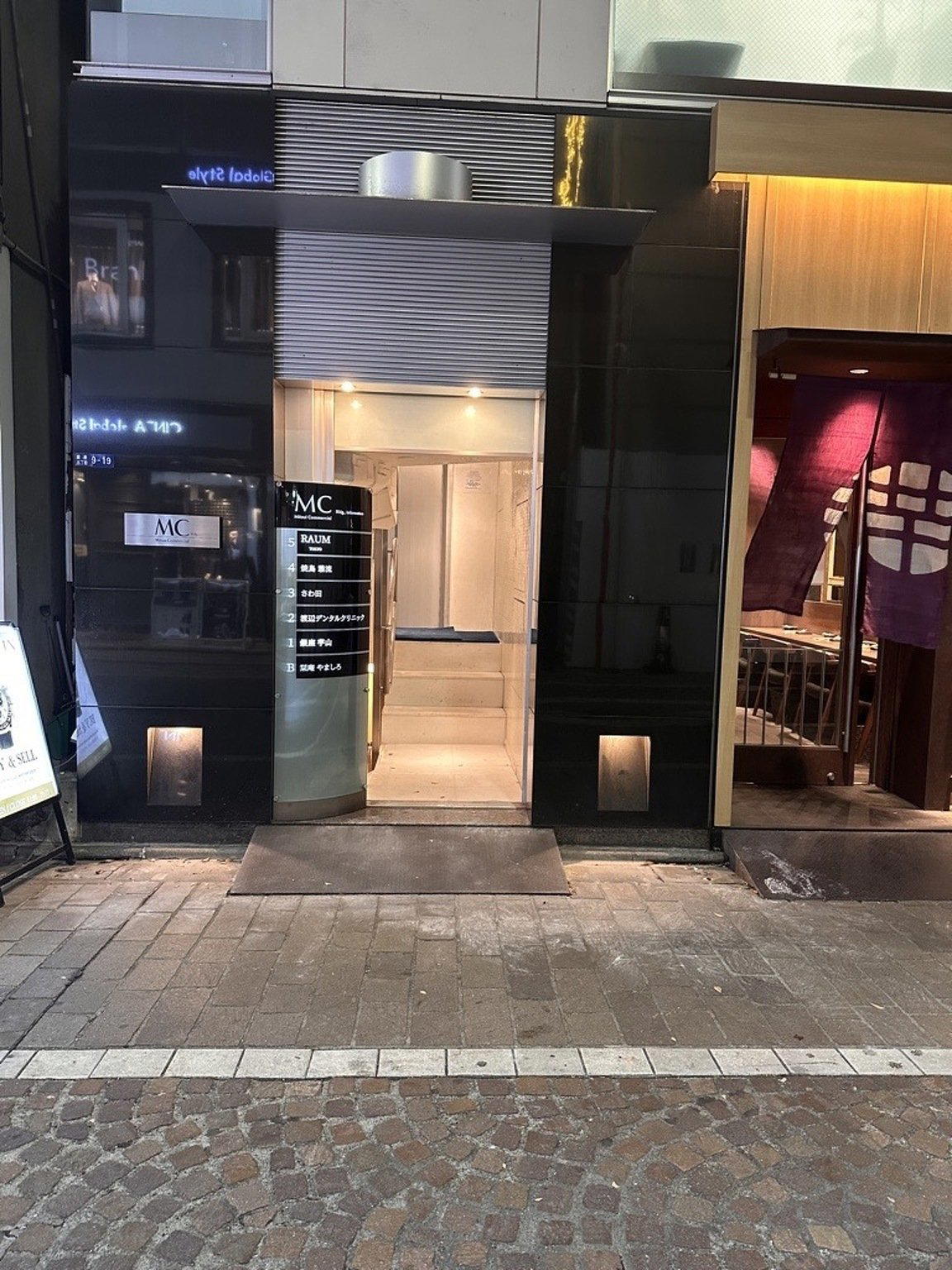
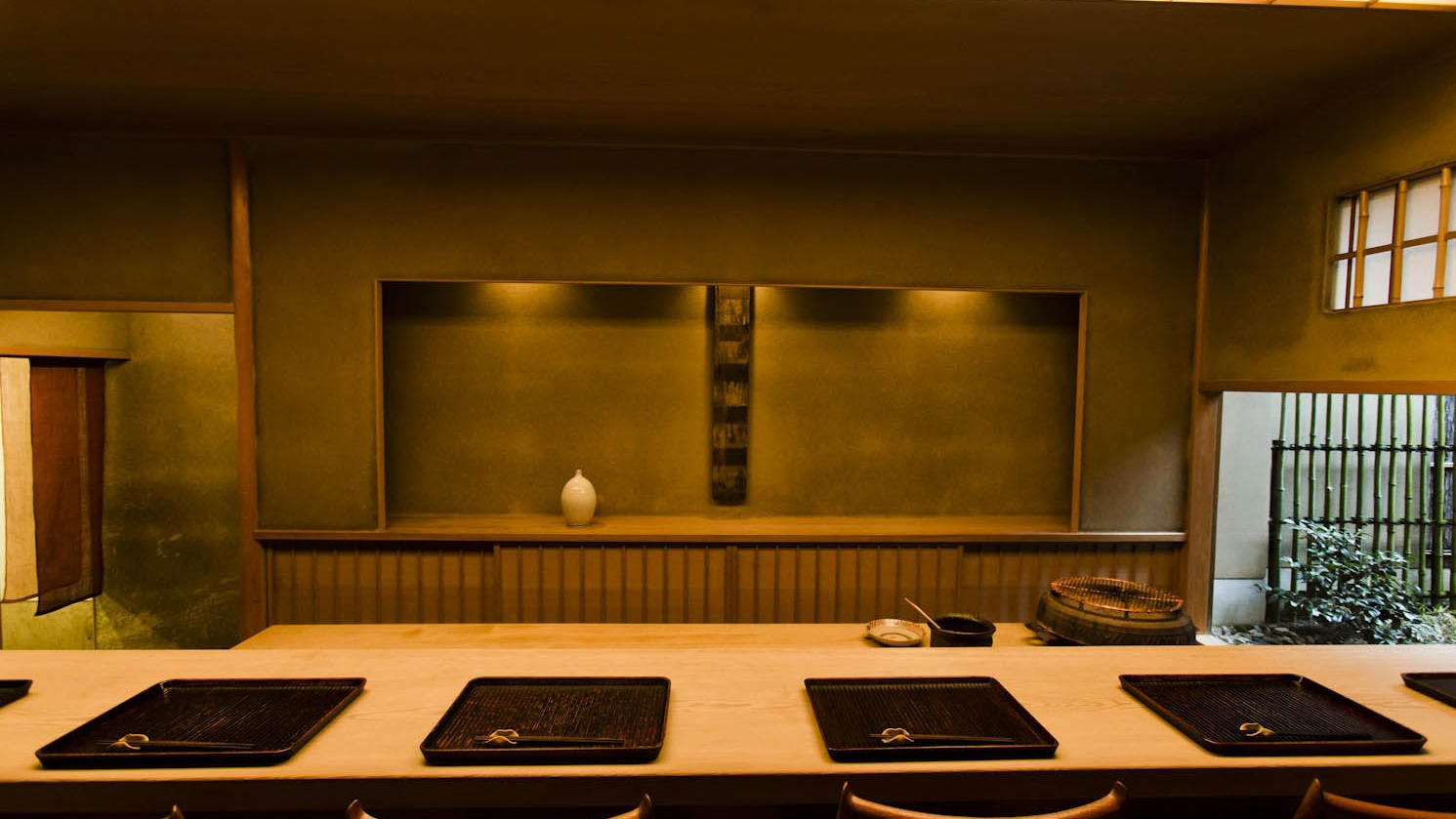
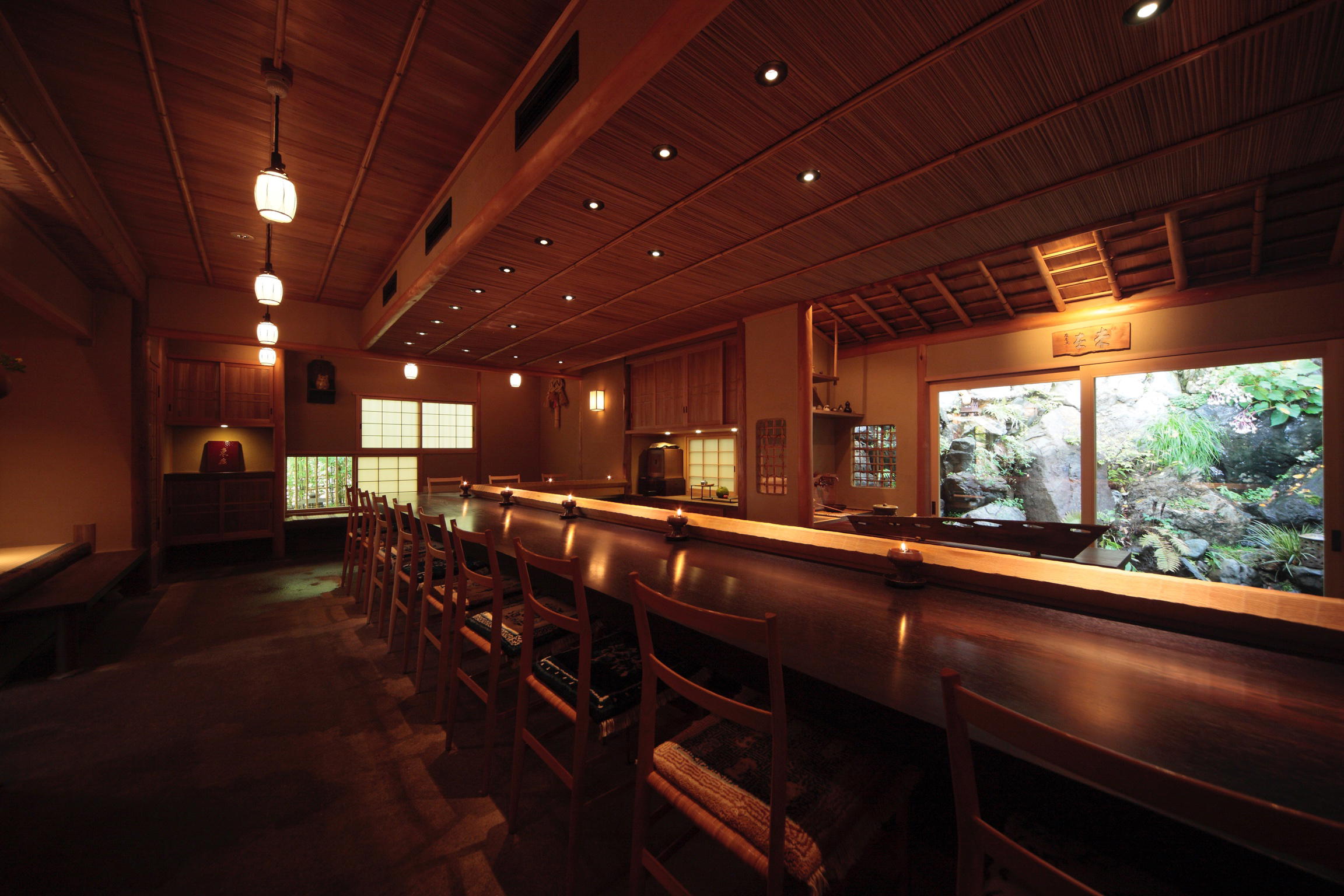
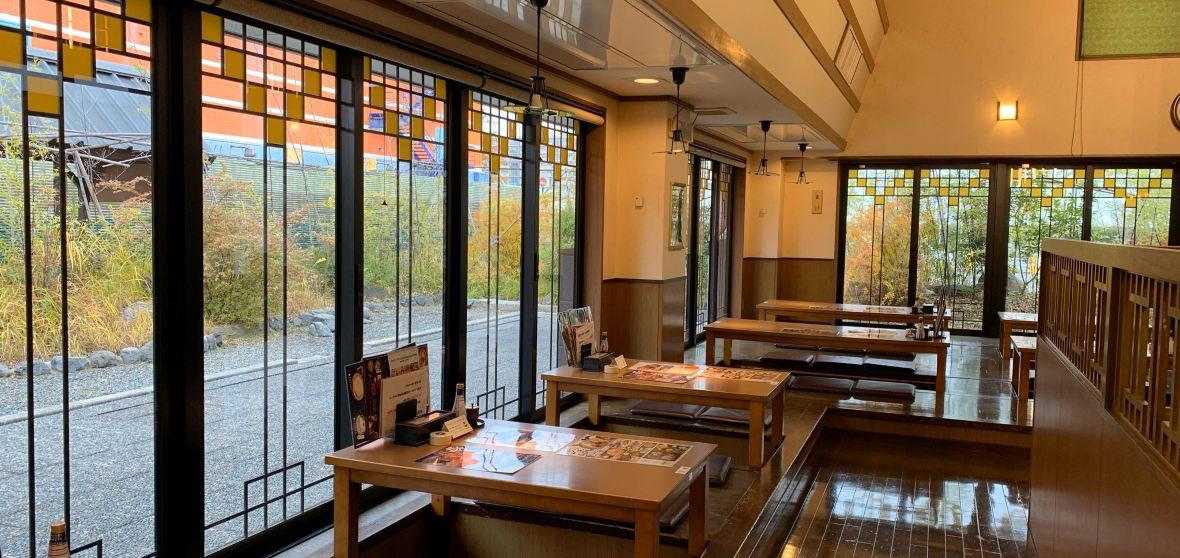
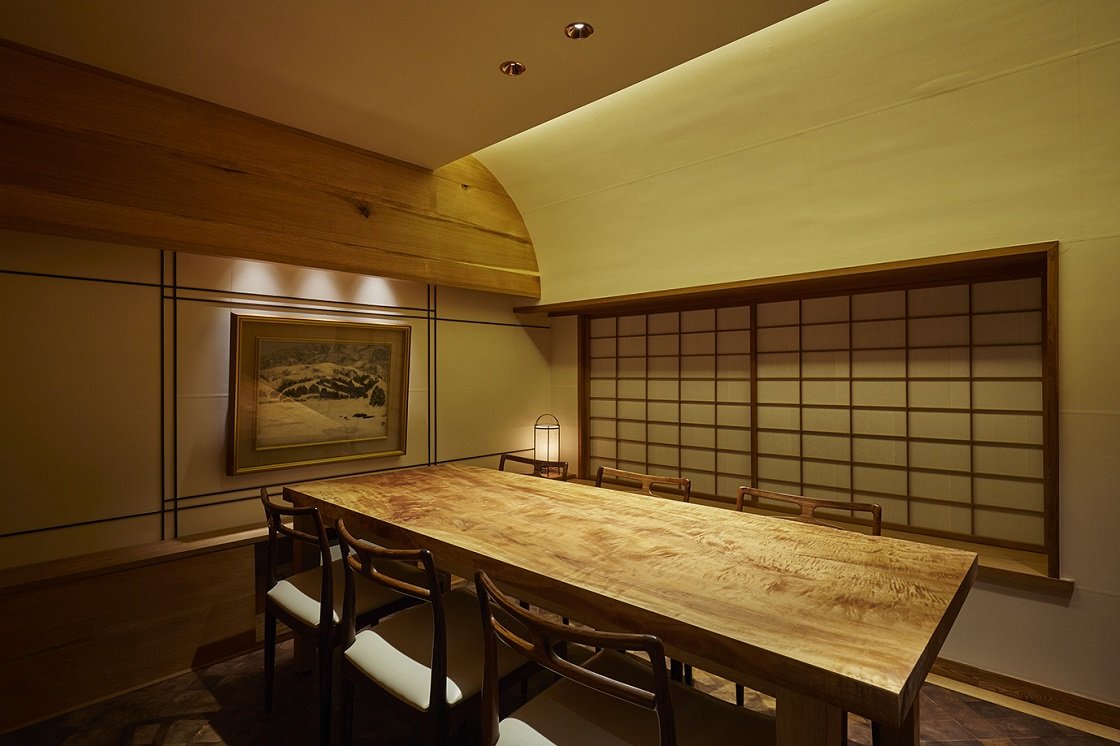
The room seats 25 across counter seating (11 seats on the main floor, 5 on the first floor), table seating (12 seats), and a two-seat tea room. Semi-private areas are available but there are no fully private rooms. The space is available for exclusive hire for up to 20 people. The venue is non-smoking inside. Getting there: Kitashinchi Station on the JR Tozai Line (5-minute walk) or Yodoyabashi Station on the Midosuji Subway Line (7-minute walk). No parking on-site; coin parking is available nearby.
For broader Osaka trip planning, Pearl's full Osaka restaurants guide, Osaka hotels guide, Osaka bars guide, Osaka wineries guide, and Osaka experiences guide cover the full picture. If you are routing through other cities, akordu in Nara, Goh in Fukuoka, 1000 in Yokohama, and 6 in Okinawa are worth considering for comparable depth. In Tokyo, Myojaku and Azabu Kadowaki occupy a similar register.
Quick reference: Dinner JPY 20,000–29,999 / Lunch JPY 10,000–14,999 | Cash only | Reservation by phone | 10% service charge | 25 seats | Closed Sundays | Kitashinchi Station 5-min walk.
Planning details
- Hours
- Monday: 5:30–10 PM · Tuesday: 11:30 AM–2 PM, 5:30–10 PM
- Location
- 2 Chome-9-3 Nishitenma, Kita Ward, Osaka, 530-0047, Japan
- Reservations
- Book on TableCheck
- Website
- kdkg200.gorp.jp
- Phone
- +81 6-6364-0118
The take
The Take
The Vibe
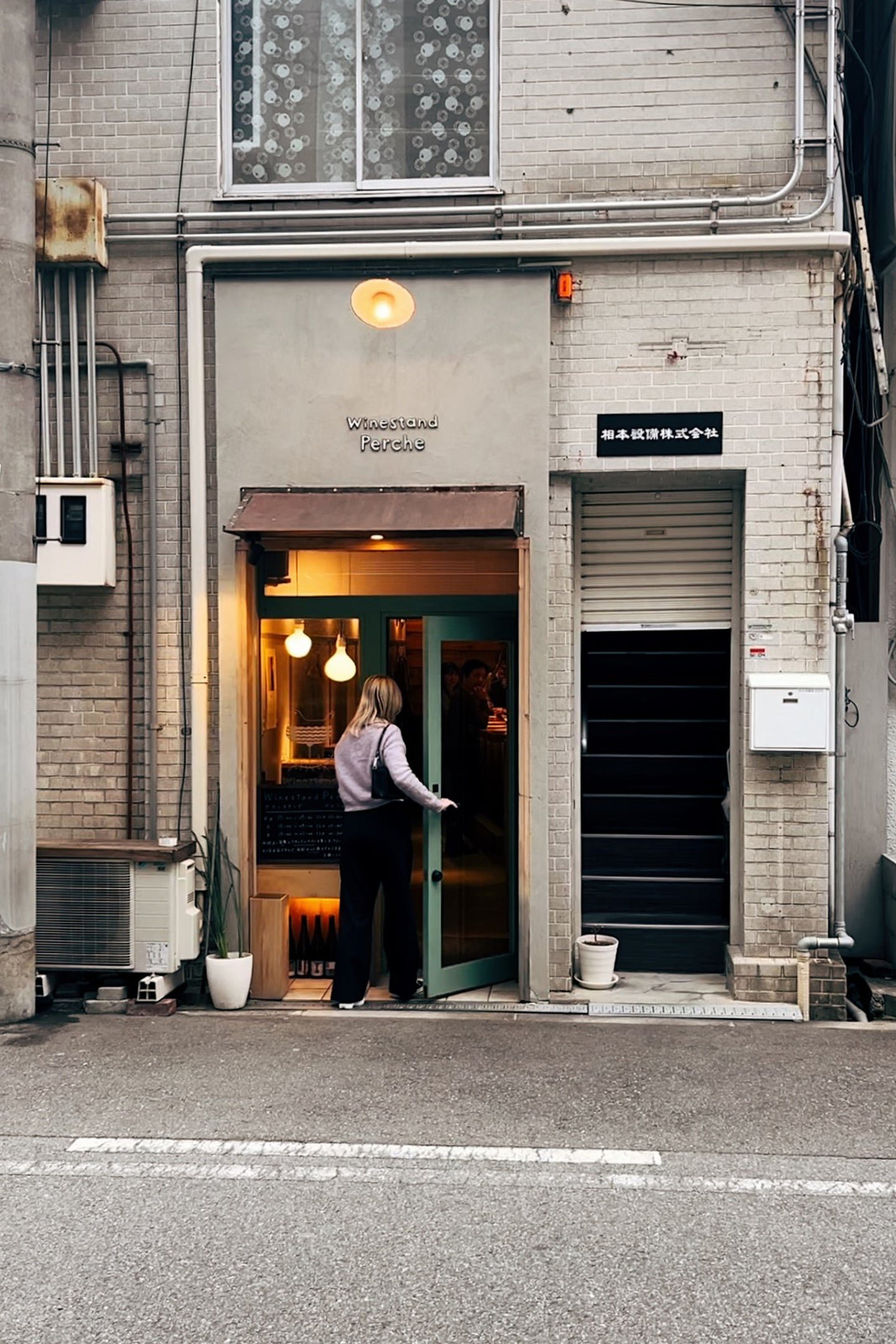
Zeshin sits below street level in Nishitenma and embodies Osaka’s discreet, serious approach to high-end dining. The basement setting, quiet register and kaiseki format create a serene, highly disciplined atmosphere where technique and seasonality take center stage. Accolades, one Michelin star and multiple Tabelog recognitions, underscore a refined, understated confidence: this is not a place that courts attention from the street but rewards those who seek it out. The overall effect is intimate and calm, with a focus on ritualized, seasonal Japanese cuisine delivered with polished, formal service.
Best For
This is a restaurant for diners seeking a purposeful, high-end kaiseki experience: ideal for special nights, date evenings and business dinners that require discretion and quality. Its location between Kitashinchi Station and the Nakanoshima waterfront makes for a short walk, but the basement address and reserved clientele mean it’s not a casual drop-in. The Michelin star and steady critical praise position Zeshin as a destination for people who appreciate seasonal precision and quiet, attentive service rather than buzzy, tourist-oriented spots.
Ordering Tips
Book well in advance and be prepared to follow directions to the B1F entrance. Opt for the seasonal kaiseki to experience the kitchen’s lunisolar framing, and leave room for signature items: soba noodles and the crab leg pot with cheese are highlighted. Given the restaurant’s accolades and steady regular audience, reservations and a clear plan for arrival make the visit smoother; expect a formal, composed dining flow rather than casual à la carte grazing.
Venue details
Ambiance
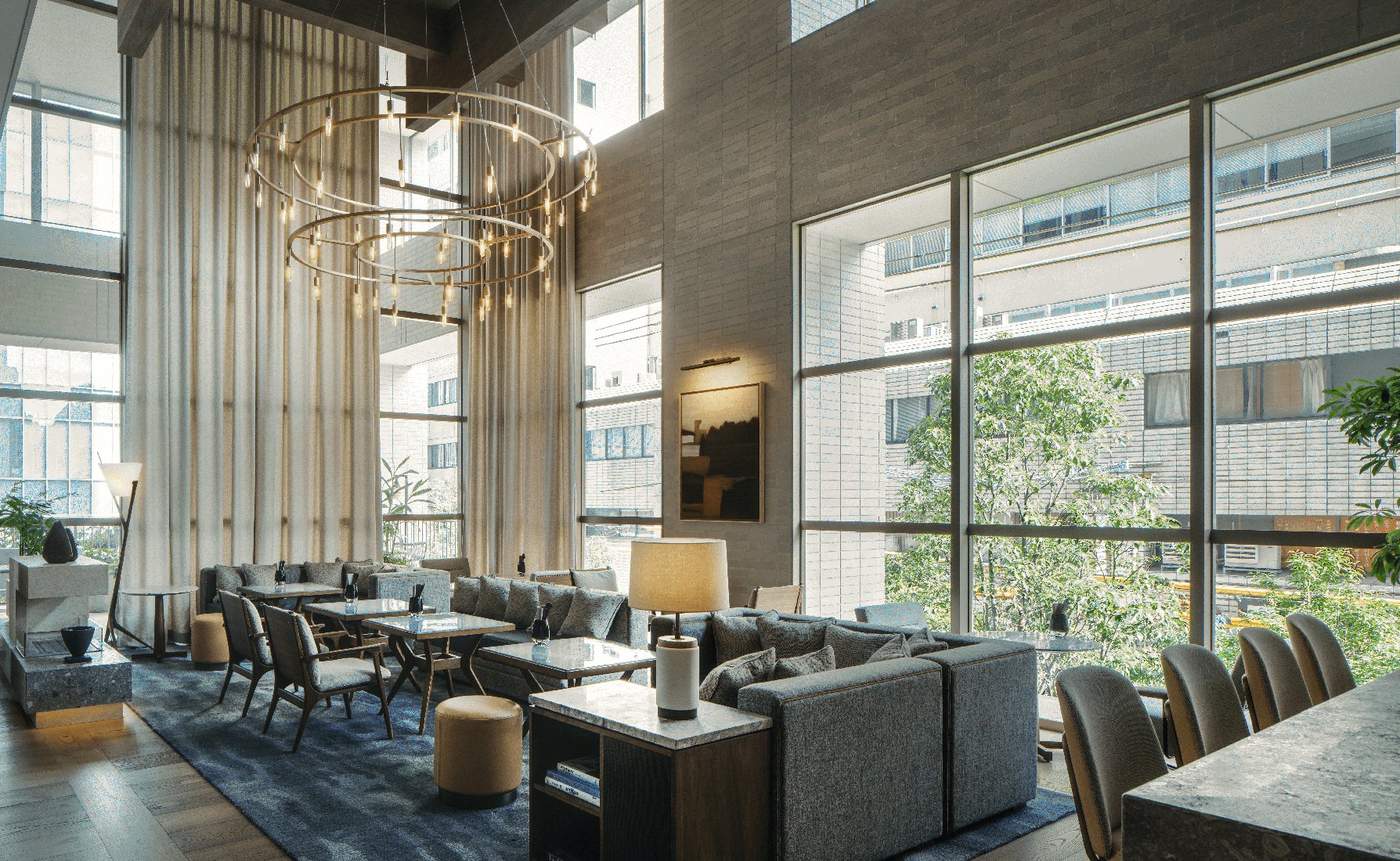
Serene and refined basement setting adorned with traditional Japanese design elements, pebbled gardens, a small pool, and tatami rooms creating a house-like atmosphere that evokes wabi-sabi aesthetics.
Tags
Vibe
Best For
Experience
Sourcing
At the Table
- Dress Code
- Smart Casual
- Noise Level
- Quiet
- Service Style
- Formal
- Meal Pacing
- Extended Experience
- Capacity
- Intimate
- Kitchen
- Seasonal
- Menu Format
- Omakase, Counter dining, Tasting menu
- Drinks Focus
- Sake, Shochu, Wine
- Dietary
- Allergy accommodating
- Private Dining
- Available
Signature Dishes
- soba noodles
- crab leg pot with cheese
Know before you go
Know Before You Go
- Getting there
- 2 Chome-9-3 Nishitenma, Kita Ward, Osaka, 530-0047, Japan
Planning details
Hours
- Monday
- 5:30–10 PM
- Tuesday
- 11:30 AM–2 PM, 5:30–10 PM
- Wednesday
- 5:30–10 PM
- Thursday
- 11:30 AM–2 PM, 5:30–10 PM
- Friday
- 5:30–10 PM
- Saturday
- 11:30 AM–2 PM, 5:30–10 PM
- Sunday
- Closed
Location
2 Chome-9-3 Nishitenma, Kita Ward, Osaka, 530-0047, Japan · Directions
Also consider
Also Consider
- HAJIME: French, Innovative, ¥¥¥¥
- La Cime: French, ¥¥¥¥
- Kashiwaya Osaka Senriyama: Japanese, ¥¥¥
- Taian: Kaiseki, Japanese, ¥¥¥
- Fujiya 1935: Innovative, ¥¥¥¥
Restaurant context
Zeshin sits at ¥¥¥ in a city where the most decorated restaurants HAJIME and Fujiya 1935: operate at ¥¥¥¥ with Michelin three-star recognition and French-influenced innovation as their primary identity. If that level of ambition and spend is what you are after, Zeshin is not the right venue. But if you want a Michelin-starred seasonal Japanese meal with a genuine sake program at a price that does not require a ¥¥¥¥ budget, Zeshin competes directly with Kashiwaya Osaka Senriyama and Taian: and holds its own on the drinks side in a way those venues do not specifically prioritise.
Between Zeshin and Taian, the stylistic overlap is closest: both are ¥¥¥, both focus on Japanese seasonal cooking, and both require advance reservations. Taian carries kaiseki formality more explicitly; Zeshin's counter-led format and sake focus make it the better choice if you want the meal to feel like a conversation rather than a ceremony. Kashiwaya Osaka Senriyama, meanwhile, leans into a more traditional ryotei register: better for a formal occasion, but less accessible in tone. La Cime at ¥¥¥¥ is a different genre entirely, contemporary French-Japanese, and should be on your list for a different kind of meal rather than as a direct Zeshin alternative.
The practical differentiator across all of these venues is booking friction. Zeshin's phone-only, cash-only model is the highest-friction option in the peer group for international visitors. If logistical ease matters as much as the meal, Kashiwaya Osaka Senriyama or Yugen may be easier to coordinate. But if you are willing to do the legwork, arrange the phone reservation, carry the cash, Zeshin offers a focused, sake-serious seasonal Japanese experience that justifies the effort at its price point.
Explore Osaka
Around this place
Discover more on Pearl
Unlock the full Zeshin guide in Pearl, including awards, comparisons, FAQs, planning details, and nearby places.
Compare Zeshin
| Venue | Price | Booking Difficulty | Awards |
|---|---|---|---|
| Zeshin | ¥¥¥ | Hard | 2026 Tabelog Bronze · #536Michelin Guide Kyoto Osaka 20262026 Michelin 1 StarTabelog 100 - Japanese cuisine - WEST - 2025 · #22025 Tabelog Bronze2024 Michelin 1 Star |
| HAJIME | ¥¥¥¥ | Unknown | Star Wine Lists 2026 · #12026 Tabelog Bronze · #922026 OAD Top Restaurants in Japan Ranked · #98Michelin Guide Kyoto Osaka 20262026 La Liste Top RestaurantsTabelog 100 - Innovative / Creative cuisine - 2025 · #692025 Asia's 50 Best Restaurants · #832025 OAD Top Restaurants in Japan Ranked · #87We're Smart World Top Restaurants 2025 |
| La Cime | ¥¥¥¥ | Unknown | 2026 Asia's 50 Best Restaurants · #132026 OAD Top Restaurants in Japan Ranked · #1492026 Tabelog Bronze · #231Michelin Guide Kyoto Osaka 20262026 La Liste Top Restaurants2025 Asia's 50 Best Restaurants · #82025 World's 50 Best Restaurants · #44Tabelog 100 - French - WEST - 2025 · #932025 OAD Top Restaurants in Japan Ranked · #123 |
| Kashiwaya Osaka Senriyama | ¥¥¥ | Unknown | 2026 Tabelog Bronze · #1682026 OAD Top Restaurants in Japan Recommended2026 Relais Chateaux RestaurantsMichelin Guide Kyoto Osaka 20262026 La Liste Top RestaurantsTabelog 100 - Japanese cuisine - WEST - 2025 · #772025 OAD Top Restaurants in Japan Ranked · #1552025 Relais Chateaux Award2025 Michelin 3 Stars |
| Taian | ¥¥¥ | Unknown | 2026 OAD Top Restaurants in Japan RecommendedMichelin Guide Kyoto Osaka 20262026 La Liste Top Restaurants2025 OAD Top Restaurants in Japan Ranked · #2042025 La Liste Top Restaurants2025 Michelin 3 Stars2024 OAD Top Restaurants in Japan Ranked · #1912024 Michelin 3 Stars2023 OAD Top Restaurants in Japan Highly Recommended |
| Fujiya 1935 | ¥¥¥¥ | Unknown | 2026 Tabelog Bronze · #752026 OAD Top Restaurants in Japan RecommendedMichelin Guide Kyoto Osaka 20262026 La Liste Top Restaurants2025 Michelin 2 Stars2025 Tabelog Silver2025 La Liste Top Restaurants2024 OAD Top Restaurants in Japan Ranked · #2392024 Michelin 2 Stars |









Key differences to consider before you reserve.
FAQ
Frequently Asked Questions
Can I eat at the bar at Zeshin?
Yes: Zeshin has 11 counter seats on the main floor and 5 more on the first floor, making counter dining a real option rather than an afterthought. That said, reservations are mandatory regardless of where you sit, so you cannot walk in and take a counter spot. Call 06-6364-0118 to specify a counter preference, as seat requests are handled by phone.
What are alternatives to Zeshin in Osaka?
For French technique applied to local produce at a similar price, La Cime is the closest comparison in Osaka. Taian and Kashiwaya Osaka Senriyama cover more traditional kaiseki formats if you want less creative latitude. Fujiya 1935 sits closer to avant-garde Japanese, and HAJIME pushes furthest into contemporary territory: notably more expensive and harder to book than Zeshin.
What should I wear to Zeshin?
No dress code is documented for Zeshin. Given the price point (JPY 20,000–29,999 at dinner, Michelin-starred), neat, conservative dress is a sensible baseline: avoid anything too casual. The room is a relaxing space rather than a stiff formal setting, so formal attire is not required.
Does Zeshin handle dietary restrictions?
Contact the restaurant by 6 PM the day before your reservation: that is the cutoff stated in their booking policy for allergy and dietary information. Given the seasonally driven, fish-focused menu format, significant protein substitutions may be limited, so raise requirements at the time of booking rather than the day before.
Is Zeshin good for a special occasion?
Yes, provided your group is adults only: the restaurant is not family-friendly. The room can be taken over privately for up to 20 people, and semi-private seating (table section and a two-seat tea room) is available for smaller parties. Tabelog reviewers cite it most for occasions with friends. Budget JPY 20,000–29,999 per head at dinner plus a 10% service charge, and note that payment is cash or invoice only.
Is the tasting menu worth it at Zeshin?
At JPY 20,000–29,999 per head, Zeshin sits at the upper end of Osaka's Japanese dining tier but below the pricing of HAJIME or similarly rarefied venues. The Michelin star and eight consecutive Tabelog Bronze Awards indicate consistent execution rather than a one-season anomaly. If you value a sake-forward drinks program alongside seasonal Japanese cooking, the package holds up at this price. If sake is not part of the appeal, compare against Taian or La Cime for equivalent spend.
Is Zeshin worth the price?
For most visitors tracking Osaka's serious Japanese dining scene, yes. Dinner at JPY 20,000–29,999 per head is not cheap, but Zeshin carries a Michelin star and has held Tabelog Bronze every year since at least 2018: that consistency is the strongest evidence the kitchen delivers reliably. The cash-only payment policy and no-walk-in reservation structure add friction, but neither detracts from the value once you are at the table.