

Gokomachi Tagawa
Japanese · Nakagyō, Kyoto
Restaurant in Kyoto, Japan
 Book with Pearl
The Read
Seasonal Counter Restraint
Price
¥¥¥¥
Dress
Smart Casual
Why go
Gokomachi Tagawa is a ten-seat counter restaurant in Kyoto's Nakagyo Ward holding a Michelin star and eight consecutive Tabelog Bronze Awards. At JPY 30,000–39,999 per head, it delivers a sourcing-led seasonal menu built around bincho charcoal grilling and clay-pot rice. Reservation-only with a 100% same-day cancellation fee; book well ahead.
About Gokomachi Tagawa
Verdict
Ten counter seats. Dinner only. A 100% cancellation fee if you no-show. Gokomachi Tagawa is serious about commitment; and so is its cooking. At JPY 30,000–39,999 per head (plus a 10% service charge), this is a significant spend, but the track record is hard to argue with: Tabelog Bronze every year from 2018 through 2026, a Michelin star (2024), a 4.24 Tabelog score, repeated selection for Tabelog's Japanese Cuisine WEST Top 100 list. For a focused, ingredient-led kaiseki counter experience in Kyoto's Nakagyo Ward, Gokomachi Tagawa is worth booking; if you can get in.
About Gokomachi Tagawa
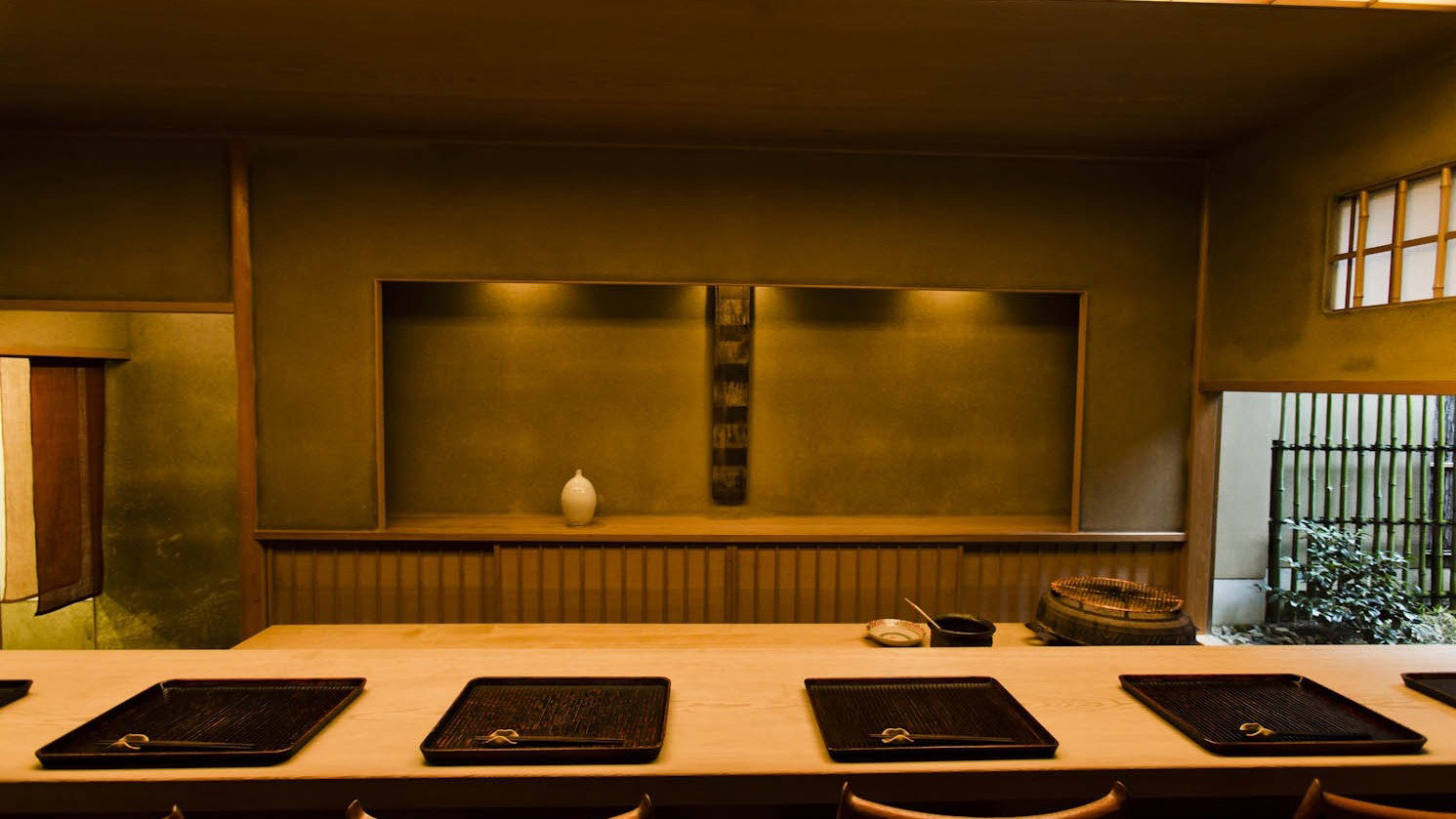
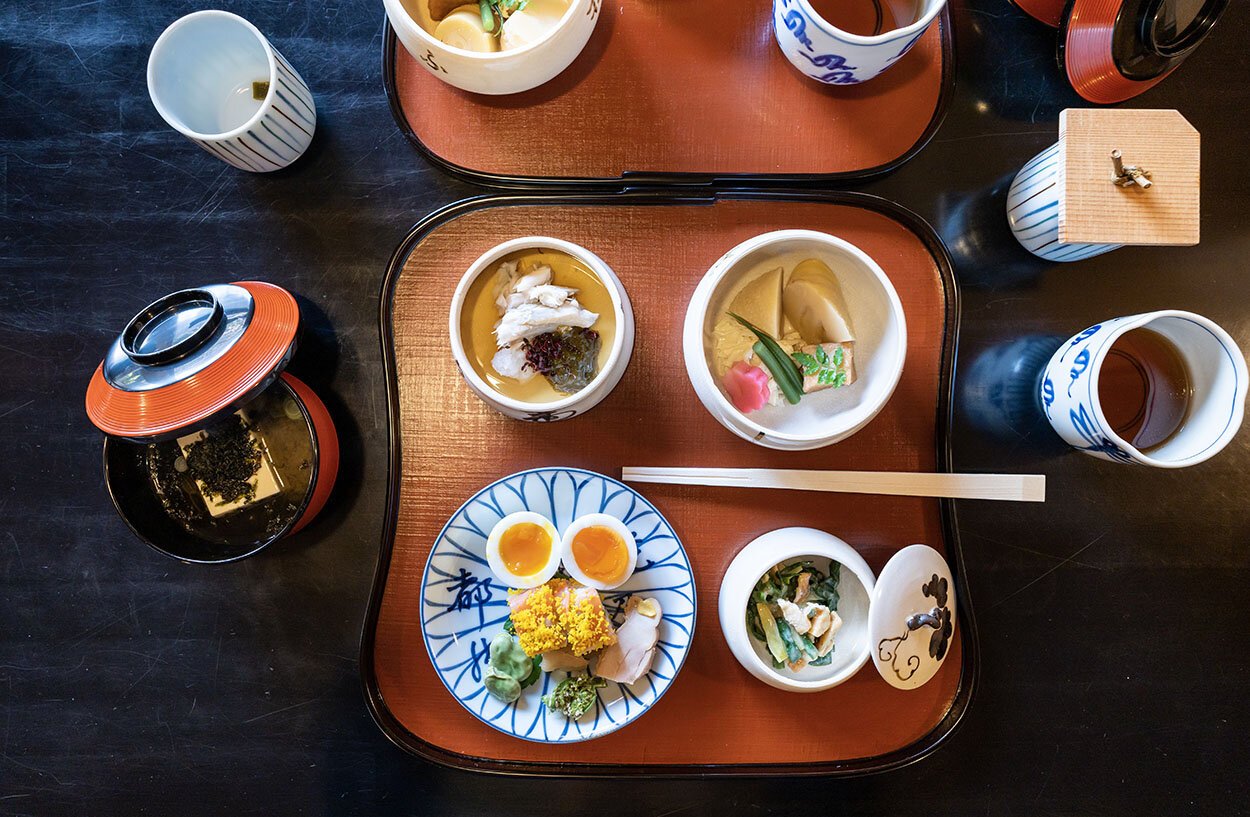
Opened in February 2017 in a converted house on Ichikawacho-dori in Nakagyo, Gokomachi Tagawa operates on a philosophy the venue states plainly: refined Japanese cuisine that embodies the changing seasons, built around carefully selected ingredients, without extravagant presentation or gimmicks. That restraint is the point. You are not paying for theatrical plating or elaborate tableside spectacle. You are paying for ingredients sourced with precision and cooking that treats those ingredients as the main event.
The sourcing approach directly shapes the menu at every sitting. The kitchen uses bincho charcoal, the dense, slow-burning white charcoal preferred by high-end Japanese kitchens for its consistent, clean heat, to grill wagyu beef and eel over an open brazier. The scent of this alone, drifting from the kitchen into the ten-seat counter room, signals where the kitchen's priorities lie. Bincho charcoal cooking is not a technique you choose for convenience. It requires patience, close attention, a belief that the raw material deserves that level of care. At this price tier, that signal matters.
The seasonal sourcing logic culminates in the meal's closing course: a trio of clay-pot rices, plain, mountain delicacies, seafood, each version anchored to whatever the season is yielding. Clay-pot rice (donabe gohan) is a format that rewards restraint in sourcing: the simplicity of the vessel means there is nowhere for a mediocre ingredient to hide. The fact that Tagawa offers three variations within a single meal is a direct statement about confidence in its suppliers and in its kitchen's ability to let those ingredients speak without interference. For a food-focused traveller, this closing sequence alone is a reason to book.
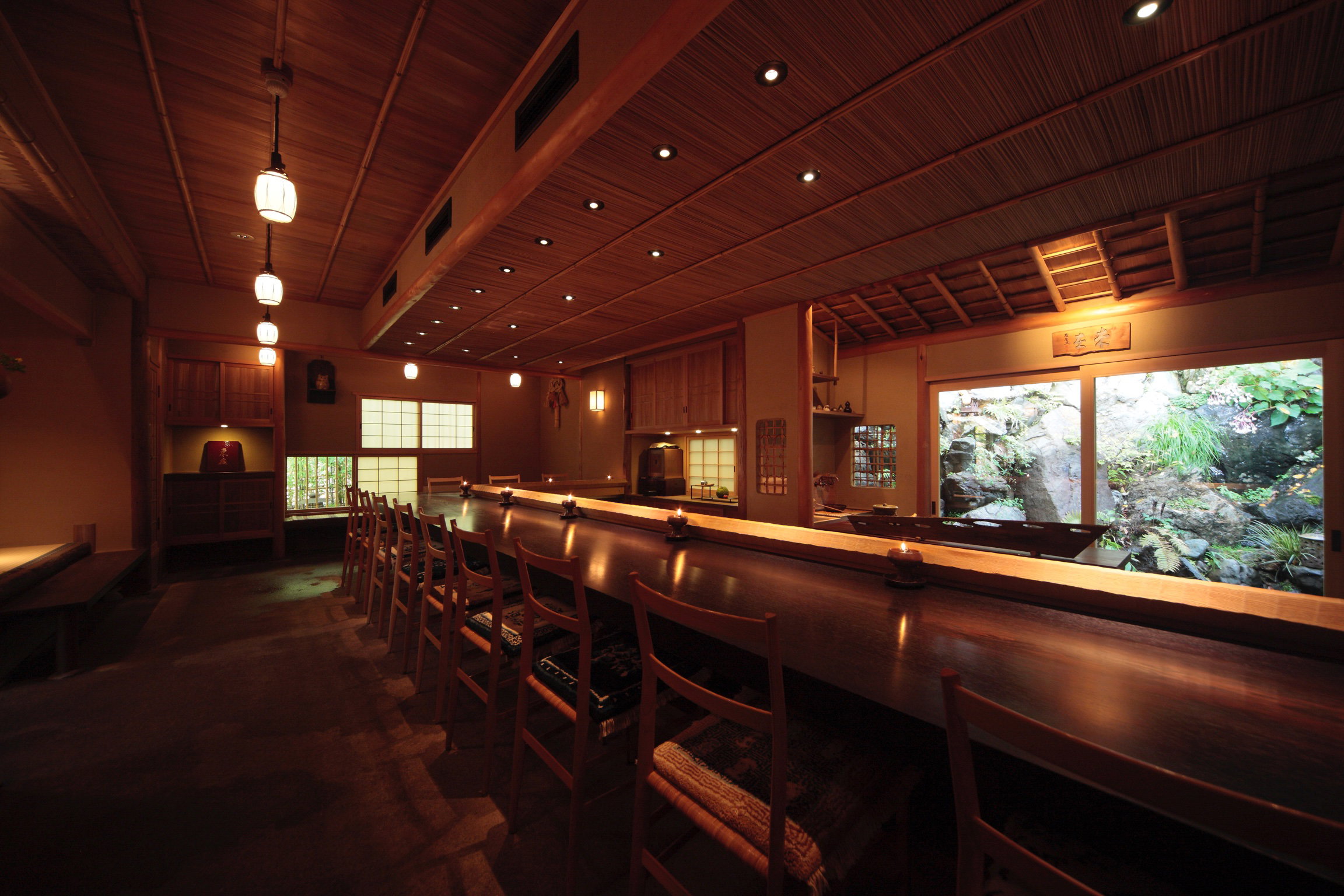
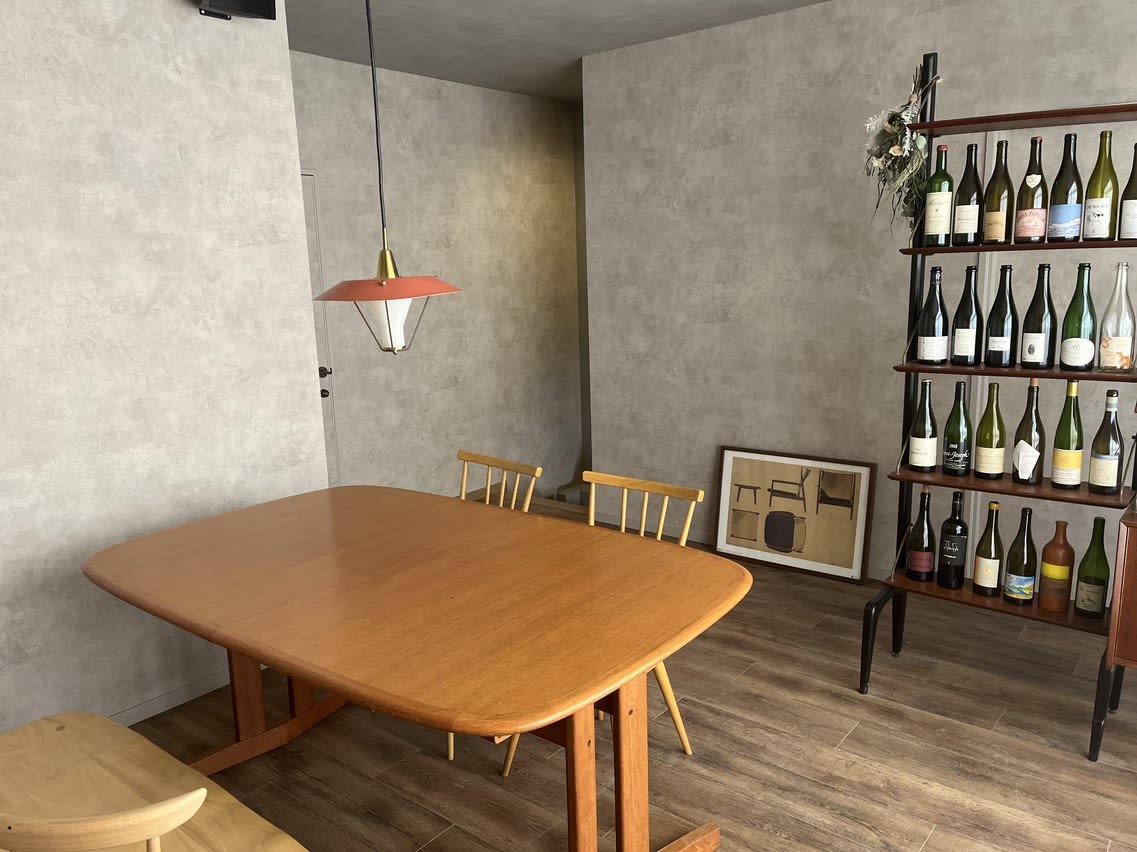
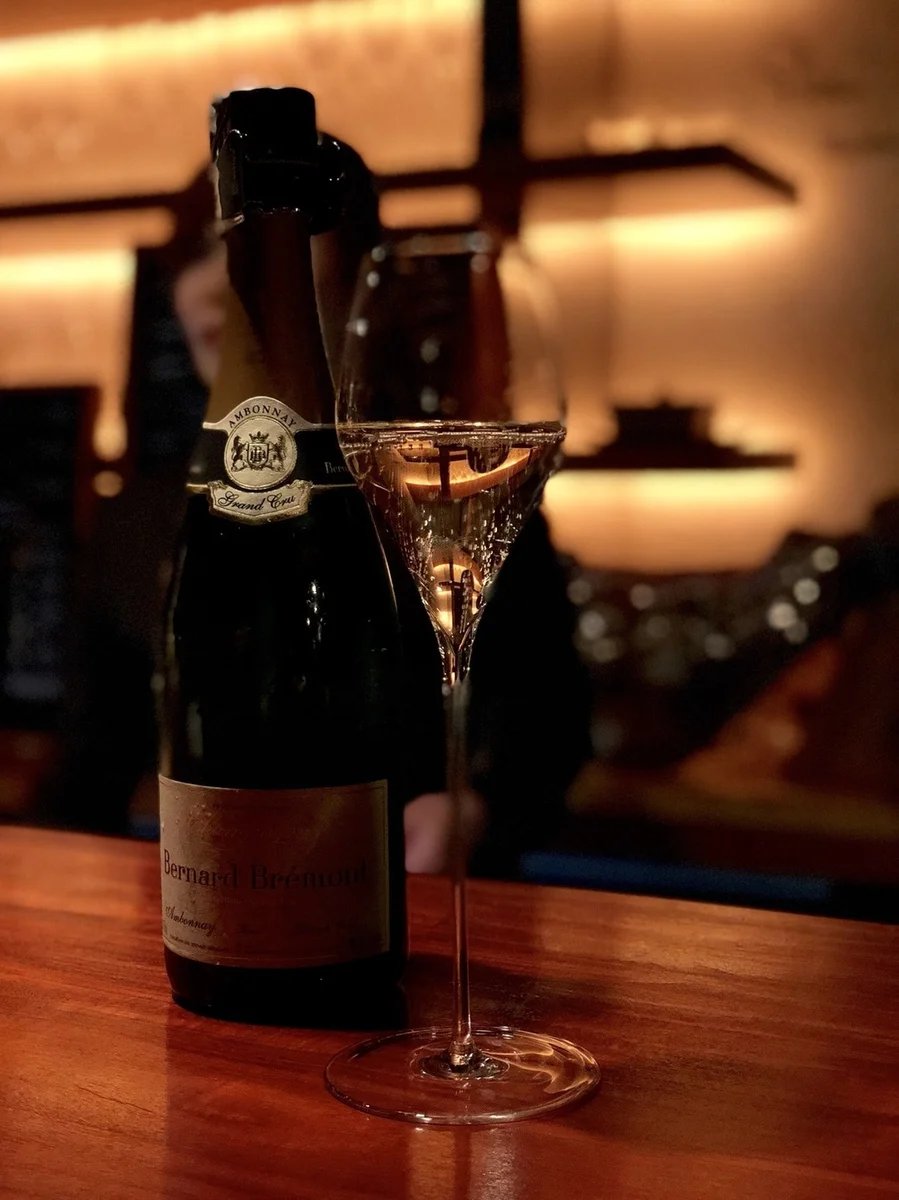
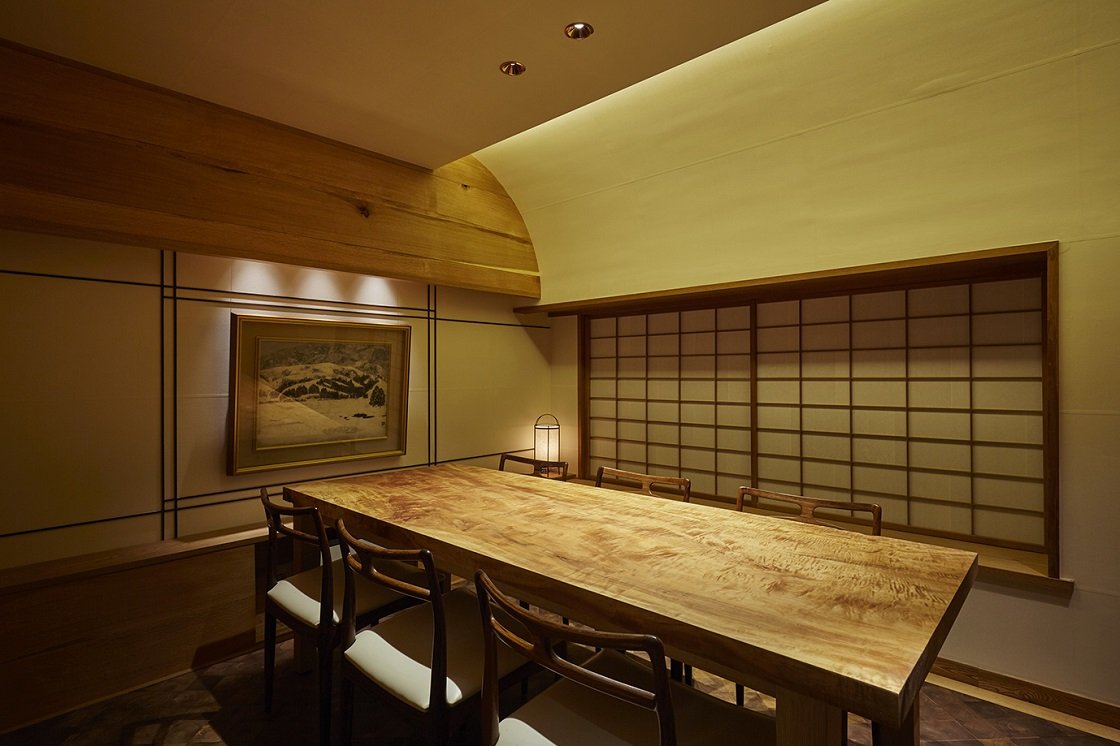
Room is ten counter seats arranged in a relaxed space. No private rooms are available, though the restaurant can be taken over entirely for private use, useful for groups wanting an exclusive sitting. For groups of six or more, reservations must be made by phone rather than online; the restaurant's online booking system is available 24 hours for smaller parties. Families with children are welcome but should call ahead to discuss suitability. Drinks run to sake, shochu, wine, the venue also allows BYO, a practical detail that matters if you have a specific bottle you want to bring to a special occasion.
Dress code expectations are specific and worth reading before you arrive: socks are required, strong perfume should be avoided, the kitchen's air conditioning can vary across seats, so a light layer is recommended. These are house-restaurant norms rather than formal dress requirements, consistent with the intimate, counter-focused format.
Gokomachi Tagawa is an eight-minute walk from Kyoto Shiyakusho Mae Station, or roughly ten minutes from Marutamachi. No parking is available on site; use a nearby paid car park if you are arriving by car. Credit cards are accepted (Visa, Mastercard, JCB, Amex, Diners), but electronic money and QR code payment are not. A qualified invoice receipt is available for business diners.
For context on the broader scene, Gokomachi Tagawa sits within a city that houses some of Japan's most demanding kaiseki tables. Kyokaiseki Kichisen operates at the very leading of Kyoto's formal kaiseki hierarchy. Kikunoi Roan offers a more accessible entry point into the same seasonal tradition. Isshisoden Nakamura and Gion Matayoshi represent further variations on Kyoto's deep Japanese cuisine tradition. Kodaiji Jugyuan is another option worth considering for a contrasting kaiseki experience. Beyond Kyoto, comparable counter-focused Japanese dining can be found at Harutaka in Tokyo, Azabu Kadowaki in Tokyo, Myojaku in Tokyo, HAJIME in Osaka, Goh in Fukuoka, akordu in Nara, 1000 in Yokohama, and 6 in Okinawa.
For a broader view of where Gokomachi Tagawa sits in Kyoto's dining scene, see our full Kyoto restaurants guide. You can also explore Kyoto hotels, Kyoto bars, Kyoto wineries, and Kyoto experiences through Pearl.
Ratings & Recognition
- Michelin 1 Star (2024)
- Tabelog Bronze Award, every year from 2018 through 2026
- Tabelog Japanese Cuisine WEST Top 100, 2021, 2023, 2025
- Tabelog score: 4.24
Booking
Booking difficulty is high. Gokomachi Tagawa is reservation-only, with ten seats it fills quickly. Online reservations are available through the official website at any hour, which helps if you are booking across time zones. Groups of six or more must reserve by phone. A 100% cancellation fee applies on the day of your reservation, so confirm only when you are certain. Private lunch sittings for groups of five or more are available on request by phone.
- Reservations: Online via official website (24/7) or by phone for groups of 6+
- Phone: +81-75-708-5936
- Cancellation policy: 100% fee on the day
- Private use: Available (full buyout)
Practical Details
Dinner service starts at 18:00 and runs to 22:00, seven days a week including public holidays. The venue can accommodate other times on request. Closed days are not fixed, so verify directly before travelling. No parking on site; paid parking is nearby. Credit cards accepted; no electronic money or QR payment. BYO drinks permitted. Ten counter seats only, no private rooms. Socks required; minimal perfume advised; bring a light layer for air conditioning variation.
At a glance: Dinner JPY 30,000–39,999 + 10% service charge | 10 counter seats | Reservation-only | 8 min from Kyoto Shiyakusho Mae Station | Credit cards accepted | Non-smoking
How It Compares
See the comparison section below.
FAQ
Is Gokomachi Tagawa worth the price?
- At JPY 30,000–39,999 per head before the 10% service charge, Gokomachi Tagawa sits at a price point where the question deserves a direct answer: yes, provided this format suits you. A Michelin star, eight consecutive Tabelog Bronze awards, a 4.24 score, repeated inclusion in the Tabelog Japanese Cuisine WEST Top 100 are not coincidental. The kitchen's sourcing-first philosophy, bincho charcoal grilling, seasonal clay-pot rice, produces cooking where the price is carried by ingredient quality rather than décor or service theatre. If you want that style of cooking in Kyoto, this is one of the more credentialled places to find it at this price tier.
Is Gokomachi Tagawa good for a special occasion?
- Yes, with caveats. The ten-seat counter format makes it intimate, but the absence of private rooms means your celebration is shared with the room. The BYO drinks policy helps, bring a meaningful bottle without a corkage obstacle. For a fully private experience, the restaurant accepts full buyouts, private lunch sittings for groups of five or more are available by phone. At this price with this level of recognition, a special occasion booking is well-supported by the credentials.
What should I order at Gokomachi Tagawa?
- The menu is set, there is no à la carte selection. The kitchen's emphasis on bincho charcoal grilling and the closing trio of clay-pot rices (plain, mountain delicacies, seafood) are the anchor elements the venue is known for. The format is seasonal and changes with what the kitchen's suppliers are producing, so specific dishes cannot be confirmed in advance. Trust the sequence.
Can Gokomachi Tagawa accommodate groups?
- The venue seats ten in total, so large groups take up most or all of the room. For six or more, you must reserve by phone rather than online. Private lunch sittings for five or more are available on request. Full buyout for exclusive private use is an option. The 100% same-day cancellation fee applies regardless of group size, so confirm numbers before you call.
Does Gokomachi Tagawa handle dietary restrictions?
- The venue does not publish a dietary accommodations policy in the available data. Given the set-menu format and the kitchen's sourcing-led approach, dietary restrictions are leading discussed at the time of reservation, either via the online booking system or by calling +81-75-708-5936. Do not leave this to the day of your visit. Families with children are advised to consult by phone before booking.
What are alternatives to Gokomachi Tagawa in Kyoto?
- At the same price tier: Kyokaiseki Kichisen operates at a higher level of formal kaiseki ceremony and is harder to book. Gion Matayoshi and Isshisoden Nakamura are strong alternatives for serious Japanese cuisine. For a slightly lower spend in a different format, Kikunoi Roan is more accessible both in price and booking availability. If you want to compare across the region, HAJIME in Osaka offers a very different proposition at a comparable price point.
Planning details
- Location
- Japan, 〒604-0982 Kyoto, Nakagyo Ward, Matsumotocho, 575-1
- Website
- gokoumachi-tagawa.com
- Phone
- +81 75-708-5936
The take
The Take
The Vibe
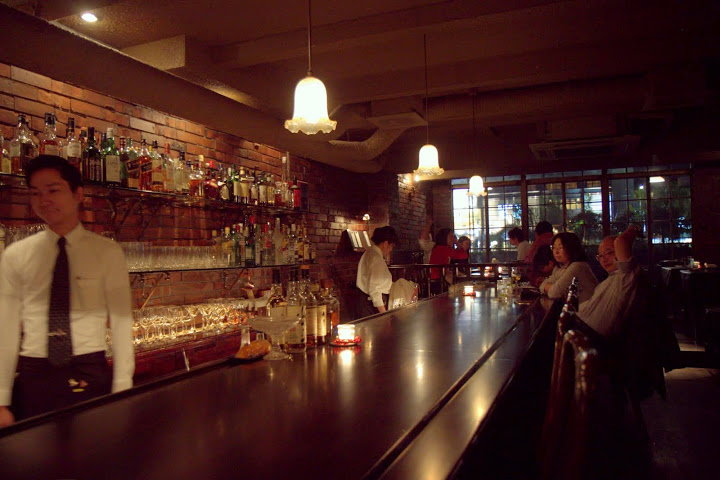
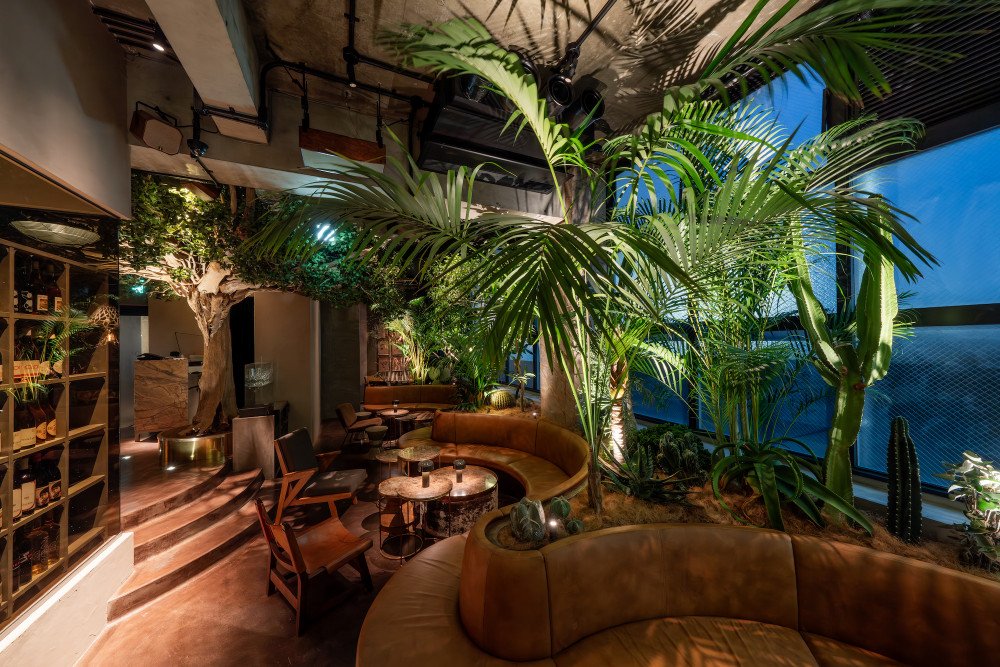
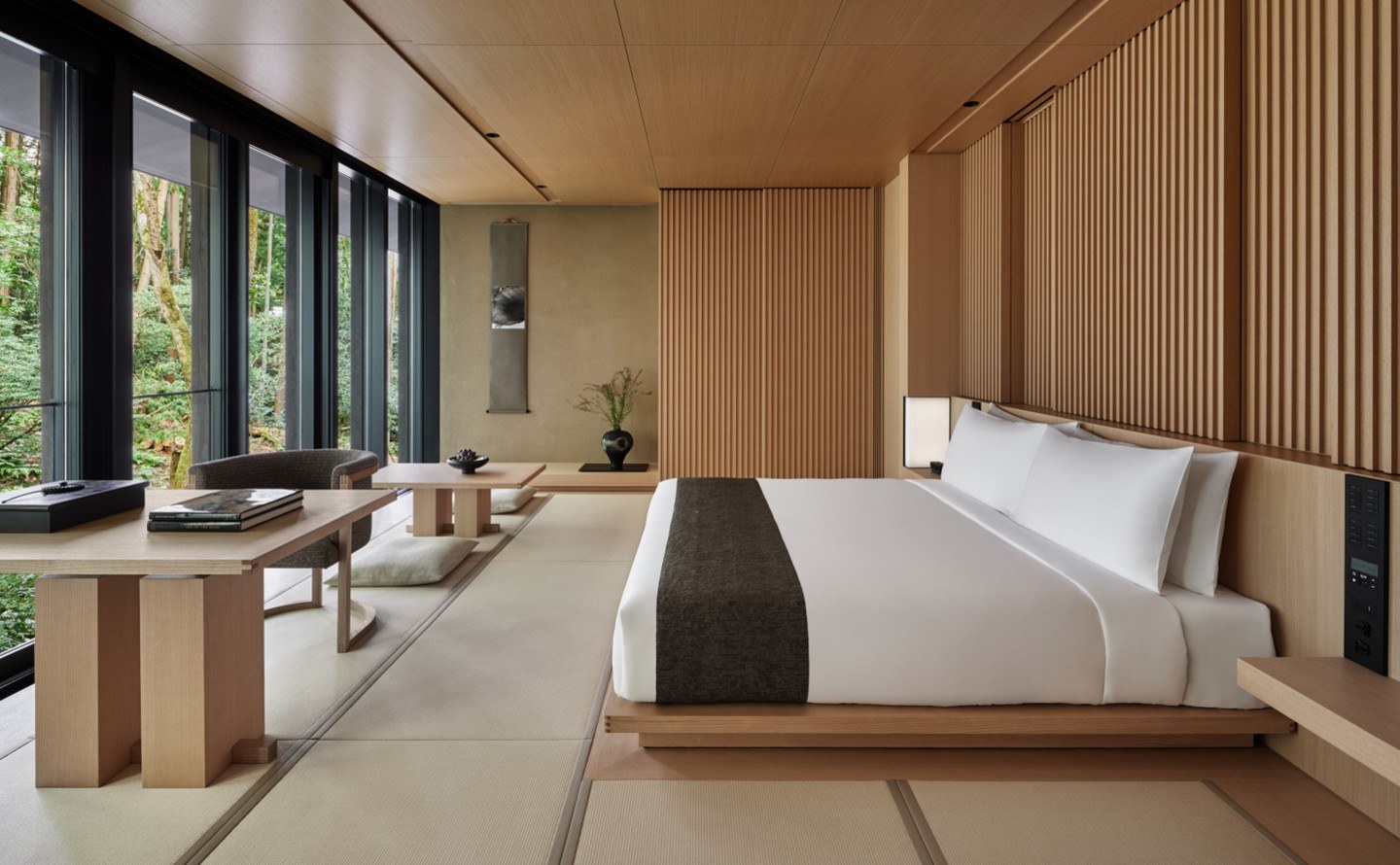
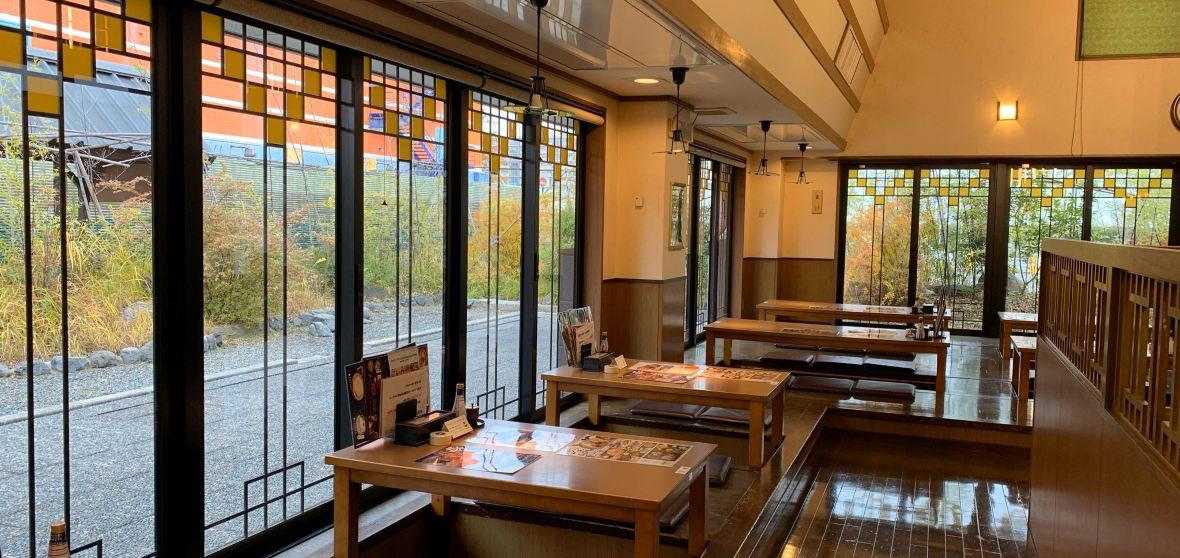
Gokomachi Tagawa sits quietly on a residential stretch of Nakagyo Ward, deliberately avoiding the theatricality of Kyoto's tourist corridors. The room is spare and restrained: a converted townhouse with a single ten-seat counter where the chef's technique is the central attraction. The experience is understated rather than decorative — oiled wood, close proximity to the cooking, and a singular focus on seasonality and restraint give the restaurant a quietly refined, almost minimalist feel. It reads as a hideaway for diners who prize precise technique and calm, concentrated meals over architectural flourish.
Best For
This counter-format kaiseki suits diners who come for the cooking first. It's ideal for solo visitors who want close observation of technique, and for committed food lovers looking for a compact, chef-led evening rather than a formal multi-room ceremony. The setting rewards those who appreciate seasonal restraint and a conversational exchange with the cook; the tiny ten-seat layout makes it less appropriate for large groups or events that need private rooms. The restaurant feels made for deliberate, meal-focused dining at dinner.
Ordering Tips
Expect a chef-led, seasonal kaiseki experience delivered from the counter: the format places emphasis on sequence and technique rather than à la carte variety. Because the cooking is the principal object of attention, approach the meal with openness to tasting-course progression and seasonal ingredients. With only ten counter seats and no private rooms, plan to embrace the direct interaction with the kitchen — ask the chef about ingredient sources or the day's highlights, and allow the menu to unfold in course succession rather than requesting major substitutions.
Venue details
Ambiance
Relaxed yet focused intimate atmosphere at a 12-seat wooden counter with aromas from the live charcoal grill and soft natural light from a small courtyard.
Tags
Vibe
Best For
Experience
Sourcing
At the Table
- Dress Code
- Smart Casual
- Noise Level
- Quiet
- Service Style
- Upscale Casual
- Meal Pacing
- Leisurely
- Capacity
- Intimate
Signature Dishes
- Seared Conger Eel Sashimi
- Charcoal-Grilled Wagyu Beef
- Pufferfish Shirako
Planning details
Location
Japan, 〒604-0982 Kyoto, Nakagyo Ward, Matsumotocho, 575-1 · Directions
Recognition and awards
Also consider
Also Consider
- Gion Sasaki; Kaiseki, Japanese, ¥¥¥¥
- cenci; Italian, ¥¥¥
- Ifuki; Kaiseki, ¥¥¥¥
- Kyokaiseki Kichisen; Japanese, ¥¥¥¥
- Kyo Seika; Chinese, ¥¥¥
Restaurant context
Against Kyoto's other serious Japanese cuisine tables at the ¥¥¥¥ tier, Gokomachi Tagawa occupies a specific position: counter-only, ten seats, ingredient-first, without formal kaiseki ceremony. Kyokaiseki Kichisen sits above it in terms of kaiseki formality and prestige, but also in difficulty of booking and likely price; if what you want is structured, multi-course kaiseki with deep service tradition, Kichisen is the reference point, though access is considerably harder. Ifuki and Gion Sasaki both operate at the ¥¥¥¥ level with kaiseki formats that lean into seasonal produce with more elaborate presentation than Tagawa's restrained approach. If you want more visual ceremony with your seasonal cooking, either is worth comparing; Gion Sasaki in particular carries strong recognition and a different style of hospitality.
For diners who want high-quality Japanese cooking in Kyoto without committing to the full kaiseki ritual, Gokomachi Tagawa is the more practical choice among the ¥¥¥¥ tier. The counter format, BYO drinks option, online 24-hour reservation system reduce friction compared to venues that require Japanese-language phone bookings or intermediary services. At roughly JPY 30,000–39,999 before service, it is not the cheapest option in the city; cenci and Kyo Seika both operate at ¥¥¥ and offer contrasting cuisine styles (Italian and Chinese respectively) at a lower spend per head. But for Japanese cuisine specifically at this standard, the price is consistent with the category.
The practical verdict: book Gokomachi Tagawa if you prioritise ingredient quality, counter proximity to the kitchen, a less ceremonial atmosphere than full kaiseki. Book Gion Sasaki or Ifuki if presentation and kaiseki structure matter more to you. Choose Kichisen only if you have the time and connections to secure a table, are prepared for a more demanding formal experience. For a lighter spend on a different cuisine entirely, cenci is the most accessible ¥¥¥ alternative.
Explore Kyoto
Around this place
Discover more on Pearl
Unlock the full Gokomachi Tagawa guide in Pearl, including awards, comparisons, FAQs, planning details, and nearby places.
FAQ
Frequently Asked Questions
Does Gokomachi Tagawa handle dietary restrictions?
The venue data does not document a formal dietary restriction policy, but the reservation-only, advance-booking format of kaiseki restaurants generally allows for prior communication with the kitchen. If dietary needs are a factor, contact the restaurant before booking; phone reservations are required for groups of six or more and are available for all guests.
Is Gokomachi Tagawa good for a special occasion?
Yes, within specific conditions. The ten-seat counter and reservation-only format make it a focused, intimate setting; better suited to a dinner for two or a small group than a large celebration. Note that there are no private rooms, the 100% same-day cancellation policy means you need to be committed. For groups of five or more, private lunch buyouts are available on request, which works well for milestone occasions.
Is Gokomachi Tagawa worth the price?
At JPY 30,000–39,999 per head plus a 10% service charge, it sits at the serious end of Kyoto dining; but the credentials back it up: a Michelin star, a Tabelog score of 4.24, consecutive Bronze Awards from 2018 through 2026. If counter-format seasonal kaiseki is your preference, the price is justified. If you want a more social atmosphere or private room, it is not the right fit at any price.
What are alternatives to Gokomachi Tagawa in Kyoto?
Kyokaiseki Kichisen is the reference point at the top of Kyoto kaiseki; three Michelin stars and a significantly higher price point. Gion Sasaki offers a larger, more animated counter experience in the Gion district. Ifuki is a strong option at a lower price tier if the JPY 30–40k range feels steep. Cenci sits outside the kaiseki format entirely, offering Italian-influenced tasting menus for a different kind of Kyoto fine dining.
What should I order at Gokomachi Tagawa?
The format is set-menu kaiseki, so there is no ordering in the conventional sense. The kitchen's approach centres on seasonal ingredients without elaborate presentation, with bincho charcoal grilling and a closing trio of clay-pot rices among the highlighted preparations. The drink list covers sake, shochu, wine, BYO is permitted if you want to bring something specific.