The Core Club's leadership has kept total membership deliberately curated; the club has over 2,000 members globally.1
Why The Core Club's Membership List Stays Curated
The Core Club opened on East 55th Street in Midtown Manhattan, founded by Jennie Enterprise with a specific thesis: a private club built around business, culture, and the arts, rather than around golf or legacy social status. The 100 founding members were each asked to contribute $100,000 and nominate another person,1 a structure that seeded the cross-sector mix of finance, media, technology, and arts that became the club's identity.
That identity is also what makes access hard. The Core Club is not selling prestige by the seat. It is curating a network, which means the vetting process is genuinely about fit, not just ability to pay. The initiation fee was reported at $50,000 in 2018 with a $17,000 annual fee;1 more recent reporting puts the current individual initiation fee starting at $15,000, with family membership up to $100,000 and annual dues ranging from $15,000 to $18,000.2 Even at those price points, money alone does not get you in. The club is described as difficult to crack even with $100,000,3 implying a vetting process that goes well beyond payment.
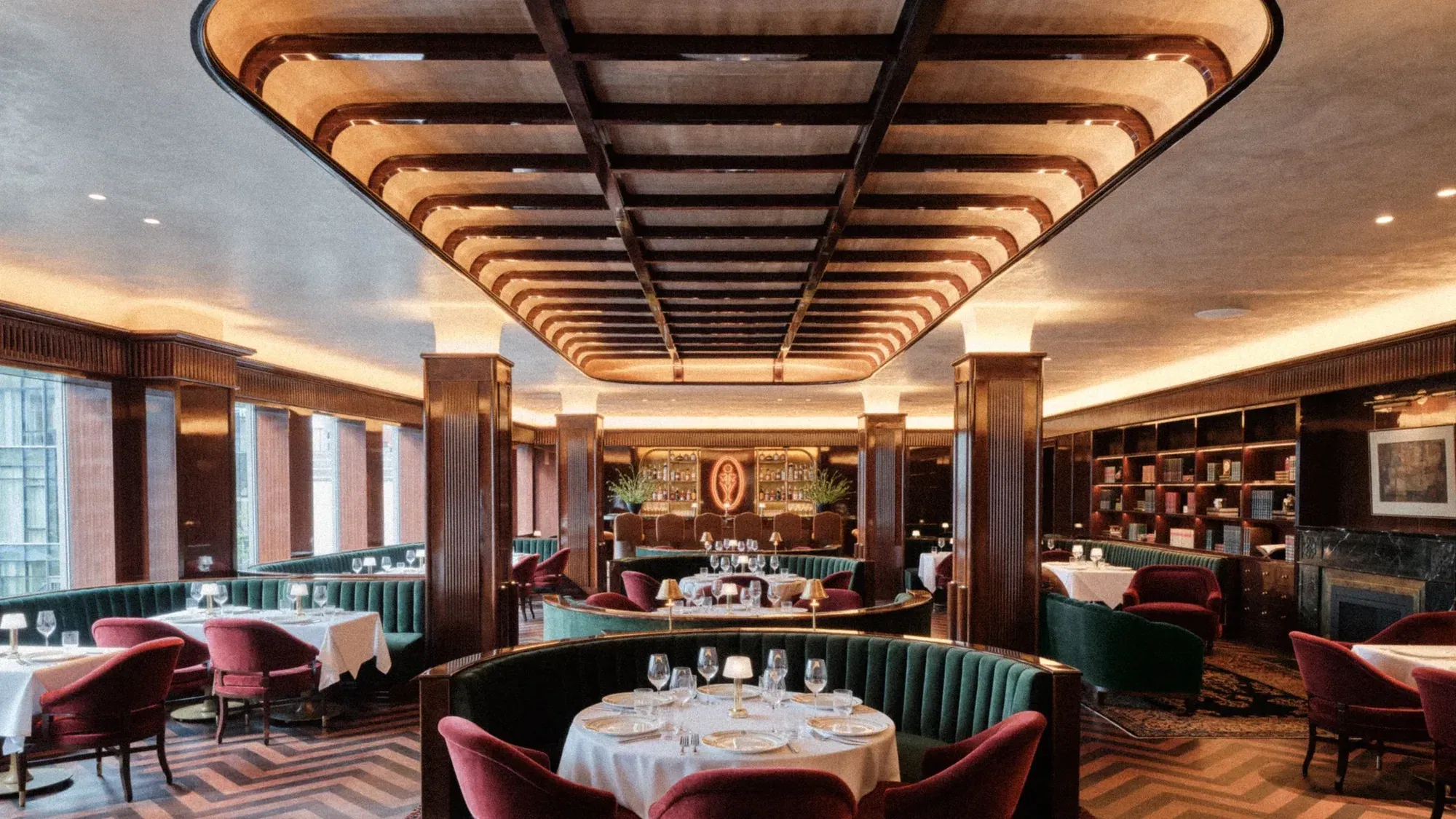
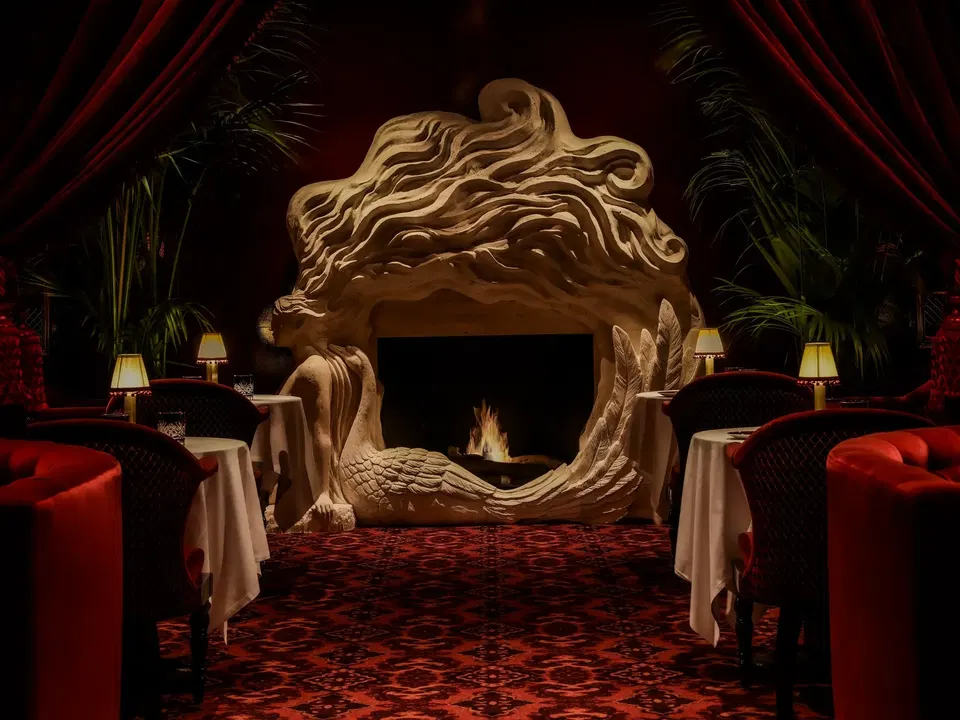
The physical space reinforces the scarcity logic. The New York location occupies 60,000 square feet across the top four floors of 711 Fifth Avenue, with over 6,000 sq ft of outdoor space and 11 suites for overnight guests.1 The club's value proposition depends on members actually knowing each other, which means the list cannot grow without limit.
When Core Club Membership Actually Opens Up
A current member can sponsor a candidate. The candidate is reviewed by a membership committee, and the committee decides.
The club's membership was closed to new applicants for years; the relocation to 711 Fifth Avenue enabled the club to expand its intake.4 With that move, the club planned to allow an additional 3,500 members, roughly doubling its then-current roster.5 That expansion window is the most transparent signal the club has given about when access opens, tied to a physical move, not a calendar date. Confirm the process directly with the club's membership team.
The Channels That Actually Work
The first channel is a nomination from a current member.
Sponsor route: A current member nominates you and shepherds your application through the committee. The strength of that sponsorship matters. A member who is active, well-regarded within the club, and willing to advocate for you personally carries more weight than a nominal endorsement. The club's founding criteria: "if somebody has an interesting story to tell, they'd be a great member."1 If you have a genuine relationship with a Core Club member, ask them directly whether they would sponsor you and what the current process looks like.
Public inquiry: The Core Club has a membership inquiry contact. The official membership page publishes a public inquiry form, and a sponsor is not described as mandatory on that page. The club's website, thecoreclub.com, is the starting point for any direct contact.6 The club has historically recruited researchers to identify potential members before sending them a marketing kit,1 meaning the club sometimes comes to you, rather than the reverse.
There is no card program, no hotel-guest route, no Resy drop, and no walk-in option. Access is for members only.1 Non-members can only enter as a guest of a current member, subject to the club's guest policies.
Seasonal Access: When Odds Shift
The Core Club's membership calendar is not public, but a few patterns are worth knowing as you plan your approach.
September through November tends to be when New York's private club social calendar accelerates, with new programming, fall events, and the return of members from summer travel. This is when existing members are most engaged with the club, which can make it a natural moment to have a sponsorship conversation with someone who is actively using their membership.
January and February are slower. Members are traveling or in post-holiday mode, and the club's event calendar is lighter. Sponsorship conversations started in this window tend to move more slowly simply because the social infrastructure around them is quieter.
Summer (June through August) is the period when many New York members are in the Hamptons or traveling internationally. If you are trying to get a sponsor's attention, this is the hardest window.
None of this is published policy. It is a practical read of how New York's private club social rhythms work. Confirm any timing assumptions directly with the club or your sponsor.
Inside The Core Club: What Members Actually Get
The Core Club's Fifth Avenue space is designed to function as a full-day destination. The 60,000 sq ft across four floors includes a restaurant, private dining rooms, a spa, a fitness center, event spaces, and 11 overnight suites,1 with suites priced at around $1,500 per night.2 The restaurant serves breakfast, lunch, and dinner. Private dining rooms are available for member events and business meals. The spa and fitness facilities are part of the membership, not add-ons.
The programming is where the club differentiates itself from older Manhattan private clubs. The Core Club draws speakers, artists, and thinkers from across sectors, a finance-focused panel one week, an artist studio visit the next. Members have cited this cross-sector programming as the primary reason they joined, not the restaurant or the gym. The club maintains an equal number of female and male members,1 a deliberate structural choice that shapes the room's dynamic.
The atmosphere skews younger and more professionally active than clubs like the Knickerbocker or the Union Club. The dress code is business casual rather than jacket-required, and the room on a weekday lunch tends to look like a high-end co-working space populated by people who actually know each other. Members manage bookings, tables, trainers, suites, food and beverage orders, through a custom iPhone app.7 It is not a place to be seen; it is a place to work and meet.
Guest access is permitted under member supervision. If you are visiting as a guest, your member host sets the terms of the experience.
What Insiders Do Differently (and the Mistakes That Cost People the Access)
What insiders do: Members who successfully sponsored others describe a consistent pattern. They did not ask a casual acquaintance to sponsor them. They cultivated a genuine relationship with a member over time, often through shared professional or cultural interests, before the subject of membership came up. The sponsorship conversation happened naturally, not as a cold ask. Members also note that the committee pays attention to what a candidate would contribute to the club's programming and network, not just their financial profile. Candidates who could articulate a specific reason they wanted to be part of this particular community moved through the process more smoothly.
Mistakes that actually cost people the access:
- Approaching the wrong sponsor. A member who is rarely at the club, or who joined primarily for the gym, carries less weight with the committee than an active, engaged member. Ask someone who is genuinely embedded in the community.
- Leading with the financial pitch. The Core Club's committee is not primarily evaluating your net worth. Candidates who frame their application around their ability to pay the fees, rather than what they bring to the network, tend to stall. The club has reportedly declined applicants who were financially qualified but culturally misaligned.
- Treating guest visits as a shortcut. Visiting as a member's guest is not a back-channel route to membership. It can help you understand whether you actually want to join, but it does not accelerate the formal process and can create awkwardness if the guest visit is transparently transactional.
Realistic Alternatives to The Core Club
If Core Club membership is not accessible to you right now, these four alternatives cover most of what the Core Club offers, at varying levels of difficulty and cost.
Private Club Alternatives: Access, Cost, and Format Compared
| Club | Access Difficulty | Reported Cost Range | Primary Draw | How to Approach |
|---|---|---|---|---|
| The Core Club (NYC) | Very high, curated | $15,000 to $100,000 initiation + annual dues from $15,000 (reported)4 | Cross-sector business/arts network | Current member nomination |
| Zero Bond (NYC) | High, application-based, but more accessible than Core | Lower initiation than Core; annual dues apply (N/A, unverified) | Media, entertainment, nightlife-adjacent | Application via website; member referral helps |
| Soho House (multiple cities) | Moderate, application-based, creative industries focus | Annual membership; no large initiation fee (N/A, unverified) | Creative and media professionals; global reciprocal access | Apply online; member referral accelerates |
| The Metropolitan Club (NYC) | High, traditional sponsor model, older membership profile | Initiation + annual dues; comparable to Core (N/A, unverified) | Legacy social prestige; formal dining | Member sponsor required |
| Casa Cipriani (NYC) | Moderate-high, membership available, hospitality-forward | Annual membership; no large initiation reported (N/A, unverified) | Restaurant and hotel access; Italian hospitality brand | Direct application; member referral helps |
For most people who want the Core Club's cross-sector networking in a private setting, Zero Bond is the most realistic near-term alternative. The application process is more transparent and the membership skews toward similar industries. Soho House works if global reciprocal access matters and you are in the creative or media sector. Casa Cipriani is the right call if the restaurant and hospitality experience is the primary draw rather than the network itself.
Who Should Actually Pursue Core Club Membership
The Core Club makes sense if you are already operating at a level where the network is genuinely useful, senior finance, media, technology, or arts leadership in New York. The programming and the space are good, but they are not the point. The point is the room and who is in it.
Skip the pursuit if you are primarily looking for a restaurant with a private dining room, a gym, or a place to take clients for lunch. Those needs are better served by venues where access is not contingent on a multi-month vetting process. The Core Club's value is the network, and if you are not yet embedded in the sectors it draws from, the membership will not deliver what you are paying for.
The Core Club is also not the right call if you want a traditional, formal private club experience. The Knickerbocker or the Union Club serve that need better. The Core Club is a working professional's club, not a legacy social institution.
The Bottom Line on Core Club Access
The Core Club is genuinely hard to get into, and the difficulty is structural rather than arbitrary. The club is small by design, the vetting is real, and money alone does not move you through the process. The club signed a 20-year lease at 711 Fifth Avenue.8 This is not a venue in transition, and the membership model is not changing.
If you have a relationship with a current member, pursue it. The club's cross-sector programming and the quality of its membership make it worth the effort for the right candidate.
For those who want the experience without the multi-year runway, Zero Bond or Casa Cipriani will get you into a comparable room faster.
Frequently Asked Questions
Can you apply to The Core Club without knowing a current member?
Yes. CORE's official membership page invites prospective members to submit a public inquiry. A member introduction may help.
What are the current Core Club membership fees for 2026?
Reported figures in press coverage cite an individual initiation fee starting at $15,000, with family membership up to $100,000 and annual dues ranging from $15,000 to $18,000. Treat any circulating number as reported rather than verified, and confirm current fees directly with the club's membership team once you are in the application process.
Can a non-member dine or visit The Core Club's Fifth Avenue space?
Non-members can access the club only as a guest of a current member, subject to the club's guest policies. There is no public dining option, no walk-in bar, and no event ticket that grants access to the main club spaces. If you want to see the space before committing to the membership process, ask a member to bring you as a guest, but be aware that this is not a shortcut to membership and should not be framed as one.
How long does The Core Club membership application process take?
The process is rolling and committee-driven, and the duration depends on the strength of the sponsorship, the committee's current review load, and how well the candidate fits the club's membership profile. Candidates have reported processes ranging from a few months to considerably longer. Confirm the current timeline directly with the club or your sponsor.
Does The Core Club have locations outside New York City?
CORE officially lists New York at 711 Fifth Avenue and CORE: Milano, whose community currently uses a temporary lounge while its permanent palazzo is developed. Confirm reciprocal access directly.