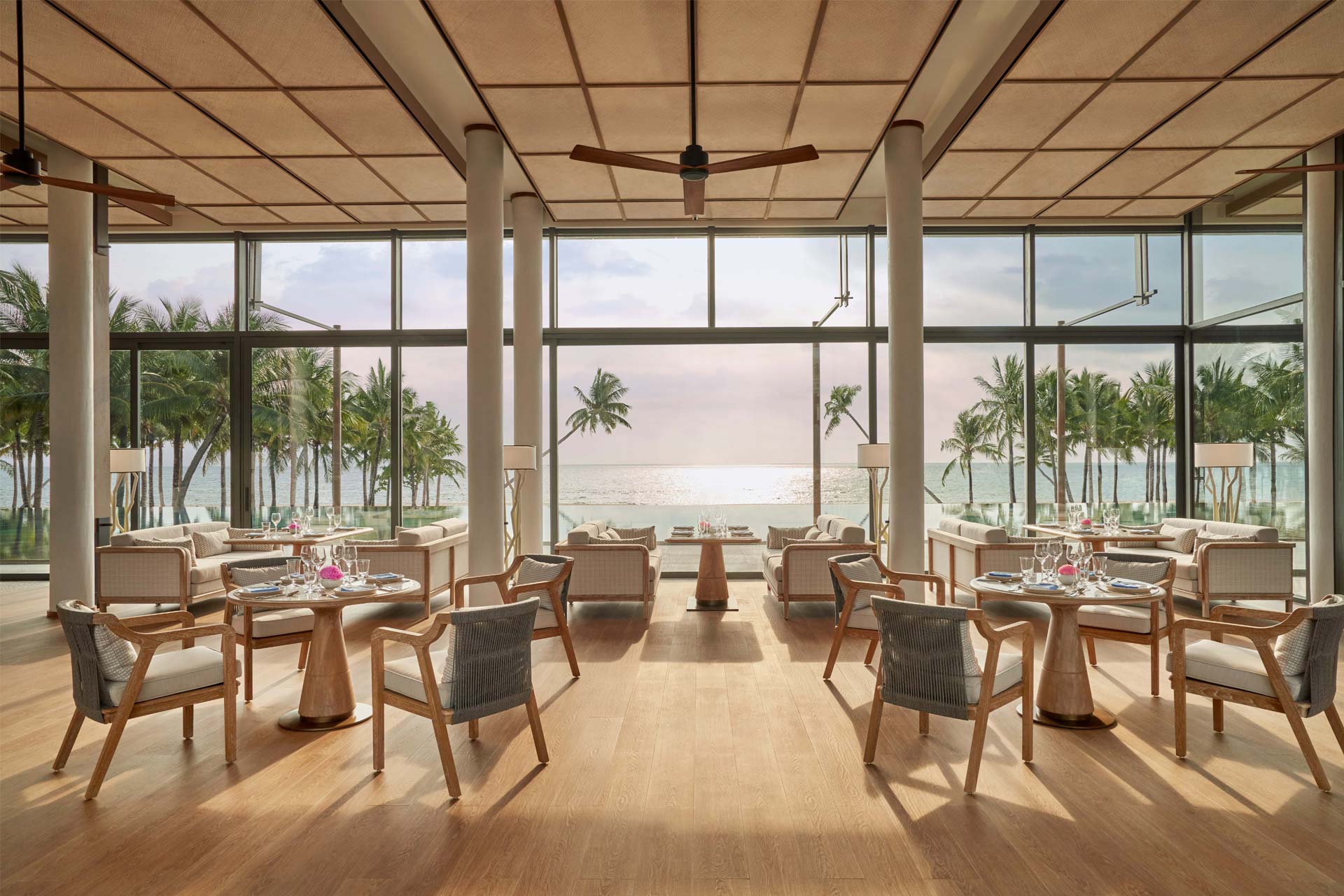
The short answer: yes, but not the way you might expect. Zero Bond, the private members' club at 0 Bond Street in NoHo, Manhattan, spanning 20,000 square feet,1 does not take walk-ins, does not list on Resy or OpenTable, and does not run a public waitlist you can join from a website. Access runs through membership, either your own or a member's guest invitation. If you know a member willing to bring you, you're in. If you don't, you can still apply: member referrals are encouraged but not required, and an applicant without one may be asked to meet the membership team before review.
Inside Zero Bond: What the Club Actually Looks Like on a Tuesday Night
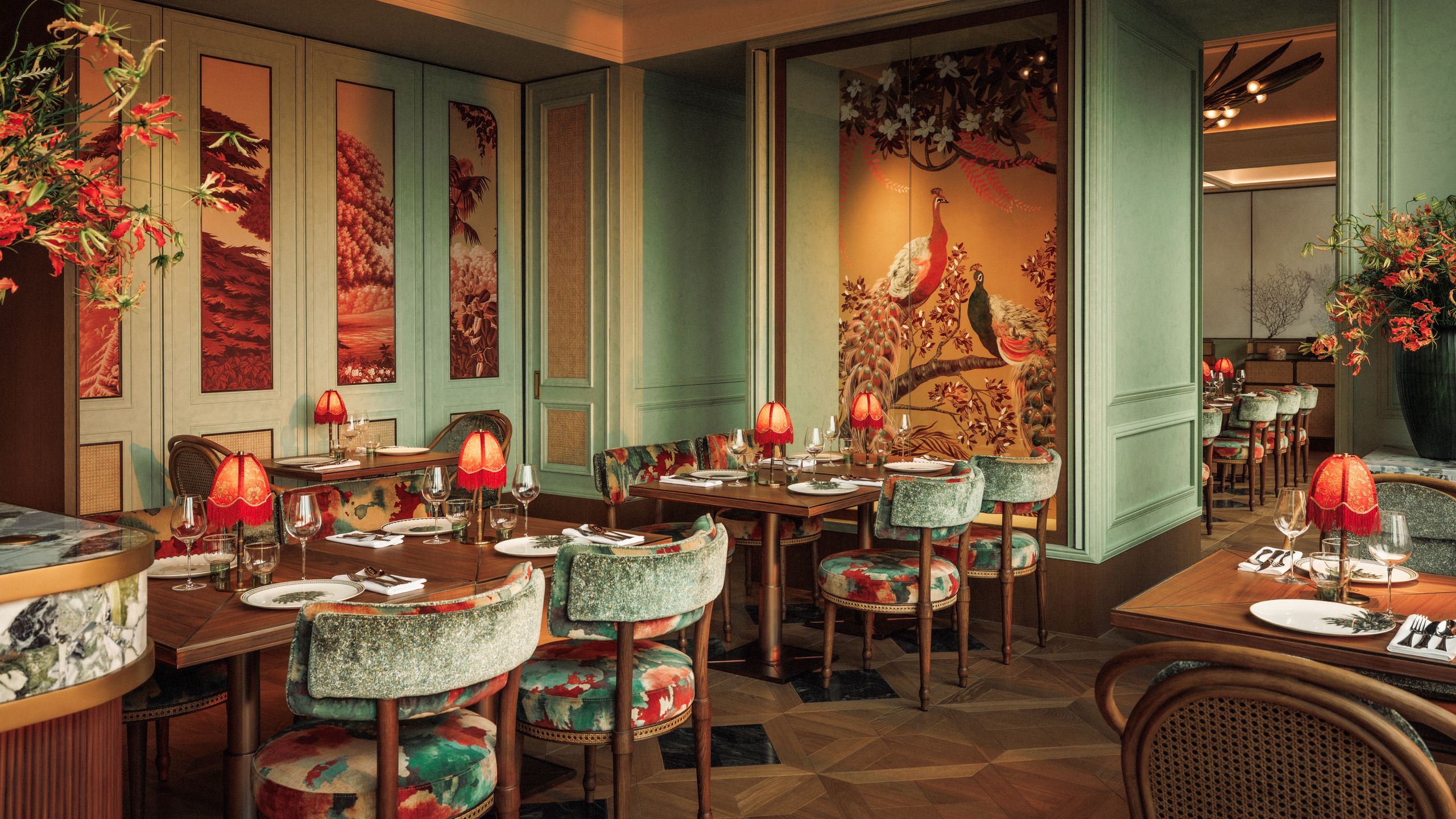
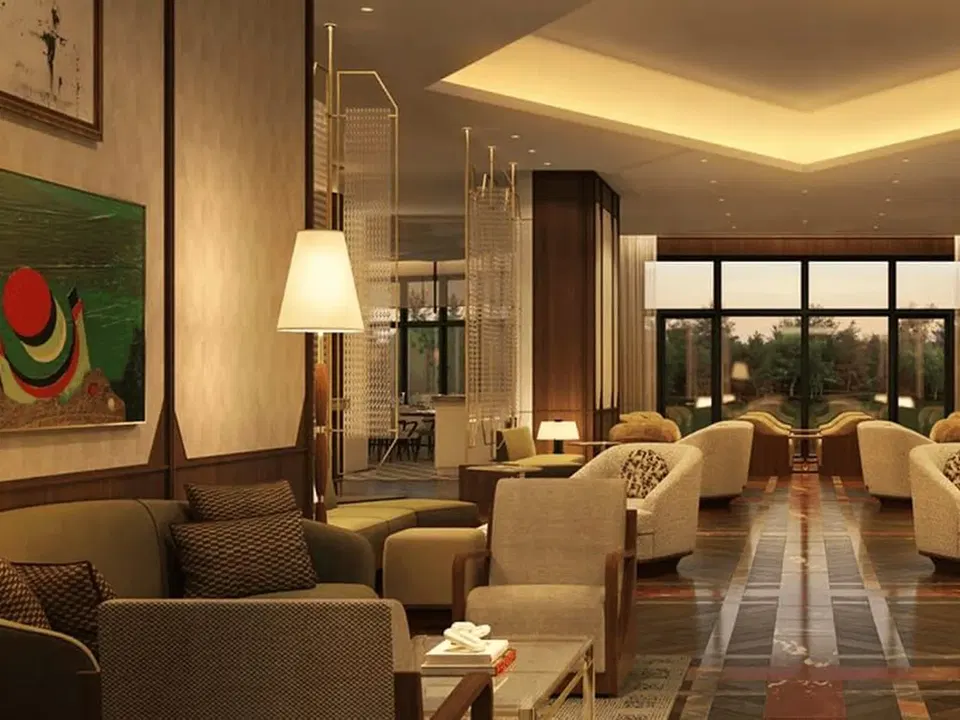
Zero Bond occupies a townhouse-style space across multiple floors in NoHo, designed to feel like a well-appointed private residence rather than a hotel lobby or restaurant. The ground floor carries a bar and lounge area where members gather before dinner; the upper floors hold dining rooms, a library, and event spaces. The aesthetic leans dark wood, leather, and low lighting, closer to a London members' club than a Soho House outpost.
The food program is a full-service restaurant kitchen, not a members' canteen. A 2022 Robb Report profile listed omakase at $145 to $245 before supplements; verify the current menu directly.2 The wine list is serious enough that members treat dinner here as a destination rather than a convenience.
The crowd skews media, finance, and entertainment. The club built its early reputation on a membership that wanted a room where they could have a conversation without being photographed; photography and video recording of any kind are strictly prohibited and may result in loss of membership privileges.3 That positioning has held. On a weekday evening, the room is busy but not loud; on a Friday, it fills. Private event bookings can close off sections of the club to general members, so confirm with the club before arriving for a specific occasion.
The experience is closer to having a standing reservation at a good restaurant that also happens to have a library and a room where you might run into someone useful, than it is to the programmatic wellness-and-coworking model of Soho House. Zero Bond does not try to be everything. It is a place to eat, drink, and have a private conversation in a room that feels considered. Access to the private dining room requires a fingerprint scanner at the door.4
Why Getting a Table at Zero Bond Is a Membership Problem, Not a Booking Problem
Most reservation-difficulty problems are solved by timing, platform strategy, or persistence. Zero Bond is not that kind of problem. The club is private by design, which means the access constraint is structural, not logistical. There is no public-facing reservation system because non-members cannot book independently.
What is documented: a reported waitlist of up to 10,000 names, with just a few hundred spots available.5 That ratio tells you everything about the access dynamic. The founding cohort created the social density that makes the room work, and it also means membership is not open to anyone who can afford the dues. Member referrals are encouraged but not required. Applications are reviewed by the membership team,6 which exists to maintain the character of the room, not just to limit numbers.
Guest access through a member is real but limited. Each member may host up to three guests at a time, unless an approved reservation has been made in one of the restaurants or private rooms.3 All parties must wait in the lobby until the host member arrives, and hosts must remain with their guests for the duration of the visit.3 If you are hoping to use a loose acquaintance's membership to get in solo, that is not how it works.
When Zero Bond Membership Opens
Applicants choose among three age-based packages; applications then go through the club's review process1 rather than in cohort rounds, by most accounts.
What this means practically: there is no drop time to set an alarm for. The official form says Zero Bond is referral-based, but a current-member recommendation is encouraged rather than required. Applicants without one may be asked to meet the membership team before review. Confirm the timeline from application to decision directly with Zero Bond's membership office before planning around any specific window.
Once accepted, members manage reservations and club programming through a private mobile app on the Apple App Store.7 Non-members have no access to this system.
The Realistic Channels for Getting In
Guest of a member (fastest route, no cost to you): If you know a Zero Bond member, ask them to bring you as a guest for dinner. This is the most direct path and costs you nothing beyond the meal. It is also the best way to decide whether membership is worth pursuing for yourself.
Apply for membership (the only route to independent access): You may apply without a sponsor; support from one or two current members is encouraged, and the application goes through review. Initiation fees range from $750 to $5,000 and annual dues from $2,750 to $4,400,1 varying by age tier, but confirm current figures directly with the membership office, as these may have changed. The club's membership application page is the starting point.
Private events (a side door, not a back door): Zero Bond hosts private events, corporate dinners, brand activations, editorial gatherings that can bring non-members into the space in a structured context. This does not give you ongoing access, but it gets you in the room.
Press and industry access: Journalists covering the club have been granted access for editorial purposes. The club manages its public profile deliberately but is not hermetically sealed from the outside world.
Cost Breakdown: What You Actually Pay at Each Stage
The dues structure is age-tiered and published on the club's application page. Figures below are drawn from the ledger and should be confirmed with the club before budgeting, as pricing can change.
- 30 and under: $750 initiation fee plus $2,750 per year.8
- Ages 30 to 45: $1,000 initiation fee plus $3,850 per year.8
- Over 45: $5,000 initiation fee plus $4,400 per year.8
- Global Lifetime Membership: Available by invitation only; inquire via email.8 It covers the applicant and their partner for all future club openings with one payment for the remainder of their lives.8
- Food and beverage: A 2022 Robb Report profile listed omakase at $145 to $245 before supplements; confirm current pricing.2 Ask before joining if this matters to your calculus.
Many private clubs do; ask the membership office directly.
Mistakes That Actually Cost People Access
Applying without understanding the referral process. Zero Bond encourages support from one or two members but does not require it. Applicants without a recommendation may be asked to meet the membership team before review.
Treating a guest visit as a membership audition. Going as a guest is useful for deciding whether you want to join. It is not a formal step in the membership process, and behaving as though the staff are evaluating you for membership during a guest dinner is both inaccurate and off-putting. Join because the club fits your life, not because you performed well at dinner.
Relying on outdated dues figures from press coverage. The age-tiered dues structure is published on the club's application page, but pricing can change. Verify current figures directly with the membership office rather than budgeting from a years-old press report.
Assuming private event access translates to member access. Attending a brand dinner or editorial event at Zero Bond does not put you on a membership track. The events team and the membership team are separate functions. If you want to pursue membership after an event, you still need a formal application; a member referral is encouraged but not required.
Who Should Actually Pursue Zero Bond Membership
Zero Bond works best for people already embedded in New York's media, finance, or entertainment networks who want a reliable, private room for dinner meetings and after-work drinks. If you have three or four dinners a week that currently happen at public restaurants where you'd prefer more privacy, the membership math starts to make sense.
It is less useful for someone who visits New York four times a year and wants a guaranteed table at a good restaurant. For that use case, the dues-to-value ratio is poor, and the alternatives below will serve you better.
The club is well-suited to: deal dinners where discretion matters, media industry socializing, and low-key networking that benefits from a room where everyone has been vetted. Children are welcome until 6PM; after 6PM, entry is restricted to guests aged 21 and over.3 Laptops and tablets are permitted before 6PM but restricted to The Library and The Café after 6PM, and are not permitted in The Members Gallery.3 There is no formal dress code, but management reserves the right to deny entry to anyone not suitably presented, including those in athletic attire.3
For special occasions with non-member guests, the guest policy makes it workable but not seamless. A birthday dinner for eight non-members is not the natural use case.
Zero Bond vs. Comparable New York Members' Clubs: Access and Cost at a Glance
| Club | Booking Difficulty | Dues (approx.) | Guest Policy | How to Apply |
|---|---|---|---|---|
| Zero Bond | High (referral encouraged; reported waitlist up to 10,000) | $750 to $5,000 initiation; $2,750 to $4,400/year1 (age-tiered) | Members must accompany guests; max 3 guests unless restaurant reservation made | Online application + review; referral encouraged; zerobondny.com |
| Soho House New York | Moderate (open applications, waitlist) | Reported ~$3,000 to $4,000/year (unconfirmed for 2026) | Guests permitted with member present | Online application at sohohouseusa.com |
| The Core Club | Very high (invitation-only, limited membership) | Reported initiation fee $50,000+ (unconfirmed) | Restricted | Invitation only; no public application |
| Casa Cipriani | Moderate-high (application + review) | Reported ~$5,000 to $7,000/year (unconfirmed) | Guests permitted; hotel guests have some access | Application via casacipriani.com |
Note: dues figures for Soho House, The Core Club, and Casa Cipriani are drawn from press reports. Zero Bond figures are sourced from the club's published application page but should be verified directly before budgeting. Verify all figures with each club before making financial plans.
Better Options If Zero Bond Membership Is Not the Right Fit
Soho House New York (Meatpacking District): More accessible application process, no sponsor required, and a larger physical footprint with rooftop, pool, and multiple dining rooms. The room is louder and the membership broader than Zero Bond's, which is either a feature or a bug depending on what you need. Better for creative-industry socializing; less suited to quiet deal dinners.
Casa Cipriani (Battery Park): A members' club and hotel in the landmarked Battery Maritime Building. The dining room is one of the better restaurant experiences attached to a New York members' club, and the hotel component means out-of-town guests can stay on-property. More architecturally dramatic than Zero Bond; similar privacy ethos.
A standing reservation at a good NoHo or Nolita restaurant: If what you actually want is a reliable table at a private-feeling restaurant in the neighborhood, not the membership infrastructure, consider building a relationship at a smaller restaurant where the owner knows your name. Estela, Vic's, or Il Buco will give you a version of the regular's table experience without annual dues. Less exclusive, more flexible.
The Core Club (57th Street): If Zero Bond feels too accessible and you want a genuinely invitation-only room with a finance-heavy membership, The Core Club is the comparison. Access is harder, dues are reportedly higher, and the dining program is strong. Not a realistic alternative for most readers, but worth naming for context.
The Verdict: Is Zero Bond Worth the Effort?
Zero Bond is a well-run private club with a genuinely good restaurant and a membership that has held its character since opening. If you are a New York-based professional in media, finance, or entertainment who has dinner meetings several times a week and values a room where you control the environment, the membership is worth investigating. The dues are age-tiered and published on the club's application page, but the membership office will give you current figures and answer questions about the process directly.
If you are visiting New York and hoping to experience Zero Bond as a one-off, you need a member friend. There is no workaround that gets a non-member into the dining room independently. The private event route exists but is not a practical path for most individuals.
The comparison that matters most: Zero Bond sits between Soho House (more accessible, broader membership, louder room) and The Core Club (harder to access, higher dues, more finance-concentrated). If you want the middle of that range, a vetted room that is not a scene, with a serious kitchen and a membership that skews media and creative, Zero Bond is the right target. Go as a guest first if you can arrange it, then decide whether the dues make sense for how often you would actually use it.
For most out-of-towners and occasional New York visitors, the alternatives will serve better. For the right New York regular, Zero Bond is one of the more functional members' clubs the city has produced in recent years, and the reported waitlist of up to 10,0005 suggests that assessment is widely shared.
Frequently Asked Questions
Can you walk into Zero Bond without a membership or a member's invitation?
No. Zero Bond does not admit walk-ins. The club is private, and access requires either a current membership or attendance as a guest of a member who is present. There is no public reservation system for non-members.
How do you apply for Zero Bond New York membership in 2026?
You can apply without a sponsor. The official form encourages support from one or two members and says applicants without a recommendation may be asked to meet the membership team before review. The club offers three age-tiered packages. Start by visiting the club's official application page at zerobondny.com/apply-for-membership. Ask the membership team directly.
What are Zero Bond's annual membership dues by age tier?
As published on the club's application page: members 30 and under pay $750 initiation plus $2,750 per year; members aged 30 to 45 pay $1,000 initiation plus $3,850 per year; members over 45 pay $5,000 initiation plus $4,400 per year. A Global Lifetime Membership covering the applicant and their partner is available by invitation only. Confirm current figures with the membership office before budgeting, as pricing can change.
Can you book Zero Bond for a private event without being a member?
Zero Bond does host private events, corporate dinners, brand activations, and similar gatherings that can bring non-members into the space. This is handled through the club's events team, which is separate from the membership function. Contact Zero Bond directly to inquire about private event availability and pricing.
How does Zero Bond compare to Soho House for someone deciding between the two?
Soho House has an open application process with no sponsor requirement and a larger, more programmatic offering (rooftop, pool, coworking). Zero Bond encourages member referrals, has a quieter and more media/finance-concentrated membership, and functions primarily as a dining and drinks venue rather than a lifestyle platform. Soho House is easier to join; Zero Bond is more selective and better suited to private dinner meetings than to the broader social programming Soho House offers.