Ocean Club by Benito Gómez opens at Regent Phu Quoc on Long Beach on 18 November 2026, led by the two-MICHELIN-starred chef behind Bardal in Ronda.1 Worth tracking if you plan Vietnam around hotels and dining, because this pairs a MICHELIN Key List property with a Spanish chef whose cooking is built around fire, fish, rice and stews.1
Ocean Club is scheduled for a 2026 opening. The beachfront restaurant at Regent Phu Quoc will be led by two-MICHELIN-starred chef Benito Gómez and centered on Mediterranean, ingredient-led cooking.
Why Ocean Club by Benito Gómez Matters for Phu Quoc
The property has been recognised by the MICHELIN 2026 Key List, and the chef arrives with two MICHELIN stars through Bardal in Ronda, Spain.1 For a reader deciding whether to anchor a Phu Quoc trip at Regent, that pairing is the reason to pay attention now rather than wait for opening-week photos.
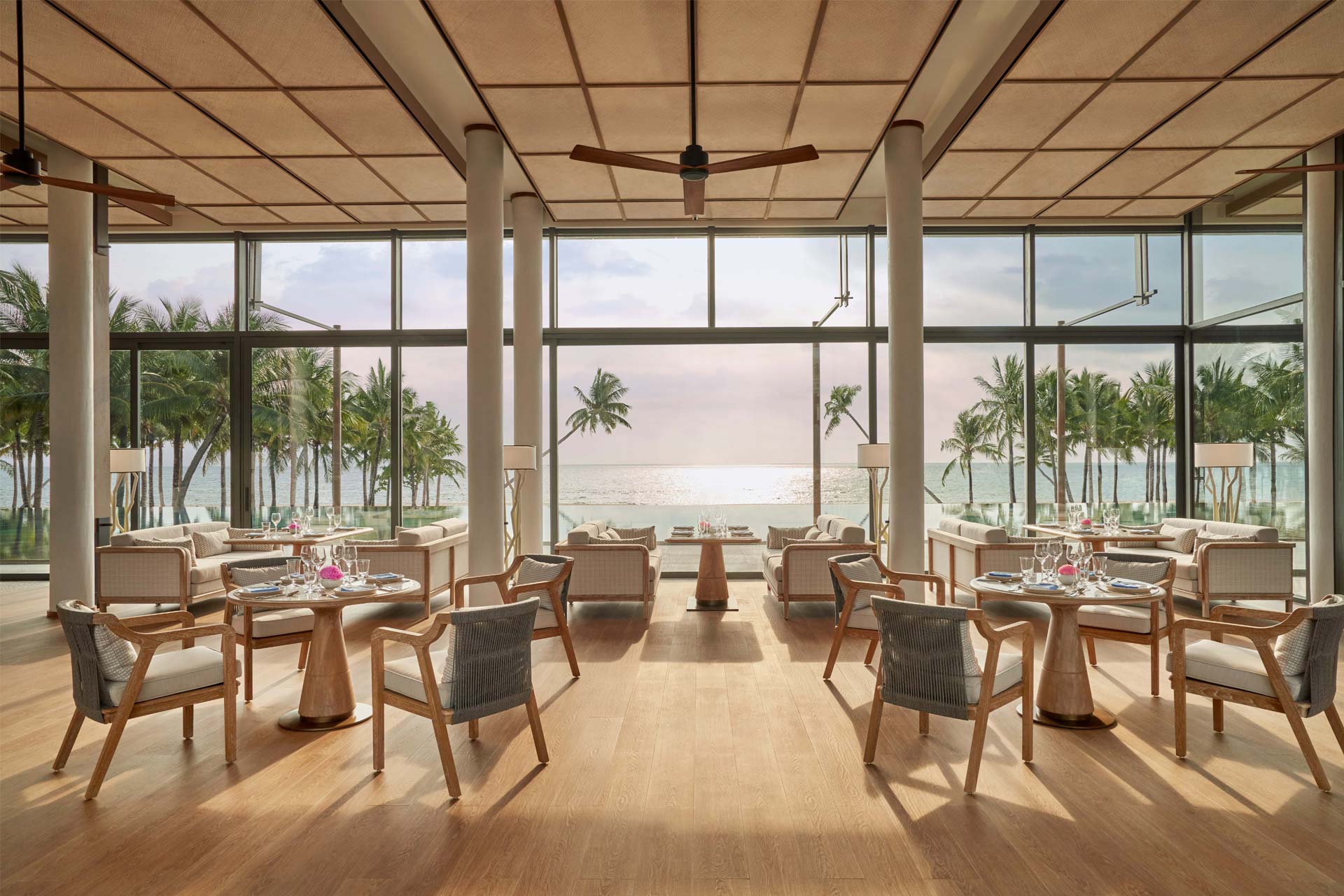
The setting is Long Beach, which matters for the format. Ocean Club is designed as a beachfront restaurant with an indoor dining room, an adjoining lounge, a terrace and tables among the sun beds.1 Lunch is the easier play: casual, daytime, close to the water. Dinner shifts into a more considered evening service with wine, cocktails and pairings built into the meal.
Bardal is the Ronda restaurant that holds two MICHELIN stars; Tragatá is Gómez's tapas restaurant recognised by The MICHELIN Guide.2 Ocean Club sits closer to a resort-sharing format than to a sealed-room tasting counter. That is useful if you are traveling with a mixed group, one guest who tracks Michelin and another who wants dinner by the beach without formal ceremony.
Ocean Club by Benito Gómez is a 2026 hotel-booking factor for Regent Phu Quoc, especially for Vietnam beach stays. It is less convincing as a reason to fly to Phu Quoc on its own until the restaurant publishes the parts that matter to obsessive diners: menu structure, price, reservation release timing and the depth of Gómez's presence on property.
What Two MICHELIN Stars Bring to Long Beach
Gómez's MICHELIN recognition is the trust signal here. He operates Bardal in Ronda, Spain, and also runs Tragatá, a tapas restaurant recognised by The MICHELIN Guide.2 His background gives Regent a chef with Michelin-level expectations around product handling, consistency and repetition, which are the parts resort guests rarely see but feel immediately when a kitchen is underpowered.
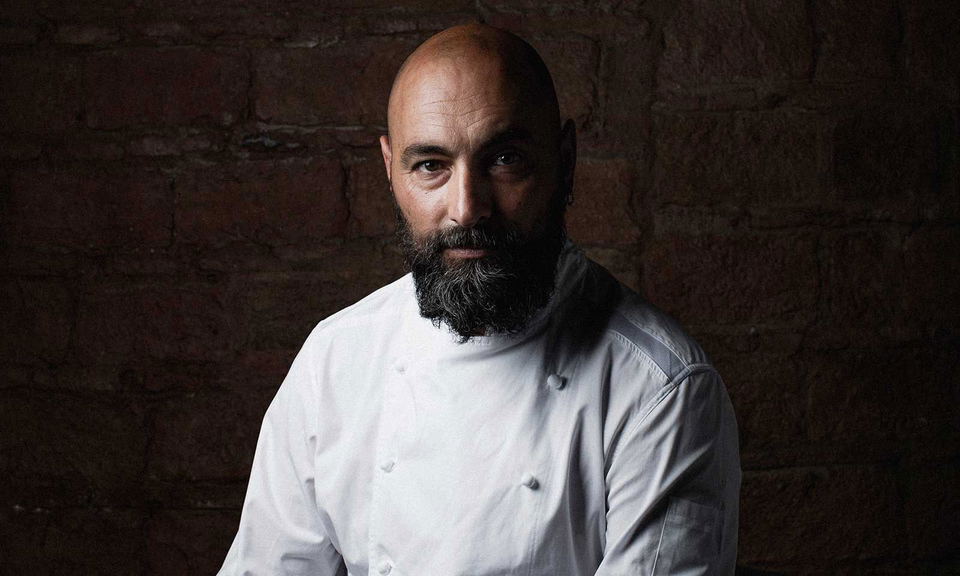
Gómez grew up in a restaurant kitchen, helping clean seafood as a boy, and later built a culinary identity around product, precision and considered simplicity.2 He came to Ronda in 2014, was hired to take over as chef at Tragabuches, and became the owner two years later; the restaurant was renamed Tragatá.2 Bardal opened in 2018 and has held two MICHELIN stars since November 2019.2
Gómez's Andalusian roots and kitchen training make Ocean Club a promising relaxed room with serious cooking. The food direction named for Phu Quoc is fire, fish, rice and stews, with dishes conceived for sharing.1 If you like Mediterranean cooking at its most elemental, this is the right lane. If you want foams, menu cards and a three-hour tasting sequence, wait for the final opening details before building a trip around it.
The better comparison is Tragatá for ease and Bardal for discipline. Tragatá gives the clue that Gómez can work in a less formal rhythm; Bardal gives the clue that precision is not optional. Ocean Club needs both to work: beach tables and sun-bed adjacency can turn sloppy fast unless the chef's system carries through ordering, storage, prep, service pacing and drinks.
The Menu: Mediterranean Technique Meets Vietnamese Ingredients
Ocean Club's menu direction is Mediterranean with Andalusian influence, interpreted through Phu Quoc's setting. The restaurant draws on the island's ingredients and applies Gómez's cooking language rather than staging a Spanish restaurant with a beach address. Benito Gómez puts it plainly: “We didn't want to simply recreate Mediterranean cuisine but rather integrate our way of cooking to this setting.”1
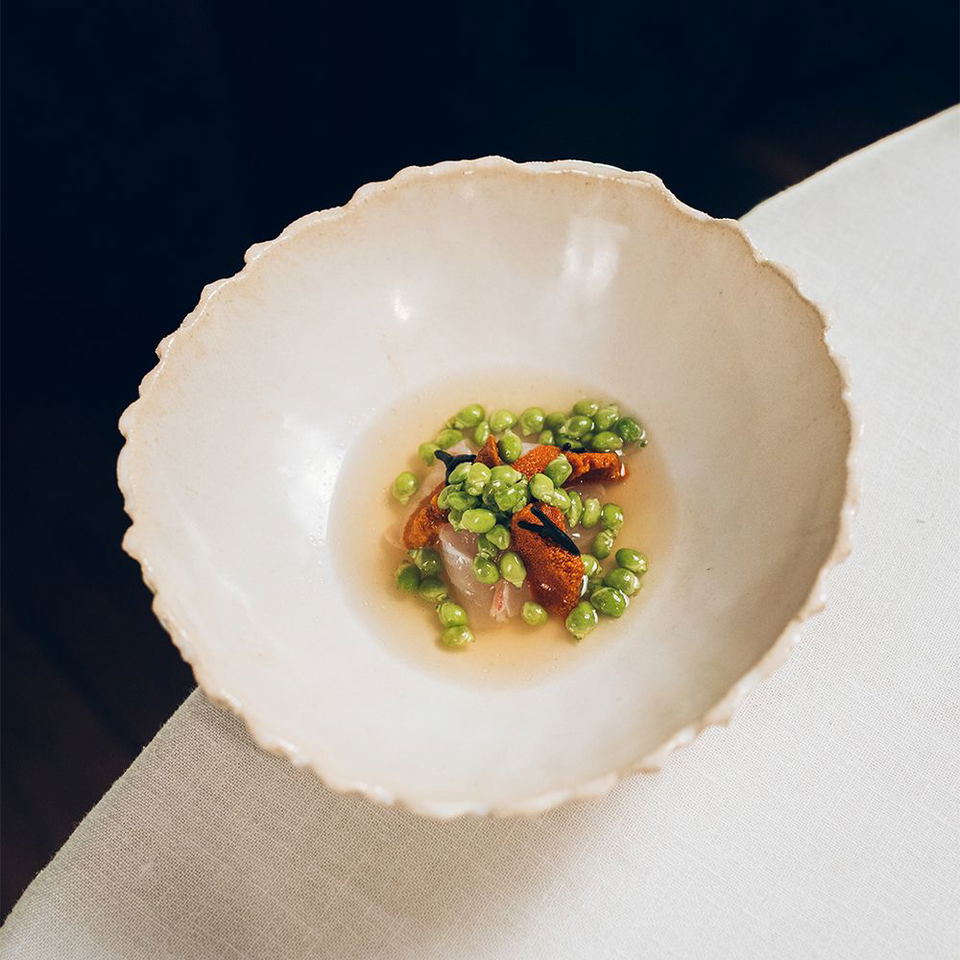
Gómez's own description points to adaptation: Andalusian roots, command of fire, fish, rice and stews, and cooking built for sharing. They are exactly the categories that can survive a resort setting if the kitchen holds the line on sourcing and timing.
Lunch is the lighter, sea-facing service, while evening brings more elaboration, live music across the terrace, wine tastings, events and seasonal chef-led experiences through the year.1 Dinner is the fuller service, while lunch is the lower-friction version.
Ocean Club is putting wine, cocktails and pairings on the same level as the food in the guest experience, which is not always true at beach resorts where the beverage list can feel detached from the kitchen.
Ocean Club is not being presented as a solo fine-dining reservation. The named menu categories are fire, fish, rice and stews, and the format is built for sharing. This is the kind of room where a table of four will probably read the kitchen better than a single diner trying to extract a chef's thesis from two plates.
BLINK Design Group Gives Ocean Club Its Day-to-Night Shape
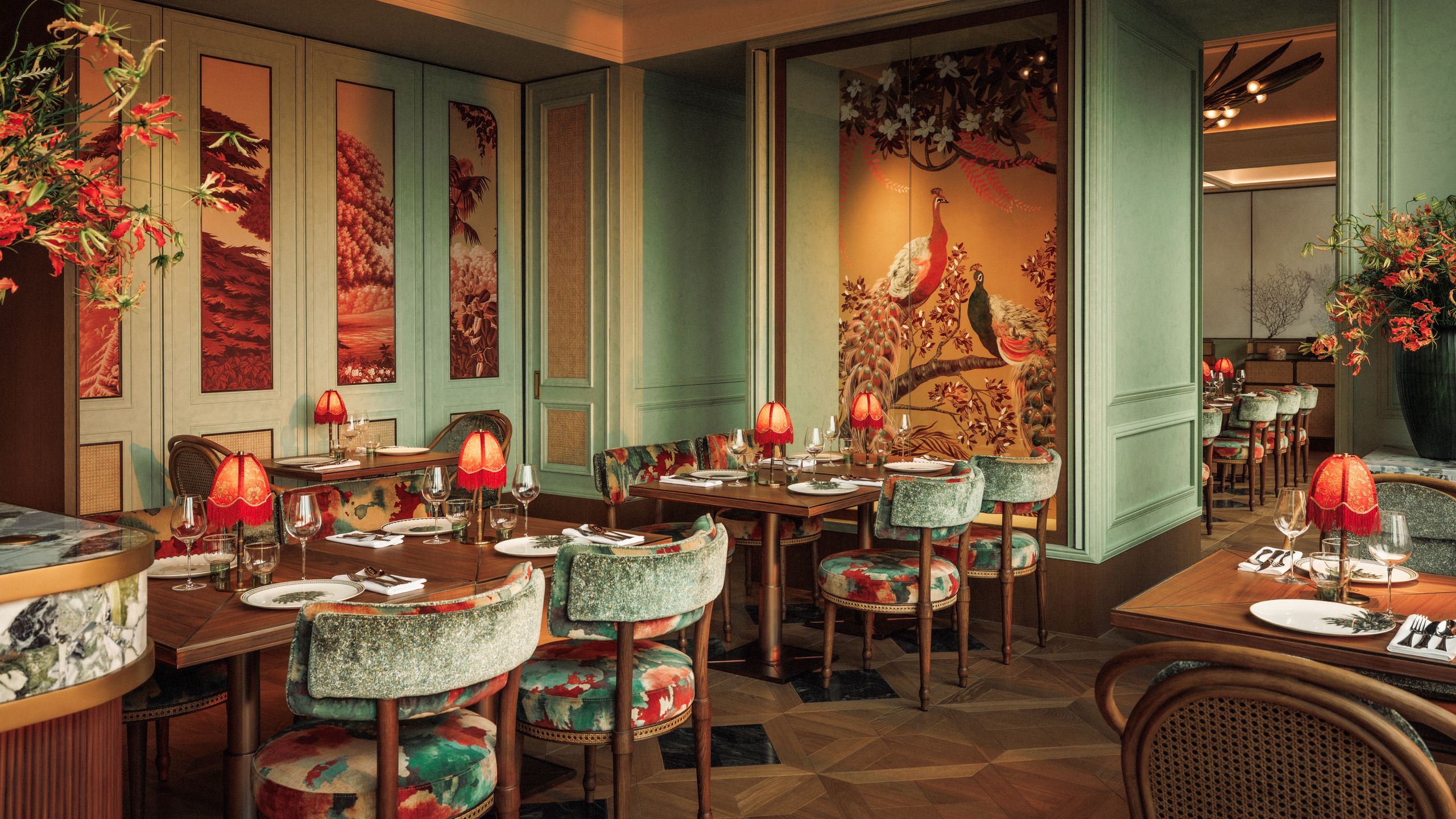
BLINK Design Group designed Ocean Club, including its indoor dining room, lounge, beachfront terrace and tables among the sun beds.1 The restaurant connects an indoor dining room and lounge with a beachfront terrace, then extends to tables among the sun beds. That gives Regent a flexible room: resort guests can drift in at lunch, while evening diners can claim the terrace for the full Long Beach setting.
The design brief includes lighting that changes across the day, brighter at lunch and warmer as sunset moves into dinner.1 The lighting creates different lunch and dinner settings. Lunch is the practical choice after a beach morning, especially if you are staying on property and do not want to structure the day around a reservation. Dinner is the occasion slot, particularly if the seasonal chef-led experiences or wine tastings line up with your dates.
Ocean Club's sharing format and mixed seating areas should work better for couples and small groups than for large celebratory parties, at least until seating plans become clearer. The terrace and lounge also make it a more forgiving choice than a tasting-menu restaurant for guests who want conversation, drinks and a slower transition from sunset to dinner.
Compared with Bardal, the design brief gives Ocean Club more room to breathe and less pressure to perform as a formal pilgrimage. Compared with Tragatá, it has the resort infrastructure: beachfront tables, lounge energy, cocktails, pairings and events. Ocean Club offers a chef-driven meal with beachfront tables, lounge energy, cocktails, pairings and events. Ocean Club offers a two-MICHELIN-starred chef's cooking in a less formal beachfront format than a destination tasting menu in Spain.
Booking Ocean Club at Regent Phu Quoc
The opening date is 18 November 2026, which makes it relevant for festive-season Vietnam itineraries, winter sun planning and longer Southeast Asia trips that can fold Phu Quoc into a hotel-led route.1 The restaurant adds another reason to consider Regent Phu Quoc for a hotel stay.
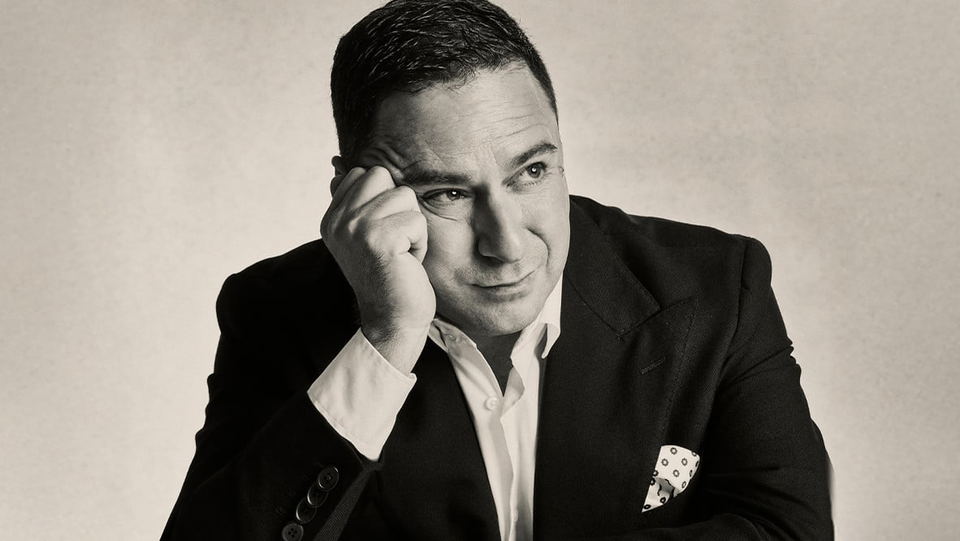
Juan Losada, General Manager of Regent Phu Quoc, is the named hotel lead behind the partnership, and the food-and-beverage ambition is clear from the chef hire.1 The team working with Gómez will matter because the restaurant's own promise depends on details before service: how product arrives, how it is stored and how it is prepared. Ocean Club's beachfront setting puts pressure on kitchen discipline after opening.
Ocean Club offers Mediterranean-Andalusian cooking in a luxury Phu Quoc resort setting, with lunch, terrace drinks and dinner on Long Beach. Ocean Club does not yet have published pricing, a confirmed tasting format or proof of opening-month consistency. The first menu, drinks list and schedule of chef-led experiences are still pending before 18 November 2026.