
Mikadoya
Nichihara, Tsuwano
Restaurant in Tsuwano, Japan
 Book with Pearl
The Read
Riverine Kaiseki Sourcing
Dress
Smart Casual
Why go
Mikadoya is Tsuwano's most decorated restaurant: a reservation-only kaiseki house with Tabelog Silver recognition across five years and a 4.31 score in 2026. At JPY 30,000–50,000 per head, it earns its price through seasonal sweetfish from the Takatsugawa river and unhurried private dining. Solo visitors cannot book, you need 2.5–3 hours minimum.
About Mikadoya
Verdict
If you are making a dedicated trip to Tsuwano, Mikadoya is the reason to come hungry. This reservation-only kaiseki house has earned Tabelog Silver recognition in five of the last eight years, holds a 4.31 score in the 2026 awards cycle, appears on the Tabelog Japanese Cuisine WEST Top 100 for 2025. At JPY 30,000–40,000 per head (with some reviewers reporting closer to JPY 40,000–50,000 after drinks and the 10% service charge), it is not a casual stop. But for a special occasion dinner or a long lunch built around seasonal sweetfish from the Takatsugawa river, the credentials back the price. Book well ahead, plan 2.5–3 hours, do not come in a hurry.
What to Expect
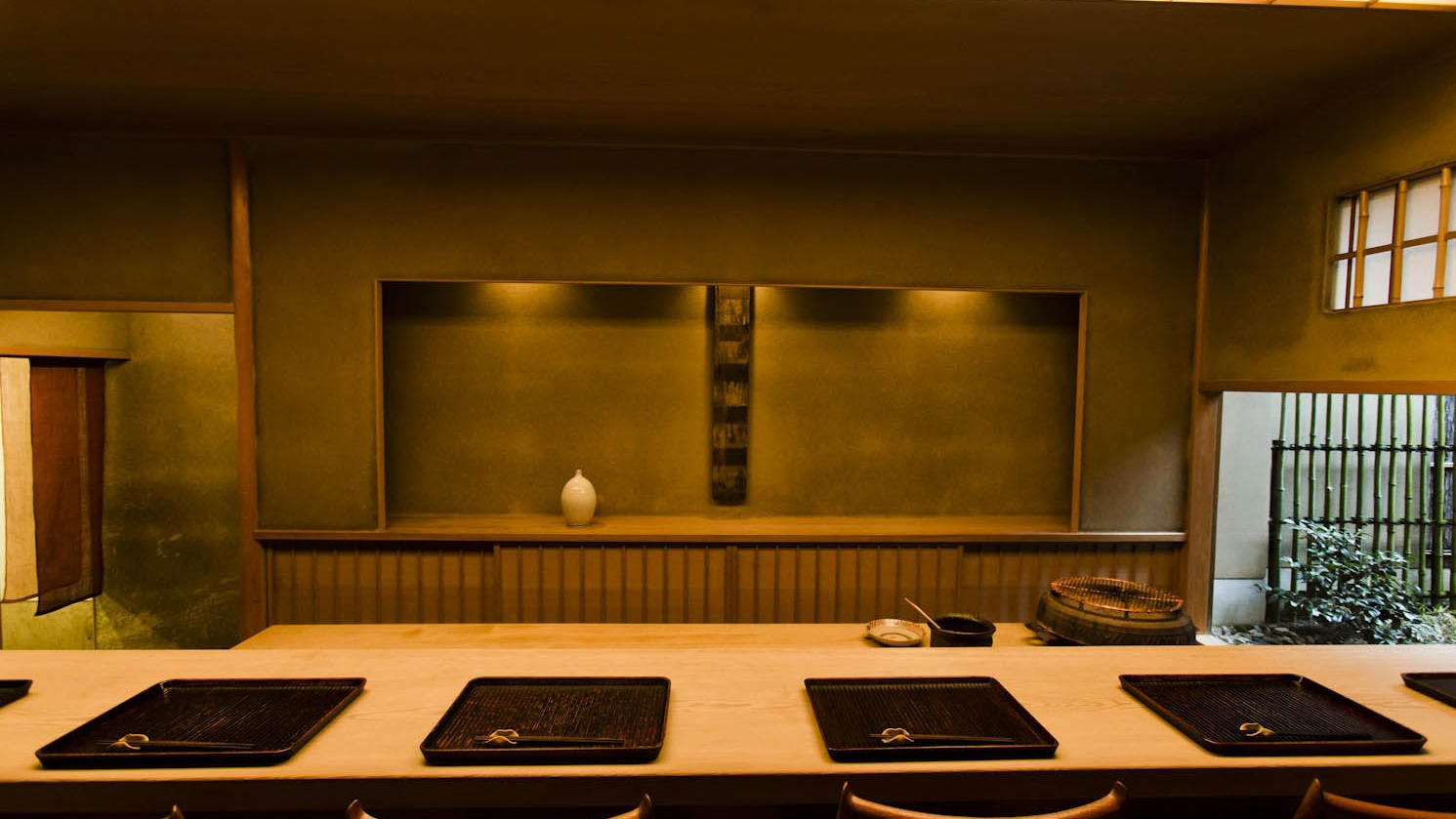
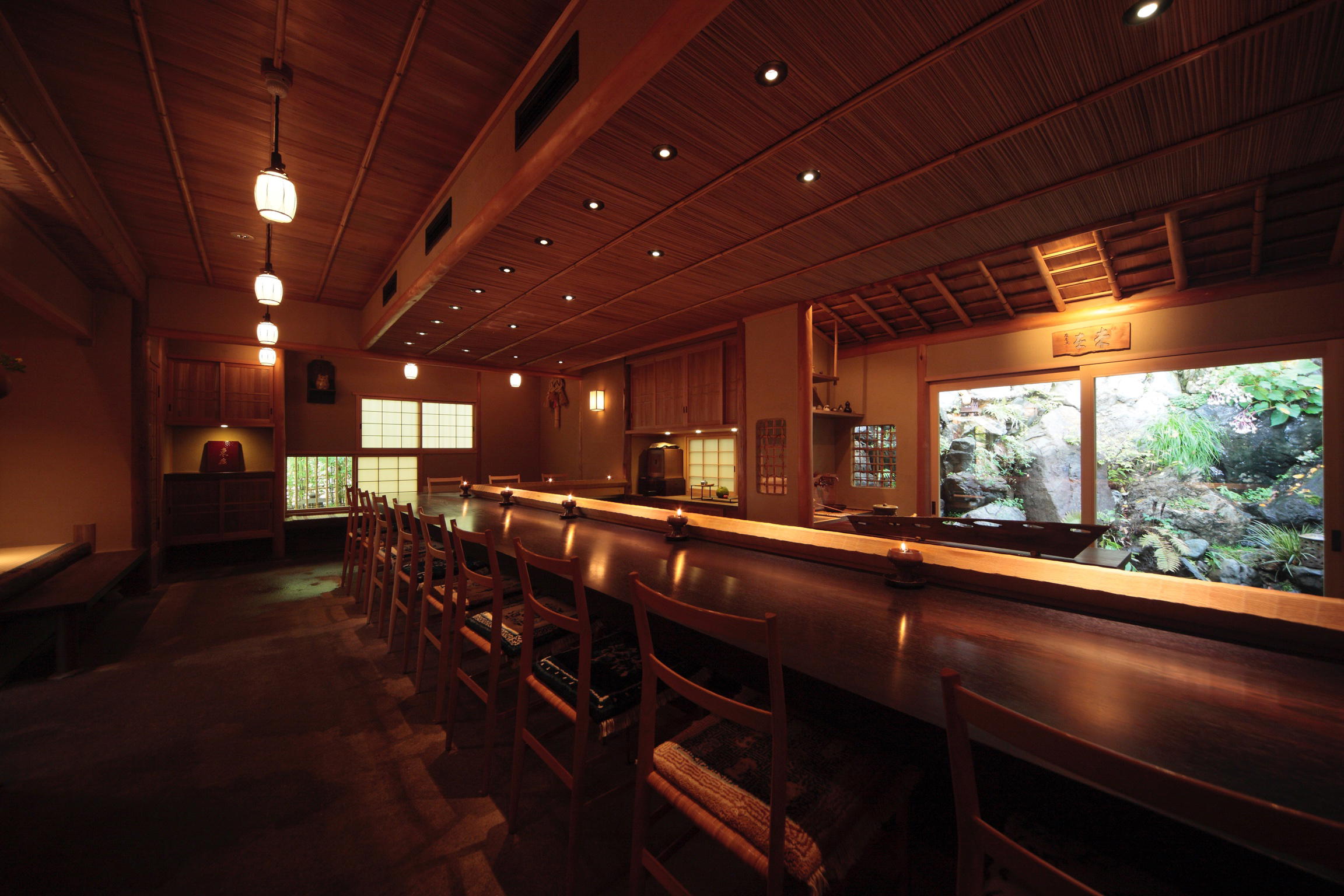
Mikadoya operates from a traditional house in Nichihara, a rural pocket of Shimane Prefecture that most visitors reach via JR Yamaguchi Line to Nibara Station (roughly 15 minutes on foot) or by car from Hagi Iwami Airport (about 25 minutes). The setting is Showa-era in character: an 8-seat dining room on the second floor, private rooms available for parties of 2, 4, 6, or 8, parking on site. The intimacy is part of the proposition. With only 8 seats in the main room, every meal gets close attention.
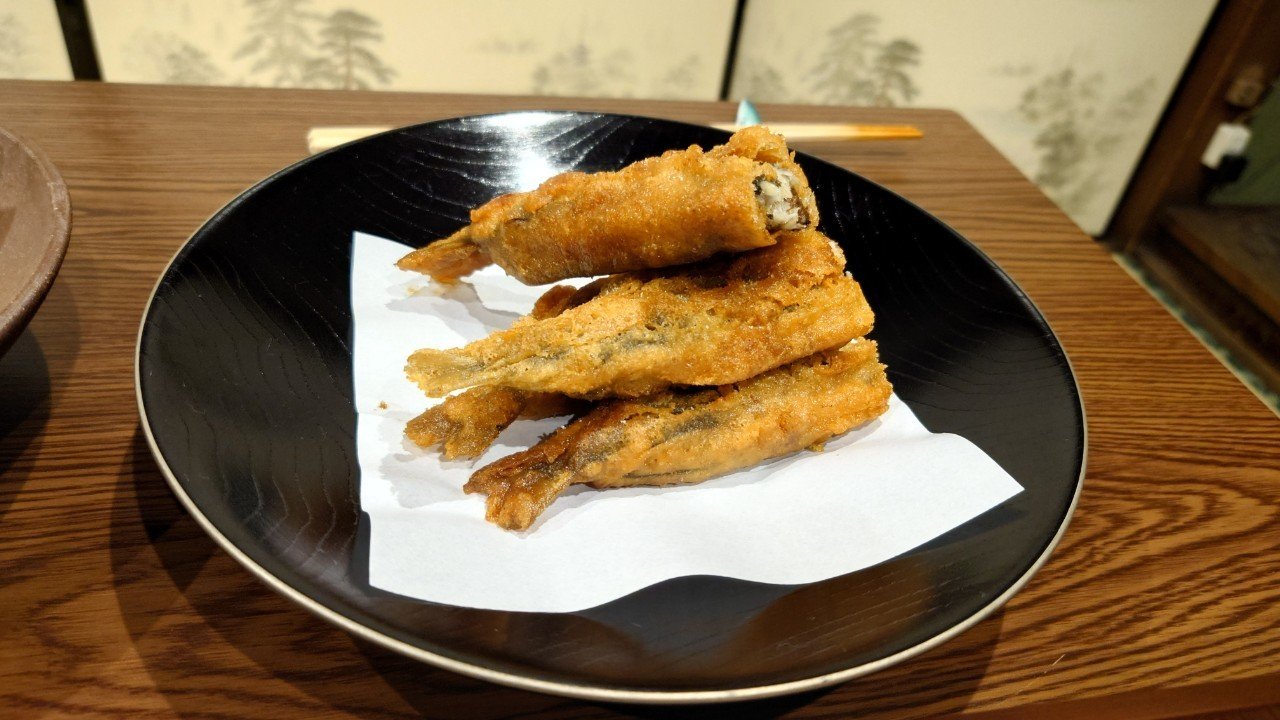
The kitchen's focus is ayu (sweetfish) sourced from the clear waters of the Takatsugawa, alongside suppon (soft-shell turtle) as a secondary speciality. Both are ingredients that reward patience: ayu is intensely seasonal (summer through early autumn is peak), and suppon preparation is time-intensive. The venue's Tabelog description notes it as a long-established reference point for ayu cuisine in Japan, the award consistency since 2017 supports that claim. Drinks run to sake, shochu, wine. Credit cards are accepted (VISA, JCB, AMEX, Diners); electronic money and QR code payments are not.
For a return visit, the seasonal calendar is what changes. Mikadoya's menu is ingredient-led, so the experience in early summer when the first ayu of the season arrives differs materially from a late-autumn visit when the kitchen shifts emphasis. If you have been before during peak ayu season, an off-peak visit in spring or late autumn lets you see the full range of the kitchen's kaiseki approach rather than the signature focus on sweetfish alone.
Who Should Book
This is a strong match for a special occasion meal, a significant anniversary, or a food-focused day trip that warrants serious planning. It is equally well-suited to groups of 4–8 who want a private room and a long, unhurried lunch. Solo diners should note that the venue does not accept single-person reservations. Families with children are accommodated but must inform the restaurant at booking; child-friendly seasonal sweetfish dishes are available on request.
Booking & Practical Details
- Reservations: Required for all visits. No walk-ins. Solo dining not accepted.
- Hours: Lunch from 12:00; dinner seatings from 18:00. Closed every Monday and August 14–16.
- Price: JPY 30,000–39,999 per head (listed average); reviewer spending trends toward JPY 40,000–50,000 with drinks.
- Service charge: 10% added to all bills.
- Seating: 8 seats maximum in the main room; private rooms for 2–8. Private hire available for up to 20 people.
- Meal duration: 2.5–3 hours. Guests with time constraints are asked not to book.
- Access: 15-minute walk from Nibara Station (JR Yamaguchi Line); 25-minute drive from Hagi Iwami Airport. Parking available on site.
- Payment: Credit cards accepted (VISA, JCB, AMEX, Diners). No IC cards or QR payments.
- Phone: 0856-74-0341
Peer Comparison
| Venue | Cuisine | Price/head | Booking difficulty | Leading for |
|---|---|---|---|---|
| Mikadoya (Tsuwano) | Kaiseki / Ayu | JPY 30,000–50,000 | Easy | Special occasion, seasonal ingredient focus |
| RyuGin (Tokyo) | Kaiseki | ¥¥¥¥ | Hard | Tokyo kaiseki benchmark, full tasting format |
| Gion Sasaki (Kyoto) | Japanese | ¥¥¥¥ | Very hard | Kyoto kaiseki with deep seasonal depth |
| HAJIME (Osaka) | French / Innovative | ¥¥¥¥ | Hard | Avant-garde tasting in western Japan |
For more options in the region, see our full Tsuwano restaurants guide, our Tsuwano hotels guide, and our Tsuwano experiences guide.
Planning details
- Hours
- ■Business hours12:0018:00 - Start time (Reservation required; not available for one person)■Closed onEvery Monday, August 14 - 16
- Location
- 221-2 Nichihara, Tsuwano, Kanoashi District, Shimane 699-5221, Japan
- Website
- tabelog.com/en/shimane/A3204/A320402/32000061
- Phone
- +81 856-74-0341
The take
The Take
The Vibe
Mikadoya plays like a regional kaiseki destination that trades metropolitan flash for elemental precision. Housed in a traditional residence in Nichihara, it leans into the provenance of the Takatsugawa river—its ayu sourcing shapes menus and reputation. The experience is understated and rural rather than showy: a compact, eight-seat room, old-line credentials and consecutive industry recognition position the restaurant as a quietly celebrated outpost. Guests encounter a focused, ingredient-led service that feels both resolutely local and formally refined, making the room feel like an intimate culinary refuge rather than a city-stage tasting menu.
Best For
This is a destination dinner for serious kaiseki diners and guests planning a special evening. The combination of small-room seating, high per-person pricing and curated, river-focused sourcing makes Mikadoya best suited to travelers or locals who prioritize provenance and ceremony over casual dining. It’s ideal for couples or small parties seeking a ritualized, sit-down multi-course dinner in a secluded setting, and for visitors who are prepared to travel deliberately into Shimane Prefecture to reach a restaurant built around a singular local ingredient.
Ordering Tips
Book well in advance and plan for a set kaiseki dinner at the posted price range—the copy cites JPY 30,000–39,999 per person and notes higher realized averages in reviews. Seating is extremely limited (an eight-seat room), so reservations and arrival planning are essential. Expect an ingredient-driven menu centered on locally sourced ayu and seasonal mountain-river produce; menus are dictated by what the Takatsugawa yields rather than à la carte choices.
Planning details
Hours
■Business hours12:0018:00 - Start time (Reservation required; not available for one person)■Closed onEvery Monday, August 14 - 16
Location
221-2 Nichihara, Tsuwano, Kanoashi District, Shimane 699-5221, Japan · Directions
Recognition and awards
Also consider
Also Consider
- HAJIME; French, Innovative, ¥¥¥¥
- Harutaka; Sushi, ¥¥¥¥
- L'Effervescence; French, ¥¥¥¥
- RyuGin; Kaiseki, Japanese, ¥¥¥¥
- HOMMAGE; Innovtive French, French, ¥¥¥¥
Restaurant context
Mikadoya occupies a different competitive space from the kaiseki benchmarks in Japan's major cities. Compared to RyuGin in Tokyo, the price is similar (both sit firmly in the JPY 30,000–50,000 range), but RyuGin is significantly harder to book and draws an international audience. Mikadoya's advantage is focus: one river, one seasonal ingredient, a small room, a kitchen that has been refining the same approach long enough to earn Tabelog Silver in five separate years. If you are already travelling to Shimane, there is no comparable alternative nearby at this level.
Against the western Japan kaiseki field, Gion Sasaki in Kyoto and HAJIME in Osaka are harder to book, set in more prominent cities, draw a broader range of diners. Mikadoya is easier to secure a reservation at (rated Easy by Pearl's booking difficulty index), which matters if you are planning a trip around a specific date. The trade-off is that Tsuwano requires a deliberate journey from any major hub, so this is not a same-week decision.
For diners who want a purely seasonal Japanese format at the same price tier but prefer a city base, akordu in Nara and Goh in Fukuoka are worth considering. Neither replicates Mikadoya's ayu and suppon speciality, but both offer serious tasting menus in accessible locations. If ingredient provenance and a slower, place-specific meal are the deciding factors, Mikadoya remains the clearer call for anyone making the trip to the San'in region.
Explore Tsuwano
Around this place
Discover more on Pearl
Unlock the full Mikadoya guide in Pearl, including awards, comparisons, FAQs, planning details, and nearby places.
FAQ
Frequently Asked Questions
What should a first-timer know about Mikadoya?
Book well in advance and come with at least two people; solo diners are not accepted, the dining room seats only 8. Budget JPY 30,000–40,000 per head (closer to JPY 40,000–50,000 per reviews), add a 10% service charge, plan for a 2.5–3 hour meal. The kitchen focuses on ayu (sweetfish) from the Takatsugawa river and suppon (soft-shell turtle), so this is a specialist kaiseki, not a generalist tasting menu. Tabelog Silver recognition from 2019 through 2025 confirms the consistency.
What are alternatives to Mikadoya in Tsuwano?
Tsuwano is a small castle town with limited fine dining depth, so Mikadoya is largely without a direct local rival at this price point. If the JPY 30,000–50,000 spend feels high relative to the journey, Hagi (roughly an hour away) offers traditional Japanese restaurants at a broader range of price points. For equivalent kaiseki credentials in western Japan, RyuGin or HAJIME deliver comparable Tabelog-recognised quality in Osaka and Tokyo without the rural logistics.
Is Mikadoya good for a special occasion?
Yes; the format fits a special occasion well. Private rooms, a 2.5–3 hour paced meal, a Tabelog Silver track record (2019, 2021, 2022, 2023, 2025) all support a celebratory booking. The kitchen also accommodates families with children, offering seasonal sweetfish dishes for younger guests if you flag the visit at reservation time. The key constraint is planning: reservation-only, no walk-ins, no solo dining.
Can I eat at the bar at Mikadoya?
No bar seating is indicated in the venue details. Mikadoya operates as a house restaurant with the dining room on the second floor, seating a maximum of 8 across private rooms configured for 2, 4, 6, or 8 guests. Solo visits are not accepted, all sittings require advance reservations; either at 12:00 for lunch or from 18:00 for dinner.