

Tsugumi
Japanese · Hakata, Fukuoka
Restaurant in Fukuoka, Japan
 Book with Pearl
The Read
Quarterly Ingredient Counter
Chef
Takeshi Inoue
Dress
Smart Casual
Why go
Tsugumi is one of Fukuoka's most consistent regional Japanese counters — Tabelog Bronze every year from 2022 to 2026, eight seats, and a menu that rotates completely every quarter around a single prestige ingredient. At JPY 22,000–25,300 for dinner, it rewards return visits more than almost any comparable counter in the city.
About Tsugumi
Should You Book Tsugumi?
If you have already eaten at Tsugumi once and are weighing whether to return, the answer is yes — and the reason to come back is the menu itself. The kitchen rotates its entire focus every three months, so a second or third visit is not a repeat experience. It is a different meal built around a different ingredient at a different moment in the year. For a counter seat in Fukuoka, that kind of programme depth is hard to find at this price point.
Tsugumi has held the Tabelog Bronze Award every year from 2022 through 2026, carries a Tabelog score of 4.06, and has been selected for the Tabelog Japanese Cuisine WEST Top 100 in 2021, 2023, and 2025. It also ranked 372nd on Opinionated About Dining's Leading Restaurants in Japan list for 2024. That is a consistent track record across five years for a restaurant that opened in June 2020 and seats only eight people at a counter.
What Makes It Worth Multiple Visits
The quarterly rotation is the structural reason to return more than once. From January through March, the menu centres on natural tiger blowfish (fugu), sourced wild rather than farmed, served across multiple cooking methods. From April through June, the focus shifts to Kyushu seasonal produce. July through September is built around wild eel from the Ariake Sea, with the course finishing on steamed eel prepared in a bamboo steamer — a cooking method historically associated with Fukuoka. October through December features kue, a grouper variety considered a prestige fish in the region, again prepared in several ways through the meal.
That structure means a visitor who comes in February, returns in August, and books again in November is eating three genuinely distinct courses. The ingredient logic is not cosmetic, each season anchors an entirely different protein and a different set of techniques around it.
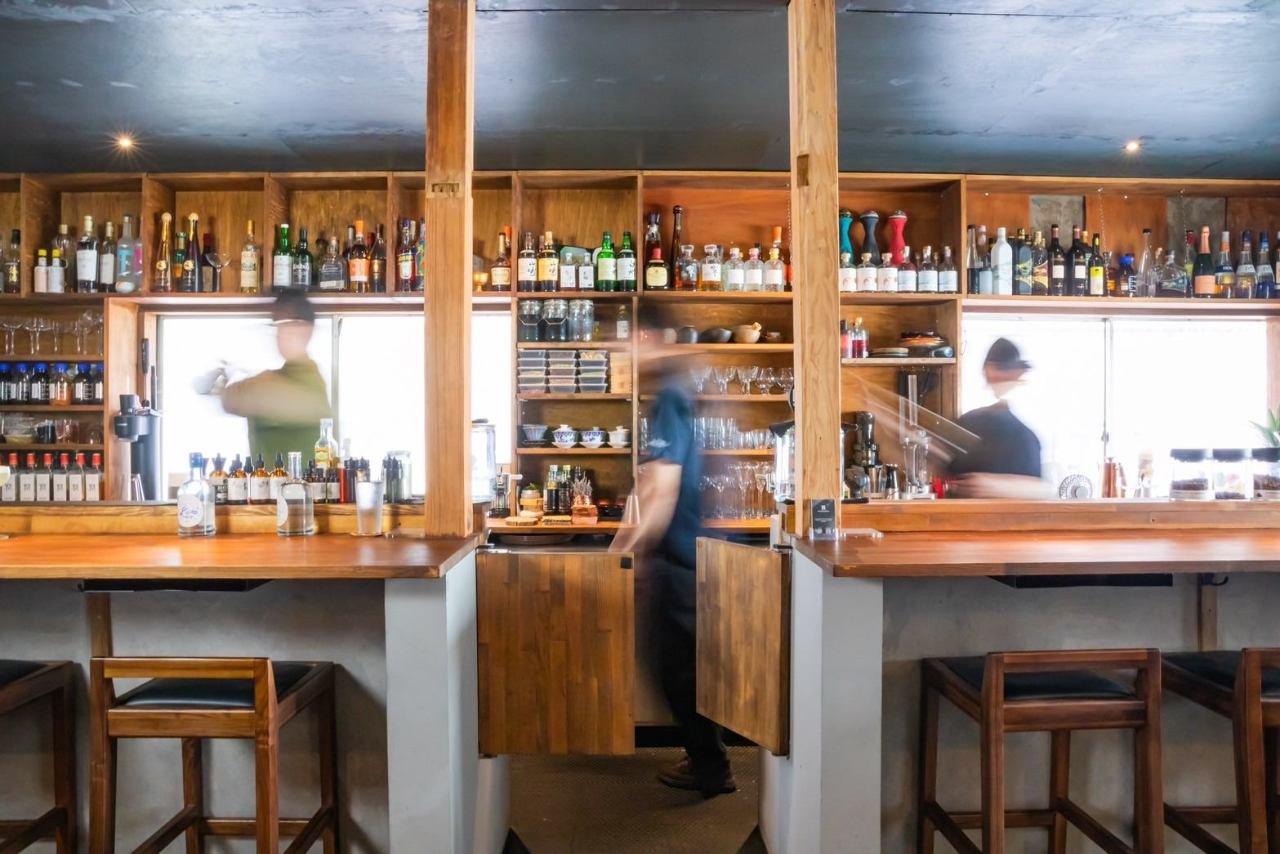
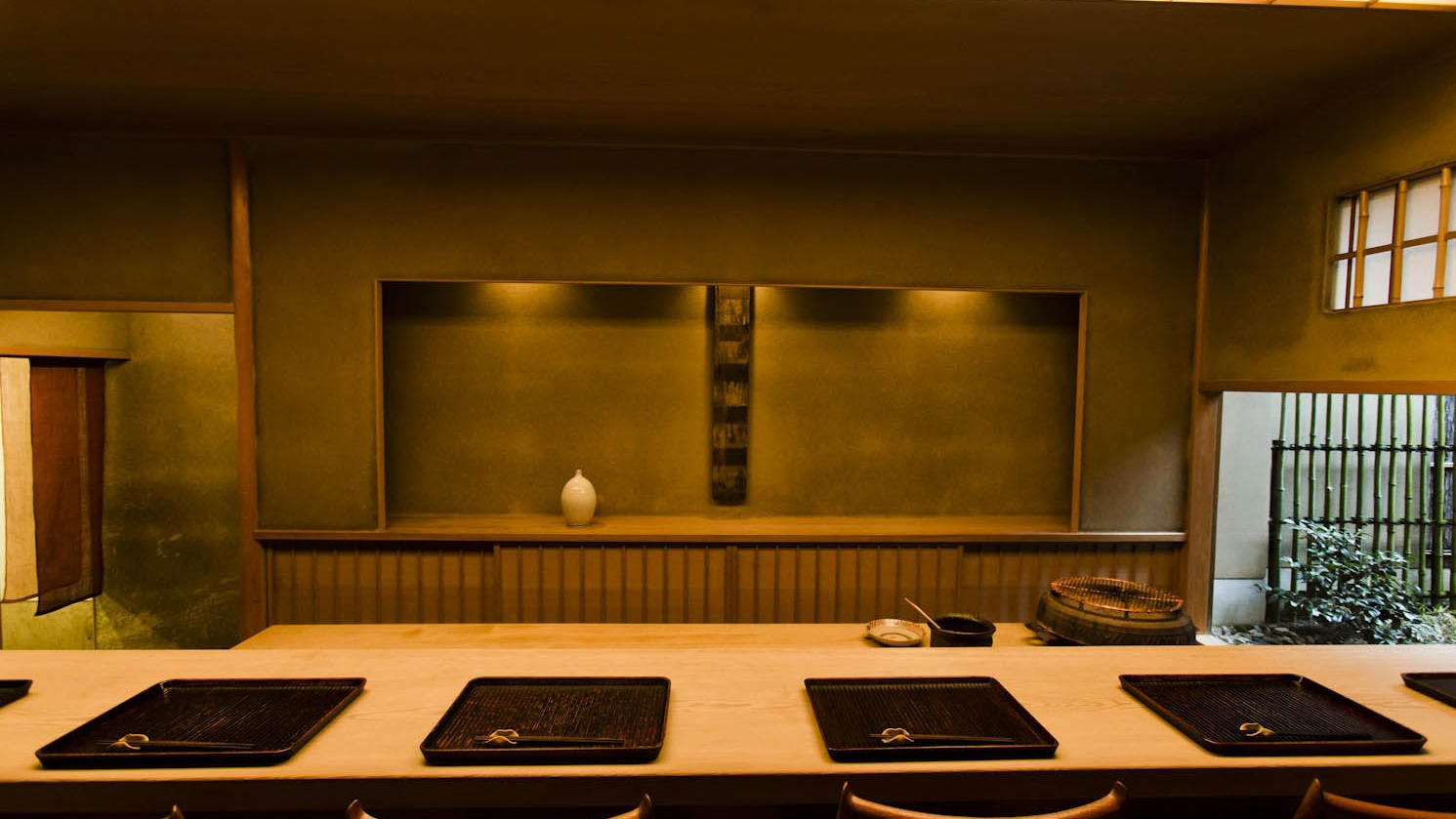
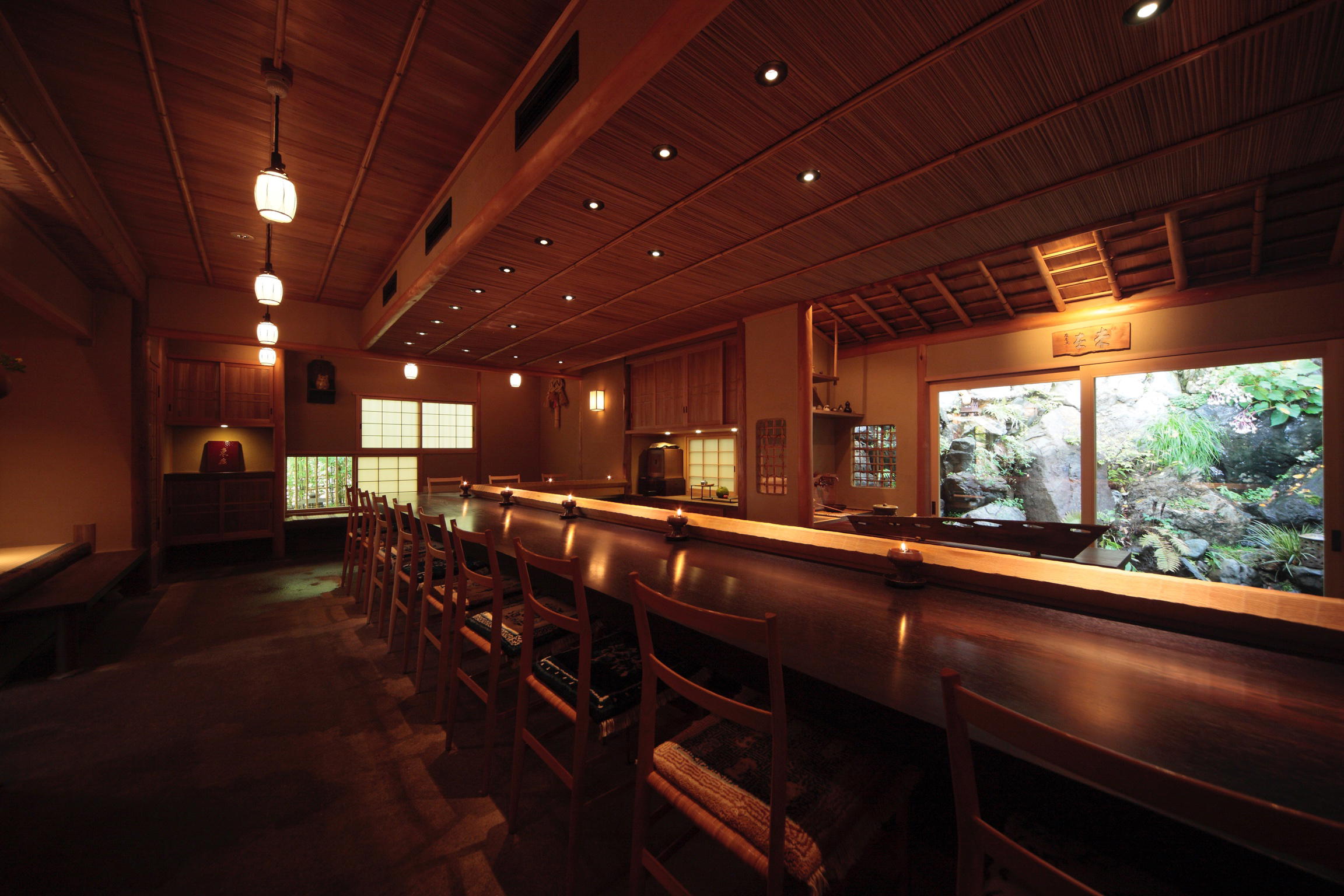
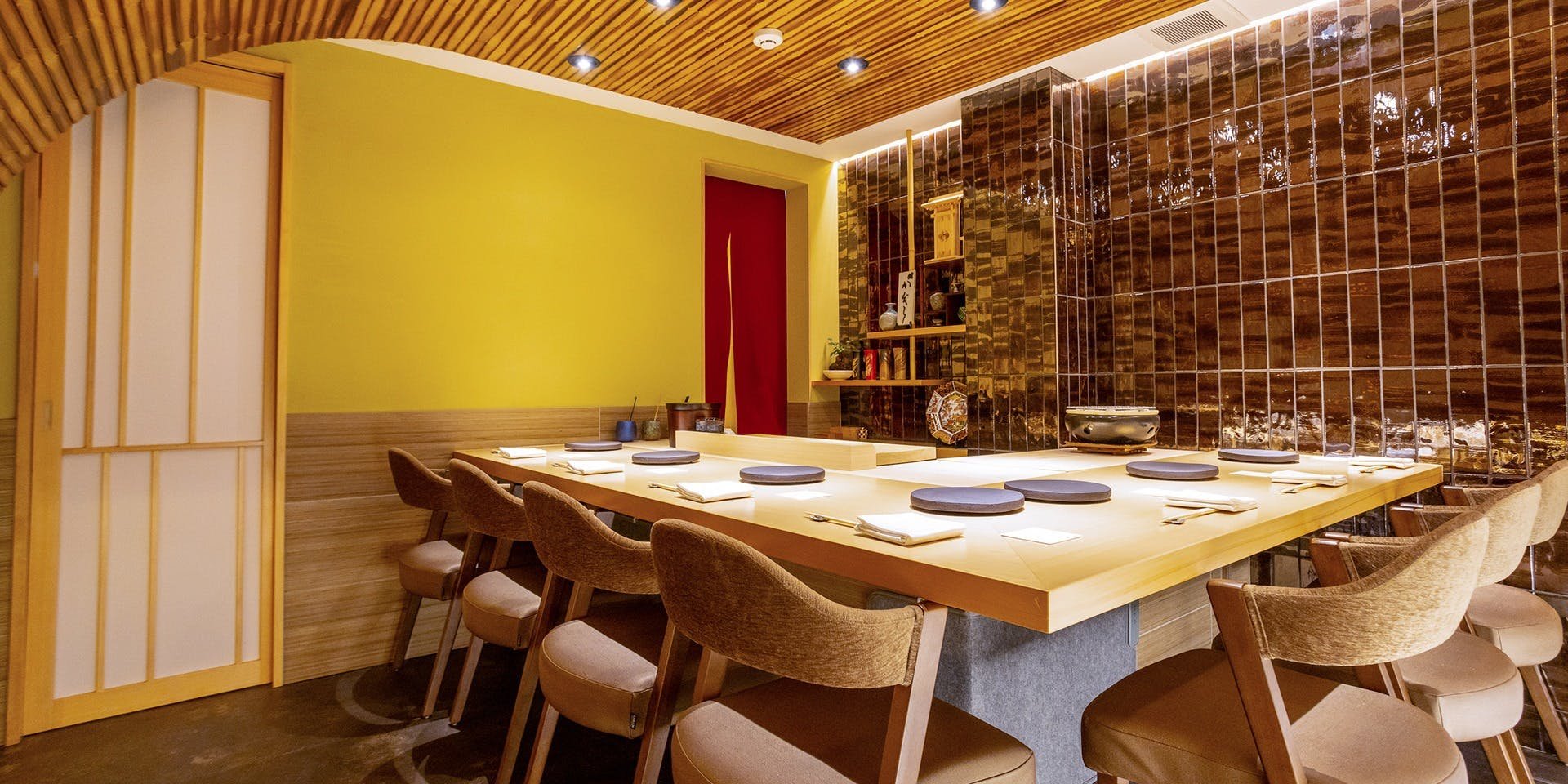
The room itself is a single eight-seat counter. There are no private rooms. The entire restaurant can be reserved exclusively, though an additional fee applies. Visually, the counter format means you see each stage of the meal as it is prepared, the setting is spare and close, which suits the format well for parties of two. For groups of four or more considering a full buyout, that option exists, but confirm directly or via Pocket Concierge, where online reservations are available around the clock.
Pricing and Timing
Lunch starts at JPY 13,200 (tax included) from April through December, rising to JPY 18,700 from January through March when fugu season drives the cost up. Dinner runs from JPY 22,000 during the standard season to JPY 25,300, with January through March priced at JPY 25,300 across all dinner sittings. Real-world spend, based on Tabelog review data, skews toward JPY 30,000 to JPY 39,999 at dinner, factor that in if you are budgeting carefully.
Cancellation terms are strict: 100% of the bill on the day, 50% if you cancel one or two days before. Book only when you are certain. Lunch accepts parties of two or more. No service charge or cover charge applies, which is worth noting at this price level. Credit cards are accepted across major networks including VISA, Mastercard, JCB, AMEX, Diners, and UnionPay. The restaurant is entirely non-smoking.
The address is Takasago, Chuo Ward, approximately 600 metres from Yakuin Station and 430 metres from Watanabe-dori Station, both walkable. No parking is available on site.
Multi-Visit Strategy
If you are planning a first return visit and attended during the eel season (July to September), book the fugu course in January or February for maximum contrast. The price premium in the winter months is real, roughly JPY 5,000 to JPY 7,000 more per head at dinner, but natural tiger fugu at this counter-format level is a specific experience that is difficult to replicate elsewhere in Fukuoka. If you attended in winter and want something less price-intensive on your next trip, the kue season (October through December) offers comparable technique at the standard dinner pricing.
For a third visit or for those travelling with someone new to the restaurant, the April through June course is the most broadly accessible entry point: seasonal Kyushu produce, moderate pricing, and the format is unchanged. Pair a Tsugumi visit with Chiso Nakamura or Asago if you are spending several nights in Fukuoka and want to cover Japanese cuisine from different angles. For something entirely different in register, Goh handles French technique at a comparable award tier. Across Japan, the counter-kaiseki format at Tsugumi sits alongside venues like Gion Sasaki in Kyoto and Azabu Kadowaki in Tokyo as regionally focused Japanese restaurants with a strong repeat-visit case. If you are building a Japan itinerary across cities, those are worth cross-referencing alongside Myojaku in Tokyo, HAJIME in Osaka, and akordu in Nara.
Reservations are by booking only, walk-ins are not possible. Use Pocket Concierge for online access or call directly on 092-401-1819. Booking difficulty is low relative to the award tier; the constraint is the eight-seat capacity, not an overwhelming waitlist.
Explore more of what Fukuoka offers: our full Fukuoka restaurants guide, hotels, bars, experiences, and wineries.
Practical Details
| Detail | Tsugumi | Chikamatsu (Sushi) | Bekk |
|---|---|---|---|
| Cuisine | Japanese / Regional | Sushi | Japanese |
| Seats | 8 (counter only) | ||
| Dinner price (approx.) | JPY 22,000–25,300+ | ||
| Booking method | Pocket Concierge / phone | ||
| Booking difficulty | Easy | ||
| Private room | No (full buyout available) | ||
| Menu format | Seasonal set course (quarterly rotation) | Omakase | |
| Awards | Tabelog Bronze 2022–2026; Top 100 WEST 2021/23/25; OAD #372 |
Peer logistics data not available in Pearl database for Chikamatsu and Bekk. See Chikamatsu and Bekk for full details.
FAQ
What should I order at Tsugumi?
- There is no à la carte at Tsugumi. The format is a set course only, and the menu changes completely every quarter based on the season's primary ingredient.
- January through March: natural wild tiger fugu (puffer fish), the most expensive blowfish variety, prepared in multiple ways. This is the highest-price season and the most distinctive course.
- July through September: wild eel from the Ariake Sea. The course closes with bamboo-steamed eel, a technique specific to Fukuoka.
- October through December: kue (longtooth grouper), a prestige fish in Kyushu cuisine, served across several preparations.
- If you have attended before and want the greatest contrast with your last visit, choose a season anchored on a different primary ingredient from your previous meal.
- For comparable counter-format Japanese cuisine in Tokyo, Harutaka and Azabu Kadowaki offer useful reference points in terms of format and price tier.
Can Tsugumi accommodate groups?
- The restaurant has eight seats total, all at a single counter. There are no private rooms.
- Lunch reservations require a minimum of two people.
- Groups wanting the entire space can arrange a full restaurant buyout, though an additional fee applies on top of the course price. Contact the restaurant directly at 092-401-1819 or book via Pocket Concierge to discuss terms.
- For groups of four or more who want private dining without a buyout surcharge, Tsugumi is a poor fit. Consider other Fukuoka Japanese restaurants with dedicated private room capacity, see our full Fukuoka restaurants guide for alternatives.
- For smaller parties of two planning multiple visits, the counter format works well and the quarterly rotation gives you genuine variety across return bookings.
Planning details
- Hours
- Monday: 12–10 pm · Tuesday: 12–10 pm
- Location
- Japan, 〒810-0801 Fukuoka, Hakata Ward, Nakasu, 5 Chome−2−3 B1F
- Website
- hotpepper.jp/strJ001143278
- Phone
- +81 92-409-4700
The take
The Take
The Vibe
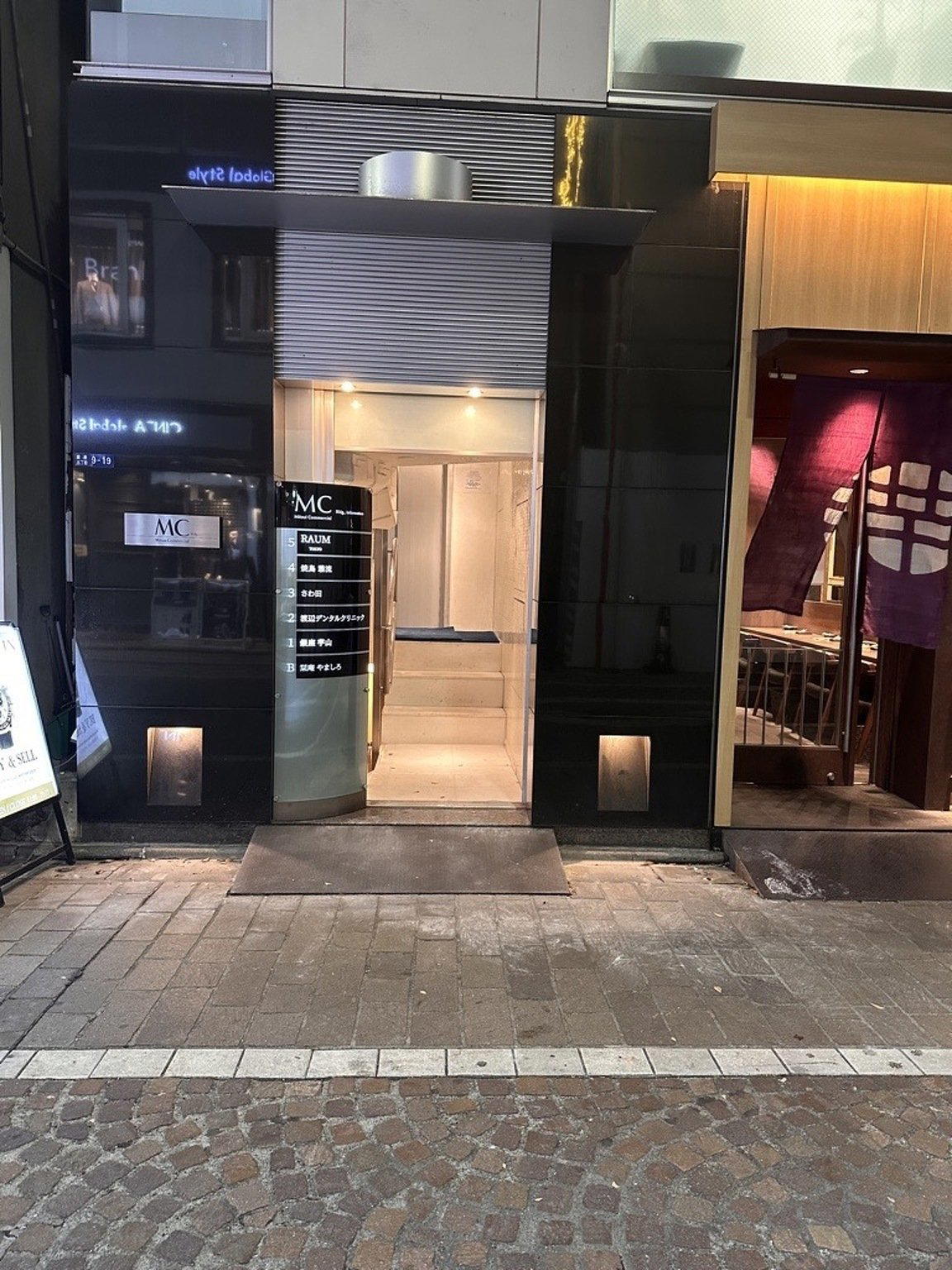
Tsugumi presents a disciplined, counter-focused dining experience that emphasizes focused attention and quiet observation. The room descends below street level into a compact eight-seat counter where the chef works directly in front of guests; the format itself becomes the show. There is little to distract from the cooking—no private rooms and no ambient clatter—so every flip of a pan and careful slice feels intentional. The restaurant sits within Fukuoka’s concentrated fine-dining circuit, trading scale for sharpness: the tiny footprint amplifies technique and ingredient quality into a calm, exacting atmosphere.
Best For
This is a venue built for concentrated, ceremonial meals—an ideal choice for intimate date nights, special occasions, or solo diners who want a front-row view of the craft. The eight-seat counter and high chef-to-guest ratio make it unsuitable for large groups but perfect for anyone seeking a measured, memorable dining arc. Frequent recognition on Tabelog and curated rankings positions Tsugumi as a place where the meal itself is the event, especially in the evening when the ingredient-led course work comes into full relief.
Ordering Tips
Expect a tightly curated, course-driven menu: each three-month block is anchored by one primary ingredient and the entire meal is constructed to showcase that element through multiple techniques. This is not a dish-by-dish surprise like omakase sushi; instead, the kitchen explores a single focal ingredient across a full arc. Embrace the set program and the counter vantage—watching the preparation in front of you is part of the experience. Given the eight-seat counter format and the programmatic approach, come prepared to engage with a unified tasting sequence rather than à la carte ordering.
Venue details
Ambiance
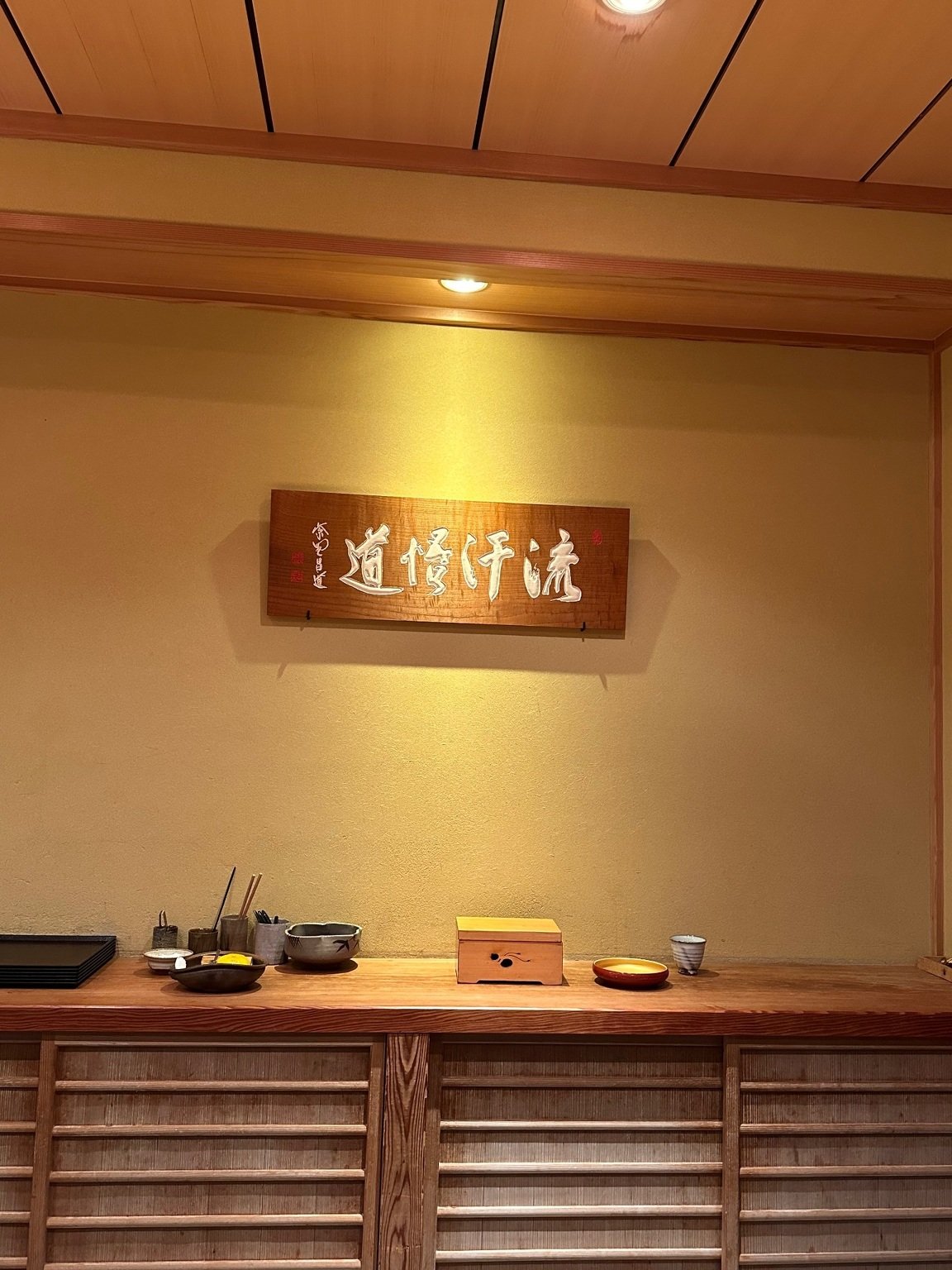
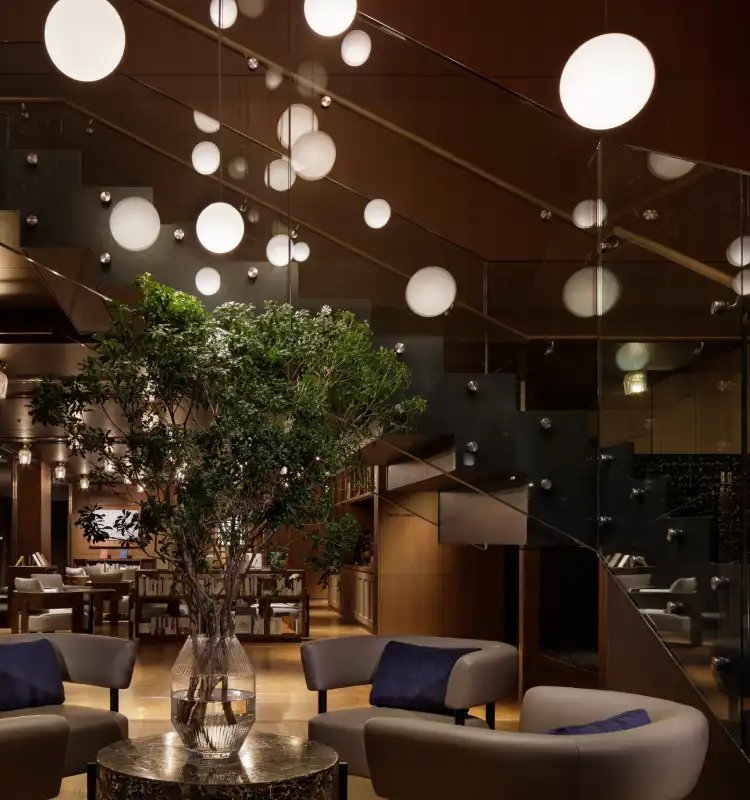
Serene, gallery-like space with smooth cedar, soft linen-like lighting, and a restrained palette of cork and unfinished concrete; adorned with Kyushu pottery and Edo-period artwork; hushed and contemplative atmosphere.
Tags
Vibe
Best For
Experience
Sourcing
At the Table
- Dress Code
- Smart Casual
- Noise Level
- Quiet
- Service Style
- Omakase Bar
- Meal Pacing
- Extended Experience
- Capacity
- Intimate
Signature Dishes
- charcoal-grilled fish
- fugu sashimi with shirako
- mackerel sushi
- kue with seasonal vegetables
- abalone with shiitake
- wild boar shabu-shabu
Know before you go
Know Before You Go
- Getting there
- Japan, 〒810-0801 Fukuoka, Hakata Ward, Nakasu, 5 Chome−2−3 B1F
Planning details
Hours
- Monday
- 12–10 pm
- Tuesday
- 12–10 pm
- Wednesday
- 12–10 pm
- Thursday
- 12–10 pm
- Friday
- 12–10 pm
- Saturday
- 12–10 pm
- Sunday
- 12–10 pm
Location
Japan, 〒810-0801 Fukuoka, Hakata Ward, Nakasu, 5 Chome−2−3 B1F · Directions

Also consider
Also Consider
- Chikamatsu, Sushi, Sushi
- Gahoujin 我逢人, Sushi, Sushi
- Genkiippai, Ramen, Ramen
- Matsuyama, Western, Western
- Mihara Tofuten, Tofu, Tofu
Restaurant context
Tsugumi and Chikamatsu occupy different ends of the same fine-dining conversation in Fukuoka. Chikamatsu is an omakase sushi counter; Tsugumi is regional Japanese cuisine with a quarterly ingredient rotation. If your priority is sushi craft, Chikamatsu is the cleaner choice. If you want a deeper sense of what Kyushu's seasonal produce and prestige proteins actually taste like across multiple preparations, Tsugumi makes a stronger case, particularly in the fugu (January to March) and wild eel (July to September) seasons. Both venues are counter-only and reservation-essential, but Tsugumi's eight-seat format and relatively accessible booking difficulty give it an edge for visitors who plan ahead without months of lead time.
Gahoujin 我逢人 is another Fukuoka sushi option worth comparing directly if omakase is what you are after. Neither Gahoujin nor Chikamatsu competes with Tsugumi on the regional-cuisine-course format, they are different formats serving different dining intentions. For something entirely outside the Japanese fine-dining register, Matsuyama (Western) offers a contrast in cuisine style at a Fukuoka fine-dining price tier. If budget is the primary concern, Genkiippai for ramen costs a fraction of the price and delivers a strong local experience without the reservation complexity.
Mihara Tofuten sits at a very different price point and cuisine category, tofu-focused, lower cost, and a good fit for lunch between higher-end bookings. For a multi-day Fukuoka itinerary, the practical move is to anchor one evening at Tsugumi for the regional course format, use Genkiippai or Mihara Tofuten for casual daytime meals, and reserve Chikamatsu or Gahoujin for a dedicated sushi night. That spread covers the city's strengths without overlap.
Explore Fukuoka
Around this place
Discover more on Pearl
Unlock the full Tsugumi guide in Pearl, including awards, comparisons, FAQs, planning details, and nearby places.
FAQ
Frequently Asked Questions
What should I order at Tsugumi?
There is no à la carte at Tsugumi — the format is a set course, and the menu rotates every three months based on a single headline ingredient. The January–March fugu course (natural tiger blowfish, the most expensive grade) is the highest-price tier at JPY 25,300 for dinner and is the one most worth timing a trip around. If fugu is not your priority, the July–September wild eel course from Ariake Sea and the October–December kue grouper course each anchor the menu in Fukuoka-specific ingredients you will not find structured this way elsewhere in the city.
Can Tsugumi accommodate groups?
Tsugumi has 8 counter seats only, so large groups are not a practical fit. Lunch reservations require a minimum of two guests. Buyout of the full restaurant is available for an additional fee, which makes it workable for a private group of up to 8, but that needs to be arranged directly. Parties larger than 8 should look elsewhere — Gahoujin 我逢人 or Matsuyama offer more flexible seat configurations for groups in Fukuoka.
What is Tsugumi known for?
Tsugumi is primarily known for Japanese in Fukuoka.
Where is Tsugumi located?
Tsugumi is located in Fukuoka, at Japan, 〒810-0801 Fukuoka, Hakata Ward, Nakasu, 5 Chome−2−3 B1F.