


Sushi Gyoten
Sushi · Chūō, Fukuoka
Restaurant in Fukuoka, Japan
 Book with Pearl
The Read
Hakata-Sourced Omakase Precision
Price
$150–200per person
Chef
Kenji Gyoten
Dress
Smart Casual
Why go
Sushi Gyoten is Fukuoka's most decorated sushi counter by award consistency: Tabelog Silver, La Liste, and a decade of Top 100 selections. At JPY 60,000–80,000 per head for a 10-seat omakase, it is a serious spend, but the track record justifies it. Verify current operational status via Shokuoku before booking, as the Tabelog listing is flagged as unconfirmed.
About Sushi Gyoten
Verdict
At JPY 50,000–60,000 per head (with real-world spending often reaching JPY 60,000–80,000 based on reviewer data), Sushi Gyoten is one of Fukuoka's most credentialed sushi counters: and the award record backs that up. Tabelog Silver in 2025 (score 4.43), consecutive Tabelog Bronze wins from 2017 through 2026, three selections for the Tabelog Sushi WEST Top 100, La Liste placements at 80.5 pts in 2025 and 78 pts in 2026, and an Opinionated About Dining ranking inside Japan's top 315 restaurants. That is a sustained track record across independent platforms. If you are visiting Fukuoka and sushi omakase is your target, Sushi Gyoten earns the booking. If you want a lower-commitment introduction to the city's sushi scene, Chikamatsu or Gahoujin 我逢人 may suit better on price. But for the depth of recognition Gyoten carries, the spend is proportionate.
The Case for Booking
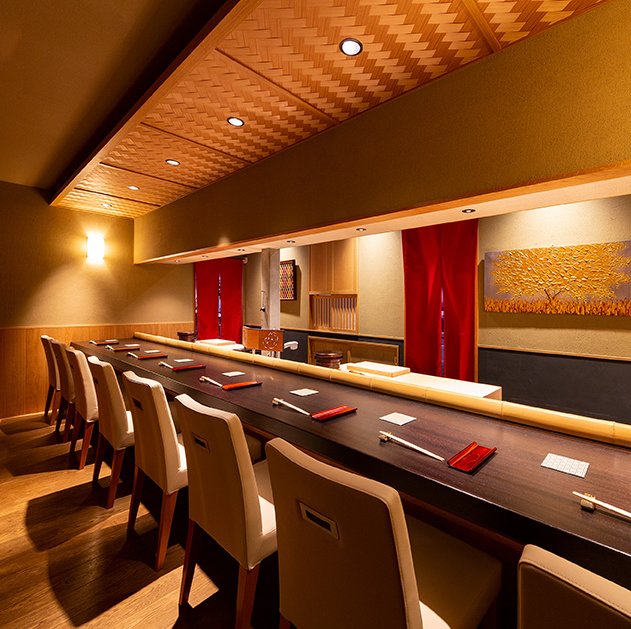
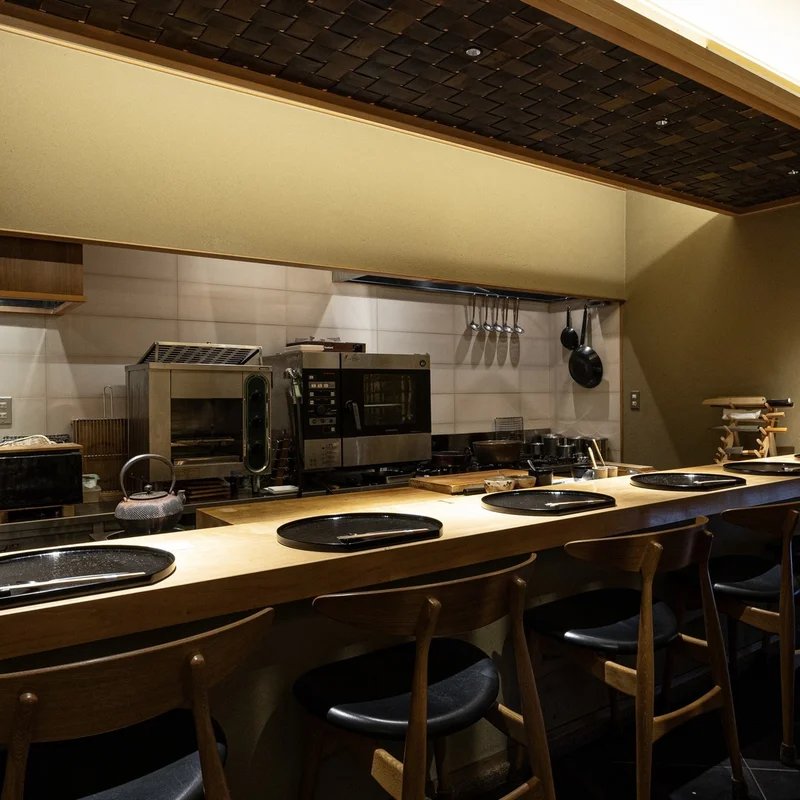
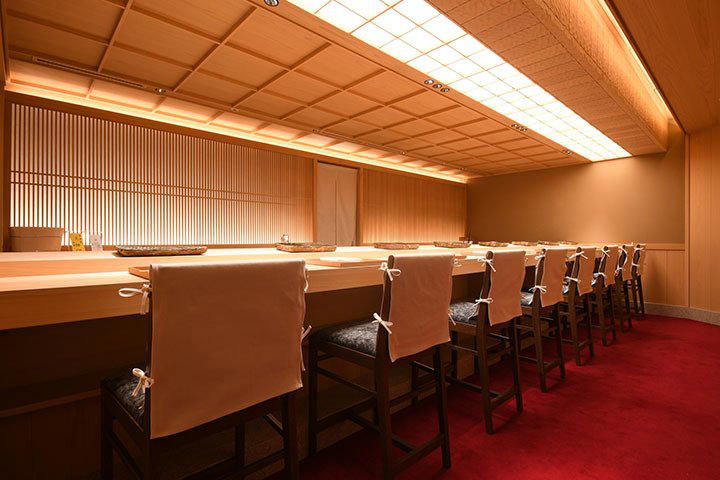
Sushi Gyoten operates out of a 10-seat counter in the Hirao neighbourhood of Chuo Ward, roughly a three-minute walk from Nishitetsu Yakuin Station. The room is a relaxing space with spacious counter seating: at this price point, that counter format is the entire experience. There are no private rooms, and the counter configuration means every diner is in the same intimate setting. The Tabelog listing categorises it as a hideout-type location and notes it is particularly suited to solo diners and friends rather than formal group occasions.
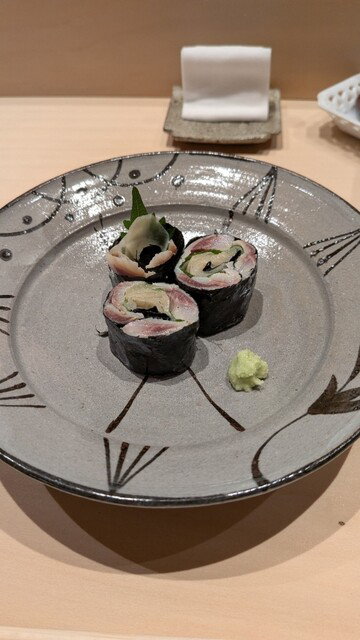
The seasonal angle matters here. Japan's sushi omakase format is, at its core, a fish seasonality format: what arrives in front of you is determined by what the kitchen judges as peak in the current season. Sushi Gyoten has a specific emphasis on fish sourcing. That means the experience in spring (when sea bream and clams are in prime condition) will differ materially from autumn (when fatty tuna and Pacific saury take precedence) or winter (when flounder and yellowtail are at their leading in Fukuoka's regional waters). If you have visited once and are considering a return, timing a second visit to a different season than your first is the clearest way to get a genuinely different experience rather than a repetition.
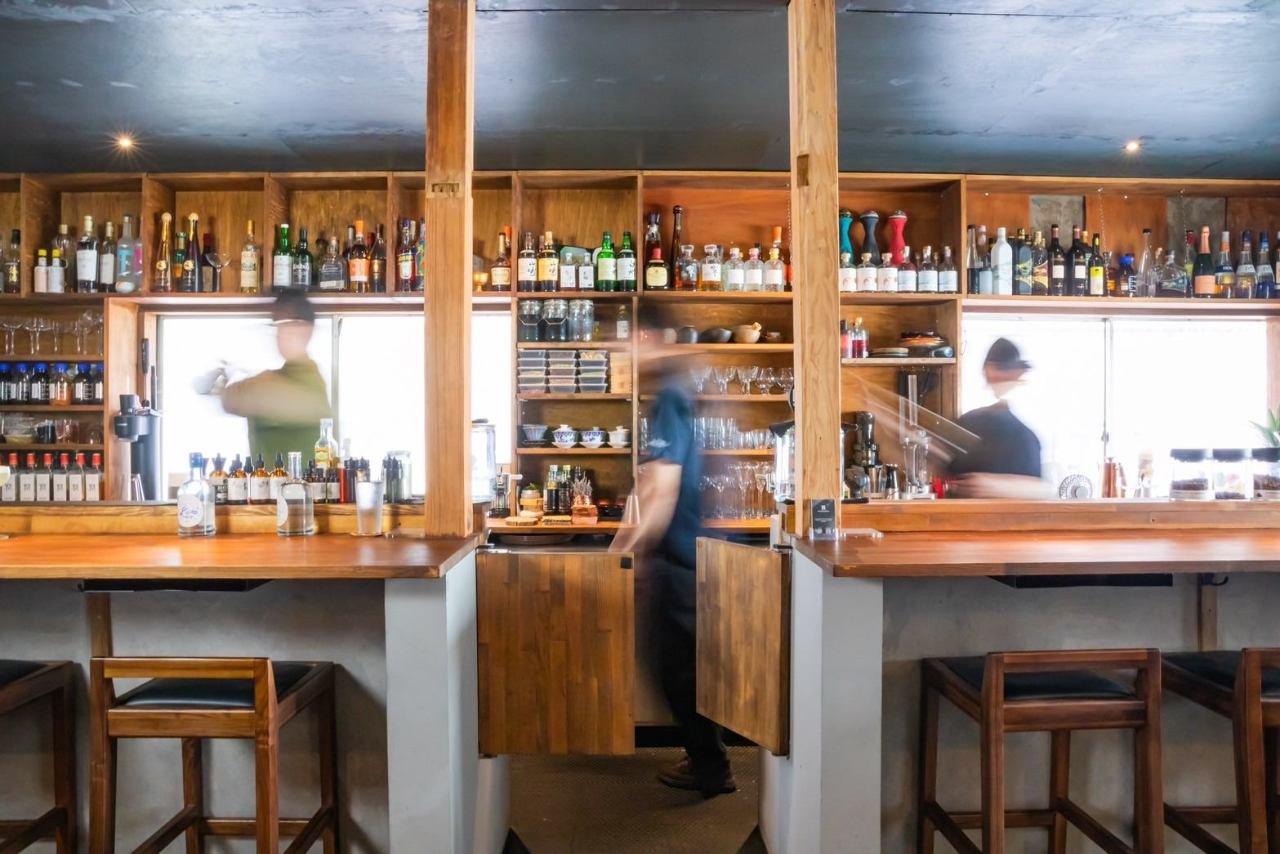
The drink offering skews toward sake, with a particular focus on nihonshu. Shochu and wine are available, but if you are pairing seriously, sake is the intended route here. This is consistent with how most top-tier Kyushu sushi counters are set up, the regional sake profile complements the Hakata-influenced sourcing well.
Atmosphere at a 10-seat counter with dinner service running 6–9 PM is inherently quiet and focused. This is not a venue for a loud night out. The energy is deliberate and unhurried. If you are comparing it to Tokyo counters like Harutaka, the format is similar but the regional fish sourcing is distinctly Kyushu-inflected, which is the core reason to come here rather than replicate the experience in a larger city. For visitors who want to understand what Fukuoka's sushi identity actually tastes like relative to, say, a leading Osaka counter such as HAJIME or Kyoto alternatives like Gion Sasaki, Gyoten offers a Kyushu-specific answer to that question.
Status Note
Tabelog listing carries a flag indicating the venue's operational status is unconfirmed and the listing is currently on hold. This is a material point: before booking, verify current status directly through the Shokuoku reservation platform (the only confirmed booking channel). Do not assume the venue is operating at its historical hours without confirmation. This does not affect the quality assessment, but it does affect the booking decision.
Know Before You Go
- Price: JPY 50,000–59,999 (listed average); JPY 60,000–79,999 (reviewer-based real-world spend)
- Hours: Monday–Friday 6–9 PM; Saturday–Sunday 12–1:30 PM and 6–9 PM
- Lunch: Weekends and public holidays only
- Seats: 10 (counter only; no private rooms)
- Reservations: By appointment only via Shokuoku reservation platform
- Booking difficulty: Easy (but confirm operational status before booking)
- Payment: Credit card accepted (Visa, Mastercard, Amex); no electronic money or QR payments
- Getting there: 3-minute walk from Nishitetsu Yakuin Station
- Smoking: Non-smoking throughout
- Occasion fit: Solo dining or small groups of friends; not configured for large parties or private events
- Drinks: Sake (nihonshu focus), shochu, wine
Ratings & Recognition
- Tabelog Score: 4.40 (2026); 4.43 (2025 Silver)
- Tabelog Award: Silver 2021, 2025; Bronze 2017–2020, 2022–2024, 2026
- Tabelog Sushi WEST Top 100: 2021, 2022, 2025
- La Liste: 80.5 pts (2025), 78 pts (2026)
- Opinionated About Dining Japan: #309 (2024), #314 (2025)
How It Compares
See the comparison section below for how Sushi Gyoten stacks up against Chikamatsu, Gahoujin 我逢人, and other Fukuoka options.
Also Consider
If you are building a Fukuoka dining itinerary beyond sushi, see our guides to all Fukuoka restaurants, Fukuoka bars, and Fukuoka hotels. For more sushi specifically, Sushi Karashima, Sushi Osamu, and Tenzushi Kyomachi are worth comparing. Outside Japan, Sushi Shikon in Hong Kong and Shoukouwa in Singapore sit in a comparable tier for omakase in Asia. For other leading Japanese destinations at a similar level, see akordu in Nara, 1000 in Yokohama, and 6 in Okinawa.
Planning details
- Hours
- Monday: 6–9 pm · Tuesday: 6–9 pm
- Location
- 1 Chome-2-12 Hirao, Chuo Ward, Fukuoka, 810-0014, Japan
- Website
- gyoten.jp
- Phone
- +81 92-521-2200
The take
The Take
The Vibe
Sushi Gyoten sits modestly on a walkable stretch of Chuo, favoring restraint at the door and focus at the counter. The room centers on a ten-seat sushi counter that operates as theatre in the classical omakase sense: understated entry gives way to a composed, sequential service delivered directly to each guest. The neighborhood’s quiet evening streets and residential character shape a low-key, classic mood, while the restaurant’s consistent Tabelog recognitions mark it as a quietly serious address for sushi aficionados who seek an unflashy, highly attentive dining experience.
Best For
This is a dinner-first omakase best experienced from the counter, where the chef’s sequence of plates unfolds directly in front of you. The setup naturally suits special evenings and date nights that prioritize focused tasting over background bustle, and it also appeals to solo diners and regular clientele who value intimacy and consistency. With just ten seats and no private rooms or overflow seating, the room rewards guests who appreciate a composed, dedicated service rhythm and a setting that privileges the craft at the counter.
Ordering Tips
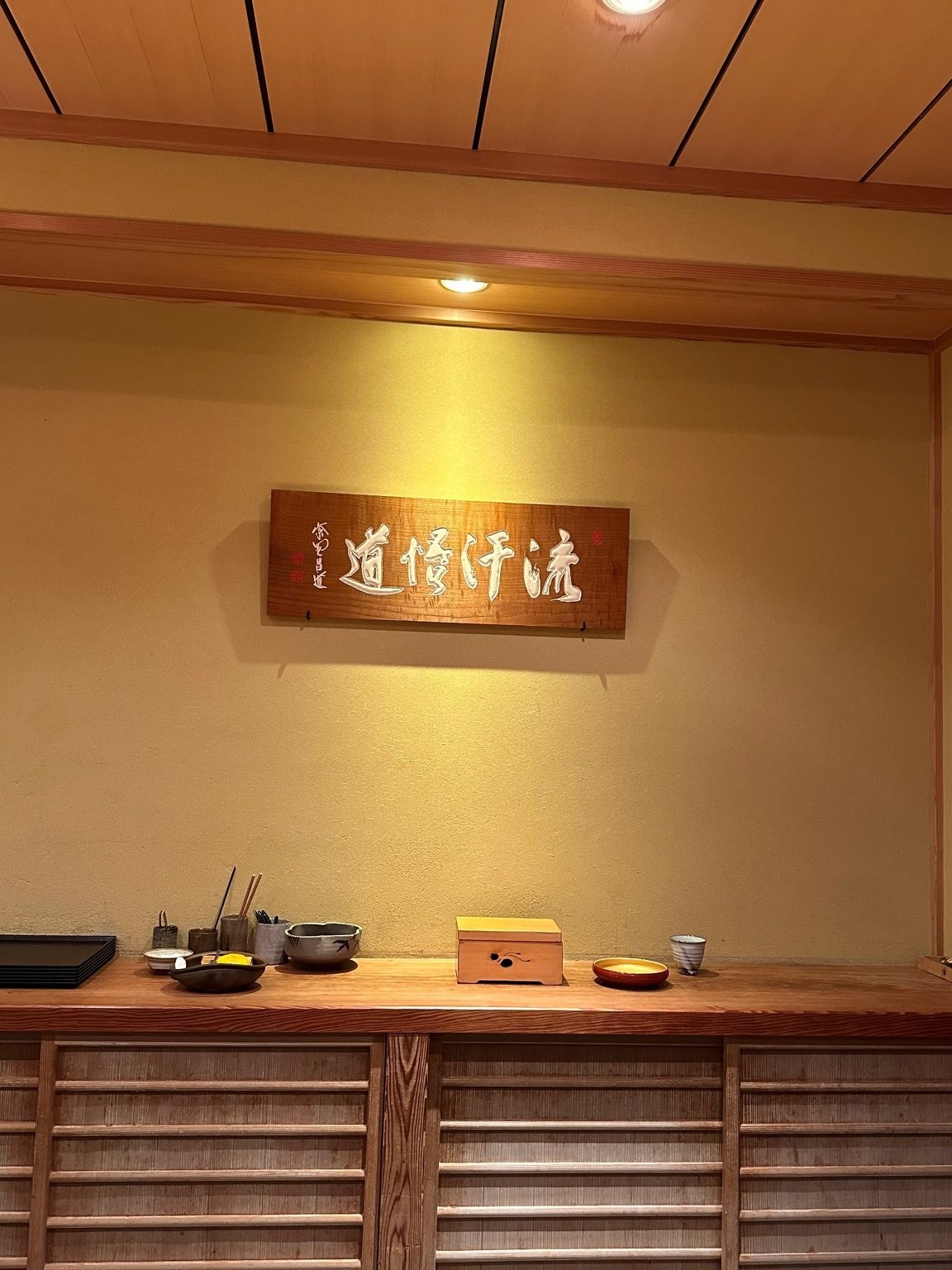
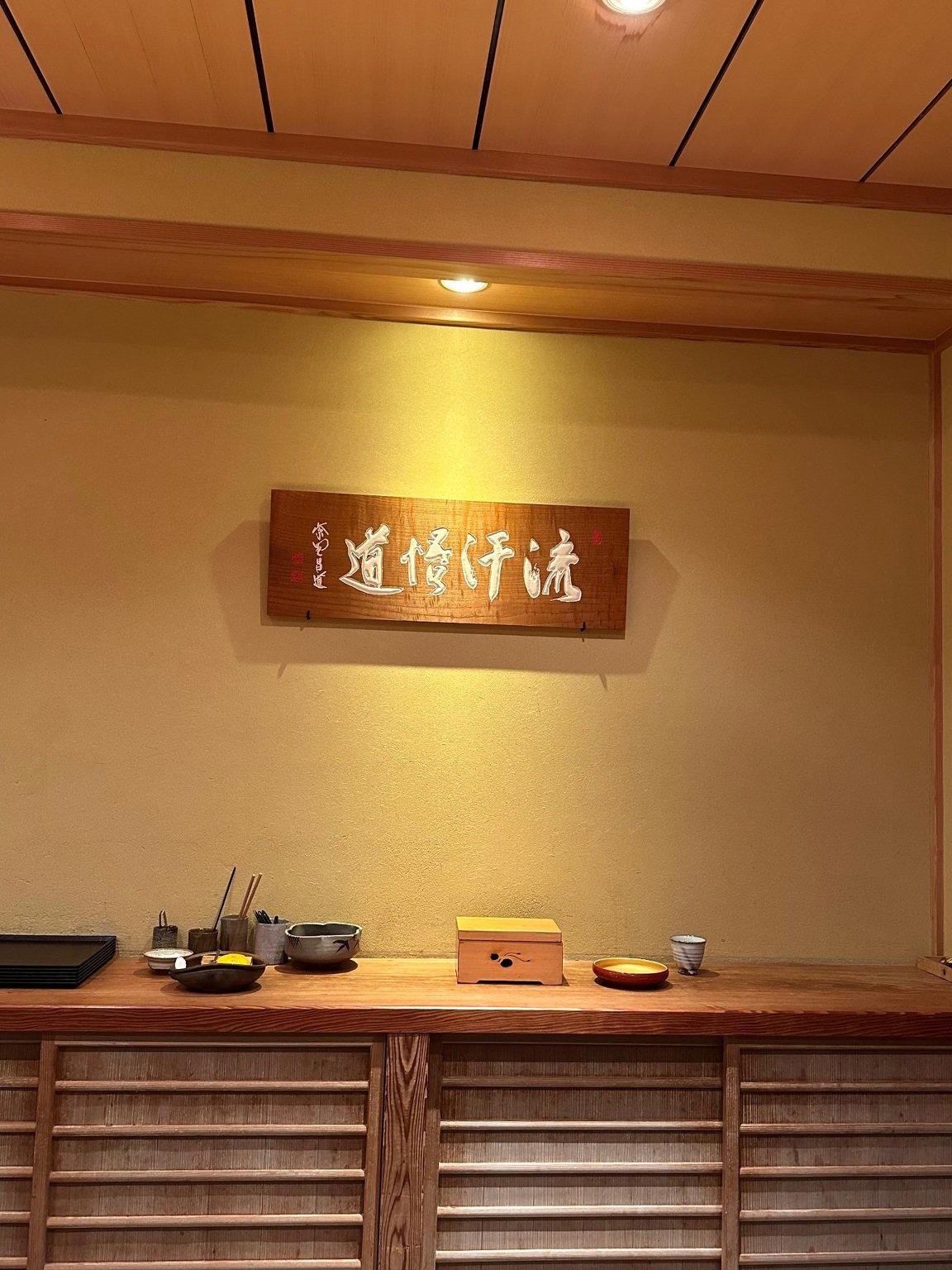
Dining at Sushi Gyoten is entirely counter-centered: the ten-seat configuration and the absence of private rooms or overflow seating mean every element of service happens in front of you. Expect a classical omakase sequence rather than a la carte options, and plan your experience around the counter theatre: the formal energy is deliberately reserved for the room and the plate. Sushi Gyoten has an understated entrance and focuses on the meal itself and the chef’s progression rather than signage or fanfare.
Venue details
Ambiance
Clean-cut dining room with a relaxing, spacious counter seating atmosphere focused on the chef's craft.
Tags
Vibe
Best For
Experience
Sourcing
At the Table
- Dress Code
- Smart Casual
- Noise Level
- Quiet
- Service Style
- Omakase Bar
- Meal Pacing
- Leisurely
- Capacity
- Intimate
- Kitchen
- Traditional
- Menu Format
- Omakase, Counter dining
- Drinks Focus
- Sake program
- Dietary
- Pescatarian friendly
Know before you go
Know Before You Go
- Getting there
- 1 Chome-2-12 Hirao, Chuo Ward, Fukuoka, 810-0014, Japan
Planning details
Hours
- Monday
- 6–9 pm
- Tuesday
- 6–9 pm
- Wednesday
- 6–9 pm
- Thursday
- 6–9 pm
- Friday
- 6–9 pm
- Saturday
- 12–1:30 pm, 6–9 pm
- Sunday
- 12–1:30 pm, 6–9 pm
Location
Recognition and awards


Also consider
Also Consider
- Chikamatsu: Sushi, Sushi
- Gahoujin 我逢人: Sushi, Sushi
- Genkiippai: Ramen, Ramen
- Matsuyama: Western, Western
- Mihara Tofuten: Tofu, Tofu
Restaurant context
For omakase sushi in Fukuoka, Sushi Gyoten sits at the top of the credentialed tier alongside Chikamatsu and Gahoujin 我逢人. Gyoten carries the deepest award record of the three, ten consecutive Tabelog Award wins, two Silver years, and multiple Tabelog Sushi WEST Top 100 selections, and the La Liste score places it on the international sushi radar in a way that Fukuoka counters rarely achieve. If the award depth matters to your decision, Gyoten is the clear answer in the city's sushi category. The price (JPY 60,000–80,000 real-world) reflects that position.
If you want sushi at a lower commitment level, both Chikamatsu and Gahoujin 我逢人 are worth considering as alternatives without the same price ceiling. For a completely different meal format that still represents serious Fukuoka dining, Genkiippai gives you the city's ramen tradition at a fraction of the spend, while Matsuyama covers the Western dining tier for a different occasion type. Mihara Tofuten is the Fukuoka choice if you want a genuinely local, lower-cost alternative that still represents craft-level food.
The practical differentiator with Gyoten versus its sushi peers is the operational status flag: the Tabelog listing is currently on hold as unconfirmed. That adds a booking risk that Chikamatsu and Gahoujin 我逢人 do not carry. If your Fukuoka trip is time-sensitive and you cannot afford a cancelled reservation, confirm Gyoten's status through Shokuoku first: and have a backup sushi option lined up. For visitors with flexibility and a confirmed booking, the combination of Kyushu-specific fish sourcing, intimate 10-seat counter format, and consistent multi-platform recognition makes Gyoten the most defensible high-end sushi choice in the city.
Explore Fukuoka
Around this place
Discover more on Pearl
Unlock the full Sushi Gyoten guide in Pearl, including awards, comparisons, FAQs, planning details, and nearby places.
FAQ
Frequently Asked Questions
How far ahead should I book Sushi Gyoten?
Book as early as possible through Shokuoku, the required reservation platform. With only 10 seats and appointment-only access, availability is limited at the best of times. Before attempting a booking, verify the venue's current operational status: the Tabelog listing flags it as unconfirmed, so confirming the restaurant is open before making travel plans is essential.
Can I eat at the bar at Sushi Gyoten?
Yes: the venue is a counter-only format with 10 seats, so the counter IS the dining room. There is no separate table section or private room. This setup suits solo diners and pairs well; larger groups should be aware that the whole counter can be reserved for private use, but the space is small and intimate by design.
What should a first-timer know about Sushi Gyoten?
Budget beyond the JPY 50,000–59,999 price range: reviewer spending data on Tabelog puts the real-world figure closer to JPY 60,000–79,999. Reservations require booking through Shokuoku (appointment only), and the venue does not have a public phone number or website. Most critically, confirm the restaurant is operating before booking travel: the Tabelog listing currently flags its status as unconfirmed.
Does Sushi Gyoten handle dietary restrictions?
At a 10-seat omakase counter where the chef's selection drives the meal, strict dietary restrictions are typically difficult to accommodate: this is standard across high-end Edomae-style counters in Japan. Contact the venue via Shokuoku ahead of booking if restrictions apply.
What should I order at Sushi Gyoten?
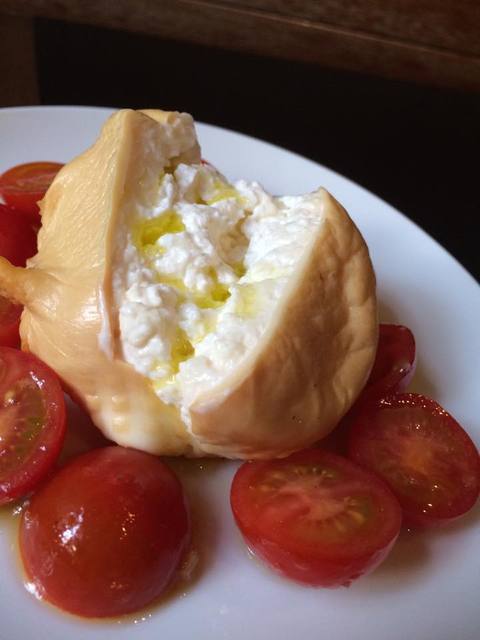
Sushi Gyoten is an omakase-only counter, so ordering is not part of the format: you eat what Chef Kenji Gyoten prepares. The Tabelog profile notes a particular emphasis on fish sourcing. At JPY 50,000–80,000 per head, this is not a venue where you direct the meal; it is one where the kitchen's decisions are the point.