

Tabelog 100 Sushi – West Japan 2025
Tabelog 100 (Hyakumeiten) Sushi - WEST selection for 2025. Tabelog publishes these as source-ordered lists of 100 restaurants.

Venues on this list
Gion Sushi Tadayasu
Kyoto, Japan
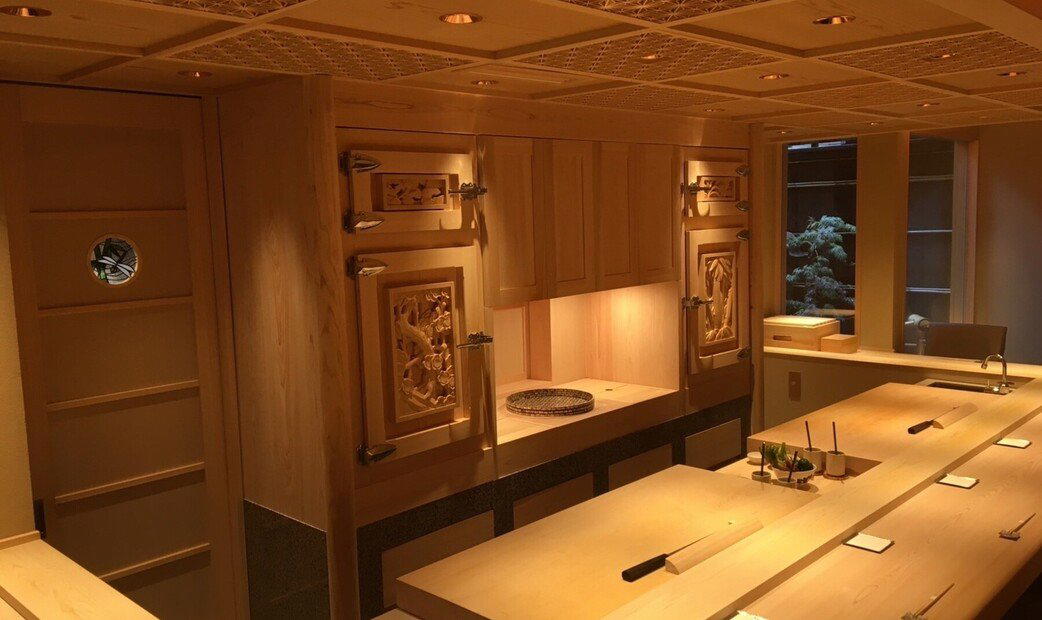
A Tabelog 100 sushi counter in Gion offering Edomae omakase at a 12-seat hinoki bar. Lunch runs JPY 10,000–14,999 for comparable fish and technique to the JPY 30,000+ dinner service. Held Bronze status since 2019 and maintains consistent quality nine years in. Best for solo diners and couples who want traditional counter format without Tokyo pricing.
Kikuzushi
Nagano, Japan
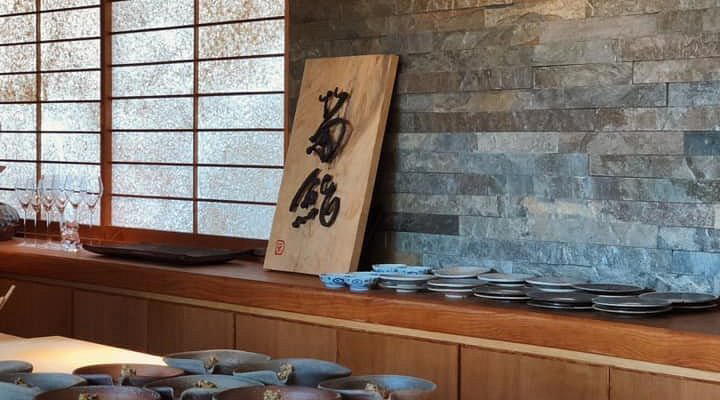
Kikuzushi is Nagano's most consistently decorated sushi counter, holding a Tabelog Silver Award every year since 2018 and ranking among Japan's top 131 restaurants (OAD 2025). At JPY 30,000 to JPY 39,999 per head in practice, it outperforms what its out-of-city location might suggest. Book when your plans are firm; cancellation terms are strict; and time your visit by season for the most rewarding return.
Isshinzushi Koyo
Miyazaki, Japan
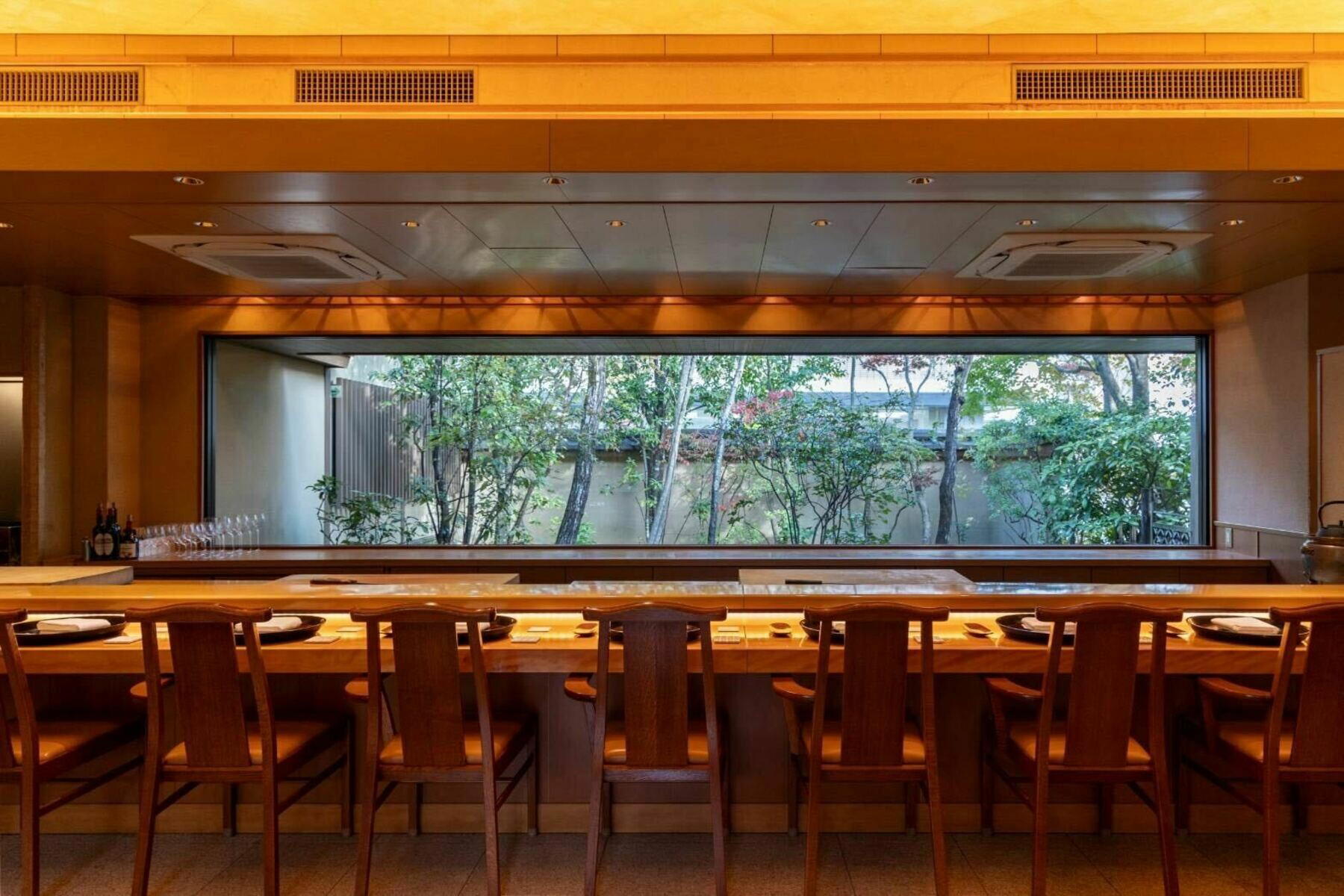
A half-century Miyazaki sushi counter holding nine consecutive Tabelog Bronze Awards and Tabelog Sushi WEST 100 recognition. Dinner omakase runs JPY 30,000–39,999 (realistically closer to JPY 40,000–59,999 with sake), lunch JPY 10,000–14,999. The 12-seat counter delivers regional edomae consistency rare in Kyushu; private rooms accommodate groups to 30. Book ahead; the Bronze streak keeps reservations tight.
Kikusui Zushi Nishi ten
Akashi, Japan
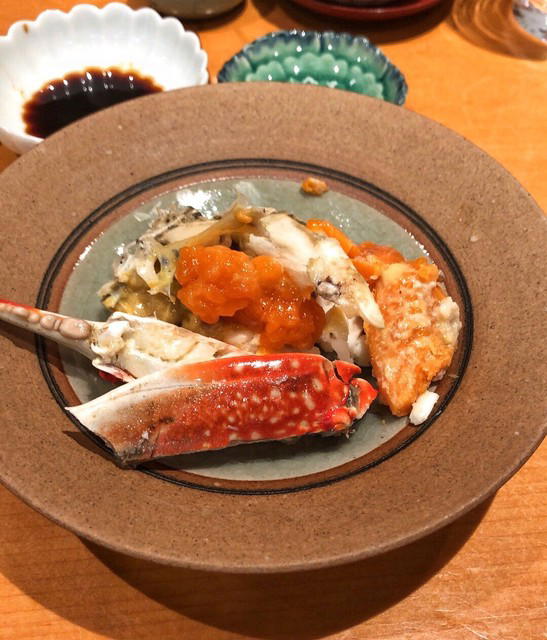
A Tabelog 100 sushi counter in Akashi focusing on Akashi Strait fish, with lunch at JPY 10,000–14,999 and dinner at JPY 15,000–19,999. The 10-seat counter and relaxed atmosphere suit celebrations without Tokyo-level formality. Closed Thursdays and select Wednesdays; reservations recommended a week ahead for weekends.
Sushi Sakai
Fukuoka, Japan
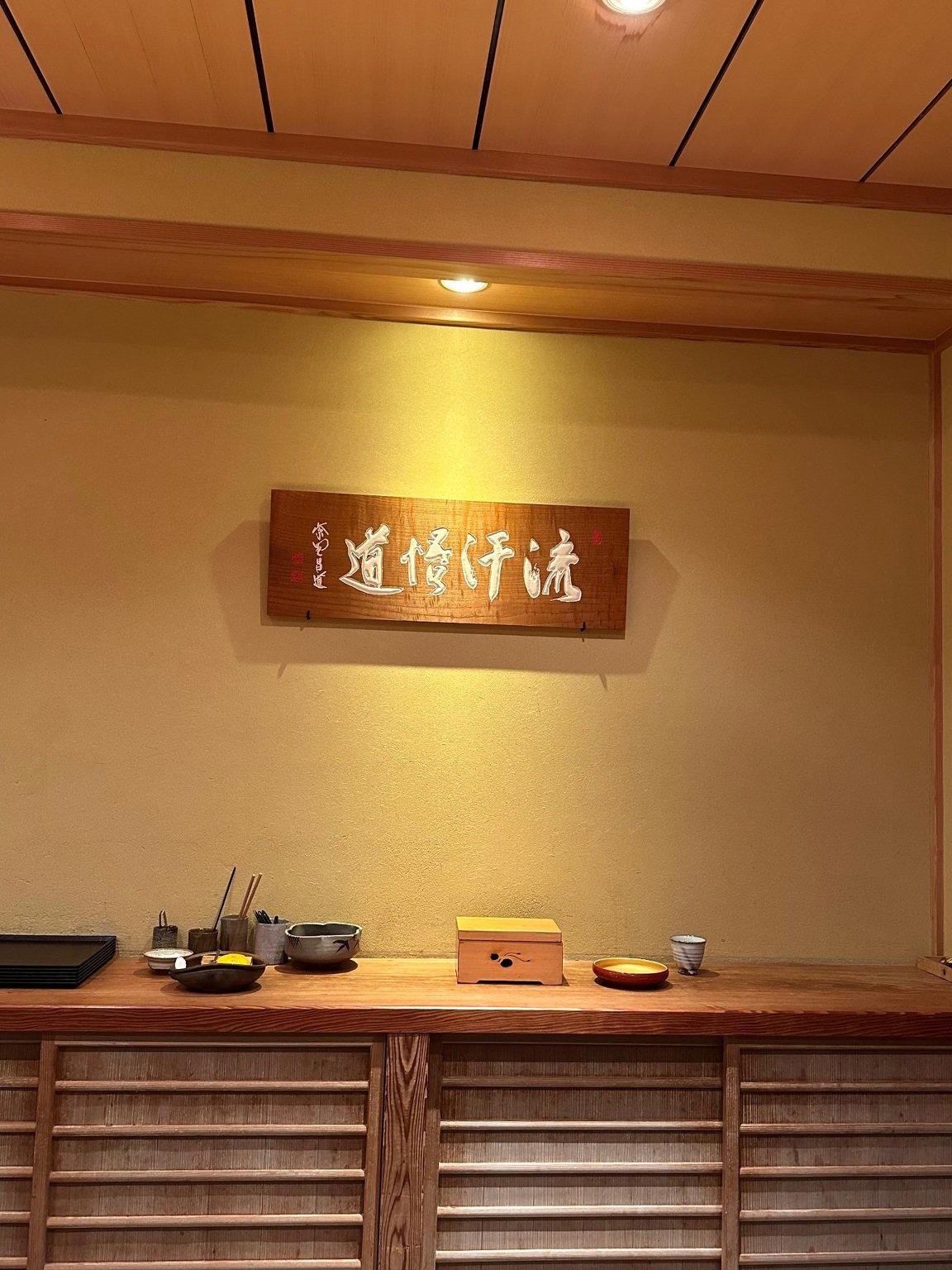
Sushi Sakai is Fukuoka's strongest argument for a dedicated sushi booking: Tabelog Gold across six of the past eight years, a La Liste score of 97 in 2026, and a 12-seat counter with multilingual reservations that makes high-level Japanese omakase accessible to international visitors. Budget JPY 50,000–79,999 per head at dinner and book well in advance.
Awajishima Nobu
Hyogo, Japan
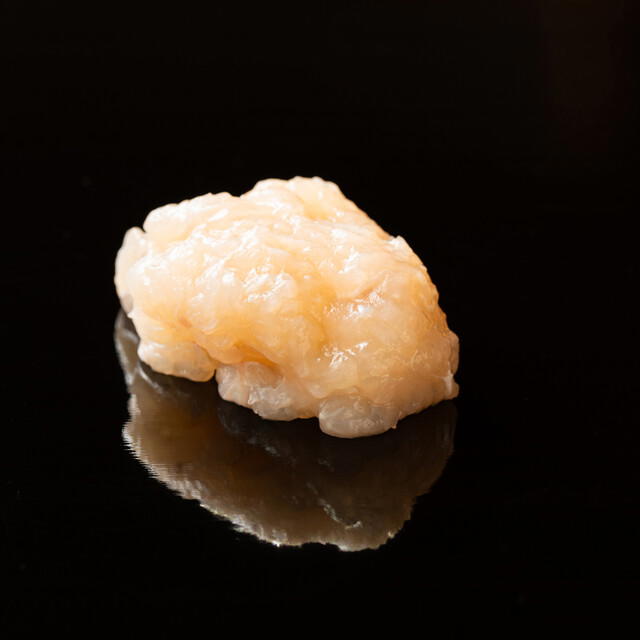
Should you plan a Hyogo sushi detour around Awajishima Nobu? Yes, if Awaji Island already fits the trip or the meal is the day's main event. Tabelog Bronze #322 in 2026 and Tabelog 100 #6 in 2025 support the case, but lunch is the easier choice for itinerary control while dinner works better as a dedicated occasion.
Yakko Zushi
Amakusa, Japan
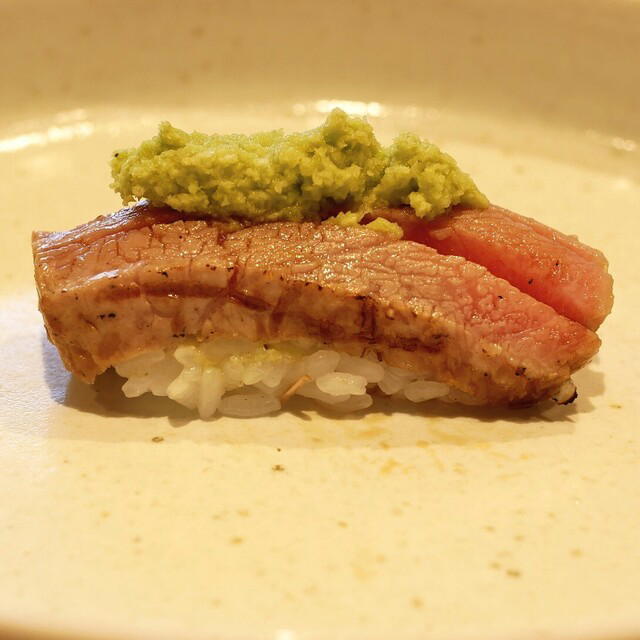
Yakko Zushi is the Amakusa choice to prioritize when the trip calls for a serious sushi meal rather than a casual local bite. The spend makes sense for diners who value a focused, quiet experience; value-seekers should compare it with Uomasa before committing.
Jinsei
Osaka, Japan
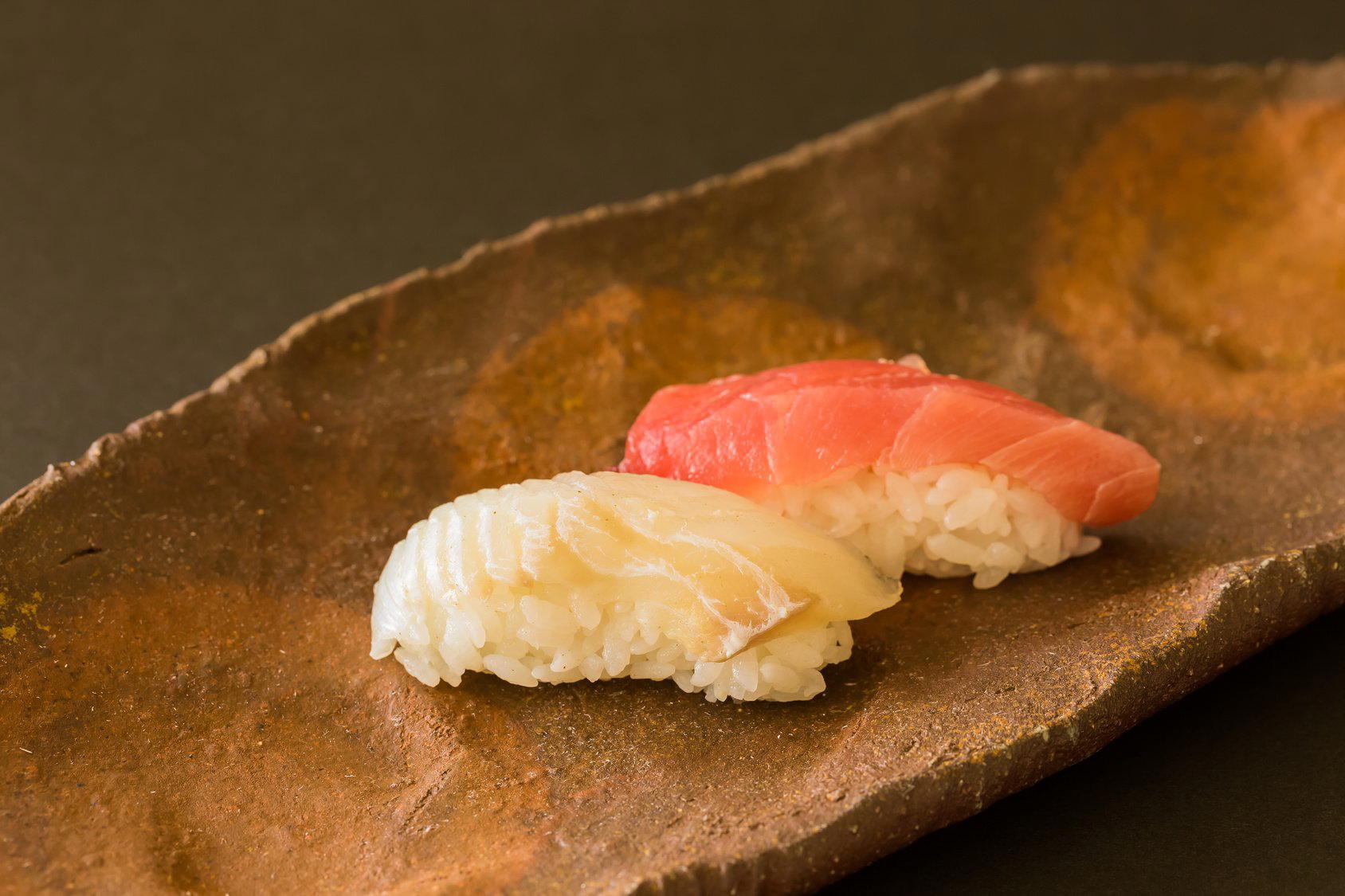
Jinsei is a six-seat Edo-style sushi counter in Shinsaibashi with consistent Tabelog Bronze recognition from 2020 to 2026 and a score of 4.28. At JPY 40,000–49,999 per head (based on reviewer averages), it delivers serious nigiri precision in an intimate counter format. Book by phone after 4 PM; cash only, no private rooms.
SOTO
Toyama, Japan
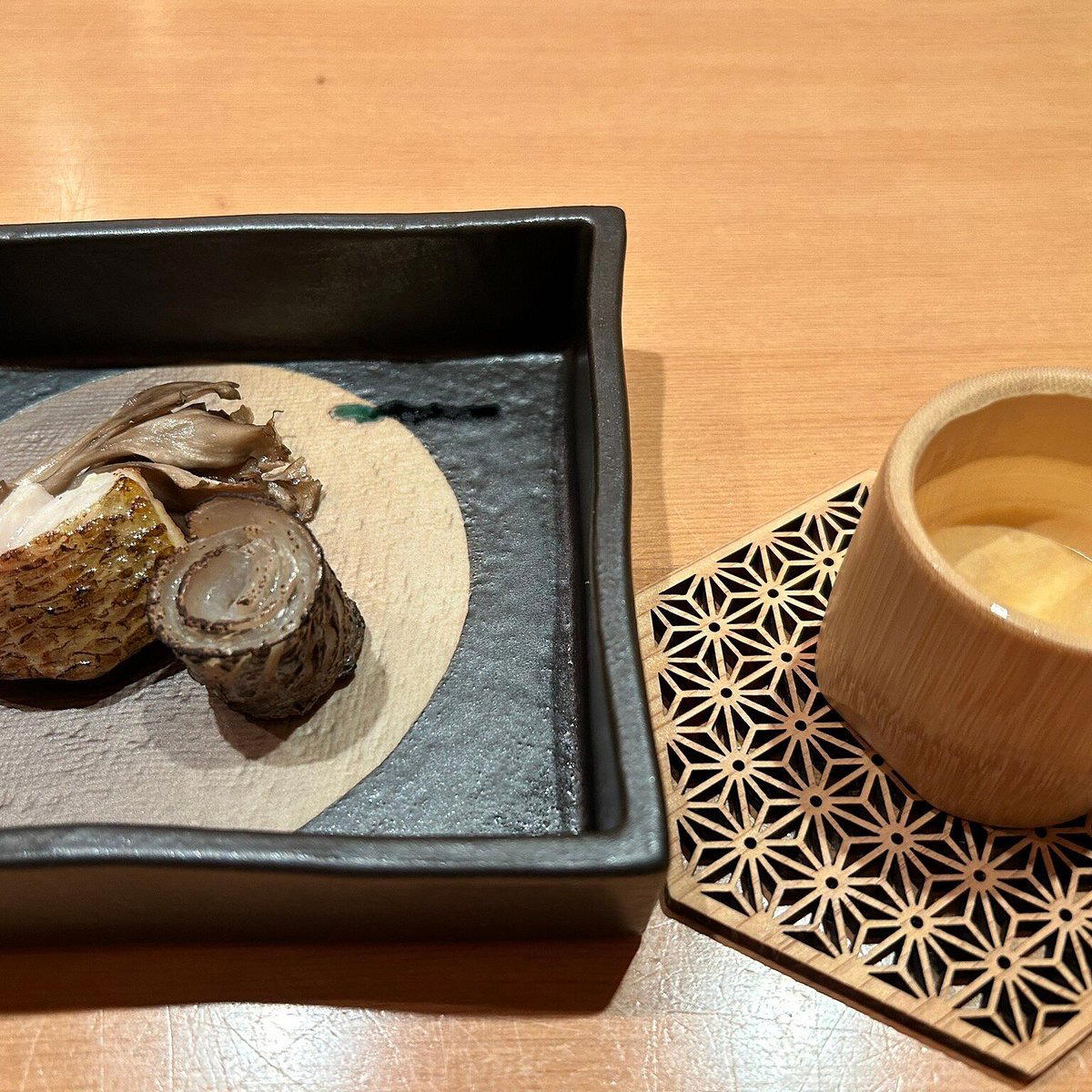
SOTO is the Toyama pick for a serious evening meal, backed by a 2025 Tabelog 100 #9 placement and a 3.8 score. It is not the right choice for lunch or a quick-value stop; use it when dinner is the main plan and compare casual alternatives separately.
Sushisho Nomura
Kagoshima, Japan
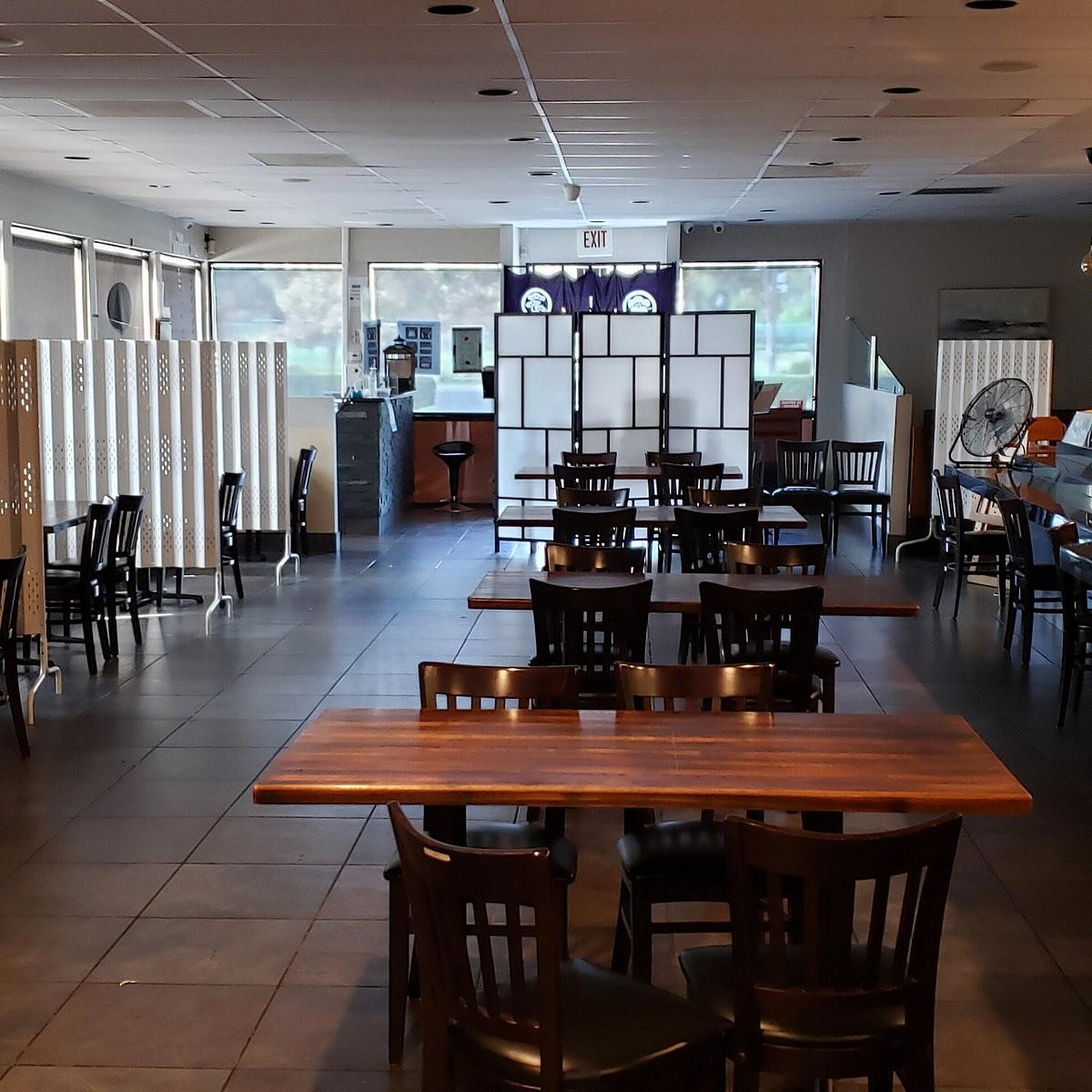
Sushisho Nomura is the strongest case for a special-occasion sushi dinner in Kagoshima: an 8-seat counter with Tabelog Silver recognition from 2019 through 2026 and a 4.40 score. Dinner only, cash only, reservation required. At JPY 40,000–49,999 per head, it is serious money; and consistently worth it for a milestone meal.
Sushi Uchida
Osaka, Japan
Counter-only sushi in Dojima emphasizing Awaji Island sourcing, with a family-friendly service format and three Tabelog 100 – Sushi – WEST selections (2021, 2022, 2025). Open until midnight Monday–Saturday, JPY 20,000–29,999, 17 seats. Children welcome, AMEX accepted, no private rooms. Reservations by phone.
Soshi
Hiroshima, Japan
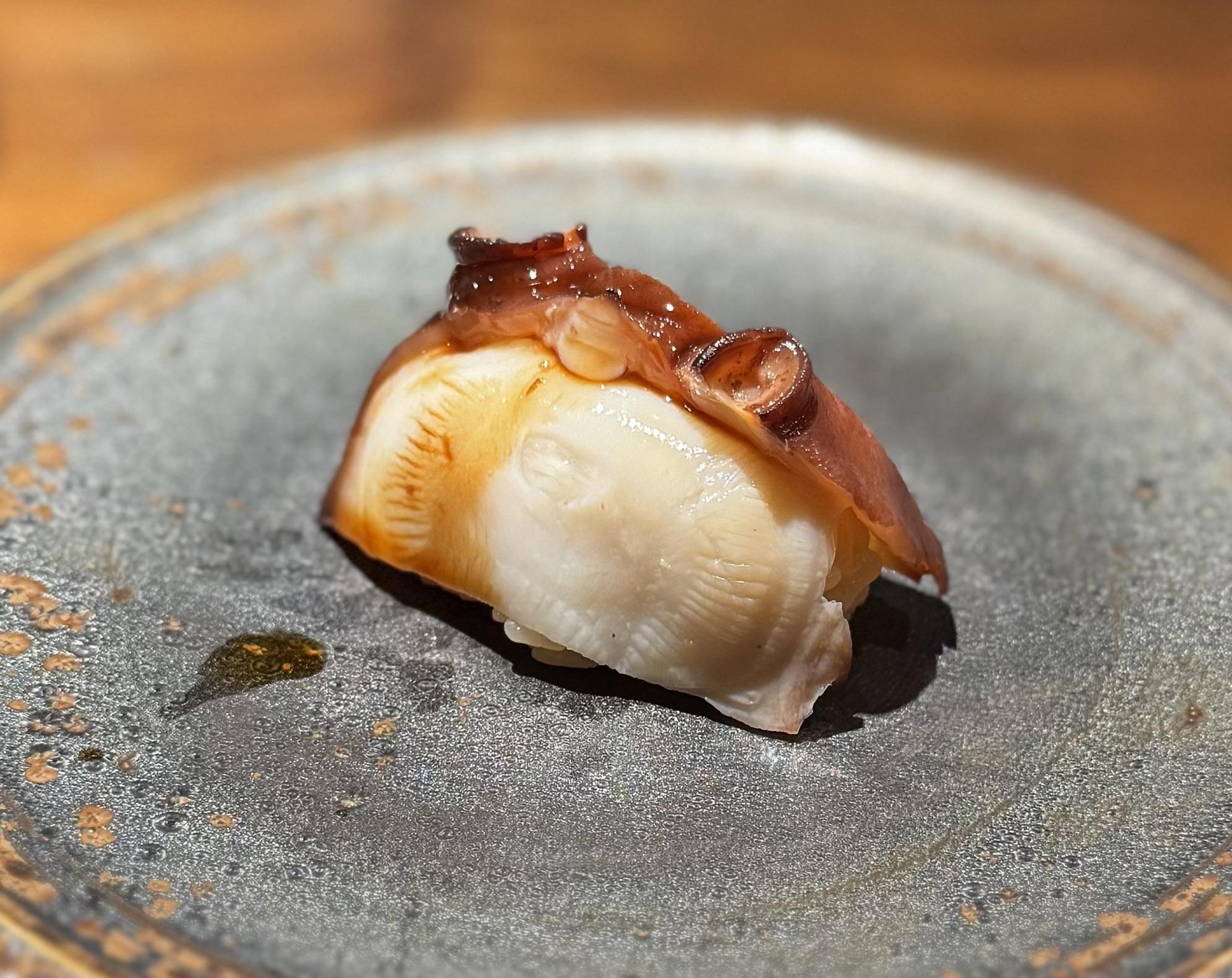
Soshi is Hiroshima's most evidenced sushi counter, holding Tabelog Bronze Awards in both 2025 and 2026 with a score of 4.27. The 14-seat omakase counter focuses on Setouchi fish from the Seto Inland Sea, with dinner priced at JPY 20,000–29,999. Book several months ahead via OMAKASE; cash only on the night unless you reserve through Pocket Concierge.
Sushi Gosuian
Fukuoka, Japan
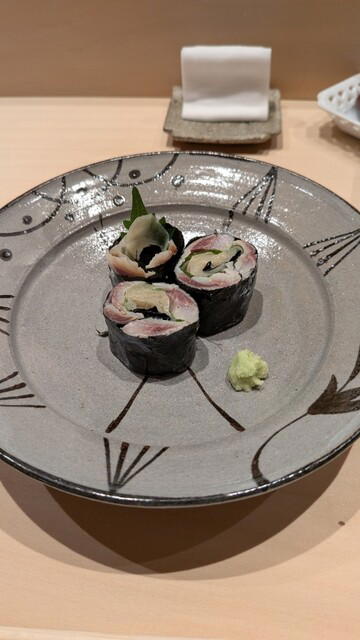
A seven-seat counter sushi restaurant near Ohorikoen Station, recognized on Tabelog's 100 Best Sushi WEST list for 2025. Expect a seasonal omakase sequence at JPY 20,000–29,999 per head, strict no-fragrance and limited-photography policies, and a quiet atmosphere suited to focused dining. Book two to three weeks ahead for weekend slots; closed Sunday and Monday.
Sushidokoro Tada
Osaka, Japan
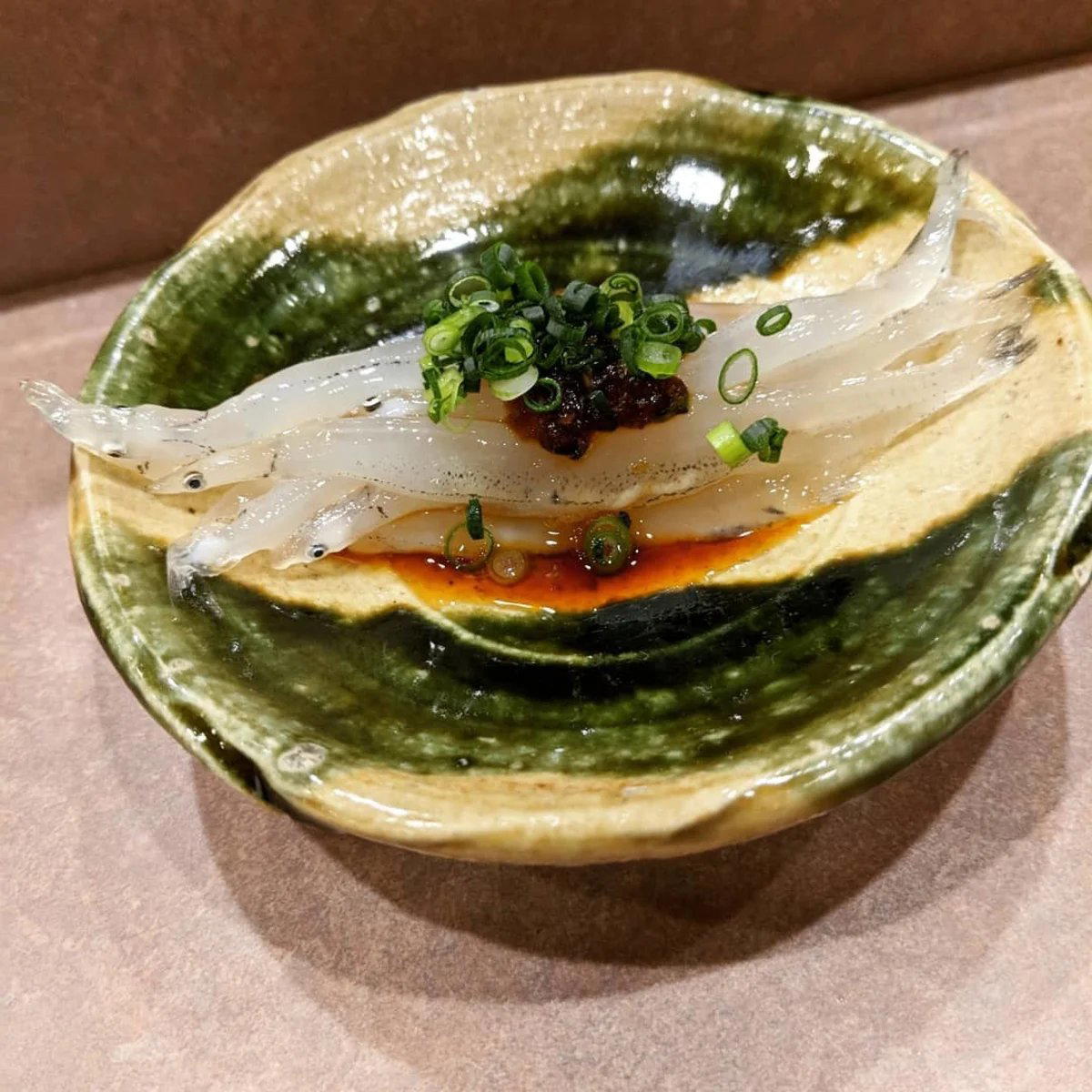
Tada is an eight-seat Kitashinchi sushi counter led by Jun Takeuchi, with a 2026 Tabelog Bronze award, repeated Tabelog Award recognition, and selection for Tabelog Sushi WEST 100 in 2025. The appeal is ingredient-led rather than theatrical: a small-room Osaka sushi format where fish sourcing, sake, wine, and counter discipline define the meal.
Sushi Josuke
Hyogo, Japan
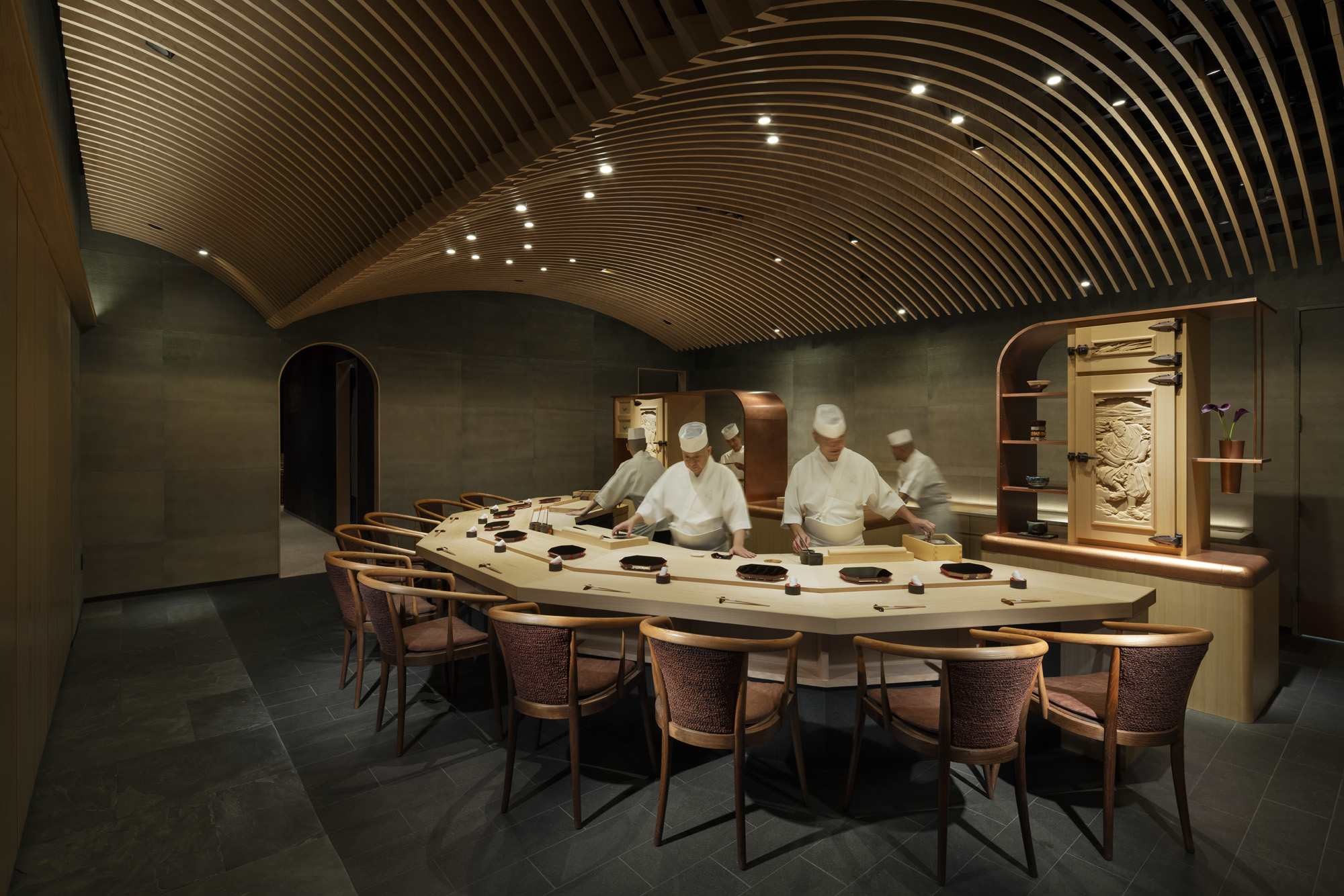
Tabelog Award Silver winner with an eight-seat counter serving fish-focused omakase at JPY 20,000–29,999. Consecutive awards since 2020 signal consistent technique, but cash-only payment and Japanese-language booking requirements narrow the audience. Better value than comparable Tokyo counters if you clear the logistical hurdles.
Ichitaka
Fukuoka, Japan
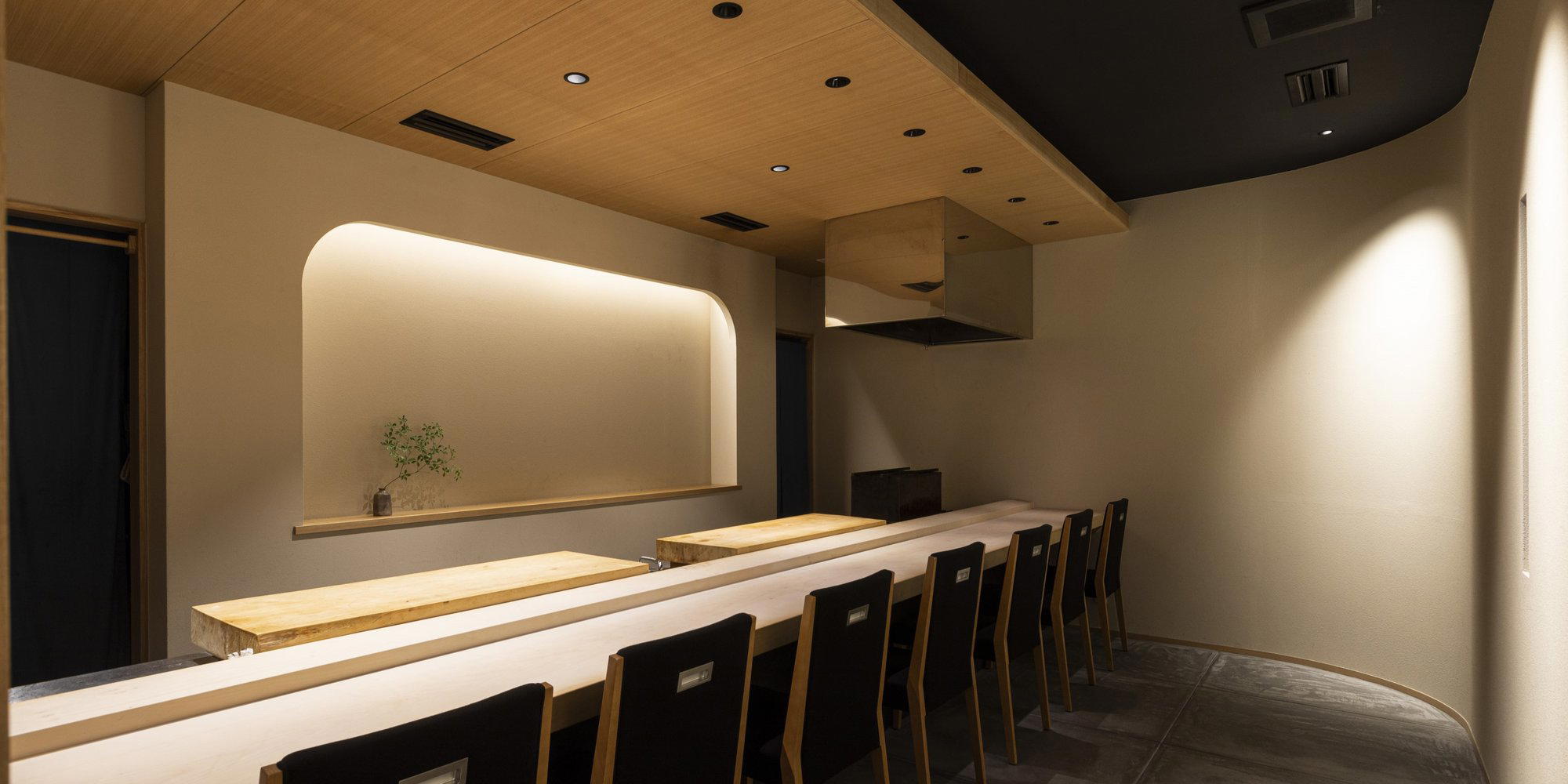
Fukuoka sushi counter serving aged-fish omakase in two private rooms (15 seats total) at JPY 20,000–29,999 per head for lunch or dinner. Tabelog Bronze 2025 and three consecutive Tabelog 100 West selections back the technique, while family-friendly policies and BYOB flexibility distinguish it from stricter peers. Book 7–10 days ahead by phone.
Sushi Takumi
Osaka, Japan
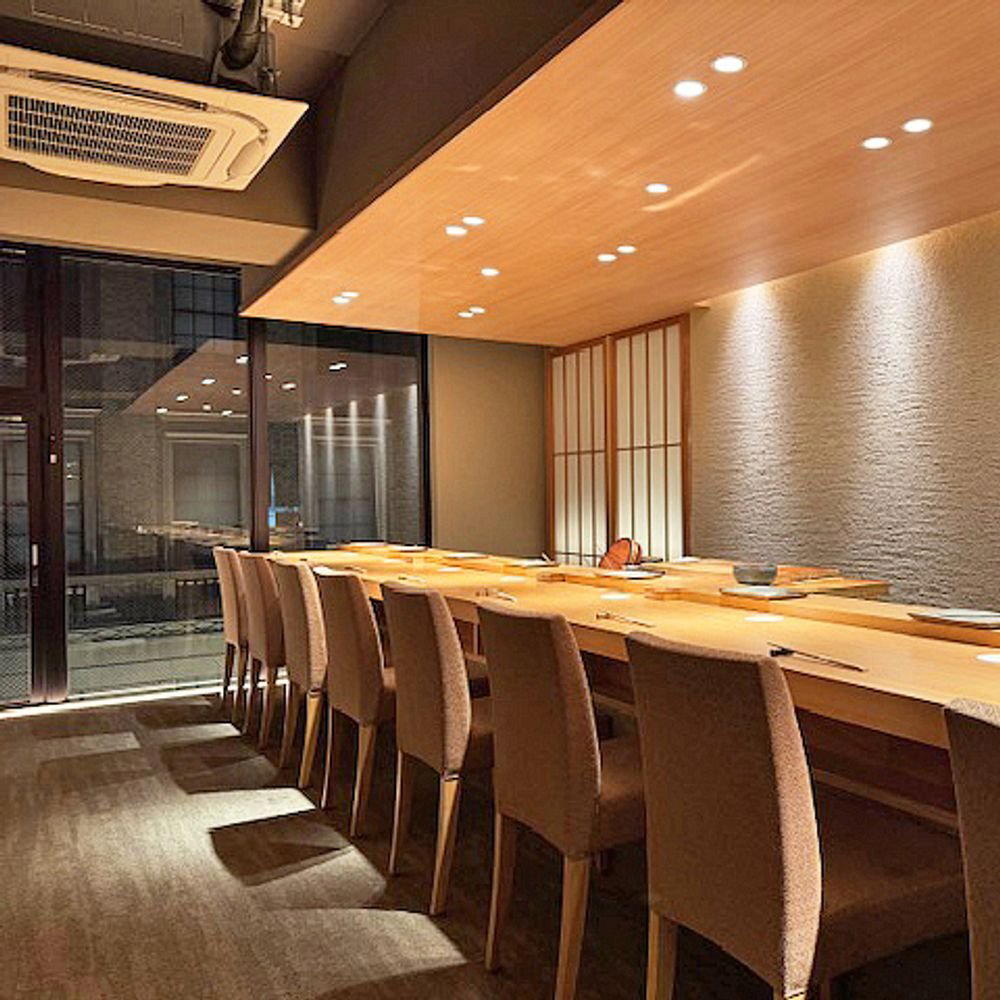
Sushi Takumi is the right Osaka pick when the plan is a focused sushi-counter dinner, not a broad group meal. Its Michelin Guide Kyoto Osaka 2026 Plate recognition and Tabelog 100 #17 placement in 2025 make it more compelling for a special occasion or repeat sushi night than a casual fallback.
Akakichi
Imabari, Japan
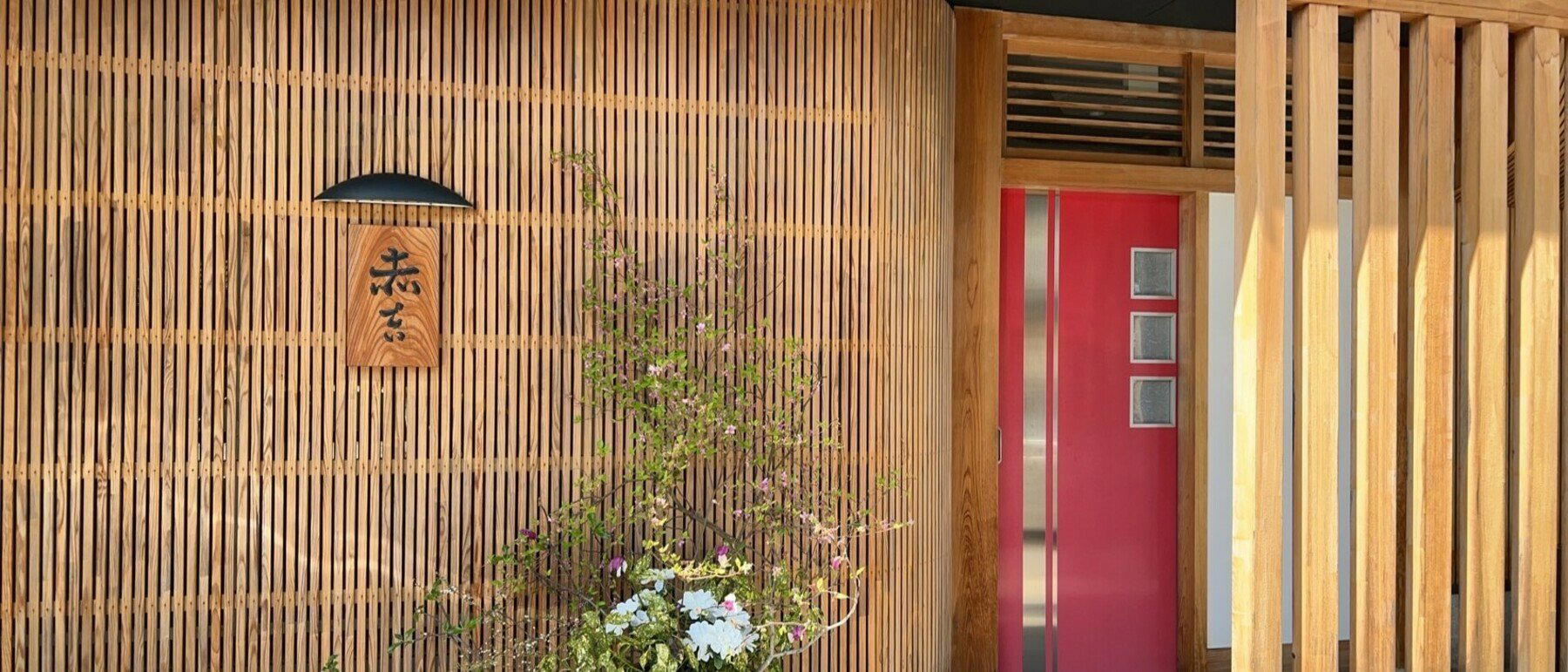
Book this Tabelog Bronze winner if you're committed to Setouchi omakase and can handle Hakata Island logistics; ferry or car required, JPY 20,000–29,999 per head, appointment-only six-seat counter. The sake program and fish technique justify the pilgrimage, but easier sushi options exist in central Imabari if transport or format feel restrictive.
Sushi Gyoten
Fukuoka, Japan
Sushi Gyoten is Fukuoka's most decorated sushi counter by award consistency; Tabelog Silver, La Liste, and a decade of Top 100 selections. At JPY 60,000–80,000 per head for a 10-seat omakase, it is a serious spend, but the track record justifies it. Verify current operational status via Shokuoku before booking, as the Tabelog listing is flagged as unconfirmed.
Kyogokuzushi
Nagahama, Japan
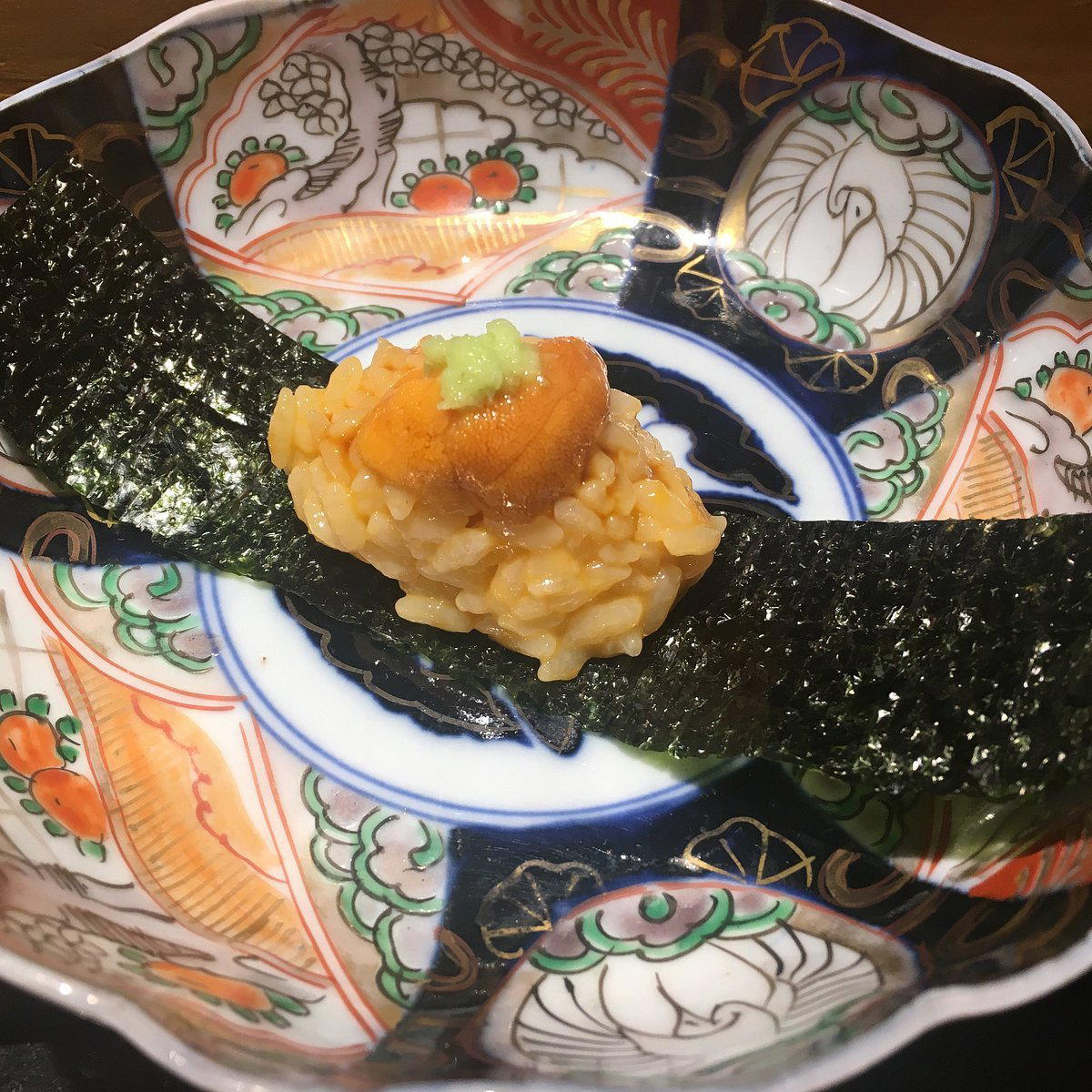
A Tabelog Bronze award-winner in Nagahama with a 4.14 score, Kyogokuzushi offers counter-format Edo-mae omakase nigiri from ¥6,600; one of the most accessible entry points to recognised sushi in Kansai. Book the counter well in advance; the table menu is a different, more casual product. Worth the trip from Kyoto or Osaka for a special occasion.
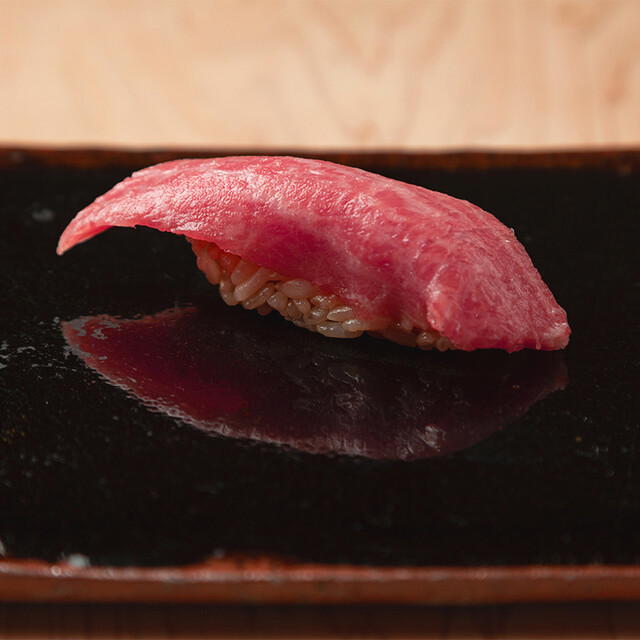
Kurosugi
Osaka, Japan
A 16-seat sushi counter in Dojimahama that has held a Tabelog 100 Sushi WEST spot since 2021. Dinner runs JPY 30,000–39,999, lunch JPY 6,000–7,999, and the sake pairing is deeper than the wine list. Counter seating matters here; private rooms lose the pacing and interaction that make the format work. Book three weeks out; overseas reservations go through the website only.
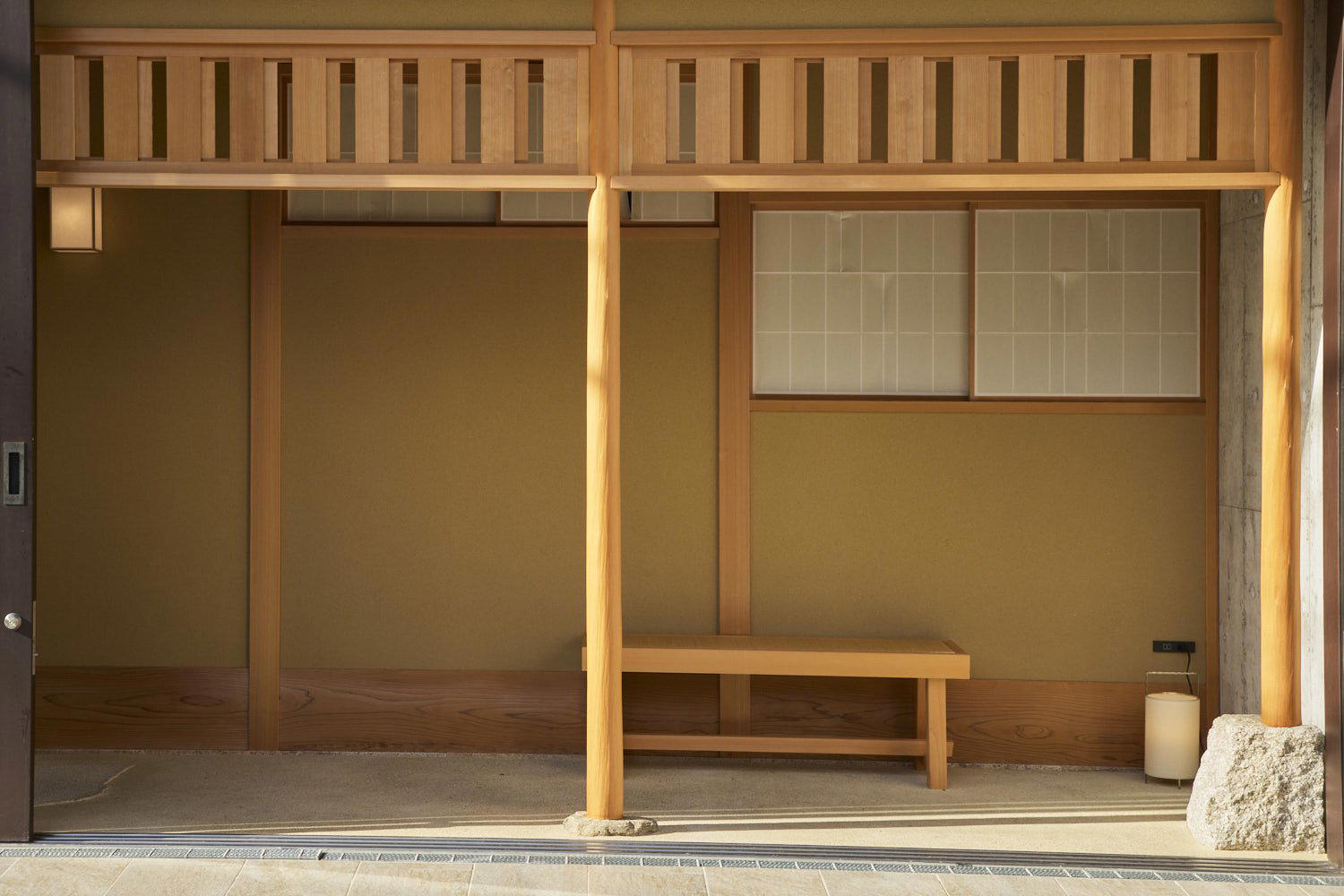
Senpachi
Fukuoka, Japan
A 12-seat hinoki counter in Takasago offering synchronized omakase service with Kyushu fish, strict scheduling, and a no-perfume policy. Tabelog Bronze 2025 and Sushi West 100 recognition after opening in late 2023. Dinner runs JPY 20,000–29,999; lunch offers a lower entry point at JPY 10,000–14,999.
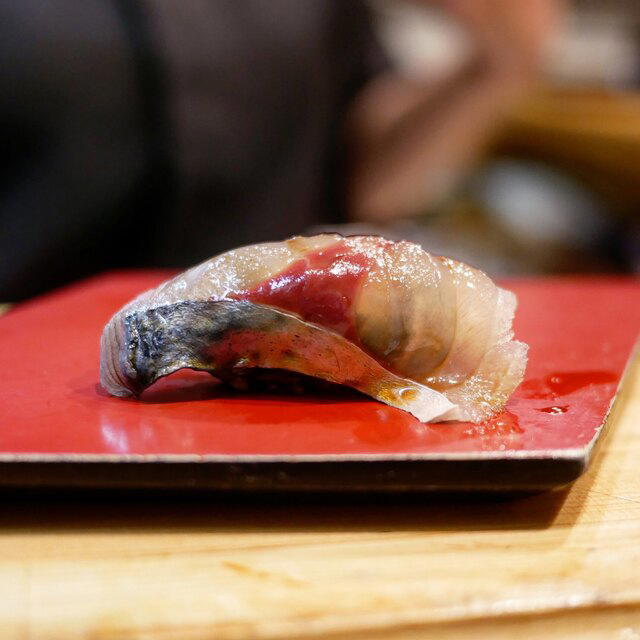
Sumiya
Osaka, Japan
Six-seat omakase counter in Namba delivering two tasting courses (JPY 9,900 and JPY 13,200) with a sake-forward pairing program. Selected for Tabelog 100 Sushi WEST in 2021 and 2025, it operates below Osaka's top-tier omakase price band but above casual sushi formats. Reservation-only, cash-only, and available for full-counter private use.
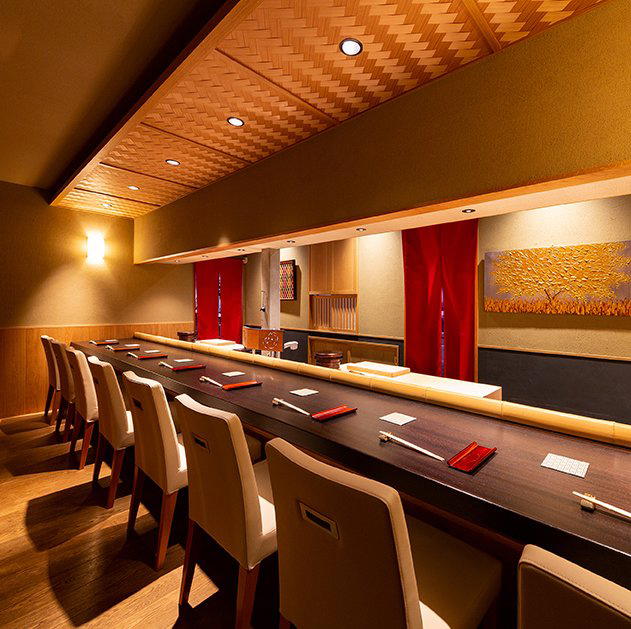
Sushi Karashima
Fukuoka, Japan
Sushi Karashima is Fukuoka's most consistently credentialled omakase counter: a Tabelog Bronze Award winner three years running (2024–2026), ranked #108 in Japan by Opinionated About Dining in 2025, with a 4.23 score. Eight seats, cash-only, dinner-only, and phone reservations required up to one month out. At JPY 60,000–79,999 per person, it delivers serious omakase in an intimate setting.
Toyonaga
Osaka, Japan
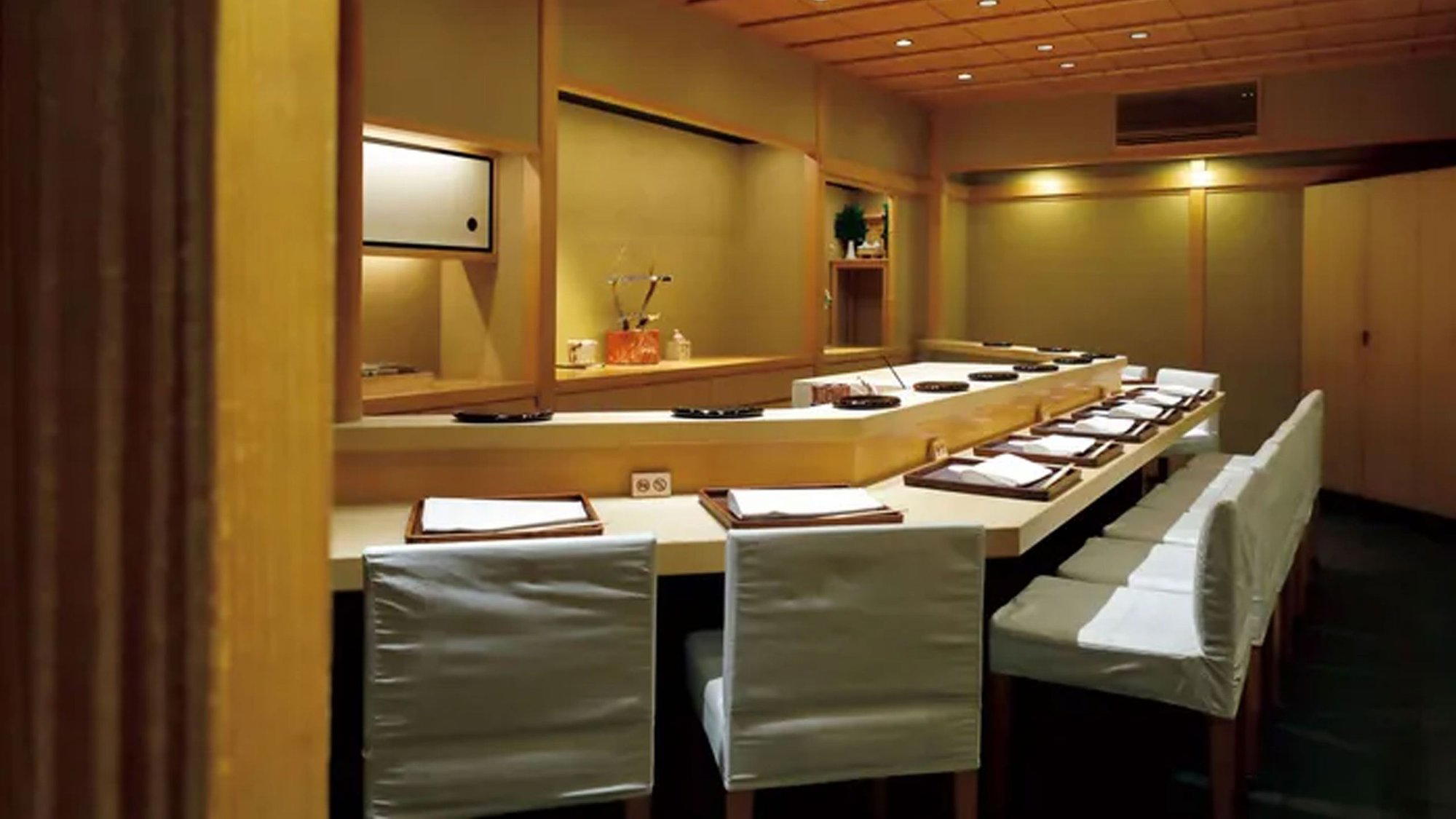
Toyonaga delivers Tabelog Bronze-level omakase at JPY 37,000 in a 10-seat Tenjinbashi counter, open weekdays only with two evening sittings. The sake-focused program and reservation-only format suit serious sushi diners who prioritize technique over flexibility, though weekend closures and no-children policy narrow the audience. Worth booking if you're in Osaka Monday through Friday and want credible counter sushi without hunting for a Michelin star.
Ohata
Osaka, Japan
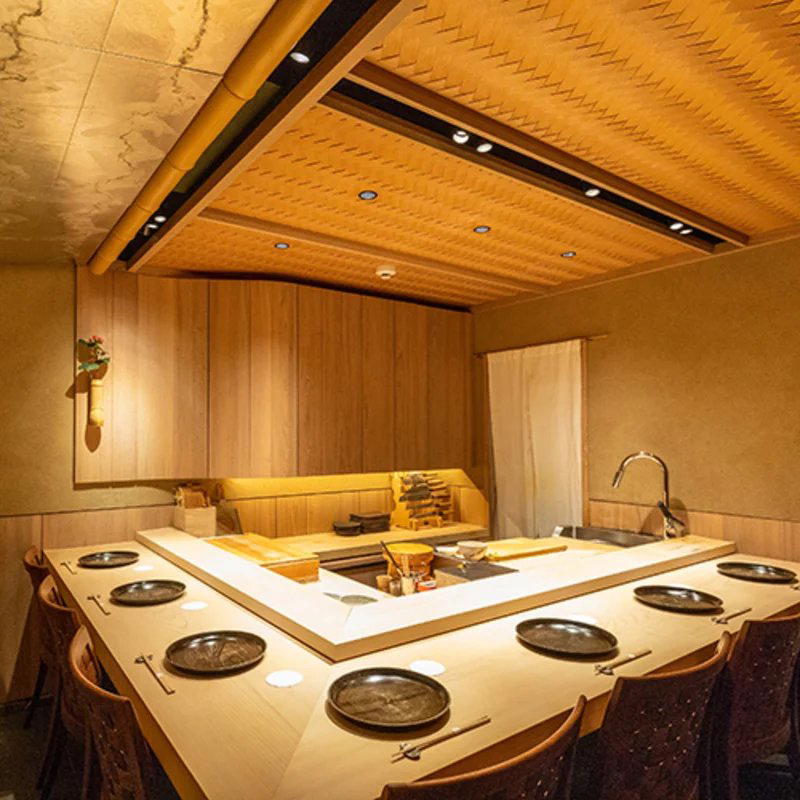
A seven-seat Osaka sushi counter with a decade of consecutive Tabelog Bronze Awards (2017–2026) and a 4.27 score. Ohata's Kansai-style Edomae approach uses three types of shari; red, white, and rosé; matched to seasonal fish. Course-only, evening-only, cash only. Realistic spend JPY 20,000–29,999 per head. Book by phone; no walk-ins.
Sushi Harasho
Osaka, Japan
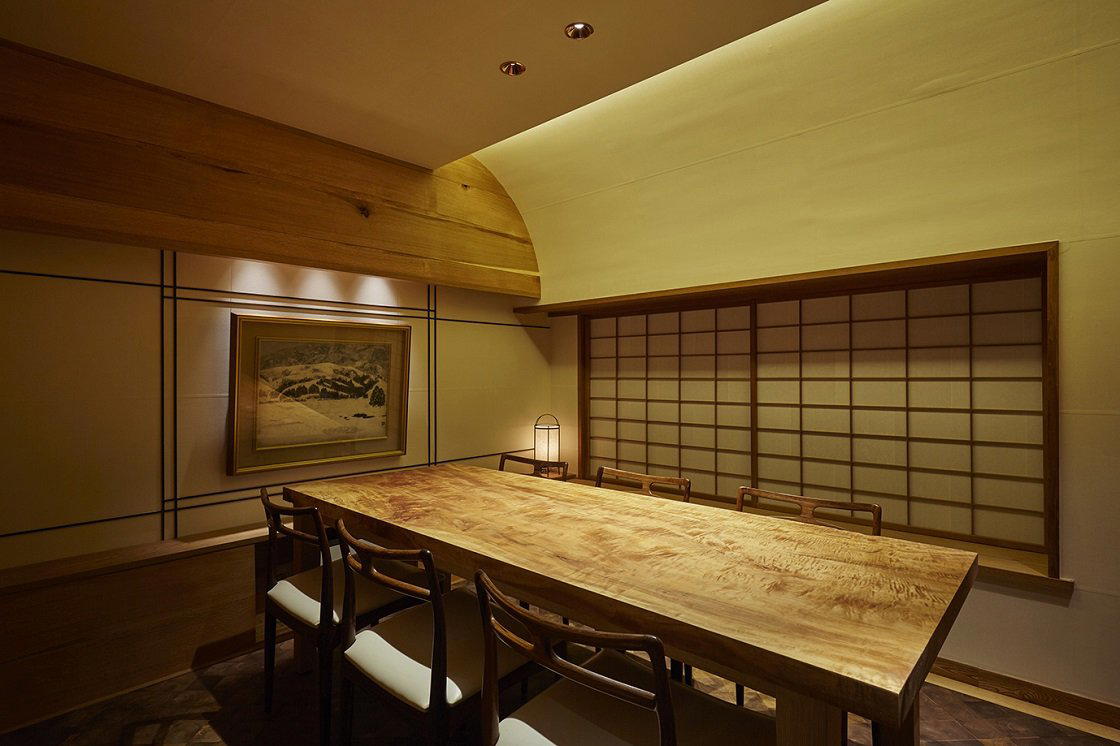
Sushi Harasho holds two Michelin stars and 86 La Liste points for a reason: chef Ko Ishikawa's philosophy of near-zero interference; no sugar in the rice, minimal seasoning; produces sushi of real technical clarity. Booking is near impossible without specialist help, and the quiet tea-house atmosphere makes this a counter for serious, focused dining rather than a celebratory night out.
Takahashi Kentaro
Osaka, Japan
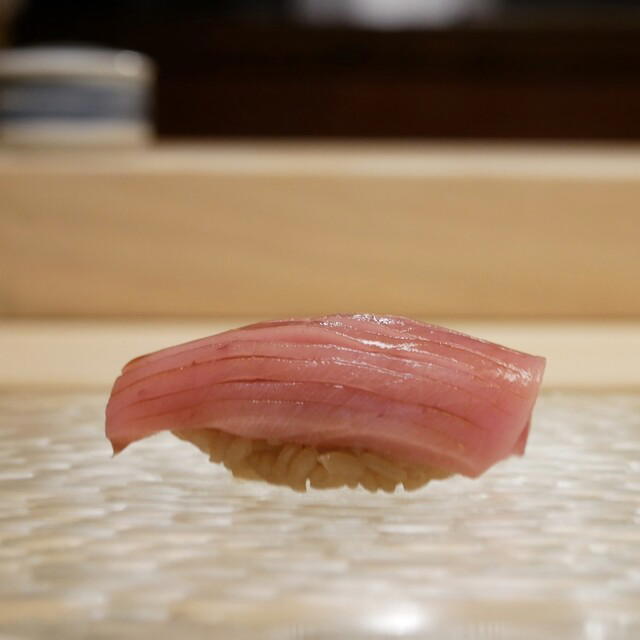
Takahashi Kentaro is a serious Osaka sushi booking for diners who want a focused counter-style meal rather than a flexible night out. The JPY 30,000–39,999 range and Tabelog recognition put it above casual sushi, but below the city's more obvious splurge tier. Choose it for a small group or special meal; skip it for takeout, delivery, or mixed-preference dining.
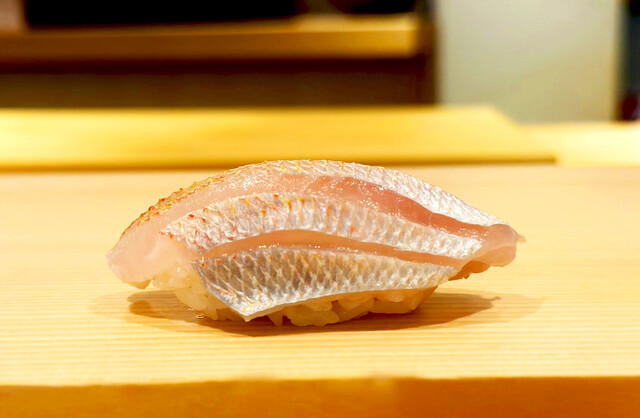
Sushi Shimakawa
Obama, Japan
Sushi Shimakawa in Obama brings Wakasa Bay's catch to a low-key 14-seat counter, earning Tabelog Sushi WEST 100 recognition in 2025 while charging JPY 20,000–29,999 for dinner; less than Kyoto's mid-tier omakase counters. Book the counter for immediate service; private rooms introduce lag. Worth the trip if hyper-local fish matters more than brand-name polish.
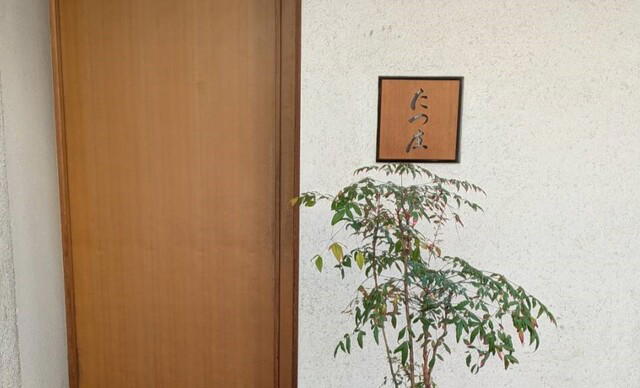
Tatsu Sho
Fukuoka, Japan
Tatsu Sho is a nine-seat counter in Fukuoka's Chūō-ku district, selected for Tabelog 100 Sushi WEST three times. Red-vinegar shari and omakase progression run JPY 10,000–14,999 at lunch, JPY 20,000–29,999 at dinner. The room reads as relaxed rather than formal, and the pace suits solo diners and pairs who prefer counter service without private-room ceremony.
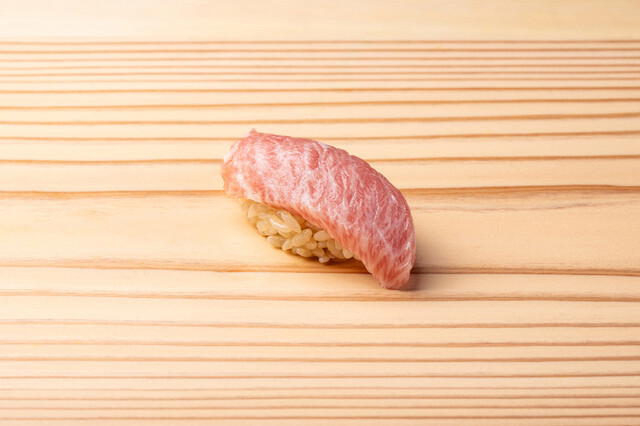
Zaisho
Fukuoka, Japan
Nishinakasu sushi counter with 7 seats, omakase format, and a 2025 Tabelog 100 (Sushi West) nod. Reservations required 2-3 weeks ahead; smart casual, multilingual staff, JPY 20,000–29,999 per head. Easier to book than Tokyo peers, harder than walk-in neighborhood spots.
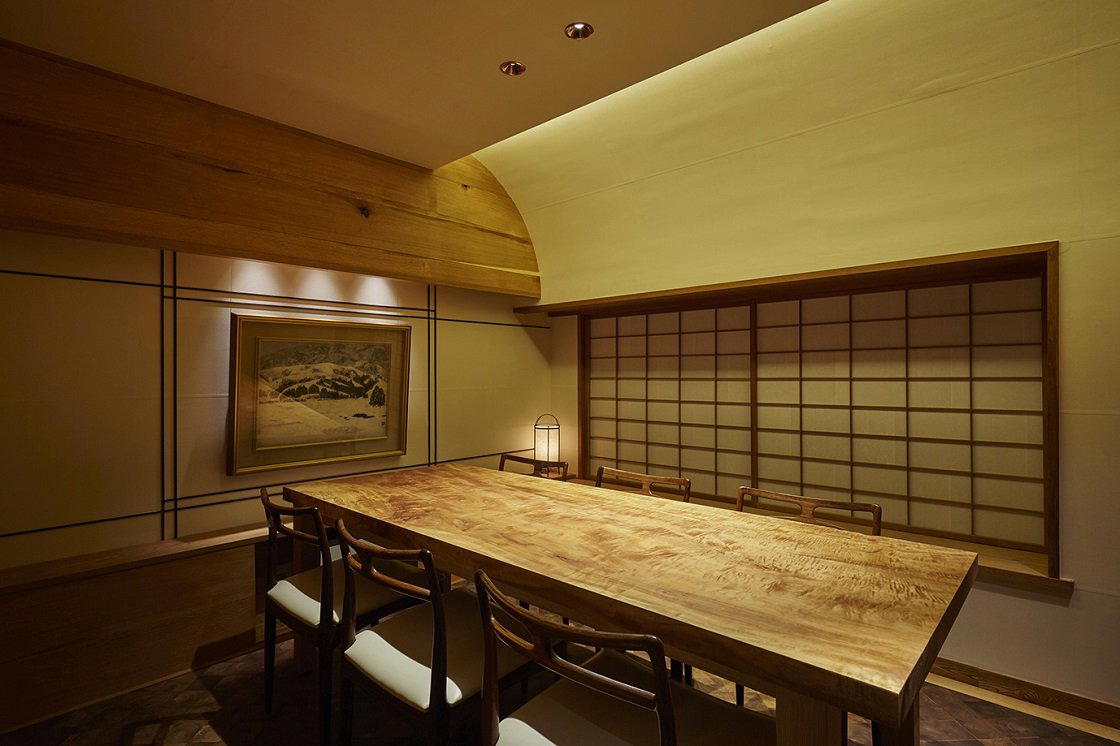
Oryori Kotan
Nara, Japan
A Michelin Plate Japanese restaurant in Nara with a Tabelog score of 4.29 and consecutive award recognition, Oryori Kotan operates at an intimate scale that suits a celebratory dinner over a casual meal. Budget JPY 20,000–39,999 per person, book ahead by phone, and arrive on time; the course format is unforgiving of late starts. One of Nara's stronger cases for a serious sit-down meal.
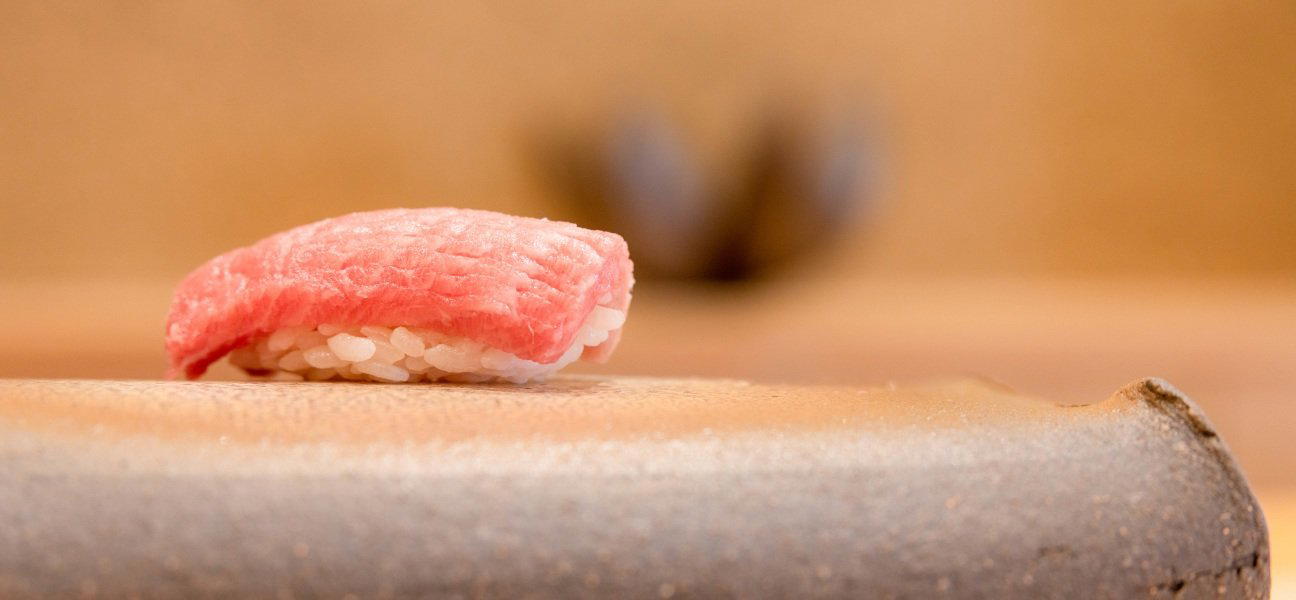
すし うえだ
Kobe, Japan
A practical Kobe sushi option for diners who want an easy central booking rather than a trophy meal. Lunch is the safer first choice; dinner works if sushi is the main plan. Compare against ESPICE or El Raco Den Takeuchi for higher-budget occasions, and L'AVENUE if the day calls for a lighter stop.
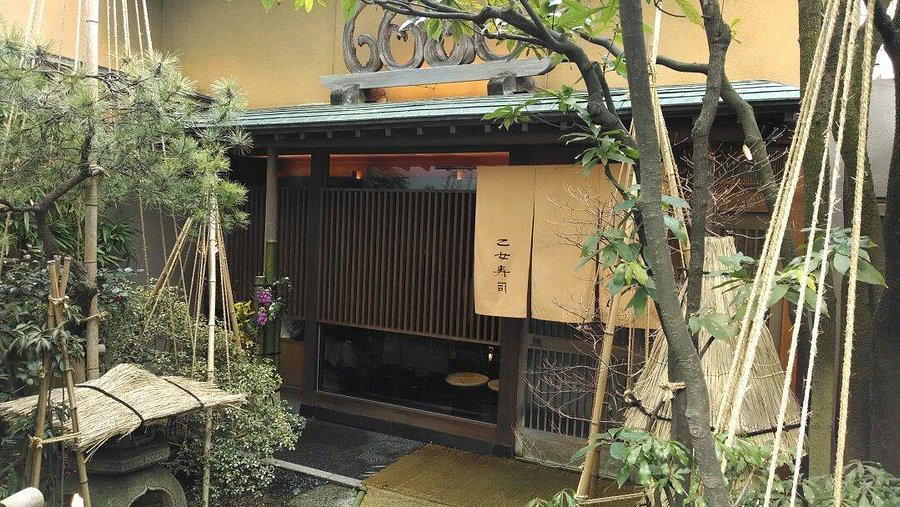
Otomezushi
Ishikawa, Japan
Otomezushi is Kanazawa's most consistently decorated sushi counter, holding Tabelog Bronze recognition every year from 2017 through 2026 and a national ranking inside Japan's top 220 restaurants. At JPY 20,000–29,999 per head, it delivers strong value for a special occasion meal; the 17-seat room with counter and tatami options suits everything from solo dining to intimate celebrations. Book up to two months ahead; reservation is required.
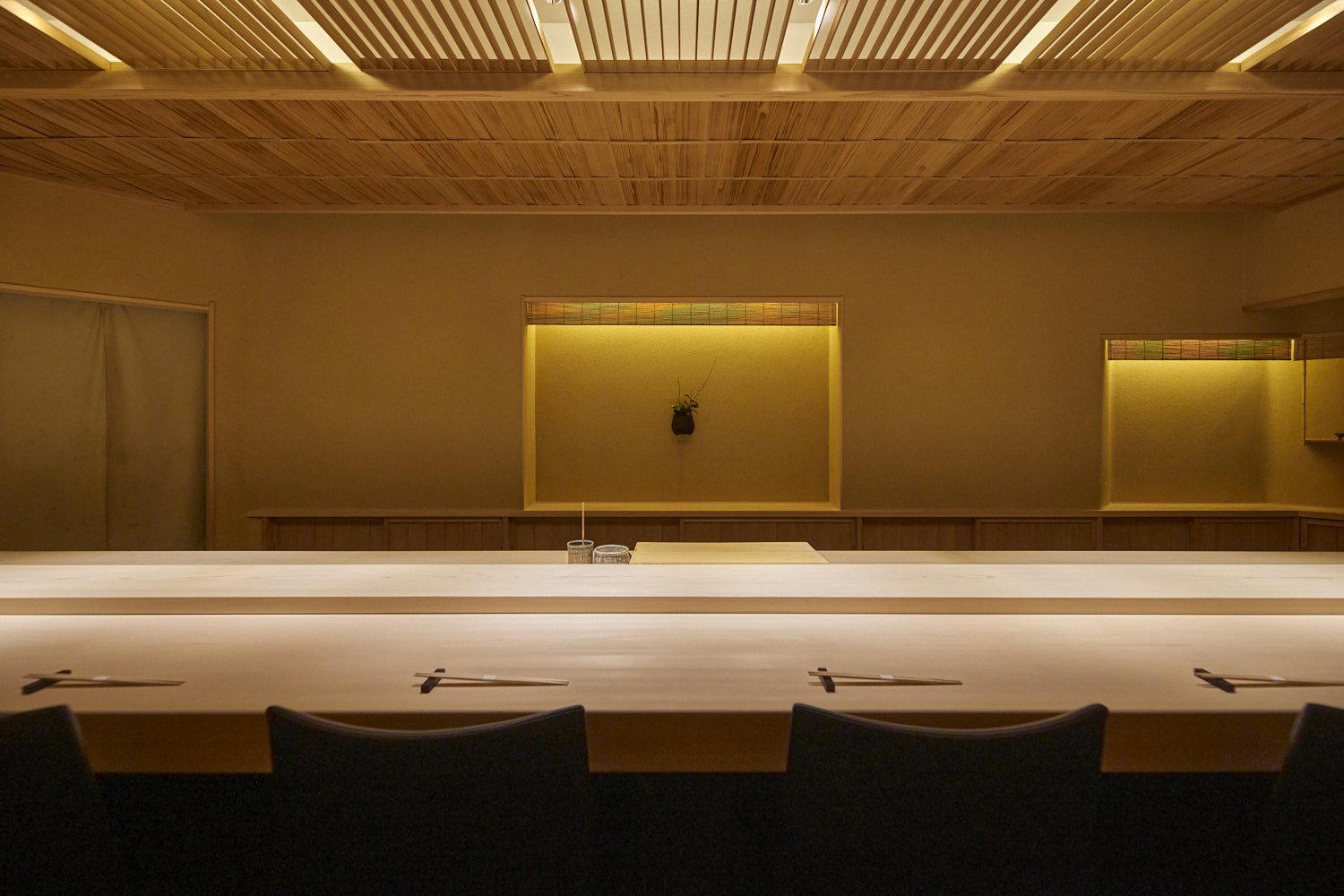
Kurumasushi
Matsuyama, Japan
A Tabelog Silver Award 2026 8-seat omakase counter in Matsuyama's Ichibancho district, running two dinner seatings nightly (17:00 and 19:30) at JPY 30,000–39,999. Reservations via OMAKASE platform only, with strict cancellation policy and no-perfume rule. Worth the premium if technical sushi is the priority and the format aligns.
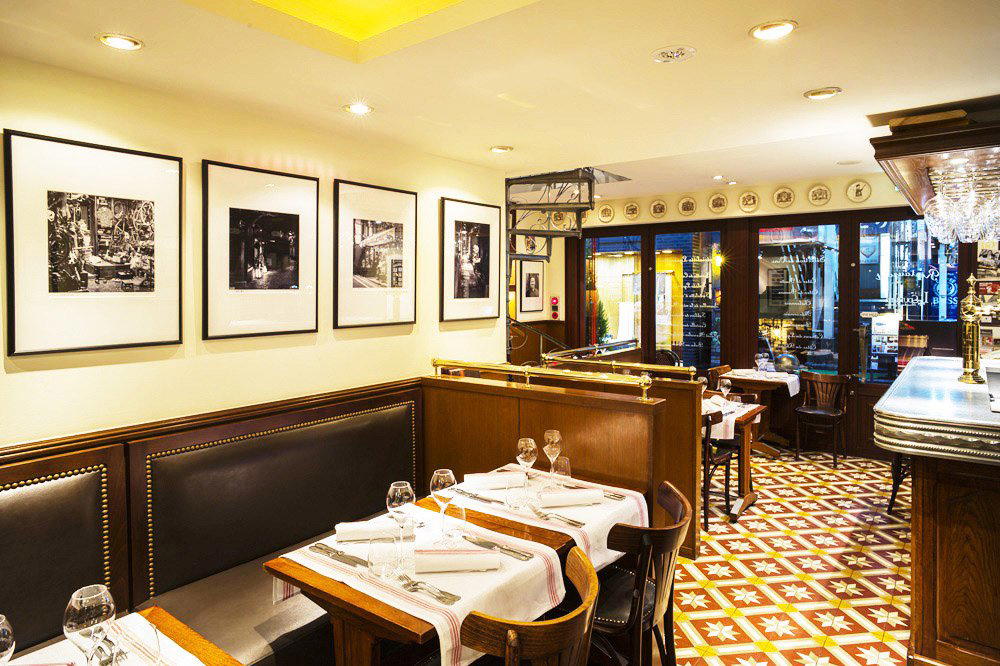
Sushi Matsumoto
Kyoto, Japan
An Edo-style sushi counter in Kyoto's Gion district, Sushi Matsumoto makes its priorities clear from the single character on its noren: sushi, done according to strict Tokyo tradition. Red-vinegar rice, salt-concentrated fish, and a walk-in policy set it apart from Kyoto's kaiseki-dominated dining scene. Book if you want focused nigirizushi over a multi-course experience.
Sushi Katsu
Naruto, Japan
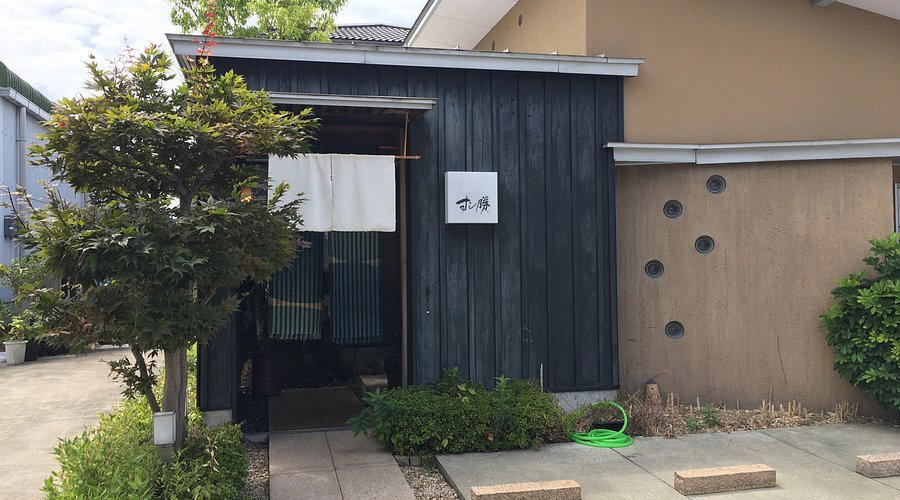
A fish-focused sushi counter in a residential Naruto setting, awarded Tabelog 100 Sushi WEST in 2025. The 10-seat omakase rotates seasonally, pricing JPY 10,000–14,999 per head with cash-only payment. Book 2–3 weeks ahead for lunch; weekday evenings offer better availability. Worth the detour for diners prioritizing catch quality over formal service.
Sushi Nakagawa
Takamatsu, Japan
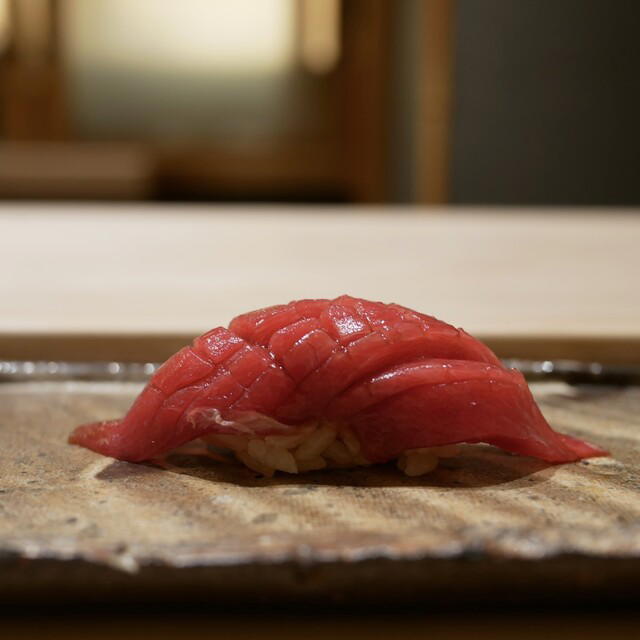
Takamatsu's Tabelog 100 sushi counter delivers omakase precision at JPY 20,000–29,999, with private rooms for two to six and a sake program that extends beyond Kagawa standards. The counter seats offer direct chef interaction; private rooms suit occasions needing walls and pacing control. Book three weeks ahead for weekends; Sunday and Monday evenings offer the most flexibility.
Hitotsu
Miyazaki, Japan
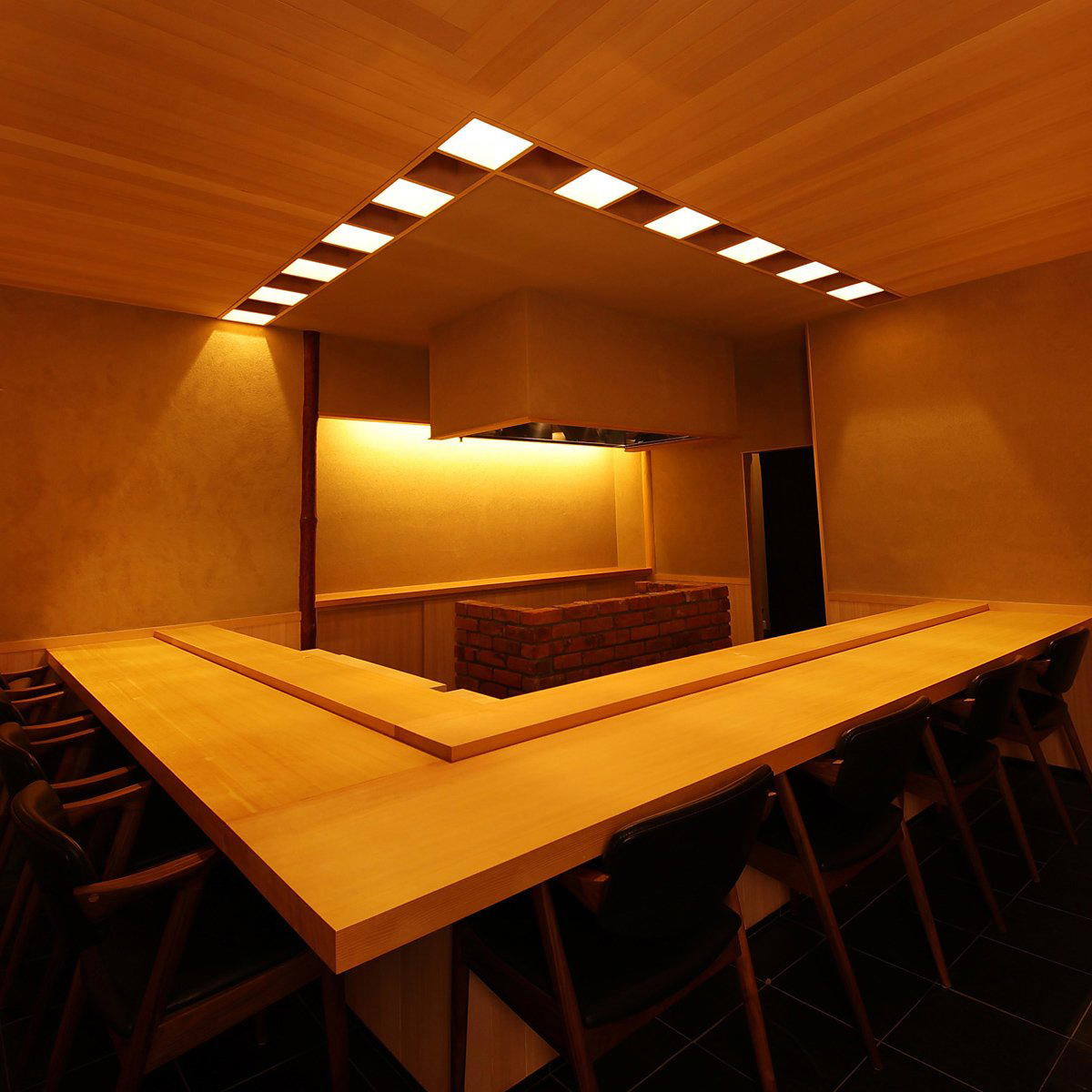
Hitotsu is Miyazaki's strongest case for counter sushi outside Japan's main cities: four consecutive Tabelog Bronze awards (2023–2026), a Tabelog score of 4.09, and 10 counter seats priced at JPY 15,000–19,999 per head. Easier to book than Tokyo equivalents and anchored in Kyushu's local seafood sourcing, it is worth a specific trip for a serious dinner or special occasion.
Yushin
Miyazaki, Japan
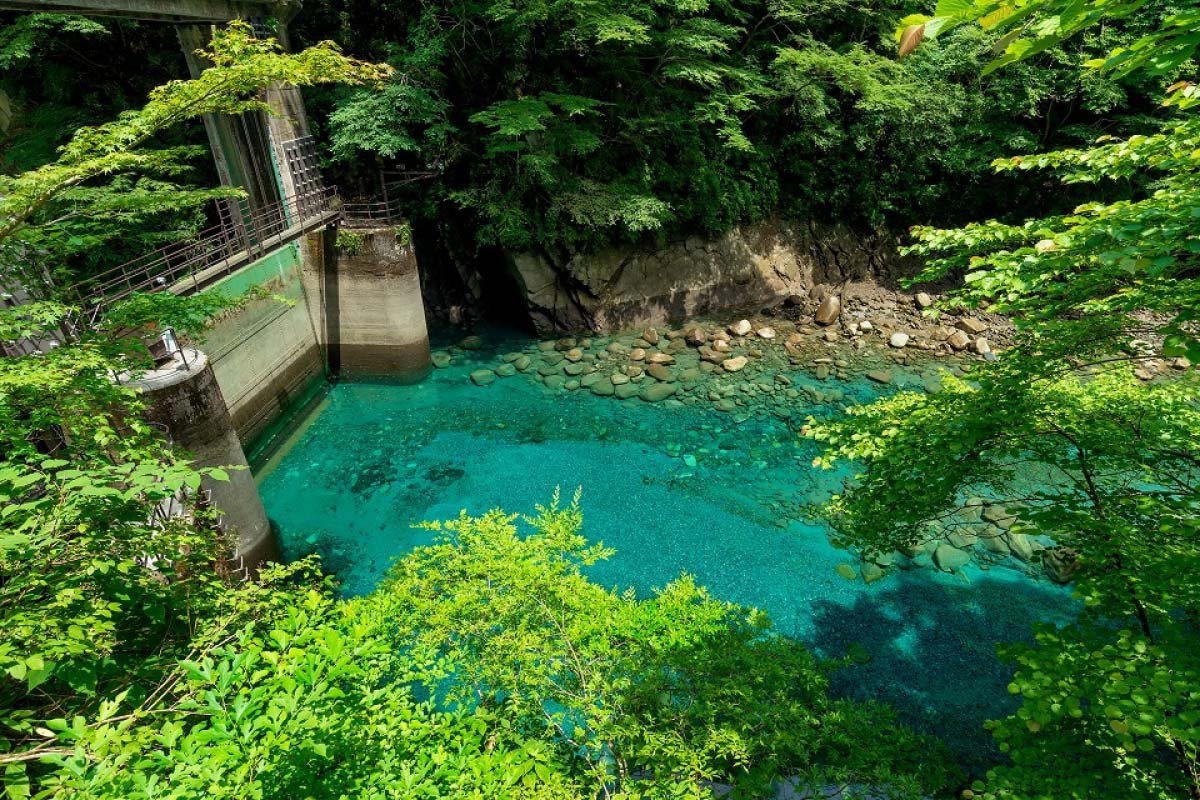
Ocean-view sushi in a house restaurant south of Miyazaki city, recognized in Tabelog 100 for technical craft and local fish. Private rooms available, cash-only, closed Wednesday and Thursday. Lunch offers better value at ¥6,000–¥8,000; dinner runs ¥10,000–¥15,000.
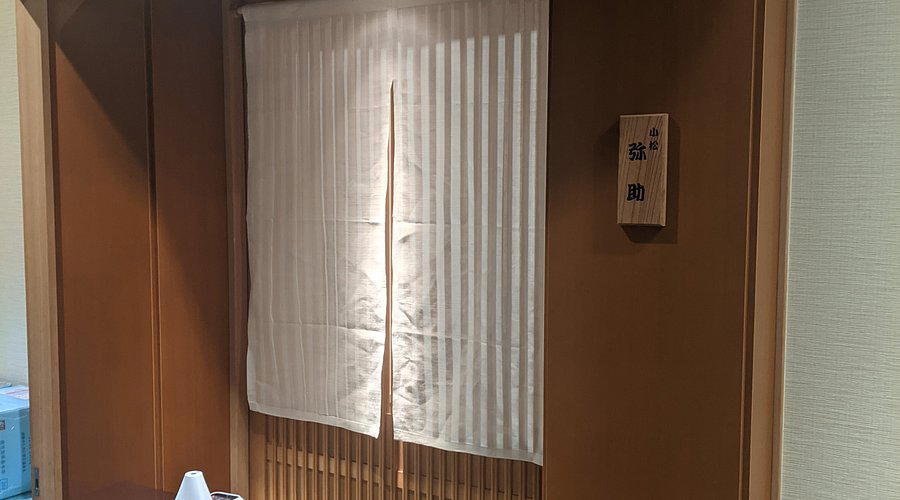
Komatsu Yasuke
Ishikawa, Japan
Komatsu Yasuke is one of Kanazawa's most decorated sushi counters, holding a Tabelog score of 4.29 and eight consecutive years of national award recognition. Lunch-only with three sittings daily (closed Wednesday and Thursday), it operates 18 seats near Kanazawa Station at JPY 10,000–14,999 listed, though reviewers report spending closer to JPY 30,000–39,999 with sake. Book by phone; counter seats are the priority request.
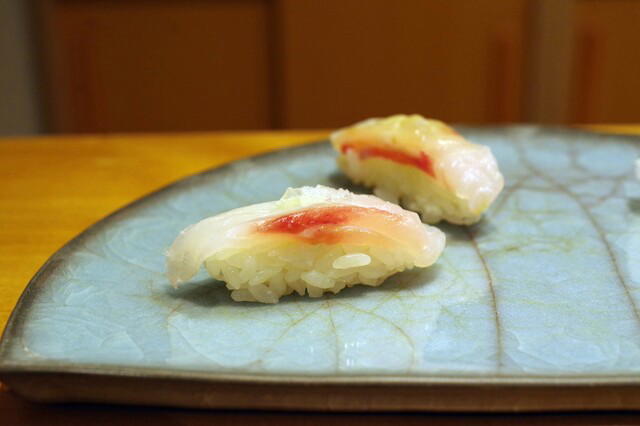
Tobi
Kanazawa, Japan
Chef Takashi Tobi's Tabelog 100 sushi counter in Kanazawa delivers Hokuriku fish quality with a sake-first pairing approach at JPY 15,000–29,999. The compact nine-seat space suits solo diners and couples seeking regional omakase outside Tokyo's booking frenzy, though lunch offers better value than dinner. Book two to three weeks ahead for weekends; weekday midday slots occasionally open for walk-ins.
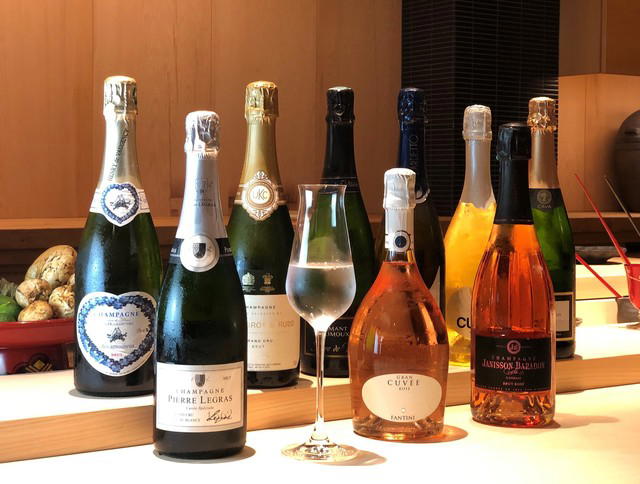
Sushi Kawanaka
Matsuyama, Japan
An eight-seat Edomae sushi counter in Matsuyama that earned Tabelog 100 - Sushi - WEST recognition for meticulous fish sourcing and traditional technique. Dinner omakase runs JPY 15,000–19,999, with a phone-only reservation system and strict cancellation terms that suit special occasions more than casual visits.
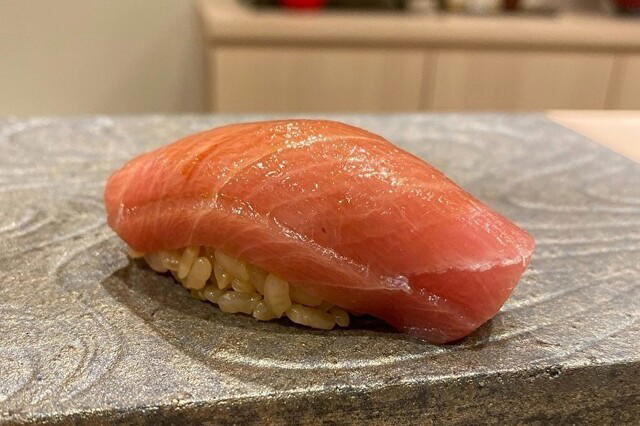
Sushi Akazu
Osaka, Japan
Eight-seat counter serving red-vinegar sushi in Osaka's Kitashinchi basement. ¥20,000–29,999 per head for omakase, with Tabelog Sushi WEST 100 recognition. Children welcomed but space suits solo diners and explorers over formal business meals. Reservations required.
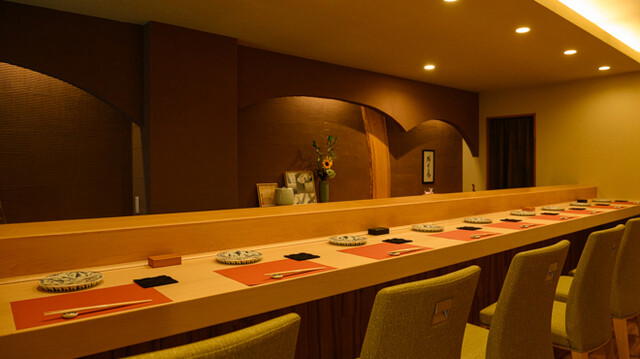
Sushi Soejima
Fukuoka, Japan
An eight-seat sushi counter in Fukuoka's Minoshima district delivering traditional edomae omakase at JPY 20,000–29,999. Recognized in Tabelog's Sushi WEST 100 selection for 2022 and 2025, it emphasizes seasonal Kyushu fish, red vinegar shari, and a curated sake and shochu program. Book three weeks ahead for weekend slots; weeknights offer easier access.
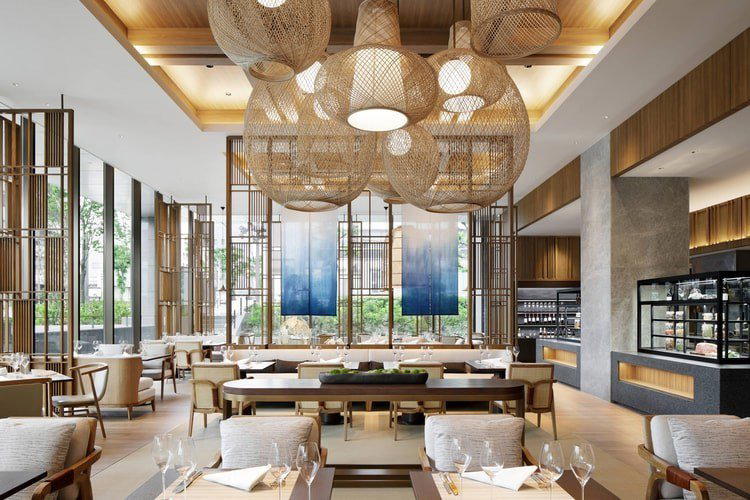
Sushi Hijiri
Fukushima, Japan
A 12-seat sushi counter in Fukushima-ku delivering Yama Ko tuna and 12-year aged balsamic rice at JPY 20,000-29,999. Tabelog 100 WEST 2025 recognition confirms consistent execution, but Instagram-only booking and no walk-in availability require advance planning for every visit.
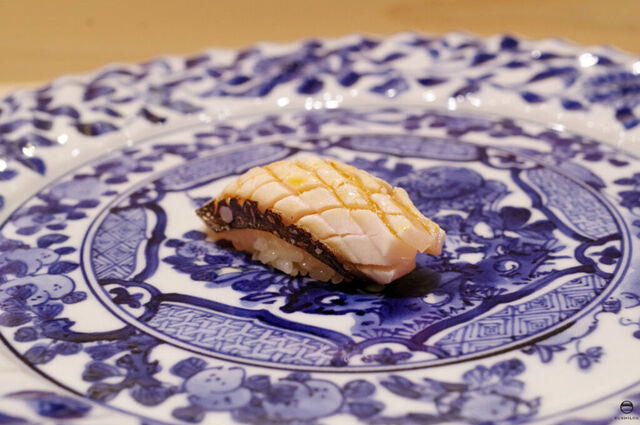
Sushi-ya Kozakura
Kanazawa, Japan
Eight-seat sushi counter three minutes from Kanazawa Station, holding Tabelog Sushi WEST "Tabelog 100" status since 2021. Dinner runs JPY 20,000 to JPY 29,999, lunch JPY 10,000 to JPY 14,999. Reservation-only, adults-only policy keeps the room focused. Best for solo diners or pairs prioritizing fish quality and station proximity over destination ambiance.
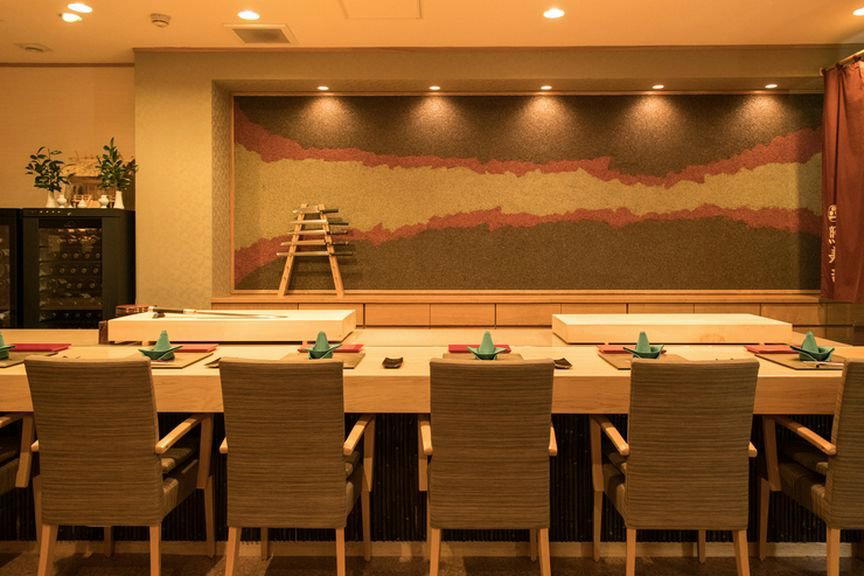
Teruzushi
Kitakyushu, Japan
Teruzushi is a ten-seat omakase counter in Kitakyushu's Tobata Ward, recognised with consecutive Tabelog Bronze awards from 2019 through 2026 and three Sushi WEST Top 100 selections. Chef Takayoshi Watanabe runs one of western Japan's most consistently decorated sushi counters at JPY 40,000–49,999 per head. Reservation-only, with a serious sake and wine program; worth the trip from Fukuoka.
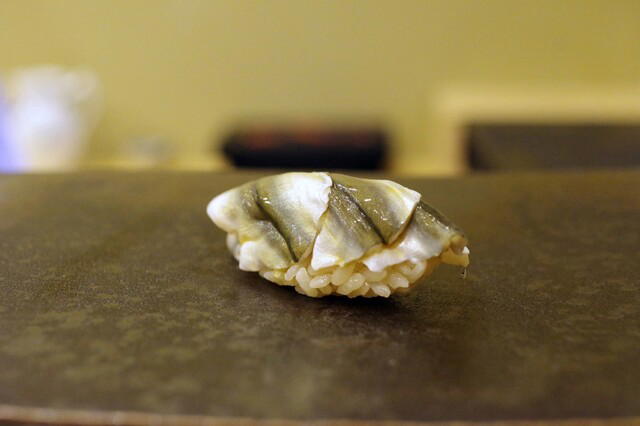
Sushi Gishin
Wakayama, Japan
A six-seat omakase sushi counter in Wakayama recognized in Tabelog's 2025 Sushi WEST 100. Dinner runs JPY 30,000–39,999 with a sake-forward pairing focus, narrow evening hours (Monday–Saturday 6–9 PM), and Instagram-only reservations. The small format and regional acclaim make it worth the booking effort if you are already in Wakayama, but the seat scarcity and location mean advance planning is non-negotiable.
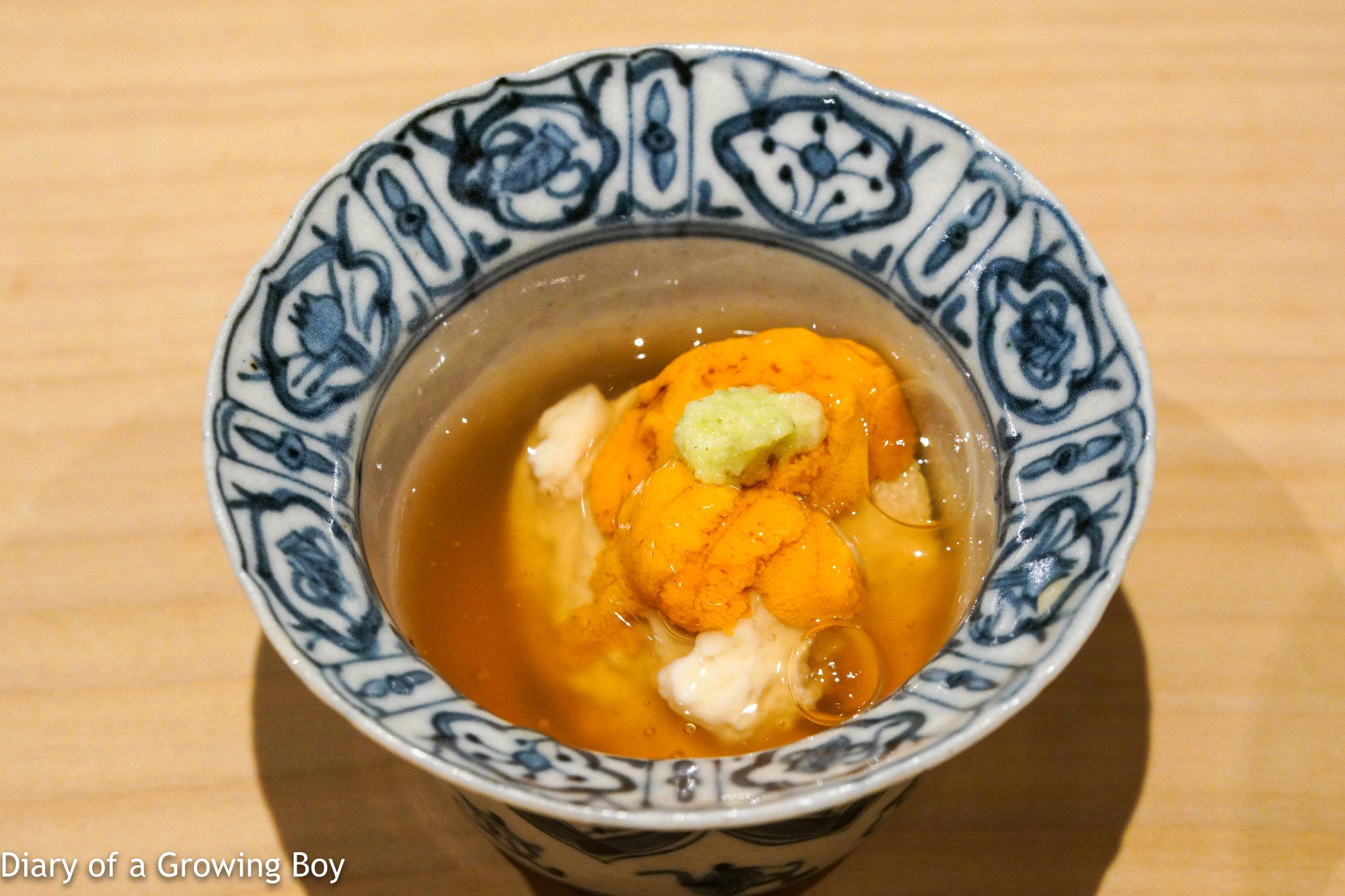
Tsubasa
Kitakyushu, Japan
Tsubasa is Kitakyushu's most consistently recognised sushi counter, holding Tabelog Bronze Awards in 2019, 2020, 2025, and 2026 and named to the Tabelog Sushi WEST Top 100 three times. With just 8 seats at dinner and a JPY 20,000–29,999 price point, it is the right call for a focused special occasion meal. Book via Pocket Concierge; closed Tuesdays and Wednesdays.
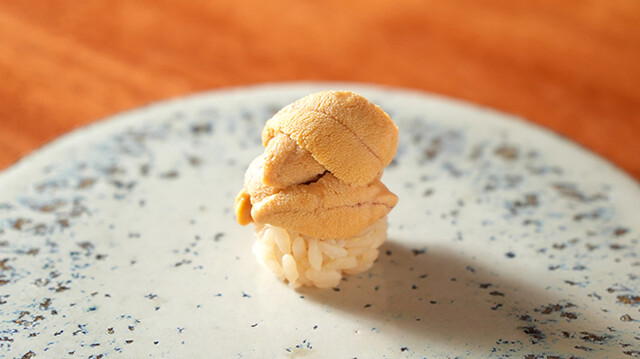
Sushi Asauumi
Kitakyushu, Japan
A six-seat sushi counter in Uomachi recognized by Tabelog 100 - Sushi - WEST for 2022 and 2025, delivering fish-forward omakase at JPY 20,000–29,999 for dinner. The format is counter-only with sake and shochu pairings, BYOB wine permitted at JPY 3,000 corkage, and advance reservations required given the tight capacity.
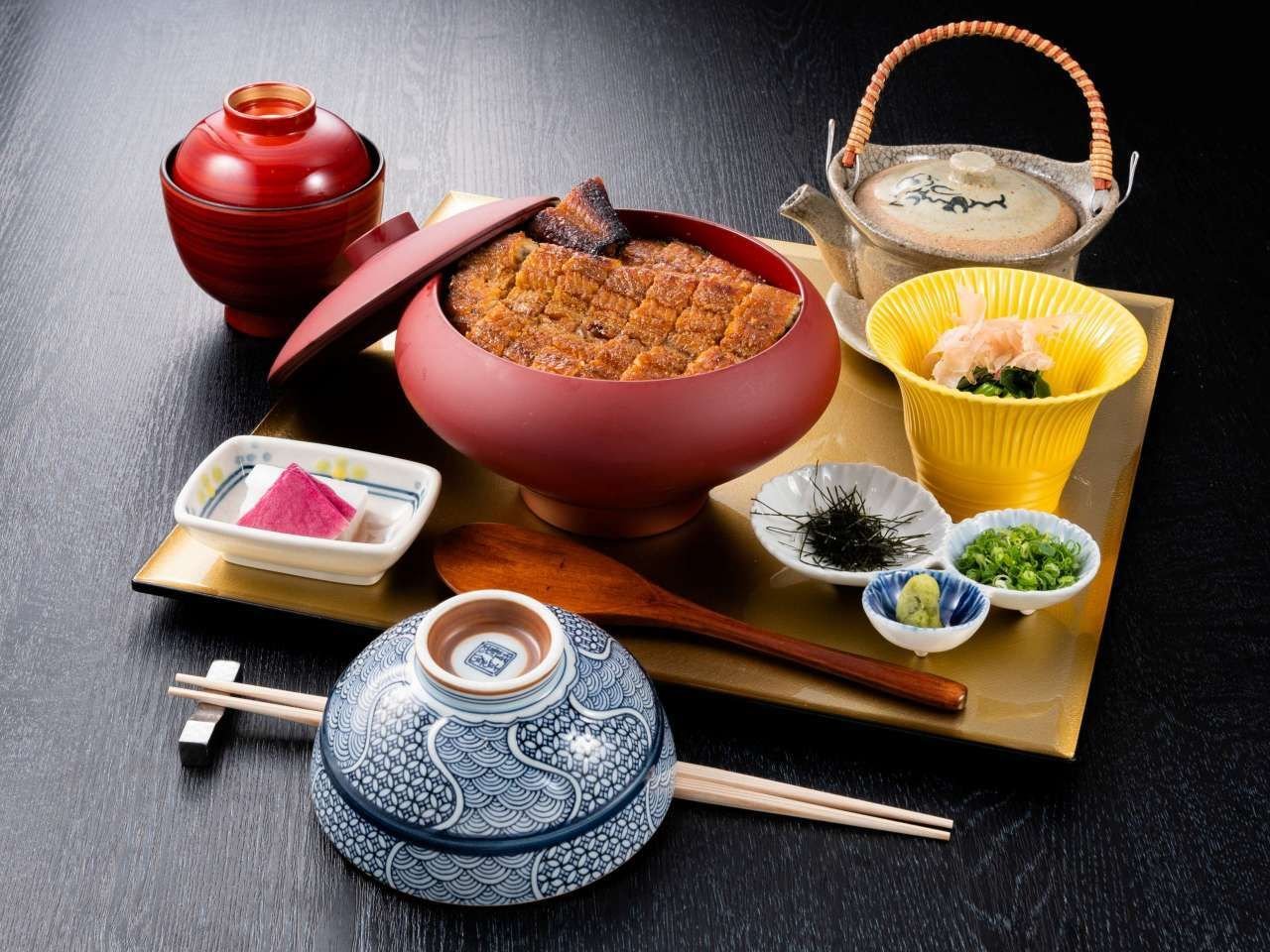
Shizuku
Osaka, Japan
Sushi Shizuku is a ten-seat counter in Osaka's Higashi-Shinsaibashi district, holding Tabelog Bronze awards for both 2025 and 2026 and appearing on the Sushi WEST Top 100 three times. Dinner runs JPY 20,000–29,999, with two sittings nightly and easy booking relative to comparably recognised Osaka venues. The counter seats are the best option for solo diners and pairs wanting a full omakase progression.
en
Kyoto, Japan
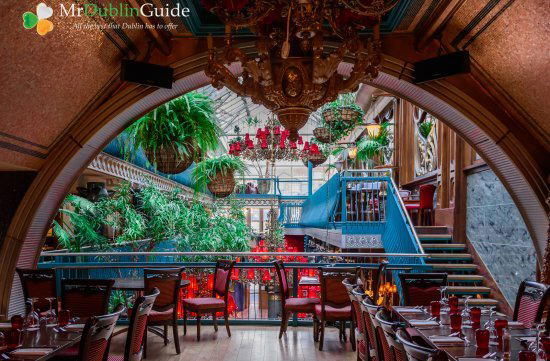
En is a Tabelog Bronze Award winner (2019–2026) and Michelin Plate recipient in Kyoto's Minami Ward, with an eight-seat counter running a single-turn sushi omakase at JPY 30,000–39,999 per head. Consistent critical recognition across the Tabelog Sushi WEST Top 100 makes it the right call for a special occasion sushi dinner in Kyoto when counter format matters more to you than kaiseki tradition.
Sushi Taito
Kumamoto, Japan
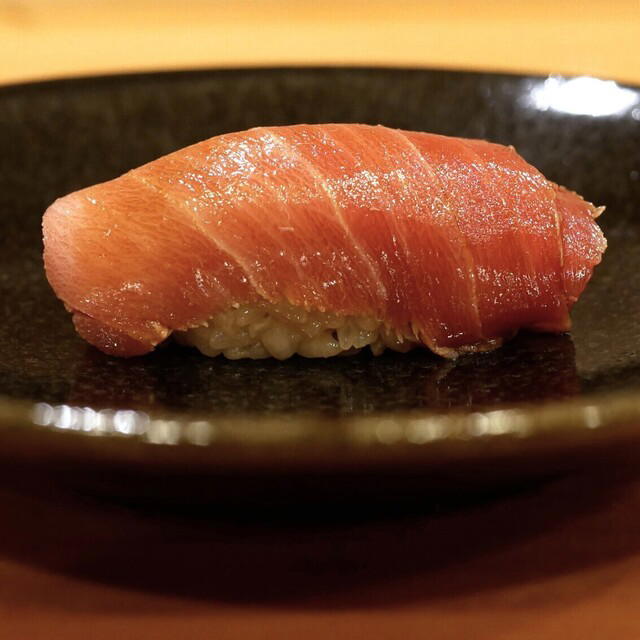
Tabelog Award 2026 Bronze counter in Amakusa, 90 minutes from Kumamoto city, with omakase service built around local fish. Lunch runs JPY 10,000–14,999, dinner JPY 20,000–29,999. Cash only. Five-seat hinoki counter plus tatami room for groups. Worth the drive if you want regional sushi technique closer to the source.
Meizan Kimiya
Kagoshima, Japan
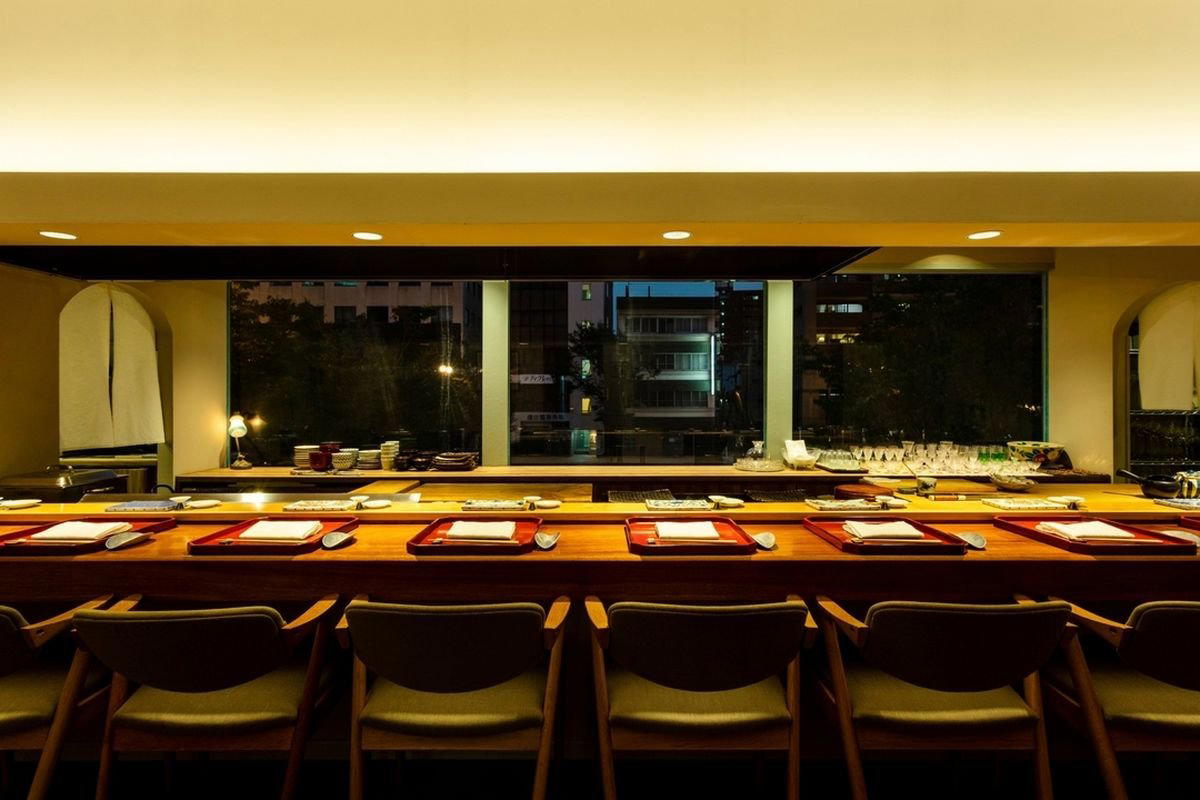
Meizan Kimiya is Kagoshima's most decorated sushi counter, holding a Tabelog 4.24 score, a 2026 Bronze Award, and a place on the Tabelog Sushi WEST Top 100. Dinner runs JPY 30,000–39,999 per head across a ten-seat counter. Book ahead; reservation-only, strict cancellation policy, and the drinks program (sake, shochu, wine) is strong enough to anchor a full celebration meal.
Sushi Kibatani
Kanazawa, Japan
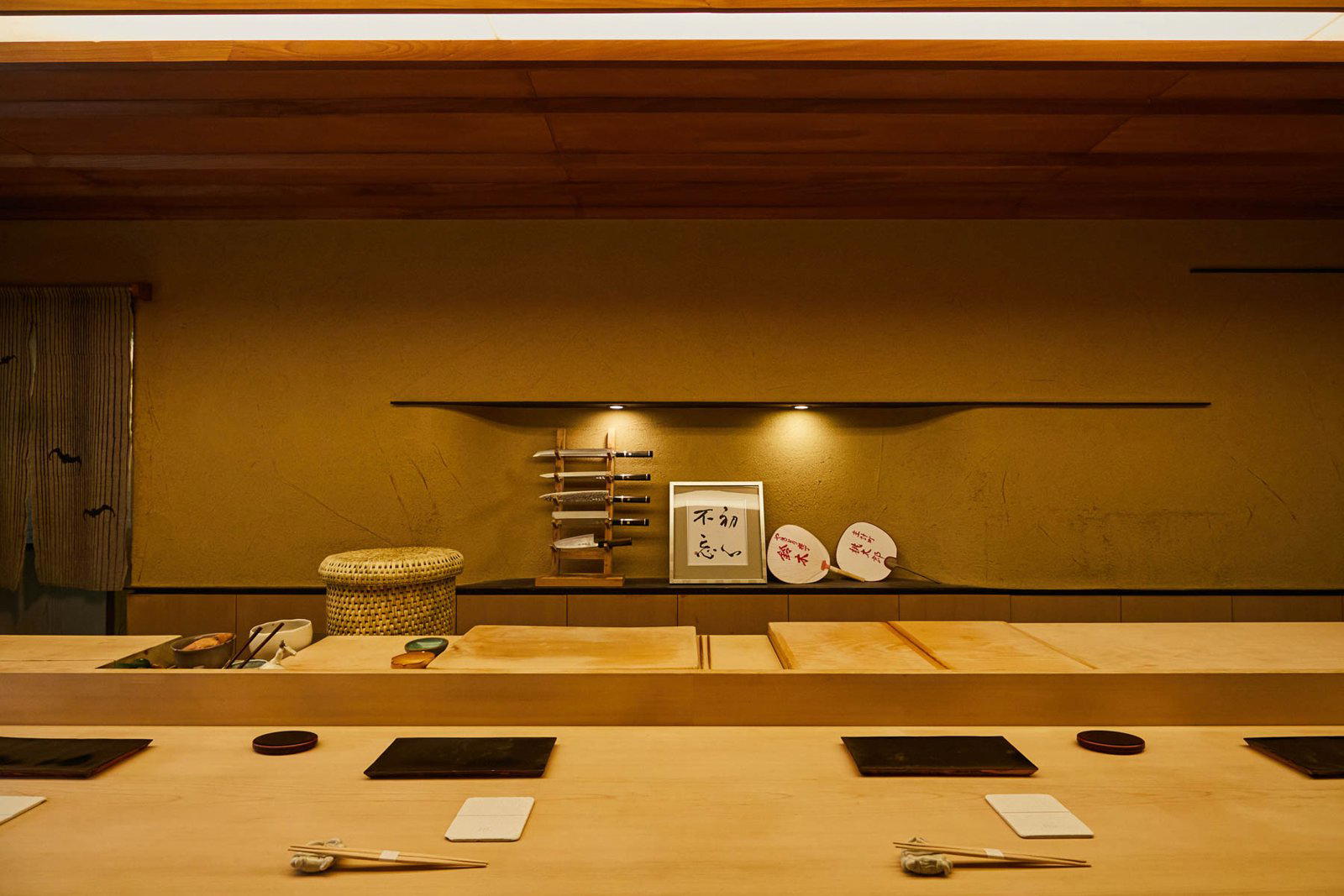
Sushi Kibatani is an eight-seat omakase counter in Kanazawa that has held the Tabelog Bronze Award five consecutive years (2020–2026) and appeared on the Tabelog Sushi WEST Top 100 twice. Dinner runs JPY 30,000–39,999 per head. The menu tracks Sea of Japan seasonal fish, so winter and spring visits deliver genuinely different meals; making it worth returning to.
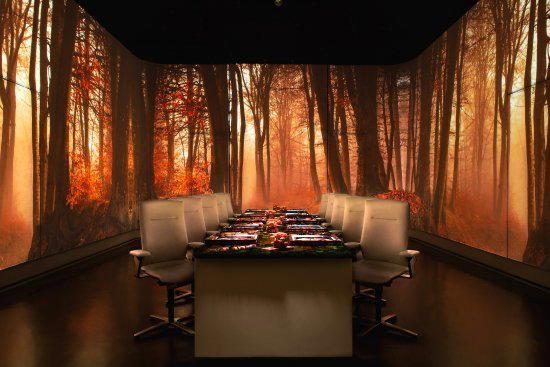
Tenzushi Kyomachi
Fukuoka, Japan
Tenzushi Kyomachi is a six-seat counter in Kitakyushu ranked #3 in all of Japan by Opinionated About Dining (2025) and a Tabelog Gold winner for eight consecutive years. Expect to spend JPY 50,000–59,999 per head for chef Isao Amano's Kyushu-mae sushi with kaiseki-influenced construction. Book well in advance; capacity is tiny and the national reputation fills seats fast.
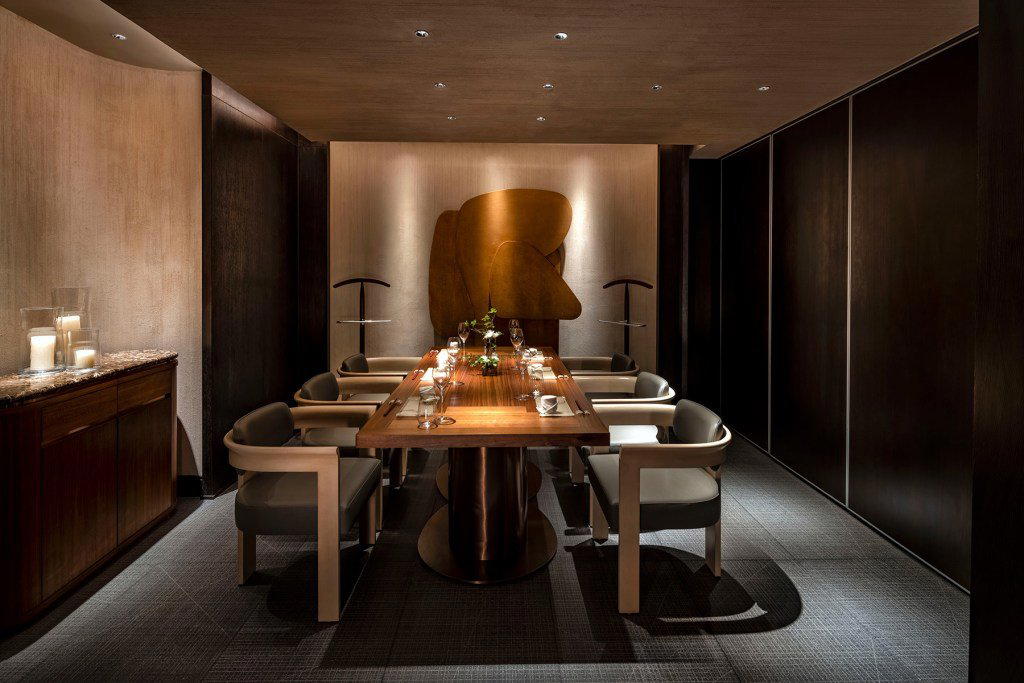
Ishigaki Yoshida
Tokyo, Japan
A 9-seat teppanyaki counter in Azabujuban with a Tabelog 4.11 score and Bronze Award recognition from 2017 through 2026. Dinner runs JPY 20,000–39,999 per person. More intimate and fish-focused than Ukai-tei; reservations are available and booking is straightforward. The right choice if you want close-proximity counter cooking over a larger theatrical room.
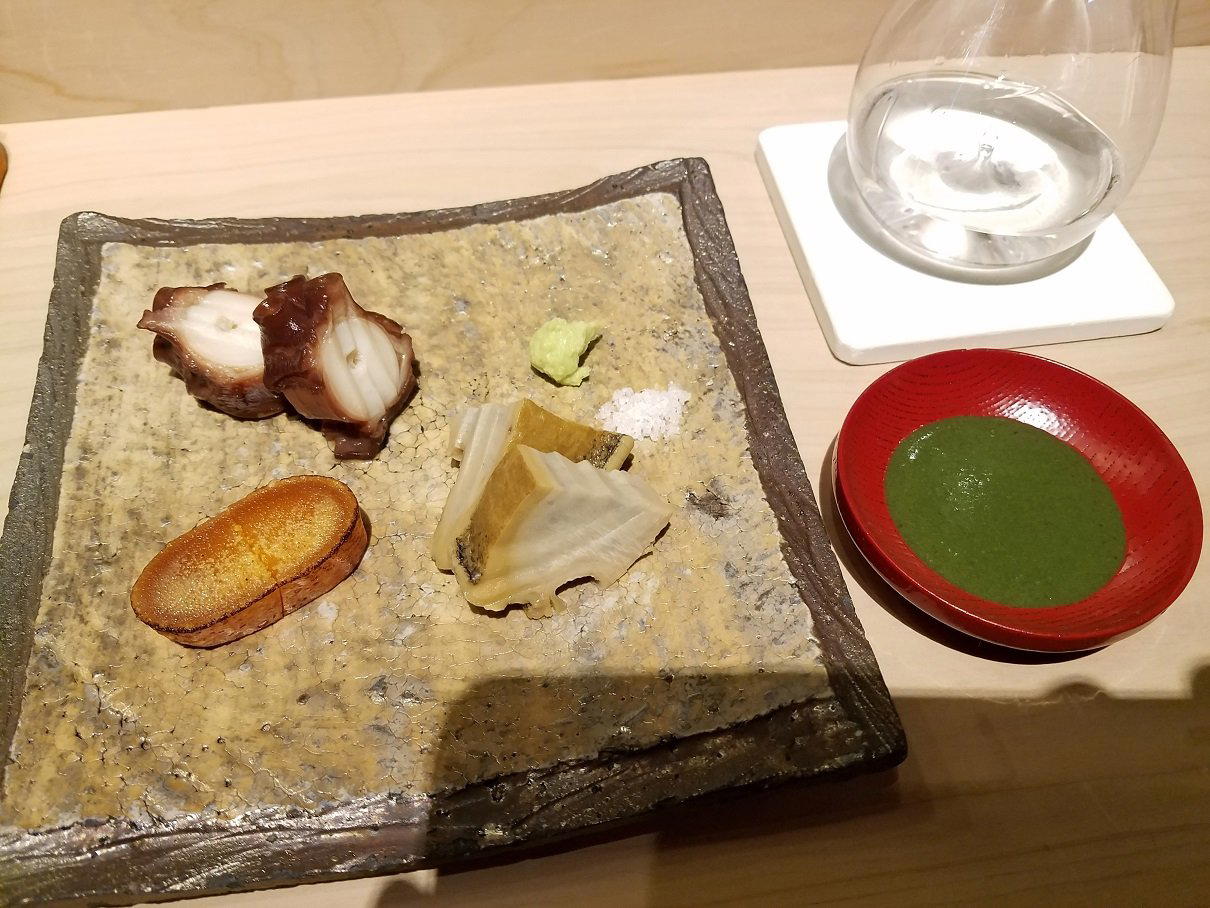
Ino
Matsuyama, Japan
Sushi Ino is Matsuyama's most decorated sushi counter, holding Tabelog Bronze in both 2025 and 2026 with a 4.19 score. The 10-seat Edo-style counter focuses on Ehime's local fish and sake. Dinner runs JPY 20,000–29,999 per person; lunch is available at roughly half the price, reservation-only and cash only. Booking is straightforward; book early and honour the strict cancellation policy.
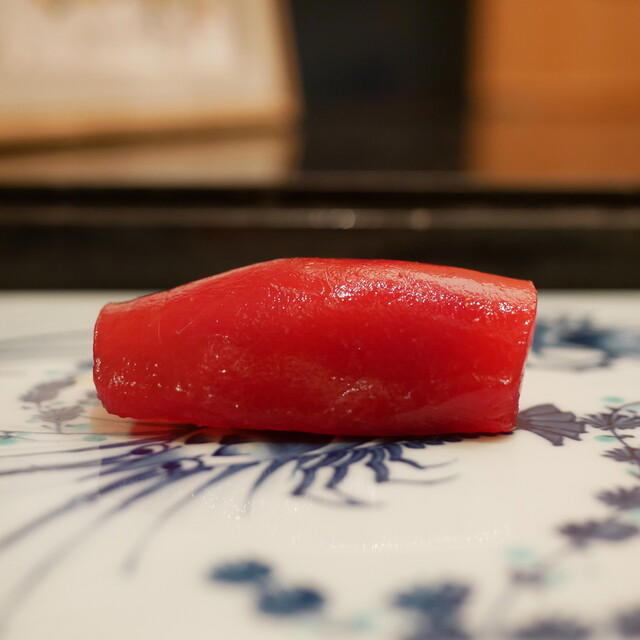
Sushi Noguchi
Osaka, Japan
A 12-seat omakase counter in Kitashinchi with Tabelog 100 Sushi WEST recognition (2021, 2022, 2025). Dinner runs JPY 30,000–39,999, fish-driven rather than theatrical, with sake pairing as the drink anchor. Counter-only format suits solo diners and pairs; groups can book a full buyout for private use.
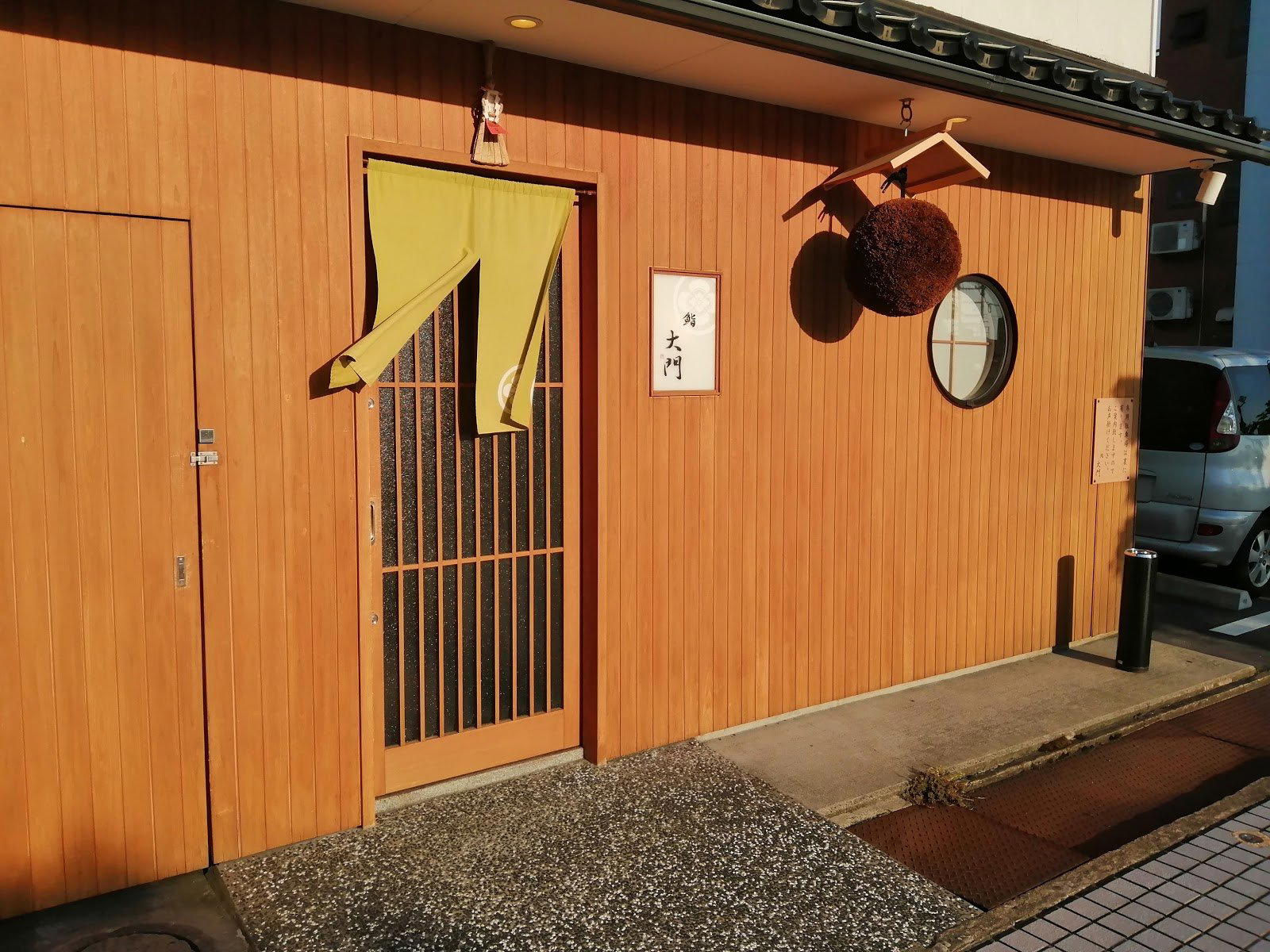
Daimon
Toyama, Japan
Sushi Daimon in Uozu, Toyama holds Tabelog Bronze every year from 2017 to 2026 and appears in the Tabelog Sushi WEST Top 100; with dinner running JPY 15,000–29,999 per head. It applies Edo-style technique to Toyama Bay fish, seats 15, and books easily via Pocket Concierge. The strongest sushi option in the prefecture for a special occasion dinner.
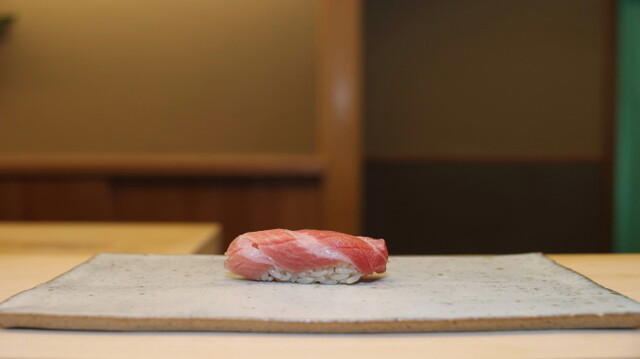
Nishimura
Fukuoka, Japan
Eight-seat omakase counter in Hakata serving Edo-style sushi in a shoes-off hideaway. Tabelog Sushi WEST 100 recognition in its first year; JPY 30,000–39,999 lunch and dinner. Reservation-only, no children, two evening seatings. Sake-forward beverage program; three-week advance booking recommended for weekend slots.
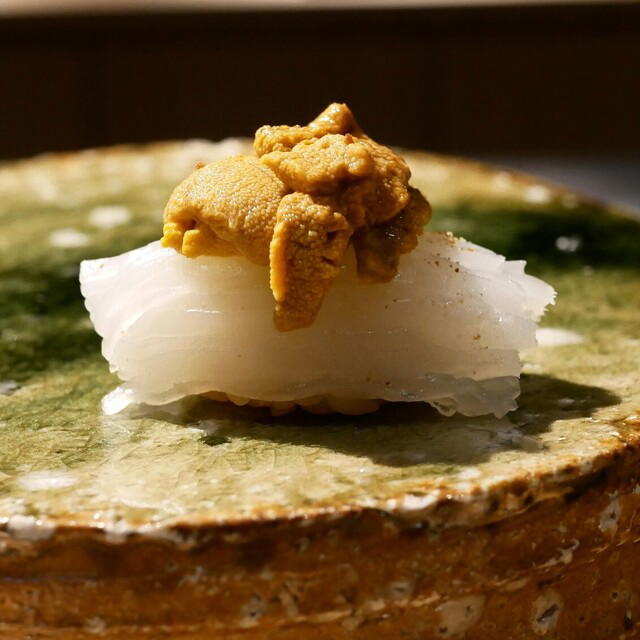
Sushi shizuku Nishitenma
Osaka, Japan
A Tabelog 100 (Sushi WEST 2025) counter in Kita-ku's Nishitenma district, serving dinner-only omakase at JPY 20,000-29,999. The hideout location near Oebashi Station and seven-day schedule keep booking manageable; private rooms handle groups, but the format favours solo diners and pairs seeking technical sushi execution without theatrical presentation.
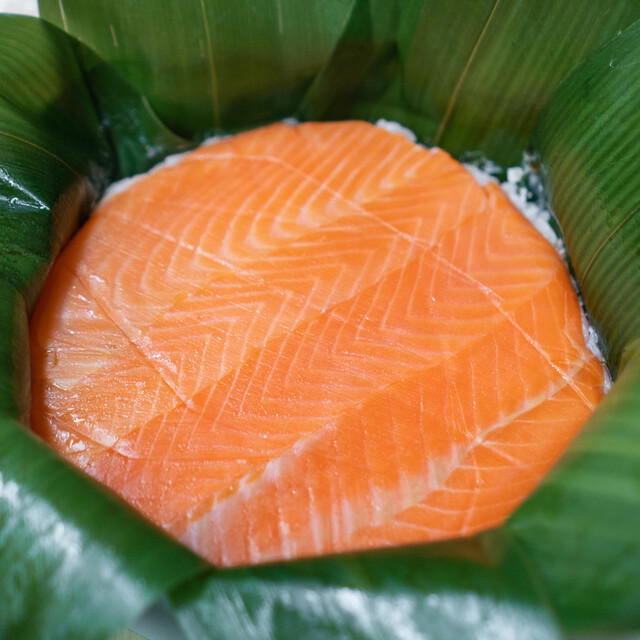
Ogiichi Masuzushi Honpo
Toyama, Japan
Ogiichi Masuzushi Honpo earned back-to-back Tabelog 100 Sushi WEST honors for its pressed trout sushi, a Toyama specialty sold take-out only from 8 AM to 1 PM. At JPY 2,000–2,999, the masuzushi delivers the ingredient sourcing and technique that justify the national recognition; but arrive early or reserve ahead, as the shop often sells out before noon.
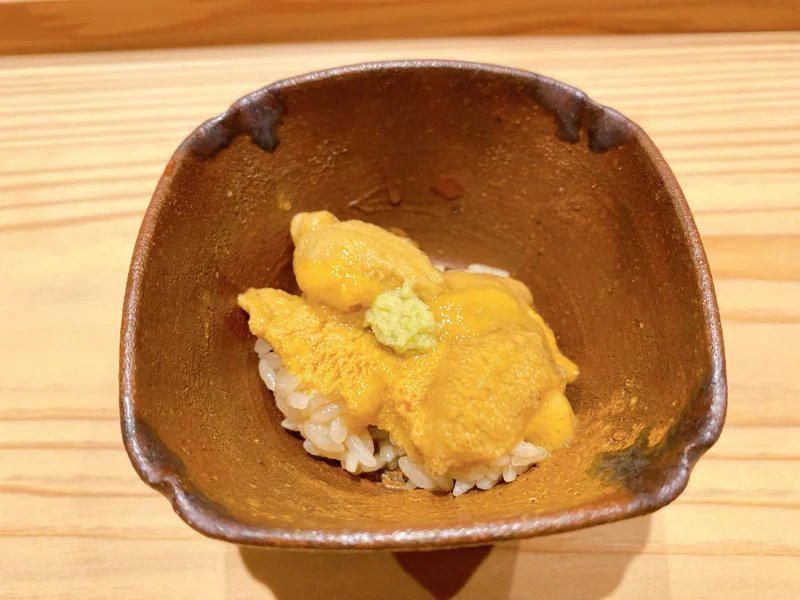
Gahoujin 我逢人
Fukuoka, Japan
Gahoujin 我逢人 is a six-seat sushi counter in Nishinakasu, Fukuoka, earning the Tabelog Bronze Award consecutively from 2023 to 2026 and a Tabelog score of 4.17. At JPY 30,000–39,999 per head, it is a serious choice for food-focused travellers who want an intimate, sourcing-driven omakase in western Japan. Reservations are required; booking is straightforward with English-speaking staff available.
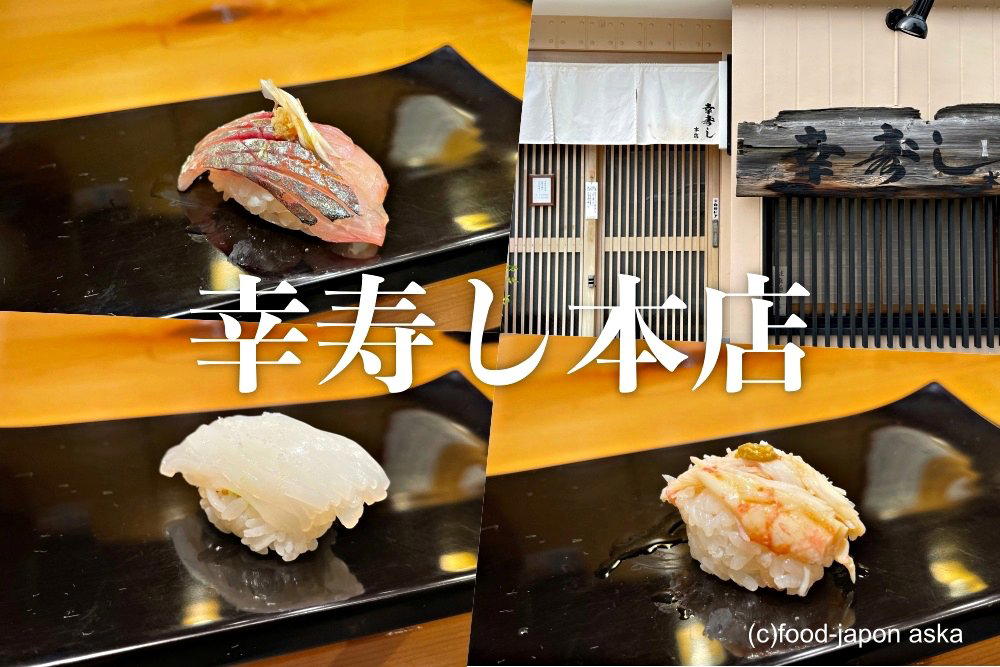
幸寿し本店
Nanao, Japan
A stronger choice for a calm sushi-led meal in Nanao than for a casual drop-in snack. The Tabelog 100 recognition gives it enough credibility for a date, family celebration, or business meal, while lighter alternatives like Italian Gelato Cerchio and LE MUSEE DE H Wakura ten make more sense when the plan is quick and low-commitment.
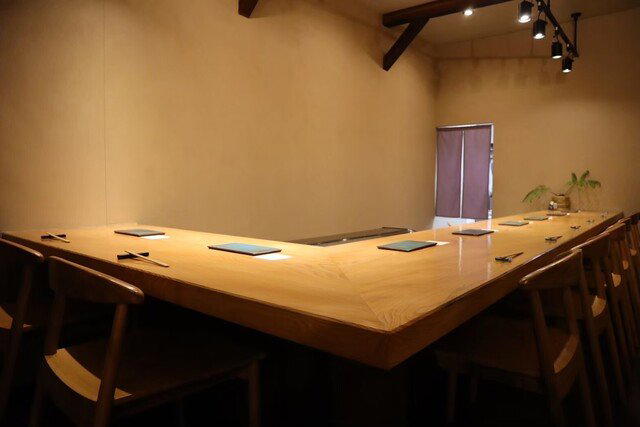
Sushi Shinosuke
Ishikawa, Japan
Sushi Shinosuke is a quietly serious counter sushi-ya in Kanazawa's Irie district, ranked #379 on Opinionated About Dining's Japan list in 2024 and climbing for three consecutive years. Book it for a special occasion dinner when you want focused craft in a calm room, backed by Ishikawa's sake culture. Booking is rated Easy, making it one of the more accessible OAD-recognised counters in the region.
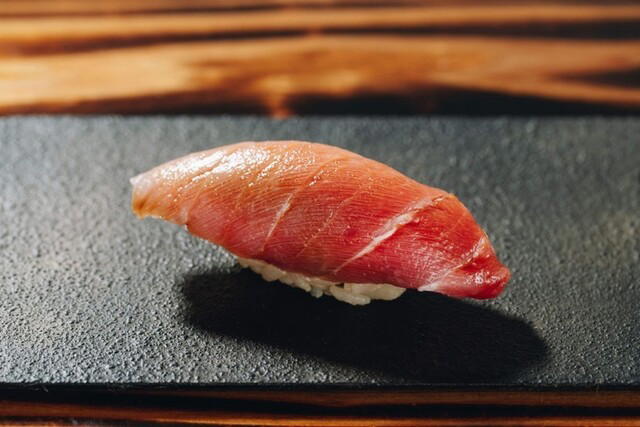
Sushi Dokoro Kimiya
Kagoshima, Japan
Eight-seat Edo-style sushi counter that earned a Tabelog 100 WEST 2025 spot two years after opening. Fish-focused omakase runs JPY 8,000–9,999 at dinner with late 9:30 PM service, a rarity in Kagoshima's award-tier sushi scene. Book by phone; no walk-ins practical.
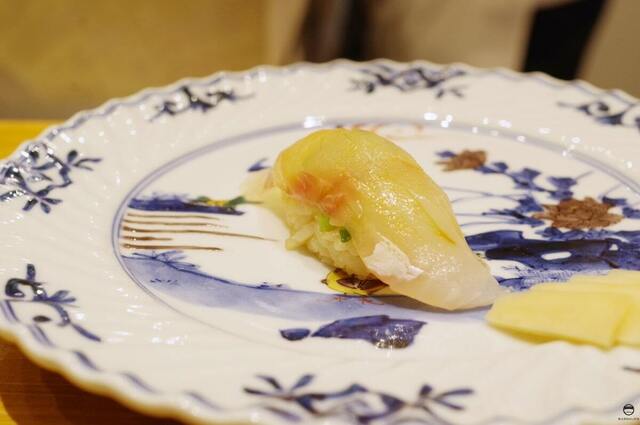
Sushi Ikuta
Kanazawa, Japan
Counter-only omakase serving Kanazawa, Noto, and Himi seafood with red-vinegar shari and Hokuriku sake pairings. Tabelog 2025 Sushi WEST 100 recognition at JPY 20,000–29,999 for both lunch and dinner. Eight seats mean advance booking is essential, and the format suits solo diners or pairs better than groups.
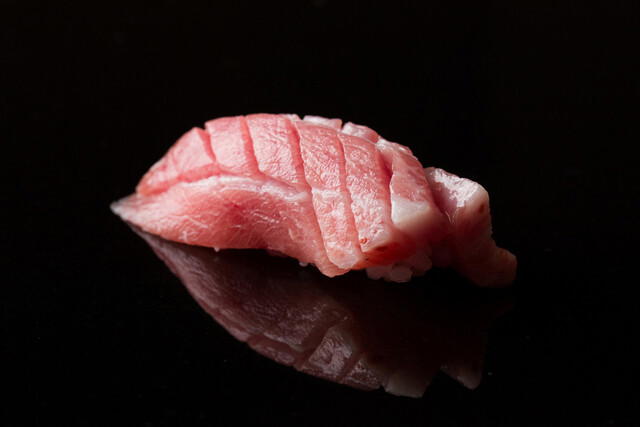
Sushi to Amakusa Daio Amane
Fukuoka, Japan
An eight-seat omakase counter in Yakuin blending Amakusa seafood sushi with grilled Amakusa Daio chicken courses. Selected for Tabelog 100 Sushi WEST 2025, the format splits the tasting menu between nigiri and cooked progressions at JPY 20,000–29,999 dinner, with a JPY 8,000–9,999 lunch option that makes the experience approachable for midday bookings.
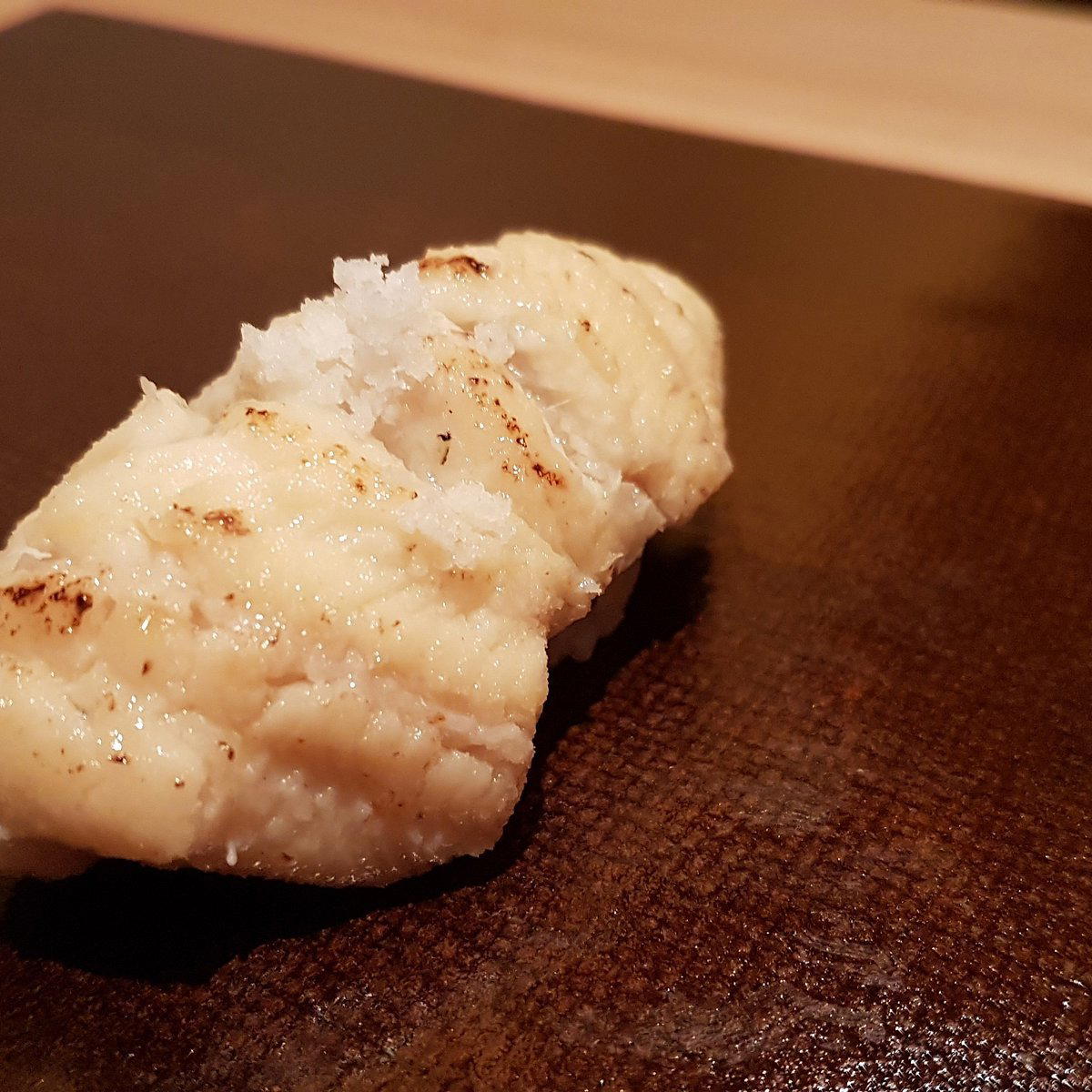
Nikaku
Kitakyushu, Japan
Seven-seat Edomae sushi counter in Kokura with Tabelog Bronze 2025 and a three-year Tabelog 100 WEST run. Omakase pricing sits at JPY 30,000–39,999 for lunch and dinner, making it Kitakyushu's premium sushi booking. Book four weeks out for weekend slots; weekday lunch offers more flexibility. The intimate counter format rewards solo diners and small parties who value chef-driven pacing over large-group dining.
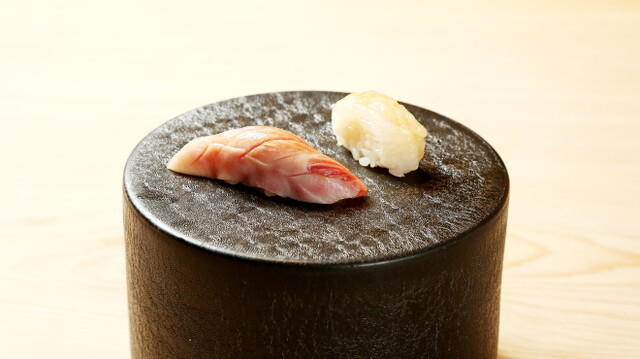
GEJO
Toyama, Japan
Eight-seat sushi counter in Toyama emphasizing local Toyama Bay fish at JPY 20,000–29,999, recognized on Tabelog's 2025 Sushi WEST 100 list. Reservation-only format with strict cancellation terms and a 15% service charge. Better for regional diners than destination travelers, given the lack of Michelin recognition and proximity to higher-tier Kanazawa options.
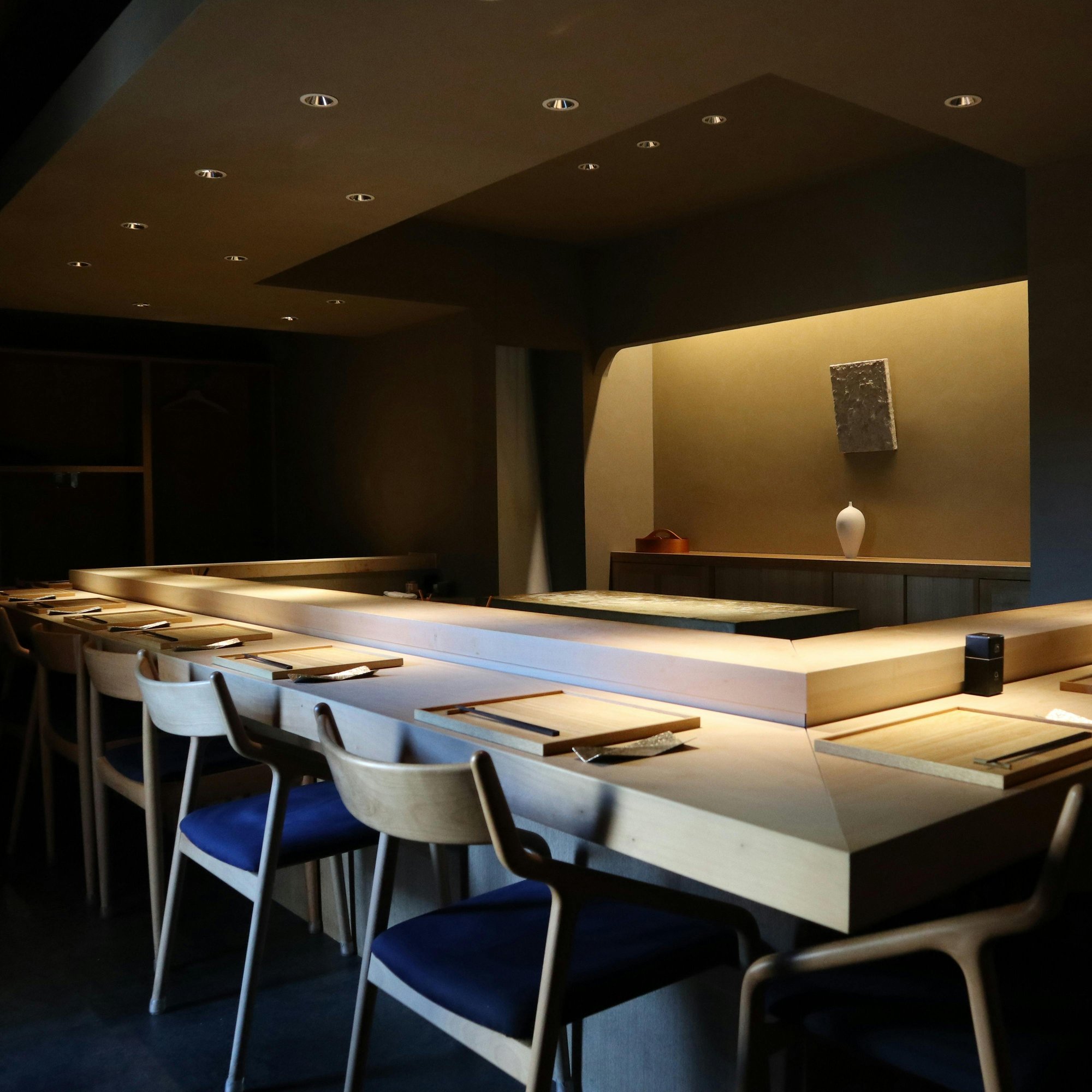
むら上
Kumamoto, Japan
A practical central Kumamoto pick for diners who value convenience over a heavily documented destination meal. Choose むら上 when the plan is built around Sakuramachi or Chuo Ward; cross-shop Murakami for a sushi splurge, Tsuru Hachi for tempura, or Kairakuen for a lower-cost option.
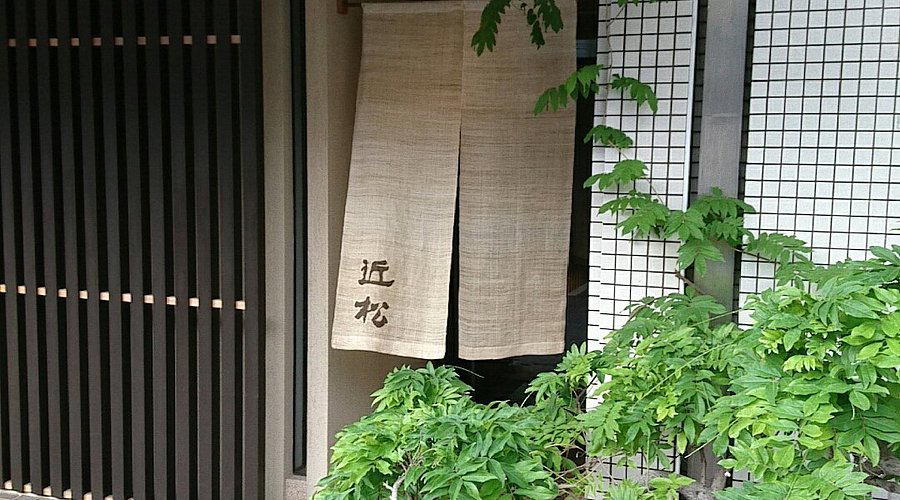
Chikamatsu
Fukuoka, Japan
Nine-seat counter sushi in Fukuoka's Yakuin district, accessible by introduction only. Chef Nobuhiro Sakanishi earned Tabelog Gold 2026 and OAD Japan #12 for omakase at JPY 30,000–39,999, delivering Tokyo-level precision without the capital's price premium. Serious format, no children, referral required.
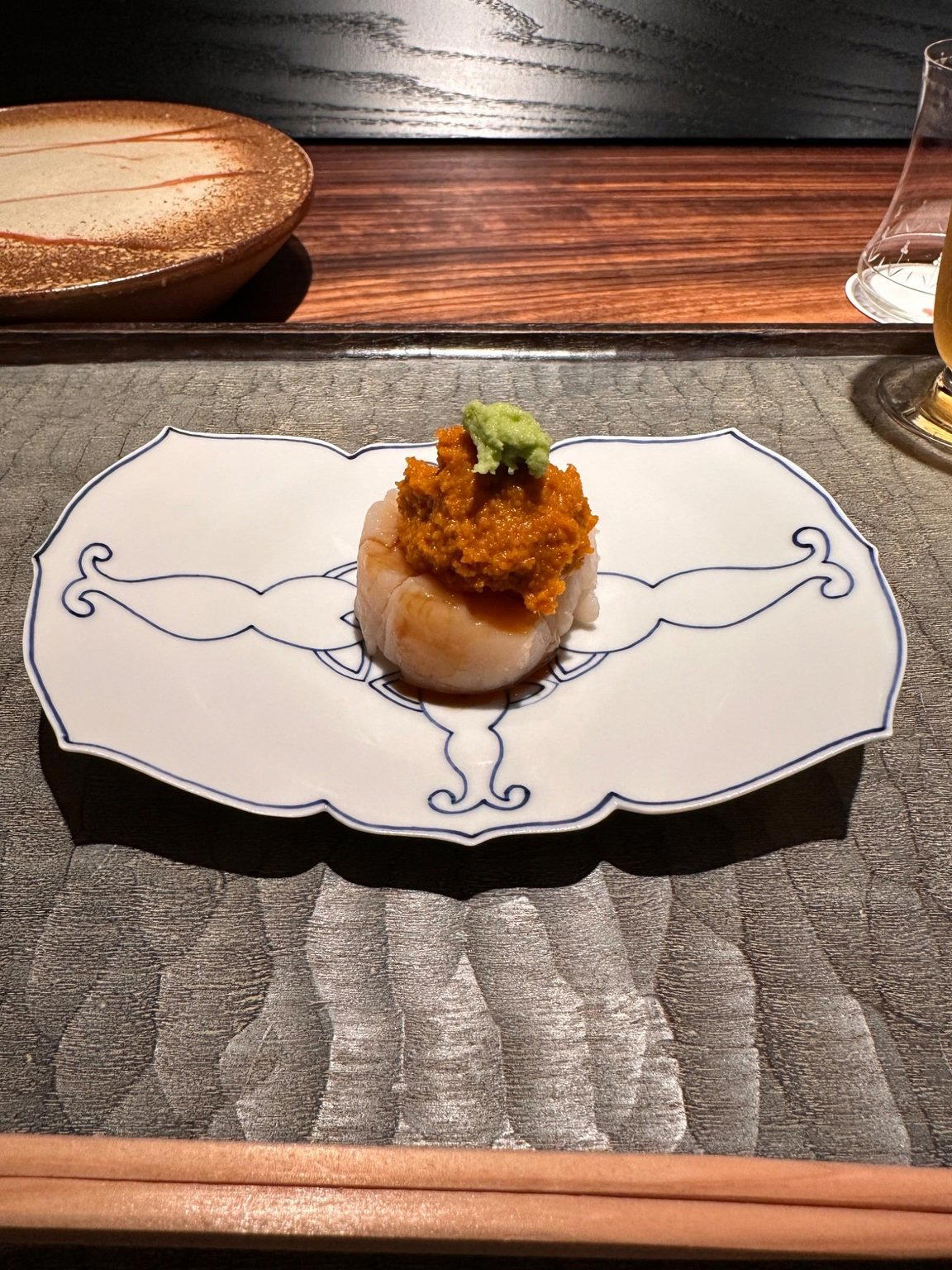
Kiu
Kyoto, Japan
Kiu is a five-seat creative sushi counter in Kyoto's Shimogyo Ward, operating almost entirely by referral and holding a Tabelog Silver Award in four of the past five years. Dinner runs JPY 40,000–59,999 per head across two evening sessions. It is the right booking if you want serious, fish-focused omakase in Kyoto; but you will need a group of five to six to get through the door.
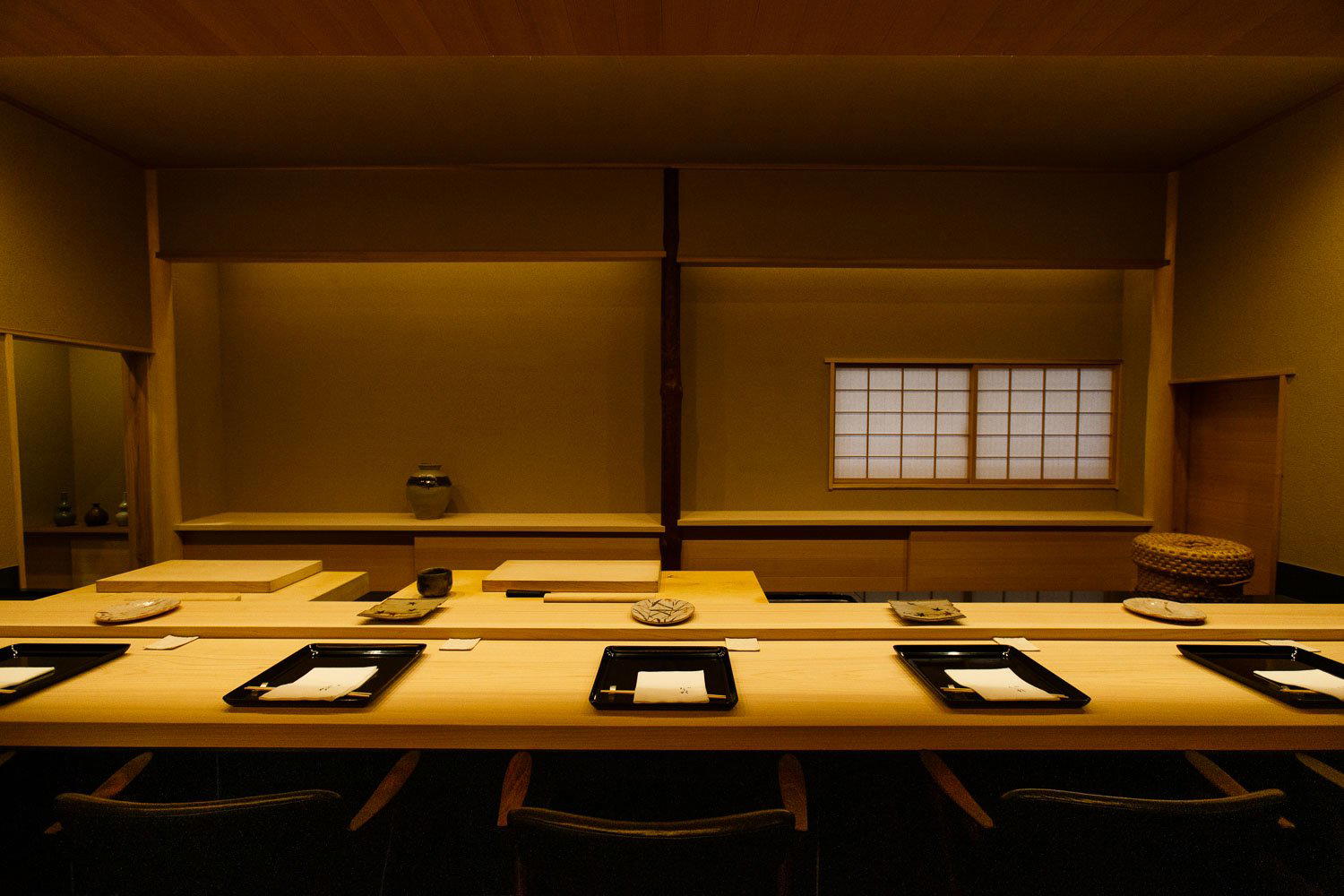
Sushi Oga
Sakai, Japan
Oga is a compelling case for a special-occasion dinner in Sakai: an eight-seat sushi counter with eight consecutive years of Tabelog recognition (Silver 2019–2021, Bronze 2022–2026) and a consistent focus on high-quality fish. At JPY 50,000–59,999 per head, dinner-only with two seatings including a 20:30 late option, it is easier to book than comparable counters in central Osaka and worth the trip from the city.
Kizuna
Osaka, Japan
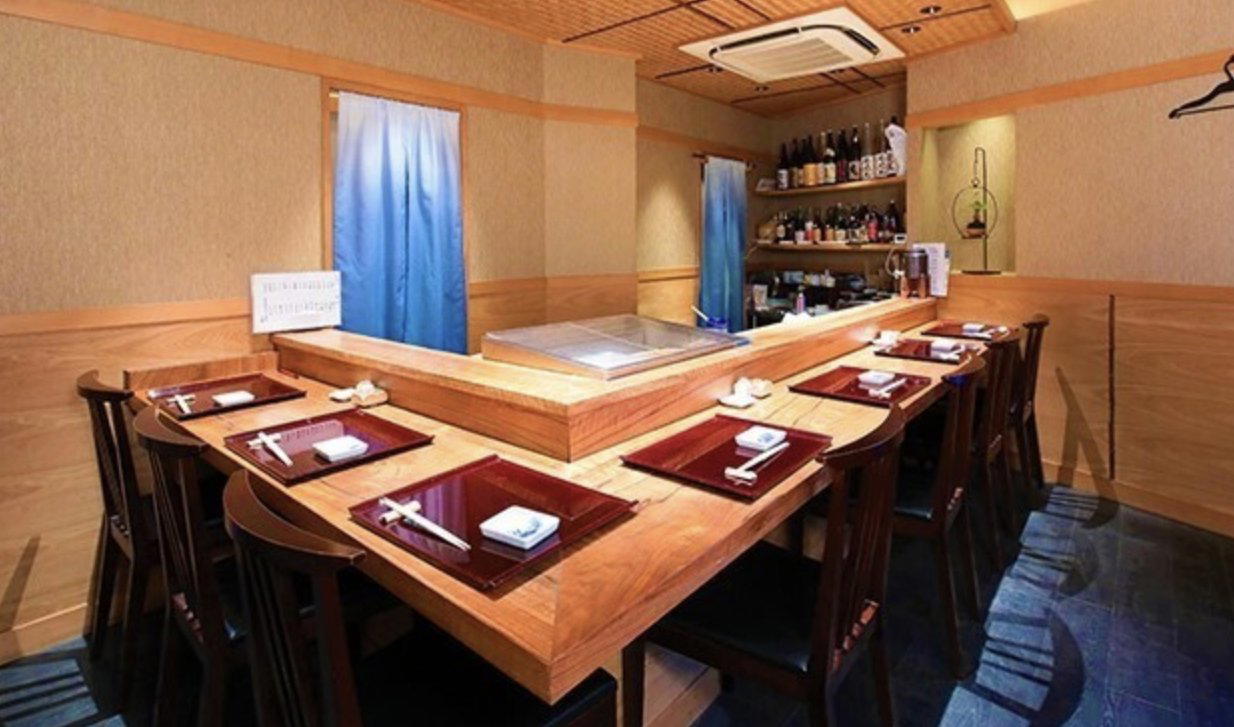
A Tabelog Silver-awarded sushi counter in Osaka's Kyobashi neighbourhood, Kizuna runs a single fixed course at JPY 19,800 per head; one of the strongest value propositions among western Japan's seriously decorated sushi rooms. With eight consecutive years of Tabelog recognition and three Top 100 selections, it is a clear yes for first-timers who want a focused, fish-forward omakase without paying Tokyo prices.
Sushi Namba
Toyama, Japan
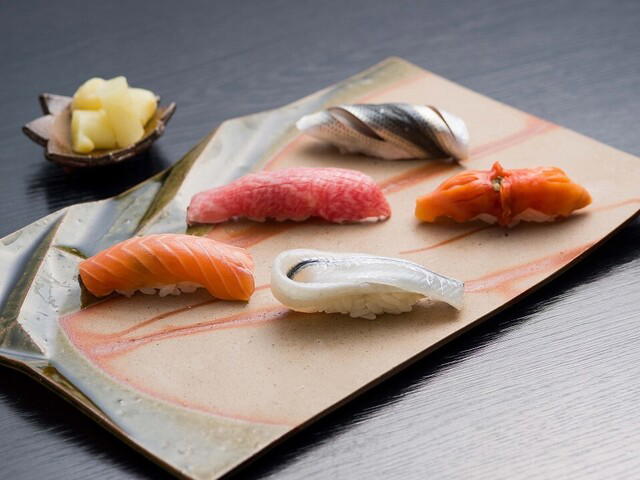
Tabelog 100 – Sushi WEST 2025 counter in a house-restaurant format, serving Toyama Bay fish at JPY 20,000 – JPY 29,999 dinner, JPY 6,000 – JPY 7,999 lunch. Reservations through TableCheck only (no phone bookings), 2–3 weeks recommended for weekend dinner. Counter seating and tatami private rooms split the 18-seat capacity, with children allowed lunch only.
Sushi Nakamura
Kumamoto, Japan
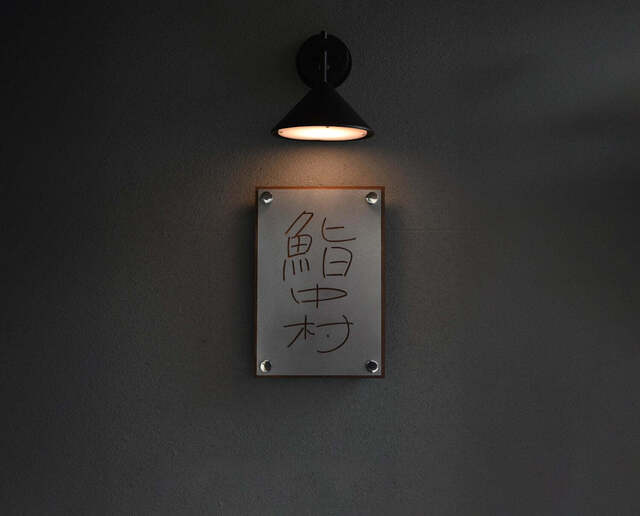
Sushi Nakamura is the Kumamoto sushi splurge to book when precision matters more than menu flexibility. Lunch is the stronger first-timer move for value, while dinner fits a special occasion or sushi-led night. Groups wanting a lower spend or broader sharing format should compare it with China Sichuan Togen, Pizzeria da Rocco, or Amakusa Daiou Senmon Ten Tosaka.
Sushi Osamu
Fukuoka, Japan
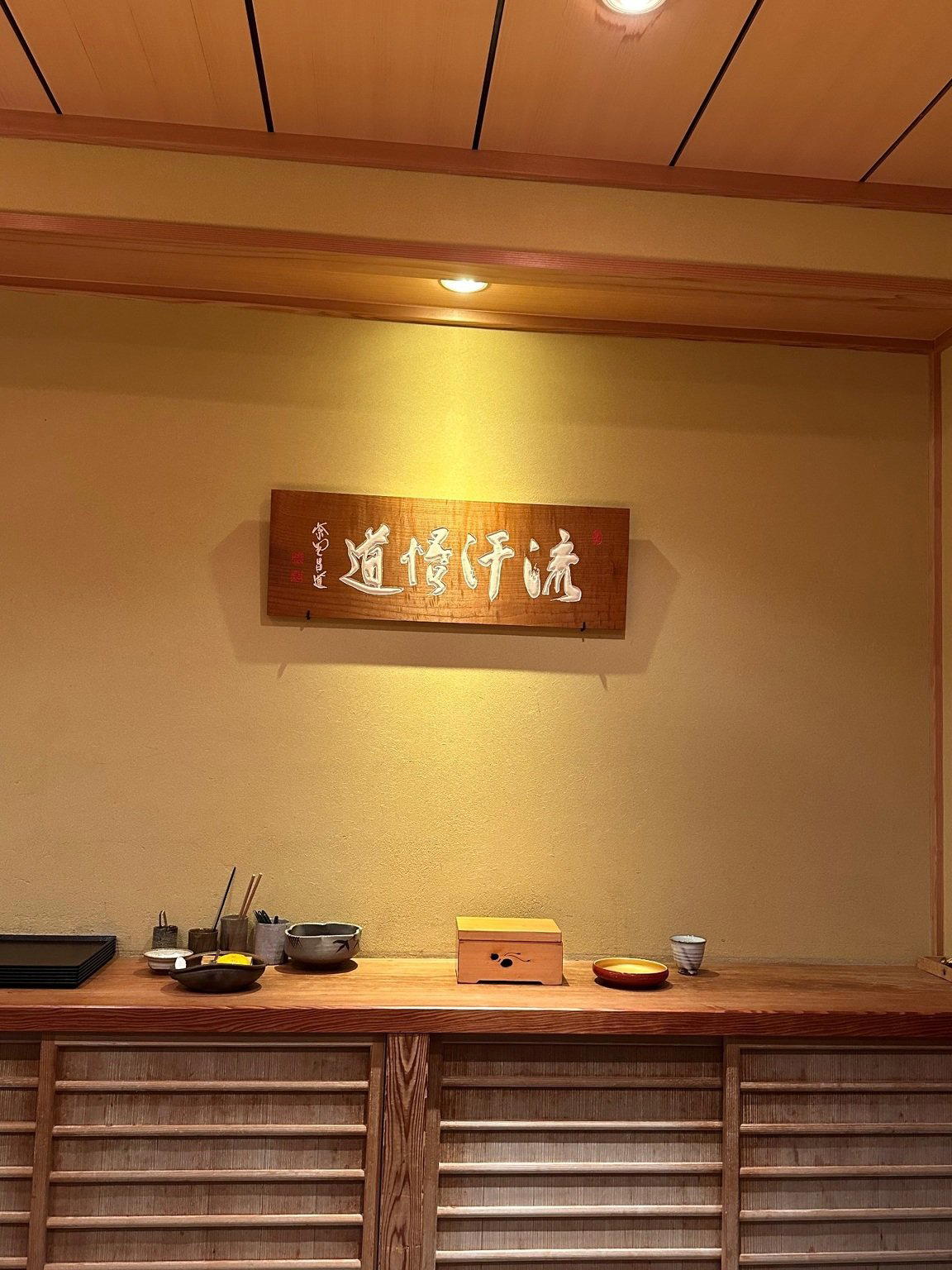
Sushi Osamu is a ten-consecutive-year Tabelog Bronze Award winner operating an eight-seat counter in Fukuoka's Minami Ward. The fixed course is priced at ¥27,000 per person; dinner only, five nights a week. For a special occasion sushi dinner in Fukuoka with a proven track record and straightforward booking, this is a reliable choice.
Kiichi
Ashiya, Japan
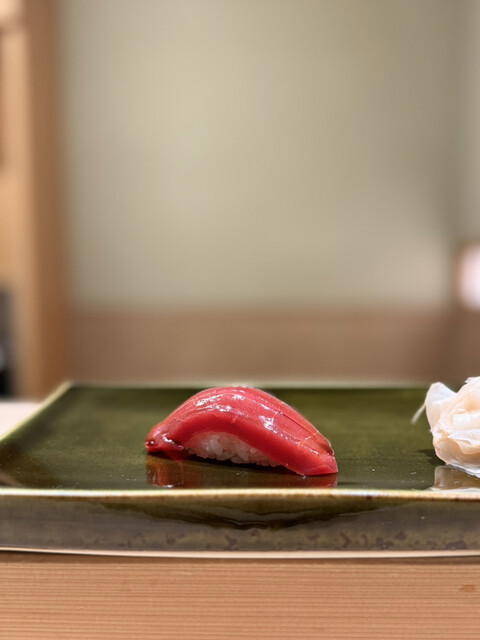
Eight-seat sushi counter in Ashiya recognized on Tabelog 100 (Sushi WEST) three times since 2021. Omakase runs JPY 10,000-14,999, cash only, with a focus on seasonal fish and sake pairing. Book 2-3 weeks ahead for weekend dinner; weekday lunch is easier. Counter-only format suits solo diners and couples; groups of four or more should look elsewhere.
Sushi Murakami Jiro
Osaka, Japan
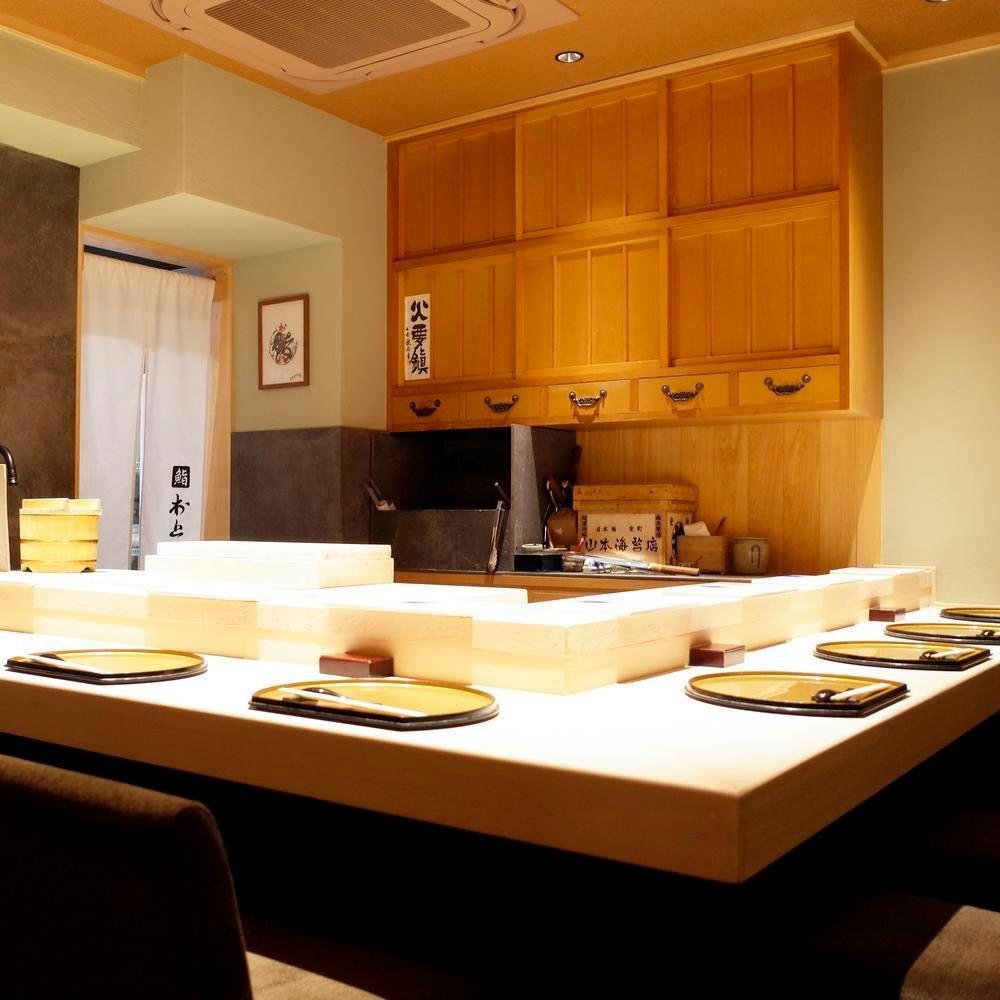
Shimanami French Murakami holds a Michelin star and back-to-back Tabelog Bronze Awards, making it one of Osaka's most credentialed French restaurants at the ¥¥¥¥ tier. Lunch runs JPY 8,000–14,999 (typical spend); one of the city's better value entry points for award-level cooking. Book as soon as the monthly reservation window opens; 22 seats fill fast.
Sushi Sanshin
Osaka, Japan
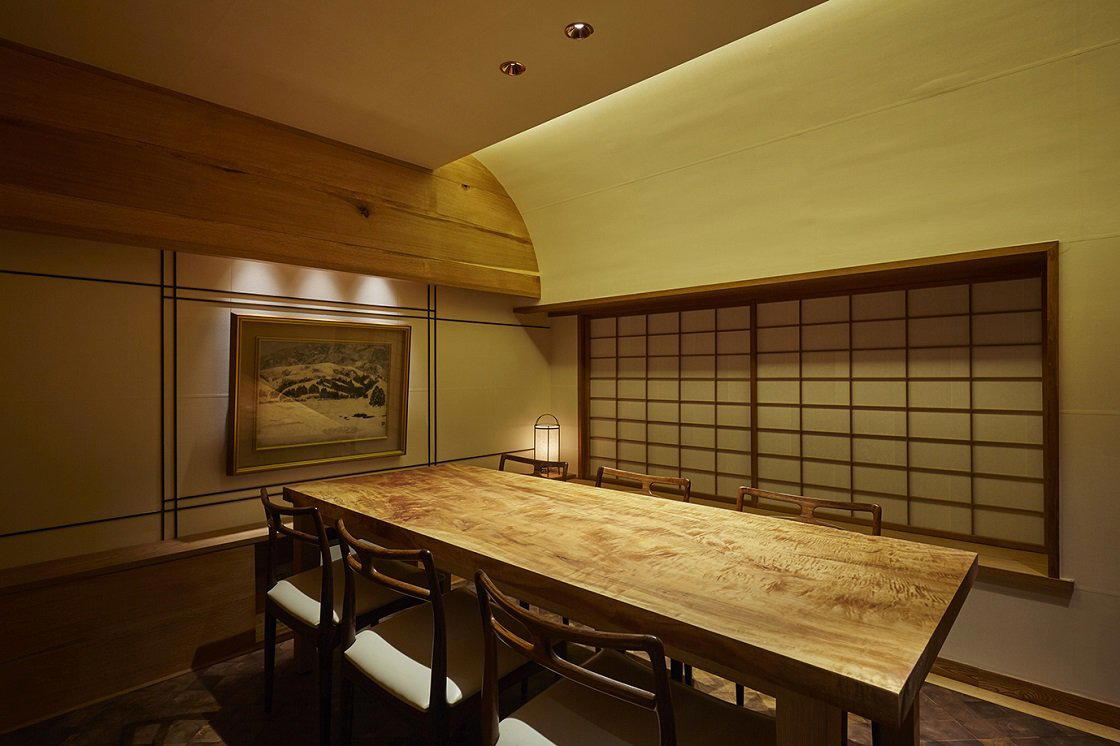
Sushi Sanshin is a restaurant in Chuo Ward, Osaka.
Matsuzushi
Osaka, Japan
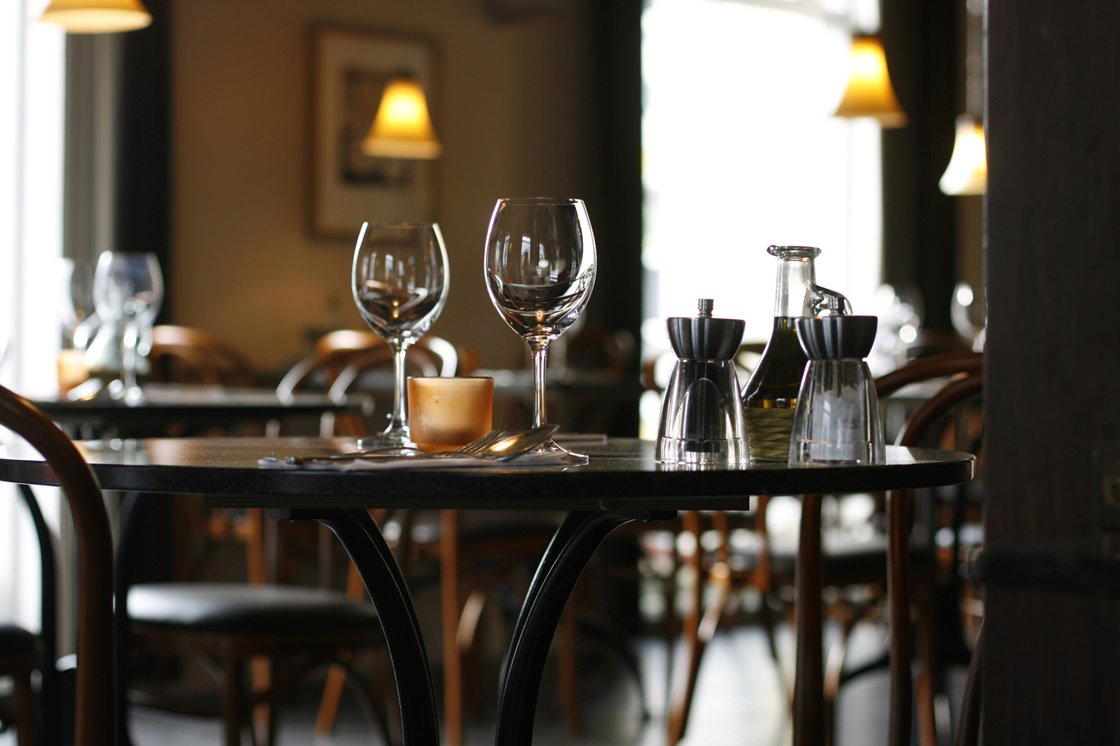
A Michelin one-star sushi counter in Osaka's residential Abeno district, Matsuzushi offers locally sourced fish from Osaka Bay served on mildly vinegared rice in a warm, unhurried setting. At ¥¥¥, it is one of the more accessible starred sushi options in the city. Book well in advance; availability is limited and walk-ins are unlikely.
鮨舳
Takamatsu, Japan
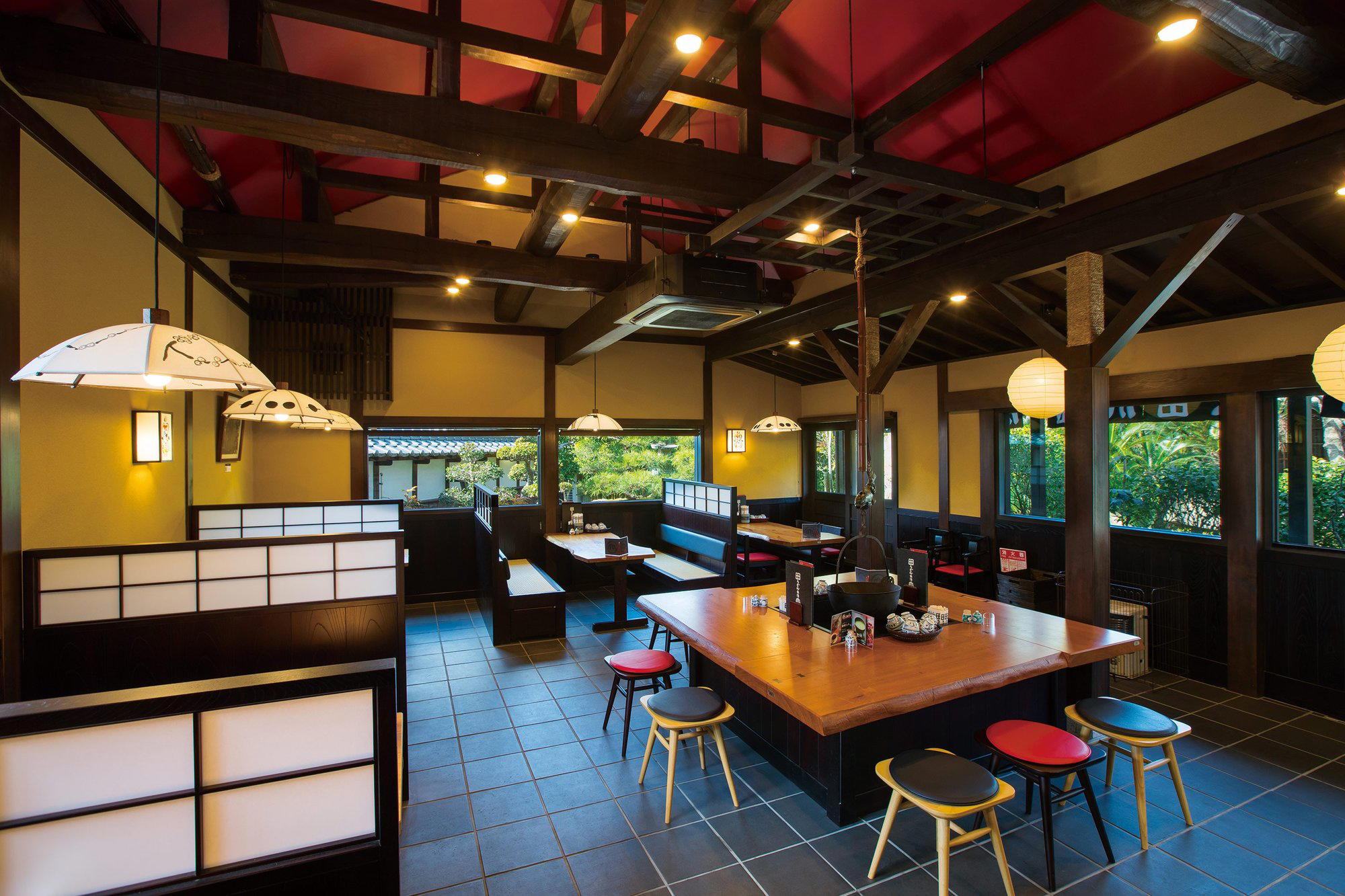
A serious sushi choice in Takamatsu for diners who want a more deliberate meal than the city's quick udon and okonomiyaki stops. Its Tabelog 100 #87 placement in 2025 is the main trust signal; go for seasonal sushi and a quieter, more focused dinner rather than a casual value meal.
Etchuya
Osaka, Japan
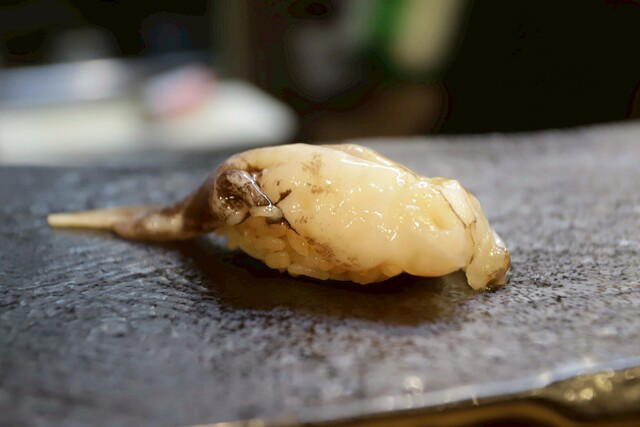
Tabelog 2025 Sushi WEST 100 omakase in Kishinosato at JPY 8,000–9,999, emphasizing seasonal fish rotation in a 14-seat house setting. Cash-only, phone reservations required, mobile devices banned during service. Best for diners prioritizing neta quality over counter polish, with Tuesday–Wednesday bookings easiest to secure.
Tsukuta
Saga, Japan
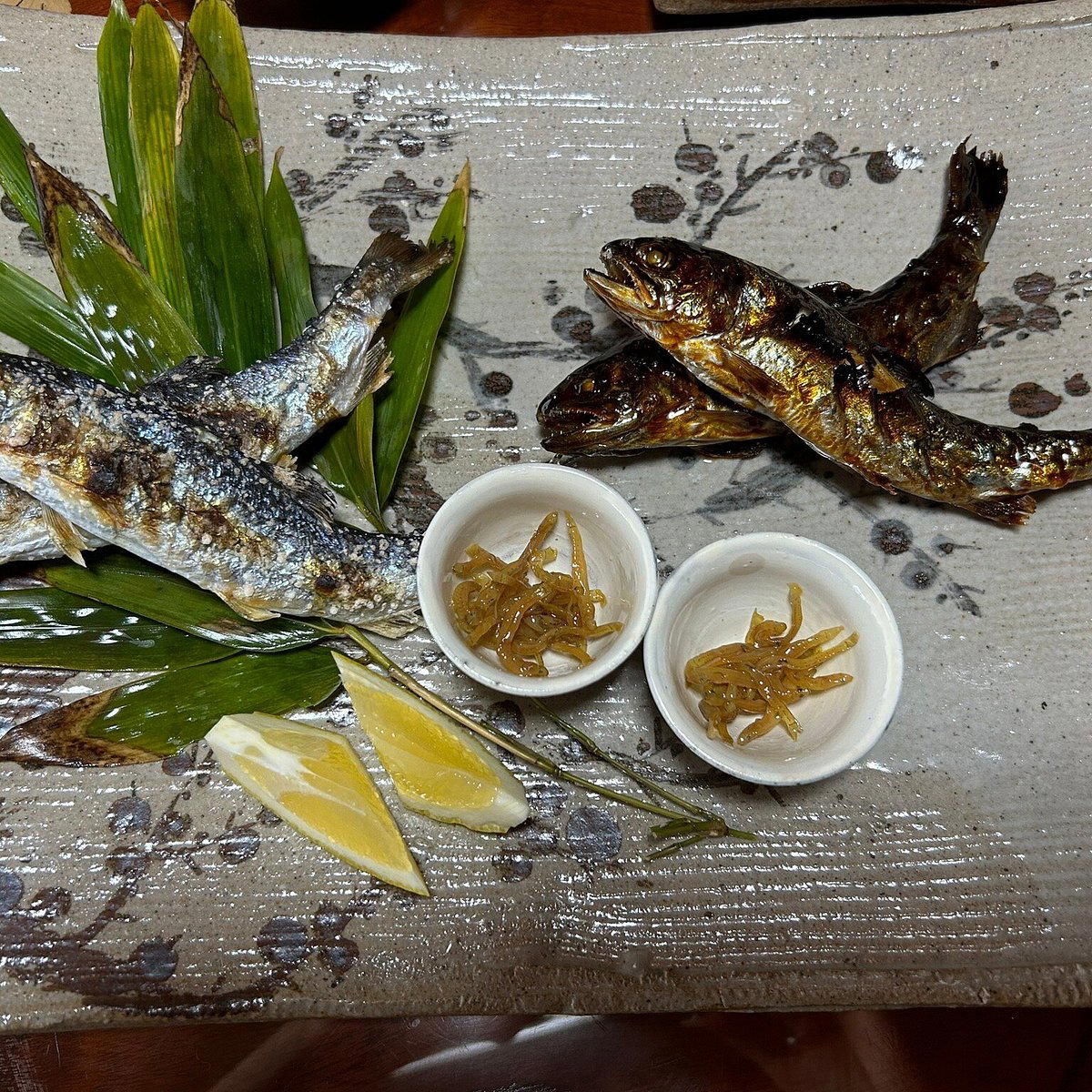
Tsukuta is the right Saga booking for serious sushi travellers. Chef Yuji Matsuo's omakase counter in Karatsu has climbed to #239 on OAD's Top Restaurants in Japan list (2025), with three consecutive years of recognition. Booking is easier than comparable Tokyo counters, and the Genkai Sea coastal location gives the tasting progression genuine regional grounding.
安春計
Fukuoka, Japan
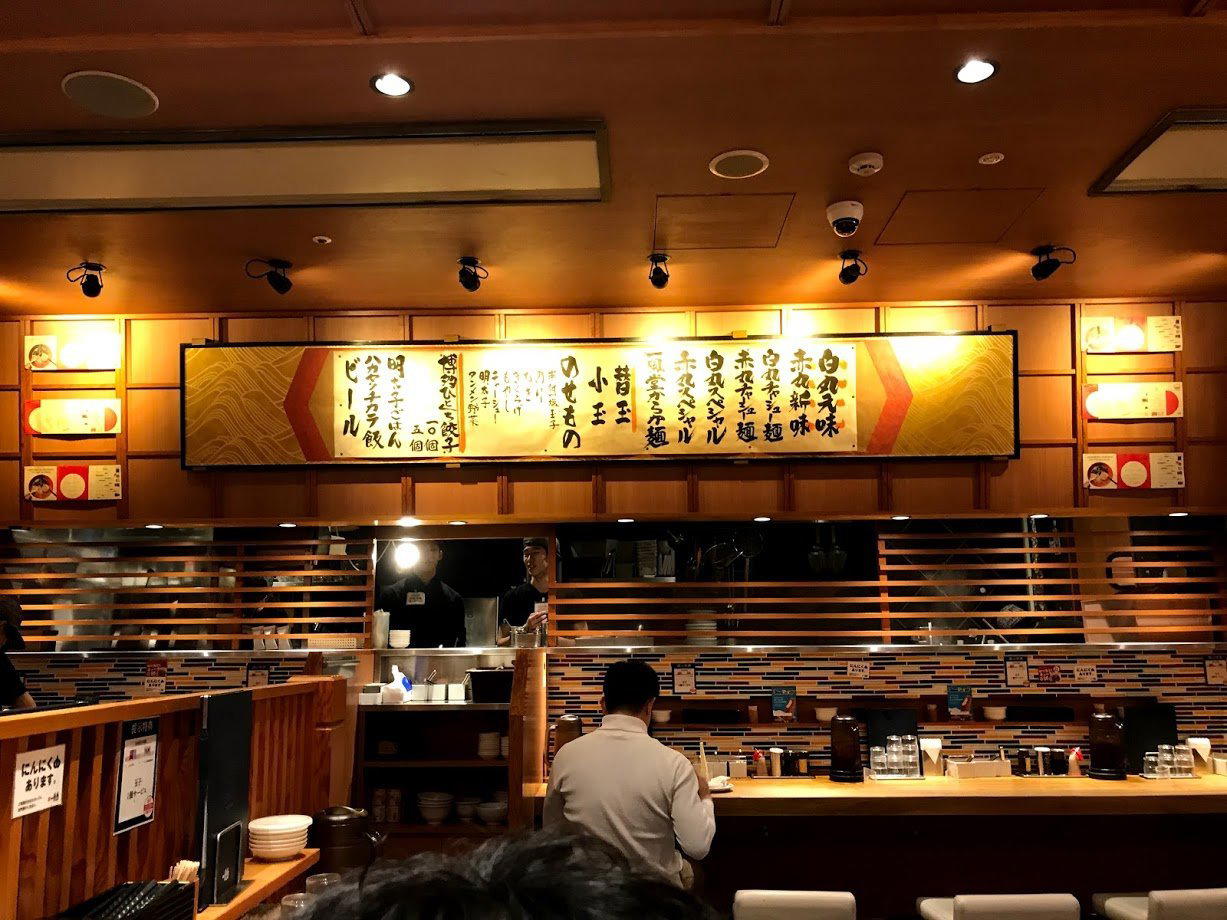
安春計 is a serious Fukuoka shortlist pick for a quieter special-occasion meal, backed by Tabelog 100 #90 in 2025 with a 3.8-point score. Choose it if recognition and a focused dining setting matter more than public menu or price transparency; cross-shop clearer-priced peers if budget certainty is the priority.
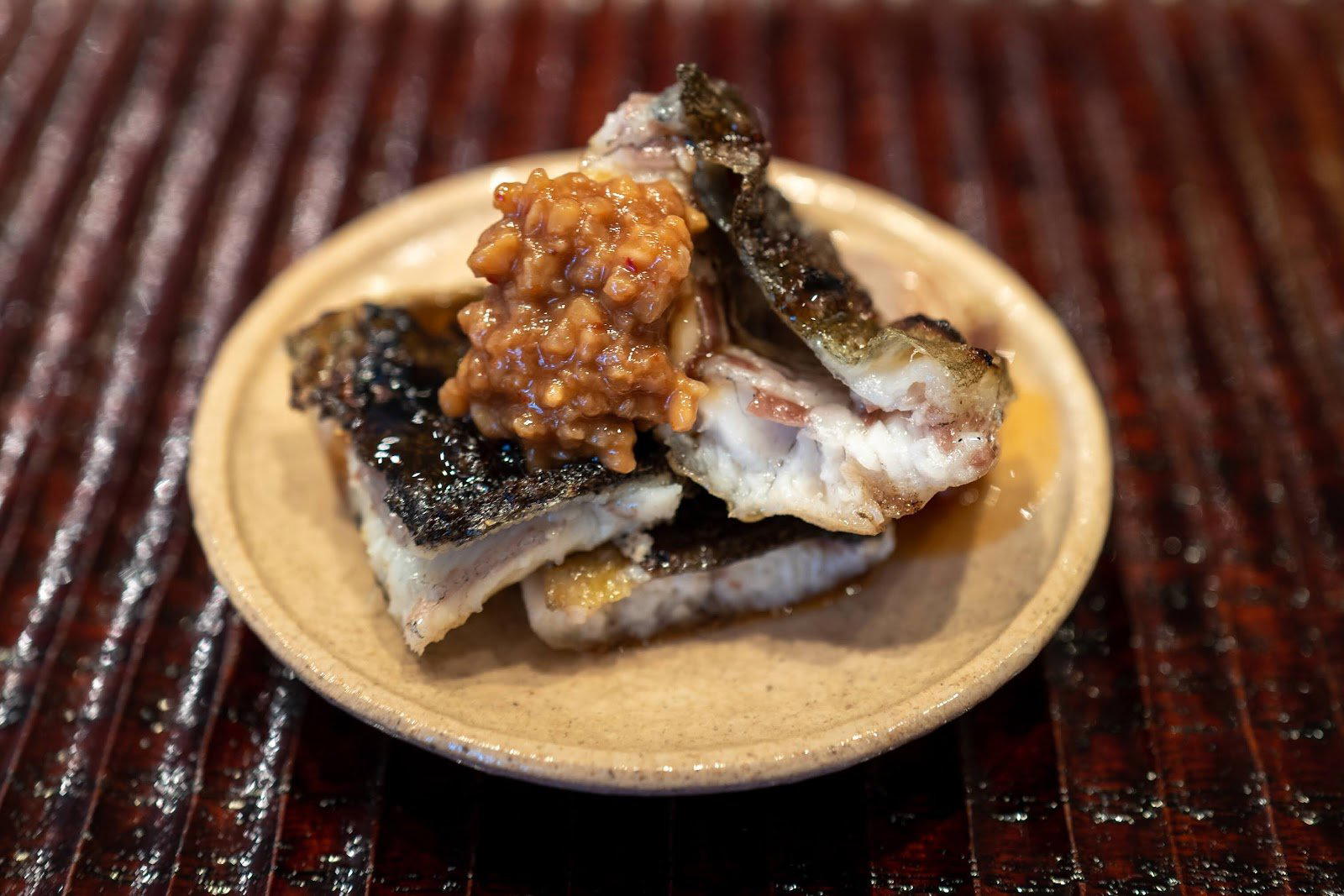
Hisada
Akaiwa, Japan
A Tabelog Silver Award sushi counter in residential Okayama specializing in Setouchi fish, operating by reservation only at JPY 40,000–49,999 per head. The 10-seat house-restaurant format suits regulars who know regional fish and want to see how a local itamae handles seasonal catch, but the premium pricing and suburban location make it a considered choice rather than a convenient one.
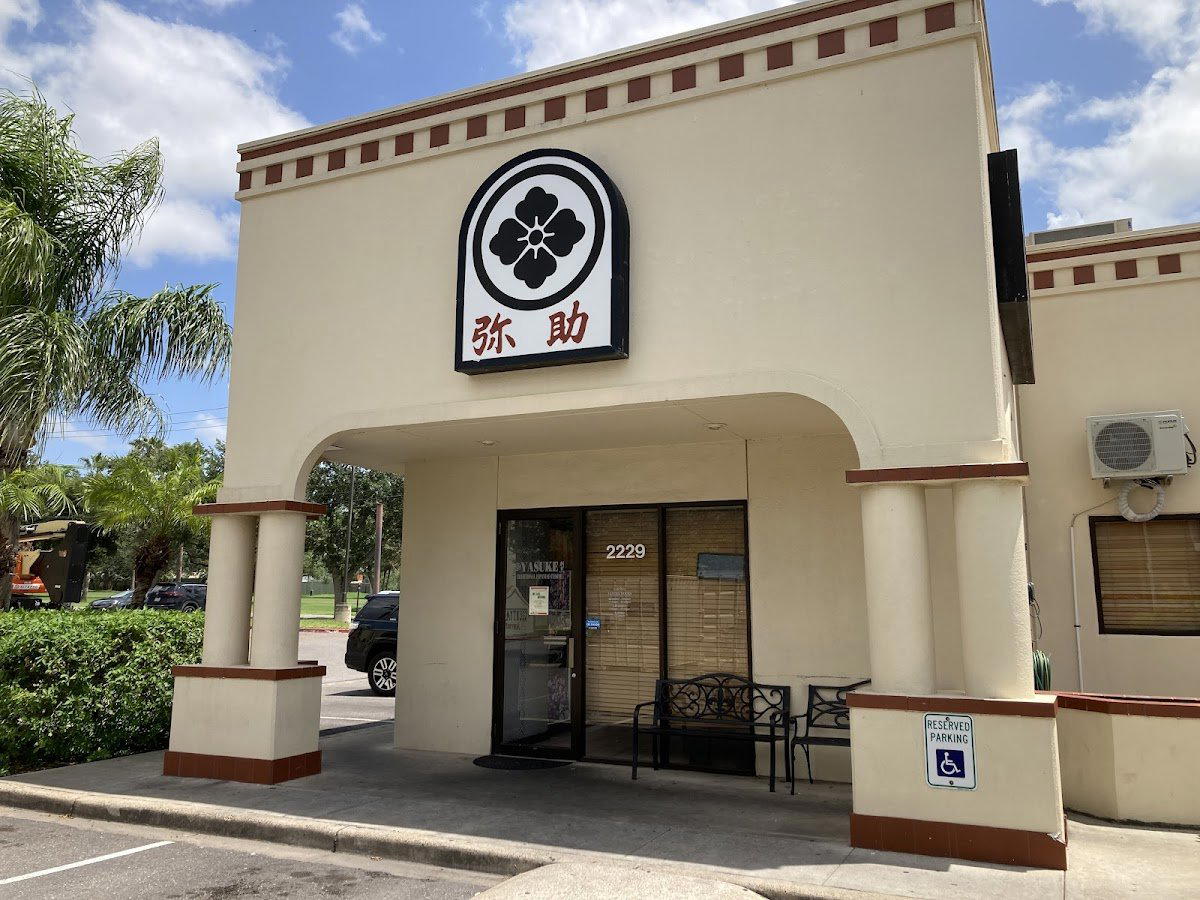
Yasuke
Sakai, Japan
Yasuke works if the goal is a researched Sakai meal with external recognition rather than a casual value stop. Its Tabelog 100 placement gives it credibility, but wine-list depth and exact budget are not the reason to choose it; go for the food-led local experience and compare against Honke Kojima, Ginshari en, Sushi Oga, Oga, and Nankai Grill Higashi ten before committing.
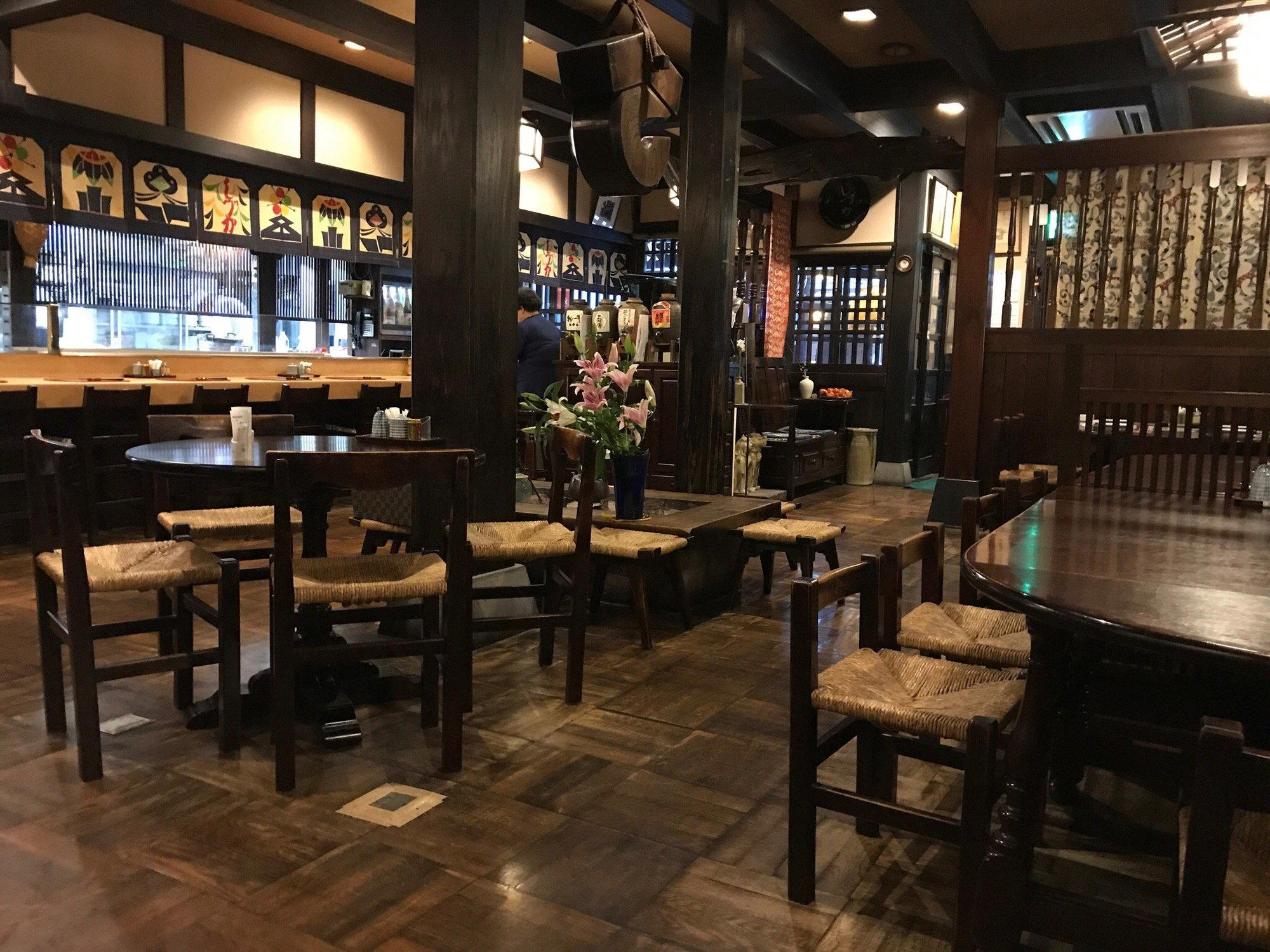
Matsumoto
Nishinomiya, Japan
Sushi Matsumoto occupies a quiet corner of Nishinomiya's Kurakuen district with just ten counter seats and a Tabelog score of 3.86, placing it among the Kansai region's most consistently recognised sushi houses. A three-time Tabelog Bronze Award winner and multiple Tabelog Sushi WEST 100 selection, it operates on reservation only with dinner priced between JPY 20,000 and JPY 29,999. Cash only, no service charge.
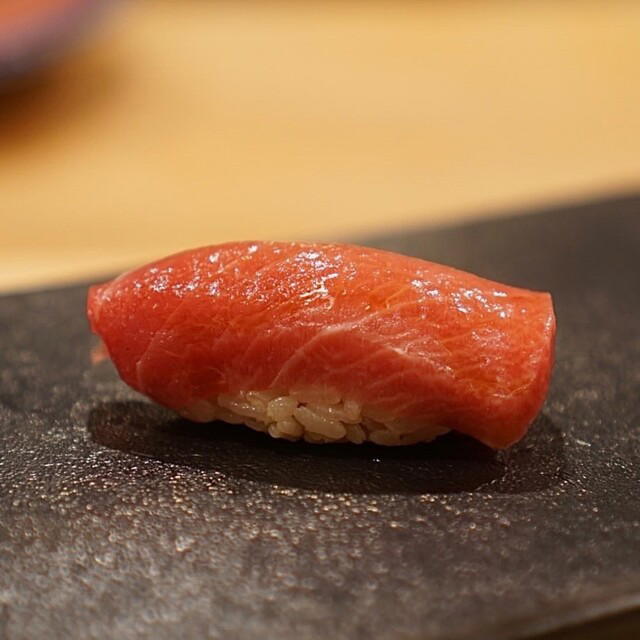
Sushi Minoki
Osaka, Japan
Seven-seat omakase counter in Kitashinchi, recognized in Tabelog's 2025 Sushi WEST 100. JPY 15,000–19,999 delivers technical precision without the formality or price of Osaka's top tier. Dinner only, reservations essential, no à la carte; pure counter format for solo diners and pairs.
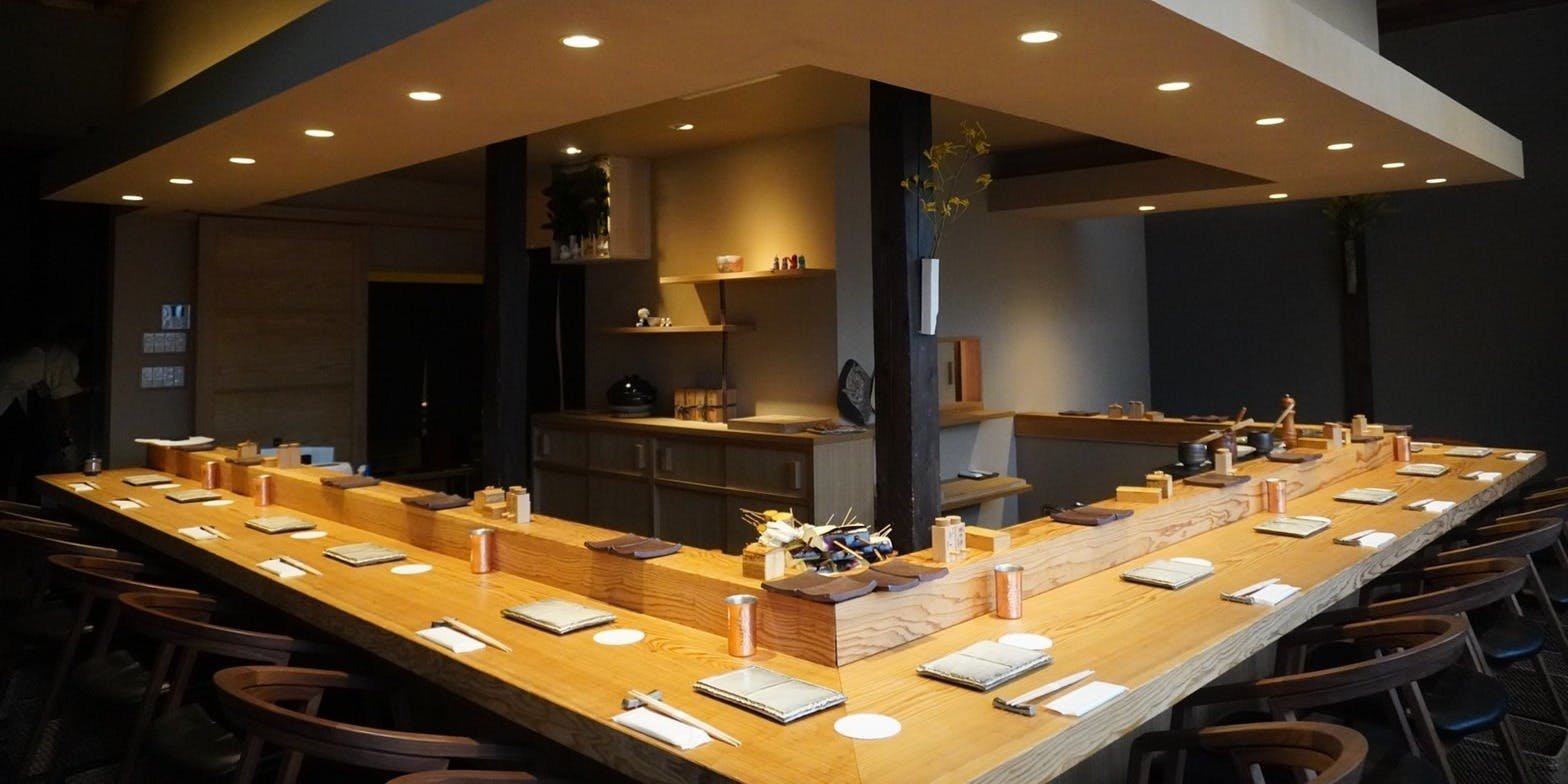
Sushi Mimuro
Kumamoto, Japan
A Tabelog Bronze Award winner in Hitoyoshi with an eight-seat counter and dinner prices well below Kumamoto city's top sushi counters. Reservation-only, three minutes from Hitoyoshi Onsen Station, and open daily. The clearest value case for recognised sushi in the Kumamoto prefecture; book it if you are in the area.
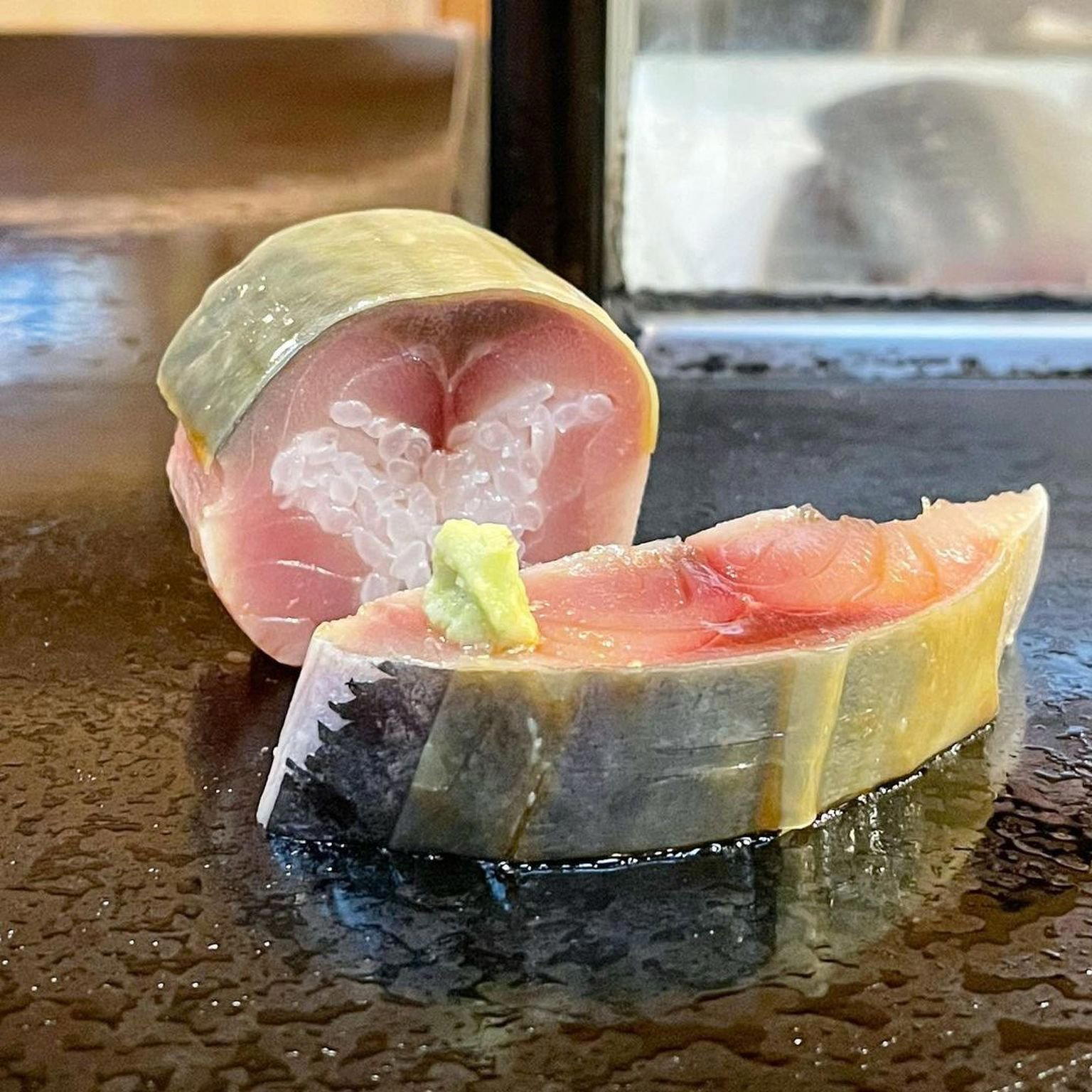
Mekumi - すし処 めくみ
Nonoichi, Japan
Mekumi is the strongest argument for a sushi detour to Nonoichi: an eight-seat counter from chef Takayoshi Yamaguchi with a Tabelog score of 4.51, consecutive Gold awards from 2018–2022, and an Opinionated About Dining #6 ranking in Japan for 2024–2025. Budget JPY 40,000–49,999 per head minimum, book online three months in advance, and time your visit for autumn or winter if cold-water Noto-mae nigiri is the draw.
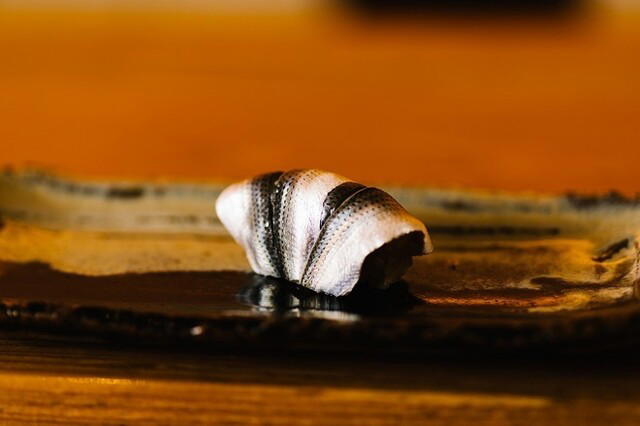
Sushi Dokoro Ishibashi
Fukuoka, Japan
Fukuoka's Akasaka neighbourhood counter serves edomae sushi courses with Kyushu-sourced fish, holding a Tabelog 100 West spot since 2022. Lunch at JPY 10,000 delivers the clearest value; dinner at JPY 25,300 pushes close to Tokyo pricing without the corresponding polish. Book ahead and bring cash for lunch.
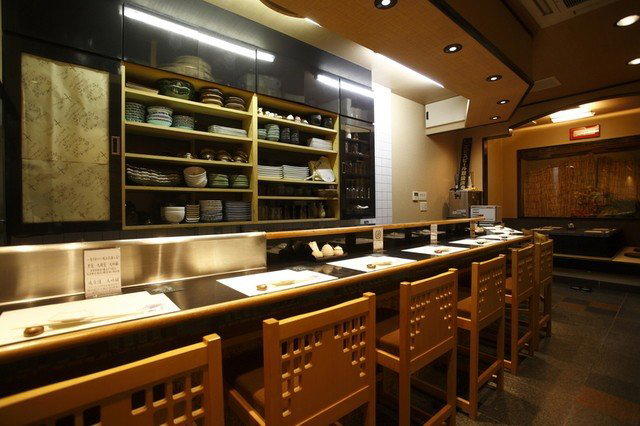
Jubei
Tokyo, Japan
Jubei (Sushi Jube) is an eight-seat reservation-only counter in Fukui City, not Tokyo, with a Tabelog score of 4.51 and a Tabelog Silver Award every year since 2018. Dinner runs JPY 20,000–29,999 per head. For travellers routing through Hokuriku, it is the most decorated sushi option in the region and considerably easier to book than Tokyo counterparts at a similar quality tier.
mikami limited50
Osaka, Japan
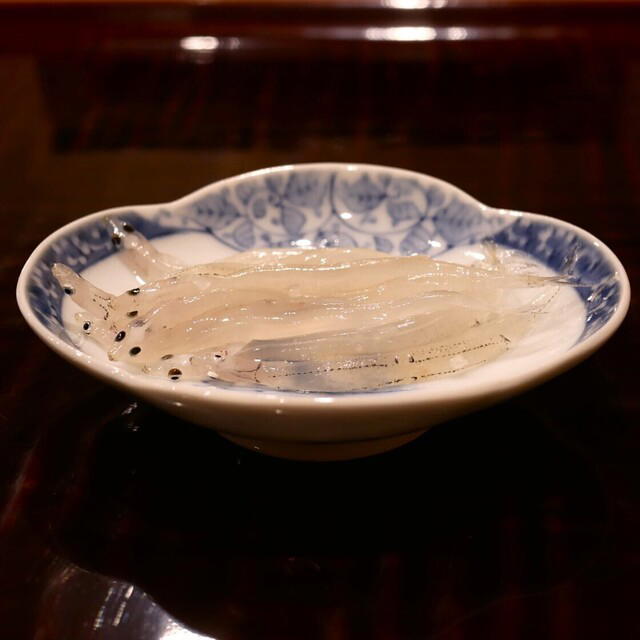
Members-only eight-seat sushi counter in Osaka with Tabelog Bronze and a 4.11 score. Dinner runs JPY 40,000–49,999, membership is capped at fifty, and reservations require an introduction. Strong fish sourcing and sake-shochu-wine pairings, but the private-address model and closed-membership structure make it inaccessible for most diners. Worth it if you already have access; otherwise, look at publicly bookable Bronze-tier counters like Tosara.
Edo Machi Sugimoto
Mie, Japan
Edo Machi Sugimoto is worth booking for a focused sushi meal in Mie, especially for a date, anniversary, or serious dinner for two. The value is in eating on site: this is not a strong takeout play, because sushi at this level depends on pacing, timing, and immediate service.
Overview
Tabelog 100 - Sushi - WEST - 2025 is an annual ranking of the top 100 sushi restaurants across West Japan, compiled by Tabelog, Japan’s premier restaurant review platform. It highlights the region’s finest sushi establishments based on user ratings, culinary innovation, and authenticity, serving as a trusted guide for locals and travelers alike.
Since its inception, Tabelog has become Japan’s largest and most influential restaurant review platform, akin to Yelp but with a uniquely rigorous scoring system. The Tabelog 100 lists, including the West Japan Sushi category, are highly anticipated each year by food professionals and gourmands. Covering major metropolitan areas such as Osaka, Kyoto, Kobe, and Hiroshima, this list reflects the rich diversity and evolving trends in Japan’s sushi scene. It not only celebrates traditional Edomae techniques but also highlights innovative chefs pushing sushi’s boundaries. The Tabelog 100 is instrumental in shaping dining choices domestically and attracting global culinary travelers seeking authentic experiences.
For the discerning diner and adventurous traveler, the Tabelog 100 - Sushi - WEST - 2025 list is an indispensable resource spotlighting West Japan’s sushi elite. From bustling urban sushi bars in Osaka to serene, refined counters in Kyoto, this curated selection offers a masterclass in the art of sushi. Each restaurant featured represents a unique expression of Japan’s culinary heritage, combining impeccable technique with seasonal ingredients. Whether seeking authentic Edomae sushi or contemporary interpretations, Pearl’s guide helps you navigate this vibrant and competitive landscape with confidence.
Quick Facts
- Publisher
- Tabelog (Kakaku.com, Inc.)
- Year
- 2025
- Coverage
- West Japan region, including Osaka, Kyoto, Kobe, Hiroshima, and surrounding areas
- Items
- 100 sushi restaurants
- Frequency
- Annual
About This Edition
The 2025 edition of Tabelog 100 - Sushi - WEST highlights a notable influx of younger chefs who blend classic Edomae techniques with creative flair, reflecting a generational shift. There is also a rising emphasis on sustainable sourcing and regional ingredients, spotlighting West Japan’s rich coastal bounty. New entries from emerging cities beyond Osaka and Kyoto indicate a decentralization of culinary excellence, while established stalwarts continue to uphold impeccable standards. This edition captures a sushi scene at the crossroads of heritage and forward-thinking innovation.
Frequently Asked Questions
What is Tabelog 100 - Sushi - WEST - 2025?
How are honorees selected?
How often is this list updated?
How can I find these on Pearl?
How many of these have you visited?
Find out on Pearl and keep score across every place in Tabelog 100 - Sushi - WEST - 2025.