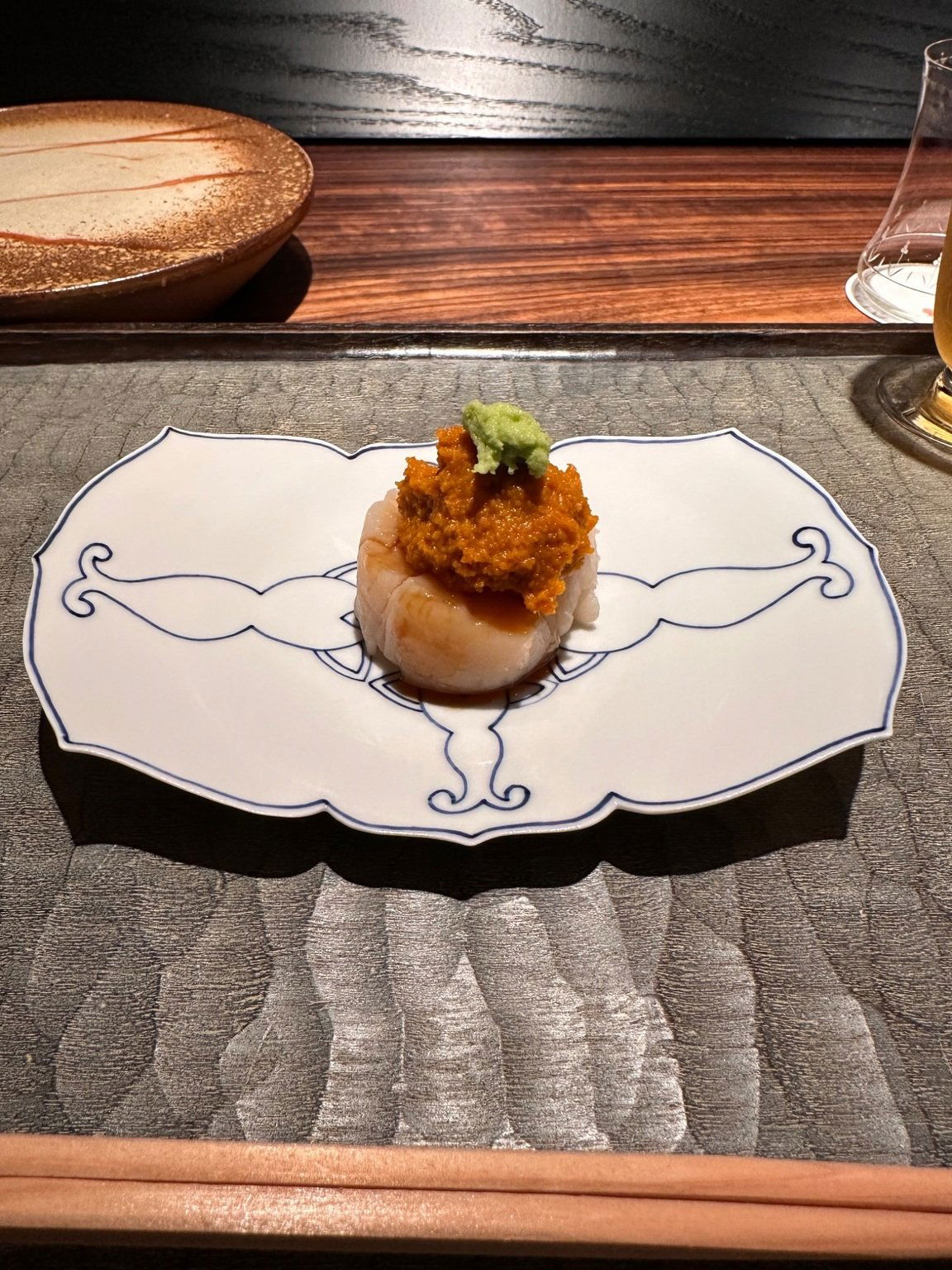


Kiu
Sushi · Shimogyō, Kyoto
Restaurant in Kyoto, Japan
 Book with Pearl
The Read
Referral-First Creative Omakase
Price
$200–300per person
Chef
Kazuo Hisada
Dress
Smart Casual
Why go
Kiu is a five-seat creative sushi counter in Kyoto's Shimogyo Ward, operating almost entirely by referral and holding a Tabelog Silver Award in four of the past five years. Dinner runs JPY 40,000–59,999 per head across two evening sessions. It is the right booking if you want serious, fish-focused omakase in Kyoto: but you will need a group of five to six to get through the door.
About Kiu
Pearl Verdict
If you have already eaten at one of Kyoto's kaiseki counters and want to understand why the city's sushi scene draws serious diners away from Tokyo, Kiu is the right next booking. Chef Kazuo Hisada runs a five-seat counter in Shimogyo Ward that operates almost entirely on referral, Tabelog slots open only a few times a year, and has held a Tabelog Silver Award every year since 2022 except 2024, when it took Bronze, returning to Silver for 2025 and 2026. That consistency across five years, combined with a 4.40 Tabelog score and selection for the Tabelog Sushi WEST "Top 100" in 2021, 2022, and 2025, puts Kiu in the top tier of sushi in western Japan. Book it if creative-leaning sushi at a serious price point is your target. If pure traditional Edomae is what you are after, Sushi Rakumi in Kyoto offers a different reference point.
About Kiu
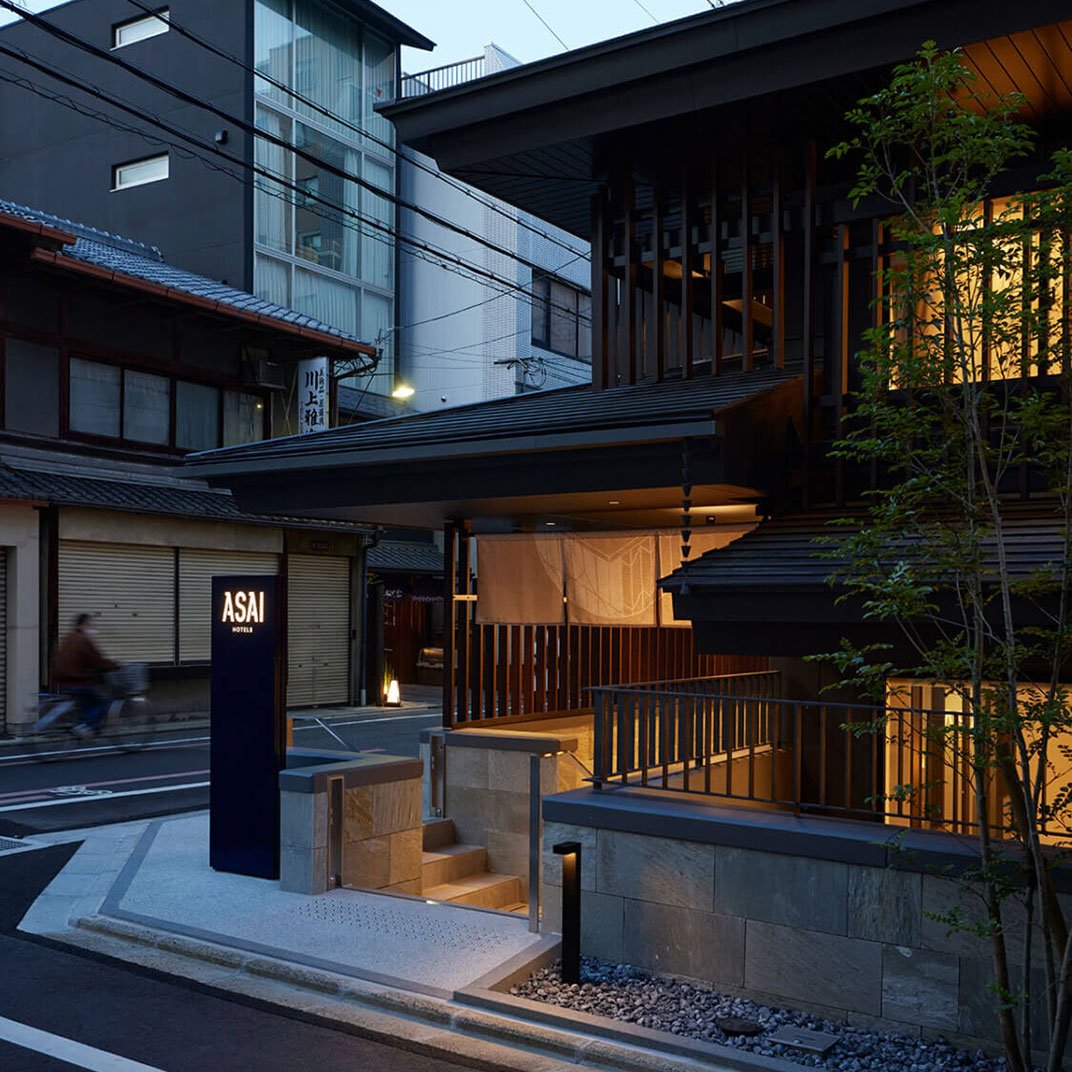
Kiu opened in July 2020, a difficult moment to launch anywhere, on the second floor of a building a five-to-six-minute walk from Karasuma Station. Four and a half years in, it has built a track record that most Kyoto restaurants take a decade to establish. The categories on Tabelog list it as both Sushi and Creative, which is the honest description: this is not a venue replicating Tokyo Edomae conventions wholesale, but one working within the sushi format while applying its own editorial decisions about fish and rice. The kitchen is particular about fish, and the drinks list pairs wine alongside a sake selection, which gives you a sense of the counter's register, technically grounded but not rigidly traditional.
The format is private reservation only, with two sessions per evening: the first from 17:00, the second from 20:15. Each session accommodates five to six guests. There are no private rooms, but the entire restaurant is available for private hire. This means every visit is effectively an intimate group experience, you will not be seated next to strangers at a shared counter in the way larger Tokyo sushi-ya operate. For a repeat visitor, this is worth thinking about carefully: the second session at 20:15 gives you more time to settle in after a day's travel or earlier dining commitments, while the first session works better if you want to extend the evening elsewhere in Shimogyo.
Pricing sits at JPY 50,000–59,999 per person based on listed rates, with review-based averages landing slightly lower at JPY 40,000–49,999. Add a 10% service charge on leading. At that level Kiu is priced comparably to the serious sushi counters in Tokyo's top tier, Harutaka in Tokyo operates in a similar bracket, but the Kyoto context changes the calculation. You are not just paying for sushi; you are paying for a counter where the chef controls every variable, in a city where the competition for your dinner budget includes kaiseki institutions that have been operating for generations. That is a meaningful trade-off, and it is worth being deliberate about it.
For a first visit, the structure of the evening is set by the omakase format, there is no a la carte decision to make. The creative classification suggests the menu will not be a fixed canonical sequence, so what you experience on a second or third visit is likely to differ from the first. If you are planning multiple visits to Kyoto over successive trips, Kiu rewards the approach: the referral-based access means a prior visit functions as a credential, and the fish-focused, seasonally driven kitchen means the menu will read differently in spring, autumn, and winter. Pair a Kiu dinner with a visit to Izugen or Izuu earlier in the trip to build a coherent picture of Kyoto's range across sushi formats before arriving at the counter.
Kyoto's broader sushi landscape includes KASHIWAI and Kikunoi Sushi Ao, both worth considering as context for what the city does differently from Tokyo. Further afield, Sushi Shikon in Hong Kong and Shoukouwa in Singapore are the clearest regional comparisons for premium omakase outside Japan. If you are building a Japan itinerary around serious cooking, HAJIME in Osaka, Goh in Fukuoka, and akordu in Nara each represent a different angle on the region's cooking. For planning context beyond restaurants, see our full Kyoto restaurants guide, our Kyoto hotels guide, and our Kyoto bars guide.
Booking
Kiu operates primarily on a referral basis. New reservation slots open a small number of times per year on Tabelog, check the Tabelog listing directly and set alerts if you are planning ahead. Booking difficulty is rated Easy when slots are available, but availability is the variable. If you arrive more than 15 minutes late, the reservation is treated as a cancellation. Any changes to a confirmed booking also incur a cancellation fee. Perfume restrictions apply. Credit cards are accepted (VISA, Mastercard, JCB, AMEX, Diners). Electronic money and QR code payments are not accepted.
Planning details
- Hours
- ■Business hours[Evening]From 17:00 (Private reservation for 5 guests)[Night]From 20:15 (Private reservation for 5 guests)■Closed onNot fixed
- Location
- Japan, 〒600-8092 Kyoto, Shimogyo Ward, Shinmeicho, 230-2 2F
- Website
- kyoto-kiu.myconciergejapan.net
- Phone
- +81
- Price per person (dinner)
- JPY 50,000–59,999 (listed); JPY 40,000–49,999 (review avg)
- Service charge
- 10%
- Sessions
- First: 17:00 / Second: 20:15
- Access
- 5–6 min walk from Karasuma Station
- Booking method
- Tabelog (slots open a few times/year) or referral
- Closed
- Not fixed
- Smoking
- Non-smoking
The take
The Take
The Vibe
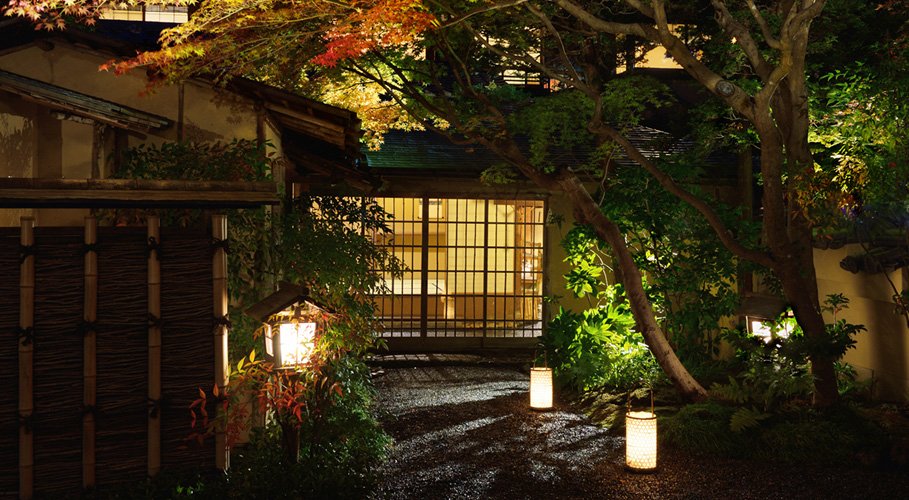
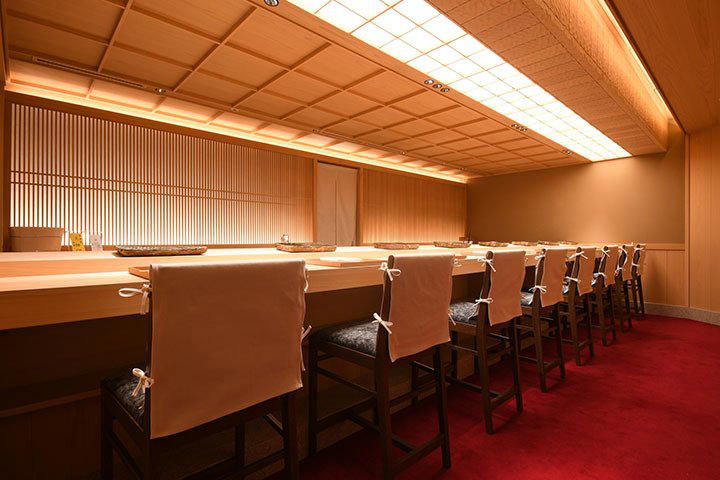
Kiu is a concentrated, counter-only sushi experience that favors restraint and precision over show. The five-seat counter on the second floor of a low-profile Shimogyo Ward building cultivates a deliberate, low-key atmosphere: there’s no signage, no public phone number and a reservation system that runs almost entirely by referral. That operational discretion reinforces a minimalist, quietly exacting vibe, more about the craft on the plate than theatrical presentation, placing the address within Kyoto’s refined sushi conversation rather than the louder, denser scene of Tokyo.
Best For
Kiu is best for diners seeking a focused, intimate sushi encounter: think committed sushi enthusiasts, couples celebrating quietly, or return guests introduced by trusted referrers. Its five-seat counter and referral-forward booking model make it impractical for walk-ins and large groups; instead it rewards diners who value concentrated attention from the chef and a measured tasting sequence. The restaurant’s Tabelog recognition and seasonal nigiri focus underline that this is a place for attentive, occasion-minded dining rather than casual drop-ins.
Ordering Tips
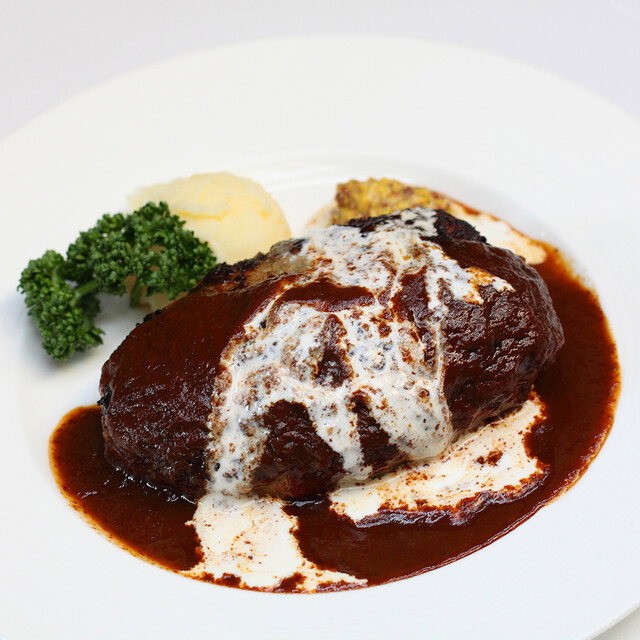
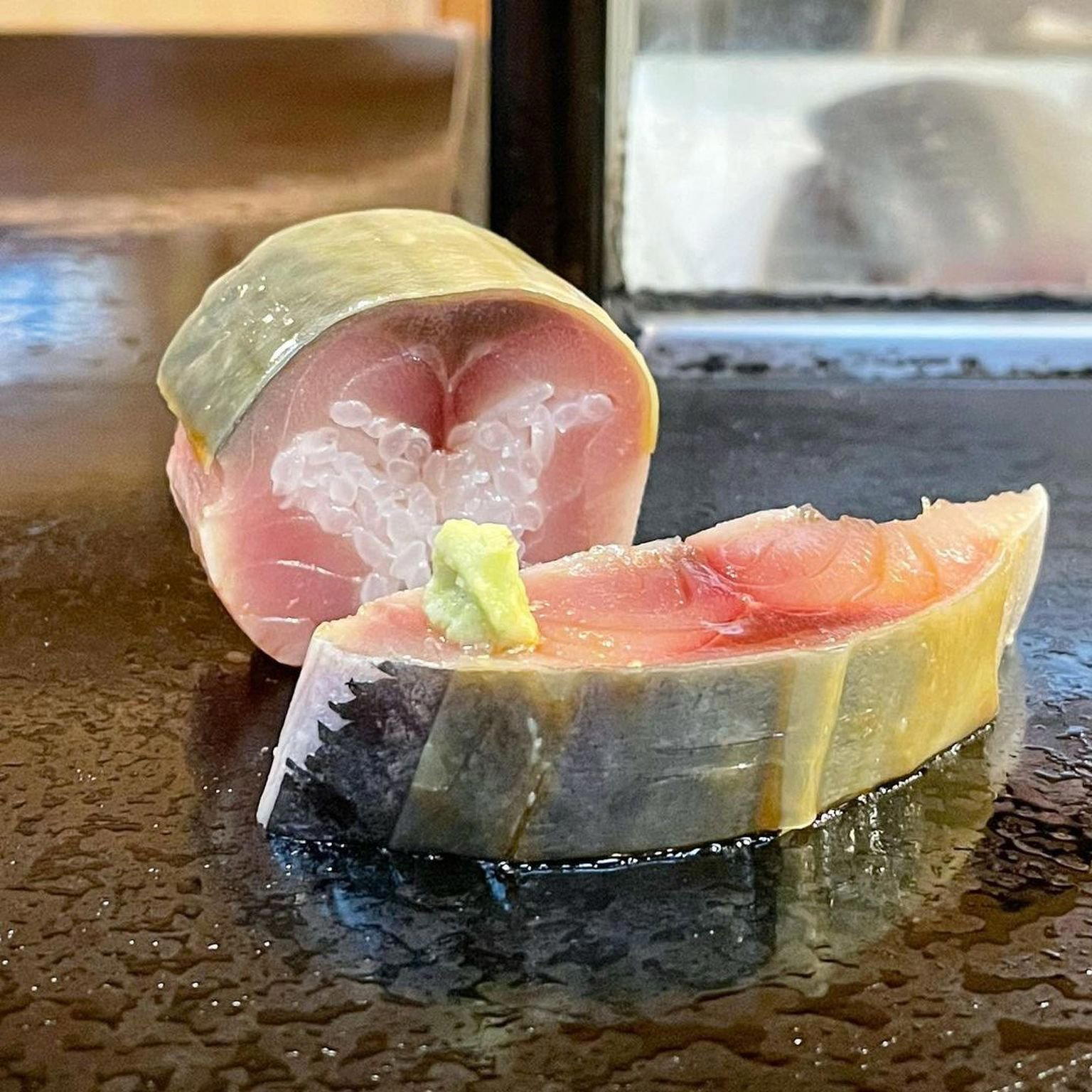
Reservations are the practical barrier and the point of entry: Kiu operates largely by referral and opens to outside guests only occasionally via Tabelog slots. There’s no public phone or website, so booking through a referring guest or watching Tabelog release windows is essential. Expect an omakase-led service at a five-seat counter focused on seasonal nigiri and small otsumami (menu highlights include balsamic-vinegared nigiri, Seto Sea seasonal nigiri, seared tuna and Italian-influenced otsumami like burrata) so come prepared to follow the chef’s sequence and take advantage of the limited seating.
Venue details
Ambiance
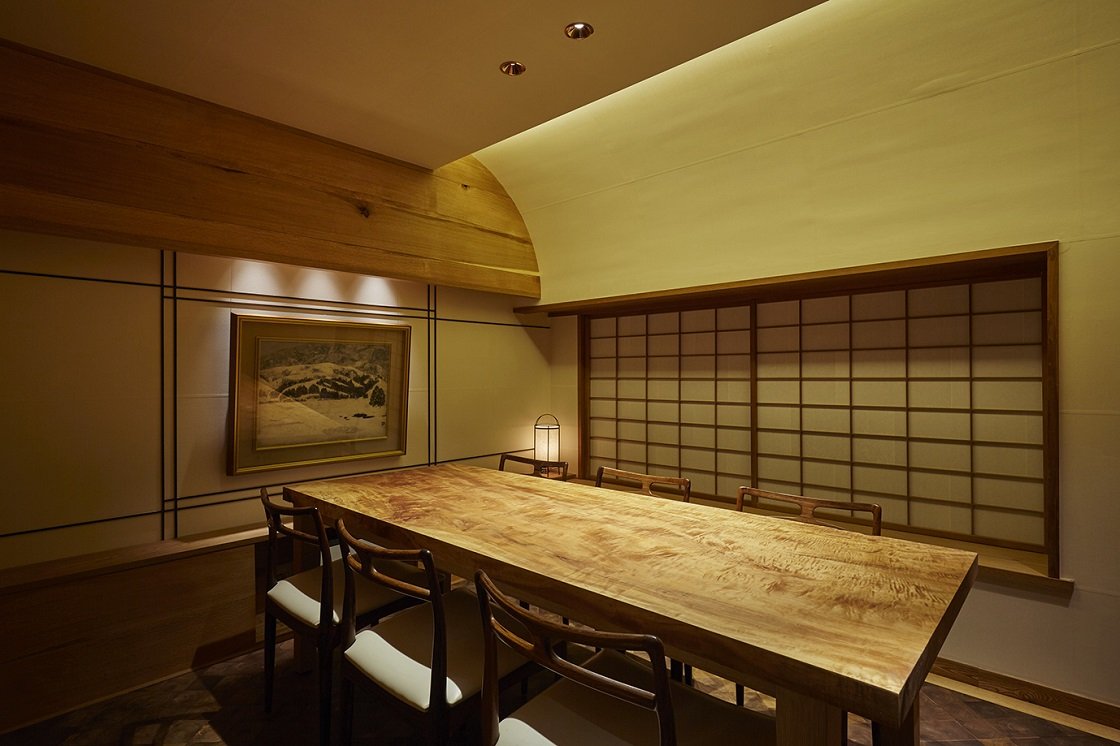
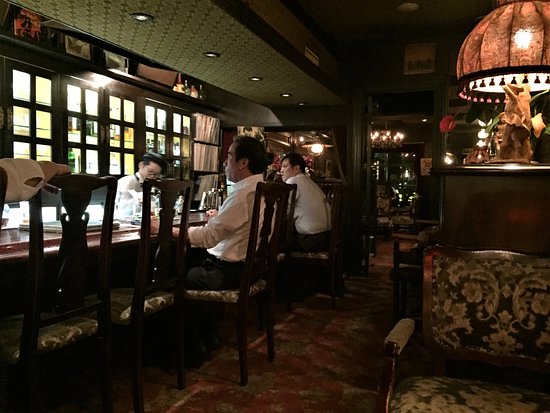
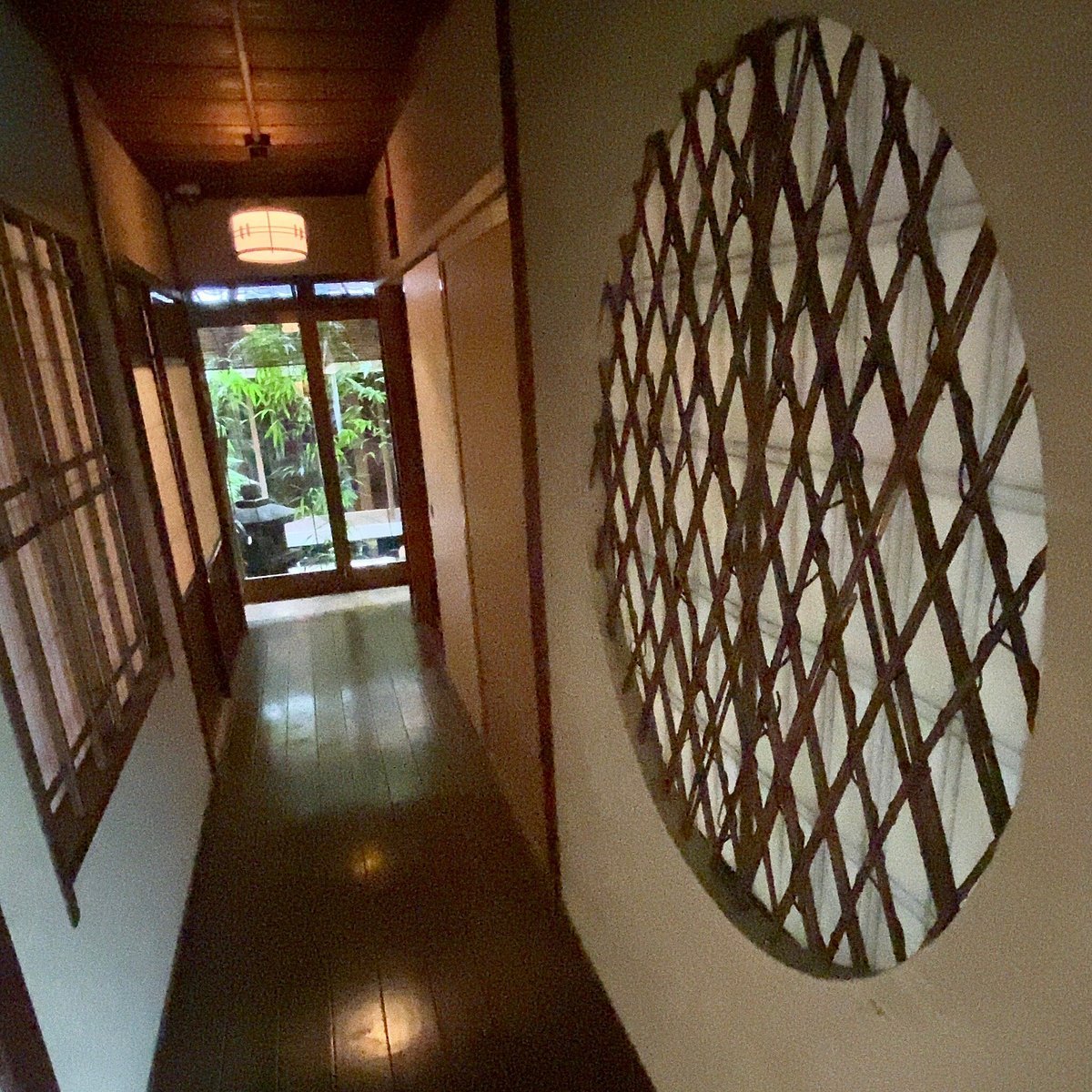
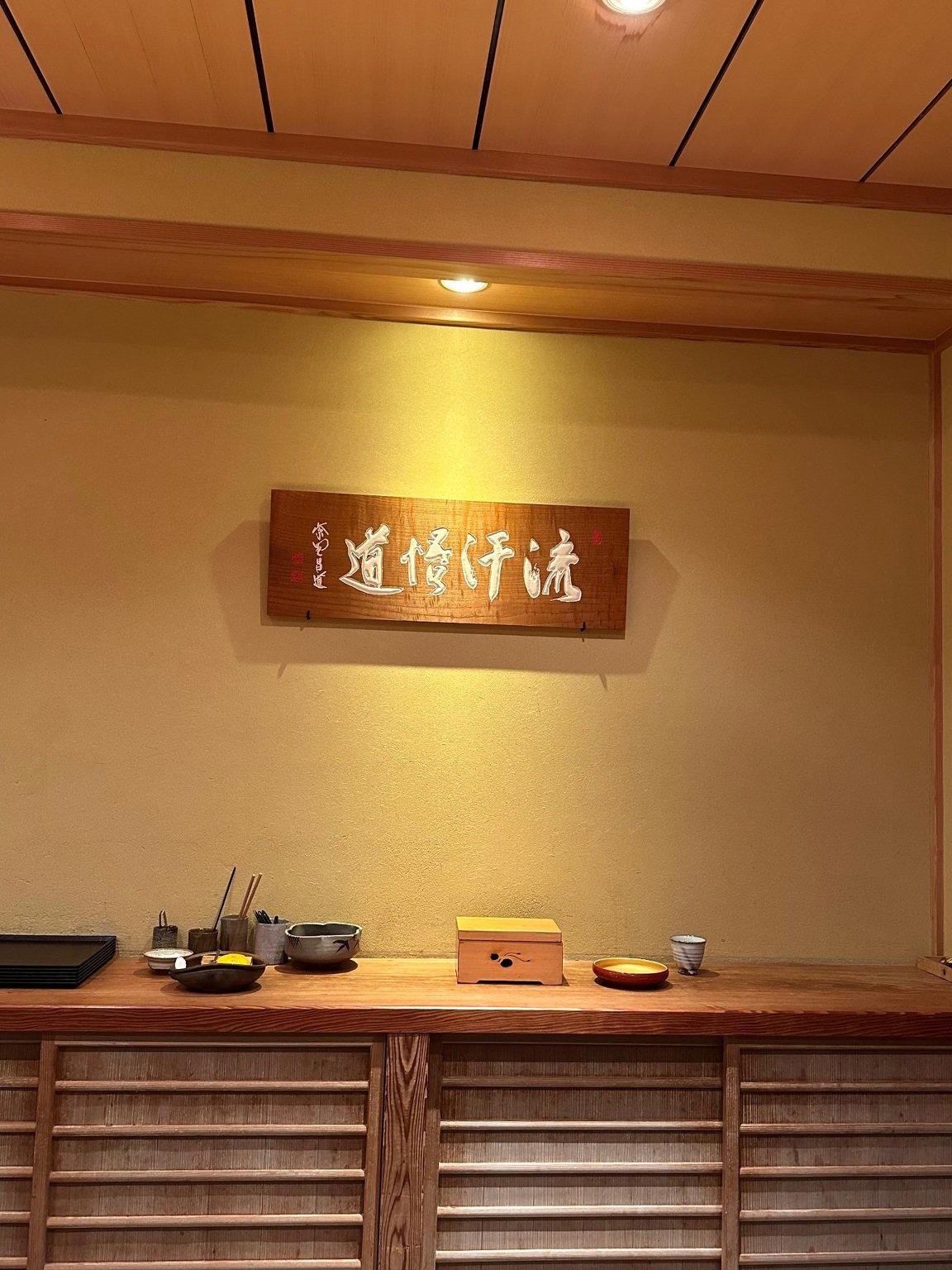
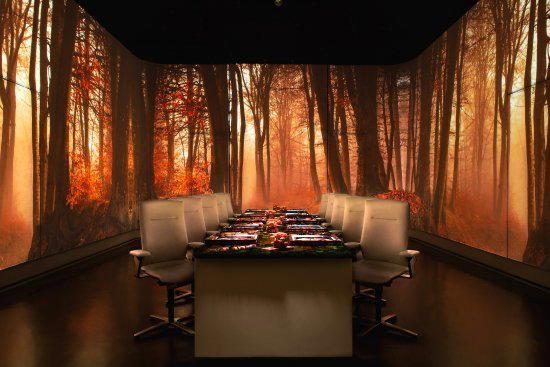
Intimate, warm lighting with practical design; home-like atmosphere at a single counter with no private rooms, creating a compact stage between diner and chef. Non-smoking, compact space that sharpens aroma perception.
Tags
Vibe
Best For
Experience
Sourcing
At the Table
- Dress Code
- Smart Casual
- Noise Level
- Quiet
- Service Style
- Omakase Bar
- Meal Pacing
- Extended Experience
- Capacity
- Intimate
- Seats
- 5–6 (private reservation only)
- Kitchen
- Fusion
- Menu Format
- Omakase, Counter dining
- Drinks Focus
- Sake, Wine
- Dietary
- Allergy accommodating
Signature Dishes
- Balsamic-vinegared nigiri
- Seto Sea seasonal nigiri
- Seared tuna
- Otsumami with Italian technique
- Burrata
Know before you go
Know Before You Go
- Getting there
- Japan, 〒600-8092 Kyoto, Shimogyo Ward, Shinmeicho, 230-2 2F
Planning details
Hours
■Business hours[Evening]From 17:00 (Private reservation for 5 guests)[Night]From 20:15 (Private reservation for 5 guests)■Closed onNot fixed
Location
Japan, 〒600-8092 Kyoto, Shimogyo Ward, Shinmeicho, 230-2 2F · Directions

Also consider
Also Consider
- Gion Sasaki: Kaiseki, Japanese, ¥¥¥¥
- cenci: Italian, ¥¥¥
- Ifuki: Kaiseki, ¥¥¥¥
- Kyokaiseki Kichisen: Japanese, ¥¥¥¥
- Kyo Seika: Chinese, ¥¥¥
Restaurant context
At the JPY 50,000-plus dinner tier in Kyoto, Kiu competes primarily against kaiseki rather than other sushi counters. Gion Sasaki and Ifuki both operate at ¥¥¥¥ in the kaiseki format and carry comparable Tabelog recognition. If the ceremony and multi-course seasonal structure of kaiseki appeals more than a sushi-focused omakase, either is the stronger booking. Kiu's advantage is specificity: the creative sushi format gives the evening a cleaner editorial focus, and the five-to-six-seat private reservation structure means the experience is more controlled than a larger kaiseki dining room.
For value relative to spend, cenci (Italian, ¥¥¥) and Kyo Seika (Chinese, ¥¥¥) both come in at a lower price point with strong Tabelog profiles. If the occasion does not demand the top tier, these are the practical alternatives. Kyokaiseki Kichisen (¥¥¥¥) represents the most traditional end of the Kyoto high-end spectrum: the right choice for guests who want the fullest expression of Kyoto kaiseki formality rather than a creative sushi counter.
On booking difficulty, Kiu is the hardest to access on this list, referral-based with limited Tabelog availability, while Gion Sasaki, Ifuki, and cenci are all more bookable through standard channels. If you are planning a Kyoto trip with limited lead time, locking Kiu first and building the rest of the itinerary around it is the practical approach. For broader context on what Kyoto's restaurant scene offers, see our full Kyoto restaurants guide.
Explore Kyoto
Around this place
Discover more on Pearl
Unlock the full Kiu guide in Pearl, including awards, comparisons, FAQs, planning details, and nearby places.
FAQ
Frequently Asked Questions
What are alternatives to Kiu in Kyoto?
If you cannot secure a seat at Kiu, Ifuki is the most direct comparison: also a Tabelog-recognised sushi counter in Kyoto with serious omakase credentials. For a broader kaiseki-influenced approach at a comparable price tier, Kyokaiseki Kichisen is the reference point, though the format differs significantly. Gion Sasaki and cenci offer creative Japanese cooking that appeals to diners who want precision without the pure sushi-counter format.
What should I order at Kiu?
Kiu does not offer à la carte: the counter runs on a set omakase format, so the menu is not your decision to make. The kitchen is noted on Tabelog as being particular about fish sourcing, and the drinks list leans on sake (nihonshu) alongside wine. Budget JPY 40,000–50,000 per head based on reviewer spending data, with the price ceiling at JPY 59,999 plus a 10% service charge.
Is lunch or dinner better at Kiu?
Kiu does not serve lunch: Tabelog records no lunch pricing and the venue operates evening sessions only, with a first session from 17:00 and a second from 20:15. Dinner is the only option, and the two sessions run as private reservations for five to six guests each.
Is Kiu good for solo dining?
Solo dining is not compatible with Kiu's format. The counter seats five to six guests and operates exclusively as a private group reservation: you cannot book a single seat. A solo traveller cannot secure a table here without joining a group of that size, which makes this a poor fit compared to counters that accept individual bookings.
Is Kiu good for a special occasion?
Yes, provided you can assemble a group of five or six people: the entire counter is reserved as a single private booking, which suits a celebration where exclusivity matters. At JPY 40,000–50,000 per head (plus 10% service), the spend is in line with Kyoto's top-tier sushi counters. The Tabelog Silver Award in 2022, 2023, 2025, and 2026 backs the quality case, but note that access depends on either a referral or catching one of the limited Tabelog public slots.