

Matsuzushi
Sushi · Abeno, Osaka
Restaurant in Osaka, Japan
 Book with Pearl
The Read
Showa-Format Neighbourhood Sushi
Price
$150–200per person
Dress
Smart Casual
Why go
A Michelin one-star sushi counter in Osaka's residential Abeno district, Matsuzushi offers locally sourced fish from Osaka Bay served on mildly vinegared rice in a warm, unhurried setting. At ¥¥¥, it is one of the more accessible starred sushi options in the city. Book well in advance: availability is limited and walk-ins are unlikely.
About Matsuzushi
The Verdict
Matsuzushi is the right booking for food-focused travellers who want Michelin-level sushi without the sterile formality of a high-end counter. Set in Abeno, a residential ward of Osaka rather than the tourist centre, this is a neighbourhood sushi-ya that happens to hold a Michelin star: and that combination is rarer than it sounds. If you are looking for technical precision alongside a genuinely warm, unhurried atmosphere, book here. If you want the prestige of a marquee address or an elaborate multi-course kaiseki experience, look elsewhere.
About Matsuzushi
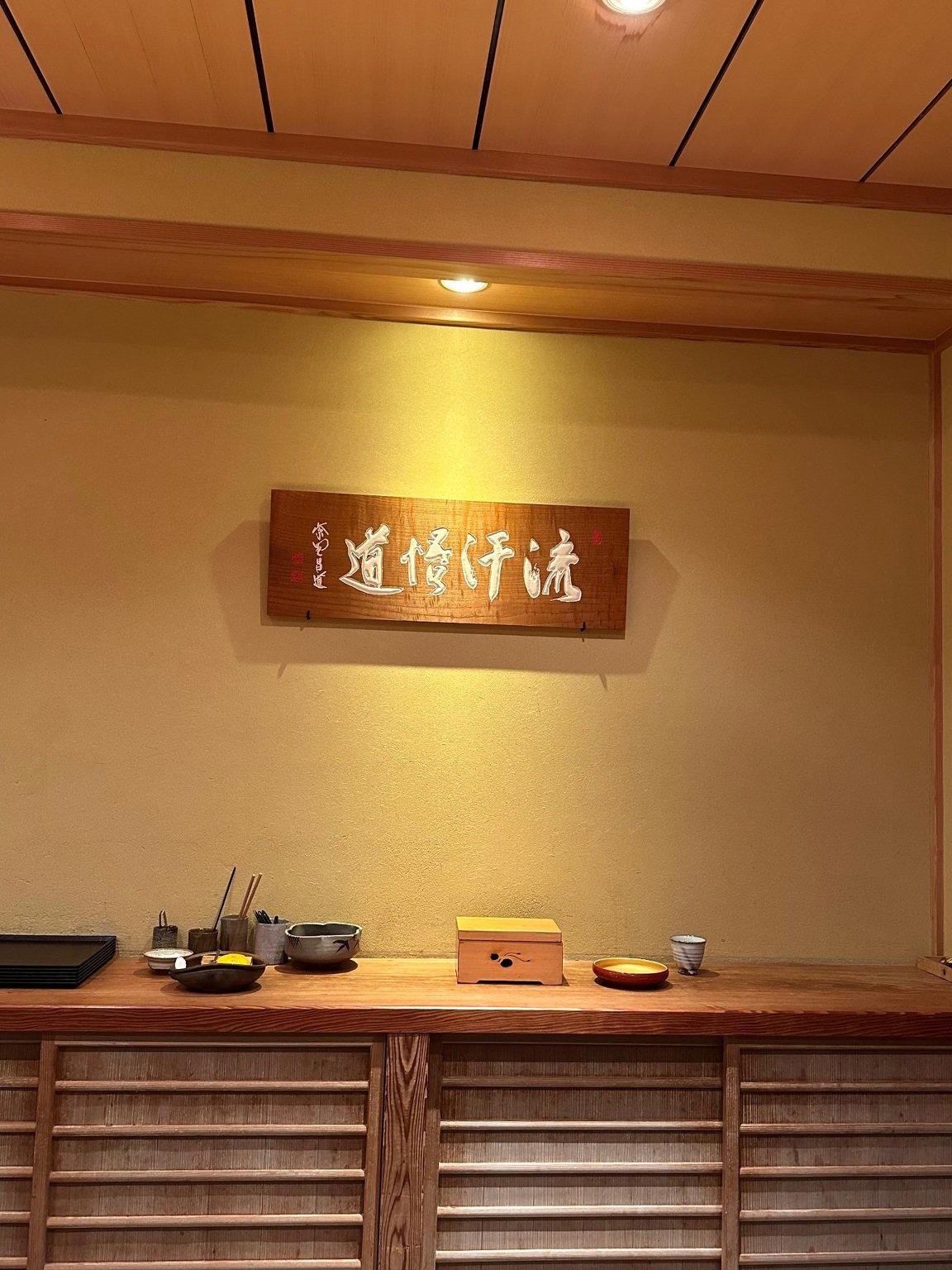
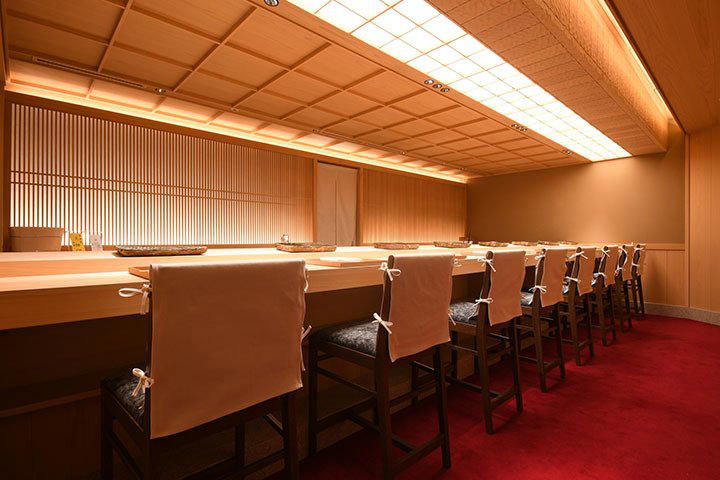
Matsuzushi sits on a quiet street in Abeno Ward: the kind of block where locals run errands rather than tourists take photographs. The exterior is deliberately preserved in a Showa-era style, a visual signal that the restaurant's identity is rooted in continuity with the neighbourhood rather than in contemporary dining trends. Step inside and the renovation is apparent: the interior has been rebuilt to function as the chef's own working stage, with the kind of clean lines that put the fish, not the décor, at the centre of attention.
The atmosphere is the single most important thing to understand before you book. Matsuzushi reads quiet, personal, and nostalgic in the leading sense. This is not a buzzing open kitchen with a soundtrack; it operates at a pace that allows conversation and attention. Solo diners and pairs will find the format especially well-suited. The ambient energy is closer to a trusted local restaurant than a destination-dining event, which, for many travellers, is exactly the point. If you are arriving from an evening at Osaka's bar scene and want somewhere to slow down, this is a plausible pairing in spirit, even if the neighbourhoods differ.
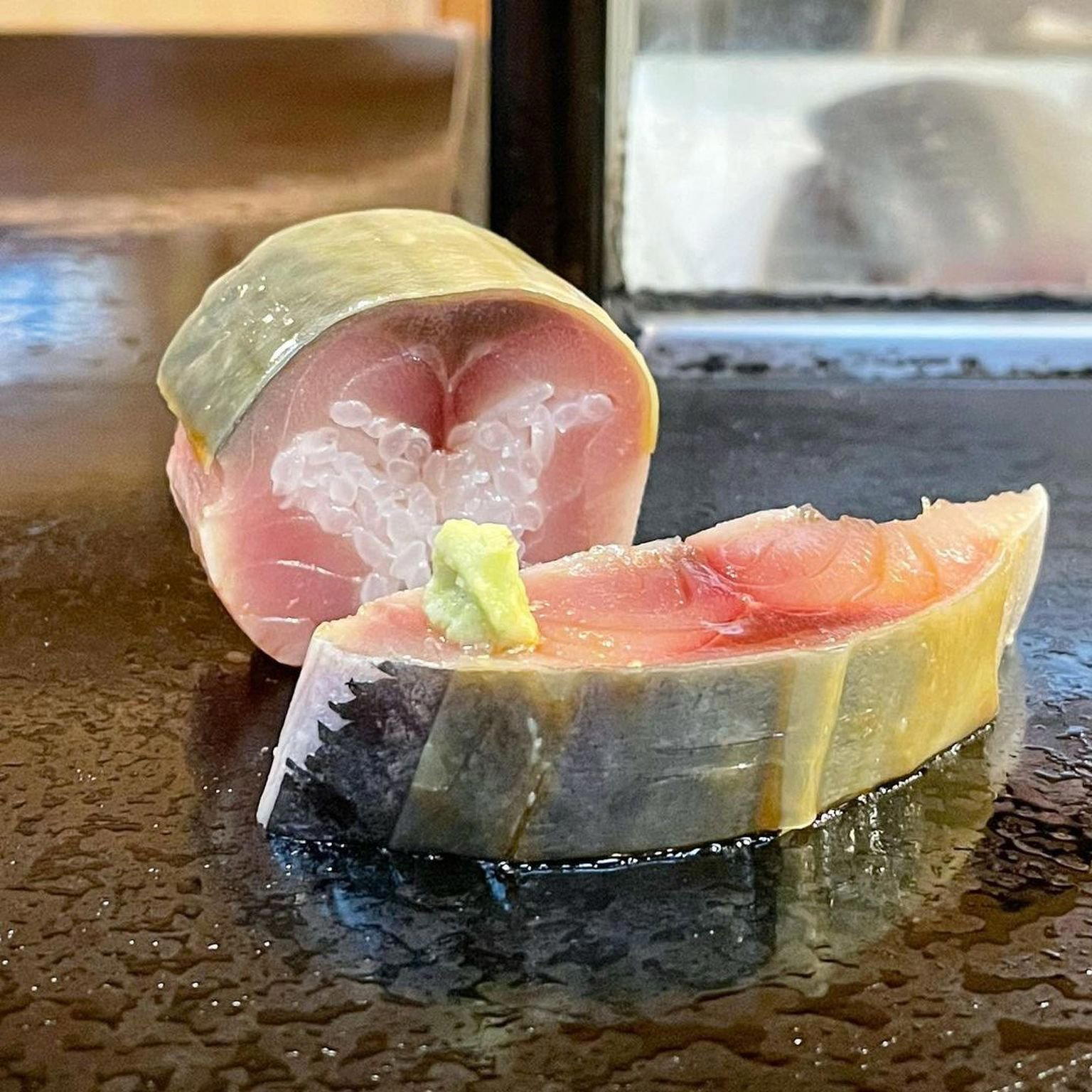
The second-generation owner-chef sources fish from Osaka Bay and nearby seas, which gives the menu a regional specificity you will not find at Tokyo-style sushi counters optimising for Tsukiji provenance. The fish is rested before service, a deliberate technique for developing flavour rather than serving for immediate freshness alone, then placed on mildly vinegared rice. This is Osaka sushi in a direct sense: lighter, more delicate in its acidity than the sharper rice profiles common in Edo-mae style. For travellers who have eaten their way through Harutaka in Tokyo or compared notes with Sushi Shikon in Hong Kong, the Osaka approach here is a meaningful point of contrast worth experiencing.
The Michelin one-star recognition in 2024 confirms the technical level of the cooking without repositioning Matsuzushi as a special-occasion-only destination. The star was awarded to a neighbourhood restaurant that remained a neighbourhood restaurant, which is the rarest outcome in Michelin's annual Osaka announcements.
On drinks: Matsuzushi's format as a traditional sushi-ya means the beverage program will follow the conventions of the category, sake, beer, and possibly shochu rather than a cocktail list. This is not a bar-led experience. If an independent drinks program matters to you, Osaka's standalone bar scene is strong enough to plan around separately. At Matsuzushi, sake is the natural pairing and the right expectation to bring.
For context on where Matsuzushi sits within Osaka's sushi options, Sushi Harasho, Sushi Hoshiyama, Sushi Murakami Jiro, Sushi Sanshin, and Sushi Yuden each represent distinct points on the price and format spectrum. Matsuzushi at ¥¥¥ occupies the mid-to-upper tier without reaching the ¥¥¥¥ ceiling, which makes it one of the more accessible Michelin-starred sushi options in the city. Travellers also exploring Kansai more broadly should cross-reference Gion Sasaki in Kyoto and akordu in Nara when building an itinerary.
Booking
Booking difficulty is rated hard. Matsuzushi is a small counter in a residential neighbourhood with a Michelin star and a loyal local following, that combination means availability is limited and international visitors are competing with regulars. Book as far in advance as possible. A reservation platform or hotel concierge is likely necessary if you do not read Japanese. Walk-in prospects are low.
Getting There
The address is 3 Chome-13-6 Ojicho, Abeno Ward, Osaka, 545-0023. Abeno is accessible via the Osaka Metro Tanimachi line (Tanimachi 9-chome station) and the Kintetsu Osaka line. It is not walking distance from Namba or Shinsaibashi, so plan transport accordingly. For a fuller picture of where to stay nearby, see our Osaka hotels guide.
How It Compares
At ¥¥¥, Matsuzushi is priced below Osaka's ¥¥¥¥ tier, which includes HAJIME, La Cime, and Fujiya 1935, all three of which are innovative or French-influenced and offer a fundamentally different dining format. If your goal is a long, multi-course progressive meal with wine pairings, those venues are the right category. Matsuzushi does not compete with them on format; it competes on value and authenticity within the sushi-specific category.
Against the ¥¥¥ Japanese options, Kashiwaya Osaka Senriyama and Taian both operate in kaiseki, which means longer, more ceremonial meals with a broader set of courses. Matsuzushi is the better choice if you want a focused sushi counter experience at a comparable price point. Kashiwaya and Taian are the better choice if you want seasonal kaiseki structure.
Bottom line: Matsuzushi is the most accessible Michelin-starred sushi option at this price tier in Osaka, and the neighbourhood setting makes it more approachable than most. Book it for a focused, quiet sushi meal with genuine local character. For a grand-occasion progressive dinner, the ¥¥¥¥ tier venues offer more ceremony.
More from Pearl in Japan and Beyond
- Our full Osaka restaurants guide
- Our full Osaka experiences guide
- Our full Osaka wineries guide
- Goh in Fukuoka
- 1000 in Yokohama
- 6 in Okinawa
- Shoukouwa, Sushi in Singapore
Planning details
- Hours
- Monday: Closed · Tuesday: 6–8:30 PM
- Location
- 3 Chome-13-6 Ojicho, Abeno Ward, Osaka, 545-0023, Japan
- Reservations
- Book on TableCheck
- Website
- tablecheck.com/shops/matsuzushi/reserve
- Phone
- +81 6-6622-5723
The take
The Take
The Vibe
Matsuzushi occupies a preserved Showa-era shell in a working residential neighbourhood while presenting a deliberately updated interior. The exterior reads like a community landmark, weathered signage and original proportions, while the inside is reconceived as the chef's working stage. That tension between continuity and reinvention is the restaurant's defining character: it honours Osaka's traditional sushi culture while operating with the precision and seriousness that win a Michelin star. The experience feels rooted and purposeful rather than nostalgic, a small, craft-focused counter where lineage and contemporary technique meet.
Best For
This is a restaurant for focused, purposeful dining: think special evenings where the meal itself is the occasion. The Michelin acknowledgment and the chef-centric counter service make it especially suitable for business dinners and milestone meals that benefit from a quiet, attentive setting. Visitors who appreciate the provenance of their fish will also value the neighbourhood context: local sourcing from Osaka Bay and nearby fisheries underpins the menu. While the corner location feels modest from the street, the interior staging and service make it a destination for diners who want a refined, concentrated sushi experience.
Ordering Tips
Opt for the chef-led sequence to get the clearest expression of Matsuzushi's approach. The kitchen sources from Osaka Bay and nearby coastal fisheries, so letting the chef determine the order ensures you taste seasonality and local variety. Because the venue foregrounds craft and continuity with neighbourhood practice, expect a tightly composed progression rather than à la carte variety; reserve the counter where possible to watch the preparation and to experience the provenance notes that the chef emphasizes.
Venue details
Ambiance
Warm and calming atmosphere with a refreshing wooden counter for watching the chef and tatami room seating.
Tags
Vibe
Best For
Experience
At the Table
- Dress Code
- Smart Casual
- Noise Level
- Quiet
- Service Style
- Formal
- Meal Pacing
- Leisurely
- Capacity
- Intimate
- Kitchen
- Traditional
- Menu Format
- Omakase, Counter dining
- Drinks Focus
- Sake
Know before you go
Know Before You Go
- Getting there
- 3 Chome-13-6 Ojicho, Abeno Ward, Osaka, 545-0023, Japan
Planning details
Hours
- Monday
- Closed
- Tuesday
- 6–8:30 PM
- Wednesday
- 11:30 AM–1 PM, 6–8:30 PM
- Thursday
- 12–1 PM, 6–8:30 PM
- Friday
- 11:30 AM–1 PM, 6–8:30 PM
- Saturday
- 11:30 AM–1 PM, 6–8:30 PM
- Sunday
- Closed
Location
3 Chome-13-6 Ojicho, Abeno Ward, Osaka, 545-0023, Japan · Directions
Recognition and awards
Also consider
Also Consider
- HAJIME: French, Innovative, ¥¥¥¥
- La Cime: French, ¥¥¥¥
- Kashiwaya Osaka Senriyama: Japanese, ¥¥¥
- Taian: Kaiseki, Japanese, ¥¥¥
- Fujiya 1935: Innovative, ¥¥¥¥
Restaurant context
At ¥¥¥, Matsuzushi sits below Osaka's ¥¥¥¥ tier, which includes HAJIME, La Cime, and Fujiya 1935. All three offer innovative or French-influenced multi-course formats with broader beverage programs and longer meal durations. If your priority is a progressive dinner with wine or sake pairings and a theatrical kitchen presentation, those venues are the right category. Matsuzushi does not compete on format; it competes on focus, value, and local authenticity within the sushi-specific tier.
Against the ¥¥¥ Japanese options, Kashiwaya Osaka Senriyama and Taian are kaiseki restaurants: longer, more ceremonial, with a wider set of courses. Choose Matsuzushi if you want a focused sushi counter meal. Choose Kashiwaya or Taian if you want the full kaiseki structure and seasonal course progression.
Among Osaka's starred sushi counters, Matsuzushi's Abeno neighbourhood setting and second-generation family ownership give it a character that is genuinely different from city-centre counters optimised for visiting diners. Matsuzushi is a practical booking for a food-focused traveller seeking Michelin-level precision.
Explore Osaka
Around this place
Discover more on Pearl
Unlock the full Matsuzushi guide in Pearl, including awards, comparisons, FAQs, planning details, and nearby places.
Compare Matsuzushi
| Venue | Price | Awards |
|---|---|---|
| Matsuzushi | ¥¥¥ | 2026 Michelin 1 StarMichelin Guide Kyoto Osaka 2026Tabelog 100 - Sushi - WEST - 2025 · #862024 Michelin 1 Star |
| HAJIME | ¥¥¥¥ | Star Wine Lists 2026 · #12026 Tabelog Bronze · #922026 OAD Top Restaurants in Japan Ranked · #98Michelin Guide Kyoto Osaka 20262026 La Liste Top RestaurantsTabelog 100 - Innovative / Creative cuisine - 2025 · #692025 Asia's 50 Best Restaurants · #832025 OAD Top Restaurants in Japan Ranked · #87We're Smart World Top Restaurants 2025 |
| La Cime | ¥¥¥¥ | 2026 Asia's 50 Best Restaurants · #132026 OAD Top Restaurants in Japan Ranked · #1492026 Tabelog Bronze · #231Michelin Guide Kyoto Osaka 20262026 La Liste Top Restaurants2025 Asia's 50 Best Restaurants · #82025 World's 50 Best Restaurants · #44Tabelog 100 - French - WEST - 2025 · #932025 OAD Top Restaurants in Japan Ranked · #123 |
| Kashiwaya Osaka Senriyama | ¥¥¥ | 2026 Tabelog Bronze · #1682026 OAD Top Restaurants in Japan Recommended2026 Relais Chateaux RestaurantsMichelin Guide Kyoto Osaka 20262026 La Liste Top RestaurantsTabelog 100 - Japanese cuisine - WEST - 2025 · #772025 OAD Top Restaurants in Japan Ranked · #1552025 Relais Chateaux Award2025 Michelin 3 Stars |
| Taian | ¥¥¥ | 2026 OAD Top Restaurants in Japan RecommendedMichelin Guide Kyoto Osaka 20262026 La Liste Top Restaurants2025 OAD Top Restaurants in Japan Ranked · #2042025 La Liste Top Restaurants2025 Michelin 3 Stars2024 OAD Top Restaurants in Japan Ranked · #1912024 Michelin 3 Stars2023 OAD Top Restaurants in Japan Highly Recommended |
| Fujiya 1935 | ¥¥¥¥ | 2026 Tabelog Bronze · #752026 OAD Top Restaurants in Japan RecommendedMichelin Guide Kyoto Osaka 20262026 La Liste Top Restaurants2025 Michelin 2 Stars2025 Tabelog Silver2025 La Liste Top Restaurants2024 OAD Top Restaurants in Japan Ranked · #2392024 Michelin 2 Stars |









What to weigh when choosing between Matsuzushi and alternatives.
FAQ
Frequently Asked Questions
Is Matsuzushi good for solo dining?
Yes: solo is arguably the ideal format here. Matsuzushi is a small counter in a residential Abeno neighbourhood, and a single seat gives you direct interaction with the second-generation chef who has held a Michelin star since 2024. If you want a convivial, personal sushi experience rather than a table-for-two arrangement, solo works well at a ¥¥¥ price point.
Can I eat at the bar at Matsuzushi?
Counter seating is the format at Matsuzushi: the interior was renovated specifically to serve as the chef's stage, so the counter is the experience. There is no separate dining room to retreat to; you are watching the chef work throughout the meal, which is part of the point.
What are alternatives to Matsuzushi in Osaka?
For higher-end omakase with more ceremony, Taian (Michelin 2 Stars) and Kashiwaya Osaka Senriyama offer a more formal setting. If you want French-influenced precision rather than traditional sushi, La Cime and Fujiya 1935 are the Osaka names to consider. Matsuzushi sits in a different register, neighbourhood warmth, Michelin-quality, local sourcing, which none of those replicate at its price range.
Is Matsuzushi good for a special occasion?
It depends on what you want the occasion to feel like. Matsuzushi carries a Michelin star and ¥¥¥ pricing, so the quality signals are there, but the setting is deliberately low-key: a Showa-era exterior, a quiet residential street, a chef known for a friendly rather than theatrical approach. For a milestone dinner where the room itself needs to impress, look at Taian or Kashiwaya. For a personal, food-focused celebration without the stiffness, Matsuzushi delivers.
What should I wear to Matsuzushi?
The setting, a neighbourhood counter in Abeno with a Showa-era exterior, suggests the atmosphere is relaxed rather than formal. Neat, comfortable clothing is a reasonable approach; the kind of thing you would wear to a serious restaurant dinner without treating it as a black-tie event.
Is the tasting menu worth it at Matsuzushi?
Matsuzushi rests fish from Osaka Bay and nearby seas to draw out flavour, then pairs it with mildly vinegared rice. A Michelin 1 Star (2024) at ¥¥¥ pricing puts this in a tier where the quality-to-cost ratio is reasonable by Osaka omakase standards, particularly compared to the multi-star options in the city.
Is Matsuzushi worth the price?
At ¥¥¥ with a Michelin 1 Star, Matsuzushi is priced at a point where you are paying for craft and sourcing rather than a glamorous address. The chef sources from Osaka Bay and nearby seas and has maintained the neighbourhood character his father established: you are getting considered, locally rooted sushi without the premium charged at more scenographic venues. For that profile, yes, it is worth the price.