

Sushi Kibatani
Chinese · Kanazawa
Restaurant in Kanazawa, Japan
 Book with Pearl
The Read
Edo Technique, Sea of Japan Seasonality
Price
$150–200per person
Chef
Various
Dress
Smart Casual
Why go
Sushi Kibatani is an eight-seat omakase counter in Kanazawa that has held the Tabelog Bronze Award in 2020 and 2023–2026 and appeared on the Tabelog Sushi WEST Top 100 twice. Dinner runs JPY 30,000–39,999 per head. The menu tracks Sea of Japan seasonal fish, so winter and spring visits deliver genuinely different meals: making it worth returning to.
About Sushi Kibatani
Should you book Sushi Kibatani in Kanazawa?
Yes, if you are serious about sushi and willing to plan ahead. Sushi Kibatani is an eight-seat counter restaurant in Kanazawa's Hikosomachi district that has held the Tabelog Bronze Award every year from 2020 through 2026, earned a Tabelog score of 3.97 (with some sources noting 4.02), and appeared twice on the Tabelog Sushi WEST "Top 100" list (2021 and 2025). For a food-focused traveller making a dedicated trip through Ishikawa Prefecture, this is the sushi booking that anchors the itinerary.
The Space
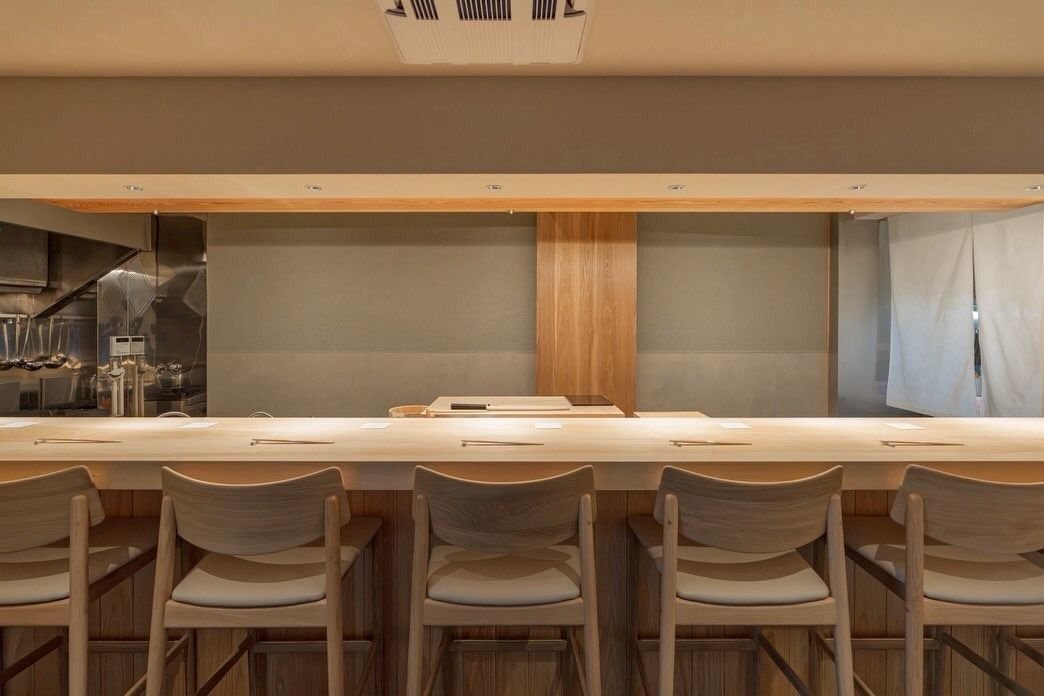
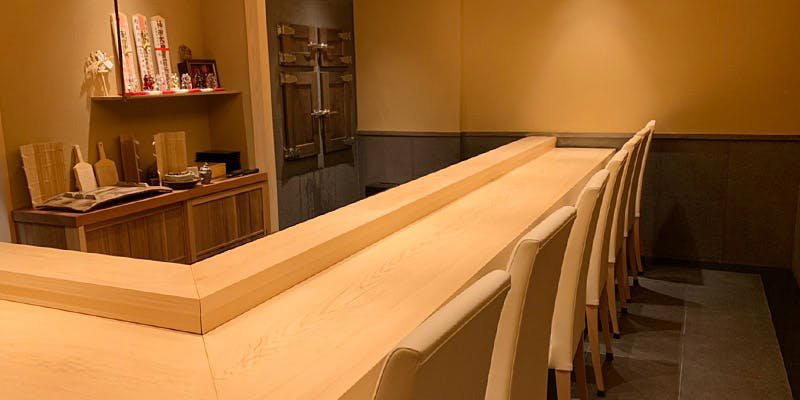
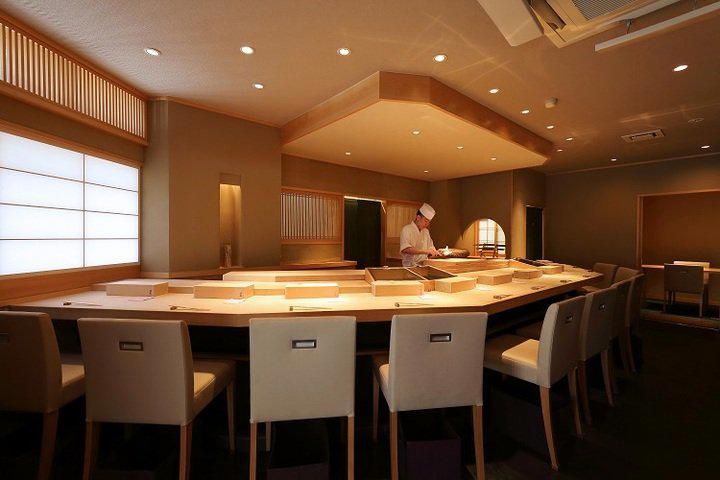
The counter seats exactly eight people. That is not a stylistic choice you can work around: it is the entire restaurant. The format is pure omakase: you sit at the bar, the chef works in front of you, and the meal proceeds at the kitchen's pace. Tabelog's listing categorises it as a "stylish space" and a "relaxing space," which fits the intimacy of an eight-seat counter where conversation carries easily and attention is undivided. There are no private rooms. Private full-venue hire is technically available, which makes it a viable option for a group of up to eight who want the counter to themselves. Parking is unavailable, and the venue is non-smoking throughout.
What Kibatani Does
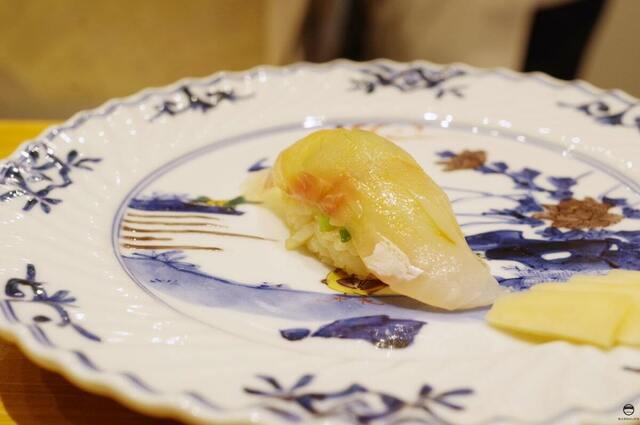
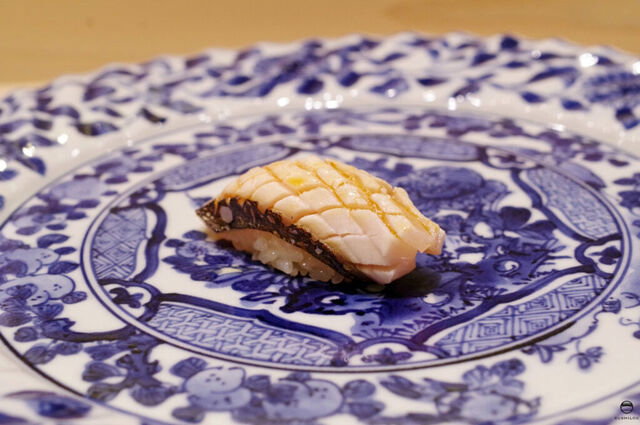
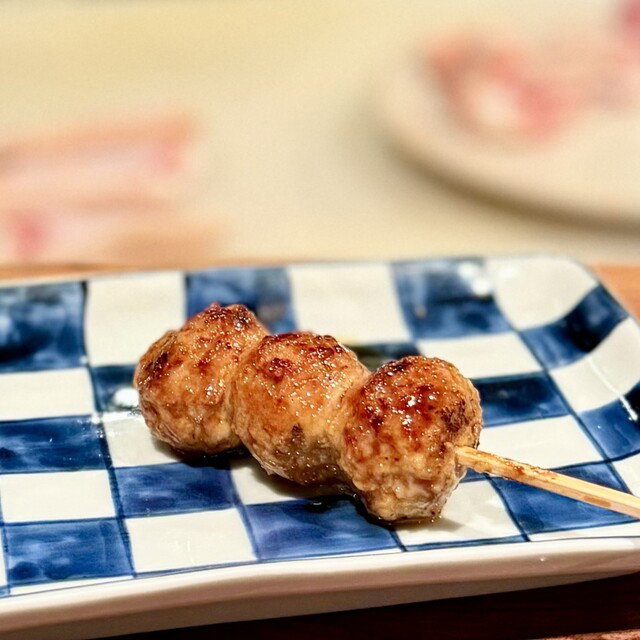
The venue's own description frames the offer clearly: Edo-style sushi technique applied to Kanazawa's seasonal Sea of Japan fish, with a Noto-style sushi component that reflects the regional character of Ishikawa. This is not Tokyo-style omakase transposed to the provinces: the fish sourcing is local and seasonal, which means what you eat in spring differs meaningfully from what you eat in autumn. The drink list runs to nihonshu (sake), which pairs naturally with Sea of Japan fish. Credit cards are accepted (Visa, JCB, Amex, Diners); electronic payments and QR codes are not.
Pricing and Value
Budget JPY 30,000 to JPY 39,999 per person for dinner, based on Tabelog review data. At current exchange rates, that sits in the ¥30–40k omakase tier that serious sushi travellers will recognise as mid-to-upper range for a regional counter but below the ¥50,000+ pricing of Tokyo's leading omakase seats. Given the five consecutive Tabelog Bronze wins and two Top 100 Sushi WEST selections, the price-to-recognition ratio is reasonable for this quality level. Lunch is not offered.
When to Go
The restaurant opens Monday through Saturday, dinner only, 5 pm to 9 pm. Sunday is closed. The Sea of Japan fish calendar matters here: winter (December through February) brings buri (yellowtail) and crab season, which many food travellers target specifically when visiting Kanazawa. Autumn hauls in seasonal fish that differs from summer offerings. Because the menu tracks the seasons, a return visit in a different season delivers a materially different meal, which makes this a counter worth revisiting, not just checking off. The venue notes irregular closures.
Booking
Reservations are required. Walk-ins are not the format here. Bookings are handled through the restaurant's own website (kibatani.com). Given the eight-seat capacity and award profile, lead time matters, plan further out if you are visiting during peak travel periods for Kanazawa (cherry blossom in late March to April, autumn foliage in October to November) or during winter crab season. The venue classifies itself under "Hideout" on Tabelog's location tags, which reflects its low-profile residential-district address rather than a tourist-facing location.
A Multi-Visit Strategy
If you are planning more than one meal at Kibatani across separate Kanazawa trips, the seasonal logic gives you a clear framework. A first visit during winter positions you for the full Noto-style and Sea of Japan cold-weather fish programme. A second visit in late spring or early summer shows you a completely different seasonal range. Between visits, the broader Kanazawa dining circuit offers strong complementary options: Kataori and Kisanuki cover kaiseki, while Hamagurizaka Maekawa handles yakitori at a different price point. For a fuller picture of where to eat, drink, and stay, see our full Kanazawa restaurants guide, our Kanazawa bars guide, and our Kanazawa hotels guide.
How It Compares, Kanazawa's Leading Tables
| Venue | Cuisine | Price Range (Dinner) | Format | Booking Difficulty |
|---|---|---|---|---|
| Sushi Kibatani | Sushi / Omakase | JPY 30,000–39,999 | 8-seat counter | Easy (website only) |
| Kataori | Kaiseki | Traditional kaiseki | ||
| Kisanuki | Japanese Cuisine | Japanese cuisine | ||
| Hamagurizaka Maekawa | Yakitori | Counter / grill | ||
| Budoonomori Les Tonnelles | French | French dining |
For context beyond Kanazawa: travellers benchmarking against Japan's leading sushi counters should know that Harutaka in Tokyo and Gion Sasaki in Kyoto operate in a similar counter-omakase format but in higher-profile cities. Kibatani's competitive advantage is the Sea of Japan fish access and the regional Noto-style dimension, neither is replicable in Tokyo or Kyoto. For other strong regional dining across Japan, Goh in Fukuoka and HAJIME in Osaka represent different but comparable levels of commitment to a single city's food identity. Explore our full Kanazawa experiences guide and our Kanazawa wineries guide to plan the wider trip around your dinner reservations.
Planning details
- Hours
- Monday: 5–9 pm · Tuesday: 5–9 pm
- Location
- 1 Chome-8-26 Hikosomachi, Kanazawa, Ishikawa 920-0901, Japan
- Reservations
- Book on the venue's website
- Website
- kibatani.com
- Phone
- +81 50-5870-8418
The take
The Take
The Vibe
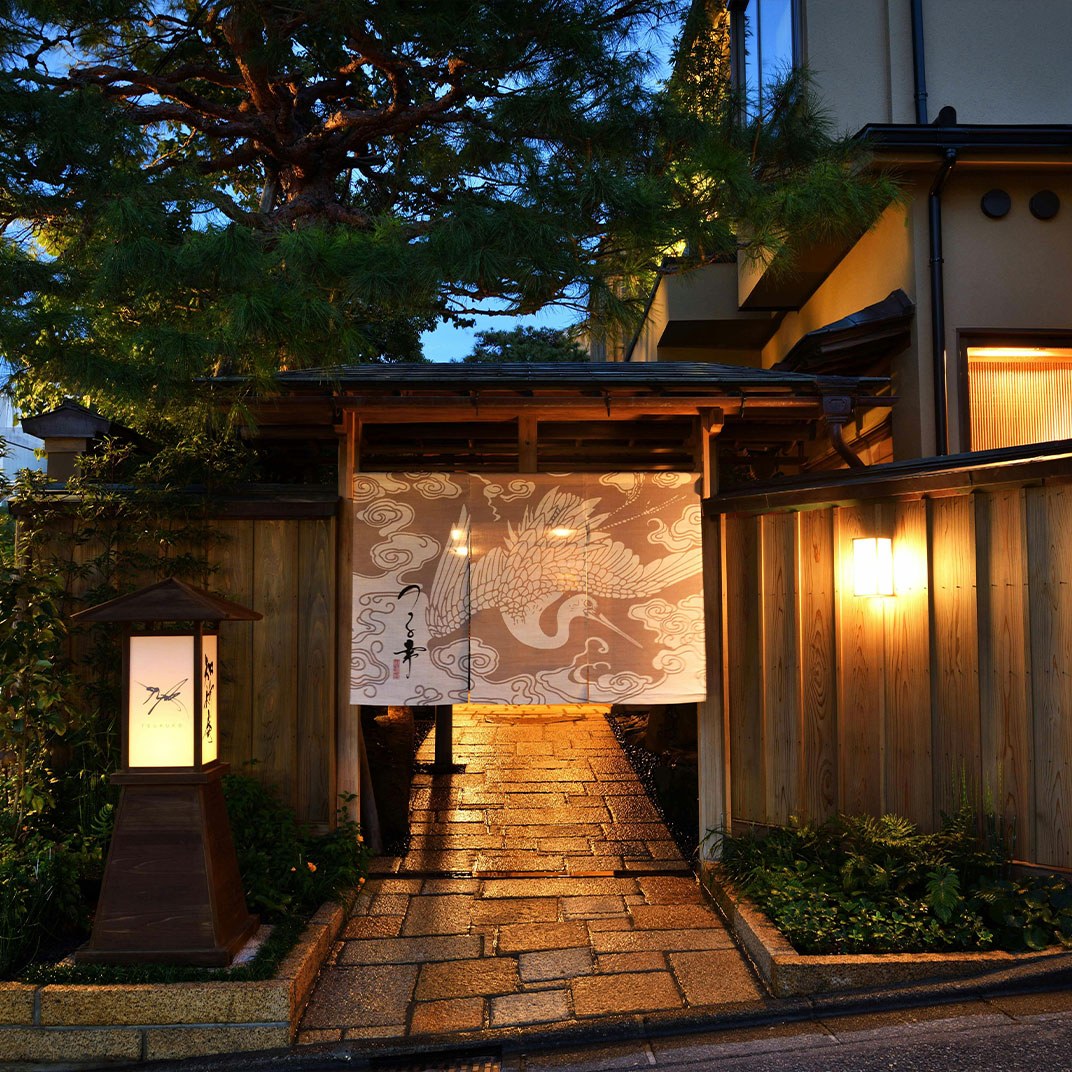
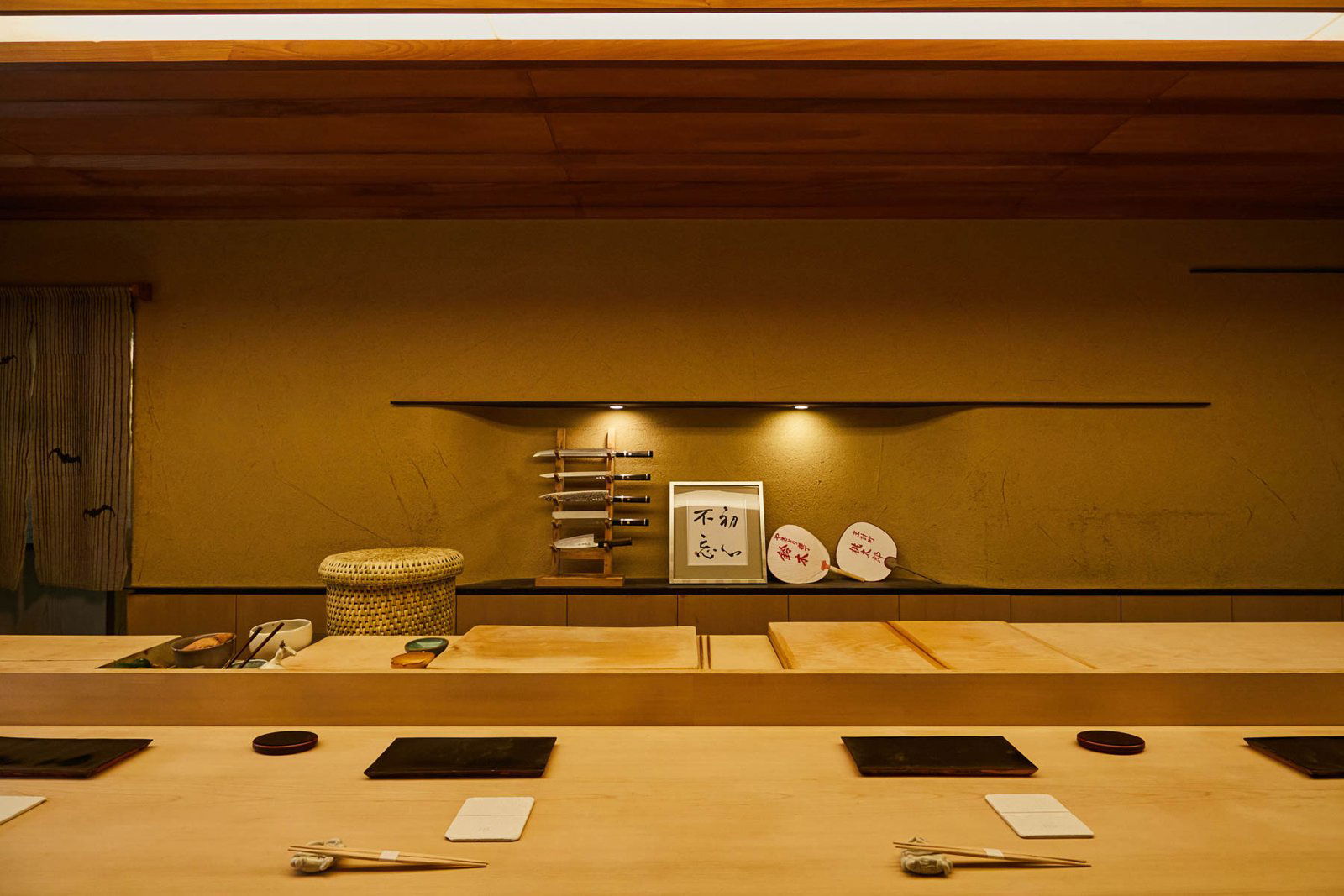
Sushi Kibatani reads like a focused, classical sushi counter transplanted to Kanazawa’s quieter edge. The room is intentionally compressed, eight counter seats with the chef’s station immediately opposite, so the theatricality of mise-en-place and fish handling becomes the setting’s entire ornament. The kitchen is visible and unvarnished: Edo-style technique meets Noto-coast sourcing, and the restaurant positions its craft as an argument about freshness and provenance. The result is a restrained, composed environment where the food’s seasonality and the chef’s sequence take center stage rather than décor or fanfare.
Best For
This is a place for diners who want the ritual of high-end omakase: a sequence-driven meal that privileges fish from the Sea of Japan and technique rooted in Tokyo training. The counter’s size and layout direct attention to the chef’s work, making the restaurant well suited to couples seeking an elevated, focused evening and to serious sushi fans who care about provenance and seasonal windows. With dinner priced in the JPY 30,000–39,999 range, the counter also appeals to those treating the meal as a special occasion.
Ordering Tips
Sushi Kibatani operates as an omakase counter where pacing and sequence matter: guests sit at the counter and receive a succession of pieces. Expect a heavy emphasis on seasonal Noto-coast fish and Edo-style preparation, and plan your budget around the published dinner range (JPY 30,000–39,999). Because the experience is built on direct chef-to-guest exchange and limited seating, come prepared to watch, ask focused questions about sourcing, and follow the chef’s lead through the progression of courses.
Venue details
Ambiance
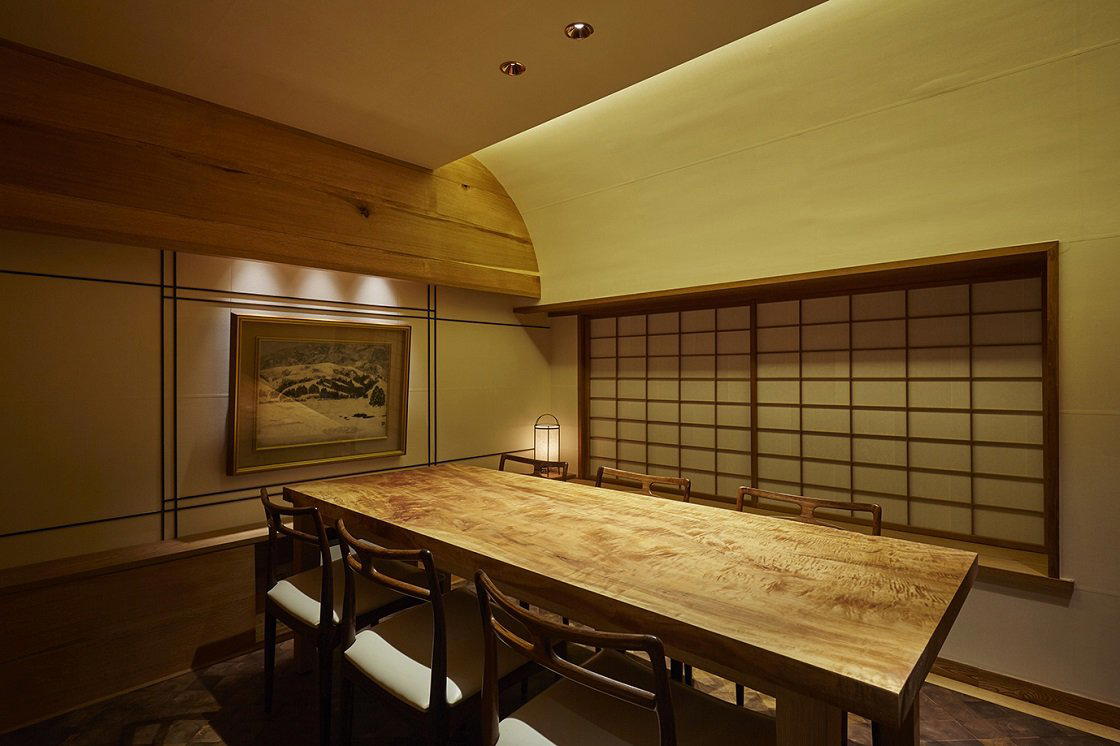
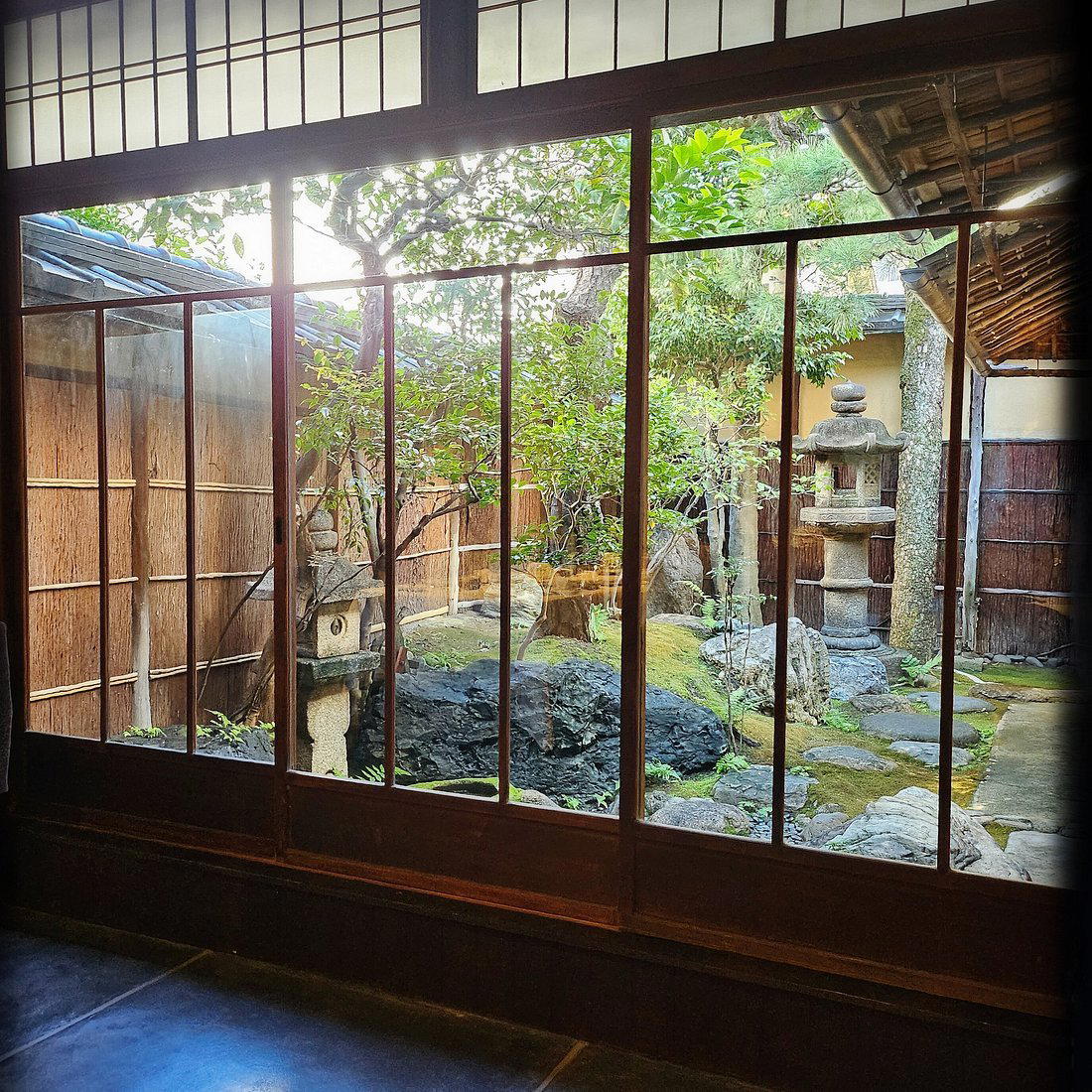
Intimate counter seating in a stylish, relaxing space blending traditional elegance with modern minimalism.
Tags
Vibe
Best For
Experience
Sourcing
At the Table
- Dress Code
- Smart Casual
- Noise Level
- Quiet
- Service Style
- Omakase Bar
- Meal Pacing
- Leisurely
- Capacity
- Intimate
- Kitchen
- Traditional
- Menu Format
- Omakase, Counter dining
- Drinks Focus
- Sake program
Know before you go
Know Before You Go
- Getting there
- 1 Chome-8-26 Hikosomachi, Kanazawa, Ishikawa 920-0901, Japan
Planning details
Hours
- Monday
- 5–9 pm
- Tuesday
- 5–9 pm
- Wednesday
- 5–9 pm
- Thursday
- 5–9 pm
- Friday
- 5–9 pm
- Saturday
- 5–9 pm
- Sunday
- Closed
Location
1 Chome-8-26 Hikosomachi, Kanazawa, Ishikawa 920-0901, Japan · Directions

Also consider
Also Consider
- Kataori: Kaiseki, Kaiseki
- Respiracion: Innovative Spanish, Innovative Spanish
- Zeniya: Kaiseki, Kaiseki
- Hamagurizaka Maekawa: Yakitori, Yakitori
- Kyo Gion Negiyaki Kona: Okonomiyaki, Okonomiyaki
Restaurant context
Among Kanazawa's top-tier restaurants, Sushi Kibatani occupies a specific and well-defined position: it is the choice if sushi is your primary focus and you want a regional expression of the format rather than a Tokyo transplant. The five consecutive Tabelog Bronze wins from 2020 through 2026 and two Sushi WEST Top 100 appearances give it the strongest formal recognition of any sushi counter in the city. For travellers whose priority is Ishikawa's Sea of Japan fish in an omakase format, there is no stronger confirmed option in Kanazawa at this quality tier.
If your priority is experiencing Kanazawa's broader food identity, Kataori and Zeniya offer kaiseki that covers a wider range of local ingredients and cooking traditions: better for diners who want more than fish, or who find the omakase counter format too narrow for a first Kanazawa meal. Kibatani at JPY 30,000–39,999 sits in a comparable price bracket to high-end kaiseki in the city, so the choice comes down to format preference rather than budget. Respiracion's innovative Spanish approach offers something genuinely different for travellers who want to eat well without committing to another Japanese tasting format.
For a lower-stakes dinner alongside a Kibatani booking, Hamagurizaka Maekawa (yakitori) works well as a companion meal on a separate evening: convivial, lower cost, and a useful contrast to the counter formality. Kyo Gion Negiyaki Kona sits at an entirely different price and occasion register (okonomiyaki), so it is not a direct alternative but does fill out a multi-day Kanazawa itinerary without repeating the same format. For a trip centred on serious eating, the logical sequence is one kaiseki dinner (Kataori or Zeniya), one sushi counter dinner (Kibatani), and one more casual evening (Hamagurizaka Maekawa): giving you three distinct formats across three nights.
Explore Kanazawa
Around this place
Discover more on Pearl
Unlock the full Sushi Kibatani guide in Pearl, including awards, comparisons, FAQs, planning details, and nearby places.
FAQ
Frequently Asked Questions
Is Sushi Kibatani good for solo dining?
It is one of the better formats for solo diners in Kanazawa precisely because the entire restaurant is a counter for eight. You will not be seated at a side table or feel out of place. That said, solo bookings at an 8-seat counter can be harder to secure: the restaurant books through its own website (kibatani.com), and groups of two often fill slots faster. Book as early as possible.
What should a first-timer know about Sushi Kibatani?
Budget ¥30,000 to ¥39,999 per person for dinner: this is omakase-only, so there is no à la carte option to moderate spend. Reservations are required and handled via kibatani.com; walk-ins are not possible at an 8-seat counter. The restaurant has held Tabelog Bronze consecutively from 2020 through 2026 and has been listed in Tabelog Sushi WEST's top 100 twice, so expectations are high and the format rewards guests who come prepared for a structured, counter-led experience.
Is lunch or dinner better at Sushi Kibatani?
Dinner is the only option. The restaurant opens Monday through Saturday from 5 pm to 9 pm and does not offer lunch service. Sunday is closed. Check kibatani.com before visiting, as the restaurant notes irregular closures and hours that can change.
Is Sushi Kibatani good for a special occasion?
Yes, with caveats. The 8-seat counter can be booked for private use, which makes it a strong option for a milestone dinner if you can fill the room. For a couple celebrating, the counter format is intimate but not private by default. At ¥30,000 to ¥39,999 per head and with five consecutive Tabelog Bronze awards behind it, the calibre is there: the format just requires both parties to be comfortable with a structured, fish-forward omakase rather than a flexible menu.
What are alternatives to Sushi Kibatani in Kanazawa?
Zeniya is Kanazawa's most-cited kaiseki alternative for the same budget tier: a different format but comparable prestige and a better fit if you want a broader, land-and-sea menu rather than a sushi counter. Hamagurizaka Maekawa offers another high-end Kanazawa counter experience worth comparing. If you want sushi specifically but cannot secure a Kibatani reservation, check Tabelog Sushi WEST rankings for other Ishikawa-listed counters: Kibatani's Tabelog score of 3.97 sets a clear benchmark to match.