
Ohata
Kita, Osaka
Restaurant in Osaka, Japan
 Book with Pearl
The Read
Three-Shari Kansai-Edomae
Dress
Smart Casual
Why go
A seven-seat Osaka sushi counter with a decade of consecutive Tabelog Bronze Awards (2017–2026) and a 4.27 score. Ohata's Kansai-style Edomae approach uses three types of shari — red, white, and rosé — matched to seasonal fish. Course-only, evening-only, cash only. Realistic spend JPY 20,000–29,999 per head. Book by phone; no walk-ins.
About Ohata
Pearl Verdict
Ohata is the right call for a special-occasion sushi dinner in Osaka if you want a counter format with serious technical credentials and a clear point of view. At JPY 15,000–19,999 per head on the listed budget (real-world spend based on reviews runs JPY 20,000–29,999), this sits in a comfortable mid-tier for Osaka fine dining: serious enough to mark an occasion, accessible enough that it does not require the same commitment as a full kaiseki blowout. Book it for a birthday dinner, a date where you want a focused counter experience, or a solo celebration where you want to eat well without a crowd.
About Ohata
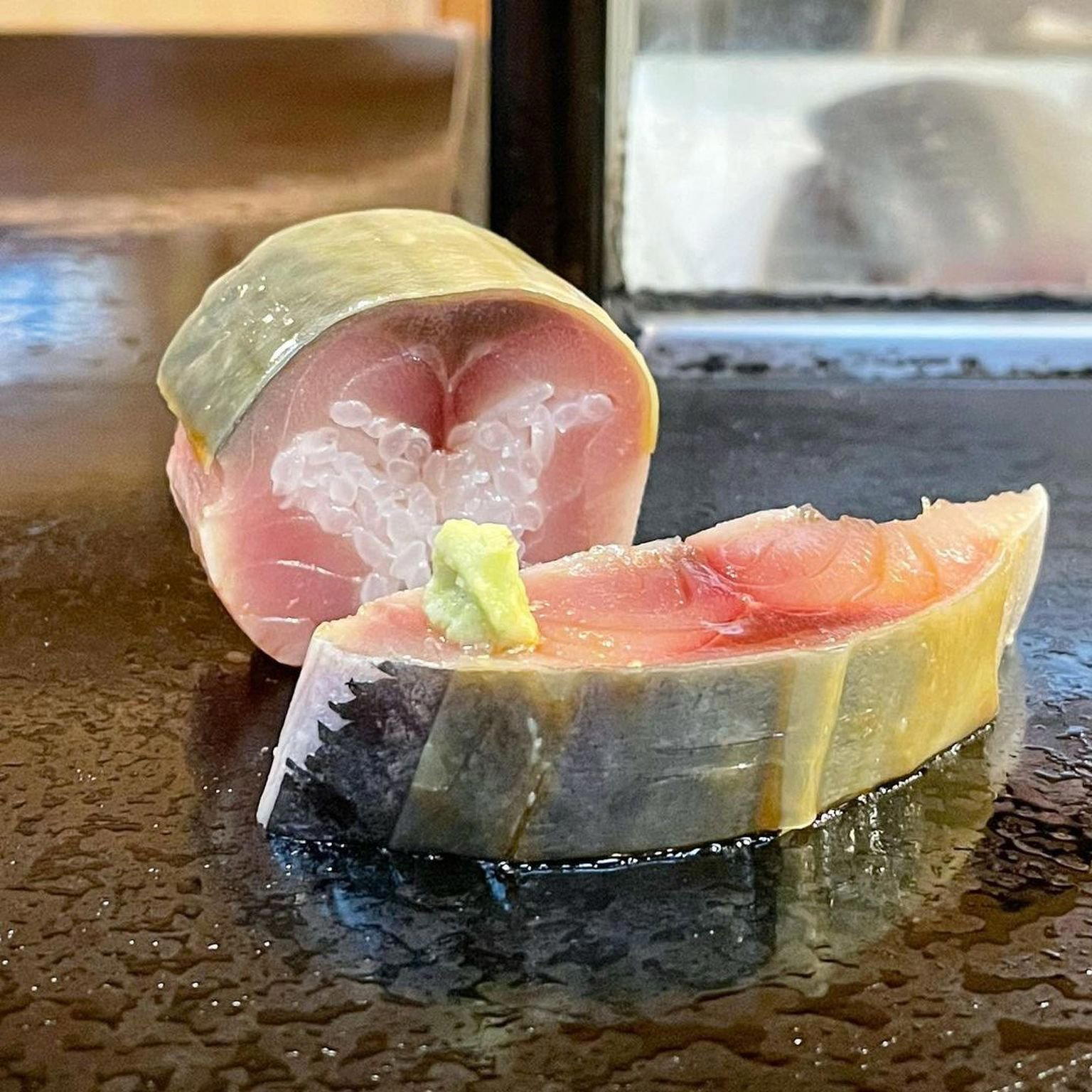
Ohata's defining concept is its approach to shari, the seasoned rice that is the technical foundation of any serious sushi counter. The kitchen works with three distinct types: red, white, and rosé vinegar rice, each with a different acidity profile and intended pairing logic. This is a Kansai-style interpretation of Edomae technique, which means Osaka's preference for cleaner, softer flavour structures applied to a tradition that originated in Tokyo. For a diner who has worked through several omakase counters in Japan, this distinction matters: you are not eating a copy of what you would find in Tokyo. The approach is deliberate and specific to this kitchen.
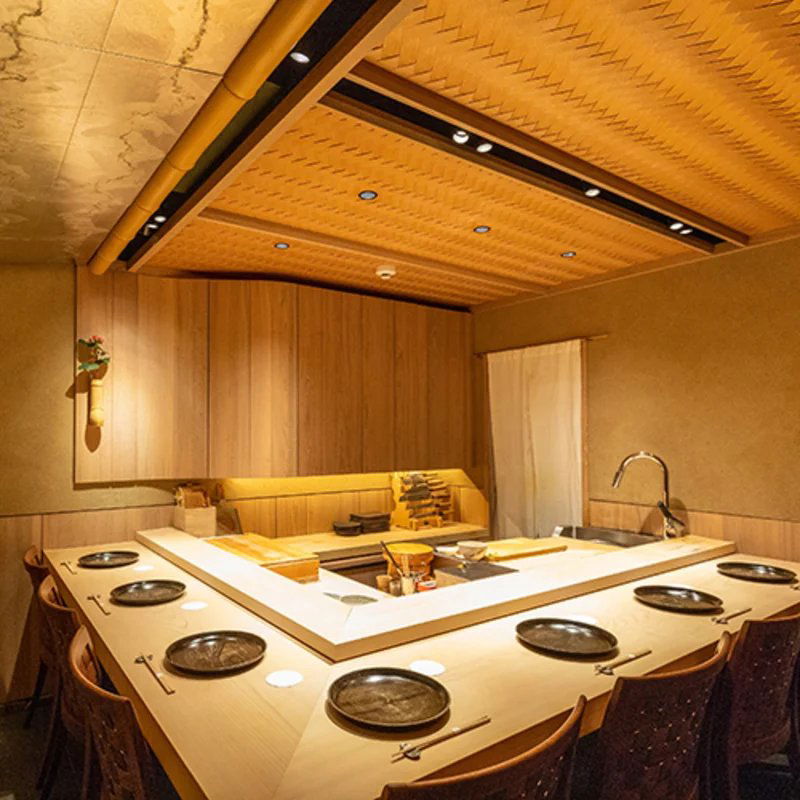
The room is small by design. Seven counter seats, no private rooms, no overflow tables, mean every seat has direct sightlines to the work. The format is selection course only, so you are not ordering à la carte. The drinks list covers sake, shochu, and wine, which is a practical range for a counter of this size. The setting is described as a relaxing space, which at seven seats means the pace is set by the chef rather than by service pressure from a large room. For a date or a solo dinner where the sushi itself is the focus, that format works well.
The seasonal dimension at a counter like this matters more than the menu text suggests. Edomae sushi, even in a Kansai interpretation, tracks the Japanese seafood calendar closely. Spring brings white fish like sea bream at their leanest and most delicate; summer shifts toward the richer, more assertive flavours of pike conger and sea urchin; autumn is when fatty tuna reaches its leading condition; winter delivers the coldest-water fish with the highest fat content. The three-shari format amplifies this: the choice of red, white, or rosé vinegar rice is not arbitrary but matched to the fish's own acidity and fat profile. If you are visiting with a specific season in mind, it is worth knowing that the kitchen's choices will reflect what is at its finest that week, not a fixed printed menu.
Practical logistics deserve attention. Ohata is reservation-only, no walk-ins. The restaurant operates evening service only, with two seatings, from 18:00 and from 20:30, on Monday, Tuesday, Friday, Saturday, and Sunday. Wednesday and Thursday are closed. Payment is cash only: no credit cards, no electronic money. That last point is non-negotiable and worth flagging before you go. The address is Dojima, Kita Ward, five minutes on foot from JR Tozaisen Kitashinchi Station and from Subway Yotsubashi Line Nishi-Umeda Station, which makes it direct to reach from central Osaka without a taxi.
Counter is noted as solo-dining friendly and well-suited for friends. With seven seats total, groups larger than the full counter are not feasible, and private use is not available. For a party of two, book early and be specific about your preferred seating time, the 18:00 slot gives you more time if you want to continue the evening elsewhere in Osaka's Kita district.
For further context on where Ohata fits within Japan's sushi dining tier, comparisons to counters like Harutaka in Tokyo are useful: Harutaka sits at a higher price point with greater international name recognition, but Ohata's decade-long Tabelog Bronze track record places it in the same credible tier for domestic recognition. Closer to Osaka, Gion Sasaki in Kyoto offers a kaiseki comparison point if you are weighing sushi against a multi-course Japanese alternative for the same occasion. For visitors building a broader Kansai itinerary, see also akordu in Nara. Pearl's full Osaka restaurants guide covers the wider category, and if you are planning the full trip, the Osaka hotels guide, bars guide, and experiences guide are useful starting points.
Quick reference: Reservation-only | Evening only, two seatings (18:00 / 20:30) | Mon, Tue, Fri, Sat, Sun | Closed Wed and Thu | 7 counter seats | Cash only | No private rooms | JPY 15,000–29,999 per head | Non-smoking | Coin parking nearby | 5-min walk from Kitashinchi Station or Nishi-Umeda Station.
Booking
Ohata takes reservations only, no walk-ins. Contact via phone: 070-3842-4261. Service runs Monday, Tuesday, Friday, Saturday, and Sunday with seatings from 18:00 and 20:30. Booking difficulty is rated Easy relative to Osaka's most competitive counters, but with only seven seats across two seatings, available slots are limited in absolute terms. Book at least one to two weeks ahead for weekends. Bring cash: no credit cards or electronic payment are accepted.
How It Compares
Within Osaka's broader fine dining set, Ohata is the clearest recommendation if your priority is a focused sushi counter with a documented track record and a distinctive technical angle. Taian and Kashiwaya Osaka Senriyama are the stronger options if you want kaiseki, a longer, multi-course format that covers more ground across a meal. Neither is a substitute for Ohata's sushi-specific counter experience, and at a comparable or lower price point, Ohata delivers more technical specificity within its format.
If you are weighing a full splurge, HAJIME, La Cime, and Fujiya 1935 all operate in the ¥¥¥¥ tier with French or innovative formats. They are worthwhile if the occasion calls for a longer tasting-menu format or if French technique is part of the appeal. For a pure sushi counter with Kansai character and strong domestic credentials, Ohata is the more direct choice at a lower price ceiling.
Internationally, diners who have eaten at Atomix in New York City or Le Bernardin will find Ohata operates at a different register, smaller, more focused, less theatrical, but the precision of the craft is what the seven-seat counter is built around. For Japan-based comparisons across regions, see Goh in Fukuoka, 1000 in Yokohama, and 6 in Okinawa for a sense of the broader regional fine dining picture. Pearl's Osaka wineries guide is also worth checking if you are planning a fuller itinerary.
Frequently Asked Questions
Can Ohata accommodate groups?
- The counter seats seven in total, with no private rooms and no option for private use of the full venue.
- A party of six or seven could theoretically fill the counter, but this would need to be arranged directly by phone (070-3842-4261) well in advance.
- For groups larger than seven, Ohata is not a practical option. Look at venues with private room availability instead.
What should I order at Ohata?
- The format is selection course only, you do not order à la carte. The kitchen decides the progression.
- The key differentiator is the three-shari system (red, white, and rosé vinegar rice), which the kitchen matches to whatever fish is in peak condition that week.
- The Tabelog listing flags the kitchen as "particular about fish," which in practice means the course content tracks the Japanese seasonal seafood calendar. Trust the kitchen's choices rather than arriving with a fixed expectation.
Can I eat at the bar at Ohata?
- All seven seats are counter seats, the counter is the full dining room, not a separate bar.
- There is no alternative seating and no standing option. The counter experience is the experience.
- Reservations are required; you cannot arrive and take a counter seat without booking.
What should a first-timer know about Ohata?
- Cash only, no credit cards, no electronic payment. Withdraw yen before you arrive.
- Reservations are mandatory. Call 070-3842-4261 to book; there is no official website.
- The format is course-only, evening-only, with two seatings (18:00 and 20:30) on five days per week. Wednesday and Thursday are always closed.
- Real-world spend based on reviewer data runs JPY 20,000–29,999 per head, above the listed budget range of JPY 15,000–19,999, factor this in when planning.
- The Tabelog Bronze Award has been awarded consecutively since 2017, which gives you a reliable quality baseline before you book.
Is Ohata good for solo dining?
- Yes, Tabelog's occasion data specifically flags it as solo-dining friendly, which makes sense given the seven-seat counter format where solo guests integrate naturally.
- The counter format means you are close to the preparation without needing a companion to fill the experience.
- At JPY 20,000–29,999 realistic spend, solo dining here is a deliberate self-occasion choice rather than a casual drop-in.
What should I wear to Ohata?
- No dress code is listed in the venue data. That said, the price point (JPY 20,000+ realistic spend) and the counter format suggest smart casual is the appropriate register.
- This is not a venue where overly casual dress would be out of place, but arriving in business-casual attire is the safer choice for a first visit.
- For Osaka sushi counters at this tier, the general expectation is neat and understated, avoid anything that draws attention away from the meal.
Planning details
- Hours
- ■Business hoursEvening only.[Mon, Tue, Fri, Sat, Sun]From 18:00 and 20:30 onwards■Closed onWednesdays and Thursdays (subject to change on public holidays)
- Location
- 530-0003 Osaka, Kita Ward, Dojima, 1 Chome−4−8 廣ビル 2F
- Website
- tabelog.com/en/osaka/A2701/A270101/27057420
- Phone
- +81 70-3842-4261
The take
The Take
The Vibe
Ohata presents as an intensely focused sushi room: seven seats at a single counter create an intimate, minimalist environment that privileges technique and ingredients over theatrics. The tone is elegant and sophisticated without being showy—the kind of discreet, high-calibre spot that relies on reputation rather than signage. Its location on a second-floor side street and the reservation-only policy reinforce a hidden-gem quality; the experience feels deliberate and contained, with the counter format centering attention on the chef's work and the precision of each bite.
Best For
Ohata is best experienced at dinner, where the two fixed evening seatings shape a tightly run service and a focused tasting rhythm. The small seven-seat counter and reservation-only policy make it ideal for date nights or special-occasion dinners when intimacy and attention to detail matter. It attracts diners who appreciate technical sushi traditions—particularly a Kansai-minded Edomae approach—so it's a strong choice for those seeking a refined, sit-down evening rather than a casual outing or large group meal.
Ordering Tips
Reservations are essential: there are only seven seats and two nightly seatings, with no walk-ins. Expect a counter-led sequence and plan dinner around the 18:00 or 20:30 services. When ordering or discussing preferences, consider the house signatures—toro nigiri, uni donburi and anago nigiri—as focal points of the menu; they offer a clear insight into the kitchen's priorities. Keep requests concise at the counter to let the chef guide the sequence and pacing of the meal.
Venue details
Ambiance
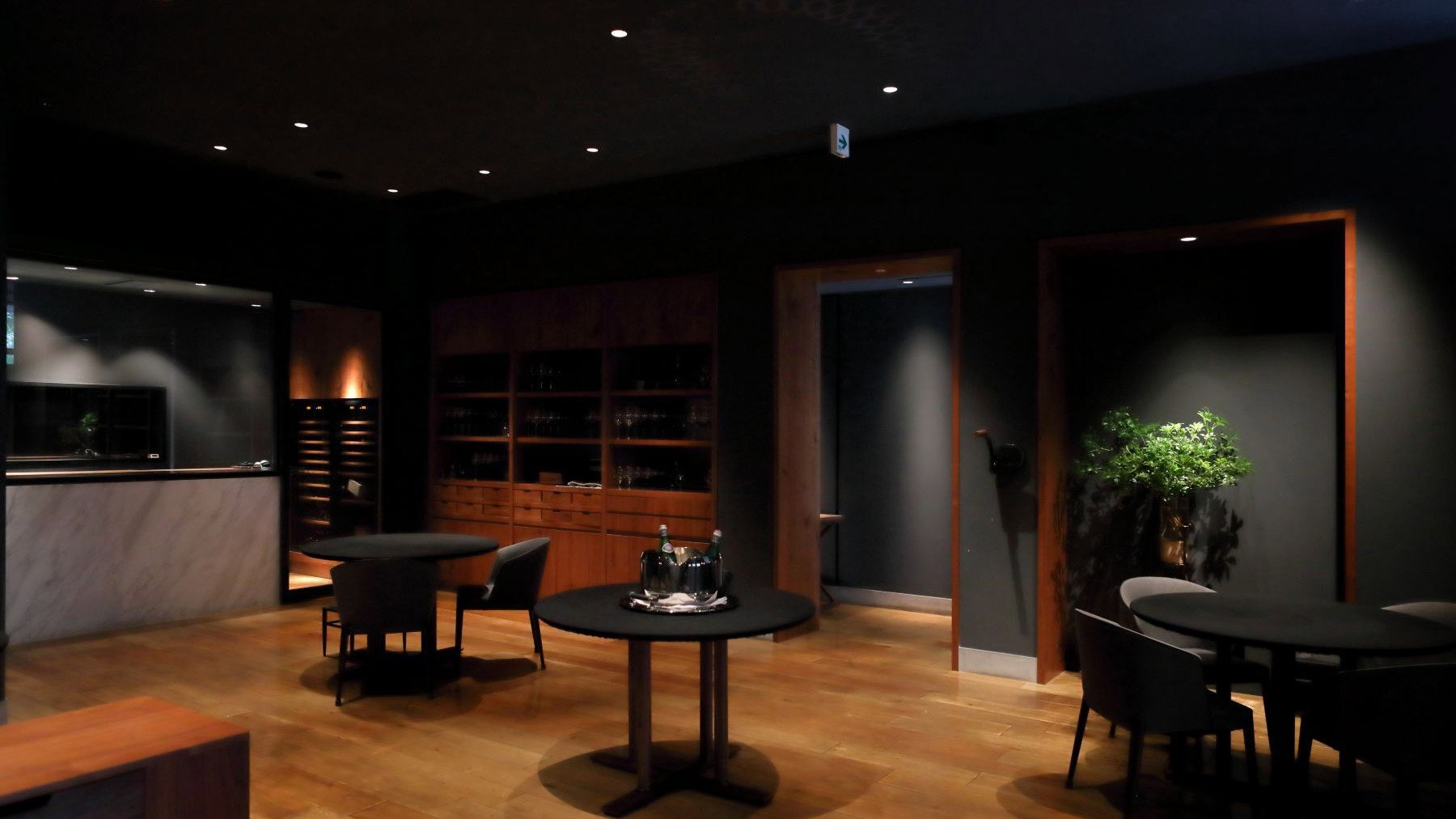
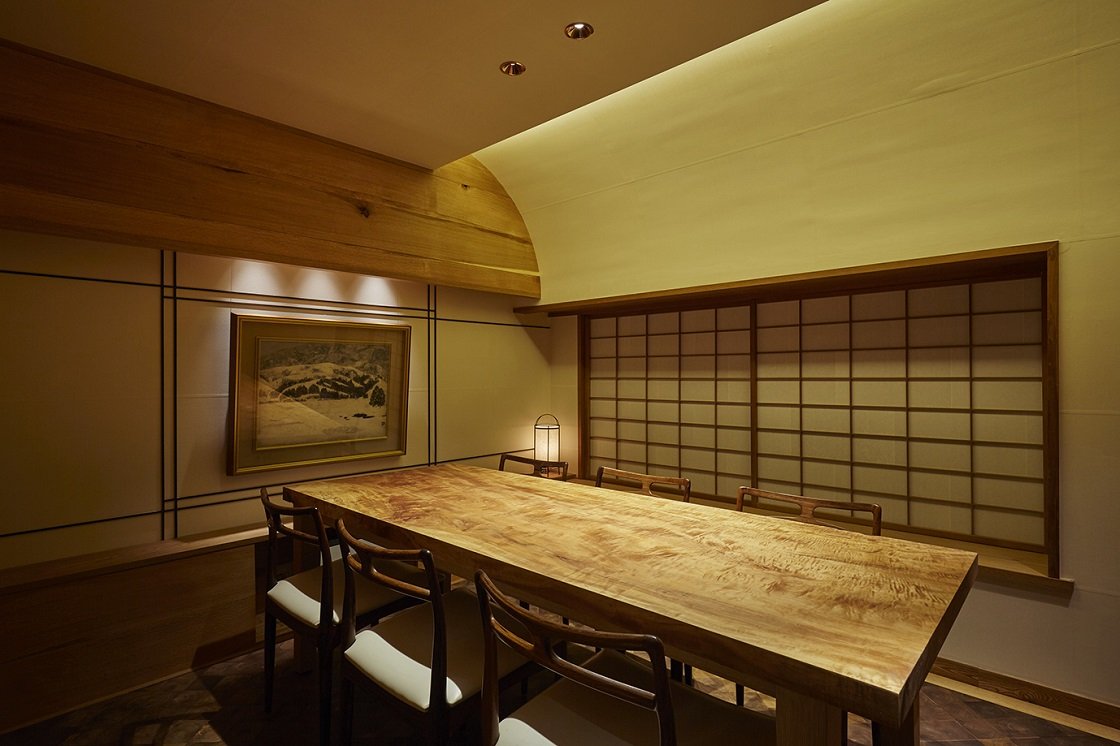
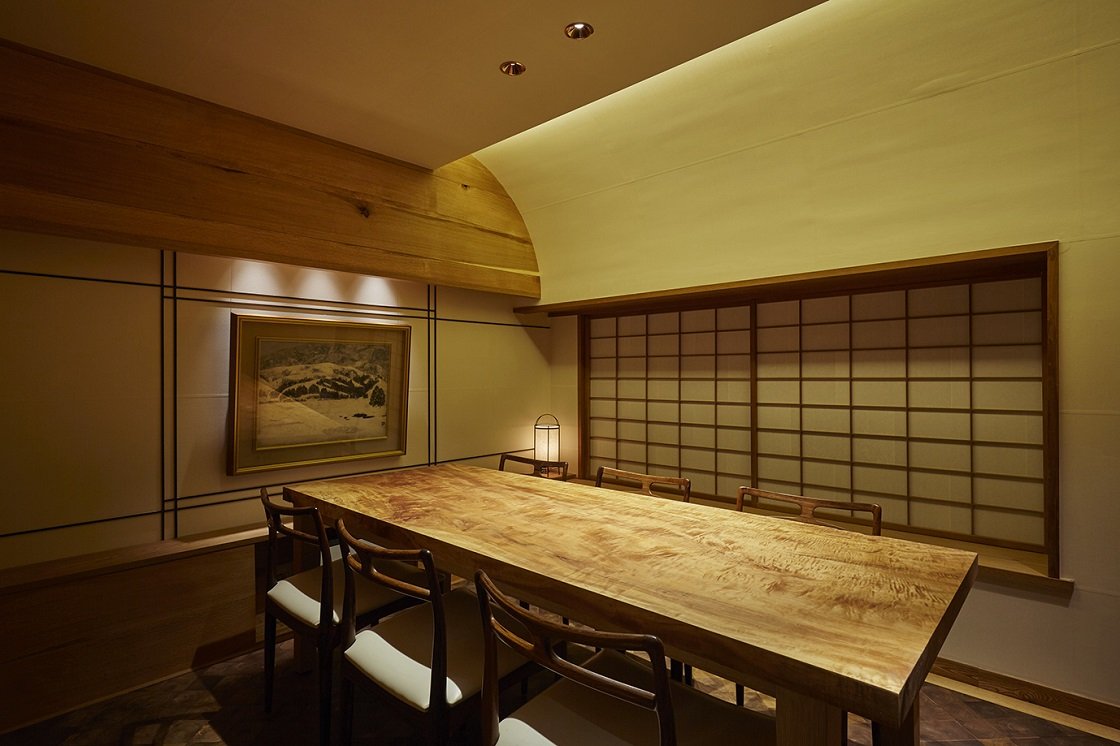
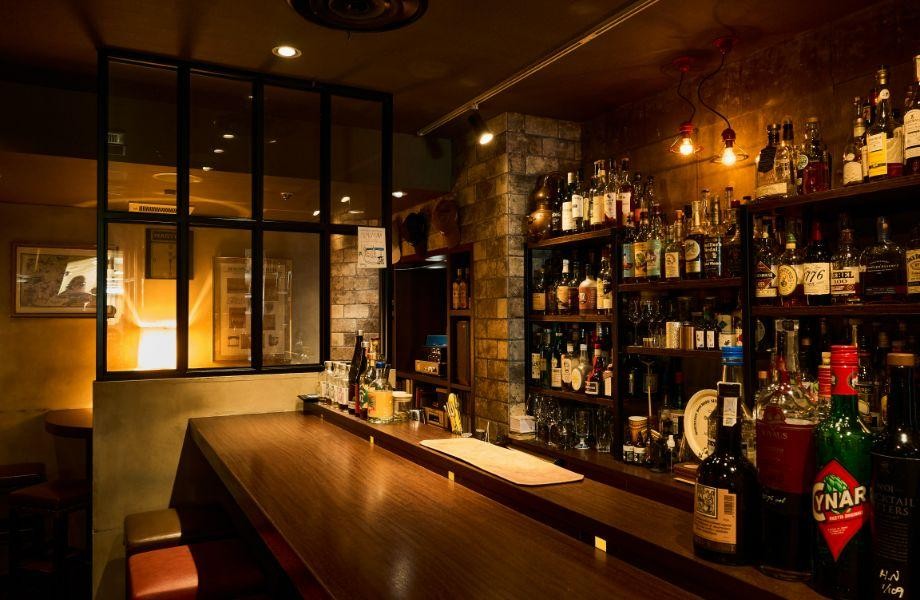
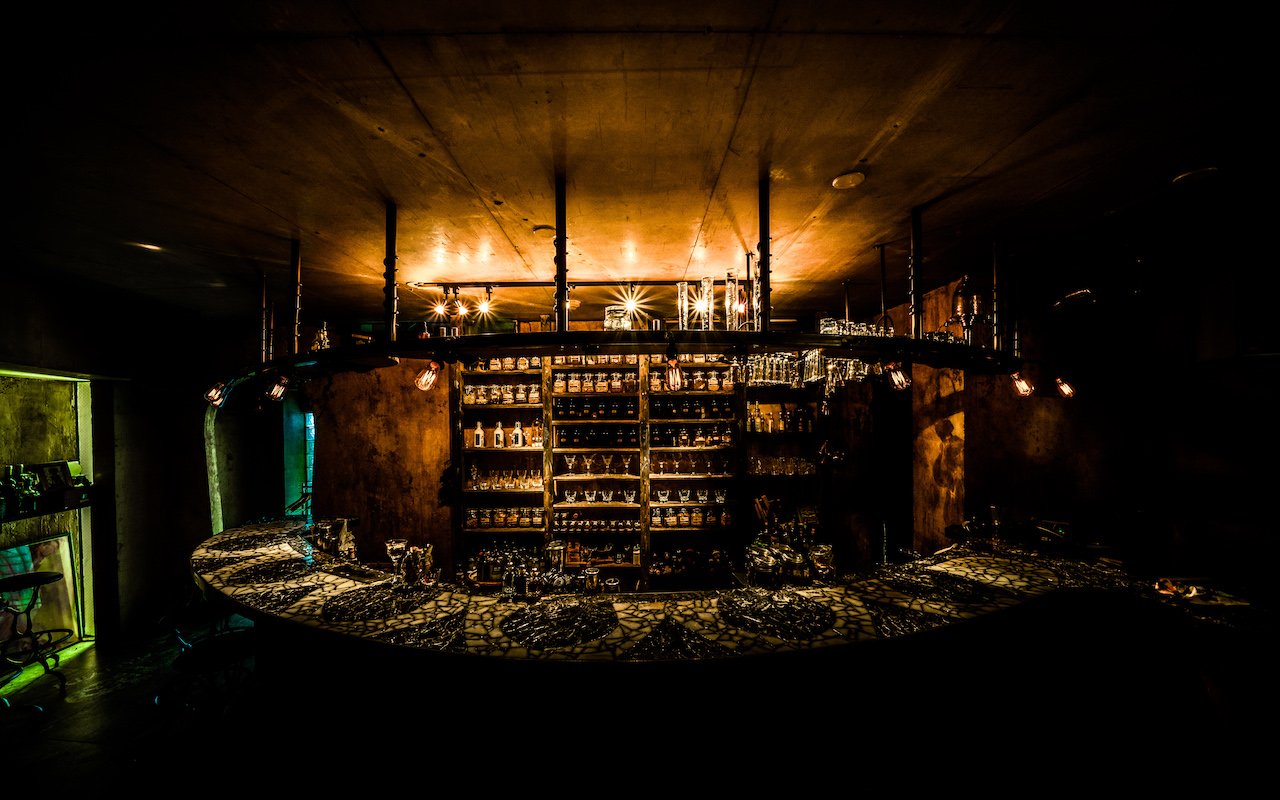
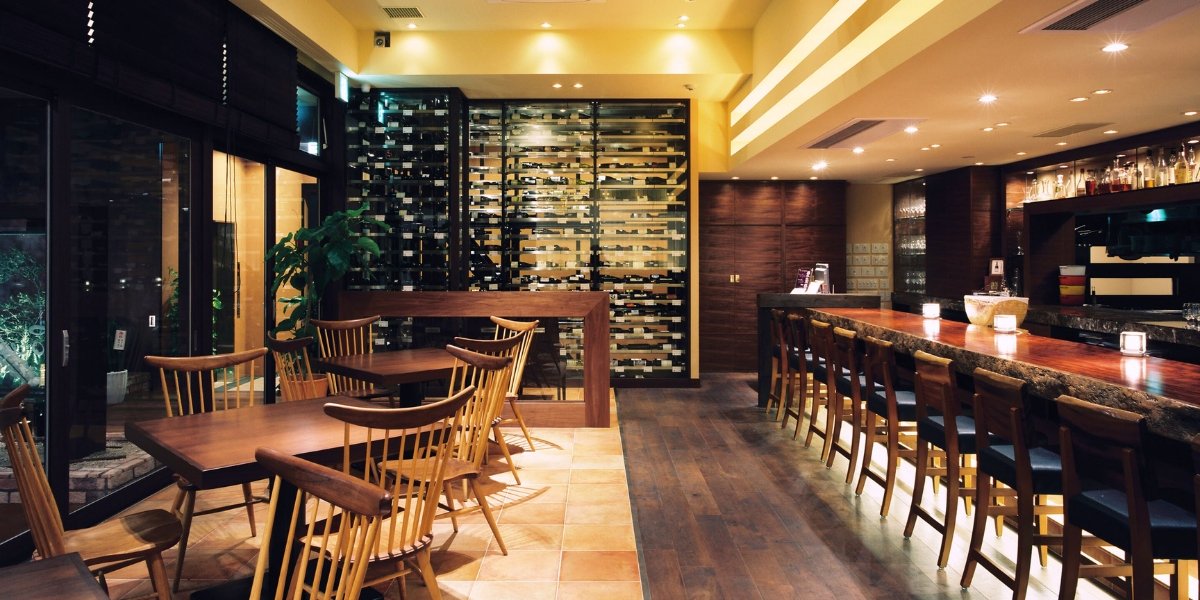
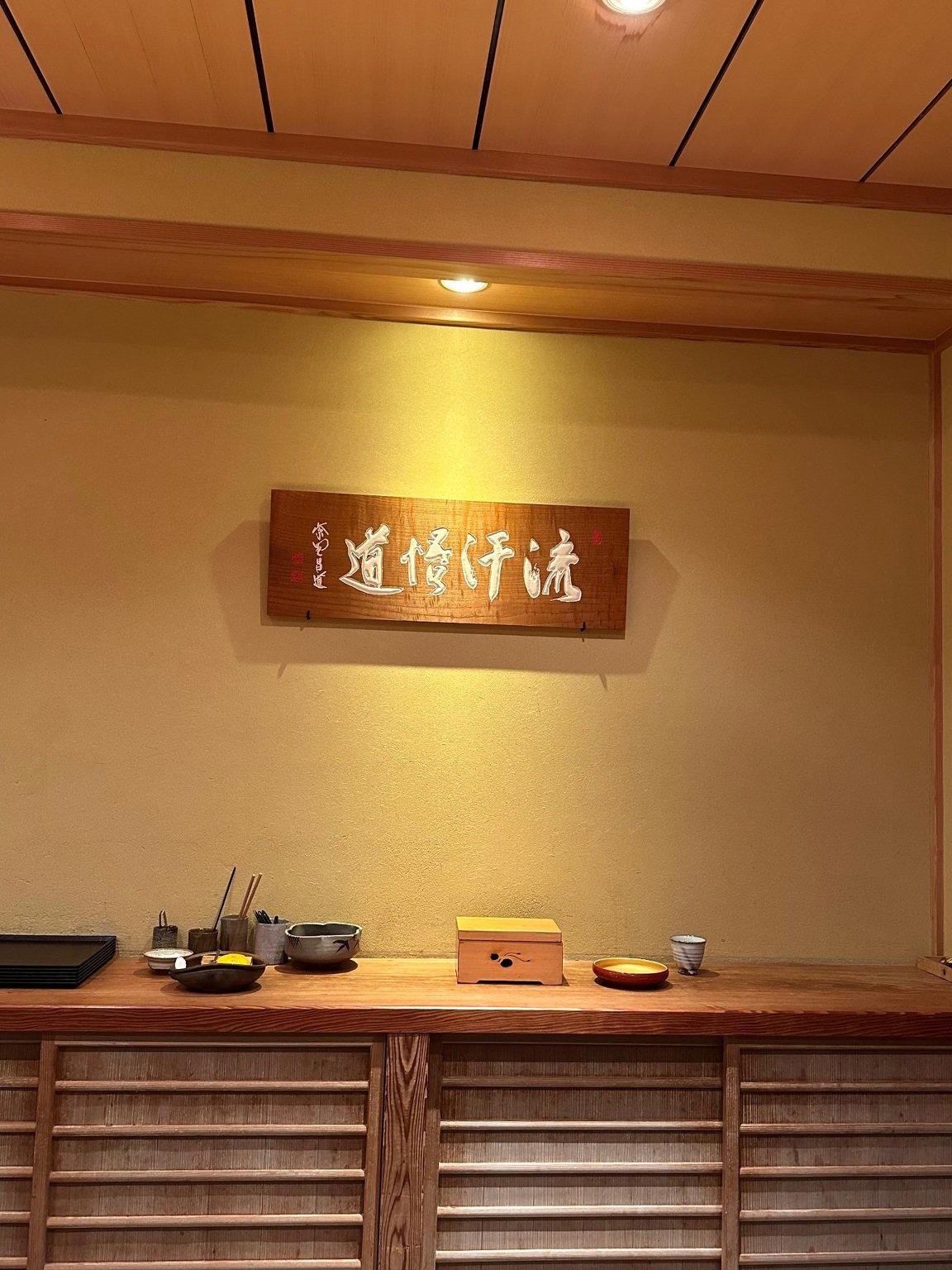
Serene and relaxing with minimalist wooden decor, hinoki counter, warm lighting, and quiet atmosphere focused on the chef's craft.
Tags
Vibe
Best For
Experience
At the Table
- Dress Code
- Smart Casual
- Noise Level
- Quiet
- Service Style
- Formal
- Meal Pacing
- Leisurely
- Capacity
- Intimate
Signature Dishes
- toro nigiri
- uni donburi
- anago nigiri
Know before you go
Know Before You Go
- Getting there
- 530-0003 Osaka, Kita Ward, Dojima, 1 Chome−4−8 廣ビル 2F
Planning details
Hours
■Business hoursEvening only.[Mon, Tue, Fri, Sat, Sun]From 18:00 and 20:30 onwards■Closed onWednesdays and Thursdays (subject to change on public holidays)
Location
530-0003 Osaka, Kita Ward, Dojima, 1 Chome−4−8 廣ビル 2F · Directions
Recognition and awards
Also consider
Also Consider
- HAJIME, French, Innovative, ¥¥¥¥
- La Cime, French, ¥¥¥¥
- Kashiwaya Osaka Senriyama, Japanese, ¥¥¥
- Taian, Kaiseki, Japanese, ¥¥¥
- Fujiya 1935, Innovative, ¥¥¥¥
Restaurant context
Within Osaka's broader fine dining set, Ohata is the clearest recommendation if your priority is a focused sushi counter with a documented track record and a distinctive technical angle. Taian and Kashiwaya Osaka Senriyama are stronger options if you want kaiseki, a longer, multi-course format that covers more ground across a meal. Neither substitutes for Ohata's sushi-specific counter experience, and at a comparable or lower price point, Ohata delivers more technical specificity within its format.
If you are weighing a full splurge, HAJIME, La Cime, and Fujiya 1935 all operate at ¥¥¥¥ with French or innovative formats. They are worthwhile if the occasion calls for a longer tasting-menu experience or if French technique is part of the appeal. For a pure sushi counter with Kansai character and strong domestic credentials, Ohata is the more direct choice at a lower price ceiling.
Booking difficulty at Ohata is rated Easy relative to Osaka's most competitive counters, which makes it a practical fallback if your first-choice reservation does not come through, though with only seven seats across two evening seatings, the absolute number of slots is small. If you are building a full Osaka itinerary, Pearl's full Osaka restaurants guide covers the wider competitive set across all formats and price tiers.
Explore Osaka
Around this place
Discover more on Pearl
Unlock the full Ohata guide in Pearl, including awards, comparisons, FAQs, planning details, and nearby places.
FAQ
Frequently Asked Questions
Can Ohata accommodate groups?
Groups larger than 7 cannot be seated together — the entire restaurant is a 7-seat counter with no private rooms. For parties of up to 7, you could in theory take the full counter, but confirm this when calling to reserve on 070-3842-4261. If your group exceeds 7, a venue with a private dining option like Kashiwaya Osaka Senriyama is the more practical choice.
What should I order at Ohata?
There is no à la carte option — Ohata operates on a set course format only. The kitchen's defining approach uses three types of shari (red, white, and rosé rice), which is the main reason to choose this counter over a more conventional Osaka sushi option. Budget ¥15,000–¥20,000 at the listed price, though reviewer spending runs closer to ¥20,000–¥29,999.
Can I eat at the bar at Ohata?
All 7 seats are counter seats, so yes — the counter is the only dining format here. There is no table seating, no separate bar area, and no walk-in option. Every visit requires a prior reservation made by phone.
What should a first-timer know about Ohata?
Three things matter most: you must book in advance (reservation only, phone 070-3842-4261), cash is the only payment method accepted (no credit cards, no electronic money), and the format is a set course with no à la carte choices. Ohata has held the Tabelog Bronze Award every year from 2017 through 2026, which tells you this is a consistent, well-regarded counter rather than a one-season flash.
Is Ohata good for solo dining?
Yes — Tabelog reviewers specifically flag solo dining as a recommended occasion here. A 7-seat counter with no table seating is a natural fit for solo guests, and the course-only format means you're not navigating a menu alone. Evening seatings start at 18:00 or 20:30 on open nights (Mon, Tue, Fri, Sat, Sun).
What should I wear to Ohata?
No dress code is documented for Ohata. Given the price point (¥15,000–¥20,000+ per person), a counter setting, and the Tabelog Bronze pedigree, treating it as a smart occasion dinner rather than a casual outing is a reasonable read. Nothing in the venue data requires formal attire.