

Sushi Matsumoto
Higashiyama, Kyoto
Restaurant in Kyoto, Japan
 Book with Pearl
The Read
Edo Discipline, Gion Address
Chef
Daisuke Matsumoto
Dress
Smart Casual
Why go
An Edo-style sushi counter in Kyoto's Gion district, Sushi Matsumoto makes its priorities clear from the single character on its noren: sushi, done according to strict Tokyo tradition. Red-vinegar rice, salt-concentrated fish, and a walk-in policy set it apart from Kyoto's kaiseki-dominated dining scene. Book if you want focused nigirizushi over a multi-course experience.
About Sushi Matsumoto
If You've Been Once, Here's Why You Should Go Back
A second visit to Sushi Matsumoto in the Gion district of Kyoto is likely to confirm what the first one suggested: this is a sushi-ya that does not try to be anything other than what it is. The single character on the noren says sushi. That is the entire pitch. If you came once and found the format refreshingly direct, the second visit is where you stop being surprised and start paying attention to the details that make it worth returning to.
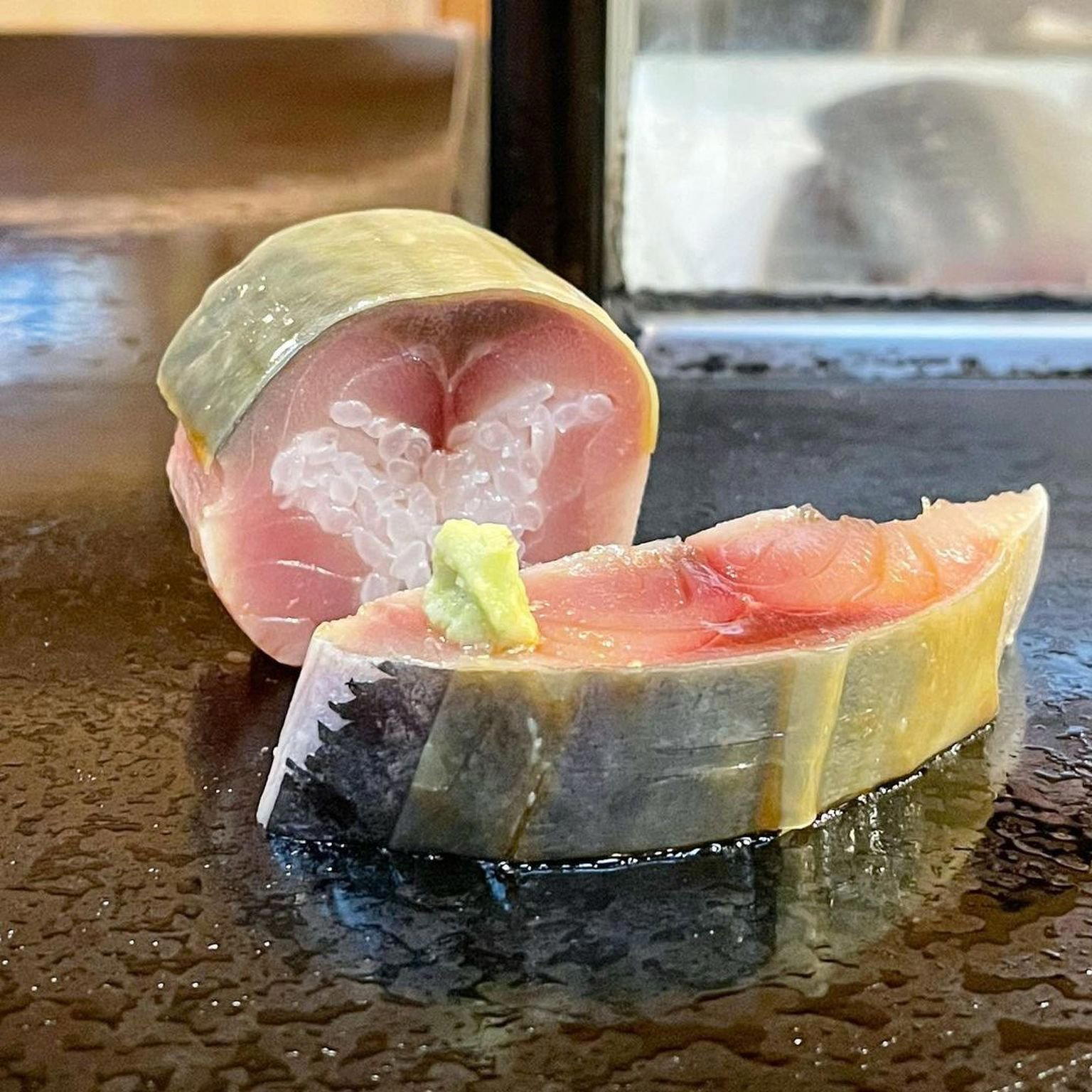
The chef's training is Edo-style, and it shows in every technical decision. Fish is salted to draw out moisture and concentrate flavour rather than relying on seasoning at the point of service. The sushi rice is made with red vinegar and salt, with no sugar — a choice that produces a sharper, more acidic base that supports the fish rather than sweetening it. These are not incidental stylistic preferences; they are the structural logic of a specific school of sushi-making, one rooted in Tokyo's Edo tradition and transplanted deliberately into Kyoto's Higashiyama Ward.
That displacement matters for context. Kyoto's dining identity is dominated by kaiseki, the multi-course seasonal cuisine associated with venues like Gion Sasaki, Hyotei, Kikunoi Honten, and Mizai. Sushi Matsumoto is not competing with those experiences. It is offering something that Kyoto's fine dining scene does not have in great supply: a focused nigirizushi counter with an Edo pedigree, run by an owner-chef who calls out the traditional welcome — Irasshaimashi, in a style that signals exactly where his training came from. The owner-chef's greeting is a deliberate statement about lineage, not a flourish.
The counter format and the policy of accepting walk-in customers preserve something that many omakase venues in Japan's major cities have largely abandoned: the spirit of the old neighbourhood sushi shop, accessible in a way that multi-week reservation queues are not. That accessibility is worth factoring into your decision. Walk-in availability is part of the format's identity, not a sign that demand is low.
For a returning visitor, the sequence of nigiri is where the progression becomes more legible. The Edo-style approach means the arc of the meal is built around the fish itself, its preparation, its seasoning, its temperature, rather than around theatrical interlude courses. If your first visit felt compact, that is the point. This is not a format that expands to fill time. It moves at the pace the chef sets, and the red-vinegar rice acts as a consistent through-line across every piece served.
If you are deciding between this and a full kaiseki experience in Kyoto, the choice is format rather than quality tier. Isshisoden Nakamura offers Kyoto's traditional kaiseki in a historic setting if that format suits you better. For sushi-focused dining elsewhere in Japan, Harutaka in Tokyo operates in the same Edo tradition and is worth comparing if you are travelling between cities.
Sushi Matsumoto is booked as Easy difficulty, which means walk-in visits are a realistic option, particularly at quieter times. That lowers the planning burden considerably relative to many Kyoto fine-dining venues. Price range is not confirmed in available data, so budget accordingly and verify current pricing before visiting.
The short version: if you are in the Gion district and want sushi rather than kaiseki, this is the clear answer. If you have already been once and are wondering whether a second visit will feel different, the answer is yes, not because the menu changes dramatically, but because the technical consistency is what rewards repeat attention.
Quick reference: Walk-ins accepted. Edo-style nigirizushi. Red-vinegar rice, no sugar. Higashiyama Ward, Gion district. Booking difficulty: Easy.
What's Nearby
Sushi Matsumoto sits in Higashiyama Ward, one of Kyoto's most concentrated areas for high-end dining. For broader planning, see our full Kyoto restaurants guide, our Kyoto hotels guide, our Kyoto bars guide, our Kyoto wineries guide, and our Kyoto experiences guide. If you are travelling the Kansai region more broadly, HAJIME in Osaka and akordu in Nara are worth considering alongside your Kyoto itinerary.
Planning details
- Location
- 570-123 Gionmachi Minamigawa, Higashiyama Ward, Kyoto, 605-0074, Japan
- Website
- sushi-matsumoto.myconciergejapan.net
- Phone
- +81 75-531-2031
The take
The Take
The Vibe
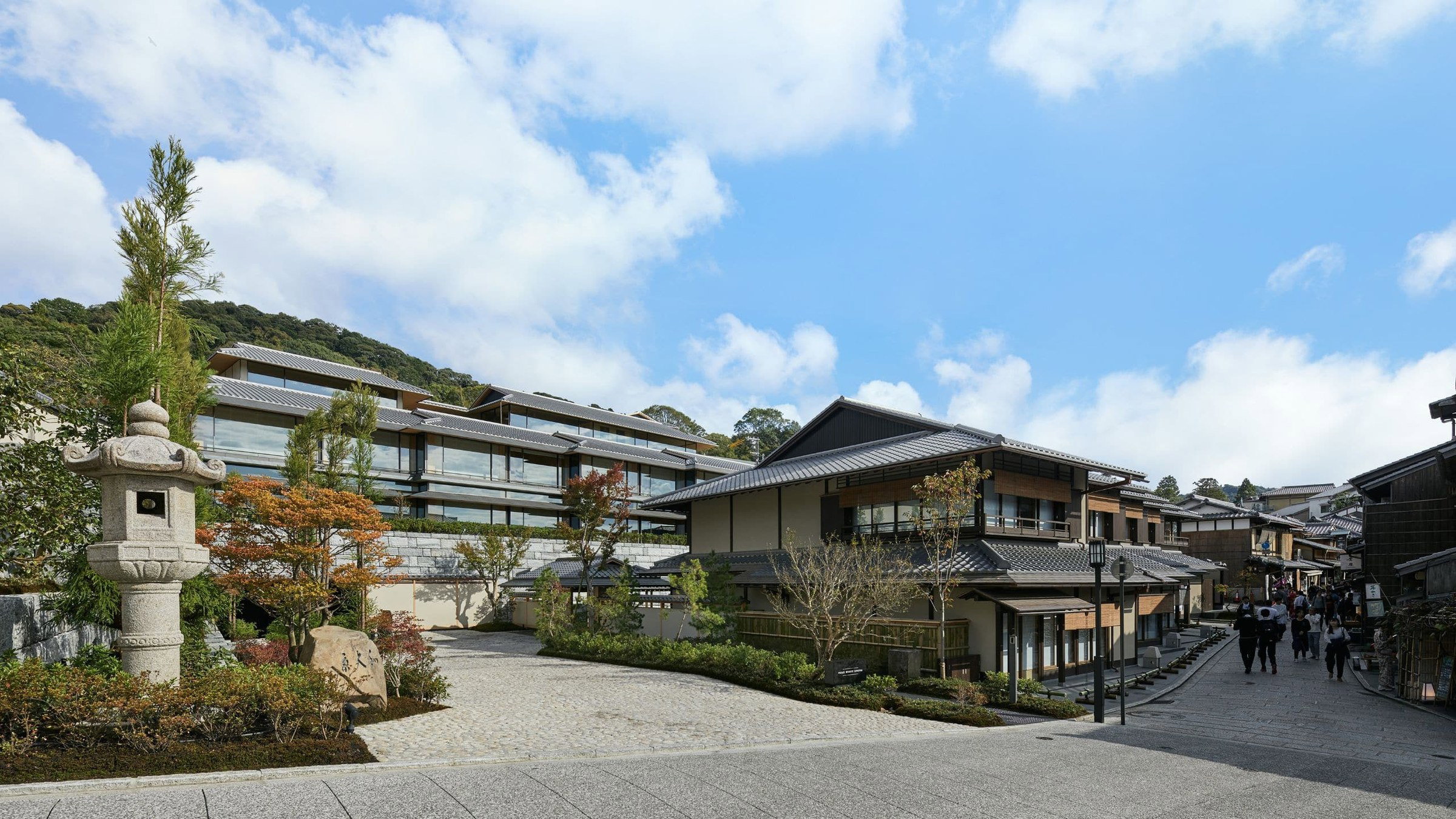
Sushi Matsumoto presents an Edo-inflected intimacy in Kyoto’s Gion district. Sitting on Gionmachi Minamigawa among architecturally preserved streets, the restaurant keeps its presentation spare — a noren that simply reads “sushi” marks the entrance and a compact counter focuses attention on technique and ingredients. The owner-chef greets guests with a traditional, vocal irasshaimashi that signals a working-Tokyo sushi ethos rather than Kyoto’s layered kaiseki ceremony. The service and food prioritize technical rigour — salted fish, akazu-seasoned rice, and a nigiri-centred format — producing a classic, refined counter experience that rewards close attention to craft.
Best For
This counter-style sushi is well suited to intimate, focused meals: date nights, solo visits, and small special occasions. The counter seating and direct interaction with the chef create an up-close dining rhythm where the sequence and precision of nigiri matter as much as the ingredients. Because the kitchen works within Edo nigirizushi logic, the experience favors diners who appreciate technical detail — the deliberate salting of fish and the red-vinegar rice — and who want to taste standout pieces like fatty tuna or jellied fugu. The mood is direct and centered on the counter rather than ceremonial multi-course kaiseki.
Ordering Tips
Orient expectations toward Edo-style nigirizushi rather than rolls or composed plates. The kitchen emphasizes salted fish to concentrate flavor and rice seasoned with akazu (red vinegar) and salt, so expect a leaner, sharper profile. Follow the chef’s sequence and prioritize nigiri that showcase the subtle salting and rice seasoning. Take the opportunity to try the signature items noted — fatty tuna, mackerel, chawanmushi and the jellied fugu — and let the counter progression unveil the technical discipline that defines the meal.
Venue details
Ambiance
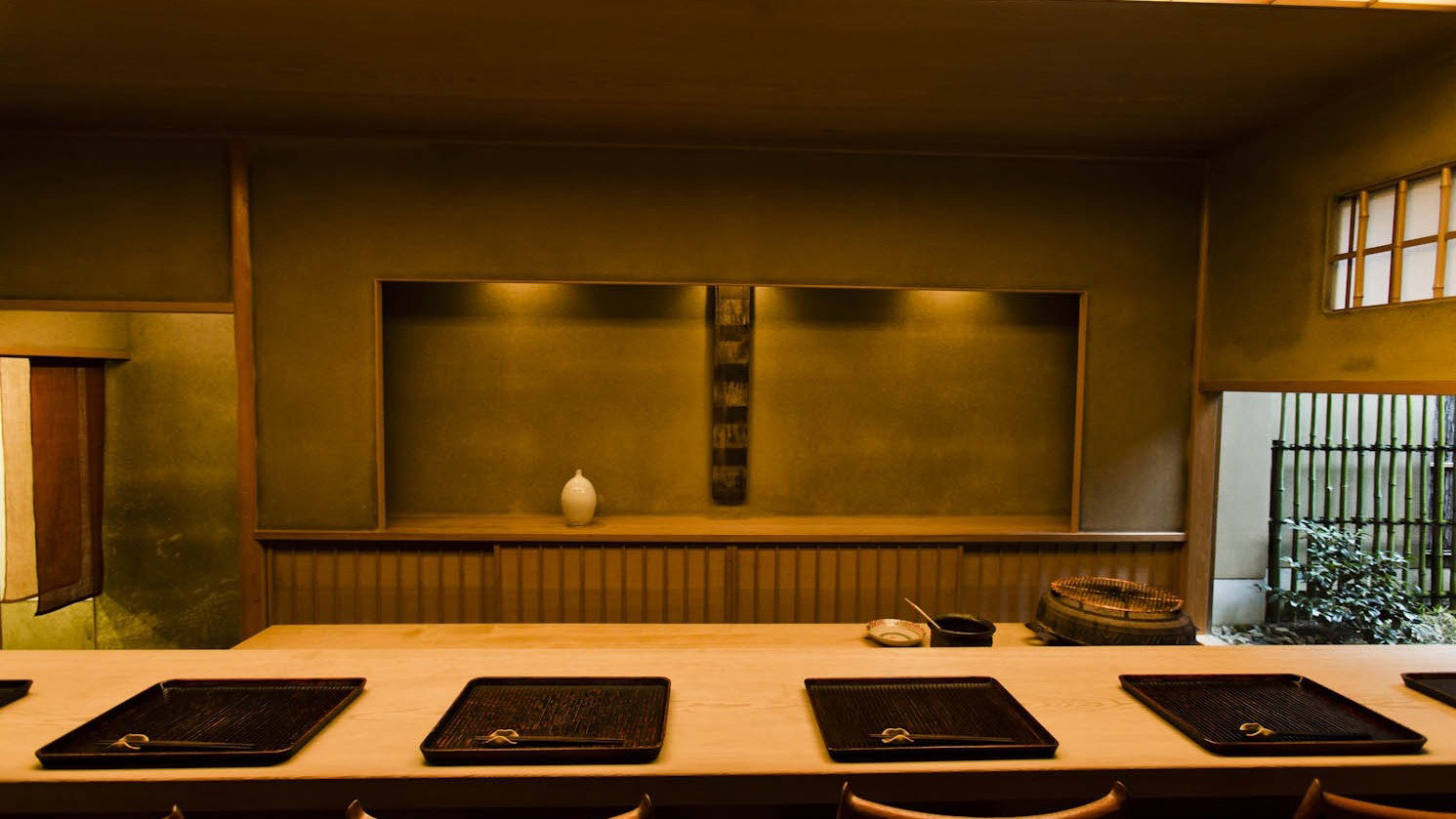
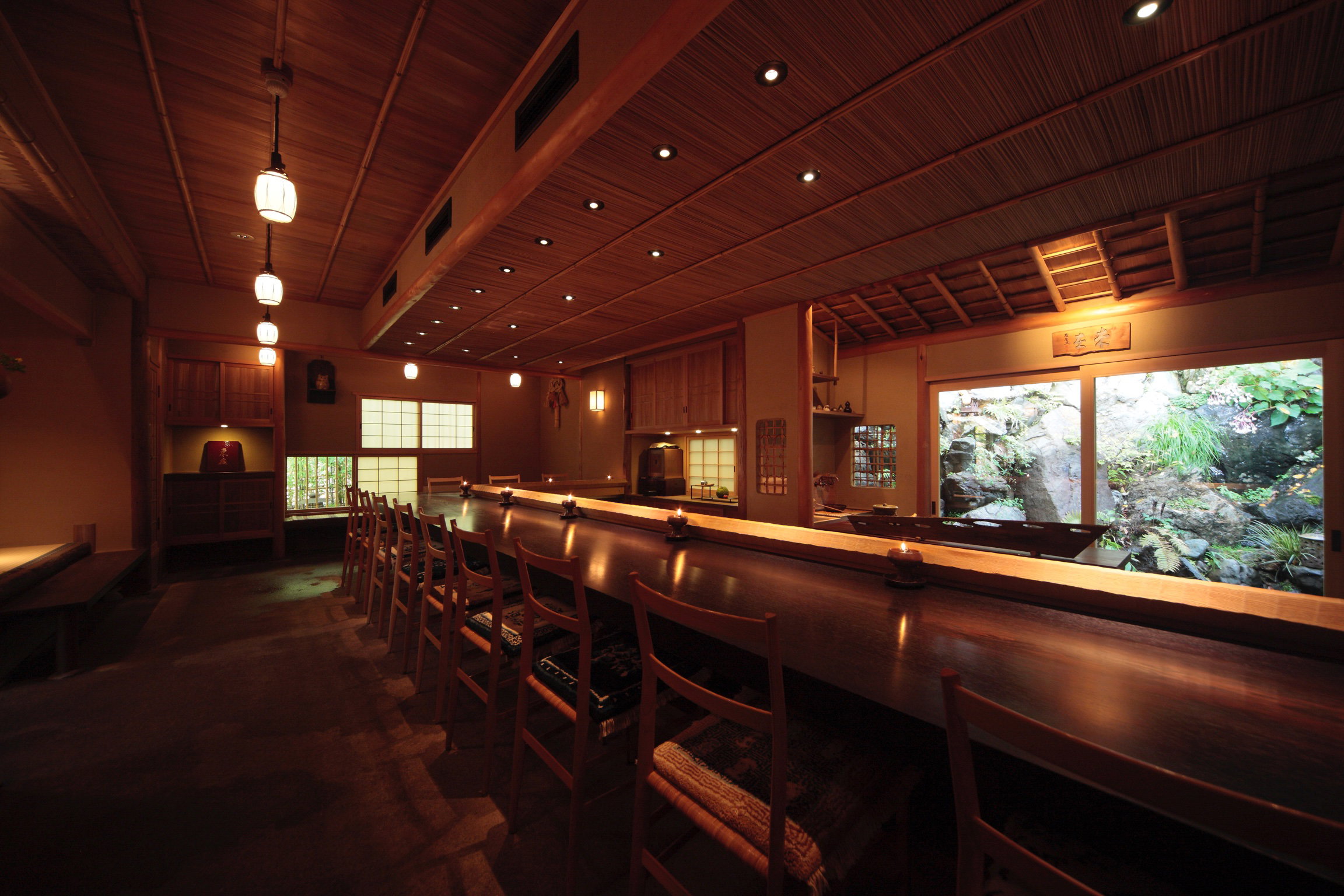
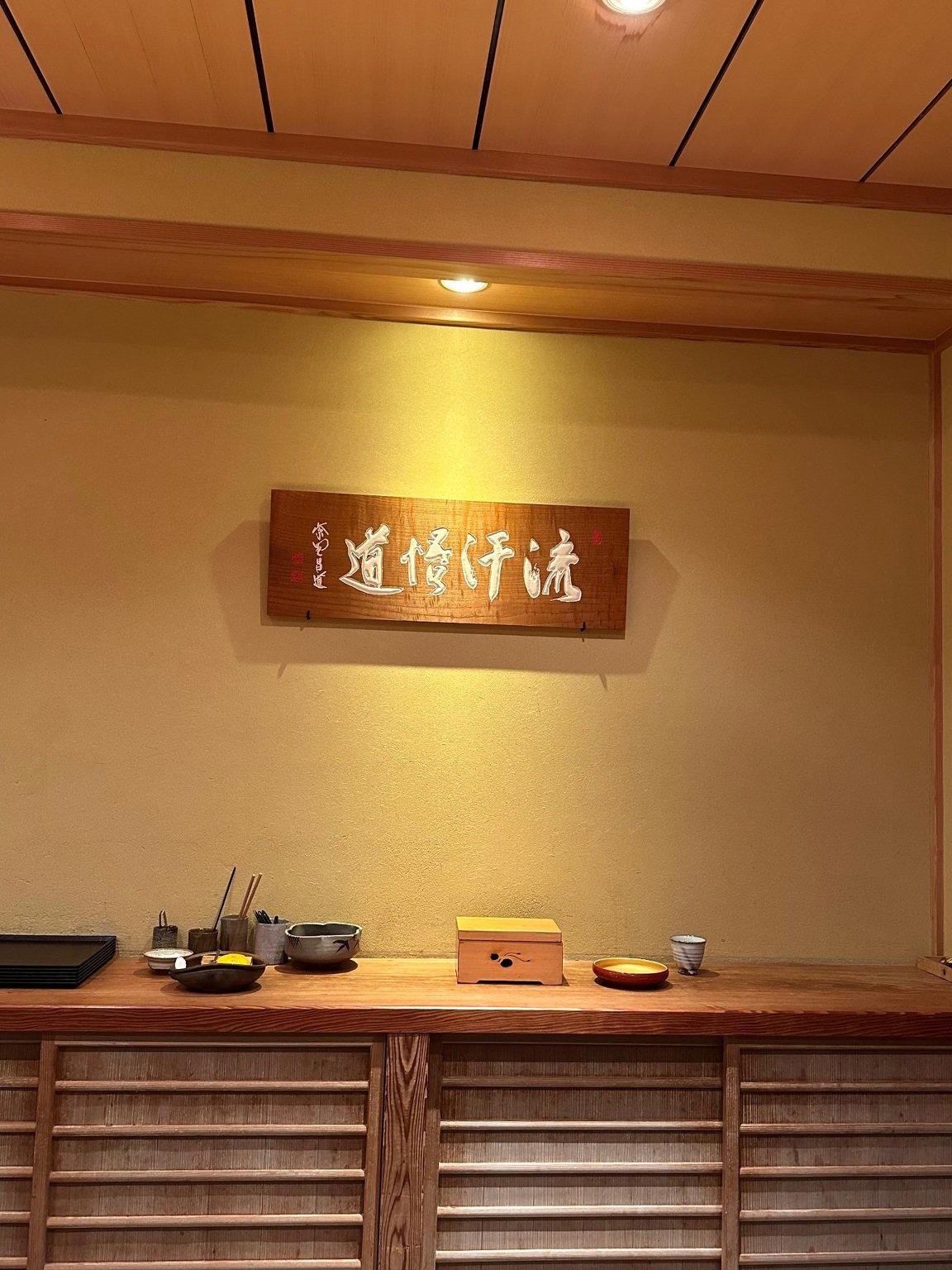
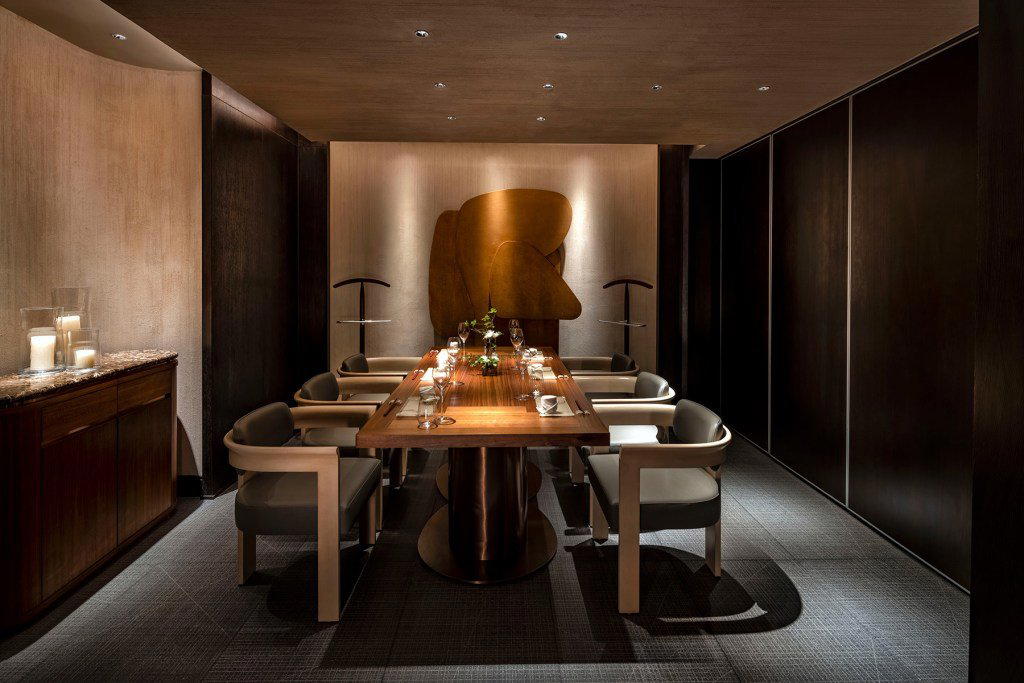
Intimate 7-seat sushi counter in a sparsely decorated, calming space focused on the craft of sushi preparation.
Tags
Vibe
Best For
Experience
At the Table
- Dress Code
- Smart Casual
- Noise Level
- Quiet
- Service Style
- Omakase Bar
- Meal Pacing
- Leisurely
- Capacity
- Intimate
Signature Dishes
- fatty tuna
- mackerel
- chawanmushi
- jellied fugu
Know before you go
Know Before You Go
- Getting there
- 570-123 Gionmachi Minamigawa, Higashiyama Ward, Kyoto, 605-0074, Japan
Planning details
Location
570-123 Gionmachi Minamigawa, Higashiyama Ward, Kyoto, 605-0074, Japan · Directions
Recognition and awards
Also consider
Also Consider
- Gion Sasaki, Kaiseki, Japanese, ¥¥¥¥
- cenci, Italian, ¥¥¥
- Ifuki, Kaiseki, ¥¥¥¥
- Kyokaiseki Kichisen, Japanese, ¥¥¥¥
- SEN, French, Japanese, ¥¥¥¥
Restaurant context
Sushi Matsumoto is the only Edo-style nigirizushi counter in this comparison set, which makes it a category of one against Kyoto's kaiseki options. Gion Sasaki and Kyokaiseki Kichisen both operate at the ¥¥¥¥ tier with full kaiseki formats: seasonal, multi-course, and built around Kyoto's culinary tradition rather than Tokyo's. If the meal you want is about breadth and seasonal progression across many courses, either of those is a stronger match. Sushi Matsumoto is not trying to compete on that axis.
Ifuki and SEN round out the ¥¥¥¥ tier with kaiseki and French-Japanese formats respectively. SEN is worth considering if you want a more international frame on Kyoto ingredients. cenci at ¥¥¥ is the most accessible price point in the group and offers Italian cooking with a Kyoto sensibility, a different kind of contrast to the kaiseki norm.
The practical decision is simpler than it looks: if you want sushi, Sushi Matsumoto is the answer in this set. If you want kaiseki, Gion Sasaki is the reference point for quality at the top of the market, and Ifuki is worth considering for a slightly less high-profile booking. Sushi Matsumoto's walk-in policy also makes it the easiest of the group to access without advance planning, which is a meaningful advantage if your Kyoto itinerary is still forming.
Explore Kyoto
Around this place
Discover more on Pearl
Unlock the full Sushi Matsumoto guide in Pearl, including awards, comparisons, FAQs, planning details, and nearby places.
Compare Sushi Matsumoto
| Venue | Location | Cuisine | Awards | Price |
|---|---|---|---|---|
| Sushi Matsumoto | Kyoto | , | Michelin Guide Kyoto Osaka 20262026 Michelin 1 StarTabelog 100 - Sushi - WEST - 2025 · #36 | , |
| Gion Sasaki | Kyoto | Kaiseki, Japanese | 2026 Tabelog Bronze · #3862026 OAD Top Restaurants in Japan RecommendedMichelin Guide Kyoto Osaka 20262026 La Liste Top RestaurantsTabelog 100 - Japanese cuisine - WEST - 2025 · #132025 OAD Top Restaurants in Japan Ranked · #2462025 Tabelog Silver2025 Michelin 3 Stars2025 La Liste Top Restaurants | ¥¥¥¥ |
| cenci | Kyoto | Italian | 2026 Tabelog Bronze · #442026 Asia's 50 Best Restaurants · #762026 OAD Top Restaurants in Japan Highly RecommendedMichelin Guide Kyoto Osaka 2026Tabelog 100 - Italian - WEST - 2025 · #632025 Asia's 50 Best Restaurants · #632025 OAD Top Restaurants in Japan Ranked · #1682025 Tabelog Bronze2024 OAD Top Restaurants in Japan Ranked · #135 | ¥¥¥ |
| Ifuki | Kyoto | Kaiseki | 2026 OAD Top Restaurants in Japan Ranked · #1222026 Tabelog Bronze · #128Michelin Guide Kyoto Osaka 20262026 La Liste Top RestaurantsTabelog 100 - Japanese cuisine - WEST - 2025 · #622025 OAD Top Restaurants in Japan Ranked · #1002025 La Liste Top Restaurants2025 Tabelog Bronze2025 Michelin 2 Stars | ¥¥¥¥ |
| Kyokaiseki Kichisen | Kyoto | Japanese | 2026 Tabelog Bronze · #1752026 OAD Top Restaurants in Japan Highly RecommendedMichelin Guide Kyoto Osaka 20262025 OAD Top Restaurants in Japan Ranked · #1862025 Michelin 2 Stars2025 La Liste Top Restaurants2024 OAD Top Restaurants in Japan Ranked · #1422024 Michelin 2 Stars2023 OAD Top Restaurants in Japan Ranked · #136 | ¥¥¥¥ |
| SEN | Kyoto | French, Japanese | 2026 Tabelog Bronze · #3952026 OAD Top Restaurants in Japan RecommendedMichelin Guide Kyoto Osaka 20262026 Michelin PlateTabelog 100 - Japanese cuisine - WEST - 2025 · #652025 Michelin Plate2025 Tabelog Bronze2024 OAD Top Restaurants in Japan Ranked · #3622024 Michelin Plate | ¥¥¥¥ |






.png?width=1200&quality=80)
How Sushi Matsumoto Kyoto compares with similar nearby venues.
FAQ
Frequently Asked Questions
What should a first-timer know about Sushi Matsumoto?
This is a counter-focused sushi-ya in the heart of Gion's geisha district, run in the Edo tradition: nigiri-forward, red-vinegar-seasoned rice, fish salted heavily to concentrate flavour rather than masked with sugar. The noren outside reads only 'sushi', which tells you everything about the no-frills intent. Come expecting craft over ceremony, and come hungry for nigiri rather than multi-course kaiseki.
Can I eat at the bar at Sushi Matsumoto?
Yes, and the counter is the point. Sushi Matsumoto explicitly accepts drop-in customers, which is part of preserving the spirit of an old-school Edo sushi shop. Walking in and eating at the bar is not a fallback option here — it is the intended format.
How far ahead should I book Sushi Matsumoto?
Walk-ins are accepted, so booking is not always required. That said, Gion is one of Kyoto's most concentrated fine-dining areas and visitor numbers are high, particularly on weekends. If your schedule is fixed, reaching out a few weeks ahead is safer than gambling on a same-day seat.
What are alternatives to Sushi Matsumoto in Kyoto?
For a broader kaiseki context rather than pure sushi, Gion Sasaki and Kyokaiseki Kichisen both operate in the same Higashiyama neighbourhood but are structured around multi-course Japanese cuisine. Ifuki is a tighter counter experience also worth considering. Sushi Matsumoto's advantage is its walk-in accessibility and Edo-purist approach, which none of those venues replicate.
Is Sushi Matsumoto good for a special occasion?
It depends on the occasion. If you want intimacy, craft, and a clear sense of place — Gion, Edo tradition, a chef who apprenticed in Tokyo — then yes. If the occasion calls for elaborate service, private dining rooms, or multi-course theatre, Kyokaiseki Kichisen or Gion Sasaki are better fits. Sushi Matsumoto is a serious counter, not a celebration-format restaurant.
Is Sushi Matsumoto good for solo dining?
A strong yes. Counter-style sushi in the Edo tradition is designed for solo eaters — you sit at the bar, pieces are served directly, and there is no awkwardness around table sizing or pacing. The chef's Edo-style 'Irasshaimashi!' welcome sets an immediate tone of hospitality. Solo is arguably the optimal format here.