


SEN
French, Japanese · Shimogyō, Kyoto
Restaurant in Kyoto, Japan
 Book with Pearl
The Read
Graceful Kyoto seasonality, playfully reimagined with bespoke culinary intuition
Price
$150–200per person
Dress
Smart Casual
Why go
SEN is a seven-seat Japanese counter in Kyoto's Shimogyo Ward with a Michelin star, six consecutive Tabelog Bronze Awards, and a Tabelog score of 4.02. Dinner runs JPY 20,000–29,999; weekend and Wednesday lunch is JPY 15,000–19,999 for the same course: the better value entry point. Book well ahead: this is reservation-only with strict cancellation fees.
About SEN
Pearl Verdict
SEN earns a clear booking recommendation for anyone willing to plan ahead and pay for it. With a Tabelog score of 4.02, consecutive Bronze Awards from 2021 through 2026, a Michelin star (2024), and three selections for the Tabelog Japanese Cuisine WEST Top 100, this seven-seat counter in Kyoto's Shimogyo Ward has established a consistent track record that justifies the price and the effort required to secure a table. At JPY 20,000–29,999 for dinner (plus a 10% service charge), it is not a casual spend, but the credentials back up the ask. Book it for a special occasion, a significant business dinner, or any moment where the meal itself is the point.
About SEN
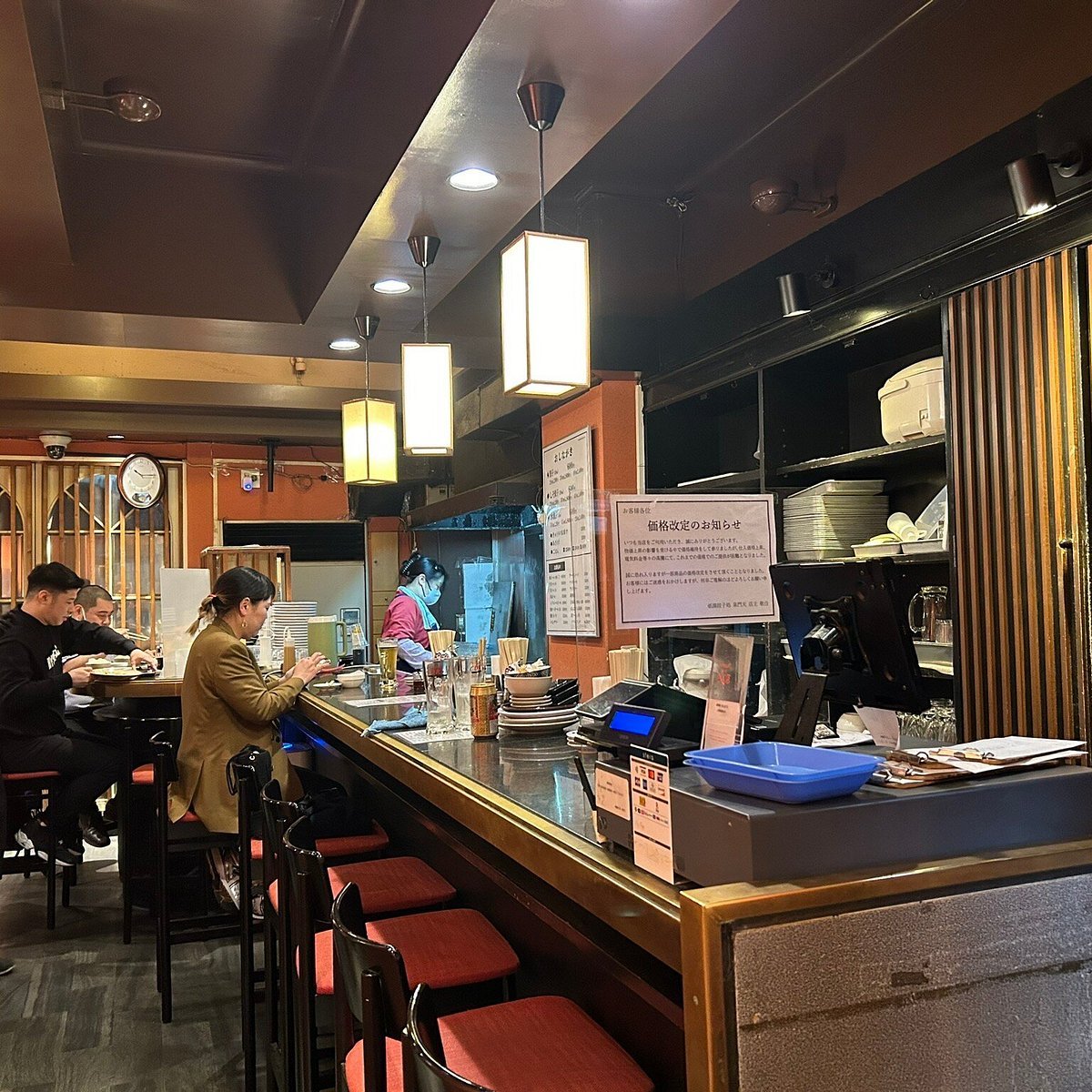
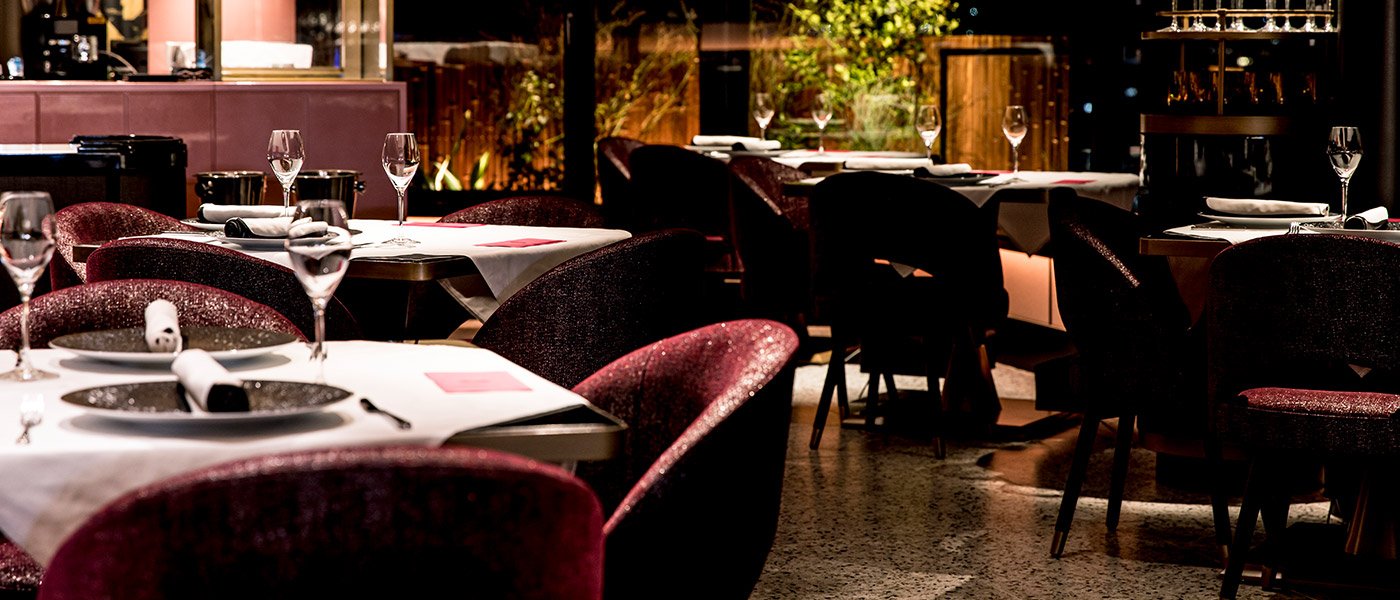
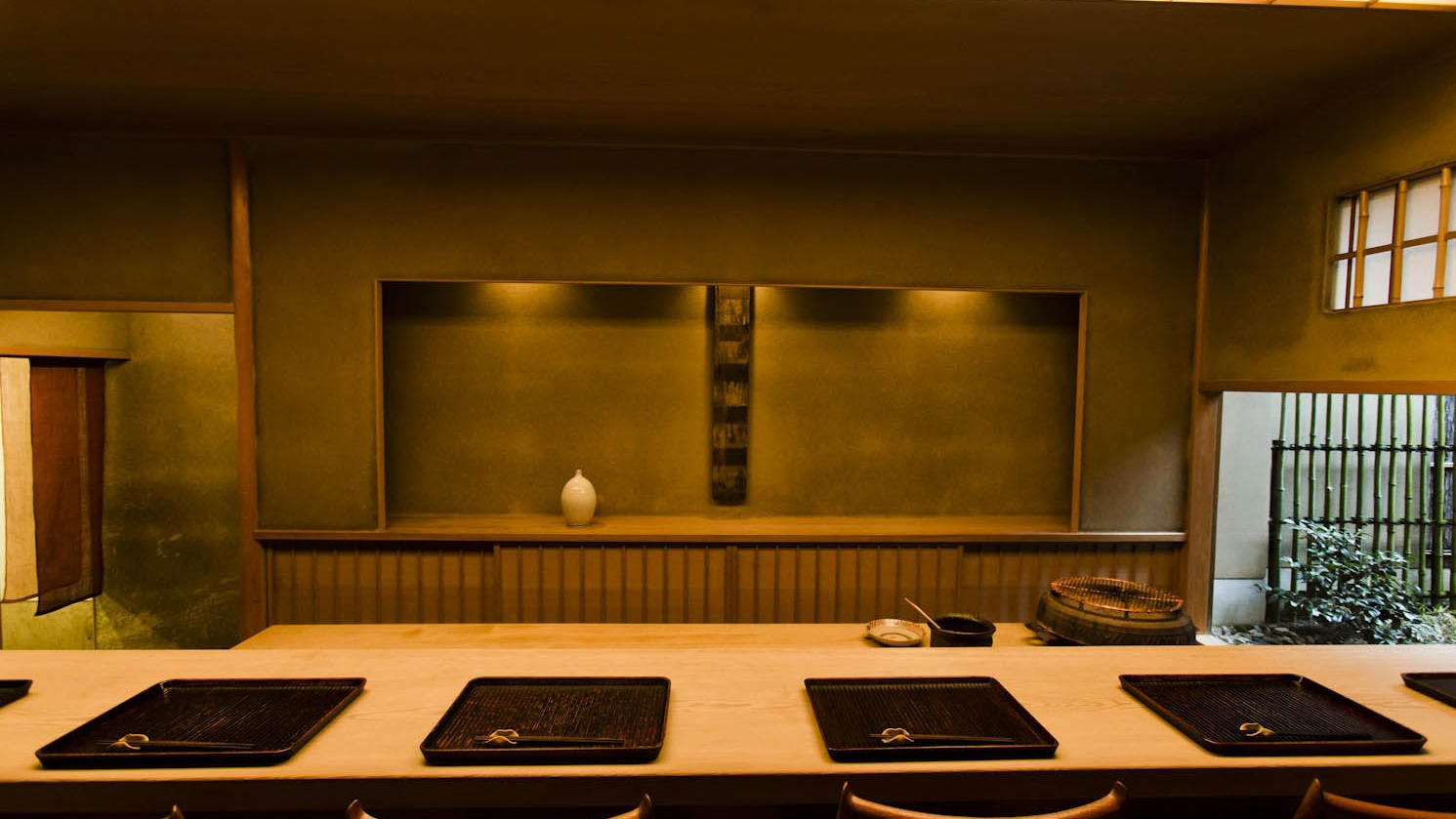
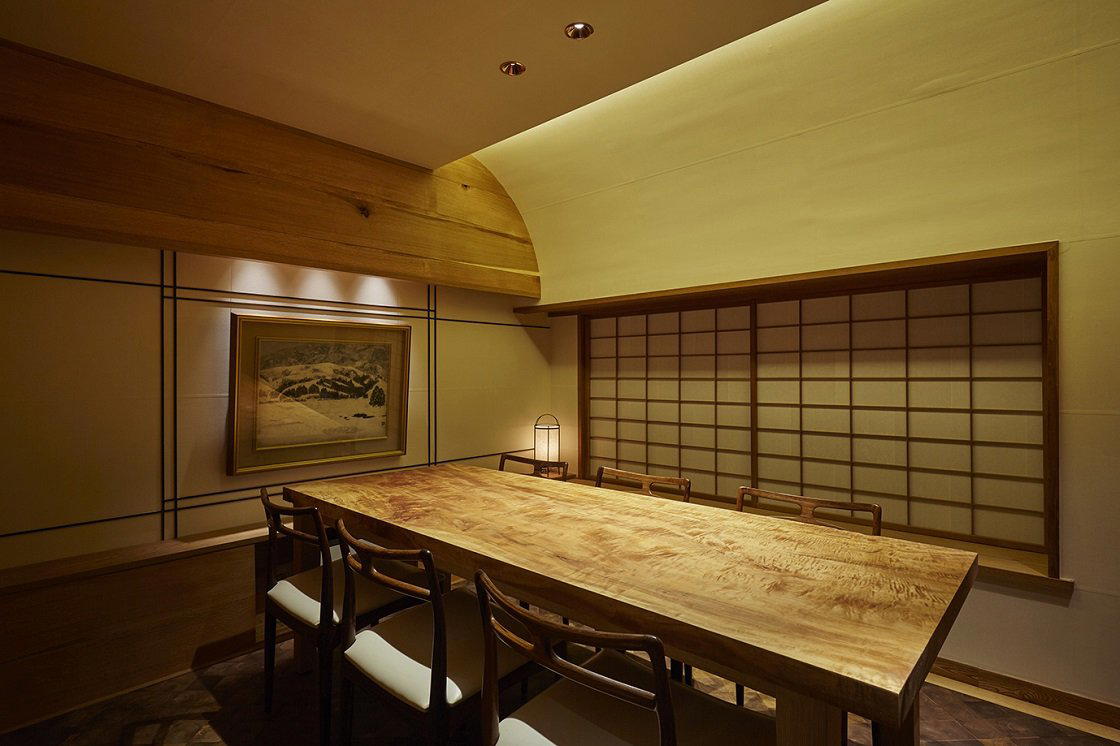
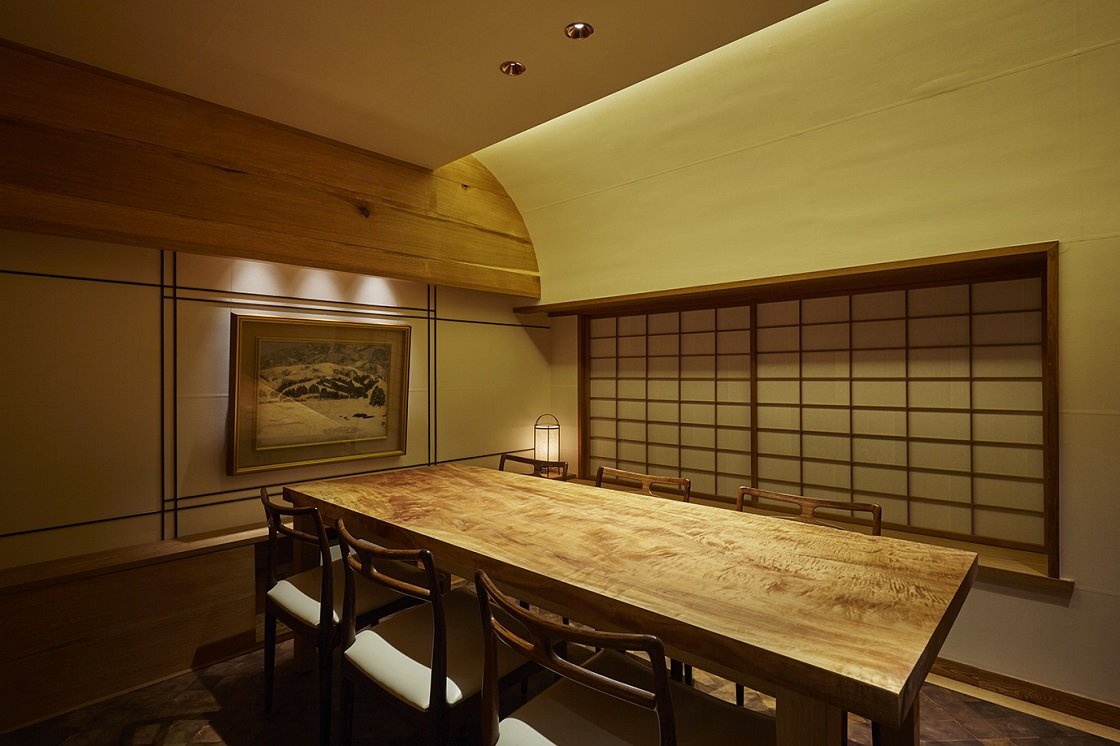
The room itself sets expectations immediately. Seven seats at a counter, one private room for up to six guests, and nothing else. No overflow dining room, no bar area to wait in. The spatial constraint is the whole philosophy: every seat faces the kitchen, every service interaction is personal, and the pace of the meal is set by the room rather than a clock. That said, plan for approximately three hours at the table, which the restaurant lists as its standard service window. If you need to be somewhere by a fixed time, communicate it when booking.
SEN opened on 20 March 2018 and has operated in the same Shimogyo Ward address since. The cuisine is French-Japanese, though Tabelog categorises it under Japanese Cuisine. In practice, the cooking draws on classical French technique applied to Japanese ingredients, with a documented emphasis on fish. What distinguishes the format from a standard omakase counter is the reported responsiveness of chef Sen Maruyama to guests during the meal: the kitchen is said to adjust ingredients and preparation based on how the room is reading, which at a seven-seat counter with three-hour sittings is genuinely plausible in a way it would not be at a fifty-cover restaurant.
The lunch service at SEN is the angle worth examining closely. Available only on Wednesday, Saturday, and Sunday (from 12:30 PM, per the July 2024 schedule), lunch runs the same course as dinner, takes the same three hours, and comes in at JPY 15,000–19,999 per person, roughly JPY 5,000–10,000 less than dinner. For a venue with this award profile, that gap is material. If your schedule allows a weekend or Wednesday visit, the lunch booking is the better value play, and weekend lunch at a counter this small is among the harder reservations to hold in Kyoto, so move early. Dinner runs every day except Thursday, starting at 18:30.
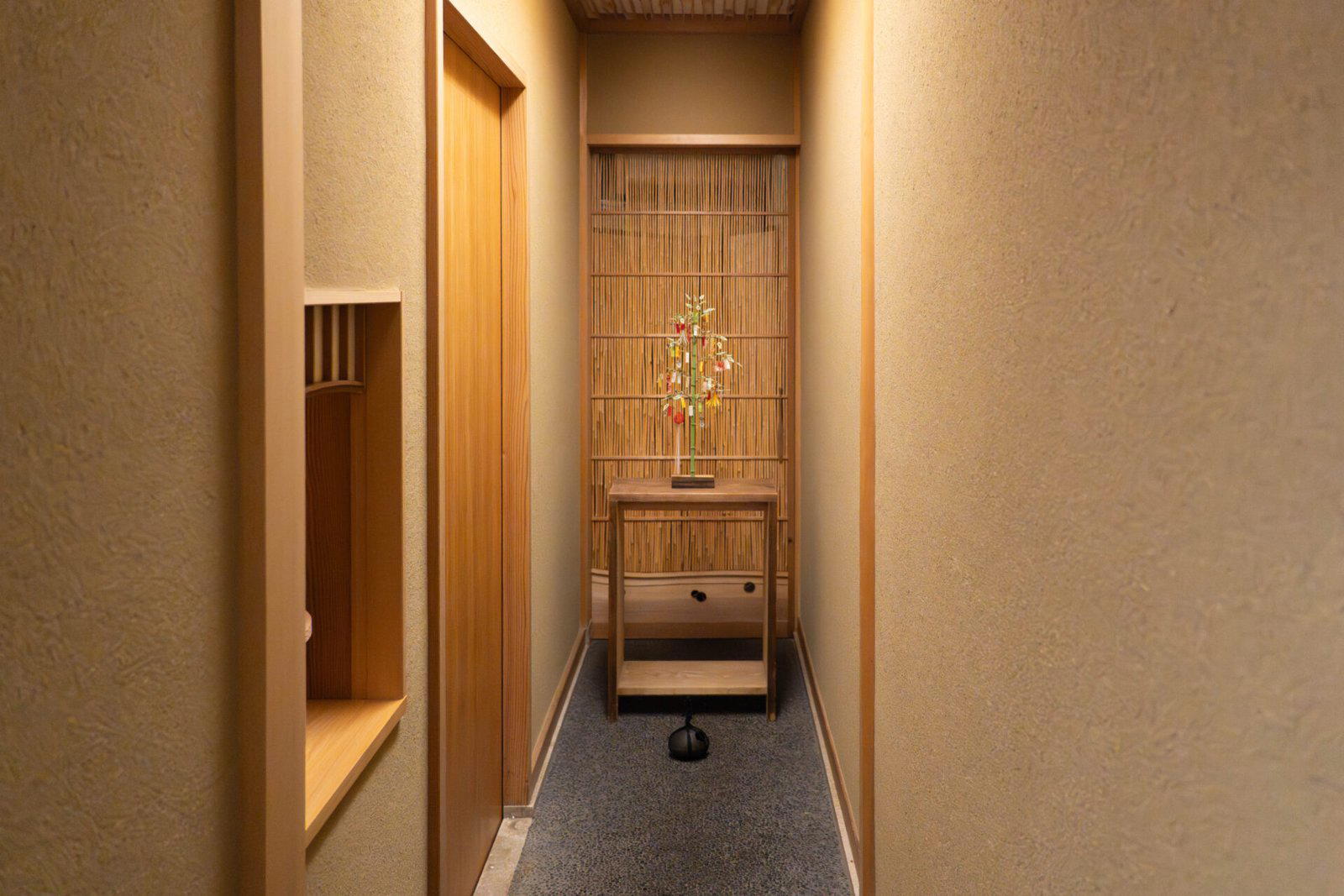
The seasonal dimension adds another layer for timing. SEN marks the Gion Festival by displaying a replica of the Naginata Boko, the lead float in the festival's procession, inside the restaurant. If you are visiting Kyoto during the Gion Matsuri in July, a booking here carries more contextual weight than it would at other times of year. The restaurant's location in Shimogyo Ward places it close to the Gojo area and within reach of the central festival activity. The integration of the city's ritual calendar into the dining room is a deliberate gesture rather than background decoration.
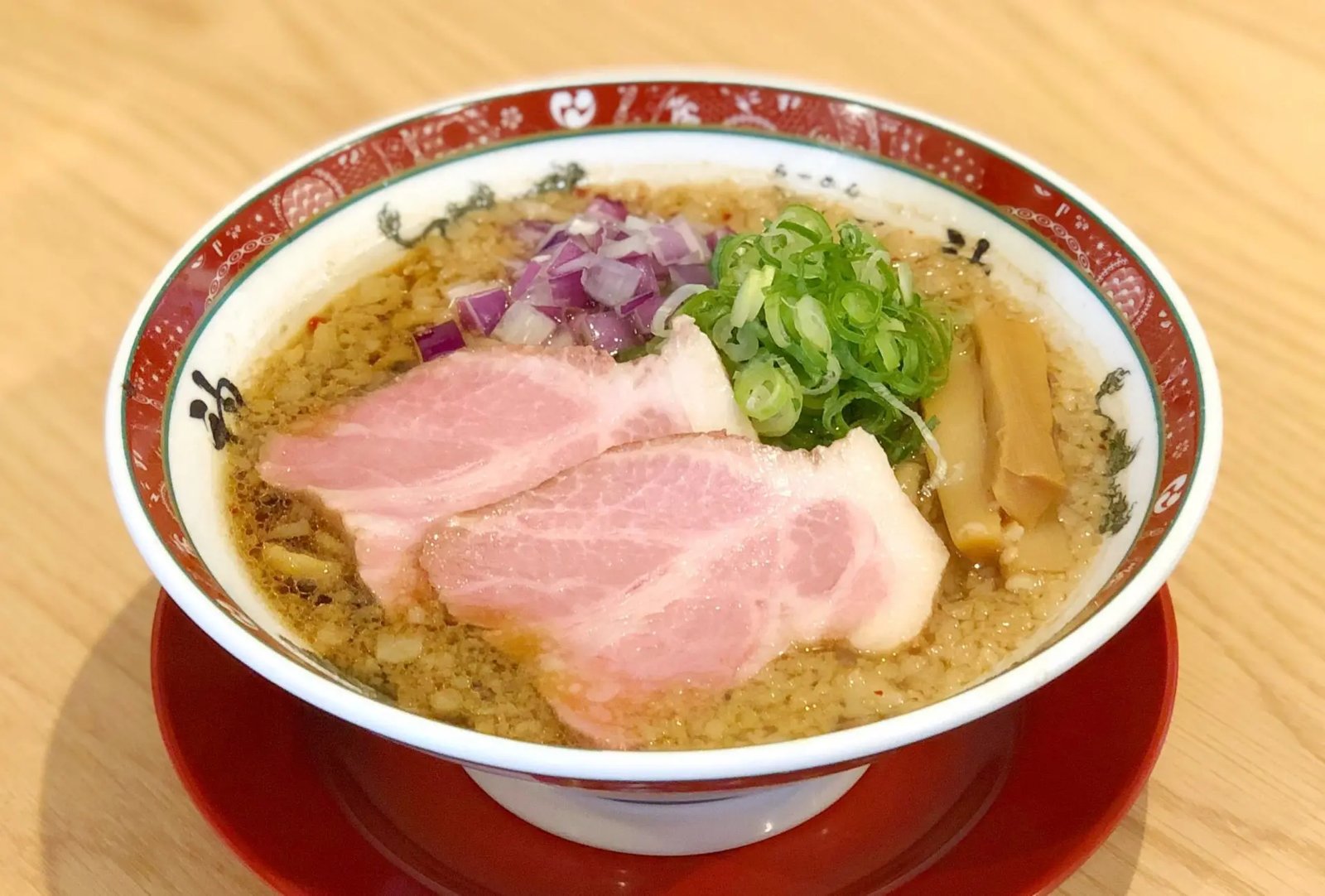
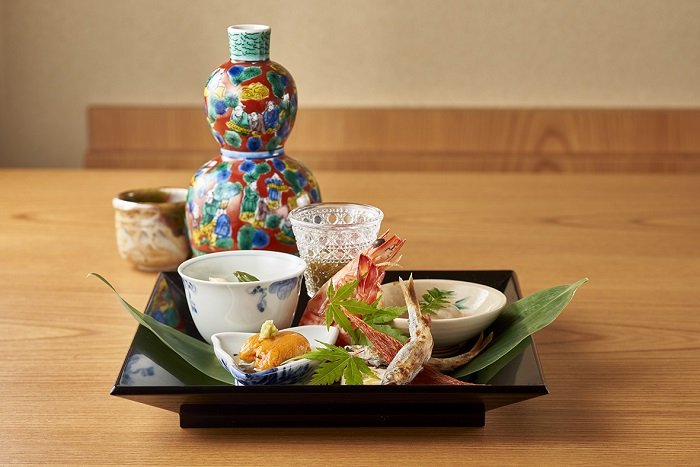
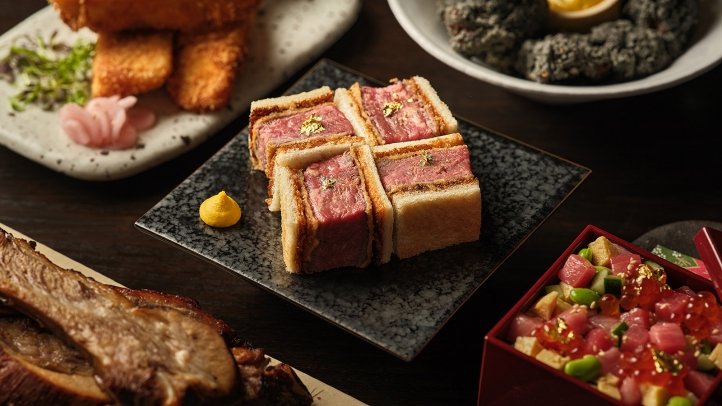
At the close of the meal, the format shifts noticeably. After the main course progression, guests choose from a selection of comfort-register dishes: mackerel sushi, chazuke, or ramen. This is an unusual structural move for a high-end French-Japanese counter, and it signals something about how the kitchen thinks about hospitality. The meal does not end on a formal note; it ends on something warmer. For a special occasion dinner where you want guests to leave feeling genuinely comfortable rather than formally processed, that distinction matters.
Drinks cover sake, shochu, and wine. Corkage is available at JPY 5,500 per bottle (tax included) for those who want to bring something specific. Credit cards are accepted; electronic money and QR payments are not. The private room seats up to six and must be arranged by phone. Parking is not available on-site, though coin parking is nearby. The venue is a six-minute walk from Keihan Kiyomizu Gojo Station.
Booking
Reservation-only, no walk-ins. Book as far in advance as your schedule allows: this is a seven-seat counter with demonstrated demand across six consecutive award years. Cancellations trigger fees: 30% of the course price if cancelled seven or more days out, 50% within three days, and 100% on the day. Arriving more than 15 minutes late without notice may result in the reservation being treated as a cancellation.
How It Compares
Among Kyoto's high-end Japanese counters, SEN sits in a distinct position: it has Michelin recognition and a six-year Tabelog Bronze run, but it is not operating at the rarefied level of Gion Sasaki, which holds two Michelin stars and commands a higher price. For a diner weighing both, Gion Sasaki is the choice if kaiseki precision and formal ceremony are the priority; SEN is the choice if you want a smaller room, a more responsive kitchen, and a format that blends French technique into the Japanese base. Kyokaiseki Kichisen operates at an even higher tier of formality and price within the Kyoto kaiseki canon, appropriate for a once-in-a-decade booking, but a different category of experience than SEN's counter intimacy.
Ifuki is the closest structural peer: a small counter, similar price band, kaiseki orientation. The key difference is cuisine approach, Ifuki is more classically Japanese, SEN is more hybrid. If you are committed to a traditional kaiseki read on Kyoto, Ifuki is the stronger pick. If the French-Japanese hybrid format interests you, or if you want the counter to feel slightly more personal and conversation-oriented, SEN has the edge. For those open to Italian at a lower price point, cenci (¥¥¥) offers a genuinely strong alternative without the booking pressure, though it serves a different purpose entirely.
On value, SEN's lunch is its leading argument. JPY 15,000–19,999 for a Michelin-starred, Tabelog Top 100 course in Kyoto, available on weekends, is competitive against anything at this award level in the city. Kyo Seika (¥¥¥, Chinese) is a lower-commitment option if budget is the driver. But if you are already in Kyoto for a special occasion and willing to invest, SEN's weekend lunch slot is the most accessible version of what this kitchen does, and worth prioritising over dinner purely on price efficiency.
More to Explore in Kyoto and Beyond
- Our full Kyoto restaurants guide
- Our full Kyoto hotels guide
- Our full Kyoto bars guide
- Our full Kyoto experiences guide
- Hyotei (Kaiseki, Kyoto)
- Mizai (Kaiseki, Kyoto)
- Kikunoi Honten (Kaiseki, Kyoto)
- Isshisoden Nakamura (Kyoto)
- HAJIME (Osaka)
- Harutaka (Tokyo)
- akordu (Nara)
- Goh (Fukuoka)
- Le Bernardin (New York City)
- Lazy Bear (San Francisco)
Planning details
- Hours
- Monday: 6:30–10 pm · Tuesday: 6:30–10 pm
- Location
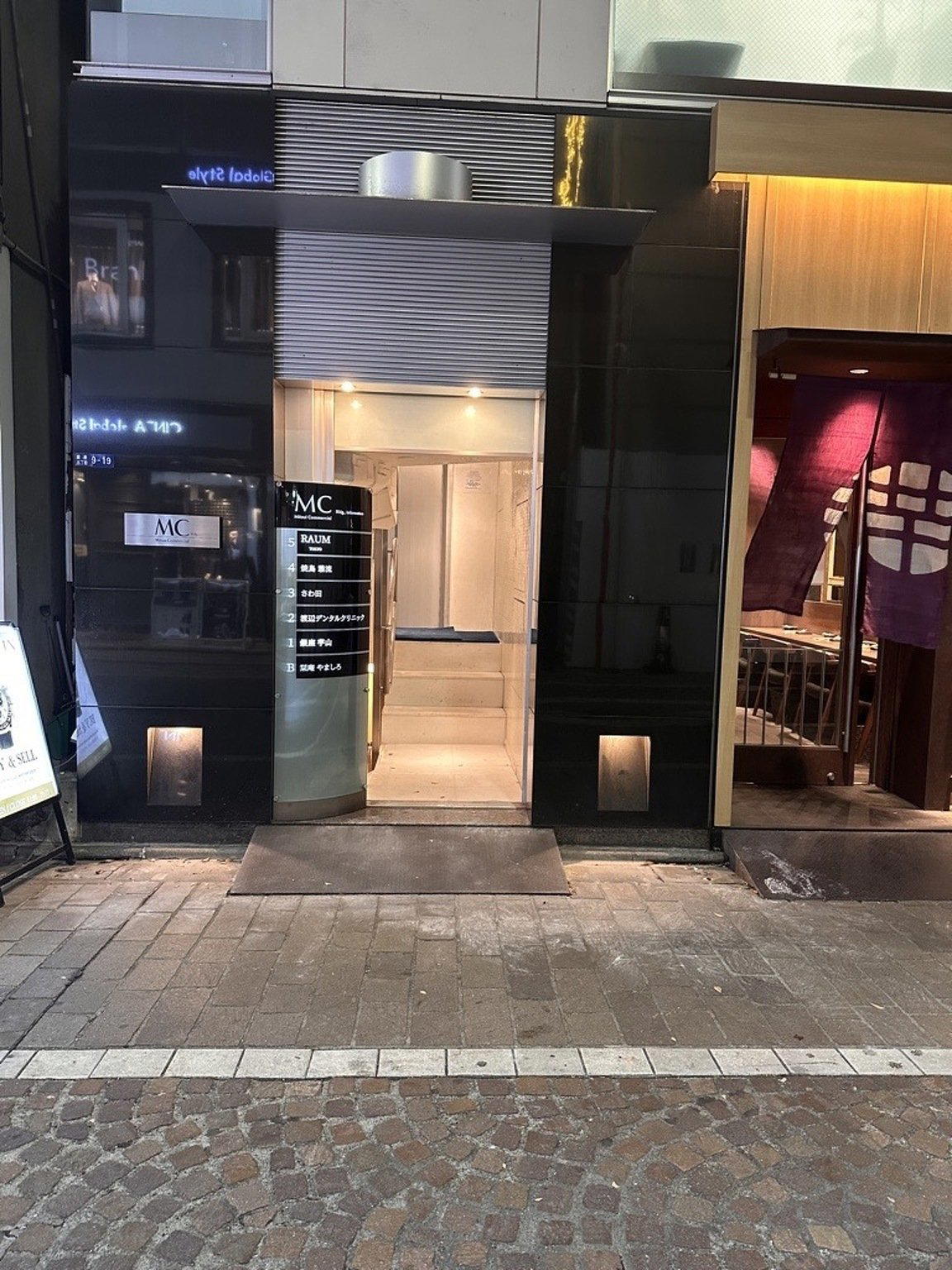
- Japan, 〒600-8103 Kyoto, Shimogyo Ward, Shiogamacho, 379 坂田ビル 379
- Reservations
- Book on Omakase
- Website
- kyoto-sen.com
- Phone
- +81 75-361-8873
- Price (dinner)
- JPY 20,000–29,999¥¥¥¥¥¥¥¥
- Price (lunch)
- JPY 15,000–19,999
- Cuisine
- French-JapaneseKaisekiKaiseki
- Lunch available
- Wed, Sat, Sun onlyLimitedLimited
- Booking difficulty
- HardHardHard
- Michelin
- 1 Star (2024)2 Stars1 Star
- Service charge
- 10%VariesVaries
The take
The Take
The Vibe
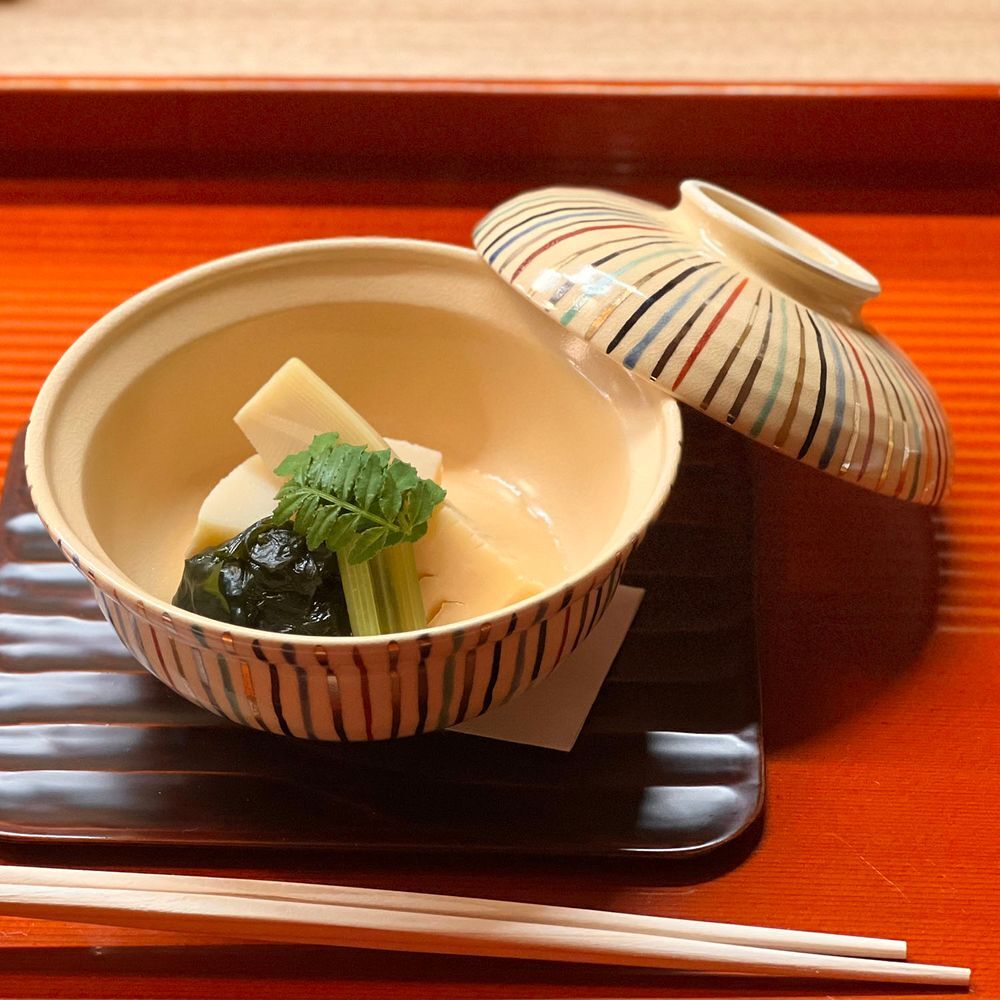
SEN presents Kyoto in distilled form: a quietly reverent dining room where restraint and clarity shape every moment. The space leans into the city’s past, anchored by a festival float replica that nods to Gion’s heritage, while interiors favor calm light and warm wood grain. The service is attentive without fanfare, creating a measured rhythm that encourages presence and appreciation. Culinary gestures are subtle and deliberate: composed plates read like poetry, and small shifts in seasoning or temperature quietly heighten the narrative of each course. The overall effect is serene, refined, and quietly immersive.
Best For
SEN is ideally suited to evening occasions when you want more than a meal: you want a slow, considered experience. It is a natural choice for date nights and special-occasion dinners, and for diners who value conversation with an attentive kitchen. The restaurant emphasizes seasonal progression and traditional kaiseki principles, so guests seeking cultural immersion and carefully paced tasting will find it especially rewarding. Expect an intimate, calm setting where the focus is on the unfolding of courses and the interplay between guest and chef.
Ordering Tips
Embrace the pacing and allow the kitchen to guide the progression: the menu is a series of measured courses that highlight seasonality. If you want a complete sense of the chef’s intent, accept the kaiseki-style flow and be open to subtle adjustments the kitchen makes in response to your table. Save room for the finales: pressed mackerel sushi, chazuke, or ramen are comforting conclusions worth sampling. Consider booking an evening service, and if you visit during the Gion Festival expect an added cultural flourish in the dining room.
Venue details
Ambiance
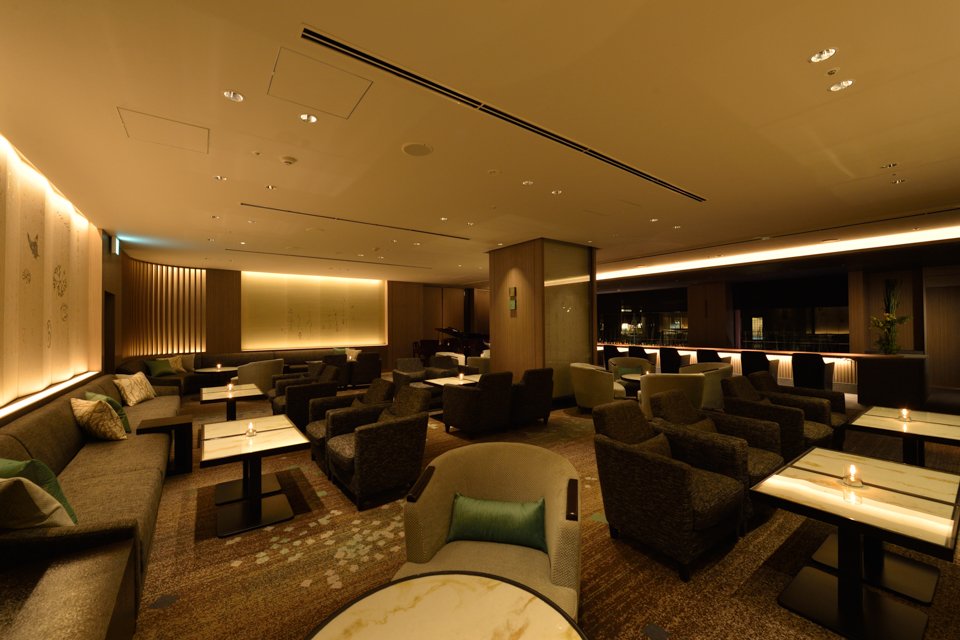
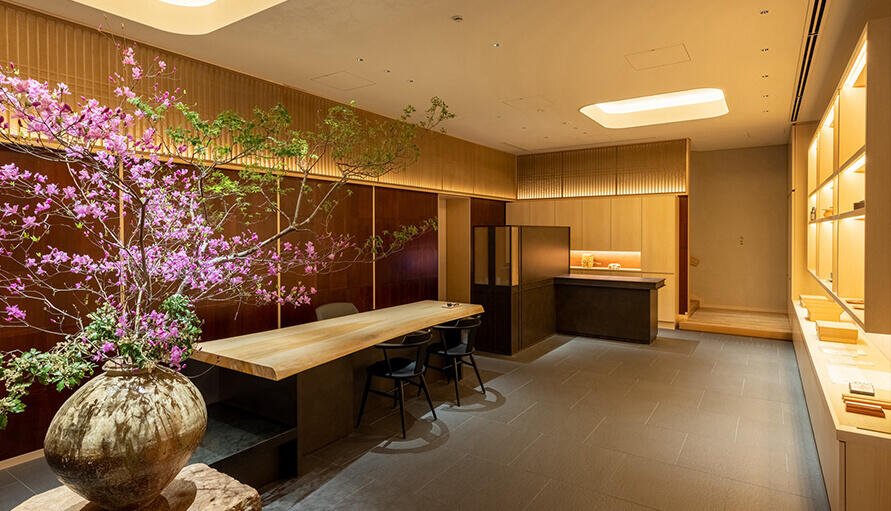
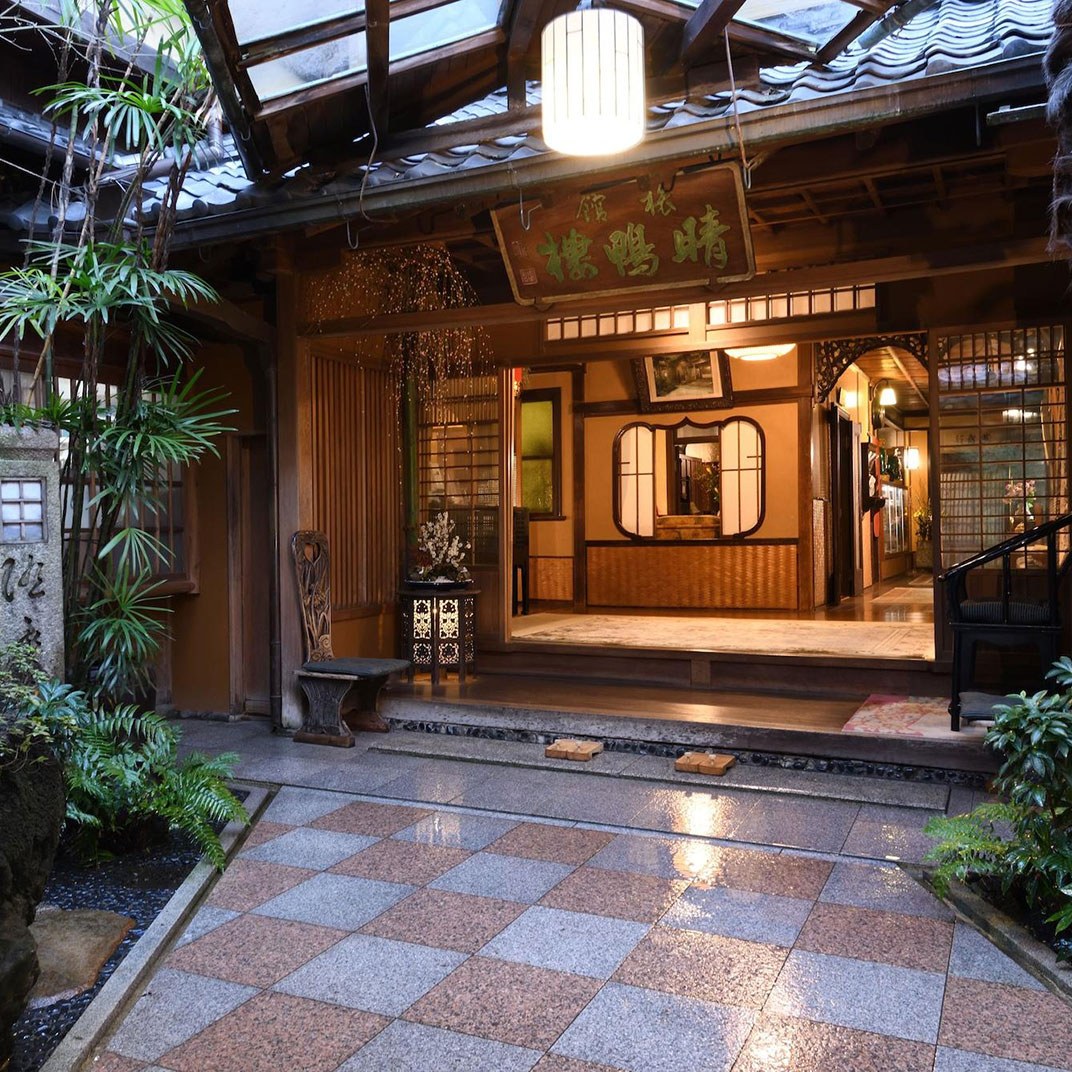
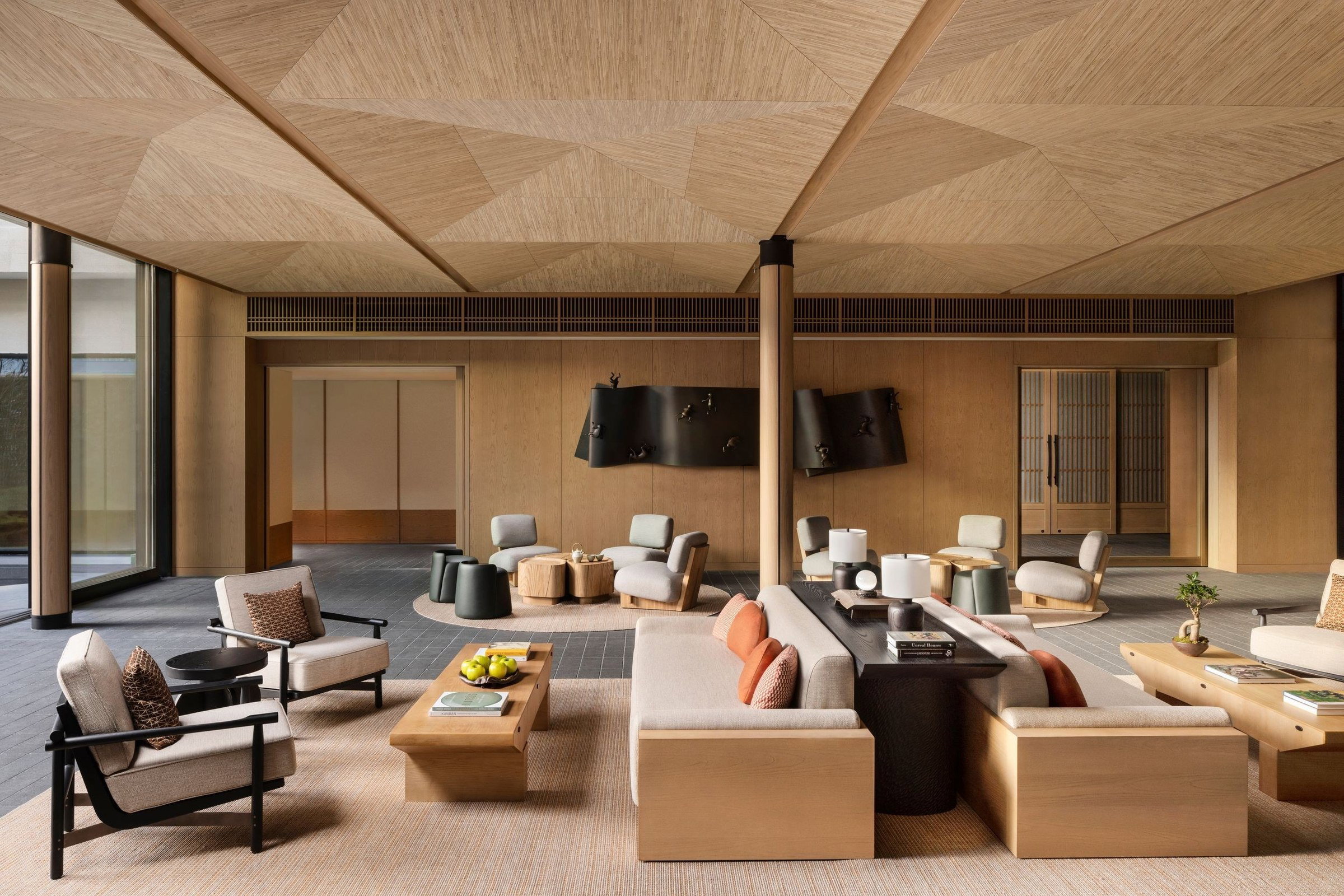
Sukiya-zukuri style interiors with clean lines, earthy tones, natural wood, warm lighting, and minimalist beauty evoking understated elegance.
Tags
Vibe
Best For
Experience
Sourcing
At the Table
- Dress Code
- Smart Casual
- Noise Level
- Quiet
- Service Style
- Formal
- Meal Pacing
- Leisurely
- Capacity
- Intimate
- Seats
- 7 counter + private room (6)Counter + private roomsCounter format
- Kitchen
- Traditional
- Menu Format
- Tasting menu, Omakase, Counter dining
- Drinks Focus
- Sake
- Private Dining
- Available
Know before you go
Know Before You Go
- Getting there
- Japan, 〒600-8103 Kyoto, Shimogyo Ward, Shiogamacho, 379 坂田ビル 379
Planning details
Hours
- Monday
- 6:30–10 pm
- Tuesday
- 6:30–10 pm
- Wednesday
- 12–3 pm, 6:30–10 pm
- Thursday
- Closed
- Friday
- 6:30–10 pm
- Saturday
- 12–3 pm, 6:30–10 pm
- Sunday
- 12–3 pm, 6:30–10 pm
Location
Japan, 〒600-8103 Kyoto, Shimogyo Ward, Shiogamacho, 379 坂田ビル 379 · Directions
Recognition and awards

Also consider
Also Consider
- Gion Sasaki: Kaiseki, Japanese, ¥¥¥¥
- cenci: Italian, ¥¥¥
- Ifuki: Kaiseki, ¥¥¥¥
- Kyokaiseki Kichisen: Japanese, ¥¥¥¥
- Kyo Seika: Chinese, ¥¥¥
Restaurant context
Among Kyoto's high-end Japanese counters, SEN sits in a distinct position: it has Michelin recognition and a six-year Tabelog Bronze run, but it is not operating at the rarefied level of Gion Sasaki, which holds two Michelin stars and commands a higher price. For a diner weighing both, Gion Sasaki is the choice if kaiseki precision and formal ceremony are the priority; SEN is the choice if you want a smaller room, a more responsive kitchen, and a format that blends French technique into the Japanese base. Kyokaiseki Kichisen operates at an even higher tier of formality and price: appropriate for a once-in-a-decade booking, but a different category of experience than SEN's counter intimacy.
Ifuki is the closest structural peer: a small counter, similar price band, kaiseki orientation. The key difference is cuisine approach: Ifuki is more classically Japanese, SEN is more hybrid. If you are committed to a traditional kaiseki reading of Kyoto, Ifuki is the stronger pick. If the French-Japanese hybrid format interests you, or if you want the counter to feel more personal and conversation-oriented, SEN has the edge. For those open to Italian at a lower price point, cenci (¥¥¥) is a genuinely strong alternative without the booking pressure, though it serves a different dining purpose entirely.
On value, SEN's lunch is its clearest argument. JPY 15,000–19,999 for a Michelin-starred, Tabelog Top 100 course, available on weekends and Wednesdays, is competitive against anything at this award level in Kyoto. Kyo Seika (¥¥¥, Chinese) is a lower-commitment option if budget is the primary driver. But if you are already in Kyoto for a special occasion and willing to invest, SEN's weekend lunch slot is the most accessible version of what this kitchen delivers, and worth prioritising over dinner purely on price efficiency.
Explore Kyoto
Around this place
Discover more on Pearl
Unlock the full SEN guide in Pearl, including awards, comparisons, FAQs, planning details, and nearby places.
FAQ
Frequently Asked Questions
What should a first-timer know about SEN?
SEN is reservation-only with just seven counter seats and one private room for up to six: walk-ins are not an option. Budget at least three hours and ¥20,000–¥29,999 per person for dinner, plus a 10% service charge. The same course runs at lunch and dinner, so the ¥15,000–¥19,999 lunch sitting is the smarter entry point if price is a factor. Cancellations within three days cost 50% of the course fee, so only book if your schedule is firm.
Is SEN good for solo dining?
SEN is one of the stronger solo options in Kyoto's high-end bracket precisely because of its seven-seat counter format. A single diner fits naturally without paying for unused seats or feeling out of place. The chef is known to adapt based on guests' conversation, which makes counter dining here more engaging than a rote sequence. Book the counter rather than the private room, which is designed for groups of up to six.
Is the tasting menu worth it at SEN?
For the format, yes. SEN has held a Tabelog Bronze Award every year from 2021 through 2026 and earned a Michelin star (2024), which validates the consistency. The course emphasises fish, runs approximately three hours, and closes with comfort-food choices such as mackerel sushi, chazuke, or ramen: a practical finish that differentiates it from stricter kaiseki progressions. If you want à la carte flexibility, SEN is not the right venue.
Can I eat at the bar at SEN?
SEN has counter seating, and that counter is effectively the entire restaurant: seven seats total. There is no separate bar or casual section. All seating is part of the same tasting-menu service, so sitting at the counter means committing to the full course and the roughly three-hour meal time. It is reservation-only, so you cannot simply turn up and take a counter spot.
Is SEN worth the price?
At ¥20,000–¥29,999 for dinner (before the 10% service charge), SEN sits at the upper end of Kyoto's counter dining, but the credential stack, six consecutive Tabelog Bronze Awards, Tabelog 100 selection in 2021, 2023, and 2025, and a Michelin star, supports the price. The lunch course at ¥15,000–¥19,999 offers the same menu at a lower cost, making it the better value play for first visits. If you are comparing against Kyokaiseki Kichisen at the top of the market, SEN is a step below in price and prestige, but considerably easier to book.