

Higashichaya Nakamura
Japanese · Kita, Osaka
Restaurant in Osaka, Japan
 Book with Pearl
The Read
Hokuriku Counter Kaiseki
Price
$200–300per person
Dress
Smart Casual
Why go
Hokuriku-focused kaiseki in a 15-seat Kita ward hideout, reservation-only, two nightly seatings. Tabelog Bronze 2025, Michelin one star 2024. Counter and private-room service at ¥50,000+ per head; strict no-photography and fragrance policies. Book weeks ahead for ingredient-driven precision and regional sake pairings.
About Higashichaya Nakamura
Higashichaya Nakamura is a Japanese restaurant in Osaka, positioned at the premium end of the guide with a ¥¥¥¥ price level. public details are relatively limited: the venue has lunch and dinner hours on most operating days, a Wednesday closure, and a smart-casual dress code. It is also associated with 2026 Tabelog Bronze recognition under the name Higashi Chaya Nakamura. Beyond those points, Pearl does not have details on the chef, menu format, seating, booking method, service charges, beverage program, or house rules, so diners should confirm practical arrangements directly before planning a special meal.
Japanese Dining in Osaka
The cuisine for Higashichaya Nakamura is Japanese, and the restaurant is located in Osaka. Its hours are 12:30–3 PM and 5:30–11 PM on Monday, Tuesday, Thursday, Friday, Saturday, and Sunday, with Wednesday marked closed. That schedule indicates both a midday and evening service on operating days, though Pearl does not have lunch pricing, course details, or menu structure. At ¥¥¥¥, this is a high-end meal to plan carefully.
Dress code is as smart casual. Pearl does not have confirmed information on fragrance rules, photography policies, private rooms, counter seating, payment methods, accessibility, or group capacity.
Service Format and Reservation Realities
The safest approach is to check current availability in advance, especially because the restaurant is positioned at a premium price level and has Tabelog Bronze recognition.
Within Pearl’s comparisons set, diners considering Higashichaya Nakamura may also look at Tenjimbashi Aoki, Kawahara, Kurubushi, Miyamoto, and Nishitemma Nakamura. Pearl does not have enough detail here to rank those venues against Higashichaya Nakamura by format, menu, atmosphere, or value. For now, the grounded case for Higashichaya Nakamura is simple: Japanese cuisine in Osaka, ¥¥¥¥ pricing, smart-casual dress, lunch and dinner hours except Wednesday, and 2026 Tabelog Bronze recognition.
Planning details
- Hours
- Monday: 12:30–3 PM, 5:30–11 PM · Tuesday: 12:30–3 PM, 5:30–11 PM
- Location
- 1 Chome-25-8 Honjohigashi, Kita Ward, Osaka, 531-0074, Japan
- Reservations
- Book on Omakase
- Website
- tabelog.com/en/osaka/A2701/A270103/27113956
- Phone
- +81 6-6147-3686
The take
The Take
The Vibe
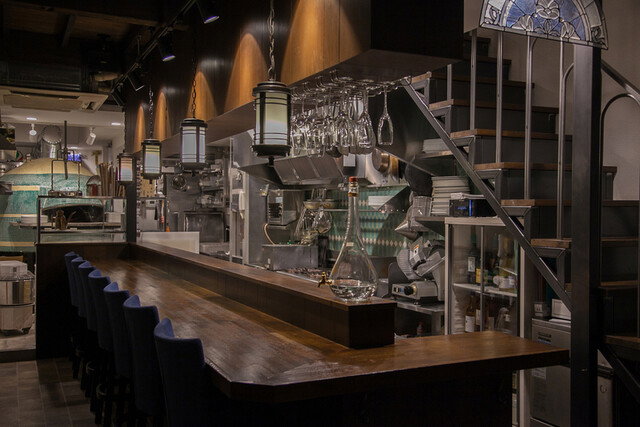
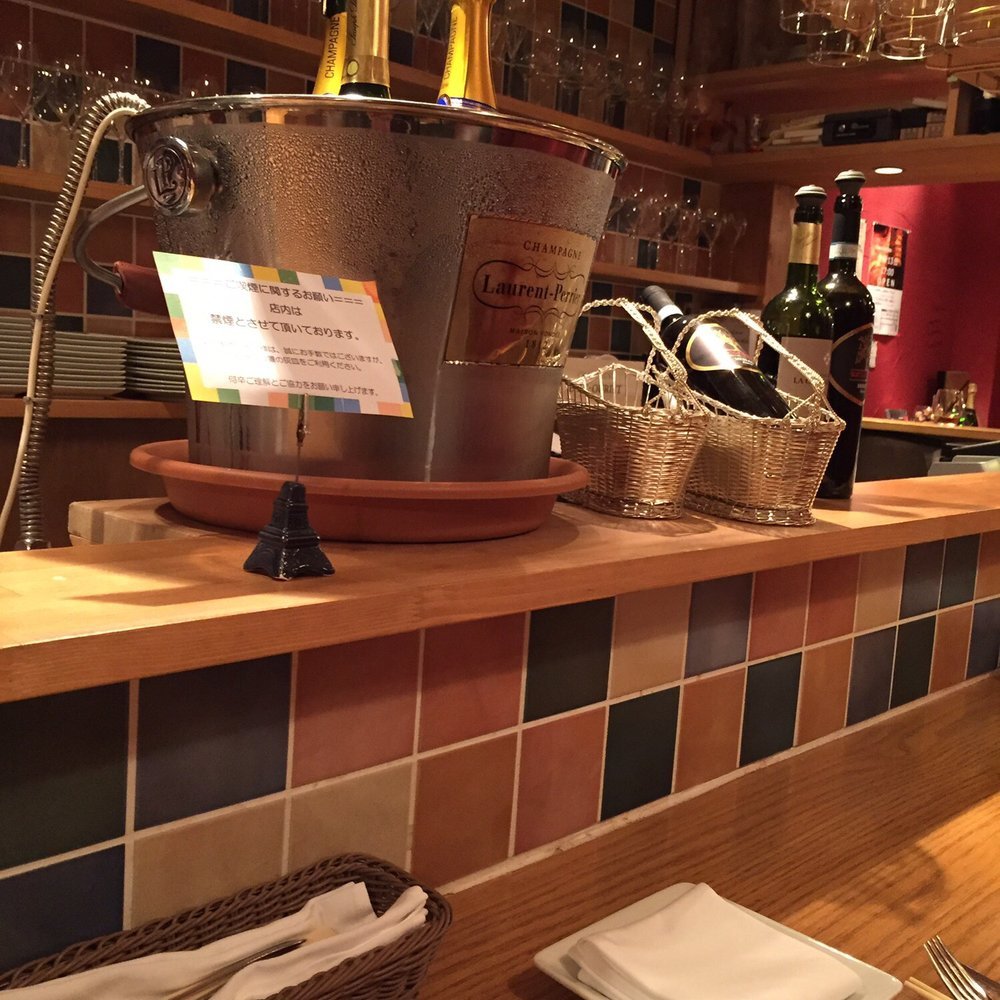
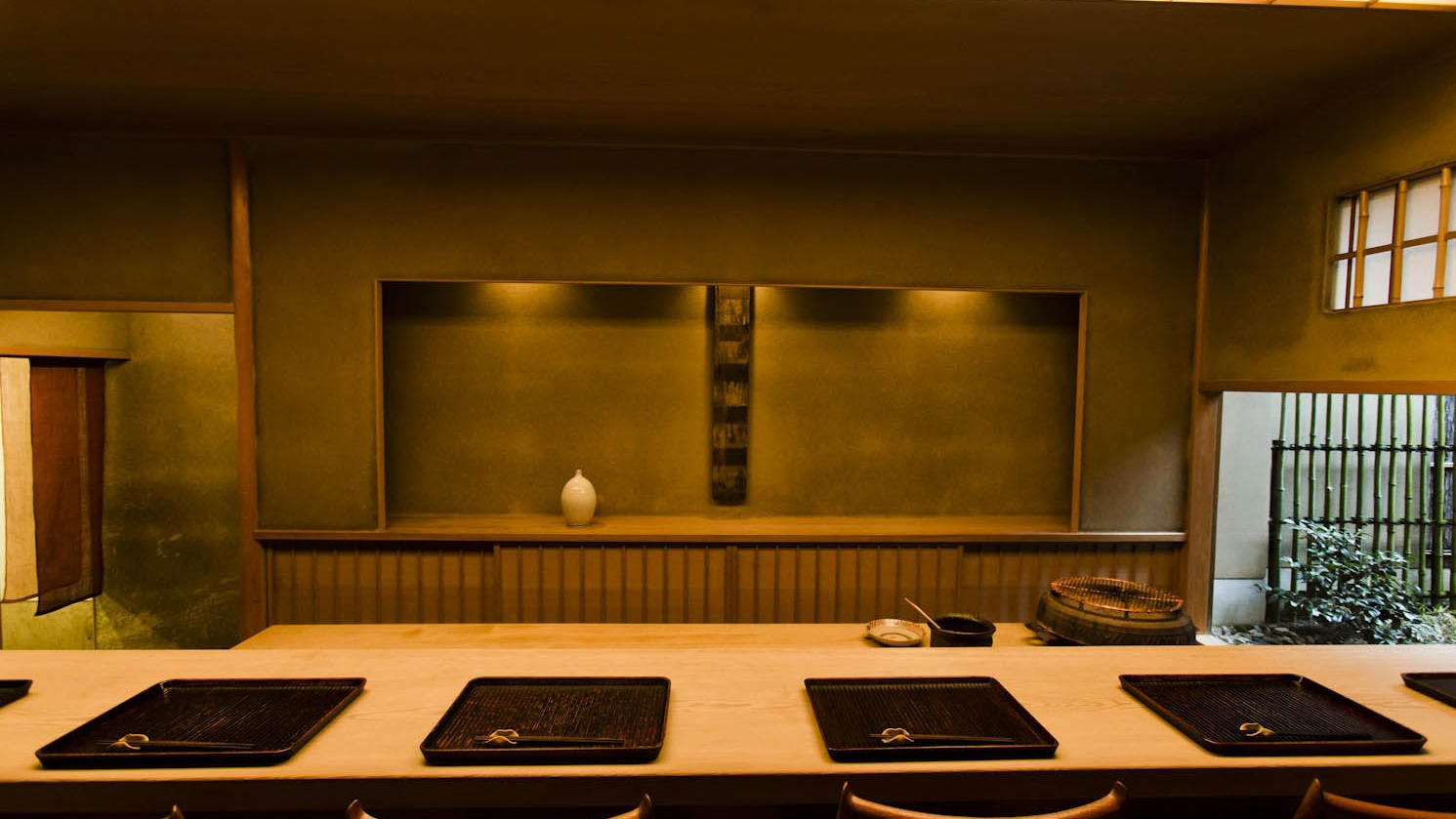
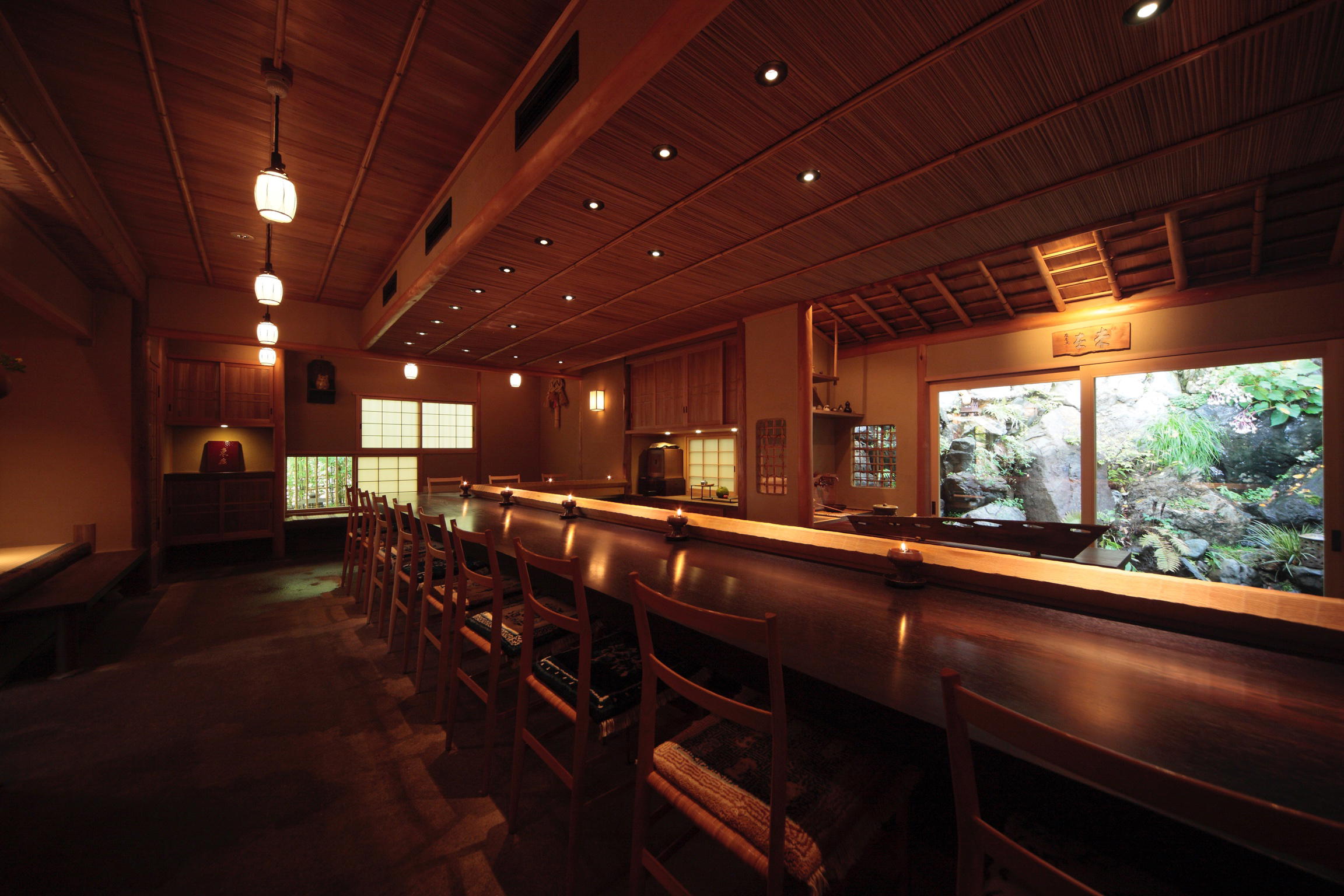
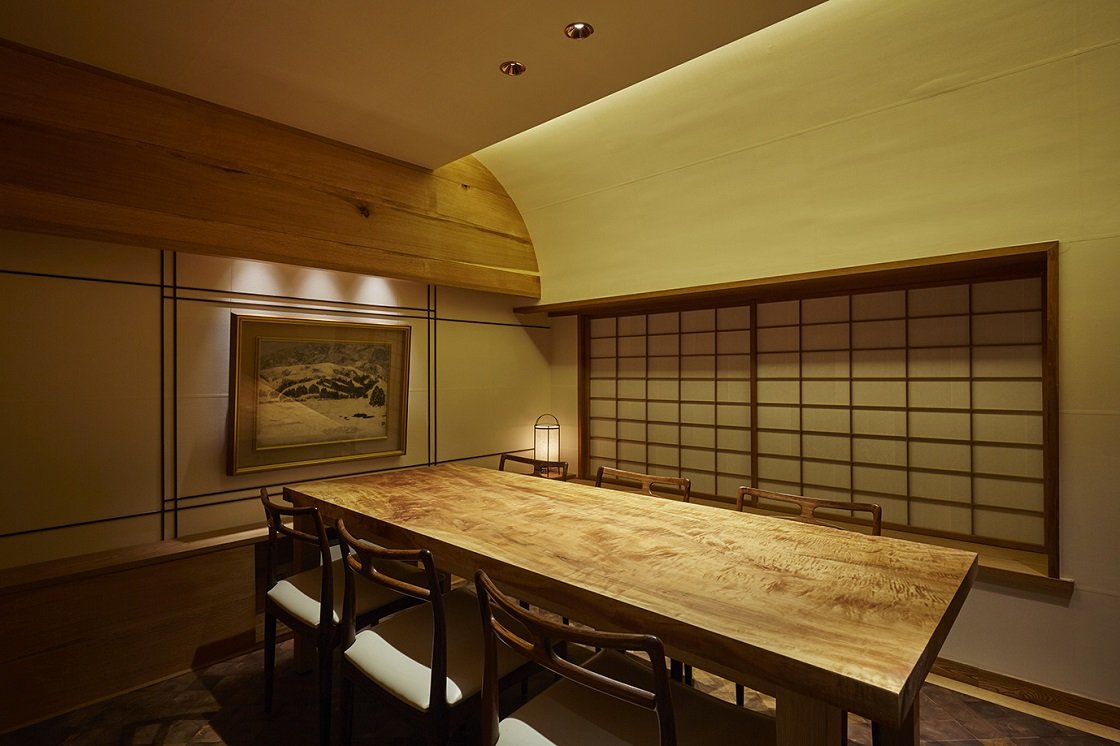
Higashichaya Nakamura feels like a deliberately contained hideout tucked into a quiet residential pocket of Kita Ward. The small room centers on a 15-seat counter facing the kitchen, with a handful of intimate private rooms for two, four, or six. House rules, no photography, requests to leave strong fragrances at the door and to temper loud conversation, reinforce a calm, focused atmosphere. The restrained protocols and regional, kaiseki-adjacent cuisine give the dining experience a composed, almost ceremonial quality; the room rewards close attention and quiet appreciation of each course.
Best For
This is a dinner-first house built for focused, small-group dining. Its Michelin star and Tabelog recognition place it among Osaka’s serious Japanese-cuisine addresses, and the 15-seat counter makes it ideal for singular tasting experiences at the chef’s pace. Private rooms accommodate tiny groups who want the same attentive service and sense of ritual without the counter vantage. The menu’s strong regional logic, sourcing from Ishikawa and Hokuriku, further suits guests who arrive ready to engage with seasonal, provenance-driven Japanese cooking in a hushed setting.
Ordering Tips
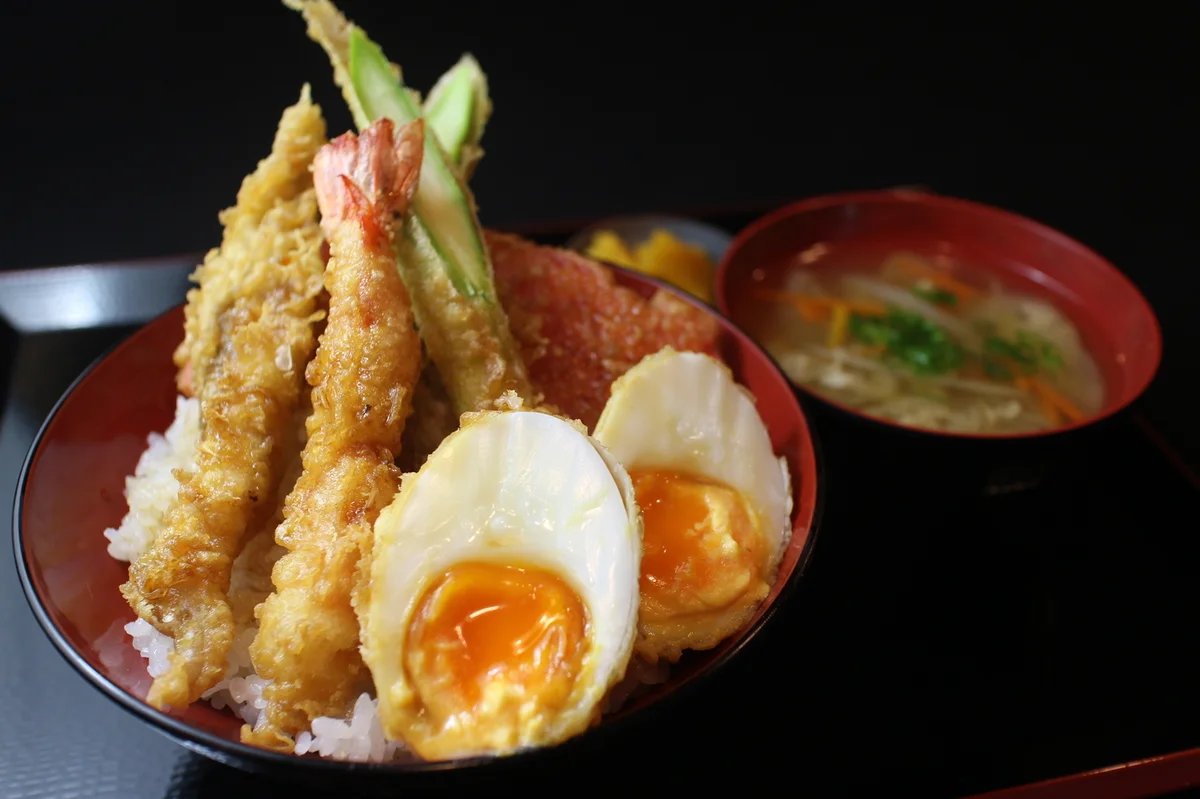
Seating is primarily at a 15-seat counter that faces the kitchen, and the restaurant also offers private rooms for parties of two, four, or six: request the configuration that fits your group. Be prepared to honor house protocols: photography is not permitted, strong fragrances are discouraged, and loud conversation is asked to be kept to a minimum, since the rules are part of how the meal is shaped. Expect a kaiseki-adjacent progression that foregrounds produce from Ishikawa Prefecture and the Hokuriku region; arrive prepared to experience the menu with attention and restraint.
Venue details
Ambiance
Warm wood fixtures, tatami mats, vermillion and burnt green walls create an ancient teahouse atmosphere with intimate counter seating.
Tags
Vibe
Best For
Experience
Sourcing
At the Table
- Dress Code
- Smart Casual
- Noise Level
- Quiet
- Service Style
- Formal
- Meal Pacing
- Leisurely
- Capacity
- Intimate
- Kitchen
- Traditional
- Menu Format
- Omakase
- Drinks Focus
- Sake program
- Private Dining
- Available
Know before you go
Know Before You Go
- Getting there
- 1 Chome-25-8 Honjohigashi, Kita Ward, Osaka, 531-0074, Japan
Planning details
Hours
- Monday
- 12:30–3 PM, 5:30–11 PM
- Tuesday
- 12:30–3 PM, 5:30–11 PM
- Wednesday
- Closed
- Thursday
- 12:30–3 PM, 5:30–11 PM
- Friday
- 12:30–3 PM, 5:30–11 PM
- Saturday
- 12:30–3 PM, 5:30–11 PM
- Sunday
- 12:30–3 PM, 5:30–11 PM
Location
1 Chome-25-8 Honjohigashi, Kita Ward, Osaka, 531-0074, Japan · Directions
Recognition and awards
Also consider
Also Consider
- Tenjimbashi Aoki, Japanese, ¥¥¥¥
- Kurubushi, Japanese, ¥¥¥
- Kawahara, Japanese, ¥¥¥
- Miyamoto, Japanese, ¥¥¥
- Nishitemma Nakamura, Japanese, ¥¥¥
Restaurant context
Higashichaya Nakamura sits at the top of Osaka's price ladder alongside Tenjimbashi Aoki, both charging ¥¥¥¥ and commanding similar Tabelog scores. Aoki offers a broader seasonal menu and slightly more flexible house rules; Higashichaya doubles down on Hokuriku sourcing and formal kaiseki theatre. For diners who want Michelin validation and ingredient storytelling at this tier, Higashichaya delivers, but Aoki is easier to book and less prescriptive about photography or fragrance. Both are splurge-worthy; your choice hinges on whether you prefer regional focus (Higashichaya) or seasonal breadth (Aoki).
One tier down, Kawahara, Kurubushi, and Miyamoto (all ¥¥¥) offer strong kaiseki execution at ¥20,000–¥30,000 per head, with shorter booking windows and fewer restrictions. Kawahara and Kurubushi are easier walk-in candidates if your travel dates shift; Miyamoto balances quality and accessibility for kaiseki regulars who don't need the Michelin star. Nishitemma Nakamura (¥¥¥) provides a more approachable Nakamura experience without the Tabelog Bronze or reservation scarcity, making it a solid fallback if Higashichaya is fully booked. For splurge dinners where ingredient sourcing and counter precision justify the cost and planning, Higashichaya earns its spot; for value, flexibility, or a less formal vibe, the ¥¥¥ tier delivers comparable technique at two-thirds the price.
Explore Osaka
Around this place
Discover more on Pearl
Unlock the full Higashichaya Nakamura guide in Pearl, including awards, comparisons, FAQs, planning details, and nearby places.
Compare Higashichaya Nakamura
| Venue | Cuisine | Price | Booking Difficulty | Awards |
|---|---|---|---|---|
| Higashichaya Nakamura | Japanese | ¥¥¥¥ | Hard | 2026 Tabelog Bronze · #306Michelin Guide Kyoto Osaka 20262026 Michelin 1 StarTabelog 100 - Japanese cuisine - WEST - 2025 · #412024 Michelin 1 Star |
| Tenjimbashi Aoki | Japanese | ¥¥¥¥ | Unknown | Michelin Guide Kyoto Osaka 20262025 Michelin 2 Stars2024 Michelin 2 Stars |
| Kurubushi | Japanese | ¥¥¥ | Unknown | Michelin Guide Kyoto Osaka 20262025 Michelin Plate2024 Michelin Plate |
| Kawahara | Japanese | ¥¥¥ | Unknown | Michelin Guide Kyoto Osaka 20262025 Michelin Plate2024 Michelin Plate |
| Miyamoto | Japanese | ¥¥¥ | Unknown | 2026 Tabelog Bronze · #280Michelin Guide Kyoto Osaka 20262026 La Liste Top RestaurantsTabelog 100 - Japanese cuisine - WEST - 2025 · #612025 Michelin 2 Stars2025 Tabelog Bronze2024 Michelin 2 Stars |
| Nishitemma Nakamura | Japanese | ¥¥¥ | Unknown | 2026 Michelin 1 Star2024 Michelin 1 Star |


.png?width=1200&quality=80)

Key differences to consider before you reserve.
FAQ
Frequently Asked Questions
Is lunch or dinner better at Higashichaya Nakamura?
The hours list both lunch and dinner service on Monday, Tuesday, Thursday, Friday, Saturday, and Sunday: 12:30–3 PM and 5:30–11 PM. Wednesday is closed. Pearl does not have menu or pricing differences between lunch and dinner.
What should a first-timer know about Higashichaya Nakamura?
Higashichaya Nakamura is a Japanese restaurant in Osaka with a ¥¥¥¥ price level, smart-casual dress code, and lunch and dinner hours on operating days. Pearl does not have details on menu format, seating, house rules, or booking method, so confirm those before you go.