

Saeki
Sushi · Nakagyō, Kyoto
Restaurant in Kyoto, Japan
 Book with Pearl
The Read
Evolving Edomae Precision
Dress
Smart Casual
Why go
Sushi Saeki is a Ginza omakase counter with four consecutive Tabelog Bronze Awards (2021–2026), a Tabelog Sushi Tokyo Top 100 ranking, a 2024 OAD Top 279 Japan placement. Dinner runs JPY 50,000–59,999 per person, with no lunch service. Book 3–4 weeks out minimum; counter seats fill quickly given the sustained award record.
About Saeki
Verdict
Sushi Saeki is one of Tokyo's most consistently recognised omakase counters, holding the Tabelog Bronze Award every year from 2021 through 2026 and appearing in the Tabelog Sushi Tokyo Top 100 for three consecutive cycles. At JPY 50,000–59,999 per person for dinner, it prices in the upper tier of serious Tokyo sushi, but the sustained critical record across multiple platforms; including Opinionated About Dining's Top 279 in Japan for 2024; justifies the spend if omakase is your format. Book it for a special occasion dinner; it is not the right choice for a casual introduction to sushi at this price point.
About Saeki
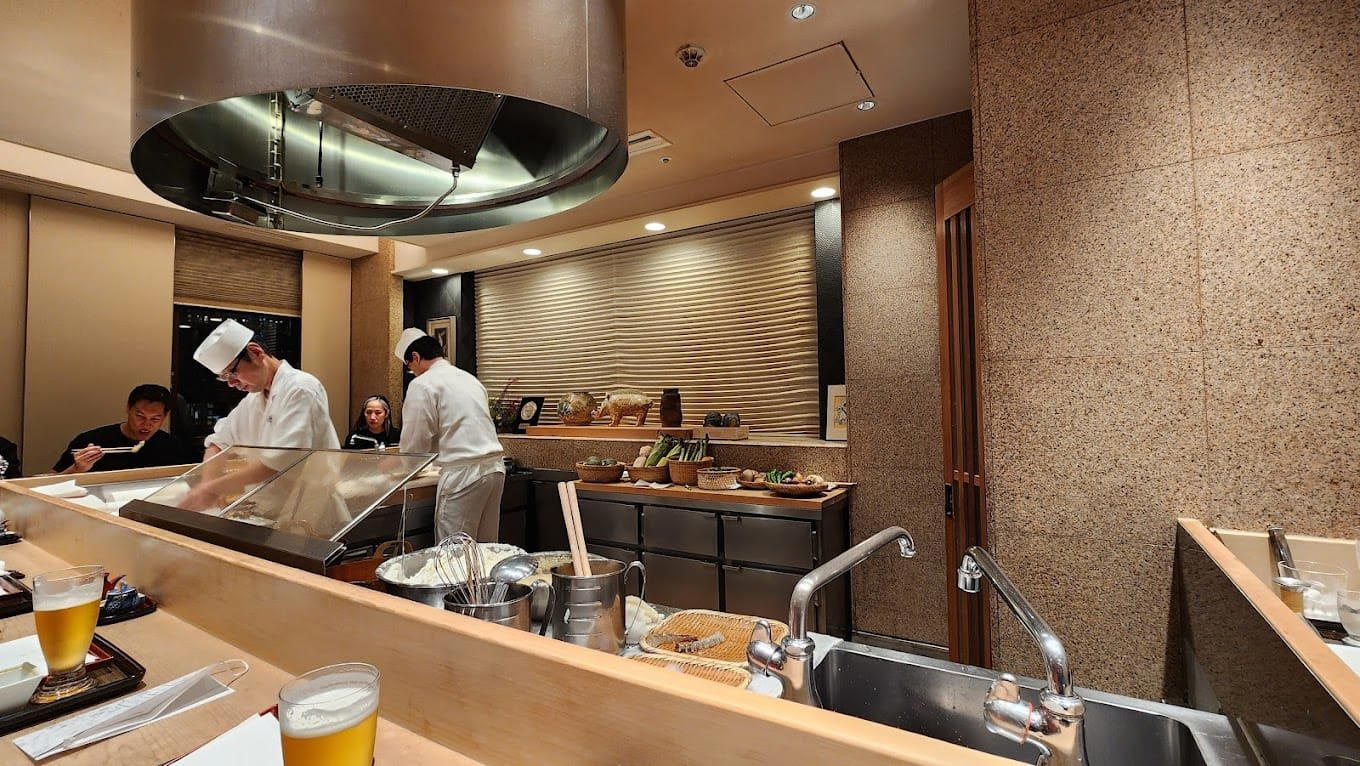
Sushi Saeki sits on the second floor of La.La.Grande GINZA in Ginza, roughly 258 metres from Ginza Station, placing it squarely in the neighbourhood that houses Tokyo's densest concentration of high-end sushi. The room is counter-only in the Edomae tradition: the visual experience here is the chef working directly in front of you, the sequence of pieces arriving one at a time, the precision of each gesture visible from every seat. That direct sightline is the reason to sit at the counter rather than request a table, it is the standard by which Edomae omakase should be judged.
Chef Hiroshi Saeki's approach, described by Tabelog as an evolving Edomae style with strong aesthetic craft, has produced a record that most counters in Ginza cannot match: four consecutive Tabelog Bronze wins and three Top 100 selections. Opinionated About Dining rated it Highly Recommended in 2023 before lifting it to a ranked position (#279 in Japan) in 2024. That upward trajectory matters when assessing value: this is a counter that has improved its standing, not coasted on an early reputation.
Dinner runs from 18:00 onwards. The restaurant is closed Sundays and public holidays. There are no private rooms, but the venue can be taken over for private use, relevant if you are planning a business dinner or a larger celebration. No parking is available on site, which is standard for central Ginza. Credit cards are accepted; electronic money is not.
Multi-Visit Strategy
If you are planning more than one visit, reasonable given the price and the depth of the omakase format, the sequencing matters. A first visit is leading treated as an orientation: arrive at opening time (18:00), sit at the counter, let the full sequence run without interruption. Edomae sushi at this level rewards attention to the order and pacing of the meal, which is set by the chef. A second visit is when it becomes worth arriving with a preference: some counters at this tier will accommodate a prior conversation about seasonal focus or specific fish, so it is worth calling ahead (+81-3-3289-0818) rather than assuming the menu is entirely fixed. A third visit, for those who find the counter suits them, is the point at which regulars tend to establish a relationship with the kitchen, which at Ginza counters at this price often unlocks better seat placement and more dialogue during service. There are no shortcuts to that third visit; the investment is time and repeat spend.
For Kyoto-based travellers who want comparable Edomae quality without the Tokyo day trip, Sushi Rakumi and Kikunoi Sushi Ao are the closest local reference points. For a different register entirely, pressed sushi and Kyoto-specific traditions rather than Edomae, Izuu and Izugen offer strong alternatives. If you want to extend a Japan itinerary beyond Kyoto, Harutaka in Tokyo and Sushi Shikon in Hong Kong represent the same Edomae standard in different cities, while Shoukouwa in Singapore is the benchmark for the format in Southeast Asia.
Practical Details
Reservations: Available; call +81-3-3289-0818 to book. Booking window: Book at least 3–4 weeks out for preferred dates; Ginza counters at this award level fill quickly on weekends and around public holidays. Budget: JPY 50,000–59,999 per person for dinner (no lunch service). Hours: From 18:00 onwards; closed Sundays and public holidays. Address: 6-3-18 Ginza, Chuo Ward, Tokyo, 2F La.La.Grande GINZA, approximately 258 metres from Ginza Station. Payment: Credit cards accepted; electronic money not accepted; QR code payments accepted (d Barai). Private rooms: Not available; full private venue hire is possible. Dress: No formal dress code is stated, but at JPY 50,000+ per head in central Ginza, smart casual at minimum is the practical expectation. Parking: Not available.
Also Worth Knowing
Saeki is non-smoking throughout. Seat count is not published, consistent with many high-end Ginza counters that keep capacity deliberately small. For context on what else is available in the city, see our full Kyoto restaurants guide. If you are building a wider Japan itinerary around serious dining, HAJIME in Osaka, akordu in Nara, and Goh in Fukuoka are the reference points in the Kansai and western Japan region. For more unusual itinerary additions, 1000 in Yokohama and 6 in Okinawa round out the picture. Kyoto-specific planning resources: hotels, bars, wineries, and experiences.
Planning details
- Location
- 663 Izumicho, Nakagyo Ward, Kyoto, 604-0015, Japan
- Website
- omakase.in/ja/r/qg559453
- Phone
- +81 75-211-5118
The take
The Take
The Vibe
Saeki reads as a study in restrained excellence: an Edomae counter that treats tradition as an ongoing argument rather than a museum piece. The room is narrowly focused on nigiri craft, favoring disciplined technique—curing, kombu-pressing and careful rice seasoning—over theatrical flourishes. At the same time the team gestures toward a restless present, slotting the counter between orthodox Edomae and a more fluid contemporary approach. The result is a quietly assured dining environment where minimalism and precision underscore the food, letting each piece of fish and every decision about aging or seasoning carry the conversation.
Best For
Saeki is best for diners seeking a technically rigorous sushi dinner in Ginza’s premium tier. The counter’s repeated Tabelog Bronze awards and inclusion in Sushi Tokyo 100 mark sustained excellence, and the menu is framed around the Edomae practice of transformation—aging, marinating and pressing—rather than novelty. Given the stated price band for this tier (roughly JPY 40,000–70,000 per dinner), the counter is a fit for special evenings and celebrations where the meal itself is the focus and guests want to experience a quietly disciplined, high-commitment tasting of nigiri.
Ordering Tips
If you want to get the most from Saeki, orient your visit around the counter and the chef’s techniques: this is a place where the method—aging, kombu-pressing, curing—matters as much as the fish. Expect a dinner-length progression rather than à la carte theatrics, and be prepared to accept preparations that emphasize controlled transformation over raw immediacy. The venue’s sustained critical recognition rewards trusting the sequence and pacing at the counter; practical considerations include budgeting for the premium dinner price band and arriving ready for focused, attentive service rather than a noisy, casual meal.
Venue details
Ambiance
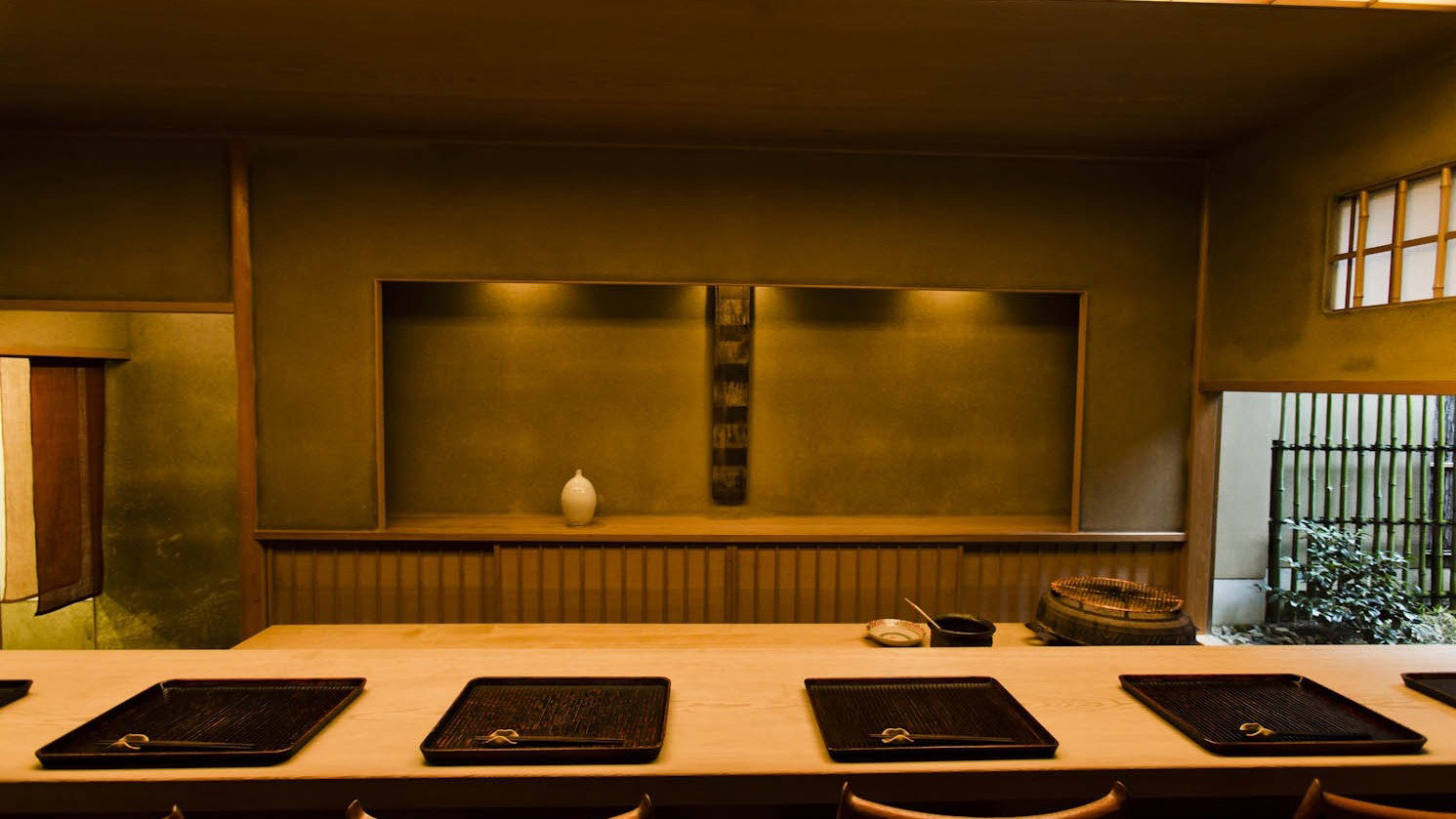
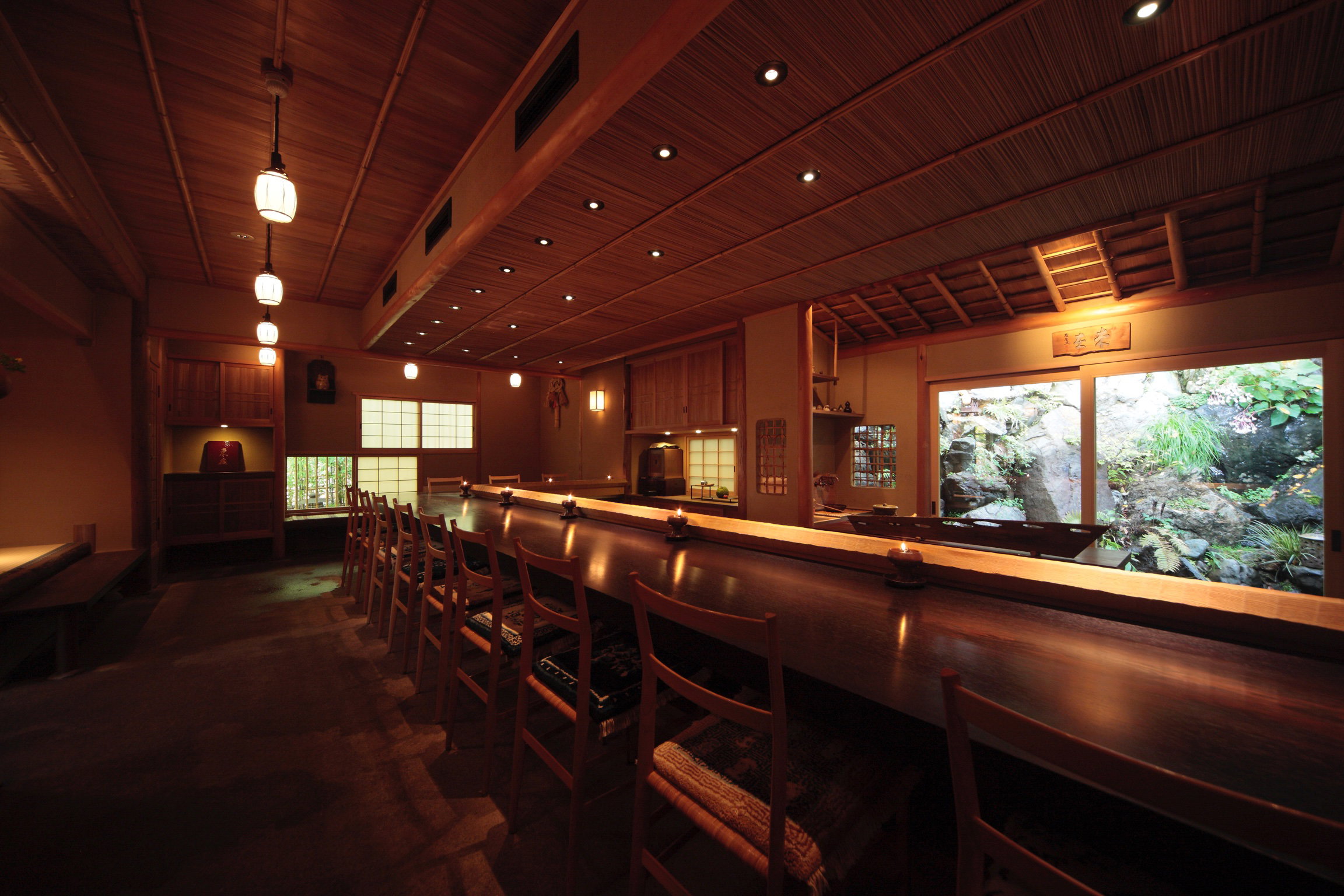
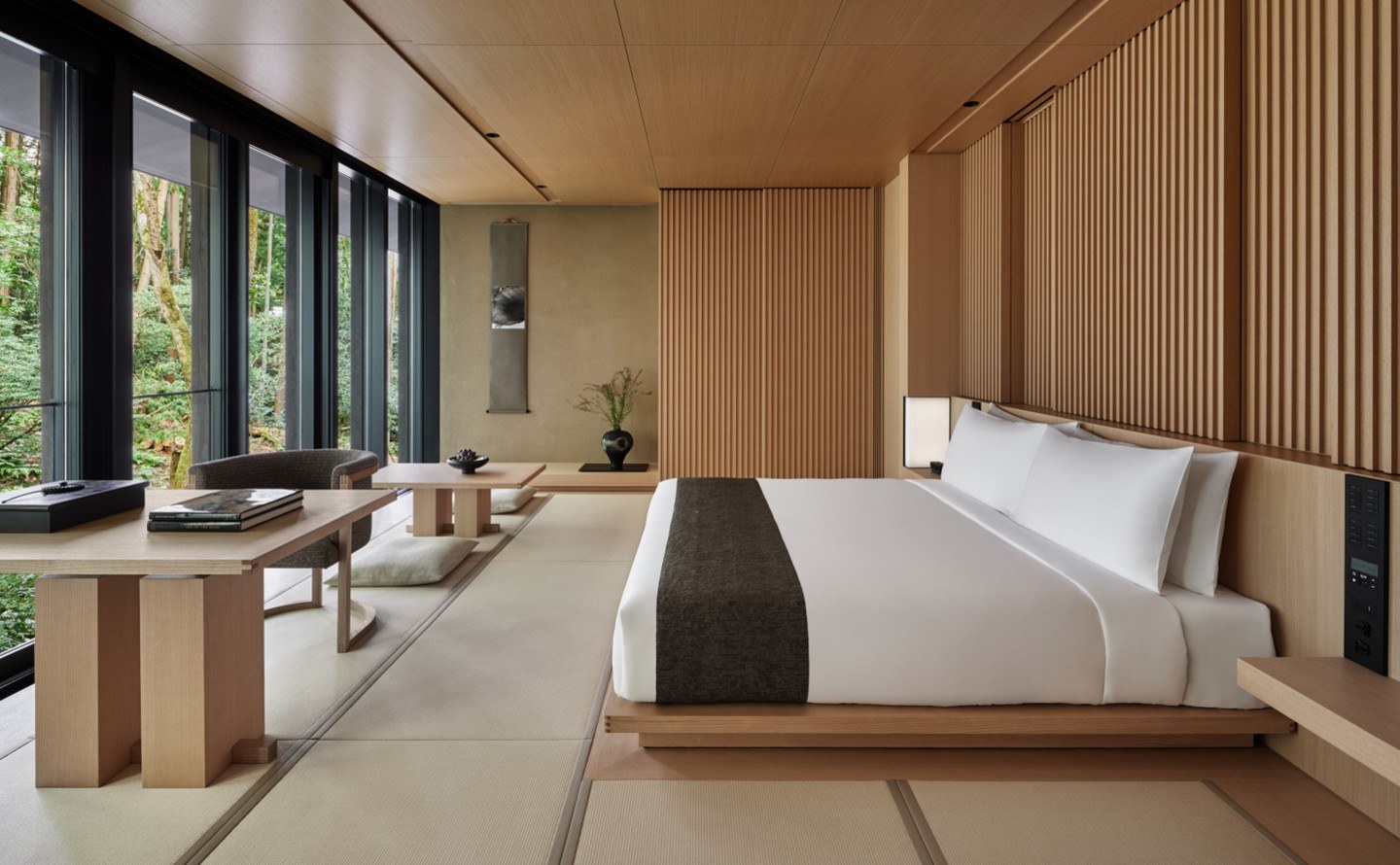
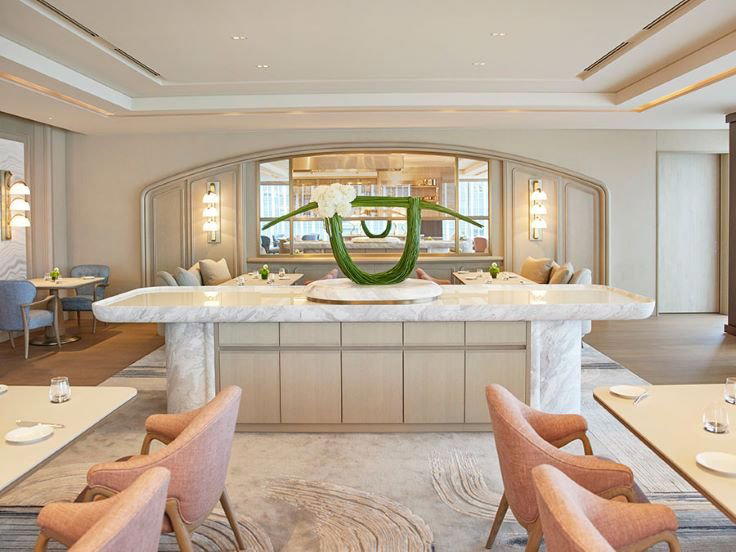
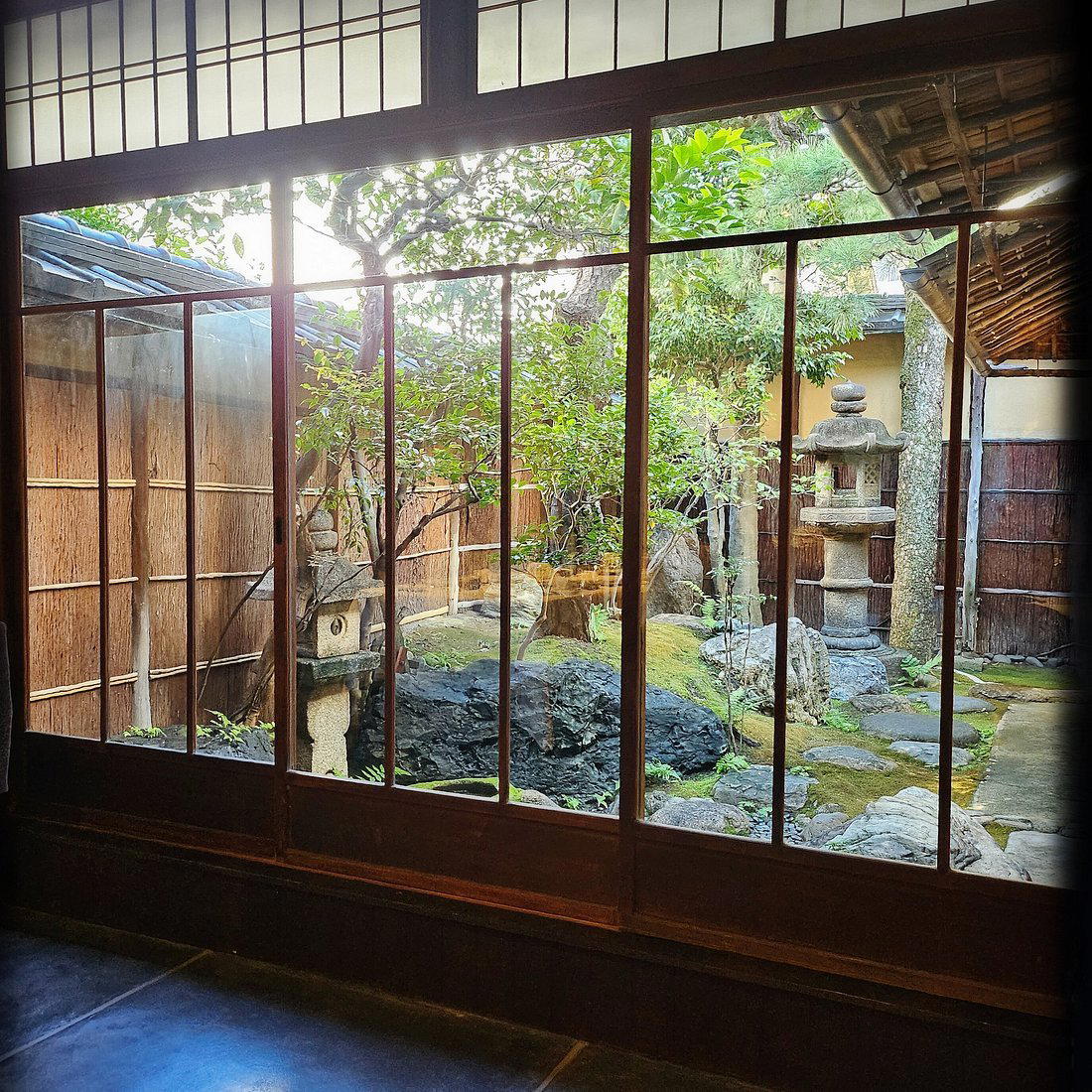
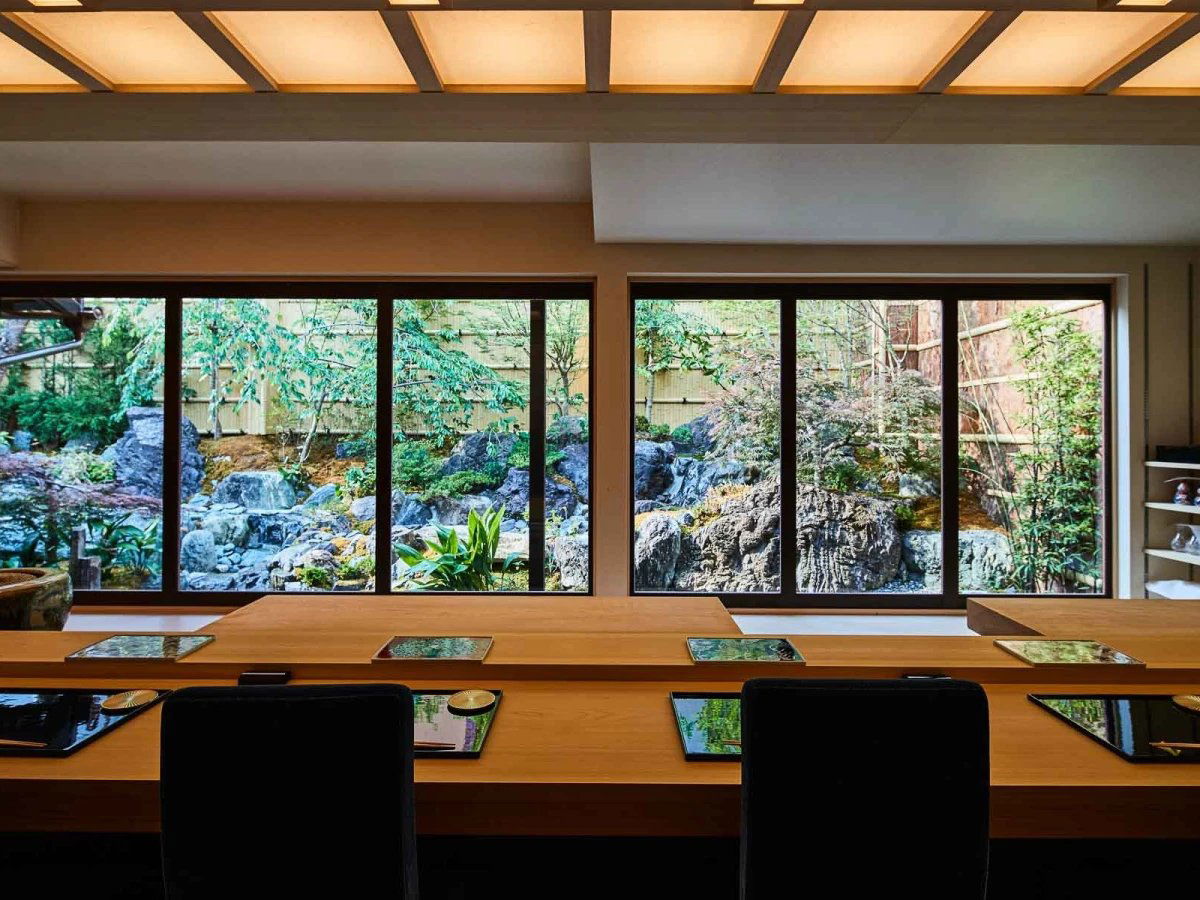
Serene and elegant with large windows showcasing a meticulously manicured Japanese garden, blonde wood counter, and soft lighting creating a relaxing, nature-infused atmosphere.
Tags
Vibe
Best For
Experience
Sourcing
View
At the Table
- Dress Code
- Smart Casual
- Noise Level
- Quiet
- Service Style
- Upscale Casual
- Meal Pacing
- Leisurely
- Capacity
- Intimate
Signature Dishes
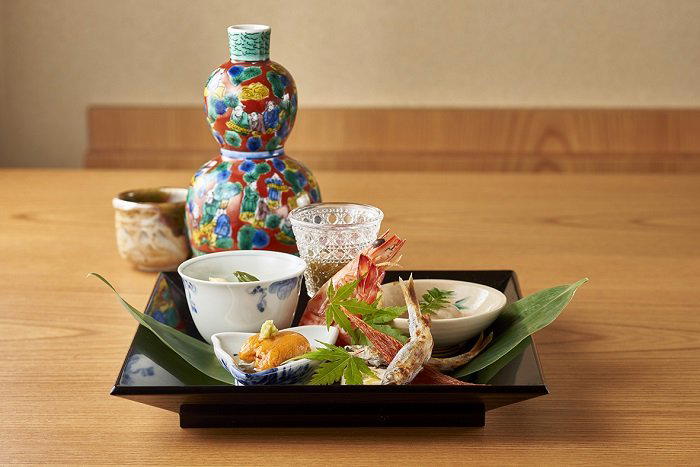
- bafun-uni bowl
- torotaku
- anago bowl
Planning details
Location
663 Izumicho, Nakagyo Ward, Kyoto, 604-0015, Japan · Directions

Also consider
Also Consider
- Gion Sasaki; Kaiseki, Japanese, ¥¥¥¥
- cenci; Italian, ¥¥¥
- Ifuki; Kaiseki, ¥¥¥¥
- Kyokaiseki Kichisen; Japanese, ¥¥¥¥
- Kyo Seika; Chinese, ¥¥¥
Restaurant context
At JPY 50,000–59,999 per head, Saeki prices at the same tier as Kyoto's top kaiseki rooms. Gion Sasaki (¥¥¥¥) and Kyokaiseki Kichisen (¥¥¥¥) are the direct budget comparisons; both kaiseki format, both at the upper end of Kyoto dining. If your priority is seasonal kaiseki in a traditional Kyoto setting rather than Edomae sushi, those two are the more natural choices. Saeki's case rests on the sushi format itself: if you want precision omakase with a sustained award record, it is the option that the data supports most clearly.
Ifuki (kaiseki, ¥¥¥¥) is a comparable spend for a different style of service. cenci (Italian, ¥¥¥) and Kyo Seika (Chinese, ¥¥¥) both come in at a lower price point and are worth considering if the JPY 50,000+ spend feels steep for a single meal or if you are splitting a multi-night Kyoto itinerary across several restaurants. cenci in particular is the choice if you want a serious tasting menu without the omakase format and at meaningfully lower cost.
For booking difficulty, Saeki requires 3–4 weeks' notice as a practical minimum. Gion Sasaki and Kyokaiseki Kichisen are both harder to book for short-notice trips, making Saeki the more accessible option among the ¥¥¥¥ tier if your travel dates are relatively flexible. For travellers who want to combine two or three serious meals across a Kyoto visit, the practical sequencing is: Saeki for sushi, one of the top kaiseki rooms for the seasonal format, cenci or Kyo Seika as the more accessible, lower-spend third meal.
Explore Kyoto
Around this place
Discover more on Pearl
Unlock the full Saeki guide in Pearl, including awards, comparisons, FAQs, planning details, and nearby places.
FAQ
Frequently Asked Questions
Can I eat at the bar at Saeki?
Saeki operates as a counter-format omakase, which is the standard setup for Ginza sushi at this price tier (¥50,000–¥59,999 per head). The counter is the experience; there is no separate dining room or table seating. Private use of the full space is listed as available, so buyouts are possible, but standard bookings place you at the counter.
How far ahead should I book Saeki?
Book 3–4 weeks out as a minimum for preferred dates. Saeki holds the Tabelog Bronze Award every year from 2021 through 2026 and appears on the Tabelog Sushi Tokyo Top 100 list, which means demand from both domestic and international diners is sustained. For peak travel periods or weekend-adjacent slots, extend that window to 6–8 weeks. Reservations are taken by phone: +81-3-3289-0818.
Is Saeki good for a special occasion?
Yes, with caveats. At ¥50,000–¥59,999 per head and with consistent Tabelog Bronze recognition since 2021, Saeki carries the credentials for a high-stakes dinner. The omakase format suits a celebratory occasion better than a working dinner or a first date where conversation is the priority; the counter pace and chef-led progression demand engagement with the food. The venue is non-smoking and dinner-only (from 18:00), which keeps the atmosphere focused.
What are alternatives to Saeki in Kyoto?
Note that Saeki's awarded location is in Ginza, Tokyo, not Kyoto; the database address and Tabelog record both place it at La.La.Grande GINZA 2F. If you are specifically looking for high-end sushi in Kyoto, that is a different search. For Ginza omakase at a comparable price and recognition level, the Tabelog Top 100 and Opinionated About Dining rankings (where Saeki appears at #279 in Japan for 2024) are the most reliable filters for identifying peer counters.