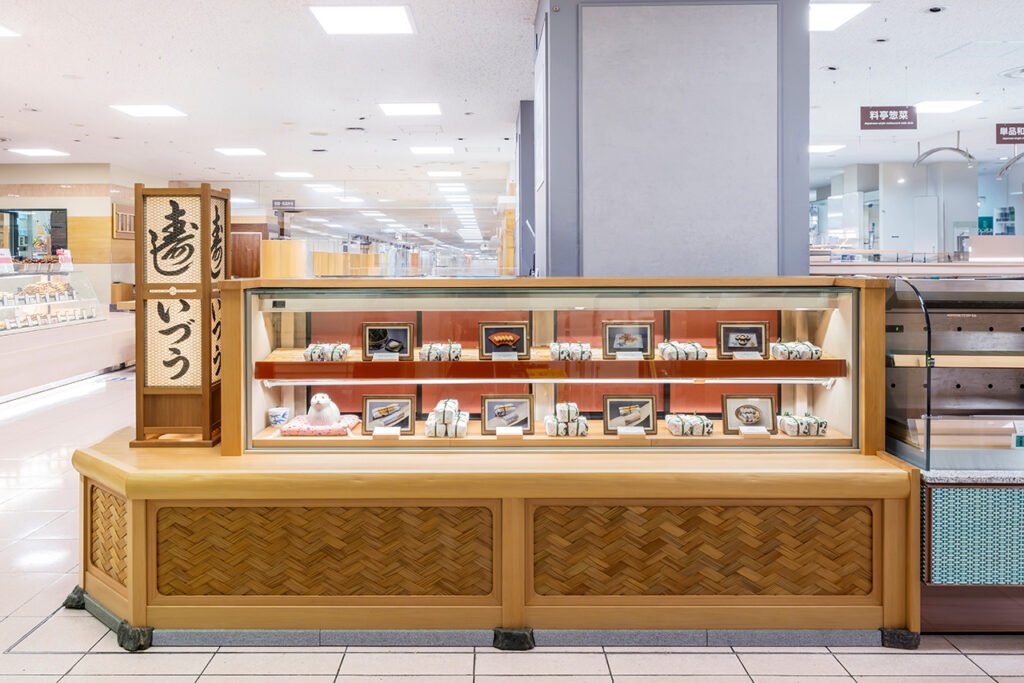

Izuu
Sushi · Higashiyama, Kyoto
Restaurant in Kyoto, Japan
 Book with Pearl
The Read
Whole-Mackerel Oshizushi Tradition
Price
¥
Dress
Smart Casual
Why go
Izuu has held Michelin Bib Gourmand recognition in 2024 and 2025 for its sabazushi — whole-mackerel pressed sushi made to a recipe unchanged since 1781. At a ¥ price tier in Higashiyama, Kyoto, it is one of the most historically grounded and accessible sushi meals in Japan. Book easily, arrive knowing the format, and eat the mackerel.
About Izuu
Izuu Is Not the Sushi Experience You're Expecting — and That's Exactly the Point
If you arrive at Izuu expecting counter-style nigiri, a chef narrating each piece, or the theatrical precision of a modern omakase, you'll need to recalibrate. Izuu is a sabazushi specialist with a pedigree stretching back to 1781, and its focus is one thing: whole-mackerel pressed sushi, prepared according to a tradition that predates almost every other sushi restaurant you'll ever visit. Two consecutive Michelin Bib Gourmand awards (2024, 2025) confirm that this is not a heritage novelty act — it is a kitchen operating at a level that earns sustained critical recognition at an accessible price point.
At a ¥ price tier, Izuu represents one of the most direct encounters with Kyoto's food history you can book right now. Sabazushi, lightly salted mackerel layered over seasoned rice and pressed into a compact roll, was a practical solution born from Kyoto's distance from the sea. The mackerel arrived cured from Wakasa Bay along what locals called the Mackerel Road, and the style became so embedded in Kyoto's festival culture that it was served at ceremonies and geisha district gatherings throughout the city. Izuu's founder, Izumiya Uhee, saw the commercial logic early, building a delivery business to those same geisha districts. The eighth-generation owner-chef carries that lineage today.
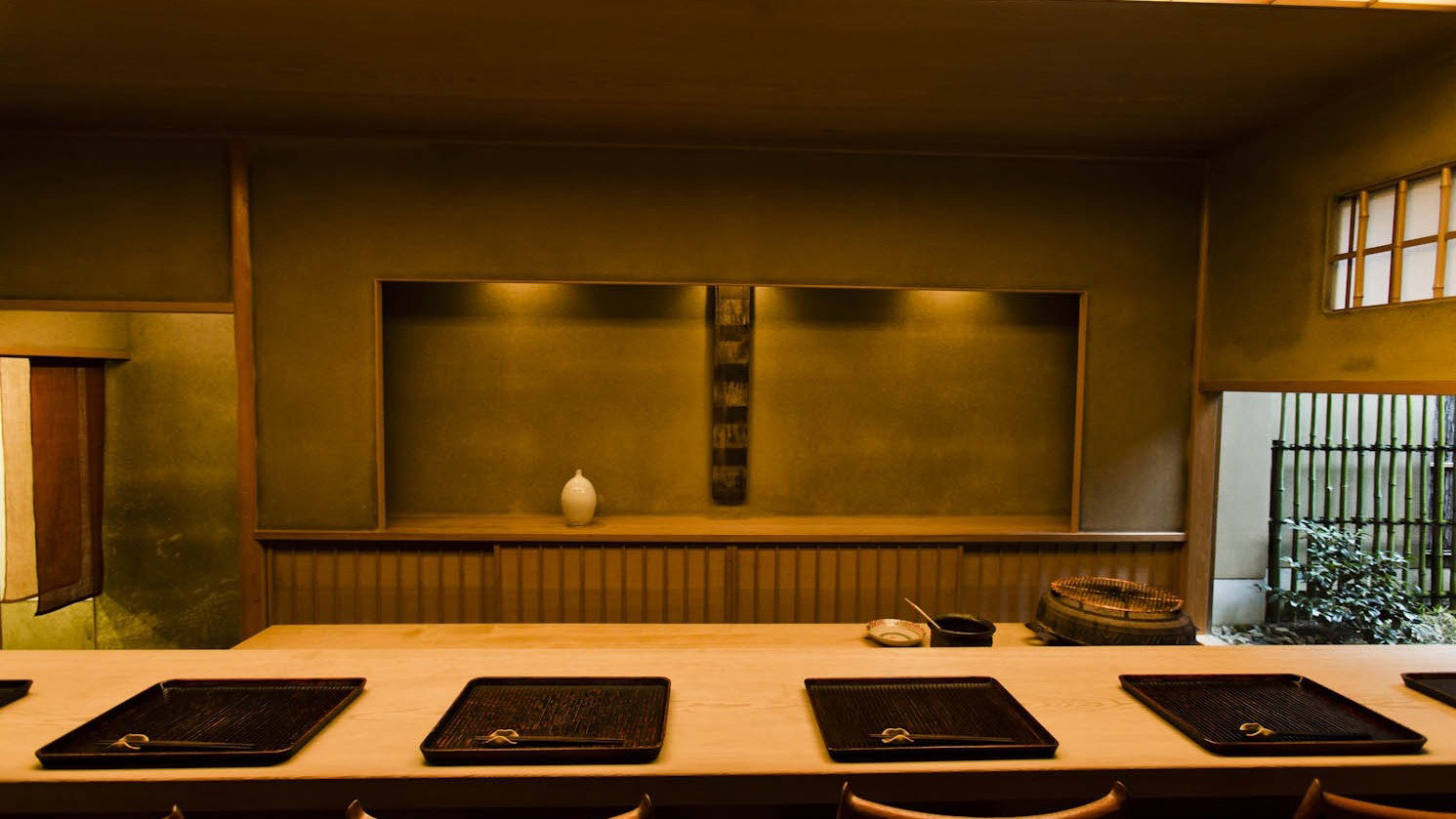
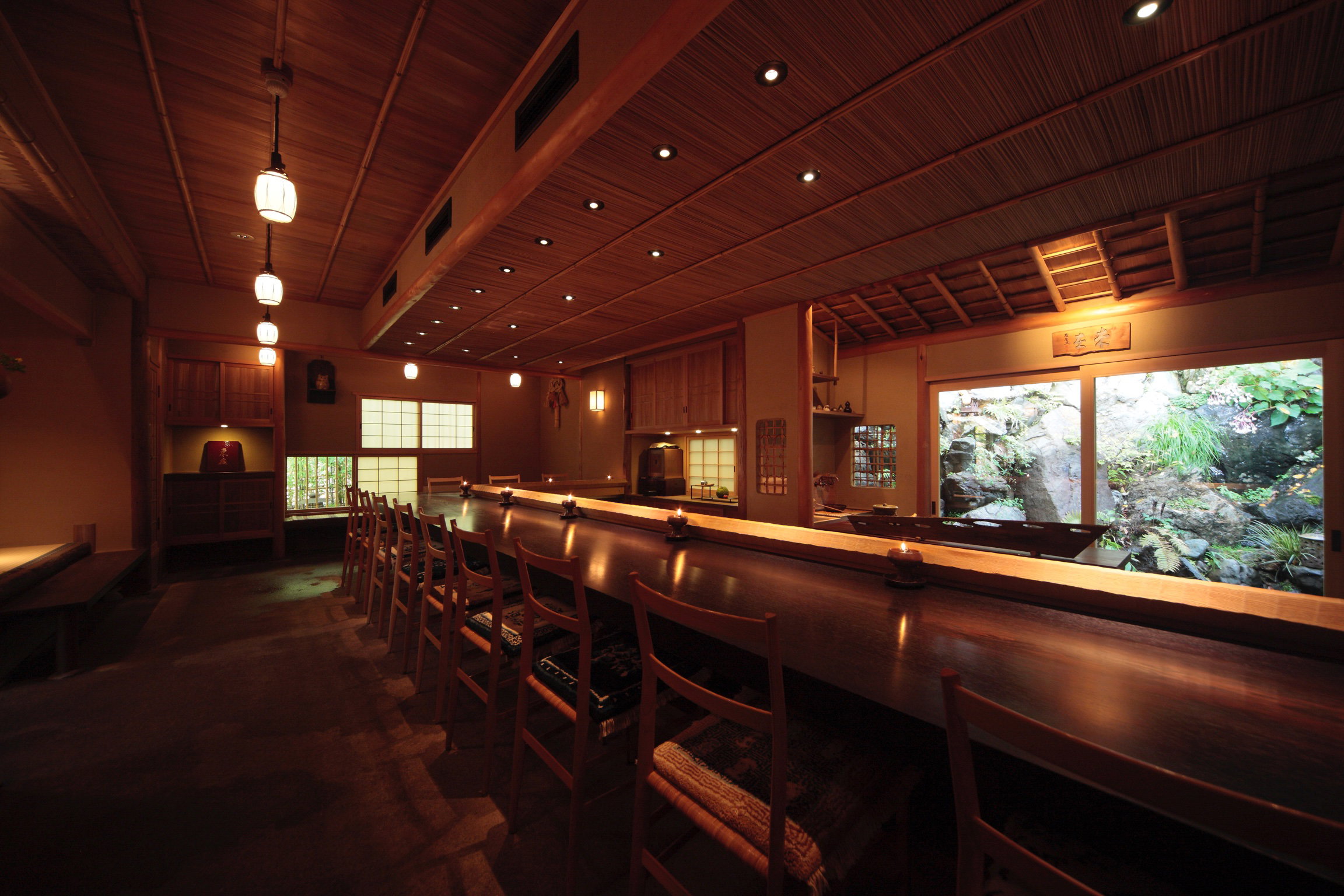
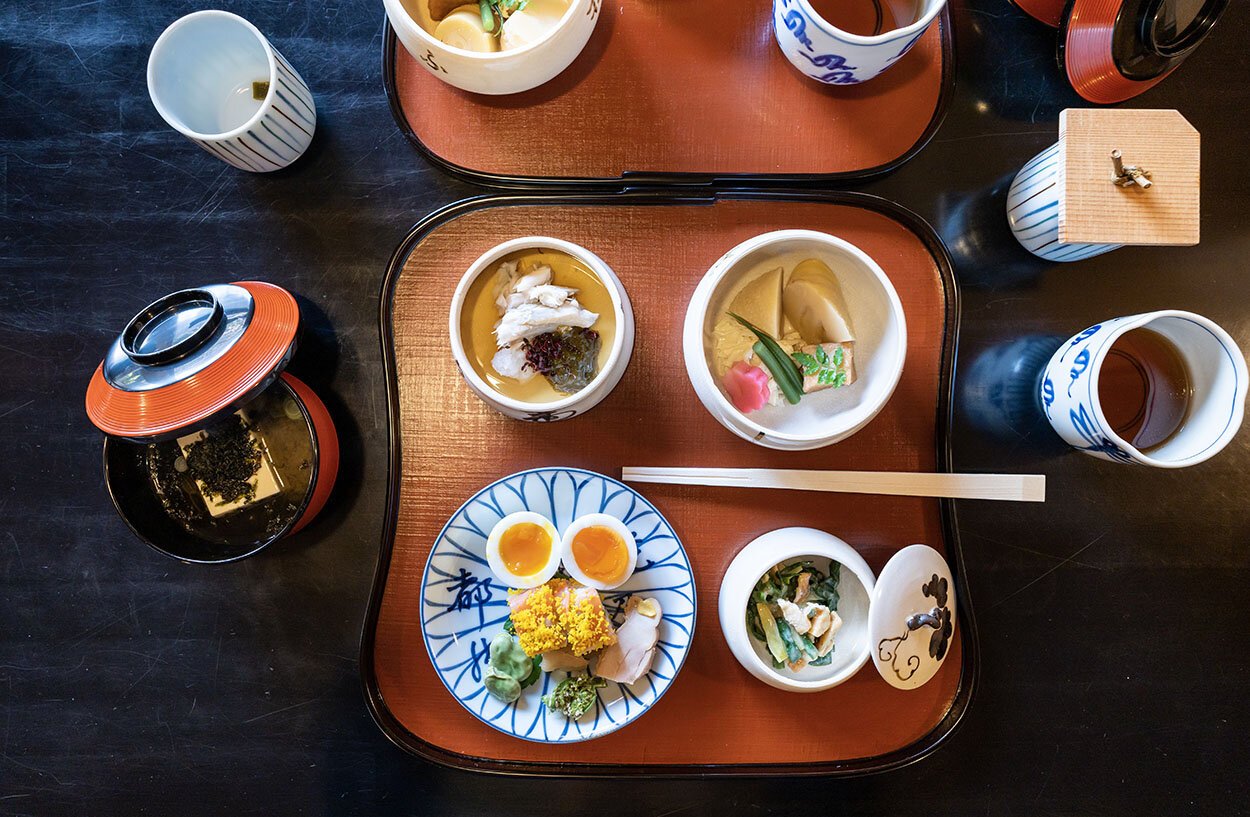
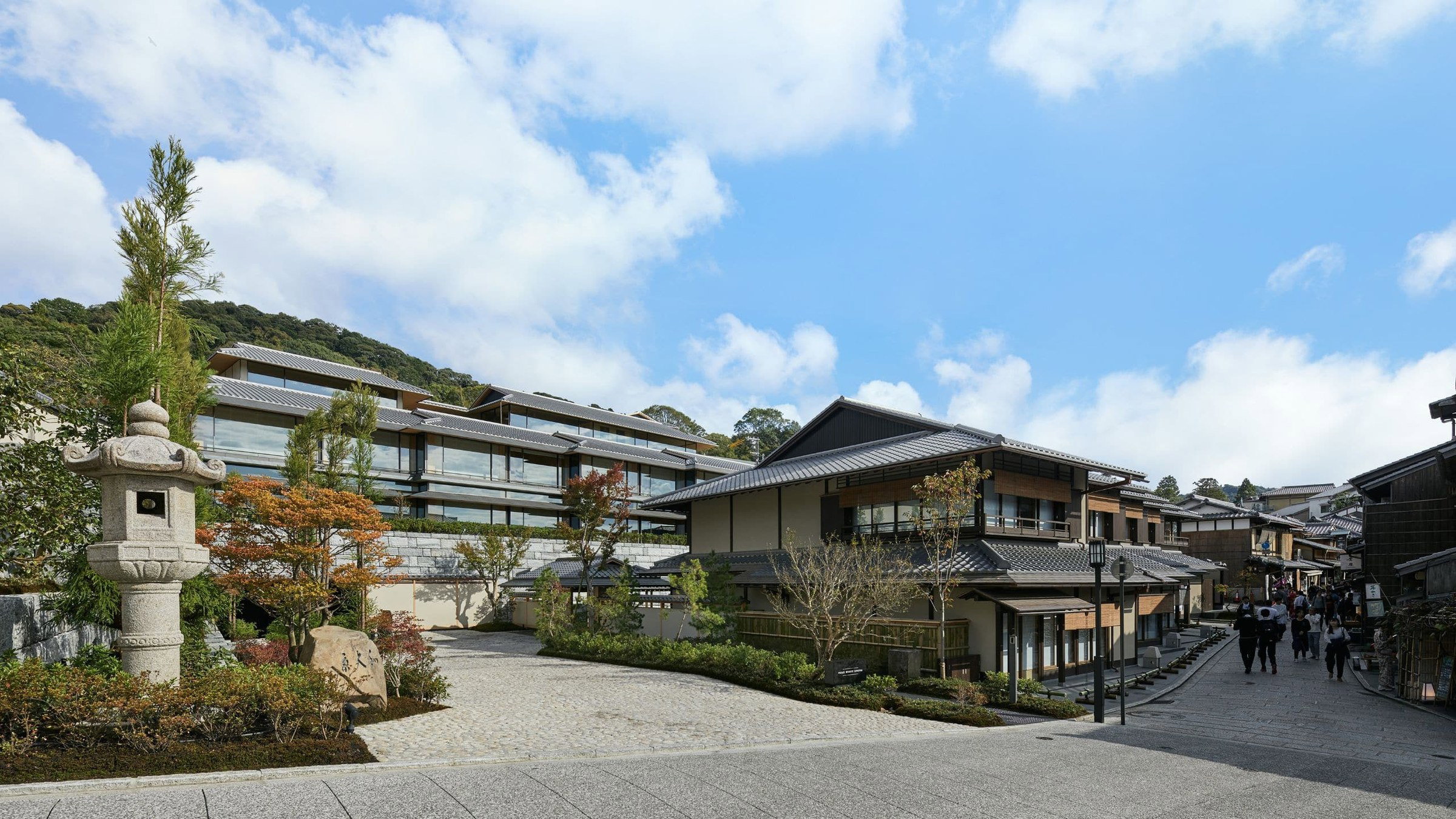
Visually, Izuu's setting in Higashiyama Ward places it within one of Kyoto's most photogenic neighbourhoods, stone-paved lanes, wooden machiya townhouses, and the approach to Kiyomizudera temple nearby. The room itself is traditional: low-key, unhurried, more functional than decorative. The visual centrepiece is the food itself. A properly made sabazushi is precise and geometric, the pressed block is dense, the mackerel skin gleams silver, and the cut reveals the layered architecture of cured fish and vinegared rice. This is not delicate Tokyo-style sushi. It is something more structural, more deliberate.
For a returning visitor, the question is less "should I go" and more "what should I do differently this time." The sabazushi is the anchor and should not be skipped, but Izuu's broader menu within the pressed and rolled sushi format deserves exploration if you gave it less attention on your first visit. The Michelin Bib Gourmand designation, maintained across two years, signals consistent kitchen performance, this is not a restaurant coasting on its founding date.
On the drinks side: Izuu operates in the traditional Kyoto dining register, which means the beverage program is built to complement the food rather than compete with it. Expect sake to be the appropriate pairing, the mild salinity of the mackerel and the restrained acidity of the pressed rice are well-suited to a clean junmai or a lightly chilled nigori. If you are the kind of diner who approaches a meal through what's in the glass, Izuu's drink selection will be purposeful rather than expansive. The bar program is not the reason to come here; sake chosen to work alongside sabazushi is. For a more ambitious drinks experience in Kyoto, our full Kyoto bars guide covers venues where the glass is the point.
Booking is direct relative to most recognised sushi venues in Japan. Izuu does not require the weeks-out planning that counter omakase rooms in Tokyo demand, venues like Harutaka in Tokyo or Sushi Shikon in Hong Kong operate in an entirely different booking universe. At Izuu, the difficulty is classified as easy, which means same-week or walk-in access is realistic, though visiting during peak Higashiyama tourist periods, cherry blossom season in late March through April, and autumn foliage in November, will increase foot traffic in the area significantly. Plan accordingly.
Izuu sits at 367 Kiyomotocho, Higashiyama Ward, Kyoto. If you are building a broader Japan itinerary, it pairs naturally with other Kyoto sushi options like Sushi Rakumi and Kikunoi Sushi Ao, or with the broader Kyoto dining scene covered in our full Kyoto restaurants guide. For those moving between cities, HAJIME in Osaka, akordu in Nara, and Goh in Fukuoka represent strong regional alternatives at higher price points. Shoukouwa in Singapore is the regional benchmark if you want to compare Japanese sushi precision outside Japan. Within Kyoto, Izugen, KASHIWAI, and Kiu offer alternative entry points into the city's dining range. Our 1000 in Yokohama and 6 in Okinawa pages cover further Japanese options for context. You can also browse our guides to Kyoto hotels, Kyoto wineries, and Kyoto experiences to round out your trip.
The reviews reflect a room that does exactly what it sets out to do. Diners who arrive expecting something other than pressed mackerel sushi account for most of the variance in those scores. Come knowing the format, and Izuu delivers with the kind of quiet authority that only 240-plus years of practice can produce.
Practical Details
- Address: 367 Kiyomotocho, Higashiyama Ward, Kyoto, 605-0084, Japan
- Price tier: ¥, accessible even by casual dining standards
- Awards: Michelin Bib Gourmand 2024 and 2025
- Booking difficulty: Easy, same-week access realistic outside peak season
- Leading timing: Avoid cherry blossom (late March–April) and autumn foliage (November) if you want a quieter visit; Higashiyama fills up fast during those periods
Planning details
- Location
- 367 Kiyomotocho, Higashiyama Ward, Kyoto, 605-0084, Japan
- Website
- izuu.jp
- Phone
- +81 75-561-0751
The take
The Take
The Vibe
Izuu presents a restrained, historic intimacy that reads like a preserved corner of Kyoto. The wooden facade and stone-flagged lanes signal an establishment that has endured in place and purpose since 1781. Inside, the focus is on a single, highly tuned expression of sabazushi rather than contemporary fuss; the tone is matter-of-fact and quietly reverent. The counter format and multi‑generation custodianship cultivate a calm, concentrated experience—ideal for diners who appreciate ritual, precision and the slow, unflashy confidence of a shop that has long defined its own standards.
Best For
This is a destination for moments that carry cultural weight: sabazushi arrives in Kyoto tied to New Year and Gion Matsuri, and Izuu’s approach is rooted in those ceremonial contexts. Diners come seeking a direct encounter with a single preserved tradition maintained across eight generations. It suits visitors who want to connect with Kyoto’s culinary history rather than a broad tasting menu. While it accommodates solo counter visits, the restaurant is especially resonant for anyone seeking an authentic, historically grounded meal that reflects festival and communal foodways.
Ordering Tips
Focus your order on the house specialties. The description highlights saba sugata-zushi and futomaki; sabazushi is prepared with whole mackerel that is lightly salted, pressed with vinegared rice and wrapped in konbu. The text notes that the technique demands exacting control of salt, acid and time and that those variables shift daily with the fish, so ask about the day’s preparation. Treat these items as the point of the menu—they represent the restaurant’s historical expertise rather than a wide à la carte assortment.
Venue details
Ambiance
Traditional, history-laden atmosphere with natural materials, counter or small table seating in a quiet, focused setting.
Tags
Vibe
Best For
Experience
At the Table
- Dress Code
- Smart Casual
- Noise Level
- Quiet
- Service Style
- Casual
- Meal Pacing
- Standard
- Capacity
- Intimate
Signature Dishes
- saba sugata-zushi
- futomaki
Know before you go
Know Before You Go
- Getting there
- 367 Kiyomotocho, Higashiyama Ward, Kyoto, 605-0084, Japan
Planning details
Location
Recognition and awards
Also consider
Also Consider
- Gion Sasaki, Kaiseki, Japanese, ¥¥¥¥
- cenci, Italian, ¥¥¥
- Ifuki, Kaiseki, ¥¥¥¥
- Kyokaiseki Kichisen, Japanese, ¥¥¥¥
- Kyo Seika, Chinese, ¥¥¥
Restaurant context
Izuu occupies a different category from Kyoto's kaiseki circuit, and that distinction should drive your decision. At ¥, it is fundamentally more accessible than Gion Sasaki, Ifuki, and Kyokaiseki Kichisen, all of which sit at ¥¥¥¥ and demand significantly more budget, and typically more advance planning. If you are weighing where your one serious Kyoto meal goes, those kaiseki rooms offer broader multi-course architecture, more elaborate service, and a wider range of seasonal ingredients. Izuu is not trying to compete with them. It does one thing, with 240-plus years of proof behind it, for a fraction of the cost.
Against mid-tier peers, cenci at ¥¥¥ and Kyo Seika at ¥¥¥ sit between Izuu and the high-end kaiseki rooms on price, but offer entirely different cuisine formats, Italian and Chinese respectively. If your priority is eating something distinctly Kyoto-rooted, neither is a direct substitute for Izuu. Izuu is the sharper choice for anyone specifically interested in the city's food traditions rather than a well-executed imported format.
The practical answer: book Izuu as an accessible, historically grounded lunch or early dinner in Higashiyama, and if your budget and appetite allow, use one of the ¥¥¥¥ kaiseki venues for a separate occasion. They are not interchangeable experiences, and Izuu's Bib Gourmand status means you are not trading down by choosing it, you are choosing a different and equally legitimate category of excellence.
Explore Kyoto
Around this place
Discover more on Pearl
Unlock the full Izuu guide in Pearl, including awards, comparisons, FAQs, planning details, and nearby places.
Compare Izuu
| Venue | Price | Awards |
|---|---|---|
| Izuu | ¥ | Michelin Guide Kyoto Osaka 20262026 Bib Gourmand2025 Michelin Bib Gourmand2024 Michelin Bib Gourmand |
| Gion Sasaki | ¥¥¥¥ | 2026 Tabelog Bronze · #3862026 OAD Top Restaurants in Japan RecommendedMichelin Guide Kyoto Osaka 20262026 La Liste Top RestaurantsTabelog 100 - Japanese cuisine - WEST - 2025 · #132025 OAD Top Restaurants in Japan Ranked · #2462025 Tabelog Silver2025 Michelin 3 Stars2025 La Liste Top Restaurants |
| cenci | ¥¥¥ | 2026 Tabelog Bronze · #442026 Asia's 50 Best Restaurants · #762026 OAD Top Restaurants in Japan Highly RecommendedMichelin Guide Kyoto Osaka 2026Tabelog 100 - Italian - WEST - 2025 · #632025 Asia's 50 Best Restaurants · #632025 OAD Top Restaurants in Japan Ranked · #1682025 Tabelog Bronze2024 OAD Top Restaurants in Japan Ranked · #135 |
| Ifuki | ¥¥¥¥ | 2026 OAD Top Restaurants in Japan Ranked · #1222026 Tabelog Bronze · #128Michelin Guide Kyoto Osaka 20262026 La Liste Top RestaurantsTabelog 100 - Japanese cuisine - WEST - 2025 · #622025 OAD Top Restaurants in Japan Ranked · #1002025 La Liste Top Restaurants2025 Tabelog Bronze2025 Michelin 2 Stars |
| Kyokaiseki Kichisen | ¥¥¥¥ | 2026 Tabelog Bronze · #1752026 OAD Top Restaurants in Japan Highly RecommendedMichelin Guide Kyoto Osaka 20262025 OAD Top Restaurants in Japan Ranked · #1862025 Michelin 2 Stars2025 La Liste Top Restaurants2024 OAD Top Restaurants in Japan Ranked · #1422024 Michelin 2 Stars2023 OAD Top Restaurants in Japan Ranked · #136 |
| Kyo Seika | ¥¥¥ | Tabelog 100 - Chinese cuisine - WEST - 2026 · #762026 Tabelog Bronze · #2162026 OAD Top Restaurants in Japan Recommended2026 Michelin 1 Star2025 OAD Top Restaurants in Japan Ranked · #3262025 Tabelog Bronze2024 OAD Top Restaurants in Japan Ranked · #3042024 Michelin Plate2024 Michelin 1 Star |
.png?width=1200&quality=80)








.png?width=1200&quality=80)
A quick look at how Izuu measures up.
FAQ
Frequently Asked Questions
Is Izuu good for solo dining?
Yes. Izuu's sushi is served in portions rather than as an omakase counter experience, which makes solo dining comfortable without the social pressure of a chef-led format. The Bib Gourmand price point keeps the bill reasonable for one.
What should a first-timer know about Izuu?
This is not a nigiri-and-wasabi experience. Izuu has specialised in sabazushi — whole-mackerel pressed sushi — since 1781, and that is the dish to come for. The current eighth-generation owner-chef preserves the original method, so expect a focused menu built around that tradition rather than a broad sushi selection.
What should I wear to Izuu?
Izuu is a historic but unpretentious sushiya, not a formal kappo or kaiseki restaurant. Clean, tidy casual wear is appropriate. Given its location near Kiyomizudera in Higashiyama, many visitors arrive mid-sightseeing, and the atmosphere reflects that neighbourhood dynamic.
What should I order at Izuu?
The sabazushi — whole-mackerel pressed sushi — is the reason this restaurant has operated for over 240 years and holds two consecutive Michelin Bib Gourmand awards. Order it. Whether as a full portion or as part of a set, it is what Izuu is built around and the only dish to anchor your visit to.
Does Izuu handle dietary restrictions?
Izuu's menu is centred on mackerel sushi, a format with very little flexibility by design. Pescatarians will find it workable, but those avoiding fish, shellfish derivatives, or vinegared rice will have limited options. Contact the restaurant ahead of your visit if dietary needs are a concern, as the menu is not broad enough to easily substitute around them.