
Sushi Rakumi
Sushi · Higashiyama, Kyoto
Restaurant in Kyoto, Japan
 Book with Pearl
The Read
Kaiseki-Inflected Omakase
Price
$300–500per person
Dress
Smart Casual
Why go
A Michelin-starred sushi counter produced by Gion Sasaki, Sushi Rakumi brings kaiseki kitchen depth to a nigiri format, with two vinegar-rice styles matched per topping and seasonal courses woven between the fish. Booking is genuinely hard to secure, and the price sits at ¥¥¥¥, but for a food traveller seeking Kyoto's seasonal sushi at its most considered, this is the counter to prioritise.
About Sushi Rakumi
Should You Book Sushi Rakumi?
If you are choosing between Sushi Rakumi and a standalone Kyoto sushi counter with no institutional lineage, book Rakumi. As a direct production of Gion Sasaki, one of Kyoto's most respected kaiseki houses, this sushi counter carries something most Michelin-starred sushi rooms in Japan cannot replicate: a kitchen culture built on Japanese cuisine fundamentals that run deeper than fish technique alone. The 2024 Michelin one-star confirms the credential. The harder question is whether the format suits you, and whether you can get a table at all.
The Counter, the Room, and What to Expect
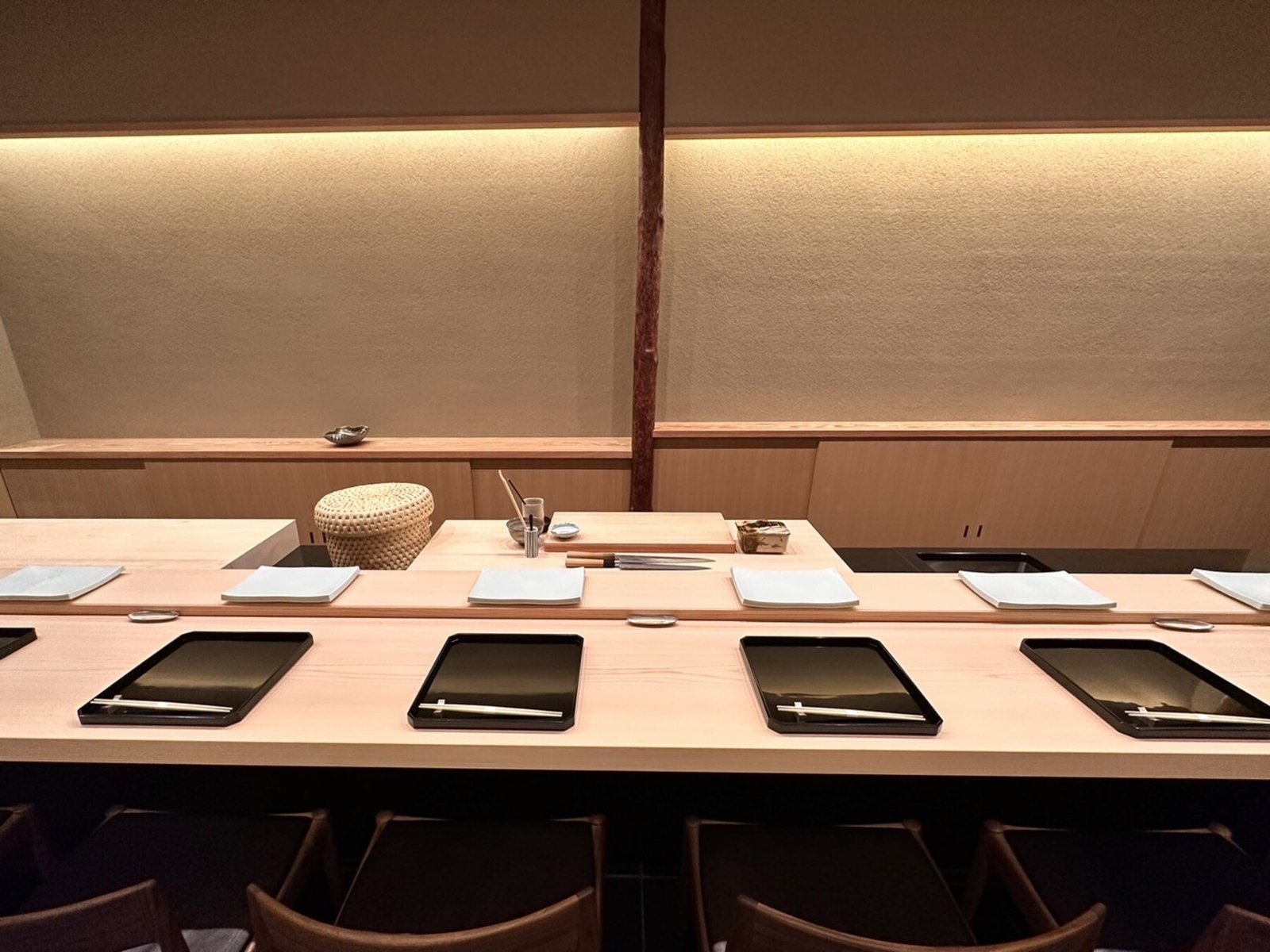
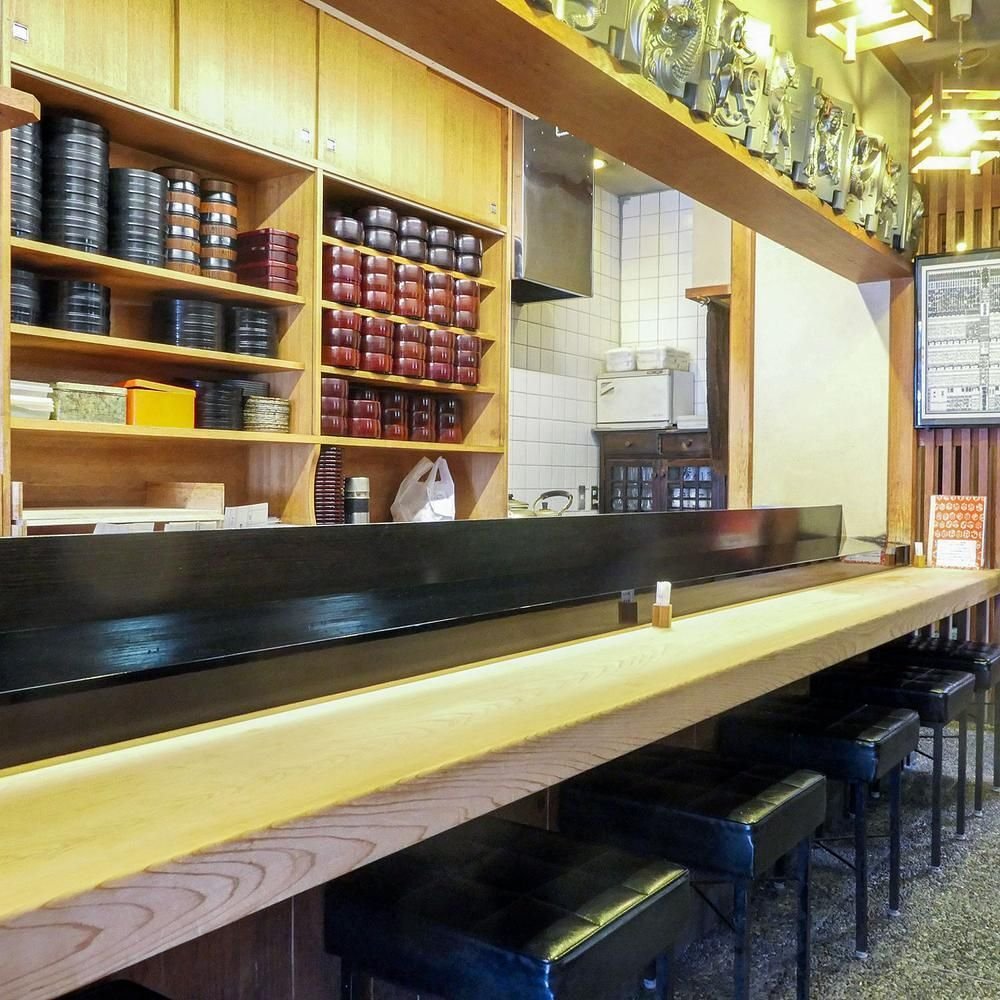
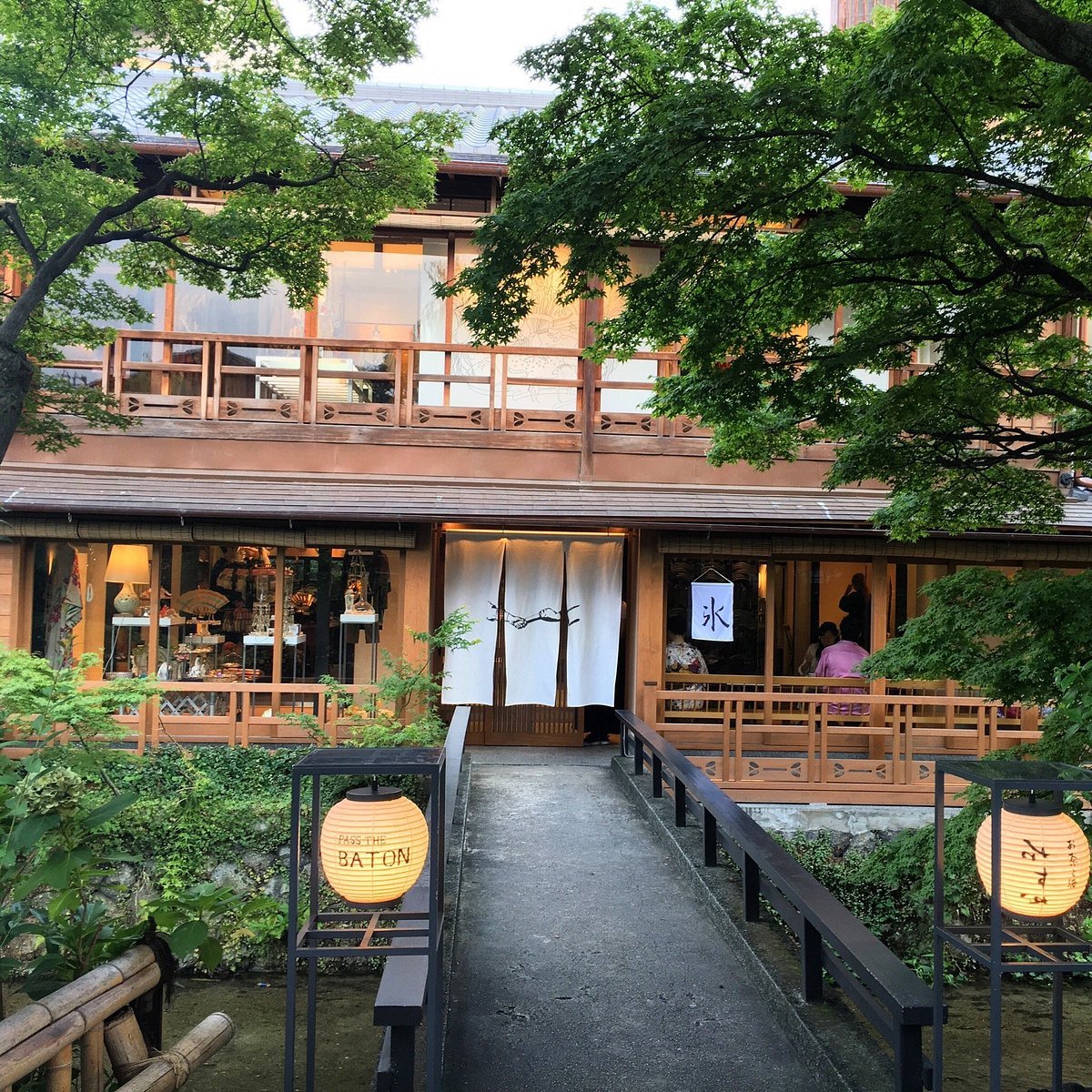
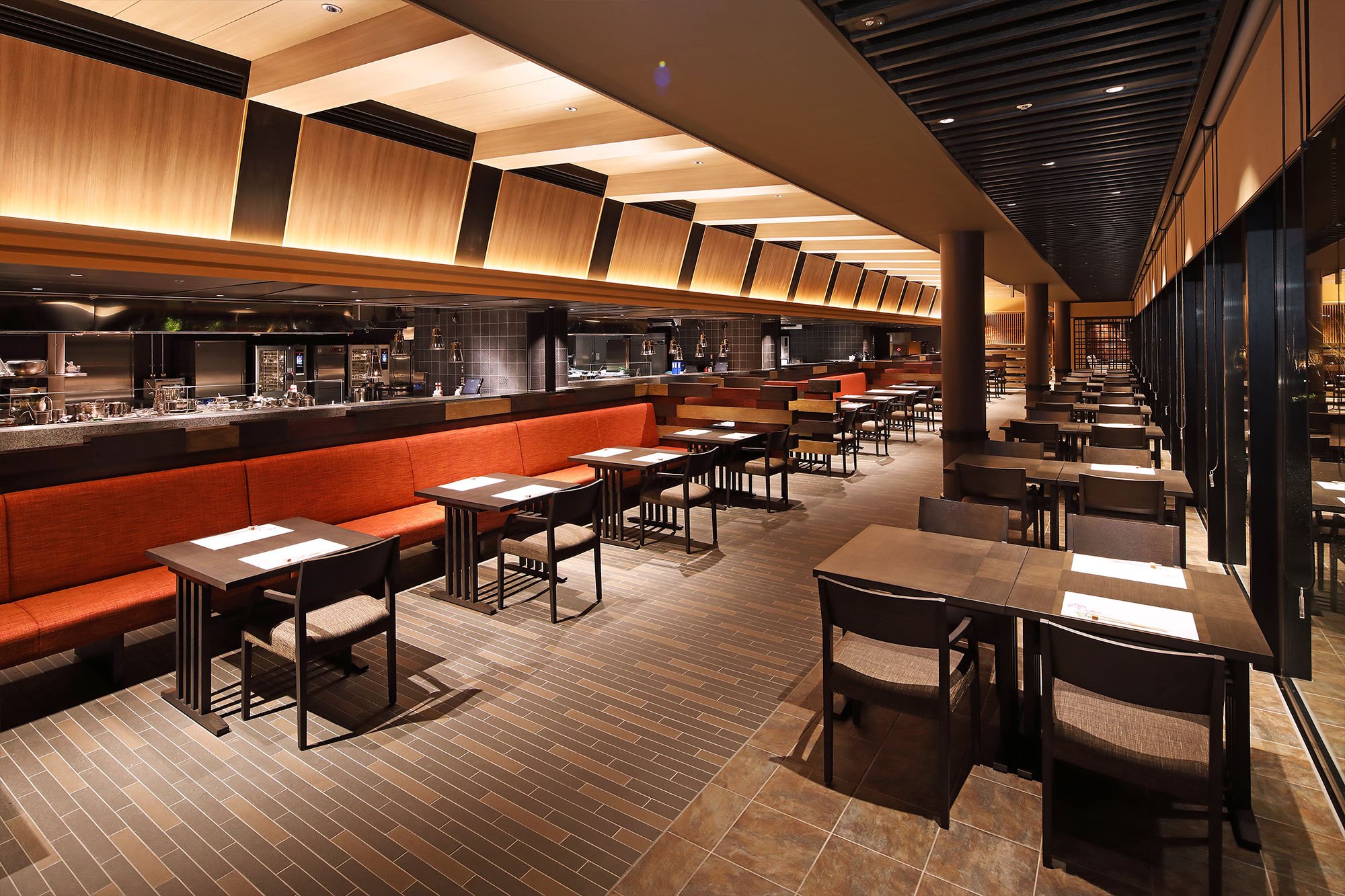
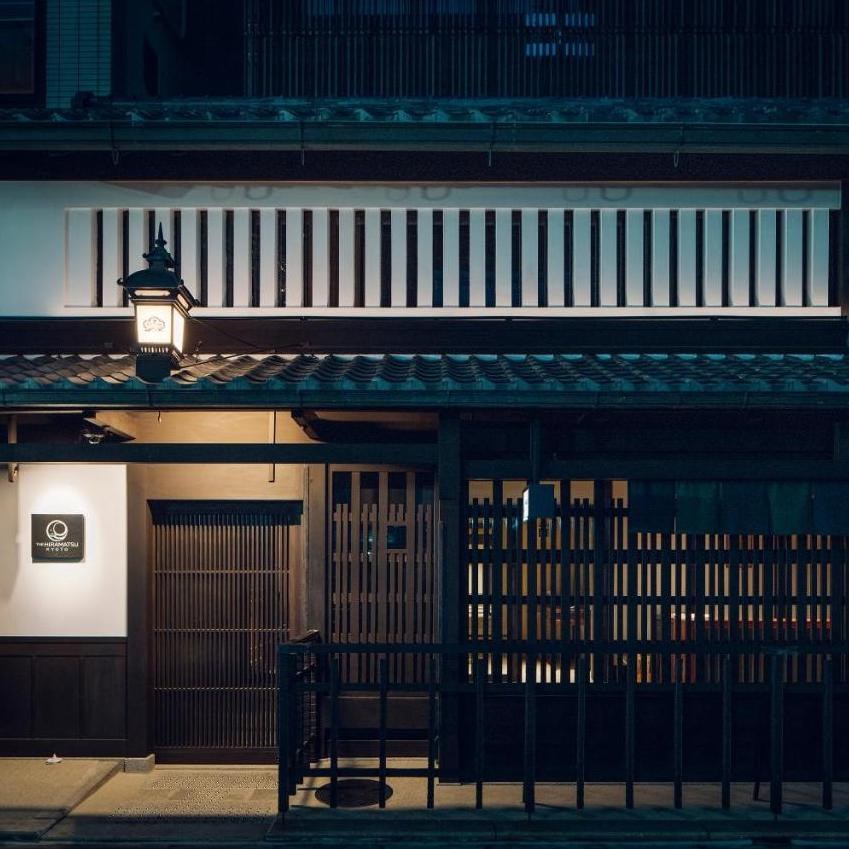
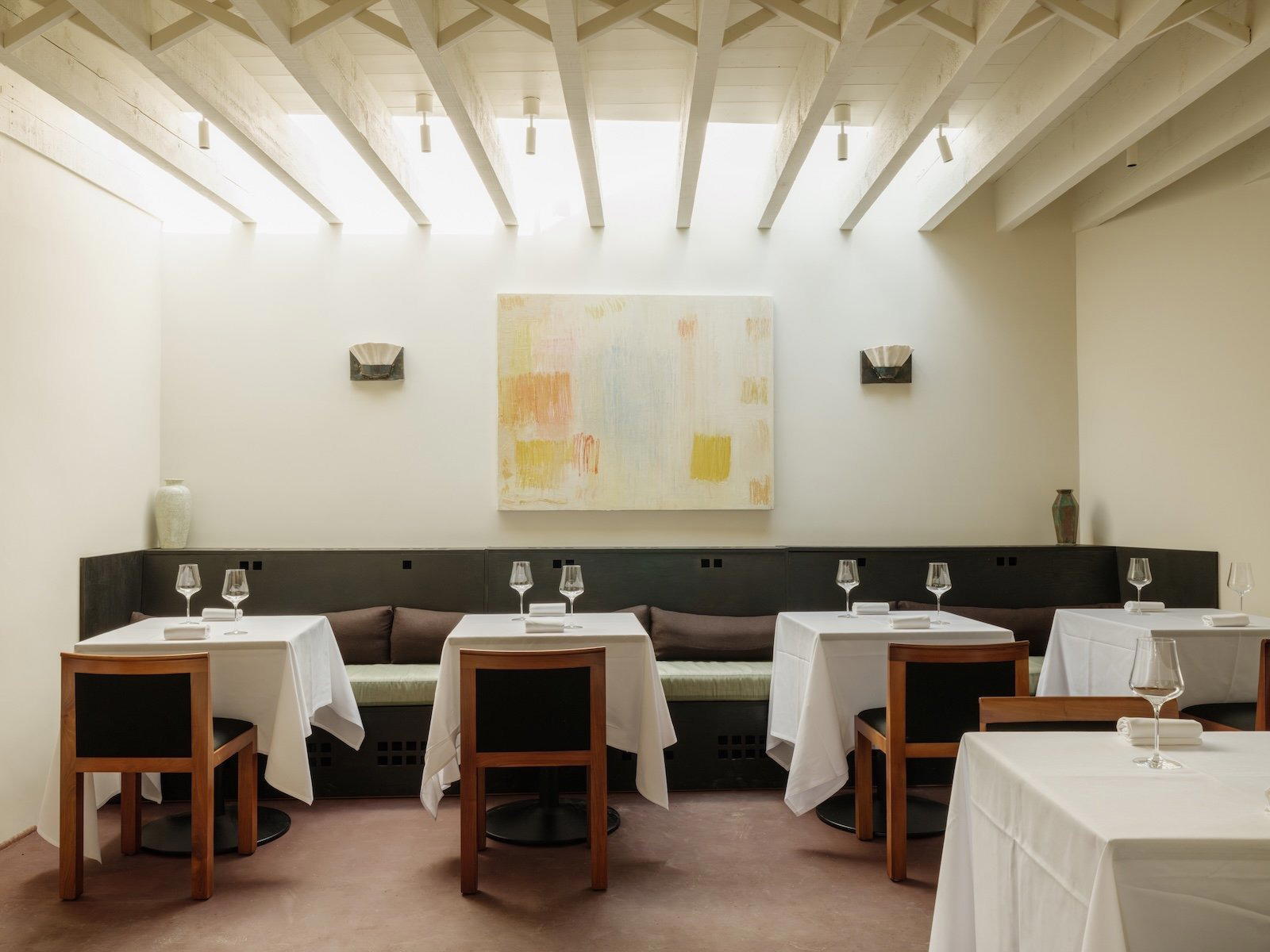
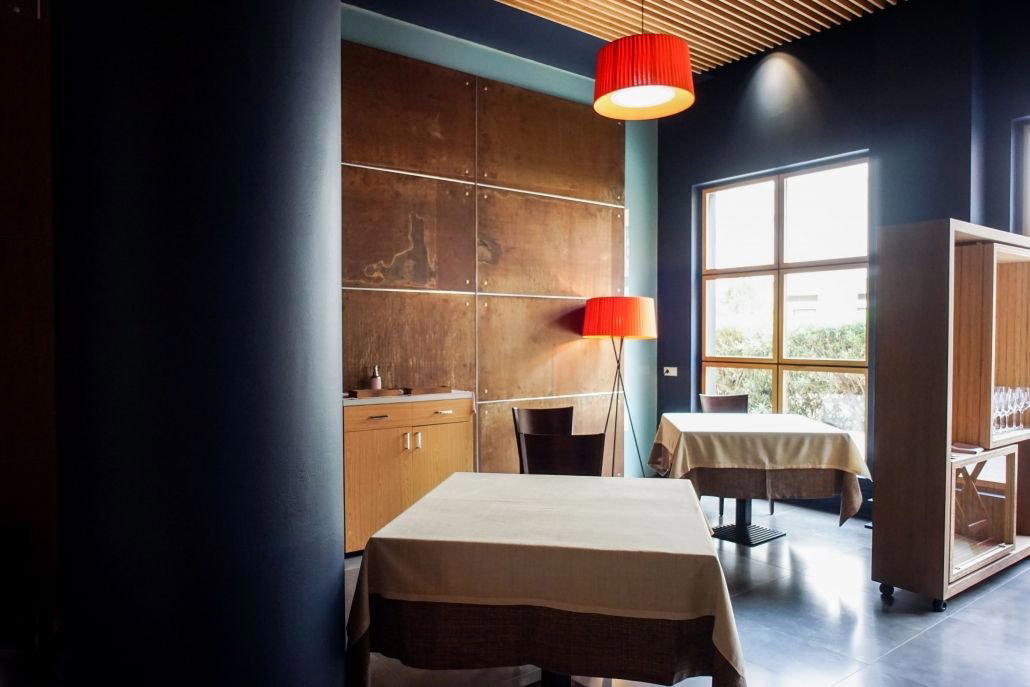
Sushi Rakumi sits at 332-6 Miyoshicho in Higashiyama Ward, a district where traditional Kyoto architecture sets the backdrop for some of the city's most serious dining. The counter format is central to the experience here. Chefs work in coordinated sequence at the bar, calculating the delivery of each piece to hit a precise moment of readiness. That spatial choreography, chefs moving together with practised economy, is one of the defining qualities of the room. There is no incidental noise to absorb; the focus of the space is entirely on the counter and the progression of the meal. For solo diners or a pair, a counter seat gives you direct sight of the preparation and the rhythm of service. For groups larger than three or four, the counter format becomes less comfortable logistically, and you should check availability and seating configuration before booking.
The address is in Higashiyama, walkable from several of Kyoto's major traditional sites, which makes it a workable dinner stop on a day spent in that part of the city. If you are also looking at where to stay in the area, the Kyoto hotels guide covers the full range of options near Higashiyama. For a broader orientation on what to eat across the city, the Kyoto restaurants guide gives context on how Rakumi fits into the wider picture.
What Makes the Menu Different
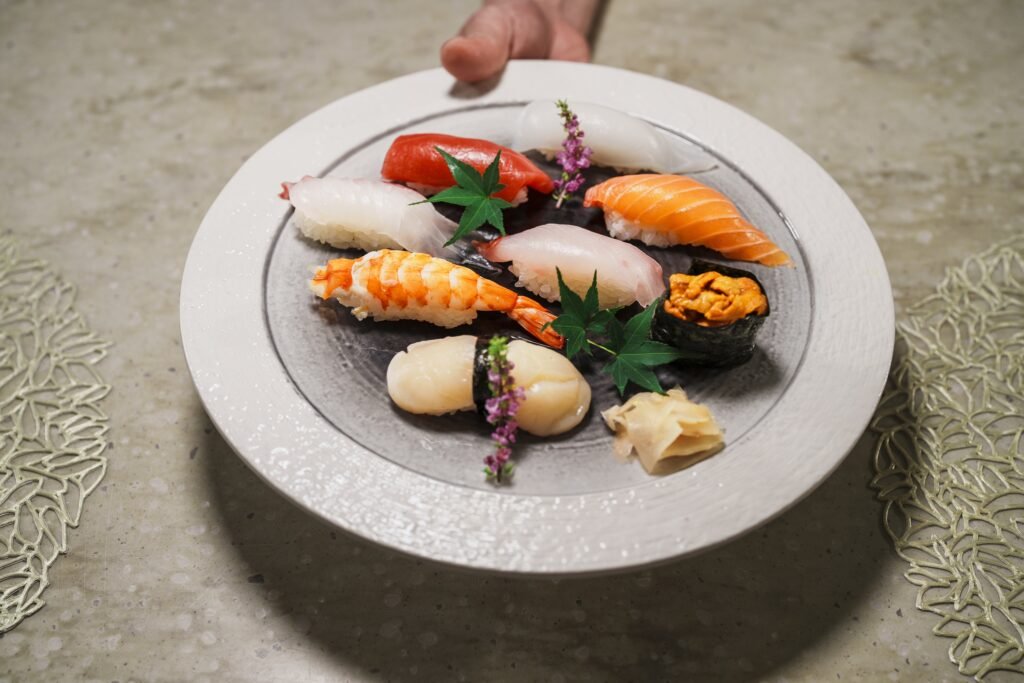
Sushi Rakumi does not run a standard Edomae-only progression. The format pulls from the Gion Sasaki kitchen philosophy: two types of sushi rice are selected per topping rather than using a single-seasoning approach for the whole meal, and steamed or grilled preparations are worked into the nigiri sequence as transitional courses. Fresh-cooked rice is seasoned with red vinegar. Conger eel, a species particularly associated with Kyoto cuisine and the warm months of the calendar, is cooked over bamboo grass on an earthen brazier. That detail matters for timing your visit. Conger eel, known as hamo, reaches its peak in summer and is deeply embedded in Kyoto's seasonal food calendar, most prominently around the Gion Matsuri festival in July. Visiting in the summer months means encountering this preparation in its natural season. Other seasonal shifts will move what appears in the nigiri sequence, and the meal you eat in late autumn, when fatty fish reach their seasonal peak, will read differently from a spring visit. If seasonal specificity matters to your decision, summer is the most distinctively Kyoto version of what Rakumi offers.
For comparison, Kikunoi Sushi Ao takes a different approach to the intersection of kaiseki tradition and sushi format. Izuu and Izugen offer Kyoto-style pressed sushi at accessible price points if you want to explore the regional sushi tradition without committing to a full tasting counter. Kiu and KASHIWAI are worth noting if your interest is in Kyoto's broader fine-dining counter scene beyond sushi.
Booking and Price Reality
Getting a reservation at Sushi Rakumi is genuinely difficult. Book as far in advance as possible, and treat this as a hard-to-secure table rather than a flexible option. The price range is ¥¥¥¥, placing it in the same tier as Kyoto's leading kaiseki rooms and Tokyo counters like Harutaka. For reference on what comparable Michelin sushi investment looks like elsewhere in Asia, Sushi Shikon in Hong Kong and Shoukouwa in Singapore offer a useful price-tier benchmark.
If you are building a broader Japan itinerary and weighing serious dining across cities, HAJIME in Osaka, akordu in Nara, and Goh in Fukuoka each represent distinct regional alternatives at comparable ambition levels. For something further afield, 1000 in Yokohama and 6 in Okinawa round out the range of serious Japanese dining at the leading end.
For completing your Kyoto trip, the Kyoto bars guide, Kyoto wineries guide, and Kyoto experiences guide cover what to do before and after a meal of this calibre.
The Verdict
Book Sushi Rakumi if you want a Kyoto-inflected sushi counter with genuine kaiseki kitchen depth behind it, and if you are visiting in summer to catch the hamo season at its most expressive. It is not the right choice if you want pure Edomae orthodoxy or a low-effort reservation. At ¥¥¥¥, you are paying for the Gion Sasaki lineage, the seasonal precision, and the Michelin-craft. That combination is worth the effort it takes to secure the table.
Planning details
- Hours
- Monday: Closed · Tuesday: 5–7 PM, 7:30–9:30 PM
- Location
- 332-6 Miyoshicho, Higashiyama Ward, Kyoto, 605-0081, Japan
- Website
- gionsasaki.com/sushirakumi.html
- Phone
- +81 90-4566-3733
The take
The Take
The Vibe
Sushi Rakumi settles into Higashiyama’s old-world streets with a quietly authoritative presence. The kitchen channels Kyoto’s kaiseki discipline rather than Tokyo’s showy omakase bravado, so the room feels measured and classic rather than flashy. The counter setting keeps attention focused on craft (rice selection, seasonal produce and the choreography of steamed and grilled interludes) while the surrounding machiya-lined neighbourhood reinforces a historic, charming atmosphere. The result is a restrained, elegant sushi experience that privileges sequence and subtlety over spectacle.
Best For
This is a restaurant oriented toward deliberate, seated tasting: the counter format and kaiseki-influenced pacing reward diners who settle in for a full sequence rather than a quick visit. It reads especially well for couples or small parties seeking a refined, special-occasion meal and for diners who appreciate slow, seasonal progression. Because cooked plates are interleaved with nigiri and rice is matched to toppings, the experience favors attentive guests who want to follow the internal logic of the meal.
Ordering Tips
Expect an integrated omakase-style sequence where cooked courses are deliberately woven between nigiri as rhythm breaks. Note that Rakumi uses two types of sushi rice matched to toppings and emphasizes seasonal specificity: details that shape how each piece lands. When ordering, lean into the counter format and let the chefs set the tempo: signature items such as the tuna trio, uni nigiri and the Amadai with crispy scales are best appreciated in the intended sequence rather than à la carte selection.
Venue details
Ambiance
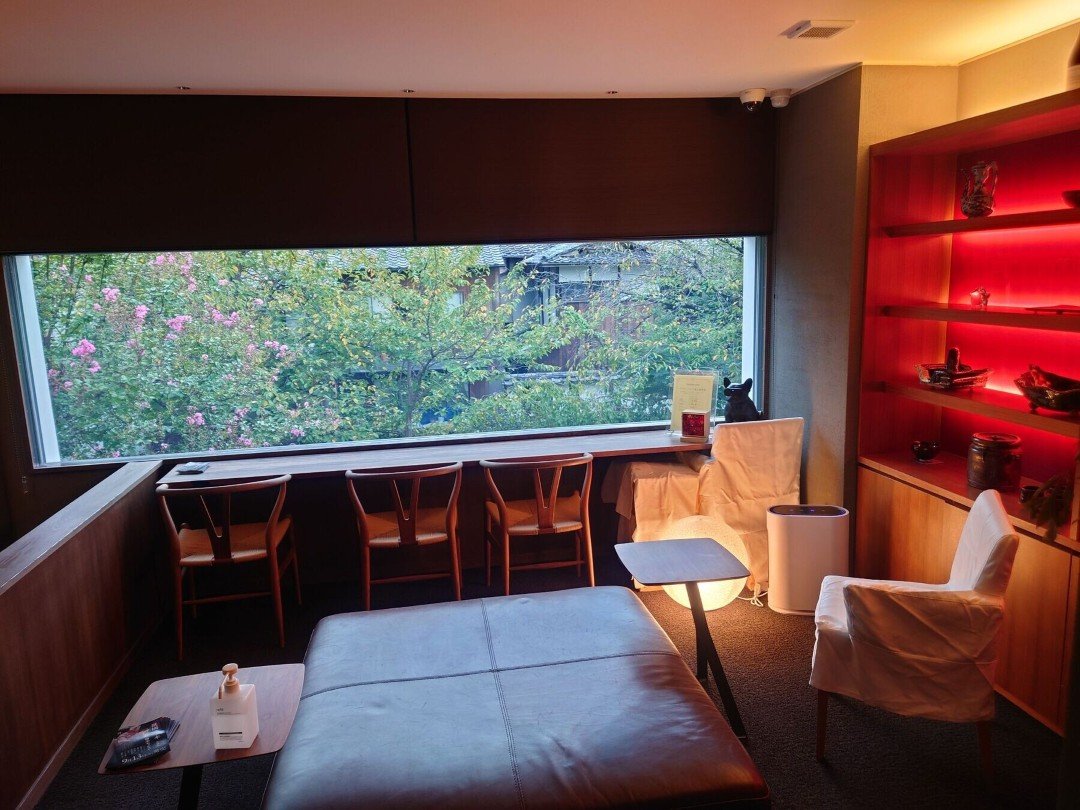
Intimate counter setting with warm, engaging atmosphere; soft lighting and close interaction with the chef and small team create a personal, respectful dining experience.
Tags
Vibe
Best For
Experience
Sourcing
At the Table
- Dress Code
- Smart Casual
- Noise Level
- Conversational
- Service Style
- Omakase Bar
- Meal Pacing
- Extended Experience
- Capacity
- Intimate
- Kitchen
- Modern
- Menu Format
- Omakase, Counter dining, Set menu
- Drinks Focus
- Sake, Wine
- Dietary
- Gluten-free options, Allergy accommodating
Signature Dishes
- Tuna trio
- Fugu with shirako
- Abalone with liver sauce
- Amadai with crispy scales
- Uni nigiri
- Hand roll with fish roe
Know before you go
Know Before You Go
- Getting there
- 332-6 Miyoshicho, Higashiyama Ward, Kyoto, 605-0081, Japan
Planning details
Hours
- Monday
- Closed
- Tuesday
- 5–7 PM, 7:30–9:30 PM
- Wednesday
- 5–7 PM, 7:30–9:30 PM
- Thursday
- 5–7 PM, 7:30–9:30 PM
- Friday
- 5–7 PM, 7:30–9:30 PM
- Saturday
- 5–7 PM, 7:30–9:30 PM
- Sunday
- Closed
Location
332-6 Miyoshicho, Higashiyama Ward, Kyoto, 605-0081, Japan · Directions
Recognition and awards
Also consider
Also Consider
- Gion Sasaki: Kaiseki, Japanese, ¥¥¥¥
- cenci: Italian, ¥¥¥
- Ifuki: Kaiseki, ¥¥¥¥
- Kyokaiseki Kichisen: Japanese, ¥¥¥¥
- SEN: French, Japanese, ¥¥¥¥
Restaurant context
Sushi Rakumi's most direct institutional relative is Gion Sasaki, the kaiseki house that produced it. If you are weighing one or the other, they are not substitutes: Gion Sasaki is a multi-course kaiseki experience, Rakumi is a sushi counter with kaiseki influence. Booking either is difficult; Gion Sasaki carries more international name recognition, which may make Rakumi marginally easier to secure. If your priority is kaiseki in the fullest traditional sense, Gion Sasaki is the choice. If a sushi counter format with serious kitchen backing appeals more, Rakumi is the right call.
Ifuki and Kyokaiseki Kichisen occupy the same ¥¥¥¥ tier as Rakumi but operate as kaiseki rooms rather than sushi counters. Kichisen in particular is considered one of Kyoto's most formal kaiseki experiences, and is the right choice if ceremony and setting are as important as the food. Ifuki is worth considering if you want kaiseki at ¥¥¥¥ with less booking friction than Kichisen. Neither competes directly with Rakumi on format, but all three draw from the same budget and the same Kyoto fine-dining occasion.
cenci is the clearest alternative for a diner who wants creative tasting-menu cooking in Kyoto at a lower price point. At ¥¥¥, it costs less than Rakumi and takes an Italian framework with Japanese ingredients, which is a very different proposition. SEN operates at ¥¥¥¥ with a French-Japanese approach and is worth considering if fusion-style fine dining fits your preference better than a traditional sushi counter. For decision-making purposes: book Rakumi if you want the most distinctively Kyoto sushi experience at the top end; book cenci if budget flexibility matters and creative cooking matters more than tradition.
Explore Kyoto
Around this place
Discover more on Pearl
Unlock the full Sushi Rakumi guide in Pearl, including awards, comparisons, FAQs, planning details, and nearby places.
Compare Sushi Rakumi
| Venue | Price | Awards |
|---|---|---|
| Sushi Rakumi | ¥¥¥¥ | Michelin Guide Kyoto Osaka 20262026 Michelin 1 Star2024 Michelin 1 Star |
| Gion Sasaki | ¥¥¥¥ | 2026 Tabelog Bronze · #3862026 OAD Top Restaurants in Japan RecommendedMichelin Guide Kyoto Osaka 20262026 La Liste Top RestaurantsTabelog 100 - Japanese cuisine - WEST - 2025 · #132025 OAD Top Restaurants in Japan Ranked · #2462025 Tabelog Silver2025 Michelin 3 Stars2025 La Liste Top Restaurants |
| cenci | ¥¥¥ | 2026 Tabelog Bronze · #442026 Asia's 50 Best Restaurants · #762026 OAD Top Restaurants in Japan Highly RecommendedMichelin Guide Kyoto Osaka 2026Tabelog 100 - Italian - WEST - 2025 · #632025 Asia's 50 Best Restaurants · #632025 OAD Top Restaurants in Japan Ranked · #1682025 Tabelog Bronze2024 OAD Top Restaurants in Japan Ranked · #135 |
| Ifuki | ¥¥¥¥ | 2026 OAD Top Restaurants in Japan Ranked · #1222026 Tabelog Bronze · #128Michelin Guide Kyoto Osaka 20262026 La Liste Top RestaurantsTabelog 100 - Japanese cuisine - WEST - 2025 · #622025 OAD Top Restaurants in Japan Ranked · #1002025 La Liste Top Restaurants2025 Tabelog Bronze2025 Michelin 2 Stars |
| Kyokaiseki Kichisen | ¥¥¥¥ | 2026 Tabelog Bronze · #1752026 OAD Top Restaurants in Japan Highly RecommendedMichelin Guide Kyoto Osaka 20262025 OAD Top Restaurants in Japan Ranked · #1862025 Michelin 2 Stars2025 La Liste Top Restaurants2024 OAD Top Restaurants in Japan Ranked · #1422024 Michelin 2 Stars2023 OAD Top Restaurants in Japan Ranked · #136 |
| SEN | ¥¥¥¥ | 2026 Tabelog Bronze · #3952026 OAD Top Restaurants in Japan RecommendedMichelin Guide Kyoto Osaka 20262026 Michelin PlateTabelog 100 - Japanese cuisine - WEST - 2025 · #652025 Michelin Plate2025 Tabelog Bronze2024 OAD Top Restaurants in Japan Ranked · #3622024 Michelin Plate |







.png?width=1200&quality=80)
How Sushi Rakumi stacks up against the competition.
FAQ
Frequently Asked Questions
What should I order at Sushi Rakumi?
There is no à la carte menu: Rakumi runs a set omakase progression. The format is defined by two distinct sushi rice types matched to each topping, and the sequence weaves in steamed and grilled dishes between nigiri courses. The conger eel cooked over bamboo grass on an earthen brazier is a signature moment in the meal, documented in the venue's Michelin recognition.
Is Sushi Rakumi good for solo dining?
Yes. Counter-format omakase is one of the few dining formats that genuinely suits solo diners: you get direct sight lines to the chefs and the full theatrical benefit of watching the earthen brazier service. At ¥¥¥¥ pricing, solo dining here is a considered spend, but the Gion Sasaki pedigree makes it a stronger solo choice than a comparable Kyoto counter without that kitchen lineage.
Is the tasting menu worth it at Sushi Rakumi?
For the format it offers, yes. Rakumi is not a straight Edomae sushi counter: the kaiseki-influenced structure, dual sushi rice selection, and live brazier cooking give you more variation than a standard nigiri progression. The Michelin 1-star rating in 2024 supports the price point, and the Gion Sasaki connection means the kitchen discipline behind the meal is traceable.
Can Sushi Rakumi accommodate groups?
Counter-format omakase restaurants in Higashiyama typically seat small groups by design, and Rakumi's choreographed, timing-sensitive service makes large parties impractical. Groups of two or four are the natural fit. If your party is six or more, a kaiseki restaurant with a private room setup, Kyokaiseki Kichisen, for instance, is a more workable option.
Is Sushi Rakumi worth the price?
At ¥¥¥¥, Rakumi sits at the top of the Kyoto sushi price range, but it delivers more than a standard sushi counter at that price: the Gion Sasaki production lineage, Michelin 1-star credentialing, and a menu structure that includes live brazier cooking justify the spend. If you want pure Edomae nigiri at high price, a Tokyo counter may be more appropriate: Rakumi's value is in its Kyoto-kaiseki hybrid format.
What should a first-timer know about Sushi Rakumi?
Reservations are genuinely hard to secure: this is a Michelin-starred counter at 332-6 Miyoshicho, Higashiyama Ward, with a Gion Sasaki connection, so lead time of several weeks minimum is realistic. The meal format is not a traditional Edomae progression: expect grilled and steamed courses between nigiri, and a live earthen brazier service for conger eel. Arrive without strong food restrictions, as the set menu leaves little room for substitution.
Can I eat at the bar at Sushi Rakumi?
Rakumi is a counter-format restaurant, so the counter is the primary dining position: there is no separate bar or casual seating area. Eating at the counter is the full experience: you watch the chefs work in coordinated sequence and receive each course at the moment they judge it to be at peak condition, which is central to the Gion Sasaki kitchen philosophy.