
Izugen
Sushi · Shimogyō, Kyoto
Restaurant in Kyoto, Japan
 Book with Pearl
The Read
Kyoto Pressed Sushi Tradition
Price
$20–30per person
Dress
Smart Casual
Why go
A Michelin Bib Gourmand two years running, Izugen is one of Kyoto's most affordable and historically grounded sushi stops. The third-generation kitchen serves Kyoto-style pressed sushi, bo sushi with mackerel, hako sushi, and maki, not Edo-style nigiri. At a single ¥ price point, it is an easy lunch decision for anyone exploring Shimogyo Ward.
About Izugen
A 4.7-rated Bib Gourmand sushi spot in Shimogyo, and one of Kyoto's most approachable lunch decisions
At a single ¥ price point, this is among the most affordable Michelin-recognised sushi in Kyoto: and for a first visit, that combination of low cost and quality makes the booking decision easy.
Portrait
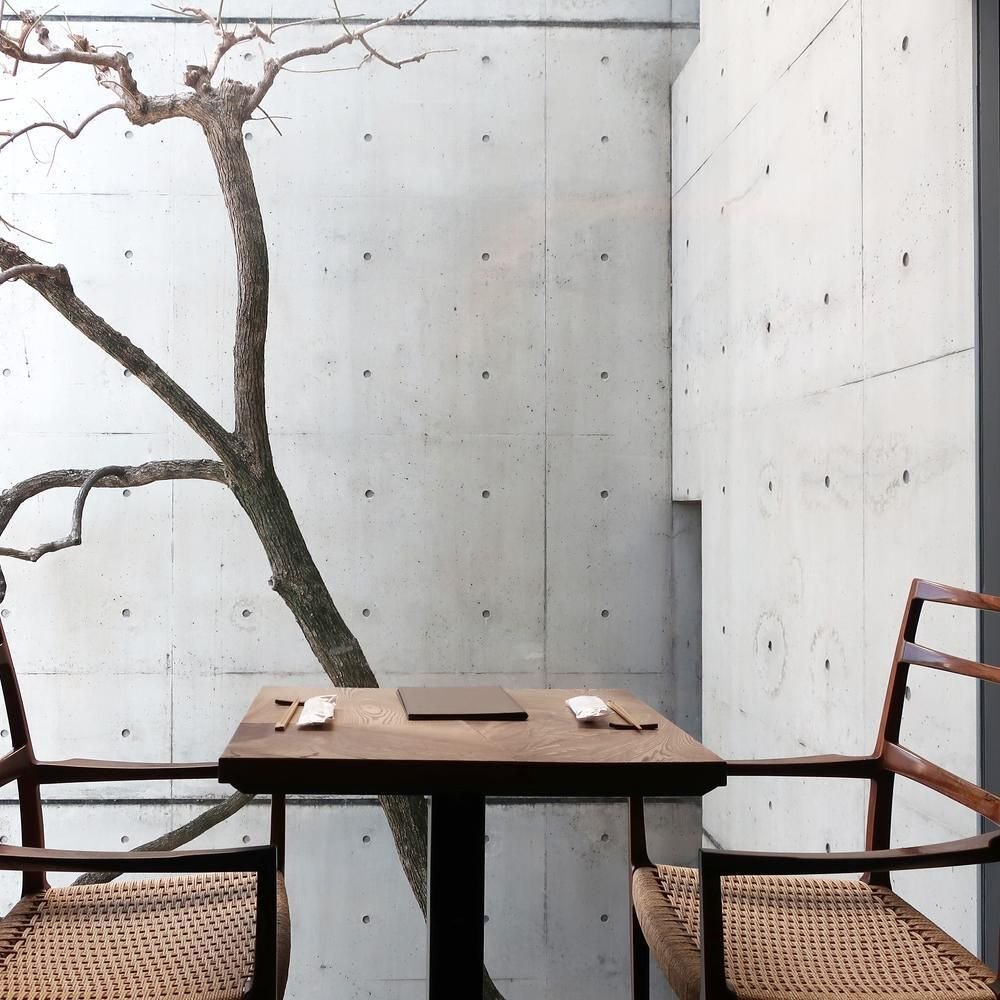
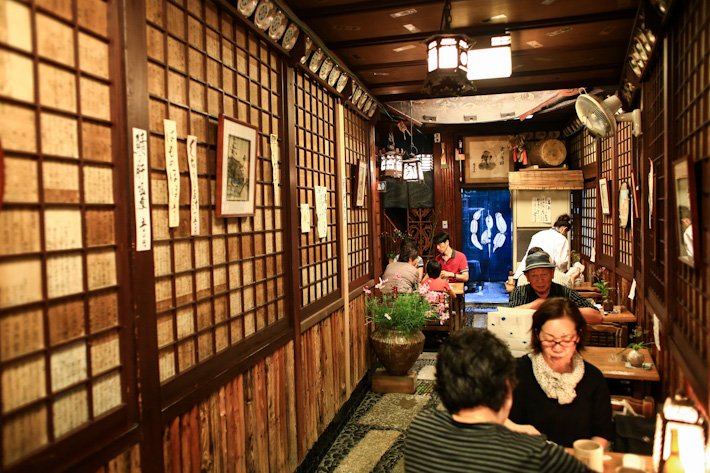
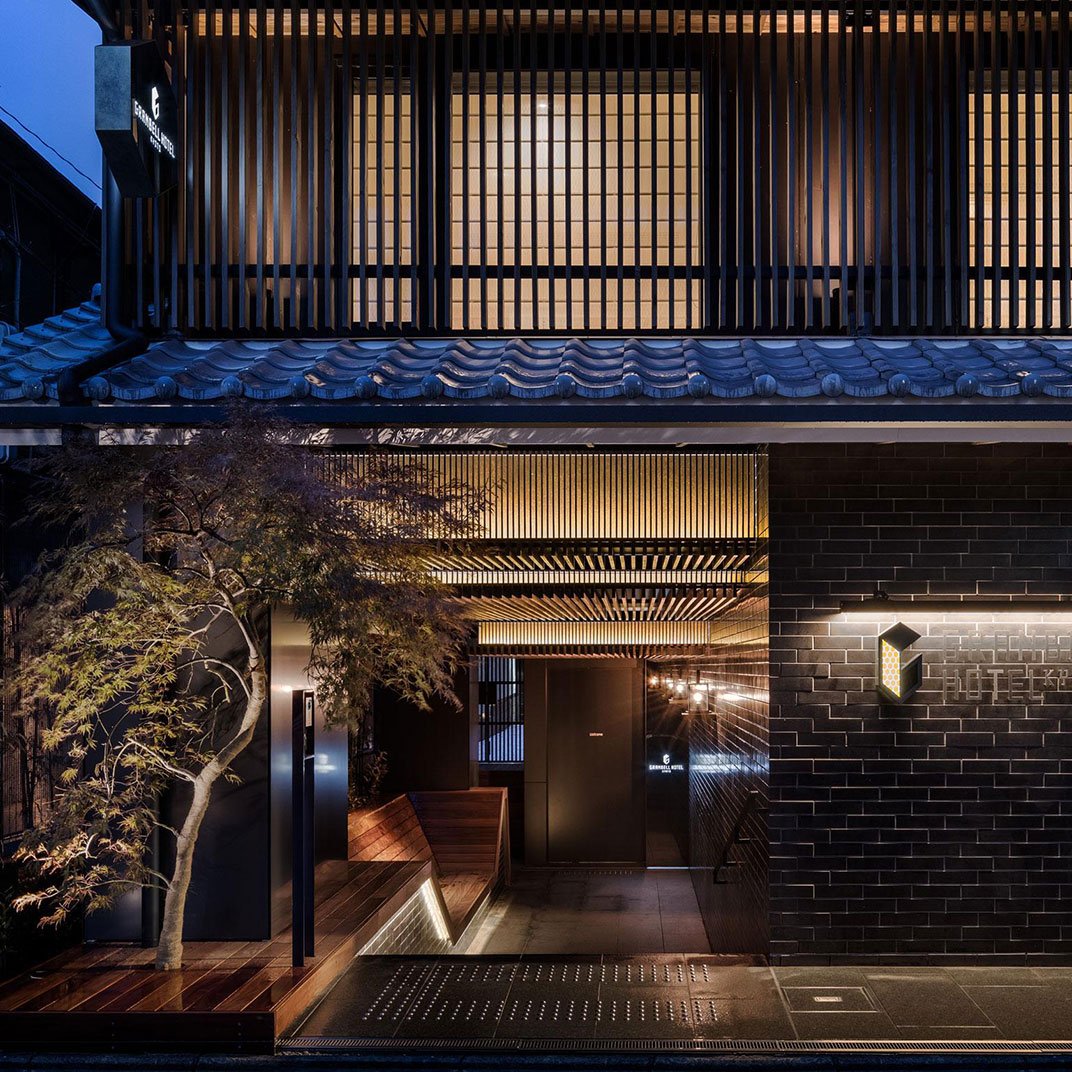
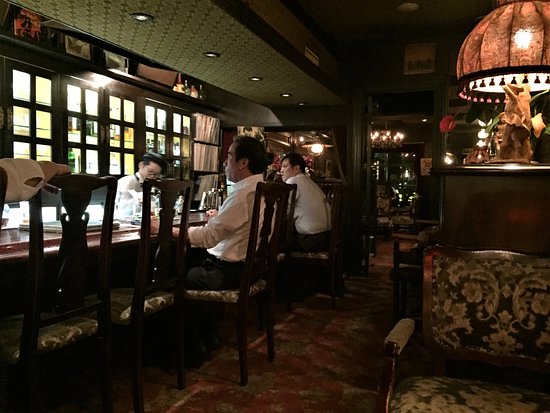
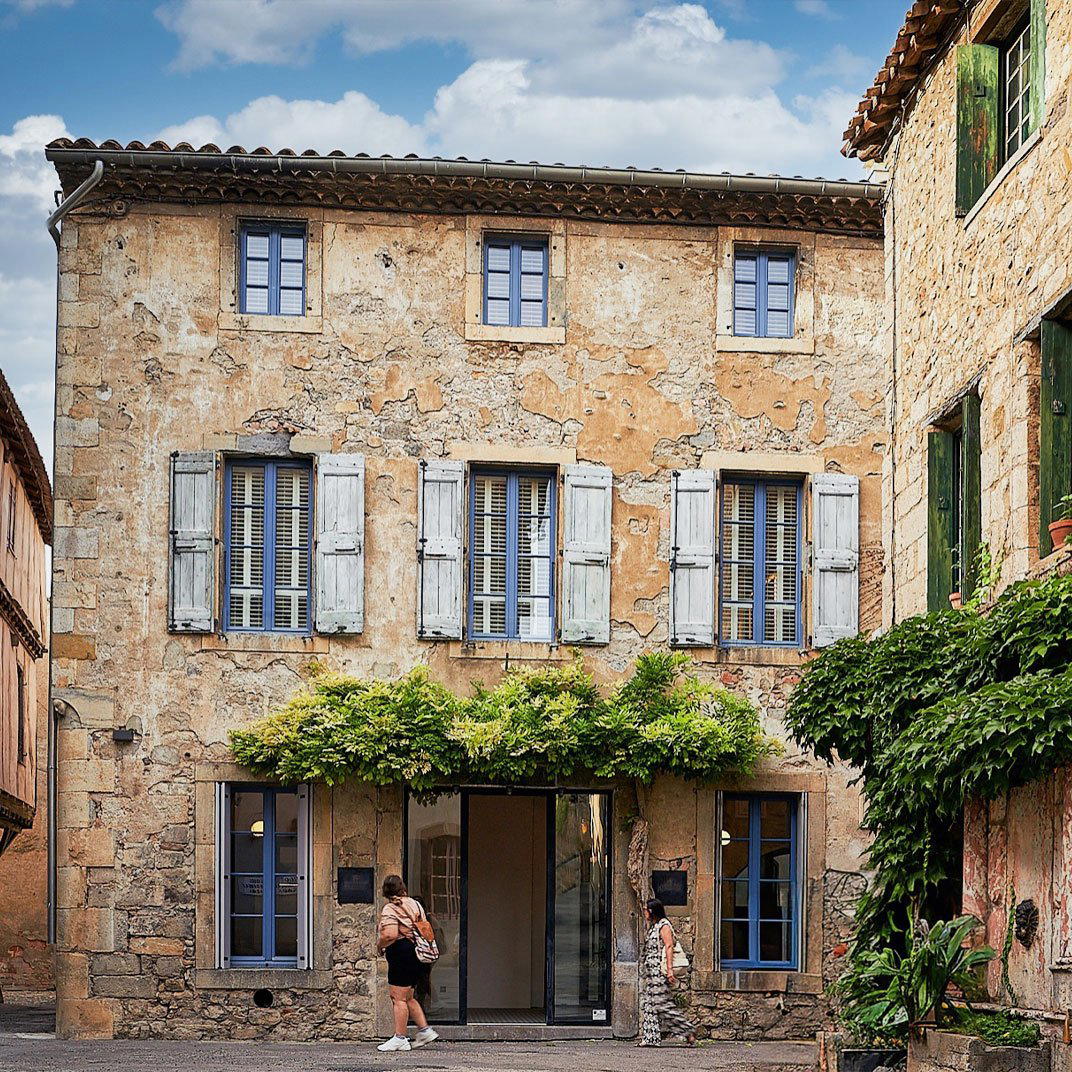
Izugen sits in Takeyacho, Shimogyo Ward, a working part of central Kyoto that draws residents more than tourists. The room is spare and traditional: a maiko portrait hangs on the wall, placed there by the current chef, the third generation to run this kitchen, who says he fell in love with it on sight and considers it auspicious, as the maiko invites guests to maikomu, to come in. It is a small detail, but it tells you what kind of place this is: personal, accumulated over decades, not designed for a photograph.
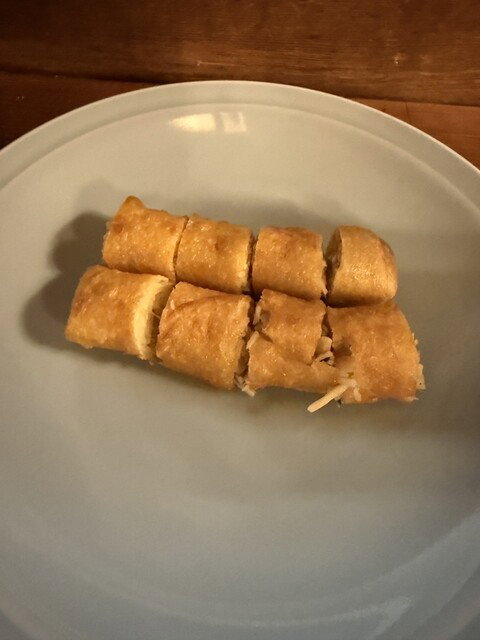
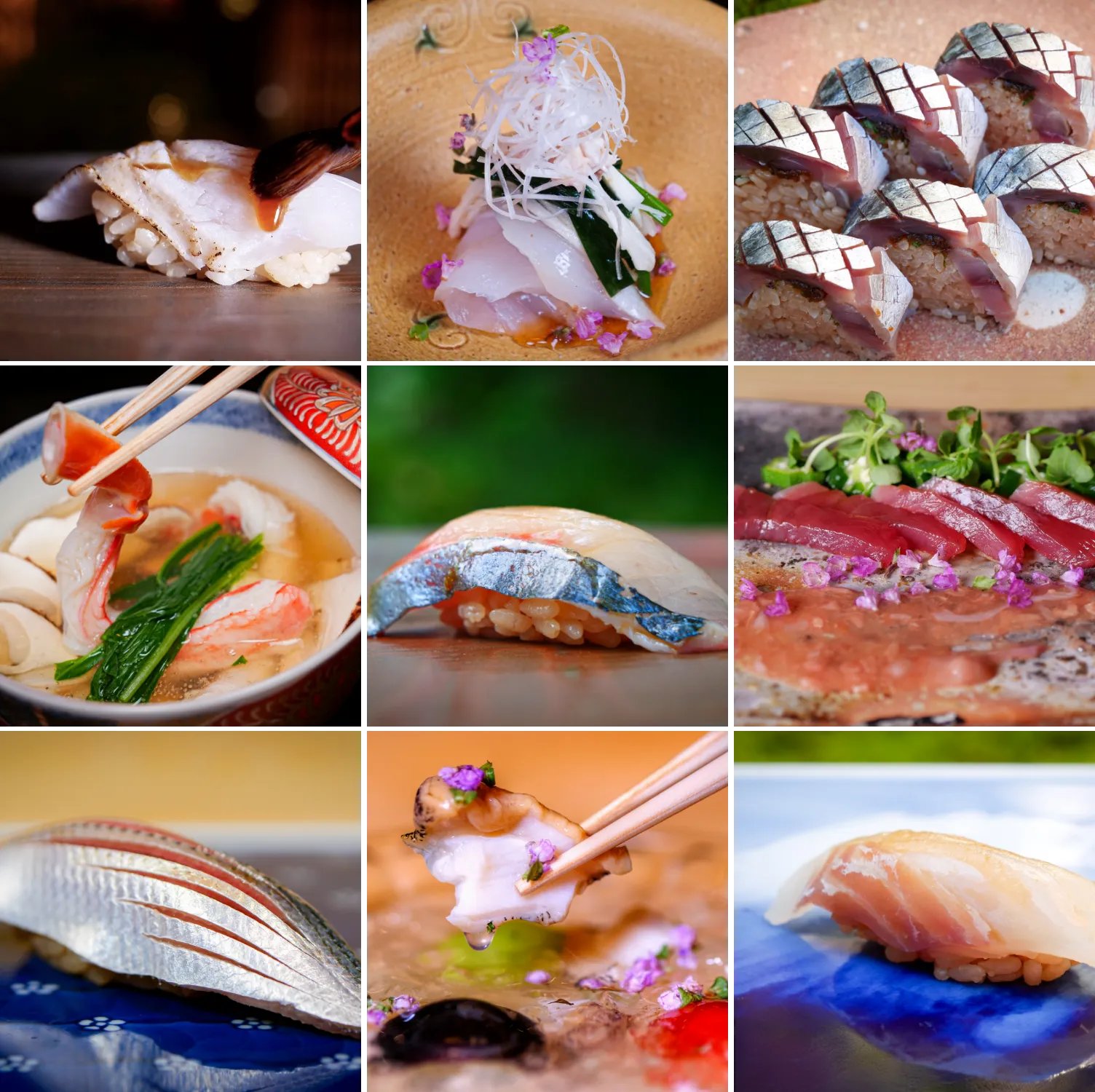
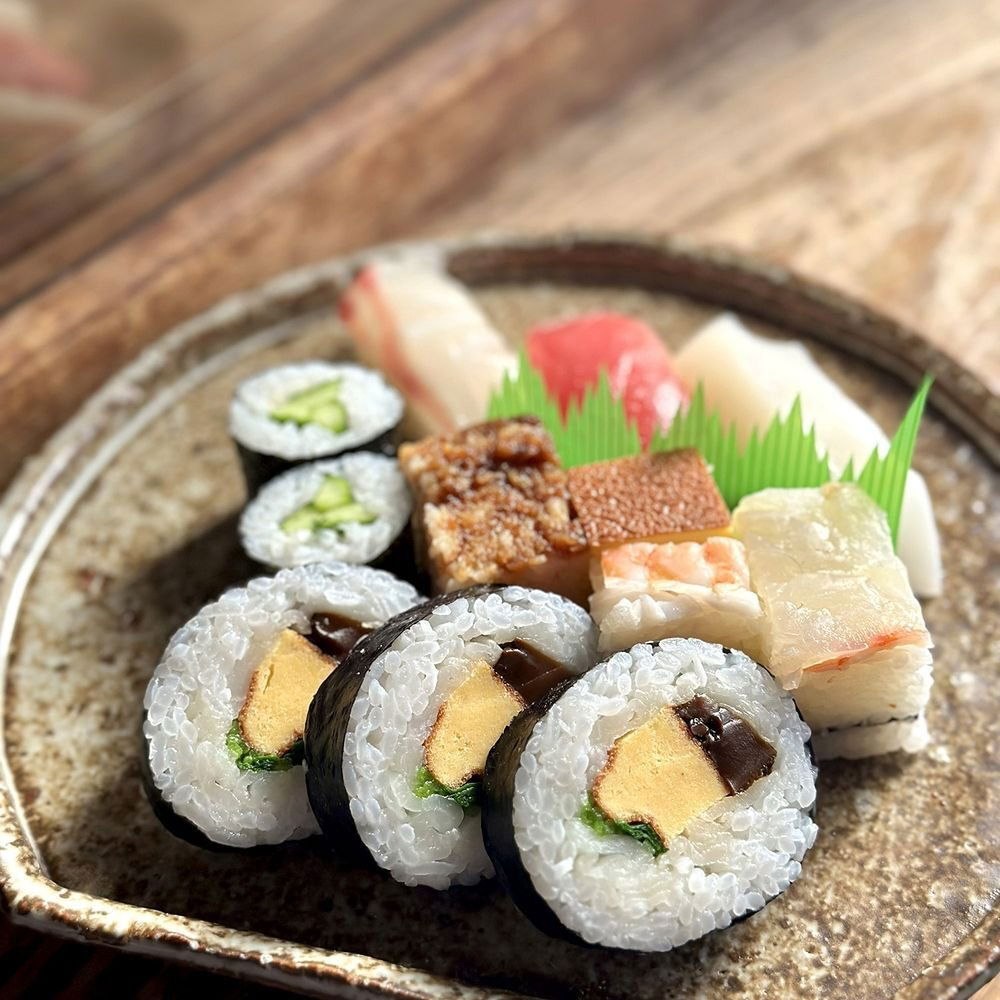
The sushi format here is Kyoto's own, not Edo-style. There is no hand-formed nigiri, no counter theatre, no itamae working in front of you. Instead, Izugen serves pressed and assembled sushi, bo sushi with mackerel, hako (box) sushi, and maki, made with rice cooked in kombu and bonito dashi. The Kyoto sushi mixed platter is the order to make: it covers all three styles and gives you the full picture of what this kitchen does. This is sushi as a regional craft, not a performance, and understanding that framing makes the visit land correctly.
For an explorer with context in Japanese regional food, Izugen offers a direct line to a centuries-old local tradition. The pressed and fermented sushi styles associated with Kyoto predate the Tokyo nigiri tradition, and Izugen is one of the places in the city where that distinction is still legible on the plate.
Lunch vs Dinner, How the Timing Decision Works Here
Given Izugen's price point and casual, drop-in character, lunch is the stronger call for most visitors. The Bib Gourmand citation specifically frames this as a place to visit often and casually, language that points toward daytime visits rather than formal evening dining. Kyoto's Shimogyo neighbourhood also runs differently at lunch: quieter, more neighbourhood-oriented, and more likely to have seats available without advance planning. If you are building a day around Kyoto's central wards, a midday stop here fits naturally without requiring schedule restructuring.
Evening visits are viable, but the context shifts. Shimogyo at night skews more local and less tourist-facing, which can be a positive if you want the room to feel as it has for generations. For a dedicated dinner in Kyoto at this price range, the trade-off is worth knowing: Izugen's format is not designed for a long, multi-course evening, it is a purposeful, focused meal. Go at lunch when the timing aligns; go at dinner if you are staying nearby and want something reliable and low-friction.
How It Compares
See the full comparison section below.
Pearl Picks, More Sushi and Japanese Dining Worth Your Time
- Sushi Rakumi, Kyoto sushi with a different register
- Izuu, Another Kyoto-style pressed sushi reference
- KASHIWAI, Kyoto kaiseki for a step up in formality
- Kikunoi Sushi Ao, Kikunoi group's sushi expression
- Kiu, A Kyoto counter worth knowing
- Harutaka in Tokyo, For contrast with Edo-style omakase
- Sushi Shikon in Hong Kong, Japanese sushi at the high end regionally
- Shoukouwa in Singapore, Regional comparison for sushi outside Japan
- HAJIME in Osaka, If you are travelling the Kansai corridor
- akordu in Nara, Day-trip pairing from Kyoto
- Goh in Fukuoka, Japanese fine dining for a wider trip
- 1000 in Yokohama and 6 in Okinawa, For the full Japan circuit
For full Kyoto planning, see our guides: restaurants, hotels, bars, wineries, and experiences.
Know Before You Go
- Price range
- ¥, among the most affordable Michelin-recognised sushi in Kyoto
- Awards
- Michelin Bib Gourmand 2024 and 2025
- Address
- Takeyacho 391, Shimogyo Ward, Kyoto
- Booking difficulty
- Easy, drop-in visits are consistent with the venue's casual character
- Sushi style
- Kyoto-style pressed sushi (bo sushi, hako sushi, maki), no hand-formed nigiri, no counter
- Ideal time to visit
- Lunch; the venue's casual format suits midday visits and fits naturally into a Shimogyo day
- Dietary restrictions
- Menu is fish-forward by format; contact the venue directly to confirm options
Planning details
- Hours
- Monday: 11 AM–2:30 PM, 3:30–7 PM · Tuesday: 11 AM–2:30 PM, 3:30–7 PM
- Location
- Japan, 〒600-8093 Kyoto, Shimogyo Ward, Takeyacho, 391
- Website
- instagram.com/sushi_idugen?igsh=MWFpNnpiN2kxcDZicA%3D%3D
- Phone
- +81 75-351-2516
The take
The Take
The Vibe
Izugen reads like a preserved corner of Kyoto culinary life: modest, settled and quietly literary. The dining room is arranged for repeat visitors rather than theatrical first-timers, and the third-generation chef keeps a picture of a maiko on the wall as a small, evocative gesture. There is no long hinoki counter or chef performance here; instead the emphasis is on tradition and the forms of Kyoto sushi: pressed, marinated and served at the table. The overall effect is intimate and low-key, a place that feels lived-in and deliberately unbothered by trends.
Best For
This is well suited to diners seeking an authentic Kyoto-sushi experience without the counter theatrics common in Edo-mae sushi bars. Regulars and visitors interested in historical regional forms will appreciate the focus on pressed and preserved fish served at tables rather than a chef’s counter. It’s a good fit for quiet, thoughtful meals where the craft of preservation and the layered flavors of mackerel and other marinated fish are the point. If you want performance-focused sushi or a loud, trendy scene, Izugen is not that place.
Ordering Tips
Lean into the house’s specialties: try the Kyoto sushi mixed platter to sample the pressed forms, and be sure to order the bo sushi (pressed mackerel) and hakozushi. The menu emphasizes preserved and marinated fish, with mackerel as an emblematic example, so expect vinegared, aged flavors rather than raw-tuna nigiri. Note that service is table-based and the spot explicitly avoids tasting-menu pricing; ask the staff about that day’s preserved fish preparations to understand what’s been aged or cured for the menu.
Venue details
Ambiance
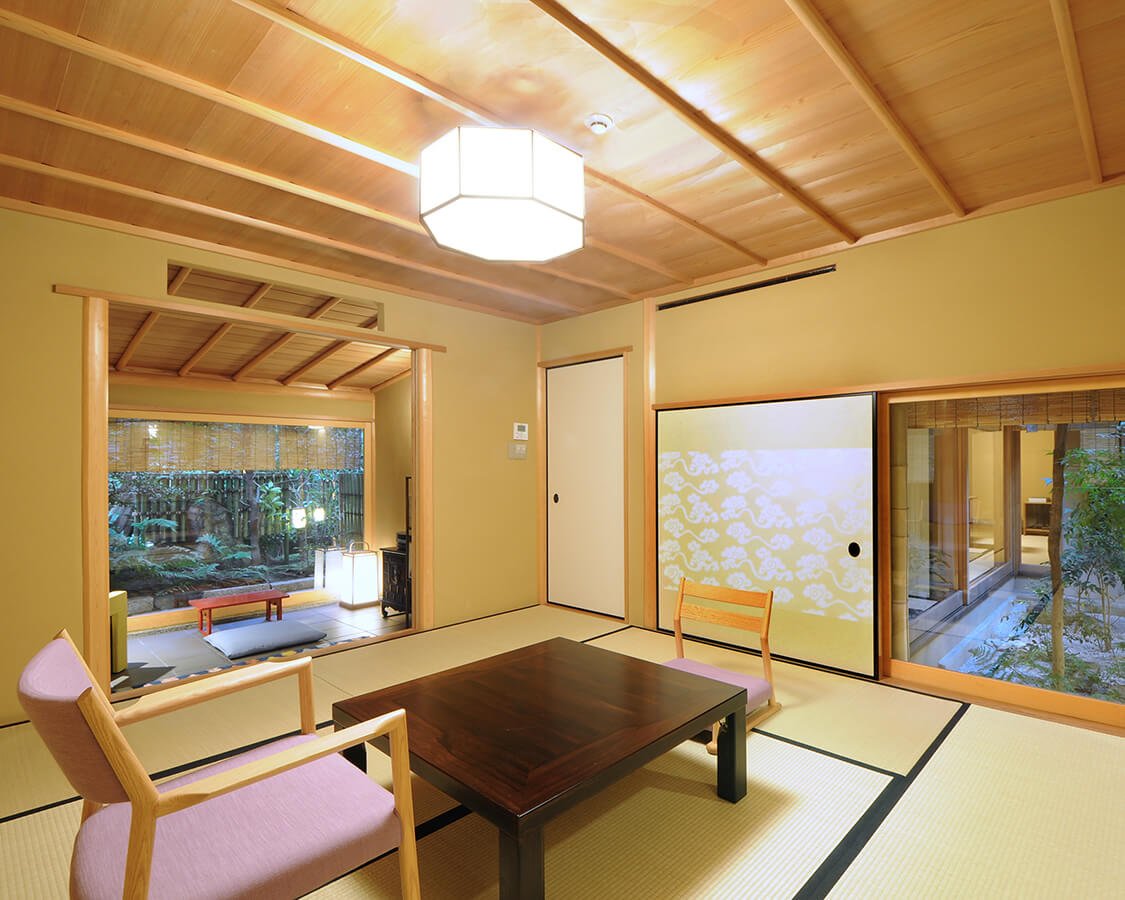
Warm wooden townhouse with tatami rooms, low ceilings, unpretentious lighting, quiet conversation, and clean scents of rice and sea.
Tags
Vibe
Best For
Experience
Sourcing
At the Table
- Dress Code
- Smart Casual
- Noise Level
- Quiet
- Service Style
- Upscale Casual
- Meal Pacing
- Leisurely
- Capacity
- Intimate
- Kitchen
- Traditional
- Menu Format
- A la carte, Small plates
- Drinks Focus
- Sake
Signature Dishes
- Kyoto sushi mixed platter
- bo sushi
- hakozushi
Know before you go
Know Before You Go
- Getting there
- Japan, 〒600-8093 Kyoto, Shimogyo Ward, Takeyacho, 391
Planning details
Hours
- Monday
- 11 AM–2:30 PM, 3:30–7 PM
- Tuesday
- 11 AM–2:30 PM, 3:30–7 PM
- Wednesday
- 11 AM–2:30 PM, 3:30–7 PM
- Thursday
- Closed
- Friday
- 11 AM–2:30 PM, 3:30–7 PM
- Saturday
- 11 AM–2:30 PM, 3:30–7 PM
- Sunday
- 11 AM–2:30 PM, 3:30–7 PM
Location
Japan, 〒600-8093 Kyoto, Shimogyo Ward, Takeyacho, 391 · Directions
Recognition and awards
Also consider
Also Consider
- Gion Sasaki: Kaiseki, Japanese, ¥¥¥¥
- cenci: Italian, ¥¥¥
- Ifuki: Kaiseki, ¥¥¥¥
- Kyokaiseki Kichisen: Japanese, ¥¥¥¥
- SEN: French, Japanese, ¥¥¥¥
Restaurant context
Izugen sits at the opposite end of the Kyoto dining spectrum from most of its frequently cited peers. Gion Sasaki, Ifuki, and Kyokaiseki Kichisen are all ¥¥¥¥ kaiseki venues with high booking difficulty and formal service expectations. If your priority in Kyoto is a ceremonial multi-course meal with room theatre, those are the right choices. If your priority is eating well without reservation stress or significant spend, Izugen is the stronger call: two consecutive Bib Gourmand citations confirm the quality-to-price ratio is genuine.
cenci at ¥¥¥ offers a more structured Italian-influenced meal and is worth considering for dinner when you want European technique applied to Japanese ingredients. It competes on a different axis than Izugen, cuisine type, price, and dining register are all different, but for an explorer building a varied Kyoto itinerary, cenci handles the formal evening slot while Izugen handles the casual lunch slot. SEN (¥¥¥¥, French-Japanese) is a further step up in formality and price; only book it if the Franco-Japanese fusion format is specifically what you are after.
Among sushi-specific options in the city, Izuu is Izugen's closest direct peer in the Kyoto pressed-sushi tradition and is worth a direct comparison if you have time for only one. For counter-style sushi at a higher price tier, Sushi Rakumi and Kikunoi Sushi Ao represent a step up in formality and cost. Izugen's advantage is that it requires the least friction: low price, easy booking, and a specific regional format you will not find replicated at any of the kaiseki venues on this list.
Explore Kyoto
Around this place
Discover more on Pearl
Unlock the full Izugen guide in Pearl, including awards, comparisons, FAQs, planning details, and nearby places.
Compare Izugen
| Venue | Awards | Price |
|---|---|---|
| Izugen | Michelin Guide Kyoto Osaka 20262026 Bib Gourmand2025 Michelin Bib Gourmand2024 Michelin Bib Gourmand | ¥ |
| Gion Sasaki | 2026 Tabelog Bronze · #3862026 OAD Top Restaurants in Japan RecommendedMichelin Guide Kyoto Osaka 20262026 La Liste Top RestaurantsTabelog 100 - Japanese cuisine - WEST - 2025 · #132025 OAD Top Restaurants in Japan Ranked · #2462025 Tabelog Silver2025 Michelin 3 Stars2025 La Liste Top Restaurants | ¥¥¥¥ |
| cenci | 2026 Tabelog Bronze · #442026 Asia's 50 Best Restaurants · #762026 OAD Top Restaurants in Japan Highly RecommendedMichelin Guide Kyoto Osaka 2026Tabelog 100 - Italian - WEST - 2025 · #632025 Asia's 50 Best Restaurants · #632025 OAD Top Restaurants in Japan Ranked · #1682025 Tabelog Bronze2024 OAD Top Restaurants in Japan Ranked · #135 | ¥¥¥ |
| Ifuki | 2026 OAD Top Restaurants in Japan Ranked · #1222026 Tabelog Bronze · #128Michelin Guide Kyoto Osaka 20262026 La Liste Top RestaurantsTabelog 100 - Japanese cuisine - WEST - 2025 · #622025 OAD Top Restaurants in Japan Ranked · #1002025 La Liste Top Restaurants2025 Tabelog Bronze2025 Michelin 2 Stars | ¥¥¥¥ |
| Kyokaiseki Kichisen | 2026 Tabelog Bronze · #1752026 OAD Top Restaurants in Japan Highly RecommendedMichelin Guide Kyoto Osaka 20262025 OAD Top Restaurants in Japan Ranked · #1862025 Michelin 2 Stars2025 La Liste Top Restaurants2024 OAD Top Restaurants in Japan Ranked · #1422024 Michelin 2 Stars2023 OAD Top Restaurants in Japan Ranked · #136 | ¥¥¥¥ |
| SEN | 2026 Tabelog Bronze · #3952026 OAD Top Restaurants in Japan RecommendedMichelin Guide Kyoto Osaka 20262026 Michelin PlateTabelog 100 - Japanese cuisine - WEST - 2025 · #652025 Michelin Plate2025 Tabelog Bronze2024 OAD Top Restaurants in Japan Ranked · #3622024 Michelin Plate | ¥¥¥¥ |
.png?width=1200&quality=80)







.png?width=1200&quality=80)
Comparing your options in Kyoto for this tier.
FAQ
Frequently Asked Questions
What should a first-timer know about Izugen?
Order the Kyoto sushi mixed platter: it covers the three styles the restaurant is built around: bo sushi with mackerel, hako sushi, and maki sushi. Crucially, sushi here is pressed and formed, not hand-shaped, which is authentic Kyoto tradition and means there is no counter seating. The price range is ¥, so this is one of the few Michelin-recognised meals in Kyoto you can walk into without budget anxiety.
Can I eat at the bar at Izugen?
No. Izugen does not have a sushi counter, and that is intentional. Kyoto-style sushi is pressed and boxed rather than hand-formed, so the counter format does not apply here. Expect table seating in a spare, traditional room.
What should I wear to Izugen?
Izugen is framed by Michelin itself as a casual, drop-in neighbourhood spot, so there is no dress code to worry about. Clean, comfortable clothing is fine: this is a working Shimogyo Ward eatery, not a formal dining room.
What are alternatives to Izugen in Kyoto?
For higher-end Kyoto dining with kaiseki format, Kyokaiseki Kichisen or Gion Sasaki are the logical step up. cenci and Ifuki offer Italian-influenced and French-leaning menus respectively if you want something outside the Japanese tradition. SEN is worth considering if you want a more contemporary Japanese dining room at a mid-range price point.
Is Izugen worth the price?
Yes, with little qualification. At the ¥ price point with back-to-back Michelin Bib Gourmand recognition in 2024 and 2025, Izugen delivers third-generation craft at what amounts to everyday lunch pricing. The Bib Gourmand designation exists specifically for this kind of value equation: high quality, low spend.
Is Izugen good for a special occasion?
Only if your occasion calls for something low-key. Izugen's own Michelin citation describes it as a place to visit 'often and casually,' which signals the room and format are not built for celebration dining. For a landmark meal in Kyoto, Gion Sasaki or Kyokaiseki Kichisen will give you the occasion; Izugen gives you something more personal and everyday.
Is the tasting menu worth it at Izugen?
Izugen does not operate a tasting menu format. The order logic here is à la carte or set platters: the Kyoto sushi mixed platter is the anchor dish. If a structured multi-course progression is what you are after, this is not the right venue.