

Iyuki
Kaiseki · Chūō, Tokyo
Restaurant in Tokyo, Japan
 Book with Pearl
The Read
Referral-Only Kaiseki Counter
Price
$50–100per person
Chef
Masahiro Ueda
Dress
Smart Casual
Why go
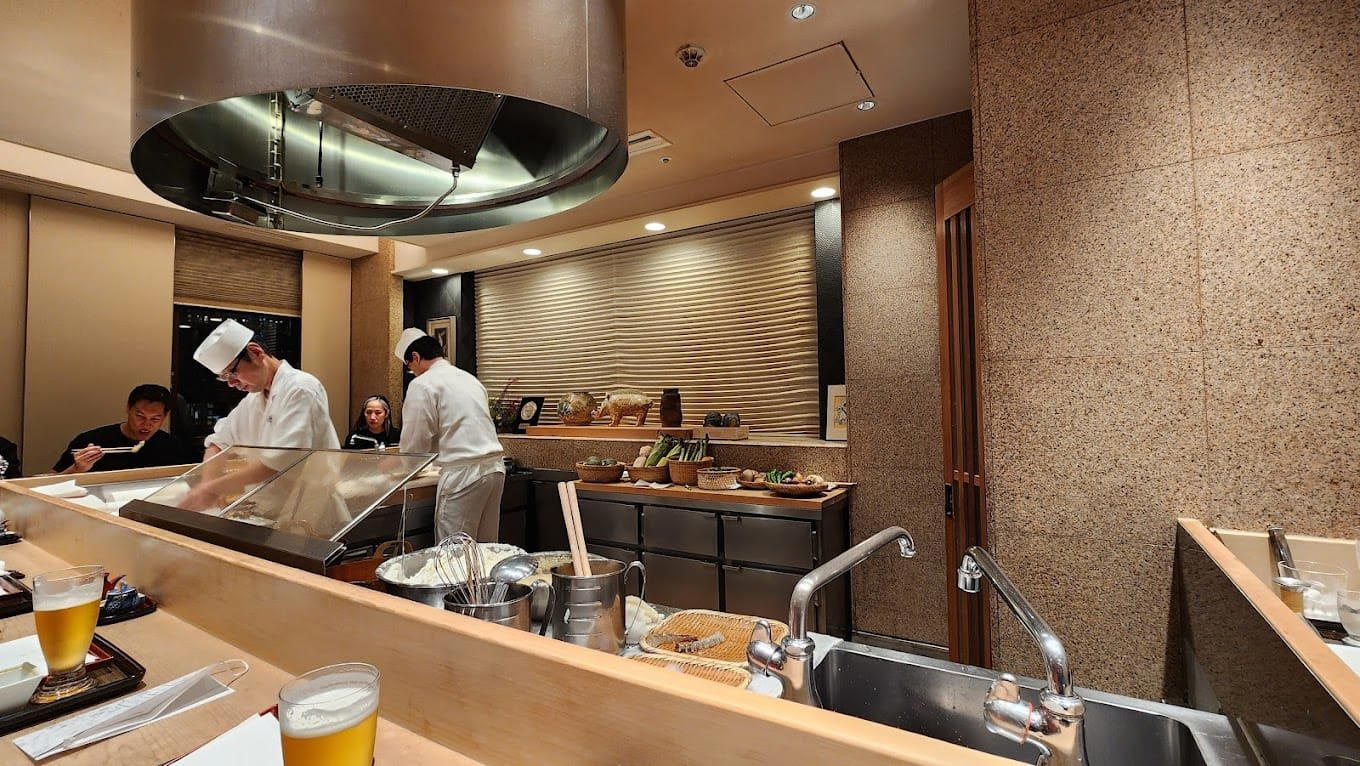
A seven-seat referral-only kaiseki counter in Ginza where chef Masahiro Ueda delivers seasonal precision at JPY 80,000–99,999 per head. The format is rigid—no à la carte, no private rooms—and the experience rewards attention over novelty. Worth booking if you prioritize technical discipline and a quiet room, but comparable peers like Ginza Fujiyama and Mibu offer similar quality with slightly different emphases.
About Iyuki
Iyuki is a Tokyo kaiseki venue from chef-owner Masahiro Ueda, with confirmed 2026 recognition from Opinionated About Dining. Access, format, and pricing should be through current booking channels rather than assumed from third-party summaries. The real question is whether Iyuki matches what you want from a Tokyo kaiseki meal. Because public details are limited, it is best approached with attention to the confirmed essentials: the city, the cuisine, the chef-owner, the smart casual dress code, and the current booking information available at the time you reserve. If you want kaiseki in Tokyo and are comfortable confirming practical details directly, Iyuki is worth considering. If you need broader flexibility, fixed published details, or a more casual plan, other dining rooms may suit you better.
Confirmed Essentials and Booking Checks
The experience is best approached with expectations confirmed in advance rather than inferred from outside descriptions. Before booking, check the current room setup, service style, and menu structure through the venue or an active booking channel. Iyuki’s identity is as a Tokyo kaiseki restaurant led by Masahiro Ueda, not as a page of fixed assumptions about seating, prices, or course format. Look for current information from the venue rather than relying on unsupported descriptions. This is a venue to consider if you want a kaiseki meal in Tokyo and are willing to confirm the details that matter to you before committing.
On a first visit, avoid over-planning the meal from outdated details. Let the current booking information and service format set expectations. A later visit may feel different if the menu or service approach has changed, so treat each reservation as a current experience rather than a fixed script. Repeat diners should focus on whether the venue continues to deliver the qualities that matter to them. Iyuki is best chosen for its kaiseki identity in Tokyo, not for novelty-seeking based on unsupported specifics.
Positioning Among Tokyo's Contenders
Iyuki sits among Tokyo’s kaiseki options, best compared by confirmed essentials rather than unsupported claims about price, seating, or rank. Ginza Fujiyama may appeal to diners looking for another point of comparison. Mibu offers another reference for diners comparing Japanese dining. Ajihiro is also a useful comparison for diners weighing where to reserve. Iyuki’s advantage is its place in the 2026 Opinionated About Dining source set: a Tokyo kaiseki venue worth evaluating carefully against your own priorities. You should not expect any specific room setup, access rule, or menu format unless current details indicate it.
For readers still deciding whether Iyuki is the right commitment, Hirosaku offers another reference point. If splitting time between Iyuki and other Tokyo priorities, choose Iyuki only if its current booking details match what you want from the meal. If you need specific information on price, room configuration, menu structure, or availability, compare Iyuki carefully with Ginza Fujiyama, Mibu, or other dining options. If still mapping Tokyo’s landscape and wanting breadth before depth, explore other Tokyo restaurants across styles and booking approaches.
Planning details
- Location
- Japan, 〒104-0061 Tokyo, Chuo City, Ginza, 5 Chome−14−15 ゼットンビル 1F
- Website
- tabelog.com/en/tokyo/A1301/A130101/13030881
- Phone
- +81 3-5550-2022
The take
The Take
The Vibe
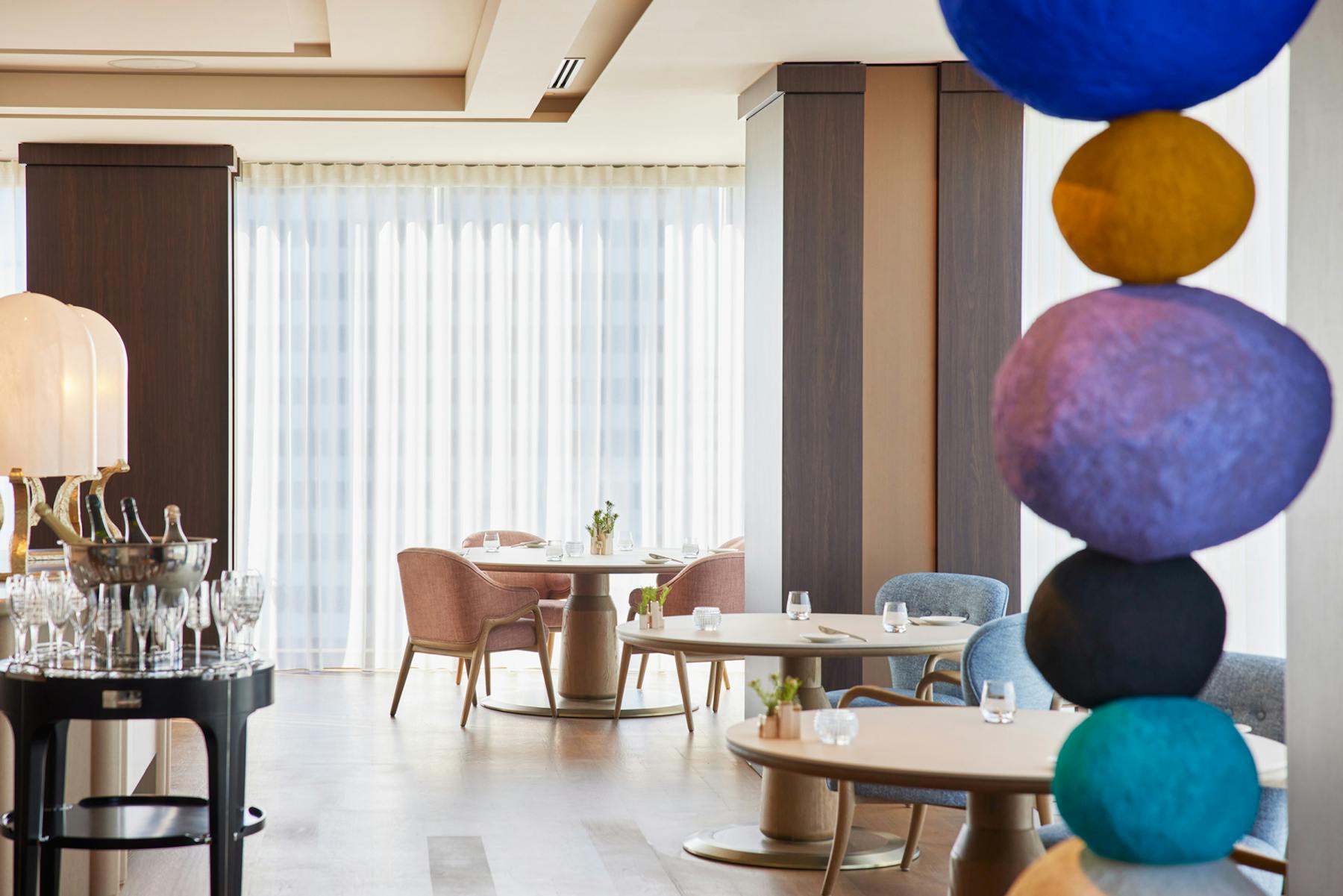
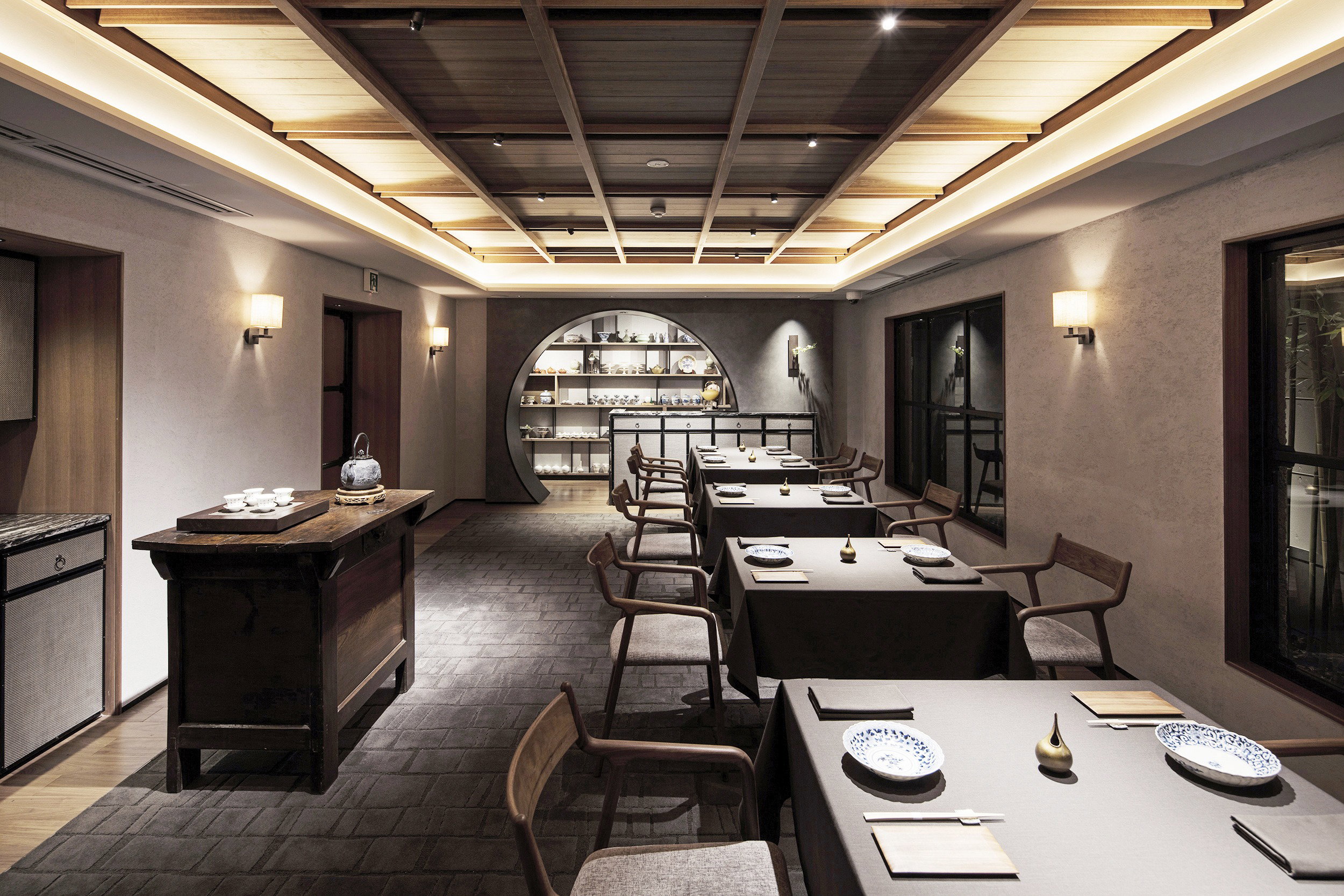
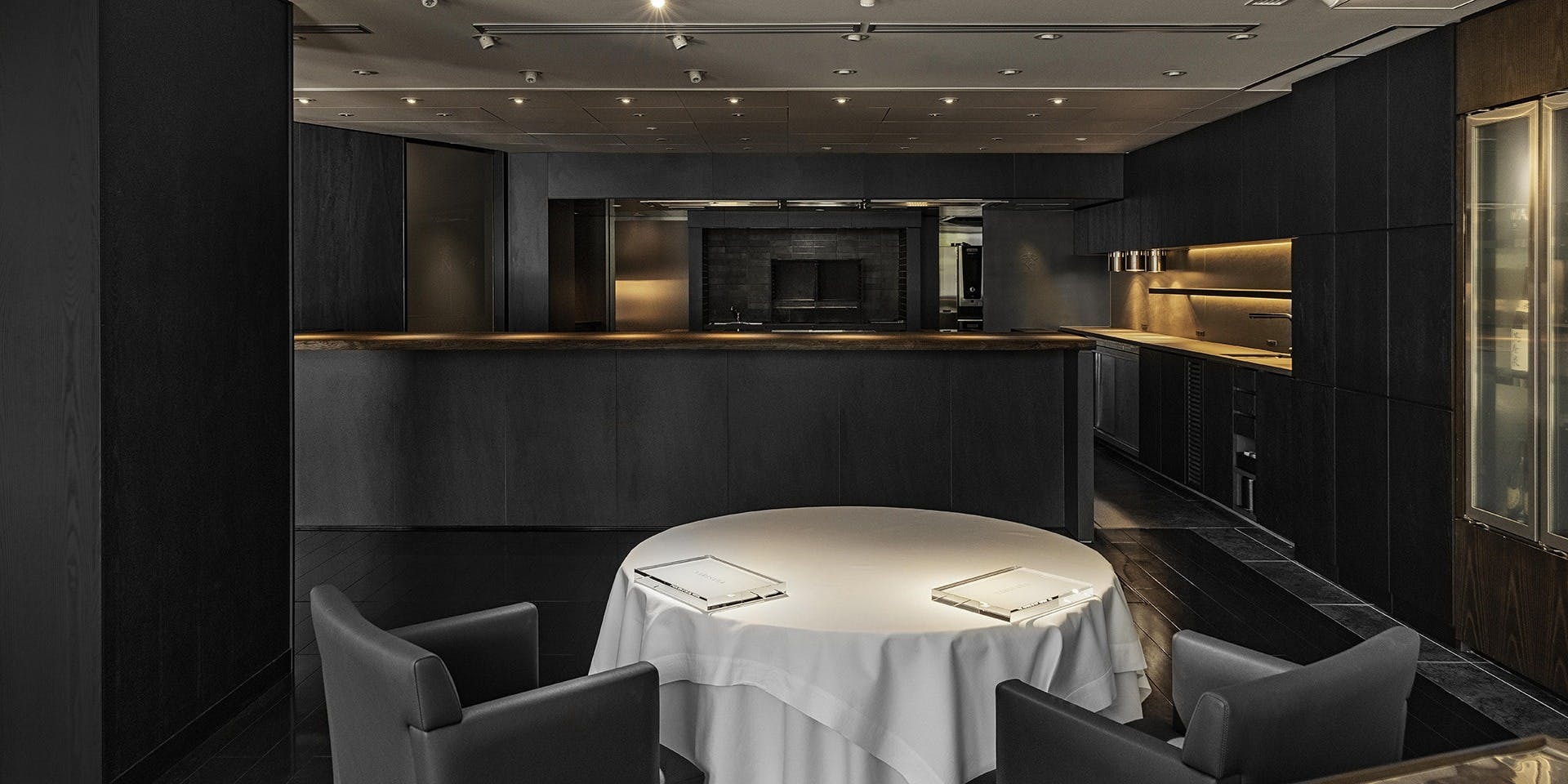
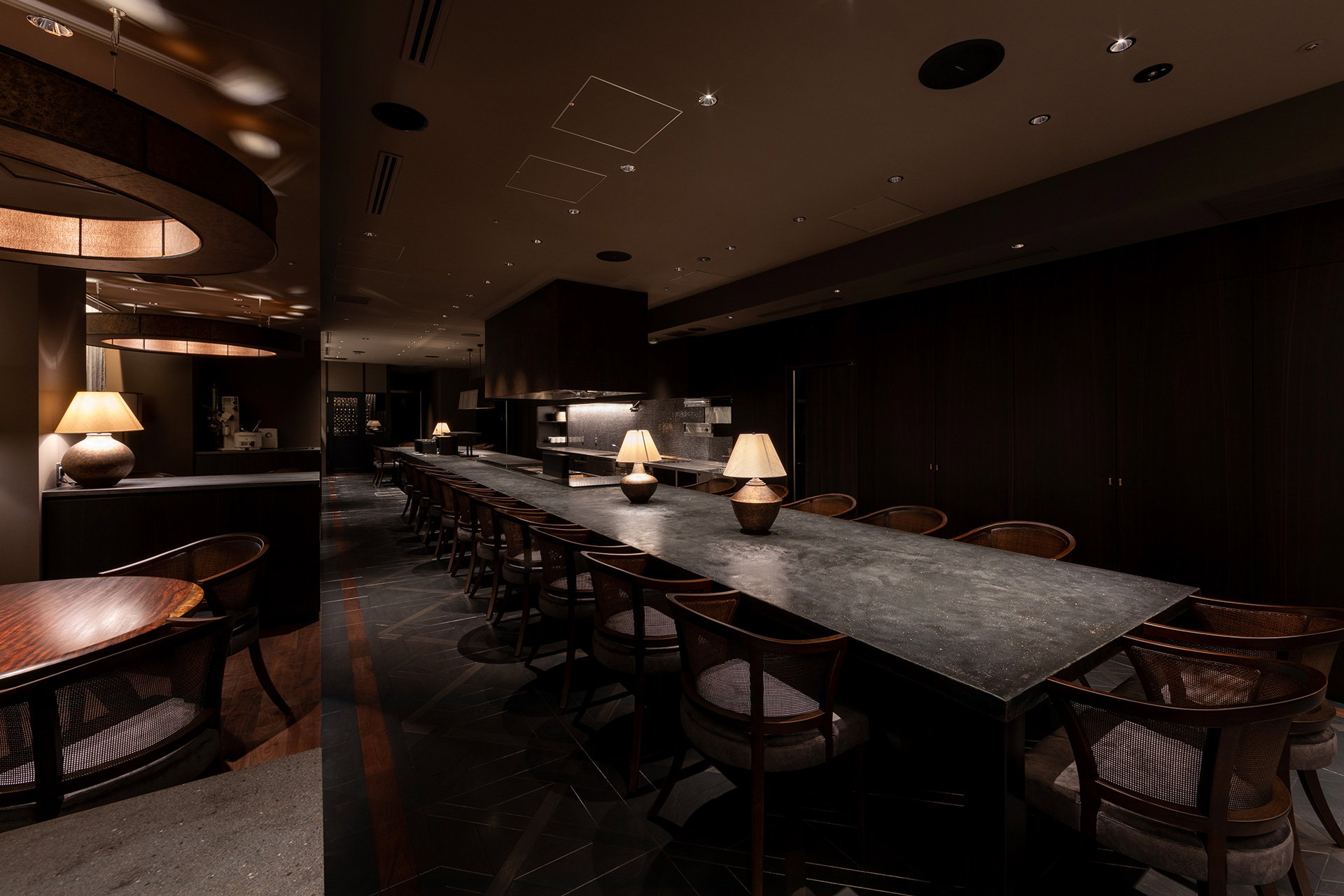
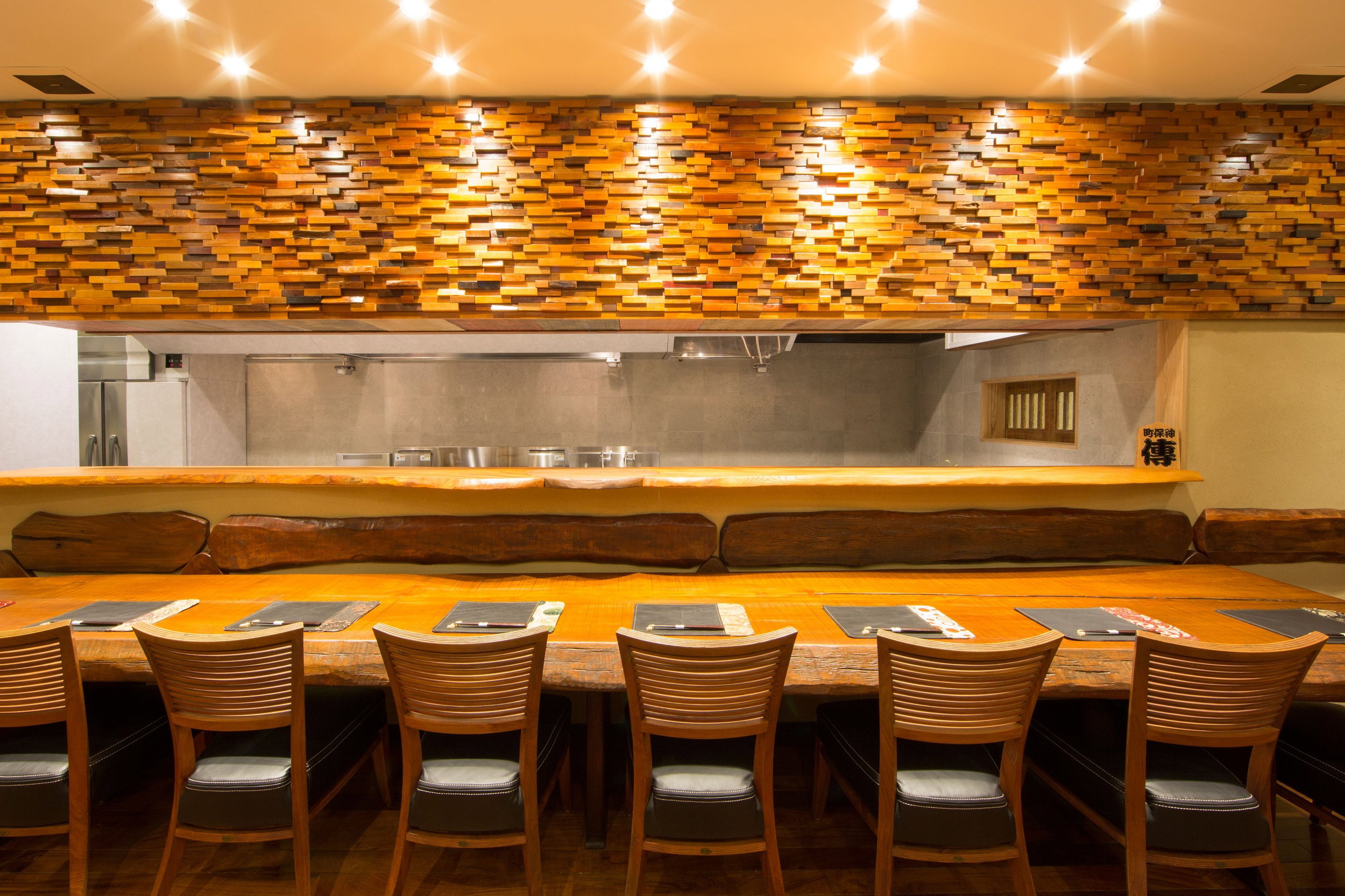
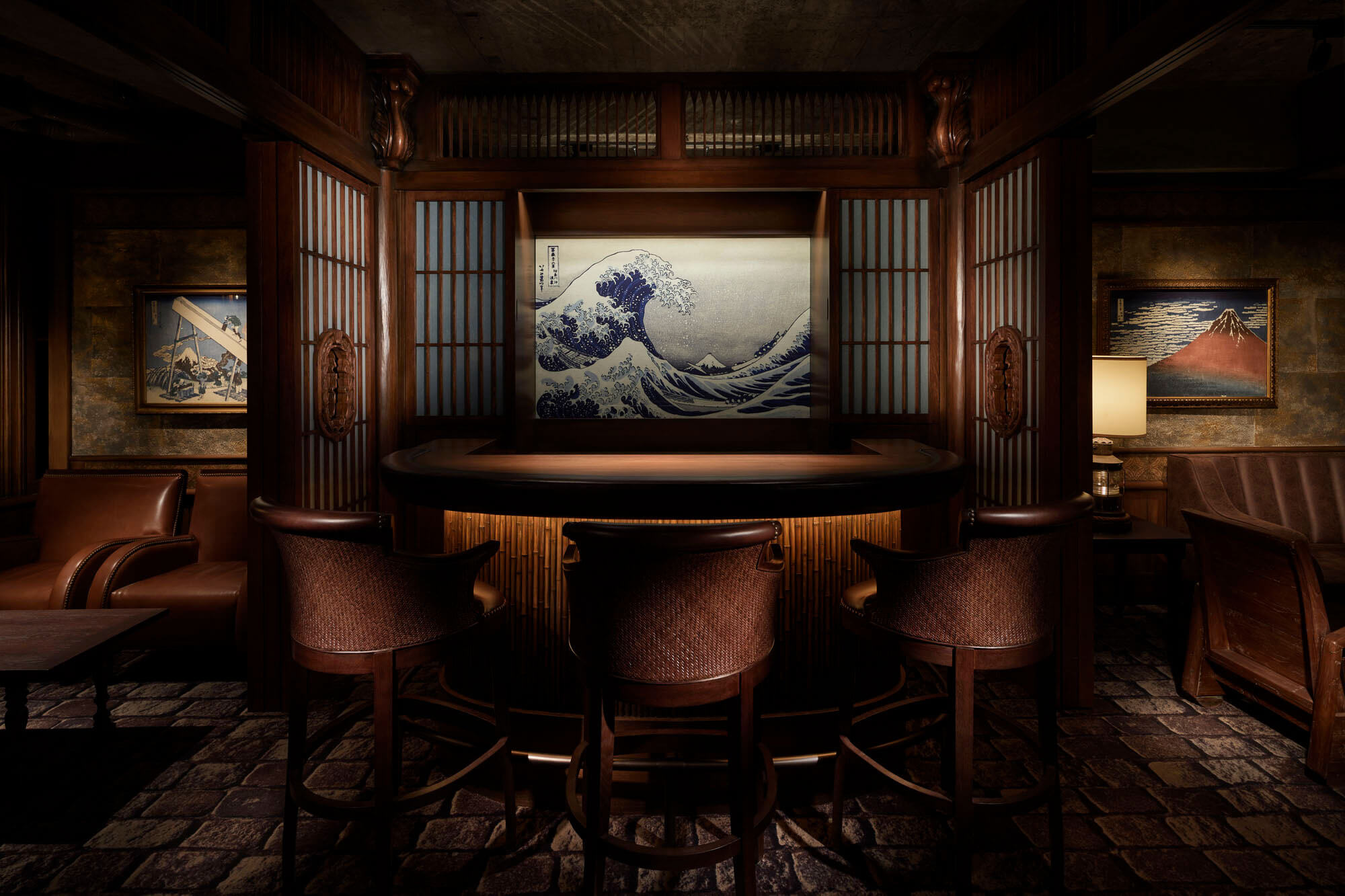
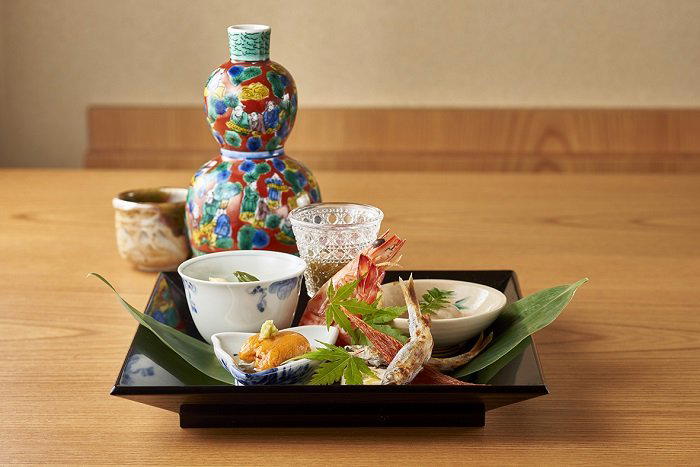
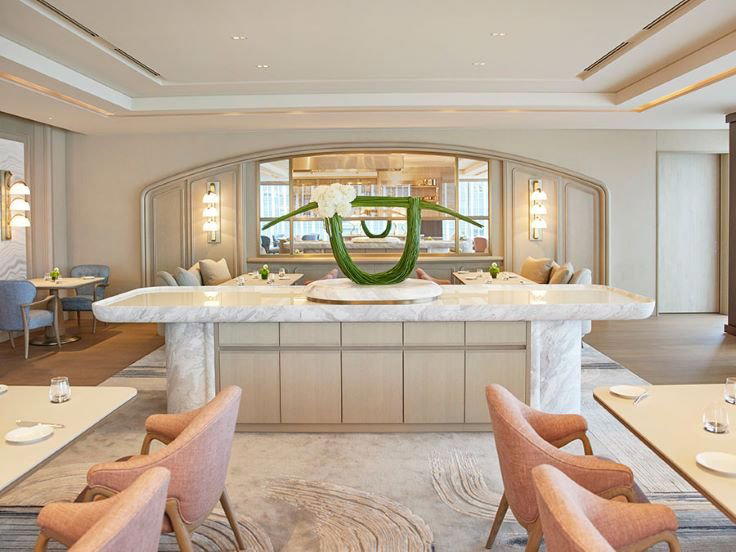
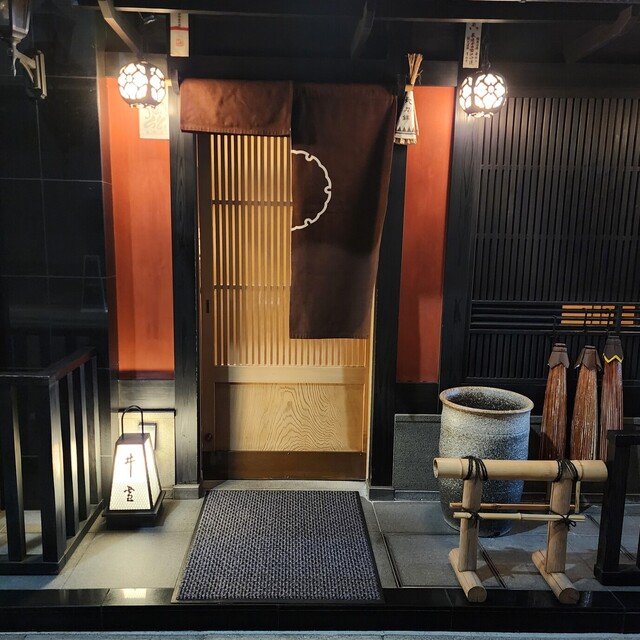
Iyuki is a deliberately scaled kaiseki counter that foregrounds classical technique and seasonal precision. The seven-seat room and referral-only entry create an exclusive, almost hidden quality: proximity to Toyosu and Ginza’s formal expectations shape a restrained, ceremonious service. The experience feels restrained and exacting rather than theatrical; courses are sequenced as a reading of the season, and the compact setting intensifies the relationship between chef and guest. This is not a bustling izakaya or casual sushi bar but a quiet, tradition-minded counter where every element—ingredient, timing, and plating—reads as part of a cohesive, classical whole.
Best For
Iyuki suits diners seeking a high-commitment, formal kaiseki dinner—think special occasions or business meals where discretion, seasonal storytelling, and ingredient quality matter. The tiered price point and referral-only access signal that the counter caters to repeat, informed guests who appreciate deep seasonal rotation and dense multi-course sequences. Its location in Ginza and ties to Toyosu market make it appealing to those who prioritize market-fresh sourcing and a measured, contemplative meal. This is not a casual night out; it is best for reserved, purposeful dining with an appetite for detailed, traditional Japanese cuisine.
Ordering Tips
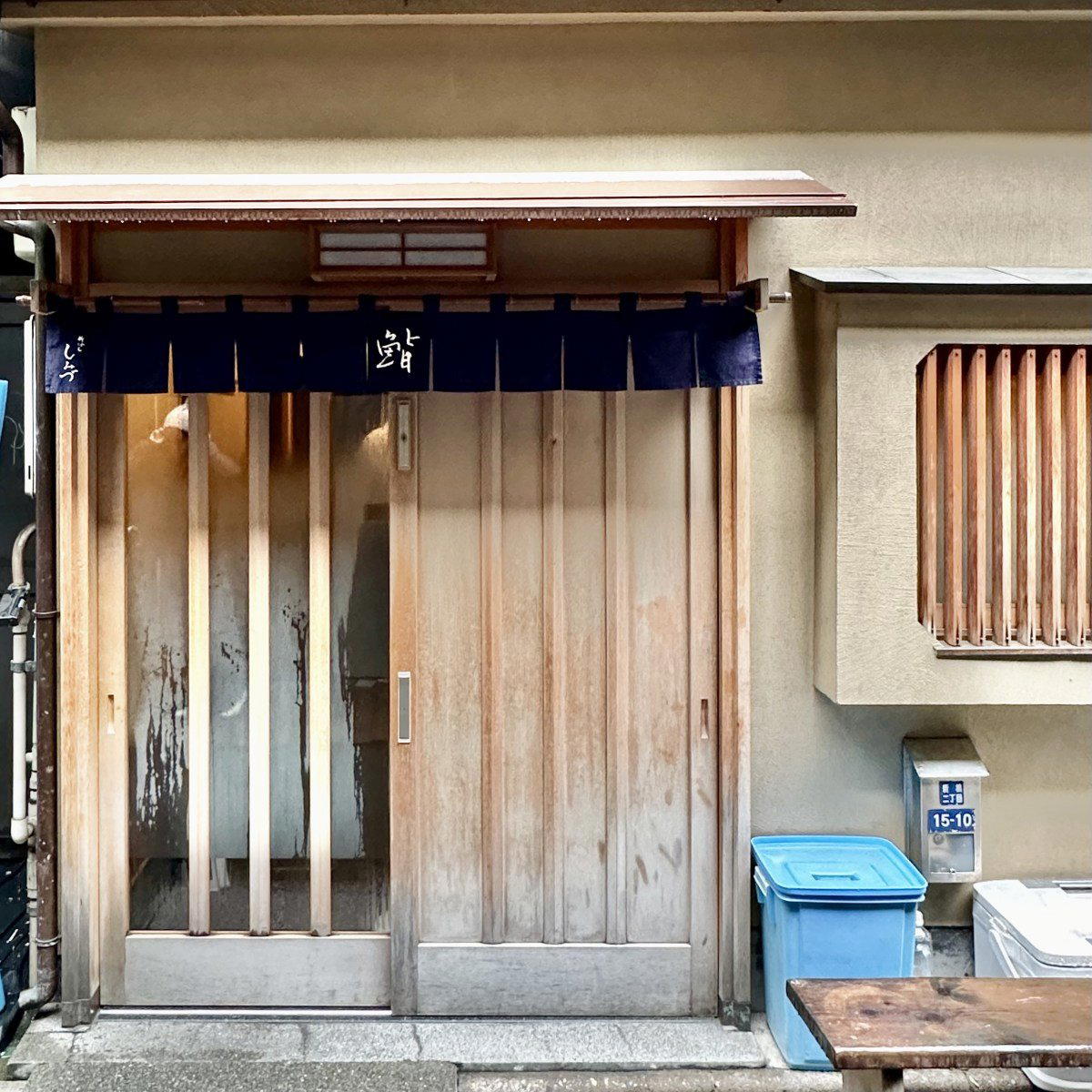
Access at Iyuki is tightly controlled: entry is by referral only, there are no walk-ins and no public phone number, so securing the appropriate introduction is essential. Dinners operate at a premium price (reviewed at JPY 80,000–99,999 per person), and the format is a seven-seat counter built around a full seasonal sequence—expect a multi-course, carefully paced meal. Given the counter format and the kitchen’s bespoke approach, guests who understand kaiseki cadence and return for multiple visits fit the service model best. The restaurant is a minute from Higashi-Ginza Station Exit 4; plan logistics around that access.
Venue details
Ambiance
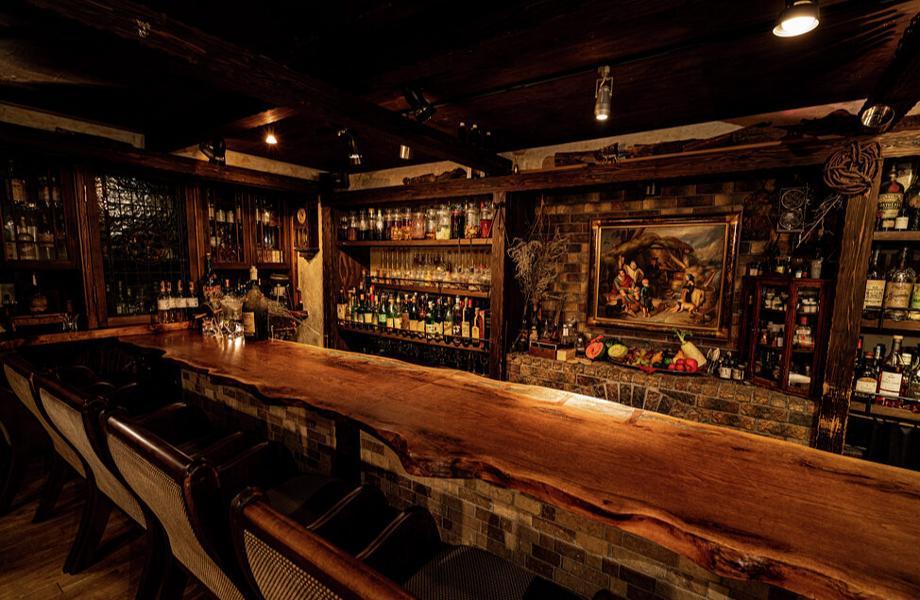
Calm, luxurious atmosphere with counter seating and private rooms, emphasizing refined simplicity and sophistication.
Tags
Vibe
Best For
Experience
At the Table
- Dress Code
- Smart Casual
- Noise Level
- Quiet
- Service Style
- Formal
- Meal Pacing
- Leisurely
- Capacity
- Intimate
- Kitchen
- Traditional
- Menu Format
- Tasting menu
- Wine Program
- Curated
- Private Dining
- Available
Know before you go
Know Before You Go
- Getting there
- Japan, 〒104-0061 Tokyo, Chuo City, Ginza, 5 Chome−14−15 ゼットンビル 1F
Planning details
Location
Japan, 〒104-0061 Tokyo, Chuo City, Ginza, 5 Chome−14−15 ゼットンビル 1F · Directions
Recognition and awards

Also consider
Also Consider
- Ginza Fujiyama, Kaiseki, Kaiseki
- Mibu, Kaiseki, Kaiseki
- Ajihiro, Kaiseki, Kaiseki
- Hirosaku, Kaiseki, Kaiseki
- Bulgari Cafe II, Kaiseki, Kaiseki
Restaurant context
Iyuki operates in the same JPY 80,000+ kaiseki tier as Ginza Fujiyama and Mibu, and all three share similar Tabelog credentials and referral-based booking. Fujiyama leans harder into aged fish and umami depth, making it the better pick if you want bolder flavors and aren't as concerned with visual restraint. Mibu emphasizes dashi clarity and vegetable technique, delivering a quieter, more contemplative experience, ideal for diners who prefer subtlety and precision over grilled drama. Iyuki sits between the two: technically rigorous, seasonally driven, and visually clean, but without Fujiyama's funk or Mibu's meditative pacing. If you want consistency and a format that never shifts, Iyuki delivers; if you want personality or mid-service adjustments, Ajihiro offers a smaller counter and a chef who reads the room more actively.
For readers still mapping Tokyo's kaiseki options, Hirosaku provides a slightly more accessible entry point with a booking process that doesn't require a full referral chain, and the price range sits below Iyuki's floor. Bulgari Cafe II operates in a different format entirely, more casual, more flexible, and isn't a direct substitute if you're hunting for the full kaiseki counter experience. Iyuki's advantage is reliability: the technique is polished, the room stays disciplined, and the seasonal progression unfolds without surprises or uneven pacing. If that's what you need, book it. If you want more flexibility or a lower price, redirect to Ajihiro or Hirosaku. And if you're building a multi-restaurant Tokyo itinerary, cross-reference Iyuki with the broader kaiseki field in our full Tokyo restaurants guide to see where it fits in your budget and schedule.
Explore Tokyo
Around this place
Discover more on Pearl
Unlock the full Iyuki guide in Pearl, including awards, comparisons, FAQs, planning details, and nearby places.
FAQ
Frequently Asked Questions
Is Iyuki good for a special occasion?
Iyuki is a Tokyo kaiseki venue from chef-owner Masahiro Ueda with confirmed 2026 Opinionated About Dining recognition, so it may be a strong candidate for a milestone meal. Verify current pricing, booking rules, and occasion suitability directly before committing.
Can I eat at the bar at Iyuki?
Do not assume a specific seating format without checking current details. Confirm the current setup and any room options through the venue or booking channel before reserving.
What should I order at Iyuki?
Iyuki is as a kaiseki restaurant, but current courses, choices, and seasonal details should be confirmed at the time of booking rather than inferred from outdated menu descriptions.
Can Iyuki accommodate groups?
Group suitability should be confirmed directly with the venue or a booking intermediary. Do not assume capacity, seating arrangements, or group policies without current confirmation.
What are alternatives to Iyuki?
Ginza Fujiyama, Mibu, Ajihiro, and Hirosaku are useful comparisons. Other Tokyo dining rooms may also be better fits depending on availability and desired formality.
How far ahead should I book Iyuki?
Plan ahead and confirm availability through current booking channels. Specific timing, access requirements, and cancellation rules should be directly before making travel plans.