
Mibu
Kaiseki · Chūō, Tokyo
Restaurant in Tokyo, Japan
 Book with Pearl
The Read
Seasonal-Sequence Kaiseki
Price
$200–300per person
Chef
Hiroshi Ishida
Dress
Smart Casual
Why go
A credible OAD-listed kaiseki room in Ginza, Mibu is invitation-only for a special occasion or serious business dinner. Chef Hiroshi Ishida's seasonally driven menu reflects the sourcing principles that define high-end kaiseki. Booking is rated Easy by Pearl, though advance reservation is still advised. Confirm pricing and contact details directly before your visit.
About Mibu
Should You Book Mibu for a Special Occasion in Tokyo?
Yes — if kaiseki is your format and you want a serious, occasion-worthy meal in Ginza, Mibu deserves a booking. Chef Hiroshi Ishida has held a consistent position on the Opinionated About Dining list of Japan's leading restaurants since at least 2023, appearing at #141 in 2023, #161 in 2024, and #195 in 2025. That slight ranking drift is worth noting, but OAD rankings at this level reflect gradations of quality that most diners won't register at the table. What the data confirms is that Mibu is a credible, recognised kaiseki destination in one of the world's most competitive dining cities.
What Mibu Delivers
Kaiseki at this level is built on ingredient sourcing. The format — a sequential multi-course progression timed to the season, lives or dies on the quality of what arrives in the kitchen. Hiroshi Ishida's kitchen operates on the kaiseki principle that the menu is not a fixed document: it changes with what is leading, not what is planned. For a special occasion, that matters. You are not booking a dish; you are booking a point in time, and what reaches the table will reflect the season you are dining in. Winter kaiseki in Tokyo often centres on root vegetables, yuzu, and cold-water fish. Spring brings bamboo shoots, cherry blossom-adjacent flavours, and lighter broths. If timing your visit to align with the season matters to you, spring (late March through May) and autumn (October through November) are when kaiseki sourcing is at its most expressive across Tokyo generally, plan accordingly.
The address places Mibu in Chuo City, Ginza, which means you are eating in one of Tokyo's most formal commercial districts. The building, the Edojo Building at 3-2-13 Ginza, is a working office and retail structure, which means the entrance will not announce itself the way a hotel restaurant might. This is standard for high-end Tokyo dining: the restraint is part of the experience. For guests arriving for a celebration or a business dinner, that low-key exterior works in your favour, there is no tourist foot traffic to contend.
For the occasion framing: kaiseki is well-suited to birthdays, anniversaries, and high-value business meals because the format does the pacing work for you. You are not managing a menu or flagging a server. The progression is handled, the timing is considered, and the structure of the meal conveys seriousness without requiring effort from the host. Compared to a tasting menu at a European-style fine dining room in Tokyo, kaiseki at a venue like Mibu offers a more culturally specific experience, the kind that guests visiting from abroad, or guests celebrating a meaningful milestone, are more likely to remember as distinct rather than familiar.
Booking and Practical Logistics
Booking difficulty is rated Easy by Pearl's data, which is relatively rare for a venue of this OAD standing. That said, 'easy' in the context of a Ginza kaiseki room means accessible rather than casual, this is not a walk-in situation. Contact the restaurant directly to confirm availability, and book as far ahead as your schedule allows; OAD-listed kaiseki venues in Tokyo routinely fill weekend seats weeks in advance, even when booking channels are nominally open. No online booking platform is confirmed in Pearl's data for Mibu, so direct outreach is the recommended path.
Phone and website data are not available in Pearl's current database, check updated contact details via the venue's Ginza address before visiting. Pricing data is also not confirmed; expect kaiseki at this level in Ginza to sit in the higher range of Tokyo's fine dining tier. For context, comparable OAD-listed kaiseki rooms in Tokyo typically run from ¥30,000 to ¥50,000+ per person at dinner, though Mibu's specific pricing should be confirmed at the time of booking.
For a broader picture of Tokyo dining at this level, see our full Tokyo restaurants guide. If you are planning a trip around dining, our Tokyo hotels guide and our Tokyo bars guide can help build out the wider itinerary.
Other Kaiseki Options Worth Considering
If Mibu does not fit your timing or you want to compare before booking, Tokyo has strong alternatives. Kikunoi Tokyo offers kaiseki with a well-documented track record and somewhat more accessible booking. Hirosaku, Ajihiro, Akasaka Ogino, and Aoyama Jin round out a strong peer set for serious Japanese dining in the city. If your trip extends beyond Tokyo, Gion Sasaki in Kyoto and Ifuki and Ankyu, both kaiseki in Kyoto, are worth serious consideration. Kyoto remains the traditional home of the format, and pairing a Tokyo kaiseki meal with a Kyoto one gives a useful point of comparison across regional styles. Further afield, HAJIME in Osaka, Goh in Fukuoka, akordu in Nara, 1000 in Yokohama, and 6 in Okinawa show how widely Japan's serious dining culture extends beyond the capital. Also worth browsing: our Tokyo wineries guide and our Tokyo experiences guide for fuller trip planning.
Planning details
- Location
- Japan, 〒104-0061 Tokyo, Chuo City, Ginza, 3 Chome−2−13 江戸常ビル
The take
The Take
The Vibe
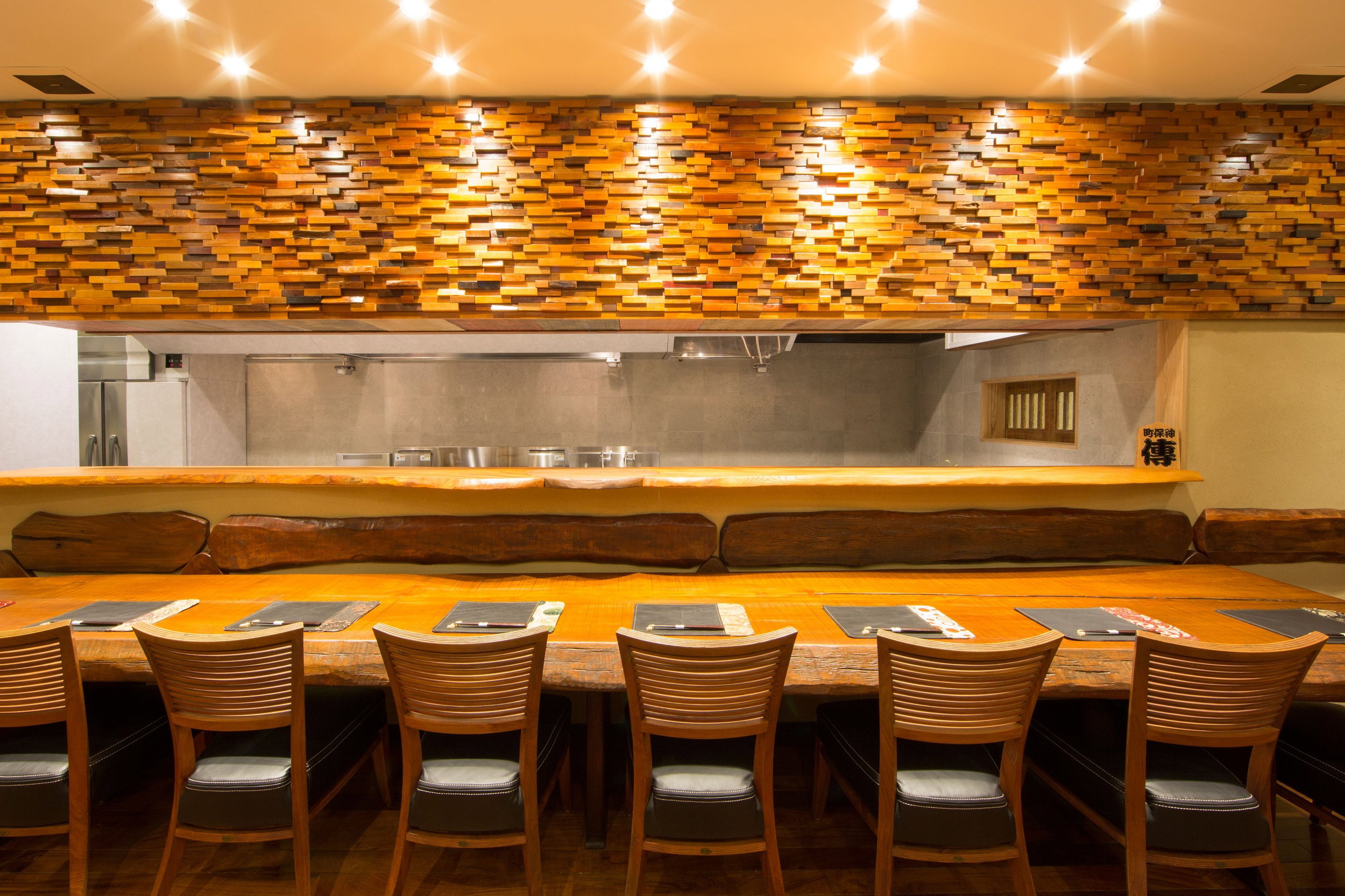
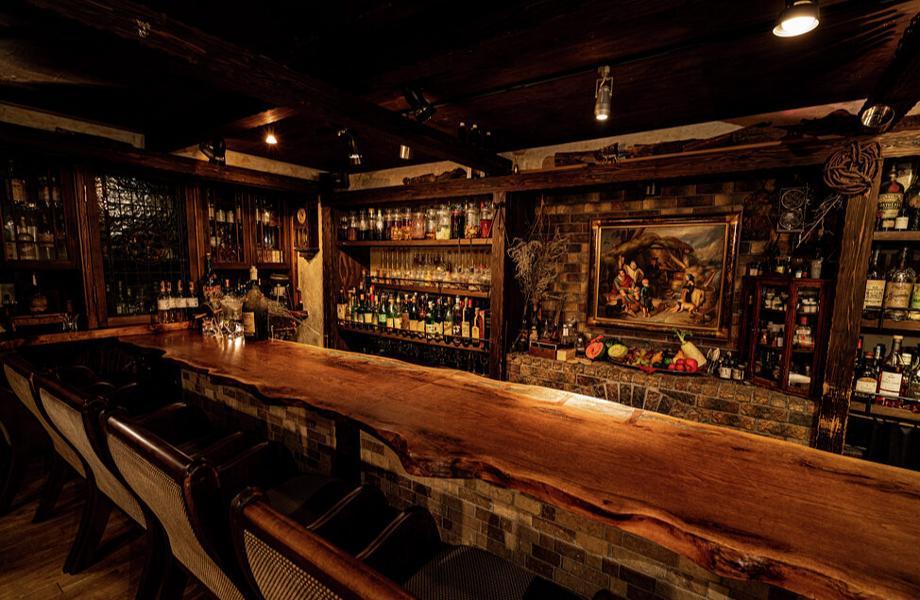
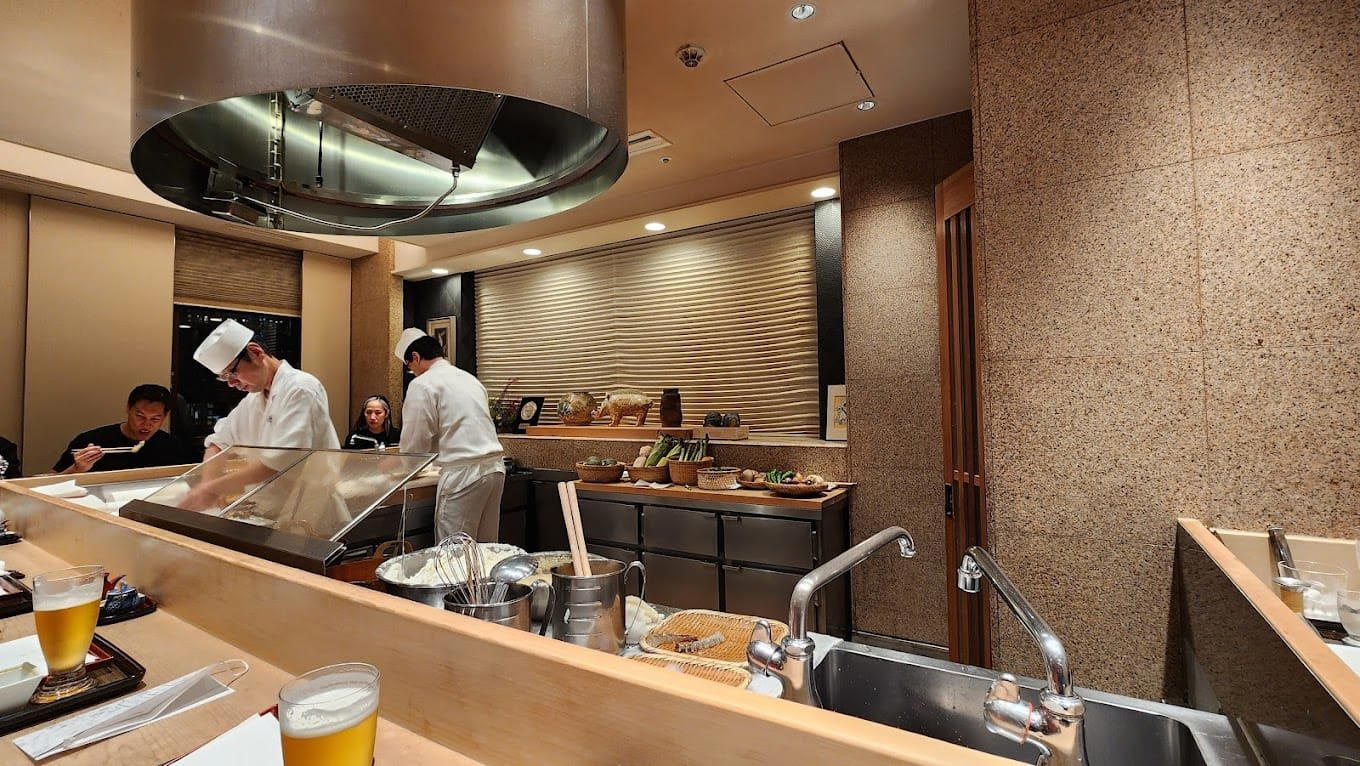
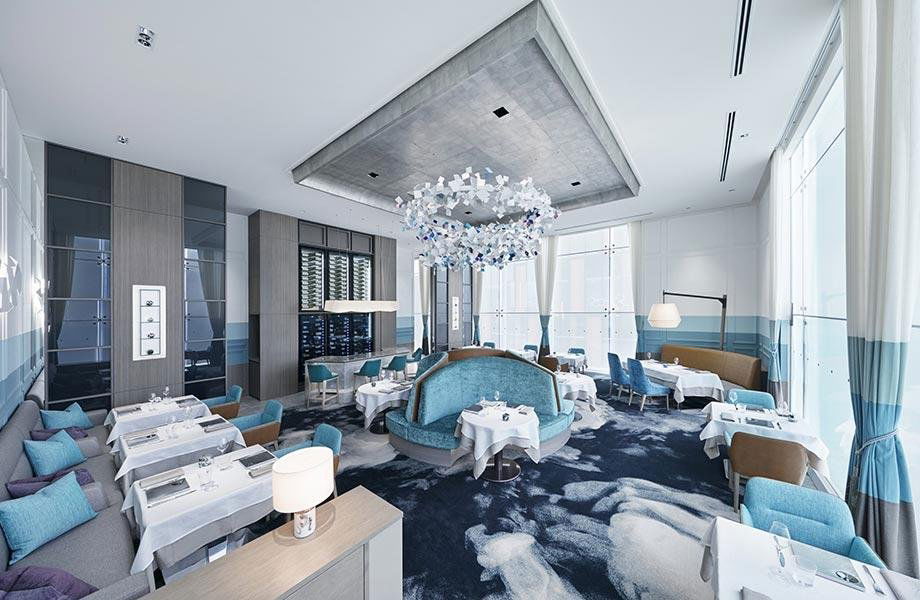
Mibu sits squarely in Ginza’s refined kaiseki tradition, where visual restraint and seasonal precision shape the room’s character. The writing emphasizes small, deliberate dining rooms and an inherited culinary structure that traces back centuries; that legacy gives the experience a quietly classic and contemplative tenor. The space reads as thoughtful more than theatrical, favoring modest presentation over flash. In a neighborhood defined by high-end competition, Mibu’s measured approach and focus on seasonal grammar create a serene, low-key confidence that rewards diners who appreciate ritualized service and carefully timed ingredients.
Best For
This is a restaurant for diners seeking a formal, evening-focused kaiseki experience in Ginza. The format is built around a multi-course, seasonally driven progression—appetizers, soup, grilled, simmered, steamed and vinegared elements—so it is best appreciated at dinner. The small-room setting and the restaurant’s placement within Tokyo’s high-end corridor also make it well suited to intimate date nights and discreet business dinners where the ritual and pacing of service are central to the meal. It reads as a destination for serious diners rather than casual drop-ins.
Ordering Tips
Reserve well in advance and allow for extended booking windows: the copy notes that kaiseki rooms in Ginza are small and that booking windows are long. Expect a set, seasonally determined course sequence rather than à la carte flexibility—menus change with ingredient timing and the restaurant’s seasonal grammar. Be aware that public review volume is low for serious kaiseki diners (the venue’s modest Google review count reflects that more than the room’s reputation), so rely on reservation availability and word-of-mouth rather than online ratings when planning.
Venue details
Ambiance
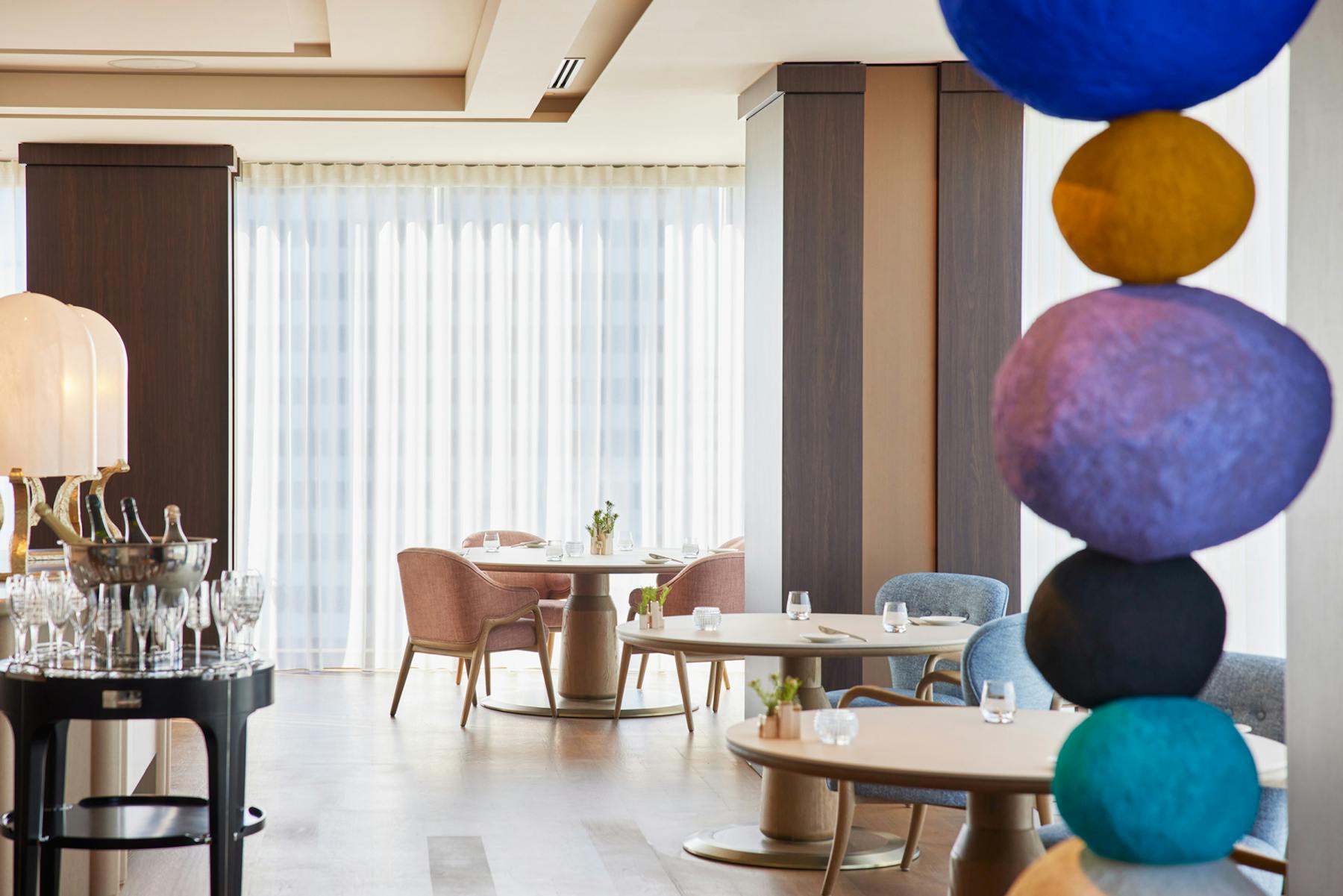
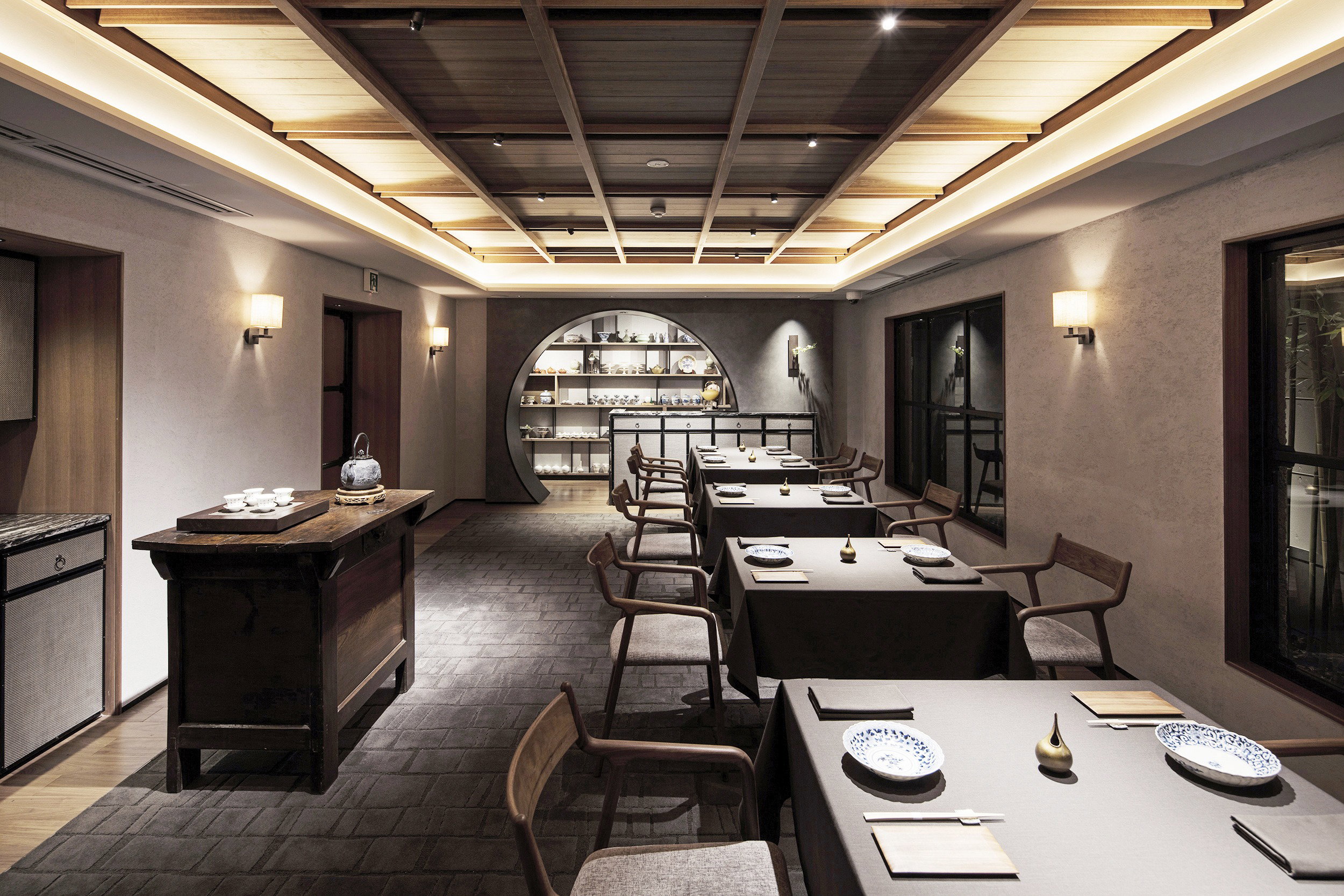
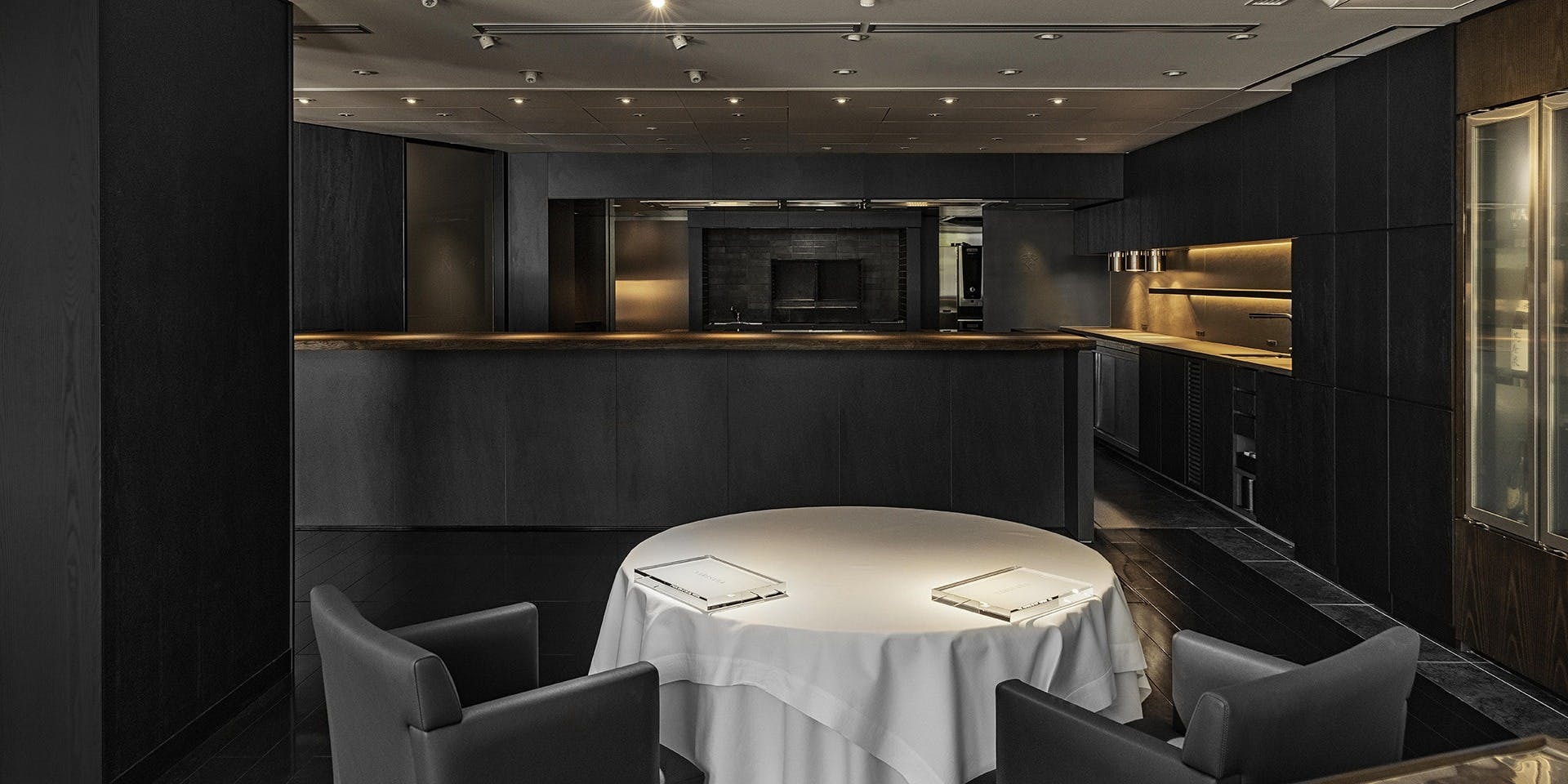
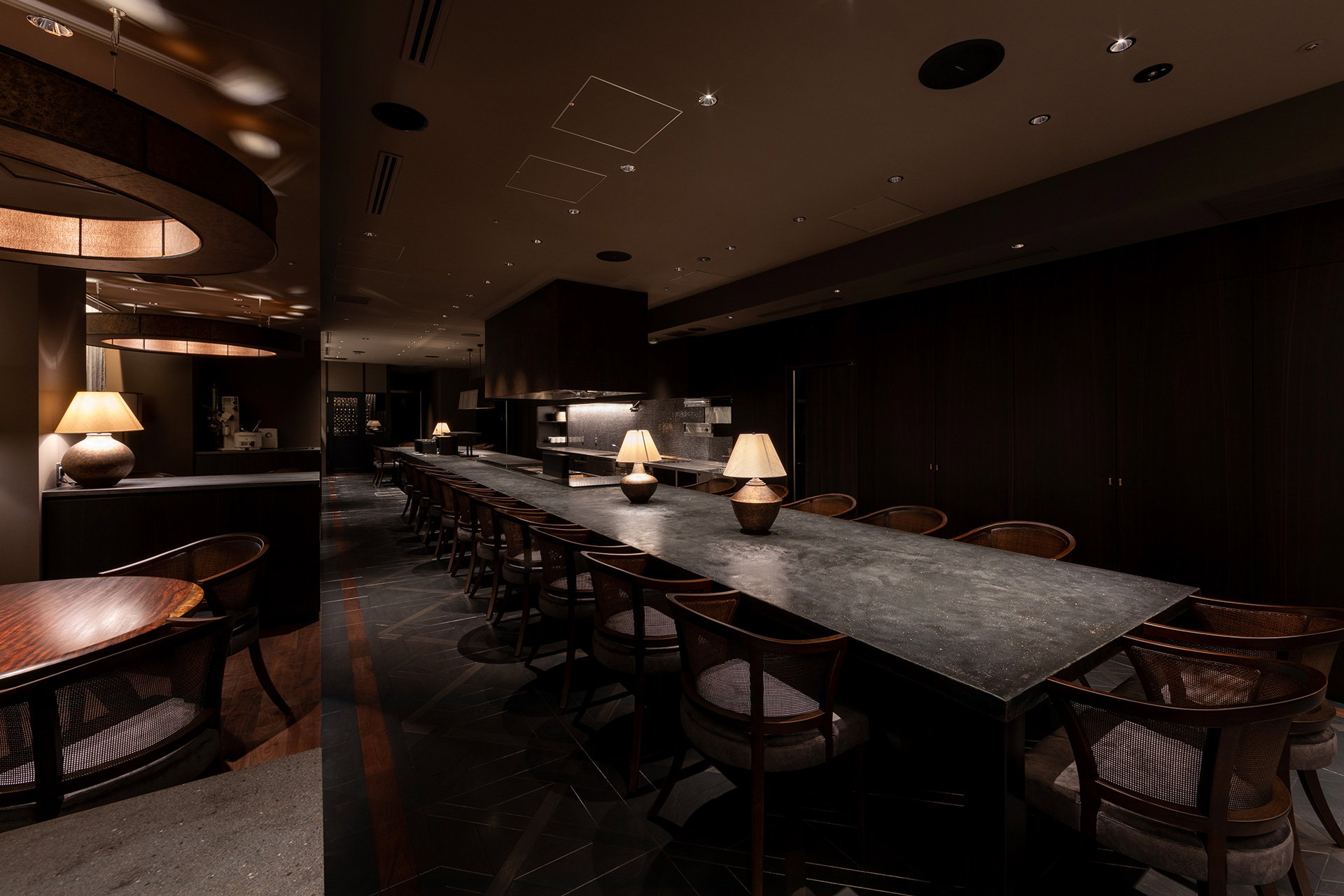
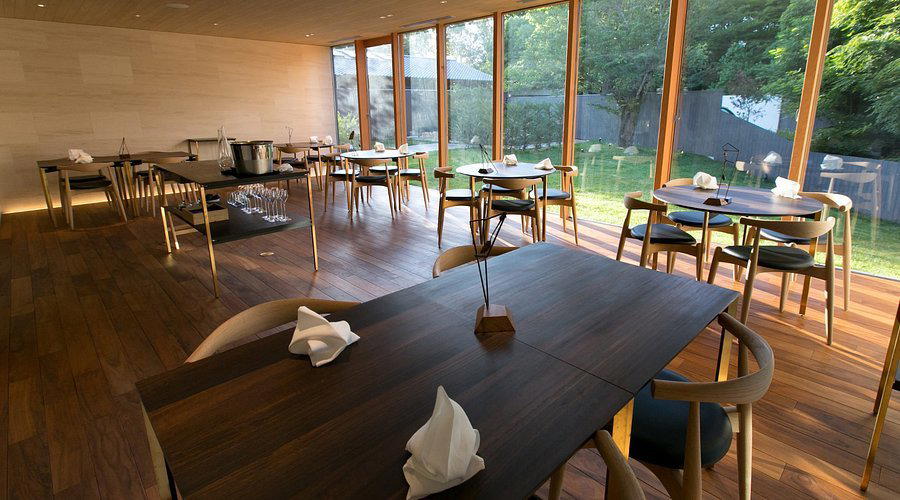
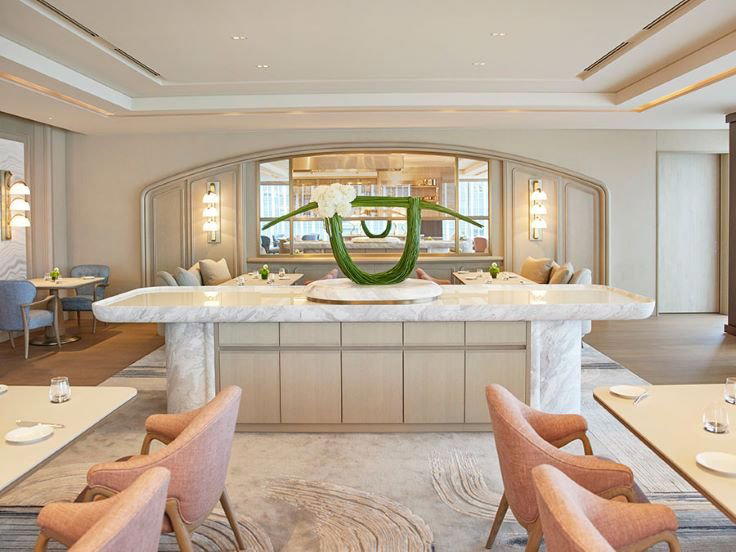
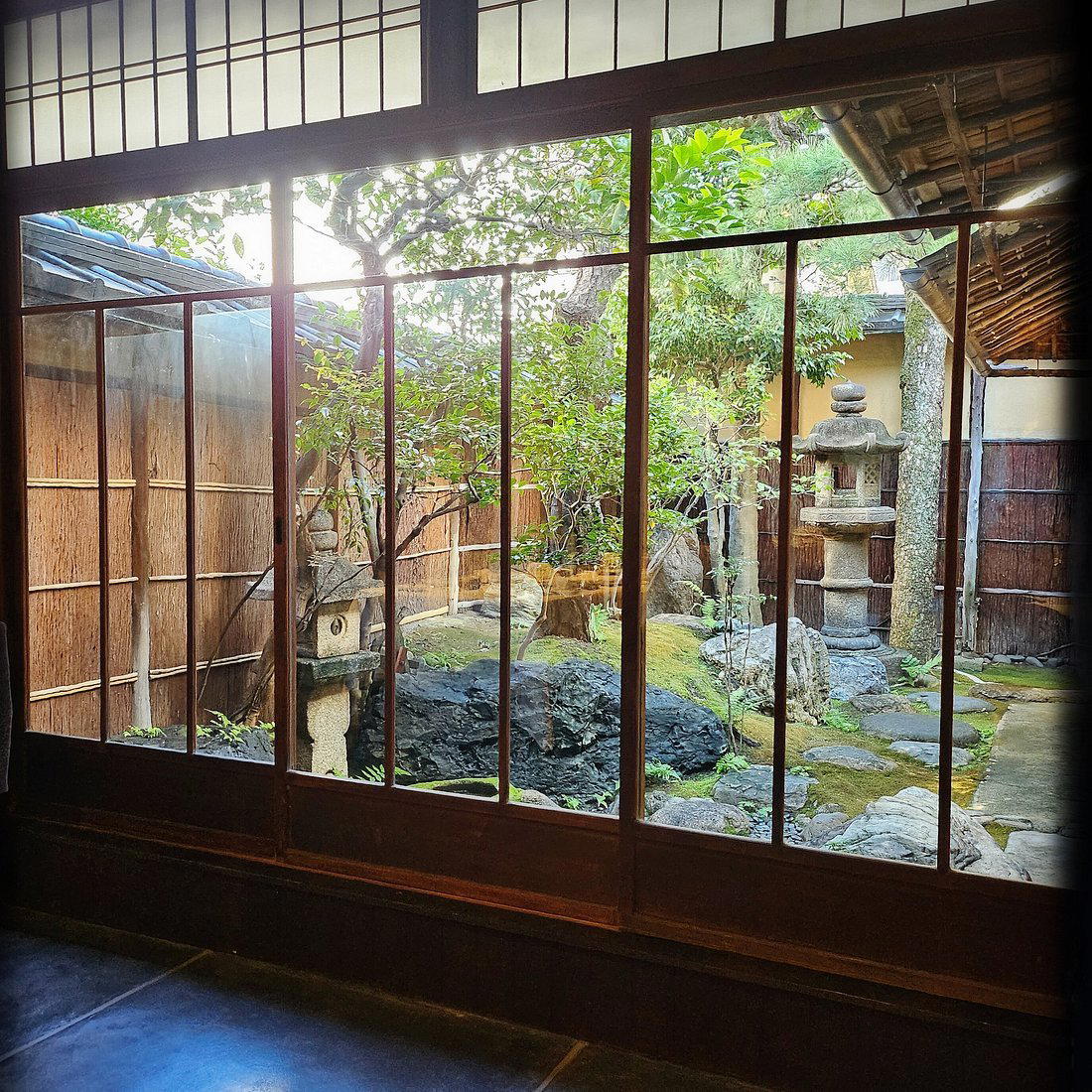
Softly lit minimalist retreat with culinary silence, relaxing space, and vessels chosen to frame the season’s voice.
Tags
Vibe
Best For
Experience
At the Table
- Dress Code
- Smart Casual
- Noise Level
- Quiet
- Service Style
- Formal
- Meal Pacing
- Leisurely
- Capacity
- Intimate
- Kitchen
- Traditional
- Menu Format
- Tasting menu
- Wine Program
- Curated
Know before you go
Know Before You Go
- Getting there
- Japan, 〒104-0061 Tokyo, Chuo City, Ginza, 3 Chome−2−13 江戸常ビル
Planning details
Location
Japan, 〒104-0061 Tokyo, Chuo City, Ginza, 3 Chome−2−13 江戸常ビル · Directions

Also consider
Also Consider
- Harutaka, Sushi, ¥¥¥¥
- RyuGin, Kaiseki, Japanese, ¥¥¥¥
- L'Effervescence, French, ¥¥¥¥
- HOMMAGE, Innovtive French, French, ¥¥¥¥
- Florilège, French, ¥¥¥
Restaurant context
Mibu sits in a competitive set of Tokyo kaiseki and fine dining rooms, and the right choice depends on what you are optimising for. Against RyuGin, the most direct kaiseki comparison at the same price tier, Mibu is the quieter, less internationally profiled option. RyuGin has stronger global name recognition and a more theatrical, high-technique approach to the format. If impressing a guest who follows international dining closely, RyuGin may carry more weight. If you want a more classically grounded kaiseki experience without the spectacle, Mibu is the more considered choice.
For guests weighing kaiseki against Tokyo's French fine dining tier, L'Effervescence and HOMMAGE are both operating at ¥¥¥¥ and offer a different but comparable level of craft. L'Effervescence in particular draws strong comparison for special occasion use, the room is intimate, the sourcing philosophy is serious, and the format works for diners less familiar with kaiseki's structure. If your guest is from outside Japan and uncertain about a fully Japanese set menu, L'Effervescence removes that friction. Florilège comes in at ¥¥¥ and is worth considering if value is a factor, it delivers French technique at a lower price point with strong critical standing.
For sushi at the same price tier, Harutaka is the peer to consider if your preference is omakase sushi over kaiseki. The two formats are not interchangeable, kaiseki is a meal structure built around variety and sequence, while omakase sushi concentrates on a single ingredient category with high technical precision. For a genuine kaiseki occasion in Ginza, Mibu and RyuGin remain the most relevant comparison. Mibu is the easier booking of the two, which is a practical advantage worth factoring in if your dates are fixed.
Explore Tokyo
Around this place
Discover more on Pearl
Unlock the full Mibu guide in Pearl, including awards, comparisons, FAQs, planning details, and nearby places.
Compare Mibu
| Venue | Cuisine | Awards | Booking Difficulty |
|---|---|---|---|
| Mibu | Kaiseki | 2026 OAD Top Restaurants in Japan Recommended2025 OAD Top Restaurants in Japan Ranked · #1952024 OAD Top Restaurants in Japan Ranked · #1612023 OAD Top Restaurants in Japan Ranked · #141 | Easy |
| Harutaka | Sushi | 2026 Tabelog Silver · #312026 OAD Top Restaurants in Japan Ranked · #1282026 Michelin 3 Stars2026 La Liste Top RestaurantsTabelog 100 - Sushi - TOKYO - 2025 · #372025 Asia's 50 Best Restaurants · #762025 OAD Top Restaurants in Japan Ranked · #1172025 La Liste Top Restaurants2025 Tabelog Bronze | Unknown |
| RyuGin | Kaiseki, Japanese | 2026 OAD Top Restaurants in Japan Ranked · #802026 Tabelog Bronze · #3772026 Michelin 3 Stars2026 La Liste Top RestaurantsTabelog 100 - Japanese cuisine - TOKYO - 2025 · #212025 OAD Top Restaurants in Japan Ranked · #542025 Michelin 3 Stars2025 La Liste Top Restaurants2025 The Best Chef Three Knives | Unknown |
| L'Effervescence | French | 2026 Tabelog Silver · #682026 OAD Top Restaurants in Japan Ranked · #103Star Wine Lists 20262026 Black Pearl 2 Diamond2026 Relais Chateaux Restaurants2026 La Liste Top Restaurants2026 Michelin 3 Stars2025 Asia's 50 Best Restaurants · #692025 OAD Top Restaurants in Japan Ranked · #92 | Unknown |
| HOMMAGE | Innovtive French, French | 2026 Tabelog Bronze · #1232026 OAD Top Restaurants in Japan Highly Recommended2026 Michelin 2 StarsTabelog 100 - French - TOKYO - 2025 · #762025 Asia's 50 Best Restaurants · #782025 OAD Top Restaurants in Japan Ranked · #1752025 Michelin 2 Stars2025 The Best Chef One Knife2025 La Liste Top Restaurants | Unknown |
| Florilège | French | 2026 Asia's 50 Best Restaurants · #312026 Tabelog Bronze · #712026 OAD Top Restaurants in Japan Ranked · #1242026 Black Pearl 1 Diamond2026 Michelin 2 Stars2026 La Liste Top Restaurants2025 Asia's 50 Best Restaurants · #172025 World's 50 Best Restaurants · #36Tabelog 100 - French - TOKYO - 2025 · #68 | Unknown |












What to weigh when choosing between Mibu and alternatives.
FAQ
Frequently Asked Questions
What should I order at Mibu?
Mibu is a kaiseki-only restaurant, so there is no à la carte menu to select from. Chef Hiroshi Ishida sets a seasonal multi-course progression, meaning the kitchen decides the sequence. Your job is to show up and flag any dietary restrictions in advance rather than choosing dishes on the night.
Can Mibu accommodate groups?
Kaiseki venues in Ginza typically seat small numbers, and Mibu is no exception to the format. Groups larger than four should confirm seating arrangements directly when booking, as private room availability at this level of restaurant is not guaranteed. For larger parties, venues with dedicated private dining infrastructure may be a more practical fit.
How far ahead should I book Mibu?
Pearl rates Mibu's booking difficulty as Easy, which is relatively uncommon for a venue holding a consistent OAD Top 200 Japan ranking across three consecutive years. That said, Ginza kaiseki slots fill around travel seasons, so booking two to three weeks out is sensible for weekend evenings. For weeknight sittings, shorter lead times are more likely to work.
What are alternatives to Mibu in Tokyo?
RyuGin offers kaiseki with a higher international profile and stronger press trail if recognition matters to your group. For a well-documented kaiseki experience with slightly broader booking availability, Kikunoi Tokyo is worth considering. If you want to compare across cuisine formats rather than stay within kaiseki, L'Effervescence and Florilège both offer serious tasting-menu experiences in Tokyo.
Is Mibu good for a special occasion?
Yes. A kaiseki progression by Chef Hiroshi Ishida in Ginza, ranked consistently in OAD's Top 200 Japan list from 2023 through 2025, gives you the occasion-worthy combination of format, setting, and credentials. The sequential, course-by-course structure also suits milestone dinners better than à la carte, where pacing is harder to control.
What should I wear to Mibu?
The venue database does not specify a dress code, but Ginza kaiseki at this OAD standing generally expects business casual at minimum. Avoid sportswear. Dressing up is never wrong; arriving underdressed at a restaurant of this calibre risks discomfort at the table.
Does Mibu handle dietary restrictions?
Kaiseki menus are fixed and ingredient-led, which makes last-minute dietary changes difficult at any restaurant in this format. Contact Mibu at the time of booking to declare restrictions — a structured multi-course kitchen needs advance notice to substitute or omit. Severe allergies require early, direct confirmation rather than an assumption the kitchen will adapt on the day.