

Jumbo Hanare
Yakiniku · Bunkyō, Tokyo
Restaurant in Tokyo, Japan
 Book with Pearl
The Read
Offal-Inclusive Yakiniku Precision
Price
$100–150per person
Chef
Norimitsu Nanbara
Dress
Smart Casual
Why go
Chef Norimitsu Nanbara's 25-seat Bunkyo yakiniku house delivers dry-aged domestic beef at JPY 15,000–19,999, backed by ten consecutive Tabelog awards (Gold 2017, Silver 2018–2025, Bronze 2026). Six counter seats and three private rooms suit solo diners and small groups; book via the website or call for same-day counter openings. More polished than neighbourhood grills, less expensive than Azabu prestige rooms—solid technique without the ultra-premium price.
About Jumbo Hanare
Jumbo Hanare is a Tokyo yakiniku restaurant from chef-owner Norimitsu Nanbara. It serves yakiniku, opens daily from 5–11 pm, and lists a smart-casual dress code.
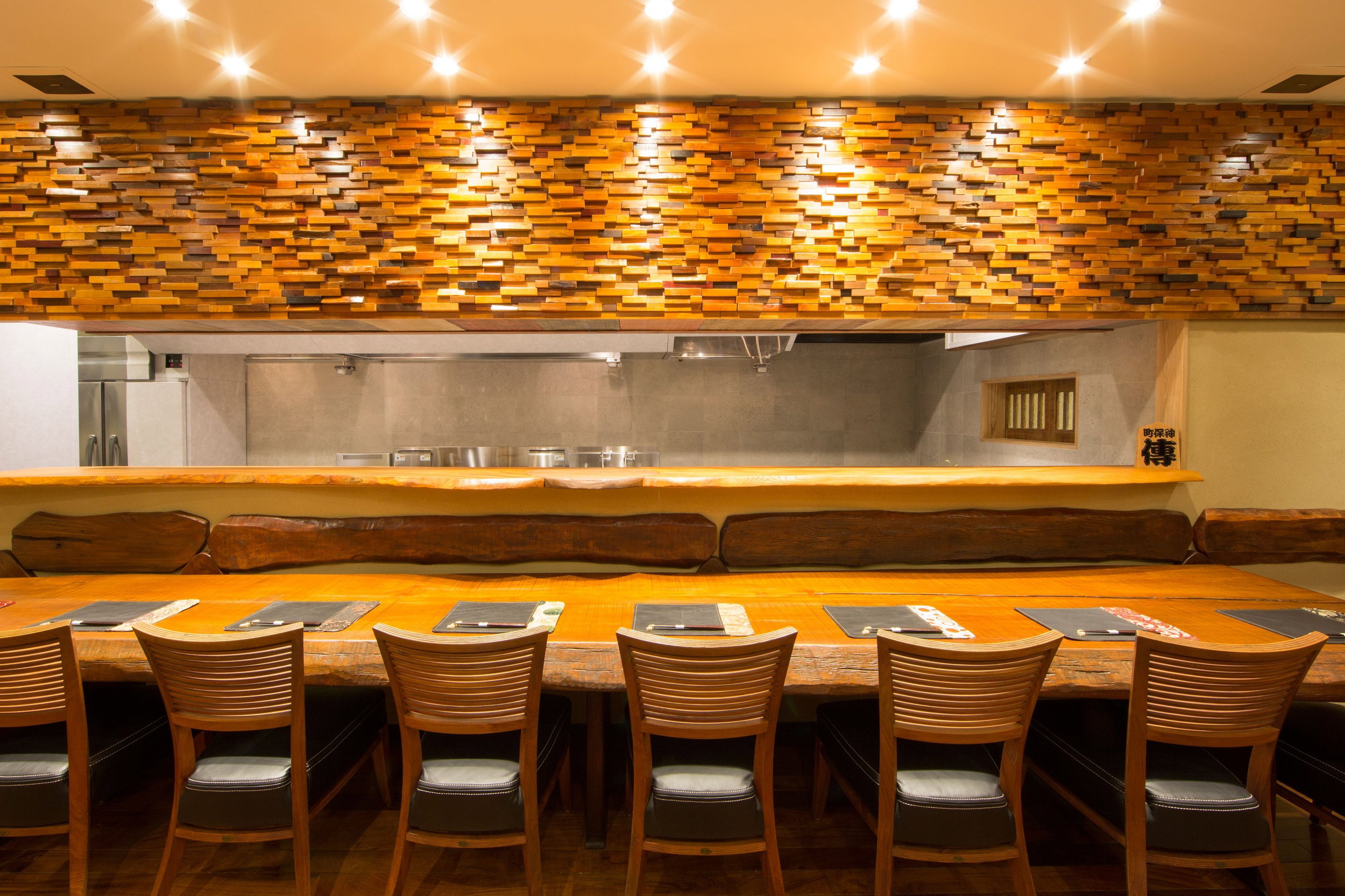
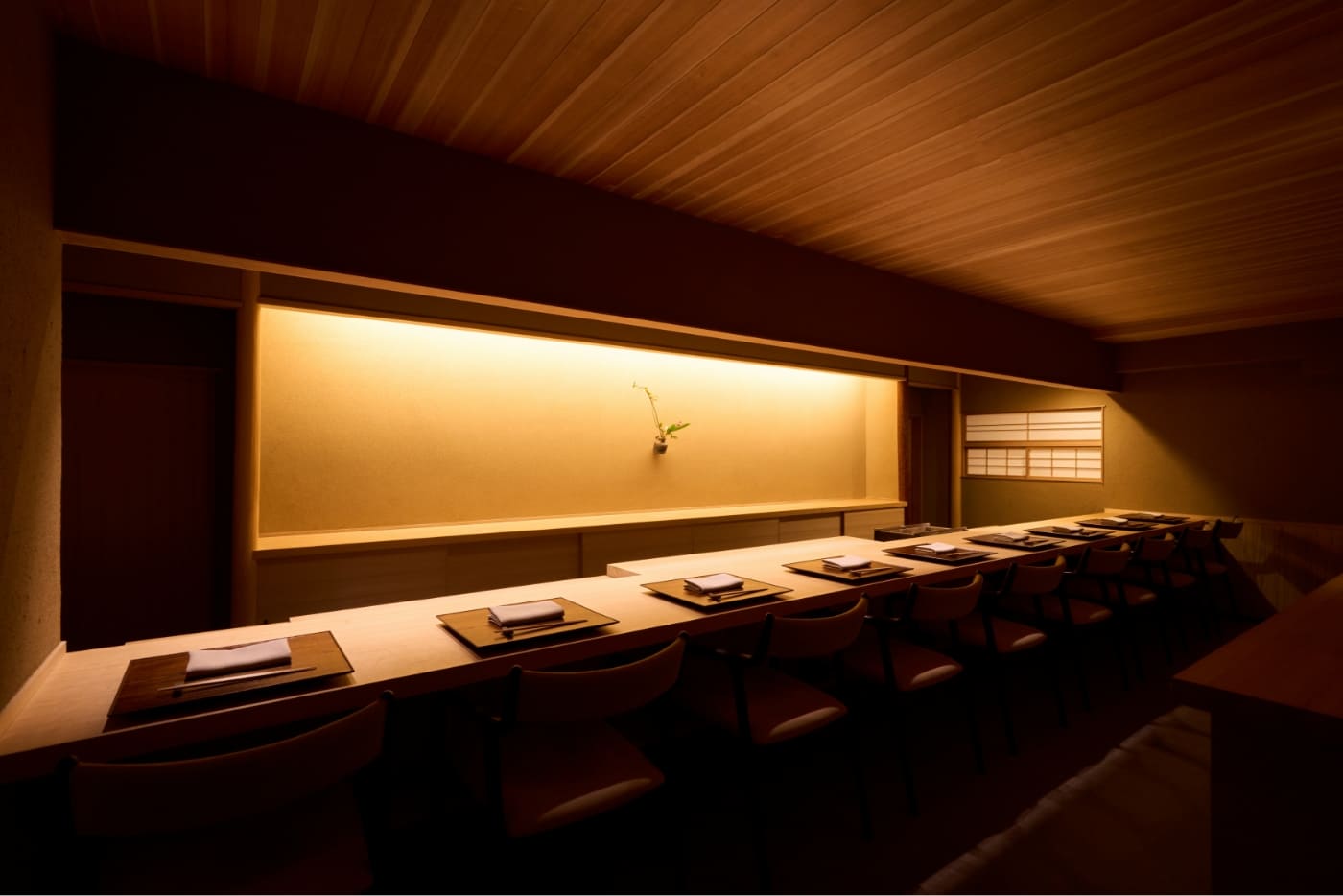
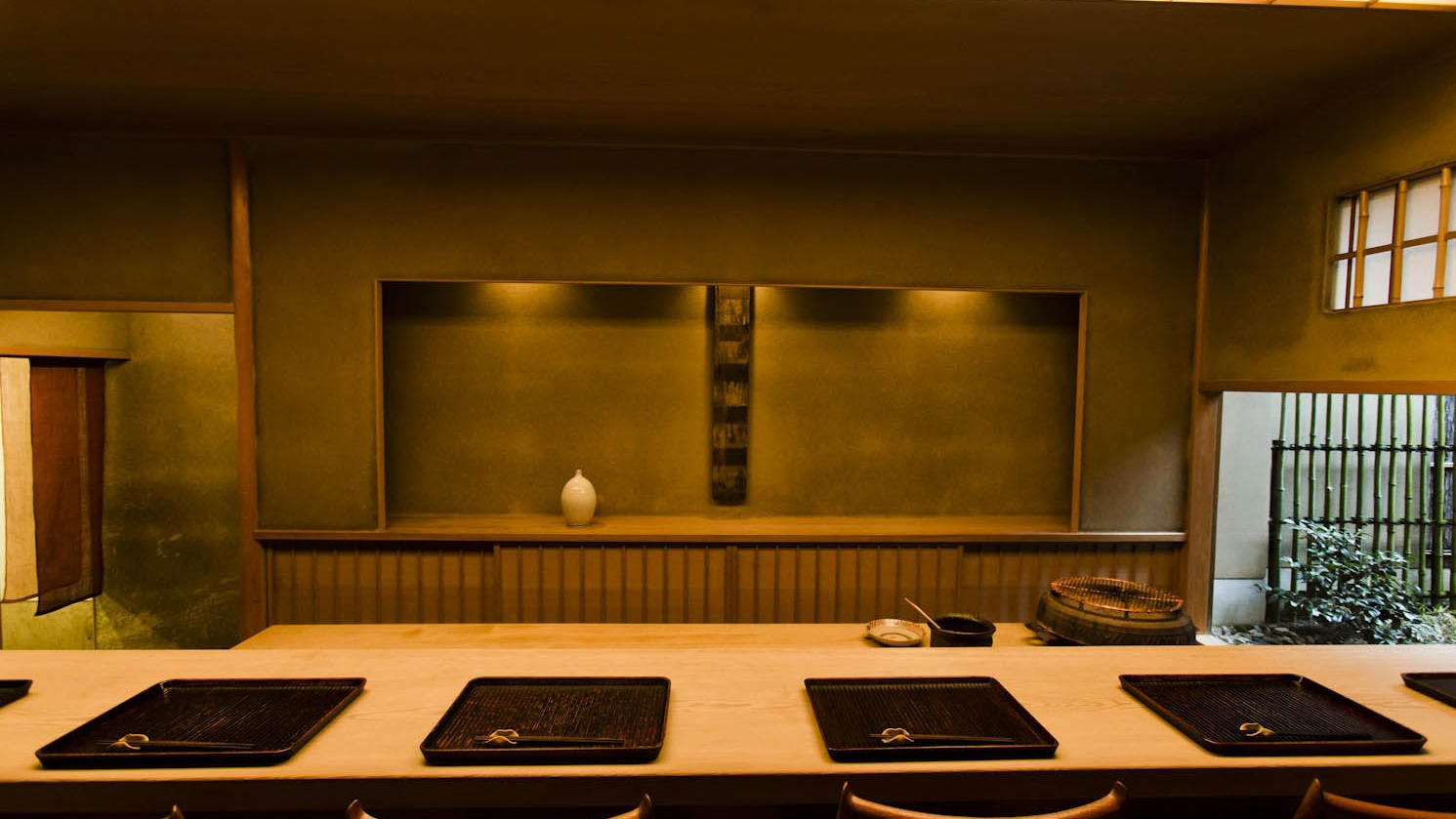
The Room and the Counter
Jumbo Hanare is best understood as a dinner-only Tokyo yakiniku option rather than a lunch stop or a venue with a tasting-menu format. Plan around the confirmed evening hours, 5–11 pm daily, and confirm any finer operational details directly before you go.
What to Expect from the Beef
The cuisine is yakiniku, with Norimitsu Nanbara identified as chef-owner. If you are comparing styles, Yoroniku Azabudai Hills is another allowed point of reference for yakiniku, but the details of Jumbo Hanare should be confirmed directly rather than assumed from broader Tokyo yakiniku conventions.
How It Fits Tokyo's Yakiniku Map
Within Tokyo, Jumbo Hanare belongs on a yakiniku shortlist alongside venues such as Raimon, Sumibiyakiniku Nakahara, Ushigoro, Yakiniku Ginza Cobau, and Yoroniku Azabudai Hills. Tokyo location, yakiniku cuisine, chef-owner Norimitsu Nanbara, daily dinner hours from 5–11 pm, and smart-casual dress define Jumbo Hanare. Price comparisons, neighborhood positioning, station access, payment methods, parking, and relative formality are not confirmed.
For planning, keep the approach simple: reserve or confirm directly, dress smart casual, and schedule it for dinner. If you are building a broader Tokyo dining itinerary, compare Jumbo Hanare with other yakiniku venues by the facts each restaurant confirms rather than by rankings, seat counts, private rooms, or specific beef programs.
Planning details
- Hours
- Monday: 5–11 pm · Tuesday: 5–11 pm
- Location
- 3 Chome-27-9 Hongo, Bunkyo City, Tokyo 113-0033, Japan
- Reservations
- Book on TableCheck
- Website
- yakiniku-jambo.com/hanare.html
- Phone
- +81 50-5487-7887
The take
The Take
The Vibe
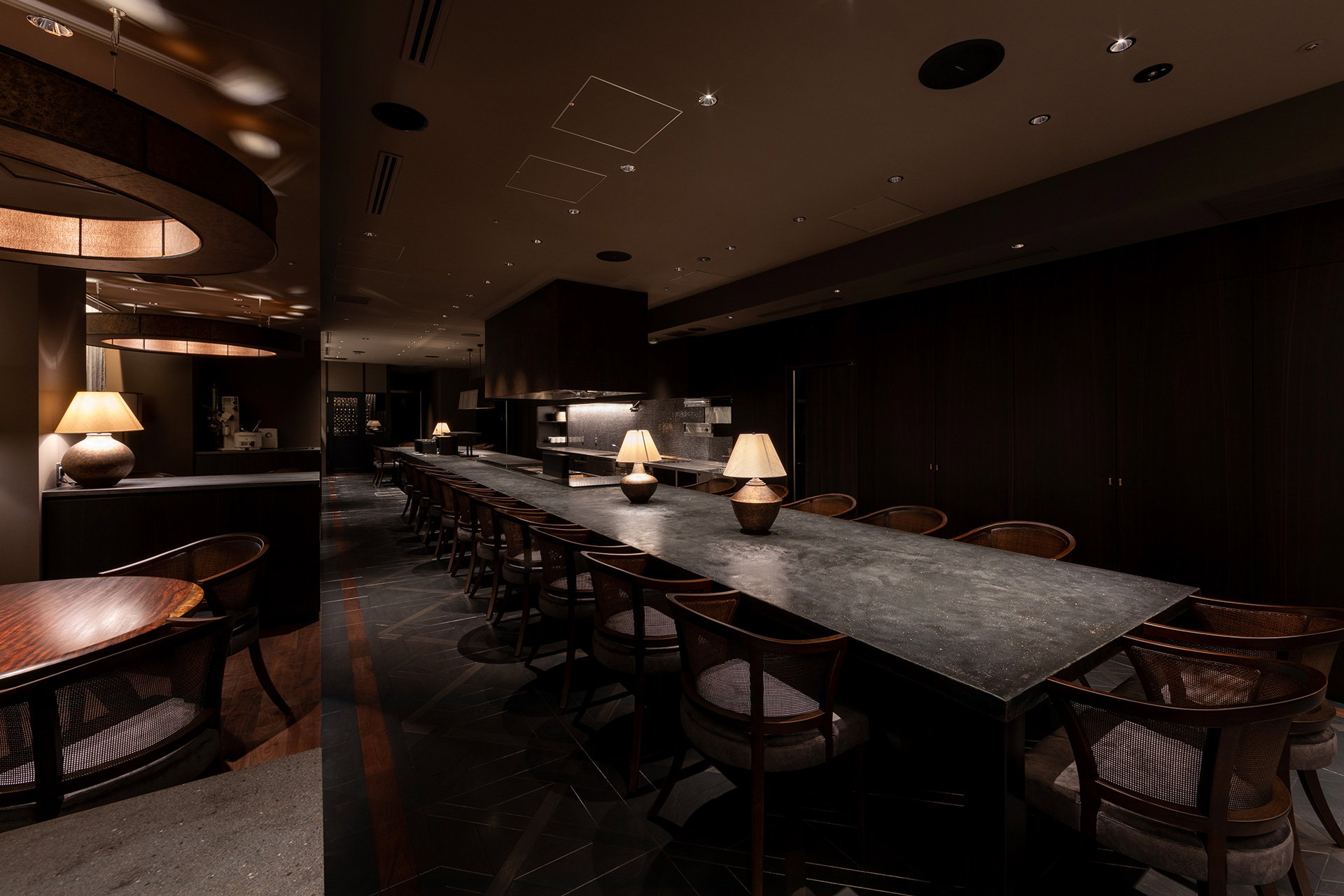
Jumbo Hanare presents itself as a quietly authoritative presence in Bunkyo’s dining scene. The restaurant operates as a small yakiniku counter with an intimate, counter-focused layout, attracting a local audience that values consistency over spectacle. Its long run of high rankings and steady Tabelog recognition underline a classic, dependable character rather than trend-driven flash. The neighbourhood’s residential and academic rhythms keep the atmosphere low-key, and the service and pace reflect that restraint: refined, focused on quality, and unmistakably disciplined in its approach to premium grilled beef.
Best For
Hanare is best suited to evenings when guests seek focused, high-quality yakiniku—think date nights, business dinners, and special occasions that reward restraint and consistency. The counter seating and intimate rooms make it ideal for couples or small groups who want attentive service and a curated grilling experience without the theatrics of larger destination temples of yakiniku. Its longevity and steady acclaim also make it a reliable choice for celebratory meals where quality and reputation matter more than novelty.
Ordering Tips
At a counter-driven yakiniku spot like Jumbo Hanare, prioritize the signature cuts and ask staff for recommendations. The venue is known for prized items—sample the Kuroge Wagyu beef tongue and Hatsu, and don’t miss a beef rice preparation if it’s offered; these specialties showcase the kitchen’s focus. Because the format centers on a small counter and intimate rooms, rely on staff guidance for cook times and portion pacing to get the best texture and flavor from each piece.
Venue details
Ambiance
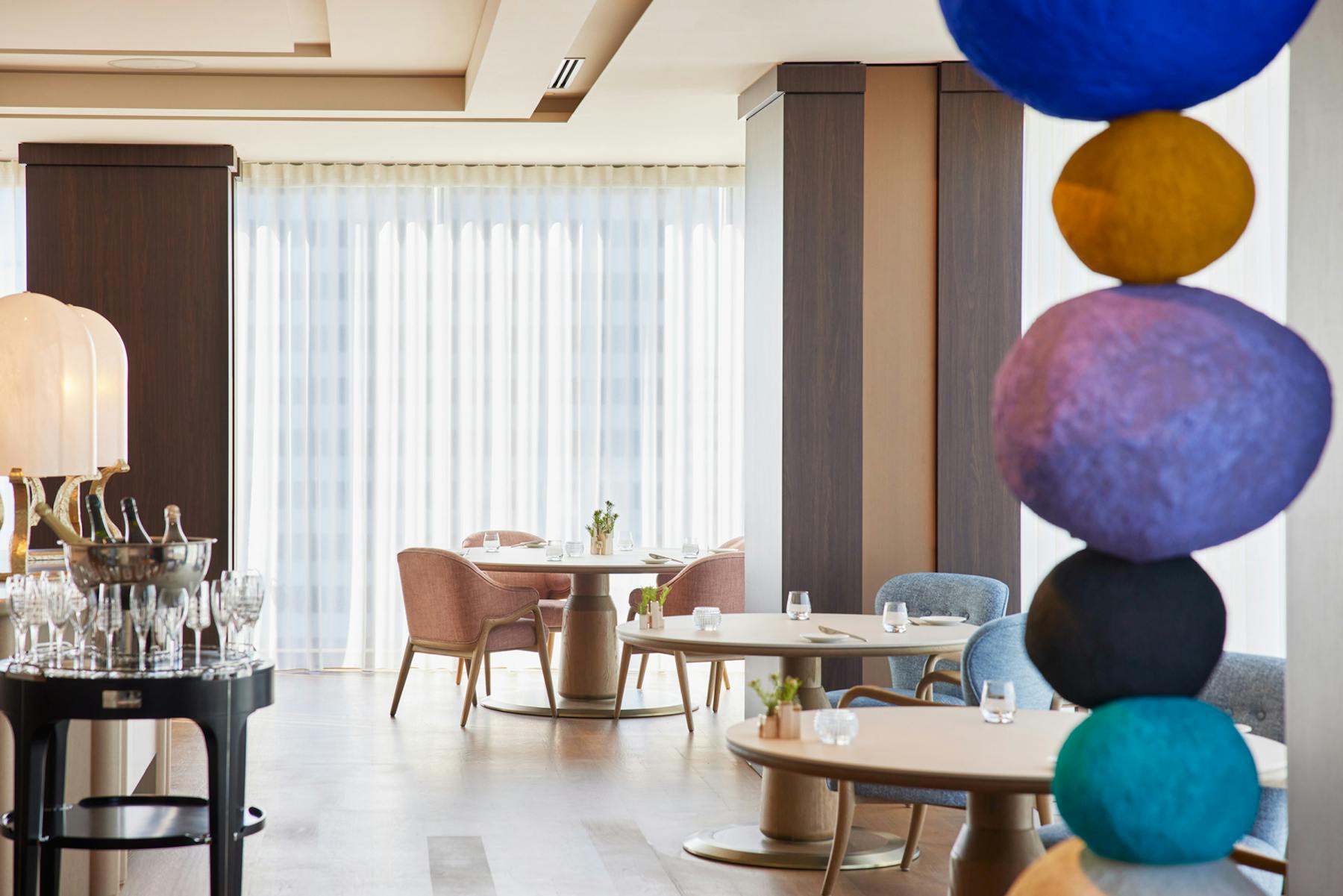
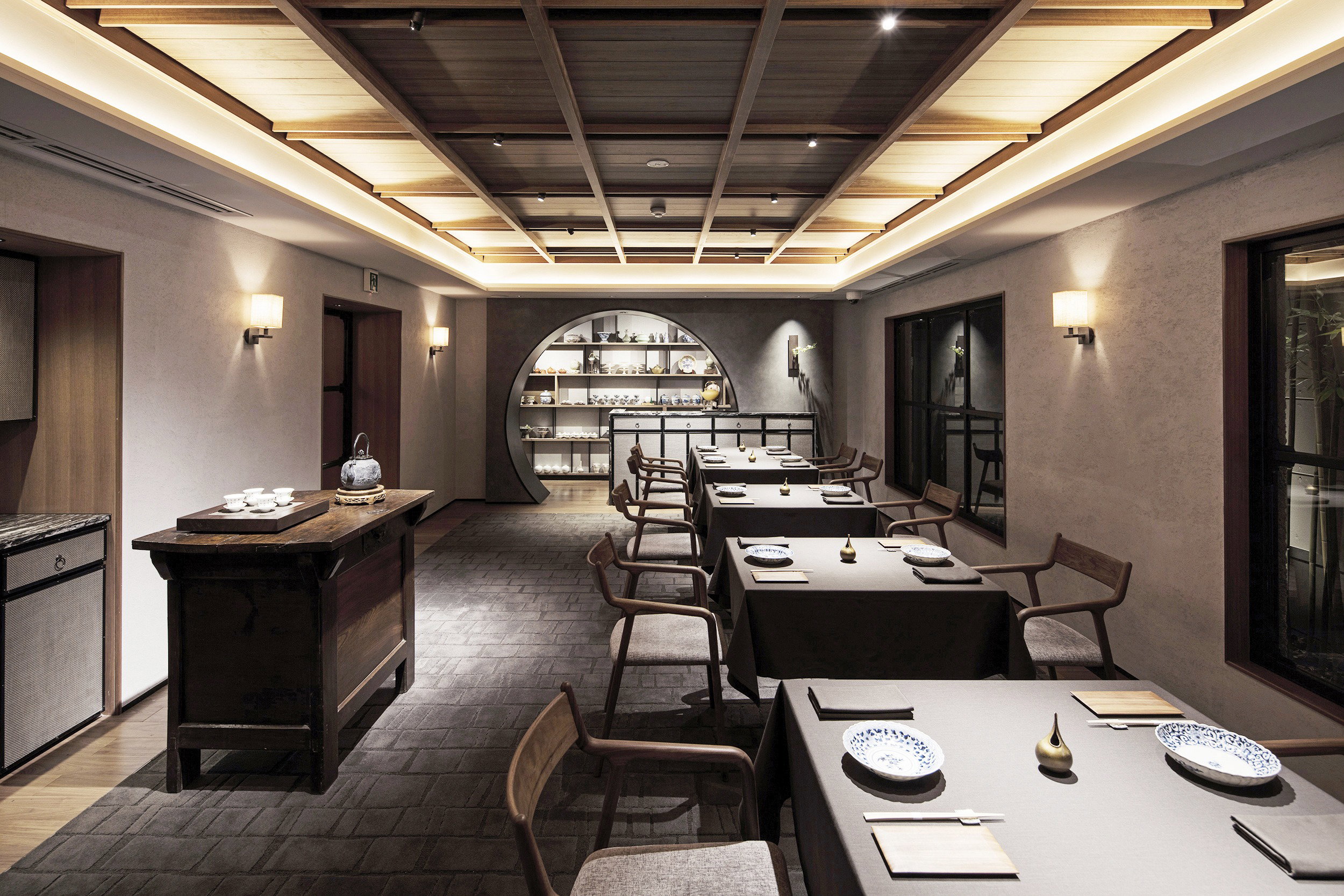
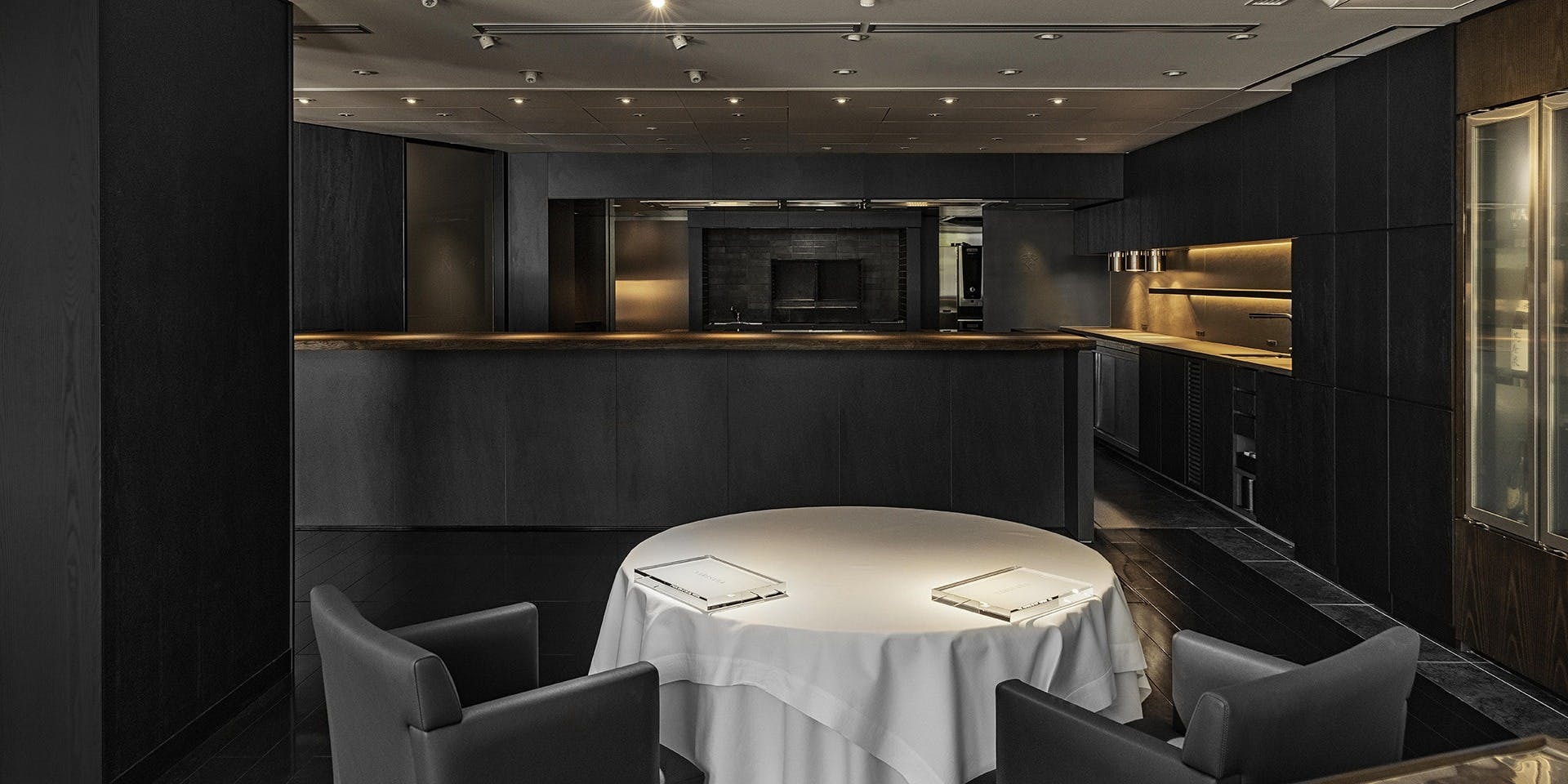
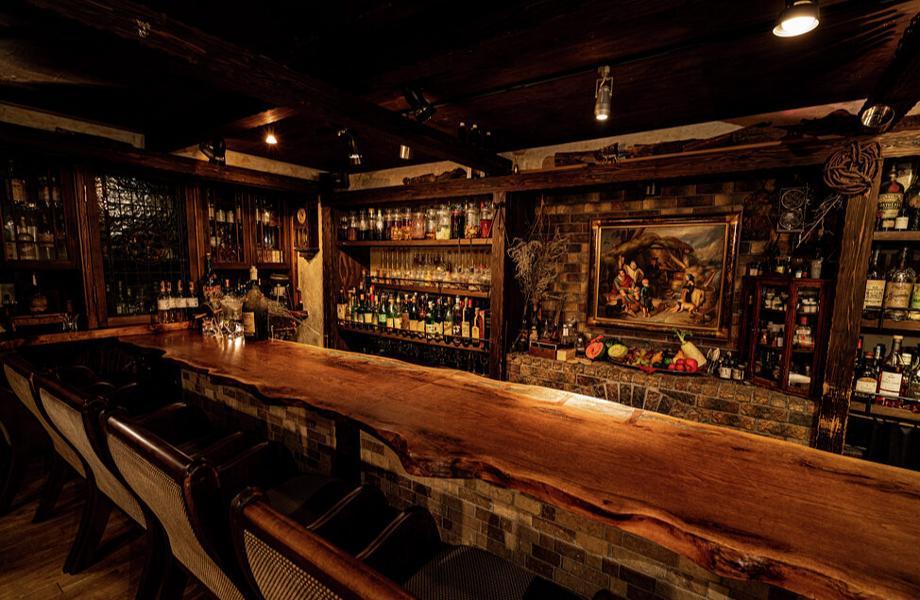
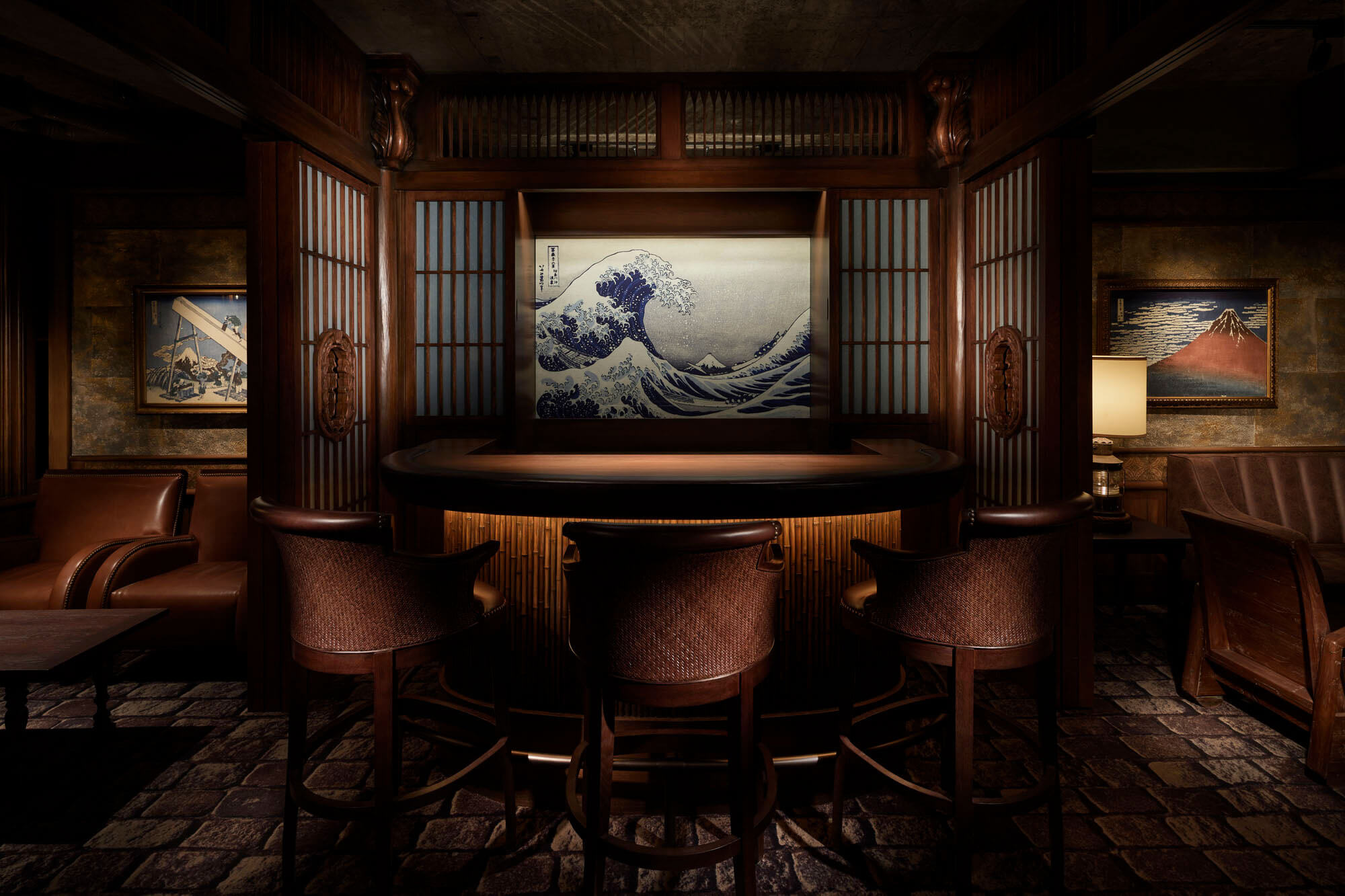
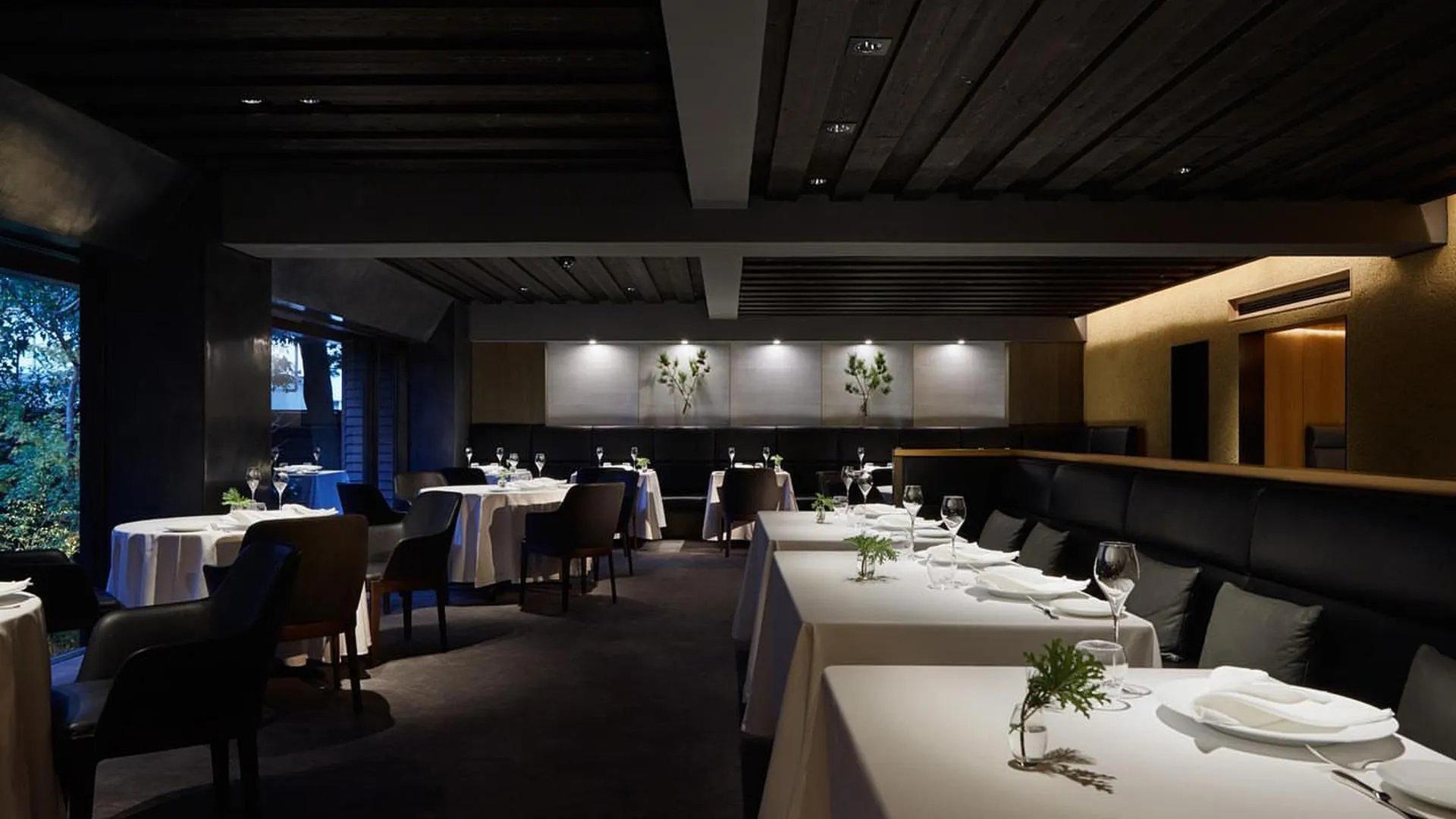
Refined and tranquil atmosphere in a stylish space with counter seating and private rooms, offering warm attentive service.
Tags
Vibe
Best For
Experience
At the Table
- Dress Code
- Smart Casual
- Noise Level
- Conversational
- Service Style
- Upscale Casual
- Meal Pacing
- Leisurely
- Capacity
- Intimate
- Kitchen
- Traditional
- Menu Format
- Omakase, A la carte, Counter dining
- Wine Program
- Curated
- Drinks Focus
- Sake program
- Private Dining
- Available
Signature Dishes
- Noharayaki
- Beef rice
- Kuroge Wagyu beef tongue
- Hatsu
Know before you go
Know Before You Go
- Getting there
- 3 Chome-27-9 Hongo, Bunkyo City, Tokyo 113-0033, Japan
Planning details
Hours
- Monday
- 5–11 pm
- Tuesday
- 5–11 pm
- Wednesday
- 5–11 pm
- Thursday
- 5–11 pm
- Friday
- 5–11 pm
- Saturday
- 5–11 pm
- Sunday
- 5–11 pm
Location
3 Chome-27-9 Hongo, Bunkyo City, Tokyo 113-0033, Japan · Directions
Recognition and awards

Also consider
Also Consider
- Sumibiyakiniku Nakahara, Yakiniku, Yakiniku
- Ushigoro, Yakiniku, Yakiniku
- Yakiniku Ginza Cobau, Yakiniku, Yakiniku
- Raimon, Yakiniku, Yakiniku
- Yoroniku Azabudai Hills, Yakiniku, Yakiniku
Restaurant context
At JPY 15,000–19,999 per head, Jumbo Hanare slots into Tokyo's upper-mid-tier yakiniku bracket, more technically precise than casual joints like Raimon but thousands of yen below ultra-premium specialists. Sumibiyakiniku Nakahara pushes JPY 25,000 with higher-grade Wagyu and stricter reservations; if you want that level of beef pedigree and can stomach the splurge, go there. For similar price-to-quality balance in busier neighbourhoods, Ushigoro and Yakiniku Ginza Cobau offer comparable dry-aged cuts with Ginza energy, good if you want central access, less ideal if you prefer Bunkyo's quieter pace.
Yoroniku Azabudai Hills sits at the top of the Tokyo yakiniku hierarchy, commanding double the price for live-graded A5 and reservations. Book there if money is no object and you're chasing the highest-grade beef experience; otherwise, Jumbo Hanare delivers enough technique and sourcing depth to satisfy without the prestige-venue premiums. Raimon remains the best fallback for last-minute bookings, less formal, easier walk-in access, lower price, but Jumbo Hanare's eight years of Tabelog recognition reflects a consistency Raimon doesn't match. For solo diners, the six-seat counter here beats private-room-only formats; for groups of four or six, the private rooms justify the reservation effort over counter-only competitors.
Explore Tokyo
Around this place
Discover more on Pearl
Unlock the full Jumbo Hanare guide in Pearl, including awards, comparisons, FAQs, planning details, and nearby places.
FAQ
Frequently Asked Questions
What should I order at Jumbo Hanare?
Jumbo Hanare is a yakiniku restaurant, but specific dishes, cuts, set menus, or dry-aged beef claims are not confirmed. Ask the restaurant directly for current menu guidance.
Is lunch or dinner better at Jumbo Hanare?
Dinner is the service window. Jumbo Hanare is open daily from 5–11 pm, and no lunch service is listed.
How far ahead should I book Jumbo Hanare?
A specific booking window is not listed. Because the hours are 5–11 pm daily, plan for an evening reservation and confirm availability directly with the restaurant.
What should I wear to Jumbo Hanare?
The dress code is smart casual. No more specific clothing guidance is listed.
Is Jumbo Hanare good for solo dining?
Does Jumbo Hanare handle dietary restrictions?
Dietary-restriction and allergy accommodations are not listed. Since Jumbo Hanare is a yakiniku restaurant, guests with restrictions should confirm feasibility directly with the venue before reserving.