
Makimura
Kaiseki · Shinagawa, Tokyo
Restaurant in Tokyo, Japan
 Book with Pearl
The Read
Neighbourhood Kaiseki Precision
Price
$300–500per person
Chef
Makimura Akio
Dress
Smart Casual
Why go
Chef Makimura Akio's 14-seat kaiseki restaurant in Minamioi delivers La Liste 97-point technique and Tabelog awards at JPY 30,000-39,999 per head, with easier booking and quieter rooms than central Tokyo peers. The fish-focused menu, private tables for groups, and counter seating for solo diners make it a practical alternative to Ginza's harder-to-reserve kaiseki specialists.
About Makimura
Makimura is a kaiseki restaurant in Tokyo led by chef-owner Makimura Akio. It offers kaiseki cooking in Tokyo, requires smart-casual dress, and serves dinner on select evenings.
Opening hours are Monday, Tuesday, Thursday, Friday, and Saturday from 6–10 pm. Makimura is closed on Wednesday and Sunday. For details on pricing, seat count, menu format, reservations, awards, beverages, or neighborhood, check directly with the venue before planning a visit.
Makimura at a Glance
Makimura is a Tokyo kaiseki restaurant under Makimura Akio. Kaiseki is commonly associated with seasonality and progression, but details of the current menu, seating layout, and service format are best confirmed directly with the venue.
If you are comparing options, Makimura can sit on a shortlist with other dining choices such as Kurogi or Yakumo Saryo. For Makimura specifically, confirm availability, booking method, and any special requirements directly with the restaurant.
How to Consider Makimura
Within Tokyo, Makimura is a kaiseki venue. The chef-owner is Makimura Akio, and the dress code is smart casual. Details on rankings, prices, seat counts, or specific menu claims should be confirmed directly with the venue.
Other points of comparison include Yakumo Saryo and Suetomi. Choose Makimura if you are specifically looking for kaiseki in Tokyo and the dinner hours fit your schedule.
Plan around dinner service only: Monday, Tuesday, Thursday, Friday, and Saturday from 6–10 pm, with Wednesday and Sunday closed. For a broader roster of dining in the city, see our full Tokyo restaurants guide.
Planning details
- Hours
- Monday: 6–10 pm · Tuesday: 6–10 pm
- Location
- 3 Chome-11-5 Minamioi, Shinagawa City, Tokyo 140-0013, Japan
- Reservations
- Book on Omakase
- Website
- laliste.com/link/place/0/-KFf9NlkkT18GURYReNB
- Phone
- +81 3-3768-6388
The take
The Take
The Vibe
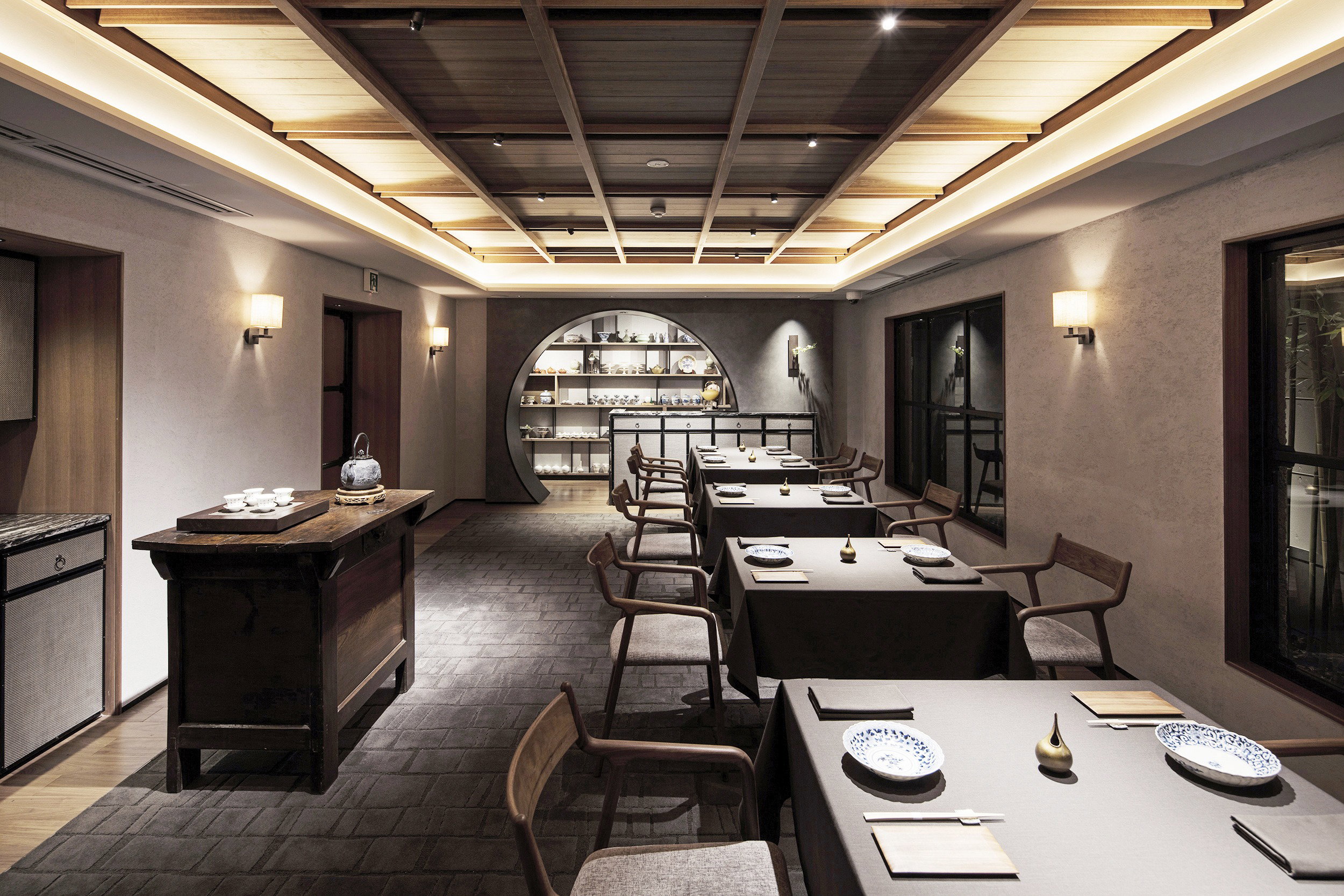
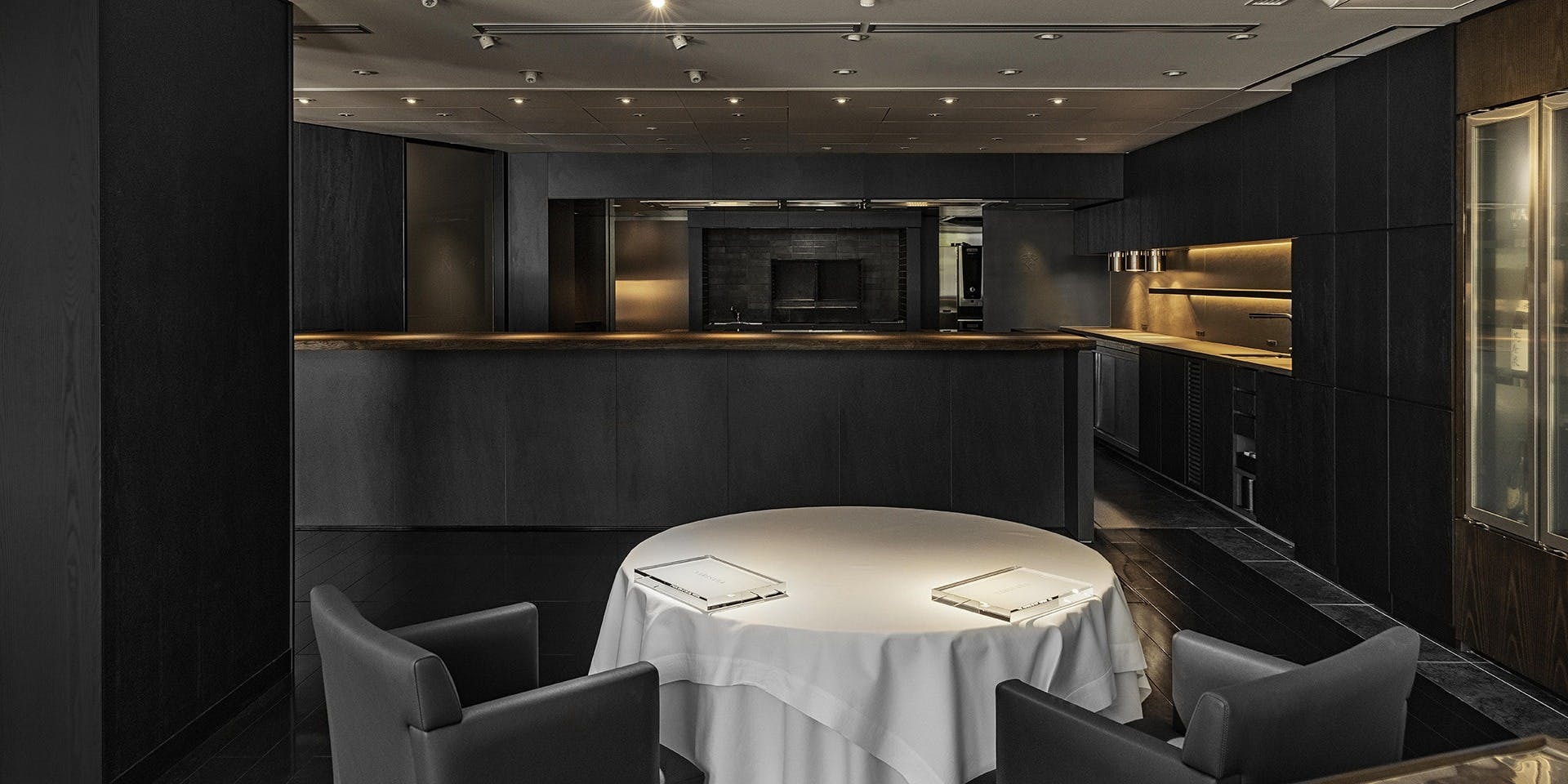
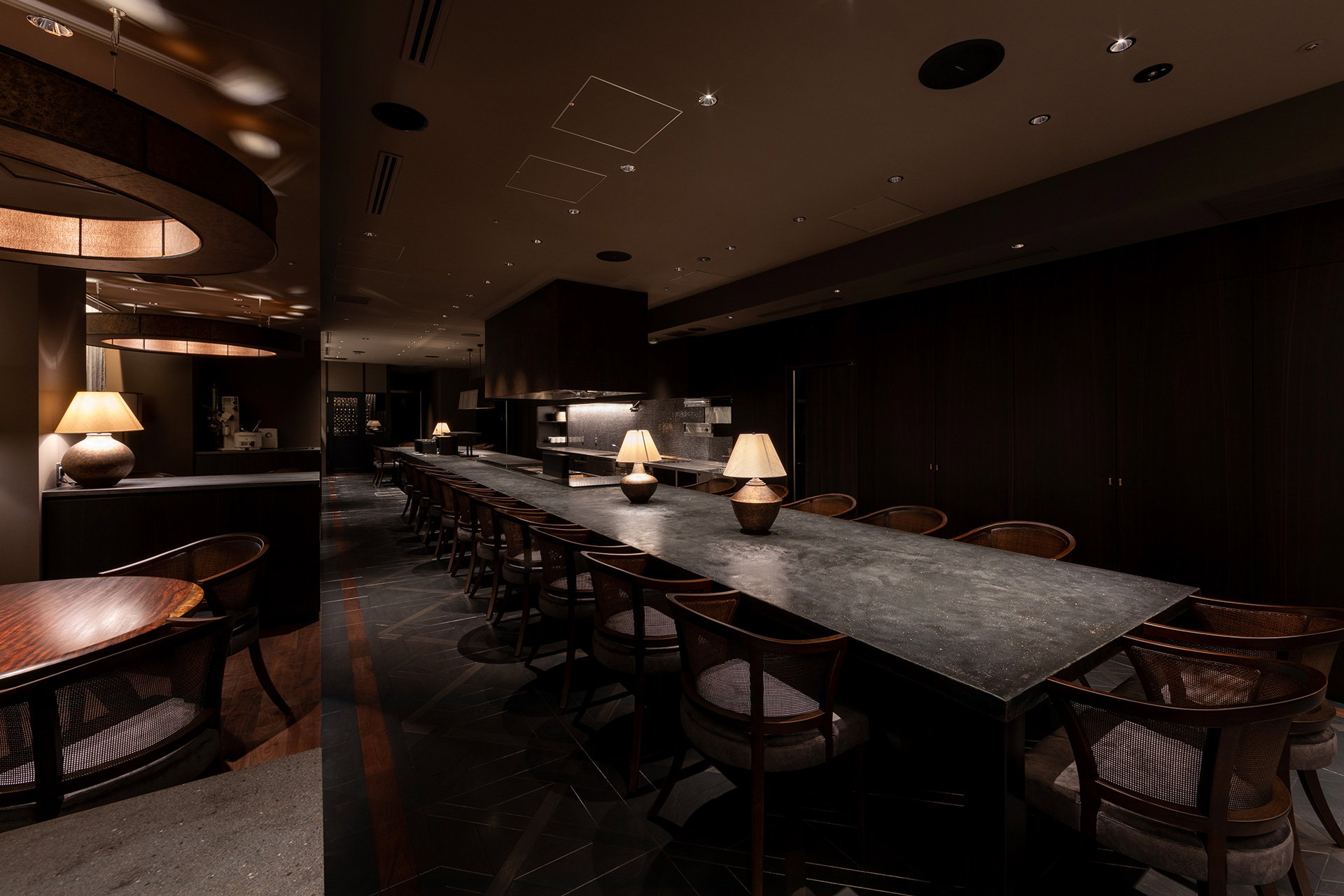
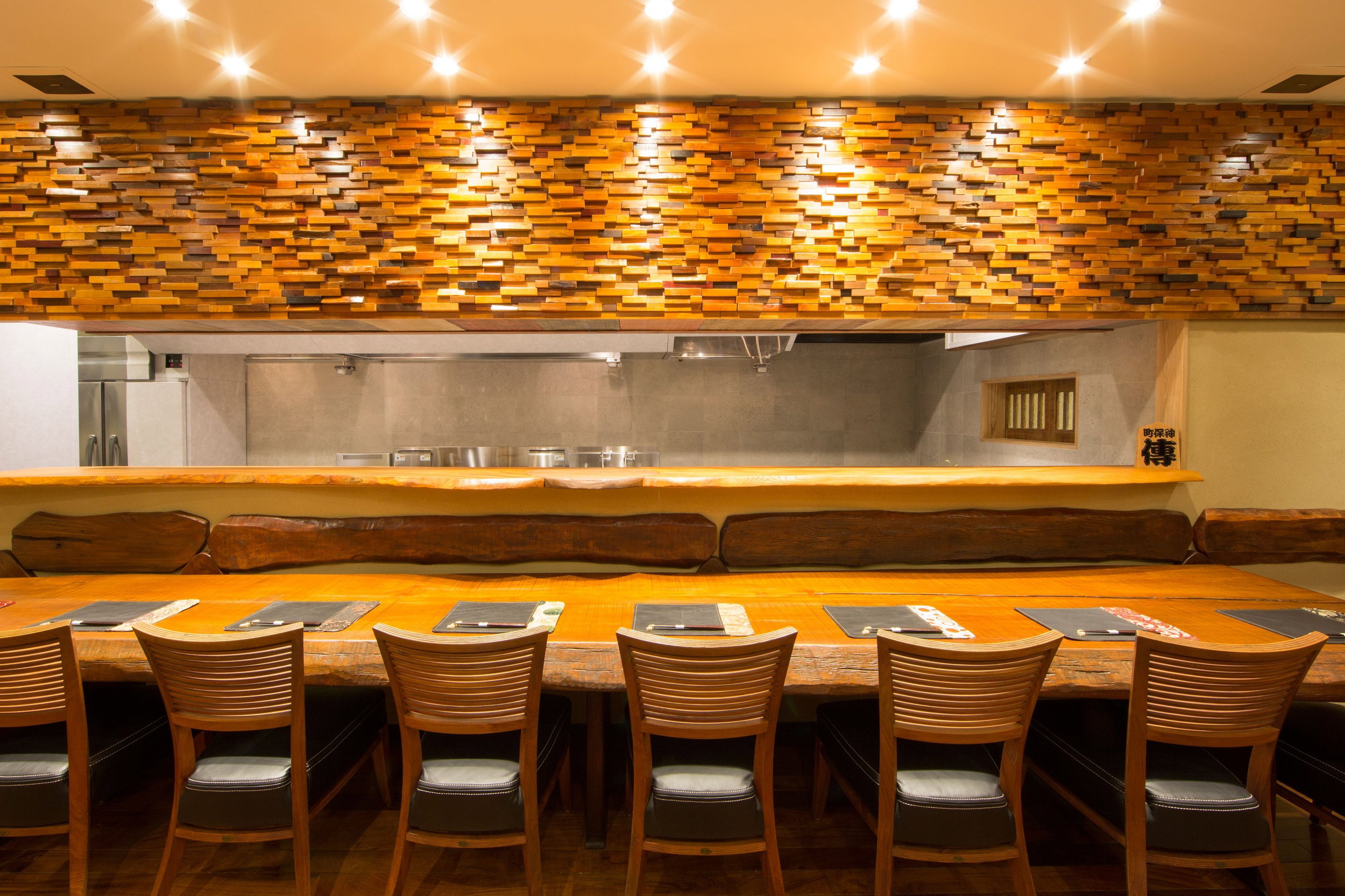
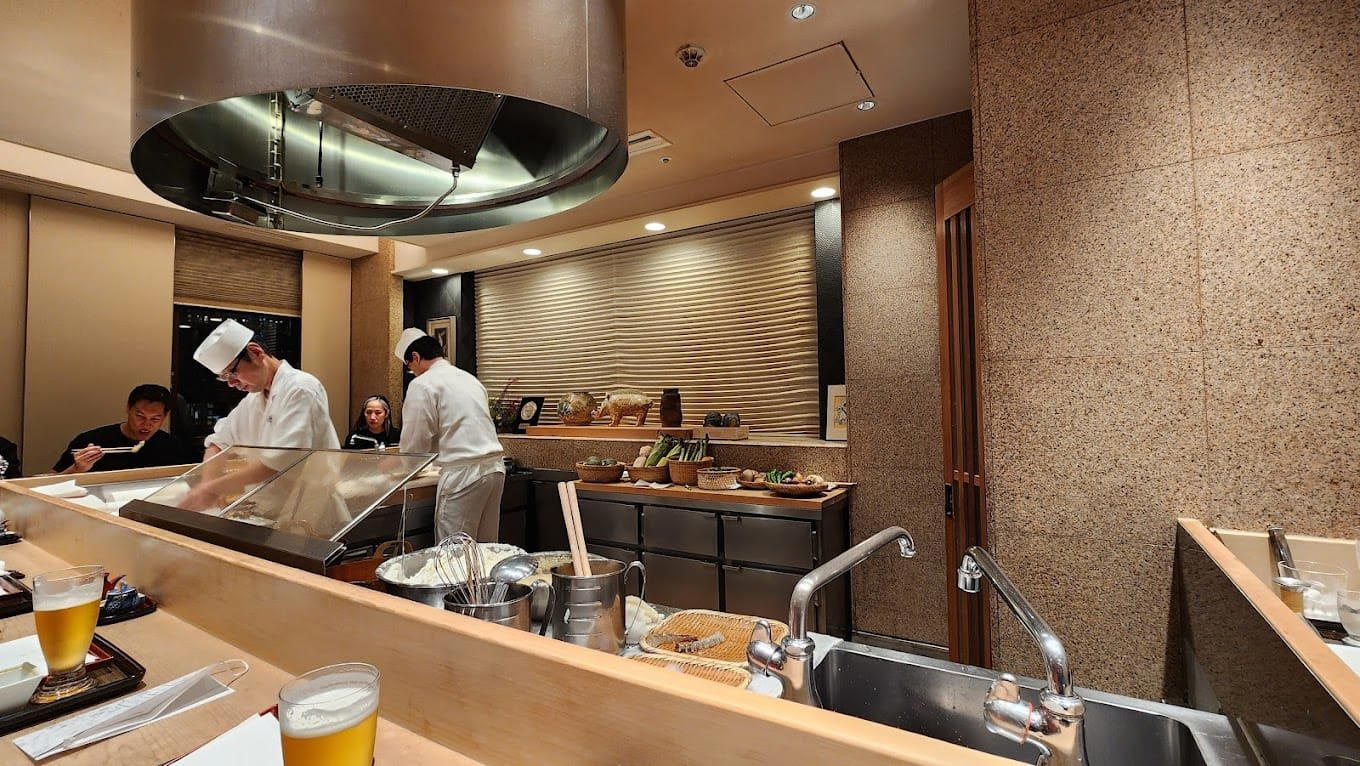
Makimura reads like a quietly confident neighbourhood kaiseki counter: small, refined and focused on ingredient-led cooking rather than theatrical presentation. The 14-seat room — a six-seat counter alongside eight table seats — keeps the experience compact and deliberate. Service and plating follow a classical register, favoring a fish-led, 'simple yet rich in flavour' discipline that rewards attentive palates. The location on Shinagawa's residential fringe and a decade-plus local reputation give the place an understated charm, where consistency and technique matter more than publicity or spectacle.
Best For
Makimura is built for evening rituals: it operates only at dinner, six nights a week, and suits diners seeking serious, well-executed kaiseki in a neighbourhood setting. It is a natural choice for small-party celebrations and purposeful date nights, especially for guests who value classical Japanese sequencing and a fish-forward approach. With just 14 seats and a strong Tabelog track record, the counter is not a drop-in spot for large groups or casual daytime visits — it rewards those who come ready to focus on the meal.
Ordering Tips
Reserve in advance: the room holds only 14 guests and service is dinner-only, so availability is limited. Aim for the six-seat counter if you want direct sightlines into the service rhythm; otherwise table seating offers the same carefully paced courses. The kitchen emphasises fish and seasonal ingredients — try the signature items highlighted here, such as Tai Chazuke, corn tempura and abalone with sea urchin. Expect a composed, ingredient-first sequence rather than theatrical flourishes; let the kitchen’s steady, classical approach guide your choices.
Venue details
Ambiance
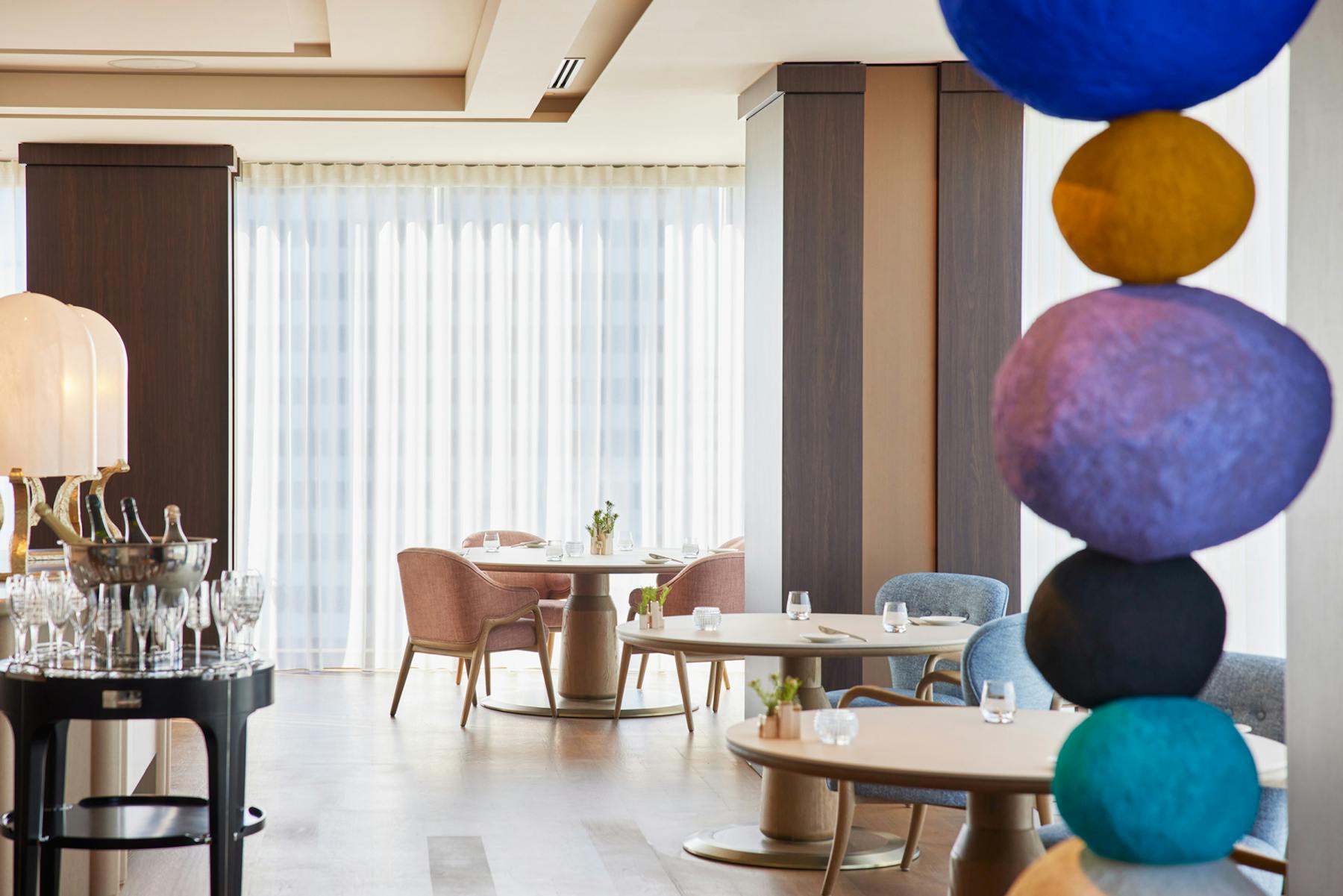
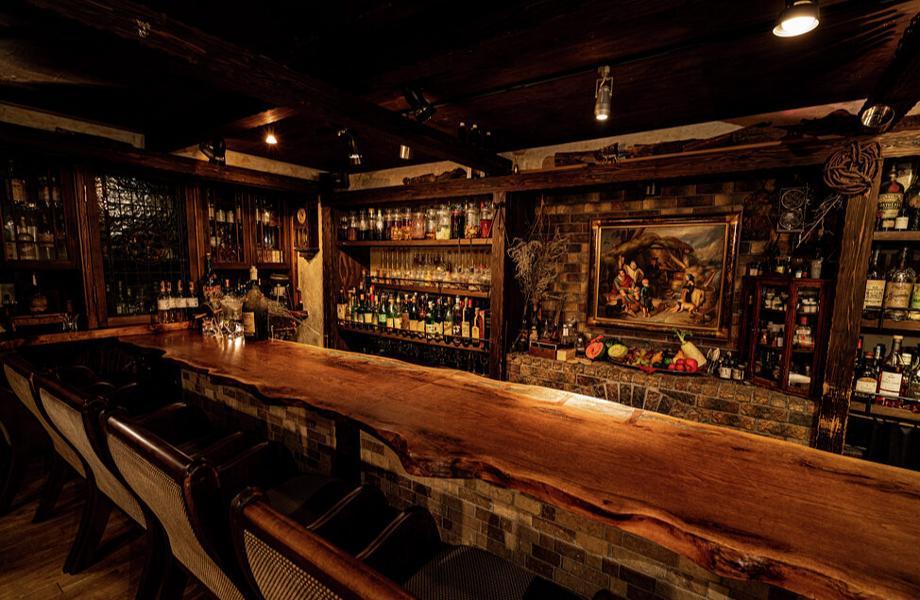
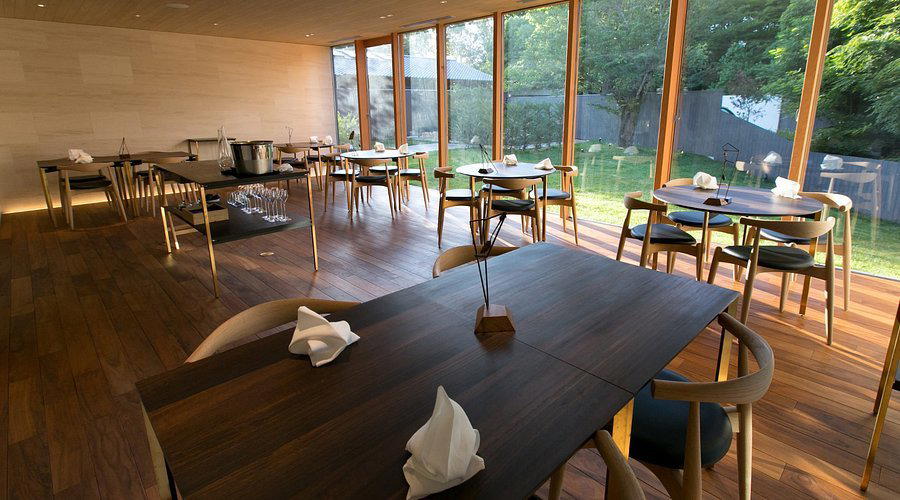
Warm and welcoming with a simple, understated aesthetic; white plaster walls and intimate counter seating create a relaxed yet refined atmosphere that feels more like a local neighborhood restaurant than a formal fine-dining establishment.
Tags
Vibe
Best For
Experience
Sourcing
At the Table
- Dress Code
- Smart Casual
- Noise Level
- Quiet
- Service Style
- Omakase Bar
- Meal Pacing
- Extended Experience
- Capacity
- Intimate
- Kitchen
- Traditional
- Menu Format
- Tasting menu, Counter dining
- Wine Program
- Curated
- Drinks Focus
- Sake, Wine
- Dietary
- Pescatarian friendly
- Private Dining
- Available
Signature Dishes
- Tai Chazuke
- corn tempura
- abalone with sea urchin
Know before you go
Know Before You Go
- Getting there
- 3 Chome-11-5 Minamioi, Shinagawa City, Tokyo 140-0013, Japan
Planning details
Hours
- Monday
- 6–10 pm
- Tuesday
- 6–10 pm
- Wednesday
- Closed
- Thursday
- 6–10 pm
- Friday
- 6–10 pm
- Saturday
- 6–10 pm
- Sunday
- Closed
Location
3 Chome-11-5 Minamioi, Shinagawa City, Tokyo 140-0013, Japan · Directions
Recognition and awards


Also consider
Also Consider
- Yakumo Saryo, Kaiseki, Kaiseki
- Suetomi, Kaiseki, Kaiseki
- Kurogi, Kaiseki, Kaiseki
- Goryukubu, Kaiseki, Kaiseki
- Dal-Matto, Kaiseki, Kaiseki
Restaurant context
At JPY 30,000-39,999 before drinks, Makimura sits in the middle of Tokyo's kaiseki pricing spectrum, above neighborhood practitioners but below three-Michelin-star venues like Kurogi, which commands JPY 40,000+ and requires a month's lead time. Yakumo Saryo in Meguro operates a tighter format with single-seating discipline and higher minimalism, making it harder to book for groups; the private rooms here accommodate four to eight without a full buyout, a flexibility that matters for business dinners or family occasions. Suetomi in Hatsudai offers a comparable price tier and Tabelog profile but draws a younger, trendier crowd; the Minamioi location skews quieter and less scene-driven.
For value, Goryukubu delivers a similar awards profile at a slightly lower price point, though its booking window has tightened as word spreads. Dal-Matto operates in the same Shinagawa ward and offers a more contemporary kaiseki interpretation, appealing to diners who prefer innovation over tradition. The trade-off here is location: diners willing to travel 15 minutes from JR Omori gain easier reservations and a quieter room, while those prioritizing proximity to central Tokyo hubs should default to Ginza or Roppongi specialists despite the tighter booking windows.
Book here if you value award-tier technique without the month-plus reservation lead time, or if your party size exceeds two and you need private-room flexibility. Choose Kurogi if Michelin stars matter more than booking ease, or Yakumo Saryo if you prefer a minimalist single-seating format over group-friendly layouts. For splurge-worthy kaiseki with the shortest transit time, stay in Ginza; for easier booking and quieter rooms, head south to Minamioi.
Explore Tokyo
Around this place
Discover more on Pearl
Unlock the full Makimura guide in Pearl, including awards, comparisons, FAQs, planning details, and nearby places.
FAQ
Frequently Asked Questions
What should I order at Makimura?
Makimura is a kaiseki restaurant led by chef-owner Makimura Akio. Specific dishes, menu format, and course details should be confirmed directly with the venue.
What should I wear to Makimura?
The dress code is smart casual. Choose polished, comfortable attire appropriate for a kaiseki dinner.
What are alternatives to compare with Makimura?
Is lunch or dinner better at Makimura?
The hours list dinner service from 6–10 pm on Monday, Tuesday, Thursday, Friday, and Saturday. Makimura is closed on Wednesday and Sunday, and does not offer lunch service.
Is Makimura good for a special occasion?
Makimura may suit a special occasion if you are looking for kaiseki in Tokyo. Specific details such as private rooms, pricing, and service format should be confirmed directly with the restaurant before booking.
What should a first-timer know about Makimura?
Makimura is a Tokyo kaiseki restaurant led by chef-owner Makimura Akio. The dress code is smart casual, and the hours are 6–10 pm on Monday, Tuesday, Thursday, Friday, and Saturday, with Wednesday and Sunday closed.