


Kurogi
Kaiseki · Minato, Tokyo
Restaurant in Tokyo, Japan
 Book with Pearl
The Read
Edo-Style Kappo Precision
Price
$500+per person
Chef
Jun Kurogi
Dress
Smart Casual
Why go
Kurogi is a ten-seat Tokyo kappo counter in Shibakoen that consistently outperforms its low-profile address: eight straight Tabelog Bronze awards, a 4.30 score, and La Liste recognition at 90 points. The course runs ¥50,000 per person at both lunch and dinner. Book here for intensely focused Japanese fine dining; consider RyuGin if you want a larger room or stronger wine program.
About Kurogi
Should You Book Kurogi?
If you are comparing Kurogi to RyuGin for a kaiseki dinner in Tokyo, the core difference is intimacy versus spectacle. RyuGin seats considerably more guests in a polished, high-production environment. Kurogi seats ten people. That number is not incidental — it is the whole point. At ¥50,000 per person before tax and service charge, this is a serious financial commitment, and the ten-seat counter format means the experience is intensely focused. Book here if you want kaiseki in its most concentrated form. If you want a broader wine program, more flexible group seating, or a room with greater visual drama, look elsewhere.
About Kurogi
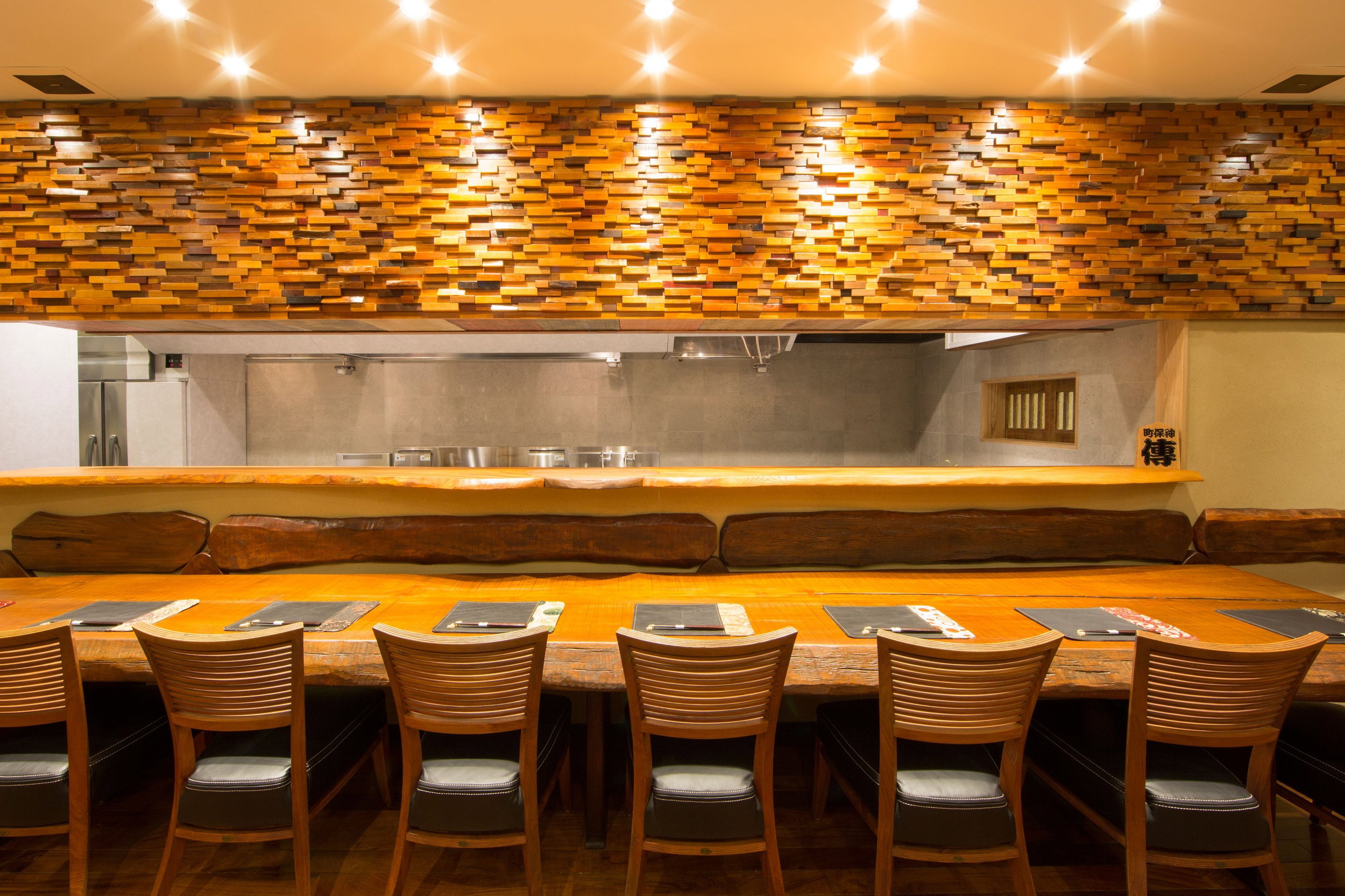
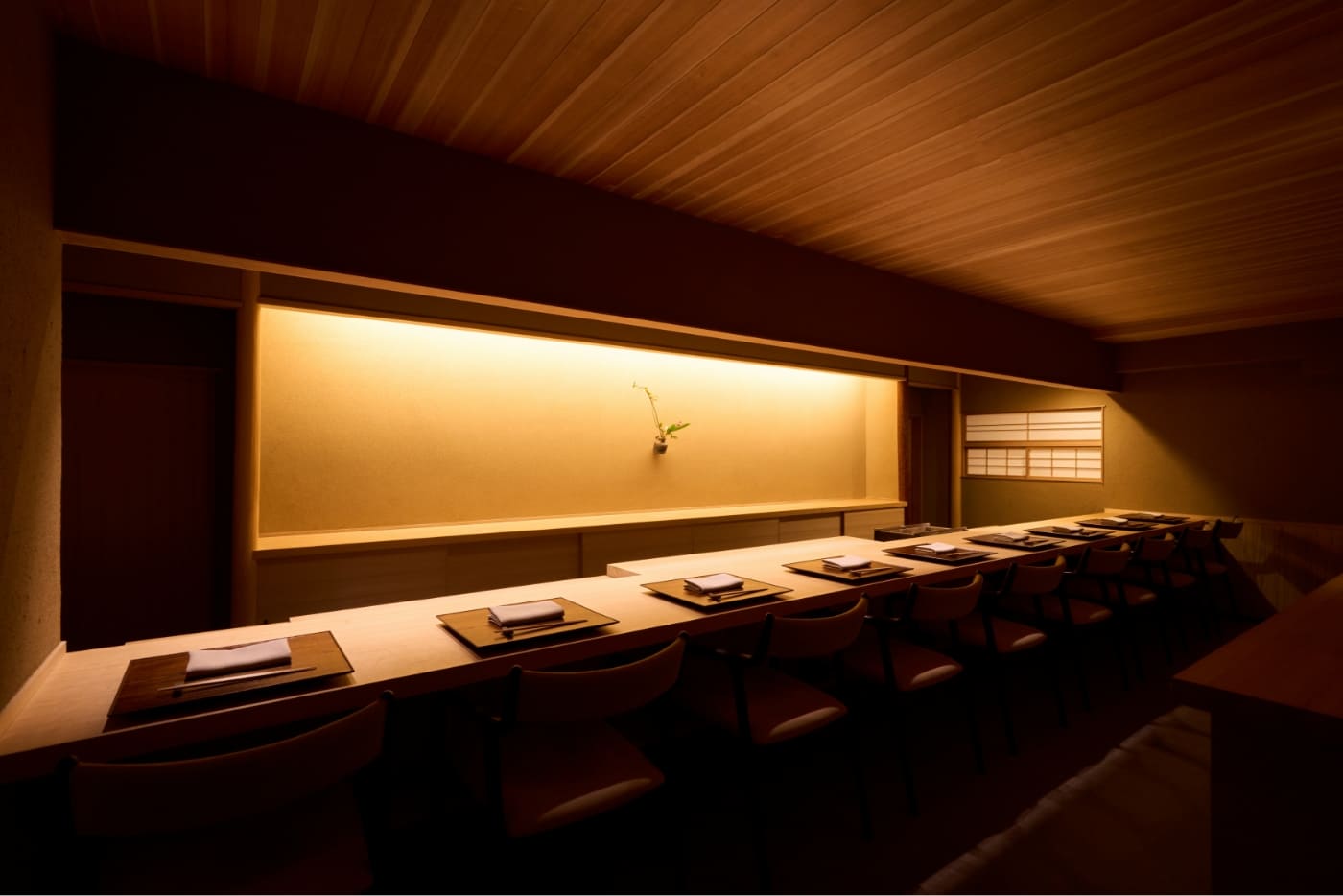
Kurogi sits in Shibakoen, Minato City, a quiet residential-leaning pocket of Tokyo that puts some useful distance between the restaurant and the tourist circuits of Shinjuku or Ginza. The address is not a drawcard in itself — Daimon Station on the Toei Asakusa and Oedo lines is approximately 323 metres away, making access direct from most central Tokyo hotels, but the low-profile neighbourhood suits a ten-seat counter that has no interest in foot traffic. This is reservation-only dining, and the physical space reflects that: small, deliberate, and calibrated entirely around the counter experience rather than walk-in atmosphere.
Chef Jun Kurogi's approach is described by the restaurant as Tokyo Kappo, a style rooted in the Edo tradition that emphasises direct engagement between chef and guest at the counter, with the kitchen visible and the pacing set by conversation as much as by the menu. Kappo sits adjacent to kaiseki in the Japanese fine-dining vocabulary but is typically less rigid in its sequencing, more improvisational in presentation, and more dependent on the physical proximity of chef to diner. The ten-seat format makes this possible in a way that larger rooms cannot replicate. For an explorer looking to understand how Tokyo's kaiseki-adjacent dining differs from the Kyoto tradition, a comparison with Ifuki in Kyoto or Ankyu in Kyoto is instructive: both cities have their own grammar of Japanese fine dining, and Kurogi represents Tokyo's distinctly.
On credentials, Kurogi has received the Tabelog Bronze Award every year from 2019 through 2026, holds a Tabelog score of 4.30, and has been selected for the Tabelog Japanese Cuisine Tokyo Top 100 in 2021, 2023, and 2025. It also received a Tabelog Silver Award in 2017, placing it above its current bronze tier at one point. La Liste scored it 90.5 points in 2025 and 90 points in 2026. Opinionated About Dining ranked it #57 among Japan's leading restaurants in 2024, rising from #89 in 2025. These are consistent, long-running credentials across multiple independent platforms, not a single award cycle, and they carry weight when assessing whether ¥50,000 is justified at this category level. For context on what that price tier looks like across Tokyo's wider Japanese fine-dining circuit, venues like Kikunoi Tokyo, Hirosaku, and Akasaka Ogino offer useful reference points in the same city.
One practical note worth flagging: the lunch and dinner courses are priced identically at ¥50,000 per person (excluding tax and service charge), so lunch offers no price advantage. The restaurant is open Tuesday through Saturday for both lunch (12:00–14:30) and dinner (17:00–23:00), and is closed Sunday, Monday, and public holidays. Phone reservations are, according to the venue's own remarks, currently only available for the lunch seating, dinner reservations require a different approach, likely through the restaurant's own website at kurogi.co.jp. Credit cards are accepted; electronic money is not.
On the editorial angle of whether Kurogi's food travels well for off-premise occasions: the kaiseki and kappo format is, by design, inseparable from the counter setting. The pacing, the presentation, the interaction with the chef, none of this transfers to a takeout context. Kurogi is listed as reservation-only with no delivery or takeout infrastructure noted in its data, and this is entirely consistent with the format. If you are looking for high-end Japanese cuisine that works in a hotel room or as a gift experience, this is the wrong venue. Kurogi is specifically worth booking when you can be physically present at the counter. Related destinations in Japan's kaiseki circuit that share this counter-focused philosophy include Gion Sasaki in Kyoto and HAJIME in Osaka.
For broader context on dining in Tokyo, see our full Tokyo restaurants guide. If you are planning around accommodation, our Tokyo hotels guide covers the major options. Elsewhere in the region, akordu in Nara, Goh in Fukuoka, 1000 in Yokohama, and 6 in Okinawa round out the picture for explorers moving beyond Tokyo. For Tokyo-specific Japanese cuisine alternatives at a similar level, Aoyama Jin and Ajihiro are worth considering. You can also explore bars, wineries, and experiences in Tokyo through Pearl's guides.
Ratings at a Glance
- Tabelog Score: 4.30 (2026)
- Tabelog Award: Bronze, 2019–2026 (Silver in 2017)
- Tabelog Top 100 Japanese Cuisine Tokyo: Selected 2021, 2023, 2025
- La Liste: 90 pts (2026), 90.5 pts (2025)
- Opinionated About Dining Japan: #89 (2025), #57 (2024)
Booking & Practical Details
Reservations are required, walk-ins are not an option at a ten-seat counter. Phone reservations (03-6452-9039) are available for lunch only. For dinner, use the restaurant's website. Open Tuesday through Saturday; closed Sunday, Monday, and public holidays. The course is ¥50,000 per person excluding tax and service charge at both lunch and dinner. Credit cards accepted. No private rooms, no parking, non-smoking throughout. The nearest station is Daimon (Toei Asakusa Line, Oedo Line), approximately 323 metres from the A6 exit; JR Hamamatsucho (North Exit) is also nearby.
Planning details
- Hours
- Monday: 5–11 pm · Tuesday: 12–2:30 pm, 5–11 pm
- Location
- 1 Chome-7-10 Shibakoen, Minato City, Tokyo 105-0011, Japan
- Reservations
- Book on Omakase
- Website
- kurogi.co.jp/infomation
- Phone
- +81 3-6452-9039
The take
The Take
The Vibe
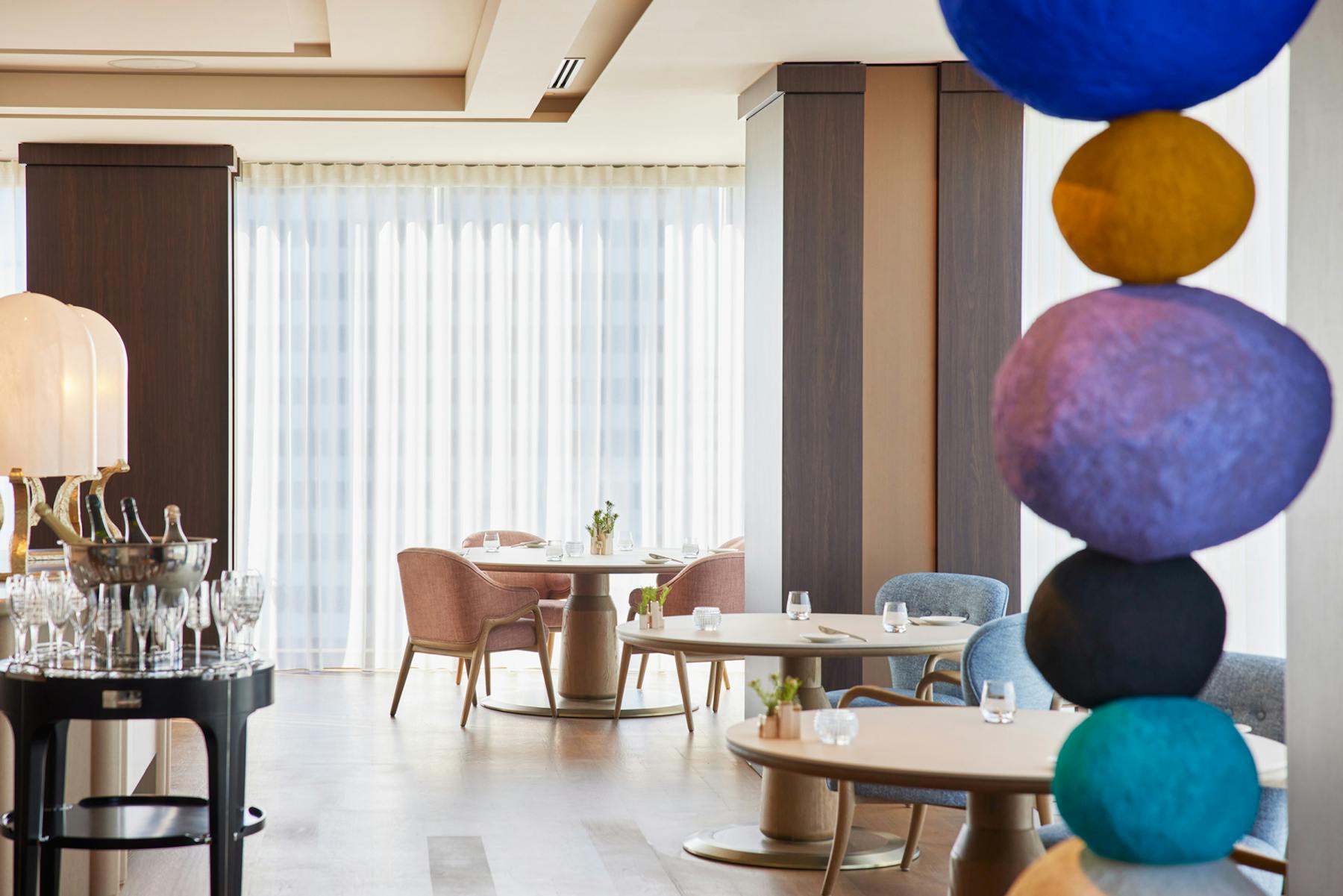
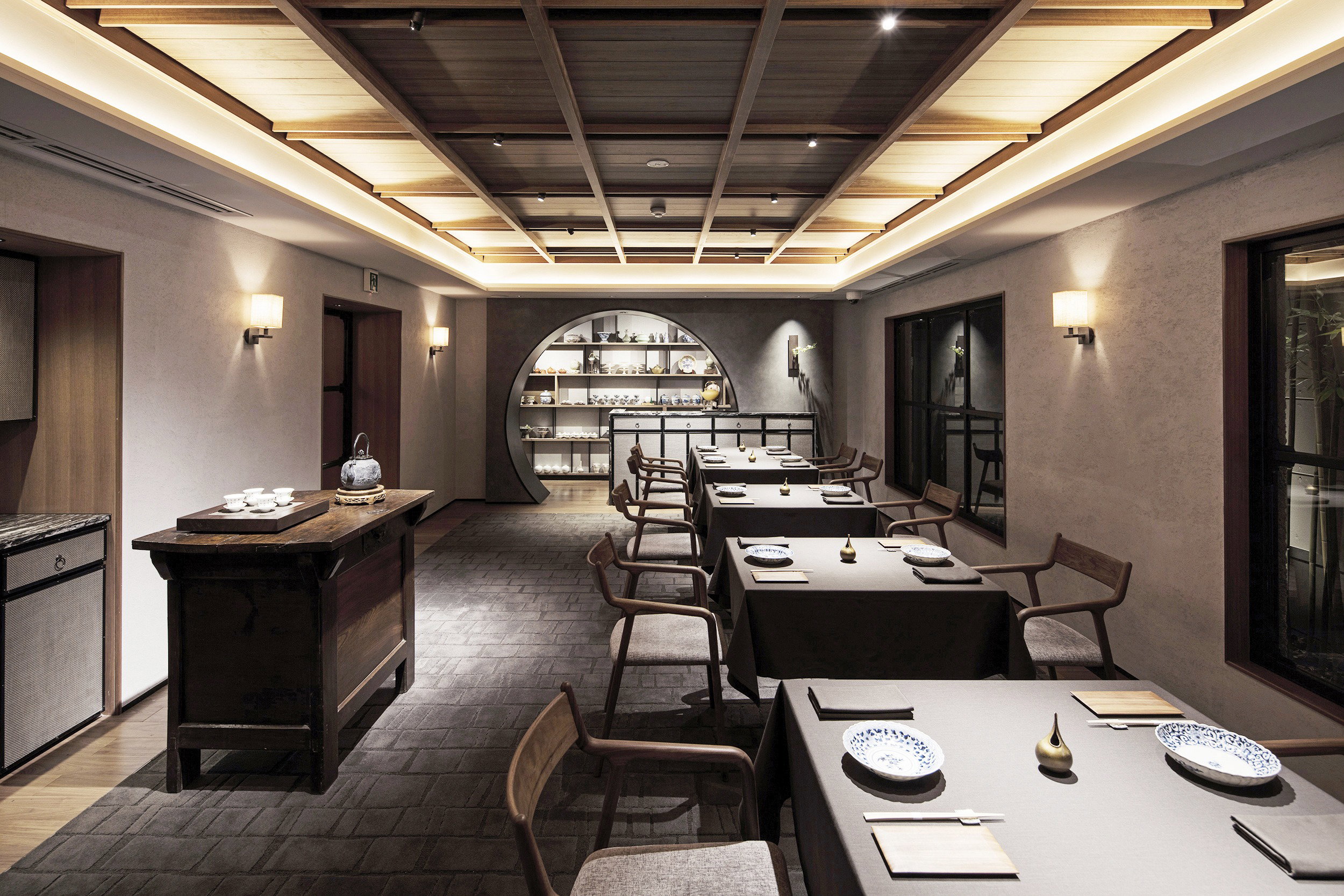
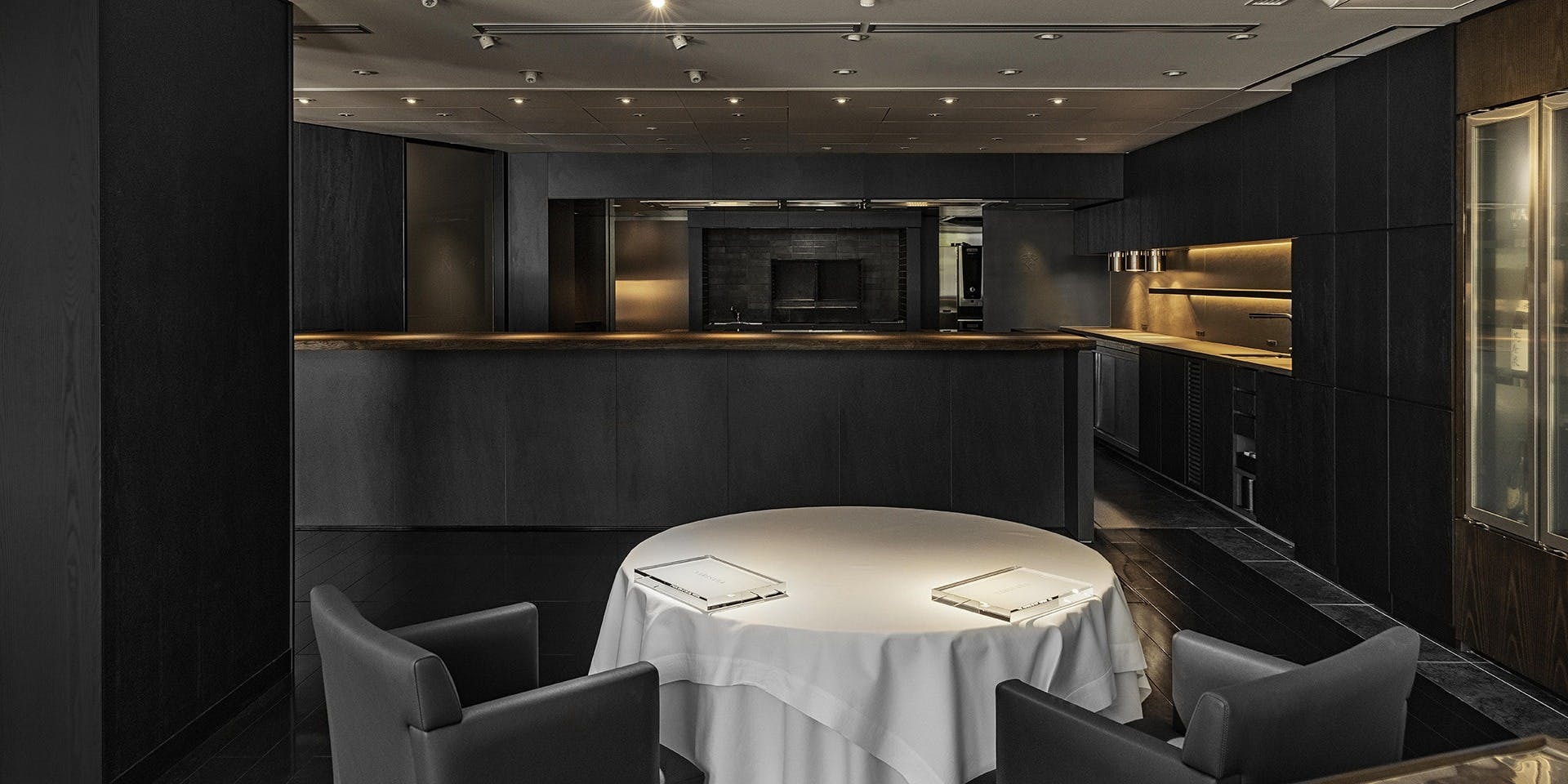
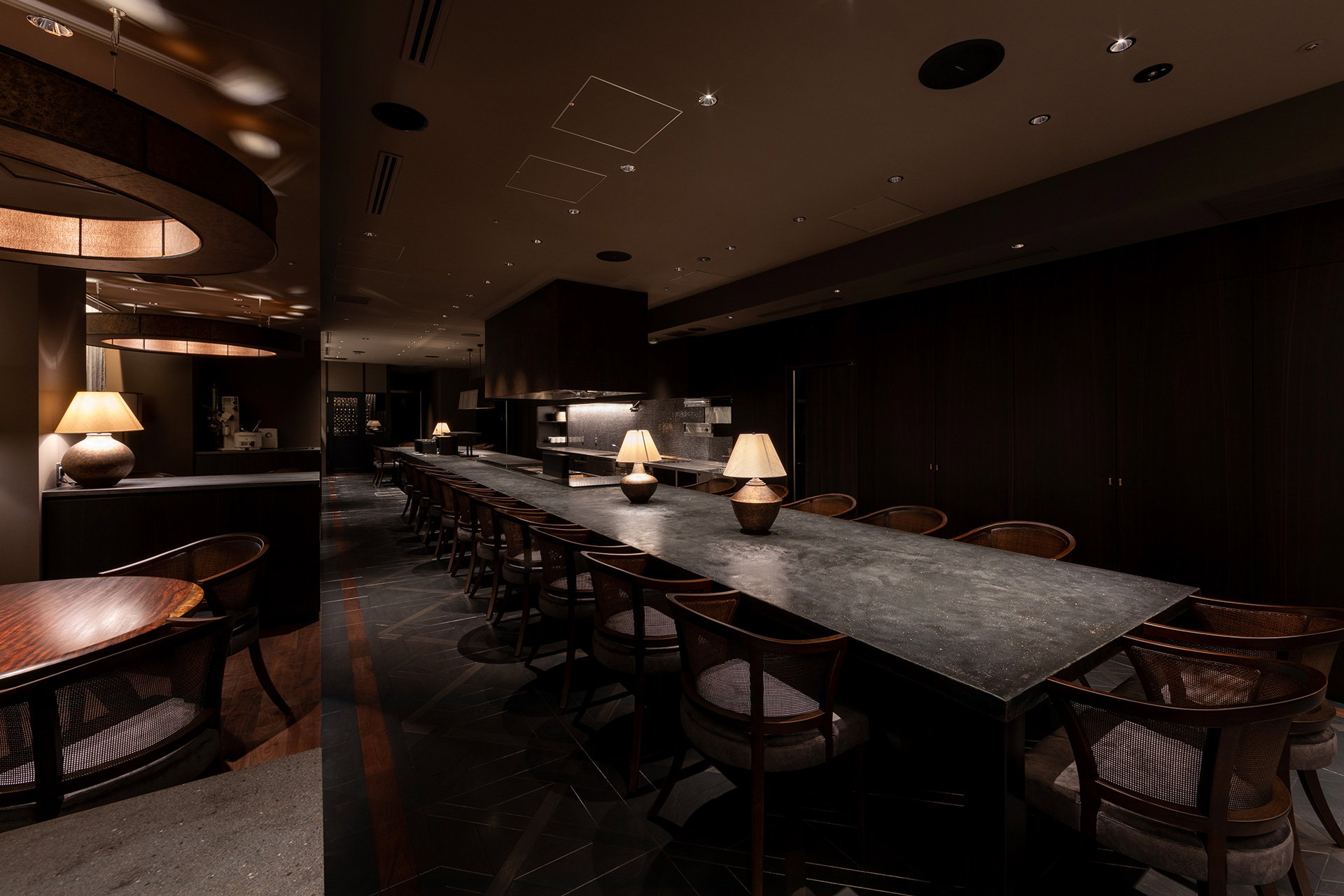
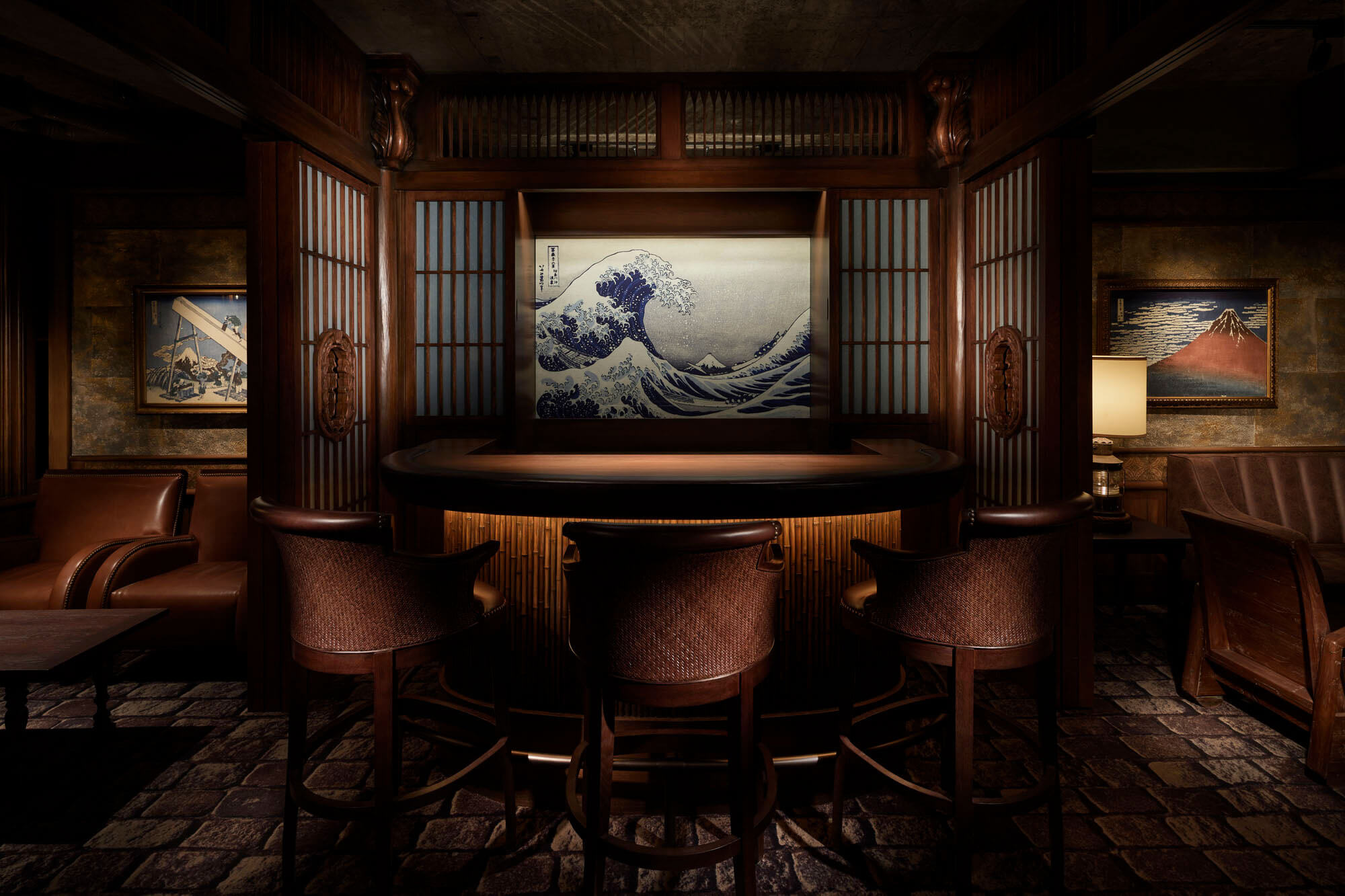
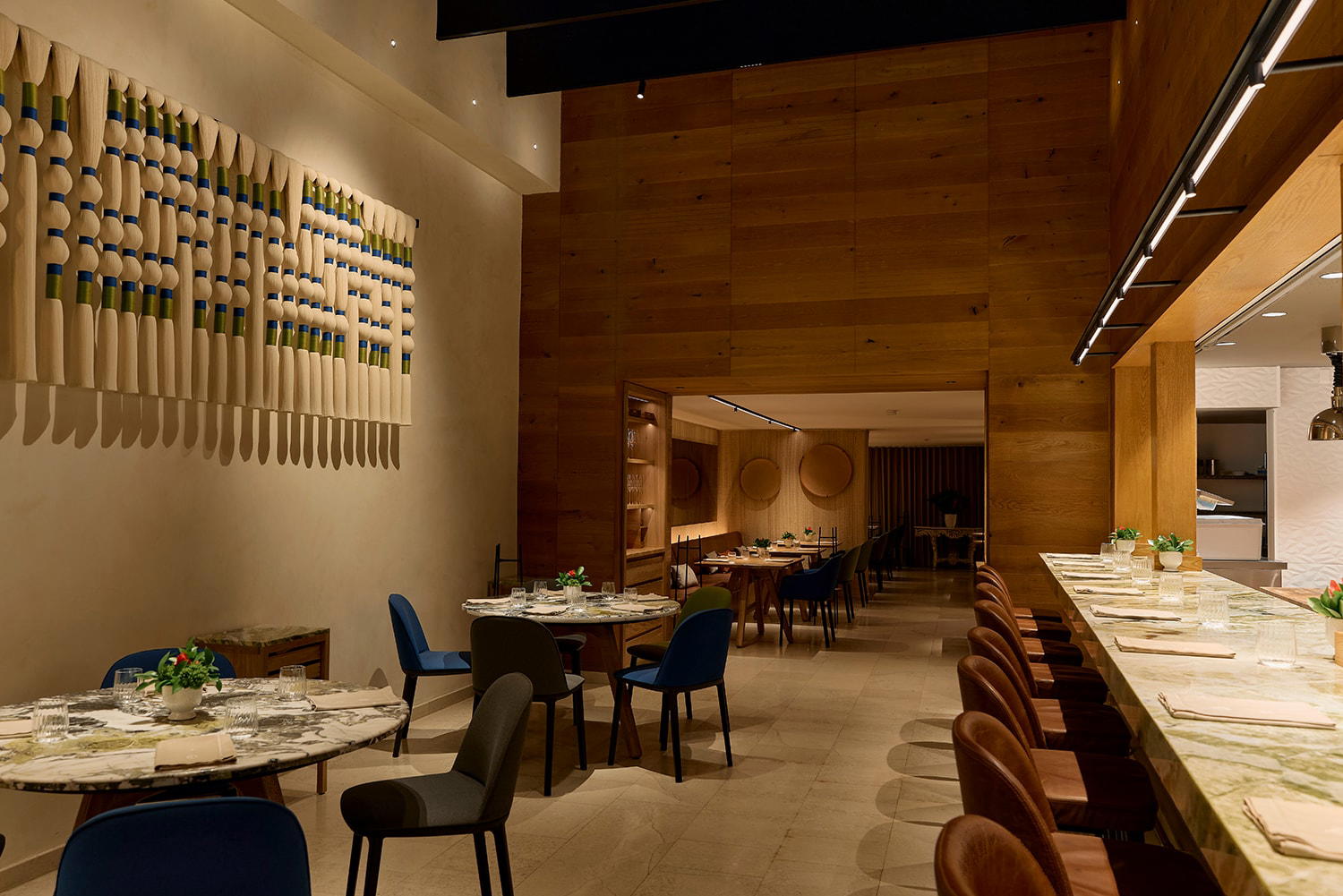
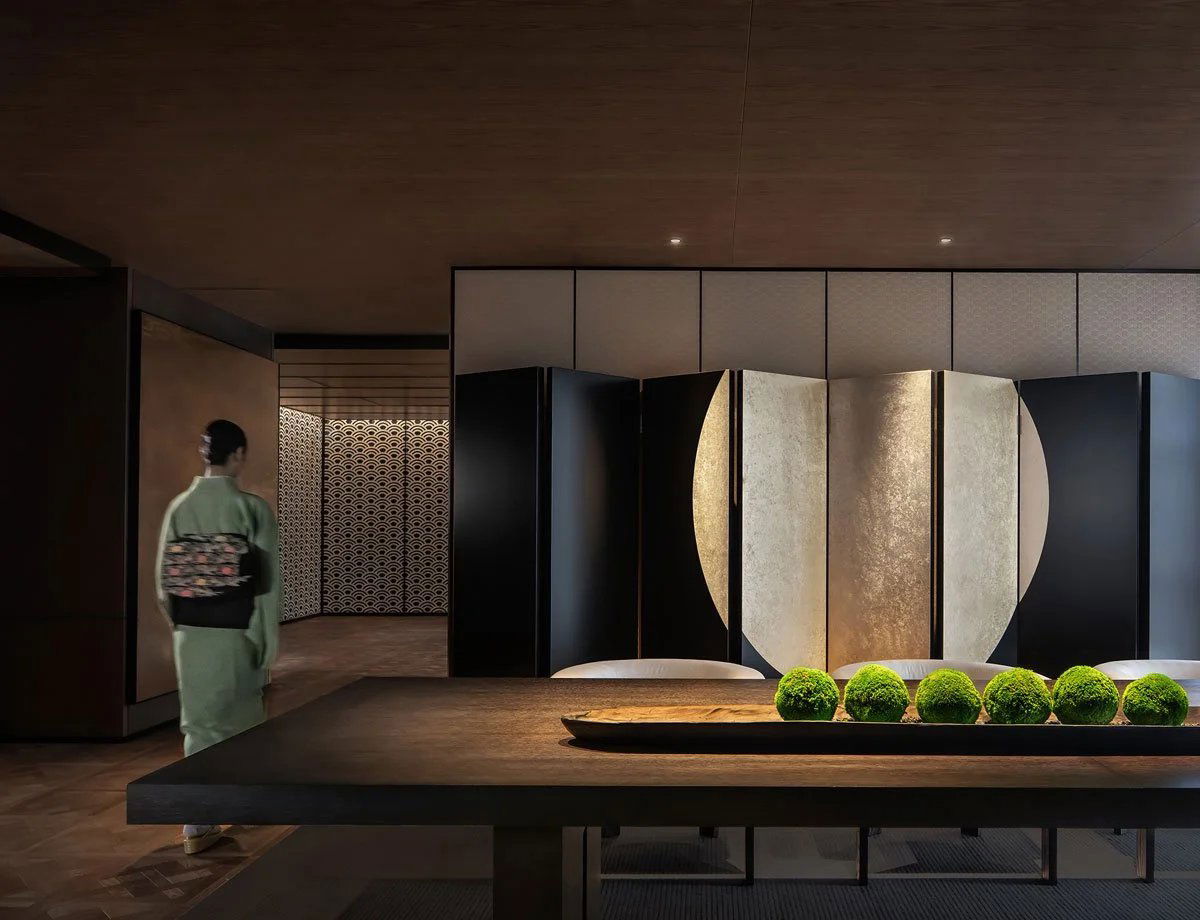
Kurogi presents a concentrated, low-key counter experience rooted in Edo-style kappo. The ten-seat room is designed to remove distraction rather than stage theatre, so the atmosphere feels restrained, focused and quietly ceremonial. The chef works in direct sight of guests, and that proximity makes the meal feel intensely personal: seasoning, pacing and interaction are part of the architecture. The house leans on Tokyo kappo’s slightly more assertive dashi and clean seasoning lines, so the overall impression is classic and composed rather than effusive or theatrical. It’s an environment built for attention to technique and detail.
Best For
This is a restaurant for diners whose primary aim is the food and the chef’s attention. Given the reservation-only, ten-seat counter and the ¥50,000 single-meal framing, Kurogi suits special-occasion and business dinners where privacy, focused conversation and the choreography of a multi-course kappo service matter. The counter format places you face-to-face with the cook, so it’s also appropriate for guests who value direct interaction with the chef and a paced, responsive service. It is not suited to walk-ins or large groups; the format prioritises one concentrated table of diners at a time.
Ordering Tips
Reservations are essential: the room holds ten seats, is reservation-only and explicitly does not accept walk-ins or private rooms. Expect a single, high-end meal (the description cites a ¥50,000 meal) delivered as a paced kappo sequence with responsive interaction from the chef. Book well in advance and confirm the reservation details; the counter format means limited availability and few substitutions. Because the service treats chef–guest interaction as part of the meal, mention any critical dietary restrictions when you book so the kitchen can accommodate them in the pacing and sequence.
Venue details
Ambiance
Lively yet refined counter seating atmosphere with warm, hospitable service evoking a close friend's home.
Tags
Vibe
Best For
Experience
At the Table
- Dress Code
- Smart Casual
- Noise Level
- Conversational
- Service Style
- Formal
- Meal Pacing
- Extended Experience
- Capacity
- Intimate
- Kitchen
- Modern
- Menu Format
- Counter dining
- Wine Program
- Curated
- Dietary
- Vegetarian friendly, Vegan options, Gluten-free options
- Private Dining
- Available
Know before you go
Know Before You Go
- Getting there
- 1 Chome-7-10 Shibakoen, Minato City, Tokyo 105-0011, Japan
Planning details
Hours
- Monday
- 5–11 pm
- Tuesday
- 12–2:30 pm, 5–11 pm
- Wednesday
- 12–2:30 pm, 5–11 pm
- Thursday
- 12–2:30 pm, 5–11 pm
- Friday
- 12–2:30 pm, 5–11 pm
- Saturday
- 12–2:30 pm, 5–11 pm
- Sunday
- Closed
Location
1 Chome-7-10 Shibakoen, Minato City, Tokyo 105-0011, Japan · Directions
Recognition and awards


Also consider
Also Consider
- Harutaka, Sushi, ¥¥¥¥
- L'Effervescence, French, ¥¥¥¥
- RyuGin, Kaiseki, Japanese, ¥¥¥¥
- HOMMAGE, Innovtive French, French, ¥¥¥¥
- Crony, Innovative, French, ¥¥¥¥
Restaurant context
Kurogi and RyuGin are the two most obvious names to compare if you are booking kaiseki in Tokyo at the ¥¥¥¥ tier. RyuGin carries a higher international profile and seats more guests in a more visually considered room; Kurogi seats ten at a counter and keeps its format deliberately intimate. If you want kaiseki that feels like a performance with production values, RyuGin is the stronger choice. If you want the food to be the only variable in the room, Kurogi wins on focus and credential consistency, eight consecutive Tabelog Bronze awards against multiple independent ranking systems is a harder signal to dismiss than a single high-profile review cycle.
Against Tokyo's ¥¥¥¥ French options, the comparison shifts to format and occasion type. L'Effervescence and Crony both operate with more flexible seating configurations, stronger wine programs, and rooms that accommodate groups more comfortably. HOMMAGE offers innovative French-Japanese crossover at a comparable price point. If your group has mixed cuisine preferences or you want a more conventional fine-dining room, any of these three will serve better than Kurogi's ten-seat counter. Kurogi is not the right booking for a group dinner where some guests are indifferent to Japanese cuisine.
For high-end sushi at a similar price tier, Harutaka is the relevant peer. The formats are close, counter seating, chef-driven pacing, similar spend per head, but the cuisine grammar is different enough that the choice usually comes down to whether you want the broader seasonal vegetable and protein range of kappo or the singular focus of sushi. Both are worth booking on their own terms. Kurogi is the better choice if you want to understand Tokyo's kappo tradition specifically; Harutaka is the better choice if sushi technique is the priority.
Explore Tokyo
Around this place
Discover more on Pearl
Unlock the full Kurogi guide in Pearl, including awards, comparisons, FAQs, planning details, and nearby places.
FAQ
Frequently Asked Questions
Can I eat at the bar at Kurogi?
Yes — Kurogi operates as a ten-seat counter format, so the counter is effectively the entire dining room. There is no separate bar area. All seats face the kitchen, which makes this a highly interactive format. Private rooms are not available, so all ten guests share the same space.
What should I order at Kurogi?
Kurogi runs a set course only — there is no à la carte menu. The course is described as 'Tokyo Kappo,' a style rooted in Edo-period Japanese cuisine that emphasises drawing out the qualities of each ingredient. At ¥50,000 per person before tax and service charge, you are committing to the full experience as the kitchen designs it.
What should I wear to Kurogi?
No dress code is listed in the venue data, but at ¥50,000-plus per head with a Tabelog score of 4.30 and consecutive Bronze awards from 2019 through 2026, smart dress is a reasonable baseline. Avoid overpowering fragrances at a ten-seat counter where proximity to other guests is unavoidable.
Is Kurogi good for a special occasion?
Kurogi is a strong choice for a one-on-one or small-group special occasion — Tabelog users specifically flag dining with friends as the recommended occasion. The ten-seat counter format means the experience is contained and focused, not a backdrop for large celebrations. Private room hire is not available, so parties needing exclusivity should look elsewhere.
What are alternatives to Kurogi in Tokyo?
RyuGin is the most direct comparison for high-end kaiseki in Tokyo, though it seats more guests and skews toward theatrical presentation where Kurogi prioritises ingredient-led restraint. Harutaka is worth considering if you want equivalent precision at a counter format but in the sushi category. For a Western fine dining alternative at a comparable price point, L'Effervescence in Nishiazabu is the most credentialed option.
Is lunch or dinner better at Kurogi?
The course is identical at both services and priced the same — ¥50,000 per person before tax and service charge — so the decision is logistical rather than culinary. Lunch (12:00–14:30, Tuesday through Saturday) is the only service bookable by phone at +81-3-6452-9039. Dinner reservations require a different booking channel, which adds friction. If phone booking is easier for you, lunch is the more practical entry point.