

Kabuto Unagi
Unagi · Toshima, Tokyo
Restaurant in Tokyo, Japan
 Book with Pearl
The Read
Authentic Eel Ritual
Price
$500+per person
Chef
Kimimasa Fujimori
Why go
Kabuto Unagi in Ikebukuro holds a Tabelog Silver Award for ten consecutive years and a score of 4.44, placing it among Tokyo's most recognised unagi specialists. Dinner runs JPY 20,000–29,999 per head across two structured sittings, in a 15-seat room that rewards careful planning: book online in advance, bring cash, and request the counter for the best experience.
About Kabuto Unagi
Should You Book Kabuto Unagi?
At JPY 20,000–29,999 per head for dinner, Kabuto Unagi is one of Tokyo's most credentialed unagi restaurants and earns every yen of that price. A Tabelog Silver Award winner every year from 2017 through 2026, with a score of 4.44 and four separate appearances on the Tabelog Unagi "Top 100" list, this 15-seat Ikebukuro room has a track record that very few specialist restaurants in Japan can match. Book it if unagi at serious depth is what you want. Skip it if you need flexibility on timing, payment, or group size.
What to Expect
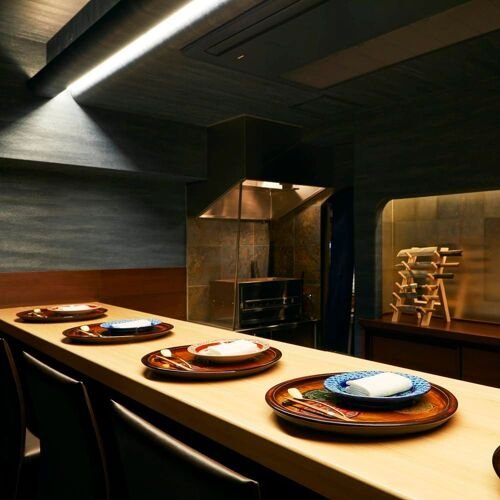
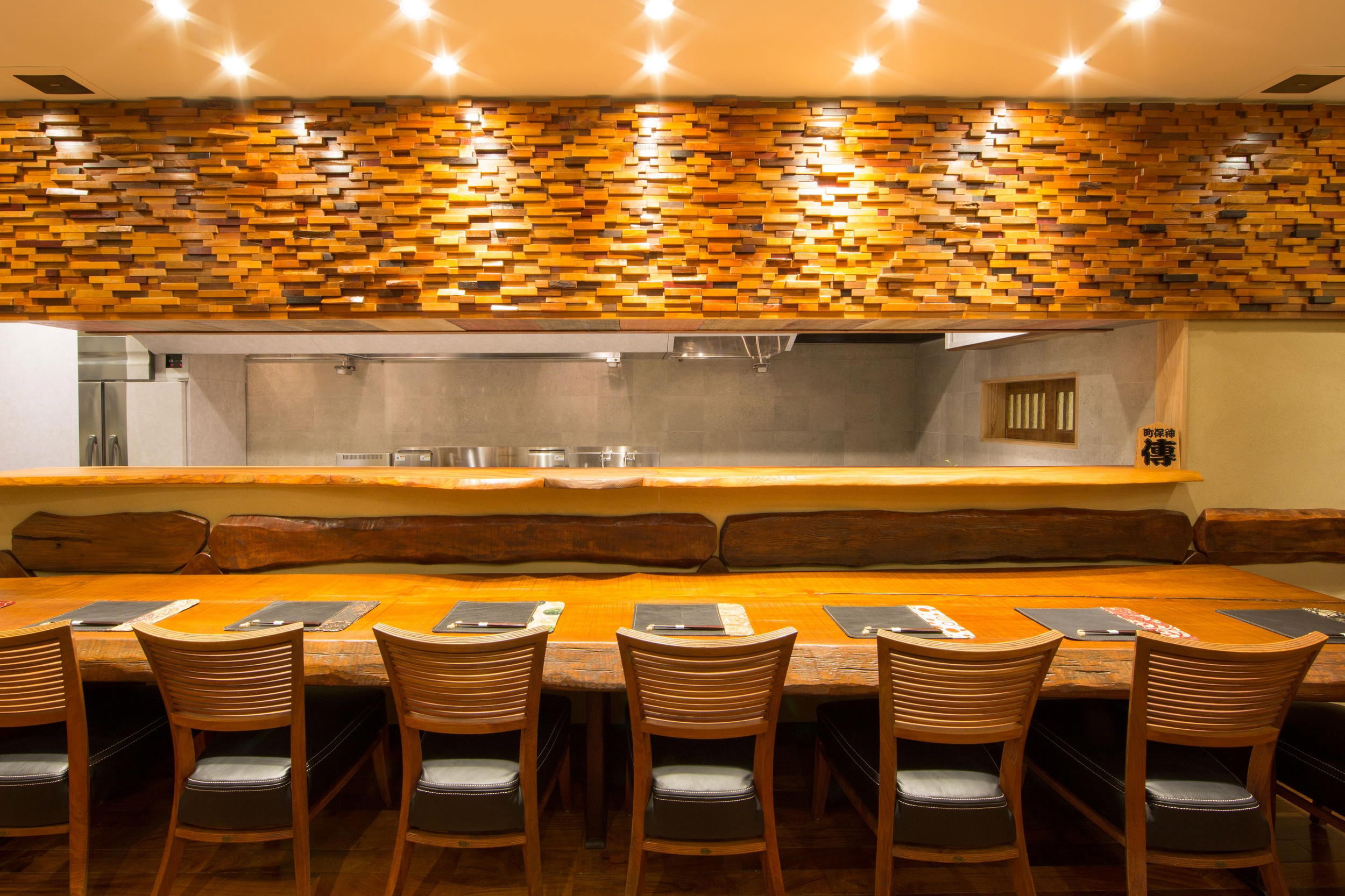
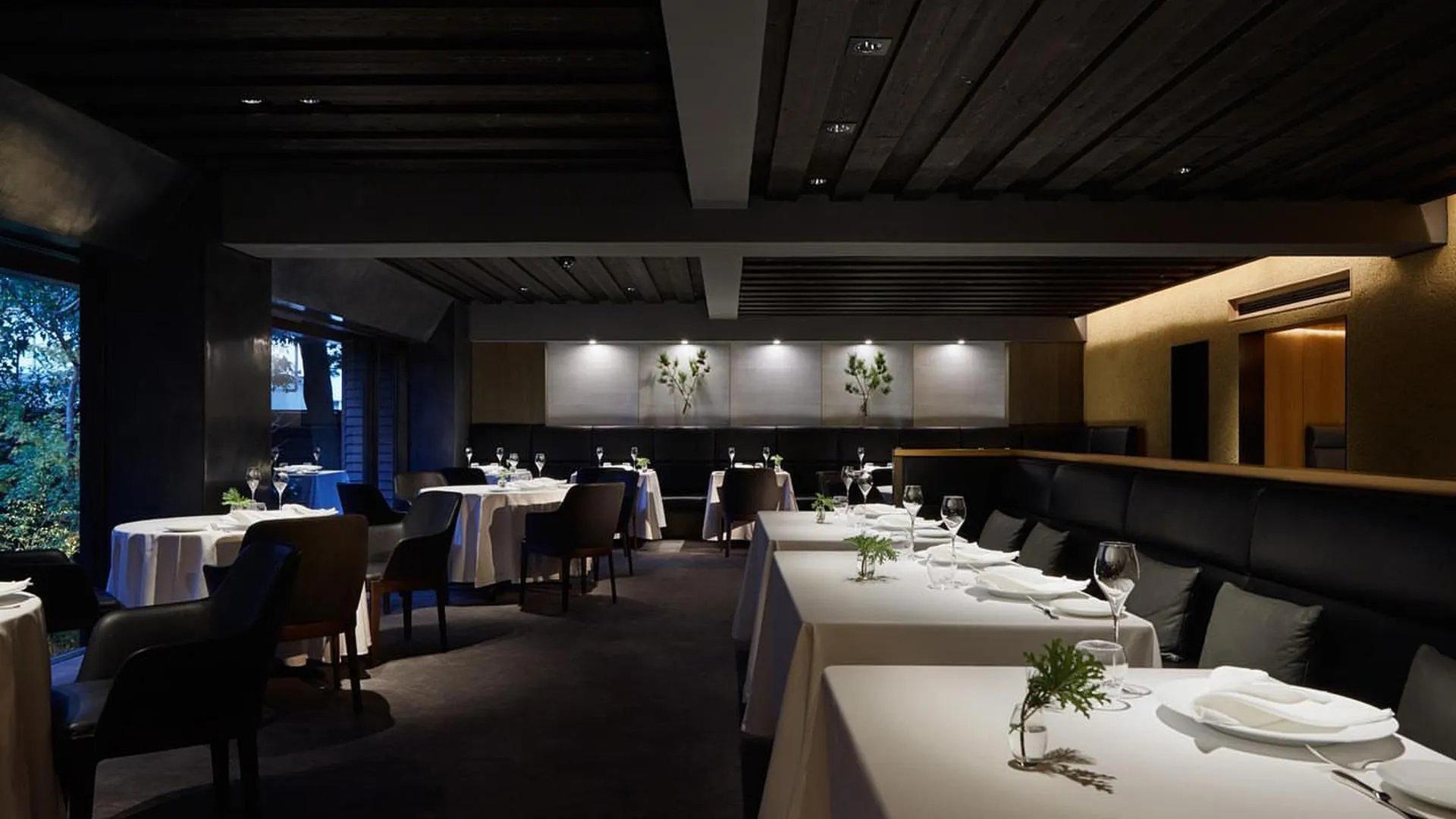
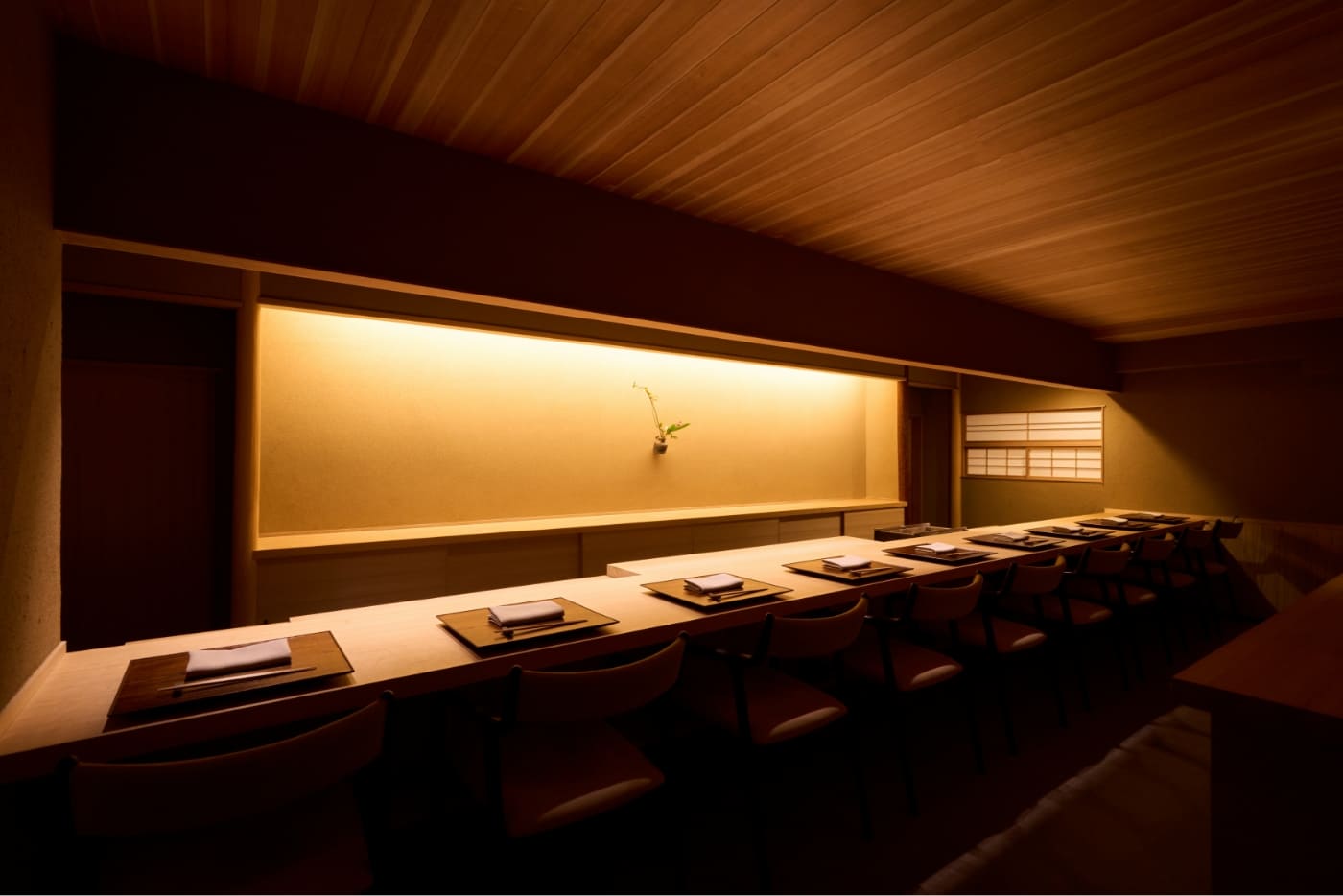
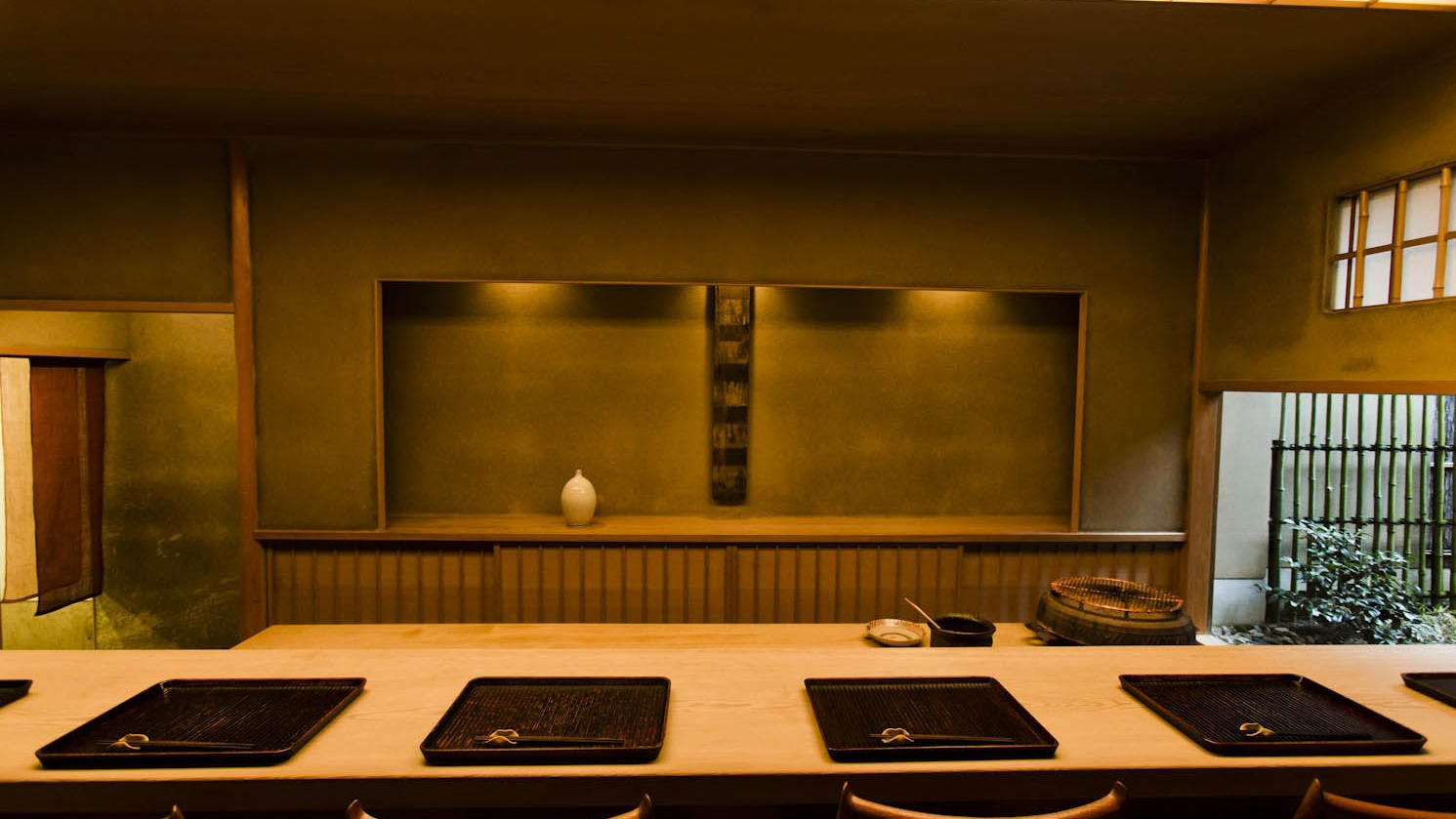
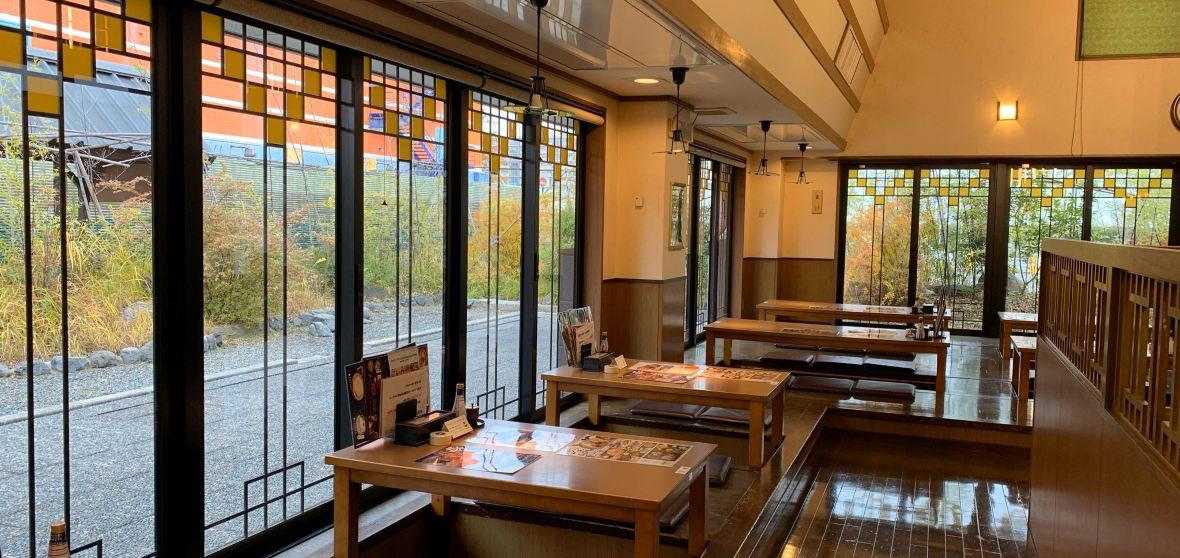
Dinner at Kabuto runs on a reservation-only, two-sitting structure: the first sitting begins at 15:00, the second at 18:00 (updated as of 2024). The room holds just 15 people across eight counter seats, a three-seat raised platform, and a four-seat table section. For a first visit, the counter is the seat to request. It puts you closest to the action and gives the meal a focused, almost meditative quality that the table section does not replicate. The atmosphere is calm and purposeful rather than lively, suited to conversation at a measured pace rather than a group night out.
The format is not an à la carte menu in the conventional sense. Kabuto operates on a structured progression, which means the kitchen controls pacing and sequencing from arrival to close. Think of it less as ordering dinner and more as sitting down to a considered course of one specialist ingredient treated with the same rigour you would expect at a kaiseki counter. The sake and shochu list is carefully selected, and the restaurant is openly particular about both, making drinks a meaningful part of the experience.
One important practical note before you book: Kabuto does not accept credit cards, electronic money, or QR code payments. Cash only. At this price point, that means arriving prepared with JPY 25,000–30,000 per person to be safe. Reservations are accepted via the internet only; phone bookings are not available. The booking window through omakase-japan.jp tends to fill quickly given the size of the room and the restaurant's consistent award recognition, so plan accordingly.
Getting there is direct. Exit Ikebukuro Station via the west exit, head along Theater Street toward Kawagoe Street in the direction of the post office, turn left at the first street, and the restaurant is immediately on the right. The venue is approximately 463 metres from the station. No parking is available on site.
Kabuto is non-smoking throughout, has no private rooms, and is not set up for private hire. Children are technically permitted but the restaurant itself notes the format is not well suited to them. For groups of friends sharing an interest in serious Japanese food, this is among the stronger options in Ikebukuro.
Compared to unagi specialists elsewhere in Tokyo, Kabuto's Ikebukuro location is less central than Obana in Mukojima or Hashimoto Unagi, but its award consistency since 2017 places it in a different tier of recognition. If you are planning a broader food itinerary, Akimoto, Sangubashi Asaya, and Uomasa are worth considering alongside Kabuto depending on your neighbourhood and budget. For the broader Tokyo dining picture, see our full Tokyo restaurants guide, and if you are planning around accommodation, our full Tokyo hotels guide covers where to stay. Pearl also has guides to Tokyo bars, Tokyo wineries, and Tokyo experiences if you are building a longer itinerary.
If unagi is a priority and you are travelling beyond Tokyo, Chikuyoutei in Osaka and Unafuji in Nagoya are the peer references worth benchmarking. For high-end dining elsewhere in Japan, HAJIME in Osaka, Gion Sasaki in Kyoto, akordu in Nara, Goh in Fukuoka, 1000 in Yokohama, and 6 in Okinawa round out the national picture.
Quick reference: Dinner JPY 20,000–29,999 | 15 seats | Reservation-only via internet | Cash only | Closed Thursday and Sunday | Two sittings: 15:00 and 18:00 | Ikebukuro, 463m from west exit.
Recognition
- Tabelog Silver Award: 2017–2026 (10 consecutive years)
- Tabelog Unagi "Top 100": 2018, 2019, 2022, 2024
- Tabelog Score: 4.44 (2026)
- Opinionated About Dining: Ranked #57 (2023), #89 (2024), #84 (2025) in Japan
- 4.5 from 360 reviews
Booking
Reservations are accepted online only, through omakase-japan.jp. Phone bookings are not available. Given the 15-seat capacity and the restaurant's sustained award profile, booking difficulty is rated as moderate to easy depending on the season, but do not leave it to the week before. Two to three weeks advance notice is a reasonable baseline. The two-sitting format means you will be allocated either the 15:00 or 18:00 start; the second sitting at 18:00 is the more conventional dinner hour if you have a preference.
Planning details
- Hours
- Monday: 5–10 pm · Tuesday: 5–10 pm
- Location
- 2 Chome-53-2 Ikebukuro, 豊島区 Toshima City, Tokyo 171-0014, Japan
- Reservations
- Book on Omakase
- Website
- omakase-japan.jp/stores/10007
- Phone
- +81 3-3983-8608
The take
The Take
The Vibe
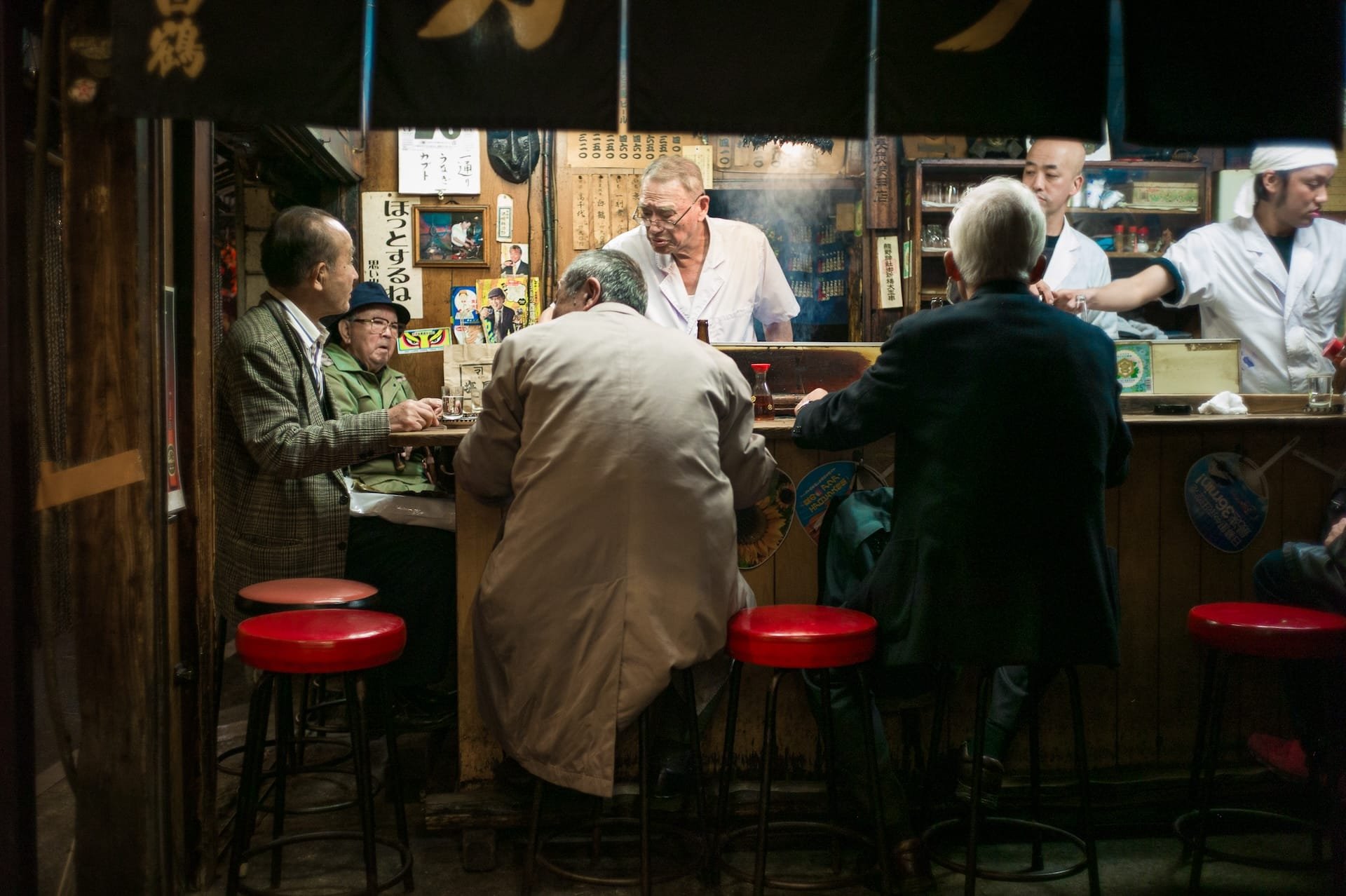
Kabuto Unagi unfolds like an old-Tokyo scene: a narrow single counter, a central charcoal grill and a chef who moves with brisk, practiced motion. The room is compact and cozy, built around ritualized technique rather than embellishment. The family-run kitchen emphasizes mastery and continuity: time-aged tare, binchotan charcoal and nose-to-tail use of eel give the meal a quietly rustic authenticity. Service is brisk and focused, and the atmosphere favors attentive witnessing of craft over leisurely lounging. The result feels intimate and rooted in tradition, a compact slice of Tokyo unagi culture.
Best For
This is a reservation-only tasting experience that suits intimate evenings and focused visits: think date nights or solo seats at the counter where the chef’s work is front and center. With roughly 15 counter seats and two strict service times, the restaurant rewards advance planning and is best for diners who want to watch live eel preparation and charcoal grilling up close. It’s not a casual drop-in spot; scarcity and ceremony make it ideal for deliberate visits where the food and technique are the main attractions.
Ordering Tips
Book well in advance: the kitchen runs two service times (15:00 and 18:00) and reservations often fill months ahead. Expect a reservation-only course that progresses through belly, collar, liver and fillet; seek out hitokuchi-kabayaki and salt-seasoned variations to sample both tare-glazed and salt-finished styles. The menu emphasizes nose-to-tail eel preparations, try the signature skewers and liver preparations, and arrive ready to watch the binchotan charcoal grilling that defines the restaurant’s flavor profile.
Venue details
Ambiance
Practical historic space with wooden surfaces darkened by smoke, small lamps above the smoky energetic grill, and convivial chef banter.
Tags
Vibe
Best For
Experience
At the Table
- Noise Level
- Lively
- Service Style
- Upscale Casual
- Meal Pacing
- Leisurely
- Capacity
- Intimate
- Kitchen
- Traditional
- Menu Format
- Counter dining, Tasting menu
- Drinks Focus
- Sake
Signature Dishes
- live eel heart
- eel liver skewers
- shirayaki eel
- kabayaki eel
Know before you go
Know Before You Go
- Getting there
- 2 Chome-53-2 Ikebukuro, 豊島区 Toshima City, Tokyo 171-0014, Japan
Planning details
Hours
- Monday
- 5–10 pm
- Tuesday
- 5–10 pm
- Wednesday
- 5–10 pm
- Thursday
- Closed
- Friday
- 5–10 pm
- Saturday
- 5–10 pm
- Sunday
- Closed
Location
2 Chome-53-2 Ikebukuro, 豊島区 Toshima City, Tokyo 171-0014, Japan · Directions
Recognition and awards

Also consider
Also Consider
- Harutaka: Sushi, ¥¥¥¥
- RyuGin: Kaiseki, Japanese, ¥¥¥¥
- L'Effervescence: French, ¥¥¥¥
- HOMMAGE: Innovtive French, French, ¥¥¥¥
- Florilège: French, ¥¥¥
Restaurant context
Kabuto Unagi operates in a different category from most of the high-end Tokyo restaurants it is often grouped with by price. At JPY 20,000–29,999, it costs roughly the same as a dinner sitting at Harutaka or RyuGin, but the experience is narrower and more focused. Kabuto does one thing, unagi, treated with the discipline of a specialist counter, which makes it the right choice if that single ingredient is your priority. If you want the breadth of a kaiseki progression or the technical range of a top sushi counter, RyuGin and Harutaka respectively are the more appropriate bookings.
Against the French options in this tier, the comparison is mostly about format preference. L'Effervescence and HOMMAGE both sit at the ¥¥¥¥ level and offer multi-course tasting menus with greater ingredient variety and a different kind of narrative arc across the meal. Florilège at ¥¥¥ comes in at a lower price point and is easier to book. None of these are alternatives if unagi is what you want; they are alternatives if the price point is your anchor and you are open on cuisine.
For booking difficulty, Kabuto sits in a more accessible position than Harutaka or RyuGin, which require significant lead time and can be harder to secure for visitors without local contacts or a concierge. Kabuto's online-only system through omakase-japan.jp is direct and manageable with two to three weeks of advance planning. The cash-only payment policy is the main operational friction compared to peers. If that is a barrier, or if you need private room options, the French venues in this comparison set are more operationally flexible.
Explore Tokyo
Around this place
Discover more on Pearl
Unlock the full Kabuto Unagi guide in Pearl, including awards, comparisons, FAQs, planning details, and nearby places.
FAQ
Frequently Asked Questions
Can Kabuto Unagi accommodate groups?
Groups are limited by the 15-seat total capacity, split across 8 counter seats, 3 raised platform seats, and 4 table seats. Private dining is not available, and private buyout is also off the table. Parties of 2–4 are the practical sweet spot; larger groups should book well in advance and confirm whether adjacent seats can be arranged.
What are alternatives to Kabuto Unagi in Tokyo?
Kabuto Unagi is the reference point for specialist unagi dining in Tokyo, with a Tabelog score of 4.44 and Silver recognition every year since 2017. If unagi is not your format, Harutaka is the comparable benchmark for high-commitment counter dining at a similar price tier. For a broader kaiseki experience at comparable spend, RyuGin is the obvious pivot.
What should I order at Kabuto Unagi?
The restaurant is a dedicated unagi specialist, so the format centres on eel preparation rather than a broad menu. At JPY 20,000–29,999 per head, expect a set or structured progression rather than à la carte choice.
Is lunch or dinner better at Kabuto Unagi?
Dinner only. Kabuto Unagi does not offer lunch service. The two sittings run at 15:00 and 18:00, Tuesday through Saturday (closed Thursday and Sunday). Book the 15:00 sitting if you want the earlier slot, noting that this is still an early dinner format rather than a traditional lunch.
What should I wear to Kabuto Unagi?
No dress code is specified. The venue is a 15-seat specialist counter in Ikebukuro, not a formal hotel dining room, so neat casual is appropriate. Avoid arriving overdressed expecting white-tablecloth formality; the atmosphere is counter-focused and ingredient-driven.
Can I eat at the bar at Kabuto Unagi?
Yes. Eight of the 15 seats are at the counter, which is the primary format here. Counter seats are the standard booking, not a premium upgrade. If you prefer a table, 4 table seats are available, though counter seating gives the clearest view of the preparation.