

Tabelog 100 - Unagi - 2024: Japan’s Best Grilled Eel Spots
Tabelog 100 (Hyakumeiten) Unagi selection for 2024. Tabelog publishes these as source-ordered lists of 100 restaurants.

Venues on this list
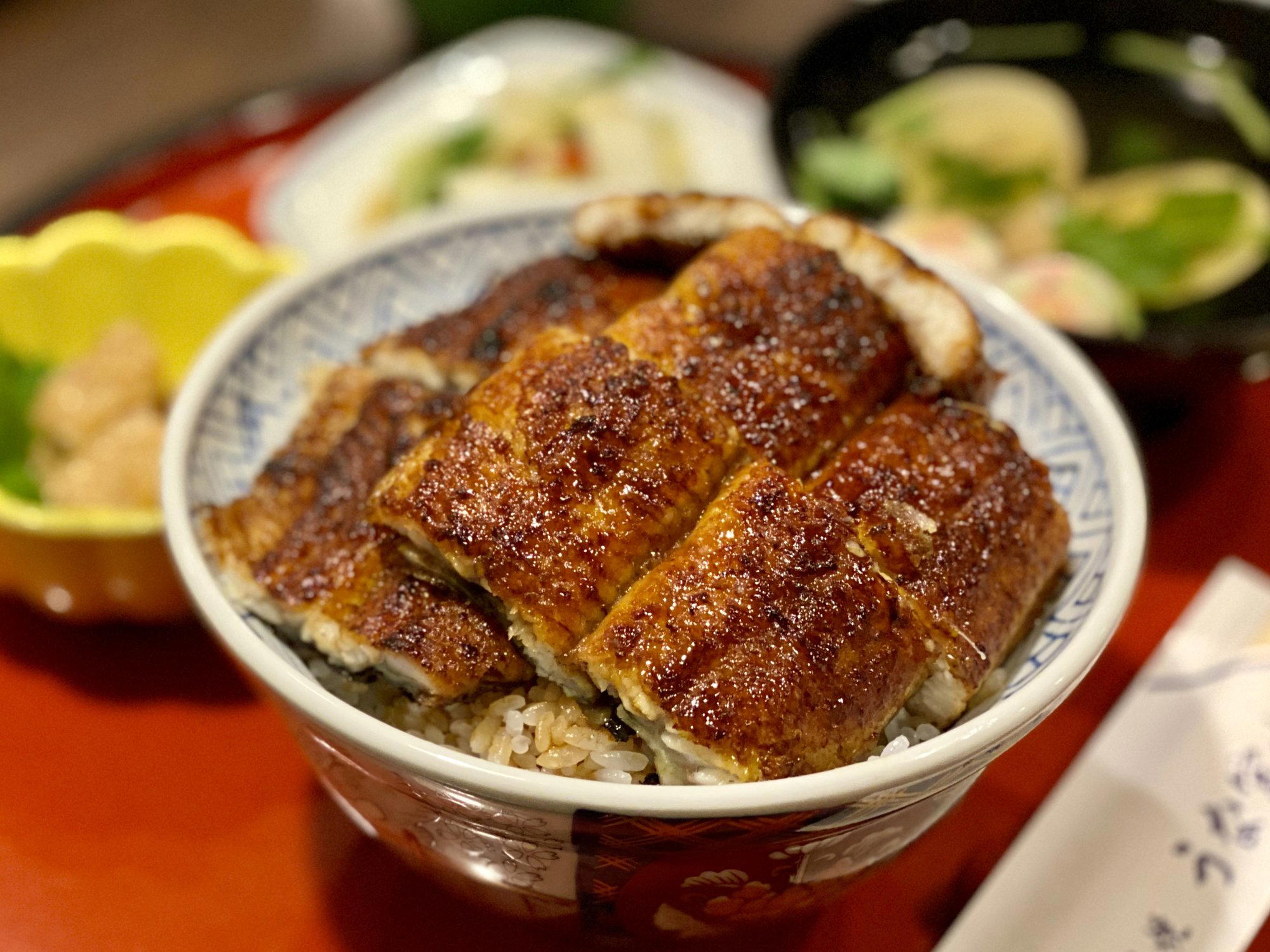
Uran
Otsu, Japan
Uran is the strongest case for unagi in the Kansai region outside Kyoto; a Tabelog Gold 2025 winner with a score of 4.54, operating out of an 18-seat tatami house restaurant in Hamaotsu. Reservations for new customers are currently suspended, cash only, and lunch hours close at 13:30. Worth the effort to get in, but plan well ahead.
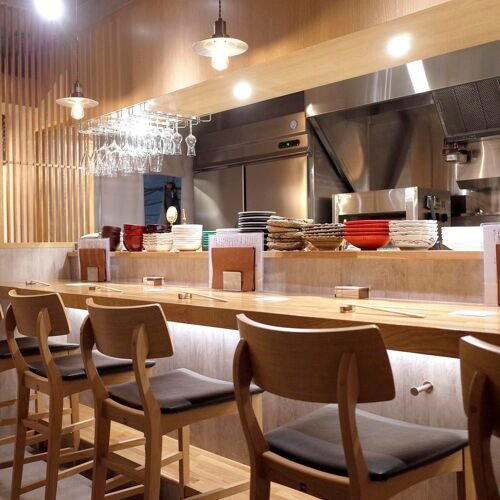
Ginza Yondaime TAKAHASHIYA
Tokyo, Japan
A 150-year-old unagi specialist now in Ginza, TAKAHASHIYA holds a Michelin Plate for 2024 and 2025 and serves Kanto-style eel in a kaiseki-influenced kappo format. At ¥¥, it delivers genuine craft and occasion-worthy structure without the ¥¥¥¥ commitment of Tokyo's top kaiseki counters. Book for a date or celebration dinner if the Kanto eel tradition is what you want.
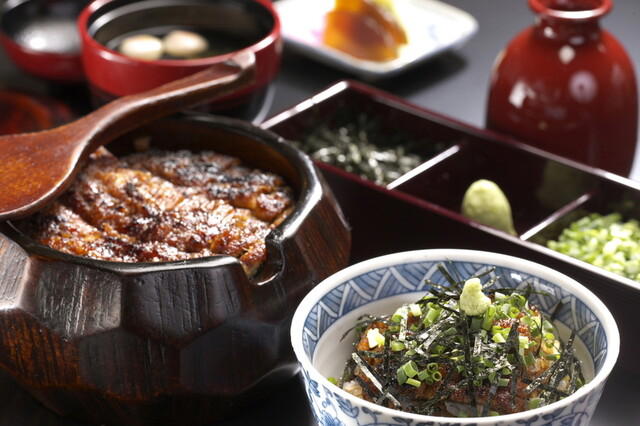
Atsuta Houraiken Honten
Nagoya, Japan
The birthplace of hitsumabushi and a Tabelog Unagi 100 Best veteran, this Meiji-era house near Atsuta Shrine delivers Nagoya's signature three-way eel ritual in a formal tatami setting. Worth it for private kaiseki dinners (reserve ahead, ¥5,000–¥6,000 plus 10% service), less so for solo walk-ins; the sister Jingu-ten branch offers the same menu faster and cheaper.
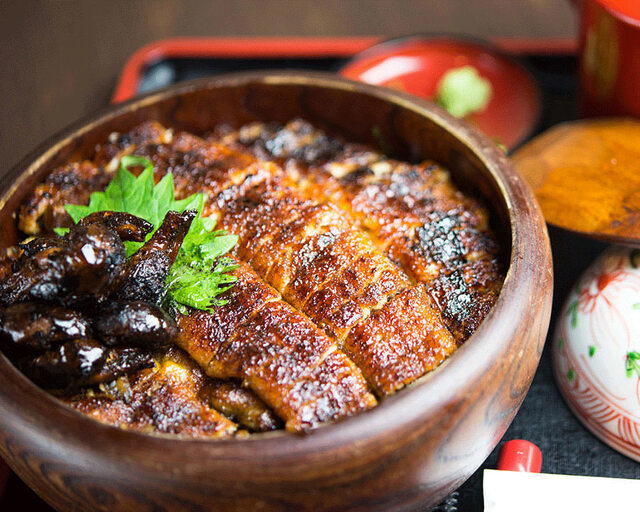
Unagi Okafuji
Nagoya, Japan
Charcoal-grilled eel in a 70-seat Sakae dining room, named to Tabelog 100 Unagi 2024. Lunch runs JPY 4,000–4,999, dinner JPY 6,000–7,999, with walk-in counter seats available daily and private rooms for groups of three or more. The venue delivers consistent unagi donburi technique in a family-friendly space three minutes from Fushimi Station, easier to book than Tokyo's top eel specialists.
Myojinshita Kandagawa Honten
Tokyo, Japan
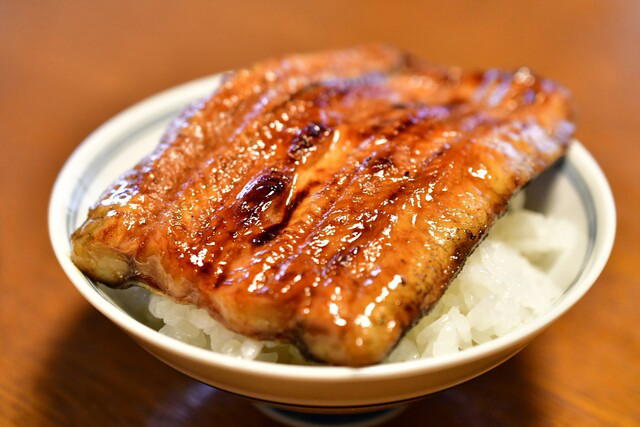
A Tabelog 100 Unagi specialist near Kanda Myojin charging ¥15,000–¥19,999 for dinner, ¥8,000–¥9,999 for lunch. Private tatami rooms seat groups of two to six. Worth it for travelers who value traditional ambiance and are comfortable booking by phone in Japanese, but lunch offers better value than dinner.
Nihonbashi Izumoya
Tokyo, Japan
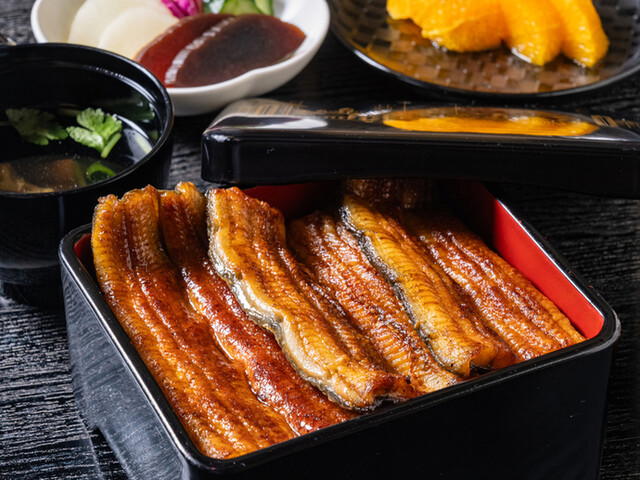
Tabelog 100 Unagi selection operating from a house-style space near Mitsukoshimae Station, with private tatami rooms for two to fifty guests and a strict reservation policy. Dinner runs JPY 15,000–19,999 with a 10% service charge; lunch costs JPY 4,000–4,999. Limited morning service serves the first ten guests only on a first-come basis.
Yamasei
Nagano, Japan
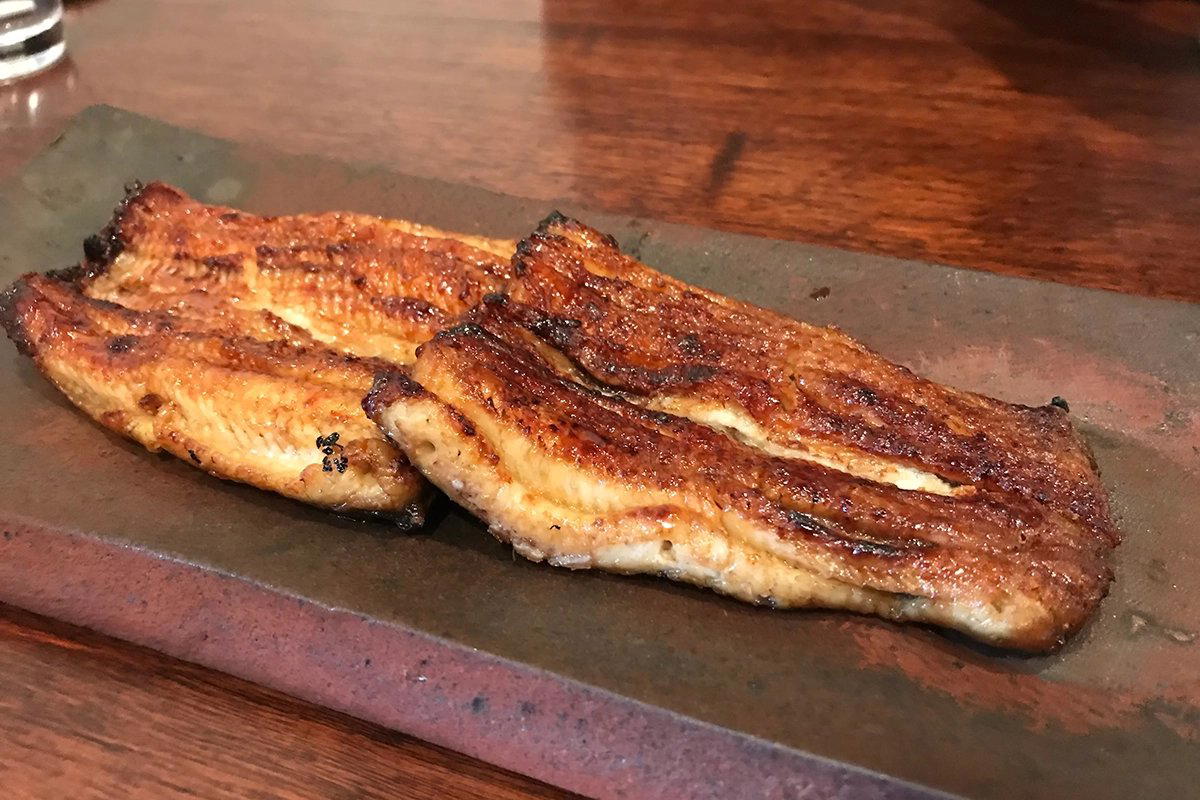
Yamasei is Nagano's reference point for specialist unagi dining; a Tabelog Bronze Award winner in 2025 and 2026, with a 4.17 score and selection for the Tabelog Unagi Top 100 in 2024. Thirteen seats, counter-facing, and dinner by reservation only. Lunch starts at JPY 6,000; dinner runs JPY 30,000+ in practice. Book through Table Check, Wednesday to Sunday only.
Ichi Unagi
Shizuoka, Japan
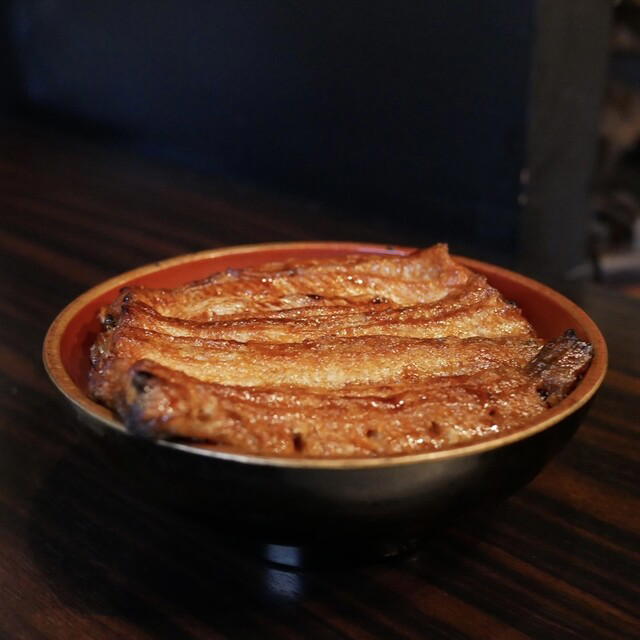
Nine-seat unagi counter in Itō with a bronze Tabelog Award (2026) and Tabelog 100 recognition. At JPY 6,000–7,999, the focused grilling format and sustained accolades justify a special-occasion booking. Book by phone; cash only, three minutes from JR Itō Station.
Tsujiya
Seki, Japan
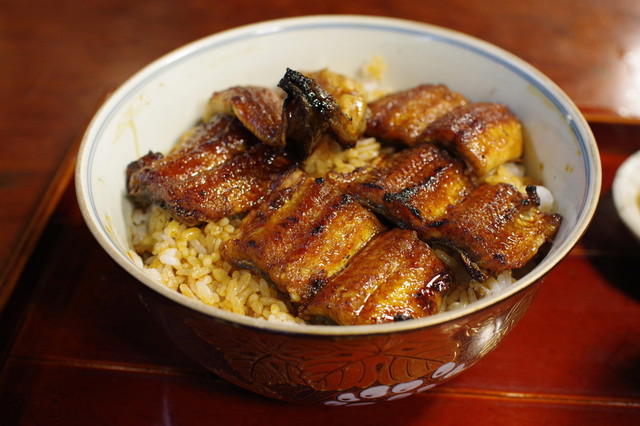
A Tabelog Unagi 100 honoree in Seki offering grilled eel at JPY 3,000–4,999 across communal and tatami seating for up to 70 diners. No reservations accepted; walk-in only with parking available. Best for groups and families willing to queue during peak hours.
Yashima
Tokyo, Japan
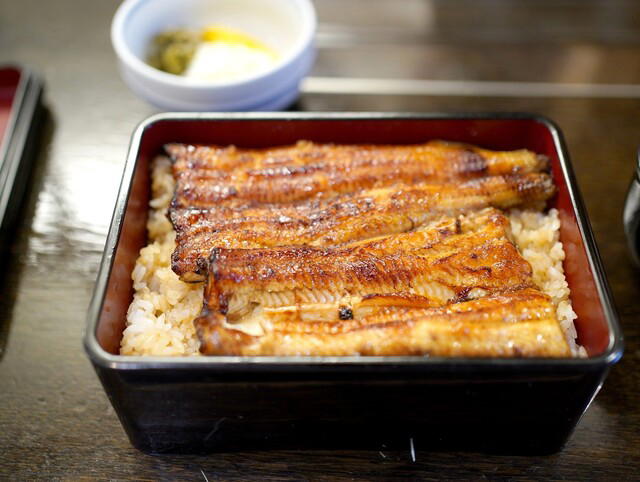
Tabelog Unagi 100 specialist serving Kanto-style grilled eel bowls at JPY 5,000-5,999, roughly 25% below central Tokyo's prestige houses. The kitchen steams before charcoal-grilling, delivering soft, delicate flesh with balanced tare glaze. Counter and tatami seating near Shin-Okachimachi Station; reservations recommended weekends, walk-ins possible weekdays.
Kuni Yoshi
Naka-gun, Japan
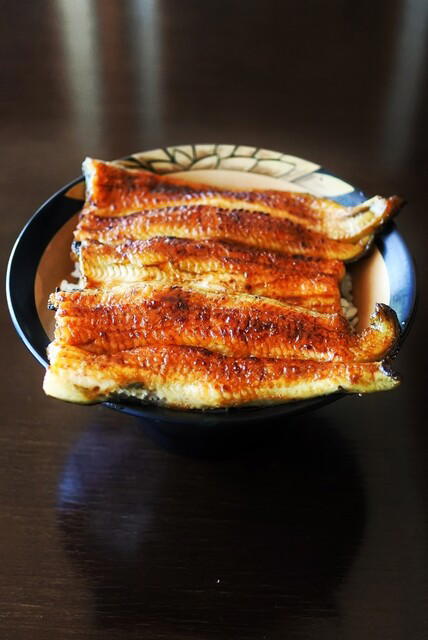
Reservation-only unagi specialist in Oiso, recognized three times on Tabelog's Unagi 100 list. Lunch runs JPY 10,000–14,999, dinner JPY 15,000–19,999 for kaiseki-style eel courses served in private tatami rooms. Eight seats, charcoal grill, sake and wine pairings. Book by phone; closed Wednesday and Thursday.
Hatsuogawa
Tokyo, Japan
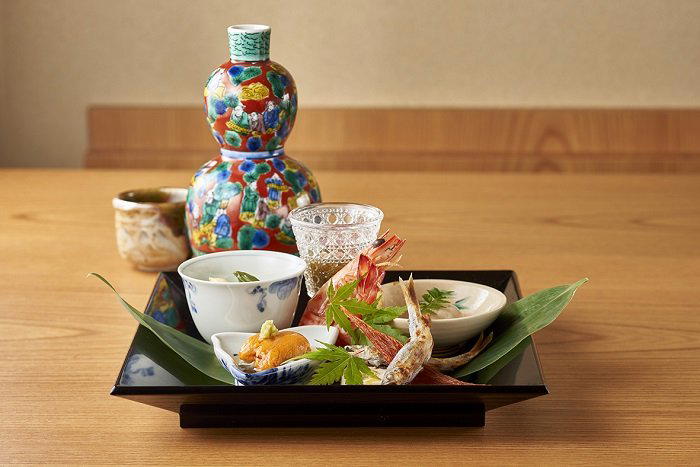
A century-old unagi specialist in Asakusa with a Michelin Bib Gourmand (2024) and a kabayaki sauce recipe that has not changed since the original founder. At ¥¥ pricing with easy booking, this is the right call for anyone who wants a historically grounded eel meal in Tokyo without the financial commitment of a fine-dining room.
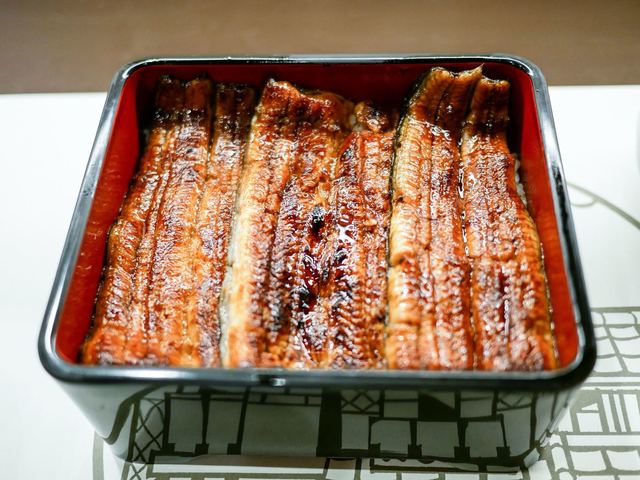
Shinsen Ichinoya
Tokyo, Japan
Tabelog 100 Unagi specialist near Shinsen Station with counter, table, and sunken seating. JPY 10,000–14,999 for dinner buys charcoal-grilled eel in a neighborhood room that prioritizes technique over theater. Private rooms available; reservations recommended but not onerous.
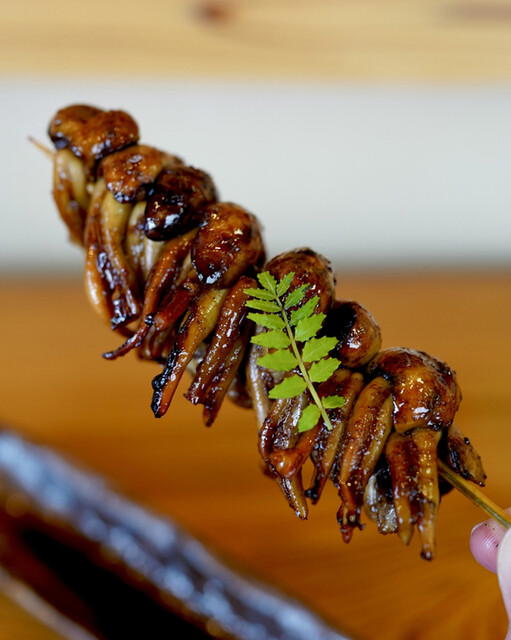
Uotoku
Nikko, Japan
A Tabelog 100-ranked eel specialist in Nikko offering charcoal-grilled <em>unagi</em> at lunch prices (JPY 2,000–2,999) well below Tokyo's standards. The spacious layout includes counter, tatami, and private rooms; ideal for families or celebrations. Summer eel peaks in richness; spring and autumn bring leaner, more delicate fish. Book lunch for value, dinner for a fuller sake-paired experience.
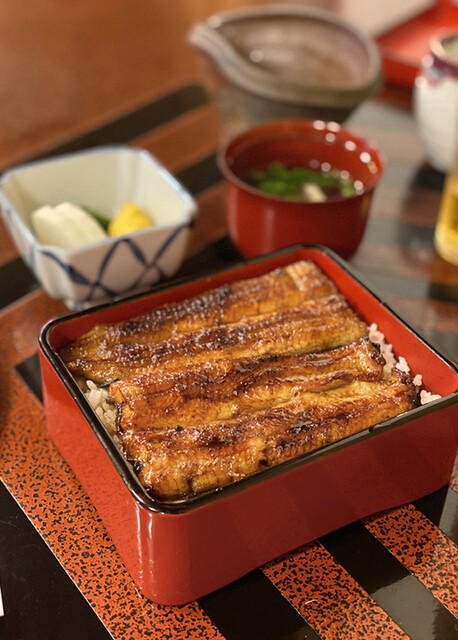
Unagi Sakuraya
Mishima, Japan
Tabelog Unagi 100 recognition three times over, charcoal-grilled eel in the Kansai style, and pricing under JPY 5,000 make this Mishima institution the clearest choice for travelers seeking award-level unagi without Tokyo's waits or expense. Phone-reservable, family-friendly, and a one-minute walk from Mishima-Hirokoji Station.
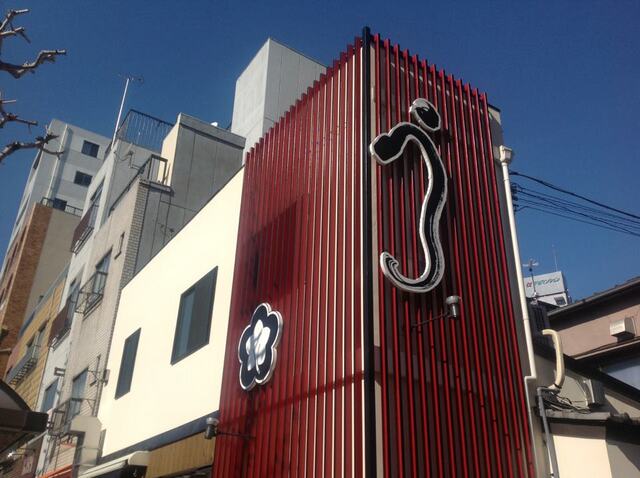
Iriya Kishimojin Monzen no Daya
Tokyo, Japan
Tabelog Unagi 100 specialist near Iriya Kishimojin Shrine, sourcing live eel daily and charging JPY 8,000–14,999 for unaju. The kitchen may sell out before final service, so early arrival or advance reservations are necessary; especially during summer when demand peaks.
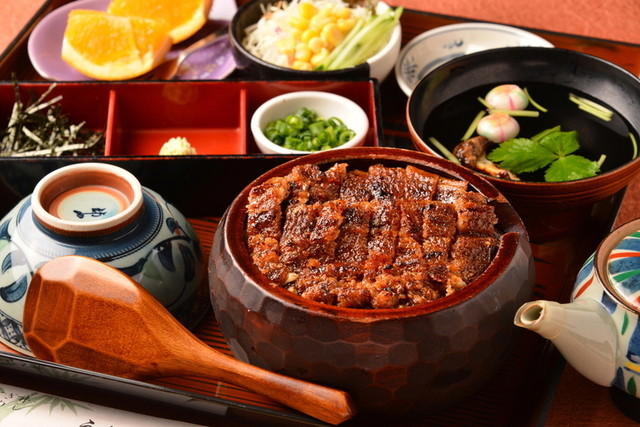
Una Sen
Tajimi, Japan
A Tabelog 100 Unagi 2024 selection in Tajimi, this 63-seat specialist grills live Mikawa eel to order over binchōtan charcoal, delivering technical precision at JPY 3,000–3,999. No reservations and 20-minute cook times mean timing matters, but the result justifies the wait for diners prioritizing eel mastery over ambiance.
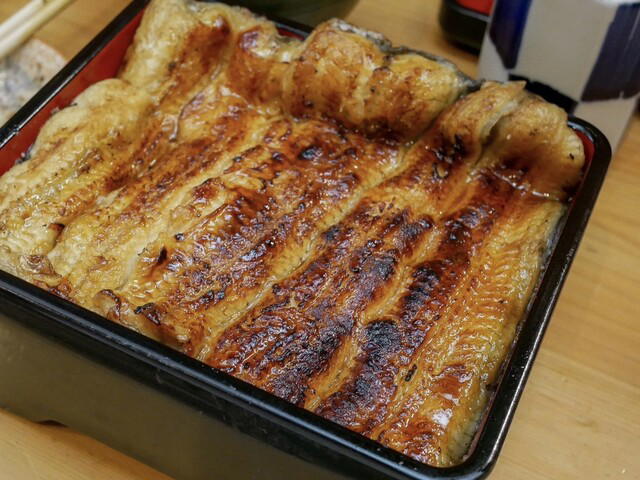
Unagiya
Tokyo, Japan
A Tabelog 100-recognized eel specialist in Tokyo's Toshima ward, offering made-to-order kabayaki at JPY 6,000–7,999 in a 31-seat neighborhood setting. Phone-only reservations and a 30-minute grilling window mean advance planning is essential, but the combination of award recognition and mid-tier pricing delivers better value than central Tokyo eel counters charging double.
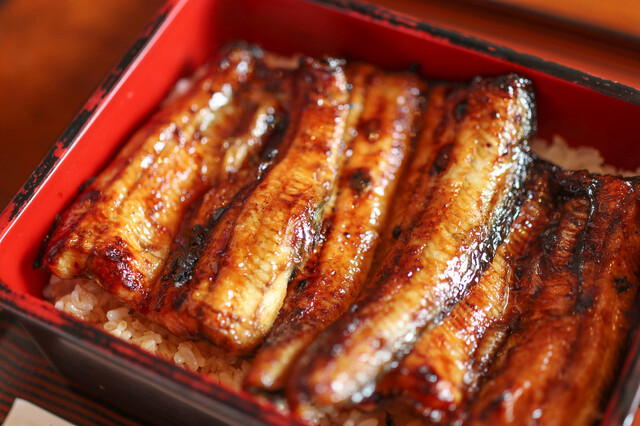
Sakume
Shizuoka, Japan
A no-reservation, 17-seat charcoal eel specialist in Hamana Ward that has held Tabelog 100 status since 2018. Lunch sells out early, evening service is sporadic, and the walk-in-only policy demands strategic timing; but the grilled unagi and national recognition justify the effort for eel purists touring Lake Hamana.
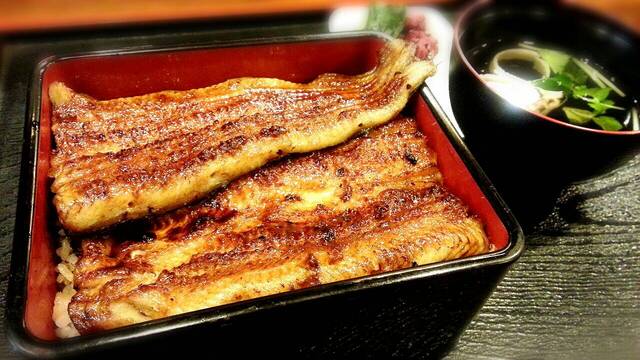
Unagi Ogawa Abiko ten
Abiko, Japan
Tabelog 100-recognized unagi house two minutes from Abiko Station, offering both Kanto-style (steamed, tender) and Kansai-style (direct-grilled, crisp) eel over binchotan charcoal. Lunch runs JPY 2,000–2,999, dinner JPY 4,000–4,999; solid value for disciplined technique and live-eel preparation. Reservations recommended for the 45-seat counter-and-table layout.
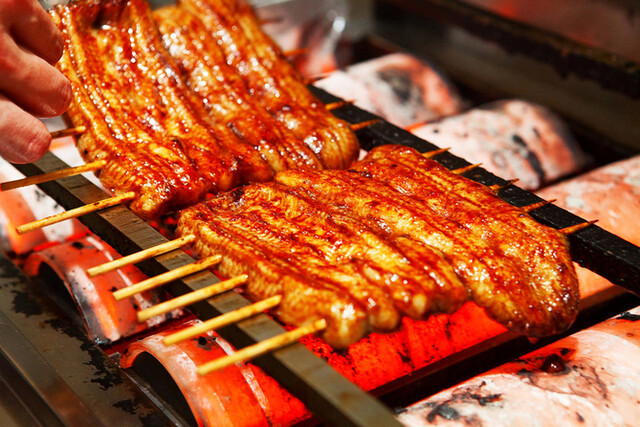
Unagi Senmonten Aikawa
Tokyo, Japan
A Tabelog Unagi 100 specialist near Takadanobaba Station, open since 2017, where takeout dominates and the 18-seat room closes once the daily eel allocation sells out. Reservations and early arrival are essential; expect JPY 5,000–7,999 for unaju boxes, with limited sit-down service and a no-frills format.
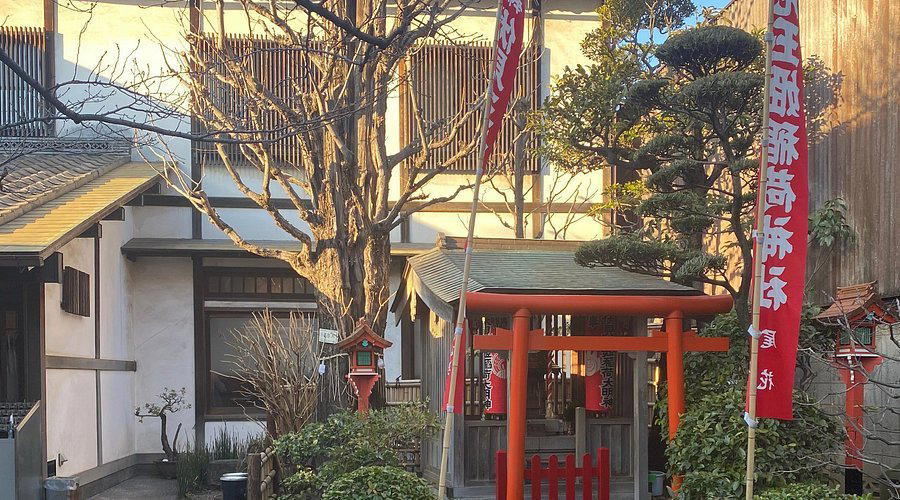
Obana
Tokyo, Japan
A Tabelog Silver Award sushi counter in Tatebayashi, Gunma; roughly 50 minutes from central Tokyo; Obana prices its full course at JPY 35,000–43,000, well below comparable Ginza counters. With just 8 seats, a serious sake list, and BYO permitted at JPY 3,300 corkage, it rewards food-focused travellers willing to make the journey.
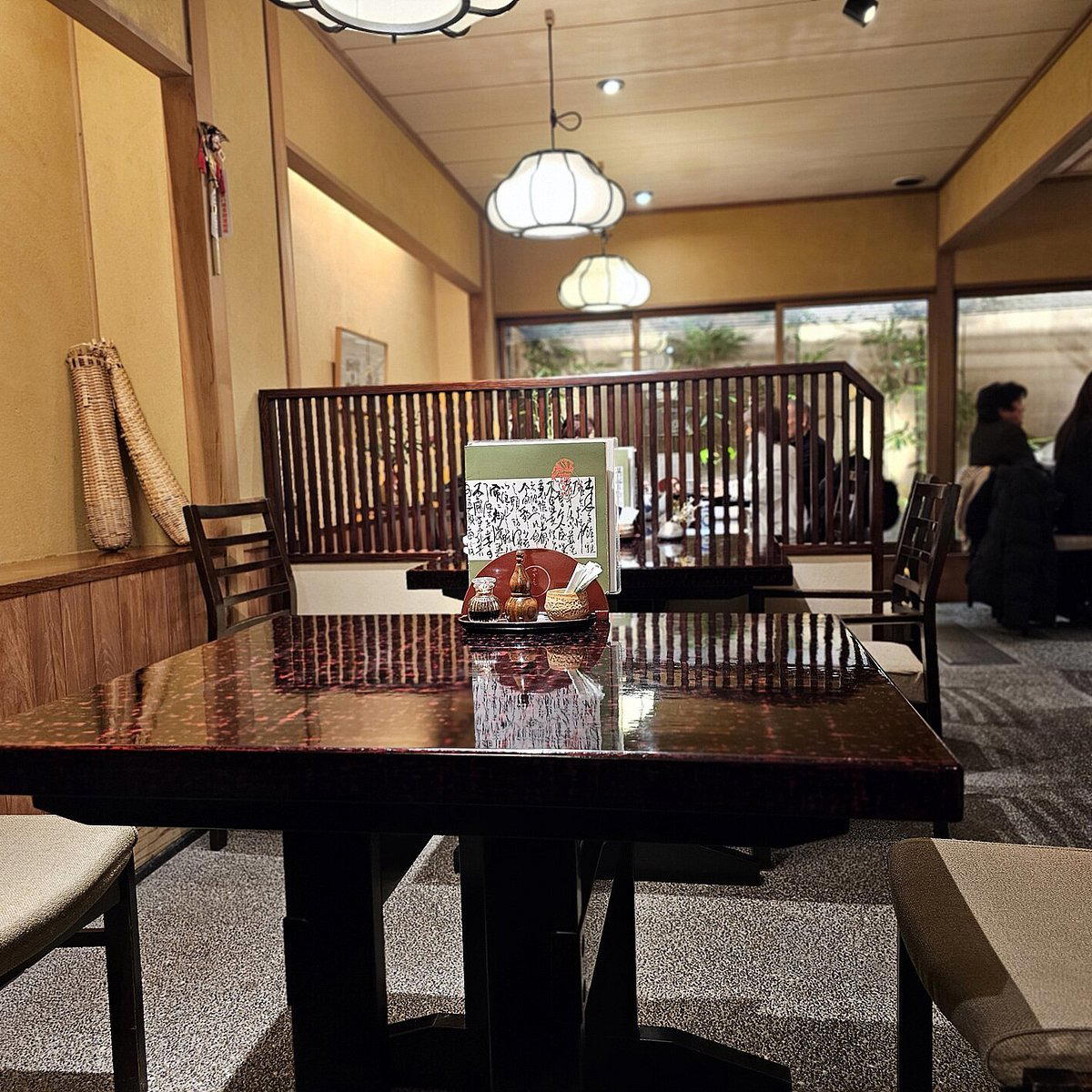
Inaka An Kokura honten
Kitakyushu, Japan
A near-century-old unagi specialist in Kokura, recognized six times by Tabelog's 100 list for its <em>konashi</em> grilling technique; feeding eels heavily before high-heat charring. Lunch (JPY 3,000–3,999) offers the same quality as dinner (JPY 5,000–5,999) with shorter waits and lower cost. Easy booking, 80-seat capacity, and private rooms for groups.
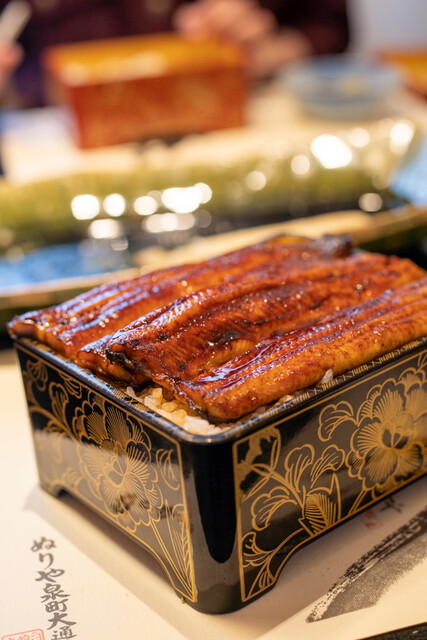
Nuriya Izumichou oodoori
Mito, Japan
A Tabelog 100 unagi specialist since 2018, offering grilled eel at JPY 5,000–7,999 in a spacious tatami setting. The room prioritizes comfort over ceremony, with 46 seats, private rooms for groups, and a focus on technical precision rather than fine-dining polish. Reservations help but aren't essential; cash only.
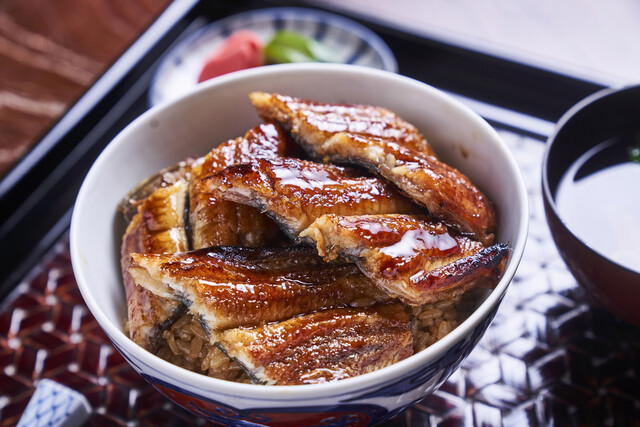
Warajiya
Kyoto, Japan
Warajiya serves charcoal-grilled unagi in a traditional Higashiyama house, selected three times for Tabelog's Unagi 100. Dinner runs JPY 6,000–7,999, lunch JPY 4,000–4,999. The 80-seat layout includes private rooms and tatami seating, with wheelchair access and stroller-friendly policies that make it unusually practical for family celebrations.
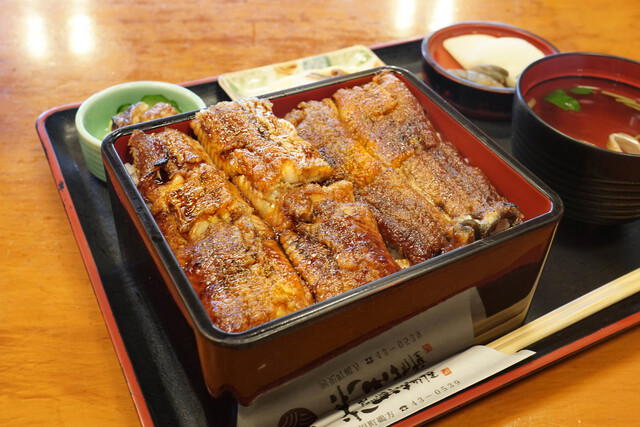
Sumibiyaki Unagi Higashiyama Bussan
Shima, Japan
A four-time Tabelog Unagi 100 selection serving charcoal-grilled eel rice bowls at JPY 2,000–3,999, this 52-seat Shima venue operates without seat reservations. Walk-ins are uncertain; eel orders can be reserved by phone, but tables cannot; so arrive early or call ahead to secure daily supply before it sells out.
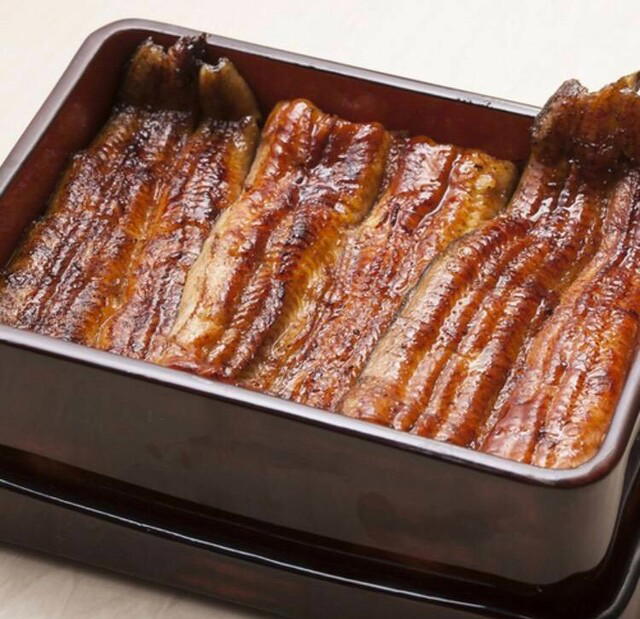
Unagi Mejiro Zorome
Tokyo, Japan
A Mejiro basement specialist focusing on Kyomizu-sourced unagi, grilled Kanto-style and recognized twice by Tabelog 100. Counter seating and private rooms serve lunch at JPY 3,000–4,000, dinner JPY 5,000–6,000. Reservations are easy, the neighborhood is quiet, and the format suits diners who want technical grilling without Ginza formality.
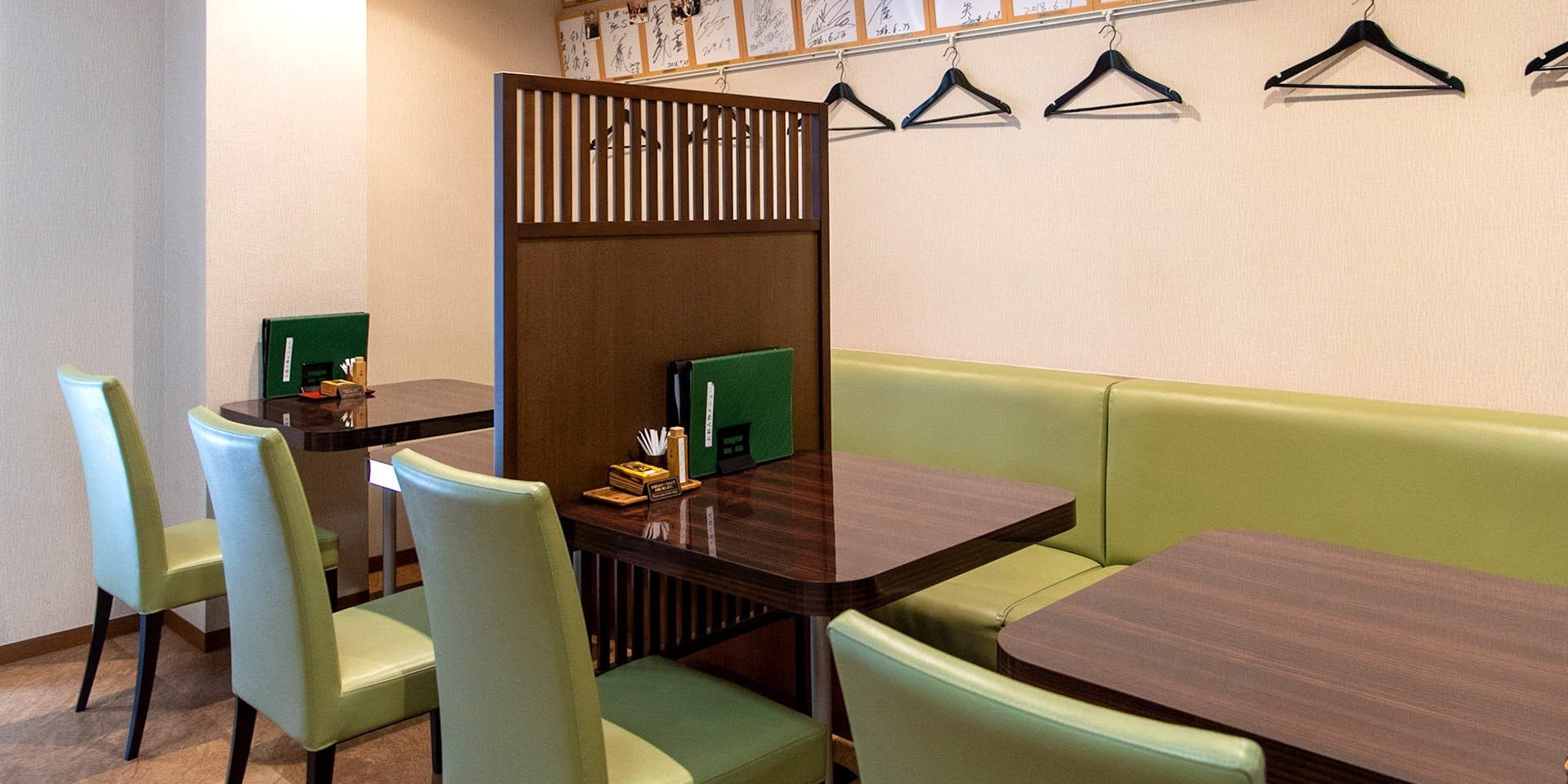
Uomasa
Tokyo, Japan
Uomasa holds a Tabelog score of 4.28 and Silver Awards in 2025 and 2026, making it one of Tokyo's most consistently recognised unagi specialists. Eel is grilled over Kishu Binchotan charcoal in a 32-seat room in Katsushika; dinner runs JPY 10,000–14,999. Reservations are required and fill quickly; book via the official site for lunch and individual-item orders.
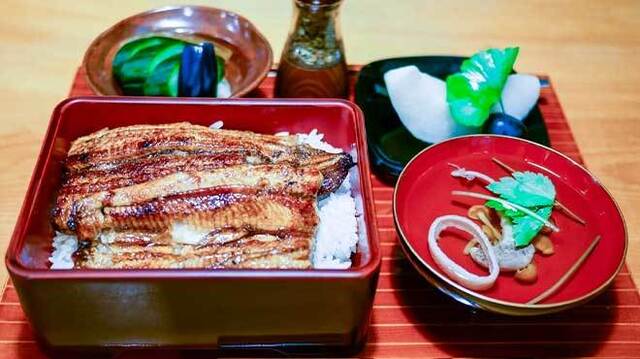
Unagiya Shubo Gasou Echigoya
Tokorozawa, Japan
Six-minute walk from Kotesashi Station, this Tabelog 100 Unagi 2024 restaurant offers Kanto-style eel in a converted house with counter, table, and tatami seating. Lunch runs JPY 4,000–4,999, dinner JPY 5,000–5,999; book ahead for weekends and private rooms.
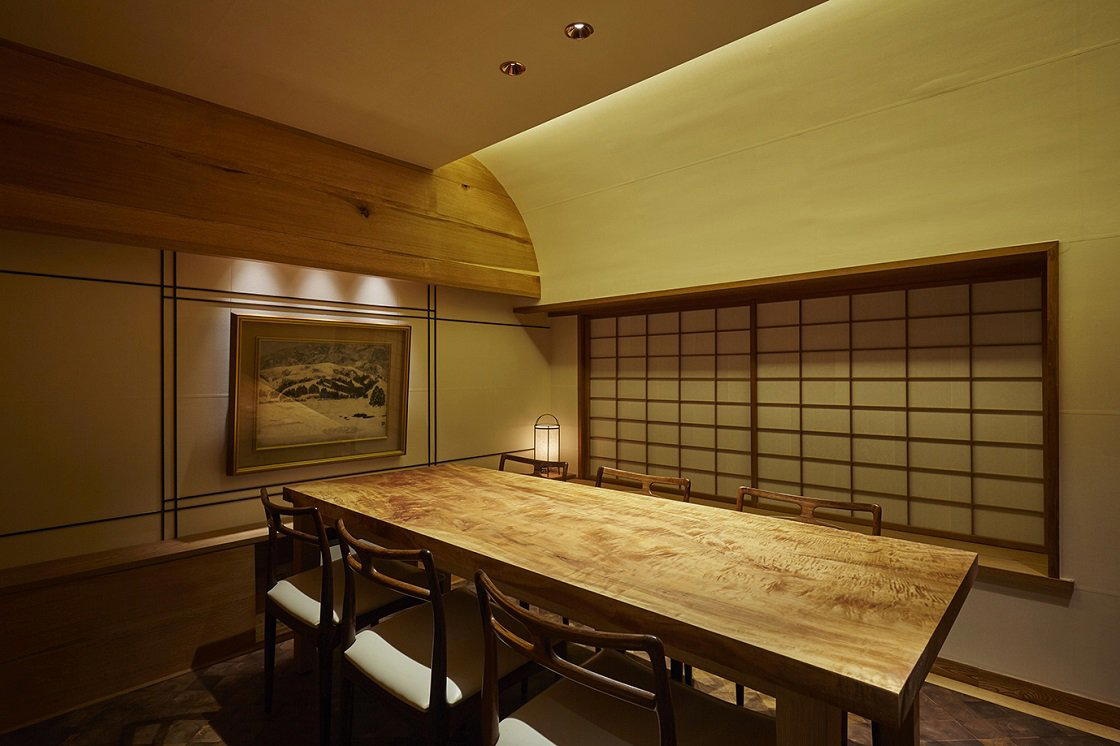
Okuniya Mambei
Kyoto, Japan
A Michelin Plate-recognised unagi restaurant in Nishiki Market, Okuniya Mambei serves one dish; kabayaki eel on earthenware-pot rice; with the precision of a kitchen that does nothing else. At ¥¥, it is the most considered value in Kyoto's eel category, with a room designed by architects and potters that punches well above its price tier for a special occasion.
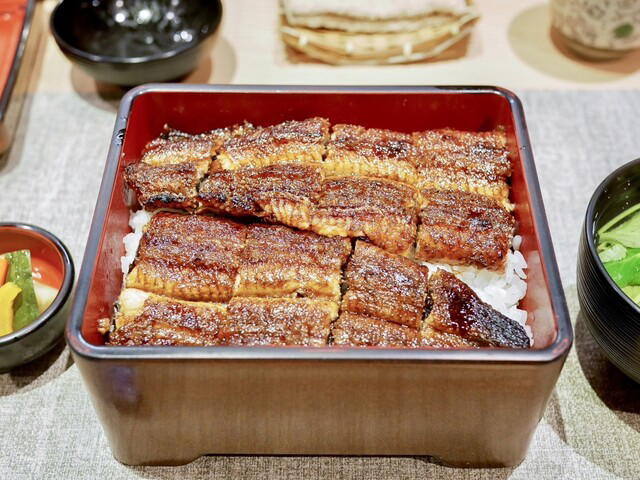
Unagiya Unagi
Osaka, Japan
A ten-seat unagi counter in Osaka's Yodogawa district, recognized on Tabelog 100 – Unagi four consecutive years (2018, 2019, 2022, 2024). Walk-in only except limited Saturday evening slots; no photography allowed. Dinner runs JPY 6,000–7,999, lunch JPY 8,000–9,999. Counter format suits solo diners and couples prioritizing technique over atmosphere.
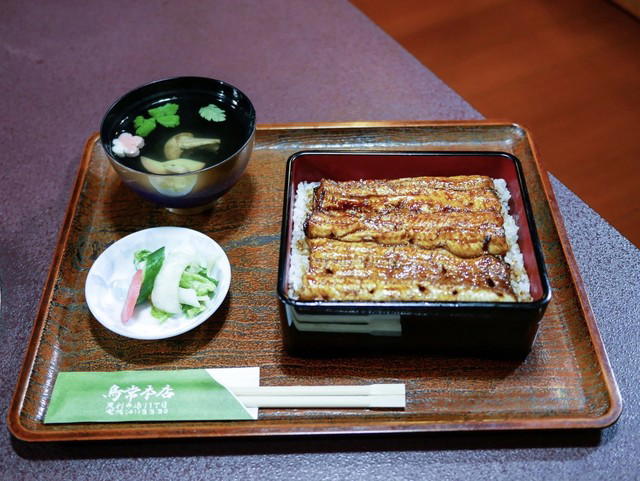
Toritsune Honten
Ashikaga, Japan
Toritsune Honten earns its spot on Tabelog's Unagi 百名店 with charcoal-grilled eel and chicken served in a converted house near JR Ashikaga Station. At JPY 3,000–JPY 3,999, the restaurant delivers traditional preparation and a relaxed tatami setting, but eel often sells out during service; reserve ahead by phone to secure both your table and menu. Lunch and dinner slots fill quickly, especially weekends; book three weeks out or risk walking away empty-handed.
Una Ki
Sendai, Japan
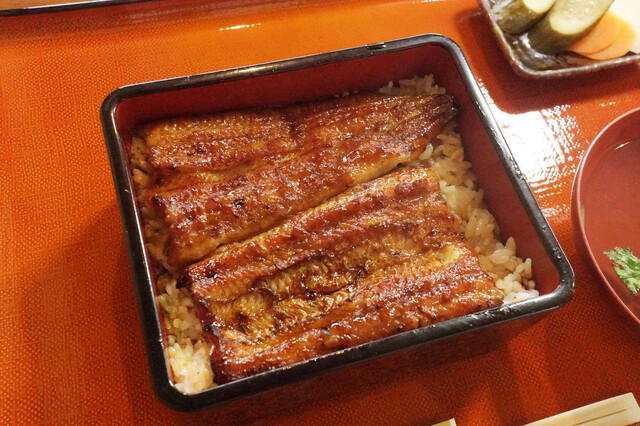
Tabelog 100 eel specialist grilling domestic unagi over Kishu binchotan since 2018, with private rooms and a sauce recipe carried forward from the previous generation. At JPY 6,000–9,999, it delivers consistent charcoal technique in Sendai's Kokubuncho district; easier to book than the city's top-tier omakase venues, with a focus narrow enough to justify the repeat recognition.
Ichibiki
Nagoya, Japan
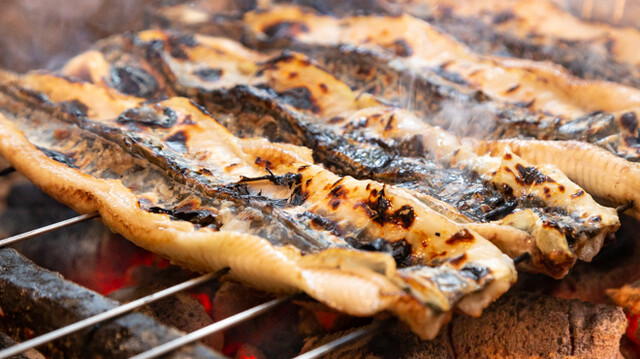
A Tabelog 100 Unagi regular since 2018, this 38-seat house restaurant near Kokusai Center Station delivers grilled eel at JPY 3,000–3,999. Lunch operates on a competitive ticket system starting at 9:30 AM; dinner requires advance reservations. The straightforward menu prioritizes fish quality and grilling technique over ambiance, with tatami seating and a BYOB-friendly policy for sake enthusiasts.
Hashimoto Unagi
Tokyo, Japan
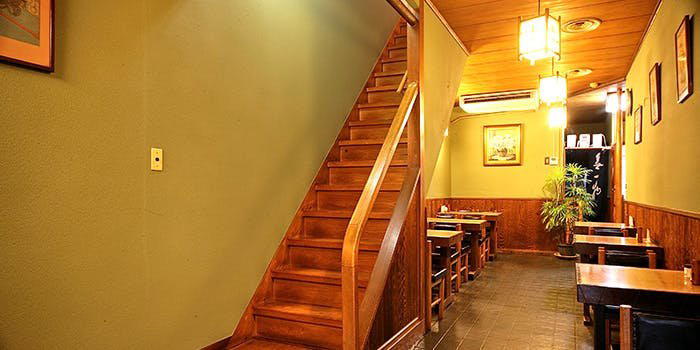
Hashimoto Unagi has been serving Edo-style grilled eel from the same Bunkyo address since 1835, with sixth-generation chef Shinji Hashimoto maintaining a tare sauce of equivalent age. Ranked in OAD's top 10 for Japanese casual dining three years running, it is the most historically grounded unagi option in Tokyo, easy to book, and best visited at Saturday lunch.
Unagi Nishihara
Osaka, Japan
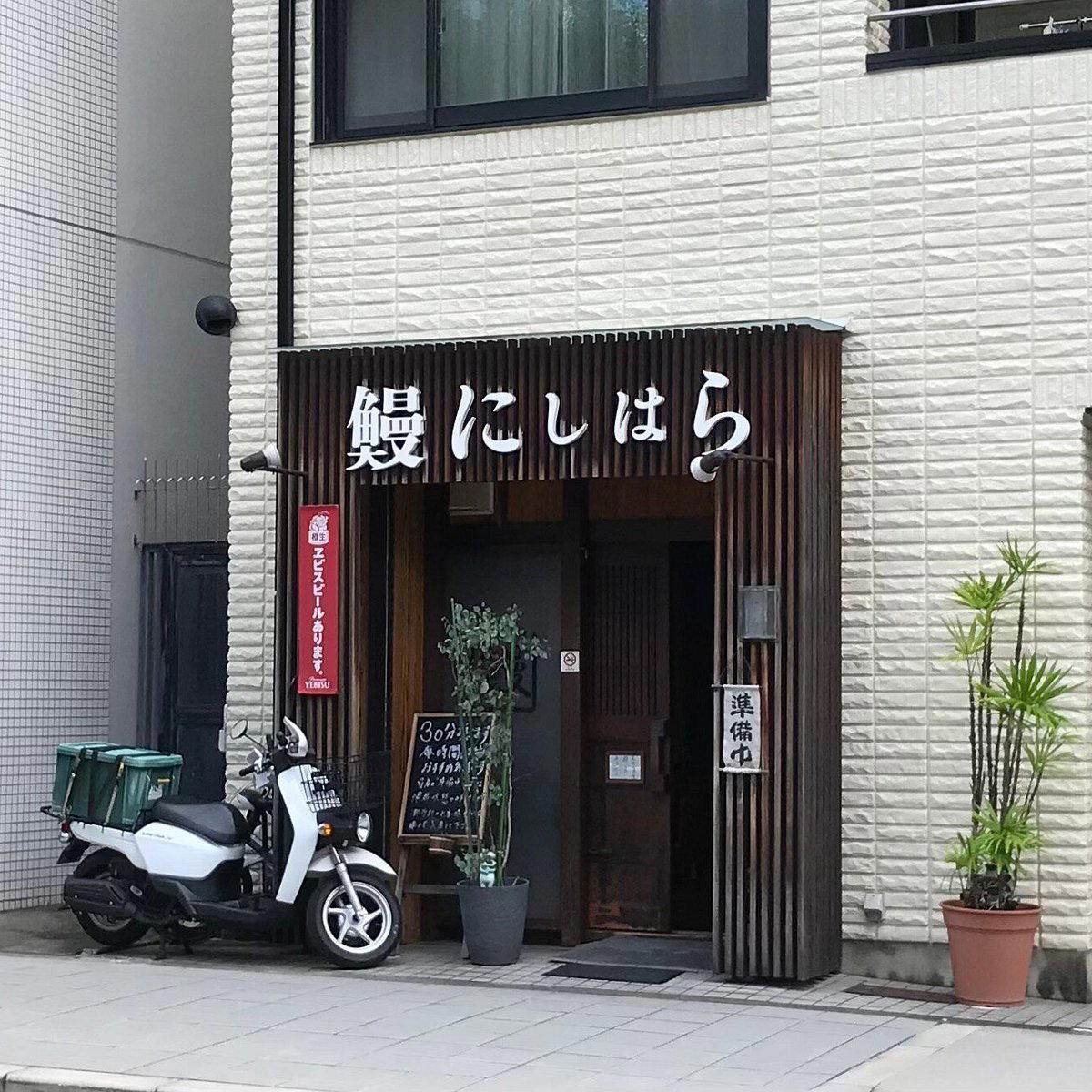
Book Unagi Nishihara when you want a focused Osaka meal built around a clear specialty rather than a casual snack stop. It suits small parties and food-focused travelers better than mixed-preference groups; cross-shop Udama Tanimachi base for a lower-priced savory option or Patisserie La Plage, Tawanico, Bonny's Bake Shop, and Dahl for sweets and lighter stops.
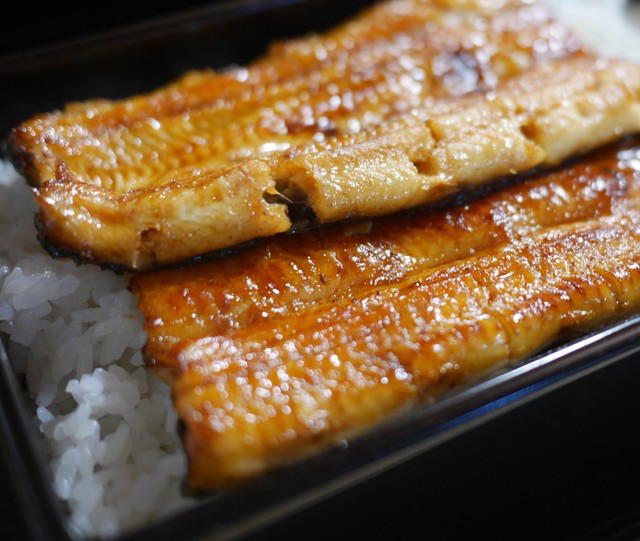
Unagi Akimoto
Tokyo, Japan
A Tabelog Unagi 100 veteran (#37, 2024) in Kojimachi serving traditional grilled eel over rice at JPY 8,000–JPY 9,999 dinner, JPY 5,000–JPY 5,999 lunch. Counter and private tatami rooms (2–20 guests); phone reservations only. Less tourist traffic than Ginza or Nihonbashi, more local ambiance, and takeout available; a practical choice if you want quality eel without advance-booking stress.
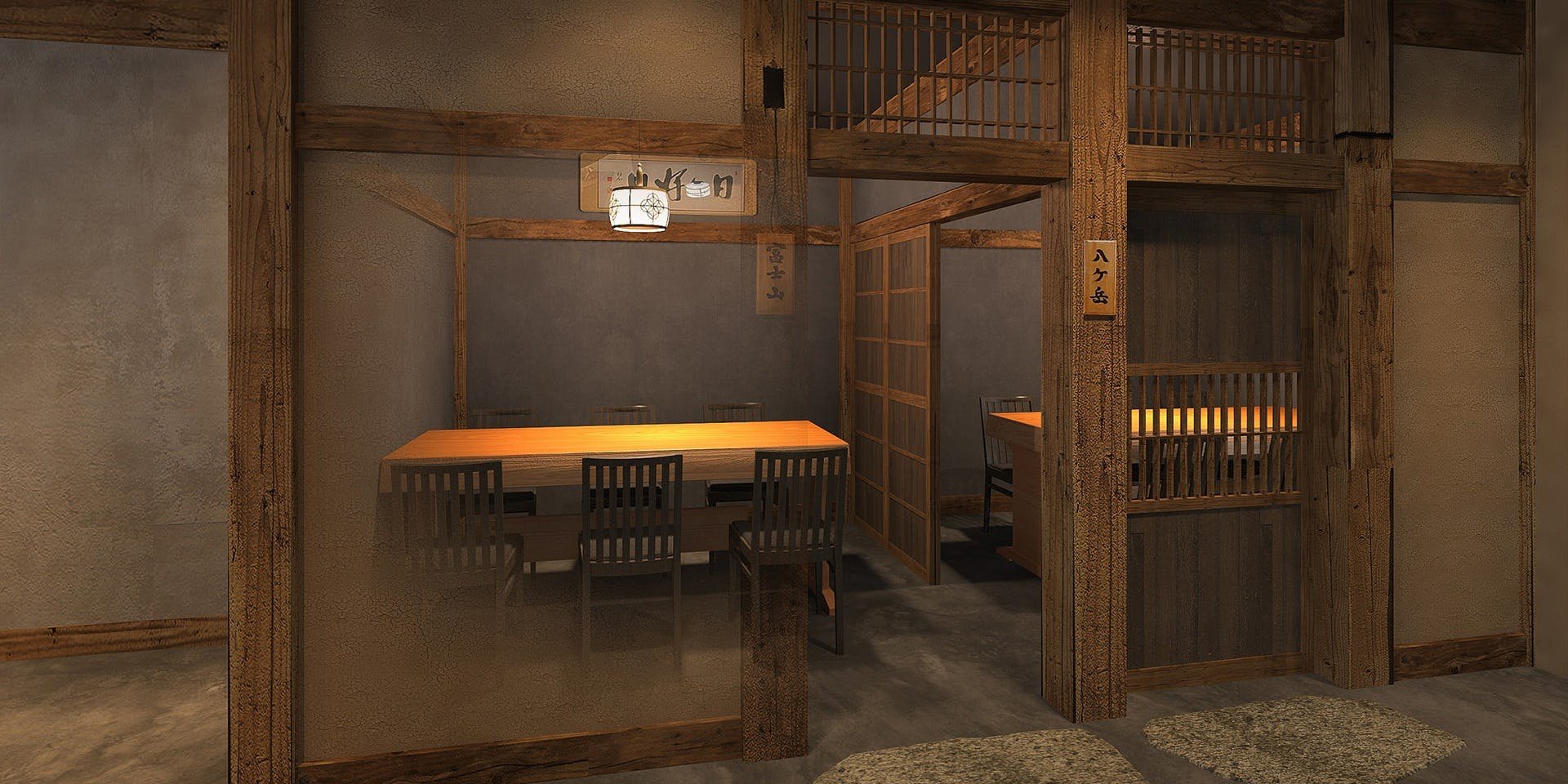
Unafuji
Nagoya, Japan
Unafuji is Nagoya's most credentialed casual unagi specialist, ranked #76 on OAD's Casual Japan list in 2024 and recommended by OAD in 2023. Open daily across split lunch and dinner sessions in the Shirakane neighbourhood of Showa Ward, it suits solo diners and small groups looking to eat hitsumabushi at a serious, low-ceremony level. Easy to visit; confirm pricing before you go.
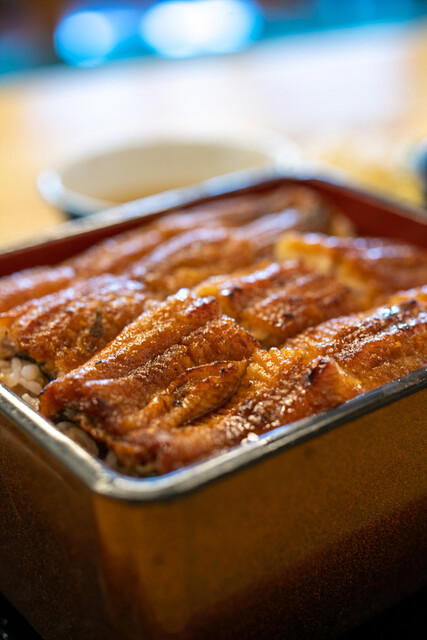
Kaida Ya
Nankoku, Japan
Nankoku house restaurant specializing in unagi (grilled eel), recognized four times on Tabelog's Unagi 100 list (2018, 2019, 2022, 2024). Traditional tatami seating, no reservations, cash-only, with pricing (JPY 3,000–3,999) well below Tokyo's award-level eel specialists. Best for unagi purists willing to navigate rural Shikoku for technically precise cooking without metropolitan polish.
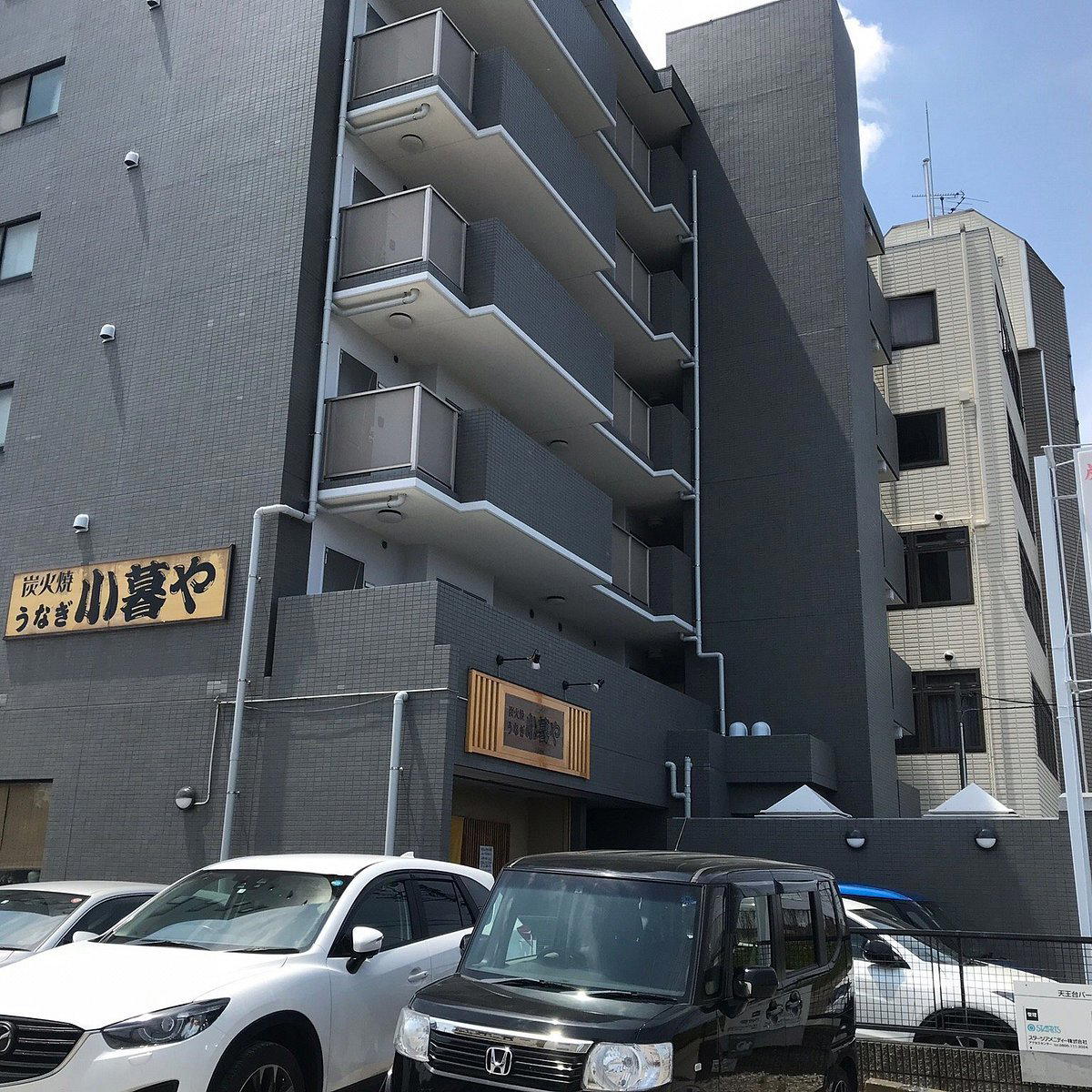
Kogureya
Abiko, Japan
Kogureya is worth booking if you want an Abiko meal with a stronger recognition signal than a routine neighborhood stop. Its Tabelog 100 #40 placement in 2024 makes it a serious pick, while the lack of published price detail means planners who want a predictable spend may prefer Unagi Ogawa Abiko ten.
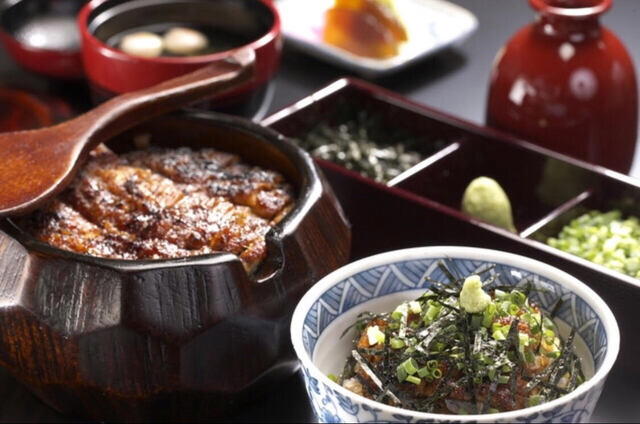
Atsuta Houraiken Jingu ten
Nagoya, Japan
Atsuta Houraiken Jingu ten serves charcoal-grilled hitsumabushi (Nagoya-style eel over rice) at JPY 4,000–4,999, earning Tabelog 100 Unagi recognition in 2018, 2019, and 2024. With 120 seats, 50 parking spaces, and no reservations required for standard service, this branch handles volume better than the flagship Honten but delivers slightly less polish. Walk-in only; expect 30–60 minute waits on weekends.
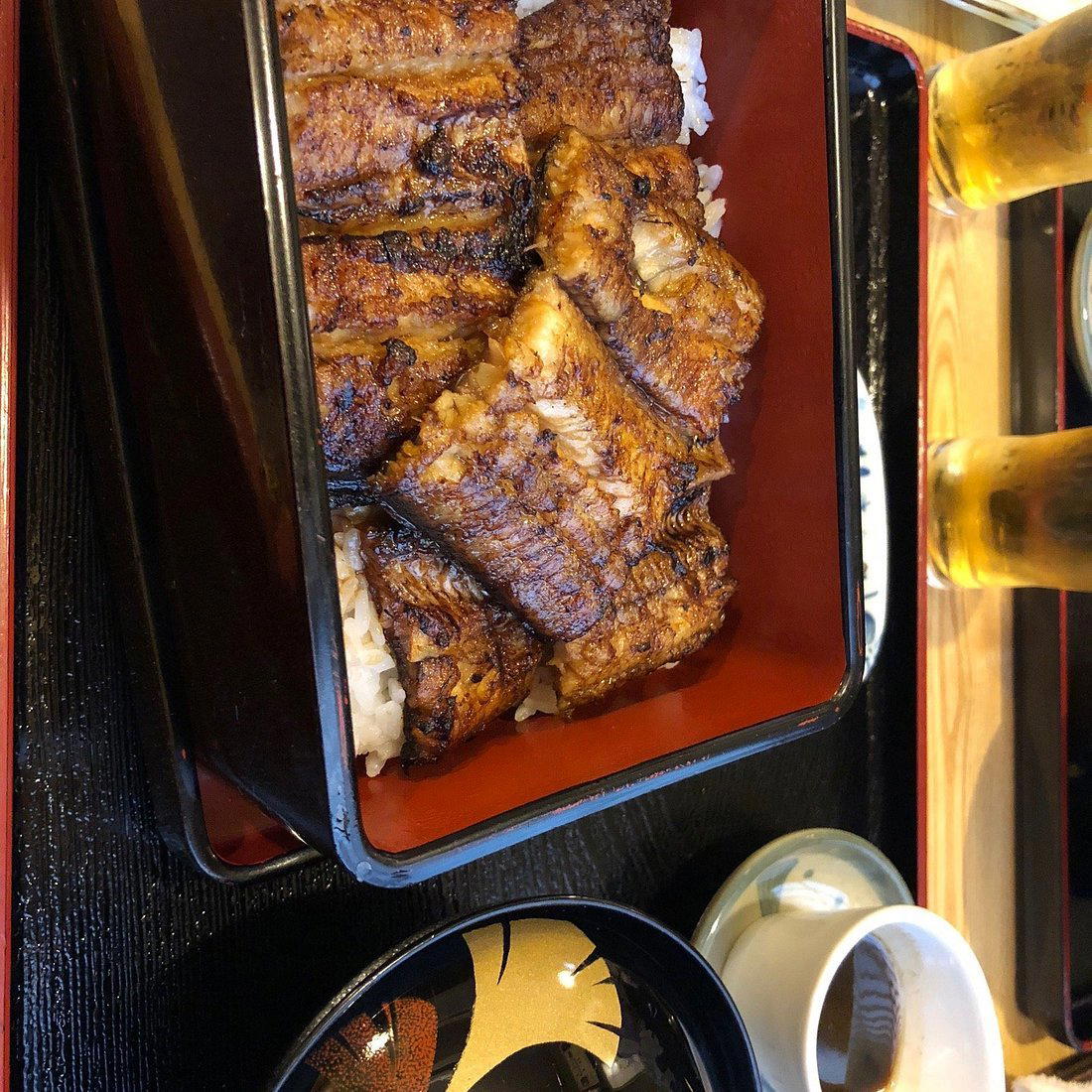
Unazen
Fukuoka, Japan
Unazen is a good Fukuoka pick when the priority is a focused Japanese meal with a credible recognition signal, not a big group night or wine-led dinner. Book it for a quiet, food-first plan in Chuo Ward; cross-shop Tatsu Sho or Restaurant SNOW if price clarity, sushi format, or a fuller restaurant experience matters more.
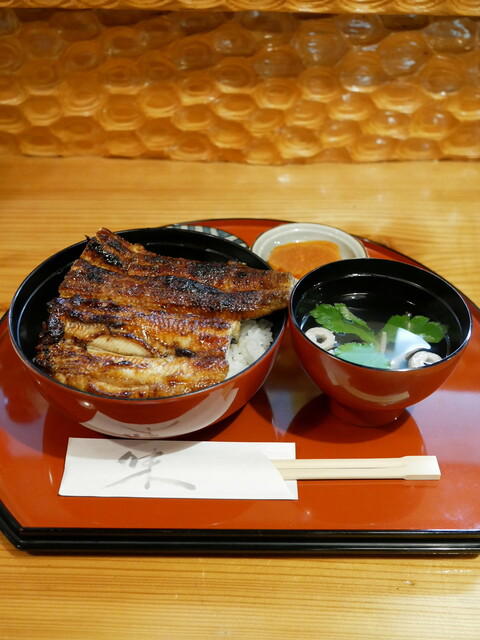
Unagi no Mitsuru
Kagoshima, Japan
A residential-district unagi specialist earning Tabelog 100 status four times since 2018, Unagi no Mitsuru runs a small counter format with parking on-site and a JPY 3,000–3,999 price point. The 9:00 AM waiting-list system and one-month advance booking window suit early arrivals and organized planners; cash-only payment and limited hours require preparation.
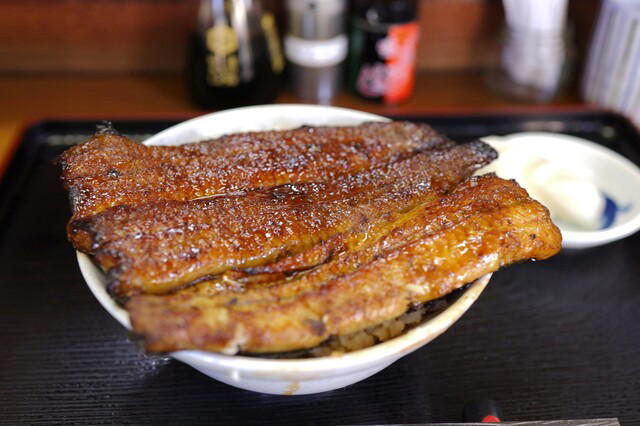
Unagi Marutomi
Tokyo, Japan
An 8-seat unagi counter in Minamishinagawa, three minutes from Aomono Yokocho station, earns Tabelog 100 selection (2022, 2024) with charcoal-grilled eel and donburi at JPY 3,000–3,999. Walk-in only, cash only, no photos. Open Monday–Friday lunch and dinner (closes 7 PM), Saturday lunch only. Queue by 10:50; smoking permitted. Best for solo diners and early eaters willing to wait.
Ganso Motoyoshiya Honten
Yanagawa, Japan
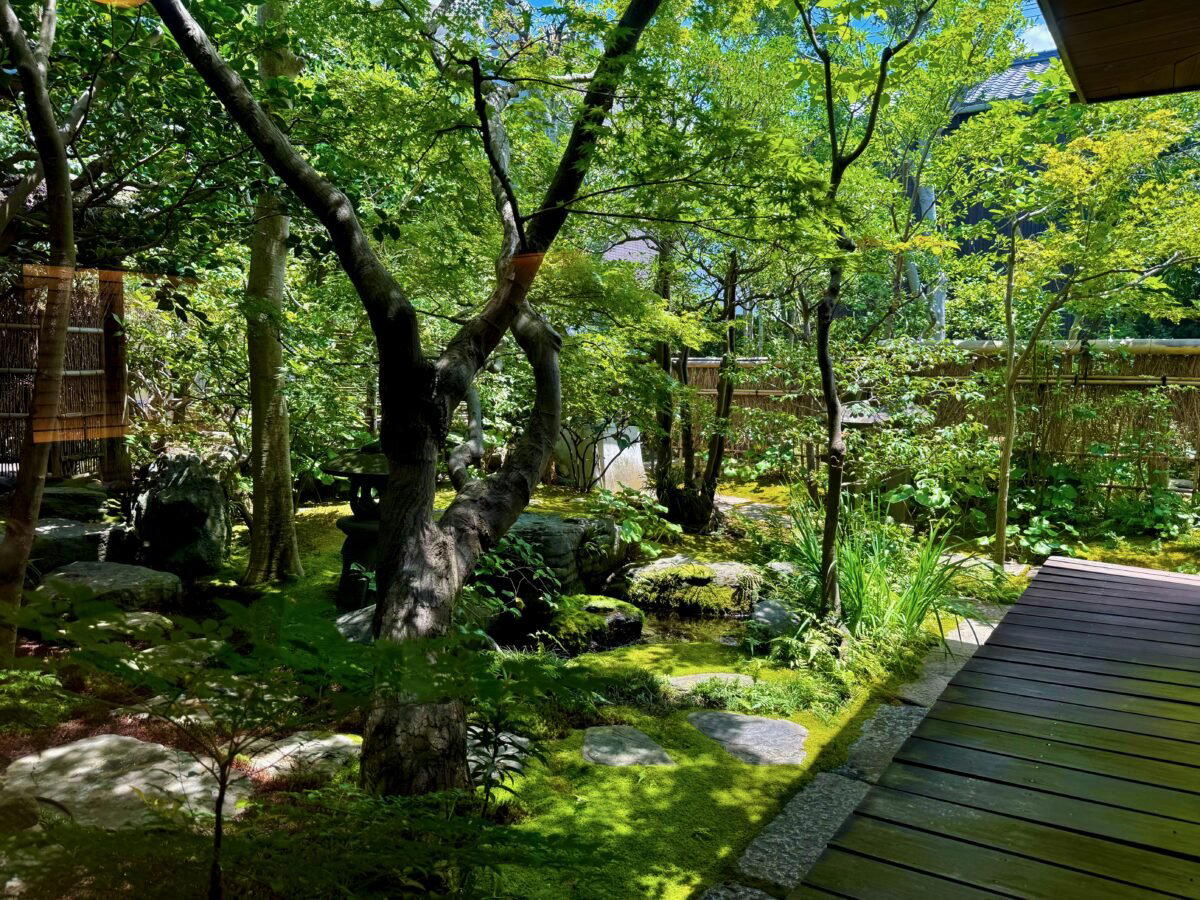
A three-century eel house in Yanagawa serving Tabelog 100-recognized steamed eel over rice at JPY 5,000–5,999. Book weekdays for private tatami rooms overlooking the canal; weekends operate walk-in only. Better value than Tokyo's eel specialists for the regional steaming technique, but expect a queue Saturday noon.
Sumiyaki Unagi Aoiya
Hamamatsu, Japan
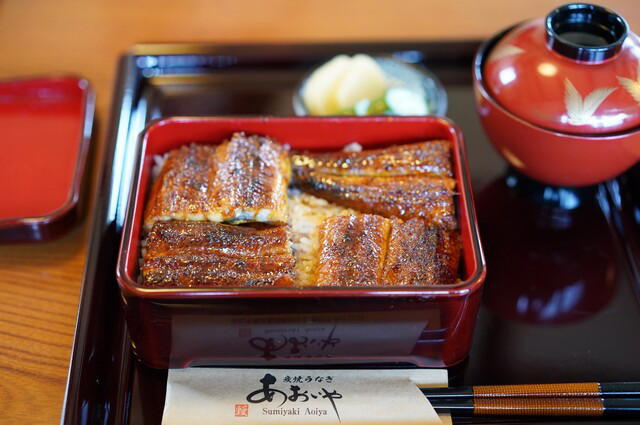
A four-time Tabelog 100 Unagi selection serving charcoal-grilled freshwater eel at JPY 3,000–3,999. Reservations accepted weekdays only; weekends are walk-in and busier. Counter seating lets you watch the grill work, and 15-car parking simplifies access from JR Tenryugawa Station.
Kokuya
Maebashi, Japan
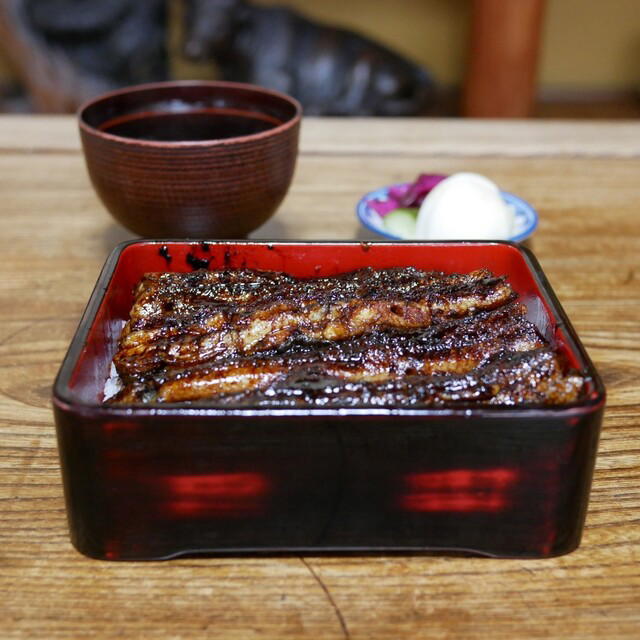
This 12-seat tatami-room house in central Maebashi earned Tabelog 100 Unagi 2024 recognition for traditional eel grilling at JPY 3,000 to JPY 3,999 per person; roughly half Tokyo's specialist eel pricing. The abbreviated dinner window (last orders 6:40 PM) and irregular monthly closures (3rd, 4th, 13th, 14th, 23rd, 24th) demand advance planning, but booking remains manageable and the intimate, unhurried format suits solo diners and couples seeking craft-focused execution without high-service polish.
Una Toyo
Nagoya, Japan
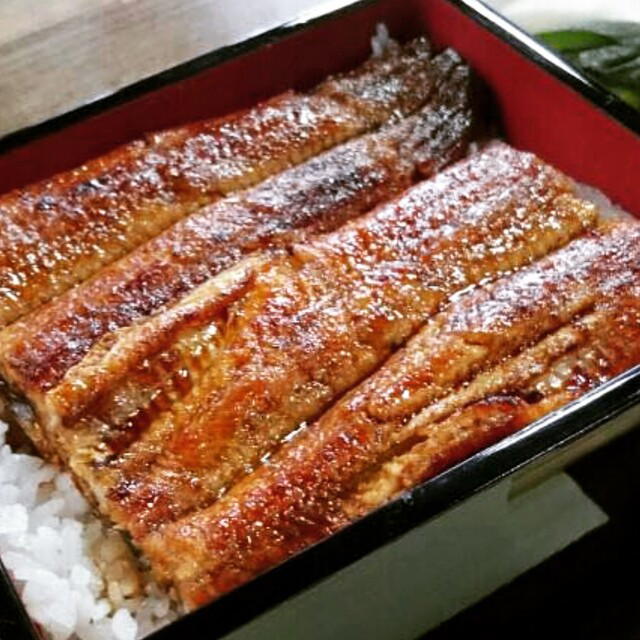
A Tabelog 100 unagi specialist (2018, 2019, 2022, 2024) charging JPY 2,000–JPY 2,999 per head in a family-friendly house restaurant. Reservations are blocked weekends and June–September, walk-ins can wait 45+ minutes, and the tatami rooms amplify noise; but the fish quality and value ratio justify the logistics for diners who plan ahead.
Sangubashi Asaya
Tokyo, Japan
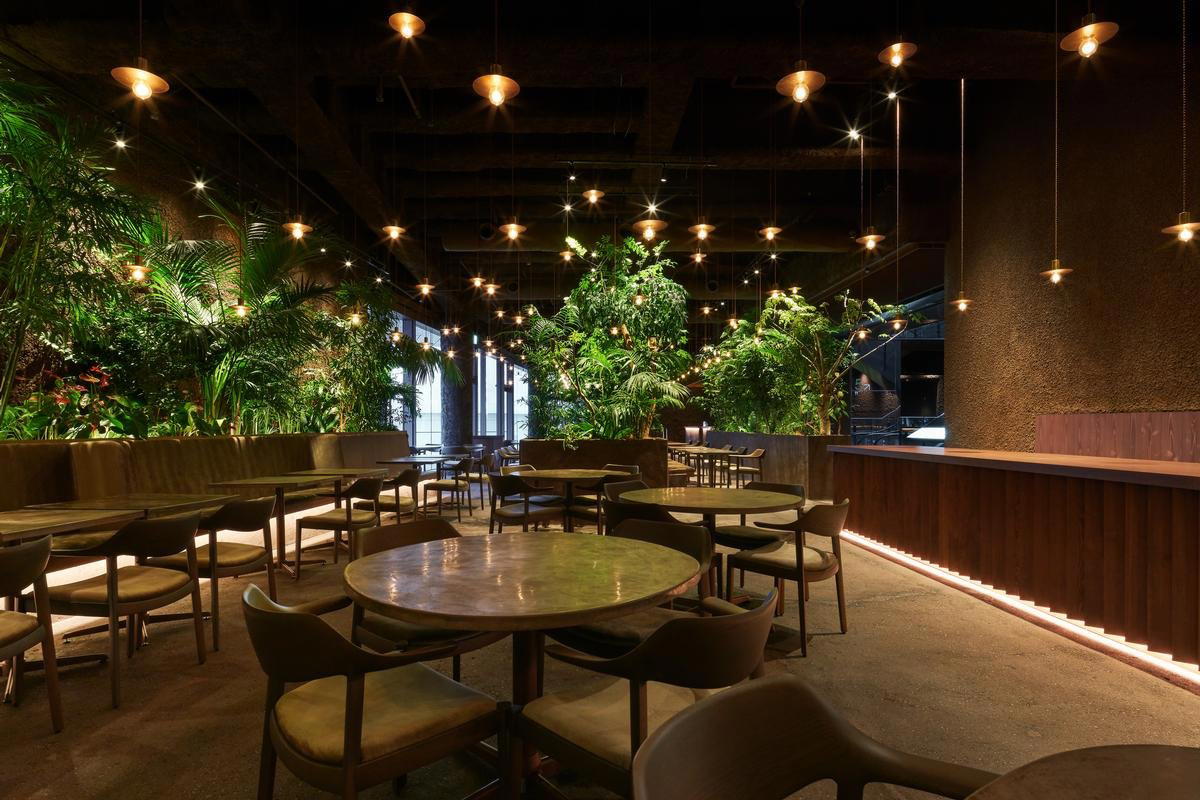
Eight-seat counter in Yoyogi serving a full-course eel progression at JPY 30,000–49,999 per head. Tabelog Award 2026 Silver and OAD #55 (2026) credentials place it among Tokyo's top unagi specialists, though the fixed-menu format and price suit diners who want a chef-led tasting over à la carte control. Book via Instagram; private events for up to 20 available.
Ikewanagi no Mise Tsugumi An
Tokyo, Japan
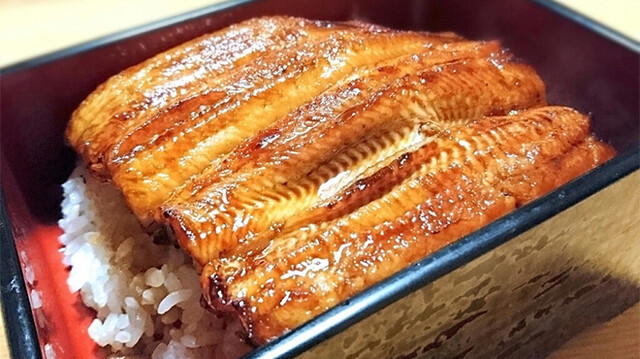
Ikewanagi no Mise Tsugumi An works when the night is specifically about unagi and yakitori, not general Tokyo dining. The JPY 15,000 to JPY 19,999 price range makes it a planned meal, better for couples or small food-focused groups than larger parties needing flexibility.
Seigetsu
Nagoya, Japan
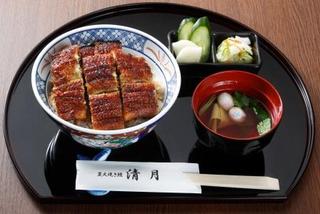
A Tabelog 100 unagi specialist near Tokugawa Garden offering charcoal-grilled eel over rice at JPY 3,000–3,999, with a sake list that favors Aichi brewers. Walk-ins often succeed at weekday lunch, and the casual, family-friendly space includes parking; a rare convenience in this event-heavy neighborhood. Four consecutive Tabelog 100 selections (2018, 2019, 2022, 2024) confirm the technical consistency.
Kabuto Unagi
Tokyo, Japan
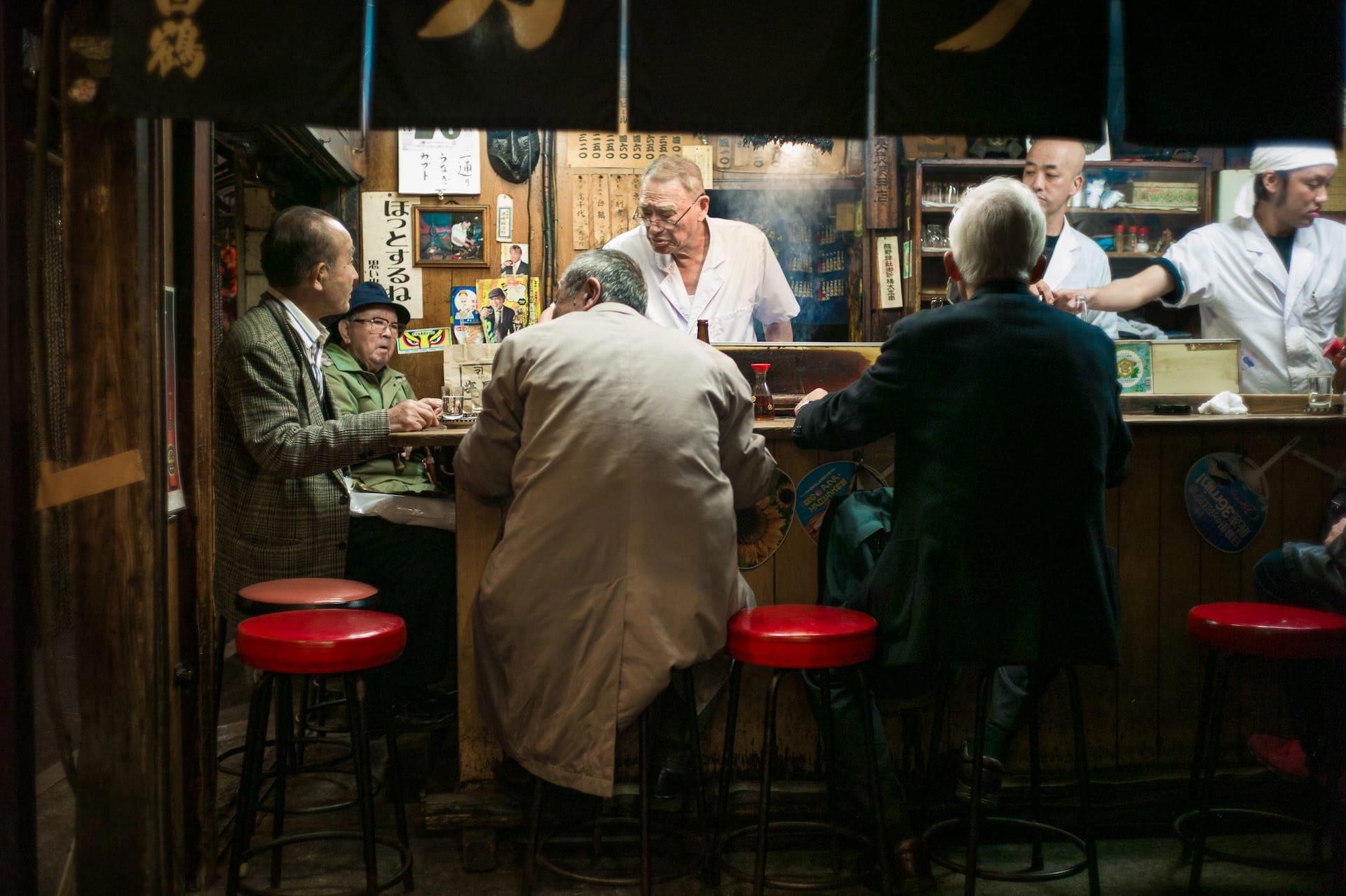
Kabuto Unagi in Ikebukuro holds a Tabelog Silver Award for ten consecutive years and a score of 4.44, placing it among Tokyo's most recognised unagi specialists. Dinner runs JPY 20,000–29,999 per head across two structured sittings, in a 15-seat room that rewards careful planning: book online in advance, bring cash, and request the counter for the best experience.
Sumiyaki Unagi Hajime
Hamamatsu, Japan
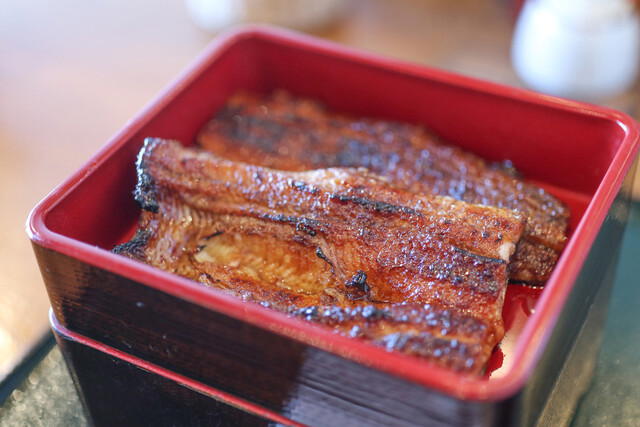
Charcoal-grilled eel specialist in Yutocho Ubumi, recognized by Tabelog 100 - Unagi in 2022 and 2024. At JPY 4,000–4,999, it delivers technically precise unagi without the premium pricing of Tokyo's famous houses. Weekdays take reservations; weekends run first-come, first-served. Cash only, parking available.
Unagi Tokito
Tokyo, Japan
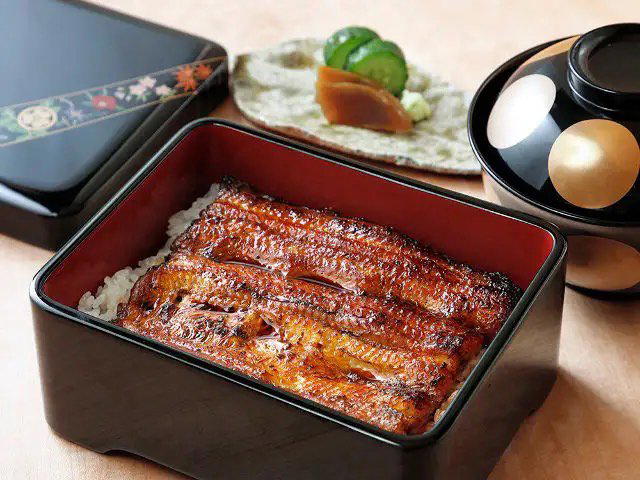
Unagi Tokito in Azabu-Juban serves a prix fixe tasting menu built entirely around freshwater eel, earning a 2025 Michelin Plate for its creative range of preparations; from soy-glazed kabayaki in a bun to wine-braised eel drawing on French technique. At ¥¥¥, it is the contemporary alternative to traditional eel specialists in the same neighbourhood. Easy to book; 1–2 weeks out is sufficient for most dates.
Yama no Chaya
Tokyo, Japan
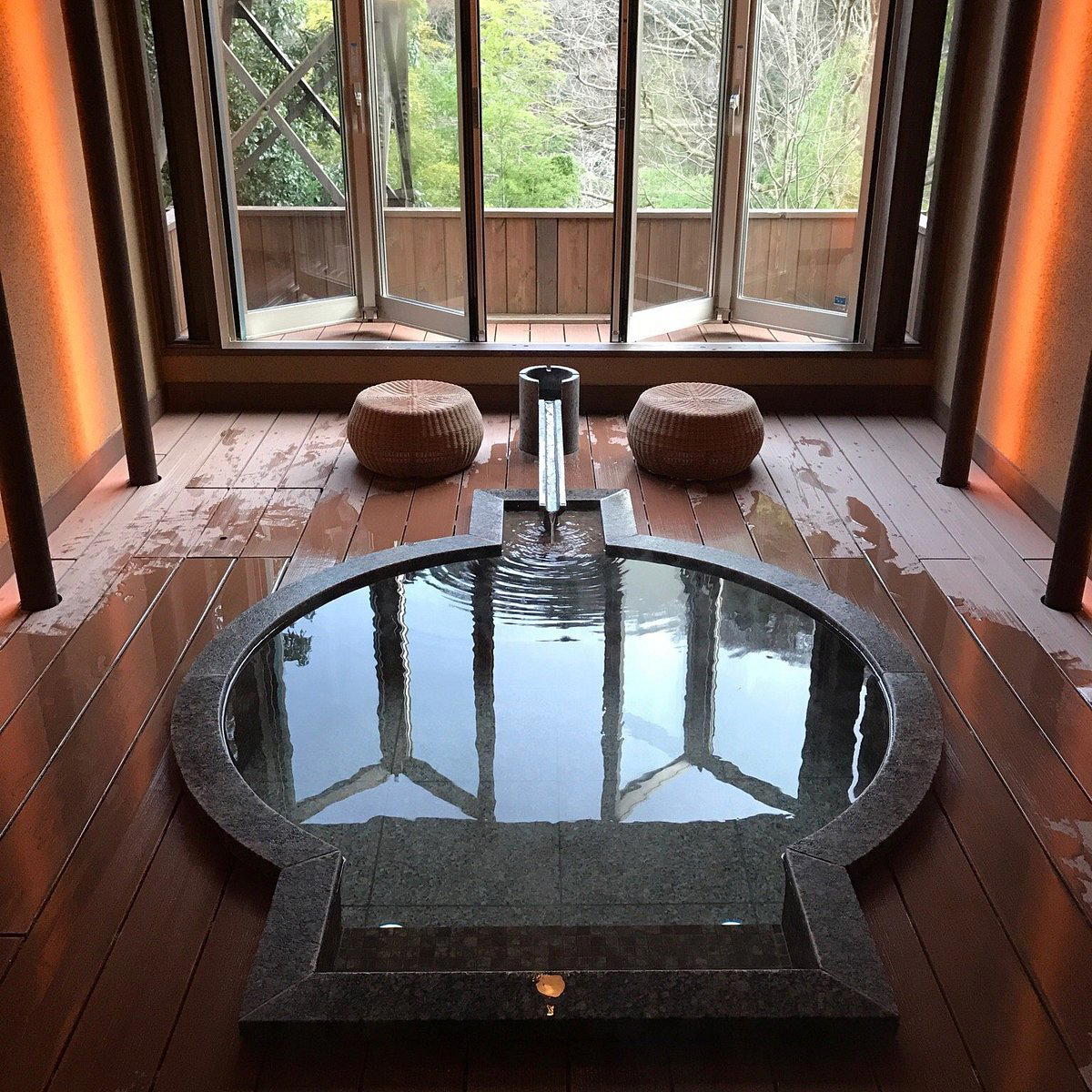
A calm Nagatachō booking that works better for lunch or an early, low-drama dinner than for a big-night-out itinerary. Choose Yama no Chaya when ease, conversation, and recent restaurant-list recognition matter more than late hours or a scene-driven room.
Unagi Shun
Shizuoka, Japan
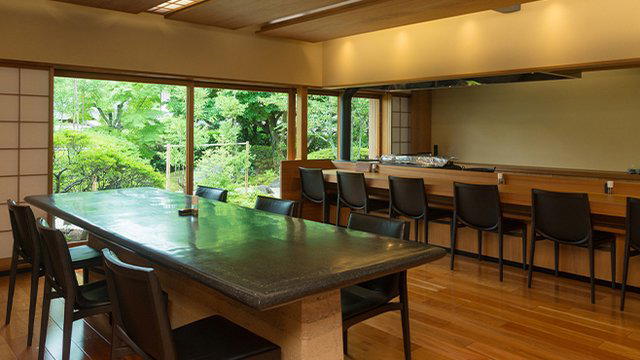
Reservation-only eel kaiseki in a 12-seat counter setting, holding Tabelog Gold 2026 and OAD Japan #62. Lunch runs JPY 4,000–4,999; dinner omakase starts at JPY 18,000. The format is multi-course rather than traditional unagi-don, and the location; 9.5 km from JR Shizuoka Station; requires car access.
Edogawa Ishibashi
Tokyo, Japan
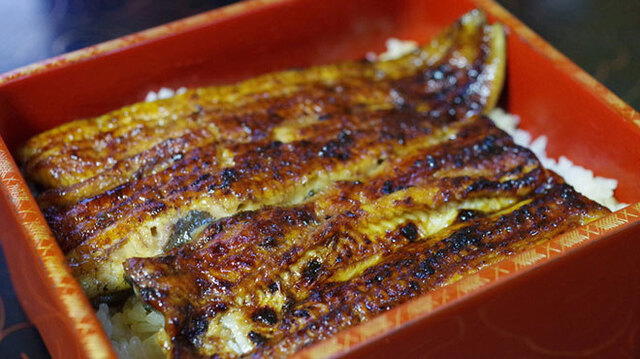
A forty-seat unagi specialist near Edogawabashi with four Tabelog Bronze awards and repeated inclusion in the Tabelog 100 Unagi list. Expect grilled eel over rice, tatami-room options, and a house focus on one dish done consistently. Lunch ¥8,000-¥9,999, dinner ¥10,000-¥14,999; book ahead for private rooms.
Shige Yoshi
Seki, Japan
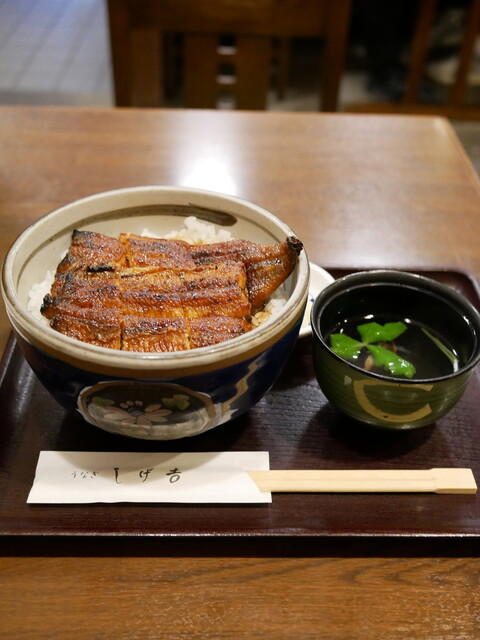
Four-time Tabelog Unagi 100 honoree (2018–2024) serving Kansai-style grilled eel in Seki's Sannodori district. Walk-ins only, 58 seats, tatami rooms for families, and 40-space parking lot. Lunch JPY 3,000–3,999, dinner JPY 4,000–4,999. Arrive at opening or risk sold-out tickets; no reservations accepted.
Unagi Honda
Nagano, Japan
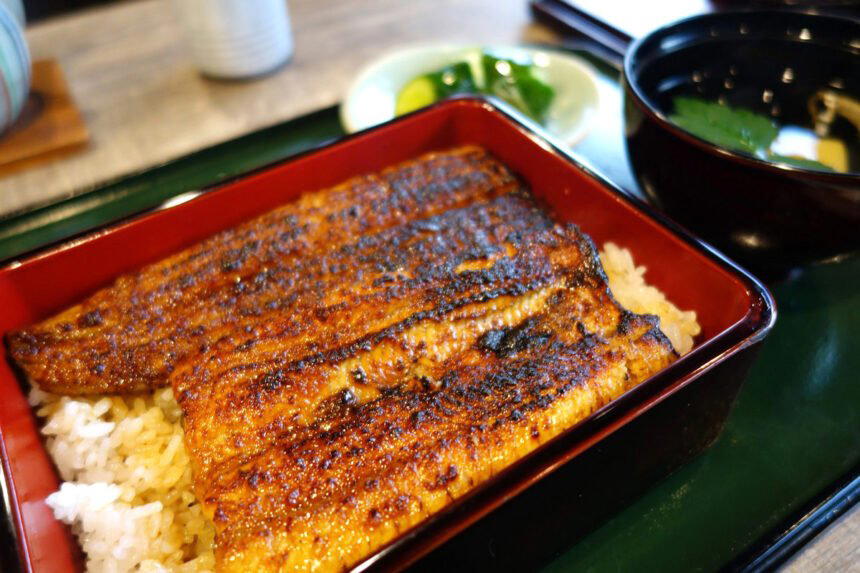
Unagi Honda is a targeted Nagano pick for diners who specifically want an unagi-led meal, not a flexible catch-all restaurant for mixed groups. It suits first-timers who value focus and a calmer meal plan, while takeout or delivery should only be considered if current off-premise logistics are clearly offered by the restaurant.
Yoshitora
Osaka, Japan
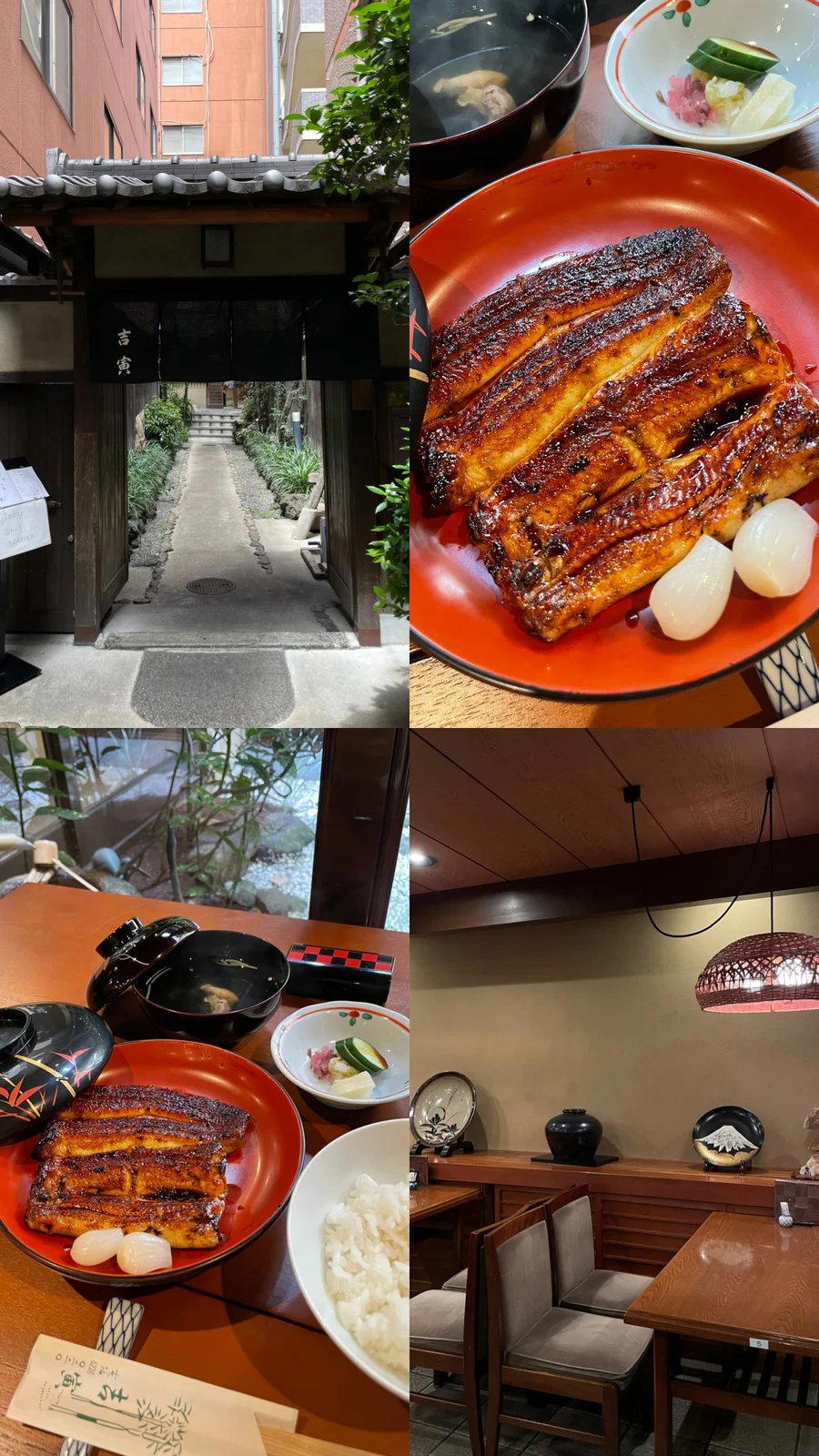
Yoshitora is a low-ceremony Chuo Ward restaurant in the heart of Osaka's business dining corridor. Booking is easy by Osaka standards, making it a practical option when the city's more decorated tables are full. Best suited to casual special occasions or quality weeknight meals without the pressure of advance planning.
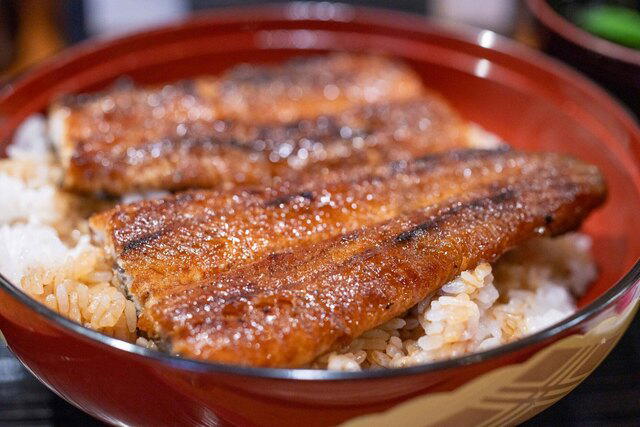
Unagi no Uoi Honten
Osaka, Japan
Charcoal-grilled eel specialist in Takadono, Osaka, recognized on Tabelog 100 – Unagi 2024. Lunch runs JPY 3,000–3,999, dinner JPY 4,000–4,999, with ground-floor counter seating and upstairs tatami rooms (reservations required, 10% service charge). Walk-ins possible at lunch; parking for 22 cars. Return visits unlock kaiseki service and a sashimi detour beyond eel.
Masuya
Saitama, Japan
A 138-year-old unagi specialist near Urawa Station, recognized in Tabelog 100 – Unagi 2024, grilling eel over Kishu Binchotan charcoal with private rooms for up to 65 guests. Dinner runs JPY 5,000–5,999; lunch offers a lower entry point at JPY 1,000–1,999. Takeout available but best consumed quickly. Book private rooms for groups; walk-ins queue during peak hours.
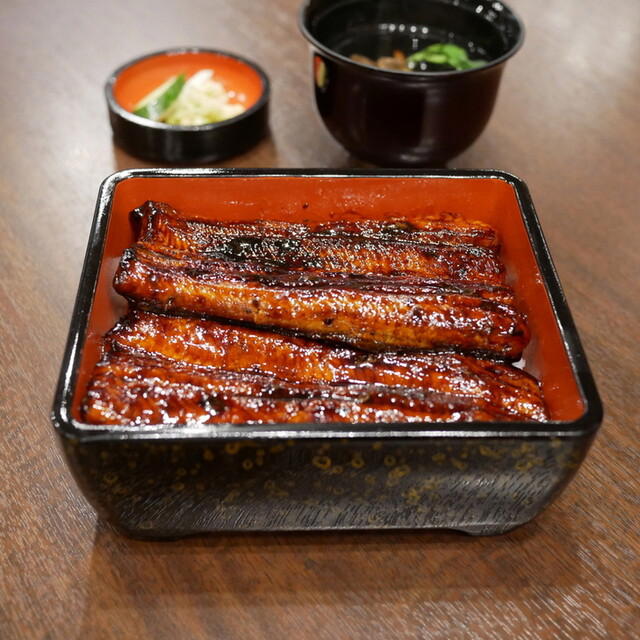
Kawauo Nemoto
Misato, Japan
Walk-in-only unagi specialist in Misato with Tabelog 100 recognition for 2024. Reception starts at 10:30 AM, tables fill fast, and the tatami room seats 56 across 14 four-tops. At JPY 3,000-3,999, it's worth the wait if grilled eel is your focus, but the no-reservations format and family-friendly noise level make it a midday anchor rather than a quiet splurge.
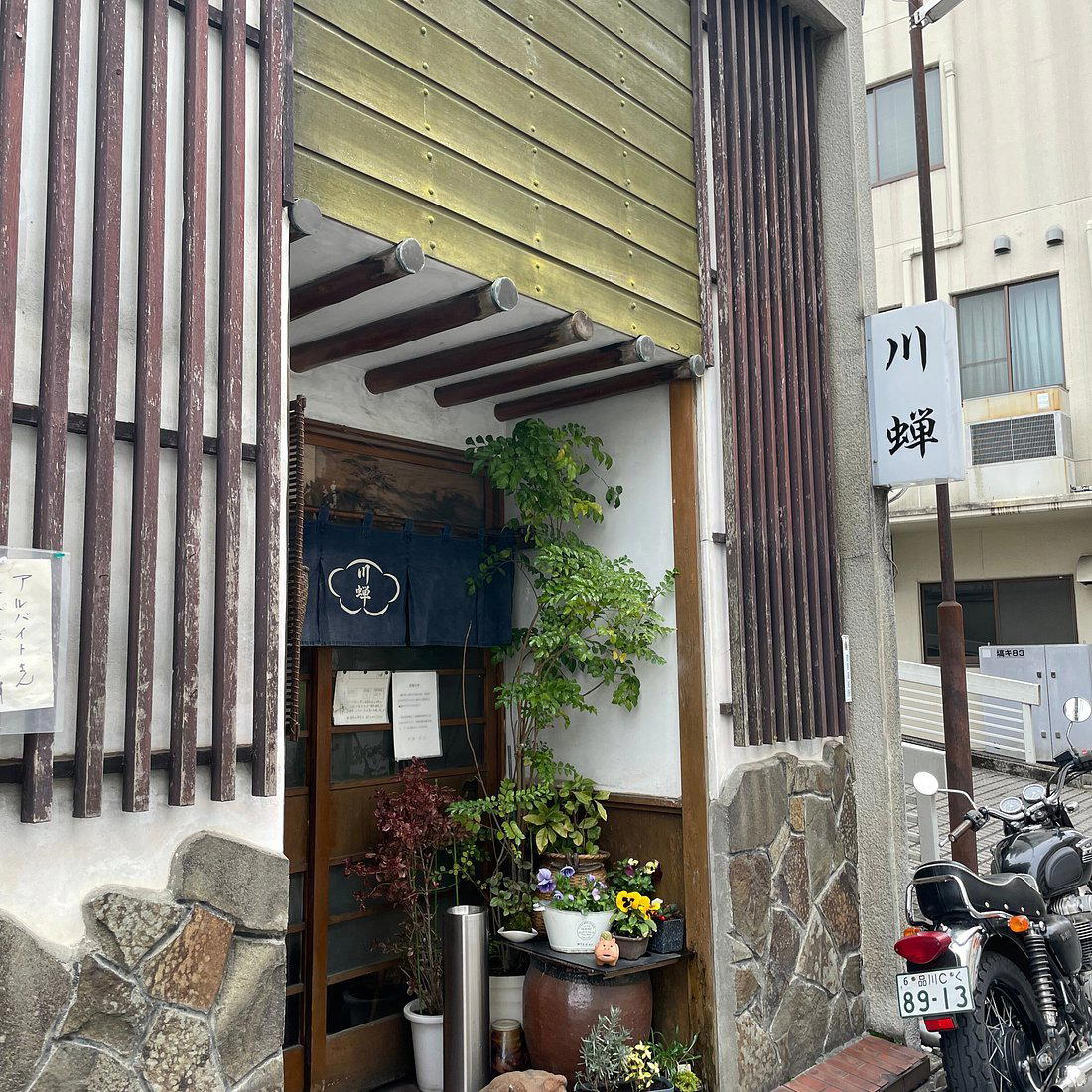
Kawasemi
Utsunomiya, Japan
Book Kawasemi when you want a slower, more deliberate Utsunomiya meal backed by a 2024 Tabelog 100 #65 listing. It is less useful for strict budget dining than the city's sub-JPY 999 gyoza peers, but more compelling when recognition and a quieter meal matter.
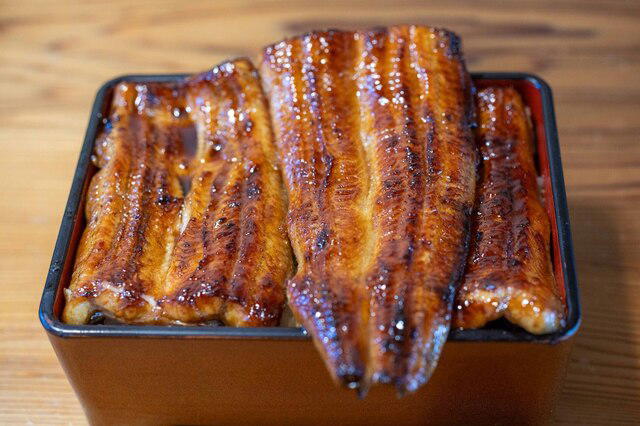
Unasen
Katori, Japan
Tabelog 100 – Unagi 2024 house restaurant in Katori offering charcoal-grilled eel at JPY 4,000–4,999 per head. The 4-seat counter delivers proximity to the grill and hot service; wild eel runs mid-September through mid-November (supply permitting). Reservations required, cash only, closed Mondays.
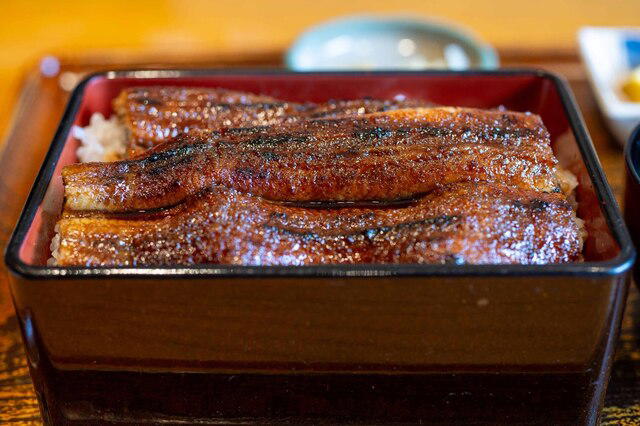
Unagi Nakasho
Fukuyama, Japan
Walk-in-only unagi specialist with Tabelog 100 recognition (2022, 2024) and JPY 4,000–4,999 pricing. Counter seats face the binchotan grill; charcoal-grilled eel over rice defines the straightforward menu. Cash only, no reservations, ten-minute drive from Fukuyama Station.
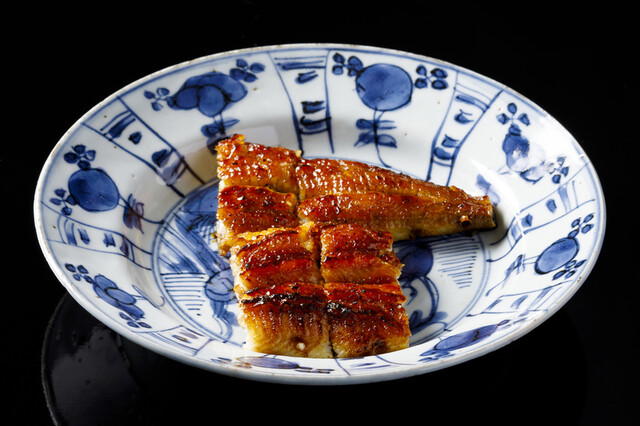
Kurosaki Inakaan Hibiya
Kitakyushu, Japan
Tabelog 100-listed unagi specialist in Kitakyushu's Kurosaki district, serving charcoal-grilled eel at JPY 3,000-3,999 per head. Weekday reservations available; weekends walk-in only. Family-friendly, wheelchair-accessible, and half the price of comparable Tokyo eel houses.
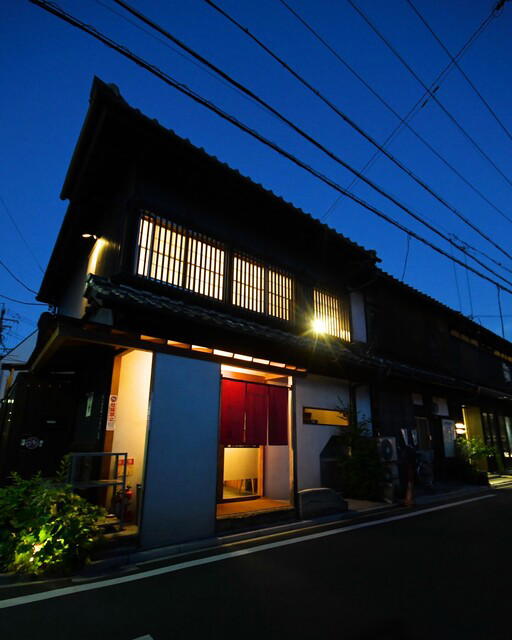
Unagiya Shibafukuya
Nagoya, Japan
Tabelog 100-listed unagi specialist in Nagoya's Nishi-ku, delivering classic hitsumabushi and grilled eel at JPY 4,000–5,999. Lunch offers better value than dinner; private rooms available for groups. Accessible location near Kokusai Center Station, with easier booking than most award-holders.
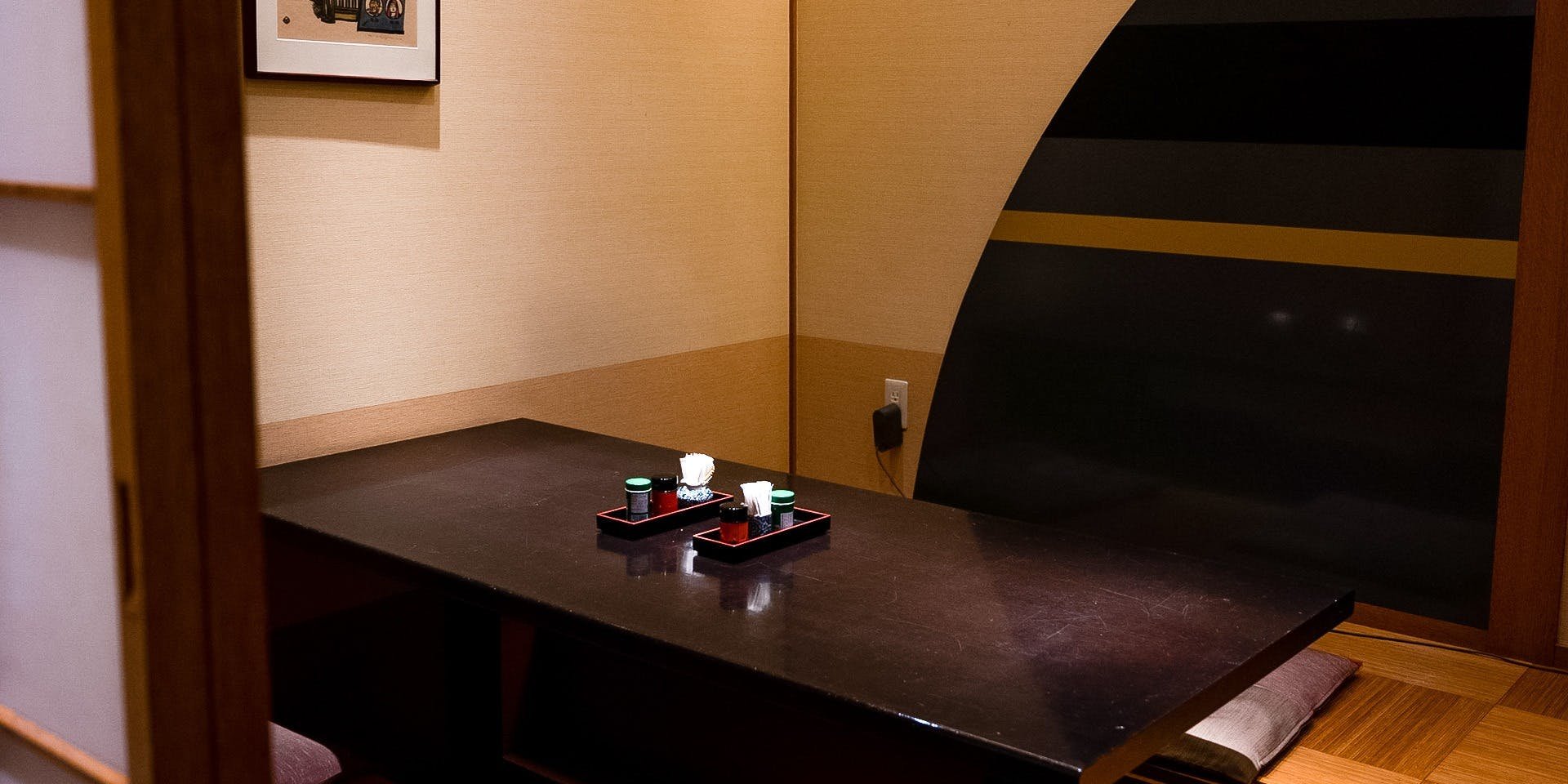
Watabe
Tokyo, Japan
Watabe holds a Michelin Bib Gourmand and for good reason: it runs two distinct menus under one roof; a classical unagi lunch anchored by the Enma-ju box, and a French-inflected evening menu pairing kabayaki with foie gras and smoked eel with Brie de Meaux. At ¥¥, it delivers more range and technique than any rival at the same price tier in Tokyo's eel category.
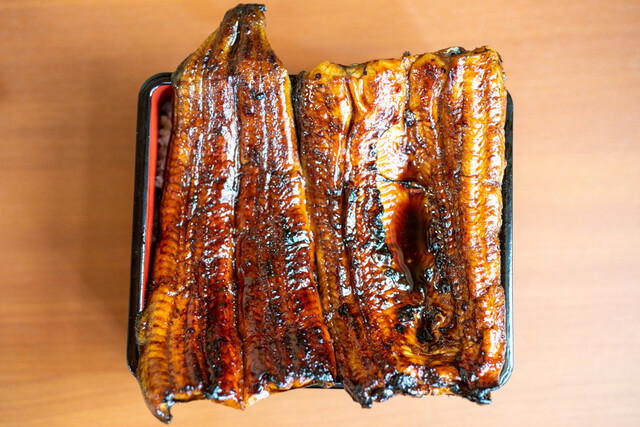
Unagi Kappou Yamada
Katori, Japan
A walk-in-only unagi specialist in Katori that earned three Tabelog 100 selections (2018, 2019, 2024). Expect well-executed eel at JPY 4,000–4,999, limited hours, and a traditional tatami-and-chair setup. Worth the early arrival if you're serious about this category, but the no-reservations policy and short evening service window (4:30–6 PM) demand flexibility.
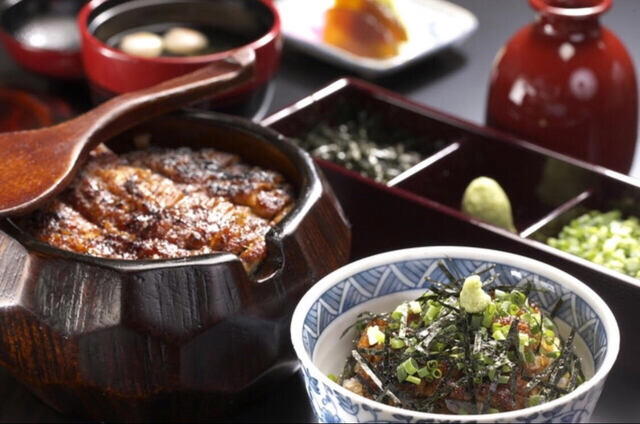
Atsuta Houraiken Matsuzakaya ten
Nagoya, Japan
Atsuta Houraiken Matsuzakaya ten delivers Tabelog Unagi 100-recognized hitsumabushi on the 10th floor of Matsuzakaya department store in Sakae. Weekday private rooms accept advance bookings for kaiseki courses (with 10% service charge), while the main 110-seat dining room runs walk-in only on weekends. Expect JPY 5,000–JPY 5,999 at lunch, JPY 6,000–JPY 7,999 at dinner, and direct access via Yabacho Station.
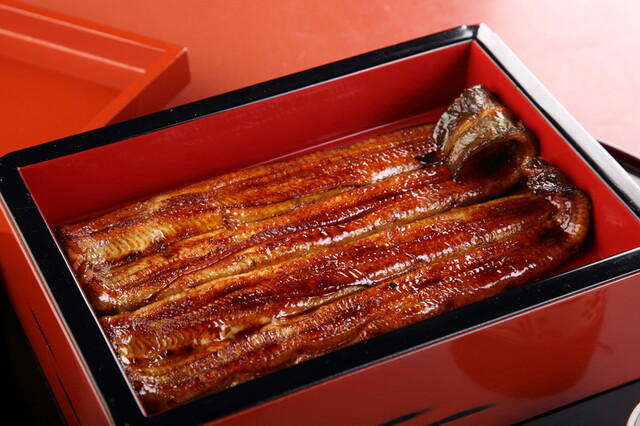
Surugaya
Narita, Japan
A Tabelog 100; Unagi repeat selection (2024, 2022, 2019, 2018) ten minutes from Narita Station. Walk-in only, 80-seat tatami format, JPY 4,000–4,999 lunch. Best for groups prioritizing specialist unagi over fast-casual airport dining.
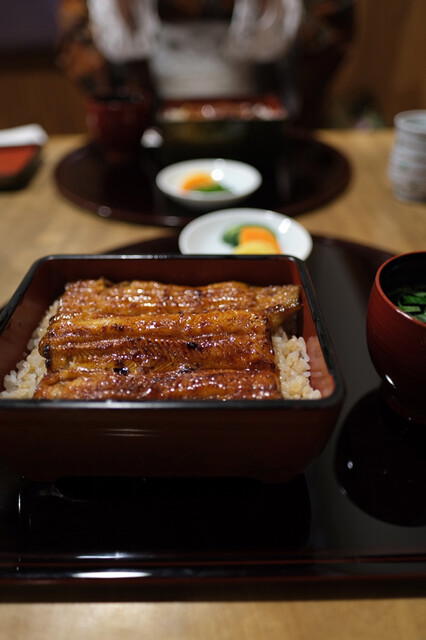
Ogakiku
Kawagoe, Japan
Tabelog 100 Unagi specialist grilling eel over <em>binchotan</em> charcoal at JPY 5,000–JPY 5,999 per meal. Weekday reservations available one week (lunch) or one month (dinner) ahead; weekends are walk-in only. Private room for up to six guests suits special occasions; main dining room leans family-friendly and casual.
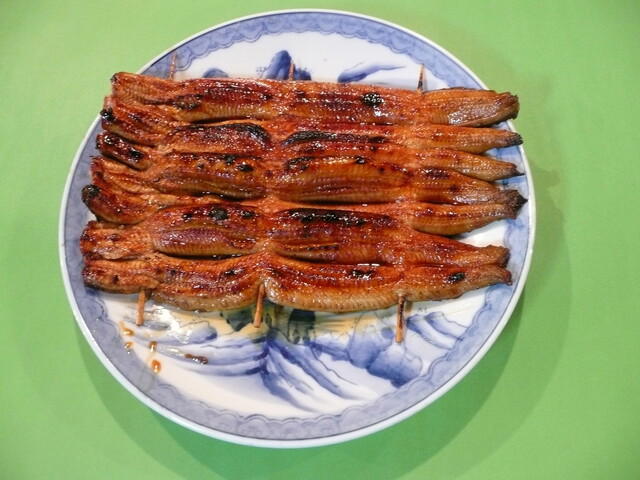
Kojima Ya
Saitama, Japan
Tabelog 100-recognized eel specialist in a traditional Japanese house, grilling binchotan-charcoal unagi at JPY 10,000–14,999 for dinner. The setting; tatami rooms, greenery, 30-car parking; suits celebrations more than quick meals, though the 20-minute walk from JR Minami-Urawa Station means you'll need a taxi or a car. Book ahead for weekend slots.
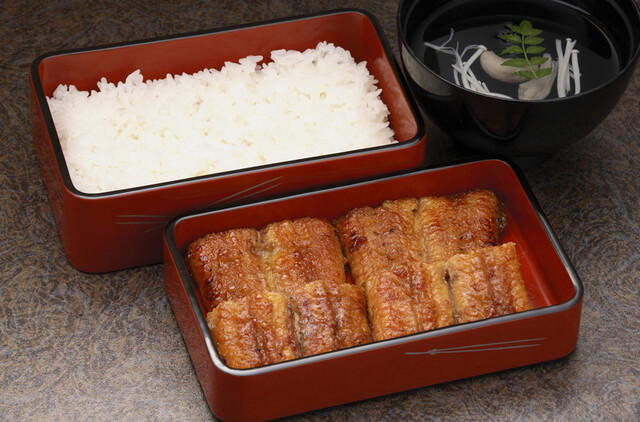
Hakata Meidai Yoshizuka Unagiya
Fukuoka, Japan
A 150-year-old konashi-grilling specialist in Nakasu, recognized across six Tabelog 100 cycles. Private rooms for up to 30 guests and counter seating at JPY 3,000–3,999 make it Fukuoka's most accessible Tabelog-awarded eel destination.
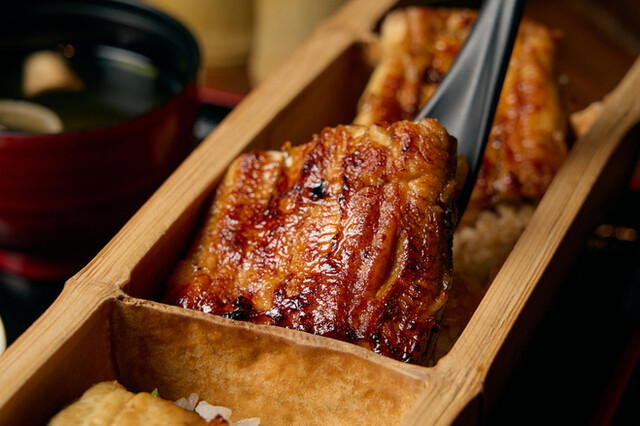
Kobuchisawa Izutsuya
Hokuto, Japan
A century-old Kobuchisawa house turned unagi specialist, earning four Tabelog 100 selections for its aged eel grilled over charcoal. The counter seats six and offers the clearest view of the technique; lunch and dinner both run JPY 5,000 to JPY 5,999, with sommelier-curated sake and wine pairings available. Book ahead; reservations are enforced, and late arrivals forfeit the table.
Rin
Shizuoka, Japan
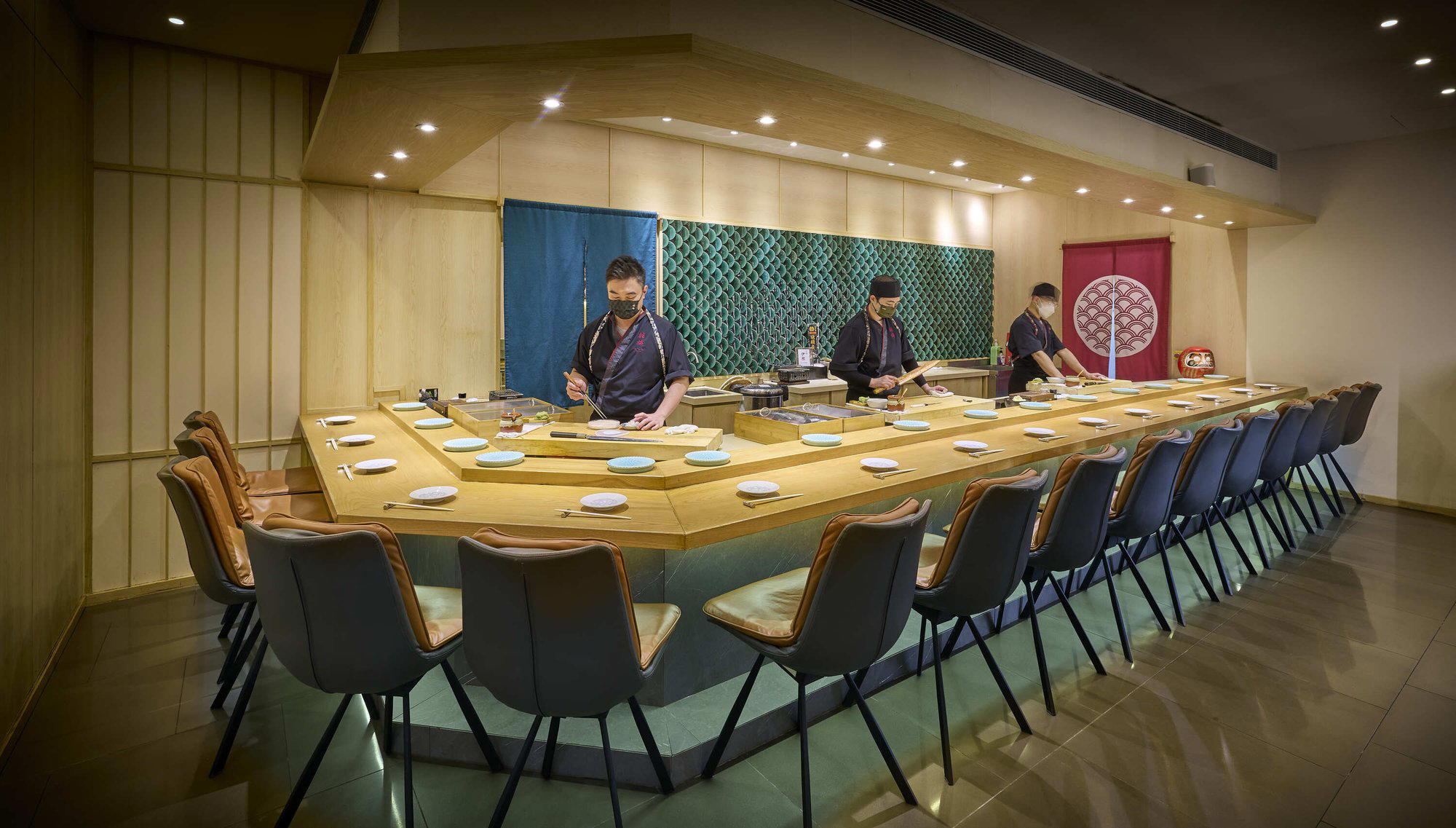
Chef Daiki Tsukamoto's sixteen-seat unagi specialist in Hamamatsu serves lunch-only seatings at JPY 5,000–5,999, earning consecutive Tabelog Bronze awards and Unagi 100 selections. The grilling-and-steaming technique balances Kanto and Kansai styles; reservations via OMAKASE platform require three to four weeks' lead time. Counter and tatami seating accommodate solo diners and groups up to six.
Unagi Musashino
Saitama, Japan
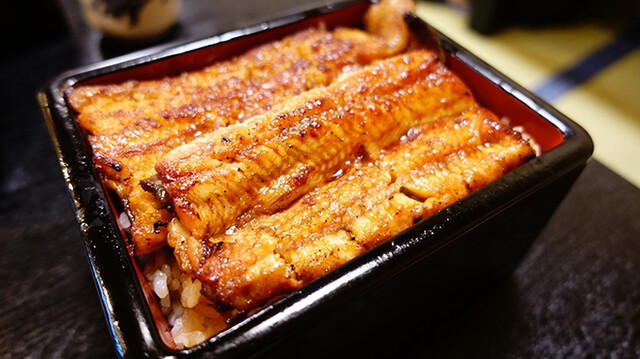
Unagi Musashino is the Saitama pick when the goal is a focused eel meal rather than a flexible dinner. It is strongest as a planned Urawa lunch, with credible recognition and pricing that makes sense if unagi is the point. Skip it for late-night plans or mixed-preference groups.
Unagi no Sueyoshi
Kagoshima, Japan
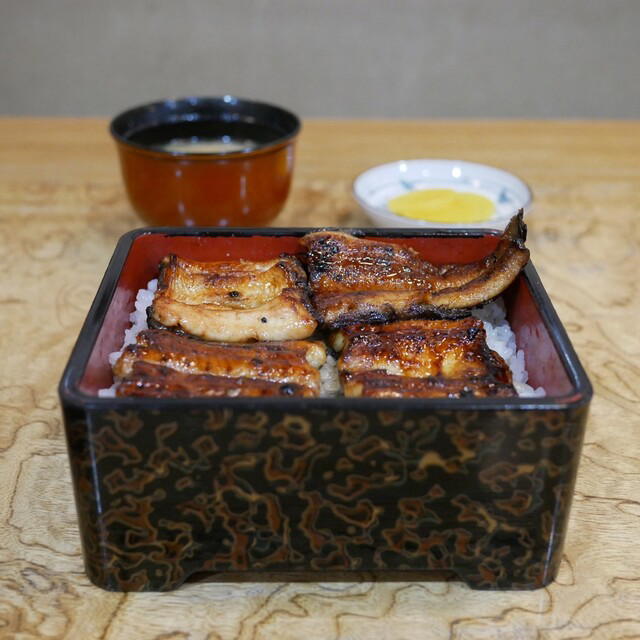
Award-holding unagi specialist in Kagoshima's Tenmonkan district, serving grilled local eel at JPY 3,000–3,999 per person. Selected for Tabelog 100 – Unagi 2024, the house prepares kabayaki over binchōtan charcoal in a casual tatami setting with walk-in availability and family-friendly service. A practical choice for traditional eel without Tokyo-tier pricing or booking hassle.
Unagi Tomoei
Kanagawa, Japan
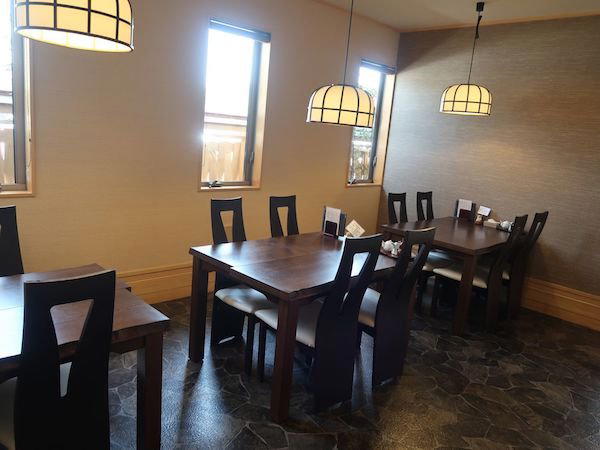
Unagi Tomoei in Odawara holds a Tabelog Silver Award (2023–2026) and a 4.39 score, placing it among Japan's top unagi specialists. It operates lunch-only (10:00–16:00), Wednesday–Monday, at JPY 8,000–9,999 per person. Book by phone up to two months ahead to secure your eel; the kitchen closes when stock runs out. Worth the trip if you are combining it with Hakone.
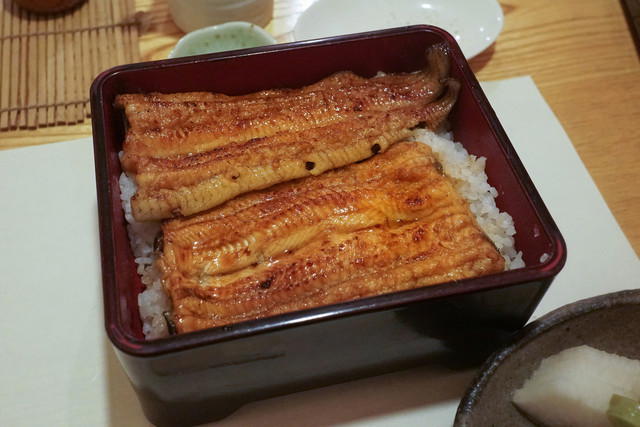
Komatsu
Tokyo, Japan
Reservations-only unagi counter in Higashi Koenji, five-time Tabelog 100 selection holder since 2018. Expect JPY 10,000–15,000 per head for technically precise grilled eel in a 14-seat format. Book by the day before; the advance-notice policy and Suginami location keep it quieter than central Tokyo unagi halls.
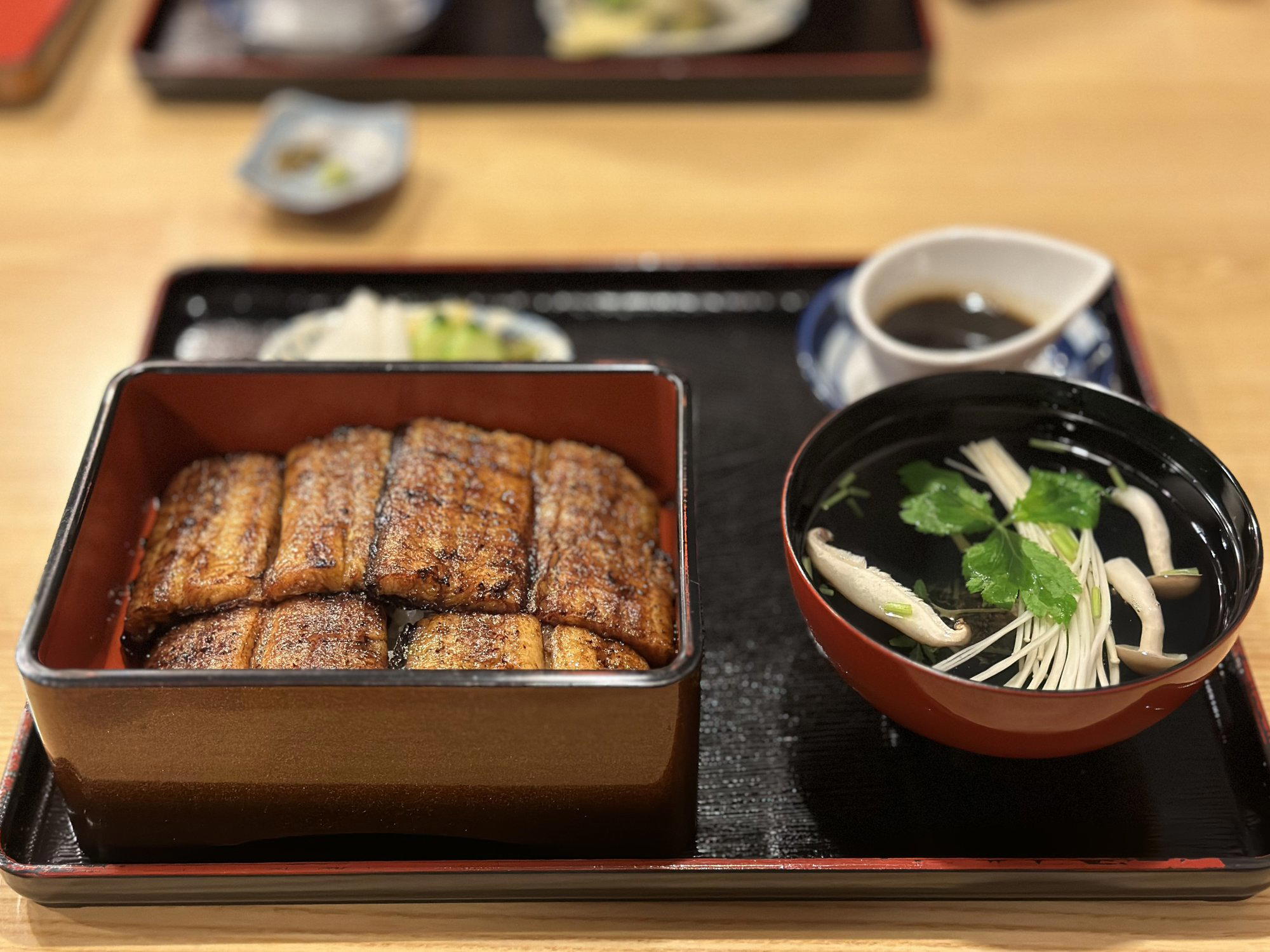
Unazen
Tokyo, Japan
Book Unazen for a focused Tokyo lunch when craft matters more than scene, late hours, or a long menu preview. Its Tabelog 100 #83 recognition in 2024 gives it a real quality signal, but the narrow daytime format makes it better for solo diners or pairs than larger groups.
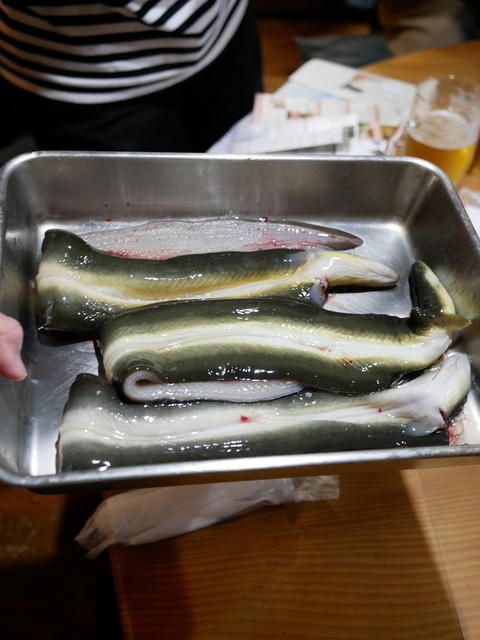
Ujo Tei
Okayama, Japan
Three-time Tabelog 100 unagi specialist in Okayama offering traditional grilled eel at JPY 10,000–14,999 for dinner, JPY 6,000–7,999 for lunch. The 17-seat layout includes seven counter spots with sightlines to the grilling process. Reservations recommended; easier booking than Tokyo's top addresses, with counter seating best for solo diners and technique-focused meals.
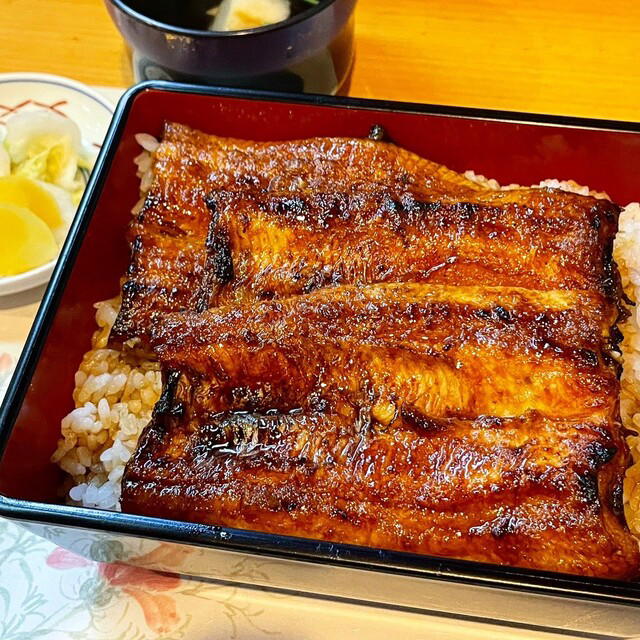
Sumiyaki Unagi Kamo
Hamamatsu, Japan
Book Sumiyaki Unagi Kamo if Hamamatsu unagi is the point of the meal and the group is comfortable with a specialist format. It is a stronger fit for focused food travelers than for mixed-diet groups, with pricing in the mid-range local bracket and Tabelog 100 recognition adding a useful trust signal.
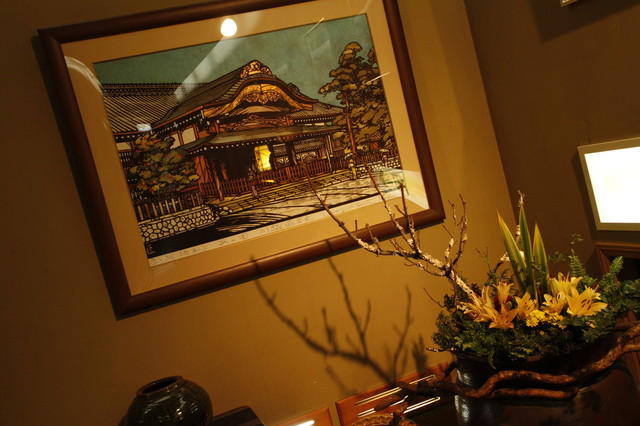
Kawagoe Ichinoya
Kawagoe, Japan
Nearly two centuries of unagi tradition in a 300-seat traditional house setting, recognized on Tabelog's Unagi 100 Best list. The steamed-then-grilled method delivers soft, sauce-forward kabayaki at JPY 8,000–9,999 dinner, JPY 4,000–4,999 lunch. Easier to book than Tokyo's top eel counters, with private rooms and parking for groups.
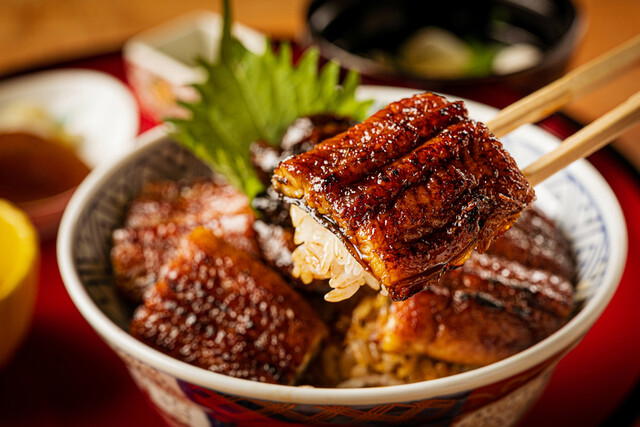
Sumiyaki Unafuji Yuurakuchou ten
Tokyo, Japan
Tabelog 100 - Unagi - 2024 specialist in Hibiya OKUROJI serving Nagoya-style charcoal-grilled eel at JPY 5,000–7,999. Seats 73 with private rooms available; family-friendly and accessible. Book for reliable mid-tier unagi when group size or timing rules out harder-to-reach eel houses.
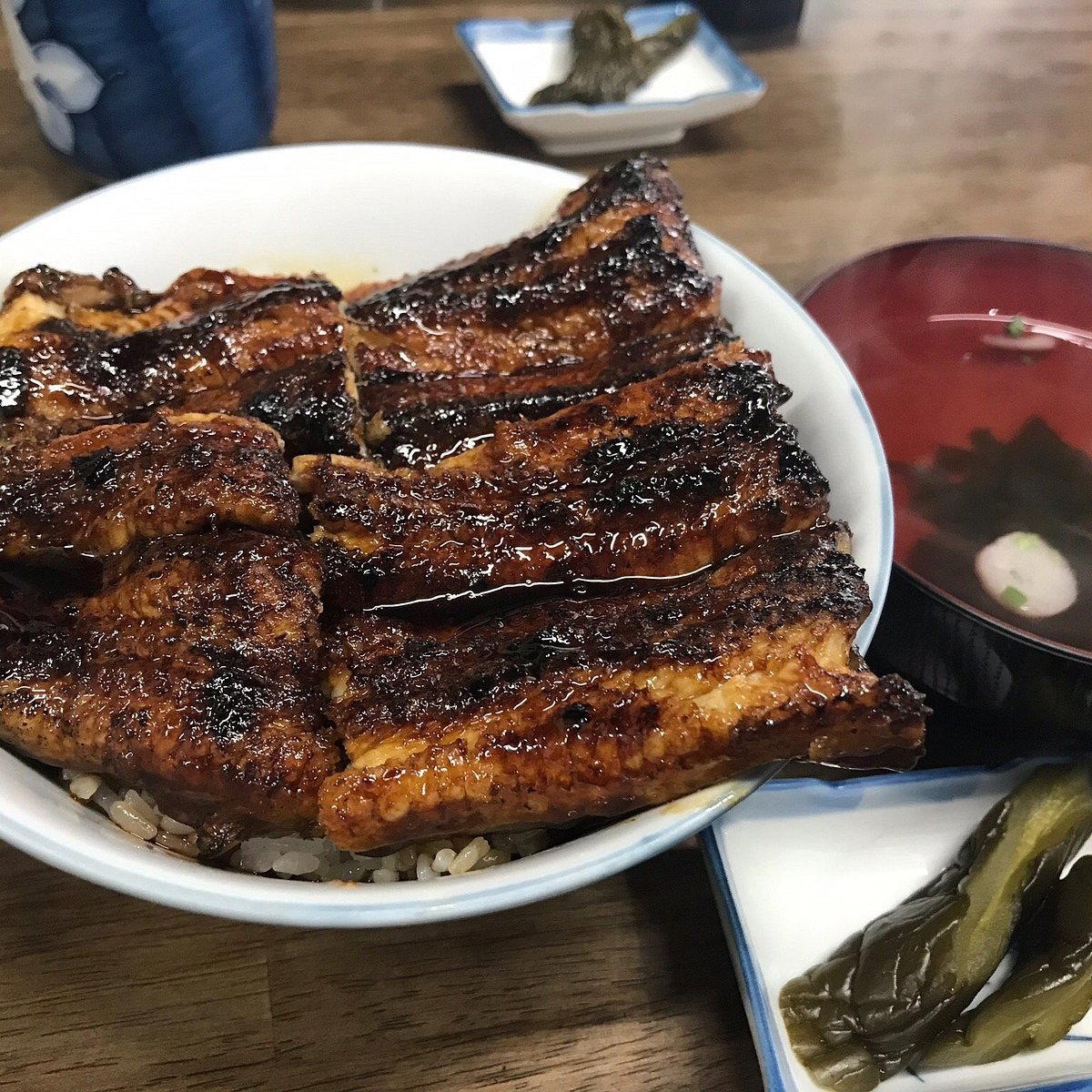
Tashiro
Aichi, Japan
Tashiro is Seto's most consistently decorated unagi specialist, holding Tabelog Bronze or Silver Awards every year from 2017 to 2026 and selected for the Tabelog Unagi 100 list four times. The 14-seat room operates lunch only, is cash-only, and has been members-only since February 2023. If you can get access, it is the clearest choice for traditional eel in Aichi.
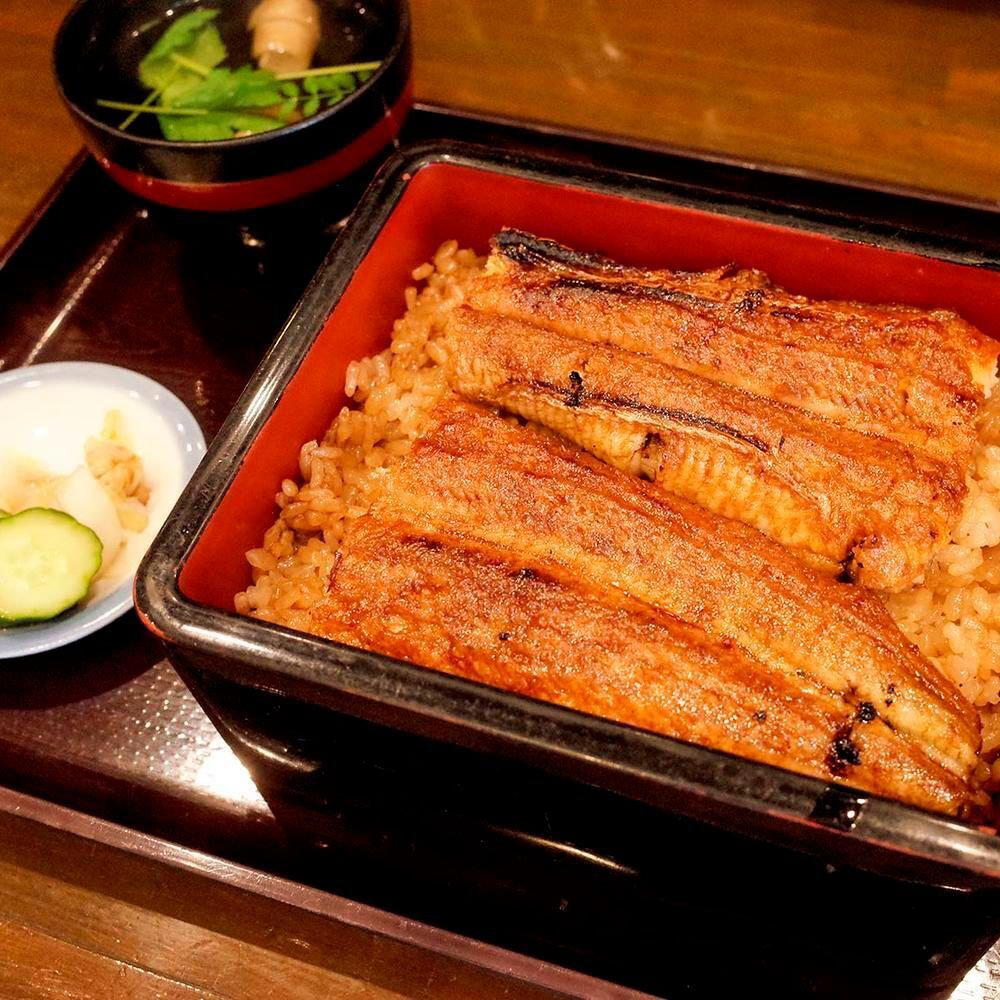
Unagino Toyokawa
Nara, Japan
Unagino Toyokawa holds the Michelin Bib Gourmand for 2024 and 2025, making it the clearest value-for-money pick in Nara's unagi category. At ¥ pricing with back-to-back Michelin recognition and, it delivers specialist freshwater eel cooking without the ¥¥¥ outlay of most of Nara's decorated restaurants. Book a midweek lunch for the best availability.
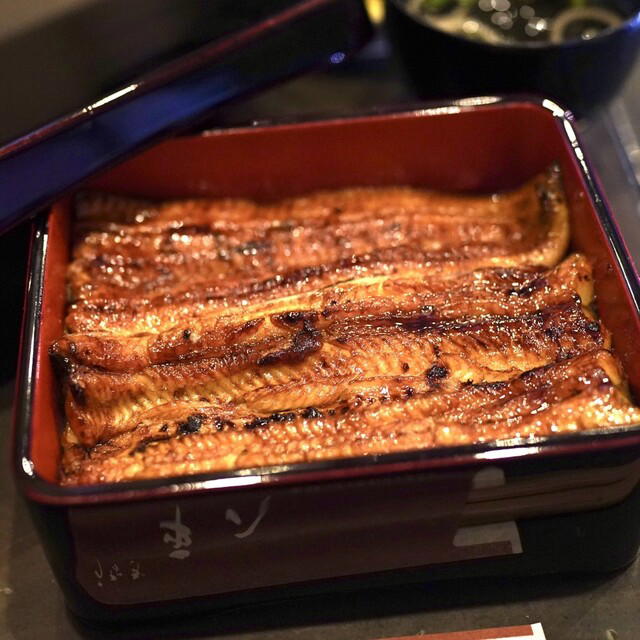
Unagi Heihachi
Tokyo, Japan
Denenchofu's Tabelog 100 Unagi specialist delivers grilled eel over binchōtan charcoal at mid-tier prices (JPY 4,000–4,999). The room is small, the format is straightforward, and the eel arrives crisp-edged with restrained sauce. Cash only, reservations recommended, and worth the residential detour if charcoal-grilled eel is your priority.
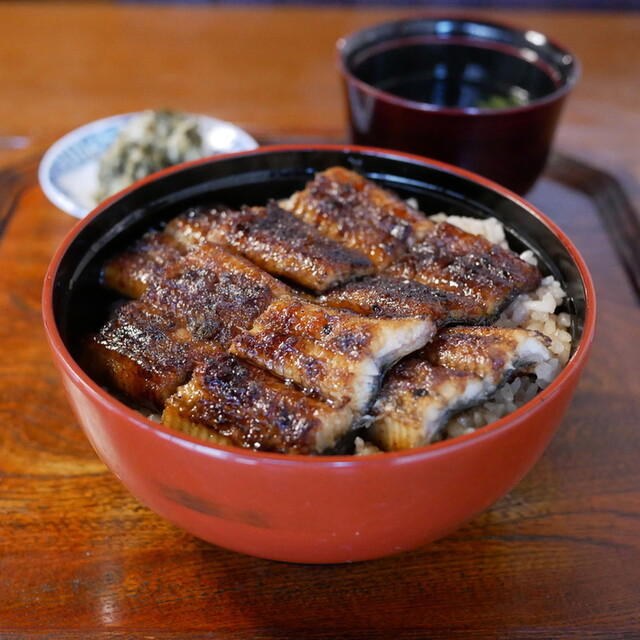
Takeya
Karatsu, Japan
A 15-seat tatami specialist grilling unagi over binchotan charcoal, recognized on Tabelog's 100 Unagi list in 2022 and 2024. Dinner starts at JPY 3,000–3,999, lunch runs JPY 10,000–14,999, and reservations are by phone only. The format is casual; cash-only, no English menu; but the charcoal-grilled eel justifies the planning.
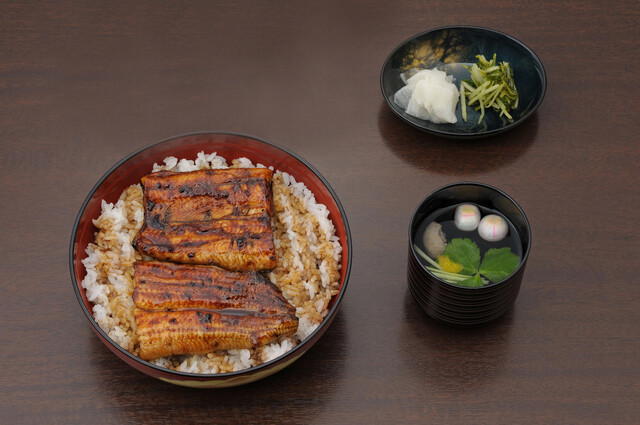
Unagi Ryori Atsumi
Hamamatsu, Japan
Tabelog 100 unagi house since 2018, serving Lake Hamana eel grilled Kansai-style at JPY 5,000–5,999 per meal. Three-minute walk from Shin Hamamatsu Station. Cash-only, phone reservations required. Family-friendly tatami seating and private room available for eight.
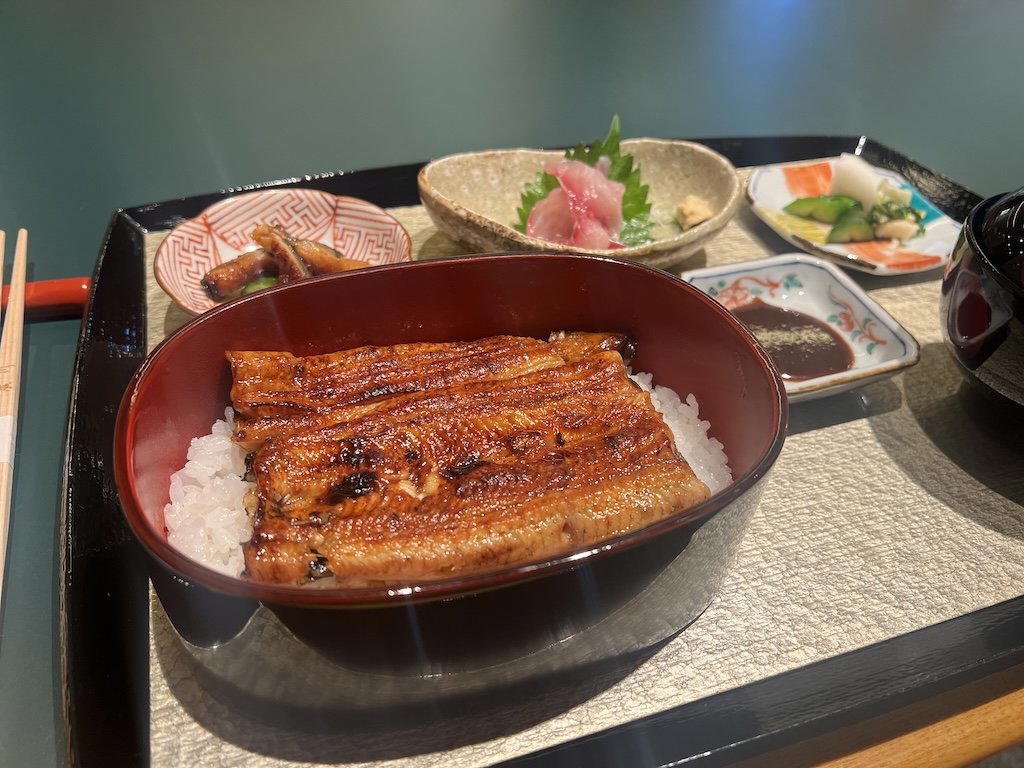
Unagi Hirokawa
Kyoto, Japan
An OAD-ranked unagi specialist in Arashiyama (Casual Japan #56, 2024), Unagi Hirokawa makes a strong case as the most accessible credentialed meal in the neighbourhood. Booking is easy, hours run Tuesday to Sunday for both lunch and dinner, and the seasonal variation in eel; richer in autumn, leaner in spring; gives return visitors a genuine reason to come back.
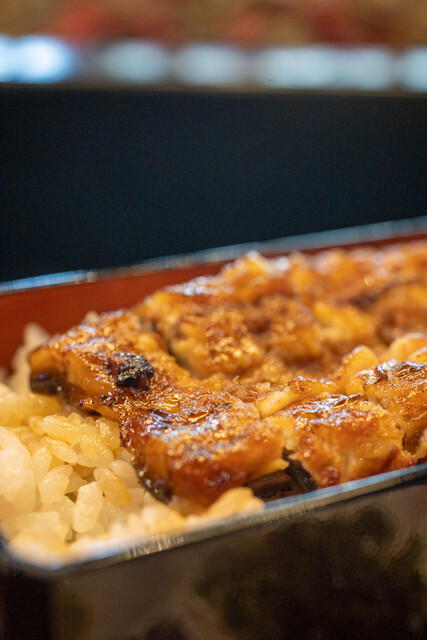
Unagi Kobayashi
Suwa, Japan
Tabelog Unagi 100 recognition three times over, this Kami-Suwa house restaurant offers grilled eel for dine-in or takeout at JPY 5,000–7,999. Reservations required, no same-day bookings, and early dinner service (last order 6:30 PM). Best for weekend lunches and group gatherings in the tatami room.
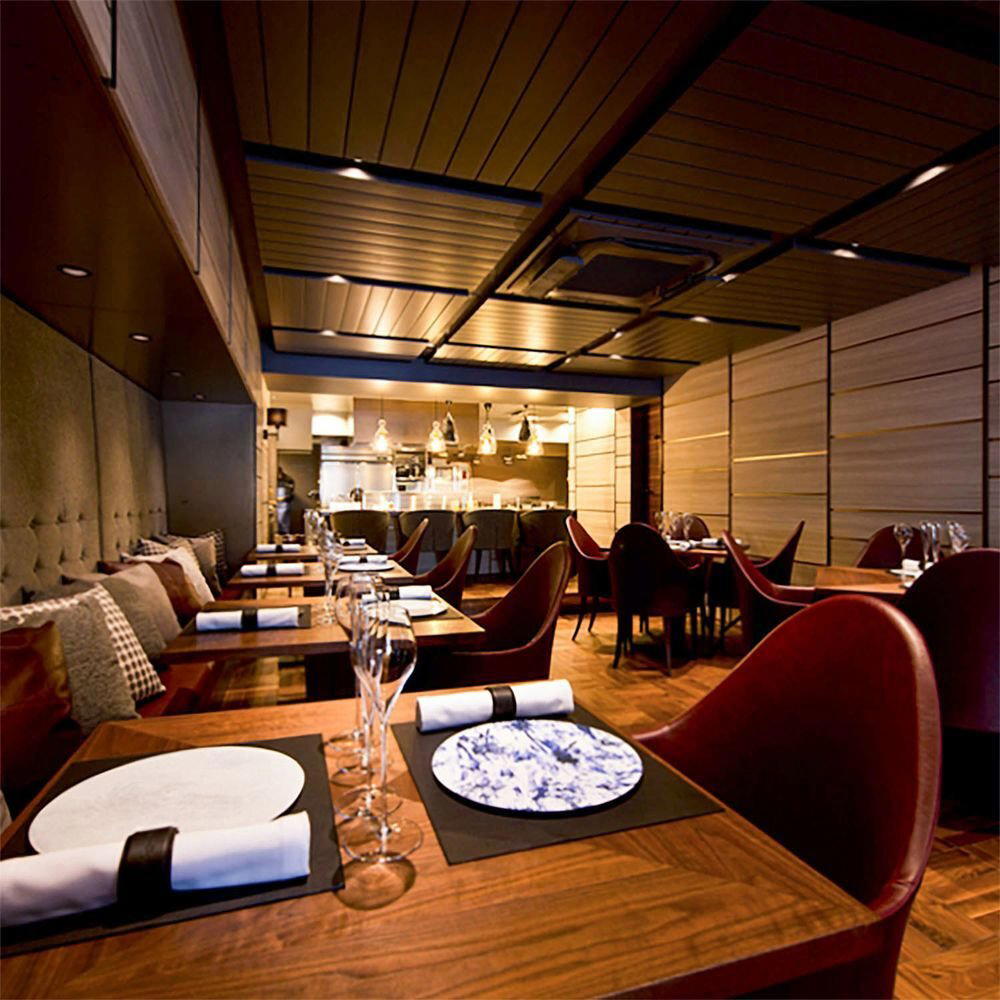
Nodaiwa Azabu Iikura Honten
Tokyo, Japan
A Michelin-starred unagi specialist operating since the Edo period, Nodaiwa Azabu Iikura Honten delivers one of Tokyo's sharpest value propositions in the ¥¥ price tier. The shirayaki and kabayaki preparations, anchored by a generations-refined dipping sauce, are at their best between September and December. Book three to four weeks out via concierge; this is a hard reservation and not accessible by walk-in.
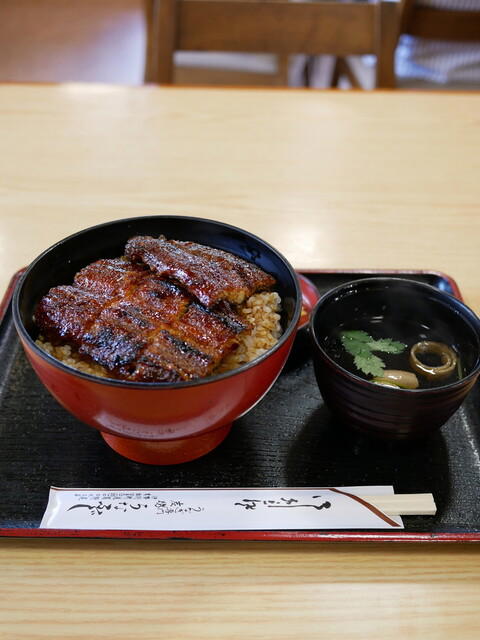
Unafuji
Tsu, Japan
Tabelog 100 Unagi specialist in Tsu offering lunch-only service at JPY 2,000–2,999. Walk-in seating for 54 across tables and tatami rooms, with parking and cash-only payment. The narrow 10:30 AM–1:30 PM window and Tuesday closures demand early arrival. Three-time award recognition since 2018 validates technical consistency at a price well below Tokyo's unagi benchmarks.
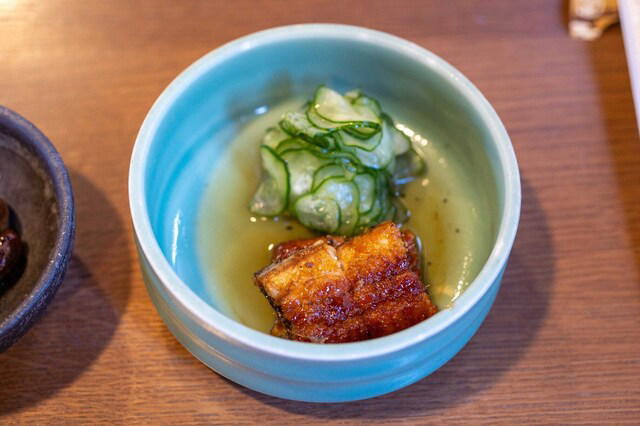
Chikasada
Otsu, Japan
Chikasada earned its place on Tabelog's 100 Best Unagi list with precise charcoal technique and disciplined sourcing, all delivered at under JPY 4,000 per head. The walk-in format and early dinner hours (last order 7:30 PM) reward spontaneity but punish latecomers; arrive by 1 PM for lunch or 6 PM for dinner to avoid sold-out closures.
Matsuka
Matsumoto, Japan
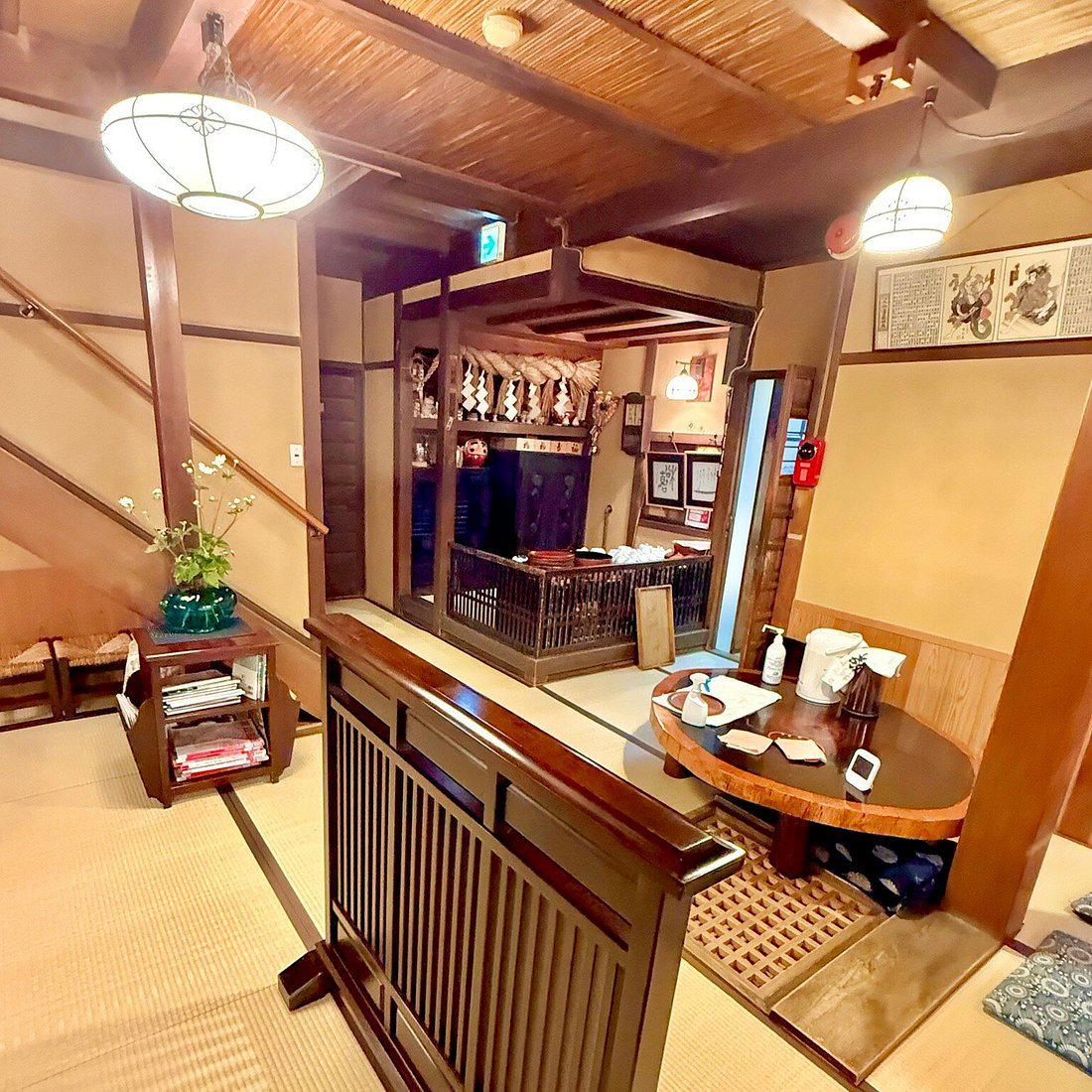
Tabelog Bronze-winning eel specialist (2025, 2026) serving charcoal-grilled unagi in a 59-seat tatami room. No reservations, cash only, and doors close when the eel sells out; often before 2 PM. Best for diners willing to queue early and commit to traditional floor seating. JPY 3,000–3,999 per head. Closed Mondays, Tuesdays, Thursdays.
Kibun
Yoro-gun, Japan
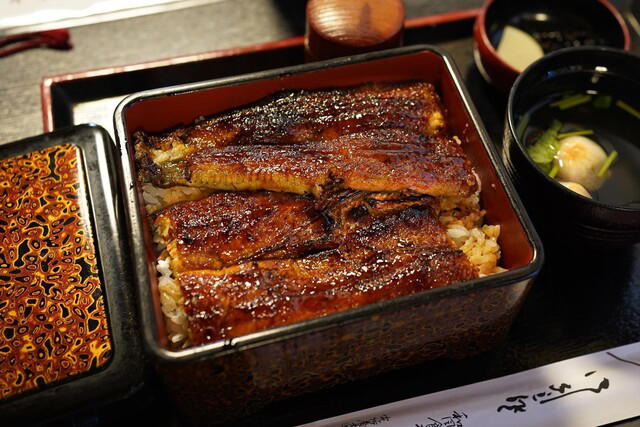
A Tabelog 100 – Unagi honoree in rural Gifu, operating at JPY 3,000–3,999 with a stripped-down service model and a seasonal closure that runs mid-October through spring. The focus is grilled eel precision rather than omakase ceremony, with a 10-seat capacity, cash-only policy, and family-friendly tatami room. Book ahead by phone and confirm the seasonal calendar before travel.
Overview
Tabelog 100 - Unagi - 2024 is Japan’s definitive ranking of the top 100 unagi (grilled eel) restaurants, curated annually by Tabelog, the country’s largest restaurant review platform. It highlights eateries renowned for their mastery of unagi preparation, reflecting expert user reviews and rigorous evaluation.
Since its inception, Tabelog has become Japan’s foremost culinary review platform, offering detailed, crowd-sourced insights into the nation’s vibrant food scene. The Tabelog 100 series spotlights the best restaurants by cuisine, with the Unagi list focusing on establishments excelling in traditional and innovative eel dishes. This annual selection draws from millions of user reviews, combining data-driven rankings with gastronomic expertise, making it an indispensable guide for locals and international gourmets alike. The list not only preserves Japan’s time-honored unagi traditions but also showcases evolving trends in preparation and presentation, underscoring the cultural and culinary significance of unagi in Japanese dining.
Unagi, or grilled eel, is a revered delicacy in Japanese cuisine, celebrated for its rich flavor and meticulous preparation. The Tabelog 100 - Unagi - 2024 list brings together the pinnacle of this culinary craft, spotlighting 100 restaurants that have mastered the art of unagi. For discerning diners and travelers seeking an authentic gastronomic journey, this list serves as the ultimate guide to experiencing Japan’s finest eel dishes, from time-honored traditional shops to innovative modern kitchens.
Quick Facts
- Publisher
- Tabelog (Kakaku.com, Inc.)
- Year
- 2024
- Coverage
- All regions of Japan
- Items
- 100 Unagi-focused restaurants
- Frequency
- Annual
About This Edition
The 2024 edition of the Tabelog 100 - Unagi list reflects subtle shifts in Japan’s dining landscape, including a growing appreciation for regional eel varieties and innovative preparation techniques that fuse tradition with contemporary flair. Noteworthy are several new entrants from emerging culinary hubs outside Tokyo, highlighting unagi’s expanding geographical appeal. The list also acknowledges sustainability efforts by certain restaurants prioritizing responsibly sourced eel, responding to environmental concerns impacting the industry.
Frequently Asked Questions
What is Tabelog 100 - Unagi - 2024?
How are honorees selected?
How often is this list updated?
How can I find these on Pearl?
How many of these have you visited?
Find out on Pearl and keep score across every place in Tabelog 100 - Unagi - 2024.