


Okuniya Mambei
Unagi / Freshwater Eel · Nakagyō, Kyoto
Restaurant in Kyoto, Japan
 Book with Pearl
The Read
Single-Dish Eel Precision
Price
$50–100per person
Chef
Various
Dress
Smart Casual
Why go
A Michelin Plate-recognised unagi restaurant in Nishiki Market, Okuniya Mambei serves one dish, kabayaki eel on earthenware-pot rice, with the precision of a kitchen that does nothing else. At ¥¥, it is the most considered value in Kyoto's eel category, with a room designed by architects and potters that punches well above its price tier for a special occasion.
About Okuniya Mambei
Is Okuniya Mambei worth booking for a special occasion in Kyoto?
Yes: and the answer is clearer than you might expect for a ¥¥ restaurant. Okuniya Mambei holds a Michelin Plate (2024 and 2025) and an Opinionated About Dining Casual recognition for Japan 2025, which puts it in rare company for a single-dish unagi restaurant in Nishiki Market. If you want a meal that feels considered, unhurried, and genuinely rooted in Kyoto craft without spending ¥¥¥¥, this is one of the cleaner choices in the city.
What Okuniya Mambei actually is
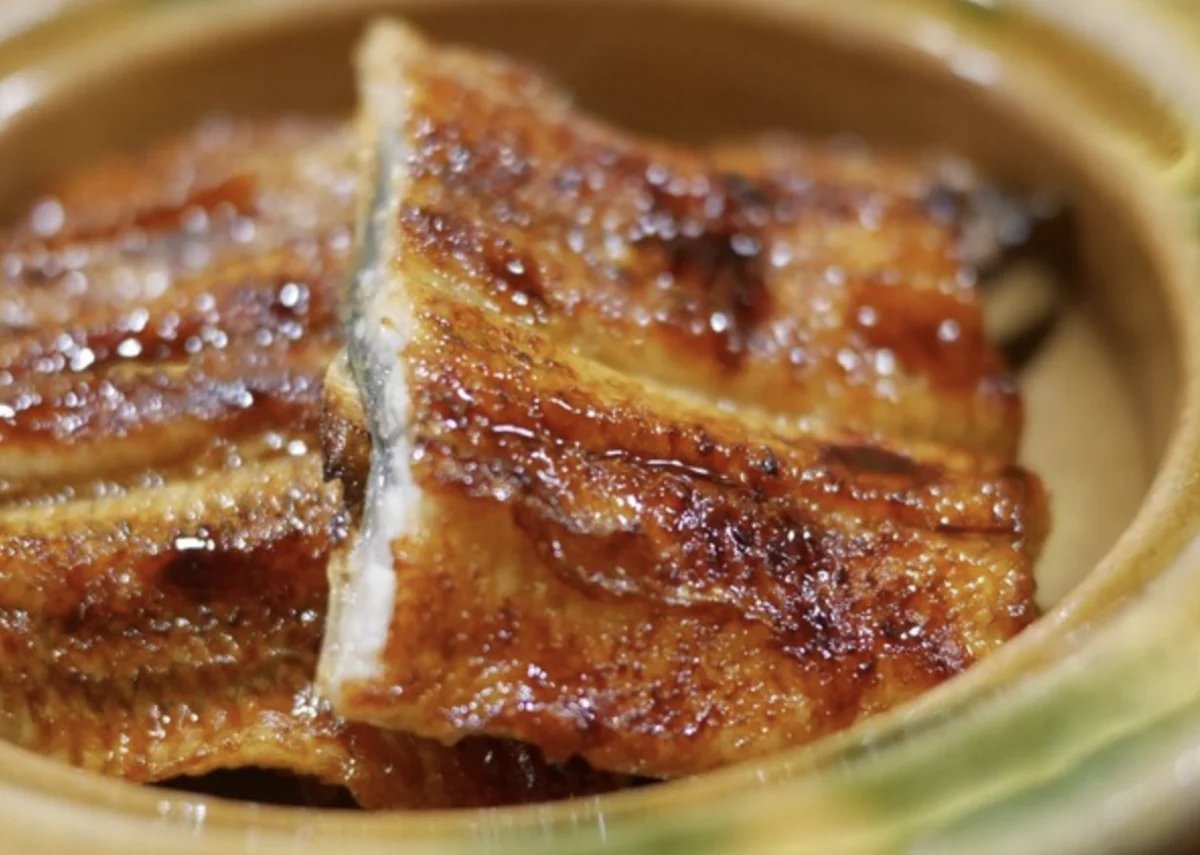
The kitchen at Okuniya Mambei does one thing: large kabayaki eel on rice. The menu is not a tasting menu with a dozen courses: it is a focused, single-format proposition where the eel is grilled with the fat intact and served alongside rice freshly cooked in an earthenware pot. The leftover rice is finished with eel tsukudani, a sweetened soy-sauce preserve, and hojicha, roasted green tea, is poured over it at the end. That combination of grilled eel fat, the toasty, slightly bitter note of hojicha, and the deep lacquer smell of the kabayaki glaze in an enclosed dining room is the sensory core of the experience here. It does not try to be more than that, and the precision of the execution is exactly where the value lies.
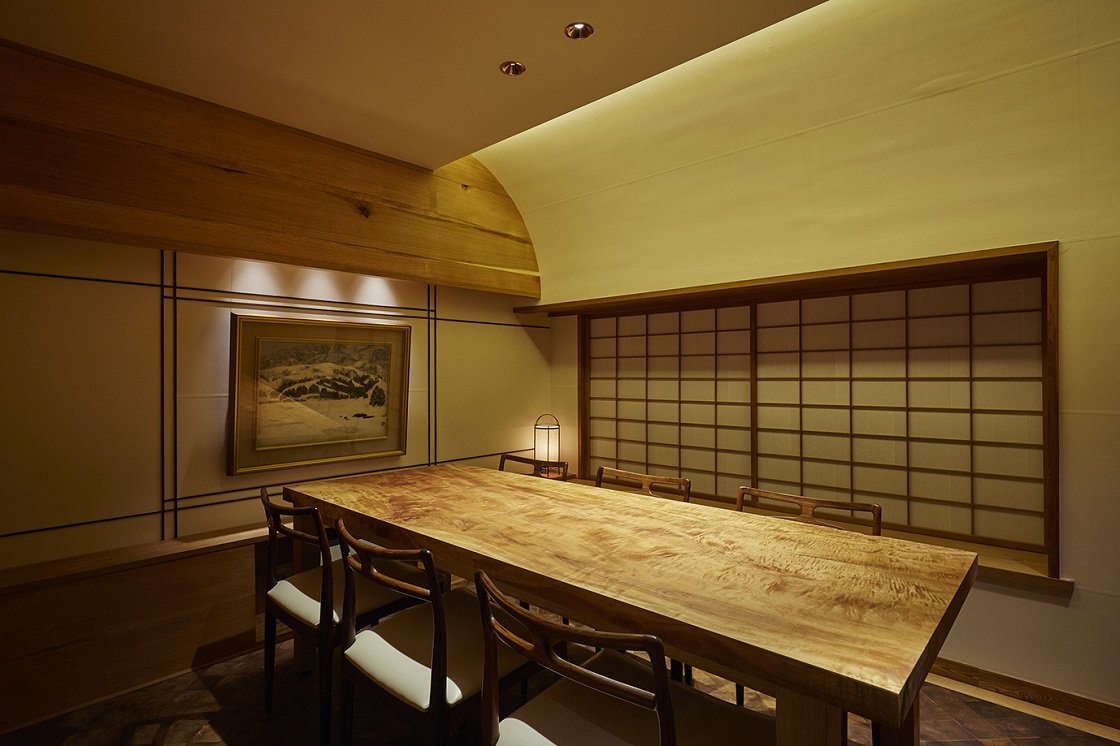
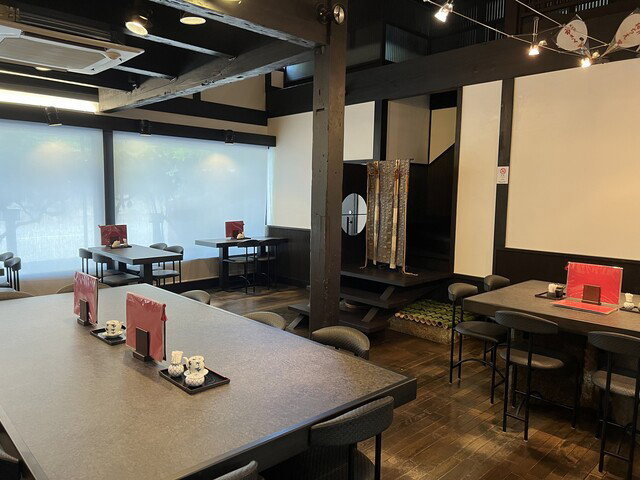
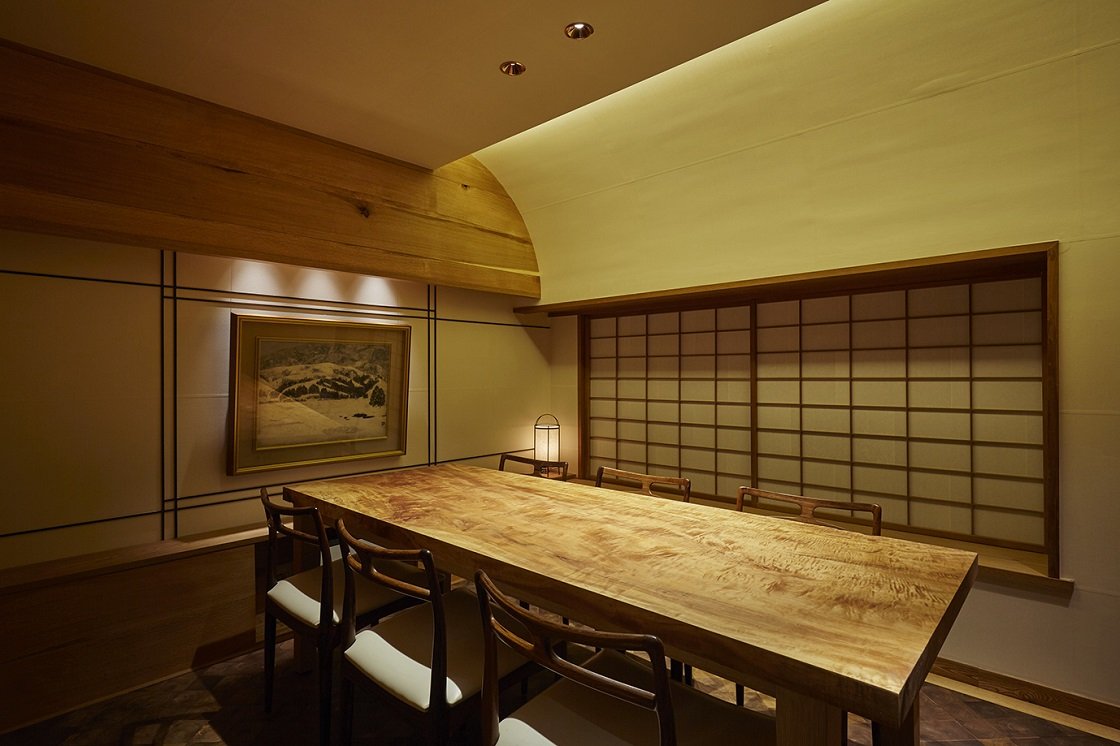
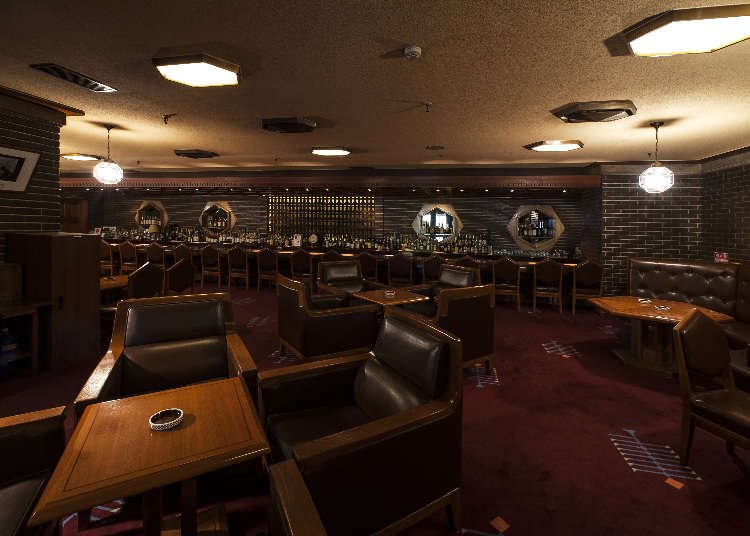
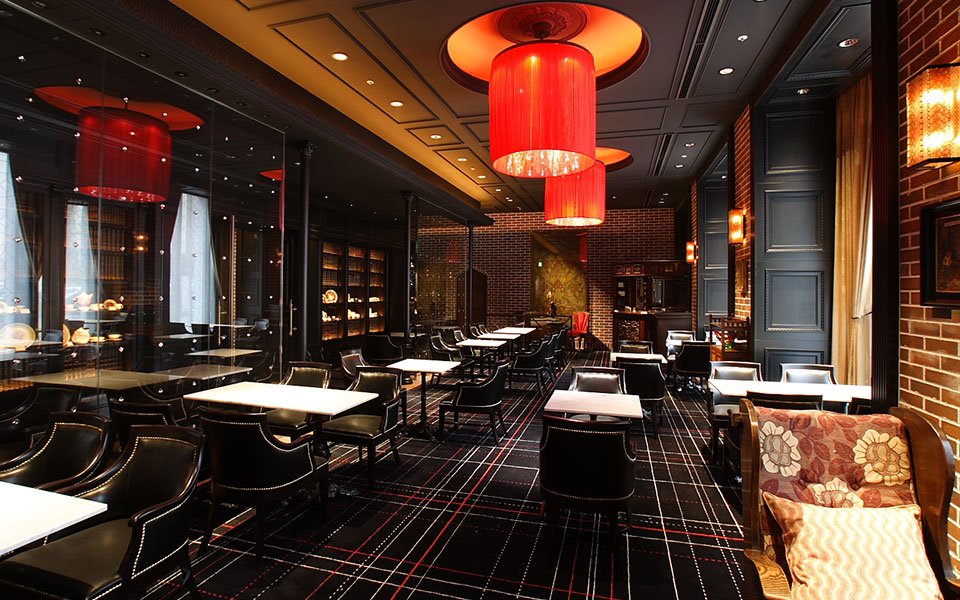
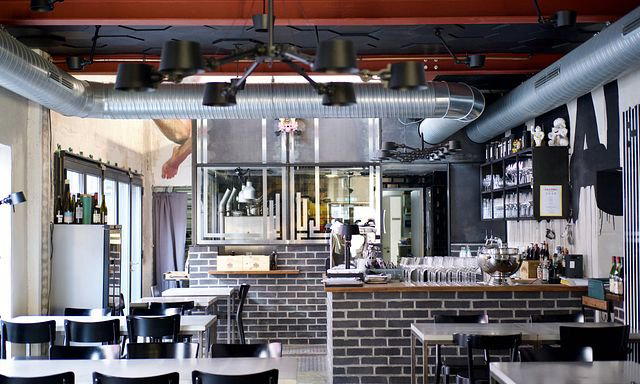
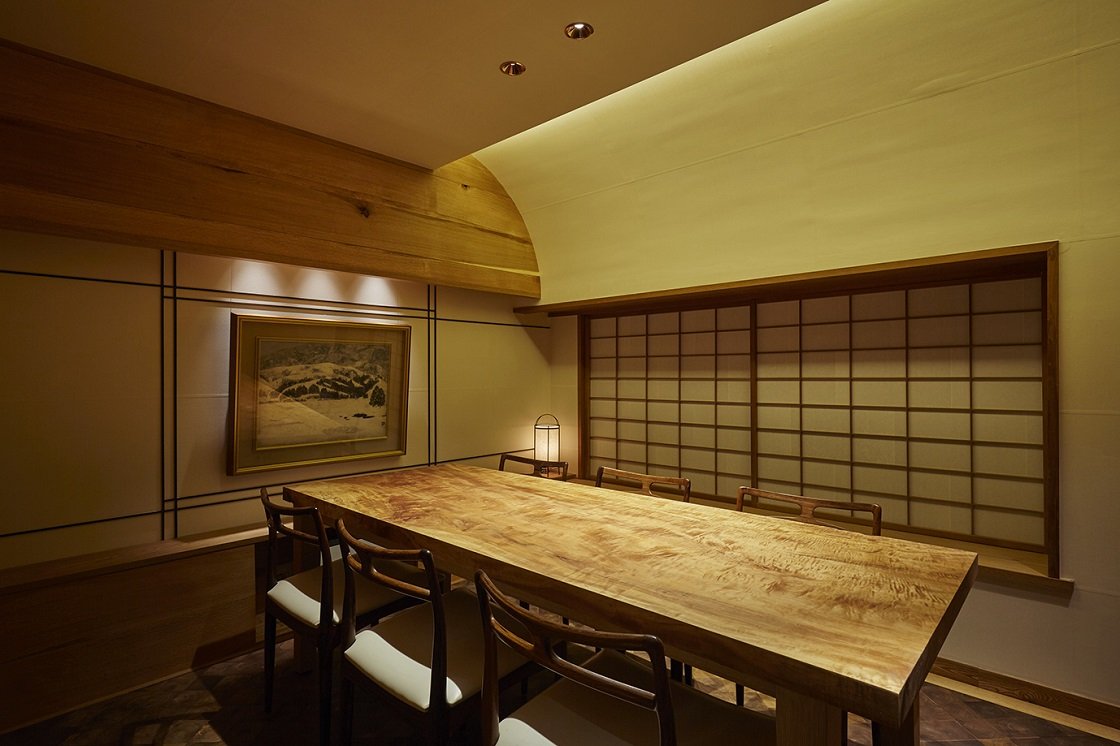
The space itself is the work of architects, calligraphers, and potters commissioned specifically for this restaurant. The third-generation owner-chef opened Okuniya Mambei as a realisation of a long-held vision: rustic simplicity in the room, bold calligraphy on the walls, and tricolour earthenware pots that serve both function and decoration. The aesthetic is deliberate rather than accidental, this is not a utilitarian eel counter. At ¥¥ pricing, that level of spatial intention is unusual, and it makes the restaurant a more convincing choice for a date or a quiet celebration than the price point alone would suggest.
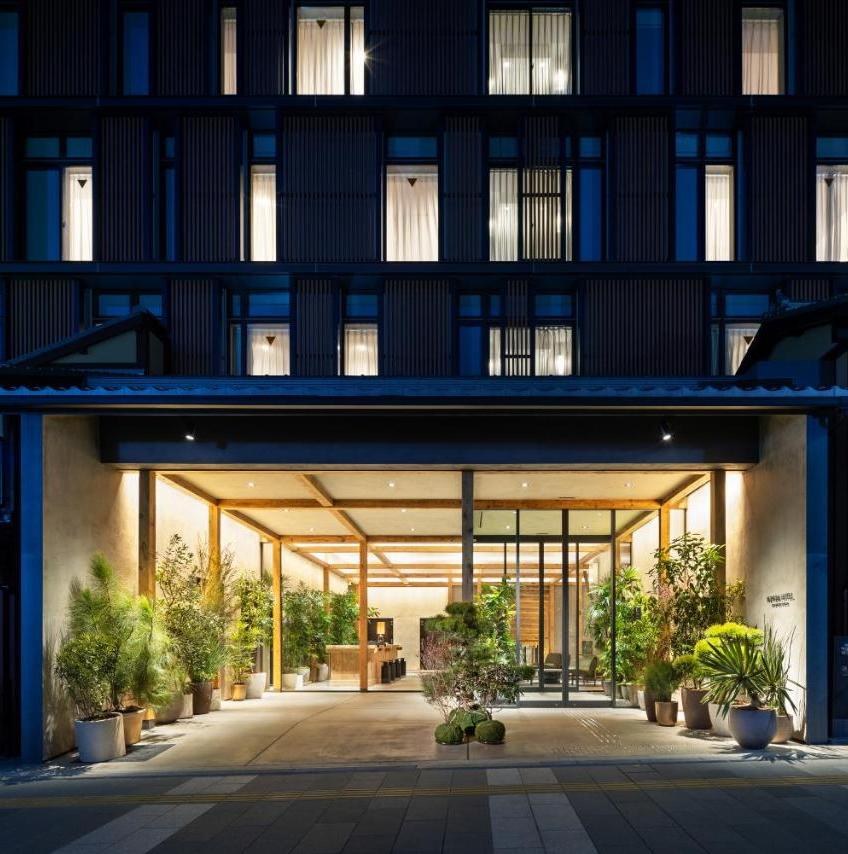
Location sits in Nishiki Market's Nakagyo Ward, Kikuyacho, placing it in the commercial heart of central Kyoto. Nishiki is busy during the day, but the restaurant draws a different kind of visitor than the market's takeaway stalls, diners who have sought it out rather than stumbled in.
Why the casual format works in its favour
PEA-R-07 angle here is not incidental: the single-menu format is a quality signal, not a limitation. Because the kitchen makes only one dish, the sourcing, grilling technique, and rice preparation are the entire focus. In Kyoto, where kaiseki restaurants at ¥¥¥¥ carry enormous prestige, a ¥¥ restaurant that earns Michelin recognition by doing one thing at a high level is genuinely worth noting. For diners who find multi-course kaiseki exhausting or expensive, Okuniya Mambei offers a more direct path to quality cooking in a beautiful room. Compare it to Kyogoku Kaneyo or Kanesho, both established unagi options in Kyoto, and Okuniya Mambei's combination of spatial design and formal recognition sets it apart at the same general price tier.
For visitors planning a broader Kyoto dining itinerary, this works well as a lunch anchor before an afternoon in the market area. If your trip includes dinner at a kaiseki table, Hyotei or Isshisoden Nakamura are both within the city, Okuniya Mambei is the kind of lower-stakes, high-quality meal that rounds out a serious eating trip rather than competing with it.
Seasonal framing
In Japan, the traditional peak season for unagi falls around Doyo no Ushi no Hi, the midsummer day when eel is believed to restore stamina in the heat. That cultural calendar drives demand at unagi restaurants across the country, including in Kyoto. Outside of that peak window, autumn and winter, in particular, you are likely to find the room easier to book and the pace of service more relaxed. Given that the restaurant's booking difficulty is rated easy, this is not a place that requires weeks of planning, but going in peak season without a reservation is a risk worth avoiding.
Pearl Picks: More unagi and regional comparisons
If unagi is the focus of your Japan trip, the format at Okuniya Mambei sits in a different register from Tokyo's dedicated eel houses. Nodaiwa Azabu Iikura Honten and Ginza Yondaime TAKAHASHIYA in Tokyo both bring longer institutional histories to the category. Okuniya Mambei is the more deliberately designed option, which makes it a stronger choice if atmosphere matters as much as the eel itself.
For broader Japan context: HAJIME in Osaka, Harutaka in Tokyo, akordu in Nara, Goh in Fukuoka, 1000 in Yokohama, and 6 in Okinawa each represent strong regional options in their respective cities. For Kyoto specifically, the Gion Sasaki kaiseki experience is the highest-end local benchmark if budget is not the constraint. If you are still planning, our full Kyoto restaurants guide, hotels guide, bars guide, wineries guide, and experiences guide cover the full picture.
Practical details
| Detail | Okuniya Mambei | Kyogoku Kaneyo | Kanesho |
|---|---|---|---|
| Cuisine | Unagi / Freshwater Eel | Unagi / Freshwater Eel | Unagi / Freshwater Eel |
| Price range | ¥¥ | ¥¥ | ¥¥ |
| Recognition | Michelin Plate 2024 & 2025, OAD Casual 2025 | ||
| Booking difficulty | Easy | ||
| Menu format | Single dish (kabayaki on rice) | Multi-item menu | Multi-item menu |
| Room character | Designed: calligraphy, earthenware, rustic | Traditional | Traditional |
FAQs
Can I eat at the bar at Okuniya Mambei?
- Given its Nishiki Market location and the intimate, designed room described in recognition records, it is worth asking at the time of booking whether counter or bar seating exists.
What should I order at Okuniya Mambei?
- There is no choice to make: the menu is a single dish, large kabayaki eel on freshly cooked rice, served in an earthenware pot. The eel is grilled with the fat intact. Leftover rice is finished with eel tsukudani and hojicha poured over it. Order that, and you have ordered everything the kitchen offers.
Is Okuniya Mambei good for a special occasion?
- Yes, more so than the price point implies. The room was commissioned with architects, calligraphers, and potters, and the Michelin Plate recognition confirms the food meets a quality threshold. At ¥¥, it is the kind of meal that feels like a discovery rather than a splurge, which, for certain occasions, is exactly what you want.
How far ahead should I book Okuniya Mambei?
- Booking difficulty is rated easy, so same-week reservations are likely achievable outside peak periods. During Doyo no Ushi no Hi (the midsummer unagi peak in Japan), book earlier. Avoid arriving without a reservation during busy market hours.
Is Okuniya Mambei worth the price?
- At ¥¥ with a Michelin Plate and OAD Casual recognition, the value is clear. You are paying for a designed room, a focused kitchen, and a format that has been refined over three generations. The closest comparable unagi experiences in Tokyo, Nodaiwa or Ginza Yondaime TAKAHASHIYA, operate at a similar or higher price tier without the same spatial investment.
What are alternatives to Okuniya Mambei in Kyoto?
- Kyogoku Kaneyo and Kanesho are the two most comparable unagi options in Kyoto at a similar price range. For a different register entirely, Gion Sasaki and Isshisoden Nakamura cover the kaiseki end of the spectrum at ¥¥¥¥. Okuniya Mambei is the stronger choice if you want recognised quality at a lower spend.
Is the tasting menu worth it at Okuniya Mambei?
- There is no tasting menu. The format is a single dish, kabayaki eel on rice, served in one configuration. If you are looking for a multi-course progression, this is not the right restaurant. If you want a focused, high-quality single-dish experience in a thoughtfully designed room, it is the right call at this price point.
Planning details
- Hours
- Monday: 11 AM–2 PM · Tuesday: 11 AM–2 PM
- Location
- Japan, 〒604-8127 Kyoto, Nakagyo Ward, Kikuyacho, 錦小路上ル
- Website
- manbei.bubu-unagi.com
- Phone
- +81 75-255-2590
The take
The Take
The Vibe
Okuniya Mambei reads like a crafted pause amid Nishiki Market’s bustle. The room emphasizes materiality, bold calligraphy, tricolour earthenware on the counter and contributions from architects, calligraphers and potters, which makes the interior feel deliberate rather than decorative. That focus on craft and lineage gives the place a quietly historic, rustic warmth; the space is compact and framed to present a single, perfected meal. The overall effect is intimate and unshowy: guests sense that everything in the room exists to support the one dish that matters.
Best For
This is a destination for people who want a concentrated culinary experience rather than a multi-course evening. The restaurant’s single-minded focus on unagi kabayaki over rice suits date nights that favor intimacy and ritual, solo diners seeking a composed, personal meal, and special-occasion visits where the achievement of a single preparation is the reason to come. Tucked at the quieter end of Nishiki Market, it offers a measured, contemplative counterpoint to the market’s daytime energy: ideal when you want food that rewards attention.
Ordering Tips
Expect a radically reduced menu: the house centers on unagi kabayaki placed over rice cooked to order in an earthenware pot. The preparation follows the Kyoto approach, eel grilled with the fat intact, so the payoff is texture and the interplay of fatty richness and sauce rather than a sequence of courses. Because the kitchen is refining one preparation across generations, order with the intention of savoring that single dish; there are no alternate mains to choose from, and the meal is a complete, considered experience.
Venue details
Ambiance
Rustic simplicity with bold calligraphy and tricolour earthenware pots creating a serene, elemental atmosphere.
Tags
Vibe
Best For
At the Table
- Dress Code
- Smart Casual
- Noise Level
- Quiet
- Service Style
- Upscale Casual
- Meal Pacing
- Leisurely
- Capacity
- Intimate
- Kitchen
- Traditional
- Menu Format
- Set menu
Signature Dishes
- kabayaki unadon
- hojicha ochazuke
Know before you go
Know Before You Go
- Getting there
- Japan, 〒604-8127 Kyoto, Nakagyo Ward, Kikuyacho, 錦小路上ル
Planning details
Hours
- Monday
- 11 AM–2 PM
- Tuesday
- 11 AM–2 PM
- Wednesday
- Closed
- Thursday
- 11 AM–2 PM
- Friday
- 11 AM–2 PM
- Saturday
- 11 AM–2 PM
- Sunday
- 11 AM–2 PM
Location
Japan, 〒604-8127 Kyoto, Nakagyo Ward, Kikuyacho, 錦小路上ル · Directions

Also consider
Also Consider
- Gion Sasaki: Kaiseki, Japanese, ¥¥¥¥
- cenci: Italian, ¥¥¥
- Ifuki: Kaiseki, ¥¥¥¥
- Kyokaiseki Kichisen: Japanese, ¥¥¥¥
- Kyo Seika: Chinese, ¥¥¥
Restaurant context
Okuniya Mambei sits at ¥¥ in a dining city where most of the recognised names operate at ¥¥¥¥. If your Kyoto budget is going toward one serious meal, you are more likely directing it at Gion Sasaki or Kyokaiseki Kichisen for kaiseki: both of which deliver the full multi-course Kyoto experience at the top of the price range. Okuniya Mambei does not compete with those rooms on format or ambition; it competes on the quality-to-cost ratio, and on that measure it wins clearly. A Michelin Plate and OAD Casual recognition at ¥¥ is a more efficient signal than you typically find in this city.
Ifuki at ¥¥¥¥ and cenci at ¥¥¥ both ask more of your budget and offer a very different format: Ifuki for kaiseki depth, cenci for Italian technique applied in a Kyoto context. If your group wants a longer, more ceremonial meal, either of those is the better match. Kyo Seika at ¥¥¥ fills the Chinese-influenced mid-tier slot. None of them do what Okuniya Mambei does: a single, technically focused dish in a room built with genuine craft, at a price that does not require budgeting around the rest of your trip.
For Kyoto first-timers deciding between a kaiseki splurge and something more accessible, the practical recommendation is to do both across separate meals: book Okuniya Mambei for lunch and reserve one of the ¥¥¥¥ kaiseki tables for dinner. Booking difficulty at Okuniya Mambei is rated easy, which removes the planning friction that comes with the top kaiseki rooms. If you can only do one, the kaiseki experience is more specific to Kyoto. But if you have two meals to fill, Okuniya Mambei is the lunch that justifies the trip to Nishiki on its own terms.
Explore Kyoto
Around this place
Discover more on Pearl
Unlock the full Okuniya Mambei guide in Pearl, including awards, comparisons, FAQs, planning details, and nearby places.
Compare Okuniya Mambei
| Venue | Price | Booking Difficulty | Awards |
|---|---|---|---|
| Okuniya Mambei | ¥¥ | Easy | 2026 OAD Casual in Japan Ranked · #97Michelin Guide Kyoto Osaka 20262026 Michelin Plate2025 OAD Casual in Japan2025 Michelin PlateTabelog 100 - Unagi - 2024 · #302024 Michelin Plate |
| Gion Sasaki | ¥¥¥¥ | Unknown | 2026 Tabelog Bronze · #3862026 OAD Top Restaurants in Japan RecommendedMichelin Guide Kyoto Osaka 20262026 La Liste Top RestaurantsTabelog 100 - Japanese cuisine - WEST - 2025 · #132025 OAD Top Restaurants in Japan Ranked · #2462025 Tabelog Silver2025 Michelin 3 Stars2025 La Liste Top Restaurants |
| cenci | ¥¥¥ | Unknown | 2026 Tabelog Bronze · #442026 Asia's 50 Best Restaurants · #762026 OAD Top Restaurants in Japan Highly RecommendedMichelin Guide Kyoto Osaka 2026Tabelog 100 - Italian - WEST - 2025 · #632025 Asia's 50 Best Restaurants · #632025 OAD Top Restaurants in Japan Ranked · #1682025 Tabelog Bronze2024 OAD Top Restaurants in Japan Ranked · #135 |
| Ifuki | ¥¥¥¥ | Unknown | 2026 OAD Top Restaurants in Japan Ranked · #1222026 Tabelog Bronze · #128Michelin Guide Kyoto Osaka 20262026 La Liste Top RestaurantsTabelog 100 - Japanese cuisine - WEST - 2025 · #622025 OAD Top Restaurants in Japan Ranked · #1002025 La Liste Top Restaurants2025 Tabelog Bronze2025 Michelin 2 Stars |
| Kyokaiseki Kichisen | ¥¥¥¥ | Unknown | 2026 Tabelog Bronze · #1752026 OAD Top Restaurants in Japan Highly RecommendedMichelin Guide Kyoto Osaka 20262025 OAD Top Restaurants in Japan Ranked · #1862025 Michelin 2 Stars2025 La Liste Top Restaurants2024 OAD Top Restaurants in Japan Ranked · #1422024 Michelin 2 Stars2023 OAD Top Restaurants in Japan Ranked · #136 |
| Kyo Seika | ¥¥¥ | Unknown | Tabelog 100 - Chinese cuisine - WEST - 2026 · #762026 Tabelog Bronze · #2162026 OAD Top Restaurants in Japan Recommended2026 Michelin 1 Star2025 OAD Top Restaurants in Japan Ranked · #3262025 Tabelog Bronze2024 OAD Top Restaurants in Japan Ranked · #3042024 Michelin Plate2024 Michelin 1 Star |
.png?width=1200&quality=80)





A quick look at how Okuniya Mambei measures up.
FAQ
Frequently Asked Questions
What should I order at Okuniya Mambei?
There is no choice to make: the menu consists only of large kabayaki eel on rice, cooked in an earthenware pot. The follow-up course is equally fixed: leftover rice topped with eel tsukudani and hojicha poured over it, in classic Kyoto ochazuke style. Order the meal; the kitchen handles the rest.
Is Okuniya Mambei good for a special occasion?
Yes, but calibrate expectations: this is a ¥¥ casual restaurant, not a multi-course kaiseki. The Michelin Plate recognition and the deliberately crafted space, custom calligraphy, tricolour earthenware, third-generation ownership, make it a considered choice for a meaningful lunch rather than a formal celebration dinner. For a full special-occasion dinner, Kyokaiseki Kichisen is the comparison to make.
Is Okuniya Mambei worth the price?
At ¥¥ pricing with Michelin Plate recognition two years running (2024 and 2025) and a listing in Opinionated About Dining Casual Japan 2025, the answer is yes. You are paying for a third-generation specialist kitchen doing a single thing with serious intent: not for variety or ceremony. For the format, the value holds.
What are alternatives to Okuniya Mambei in Kyoto?
For a step up in formality and price within Kyoto, Gion Sasaki and Kyokaiseki Kichisen offer multi-course formats. For contemporary Kyoto cooking at a different price point, cenci and Ifuki are the relevant comparisons. Okuniya Mambei is the only venue in this group built around a single unagi dish: if eel is the specific goal, there is no direct local substitute in the same register.
Is the tasting menu worth it at Okuniya Mambei?
There is no tasting menu at Okuniya Mambei: the menu is a single dish: large kabayaki eel on rice, followed by a rice finish with eel tsukudani and hojicha. If you are looking for a multi-course tasting format in Kyoto, Gion Sasaki or Kyokaiseki Kichisen are the appropriate alternatives.