.png?width=1200&quality=80)

Ginza Yondaime TAKAHASHIYA
Unagi / Freshwater Eel · Chūō, Tokyo
Restaurant in Tokyo, Japan
 Book with Pearl
The Read
Meiji-Lineage Eel Kappo
Price
$100–150per person
Dress
Smart Casual
Why go
A 150-year-old unagi specialist now in Ginza, TAKAHASHIYA holds a Michelin Plate for 2024 and 2025 and serves Kanto-style eel in a kaiseki-influenced kappo format. At ¥¥, it delivers genuine craft and occasion-worthy structure without the ¥¥¥¥ commitment of Tokyo's top kaiseki counters. Book for a date or celebration dinner if the Kanto eel tradition is what you want.
About Ginza Yondaime TAKAHASHIYA
Verdict
Ginza Yondaime TAKAHASHIYA is not a flashy destination restaurant. If you are looking for a celebration dinner that doubles as a genuine education in Kanto-style eel cookery, this is worth booking. If you want maximalist kaiseki ceremony or a room built for Instagram, look elsewhere.
Correcting the Misconception
Most visitors assume that a restaurant in Ginza at this price tier is either a tourist trap dressed up in heritage branding or a stripped-back lunch counter with no occasion value. TAKAHASHIYA is neither. The lineage here is real: the restaurant traces its founding to 1873, Sugito, Saitama Prefecture, in the first years of the Meiji period, and the move to Ginza was a deliberate expansion rather than a rebrand. The fourth proprietor, Akihiro Takahashi, brought the operation to Tokyo and reframed the concept as an eel kappo, meaning the cooking format combines the precision of kappo-style service (dishes presented in sequence, often across a counter) with the specificity of a single-ingredient specialist. That framing matters when you are deciding whether this is a destination meal or a casual lunch stop. It is closer to the former.
The Food: What to Expect
The kitchen works exclusively in the Kanto tradition, which means the eel is steamed before grilling. This two-stage process produces a texture that is softer and more yielding than the Kansai method, where the fish goes straight to the grill. The result is a dish that reads as lighter on the palate despite the richness of the eel itself. Beyond the grilling technique, the kitchen applies kaiseki presentation logic: soup dishes and decoratively arranged sashimi appear alongside the eel courses, giving the meal a structural rhythm closer to a tasting sequence than a simple rice bowl set. One of the house's distinctive touches is serving eel with egg yolk for dipping, in the style of sukiyaki. This is not traditional, and it is the kind of detail that signals a kitchen confident enough in its craft to add without subtracting. Do not come expecting a standard unadon and leave. The format here rewards patience and sequential eating.
Service and the Price Question
At ¥¥ in Ginza, the value calculation is direct: you are paying central Tokyo prices for a meal that justifies them through craft rather than spectacle. The kappo service model means dishes arrive with intention and timing, not in a rush. This is not the white-glove formality of a four-symbol Michelin house, and it should not be. The service philosophy here is closer to informed hospitality than performative luxury, which suits both the price point and the occasion. For a special occasion dinner, that balance works well: the room and service signal that this is a considered meal without requiring a black-tie budget. Compared to a ¥¥¥¥ kaiseki counter like RyuGin, you are trading ceremonial depth for accessibility and specificity. For most diners, that is the right trade.
Who Should Book This
Book TAKAHASHIYA if: you want a date or celebration dinner in Ginza that goes beyond a standard restaurant experience; you have an interest in regional Japanese cooking traditions and want to taste the Kanto eel method at a house with genuine provenance; or you are working through Tokyo's specialist restaurant scene and want a counterpoint to sushi-centric omakase. It is also a strong choice if you have already visited more general kaiseki restaurants and want to see what single-ingredient focus looks like at a high level without committing to a ¥¥¥¥ budget. For other serious unagi options in Tokyo, Nodaiwa Azabu Iikura Honten is the most frequently cited benchmark, while Hatsuogawa, Mejiro Zorome, Unagi Tokito, and Watabe each offer distinct takes on the same tradition across different neighbourhoods. If you are travelling beyond Tokyo, Ike Edoyakiunagi Asahitei in Nara and Kanesho in Kyoto are worth knowing for the Kansai-style comparison.
Booking and Logistics
The restaurant is on the 4th floor of VORT Ginza East II, at 4-12-1 Ginza, Chuo City, Tokyo. You are unlikely to need to plan weeks in advance for a standard reservation, though weekends and holiday periods in Ginza require more lead time than a Tuesday evening. No booking method, hours, or direct phone number are confirmed in our data, so check a current reservation platform or the venue directly before your visit. For context on the broader dining scene, see our full Tokyo restaurants guide. For hotels close to Ginza, our Tokyo hotels guide covers the options. You can also explore Tokyo bars, Tokyo wineries, and Tokyo experiences for the full picture. If your trip extends beyond the capital, HAJIME in Osaka, Gion Sasaki in Kyoto, akordu in Nara, Goh in Fukuoka, 1000 in Yokohama, and 6 in Okinawa represent the range of serious dining available across Japan.
Quick reference: Ginza Yondaime TAKAHASHIYA — unagi kappo, ¥¥, 4F VORT Ginza East II, 4-12-1 Ginza, Chuo City, Tokyo. Booking difficulty: Easy.
Ratings
- Value for money: Strong at ¥¥ for the format and location
- Occasion suitability: Date, celebration, serious food interest
- Booking difficulty: Easy
- Trust signals:
Planning details
- Location
- Japan, 〒104-0061 Tokyo, Chuo City, Ginza, 4 Chome−12−1 VORT銀座イーストⅡ 4F
- Reservations
- Book on Omakase
- Website
- takahashiya-ginza.com
- Phone
- +81 3-3547-0021
The take
The Take
The Vibe
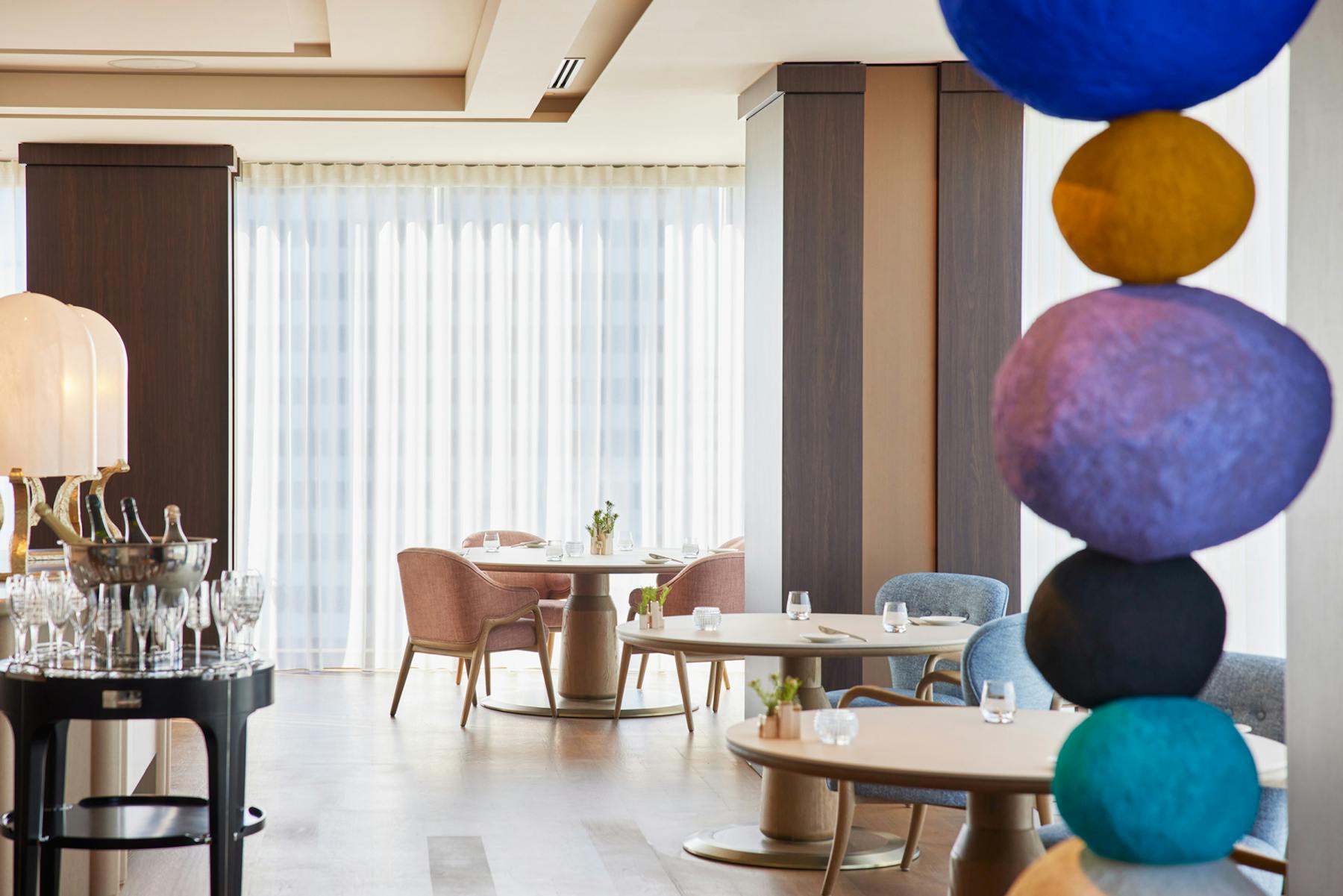
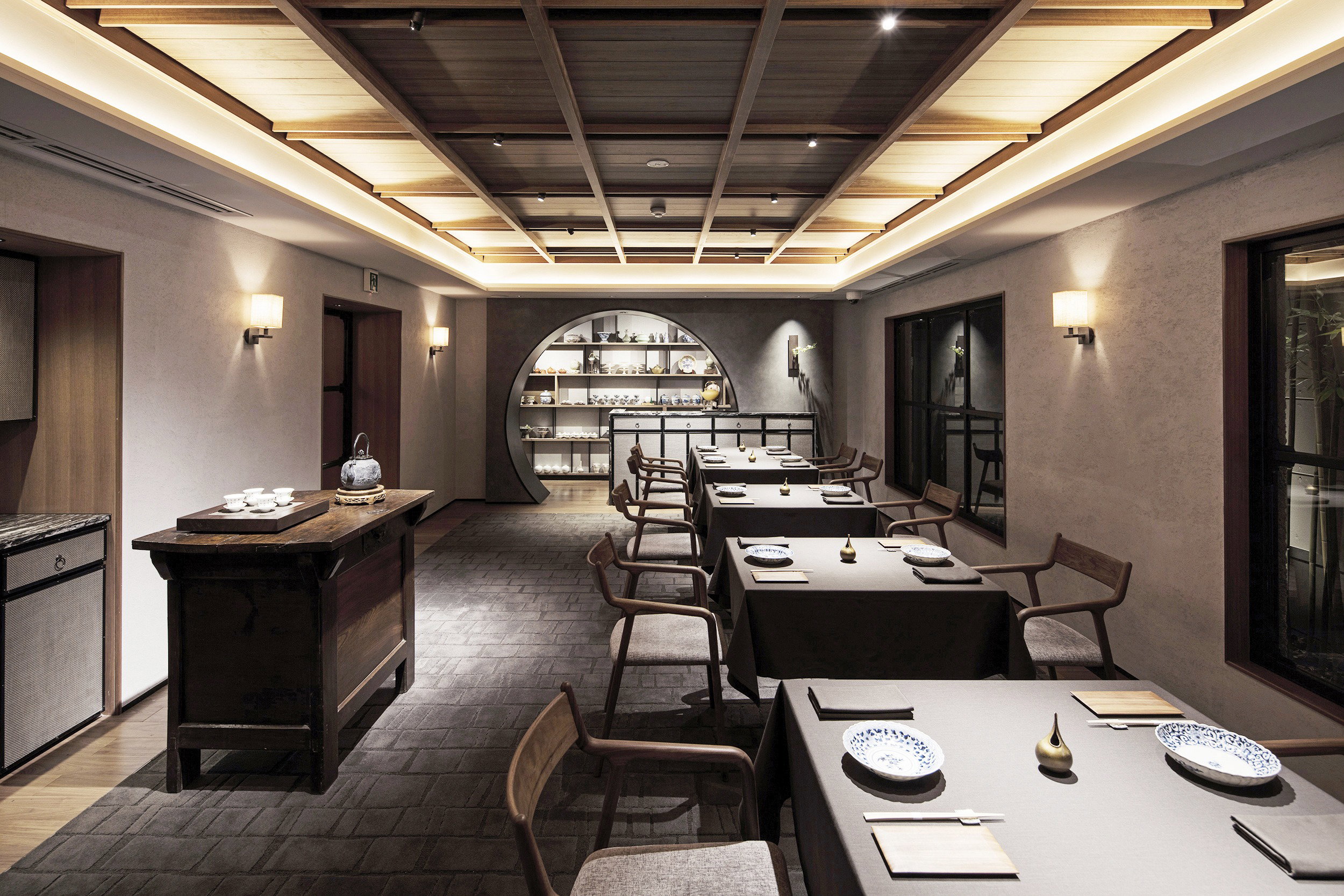
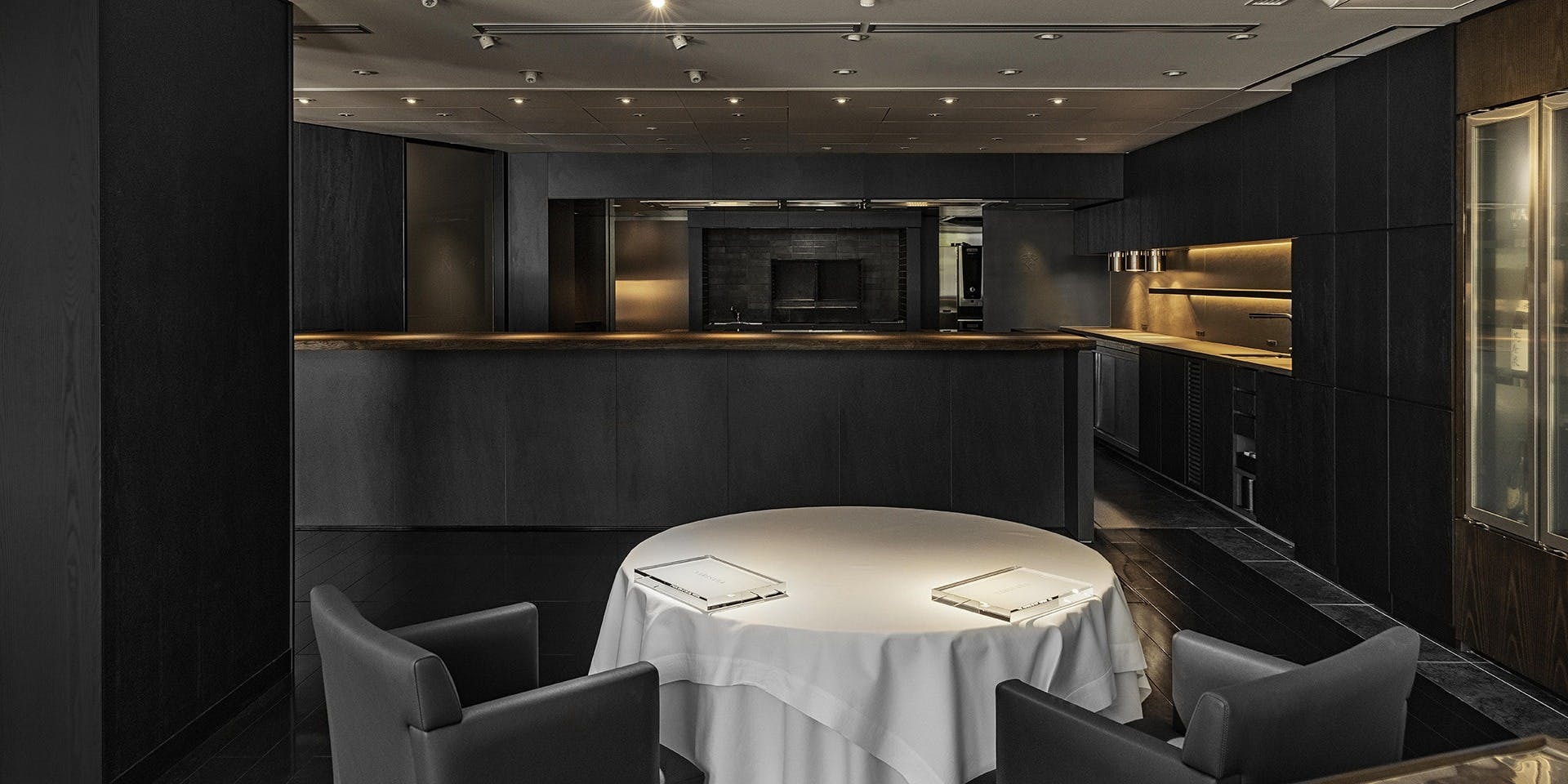
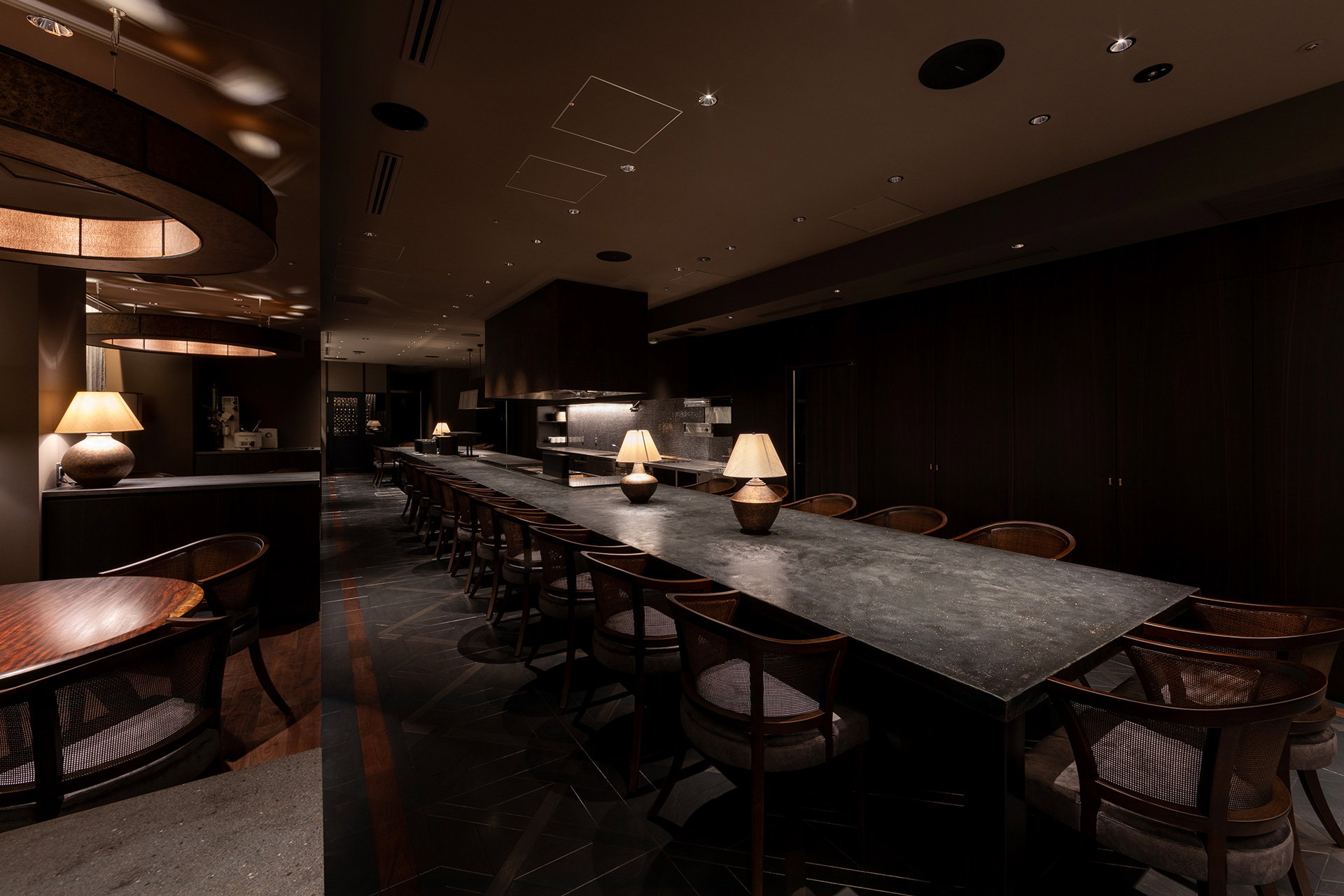
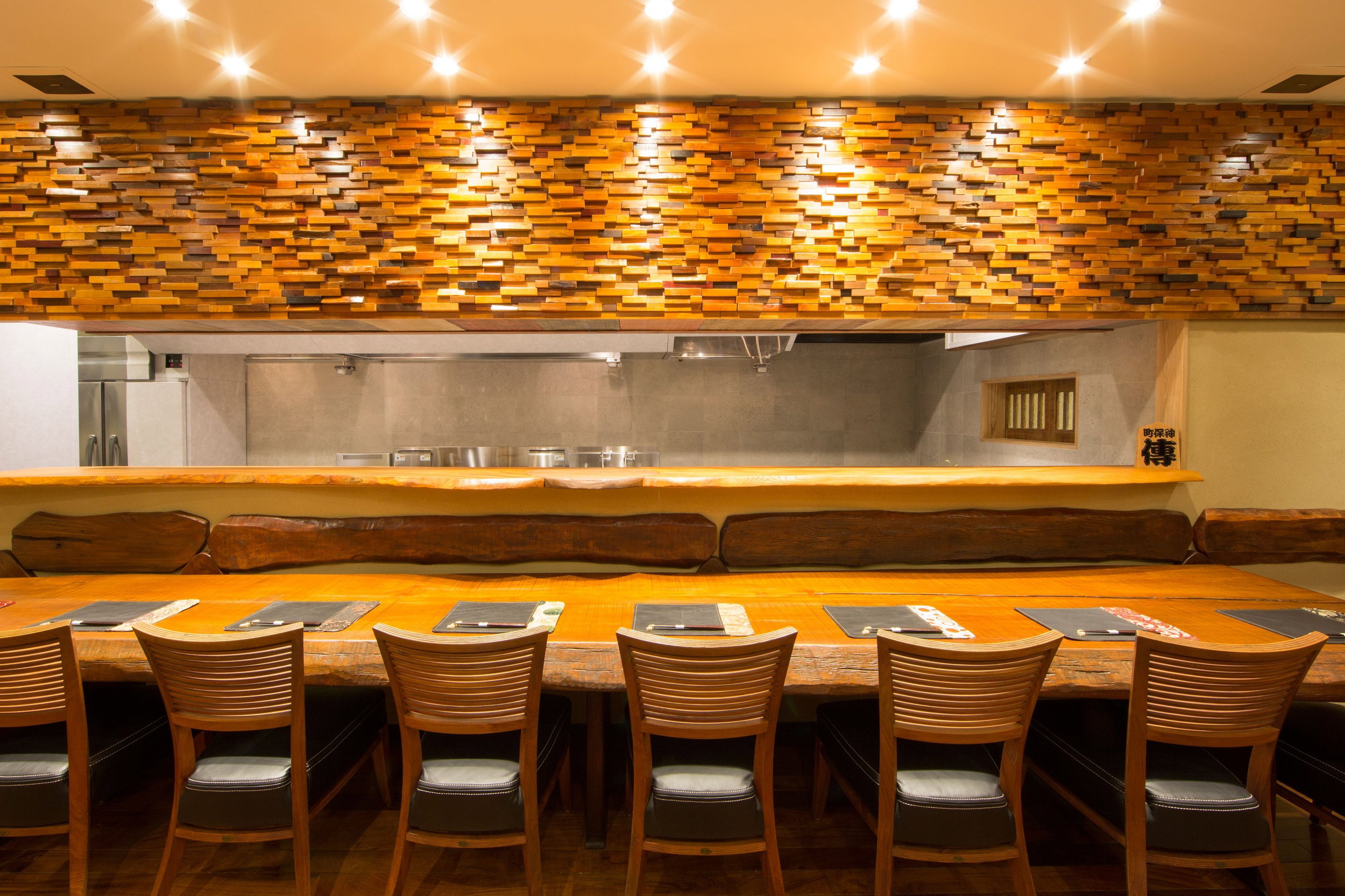
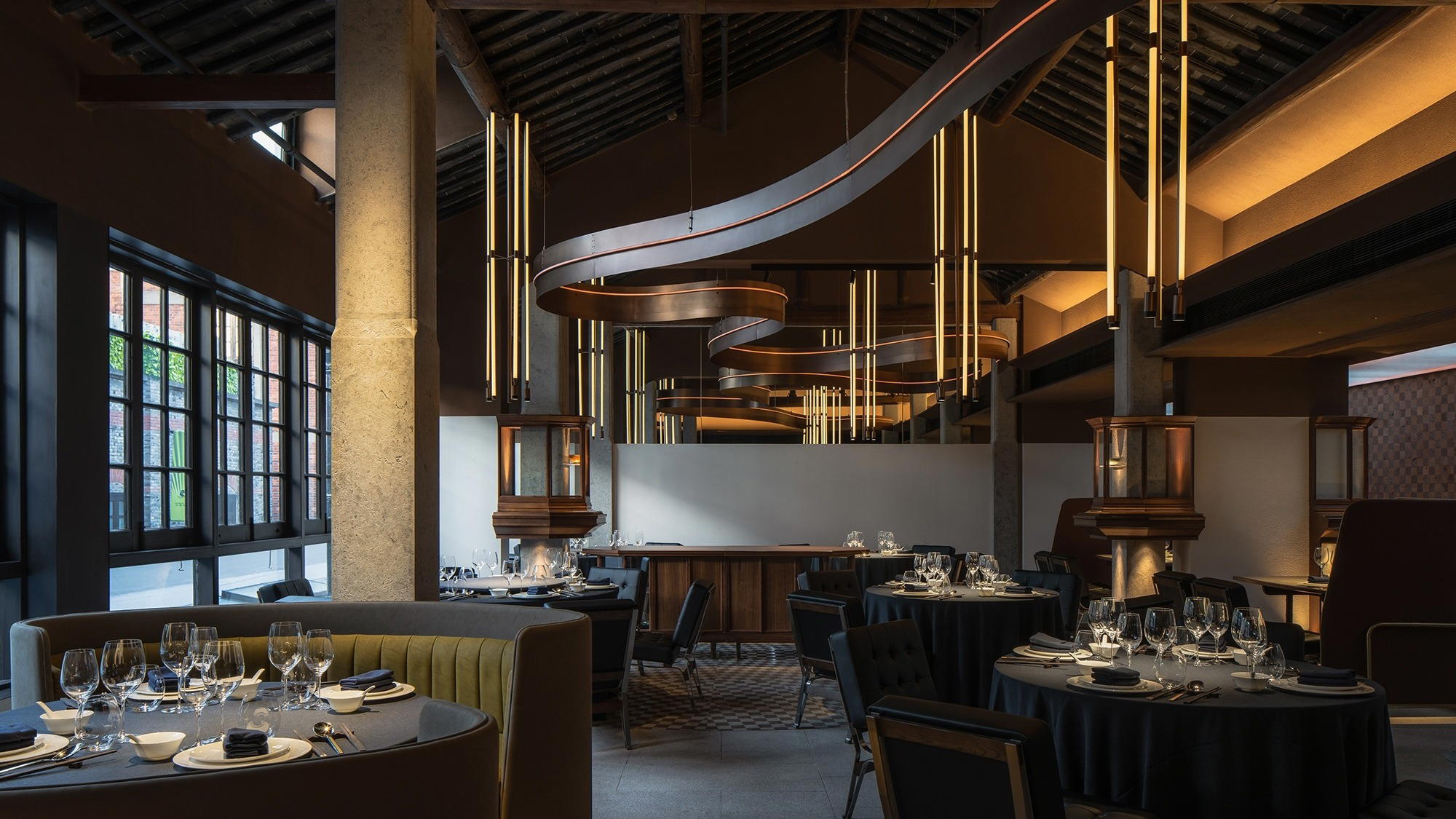
Ginza Yondaime TAKAHASHIYA pairs quiet, formal restraint with a deep historical pedigree. The fourth-floor dining room emphasizes measured attention: the description highlights a "room's quiet formality" and a kaiseki-like sequence that privileges process and texture over spectacle. The house traces its unagi lineage to 1873, so the atmosphere reads as reverent and composed rather than flashy. Service unfolds at a counter, and the focus is on the cook's craft—steaming and charcoal grilling eel to specific textural ends—so the overall mood is contemplative and refined, ideal for diners who want a focused, process-driven meal.
Best For
This is a venue for deliberate meals—business dinners, special occasions and solitary tastings all fit the format. The kaiseki-inspired "eel kappo" unfolds across multiple courses and is paced by the cook, which suits extended conversations with colleagues or an elevated celebration. Counter seating lets a solo diner follow technique and timing closely, making it a comfortable choice for one as well. Because the menu emphasizes several preparations of eel rather than a single donburi, guests are expected to linger and appreciate each course in sequence.
Ordering Tips
Opt for the kappo-style sequence rather than expecting a single donburi—the house frames eel across multiple courses so you experience steamed-then-grilled textures in several preparations. Signature items to look for include Una-Ju, the two-tiered eel and eel liver soup; the description notes the eel is cut to order, steamed and then charcoal-grilled, so sitting at the counter lets you watch that technique and enjoy the pacing. Trust the cook's rhythm—dishes are sent when ready—and approach the meal as a tasting that rewards patience and attention.
Venue details
Ambiance
Refined and relaxed space resembling a small art museum with calm, sophisticated atmosphere.
Tags
Vibe
Best For
Sourcing
At the Table
- Dress Code
- Smart Casual
- Noise Level
- Quiet
- Service Style
- Formal
- Meal Pacing
- Leisurely
- Capacity
- Intimate
- Kitchen
- Traditional
- Menu Format
- A la carte
- Wine Program
- Curated
- Drinks Focus
- Sake program
- Private Dining
- Available
Signature Dishes
- Una-Ju
- Two-tiered Eel
- Eel Liver Soup
Know before you go
Know Before You Go
- Getting there
- Japan, 〒104-0061 Tokyo, Chuo City, Ginza, 4 Chome−12−1 VORT銀座イーストⅡ 4F
Planning details
Location
Japan, 〒104-0061 Tokyo, Chuo City, Ginza, 4 Chome−12−1 VORT銀座イーストⅡ 4F · Directions
Recognition and awards
Also consider
Also Consider
- Harutaka, Sushi, ¥¥¥¥
- RyuGin, Kaiseki, Japanese, ¥¥¥¥
- L'Effervescence, French, ¥¥¥¥
- HOMMAGE, Innovtive French, French, ¥¥¥¥
- Florilège, French, ¥¥¥
Restaurant context
At ¥¥, Ginza Yondaime TAKAHASHIYA operates in a different category from most of its Ginza neighbours. RyuGin and Harutaka are both ¥¥¥¥ propositions where the ceremony and the room are as much the point as the food. TAKAHASHIYA does not compete on that axis. It competes on single-ingredient mastery and historical depth, and at ¥¥ it wins on value for anyone whose priority is craft over theatre.
If your occasion calls for a French tasting menu, L'Effervescence, HOMMAGE, and Florilège all operate at ¥¥¥ to ¥¥¥¥ and deliver the full-room, full-sequence experience. Those are the right choices when the format itself is the event. TAKAHASHIYA is the right choice when you want something specifically Japanese, specifically specialist, and priced to allow a return visit rather than a once-a-year commitment.
For booking difficulty, TAKAHASHIYA is easier to secure than RyuGin or Harutaka, where lead times of several weeks are standard. If you are planning a Tokyo trip with limited planning runway, TAKAHASHIYA's Easy booking rating makes it a practical anchor for an evening in Ginza that does not require a reservation secured months in advance.
Explore Tokyo
Around this place
Discover more on Pearl
Unlock the full Ginza Yondaime TAKAHASHIYA guide in Pearl, including awards, comparisons, FAQs, planning details, and nearby places.
Compare Ginza Yondaime TAKAHASHIYA
| Venue | Cuisine | Price | Awards | Booking Difficulty |
|---|---|---|---|---|
| Ginza Yondaime TAKAHASHIYA | Unagi / Freshwater Eel | ¥¥ | 2026 Michelin Plate2025 Michelin PlateTabelog 100 - Unagi - 2024 · #22024 Michelin Plate | Easy |
| Harutaka | Sushi | ¥¥¥¥ | 2026 Tabelog Silver · #312026 OAD Top Restaurants in Japan Ranked · #1282026 Michelin 3 Stars2026 La Liste Top RestaurantsTabelog 100 - Sushi - TOKYO - 2025 · #372025 Asia's 50 Best Restaurants · #762025 OAD Top Restaurants in Japan Ranked · #1172025 La Liste Top Restaurants2025 Tabelog Bronze | Unknown |
| RyuGin | Kaiseki, Japanese | ¥¥¥¥ | 2026 OAD Top Restaurants in Japan Ranked · #802026 Tabelog Bronze · #3772026 Michelin 3 Stars2026 La Liste Top RestaurantsTabelog 100 - Japanese cuisine - TOKYO - 2025 · #212025 OAD Top Restaurants in Japan Ranked · #542025 Michelin 3 Stars2025 La Liste Top Restaurants2025 The Best Chef Three Knives | Unknown |
| L'Effervescence | French | ¥¥¥¥ | 2026 Tabelog Silver · #682026 OAD Top Restaurants in Japan Ranked · #103Star Wine Lists 20262026 Black Pearl 2 Diamond2026 Relais Chateaux Restaurants2026 La Liste Top Restaurants2026 Michelin 3 Stars2025 Asia's 50 Best Restaurants · #692025 OAD Top Restaurants in Japan Ranked · #92 | Unknown |
| HOMMAGE | Innovtive French, French | ¥¥¥¥ | 2026 Tabelog Bronze · #1232026 OAD Top Restaurants in Japan Highly Recommended2026 Michelin 2 StarsTabelog 100 - French - TOKYO - 2025 · #762025 Asia's 50 Best Restaurants · #782025 OAD Top Restaurants in Japan Ranked · #1752025 Michelin 2 Stars2025 The Best Chef One Knife2025 La Liste Top Restaurants | Unknown |
| Florilège | French | ¥¥¥ | 2026 Asia's 50 Best Restaurants · #312026 Tabelog Bronze · #712026 OAD Top Restaurants in Japan Ranked · #1242026 Black Pearl 1 Diamond2026 Michelin 2 Stars2026 La Liste Top Restaurants2025 Asia's 50 Best Restaurants · #172025 World's 50 Best Restaurants · #36Tabelog 100 - French - TOKYO - 2025 · #68 | Unknown |












Comparing your options in Tokyo for this tier.
FAQ
Frequently Asked Questions
What should I order at Ginza Yondaime TAKAHASHIYA?
The eel is the entire point here. The kitchen works in the Kanto tradition — steamed before grilling for a softer, more yielding texture — and the fourth proprietor's signature move is a sukiyaki-style egg yolk dip, which is worth trying if it's on the menu. Beyond that, the eel kappo format means soup dishes and decoratively arranged sashimi in the kaiseki style sit alongside the main event.
Can I eat at the bar at Ginza Yondaime TAKAHASHIYA?
Seating configuration details are not documented. Given the kappo and kaiseki-influenced format, a counter arrangement is plausible — kappo dining traditionally centres on counter service — but confirming this before you book is advisable. Call ahead or check at reservation time.
Is Ginza Yondaime TAKAHASHIYA worth the price?
At ¥¥ in Ginza, yes — provided unagi is what you're after. You're paying for 150 years of eel-specific craft, a Michelin Plate recognition in both 2024 and 2025, and a kitchen that does one thing with real depth rather than spreading across a broad menu. If you want a general Japanese kaiseki experience, there are more versatile options at this price tier; if you want serious eel, this is where to go.
Is the tasting menu worth it at Ginza Yondaime TAKAHASHIYA?
The structured kaiseki-influenced format means the meal is likely set or guided rather than fully à la carte, which suits the specialist kitchen — this is a place where the chef's direction is the point. Specific menu structures and prices are not publicly listed, so confirming the current format before booking is sensible. At ¥¥ in Ginza, the value case holds if you're committed to the eel-focused experience.
What are alternatives to Ginza Yondaime TAKAHASHIYA in Tokyo?
For unagi specifically, Nodaiwa in Azabu-Juban is the most direct comparison — older lineage, similar Kanto-style steaming, and a comparable price tier. If you want to stay in Ginza but broaden into full kaiseki, Harutaka offers a different format at a significantly higher price point. TAKAHASHIYA is the better choice when the eel itself is the reason for the booking.
Is Ginza Yondaime TAKAHASHIYA good for a special occasion?
Yes, with a specific caveat: this works well for a celebration dinner where the occasion calls for depth and craft over spectacle. The heritage story — founded in Saitama in 1873, brought to Ginza by the fourth proprietor — gives the meal a narrative, and the kaiseki-style presentation adds ceremony. For a more visually dramatic special-occasion setting, venues like RyuGin carry more theatrics at a higher price; TAKAHASHIYA rewards guests who find meaning in precision and lineage.