


Nodaiwa Azabu Iikura Honten
Unagi / Freshwater Eel · Minato, Tokyo
Restaurant in Tokyo, Japan
 Book with Pearl
The Read
Edo-Style Eel Craft
Price
¥¥
Chef
Various
Dress
Smart Casual
Why go
A Michelin-starred unagi specialist operating since the Edo period, Nodaiwa Azabu Iikura Honten delivers one of Tokyo's sharpest value propositions in the ¥¥ price tier. The shirayaki and kabayaki preparations, anchored by a generations-refined dipping sauce, are at their best between September and December. Book three to four weeks out via concierge; this is a hard reservation and not accessible by walk-in.
About Nodaiwa Azabu Iikura Honten
Tokyo's Most Serious Unagi Restaurant Is Not What You Expect
The common assumption is that Nodaiwa Azabu Iikura Honten is a heritage attraction, a place you visit once to say you have eaten eel in a centuries-old restaurant. That is the wrong frame. This is a Michelin-starred, Opinionated About Dining-ranked working kitchen that rewards repeat visits, seasonal awareness, and deliberate ordering. If you book expecting a museum experience, you will miss the point. If you book as a food-focused traveller who understands what fifth-generation craftsmanship actually means in a cooking context, this is one of the strongest value propositions in Minato-ku.
Nodaiwa has operated continuously since the Edo period, which means it predates most of the category conventions we associate with Japanese fine dining. Fifth-generation proprietor Kanejiro Kanemoto does not run the kitchen as a historical re-enactment. The dipping sauce, which forms the backbone of the signature kabayaki preparation, has been actively adjusted across generations as palates and soy sauce production have changed. That detail matters: this is a living recipe, not a frozen one. The most recent recalibration of the soy-to-mirin ratio is the kind of meaningful, low-drama evolution that defines serious craft cooking but rarely gets the attention it deserves from diners focused on novelty.
The Space: Intimate, Traditional, Deliberate
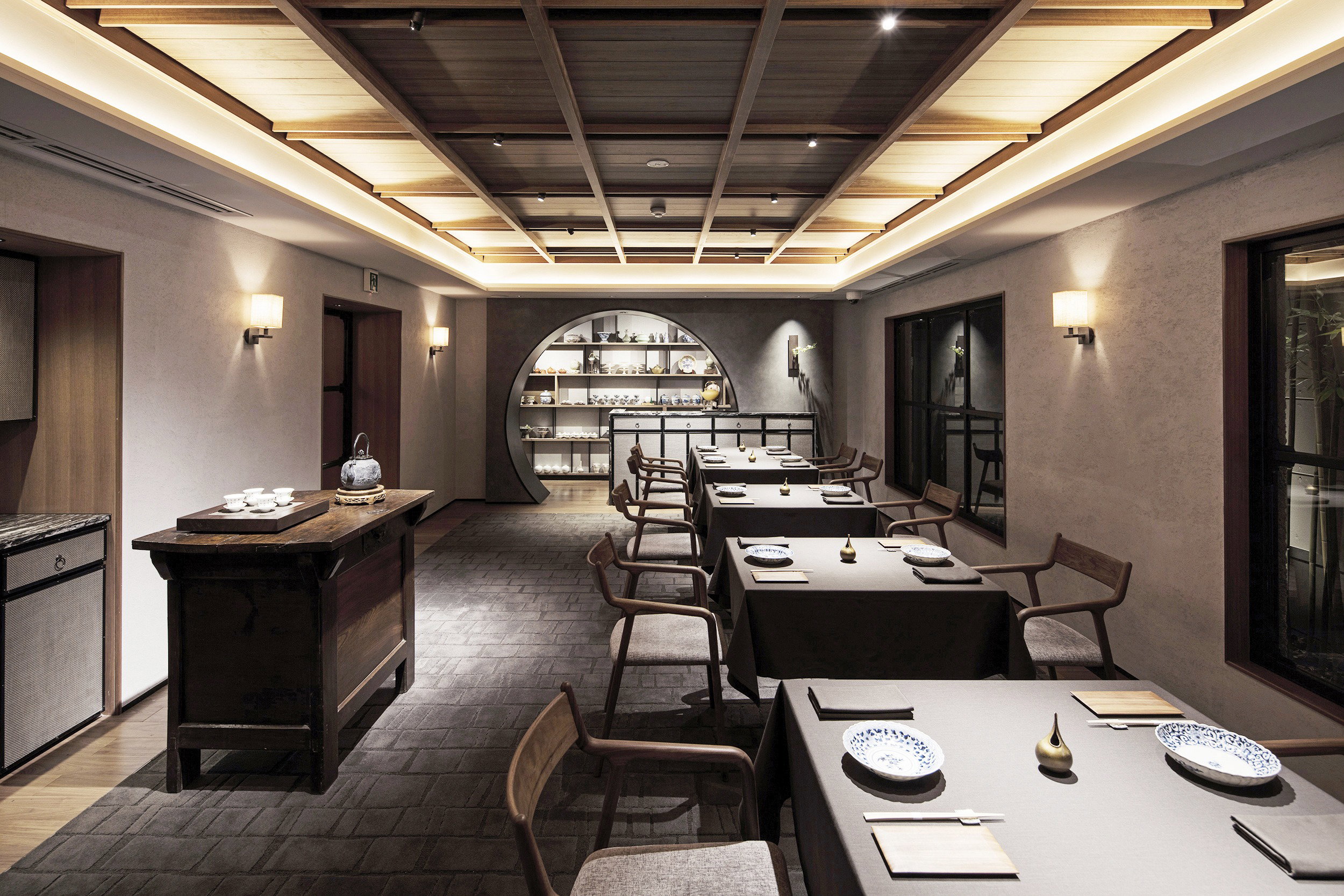
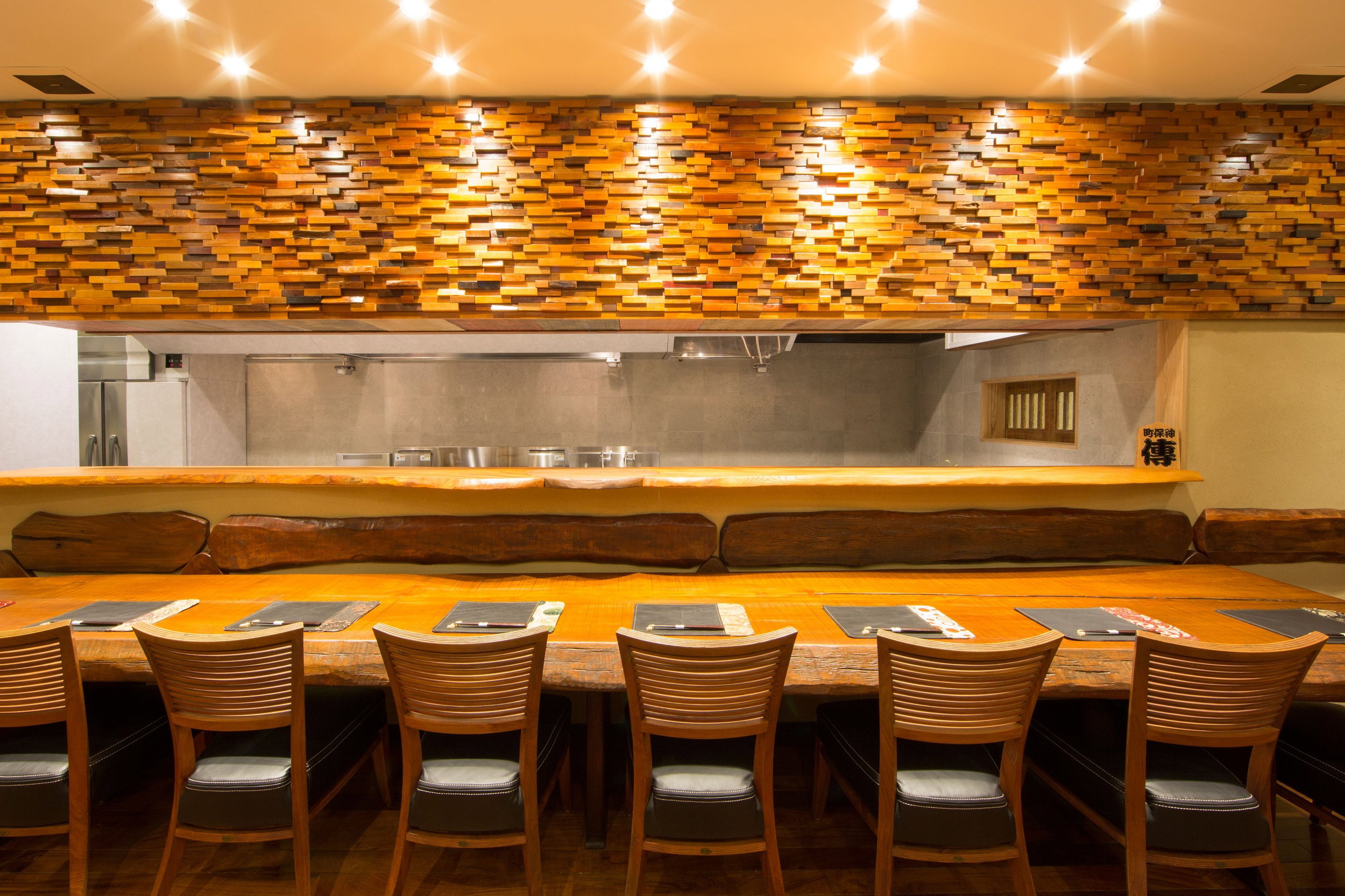
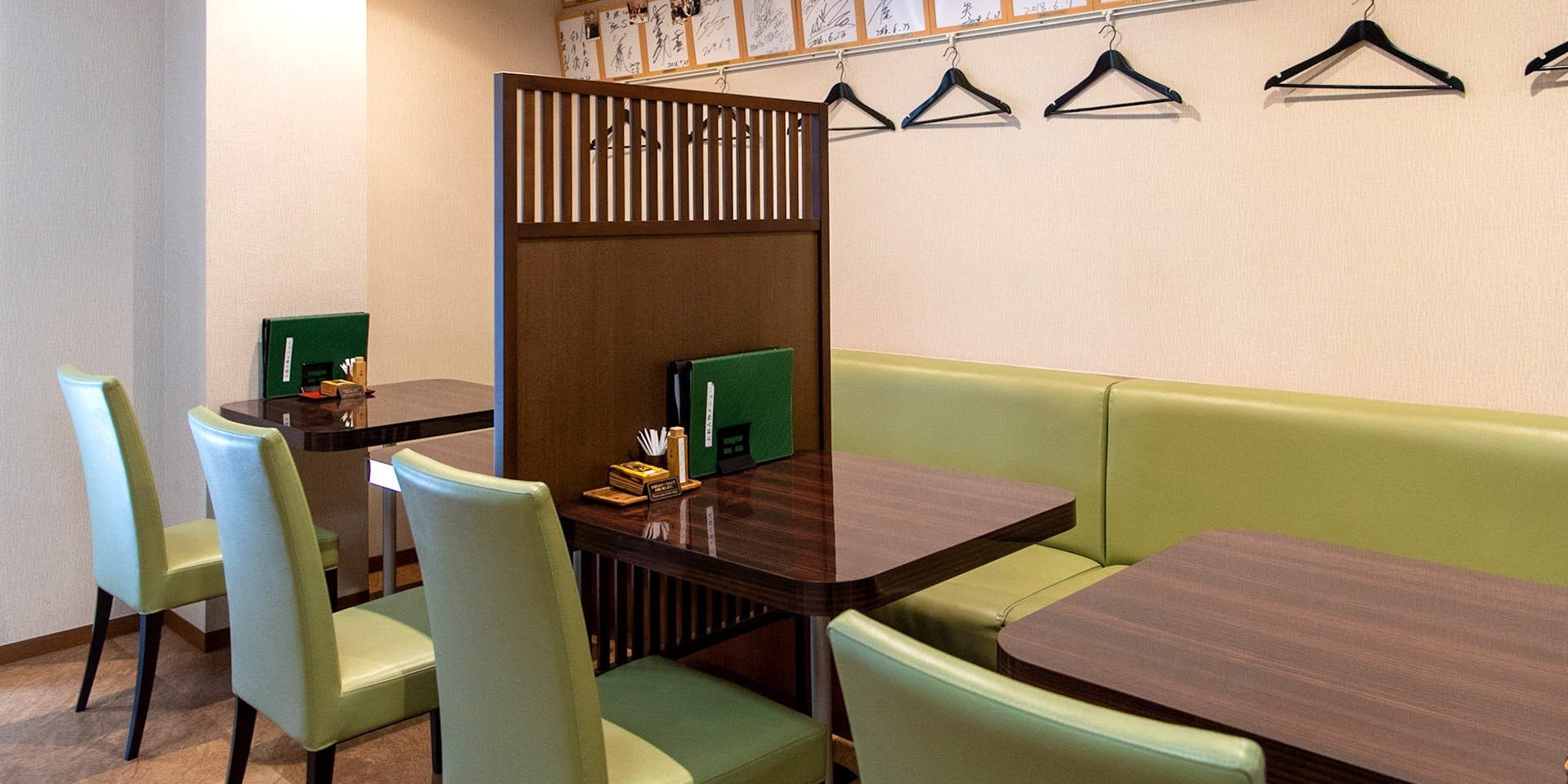
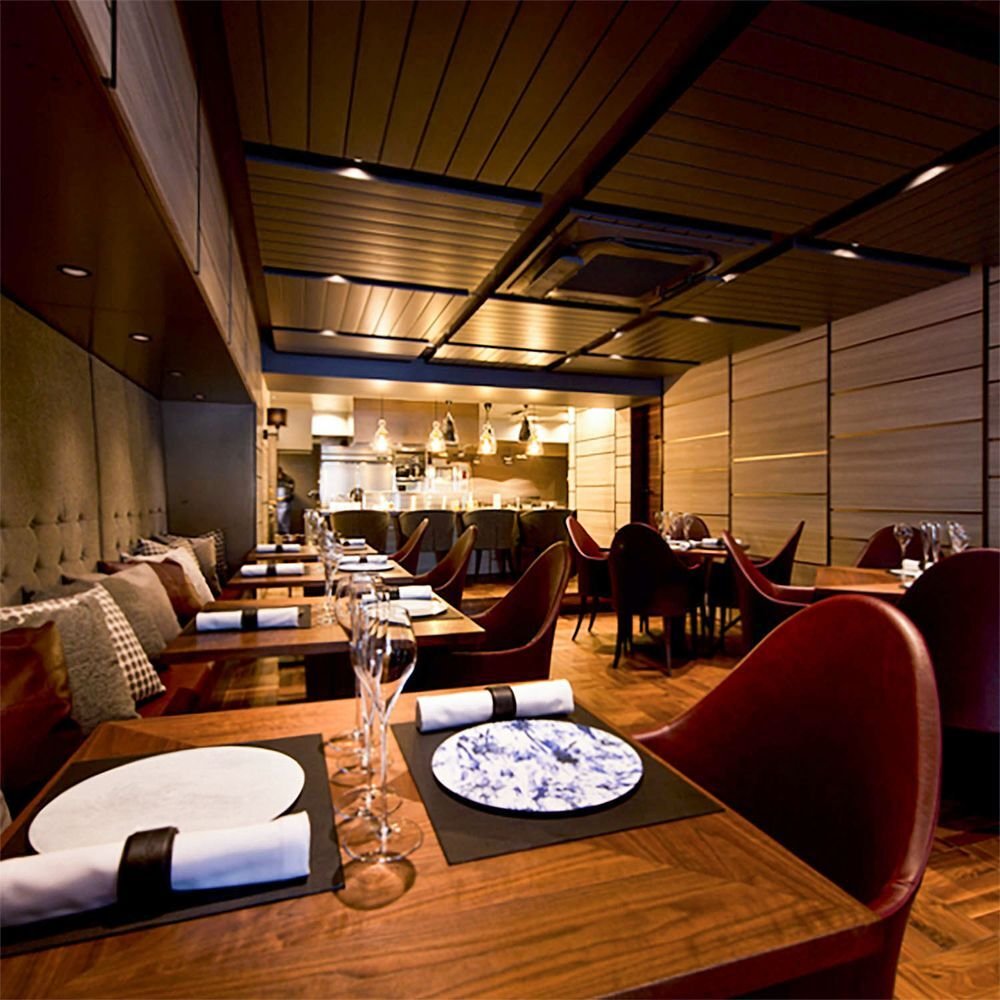
The Higashiazabu address puts Nodaiwa in the quieter residential pocket of Minato City, away from the noise of Roppongi and the tourist density of Ginza. The building itself signals intent before you order: wooden architecture, restrained proportions, the kind of spatial composition that communicates this is not a volume business. Seating is limited, rooms are divided in the traditional Japanese manner, and the atmosphere leans toward focused rather than convivial. This is not a room that rewards late arrivals or loud groups. It suits pairs and small groups of three or four who want to eat attentively. If you are planning a celebratory dinner with six or more, check whether a private room configuration is available at the time of booking, as the layout affects the experience considerably.
What to Order and When: The Seasonal Logic
Unagi has a seasonal rhythm that most Western diners do not account for. The traditional peak is Doyo no Ushi no Hi, the midsummer day of the ox in late July or early August, when eel consumption in Japan spikes and supply pressure increases. Serious unagi eaters, however, tend to favour autumn and winter visits. Eel that has fattened through the warm months has deeper fat content by September through December, which translates directly to richer flavour and more complexity in both shirayaki and kabayaki preparations.
Nodaiwa offers both preparations, and the choice is not arbitrary. The shirayaki, grilled without seasoning after steaming, is the format that shows the eel's own character most directly. It is the better order if you want to understand what makes the sourcing and the preparation technique distinctive at this specific kitchen. The kabayaki, dipped in the house sauce and broiled, is the more familiar reference point and the format where the evolved dipping sauce is most legible. If you are visiting for the first time, ordering both in the same meal is the sensible approach. If you are visiting in the cooler months, lean toward shirayaki, where the fattened eel speaks most clearly.
On the question of what the ¥¥ price tier actually means here: Nodaiwa is materially less expensive than a Michelin-starred kaiseki dinner or a top-tier omakase sushi counter. For a Michelin 1 Star with an Opinionated About Dining ranking that moved from #22 in 2024 to #30 in 2025 (the category competition sharpened, not the kitchen quality), the per-head cost represents genuine value in the Tokyo fine dining context. Budget roughly in the range of a mid-tier restaurant dinner, not an omakase splurge.
Booking and Logistics
Nodaiwa is a hard booking. Michelin recognition and a loyal regular base mean tables are not available on short notice. For foreign visitors, the absence of an English-language online reservation system is the practical obstacle. Book through your hotel concierge if you are staying at a Minato-ku or central Tokyo property; a Japanese-speaking intermediary makes the process significantly more reliable. Aim for a minimum of three to four weeks out, longer if you are targeting a weekend or any date adjacent to the midsummer eel season peak. Walk-in attempts are not realistic for a first visit.
Phone contact information is not publicly listed in standard directories, which reinforces the concierge-booking approach. If you are planning a Japan trip that includes serious eating, add Nodaiwa to the booking list at the same time you confirm your flights.
How It Compares
Among unagi specialists in Tokyo and across Japan, Nodaiwa anchors the formal end of the category. For other serious eel destinations, Hatsuogawa and Unagi Tokito are worth comparing in Tokyo, while Ike Edoyakiunagi Asahitei in Nara and Kanesho in Kyoto offer regional counterpoints if your itinerary extends beyond the capital. Within the Edo-style tradition, Ginza Yondaime Takahashiya and Watabe are legitimate Tokyo alternatives at a similar price tier. Mejiro Zorome is a lower-profile option worth knowing about if Nodaiwa is fully booked.
For broader Japan trip planning, Pearl covers serious dining in Osaka, Kyoto, Nara, Fukuoka, Yokohama, and Okinawa. Our full Tokyo restaurants guide, Tokyo hotels guide, Tokyo bars guide, Tokyo wineries guide, and Tokyo experiences guide cover the full picture for trip planning.
Pearl Ratings
- 4.3 / 5 (1,508 reviews)
- Michelin: 1 Star (2024)
- Opinionated About Dining — Casual Japan: #30 (2025), #22 (2024)
- Opinionated About Dining — Leading Restaurants Japan: Highly Recommended (2023)
Practical Details
| Detail | Nodaiwa Azabu Iikura Honten | Typical Tokyo Unagi Peer | Michelin-Starred Kaiseki |
|---|---|---|---|
| Price tier | ¥¥ | ¥–¥¥ | ¥¥¥–¥¥¥¥ |
| Booking difficulty | Hard | Moderate | Very Hard |
| Lead time needed | 3–4 weeks minimum | 1–2 weeks | 4–8 weeks |
| English reservation support | Via concierge recommended | Variable | Often available online |
| Leading season to visit | Autumn–Winter (Sept–Dec) | Year-round | Year-round |
| Michelin recognition | 1 Star (2024) | Rare | 1–3 Stars |
Planning details
- Location
- 1 Chome-5-4 Higashiazabu, Minato City, Tokyo 106-0044, Japan
- Website
- nodaiwa.co.jp/index2.html
- Phone
- +81 3-3583-7852
The take
The Take
The Vibe
Nodaiwa Azabu Iikura Honten reads as a small, historically rooted specialist where lineage matters as much as technique. The kitchen adheres to the Kanto unagi tradition and has done so through five generations, a continuity that gives the place a quietly authoritative mood rather than flashy ceremony. Service and food present a restrained elegance — technically rigorous but accessible in spirit — so the overall impression is timeless and quietly refined. The focus is squarely on eel, the grill and the evolving sauce, which keeps the room centered on craftsmanship rather than theatricality.
Best For
This is a destination for anyone who wants a focused, craft-forward eel meal rather than a broad, multi-course kaiseki or sushi omakase. Its Michelin recognition and long family lineage make it a natural pick for date nights, special occasions and celebratory meals where quality matters without pretension. Because the house deliberately occupies a more approachable price tier, it also works for diners who want technically excellent cooking without the highest-end price point. Booking ahead is sensible for notable evenings, given the restaurant’s reputation.
Ordering Tips
Order to experience how the Kanto technique shapes texture and sauce: the unaju and kabayaki showcase the kitchen’s steamed-then-grilled approach and its sauce that has evolved over generations. The menu’s signature items — Unaju, Kabayaki, Shirayaki, Chawanmushi and Eel Liver Soup — offer a clear path through classic preparations, so start with the unaju to get the canonical combination of rice, eel and house sauce, and add small plates like chawanmushi or the liver soup to round the meal.
Venue details
Ambiance
Deeply traditional Edo-period setting with original wooden machiya structure, tatami seating, hushed service, and refined Japanese details including flowers and miniature trees that transport guests to a quieter historical age.
Tags
Vibe
Best For
Experience
Sourcing
At the Table
- Dress Code
- Smart Casual
- Noise Level
- Quiet
- Service Style
- Formal
- Meal Pacing
- Leisurely
- Capacity
- Small
Signature Dishes
- Unaju
- Kabayaki
- Shirayaki
- Chawanmushi
- Eel Liver Soup
Know before you go
Know Before You Go
- Getting there
- 1 Chome-5-4 Higashiazabu, Minato City, Tokyo 106-0044, Japan
Planning details
Location
1 Chome-5-4 Higashiazabu, Minato City, Tokyo 106-0044, Japan · Directions

Also consider
Also Consider
- Harutaka, Sushi, ¥¥¥¥
- L'Effervescence, French, ¥¥¥¥
- RyuGin, Kaiseki, Japanese, ¥¥¥¥
- HOMMAGE, Innovtive French, French, ¥¥¥¥
- Crony, Innovative, French, ¥¥¥¥
Restaurant context
Nodaiwa sits in a different category from most of Tokyo's Michelin-recognised restaurants by price alone. RyuGin and L'Effervescence both operate at ¥¥¥¥, deliver multi-course tasting experiences with wine pairing options, and require similar or greater lead time to book. If your priority is technical breadth and a full evening's progression of courses, those are stronger choices. Nodaiwa is the right decision when you want a single-subject, precision-focused meal at a price point that does not require a special occasion budget.
Harutaka at ¥¥¥¥ is the natural sushi comparison for a Tokyo omakase night. It costs roughly twice as much for a comparable recognition level and serves a different format entirely. Between the two, the choice is format-driven: omakase sushi counter versus a traditional Japanese dining room focused on eel. HOMMAGE and Crony occupy the innovative French tier at ¥¥¥¥, which is a genuinely different evening and a different diner profile. Those venues suit someone prioritising contemporary technique and European framework; Nodaiwa suits someone who wants to understand what Japanese craft cooking looks like when it has been refined across two centuries.
For food-focused travellers building a multi-night Tokyo itinerary, the sensible approach is to use Nodaiwa as the value-anchor in a mix that might also include one ¥¥¥¥ kaiseki or omakase booking. It is not a compromise choice within its category, it is the reference point for Edo-style unagi in the city. If Nodaiwa is unavailable, Hatsuogawa is the closest like-for-like alternative in Tokyo.
Explore Tokyo
Around this place
Discover more on Pearl
Unlock the full Nodaiwa Azabu Iikura Honten guide in Pearl, including awards, comparisons, FAQs, planning details, and nearby places.
Compare Nodaiwa Azabu Iikura Honten
| Venue | Awards | Price |
|---|---|---|
| Nodaiwa Azabu Iikura Honten | 2026 OAD Casual in Japan Ranked · #1102026 Michelin 1 Star2025 OAD Casual in Japan Ranked · #302024 OAD Casual in Japan Ranked · #22Tabelog 100 - Unagi - 2024 · #952024 Michelin 1 Star2023 OAD Top Restaurants in Japan Highly Recommended | ¥¥ |
| Harutaka | 2026 Tabelog Silver · #312026 OAD Top Restaurants in Japan Ranked · #1282026 Michelin 3 Stars2026 La Liste Top RestaurantsTabelog 100 - Sushi - TOKYO - 2025 · #372025 Asia's 50 Best Restaurants · #762025 OAD Top Restaurants in Japan Ranked · #1172025 La Liste Top Restaurants2025 Tabelog Bronze | ¥¥¥¥ |
| L'Effervescence | 2026 Tabelog Silver · #682026 OAD Top Restaurants in Japan Ranked · #103Star Wine Lists 20262026 Black Pearl 2 Diamond2026 Relais Chateaux Restaurants2026 La Liste Top Restaurants2026 Michelin 3 Stars2025 Asia's 50 Best Restaurants · #692025 OAD Top Restaurants in Japan Ranked · #92 | ¥¥¥¥ |
| RyuGin | 2026 OAD Top Restaurants in Japan Ranked · #802026 Tabelog Bronze · #3772026 Michelin 3 Stars2026 La Liste Top RestaurantsTabelog 100 - Japanese cuisine - TOKYO - 2025 · #212025 OAD Top Restaurants in Japan Ranked · #542025 Michelin 3 Stars2025 La Liste Top Restaurants2025 The Best Chef Three Knives | ¥¥¥¥ |
| HOMMAGE | 2026 Tabelog Bronze · #1232026 OAD Top Restaurants in Japan Highly Recommended2026 Michelin 2 StarsTabelog 100 - French - TOKYO - 2025 · #762025 Asia's 50 Best Restaurants · #782025 OAD Top Restaurants in Japan Ranked · #1752025 Michelin 2 Stars2025 The Best Chef One Knife2025 La Liste Top Restaurants | ¥¥¥¥ |
| Crony | 2026 Asia's 50 Best Restaurants · #34Star Wine Lists 20262026 OAD Top Restaurants in Japan Recommended2026 Michelin 2 Stars2025 Asia's 50 Best Restaurants · #30Tabelog 100 - French - TOKYO - 2025 · #782025 OAD Top Restaurants in Japan Ranked · #227We're Smart World Top Restaurants 20252025 Michelin 2 Stars | ¥¥¥¥ |












A quick look at how Nodaiwa Azabu Iikura Honten measures up.
FAQ
Frequently Asked Questions
Is the tasting menu worth it at Nodaiwa Azabu Iikura Honten?
The format here is built around eel, not a multi-course tasting progression, so 'tasting menu' in the Western sense does not apply. What you get is a tightly focused meal centred on kabayaki or shirayaki preparation — the kitchen's craft is in the technique, not the variety. For anyone serious about unagi, that focus is the point. If you want broad Japanese fine-dining coverage, RyuGin or L'Effervescence is a better fit.
How far ahead should I book Nodaiwa Azabu Iikura Honten?
Book at least four to six weeks ahead. Michelin recognition since 2024 and a loyal local clientele mean tables move fast, and foreign visitors face the additional challenge of no English-language booking infrastructure on record. Use a hotel concierge or a third-party restaurant service to secure the reservation. Last-minute walk-in attempts are a poor strategy here.
What should I order at Nodaiwa Azabu Iikura Honten?
The kitchen's two core preparations are kabayaki — eel dipped in the house sauce and broiled — and shirayaki, grilled without seasoning to let the eel's natural flavour carry. The kabayaki is the more accessible entry point; the shirayaki rewards diners who want to assess the eel's quality directly. The dipping sauce has been refined across five generations, which makes the kabayaki a reasonable place to start.
What should I wear to Nodaiwa Azabu Iikura Honten?
The venue is a traditional, formal Japanese eel specialist in the residential Higashiazabu area of Minato City. Neat, presentable clothing is sensible — this is not a casual ramen counter. Formal business attire is not required, but arriving in shorts or gym wear would be misjudged given the restaurant's standing as a Michelin-starred, multi-century institution.
Is Nodaiwa Azabu Iikura Honten worth the price?
At a ¥¥ price point, Nodaiwa delivers Michelin-starred unagi at a cost well below what comparable precision cooking runs in Tokyo's fine-dining tier. Opinionated About Dining ranked it #22 in Japan for casual dining in 2024 and #30 in 2025, confirming the value position. If unagi is what you're after, this is one of the most credentialled places in the country to eat it without paying omakase prices.
Can I eat at the bar at Nodaiwa Azabu Iikura Honten?
Seating configuration details are not documented in available data. Given the traditional format and the restaurant's age — it has operated since the Edo period — a counter or bar option in the Western sense is unlikely to be the central feature. Confirm seating options when booking, ideally through a concierge who can communicate directly with the restaurant.
Does Nodaiwa Azabu Iikura Honten handle dietary restrictions?
The menu is built entirely around freshwater eel, which makes it a poor fit for pescatarians avoiding eel, vegetarians, or anyone with shellfish cross-contamination concerns from a Japanese kitchen. The kitchen's identity is inseparable from its single core ingredient, so there is little structural flexibility. Guests with serious dietary restrictions should contact the restaurant in advance — a hotel concierge can assist with communication.